


 购物车
购物车 个人中心
个人中心
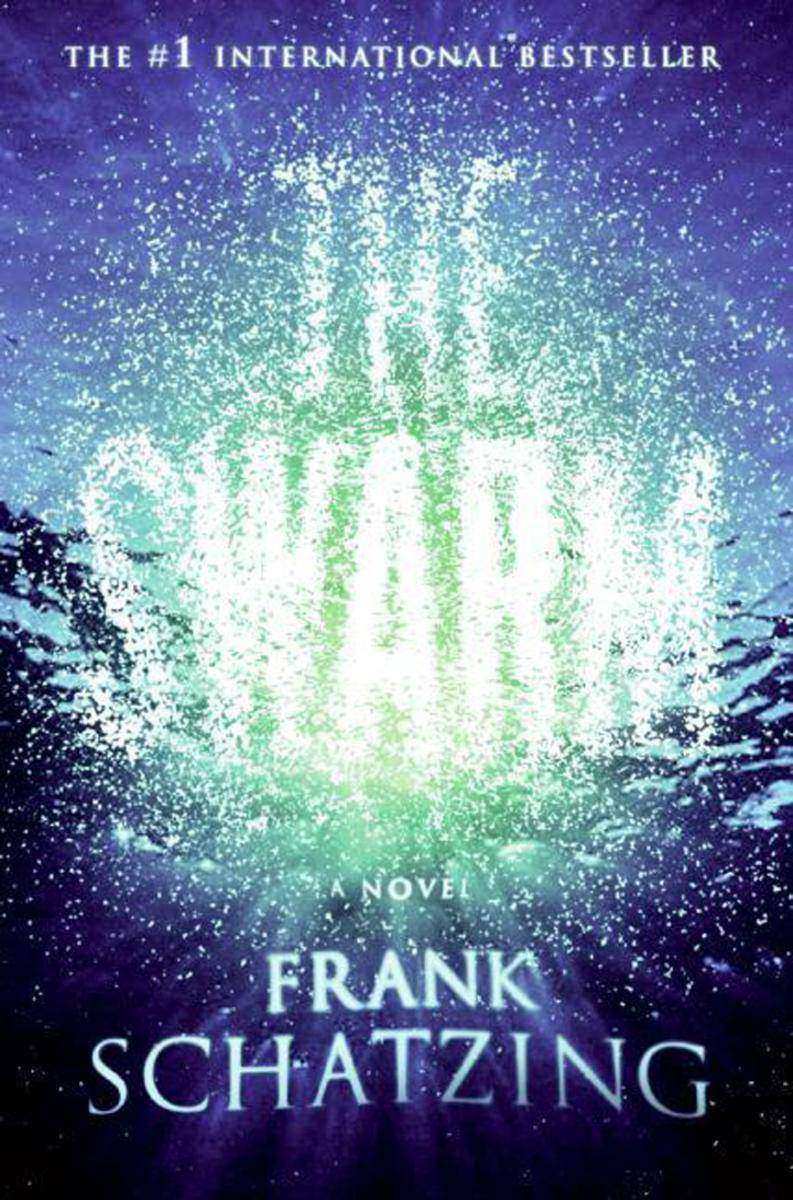
The Swarm
¥106.61
Whales begin sinking ships. Toxic, eyeless crabs poison Long Island's water supply. The North Sea shelf collapses, killing thousands in Europe. Around the world, countries are beginning to feel the effects of the ocean's revenge as the seas and their inhabitants begin a violent revolution against mankind. At stake is the survival of the Earth's fragile ecology—and ultimately, the survival of the human race itself.The apocalyptic catastrophes of The Day After Tomorrow meet the watery menace of The Abyss in this gripping, scientifically realistic, and utterly imaginative thriller.
Out on the Cutting Edge
¥49.05
This is a city that seduces dreamers . . . then eats their dreams.Matthew Scudder understands the futility of his search for a longtime missing Midwestern innocent who wanted to be an actress in the vast meat-grinder called New York City. But her frantic father heard that Schudder is the best—and now the ex-cop-turned-p.i. is scouring the hell called Hell's Kitchen looking for anything that might resemble a lead. And in this neighborhood of the lost, he's finding love—and death—in the worst possible places.
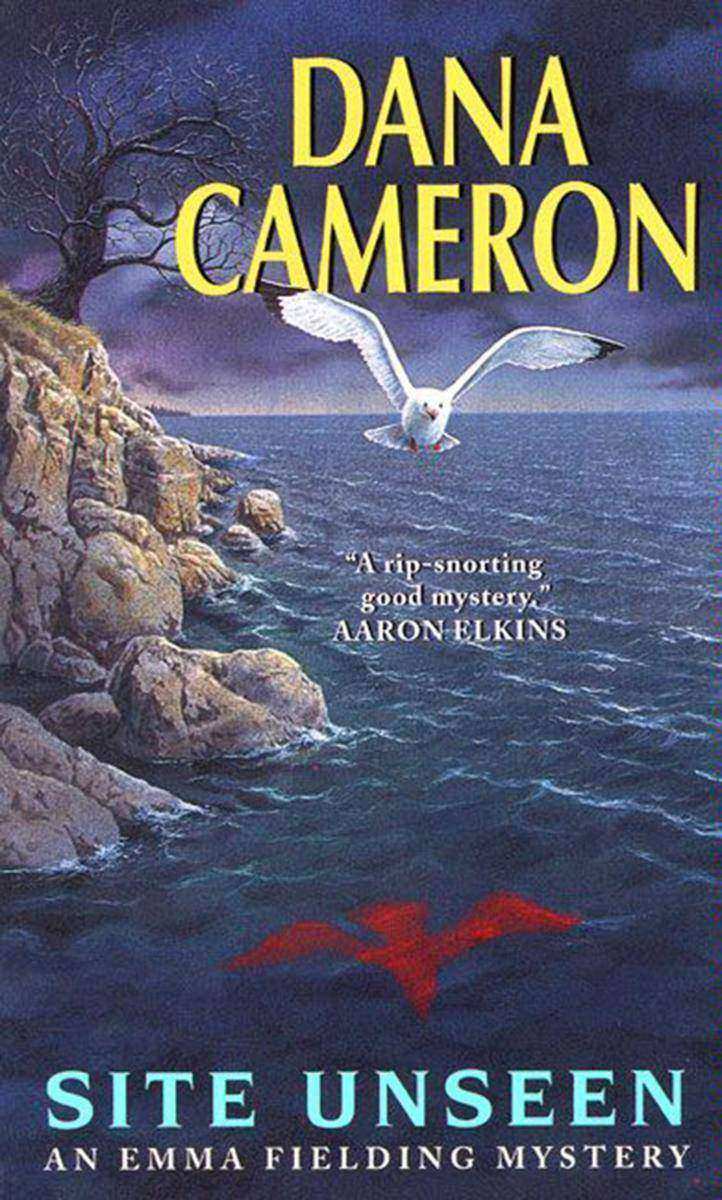
Site Unseen
¥45.49
Brilliant, dedicated, and driven, archaeologist Emma Fielding finds things that have been lost for hundreds of years -- and she's very, very good at it. A soon-to-be-tenured professor, she has recently unearthed evidence of a seventeenth-century coastal Maine settlement that predates Jamestown, one of the most significant archaeological finds in years. But the dead body that accompanies it has embroiled Emma and her students in a different kind of exploration. With her reputation suddenly in jeopardy -- due to the ruthless machinations of a disgruntled rival -- and a second suspicious death, heartbreakingly close to home, Emma must unearth a killer among the relics. But that means digging deep to get to dark secrets buried in the heart of the archaeological community -- which, in turn, could bury Emma Fielding.

Skeleton Canyon
¥70.10
Top ten New York Times bestselling author J.A. Jance brings us another mesmerizing thriller featuring Arizona Sheriff Joanna Brady as she searches for the brutal killer of a young girl. Brianna "Bree" O'Brien never returned from Skeleton Canyon. Someone brutally murdered the pretty, popular teenager who had stolen away under cover of darkness to rendezvous with her boyfriend. Perhaps youthful rage, jealousy and savage passion cost young Bree her life. Or maybe she stumbled onto something too dangerous to know. Sheriff Joanna Brady of Cochise County knows only too well the pain of losing a loved one to violence. But she is disturbed by the O'Brien's insistence that Bree's boyfriend is responsible for their daughter's slaying. Joanna senses there are words not being spoken, and dark mysteries locked behind doors of the sprawling O'Brien family compound. But it is the strange disappearance of a good friend that is pulling Sheriff Brady ever closer to the lethal nest of lies, greed and secrets hiding in a desolate corner of the Arizona desert - where the next blood that feeds the parched, cracked earth could be her own.
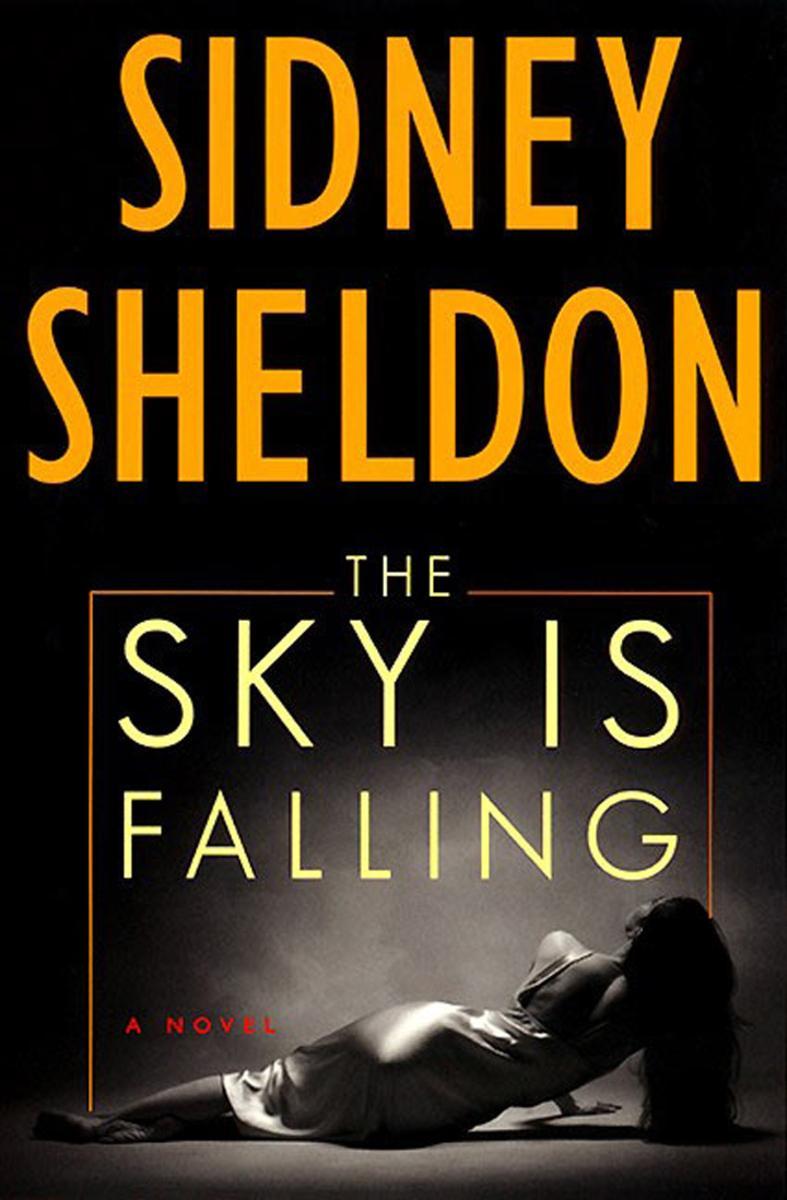
The Sky Is Falling
¥145.55
If America had a royal family, the Taylor Winthrops would wear the crown. The popular, charismatic Winthrops have captured the imagination of the world with their public service, their enormous charity, and their glamorous lives. But in the period of one year., all five members of the family are killed in a series of accidents. Beautiful young anchor woman Dana Evans begins an investigation and starts unraveling compelling evidence that she can hardly believe.In her determined pursuit of the truth, Dana never anticipated the cat-and-mouse chase that leads her through a half dozen countries in search of a remorseless killer. As she closes in on her suspect, the shocking secrets she uncovers place Dana and her young son in dire jeopardy. Can Dana outwit her pursuers and expose the truth that will astound the world?A dynamite thriller filled with all the elements that have made his previous works phenomenal bestsellers) The Sky Is Falling is Sidney Sheldon at his sizzling best.

Sleeping with the Enemy
¥32.73
A lone rogue vampire mingles among his hunters in a blood bar, undetected…until a beautiful woman snares his attention. Suddenly, he's running, leading her on a chase until she corners him, stake dangling from her slender fingertips. Now he has two choices: play it sexy or safe?

Snow Place to Die
¥49.05
There's snow place like homicideB&B hostess Judith McMonigle Flynn's ready to hang up her oven mitts, but irrepressible Cousin Renie needs help catering the telephone company's annual winter retreat at secluded Mountain Goat Lodge. The pay's good, the scenery's to die for -- but they never figured there'd be a killer cooking up mischief among this innocuous stew of corporate-climbing phone company ding-a-lings. Unfortunately, Judith and Renie's discovery of the frozen garroted remains of the previous company caterer -- missing since last year's shindig -- suggests no less, since the same cast of characters is present this time around. It's Dial "M" for Mountain Goat Murder, and a storm's blowing in to boot -- leaving Judith and Renie stranded with ten suspects and a corpses...and with nothing better to do than to reach out and touch a killer who's like nothing better than to put two inquisitive cousins in the Deep Freeze.
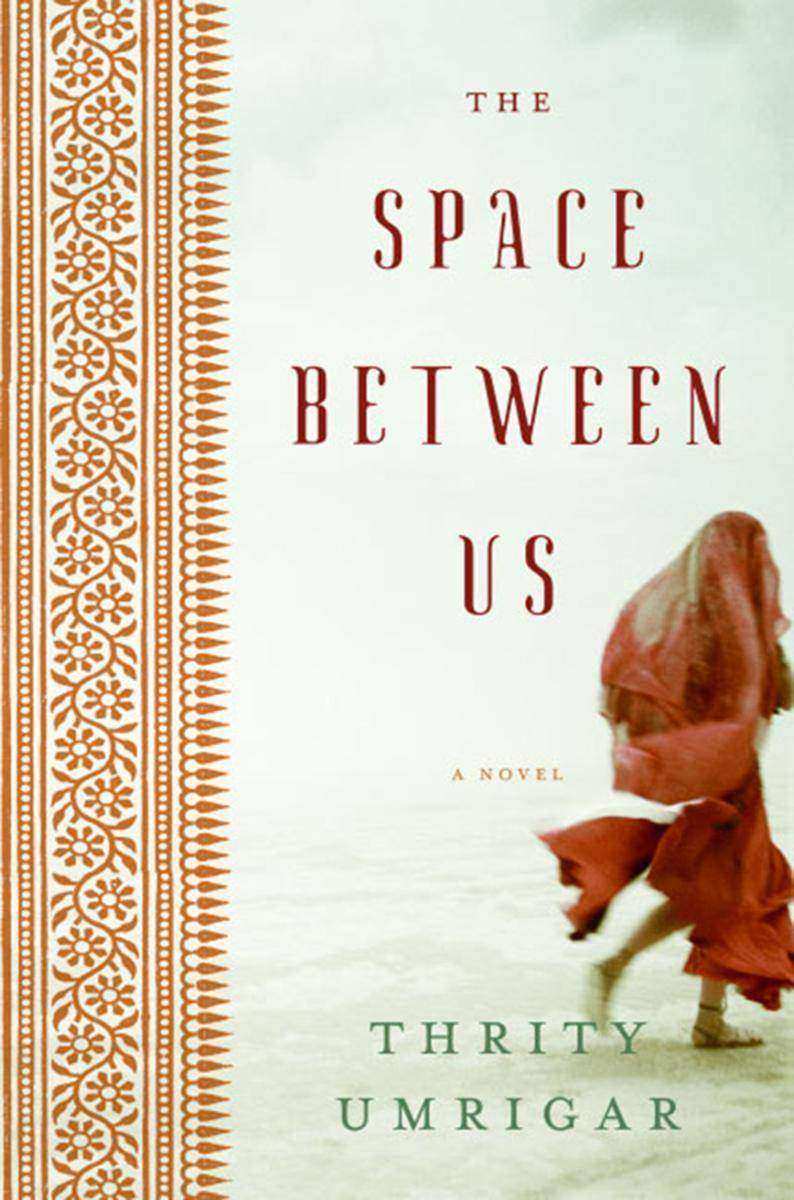
The Space Between Us
¥95.39
Each morning, Bhima, a domestic servant in contemporary Bombay, leaves her own small shanty in the slums to tend to another woman's house. In Sera Dubash's home, Bhima scrubs the floors of a house in which she remains an outsider. She cleans furniture she is not permitted to sit on. She washes glasses from which she is not allowed to drink. Yet despite being separated from each other by blood and class, she and Sera find themselves bound by gender and shared life experiences.Sera is an upper-middle-class Parsi housewife whose opulent surroundings hide the shame and disappointment of her abusive marriage. A widow, she devotes herself to her family, spending much of her time caring for her pregnant daughter, Dinaz, a kindhearted, educated professional, and her charming and successful son-in-law, Viraf.Bhima, a stoic illiterate hardened by a life of despair and loss, has worked in the Dubash household for more than twenty years. Cursed by fate, she sacrifices all for her beautiful, headstrong granddaughter, Maya, a university student whose education -- paid for by Sera -- will enable them to escape the slums. But when an unwed Maya becomes pregnant by a man whose identity she refuses to reveal, Bhima's dreams of a better life for her granddaughter, as well as for herself, may be shattered forever.Poignant and compelling, evocative and unforgettable, The Space Between Us is an intimate portrait of a distant yet familiar world. Set in modern-day India and witnessed through two compelling and achingly real women, the novel shows how the lives of the rich and the poor are intrinsically connected yet vastly removed from each other, and vividly captures how the bonds of womanhood are pitted against the divisions of class and culture.
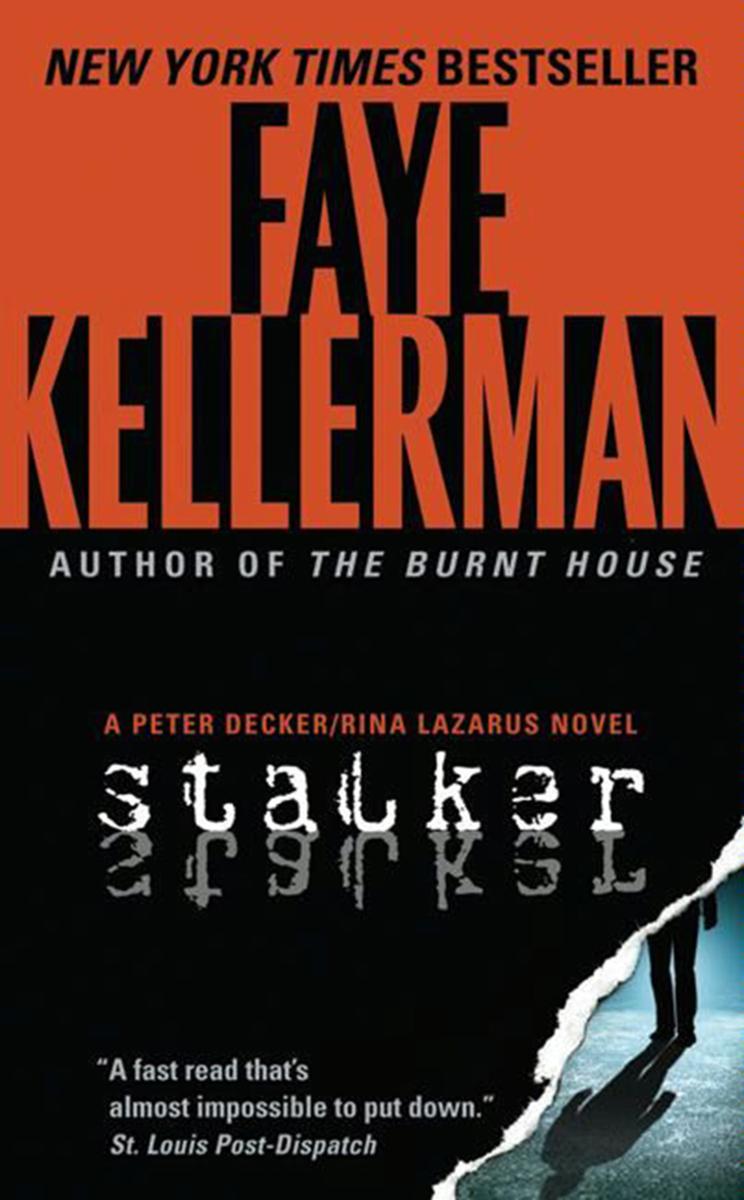
Stalker
¥69.16
L.A. Homicide Detective Peter Decker never wanted the perils of his job to touch his family. But now his two worlds have collided.A first year rookie with the LAPD's Hollywood Division, Cynthia Decker became a cop against her father, Peter Decker's, wishes. But police work is in her blood, and she's determined to make it on her own -- even now, when her razor sharp instincts for danger are telling her that something is very wrong...The signs are impossible to ignore: things being moved around in her apartment, the destruction of personal effects. But it's a harrowing trip down a dark canyon road that confirms Cindy's worst fears. Someone fiendishly relentless, and with decidedly evil intentions, is stalking her. And with Peter Decker isolated from her troubles by his own investigation into a disturbing series of car-jackings, it's up to Cindy alone to find out who in her personal and/or professional life wants her frightened or harmed...or dead.

Strong at the Broken Places
¥83.03
The bestselling author of Blindsided, Richard M. Cohen spent three years chronicling the lives of five diverse "citizens of sickness": Denise, who suffers from ALS; Buzz, whose Christian faith helps him deal with his non-Hodgkin's lymphoma; Sarah, a determined young woman with Crohn's disease; Ben, a college student with muscular dystrophy; and Larry, whose bipolar disorder is hidden within. Differing in age and gender, race and economic status, all five are determined to live life on their own terms. In Strong at the Broken Places, Cohen shares these inspirational and revealing stories, which offer lessons for us all—–on self-determination, on courage in the face of adversity and public ignorance, on keeping hope alive.We are all strong at the broken places—stronger than we think.
Running from the Law
¥56.07
Whether it's poker or trial law, wisecracking Rita Morrone plays to win, especially when she takes on the defense of the Honorable Fiske Hamilton, a prominent federal judge accused of sexual harassment. And it's no coincidence that the judge is her live-in lover's father. Then the action turns deadly, and Rita finds herself at the center of a murder case. She probes deep into the murder, uncovering a secret life and suspects in shocking places. When the killer viciously ups the ante, Rita decides to end this lethal game. She lays it all on the line for the highest stakes ever—her life.
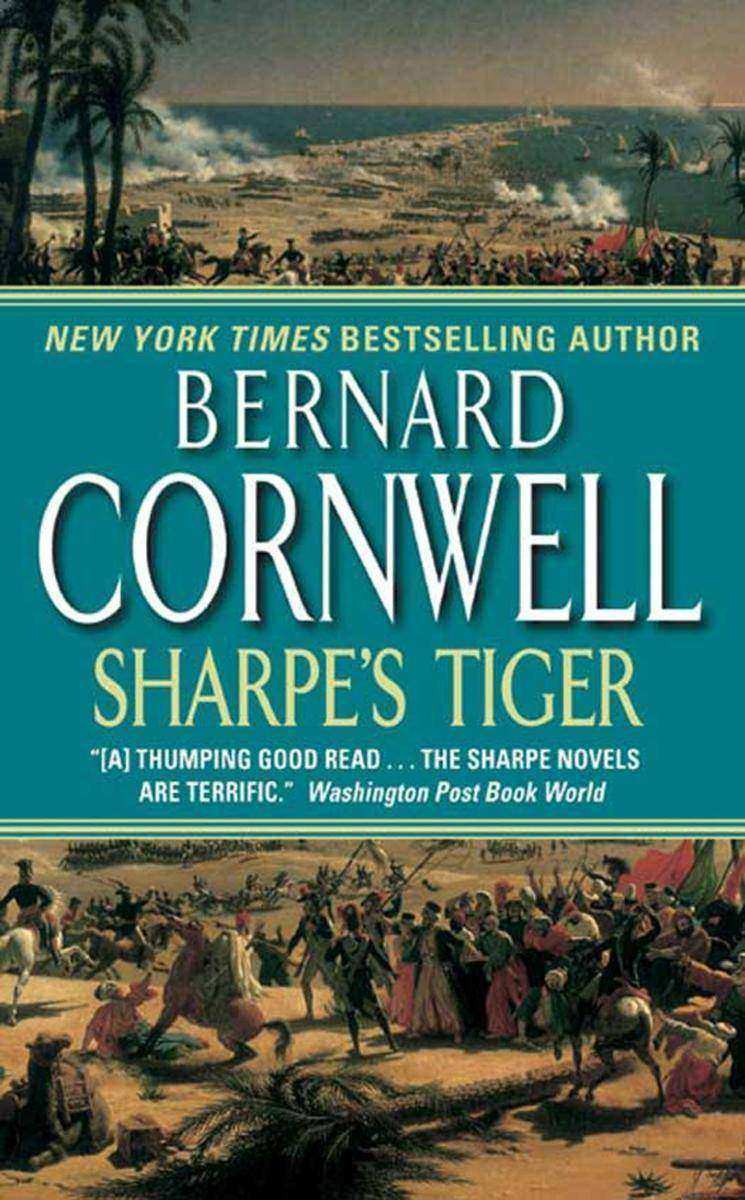
Sharpe's Tiger
¥94.10
In a battery of events that will make a hero out of an illiterate private, a young Richard Sharpe poses as the enemy to bring down a ruthless Indian dictator backed by fearsome French troops. The year is 1799, and Richard Sharpe is just beginning his military career. An inexperienced young private in His Majesty's service, Sharpe becomes part of an expedition to India to push the ruthless Tippoo of Mysore from his throne and drive out his French allies. To penetrate the Tippoo's city and make contact with a Scottish spy being held prisoner there, Sharpe has to pose as a deserter. Success will make him a sergeant, but failure will turn him over to the Tippoo's brutal executioners -- or, worse -- his man-eating tigers. Picking his way through an exotic and alien world. Sharpe realizes that one slip will mean disaster. And when the furious British assault on the city finally begins, Sharpe must take up arms against his true comrades to preserve his false identity, risking death at their hands in order to avoid detection and thus to foil the Tippoo's well-set trap.
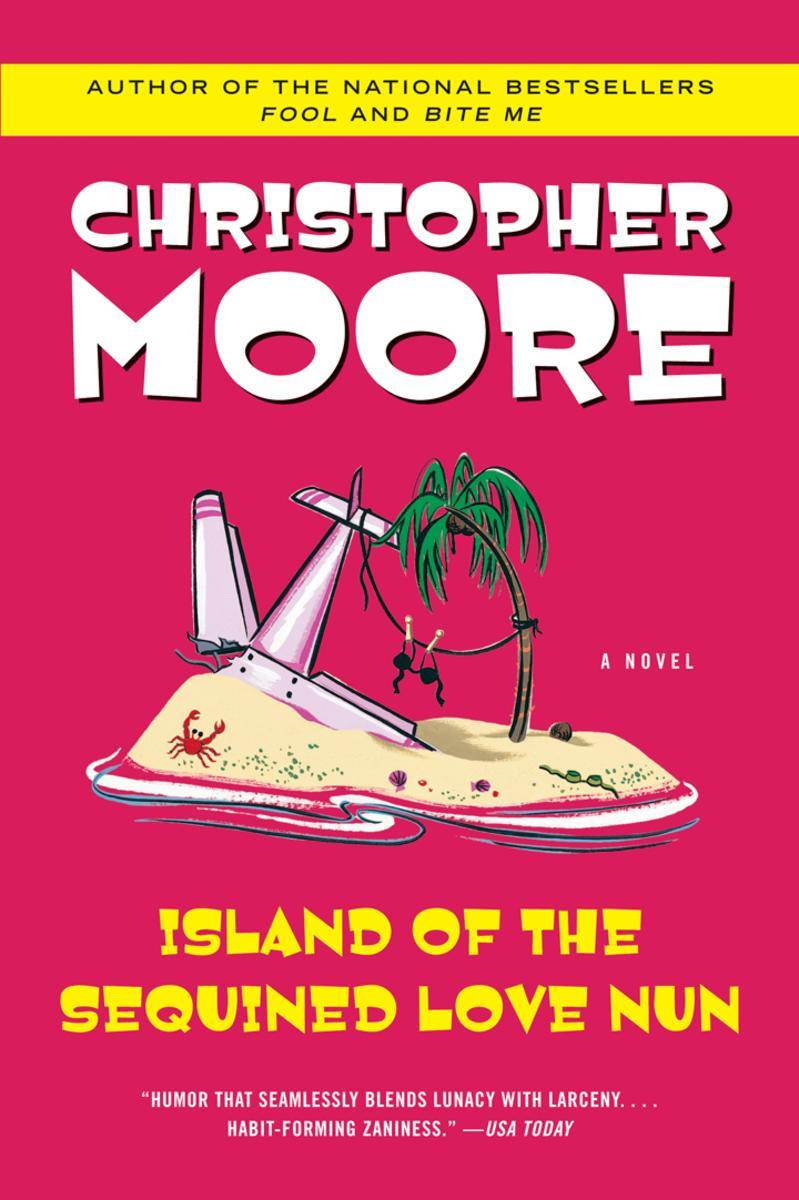
Island of the Sequined Love Nun
¥88.56
Take a wonderfully crazed excursion into the demented heart of a tropical paradise—a world of cargo cults, cannibals, mad scientists, ninjas, and talking fruit bats. Our bumbling hero is Tucker Case, a hopeless geek trapped in a cool guy's body, who makes a living as a pilot for the Mary Jean Cosmetics Corporation. But when he demolishes his boss's pink plane during a drunken airborne liaison, Tuck must run for his life from Mary Jean's goons. Now there's only one employment opportunity left for him: piloting shady secret missions for an unscrupulous medical missionary and a sexy blond high priestess on the remotest of Micronesian hells. Here is a brazen, ingenious, irreverent, and wickedly funny novel from a modern master of the outrageous.

20th Century Ghosts
¥90.51
Imogene is young, beautiful . . . and dead, waiting in the Rosebud Theater one afternoon in 1945. . . . Francis was human once, but now he's an eight-foot-tall locust, and everyone in Calliphora will tremble when they hear him sing. . . . John is locked in a basement stained with the blood of half a dozen murdered children, and an antique telephone, long since disconnected, rings at night with calls from the dead. . . .Nolan knows but can never tell what really happened in the summer of '77, when his idiot savant younger brother built a vast cardboard fort with secret doors leading into other worlds. . . .The past isn't dead. It isn't even past. . . .
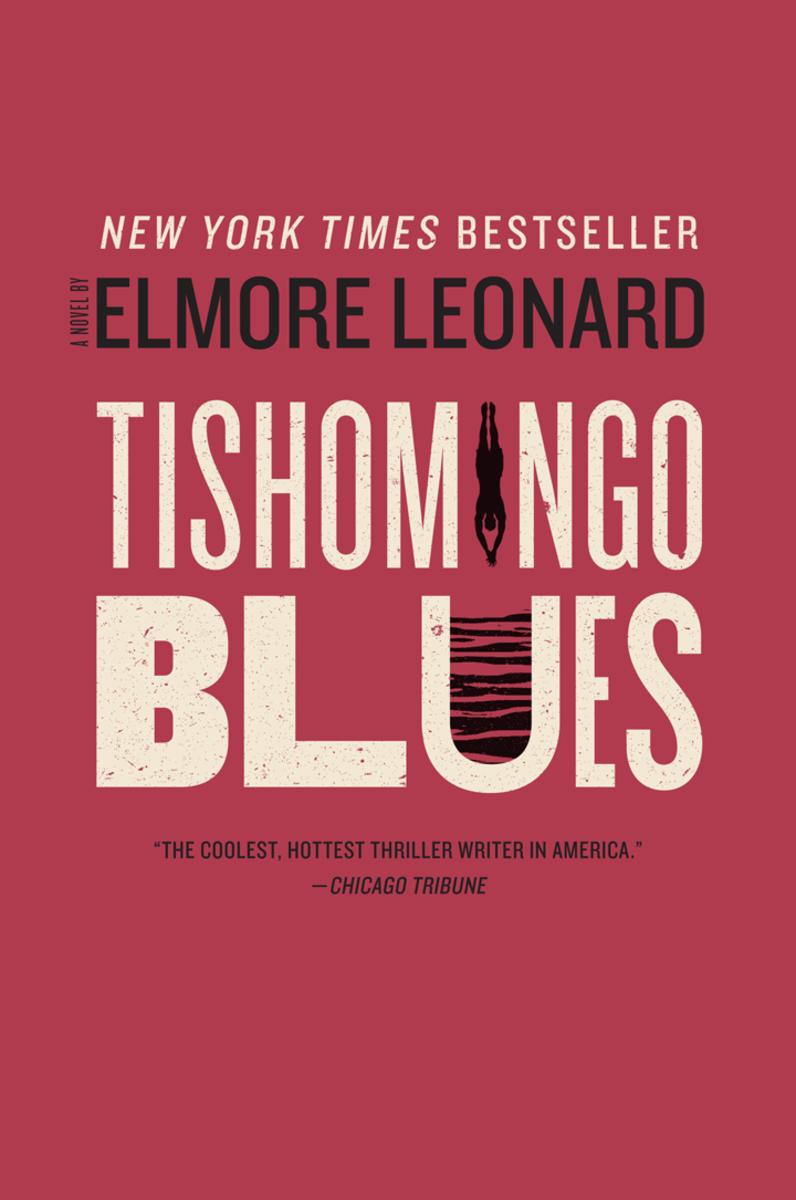
Tishomingo Blues
¥83.03
Daredevil Dennis Lenahan has brought his act to the Tishomingo Lodge & Casino in Tunica, Mississippi -- diving off an eighty-foot ladder into nine feet of water for the amusement of gamblers, gangsters, and luscious belles. His riskiest feat, however, was witnessing a Dixie-style mob execution while atop his diving platform. Robert Taylor saw the hit also. A blues-loving Detroit hustler touring the Southland in a black Jaguar, Taylor's got his own secret agenda re the "Cornbread Cosa Nostra," and he wants Dennis in on the game. But there's a lot more in Robert Taylor's pocket than a photo of his lynched great-grandfather. And high-diver Dennis could be about to take a long, fatal fall -- right into a mess of hoop skirts, Civil War play-acting ... and more trouble than he ever dreamed possible.
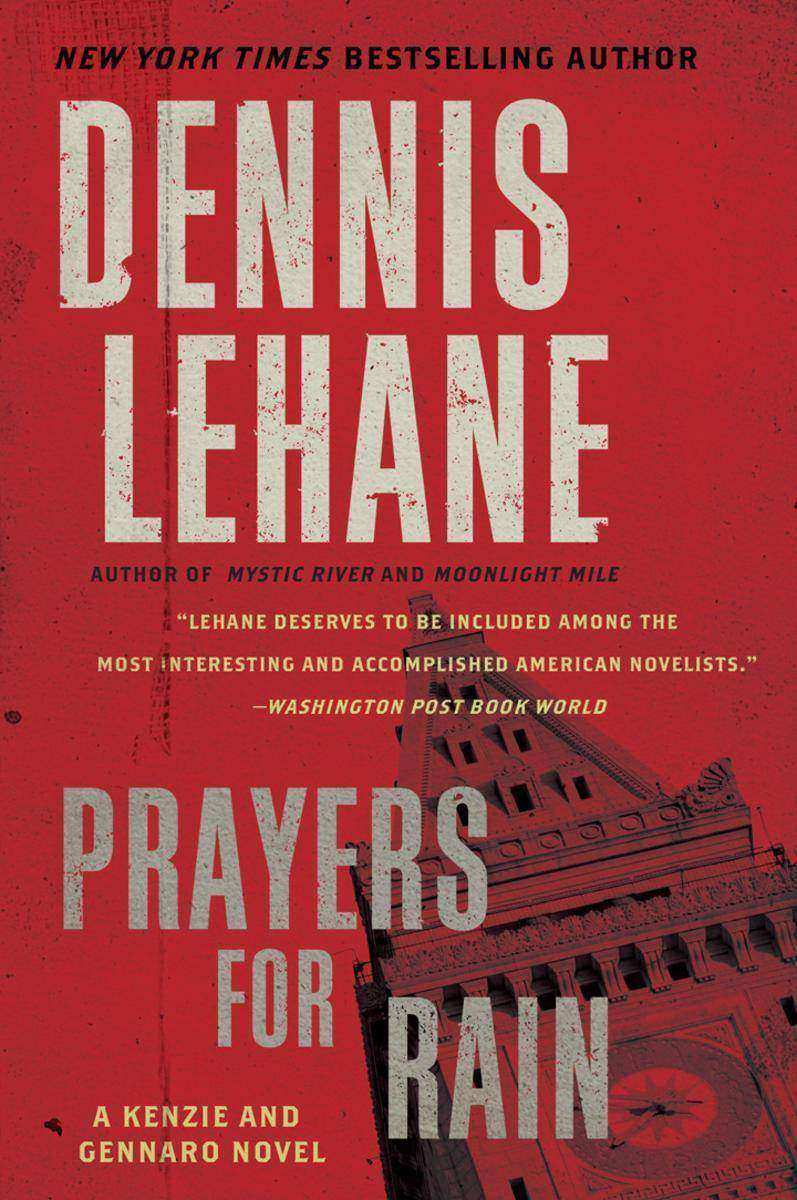
Prayers for Rain
¥70.10
The master of the new noir, Dennis Lehane delivers a shattering tale of evil, depravity, and justice that captures the dark realism of Boston’s gritty blue-collar streets.Private Investigator Patrick Kenzie wants to know why a former client, a perky woman in love with life, could, within six months, jump naked from a Boston landmark—the final fall in a spiral of self-destruction. What he finds is a sadistic stalker who targeted the young woman and methodically drove her to her death. A monster the law can’t touch. But Kenzie can. He and his former partner, Angela Gennaro, will fight a mind-twisting battle against this psychopath even as he turns his tricks on them.
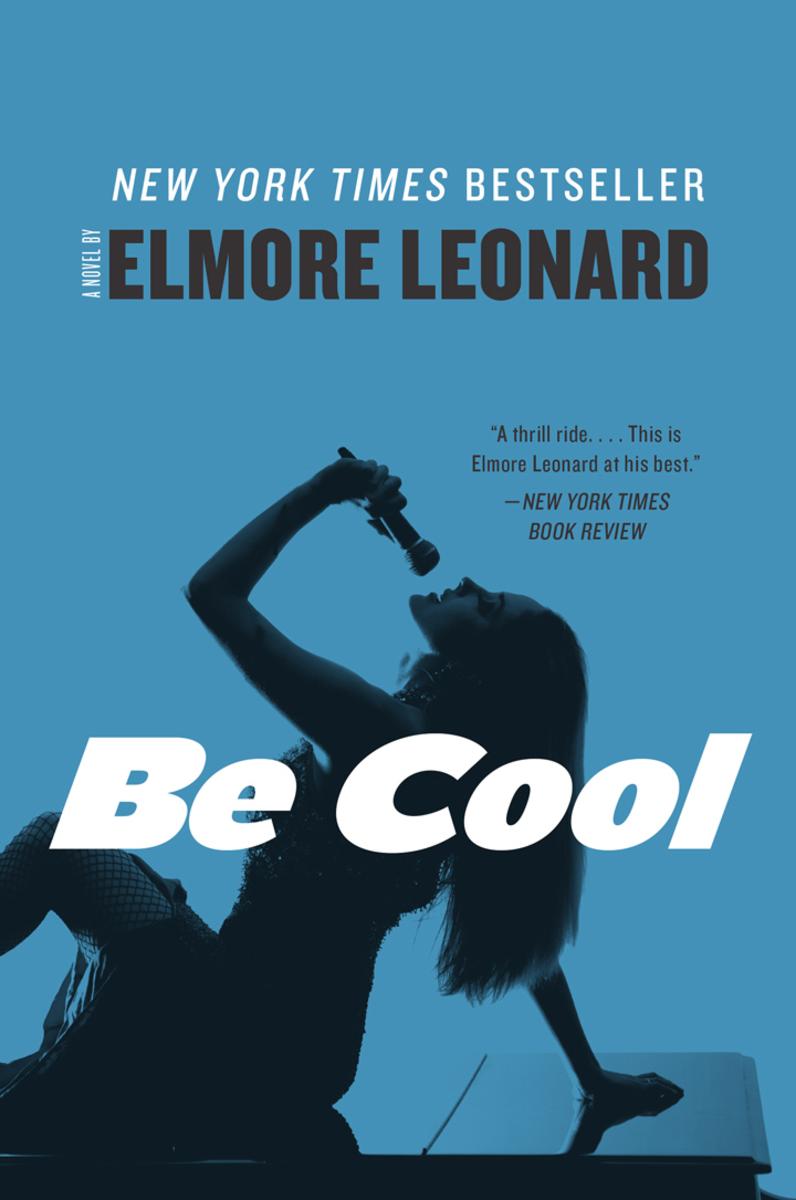
Be Cool
¥83.03
After one triumph and one flop, Mafia loanshark-turned-Hollywood producer Chili Palmer is desperate for another hit...of the celluloid sort. And when a similarly relocated former mob associate takes a hit of the bullet-in-the-brain variety while they're power-lunching, Chili begins to see all kinds of story possibilities. The whacked recording company mogul's midday demise is leading Chili into the twisted world of rock stars, pop divas, and hip-hop gangstas, which is rife with drama, jealousy, and betrayal -- all the stuff that makes big box office. Tinsel Town had better take cover, because Chili Palmer's working on another movie. And that's when people tend to die.
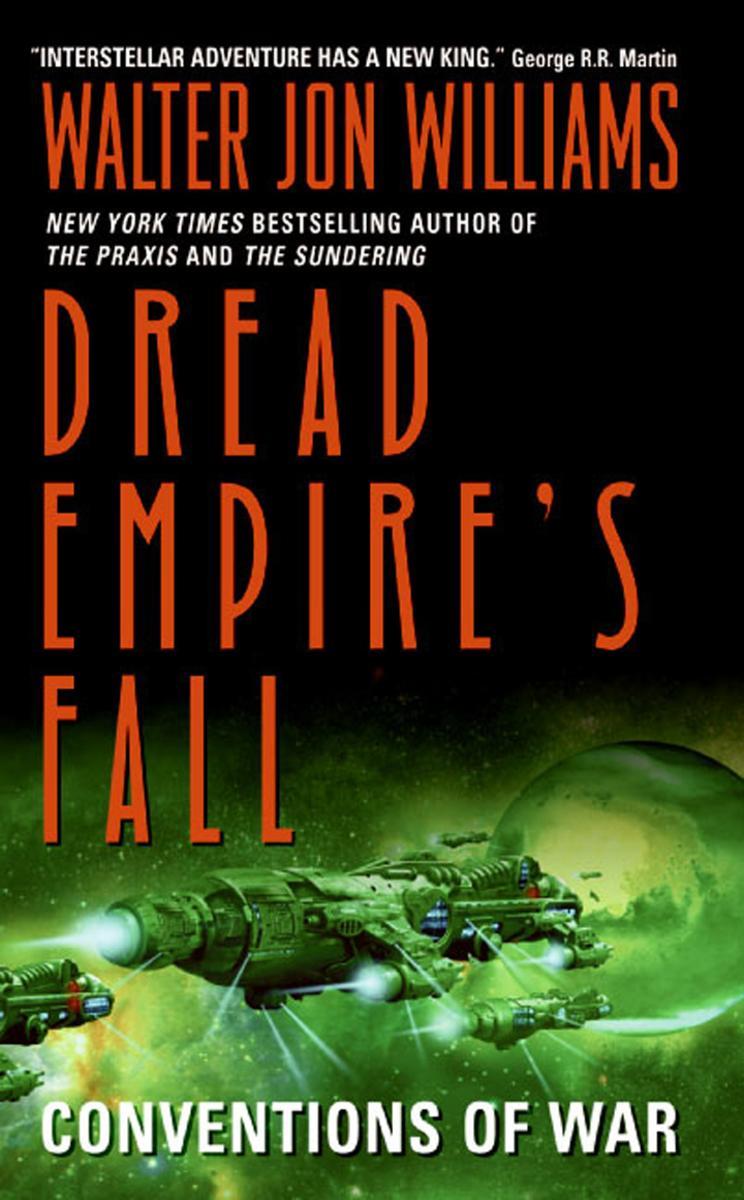
Conventions of War
¥62.90
The universe has fallen into bloody chaos now that the dread empire of the tyrannical Shaa is no more -- at the mercy of the merciless insectoid Naxid, who now hunger for domination. But the far-flung human descendants of Terra have finally tasted liberty, and their warrior heroes will not submit. Separated by light-years, Lord Gareth Martinez and the mysterious guerrilla fighter Caroline Sula each pursue a different road to victory in tomorrow's ultimate battle -- for the new order will be far more terrible than the old ... unless one last, desperate stratagem can hold a shattered galaxy together.
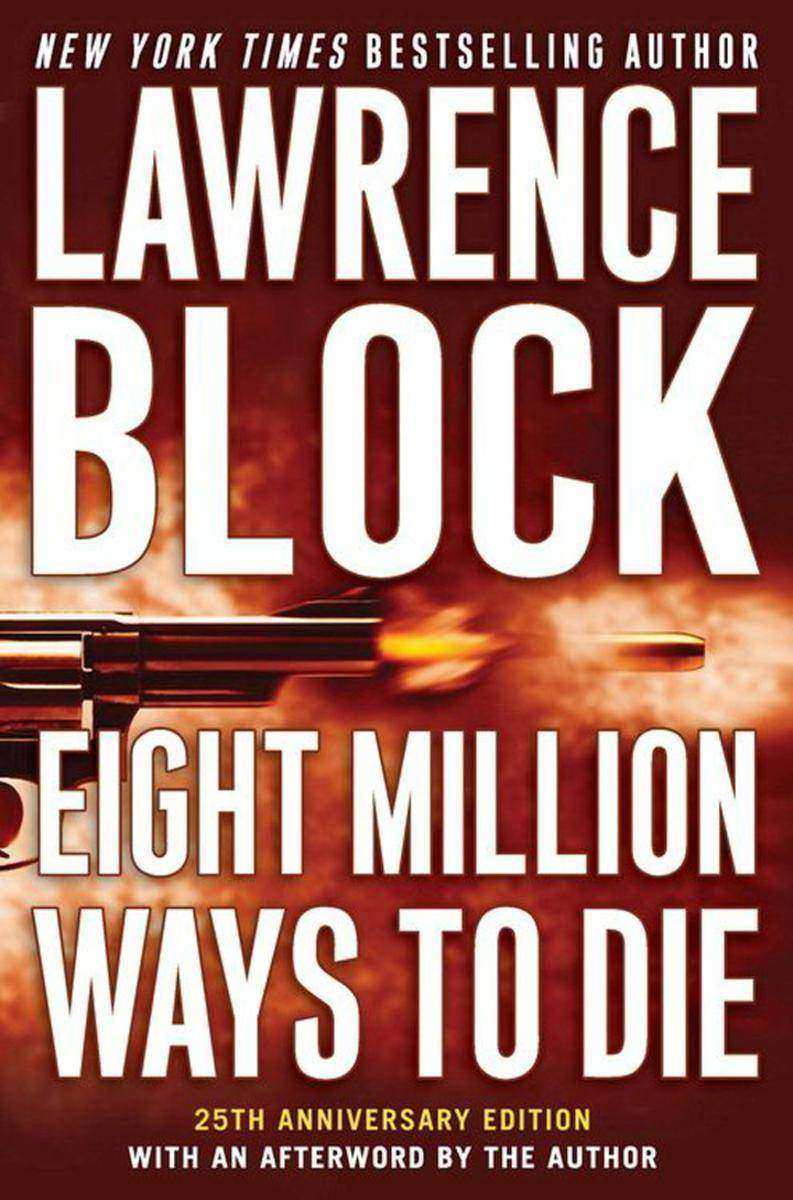
Eight Million Ways to Die
¥55.31
Nobody knows better than Matthew Scudder how far down a person can sink in this city. A young prostitute named Kim knew it also—and she wanted out. Maybe Kim didn't deserve the life fate had dealt her. She surely didn't deserve her death. The alcoholic ex-cop turned p.i. was supposed to protect her, but someone slashed her to ribbons on a crumbling New York City waterfront pier. Now finding Kim's killer will be Scudder's penance. But there are lethal secrets hiding in the slain hooker's past that are far dirtier than her trade. And there are many ways of dying in this cruel and dangerous town—some quick and brutal ... and some agonizingly slow.
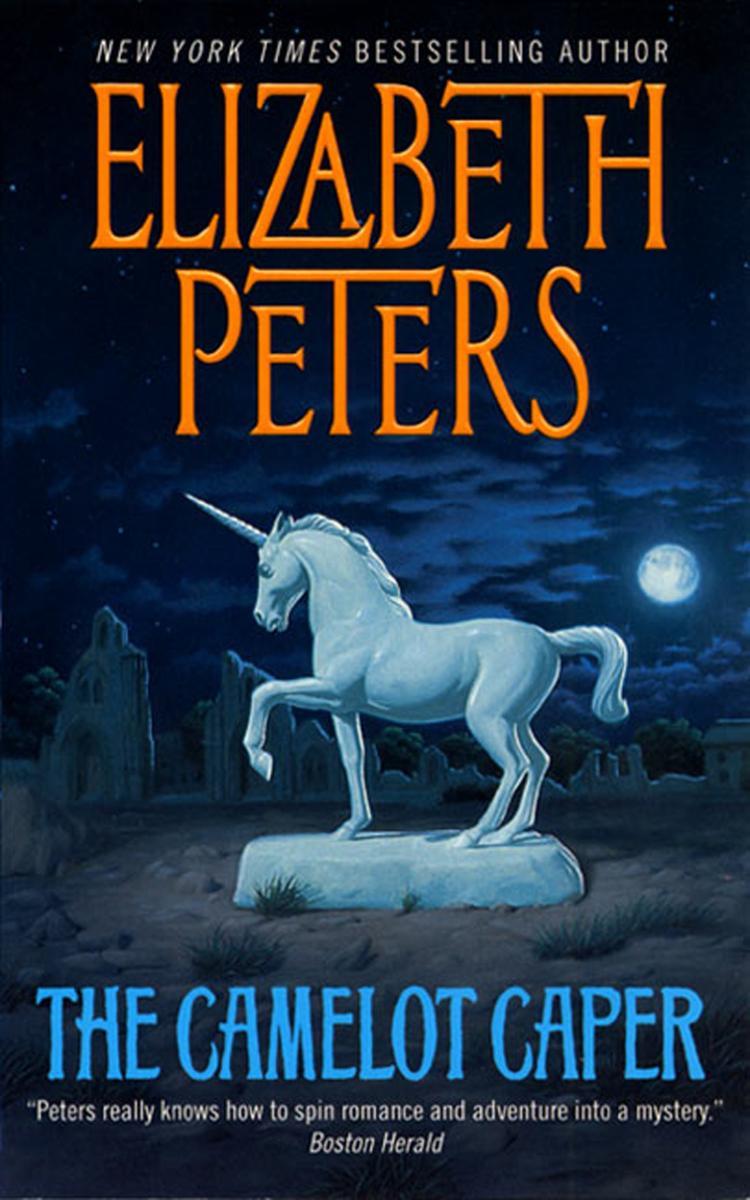
The Camelot Caper
¥69.16
The Lethal Stuff of LegendsFor Jessica Tregarth, an unexpected invitation to visit her grandfather in England is a wonderful surprise—an opportunity to open doors to a family past that have always been closed to her. But sinister acts greet her arrival. A stranger tries to steal her luggage and later accosts her in Salisbury Cathedral. Mysterious villains pursue her through Cornwall, their motive and intentions unknown. Jessica's only clue is an antique heirloom she possesses, an ancient ring that bears the Tregarth family crest. And her only ally is handsome gothic novelist David Randall—her self-proclaimed protector—who appears from seemingly out of nowhere to help her in her desperate—attempt to solve a five hundred-year-old, puzzle. For something from out of the cloudy mists of Arthurian lore has come back to plague a frightened American abroad. And a remarkable truth about a fabled king and a medieval treasure could ultimately make Jess Tregarth very rich...or very dead.

The Touch of Twilight
¥48.39
On the surface she's a sexy, sophisticated socialite, at home among the beautiful people of the Las Vegas upper crust. But Joanna Archer inhabits another world: a place ordinary humans cannot see . . . a dangerous dimension where an eternal battle rages between the agents of Light and Shadow. And Joanna is both.Stalked by an enigmatic doppelganger from a preternatural realm, Joanna can feel the Light failing—which is propelling her toward a terrifying confrontation with the ultimate master of evil, the dark lord of Shadow: her father.Vegas is all about winning big . . . or losing everything. To save her friends, her future, her worlds, Joanna Archer must gamble it all by fully embracing the darkness inside her.


