


 购物车
购物车 个人中心
个人中心

Walden, Or, Life in the Woods by Henry David Thoreau - Delphi Classics (Illustra
¥8.09
This eBook features the unabridged text of ‘Walden, Or, Life in the Woods by Henry David Thoreau - Delphi Classics (Illustrated)’ from the bestselling edition of ‘The Complete Works of Henry David Thoreau’. Having established their name as the leading publisher of classic literature and art, Delphi Classics produce publications that are individually crafted with superior formatting, while introducing many rare texts for the first time in digital print. The Delphi Classics edition of Thoreau includes original annotations and illustrations relating to the life and works of the author, as well as individual tables of contents, allowing you to navigate eBooks quickly and easily. eBook features: * The complete unabridged text of ‘Walden, Or, Life in the Woods by Henry David Thoreau - Delphi Classics (Illustrated)’ * Beautifully illustrated with images related to Thoreau’s works * Individual contents table, allowing easy navigation around the eBook * Excellent formatting of the text Please visit www.delphiclassics.com to learn more about our wide range of titles
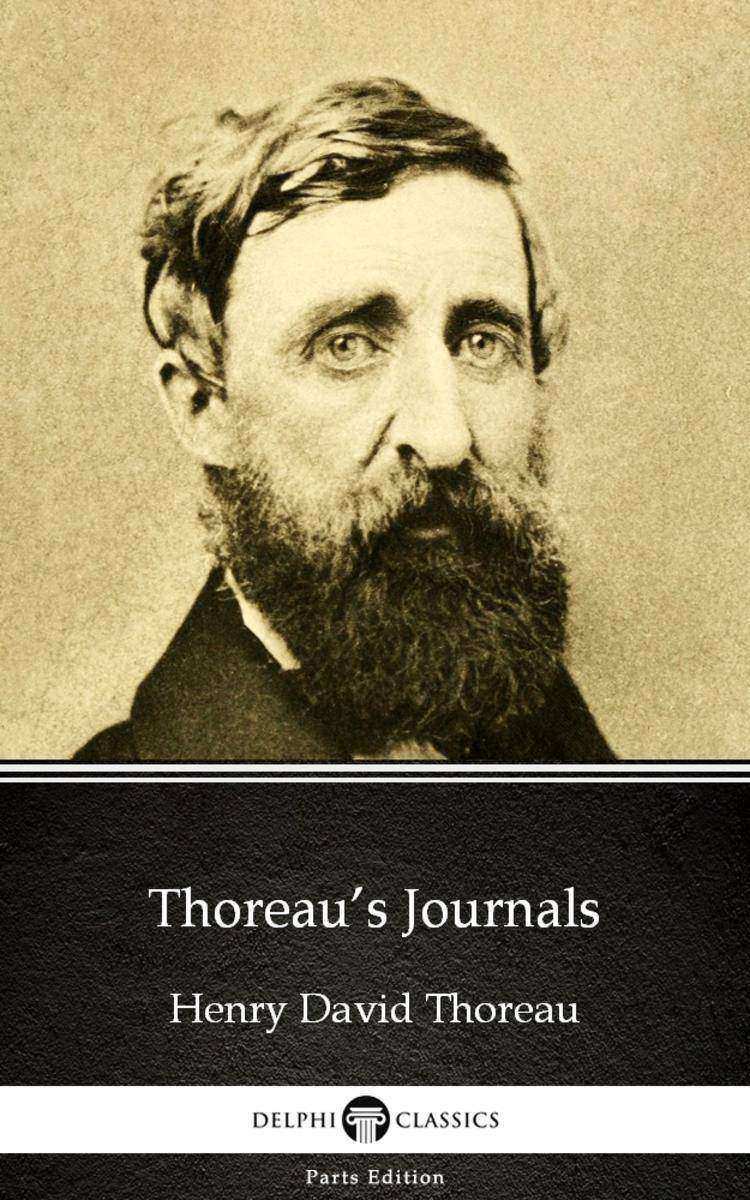
Thoreau’s Journals by Henry David Thoreau - Delphi Classics (Illustrated)
¥8.09
This eBook features ‘Thoreau’s Journals’ from the bestselling edition of ‘The Complete Works of Henry David Thoreau’. Having established their name as the leading publisher of classic literature and art, Delphi Classics produce publications that are individually crafted with superior formatting, while introducing many rare texts for the first time in digital print. The Delphi Classics edition of Thoreau includes original annotations and illustrations relating to the life and works of the author, as well as individual tables of contents, allowing you to navigate eBooks quickly and easily. eBook features: * Beautifully illustrated with images related to Thoreau’s works * Individual contents table, allowing easy navigation around the eBook * Excellent formatting of the text Please note: due to copyright restrictions we are unable to offer the complete journals. However, the eBook provides a generous sample of Thoreau’s journals, offering the complete journals for 1837-1847, a detailed example of the ‘middle’ journals for 1855-1856 and the complete last year of Thoreau’s life, as well as a generous selection from all of the other journals. Please visit www.delphiclassics.com to learn more about our wide range of titles

Delphi Complete Works of Robert Burns (Illustrated)
¥16.27
The Delphi Poets Series offers readers the works of literature's finest poets, with superior formatting. This volume presents the complete works of Scotland’s favourite son Robert Burns, with beautiful illustrations, superior indexing and the usual Delphi bonus material. (6MB Version 1) * Beautifully illustrated with images relating to Burns’ life and works * Concise introduction to Burns and his poetry * The famous TAM O’SHANTER is fully illustrated for your enjoyment * Excellent formatting of the poems * Special chronological and alphabetical contents tables for the poetry * Easily locate the poems you want to read * Special glossary of Scots words to aid your reading of the poems * Includes Burns’ letters, fully indexed - spend hours exploring the poet's personal correspondence * Features no less than four biographies, including Carlyle’s scholarly study of the great poet – immerse yourself in Burns’ world * Scholarly ordering of texts into chronological order and literary genres CONTENTS: The Poetry of Robert Burns ROBERT BURNS: A BRIEF INTRODUCTION THE COMPLETE POEMS The Poems LIST OF POEMS IN CHRONOLOGICAL ORDER LIST OF POEMS IN ALPHABETICAL ORDER Glossary of Scots Words The Letters THE LETTERS OF ROBERT BURNS The Biographies LIFE OF ROBERT BURNS by Thomas Carlyle THE REAL ROBERT BURNS by J. L. Hughes ROBERT BURNS by John Campbell Shairp BRIEF LIFE OF ROBERT BURNS by Allan Cunningham

Delphi Complete Works of Alfred, Lord Tennyson (Illustrated)
¥16.27
The greatest poet of the Victorian era deserves a place in the digital library of all lovers of poetry. The Delphi Poets Series offers the works of literature's finest poets, with superior formatting. This volume presents the complete works of Alfred, Lord Tennyson, with beautiful illustrations and the usual Delphi bonus material. (5MB Version 1) * Beautifully illustrated with images relating to Tennyson's life and works * Concise introductions to the poetry and other works * Images of how the poetry books were first printed, giving your eReader a taste of the original texts * Features Tennyson's first poetry collection, which he wrote with his brother, appearing here for the first time in digital print * Includes other rare collections often missed out of editions * Excellent formatting of the poems * Special chronological and alphabetical contents tables for the poetry * Also includes the complete poetic dramas * Easily locate the poems you want to read * Includes the collection of memoirs edited by Tennyson's son - spend hours exploring the poet's letters and anecdotes written by close friends and literary figures * Features two bonus biographies - discover Tennyson's literary life * Scholarly ordering of texts into chronological order and literary genres Please visit www.delphiclassics.com to browse through our range of exciting titles CONTENTS: The Poetry Collections POEMS, BY TWO BROTHERS TIMBUCTOO : A POEM POEMS, CHIEFLY LYRICAL POEMS, 1832 THE LOVERíS TALE. A FRAGMENT. POEMS, 1842 MISCELLANEOUS CONTRIBUTIONS TO PERIODICALS, 1831-1868 THE PRINCESS: A MEDLEY IN MEMORIAM A. H. H. MAUD, AND OTHER POEMS IDYLLS OF THE KING ENOCH ARDEN AND OTHER POEMS BALLADS AND OTHER POEMS TIRESIAS AND OTHER POEMS LOCKSLEY HALL SIXTY YEARS AFTER, ETC. DEMETER AND OTHER POEMS THE DEATH OF ?NONE, AND OTHER POEMS The Poems LIST OF POEMS IN CHRONOLOGICAL ORDER LIST OF POEMS IN ALPHABETICAL ORDER The Plays QUEEN MARY: A DRAMA HAROLD: A DRAMA BECKET THE CUP: A TRAGEDY THE FALCON THE PROMISE OF MAY THE FORESTERS: ROBIN HOOD AND MAID MARIAN The Biographies TENNYSON AND HIS FRIENDS by Hallam, Lord Tennyson ALFRED TENNYSON by Andrew Lang TENNYSON'S LIFE AND POETRY by Eugene Parsons Please visit www.delphiclassics.com to browse through our range of exciting titles

Sacred and Profane Love by Arnold Bennett - Delphi Classics (Illustrated)
¥8.09
This eBook features the unabridged text of ‘Sacred and Profane Love by Arnold Bennett - Delphi Classics (Illustrated)’ from the bestselling edition of ‘The Complete Works of Arnold Bennett’. Having established their name as the leading publisher of classic literature and art, Delphi Classics produce publications that are individually crafted with superior formatting, while introducing many rare texts for the first time in digital print. The Delphi Classics edition of Bennett includes original annotations and illustrations relating to the life and works of the author, as well as individual tables of contents, allowing you to navigate eBooks quickly and easily. eBook features: * The complete unabridged text of ‘Sacred and Profane Love by Arnold Bennett - Delphi Classics (Illustrated)’ * Beautifully illustrated with images related to Bennett’s works * Individual contents table, allowing easy navigation around the eBook * Excellent formatting of the text Please visit www.delphiclassics.com to learn more about our wide range of titles

The Statue by Arnold Bennett - Delphi Classics (Illustrated)
¥8.09
This eBook features the unabridged text of ‘The Statue by Arnold Bennett - Delphi Classics (Illustrated)’ from the bestselling edition of ‘The Complete Works of Arnold Bennett’. Having established their name as the leading publisher of classic literature and art, Delphi Classics produce publications that are individually crafted with superior formatting, while introducing many rare texts for the first time in digital print. The Delphi Classics edition of Bennett includes original annotations and illustrations relating to the life and works of the author, as well as individual tables of contents, allowing you to navigate eBooks quickly and easily. eBook features: * The complete unabridged text of ‘The Statue by Arnold Bennett - Delphi Classics (Illustrated)’ * Beautifully illustrated with images related to Bennett’s works * Individual contents table, allowing easy navigation around the eBook * Excellent formatting of the text Please visit www.delphiclassics.com to learn more about our wide range of titles

These Twain by Arnold Bennett - Delphi Classics (Illustrated)
¥8.09
This eBook features the unabridged text of ‘These Twain by Arnold Bennett - Delphi Classics (Illustrated)’ from the bestselling edition of ‘The Complete Works of Arnold Bennett’. Having established their name as the leading publisher of classic literature and art, Delphi Classics produce publications that are individually crafted with superior formatting, while introducing many rare texts for the first time in digital print. The Delphi Classics edition of Bennett includes original annotations and illustrations relating to the life and works of the author, as well as individual tables of contents, allowing you to navigate eBooks quickly and easily. eBook features: * The complete unabridged text of ‘These Twain by Arnold Bennett - Delphi Classics (Illustrated)’ * Beautifully illustrated with images related to Bennett’s works * Individual contents table, allowing easy navigation around the eBook * Excellent formatting of the text Please visit www.delphiclassics.com to learn more about our wide range of titles
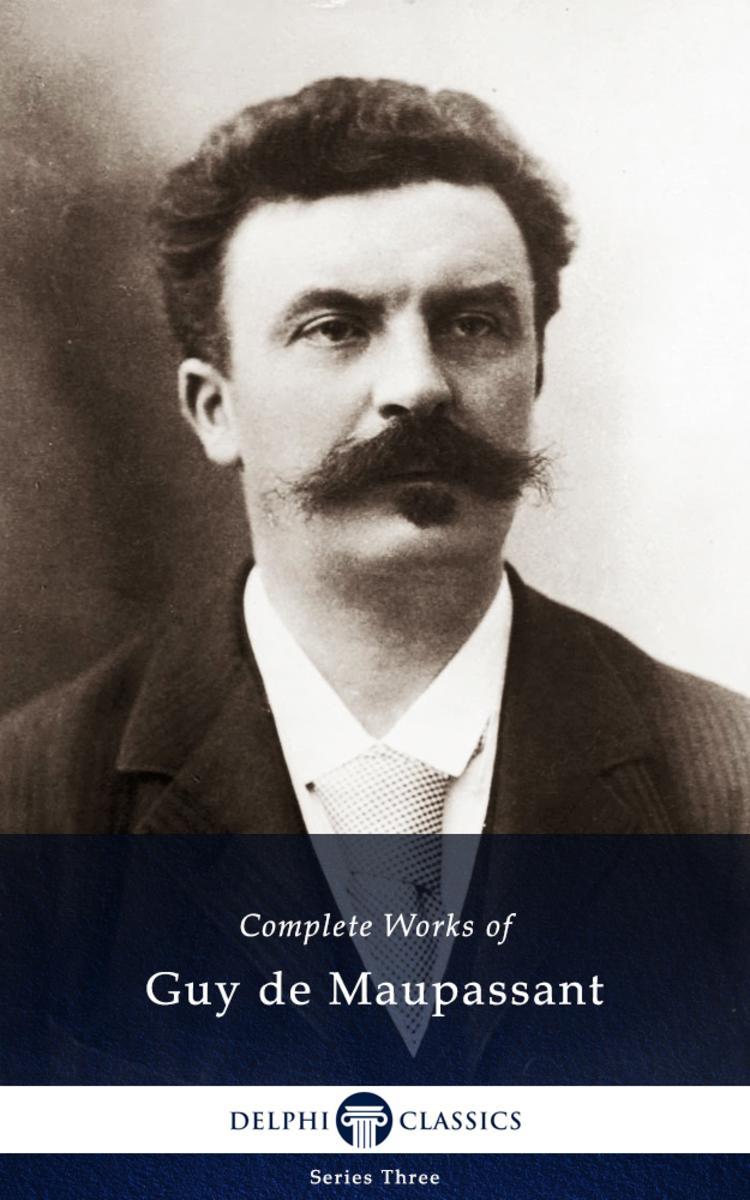
Delphi Complete Works of Guy de Maupassant (Illustrated)
¥24.44
The works of Guy de Maupassant, the undisputed master of the short story, are still among the most widely read masterpieces of French literature today. This comprehensive eBook presents Maupassant’s complete novels, stories, poetry and non-fiction, with numerous illustrations, introductions and the usual Delphi bonus material. (Version 1) * Beautifully illustrated with images relating to Maupassant’s life and works * Concise introductions to the novels and other texts * ALL 6 novels, with individual contents tables * Includes the rare novels MONT ORIOL and NOTRE COEUR appearing here for the first time in digital publishing * Images of how the books were first printed, giving your eReader a taste of the original texts * Excellent formatting of the texts * Famous works such as BEL-AMI are fully illustrated with their original artwork * 288 short stories – the largest collection of Maupassant’s short stories available in English * Special chronological and alphabetical for the short stories * Easily locate the short stories you want to read * Three plays, including the scarce first play A TALE OF OLD TIMES * Includes Maupassant’s complete travel books – spend hours exploring the author’s personal adventures * Also includes the author’s rare collection of poetry * Special criticism section, with essays by authors such as Leo Tolstoy, Henry James and Joseph Conrad, evaluating Maupassant’s contribution to literature * Features the revealing biography written by the Maupassant’s valet, appearing here for the first time * Scholarly ordering of texts into chronological order and literary genres Please note: a few minor works have never been translated in English and so cannot appear in the collection. When new translations enter the public domain they will be added to the eBook as a free update. Please visit www.delphiclassics.com to browse through our range of exciting titles CONTENTS: The Novels A LIFE BEL-AMI MONT ORIOL PIERRE AND JEAN STRONG AS DEATH NOTRE COEUR The Short Stories LIST OF SHORT STORIES IN CHRONOLOGICAL ORDER LIST OF SHORT STORIES IN ALPHABETICAL ORDER The Plays A TALE OF OLD TIMES MUSOTTE A COMEDY OF MARRIAGE The Poetry DES VERS The Travel Books AU SOLEIL SUR L’EAU LA VIE ERRANTE The Criticism GUY DE MAUPASSANT by Joseph Conrad INTRODUCTION TO THE WORKS OF GUY DE MAUPASSANT by Leo Tolstoy GUY DE MAUPASSANT by Henry James GUY DE MAUPASSANT: A STUDY by P. Neveux GUY DE MAUPASSANT by John Cowper Powys A NOTE ON MAUPASSANT by Brander Matthews The Biography RECOLLECTIONS OF GUY DE MAUPASSANT BY HIS VALET by Francois Tassart Please visit www.delphiclassics.com to browse through our range of exciting titles

The Last Trail by Zane Grey - Delphi Classics (Illustrated)
¥8.09
This eBook features the unabridged text of ‘The Last Trail by Zane Grey - Delphi Classics (Illustrated)’ from the bestselling edition of ‘The Collected Works of Zane Grey’. Having established their name as the leading publisher of classic literature and art, Delphi Classics produce publications that are individually crafted with superior formatting, while introducing many rare texts for the first time in digital print. The Delphi Classics edition of Grey includes original annotations and illustrations relating to the life and works of the author, as well as individual tables of contents, allowing you to navigate eBooks quickly and easily. eBook features: * The complete unabridged text of ‘The Last Trail by Zane Grey - Delphi Classics (Illustrated)’ * Beautifully illustrated with images related to Grey’s works * Individual contents table, allowing easy navigation around the eBook * Excellent formatting of the text Please visit www.delphiclassics.com to learn more about our wide range of titles
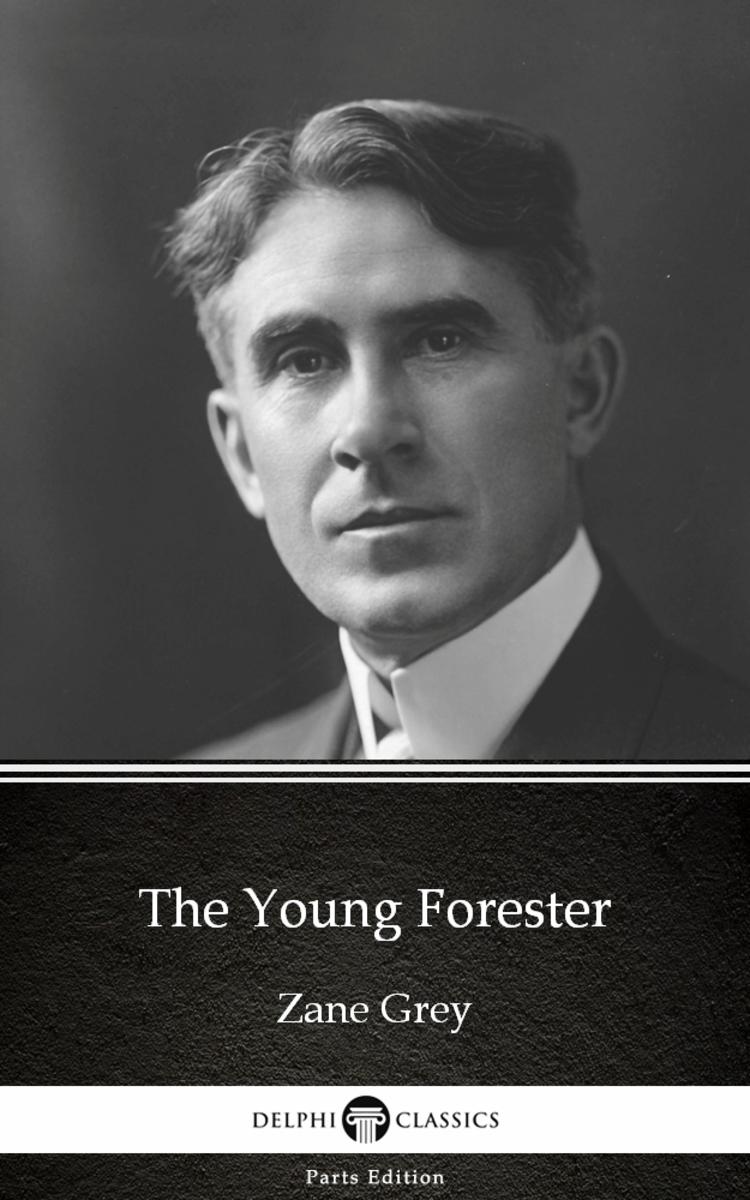
The Young Forester by Zane Grey - Delphi Classics (Illustrated)
¥8.09
This eBook features the unabridged text of ‘The Young Forester by Zane Grey - Delphi Classics (Illustrated)’ from the bestselling edition of ‘The Collected Works of Zane Grey’. Having established their name as the leading publisher of classic literature and art, Delphi Classics produce publications that are individually crafted with superior formatting, while introducing many rare texts for the first time in digital print. The Delphi Classics edition of Grey includes original annotations and illustrations relating to the life and works of the author, as well as individual tables of contents, allowing you to navigate eBooks quickly and easily. eBook features: * The complete unabridged text of ‘The Young Forester by Zane Grey - Delphi Classics (Illustrated)’ * Beautifully illustrated with images related to Grey’s works * Individual contents table, allowing easy navigation around the eBook * Excellent formatting of the text Please visit www.delphiclassics.com to learn more about our wide range of titles

The Heritage of the Desert by Zane Grey - Delphi Classics (Illustrated)
¥8.09
This eBook features the unabridged text of ‘The Heritage of the Desert by Zane Grey - Delphi Classics (Illustrated)’ from the bestselling edition of ‘The Collected Works of Zane Grey’. Having established their name as the leading publisher of classic literature and art, Delphi Classics produce publications that are individually crafted with superior formatting, while introducing many rare texts for the first time in digital print. The Delphi Classics edition of Grey includes original annotations and illustrations relating to the life and works of the author, as well as individual tables of contents, allowing you to navigate eBooks quickly and easily. eBook features: * The complete unabridged text of ‘The Heritage of the Desert by Zane Grey - Delphi Classics (Illustrated)’ * Beautifully illustrated with images related to Grey’s works * Individual contents table, allowing easy navigation around the eBook * Excellent formatting of the text Please visit www.delphiclassics.com to learn more about our wide range of titles

The Young Pitcher by Zane Grey - Delphi Classics (Illustrated)
¥8.09
This eBook features the unabridged text of ‘The Young Pitcher by Zane Grey - Delphi Classics (Illustrated)’ from the bestselling edition of ‘The Collected Works of Zane Grey’. Having established their name as the leading publisher of classic literature and art, Delphi Classics produce publications that are individually crafted with superior formatting, while introducing many rare texts for the first time in digital print. The Delphi Classics edition of Grey includes original annotations and illustrations relating to the life and works of the author, as well as individual tables of contents, allowing you to navigate eBooks quickly and easily. eBook features: * The complete unabridged text of ‘The Young Pitcher by Zane Grey - Delphi Classics (Illustrated)’ * Beautifully illustrated with images related to Grey’s works * Individual contents table, allowing easy navigation around the eBook * Excellent formatting of the text Please visit www.delphiclassics.com to learn more about our wide range of titles

The Lone Star Ranger by Zane Grey - Delphi Classics (Illustrated)
¥8.09
This eBook features the unabridged text of ‘The Lone Star Ranger by Zane Grey - Delphi Classics (Illustrated)’ from the bestselling edition of ‘The Collected Works of Zane Grey’. Having established their name as the leading publisher of classic literature and art, Delphi Classics produce publications that are individually crafted with superior formatting, while introducing many rare texts for the first time in digital print. The Delphi Classics edition of Grey includes original annotations and illustrations relating to the life and works of the author, as well as individual tables of contents, allowing you to navigate eBooks quickly and easily. eBook features: * The complete unabridged text of ‘The Lone Star Ranger by Zane Grey - Delphi Classics (Illustrated)’ * Beautifully illustrated with images related to Grey’s works * Individual contents table, allowing easy navigation around the eBook * Excellent formatting of the text Please visit www.delphiclassics.com to learn more about our wide range of titles
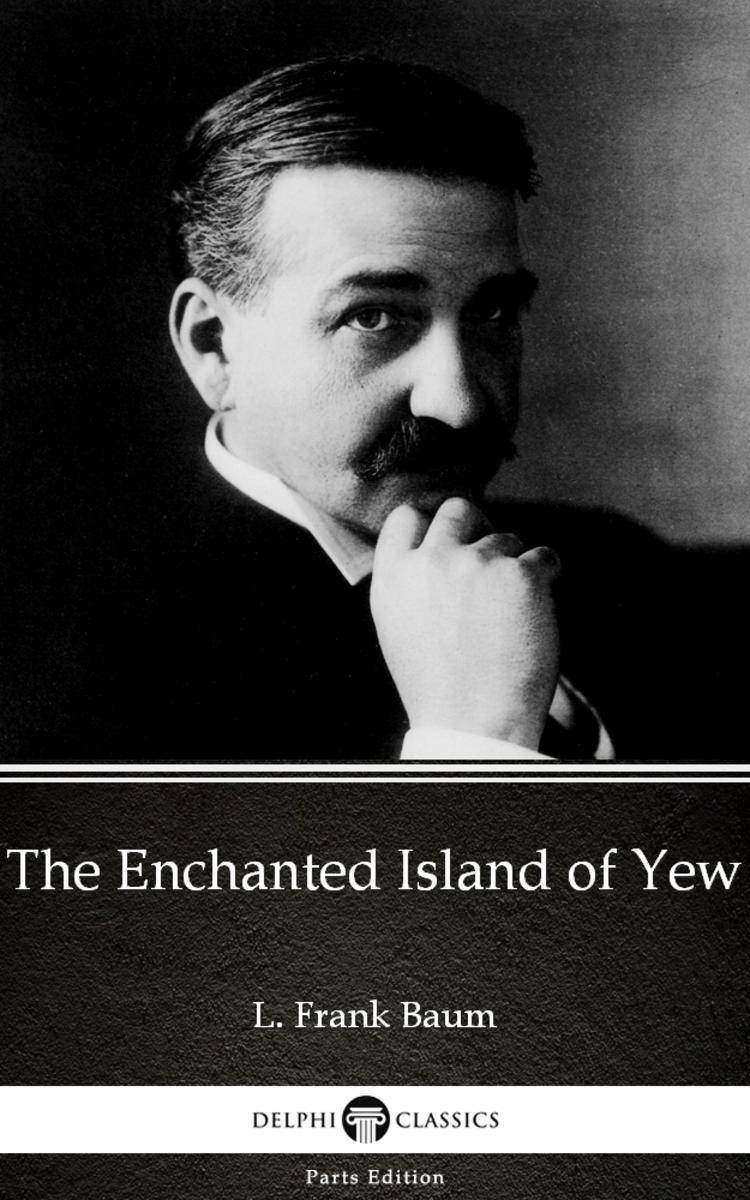
The Enchanted Island of Yew by L. Frank Baum - Delphi Classics (Illustrated)
¥8.09
This eBook features the unabridged text of ‘The Enchanted Island of Yew by L. Frank Baum - Delphi Classics (Illustrated)’ from the bestselling edition of ‘The Complete Works of L. Frank Baum’. Having established their name as the leading publisher of classic literature and art, Delphi Classics produce publications that are individually crafted with superior formatting, while introducing many rare texts for the first time in digital print. The Delphi Classics edition of Baum includes original annotations and illustrations relating to the life and works of the author, as well as individual tables of contents, allowing you to navigate eBooks quickly and easily. eBook features: * The complete unabridged text of ‘The Enchanted Island of Yew by L. Frank Baum - Delphi Classics (Illustrated)’ * Beautifully illustrated with images related to Baum’s works * Individual contents table, allowing easy navigation around the eBook * Excellent formatting of the text Please visit www.delphiclassics.com to learn more about our wide range of titles
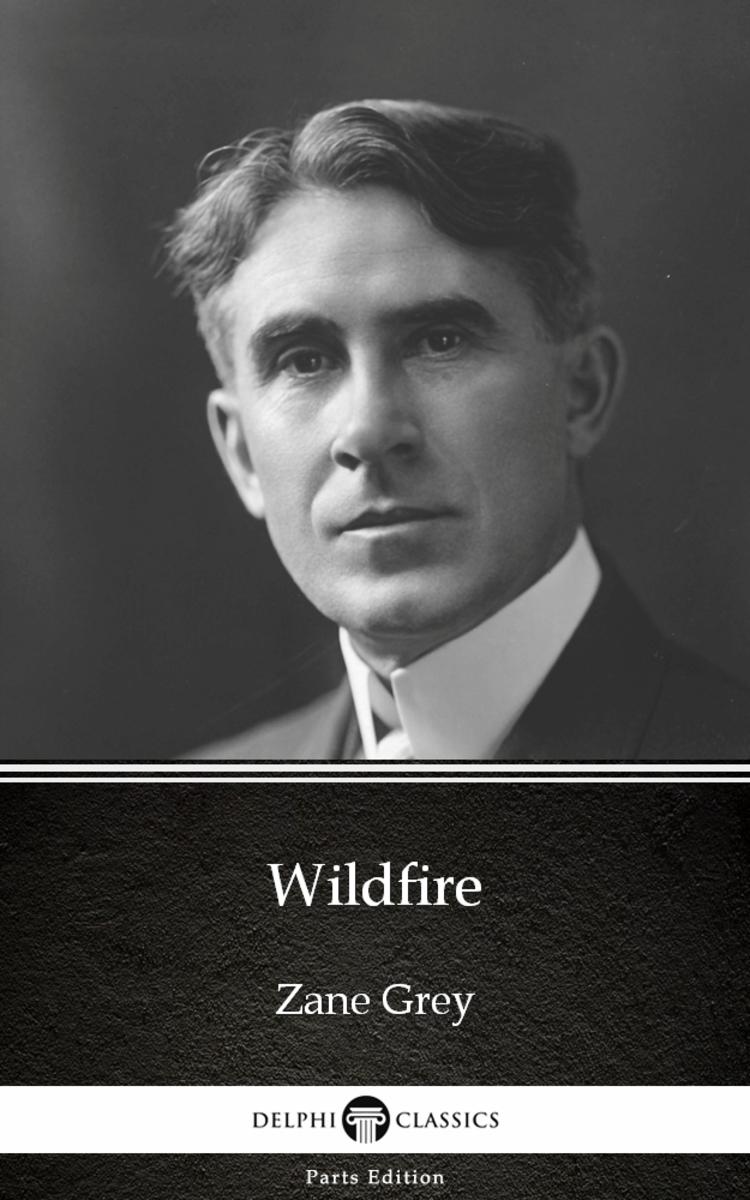
Wildfire by Zane Grey - Delphi Classics (Illustrated)
¥8.09
This eBook features the unabridged text of ‘Wildfire by Zane Grey - Delphi Classics (Illustrated)’ from the bestselling edition of ‘The Collected Works of Zane Grey’. Having established their name as the leading publisher of classic literature and art, Delphi Classics produce publications that are individually crafted with superior formatting, while introducing many rare texts for the first time in digital print. The Delphi Classics edition of Grey includes original annotations and illustrations relating to the life and works of the author, as well as individual tables of contents, allowing you to navigate eBooks quickly and easily. eBook features: * The complete unabridged text of ‘Wildfire by Zane Grey - Delphi Classics (Illustrated)’ * Beautifully illustrated with images related to Grey’s works * Individual contents table, allowing easy navigation around the eBook * Excellent formatting of the text Please visit www.delphiclassics.com to learn more about our wide range of titles
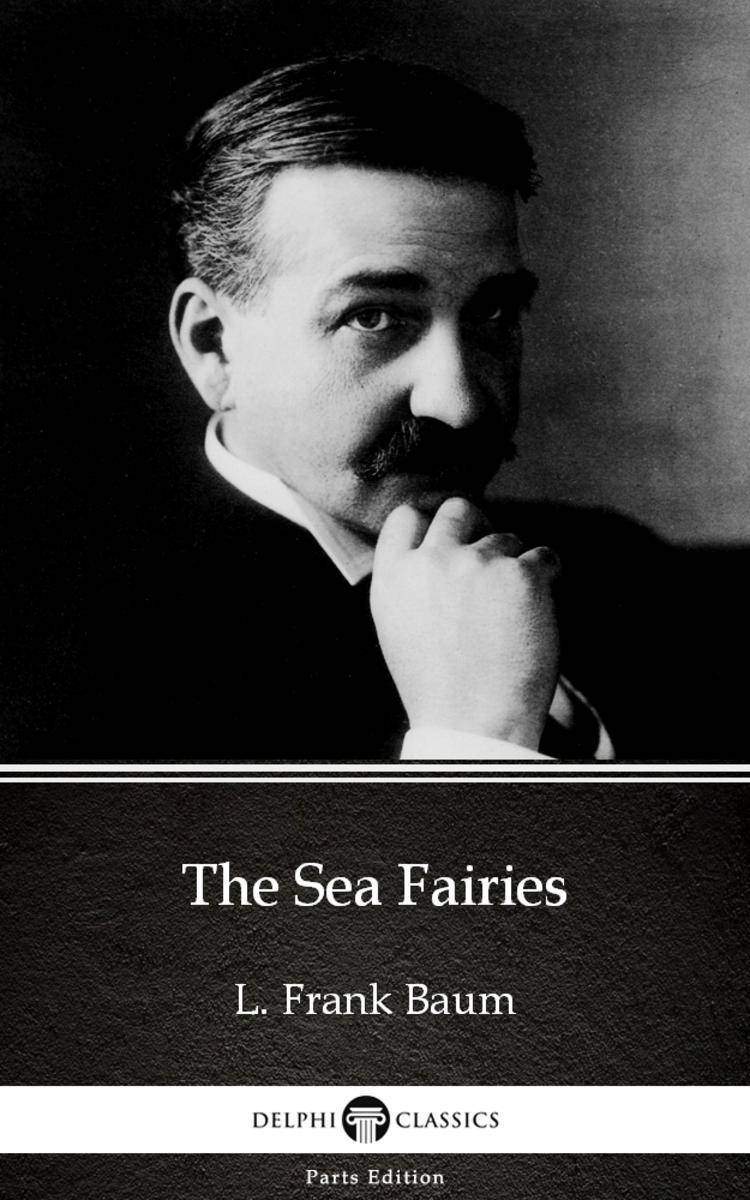
The Sea Fairies by L. Frank Baum - Delphi Classics (Illustrated)
¥8.09
This eBook features the unabridged text of ‘The Sea Fairies by L. Frank Baum - Delphi Classics (Illustrated)’ from the bestselling edition of ‘The Complete Works of L. Frank Baum’. Having established their name as the leading publisher of classic literature and art, Delphi Classics produce publications that are individually crafted with superior formatting, while introducing many rare texts for the first time in digital print. The Delphi Classics edition of Baum includes original annotations and illustrations relating to the life and works of the author, as well as individual tables of contents, allowing you to navigate eBooks quickly and easily. eBook features: * The complete unabridged text of ‘The Sea Fairies by L. Frank Baum - Delphi Classics (Illustrated)’ * Beautifully illustrated with images related to Baum’s works * Individual contents table, allowing easy navigation around the eBook * Excellent formatting of the text Please visit www.delphiclassics.com to learn more about our wide range of titles
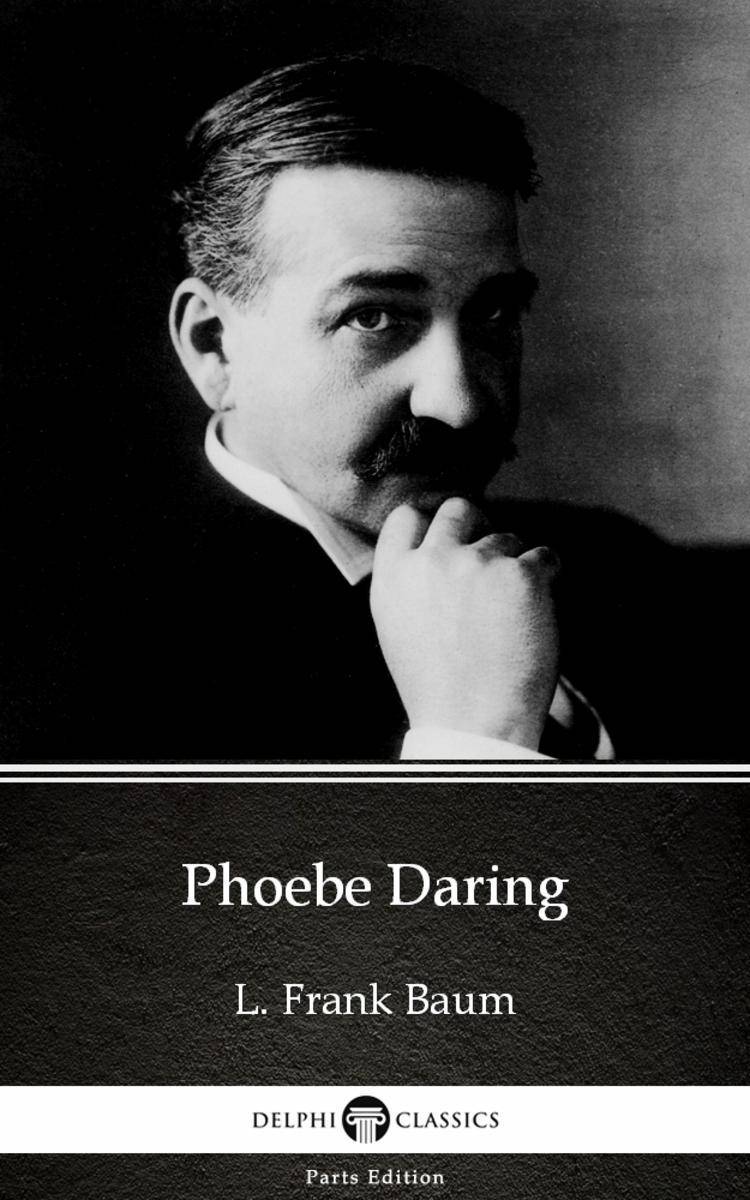
Phoebe Daring by L. Frank Baum - Delphi Classics (Illustrated)
¥8.09
This eBook features the unabridged text of ‘Phoebe Daring by L. Frank Baum - Delphi Classics (Illustrated)’ from the bestselling edition of ‘The Complete Works of L. Frank Baum’. Having established their name as the leading publisher of classic literature and art, Delphi Classics produce publications that are individually crafted with superior formatting, while introducing many rare texts for the first time in digital print. The Delphi Classics edition of Baum includes original annotations and illustrations relating to the life and works of the author, as well as individual tables of contents, allowing you to navigate eBooks quickly and easily. eBook features: * The complete unabridged text of ‘Phoebe Daring by L. Frank Baum - Delphi Classics (Illustrated)’ * Beautifully illustrated with images related to Baum’s works * Individual contents table, allowing easy navigation around the eBook * Excellent formatting of the text Please visit www.delphiclassics.com to learn more about our wide range of titles

The Man of the Forest by Zane Grey - Delphi Classics (Illustrated)
¥8.09
This eBook features the unabridged text of ‘The Man of the Forest by Zane Grey - Delphi Classics (Illustrated)’ from the bestselling edition of ‘The Collected Works of Zane Grey’. Having established their name as the leading publisher of classic literature and art, Delphi Classics produce publications that are individually crafted with superior formatting, while introducing many rare texts for the first time in digital print. The Delphi Classics edition of Grey includes original annotations and illustrations relating to the life and works of the author, as well as individual tables of contents, allowing you to navigate eBooks quickly and easily. eBook features: * The complete unabridged text of ‘The Man of the Forest by Zane Grey - Delphi Classics (Illustrated)’ * Beautifully illustrated with images related to Grey’s works * Individual contents table, allowing easy navigation around the eBook * Excellent formatting of the text Please visit www.delphiclassics.com to learn more about our wide range of titles

Beyond Good and Evil by Friedrich Nietzsche - Delphi Classics (Illustrated)
¥8.09
This eBook features the unabridged text of ‘Beyond Good and Evil by Friedrich Nietzsche - Delphi Classics (Illustrated)’ from the bestselling edition of ‘The Complete Works of Friedrich Nietzsche’. Having established their name as the leading publisher of classic literature and art, Delphi Classics produce publications that are individually crafted with superior formatting, while introducing many rare texts for the first time in digital print. The Delphi Classics edition of Nietzsche includes original annotations and illustrations relating to the life and works of the author, as well as individual tables of contents, allowing you to navigate eBooks quickly and easily. eBook features: * The complete unabridged text of ‘Beyond Good and Evil by Friedrich Nietzsche - Delphi Classics (Illustrated)’ * Beautifully illustrated with images related to Nietzsche’s works * Individual contents table, allowing easy navigation around the eBook * Excellent formatting of the text Please visit www.delphiclassics.com to learn more about our wide range of titles

Wormwood by Marie Corelli - Delphi Classics (Illustrated)
¥8.09
This eBook features the unabridged text of ‘Wormwood by Marie Corelli - Delphi Classics (Illustrated)’ from the bestselling edition of ‘The Complete Works of Marie Corelli’. Having established their name as the leading publisher of classic literature and art, Delphi Classics produce publications that are individually crafted with superior formatting, while introducing many rare texts for the first time in digital print. The Delphi Classics edition of Corelli includes original annotations and illustrations relating to the life and works of the author, as well as individual tables of contents, allowing you to navigate eBooks quickly and easily. eBook features: * The complete unabridged text of ‘Wormwood by Marie Corelli - Delphi Classics (Illustrated)’ * Beautifully illustrated with images related to Corelli’s works * Individual contents table, allowing easy navigation around the eBook * Excellent formatting of the text Please visit www.delphiclassics.com to learn more about our wide range of titles
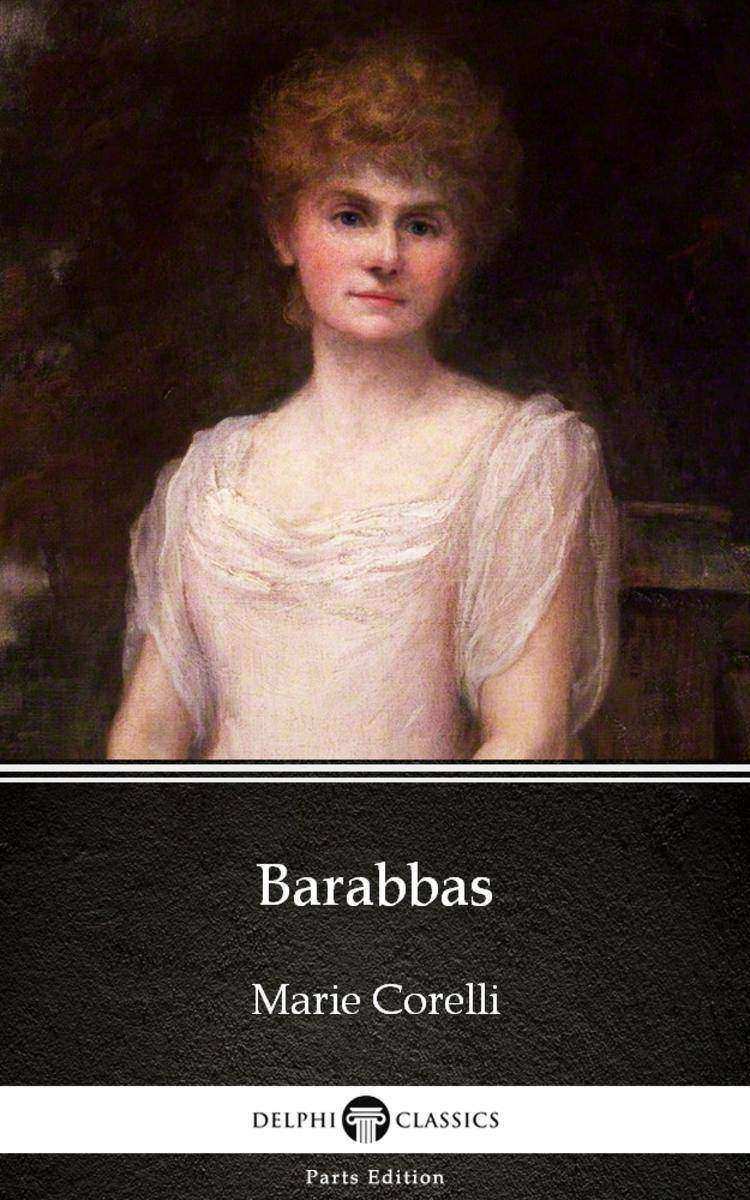
Barabbas by Marie Corelli - Delphi Classics (Illustrated)
¥8.09
This eBook features the unabridged text of ‘Barabbas by Marie Corelli - Delphi Classics (Illustrated)’ from the bestselling edition of ‘The Complete Works of Marie Corelli’. Having established their name as the leading publisher of classic literature and art, Delphi Classics produce publications that are individually crafted with superior formatting, while introducing many rare texts for the first time in digital print. The Delphi Classics edition of Corelli includes original annotations and illustrations relating to the life and works of the author, as well as individual tables of contents, allowing you to navigate eBooks quickly and easily. eBook features: * The complete unabridged text of ‘Barabbas by Marie Corelli - Delphi Classics (Illustrated)’ * Beautifully illustrated with images related to Corelli’s works * Individual contents table, allowing easy navigation around the eBook * Excellent formatting of the text Please visit www.delphiclassics.com to learn more about our wide range of titles


