


 购物车
 个人中心

R High Performance Programming
¥54.49
This book is for programmers and developers who want to improve the performance of their R programs by making them run faster with large data sets or who are trying to solve a pesky performance problem.
Mastering Python Design Patterns
¥80.65
This book is for Python programmers with an intermediate background and an interest in design patterns implemented in idiomatic Python. Programmers of other languages who are interested in Python can also benefit from this book, but it would be better if they first read some introductory materials that explain how things are done in Python.
Dart Essentials
¥54.49
This book is targeted at expert programmers in JavaScript who want to learn Dart quickly. Some previous experience with OOP programming in other languages and a good knowledge of JavaScript are assumed.
BeagleBone Media Center
¥45.77
Whether you are a hobbyist or a professional, this book will get you fully equipped to resolve the most commonly occurring media-related challenges. If you want to expand your horizons beyond lighting an LED and push the limits of your board, this is just the book for you. Working knowledge of BeagleBone is assumed.

GameMaker Essentials
¥45.77
This book is for users experienced with game development who now want to learn how to develop games in GameMaker: Studio in a fast-paced way.
openFrameworks Essentials
¥54.49
If you are a programmer, visual artist, or designer with experience in creative coding, and want to use openFrameworks to create fun, stunning, and interactive applications, this is the book for you. Basic knowledge of programming languages, such as C++, Java, Python, or JavaScript, will be enough to proceed with the book.
Learning NServiceBus - Second Edition
¥54.49
If you are a .NET developer who wants to eliminate the problems related to defective third-party web service integration or batch job failures, then this is the book for you. It is also perfect for those of you who are new to NServiceBus and service-oriented architecture and would like to learn how you can streamline all of your development efforts.
Learning Three.js – the JavaScript 3D Library for WebGL - Second Edition
¥90.46
If you know JavaScript and want to start creating 3D graphics that run in any browser, this book is a great choice for you. You don't need to know anything about math or WebGL; all that you need is general knowledge of JavaScript and HTML.
JavaScript Domain-Driven Design
¥71.93
If you are an experienced JavaScript developer who wants to improve the design of his or her applications, or find yourself in a situation to implement an application in an unfamiliar domain, this book is for you. Prior knowledge of JavaScript is required and prior experience with Node.js will also be helpful.
Odoo Development Essentials
¥54.49
This book is intended for developers who need to quickly become productive with Odoo. You are expected to have experience developing business applications, as well as an understanding of MVC application design and knowledge of the Python programming language.
Windows Azure programming patterns for Start-ups
¥80.65
This book follows a step-by-step approach with clear transparent instructions, screenshots and code samples. This book is intended for Microsoft .NET developers who want to leverage the power of cloud and build a brand new service from scratch; it assumes a basic understanding of the .NET framework and C#.
OCA Oracle Database 11g Administration I Certification Guide
¥107.90
Developed as a practical book, "Oracle Database 11g Administration I Certification Guide" will show you all you need to know to effectively excel at being an Oracle DBA, for both examinations and the real world. This book is for anyone who needs the essential skills to become an Oracle DBA, pass the Oracle Database Administration I exam, and use those skills in the real world to manage secure, high performance, and highly available Oracle databases.
Building Telephony Systems with OpenSIPS - Second Edition
¥80.65
Build high-speed and highly scalable telephony systems using OpenSIPSAbout This BookInstall and configure OpenSIPS to authenticate, route, bill, and monitor VoIP callsGain a competitive edge using the most scalable VoIP technologyDiscover the latest features of OpenSIPS with practical examples and case studiesWho This Book Is ForIf you want to understand how to build a SIP provider from scratch using OpenSIPS, then this book is ideal for you. It is beneficial for VoIP providers, large enterprises, and universities. This book will also help readers who were using OpenSER but are now confused with the new OpenSIPS.Telephony and Linux experience will be helpful to get the most out of this book but is not essential. Prior knowledge of OpenSIPS is not assumed.What You Will LearnLearn to prepare and configure a Linux system for OpenSIPSFamiliarise yourself with the installation and configuration of OpenSIPSUnderstand how to set a domain and create users/extensionsConfigure SIP endpoints and make calls between themMake calls to and from the PSTN and create access control lists to authorize callsInstall a graphical user interface to simplify the task of provisioning user and system informationImplement an effective billing system with OpenSIPSMonitor and troubleshoot OpenSIPS to keep it running smoothlyIn DetailOpenSIPS is a multifunctional, multipurpose signalling SIP server. SIP (Session Initiation Protocol) is nowadays the most important VoIP protocol and OpenSIPS is the open source leader in VoIP platforms based on SIP. OpenSIPS is used to set up SIP Proxy servers. The purpose of these servers is to receive, examine, and classify SIP requests. The whole telecommunication industry is changing to an IP environment, and telephony as we know it today will completely change in less than ten years. SIP is the protocol leading this disruptive revolution and it is one of the main protocols on next generation networks. While a VoIP provider is not the only kind of SIP infrastructure created using OpenSIPS, it is certainly one of the most difficult to implement.This book will give you a competitive edge by helping you to create a SIP infrastructure capable of handling tens of thousands of subscribers.Starting with an introduction to SIP and OpenSIPS, you will begin by installing and configuring OpenSIPS. You will be introduced to OpenSIPS Scripting language and OpenSIPS Routing concepts, followed by comprehensive coverage of Subscriber Management. Next, you will learn to install, configure, and customize the OpenSIPS control panel and explore dialplans and routing. You will discover how to manage the dialog module, accounting, NATTraversal, and other new SIP services. The final chapters of the book are dedicated to troubleshooting tools, SIP security, and advanced scenarios including TCP/TLS support, load balancing, asynchronous processing, and more.A fictional VoIP provider is used to explain OpenSIPS and by the end of the book, you will have a simple but complete system to run a VoIP provider.Style and approachThis book is a step-by-step guide based on the example of a VoIP provider. You will start with OpenSIPS installation and gradually, your knowledge depth will increase.
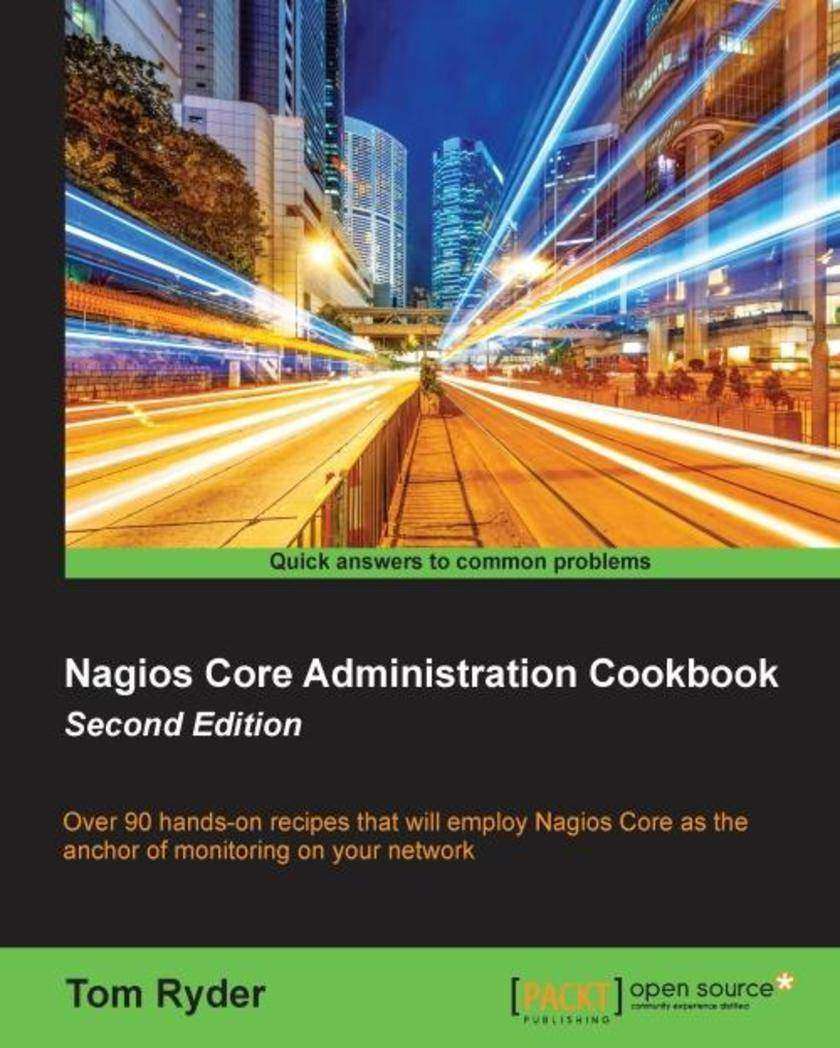
Nagios Core Administration Cookbook - Second Edition
¥90.46
Over 90 hands-on recipes that will employ Nagios Core as the anchor of monitoring on your networkAbout This BookMaster the advanced configuration techniques of Nagios Core to model your network better by improving hosts, services, and contactsFilter and improve the notifications that Nagios Core sends in response to failed checks, which can greatly assist you when diagnosing problemsPull Nagios Core's data into a database to write clever custom reports of your own deviseWho This Book Is ForIf you are a network or system administrator and are looking for instructions and examples on working with Nagios Core, then this book is for you. Some basic shell command-line experience is required, and some knowledge of *ing would be helpful when we discuss how plugins work.What You Will LearnManage the configuration of Nagios Core with advanced techniques to achieve fine detail in your checksFind, install, and even write your own check pluginsFilter notifications to send them to the right people or programs at the right timeWork around difficult network accessibility issues and delegate checks to other machinesTweak a Nagios Core server to achieve both high performance and redundancy in case of disasterProcess the results of checks performed by other machines to monitor backups and similar processesExtend Nagios Core to allow advanced *ing, reporting, and network visualization behaviorIn DetailNagios Core is an open source monitoring framework suitable for any network that ensures both internal and customer-facing services are running correctly and manages notification and reporting behavior to diagnose and fix outages promptly. It allows very fine configuration of exactly when, where, what, and how to check network services to meet both the uptime goals of your network and systems team and the needs of your users.This book shows system and network administrators how to use Nagios Core to its fullest as a monitoring framework for checks on any kind of network services, from the smallest home network to much larger production multi-site services. You will discover that Nagios Core is capable of doing much more than pinging a host or to see whether websites respond.The recipes in this book will demonstrate how to leverage Nagios Core's advanced configuration, *ing hooks, reports, data retrieval, and extensibility to integrate it with your existing systems, and to make it the rock-solid center of your network monitoring world.Style and approachEach chapter contains a set of step-by-step recipes to perform an example of a commonly performed task related to network administration. The book begins by focusing closely on the properties and configuration of Nagios Core itself, and gradually moves on to other pieces of software that can support, manage, and extend the system.
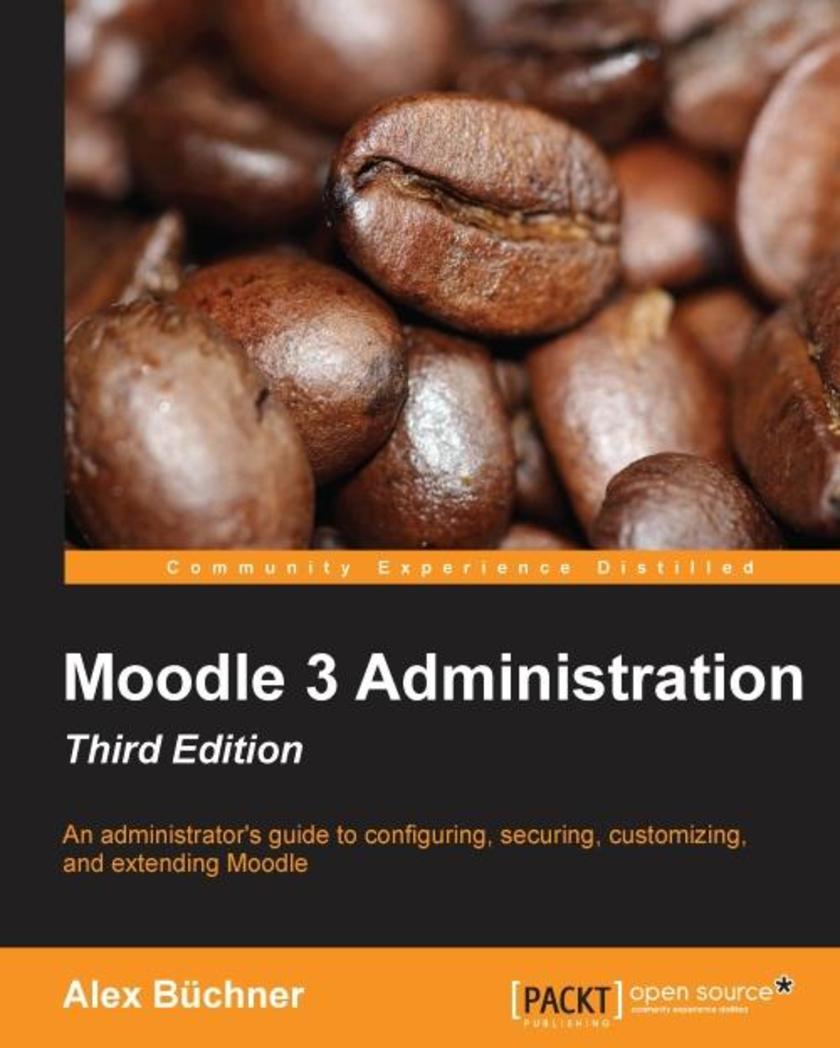
Moodle 3 Administration - Third Edition
¥90.46
An administrator’s guide to configuring, securing, customizing, and extending MoodleAbout This BookLearn how to plan, install, optimize, customize, and configure MoodleGuarantee a cutting-edge learning experience in a secure and customizable environment while optimizing your day-to-day workloadA one-stop guide with a problem-solution approach and a wide range of real-world examplesWho This Book Is ForIf you are a technician, systems administrator, or part of academic staff, this is the book for you. This book is ideal for anyone who has to administer a Moodle system. Whether you are dealing with a small-scale local Moodle system or a large-scale multi-site Virtual Learning Environment, this book will assist you with any administrative task. Some basic Moodle knowledge is helpful, but not essential.What You Will LearnInstall and update Moodle on multiple platforms manually and via CLI and GITManage courses and categories, users and cohorts, as well as rolesGet Moodle hooked up to repositories, portfolios, and open badgesConfigure Moodle for mobile usage, accessibility, localization, communication, and collaborationGuarantee backups, security and privacy, and achieve maximum performance via the Moodle Universal Cache and the new cron systemConfigure the Moodle events system to generate comprehensive reports, statistics, and learning analyticsNetwork Moodle with Mahara and extend it with third-party add-ons and via LTICustomize Moodle web services to enable mobile learning and integration with other IT systemsIn DetailMoodle is the de facto standard for open source learning platforms. However, setting up and managing a learning environment can be a complex task since it covers a wide range of technical, organizational, and pedagogical topics. This ranges from basic user and course management, to configuring plugins and design elements, all the way to system settings, performance optimization, events frameworks, and so on.This book concentrates on basic tasks such as how to set up and configure Moodle and how to perform day-to-day administration activities, and progresses on to more advanced topics that show you how to customize and extend Moodle, manage courses, cohorts, and users, and how to work with roles and capabilities. You’ll learn to configure Moodle plugins and ensure your VLE conforms to pedagogical and technical requirements in your organization. You’ll then learn how to integrate the VLE via web services and network it with other sites, including Mahara, and extend your system via plugins and LTI. By the end of this book, you will be able to set up an efficient, fully fledged, and secure Moodle system.Style and approachThe book takes a problem-solution approach to fall in line with your day-to-day operations. This is a one-stop reference for any task you will ever come across when administering a Moodle site of any shape and size.
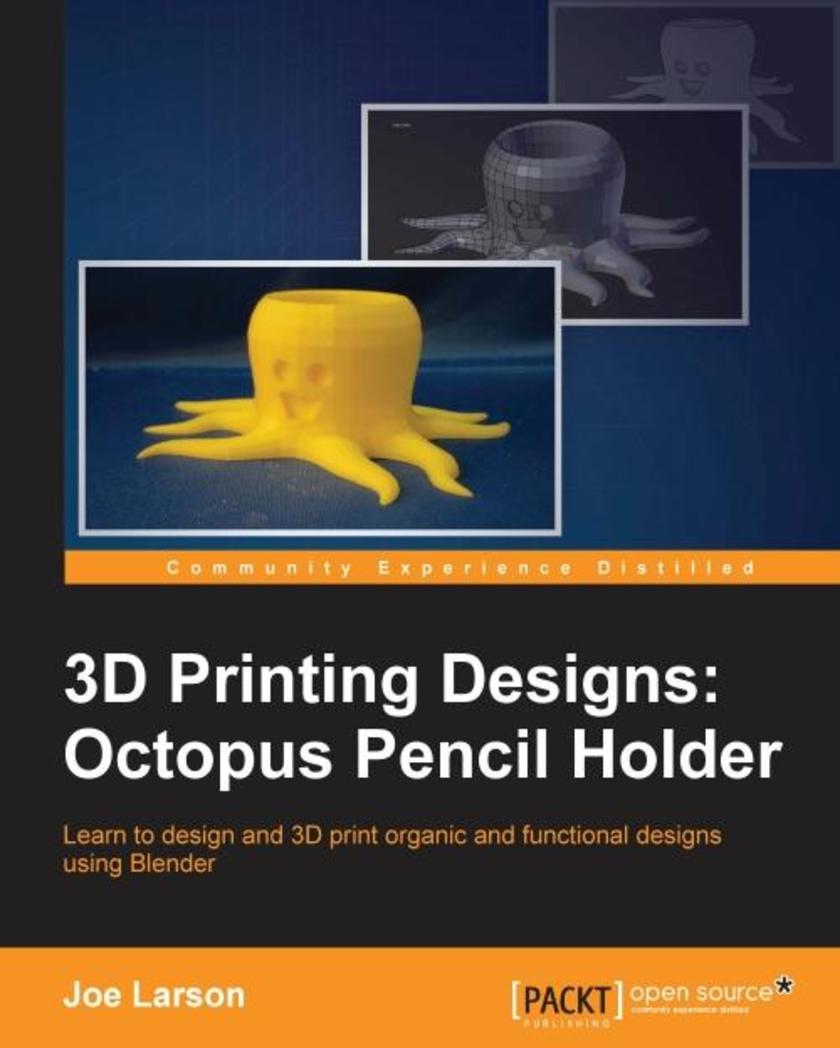
3D Printing Designs: Octopus Pencil Holder
¥35.96
Learn to design and 3D print organic and functional designs using BlenderAbout This BookLearn how to make complex shapes by editing basic onesMake printable objects from multiple shapes and partsLearn how to design from scratch, without a reference to physical objectsWho This Book Is ForYou should have basic knowledge of Blender and 3D printing and be interested in printing your first object.What You Will LearnGet to know the guiding principles required to create 3D printer-friendly modelsUnderstand material characteristics, printing specifications, tolerances, and design tipsMaster the art of modifying basic shapes with Blender's powerful editing tools: extrude, loop cuts, and other transformationsLearn techniques of editing complex meshes, smoothing, combining shapes, and exporting them into STL files for printingIn DetailThis book will cover the very basic but essential techniques you need to model an organic and functional object for 3D printing using Blender.Starting with pen and paper and then moving on to the computer, you will create your first project in Blender, add basic geometric shapes, and use techniques such as extruding and subdividing to transform these shapes into complex meshes. You will learn how modifiers can automatically refine the shape further and combine multiple shapes into a single 3D printable model.By the end of the book, you will have gained enough practical hands-on experience to be able to create a 3D printable object of your choice, which in this case is a 3D print-ready octopus pencil holder.Style and approachThis is a starter project designed to introduce you to your first real-world 3D printing designs, where you'll learn how to handle the fundamental principles of 3D printing design and have your hands on your reward in no time.
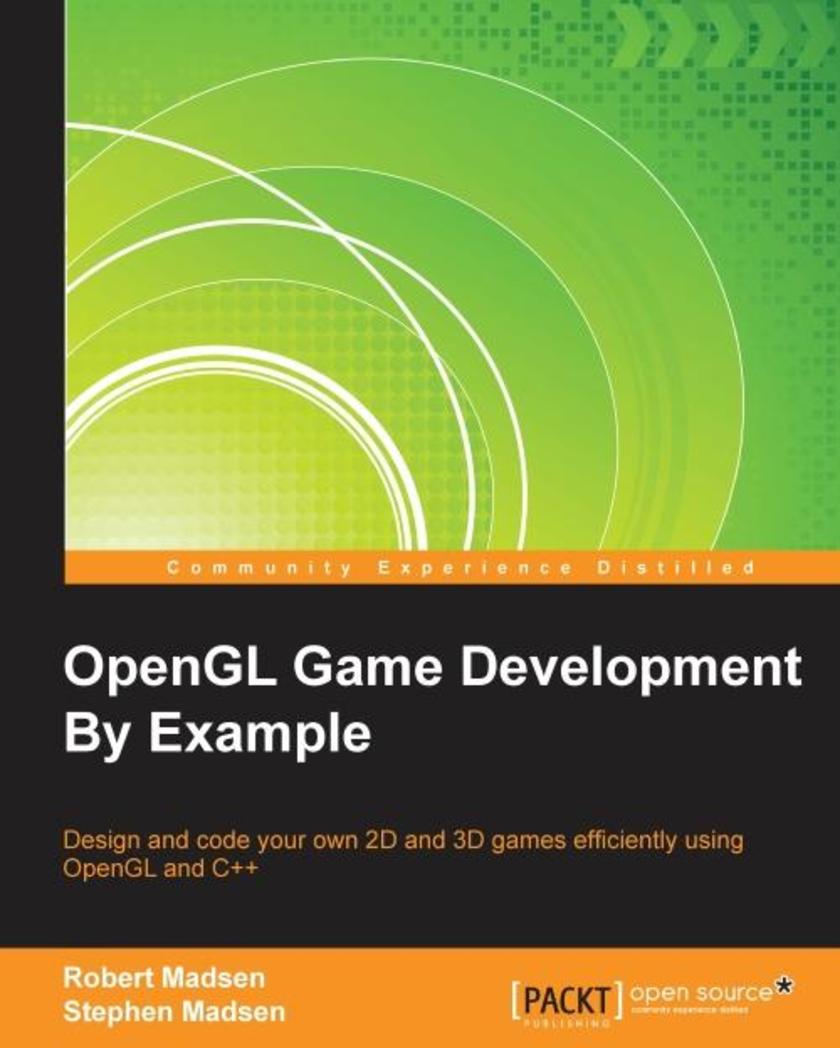
OpenGL Game Development By Example
¥107.90
Design and code your own 2D and 3D games efficiently using OpenGL and C++ About This Book Create 2D and 3D games completely, through a series of end-to-end game projects Learn to render high performance 2D and 3D graphics using OpenGL Implement a rudimentary game engine using step-by-step code Who This Book Is For If you are a prospective game developer with some experience using C++, then this book is for you. Both prospective and experienced game programmers will find nuggets of wisdom and practical advice as they learn to code two full games using OpenGL, C++, and a host of related tools. What You Will Learn Set up your development environment in Visual Studio using OpenGL Use 2D and 3D coordinate systems Implement an input system to handle the mouse and the keyboard Create a state machine to handle complex changes in the game Load, display, and manipulate both 2D and 3D graphics Implement collision detection and basic physics Discover the key components needed to complete a polished game Handle audio files and implement sound effects and music In Detail OpenGL is one of the most popular rendering SDKs used to develop games. OpenGL has been used to create everything from 3D masterpieces running on desktop computers to 2D puzzles running on mobile devices. You will learn to apply both 2D and 3D technologies to bring your game idea to life. There is a lot more to making a game than just drawing pictures and that is where this book is unique! It provides a complete tutorial on designing and coding games from the setup of the development environment to final credits screen, through the creation of a 2D and 3D game. The book starts off by showing you how to set up a development environment using Visual Studio, and create a code framework for your game. It then walks you through creation of two games–a 2D platform game called Roboracer 2D and a 3D first-person space shooter game–using OpenGL to render both 2D and 3D graphics using a 2D coordinate system. You'll create sprite classes, render sprites and animation, and navigate and control the characters. You will also learn how to implement input, use audio, and code basic collision and physics systems. From setting up the development environment to creating the final credits screen, the book will take you through the complete journey of creating a game engine that you can extend to create your own games. Style and approach An easy-to-follow guide full of code examples to illustrate every concept and help you build a 2D and 3D game from scratch, while learning the key tools that surround a typical OpenGL project.

Mobile Application Penetration Testing
¥90.46
Explore real-world threat scenarios, attacks on mobile applications, and ways to counter them About This Book Gain insights into the current threat landscape of mobile applications in particular Explore the different options that are available on mobile platforms and prevent circumventions made by attackers This is a step-by-step guide to setting up your own mobile penetration testing environment Who This Book Is For If you are a mobile application evangelist, mobile application developer, information security practitioner, penetration tester on infrastructure web applications, an application security professional, or someone who wants to learn mobile application security as a career, then this book is for you. This book will provide you with all the skills you need to get started with Android and iOS pen-testing. What You Will Learn Gain an in-depth understanding of Android and iOS architecture and the latest changes Discover how to work with different tool suites to assess any application Develop different strategies and techniques to connect to a mobile device Create a foundation for mobile application security principles Grasp techniques to attack different components of an Android device and the different functionalities of an iOS device Get to know secure development strategies for both iOS and Android applications Gain an understanding of threat modeling mobile applications Get an in-depth understanding of both Android and iOS implementation vulnerabilities and how to provide counter-measures while developing a mobile app In Detail Mobile security has come a long way over the last few years. It has transitioned from "should it be done?" to "it must be done!"Alongside the growing number of devises and applications, there is also a growth in the volume of Personally identifiable information (PII), Financial Data, and much more. This data needs to be secured. This is why Pen-testing is so important to modern application developers. You need to know how to secure user data, and find vulnerabilities and loopholes in your application that might lead to security breaches. This book gives you the necessary skills to security test your mobile applications as a beginner, developer, or security practitioner. You'll start by discovering the internal components of an Android and an iOS application. Moving ahead, you'll understand the inter-process working of these applications. Then you'll set up a test environment for this application using various tools to identify the loopholes and vulnerabilities in the structure of the applications. Finally, after collecting all information about these security loop holes, we'll start securing our applications from these threats. Style and approach This is an easy-to-follow guide full of hands-on examples of real-world attack simulations. Each topic is explained in context with respect to testing, and for the more inquisitive, there are more details on the concepts and techniques used for different platforms.
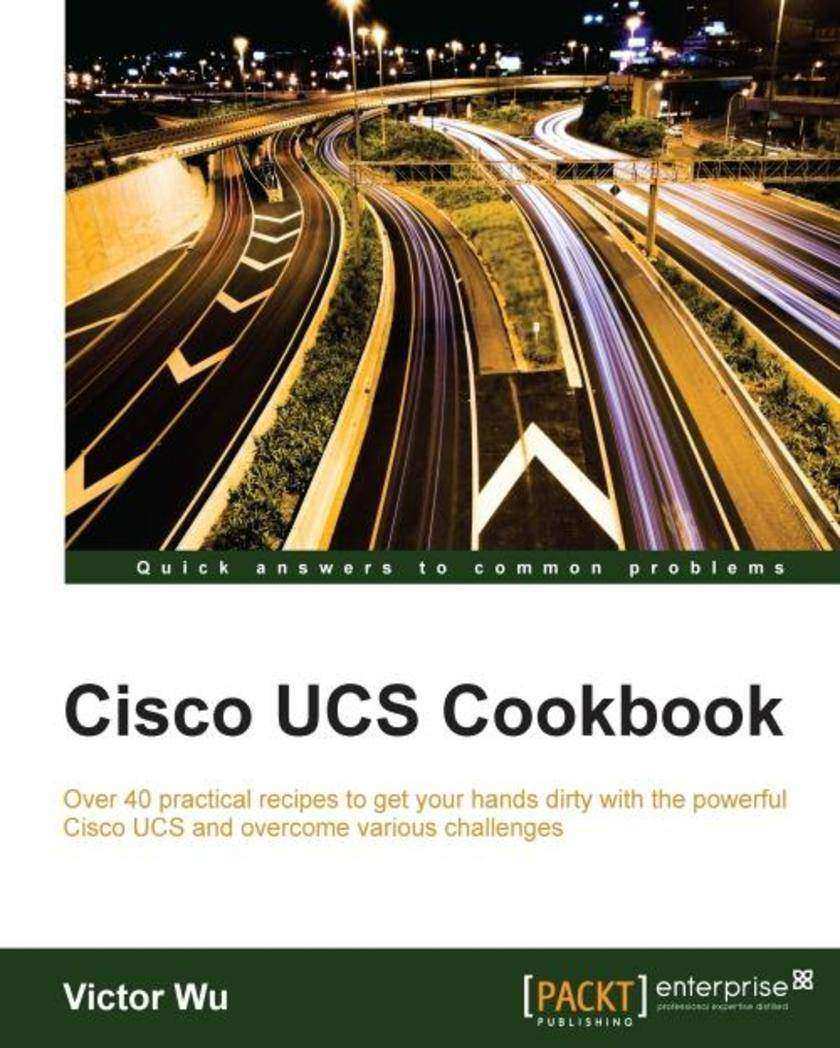
Cisco UCS Cookbook
¥90.46
Over 40 practical recipes to get your hands dirty with the powerful Cisco UCS and overcome various challenges About This Book Master the skills of minimizing cost, enabling your business to work faster by reducing cycle times for reporting and improving overall revenue Work through hands-on recipes for efficient deployment approaches, see computing techniques, and explore new operational models with UCS Render a better work-flow management, ensure effective monitoring, and learn new deployment paradigms for the operational infrastructure with the help of this book Who This Book Is For This book is for competent system/network or storage administrators who are working with Cisco UCS, but now want to learn new ways to compute UCS. What You Will Learn Familiarize yourself with information on the latest information on memory management practices, virtualization architectures, and the specific technical advantages of UCS Get a concrete understanding of integrating processes and techniques to ensure effective convergence of LAN/SAN Get to know the best practices of Cisco UCS, EMC Storage, and VMware vSphere Master migrating data from other band servers or Blade to Cisco UCS Comprehend how to replicate and back up UCS to remote sites UCS Assimilate innovative techniques to deploy UCS to leverage its full potential Gather information on installing and configuring automatic and manual Pinning Discover ways to integrate a system in Cisco UCS In Detail Cisco Unified Computing System (UCS) is a data center server platform that is used for computing, deploying, and storing resources in data center environments. This cookbook aims to teach you about various tasks you can implement to improve your existing method of configuring and deploying UCS. You will start by learning how to upgrade your firmware on Brocade and Cisco Fibre Channel Switch and will move on to enhance your knowledge of LAN connectivity. We will then discuss how to configure Windows 2008 and 2012 local boot in Cisco UCS. Next, you will learn how to install the operating system on Cisco UCS and use Cisco UCS Power Calculator to calculate the UCS consumption. Finally, we’ll take a look at backup solutions. By the end of the book, you will know several ways to build and compute in data center environment using Cisco UCS. Style and approach This guide explains every task in a conversational and easy-to-follow style. You can open this book up to the task you want to learn and will be able to perform that task by the end of the recipe.
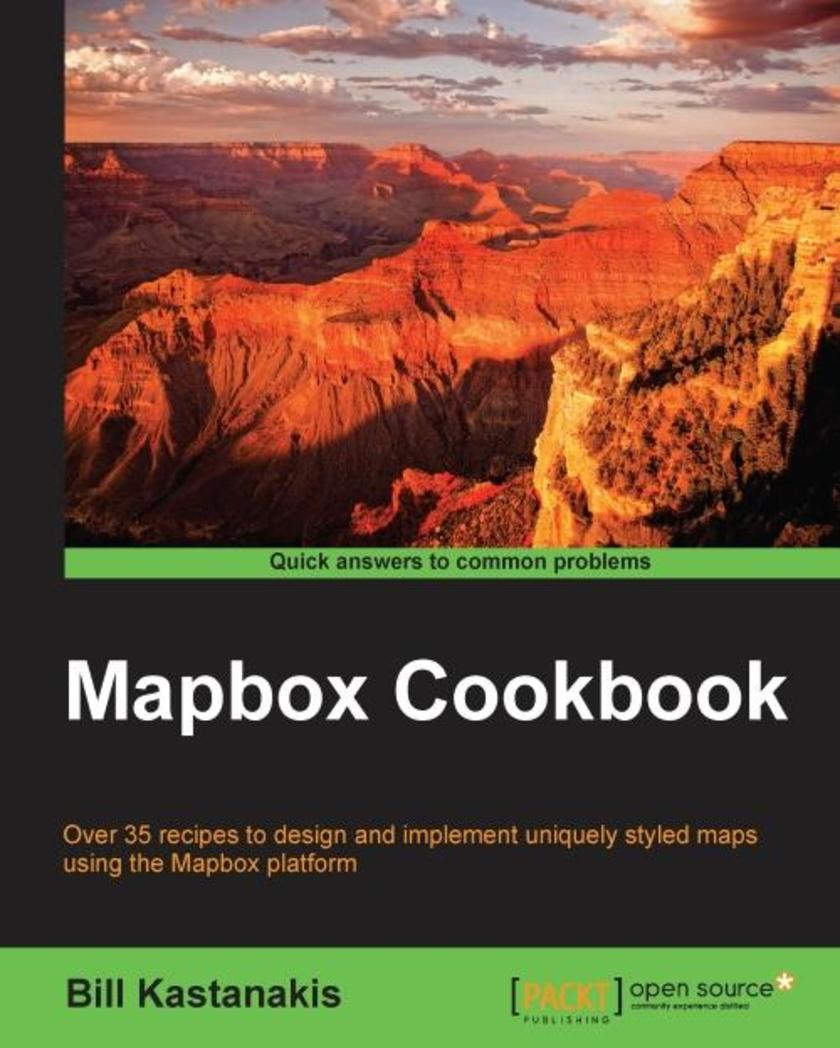
Mapbox Cookbook
¥71.93
Over 35 recipes to design and implement uniquely styled maps using the Mapbox platform About This Book Design and develop beautifully styled maps using TileMill, MapBox Studio, and CartoCSS Get to grips with the mapbox.js and Leaflet to create visually stunning web and mobile applications An easy-to-follow, quick reference guide to integrate powerful APIs and services like Foursquare, Fusion Tables, Geoserver, and CartoDB to populate your maps Who This Book Is For If you are a web developer seeking for GIS expertise on how to create, style, and publish interactive and unique styled maps, then this book is for you. Basic knowledge of programming and java*s is assumed. What You Will Learn Get accustomed to the MapBox Editor to visually style your maps Learn everything about CartoCSS, and how it will help you fine tune your styled maps Use MapBox Studio and Tilemill to generate your own tiles and vector maps Publish your maps using a variety of technologies like node.js, PHP, and Geoserver Integrate with third party APIs and services to populate your maps with public or private data Create many different map visualization styles like choropleth and heat maps, add interactivity, and even learn how to animate data over time Work with many different data formats and external services to create robust maps Learn to use MapBox GL to create a mobile application In Detail Maps are an essential element in today’s location aware applications. Right from displaying earth surface information to creating thematic maps displaying plethora of information, most of the developers lack the necessary knowledge to create customizable maps with combination of various tools and libraries. The MapBox platform is one such platform which offers all the tools and API required to create and publish a totally customizable map. Starting with building your first map with the online MapBox Editor, we will take you all the way to building advanced web and mobile applications with totally customizable map styles. Through the course of chapters we’ll learn CartoCSS styling language and understand the various components of MapBox platform and their corresponding JavaScript API. In the initial few chapters we will dive deeper into the TileMill and MapBox Studio components of MapBox and use them to generate custom styled map tiles and vector maps. Furthermore, we will publish these custom maps using PHP, node.js and third party tools like Geoserver. We’ll also learn to create different visualizations and map styles like a choropleth map, a heat map and add user interactivity using a UFTGrid. Moving on, we dive into advanced concepts and focus on integration with third party services like Foursquare, Google FusionTables, CartoDB, and Torque to help you populate and even animate your maps. In the final chapter we’ll learn to use the Mapbox SDK to create and publish interactive maps for the iOS platform. By the end of this book, you will learn about MapBox GL and how to create a fully functional, location-aware mobile app, using the maps styles created in the recipes. Style and approach An easy-to-use recipe driven book that will not just serve code samples, but also explains all the theory and concepts required to fully understand each recipe.
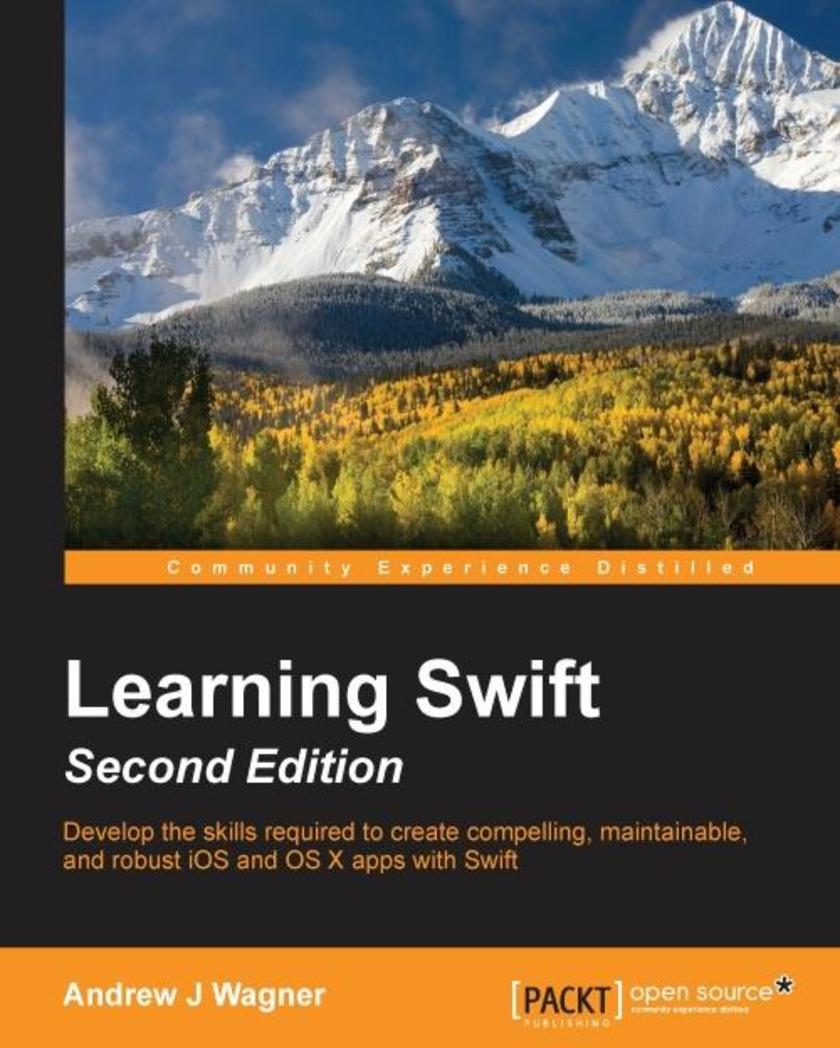
Learning Swift - Second Edition
¥71.93
Develop the skills required to create compelling, maintainable, and robust iOS and OS X apps with Swift About This Book Write expressive, understandable, and maintainable Swift 2 code with this hands-on tutorial Unveil the complex underpinnings of Swift to turn your app ideas into reality This book is packed with real-life examples to help you implement concepts as you learn Who This Book Is For If you are looking to build iOS or OS X apps using the most modern technology, this book is ideal for you. You will find this book especially useful if you are new to programming or if you are yet to develop for iOS or OS X. No prior programming exposure is required. What You Will Learn Form a solid understanding of the Swift 2 language Get to know the practical aspects of how a computer program actually works Understand the paradigms used by Apple’s frameworks so you are not intimidated by them Utilize the vast resources written in Objective-C to better inform your Swift programming Develop a basic portfolio of Swift code by learning the critical concepts Experience both object-oriented and functional programming Get to know the new coding techniques made available by Swift 2 Discover resources to ensure you never stop becoming a better developer In Detail Swift is Apple’s new programming language and the future of iOS and OS X app development. It is a high-performance language that feels like a modern *ing language. On the surface, Swift is easy to jump into, but it has complex underpinnings that are critical to becoming proficient at turning an idea into reality. This book is an approachable, step-by-step introduction into programming with Swift for everyone. It begins by giving you an overview of the key features through practical examples and progresses to more advanced topics that help differentiate the proficient developers from the mediocre ones. It covers important concepts such as Variables, Optionals, Closures, Generics, and Memory Management. Mixed in with those concepts, it also helps you learn the art of programming such as maintainability, useful design patterns, and resources to further your knowledge. This all culminates in writing a basic iOS app that will get you well on your way to turning your own app ideas into reality. Style and approach This is an approachable, step-by-step guide to programming in Swift 2. Each topic is separated into compressible sections that are full of practical examples and easy-to-understand explanations. Each section builds on the previous topics so you can develop a proficient and comprehensive understanding of app development in Swift 2.


