


 购物车
购物车 个人中心
个人中心
The White Ship
¥9.00
"The White Ship" is a short story written by H.P. Lovecraft. It was first published in The United Amateur (Volume 19) #2, November 1919. A lighthouse keeper named Basil Elton engages upon a peculiar fantasy in which a bearded man piloting a mystical white ship is found sailing upon a bridge of moonlight. Elton joins the bearded man on this ship, and together they explore a mystical chain of islands unlike anything that can be found on Earth.

Creating Capital: Money-making as an aim in business
¥40.79
The object of this paper is to discuss money-making; to examine its prevalence as an aim among people generally and the moral standards which obtain among those who consciously seek to make money. The desire to make money is common to most men. Stronger or weaker, in some degree it is present in the mind of nearly every one. Now, how far does this desire grow to be an aim or object in our lives, and to what extent is such an aim a worthy one?
The Shadow Over Innsmouth
¥8.98
The story describes of a strange hybrid race, half-human and half an unknown creature that resembles a cross between a fish and frog, that dwells in the seaside village of Innsmouth (formerly a large town, but lately fallen into disrepair). The townspeople worship Cthulhu and Dagon, a Philistine deity incorporated into the Cthulhu Mythos.
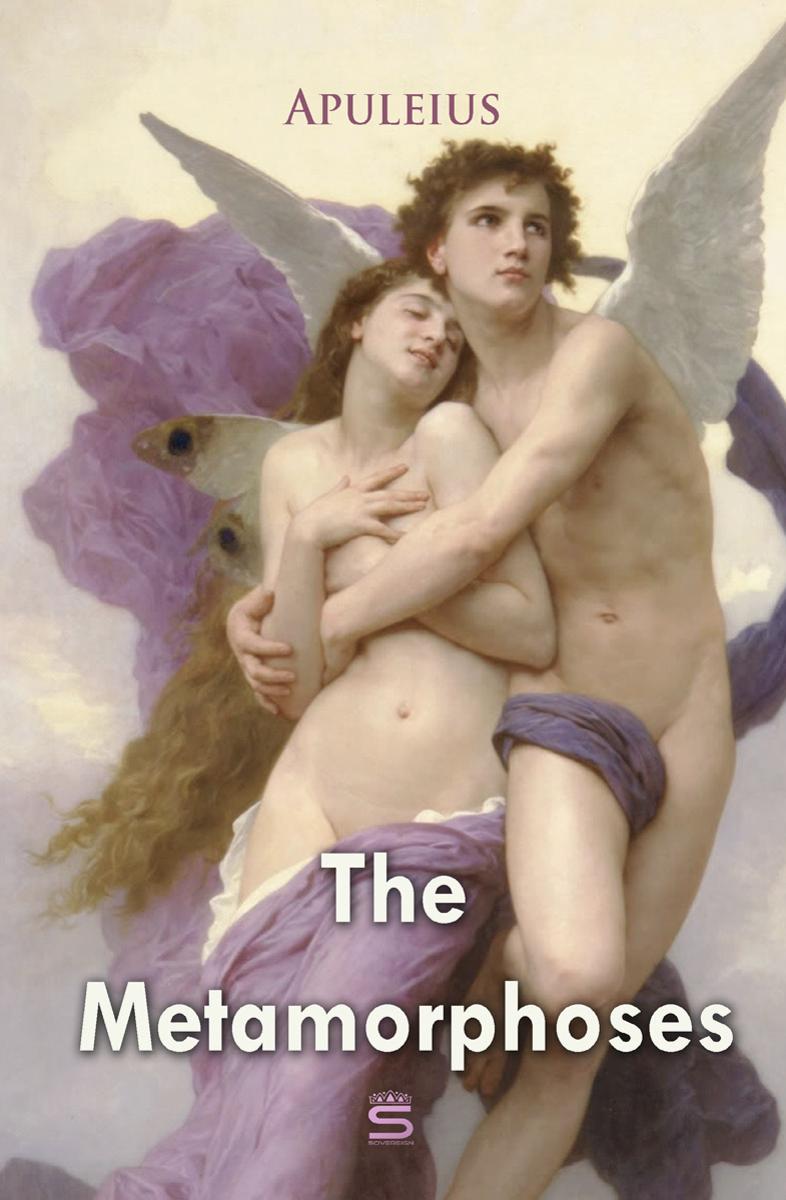
The Metamorphoses
¥40.79
The Metamorphoses, or The Golden Ass, is the only Ancient Roman novel to survive in its entirety. The protagonist of the novel is called Lucius. At the end of the novel, he is revealed to be from Madaurus, in ancient Algeria, the hometown of Apuleius himself. The plot revolves around the protagonist's curiosity and insatiable desire to see and practice magic. While trying to perform a spell to transform into a bird, he is accidentally transformed into an ass. This leads to a long journey, literal and metaphorical, filled with in-set tales. He finally finds salvation through the intervention of the goddess Isis, whose cult he joins.
Medusa's Coil
¥9.00
"Medusa's Coil" is a short story by H. P. Lovecraft and Zealia Bishop. It was first published in Weird Tales magazine in January 1939, two years after Lovecraft's death. The story concerns the son of an American plantation owner who brings back from Paris a new wife. It mixes elements of Lovecraft's Cthulhu Mythos with the ancient Greek myth of Medusa, but it has also been noted for its racist aspects.
The Women's Festival
¥40.79
Today the women at the festival are going to kill me for insulting them!' This bold statement by Euripides is the absurd premise upon which the whole play depends. The women are incensed by his plays' portrayal of the female sex as mad, murderous, and sexually depraved, and they are using the festival of the Thesmophoria (an annual fertility celebration dedicated to Demeter) as an opportunity to debate a suitable choice of revenge.
The Festival
¥9.00
"The Festival" is a short story by H. P. Lovecraft written in October 1923 and published in the January 1925 issue of Weird Tales. The story is set at Christmas time: "It was the Yuletide, that men call Christmas though they know in their hearts it is older than Bethlehem and Babylon, older than Memphis and mankind." An unnamed narrator is making his first visit to Kingsport, Massachusetts, an "ancient sea town where my people had dwelt and kept festival in the elder time when festival was forbidden; where also they had commanded their sons to keep festival once every century, that the memory of primal secrets might not be forgotten."

Στα β?θη τη? τ?φρου
¥84.20
Η ζω? απ? την πρ?τη μ?ρα που γεννηθ?καμε, ε?ναι μια αν?βαση στο βουν? που ποτ? δεν σταματ? να μα? εκπλ?σσει. ?λοι μα? μπορο?με μια μ?ρα να γ?νουμε πρωταγωνιστ?? μ?σα απ? κ?ποια αληθιν? ιστορ?α, ακ?μη και π?σω απ? ?να παρ?ξενο παραμ?θι. Καθ?? ?μω? απογαλακτιζ?μαστε με π?θο? για να τη ζ?σουμε ?ντονα, τα λ?θη ?ρχονται να ακολουθ?σουν δ?πλα μα?, με τη μν?μη πολλ?? φορ?? να γ?νεται φ?λη των τ?ψε?ν μα?. Η ζω? ε?ναι ?να μεγ?λο βιβλ?ο που γρ?φεται με χρ?ματα, ?να ταξ?δι με παρελθ?ν, παρ?ν και μ?λλον, και εκε? μ?σα θα υπ?ρξουν πολλ? ακ?μη ν?α κεφ?λαια. Το καλ?τερο ?μω? κεφ?λαιο μπορε? να γραφτε? ανο?γοντα? τι? σκουριασμ?νε? π?λε? του μυαλο? μα?, ?χοντα? αποκτ?σει τι? αν?λογε? εμπειρ?ε? με τα αυτι? μα? και τα μ?τια μα? ανοιχτ?. Σ’ αυτ? το βιβλ?ο θα γνωρ?σουμε την Ανν?τα Αρμ?νη, ?να νεαρ? κορ?τσι που τρ?βηξε την προσοχ? μα?, καθ?? περπατο?σε στον δ?σβατο δρ?μο τη?. Θα βι?σουμε ?να μελαν? χρ?μα στο ταξ?δι τη?, κοντ? στα πρ?τα κεφ?λαια τη? ζω?? τη?, με πολλ? μυστικ? που θα μα? αγγ?ξουν παθιασμ?να. Μαζ? τη? θα ανακαλ?ψουμε μερικ? σπουδα?α πρ?γματα μ?σα σε μερικ?? και μ?νο λ?ξει?: εμπιστοσ?νη, ελευθερ?α, ελπ?δα, αγ?πη, ζω? και π?νω απ? ?λα δικαιοσ?νη. Λ?ξει? που θα τι? κρατ?σουμε στην ψυχ? μα? προστατευμ?νε? για π?ντα, καθ?? ανο?ξαμε την καρδι? τη? και συναντ?σαμε σκι?? του μυαλο? τη? να μ?χονται με τη φωτι?. Τ?τε που ?λοι μαζ? ανακαλ?ψαμε π?σω απ? ?να πληγωμ?νο ?σ’ αγαπ?? τι ?ταν τελικ? αυτ? που ?ψαχνε απελπισμ?να να ζ?σει αυτ? η γυνα?κα, π?τε στο φω? του ?λιου και π?τε στο σκοτ?δι τη? τ?φρου.
The Disinterment
¥9.00
Fist published in 1935, "The Disinterment" is a short horror story by H.P. Lovecraft.
Beyond the Wall of Sleep
¥9.00
"Beyond the Wall of Sleep" is a science fiction short story by American writer H. P. Lovecraft, written in 1919 and first published in the amateur publication Pine Cones in October 1919. An intern in a mental hospital relates his experience with Joe Slater, an inmate who died at the facility a few weeks after being confined as a criminally insane murderer. He describes Slater as a "typical denizen of the Catskill Mountain region, who corresponds exactly with the 'white trash' of the South", for whom "laws and morals are nonexistent" and whose "general mental status is probably below that of any other native American people".

At the end of the Corridor
¥63.77
Aris, a traveler of life who is a perennial observer of the events happening around him, finds it impossible to comprehend and accept the controversies of the world around him. He finds himself trapped deeper and deeper into torturing thoughts. An attractive, voluptuous female presence dominates his mind. He comes across Anna, who is trying to solve the mystery of the Western Ward of the Hospital she works at. Her path crosses that of a mysterious man and leads her to the beautiful Glass City. Will Anna be able to solve the mystery and will Aris manage to find the exit of his dark corridor? The reader will enter into the mind of the heroes and experience all of their intense feelings and thoughts until their catharsis.
Cool Air
¥9.00
"Cool Air" is a short story by the American horror fiction writer H. P. Lovecraft, written in March 1926 and published in the March 1928 issue of Tales of Magic and Mystery. The narrator offers a story to explain why a "draught of cool air" is the most detestable thing to him. His tale begins in the spring of 1923, when he was looking for housing in New York City. He finally settles in a converted brownstone on West Fourteenth Street. Investigating a chemical leak from the floor above, he discovers that the inhabitant directly overhead is a strange, old, and reclusive physician. One day the narrator suffers a heart attack, and remembering that a doctor lives overhead, he climbs the stairs and meets Dr. Mu?oz for the first time.

The Survivors of the Chancellor
¥8.82
The Survivors of the Chancellor: Diary of J. R. Kazallon, Passenger is an 1875 novel written by Jules Verne about the final voyage of a British sailing ship, the Chancellor, told from the perspective of one of its passengers (in the form of a diary).
Eagle's Guard
¥40.79
"Well, enjoy your afternoon in the real world," said Aiden, giving her a big grin. "I'm going for an adventure." Seventeen year old Aiden has done what few others ever achieve: he has taught himself to wield the eighteen magical runes. He dreams of adventure, yet he feels trapped in his life as a cloakmaker's apprentice. Then one day, amidst the flames of a burning building, Aiden has a chance encounter with an Eagle Rider—one of the elite magical guardians of the kingdom. When the Eagle Riders go missing, Aiden finds himself caught up in a conspiracy surrounding a long dead wizard. Untrained and torn apart from his family, Aiden must embark on a dangerous journey in the hope of rescuing the few people powerful enough to save them all.
Sleeping Beauty
¥38.62
The world spins and the cycle of seasons turns as the Guardians of the Year gather to tell each other stories. As a new Winter begins it is time to tell another tale… A kingdom is in peril, its people driven to flee their homes as a dark forest covers the land. The King and Queen are missing and Prince Roland, only heir to the kingdom, lies sleeping, cursed never to awaken… All seems lost, and it falls to one young woman with a strong heart, aided by strange companions, to find her way to the castle at the heart of the enchanted forest. Once there, it will take a genuine act of love to break the curse and free the kingdom. A story about friendship, drawing on myth and folklore, Sleeping Beauty is an exciting and enchanting new adaptation of the well-loved story.

Eight Hundred Leagues On The Amazon
¥8.82
Joam Garral grants his daughter's wish to travel to Belém where she wants to marry Manuel Valdez in the presence of Manuel's invalid mother. The Garrals travel down the Amazon River using a giant timber raft. At Belém, Joam plans to restore his good name, as he is still wanted in Brazil for a crime he did not perpetrate. A scoundrel named Torres offers Joam absolute proof of Joam's innocence but the price that Torres wants for this information is to marry Joam's daughter, which is inconceivable to Joam. The proof lies in an encrypted letter that will exonerate Garral. When Torres is killed, the Garral family must race to decode the letter before Joam is executed.
Meeting Life: Writings and Talks on Finding Your Path Without Retreating from So
¥73.49
In this fascinating collection culled from teachings never before brought together in book form, Krishnamurti offers wise reflections and fresh perceptions on love, politics, society, death, self-censorship, relationships, solitude, meditation, spiritual growth, and much more. Thought provocative meditations and in-depth answers, Krishnamurti answers such timeless questions as: What is meditation? What are love and loneliness? What should our relationship to authority really be? Meeting Life also features a number of Krishnamurti’s talks, delivered in Switzerland, India, England, and California. Here is the profound wisdom of a beloved teacher who moved millions with his words. This thought-provoking and inspirational volume will provide strength and encouragement to anyone searching for insight.

The Magic World
¥8.82
This collection includes, "The Cat-hood of Maurice", "The Mixed Mine", "Accidental Magic", "The Princess and the Hedge-Pig", "Septimus Septimusson", "The White Cat", "Belinda and Bellamant", "Justnowland", "The Related Muff", "The Aunt and Anabel; "Kenneth and the Carp" and "The Magician's Heart"

Five Children and It
¥8.82
To Cyril, Anthea, Robert, Jane, and their baby brother, the house in the country promises a summer of freedom and play. But when they accidently uncover an accident Psammead--or Sand-fairy--who has the power to make wishes come true, they find themselves having the holiday of a lifetime, sharing one thrilling adventure after another. Asleep since dinosaurs roamed the earth, the ill-tempered, odd--looking Psammead --with his spider-shaped body, bat's ears, and snail's eyes --grudgingly agrees to grant the children one wish per day. Soon, though the children discover that their wishes have a tendancy to turn out quite differnetly than expected. Whatever they wish whether it's to fly like a bird, live in a mighty castle, or have an immense fortune --something goes terribly wrong, hilariously wrong. Then an accidental wish has horrible consequences, and the children are faced with a difficult choice: to let an innoncent manbe charged with a crime or to lose for all time their gift of magical wishes. Five Children and It is one of E. Nesbit's most beloved tales of enchantment.

Wildfire: Special Edition
¥8.82
Horse hunter Lin Sloan never wanted anything more than the wild stallion he called Wildfire. Lucy Bostil found the horse and the unconscious man who had roped him. She saved both their lives and took Sloan's heart in the process. Now another man wants Lucy and the horse--and will stop at nothing short of killing to get them.

The Young Pitcher
¥8.82
High school senior Ken Ward is on top of the world--he's popular, a somebody. But as a freshman at Wayne University, Ken quickly discovers he's a nobody who's treated like dirt by upperclassmen. When Ken can't stand the harassment anymore, he bursts out of his gloom by slugging a sophomore bully--who turns out to be captain of the varsity baseball team. It looks as if Ken's dream of making that team has gone down the drain... until in a moment of wild excitement he proves himself with, of all things, a potato! And Ken keeps on proving himself until the last out of a heart-pounding league championship game.


