


 购物车
购物车 个人中心
个人中心
El saludo de las brujas
¥8.82
Un amor apasionado que se vuelve imposible. La historia de un príncipe que no amaba a su esposa la cual termina yéndose con un plebeyo. Las calles de París están en esta novela invadidas de intrigas, conspiraciones e ambiciones...

Love Is ...: "10 Rules of the Love"
¥9.07
Everyone in life is gonna hurt you,?You just have to figure out which people are worth the pain.?- Erica Baican??She Walks In Beauty like the night (Lord Byron)??Everybody is looking for someone they belong to. Everybody is looking for the sense of their lives. But whatever you do, nothing makes sense without love in your heart.?So, the question is "What can love do?"?Love helps to live and to survive in the hardest moments of our lives.?Love inspires you.??Love awakes good feelings in your soul. The feeling of flying in the sky...The feeling of growing wings... The feeling of real living, not existing...?Love brings harmony in your heart.?Love is belief.??Love is warmth. Warmth, which can protect you from all your fears.?Love is caring. Caring for every living being around you.?Love is giving. Giving everything you have, your joy and your sorrow, your heart and your soul, your love and your mind, offering a helping hand in hard moments to the person you love...?Love is pain. Pain that hurts you & inspires you at the same time...?Love is peace. Peace in your heart, in your mind, in your life.?Love is charity...?Love is romance. Romantic ideas, romantic acting...??And Love is the best feeling in the world. Love makes the world go round. It is the greatest mystery of all times. If you ask someone What is love?, He or she will hardly find enough words to express its meaning. Love can be different. There is love for parents, love for children, love for animals, love for friends; first love, love for husband or wife, boyfriend or girlfriend. ??When you love someone or something, your heart and soul become warmer and kinder. People, who carry love in their hearts, are always happy and in good mood. Love helps to live and survive in the hardest moments of our lives. Almost all feelings in the world have some advantages or disadvantages.??However, love has only advantages.?It brings harmony and peace. About Author: Was born in city of Kharkov in Ukraine. She graduated from the National Law Academy of Ukraine named after Yaroslav Wise, speciality "Jurisprudence" with the red diploma. Wrote 5 scientific papers at the chair of financial law, National Law Academy of Ukraine named after Yaroslav the Wise. Occupation legal science had a great influence on my literary career and enriched me with your knowledge, who were guides in life. Successfully made a career – head of the legal Department at the tax office. Happily married (with “Murat UKRAY” who CEO of “CHEAPEST BOOKs”). ?Literary works: The book is about female destination: “Next stop, Married. Let's go, girls, go!” (Следующая Остановка) Publication in Russian language in July 2016
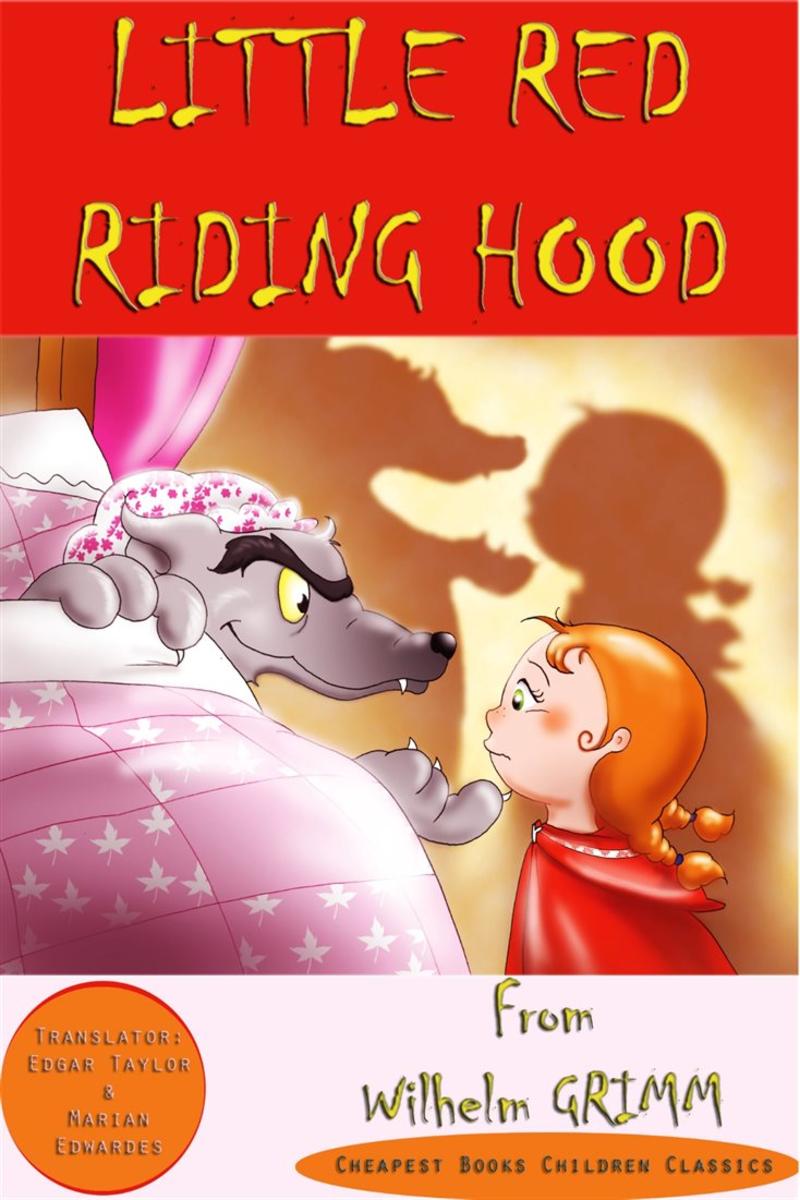
Little Red Riding Hood
¥9.24
LITTLE RED RIDING HOOD from "Brothers Grimm" ONCE upon a time... in the middle of a thick forest stood a small cottage, the home of a pretty little girl known to everyone as Little Red Riding Hood. One day, her Mummy waved her goodbye at the garden gate, saying, "Grandma is ill. Take her this basket of cakes, but be very careful. Keep to the path through the wood and don't ever stop. That way, you will come to no harm." Little Red Riding Hood kissed her mother and ran off. "Don't worry", she said, "I'll run all the way to Grandma's without stopping". Full of good intensions, the little girl made her way through the wood, but she was soon to forget her mother's wise words. "What lovely strawberries! And so red..."
Une nichée de gentilshommes
¥8.82
Après un bonheur incomplet, mensonger, qu'il vécut avec sa femme, et la séparation douloureuse qui s'en suivit, Lavretzky apprend la mort de celle-ci. Il rencontre Lise. Trouvera t-il enfin le bonheur auprès d'elle? Ce roman figure parmi les plus achevés de l'auteur sur le plan esthétique. Les personnages y sont traités avec justesse et poésie.
![Code Name: [Grey Class]](https://platform-permanent.ddimg.cn/pt-media-info-soa-resource/digital/product/47/58/1901164758_ii_cover.jpg?version=ff194c7b-cd9b-496d-a5de-1d78ae016a71)
Code Name: [Grey Class]
¥18.56
"White House, June 1st, 1789"? ? ? The president was a little bit nervous for days on end; and he was bemused because of his thoughts which he abstained to confess to himself, but it was requiring that his ideas should become reality for the future of America.He was in conscious of this but he had definitely made a decision; just at that moment, he summoned his staff Andy who he loves very much.? ? ? ?Andy had understood that somethings went wrong; he was being able to see President's nervous situation; they caught each other's eyes; and the President notified that he assigned Andy for a new duty; he said that it is not possible to be unsuccessful in his new duty; and congratulated him.? ? ? ?No longer, Andy was the teacher of the Grey Class; Andy's apprehension had started to increase, and he was trying to attribute meanings to those what had been, and on the other hand he was also carefully hearing the President.The president was telling Andy the Grey Class, its departments, his duties; and was not hiding his excitement; Andy was being the more surprised the more hear him; and also getting excited as well.? ? ? ?Andy was carefully examining the file which had put before him; departments for the Gray Class and their responsible staffs, and also his students and sidekicks were written in the file.? ? ? ?The President had submitted to his staff his program which will create the strategy, will design the strategy of the world, and will transfer America into world emperorship.
?lüm Mahkumlar?
¥13.90
Güney yurdundan Kuzey yurduna her yl gnderilen dokuz lüm mahkumu... Mahkumlardan birinin yeminine ihanet ederek kamas... Yeniden seilen mahkumlar bu sefer ant ierler nedensiz, sonu belirsiz bu düzeni bozmaya. Son mahkum olmaya... Onlar ZGRLK SAVAILARI!!! Nam- dier LM MAHKUMLARI!! lüm mahkumlarnn ak, kskanlk, mücadele ve heyecanla dolu zorlu yolculuu elik ederek Güne ve Ay Tapnaklar arasna incecik ipliklerle dokunmu tasavvuf mistik dokuyu kefetmeniz; kendi isel uyannz gerekletirmeniz temennisiyle... YAZAR: Neslihan Gültepe Maden, 1987 Konya doumlu. Seluk niversitesi Türke Eitimi Ana Bilim Dal mezunudur. Antalya’da Türke retmeni olarak grev yapmakta, Evli ve ü ocuk annesi..
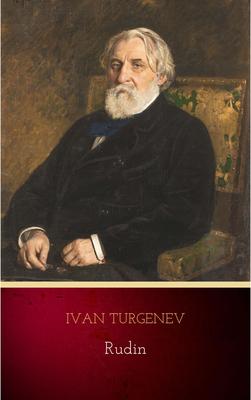
Rudin
¥8.82
Rudin, by Ivan Turgenev, is a Russian fiction classic and a nostalgic story of a man in his late twenties, torn between his much loved but barbaric homeland and a comfortable but unsatisfactory life in Europe. Translated by Constance Garnett, 1894 edition. The novel begins with the introduction of three of the characters – Aleksandra, Lezhnev, and Pandalevskii. Pandalevskii relates to Aleksandra Dar’ya Mikhailovna’s invitation to come and meet a Baron Muffel’. Instead of the Baron, Rudin arrives and captivates everyone immediately with his intelligent and witty speeches during the argument with Pigasov.
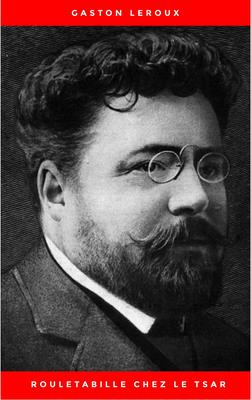
Rouletabille chez le Tsar
¥8.82
Et, cette nuit, cette nuit où elle sent Rouletabille quelque part, autour d’elle… voilà, vraiment, qu’elle est moins inquiète… et pourtant les policiers ne sont plus là !… Aurait-il raison, ce petit ?… Il est certain (elle ne saurait se le dissimuler) qu’elle est beaucoup plus tranquille… plus tranquille maintenant que les policiers ne sont plus là… elle ne passe pas son temps à rechercher leurs ombres, dans l’ombre… à t?ter l’ombre… les fauteuils… les canapés… à secouer leur torpeur… à les appeler tout bas, par leur petit nom et le petit nom de leur père… à leur promettre le natcha? important s’ils veillent bien… à les compter, pour savoir où ils sont tous… et, tout à coup, à leur jeter en plein visage le jet de lumière de sa petite lanterne sourde pour être s?re, bien s?re, qu’elle a en face d’elle, un de la police… et non point un autre… un autre avec une petite bo?te infernale sous le bras !…
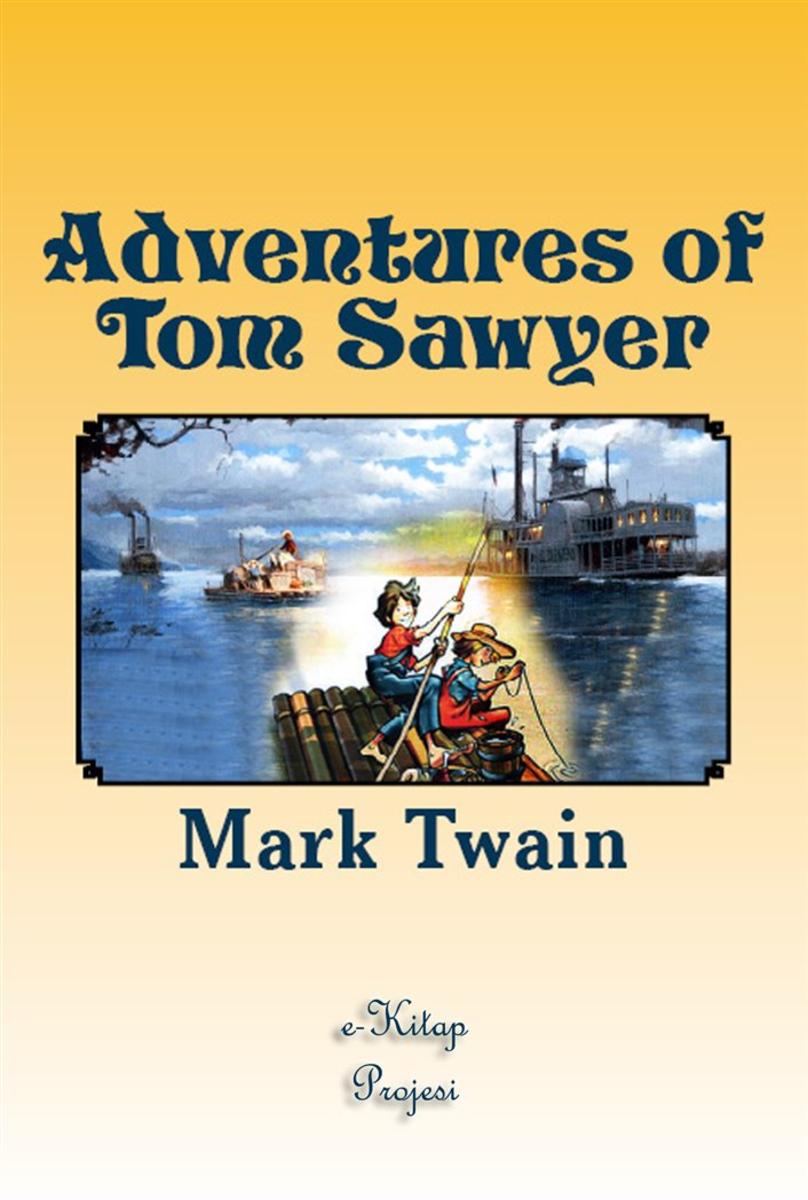
Adventures of Tom Sawyer
¥23.22
"TOM!"?No answer.?"TOM!"?No answer.??"What's gone with that boy, I wonder? You TOM!"?No answer.??The old lady pulled her spectacles down and looked over them about the room; then she put them up and looked out under them. She seldom or never looked through them for so small a thing as a boy; they were her state pair, the pride of her heart, and were built for "style," not service—she could have seen through a pair of stove-lids just as well. She looked perplexed for a moment, and then said, not fiercely, but still loud enough for the furniture to hear:??"Well, I lay if I get hold of you I'll—"??She did not finish, for by this time she was bending down and punching under the bed with the broom, and so she needed breath to punctuate the punches with. She resurrected nothing but the cat.??"I never did see the beat of that boy!"?She went to the open door and stood in it and looked out among the tomato vines and "jimpson" weeds that constituted the garden. No Tom. So she lifted up her voice at an angle calculated for dis-tance and shouted:??"Y-o-u-u TOM!"
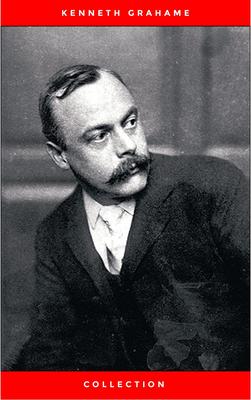
Collection
¥8.82
CONTENTS: The Golden Age Dream Days The Reluctant Dragon The Wind in the Willows
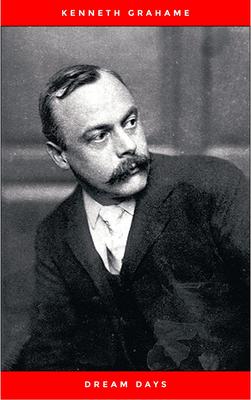
Dream Days
¥8.82
The further adventures of five brothers and sisters growing up in the English countryside in the late nineteenth century. Sequel to "The Golden Age."
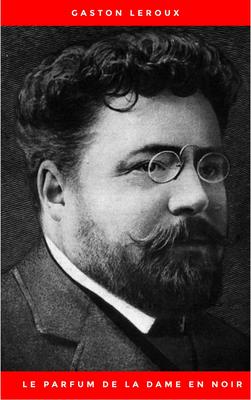
Le Parfum de la dame en noir
¥8.82
Une cérémonie de mariage réunit tous les protagonistes du célèbre Mystère de la chambre jaune.
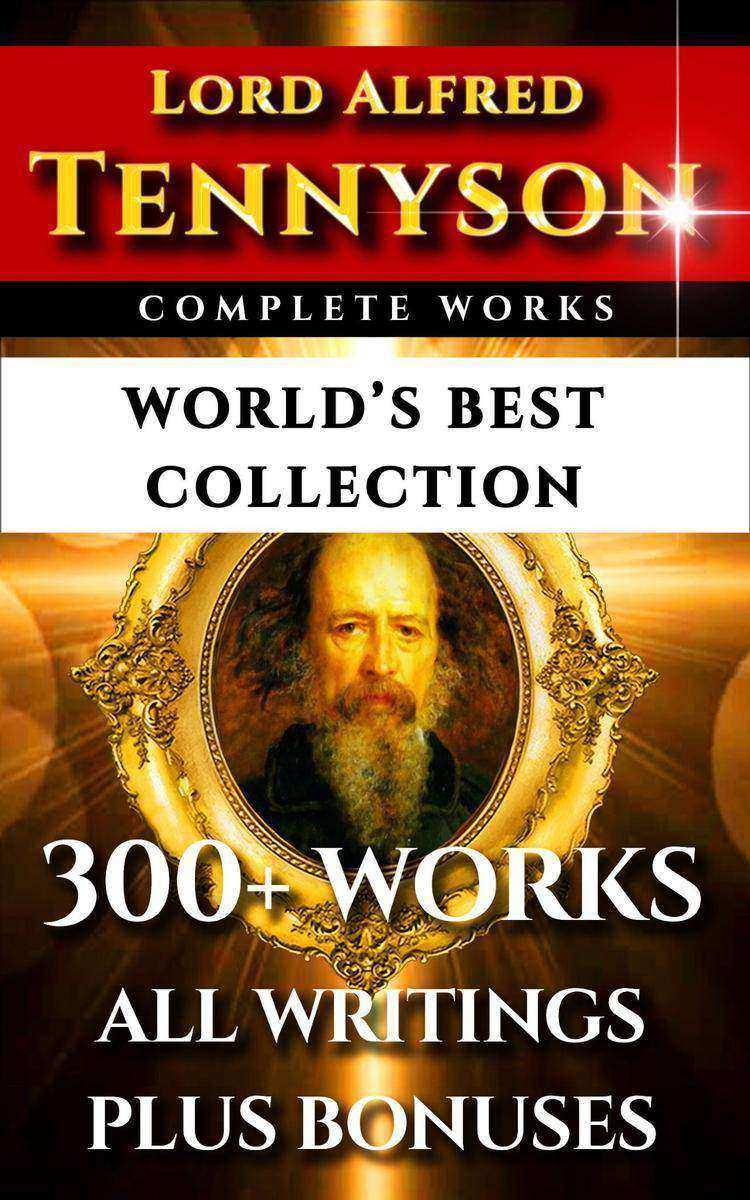
Tennyson Complete Works – World’s Best Collection
¥8.09
Tennyson Complete Works World's Best Collection This is the world’s best Alfred Lord Tennyson collection, including the most complete set of Tennyson’s works available plus many free bonus materials. Lord Tennyson Alfred Lord Tennyson was Poet Laureate of Great Britain and Ireland during much of Queen Victoria’s reign and remains one of the most popular British poets. He is the ninth most frequently quoted writer in The Oxford Dictionary of Quotations and responsible for many common phrases such as: ‘tis better to have loved and lost than never to have loved at all’ and ‘to strive, to seek, to find, and not to yield’ among many others The ‘Must-Have’ Complete Collection In this irresistible collection you get a full set of Tennyson’s works, both his well-known as well as his rare, with more than 400 different works - All Tennyson’s poetry, All his plays, All major and minor works, All his poetry collections, Plus his rare early poems. With a Biography and More Extra Bonus material. Works Included: The Plays Of Tennyson: Queen Mary: A Drama Harold: A Drama Becket The Cup - A Tragedy The Falcon The Promise Of May The Foresters The Poetry Collections: Maud, And Other Poems The Lady Of Shalott And Other Poems Demeter And Other Poems Idylls Of The King English Idyls, And Other Poems Ballads And Other Poems The Death Of ?none, And Other Poems Tiresias, And Other Poems Juvenilia - Tennyson’s Early Poems Enoch Arden, And Other Poems The Princess Your Free Special Bonuses Tennyson’s Life And Poetry - A biography of Tennyson’s intriguing life. Literary Essay On Tennyson – a comprehensive essay about Tennyson and his works Historical Context and Literary Context Notes?- Detailed explanations of the Victorian Era and Victorian Literature, written specially for this collection. Get This Collection Right Now This is the best Tennyson collection you can get, so get it now and start enjoying and being inspired by his world like never before!
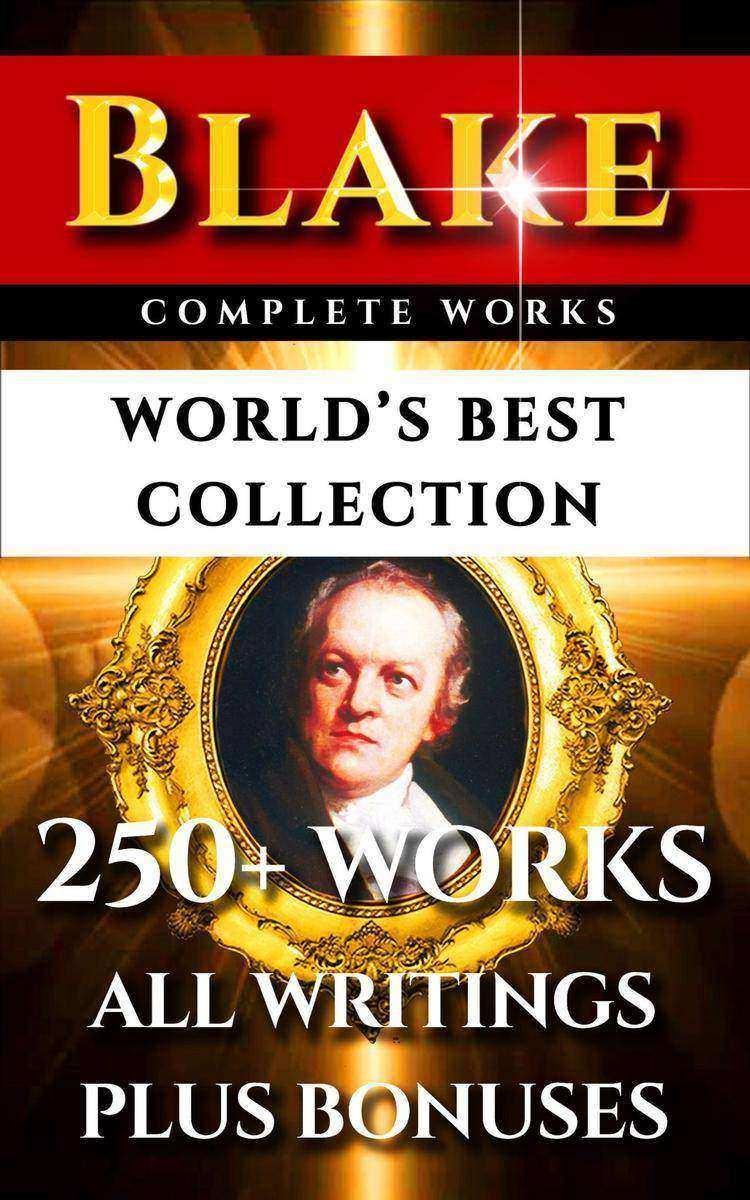
William Blake Complete Works – World’s Best Collection: 250+ Works
¥8.09
William Blake Complete Works World's Best Collection This is the world’s best William Blake collection, including the most complete set of Blake’s works available plus many free bonus materials. William Blake William Blake was an English poet and painter. Although unrecognized during his lifetime, Blake is now considered a seminal figure in the history of the poetry of the Romantic Age, and in 2002, Blake was placed at number 38 in the Bbc’s poll of the 100 Greatest Britons. During his lifetime, Blake was largely considered mad by contemporaries for his idiosyncratic views, but he is held in high regard by later critics for his expressiveness and creativity, and for the philosophical and mystical undercurrents within his work. The 19th-century scholar William Rossetti characterized him as a "glorious luminary” The ‘Must-Have’ Complete Collection In this irresistible collection you get a full set of Blake’s pieces, with more than 250 works - All his poems, All poetry, All his prose and the full length definitive biography. Plus Free Bonus material. There are countless must reads, ranging from the well-known pieces to fantastic and startling new works to discover. Including Among Many Others: Poetical Sketches Songs Of Innocence Tiriel All Religions Are One The Marriage Of Heaven And Hell The Gates Of Paradise America: A Prophecy Europe: A Prophecy Songs Of Experience The Book Of Ahania The Song Of Los Vala, Or The Four Zoas A Vision Of The Last Judgment. The Ghost Of Abel The Rossetti Manuscript The Pickering Manuscript Auguries of Innocence The Laocoon Satiric Verses And Epigrams Full Collection Of Blake’s Letters Your Free Special Bonuses Historical Context and Literary Context Notes?- Detailed explanations of the Regency Era and Romanticism, written specially for this collection. Annotations?- a collection of notes taken from hand written texts Blake made in the margins of his own favourite books. William Blake, A Critical Essay?- a intriguing essay from the famous literature scholar Algernon Charles Swinburne Life Of William Blake Pictor Ignotus?- Used in colleges worldwide,known as the definitive biography of Blake, from Alexander Gilchrist, a fascinating account of Blake’s colourful life, including chapters, amongst others, about his work, his changing views on the world and his trial for sedition. Get This Collection Right Now This is the best William Blake collection you can get, so get it now and start enjoying and being inspired by the words inside like never before!
Chéri-Bibi et Cécily: Premières Aventures de Chéri-Bibi - Tome II
¥8.82
Suite des Cages flottantes. Extrait : Et alors votre mari a administré une gifle formidable au baron, qui est allé rouler dans les placards en cassant de la porcelaine de prix. Oh ! ?a a été admirablement fait ! Maxime a toujours eu une poigne très solide. Là-dessus, il est parti en disant : ? J’attends vos témoins. ? Le baron m’a prié d’être son premier témoin. Je me suis récusé. J’ai toujours été beaucoup plus l’ami de Maxime que celui du baron ; enfin, madame, je suis aussi votre ami, à vous, et je viens offrir mes services au marquis.
Legea r?zbun?rii
¥66.22
Spionaj de anvergur? interna?ional? ?i o urm?rire spectaculoas? de la un cap?t la altul al Europei. La c?teva luni dup? ce a z?d?rnicit un atac terorist interna?ional, Jonathan Ransom, chirurg ?n cadrul organiza?iei Medici F?r? Frontiere, lucreaz? sub acoperire ?ntr-un col? ?ndep?rtat al Africii. So?ia sa, Emma, urm?rit? de serviciul secret american Divizia, din care f?cuse parte, se ascunde ?i ea. Cei doi sperau s? se ?nt?lneasc? ?n secret ?n Londra, dar un nou atac terorist le strica weekendul romantic. Emma dispare din nou, Jonathan devine suspectul principal ?i totul se transform? ?ntr-un adev?rat haos. Obligat s? fie mereu cu un pas ?naintea poli?iei ?i s? anticipeze totodat? mi?c?rile Emmei, ?n al c?rei trecut se vede nevoit s? sape tot mai ad?nc, Jonathan ?ncepe o curs? de-a lungul Europei, ?n care va descoperi c? nu este dec?t un pion ?ntr-un joc al spionajului interna?ional a c?rui miz? ?i complexitate dep??esc cu mult orice imagina?ie.
Du Sang sur la Néva: Les Ténébreuses - Tome II
¥8.82
Gaston Leroux est un romancier fran?ais, né le 6 mai 1868 à Paris (10e arr.) et mort le 15 avril 1927 à Nice (Alpes-Maritimes). Il est surtout connu pour ses romans policiers empreints de fantastique.
Les Cages flottantes: Premières Aventures de Chéri-Bibi - Tome I
¥8.82
Le terrible Chéri-Bibi réussit, avec ses compagnons d'infortune, à se rendre ma?tre du navire qui le conduit au bagne de Cayenne. Il raconte qu'il a été accusé à tort du meurtre du marquis du Touchais dont le fils a épousé Cécily, la fille de son patron, dont il était lui-même fort amoureux. Or, le jeune marquis, qui trompe sa femme, passe avec son yacht à proximité du navire...
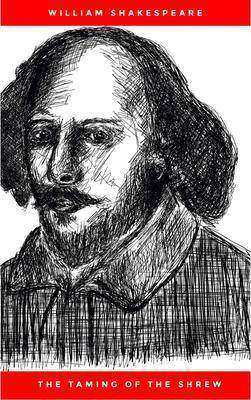
The Taming of the Shrew
¥8.82
The Taming of the Shrew is a comedy by William Shakespeare. It was one of his earlier plays, believed to have been written between 1590 and 1594. The play begins with a framing device in which a drunkard is deceived into thinking he is a nobleman who then watches the "play" itself, which depicts a nobleman, Petruchio, who marries an outspoken, intelligent, and bad-tempered shrew named Katherina. Petruchio manipulates and "tames" her until she is obedient to his will. The main subplot features the courting of Katherina's more conventional sister Bianca by numerous suitors.
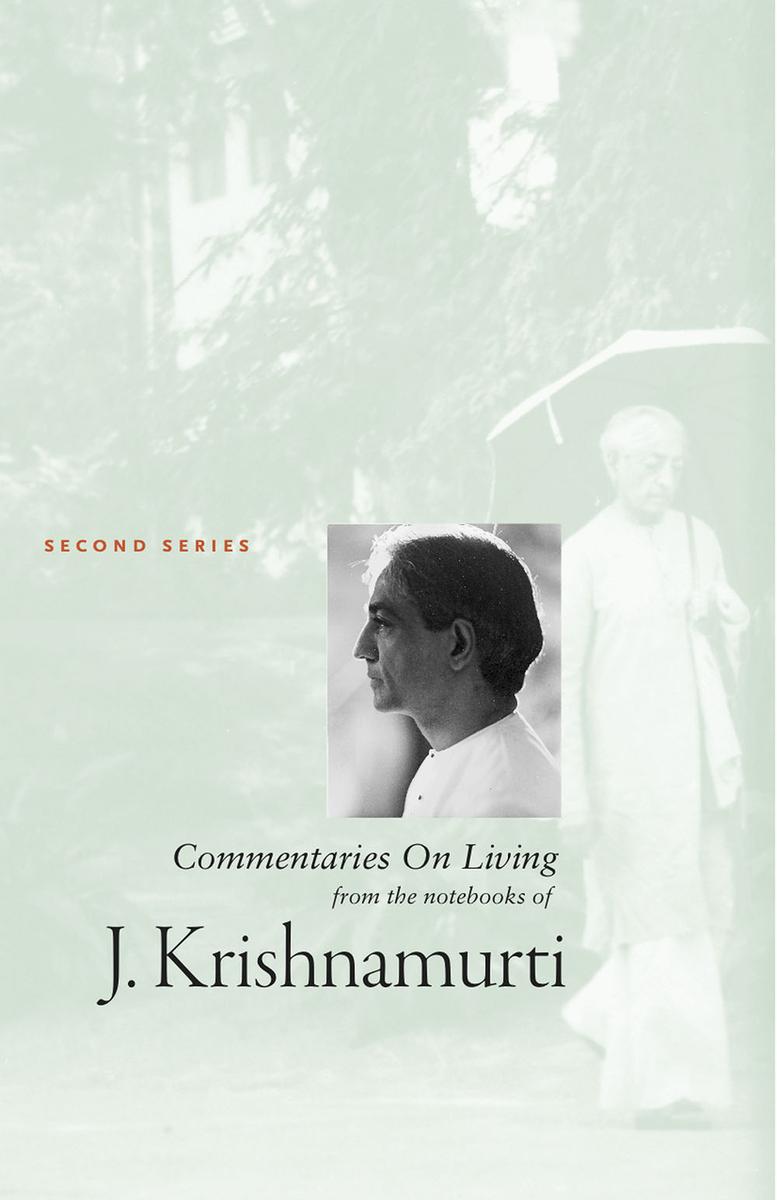
Commentaries On Living: Second Series
¥51.91
In this series of commentaries J. Krishnamurti, one of the great thinkers of our time, touches upon many human problems—ourhopes, our fears, our illusions, our beliefs, our prejudices—and in the simplest language seems to pierce to their roots.“The sheer simplicity is breathtaking. The reader is given, in one paragraph, often in one sentence, enough to keep him exploring, questioning, thinking for days.” –Anne Morrow Lindbergh.“The insight, spiritual and poetic, of these commentaries is as simply expressed as it is searching in its demand.” –Times Literary Supplement (London).“Krishnamurti is no other than he seems, a free man, one of the first quality, growing older as diamonds do but the gem-like flame not dating, and alive in these Commentaries. It is a treasure.” –Francis Hacket, The New Republic. J. Krishnamurti was born in South India and educated in England.Hailed by many from early youth as a spiritual teacher, he rejected adulation and leadership in order to encourage spiritual freedom and understanding. He devoted his life to speaking and counseling, traveling in the U.S.A., Europe, India and other parts of the world, addressing thousands of people, always pointing the way to individual discovery of truth.These Commentaries on Living are published in three volumes:First, Second, and Third Series.
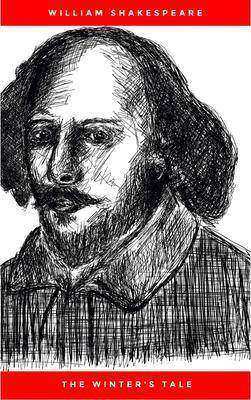
The Winter's Tale
¥9.00
The Winter's Tale is a play by William Shakespeare, first published in the First Folio in 1623. Although it was listed as a comedy when it first appeared, some modern editors have relabeled the play a romance. Some critics, among them W. W. Lawrence (Lawrence, 9-13), consider it to be one of Shakespeare's "problem plays", because the first three acts are filled with intense psychological drama, while the last two acts are comedic and supply a happy ending.


