


 购物车
购物车 个人中心
个人中心

国学大书院28:围炉夜话
¥7.33
《围炉夜话》是明清时期著名的文学品评著作,全书分为221则,以“安身立业”为主旨,分别从道德、修身、读书、教子、忠孝、勤俭等十个方面,揭示了人生的深刻含义,其独到见解在中国文学史上占有重要地位。
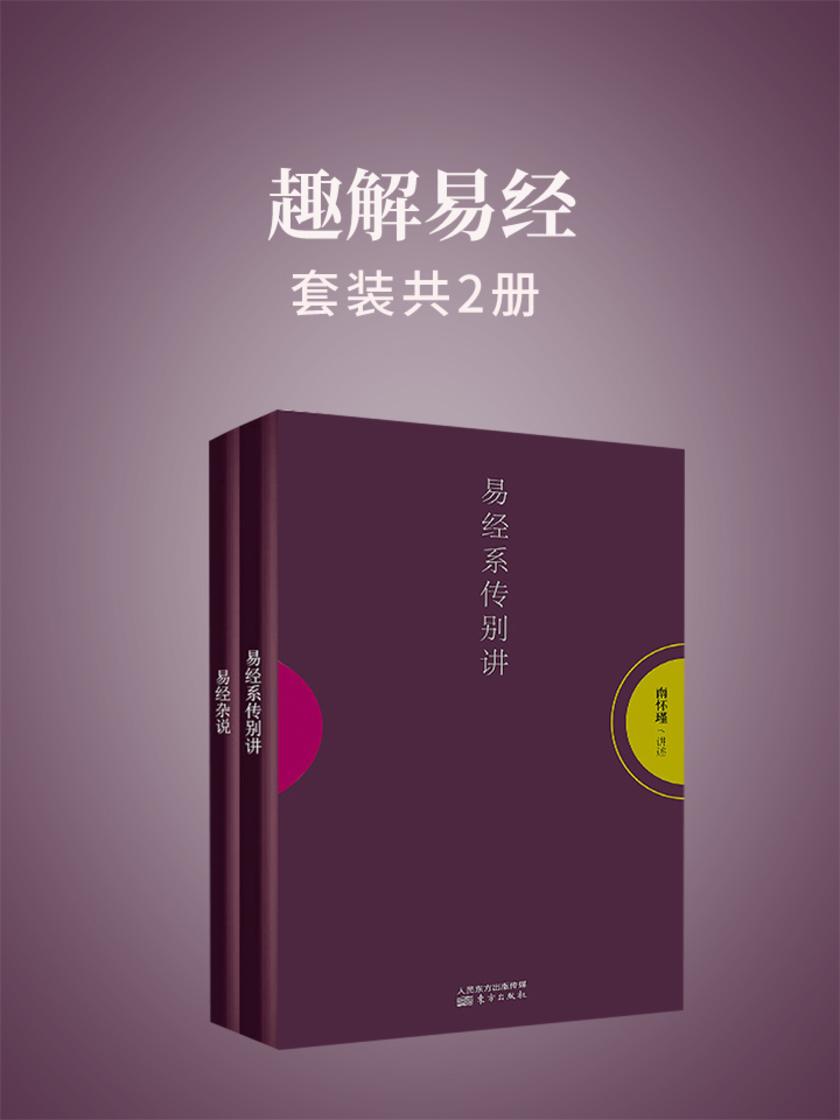
趣解易经(南怀瑾独家授权定本种子书)
¥52.80
作为儒家“五经”之首、道家“三玄”之一的《易经》,自成书以来,注释解说者层出不穷,但想要学习《易经》的普通读者,却依然茫然不得头绪。针对这种情况,南怀瑾先生开讲《易经》。《易经杂说》《易经系传别讲》二书,既不把《易经》看作高深莫测、隐藏玄奥的天书,又否定了近代不少学者“迷信、混乱”的断语,不轻易引申,不牵强附会,以还原《易经》的本初意义为主旨,以树立端正的人生态度、传授博大的人生智慧为目的,非学究或术士者可拟。

禅说老庄(南怀瑾独家授权定本种子书)
¥91.80
《老子》《庄子》是道家学术思想的源头和代表作,二者对普通读者来说,也常有一种难以言说的神秘和难解之感。南怀瑾先生讲《老》《庄》,不斤斤于个别语译,游乎经史子集之中,不论出世入世,评比精义,更以禅宗的方式,随说随破,提示其出入禅道的旨意,可以说是与《老》《庄》气质接近的讲解。

漫谈教育(南怀瑾独家授权定本种子书)
¥40.80
南怀瑾先生一生极为重视教育,尤其重视青少年教育问题。这两本书主要谈的就是教育以及教育与文化的问题。他考察了中国两千多年教育概况,并着重讲述了20世纪以来东西文化的交流、新旧教育制度及思想的改革演变,指出,这一切乃是历史趋势中自然的现象,是文化思想在变动时代必起的波澜,也是人类历史分段生命中当然的病态。并呼吁应正本清源地反思家庭教育、社会教育和学校教育,修正学风,建立一番复兴文化的新气象。分析如抽丝剥茧层层深入,论述精辟句句发人深省。


国学大书院16:墨子
¥14.00
《墨子》为战国百家中墨家的经典。墨子提倡兼爱、非攻、尚贤、尚同、天志、明鬼、非命、非乐、节葬、节用,对哲学、逻辑学都有研究和贡献。此外,他在军事学、工程学、力 学、几何学、光学上都有相当的研究和贡献,先秦的科学技术成就大都依赖《墨子》以传。

国学大书院27:小窗幽记
¥8.67
立德修身的恒言警句为学立业的至理名言《小窗幽记》为陈眉公所著的修身处世格言,条条都是人生的回味和处世的领悟,体现了儒家修身、齐家、治国、平天下的积极人生态度,又兼容了佛家超凡脱俗和道家清静无为的智慧,历来被称为修身养性、提升自我修养的佳作。

国学大书院32:弟子规·龙文鞭影
¥8.67
蒙养之学 传世经典《龙文鞭影》原名《蒙养故事》,是古代非常有名的汉族儿童启蒙读物。作者的寓意是,看了这本《龙文鞭影》,青少年就有可能成为“千里马”。《龙文鞭影》主要是介绍中国历史上的人物典故和逸事传说。它问世后,成为*受欢迎的童蒙读物之一。

国学大书院35:宋词
¥12.67
吟诵经典 陶冶情操 采录诸词 脍炙万口 《宋词》是继唐诗后的又一种文学体裁,它兼有文学与音乐两方面的特。宋词是中国古代文学皇冠上光辉夺目的一颗巨钻,在古代文学的阆苑里,她是一块芬芳绚丽的园圃。她以姹紫嫣红、千姿百态的丰神,与唐诗争奇,与元曲斗妍,历来与唐诗并称双绝,都代表一代文学之胜。远从《诗经》《楚辞》及《汉魏六朝诗歌》里汲取营养,又为后来的明清戏剧小说输送了有机成分。直到今天,她仍在陶冶着人们的情操,给我们带来很高的艺术享受。

国学大书院38:图解黄帝内经
¥29.33
《黄帝内经》又称《内经》,假托黄帝之名而作,成书于战国或西汉时期。它是上古乃至太古时代中国人在医学和养生方面的智慧结晶,标志着中国医学由经验医学上升为理论医学的新阶段。它和《伏羲八卦》《神农本草经》并称为“上古三坟”,是我国现存*早的一部医学理论典籍,是中国人养心、养性、养生的千年圣典,也是一本蕴含中国生命哲学源头的大百科全书。

新教伦理与资本主义精神(新版)
¥48.30
《新教伦理与资本主义精神》是马克斯•韦伯的代表作之一。 近代以来在世界范围具有支配性力量的资本主义,何以独独从西方文明中孕生出来?韦伯从文化宗教对社会经济发展的制约这一角度提出,近代资本主义以其理性化的持续经营和组织劳动为特征,而资本主义精神中的核心要素,即“天职”思想、为职业劳动献身的工作伦理,与基督新教的禁欲性格具有天然的内在亲和性。新教,尤其是加尔文教派将工作奉为天职,有系统且理性地追求合法利得的人生观,正是资本主义发展*适合的精神动力。新教的人生观促了基于职业理念上的理性化的生活倾向,如今,这已成为现代市民普遍的生活样式。虽然禁欲精神助长了近代经济秩序的诞生,但资本主义在建立起决定一切的秩序后,将自己的根基盘踞在机械文明之上,新教的世禁欲精神,则解体为纯粹的功利主义。褪除了宗教伦理意涵的资本主义,*终走向“无灵魂的专家,无心的享乐人,这空无者竟自负已登上人类前所未达的境界”。
Israel Potter by Herman Melville - Delphi Classics (Illustrated)
¥8.09
This eBook features the unabridged text of ‘Israel Potter by Herman Melville - Delphi Classics (Illustrated)’ from the bestselling edition of ‘The Complete Works of Herman Melville’. Having established their name as the leading publisher of classic literature and art, Delphi Classics produce publications that are individually crafted with superior formatting, while introducing many rare texts for the first time in digital print. The Delphi Classics edition of Melville includes original annotations and illustrations relating to the life and works of the author, as well as individual tables of contents, allowing you to navigate eBooks quickly and easily. eBook features: * The complete unabridged text of ‘Israel Potter by Herman Melville - Delphi Classics (Illustrated)’ * Beautifully illustrated with images related to Melville’s works * Individual contents table, allowing easy navigation around the eBook * Excellent formatting of the text Please visit www.delphiclassics.com to learn more about our wide range of titles
Billy Budd, Sailor by Herman Melville - Delphi Classics (Illustrated)
¥8.09
This eBook features the unabridged text of ‘Billy Budd, Sailor by Herman Melville - Delphi Classics (Illustrated)’ from the bestselling edition of ‘The Complete Works of Herman Melville’. Having established their name as the leading publisher of classic literature and art, Delphi Classics produce publications that are individually crafted with superior formatting, while introducing many rare texts for the first time in digital print. The Delphi Classics edition of Melville includes original annotations and illustrations relating to the life and works of the author, as well as individual tables of contents, allowing you to navigate eBooks quickly and easily. eBook features: * The complete unabridged text of ‘Billy Budd, Sailor by Herman Melville - Delphi Classics (Illustrated)’ * Beautifully illustrated with images related to Melville’s works * Individual contents table, allowing easy navigation around the eBook * Excellent formatting of the text Please visit www.delphiclassics.com to learn more about our wide range of titles
On the Eve by Ivan Turgenev - Delphi Classics (Illustrated)
¥8.09
This eBook features the unabridged text of ‘On the Eve by Ivan Turgenev - Delphi Classics (Illustrated)’ from the bestselling edition of ‘The Collected Works of Ivan Turgenev’. Having established their name as the leading publisher of classic literature and art, Delphi Classics produce publications that are individually crafted with superior formatting, while introducing many rare texts for the first time in digital print. The Delphi Classics edition of Turgenev includes original annotations and illustrations relating to the life and works of the author, as well as individual tables of contents, allowing you to navigate eBooks quickly and easily. eBook features: * The complete unabridged text of ‘On the Eve by Ivan Turgenev - Delphi Classics (Illustrated)’ * Beautifully illustrated with images related to Turgenev’s works * Individual contents table, allowing easy navigation around the eBook * Excellent formatting of the text Please visit www.delphiclassics.com to learn more about our wide range of titles
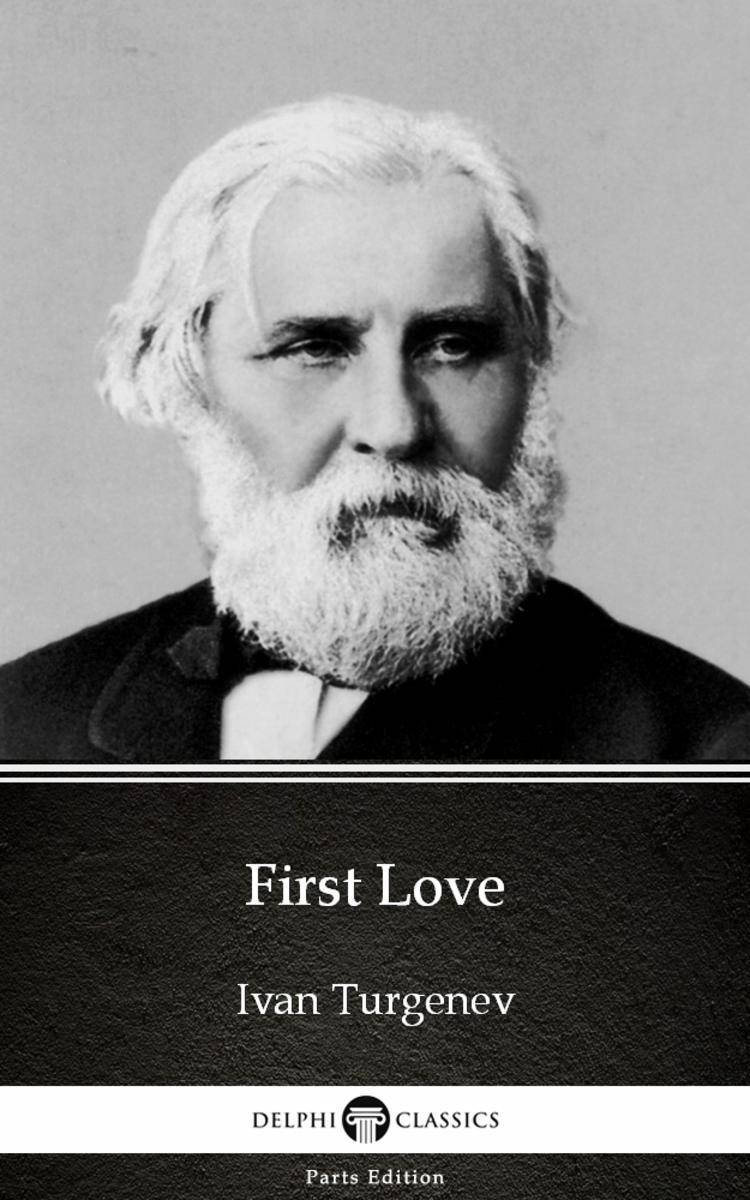
First Love by Ivan Turgenev - Delphi Classics (Illustrated)
¥8.09
This eBook features the unabridged text of ‘First Love by Ivan Turgenev - Delphi Classics (Illustrated)’ from the bestselling edition of ‘The Collected Works of Ivan Turgenev’. Having established their name as the leading publisher of classic literature and art, Delphi Classics produce publications that are individually crafted with superior formatting, while introducing many rare texts for the first time in digital print. The Delphi Classics edition of Turgenev includes original annotations and illustrations relating to the life and works of the author, as well as individual tables of contents, allowing you to navigate eBooks quickly and easily. eBook features: * The complete unabridged text of ‘First Love by Ivan Turgenev - Delphi Classics (Illustrated)’ * Beautifully illustrated with images related to Turgenev’s works * Individual contents table, allowing easy navigation around the eBook * Excellent formatting of the text Please visit www.delphiclassics.com to learn more about our wide range of titles
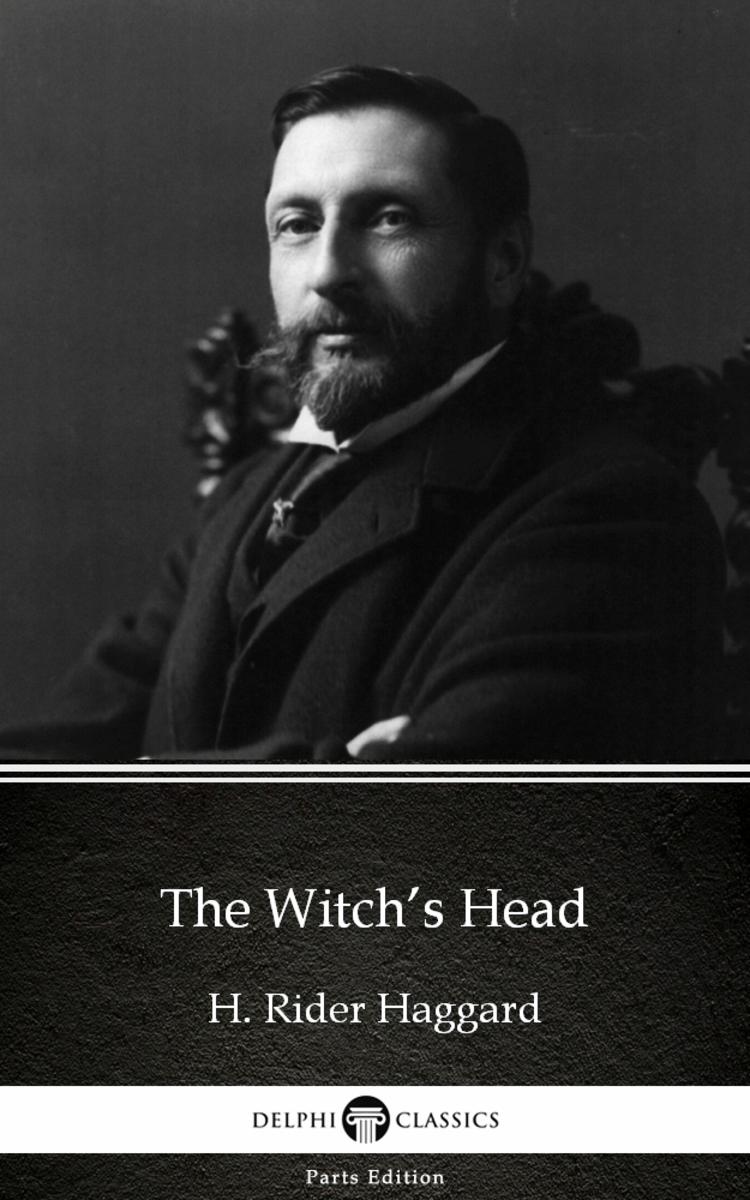
The Witch’s Head by H. Rider Haggard - Delphi Classics (Illustrated)
¥8.09
This eBook features the unabridged text of ‘The Witch’s Head by H. Rider Haggard - Delphi Classics (Illustrated)’ from the bestselling edition of ‘The Complete Works of H. Rider Haggard’. Having established their name as the leading publisher of classic literature and art, Delphi Classics produce publications that are individually crafted with superior formatting, while introducing many rare texts for the first time in digital print. The Delphi Classics edition of Haggard includes original annotations and illustrations relating to the life and works of the author, as well as individual tables of contents, allowing you to navigate eBooks quickly and easily. eBook features: * The complete unabridged text of ‘The Witch’s Head by H. Rider Haggard - Delphi Classics (Illustrated)’ * Beautifully illustrated with images related to Haggard’s works * Individual contents table, allowing easy navigation around the eBook * Excellent formatting of the text Please visit www.delphiclassics.com to learn more about our wide range of titles
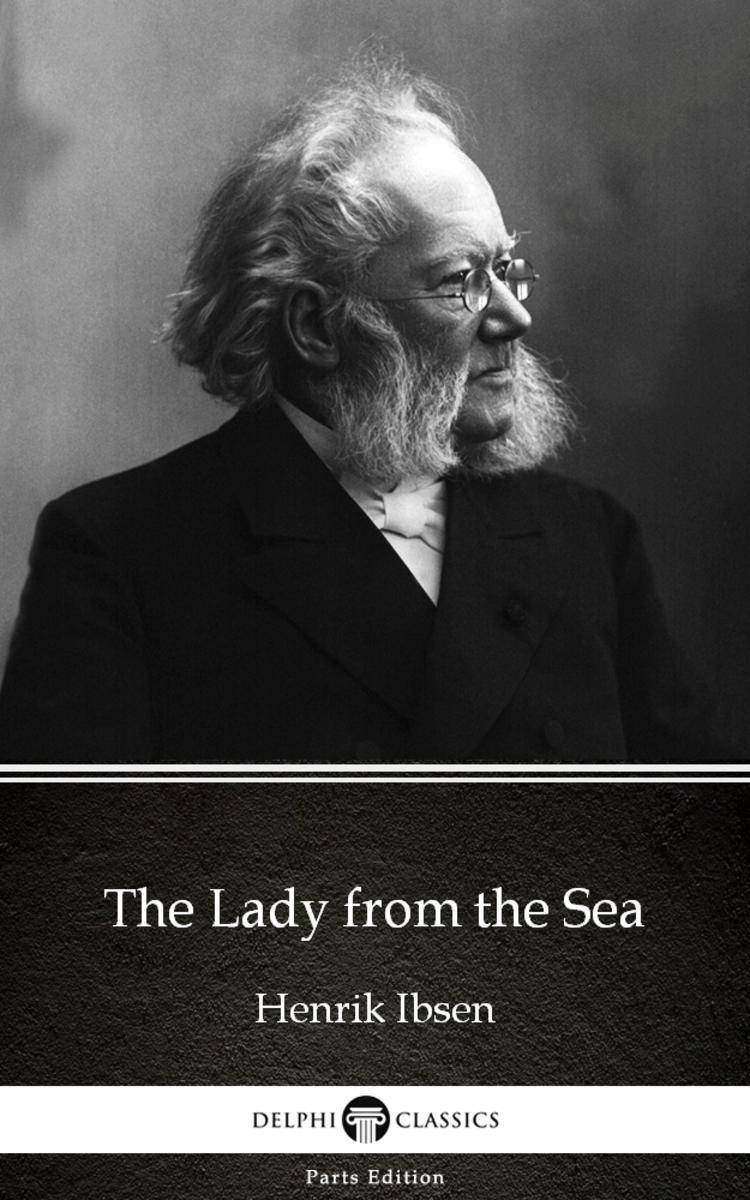
The Lady from the Sea by Henrik Ibsen - Delphi Classics (Illustrated)
¥8.09
This eBook features the unabridged text of ‘The Lady from the Sea by Henrik Ibsen - Delphi Classics (Illustrated)’ from the bestselling edition of ‘The Complete Works of Henrik Ibsen’. Having established their name as the leading publisher of classic literature and art, Delphi Classics produce publications that are individually crafted with superior formatting, while introducing many rare texts for the first time in digital print. The Delphi Classics edition of Ibsen includes original annotations and illustrations relating to the life and works of the author, as well as individual tables of contents, allowing you to navigate eBooks quickly and easily. eBook features: * The complete unabridged text of ‘The Lady from the Sea by Henrik Ibsen - Delphi Classics (Illustrated)’ * Beautifully illustrated with images related to Ibsen’s works * Individual contents table, allowing easy navigation around the eBook * Excellent formatting of the text Please visit www.delphiclassics.com to learn more about our wide range of titles

The Beast in the Jungle
¥40.79
The Beast in the Jungle is one of James' finest short novels touching upon such universal themes as loneliness, fate, love and death. The story can be interpreted as a confession or parable about James' own life. He never married and possibly never experienced a consummated sexual relationship. Although he did enjoy a thorough experience of aesthetic creativity, it is possible that he still regretted what he called the essential loneliness of his life. The parable of the protagonist, John Marcher and his peculiar destiny speaks about the worth and meaning of human life.

Dream Finder: An independent novel of good and evil set in the world of "The Chr
¥32.62
The city of Serenstad has never been stronger, and superstitions are waning in the light of reason and civilization. For the Guild of Dream Finders this has proved disastrous, until Duke Ibris, troubled by mystifying and unsettling dreams, orders Antyr, leader of the Guild, to become the Dream Nexus. Dream Finder is an independent novel set in the world of The Chronicles of Hawklan". --------------- "This is good grown-up stuff; more please." -- Interzone "Big meaty fantasy." -- Darlington Northern Echo "This is wonderful stuff." -- Brum Group News "

The Time Of Women
¥90.03
Life is not easy in the Soviet Union at mid-20 th century, especially for a factory worker who becomes an unwed mother. But Antonina is lucky to get a room in a communal apartment that she and her little girl share with three elderly women. Glikeria is a daughter of former serfs. Ariadna comes from a wealthy family and speaks French. Yevdokia is illiterate and bitter. All have lost their families, all are deeply traditional, and all become “grannies” to little Suzanna. Only they secretly name her Sofia. And just as secretly they impart to her the history of her country as they experienced it: the Revolution, the early days of the Soviet Union, the blockade and starvation of World War II. The little girl responds by drawing beautiful pictures, but she is mute. If the authorities find out she will be taken from her home and sent to an institution. When Antonina falls desperately ill, the grannies are faced with the reality of losing the little girl they love – a stepfather can be found before it is too late. And for that, they need a miracle.
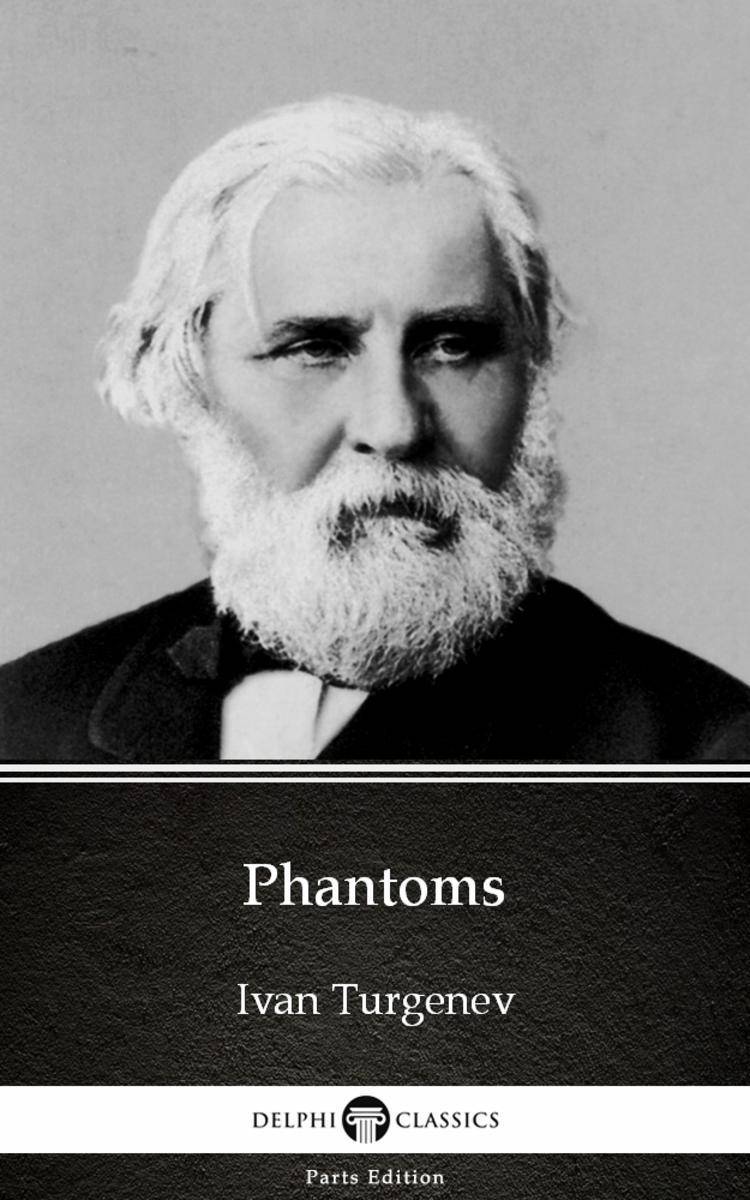
Phantoms by Ivan Turgenev - Delphi Classics (Illustrated)
¥8.09
This eBook features the unabridged text of ‘Phantoms by Ivan Turgenev - Delphi Classics (Illustrated)’ from the bestselling edition of ‘The Collected Works of Ivan Turgenev’. Having established their name as the leading publisher of classic literature and art, Delphi Classics produce publications that are individually crafted with superior formatting, while introducing many rare texts for the first time in digital print. The Delphi Classics edition of Turgenev includes original annotations and illustrations relating to the life and works of the author, as well as individual tables of contents, allowing you to navigate eBooks quickly and easily. eBook features: * The complete unabridged text of ‘Phantoms by Ivan Turgenev - Delphi Classics (Illustrated)’ * Beautifully illustrated with images related to Turgenev’s works * Individual contents table, allowing easy navigation around the eBook * Excellent formatting of the text Please visit www.delphiclassics.com to learn more about our wide range of titles
ROS Robotics By Example - Second Edition
¥371.39
Learning how to build and program your own robots with the most popular open source robotics programming framework About This Book Get to know the fundamentals of ROS and apply its concepts to real examples Learn how to write robotics applications without getting bogged down in hardware problems Learn to implement best practices in ROS development Who This Book Is For This book is for robotic enthusiasts, researchers and professional robotics engineers who would like to build robot applications using ROS. It gives the robotics beginner and the ROS newbie an immensely practical introduction to robot building and robotics application coding. Basic knowledge of GNU/Linux and the ability to write simple applications is assumed, but no robotics knowledge, practical or theoretical, is needed. What You Will Learn Control a robot without requiring a PhD in robotics Simulate and control a robot arm Control a flying robot Send your robot on an independent mission Learning how to control your own robots with external devices Program applications running on your robot Extend ROS itself Extend ROS with the MATLAB Robotics System Toolbox In Detail ROS is a robust robotics framework that works regardless of hardware architecture or hardware origin. It standardizes most layers of robotics functionality from device drivers to process control and message passing to software package management. But apart from just plain functionality, ROS is a great platform to learn about robotics itself and to simulate, as well as actually build, your first robots. This does not mean that ROS is a platform for students and other beginners; on the contrary, ROS is used all over the robotics industry to implement flying, walking and diving robots, yet implementation is always straightforward, and never dependent on the hardware itself. ROS Robotics has been the standard introduction to ROS for potential professionals and hobbyists alike since the original edition came out; the second edition adds a gradual introduction to all the goodness available with the Kinetic Kame release. By providing you with step-by-step examples including manipulator arms and flying robots, the authors introduce you to the new features. The book is intensely practical, with space given to theory only when absolutely necessary. By the end of this book, you will have hands-on experience on controlling robots with the best possible framework. Style and approach ROS Robotics By Example, Second Edition gives the robotics beginner as well as the ROS newbie an immensely practical introduction to robot building and robotics application coding. ROS translates as "robot operating system"; you will learn how to control a robot via devices and configuration files, but you will also learn how to write robot applications on the foundation of this operating system.


