


 购物车
购物车 个人中心
个人中心
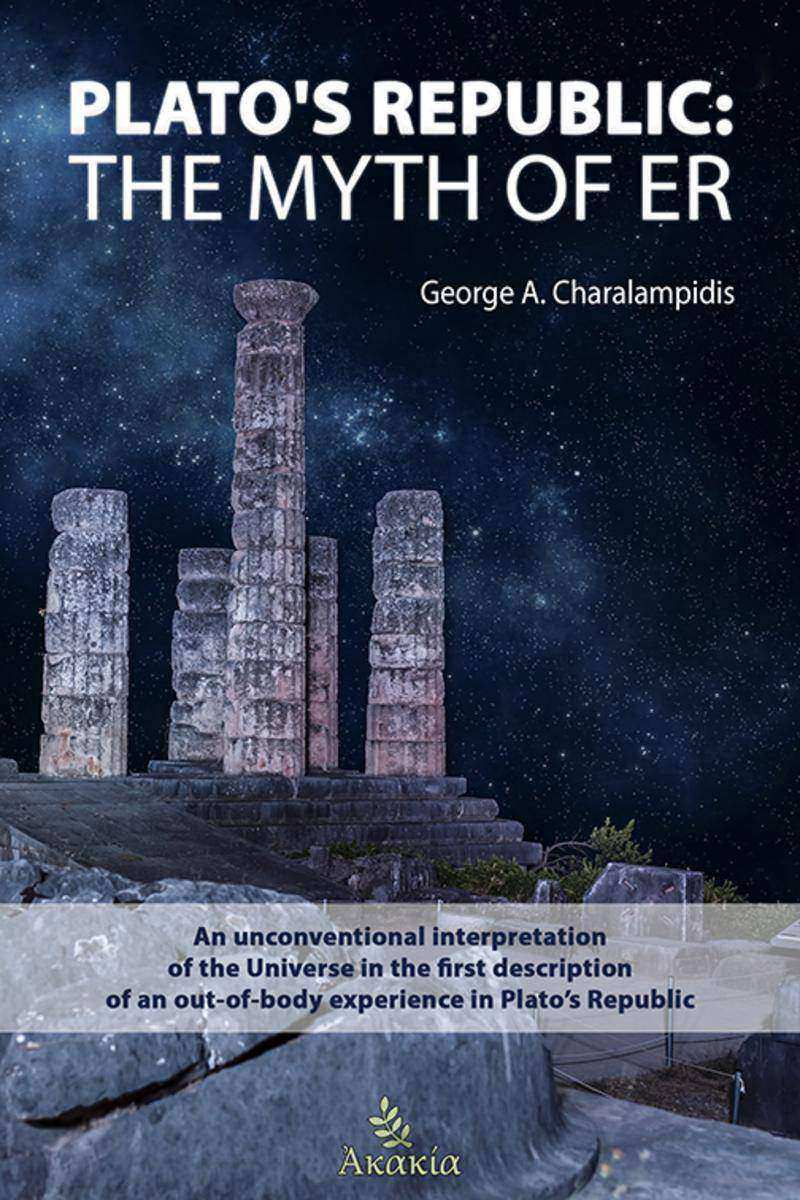
Plato’s Republic: The Myth of ER
¥63.19
The Myth of Er is the epilogue of Plato’s Republic. It could be considered as an independent text that refers to the greatest philosophical question of all times."Where does our soul go when we die and where does it come from when we are born?"Socrates in order to give an answer that would lead to a safe conclusion connects the journey of our soul to the function of our planetary system and tries to analyze the following sacramental but also scientific issues:- What is the difference between a developed soul and a developed mind?- Why is the cultivation of virtues necessary?- Which are the three roads of Hades and their connection to the "Van Allen belts"?- How are the penalties and rewards to our soul defined?- Where is Tartarus?- What does the spindle of necessity symbolize?- How are space time and the "Cuiper belt" connected?- What does the existence of Sirens and the three fates mean?- What is the procedure our incarnation?- What contract do we sign before we reincarnate on planet earth?- Which is the role of free will?- What does the mystery of the Dionysial theatre symbolize?- What difference is there between reincarnation and metempsychosis?- What is Socrates’ genius or our guardian angel?
Phaedo
¥40.79
After an interval of some months or years, and at Phlius, a town of Peloponnesus, the tale of the last hours of Socrates is narrated to Echecrates and other Phliasians by Phaedo the beloved disciple. The Dialogue necessarily takes the form of a narrative, because Socrates has to be described acting as well as speaking. The minutest particulars of the event are interesting to distant friends, and the narrator has an equal interest in them.
Ion
¥40.79
The Ion is the shortest, or nearly the shortest, of all the writings which bear the name of Plato, and is not authenticated by any early external testimony. The grace and beauty of this little work supply the only, and perhaps a sufficient, proof of its genuineness. The plan is simple; the dramatic interest consists entirely in the contrast between the irony of Socrates and the transparent vanity and childlike enthusiasm of the rhapsode Ion.
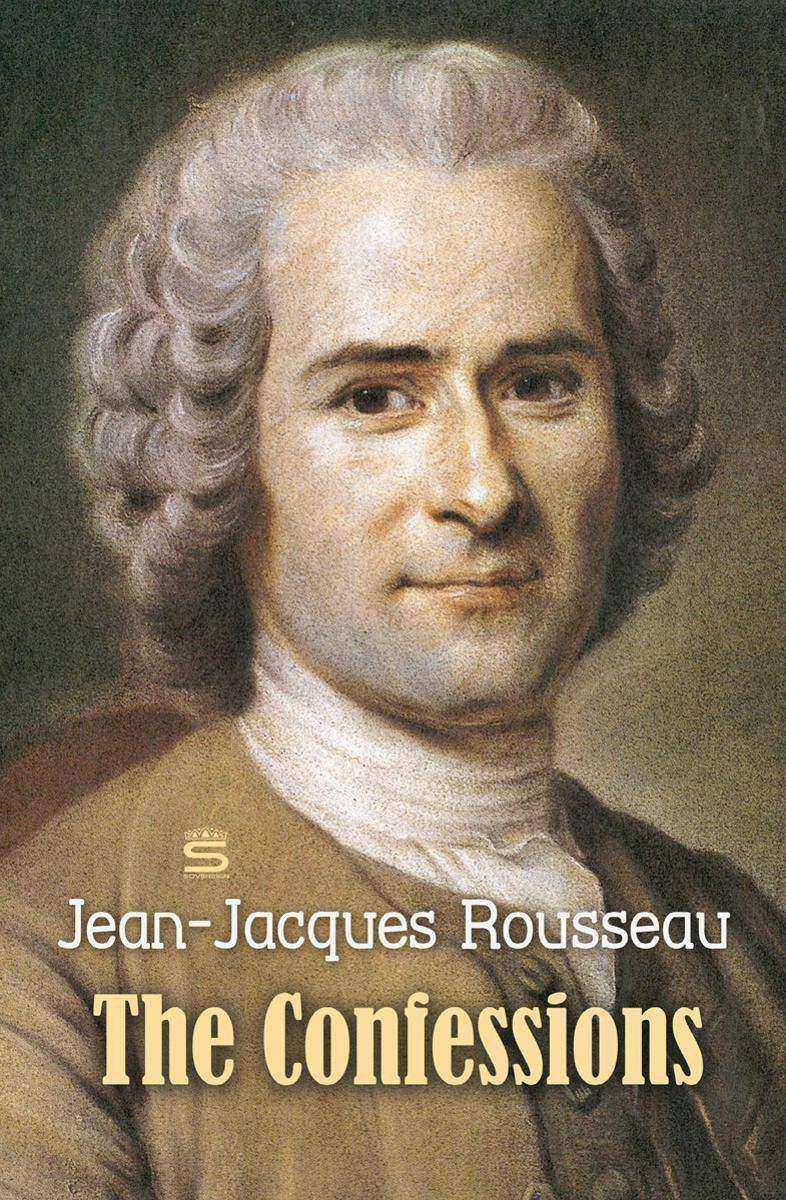
The Confessions
¥40.79
The Confessions is an autobiographical work of Jean-Jacques Rousseau which initiated modern autobiography. Covering the first fifty-three years of Rousseau's life the book provides an account of the experiences that shaped his personality and ideas.
Areopagitica
¥40.79
Areopagitica is among history's most influential and impassioned philosophical defences of the principle of a right to freedom of speech and expression. Today, Areopagitica is regarded as one of the most eloquent defences of press freedom ever written – and as one of the most influential, because many of its expressed principles have formed the basis for modern justifications.

中国神话故事第8卷
¥9.20
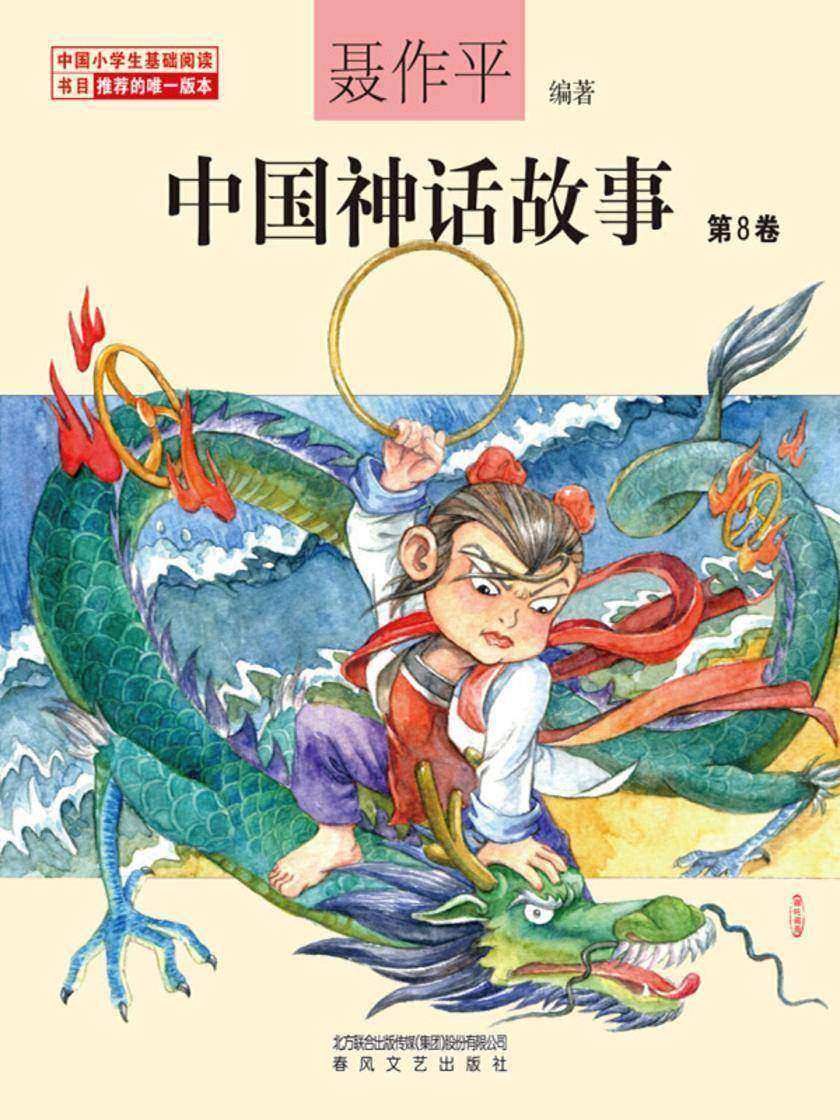
★中国神话丰富多彩、蔚为大观。按地域区别,可以划分为西方昆仑神话、东方蓬莱神话、南方楚神话及中原神话;按内容区别,则可分为天辟地、人类起源、超级洪水、发明创造等几个大的板块。聂作平编著的《中国神话故事》把中国经典神话故事演绎得形象生动,每篇故事都根据情节配以精美的插图,不但读起来优美动人,而且还蕴含着深刻的道理,令人回味无穷。本书加注拼音后十分适合小学低年级儿童阅读,已经被中宣部、团中央和列向青少年的100种优秀图书名单,以及“中国小学生基础阅读书目”等等。
Inigo: a play about Ignatius of Loyola
¥32.62
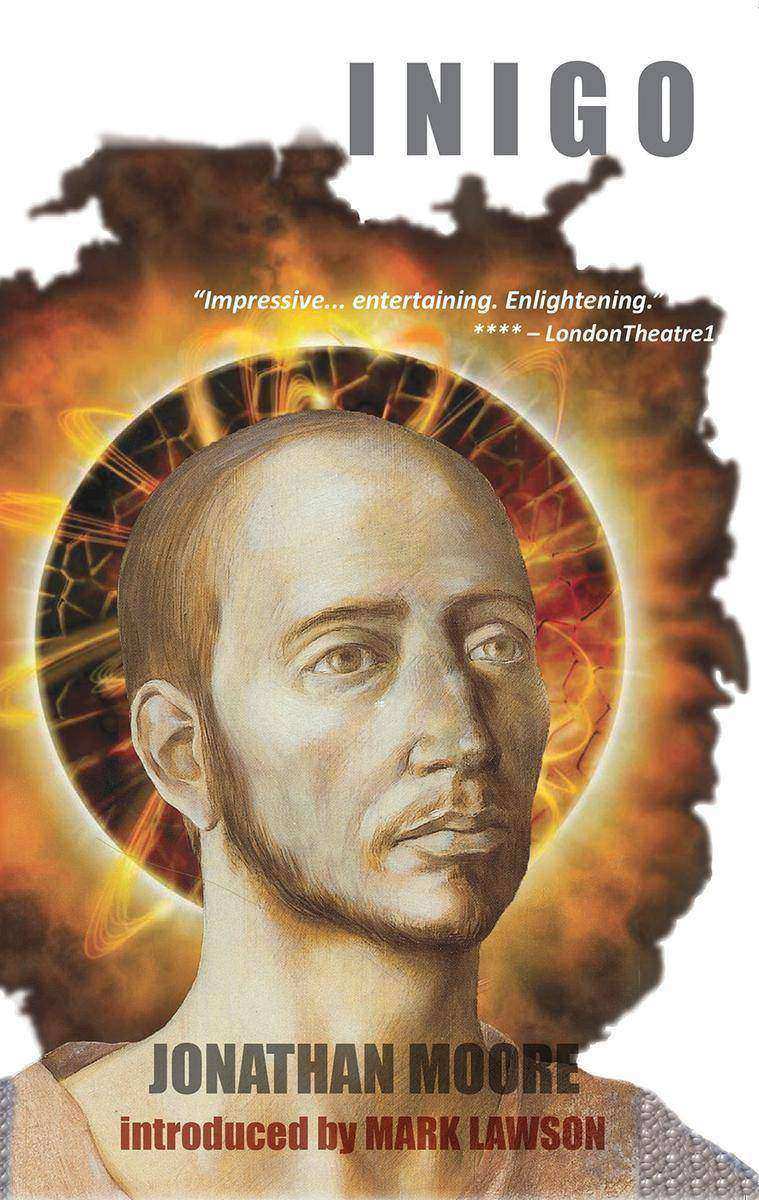
Inigo (Ignatius de Loyola) begins as a hot-headed, street-fighting sensualist, in this action-packed play but due to serious injury in a sword-fight, he has to spend time recovering and reassessing his dissolute life. This stage version of his life follows his transformation to become the co-founder of the Jesuits in the sixteenth century, battling the powers of the day and the Inquisition. In Moore's bold, funny play, he asserts Inigo's position as a radical figure bent on changing the Catholic Church.?? This play is not only for those interested in Inigo and the Jesuits. It is also about individuals who fight for change against an implacable Establishment and it is ideal for performing in schools, colleges and theatres. Of special interest to schools and colleges, many of which are named after Inigo (Ignatius de Loyola).?Inigo's spiritual tools for change have informed other self-development programs such as the 12 step program for recovering drug and alcohol addicts. As Pope Francis is a Jesuit, this is a timely exploration of one of history's major spiritual leaders and reformers. "This is the most interesting play text to have reached me for a while... Ignatius of Loyala, founder of the Jesuits is not the most obvious choice for a play subject until you remember that he was effectively a counter-cultural radical fighting an implacable establishment suddenly it s both topical and relevant. I hope this thoughtful, engaging and very funny in places eight-hander will get more outings very soon. If not read the text anyway." --Susan Elkin, The Stage"Brilliantly written... a great evening of thoughtful and dynamic theatre." --Mark Lawson, arts correspondent"The structure and dynamism of the play, the art with which Jonathan Moore makes Ignatius accessible to us, capturing much of the drama of the Spiritual Exercises themselves, would also make I?igo an excellent discovery for schools and colleges." --James Hanvey SJ, Master of Campion Hall, University of Oxford, Thinking Faith Jonathan Moore is an award-winning actor, writer and director. As an actor he has played leading roles at the Royal Shakespeare Co, Royal Court, Donmar, the Royal Exchange and on BBC TV. He has directed theatre and opera world premieres at the Almeida, Donmar, West End, Royal Exchange, Gate, English National Opera, Covent Garden, La Fenice in Venice and on TV among many others. He has directed world premieres by composers such as Turnage, MacMillan, Henze, Schnittke, Nyman, Copeland and more, and his early work was sponsored by Joe Strummer of The Clash. He has collaborated with members of punk band Killing Joke and on several projects with Industrial group Test Dept. A published playwright and librettist, his work has been performed at leading theatres including the Donmar, Royal Exchange, Gate, BBC TV, radio and internationally. Jonathan was asked by Mark Rylance to direct the large-scale immersive project for over fifty performers What You Will, a co-production for Shakespeare s Globe, The Cultural Olympiad and Mayor s Office and several subsequent Shakespeare projects. He is due to direct a large-scale site-specific immersive project for Ludovico Einaudi in Italy and a new opera project with Stewart Copeland. He is on the Artistic Advisory Committee of the Royal Academy of Dramatic Art. He has had a Who s Who entry since 2007. A collection of Moore's plays has been previously published by Aurora Metro Books. www.jonathanmooreuk.com
赋能之书(套装共3册)
¥59.99
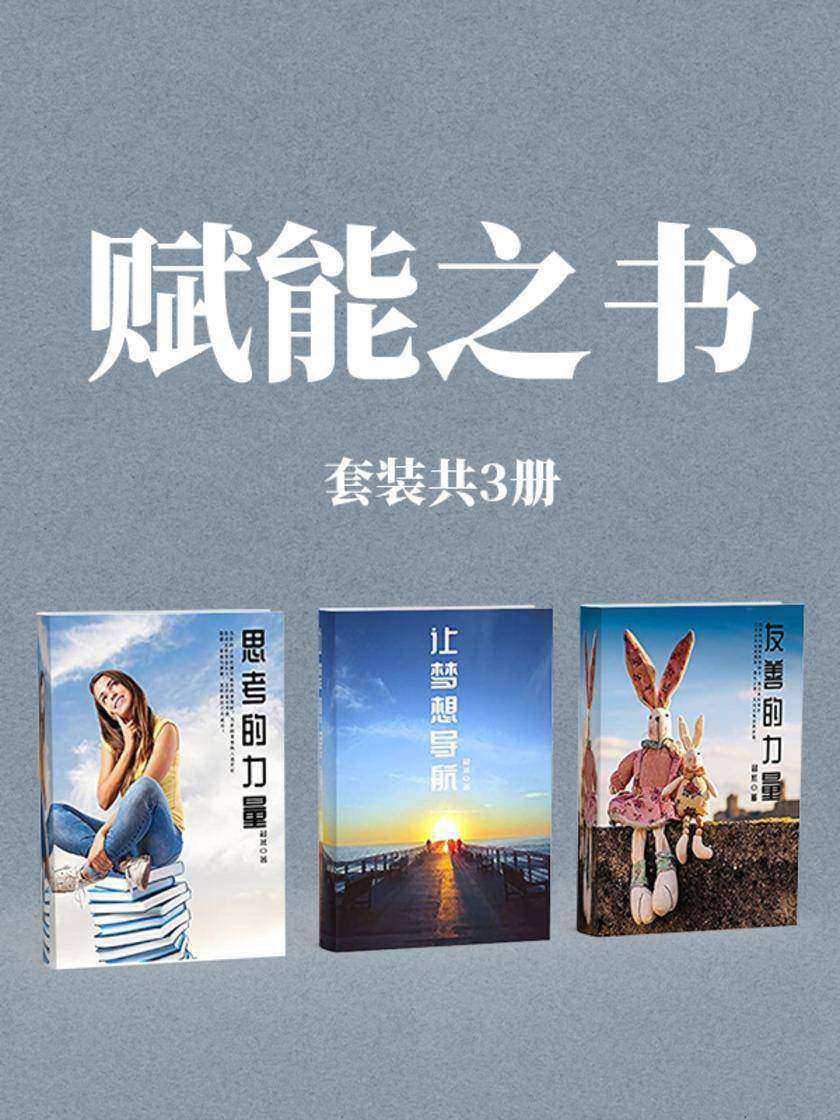
本套书包括《让梦想导航》、《思考的力量》和《友善的力量》共3册。《让梦想导航》梦想的力量让一个人在困境之中不会低头,梦想的感召让一个人在困难面前变得强大。梦想有着神奇的魔力,它让一个平凡的人变得光芒四射,让一个平庸的人创造出奇迹!我们都有自己的梦想,但在通往梦想的道路上,我们都要遭遇难以想象的艰难险阻,当汗水一滴滴掉落下来,梦想的花朵才会缓缓开放,释放出迷人的芬芳。本书通过一个一个小故事,告诉青少年朋友,怎样追逐梦想、坚持梦想、实现梦想。《思考的力量》每一个人的大脑都具备无限潜能,科学研究发现:人一生之中所启用的智慧只有大脑能力的百分之二,可见我们有多少的能量被闲置。只要动用思考的力量,就能发现生活的奇妙;只要善于观察,就可以通过细节找到被掩藏的真相。很多时候,聪明人并非比我们多拥有什么,他们只是比平常更善于思考而已。本书通过一个个小故事,教会青少年朋友怎么去思考,告诉他们思考的重要性,并激励孩子们勇往直前,追逐梦想。《友善的力量》人与人的相处需要和谐友善,社会的安定也需要和谐友善,如果一个人心中存在友善的光芒,他所看到的人和事都会是微笑的,他能宽容别人的过错,化敌为友,赢得别人的帮助和尊重。而若他的内心失去了友善的光芒,所见只会面目可憎,所为只会阴暗卑鄙,这样的人又怎么能获得幸福的生活,又怎么能被和谐的愉悦所包围?在你的内心之中种下友善的种子,与人为善、宽容友好,你一定会感受到沐浴阳光一样的温暖。本书通过一个个感人的小故事,告诉青少年朋友怎样以诚待人,怎样通过友善的力量积极面对生活中的困难。
马克思主义如何中国化(马克思主义研究论库·第二辑)
¥34.80
马克思主义如何由西方形态变为东方形态,由欧洲形态变为亚洲形态,由德国形态变为中国形态,一句话,马克思主义如何中国化,是一个特别重要的理论前沿问题。本书从马克思主义中国化的历史进程、文化意蕴、当代视野,中国特色社会主义理论体系的创立和发展,马克思主义中国化的理论创新及其成果,中国传统文化与马克思主义中国化,发展当代中国马克思主义等多个方面,梳理、总结马克思主义中国化的基本经验,展望在新的历史条件下如何推进马克思主义中国化、发展当代中国马克思主义。
大众哲学
¥19.99
《大众哲学》是艾思奇在20世纪30年代为通俗宣传马克思主义哲学而写的著作。 全书从什么是哲学,唯心论、二元论和唯物论,辩证唯物论的认识论,唯物辩证法的基本规律及唯物辩证法的范畴五个方面对哲学思想行了全面而系统地介绍和阐释。该书自出版以来,一版再版,书中的观不仅在当时成为人们学习马克思主义哲学的启蒙,而且至今仍然具有其理论和现实的意义。 本书*特色就是将深刻的哲学观寓于浅显生动的事例之中,读者可以透过这些事例,发现看似高高在上的哲学思想,其实在人们的日常生活中随处可见。其内容的通俗易懂通俗哲学写作之一代风气。
叶秀山全集·第一卷
¥60.80
【内容简介】 本选题分类结集叶秀山先生全部已经出版的专著,在学术期刊上发表的所有论文,以及部分笔记、札记、书信和讲演录,共11卷。本选题代表了当代中国哲学的高度,是哲学专业学习者和研究者的重要学习和参考用书。卷包括《京剧流派欣赏》《前苏格拉底哲学研究》《苏格拉底及其哲学思想》三本专著。

叶秀山全集·第四卷
¥76.00
【内容简介】 本选题分类结集叶秀山先生全部已经出版的专著,在学术期刊上发表的所有论文,以及部分笔记、札记、书信和讲演录,共11卷。本选题代表了当代中国哲学的高度,是哲学专业学 习者和研究者的重要学习和参考用书。第四卷包括《叶秀山学术文化随笔》《当代学者自选文库·叶秀山卷》两本作者自选集。

叶秀山全集·第十一卷
¥66.00
【内容简介】 本选题分类结集叶秀山先生全部已经出版的专著,在学术期刊上发表的所有论文,以及部分笔记、札记、书信和讲演录,共12卷。该选题代表了当代中国哲学的高度,是哲学专业学 习者和研究者的重要学习和参考用书。第十一卷包括作者的学术论文和散文随笔补遗。
文本的深度耕犁(第三卷)——当代西方激进哲学的文本解读 第三卷
¥49.90
本书是作者关于当代世界马克思主义及左翼激哲学文本研究的多卷本论著《文本的深度耕犁》的第三卷,其内容主要是对西方激哲学思潮中经典文献的文本学研究。在本卷中,作者以构境论的文本解读方式分别批判性地解读了晚期福柯的“生命政治哲学”、朗西埃《歧义》、阿甘本的《奥斯维辛的剩余》、斯洛特戴克的《资本的内部空间》、维利里奥的《解放的速度》、斯蒂格勒《技术与时间》,以及奈格里、哈特的《帝国》等重要论著。
现代性与主体的命运(守望者)
¥44.00
哲学归根到底关注的是人的命运。根据逻辑与历史、时代精神与时代相一致的原则,本书区分出西方哲学发展的前现代(古代)、早期现代、后期现代和后现代(当代)四种形态,并重探讨现代哲学的历程。导论是对主体问题的概述,其余各章围绕主体的确立、主体的危机、主体的解体和主体的终结来揭示意识主体在现代性及其转折程中的命运。本书几乎囊括了自笛卡尔以来的主要西方哲学流派,既具有宏大的理论视野,又具有强烈的问题意识。
科学发展观与马克思主义中国化
¥39.90
科学发展观继承了*思想、邓小平理论、"三个代表"重要思想中关于发展的基本思想,深刻 体现了马克思主义中国化一脉相承的重要特。科学发展观是在新形势下提出的关于中国建设的又一新理论指导,是马克思主义中国化的*理论成果。本书主要从科学发展观的内容、要义等方面探讨了科学发展观就是中国化的马克思主义。
和哲学
¥11.05
现代社会遇到了这样的困局:以物质财富为标准来衡量人的价值和意义,人类对于善和自身德性完善的需求得不到应有的观照,人与人、人与物、人与环境之间的精神和解不能实现。但是,在这个困局的迷茫之中,也逐渐露出了新时代的曙光,更好和更高的精神文明将成为时代的重要主题。在这个时代,每个个体都应该懂得精神和解、学会精神和解,与现实共舞,与时代共舞,与历史共舞,与天地、万物、环境共其和,与规律、规则共其和,*可能地实现相互间的精神和解。这是人类乃至世界更好生存和更好发展的立足,也是每个人获得更多、更大的快乐和幸福的*好途径。
中国人的修养
¥6.99
《中国人的修养》是蔡元培公民道德修养方面的代表作,主要收录他重要的道德思想代表作品《华工学校讲义》和《中学修身教科书》,以及其他若干篇相关散论,充分体现了蔡元培先生对于培养现代公民应具有的道德素养的设想。本书以具体的行为实践为出发点,用浅显的思想、易操作的方法来直接引导读者,是值得全体国人阅读的公民道德实践之书。
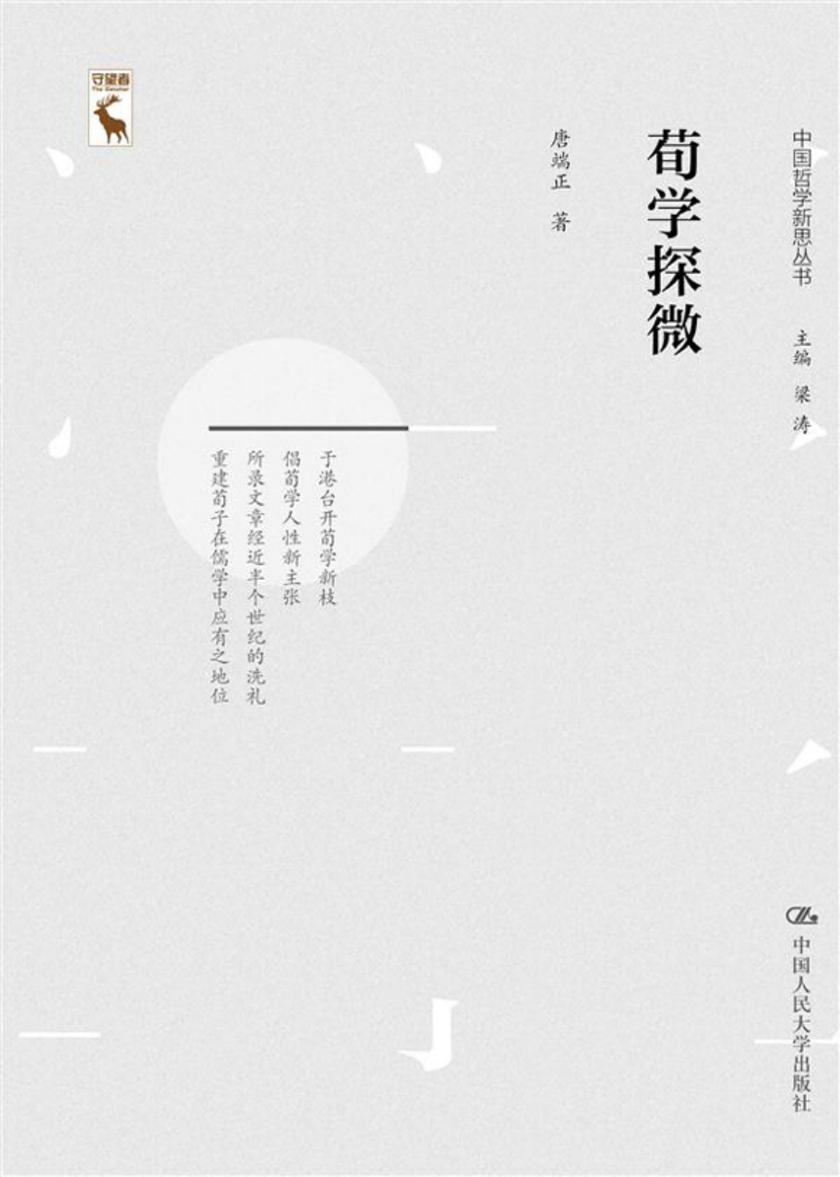
荀学探微(中国哲学新思丛书)
¥17.88
本书的主要内容在于矫正后人对荀子天论和性论之误解。荀子言天道,分本体与现象两部分。本体不见其事而见其功,皆知其所以成而莫知其无形,这属于天职的部分。现象即能生之本体所产生的自然现象,有其运行的规律,所谓“天行有常”,故人若应之以治则吉,应之以乱则凶,这属于人职的部分。荀子讲明于天人之分,其目的即强调人伪比天性更重要。荀子论性,认为人既有好利疾恶之性,亦有好义欲善之性。但好利疾恶不等于恶,人一味放纵好利疾恶之性,以至争夺生而辞让亡、残贼生而忠信亡,才是恶。同理,好义欲善不等于善,只有学至全尽、知类明统、深思熟虑,实际上建构出礼仪法度来,才是善。荀子批评孟子的性善说是“幽隐而无说,闭约而无解”,是因为孟子不重视后天人为之伪。因此荀子言性,只是本始材朴,无所谓善恶。故与其说荀子是性恶论者,不如说是善伪论者。
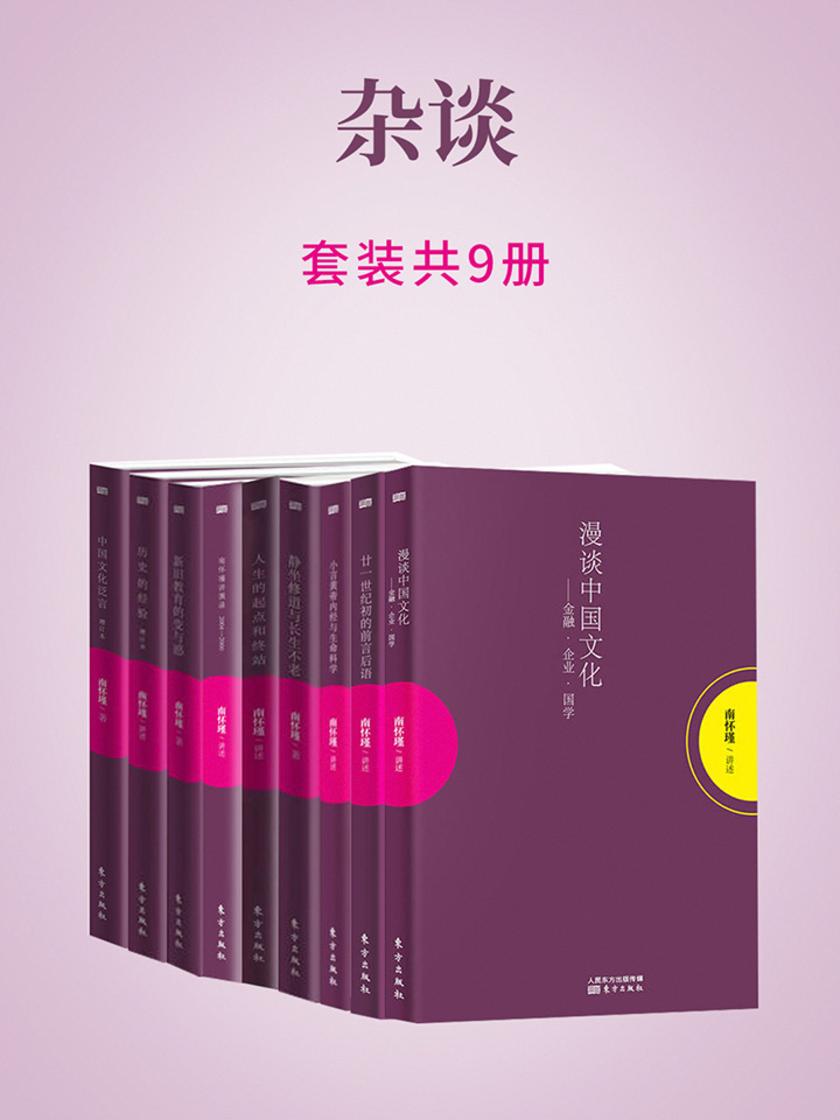
杂谈(南怀瑾独家授权定本种子书)
¥154.20
汇集了南怀瑾先生关于历史、教育、生命科学、文化等方面的杂谈、漫谈。南先生除了对儒佛道三学钻研精深,亦兼通诸子百家、诗词曲赋、天文历法、医学养生等,对中国文化中的诸多问题都有深刻体认。本套书虽多“杂谈”,但这只是方便的说法,其实随处可见南先生的博闻强记和人生智慧。

道家文化研究(第三十二辑) 中华书局出品
¥22.75
三教关系问题在目前中国哲学史、思想史、宗教史等研究界受到高度关注,已成为学术界讨论的热问题。为了呼应、推动学术界对这一问题的研究,本刊特别策划“三教关系专号”,邀请国内外长期从事三教关系问题的十七位专家,专门就这一问题撰写论文。专号分为儒、释、道三教关系,儒、道关系,佛、道关系等不同分题,从不同角度展示中国思想史中不同历史阶段,三教关系讨论的热问题及三教关系的不同特。全书共计27万余字。“三教关系专号”的编辑、策划在国内学术界尚属首次,我们希望以此推动国内外学术界对三教关系问题的研究。


