


 购物车
购物车 个人中心
个人中心

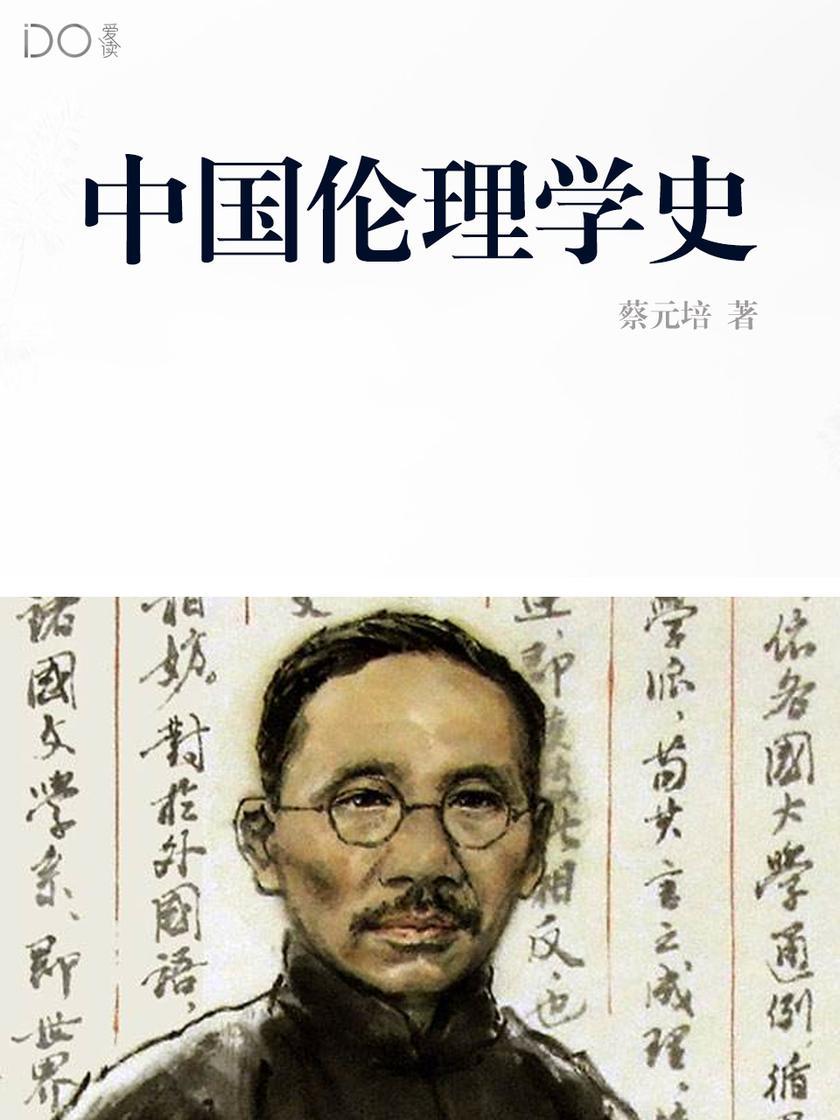
中国伦理学史
¥6.99
中国近代以来,在西学东渐、中西文化交流大潮中,蔡元培审时度势,一方面积极主动地译介、传播西方伦理学说,同时又注重中西伦理学说的比较、融合,力求建构具有新时代、新特点、新方法的中国伦理学,在伦理学方法、伦理学原理、伦理学史诸多方面为中国近代伦理学的建构做出了重要贡献。该书条理清楚、语言朴素、言简意赅。

菜根谭
¥6.99
《菜根谭》是明还初道人洪应明收集编著的一部论述修养、人生、处世、出世的语录世集,成书于万历年间。作为一部富有汉民族生活伦理思想的著作,它深刻的体现了汉族传统道德生活化的倾向。《菜根谭》是明还初道人洪应明收集编著的一部论述修养、人生、处世、出世的语录世集,成书于万历年间。作为一部富有汉民族生活伦理思想的著作,它深刻的体现了汉族传统道德生活化的倾向。告诉我们,人心叵测,世态炎凉,但是为人处世,忍让为高,宽厚是福。只要我们安分随缘、保持心灵的纯净,我们就能享受到人生的真趣。
中庸(全新精编精校修订)(国学大书院)
¥9.98
《中庸》乃儒家经典之一,是有关人生哲学之书,是修己用世的*道德标准,是指导人们行人生时间的理论教科书。中庸》的核心是中庸之道,即忠恕之道,其行为准则是:“君惠臣忠”“父慈子孝”“夫义妇顺”“兄友弟恭”“朋友有信”,从而达到“中庸”的和谐境界。
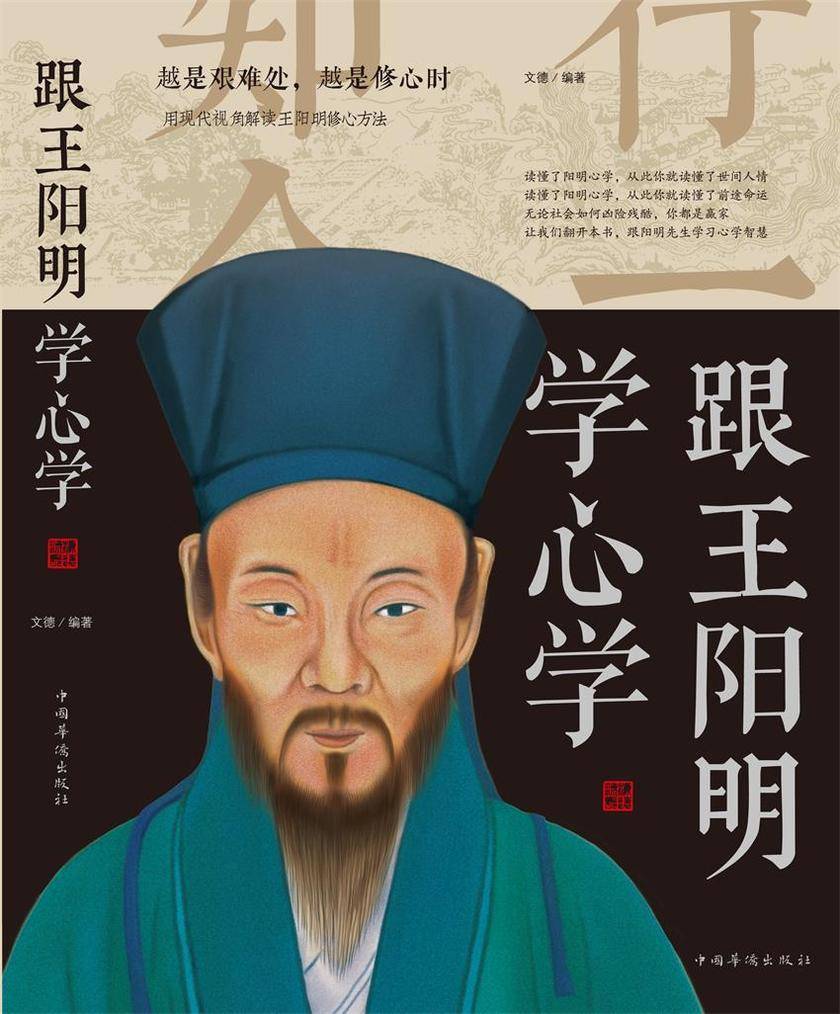
跟王阳明学心学
¥39.80
王阳明的心学,大致可分为三个部分:心即是理的人生论,知行合一的认识论,致良知的修养学说。心是天地万物的主宰,心外无理、心外无物,是心学说的基本观点。本书共分为十九章,每一小节文章开头均以王阳明的一句或一段经典言论做引,在正文具体展开论述其思想的精炼和智慧所在。本书从现代人立身处世的需要出发,从宽心、诚心、进取心、道德心、孝敬心、素净心、喜乐心等十九个方面阐释了王阳明在立志、修心、仁爱、至诚等方面修身处世的智慧。

不抱怨的世界
¥29.80
本书从抱怨的危害出发,以励志而暖心的有关人生经历的故事给你勇气和力量,让你改变自己,改变世界,与更好的生活相遇,教会人们摒弃抱怨,努力改变,在漫漫黑夜中努力坚持,在艰难的日子里恬静安然,感受到快乐和幸福。
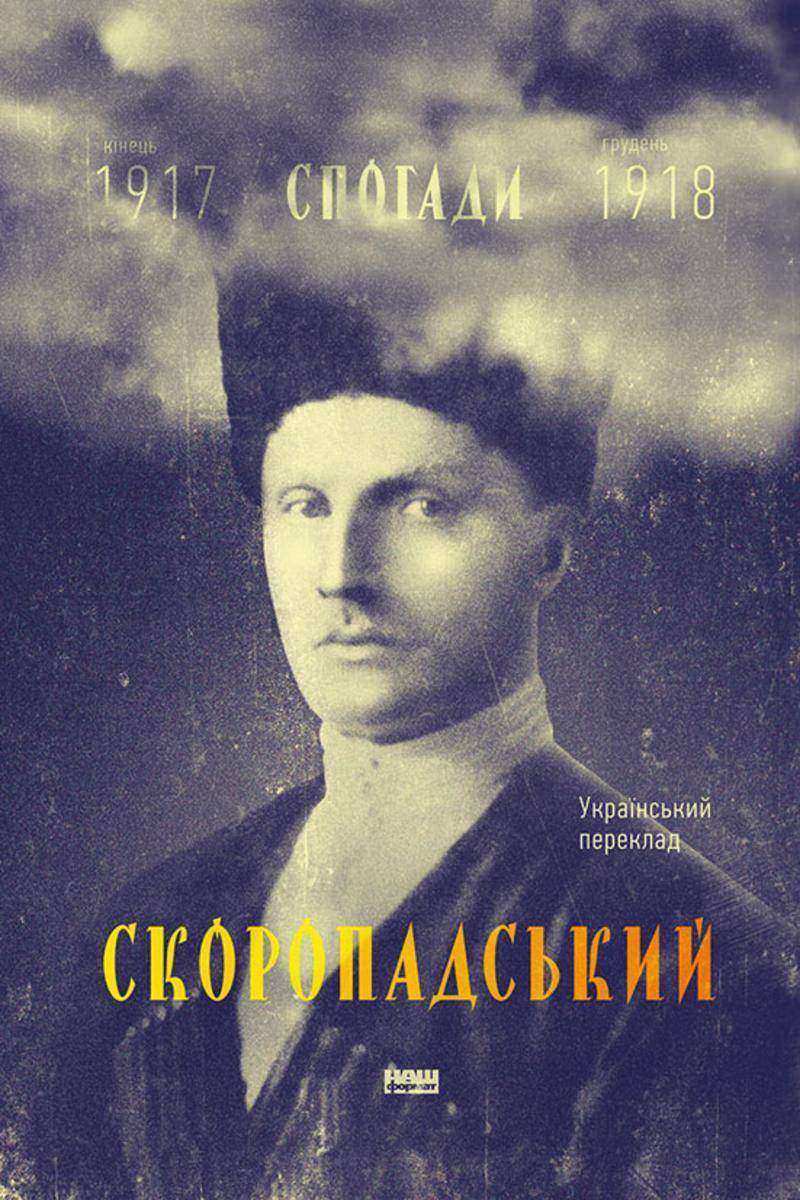
Скоропадський. Спогади 1917-1918
¥22.74
Potere, cortigianeria, dispotismo, libertà, uguaglianza... attuali o inattuali la satira d'Holbach e La Boétie? Cambiano i tempi e i nomi, ma la natura umana nel suo fondo negli ultimi secoli non è mutata. Com'è virtù di tutti i classici, le loro voci continuano a farci sorridere, indignare e riflettere non solo sul passato ma ugualmente sul presente e sul futuro, su quanto in esso ci possa essere di desiderabile o indesiderabile. In Appendice, i testi si possono leggere anche nella loro originaria edizione in francese. SOMMARIO?- Fabrizio Pinna, Una introduzione (in due tempi) e qualche digressione: I. Barone d'Holbach, "Quest'arte sublime dello strisciare"...; II. ?tienne de La Boétie, "Siate determinati di non voler più servire ed eccovi liberi"... . LIBERT? & POTERE: Paul Henri Thiry d'Holbach, Saggio sull'arte di strisciare ad uso dei cortigiani; Paul Henri Thiry d'Holbach, I Cortigiani; Jean le Rond d'Alembert, Cortigiano; ?tienne de La Boétie, La servitù volontaria. APPENDICE I: Libertà Uguaglianza (1799)- Il Cittadino Editore. APPENDICE II: Essai sur l’art de ramper, à l’usage des courtisans (1764) - Paul Henri Thiry d'Holbach; Des Courtisans (1773) - Paul Henri Thiry d'Holbach; Courtisan (1752) / Courtisane (1754) - Jean le Rond d'Alembert; Discours de la servitude volontaire o Contr'un (1549) - ?tienne de La Boétie.?LE COLLANE IN/DEFINIZIONI & CON(TRO)TESTI
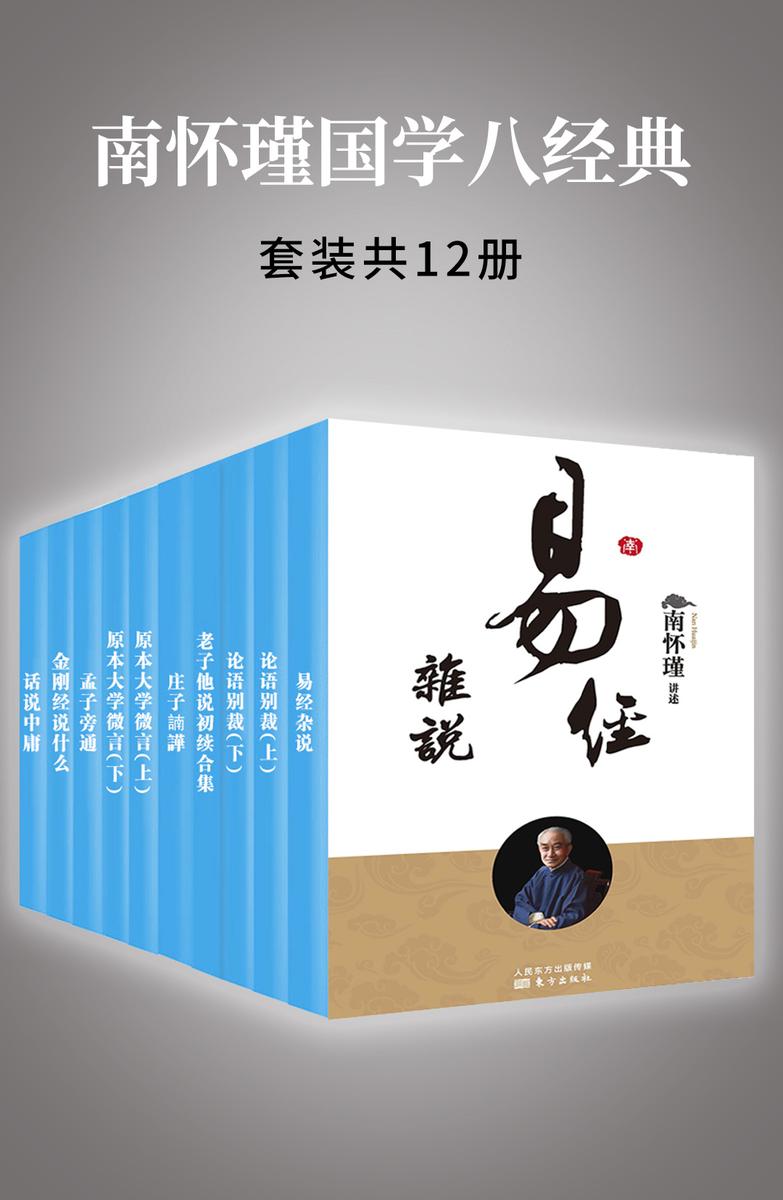
南怀瑾国学八经典(套装共12册)(南怀瑾独家授权定本种子书)
¥218.00
南怀瑾先生的著述涉及儒、释、道等中国传统文化经典,他常以经史合参的讲述方式、生动幽默语言,结合古今中外历史人文典故,结合当下的日常生活,引领新世代的人们直入文化的核心智慧,让读者更乐于了解历史人文的博大精深。本套装收录东方出版社已出版的南怀瑾作品。
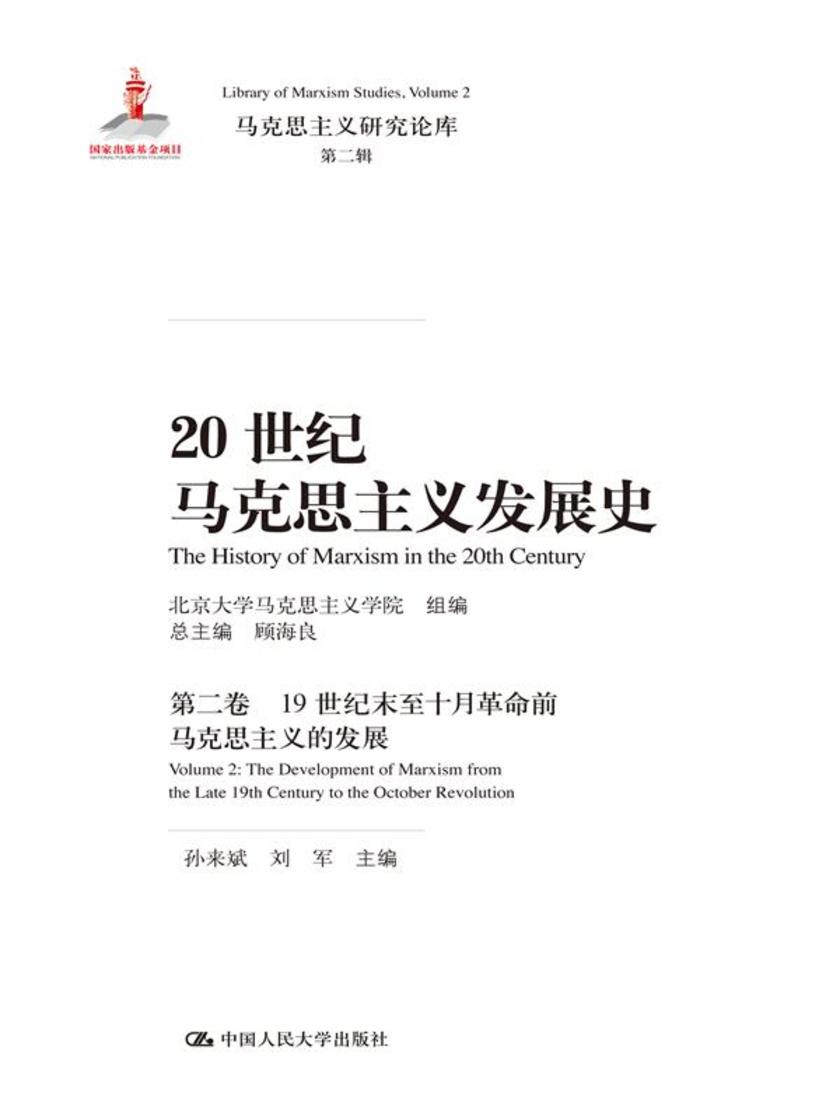
20世纪马克思主义发展史·第二卷(马克思主义研究论库·第二辑)
¥74.00
19世纪末20世纪初,是人类社会发生深刻变化的关键时期,也是马克思主义发展的重要时期。如何认识资本主义新变化的本质?马克思主义在时代新变化面前还有没有生命力?在新的历史条件下无产阶级面临的*紧迫任务及其实现路径是什么?以列宁为代表的马克思主义者,科学地回答了时代提出的重大问题,与各种错误思潮展了坚决斗争,有力地推了马克思主义的重大发展,为马克思主义在20世纪波澜壮阔的历史揭了精彩的序幕。 在《20世纪马克思主义发展史》(九卷本)的体系结构中,本卷具有反映历史承、时代转换和内容综合的特殊性质,总体遵循逻辑与历史相统一的思路,采用史论结合的叙述方法,着力考察19世纪末至十月革命前马克思主义发展史上的重大事件、重要人物、重著作,力图全面、准确地反映这一时期马克思主义发展的历史风貌。
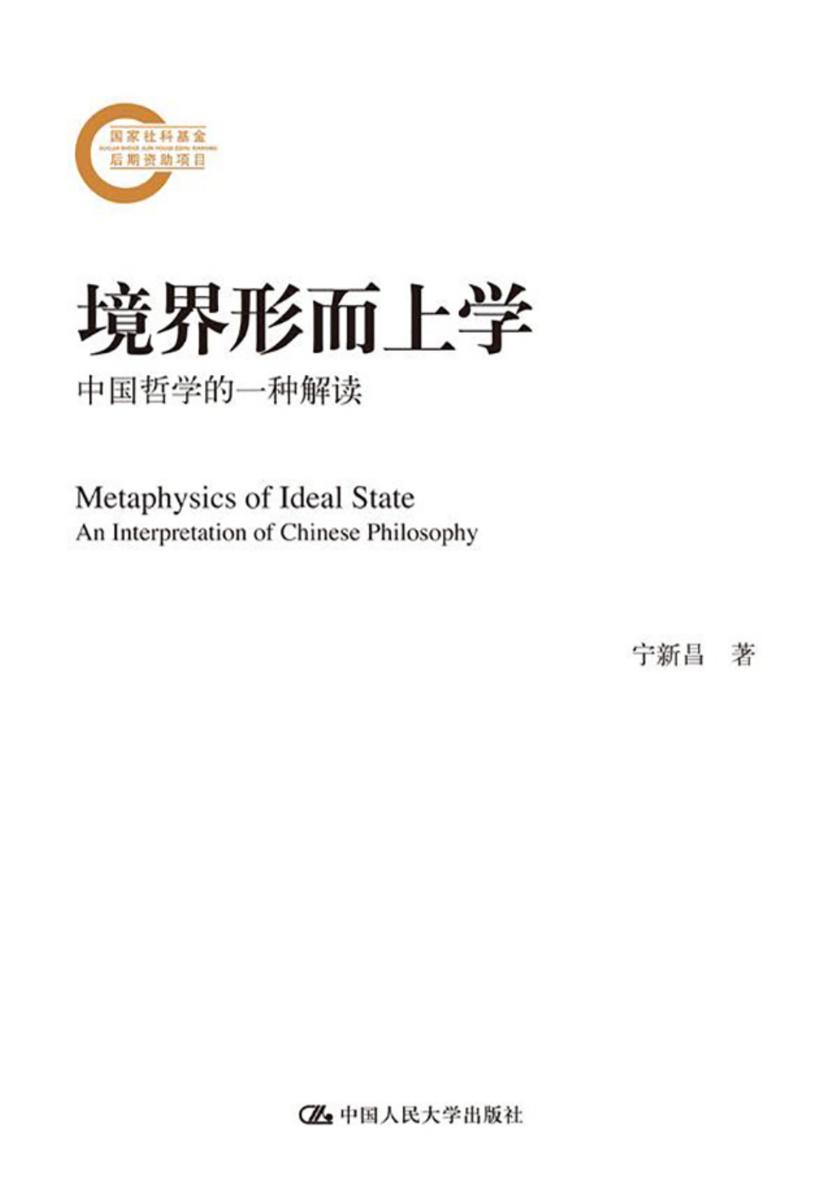
境界形而上学——中国哲学的一种解读
¥39.90
本书论述了形而上学的基本含义,比较说明了中西形而上学的差异与会通,探讨了境界形而上学的内涵,主张哲学意义上的实事求是与真善美的自由人格的内在统一。本书通过境界形而上学的视角探索中国哲学中儒释道的本体、工夫、境界三者的统一,揭示了儒释道所说的本体与人的关系,即本体与人的存在内在相连,并由人的道德实践而呈现在精神境界上。
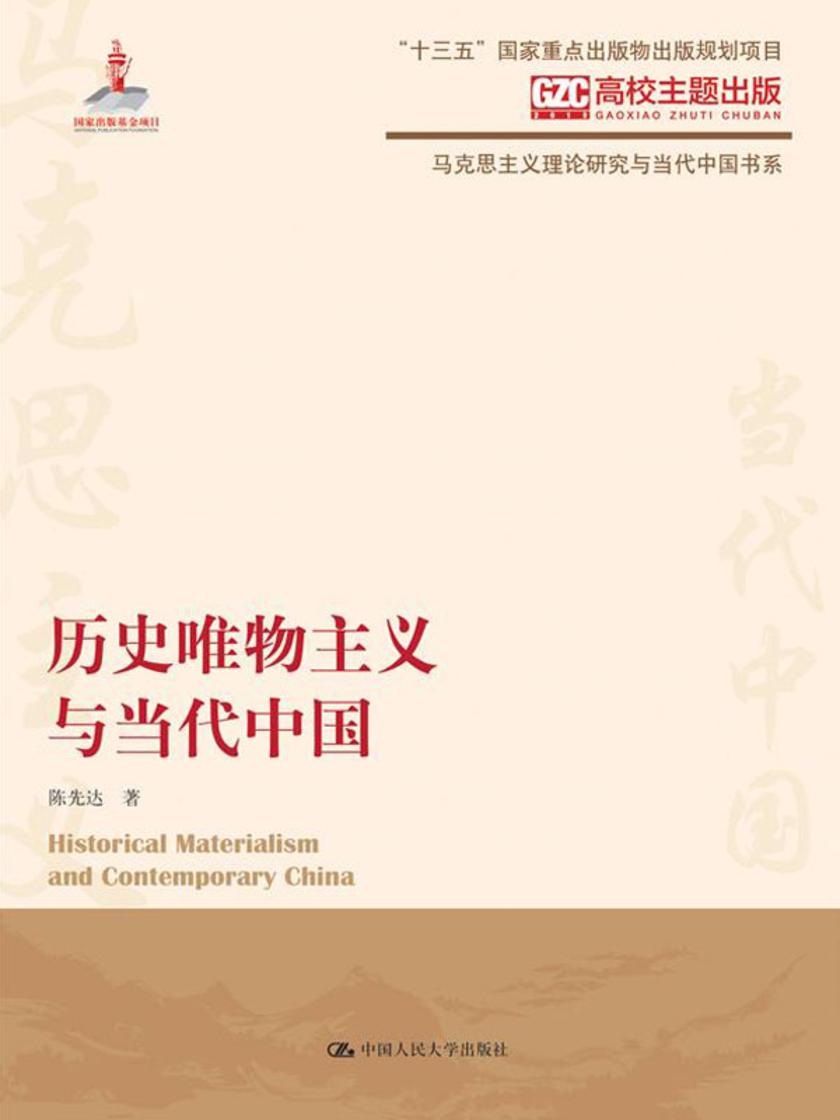
历史唯物主义与当代中国(马克思主义理论研究与当代中国书系)
¥46.80
本书坚持马克思主义社会历史观的基本观和基本原理,在存在论的高度上阐释了马克思的生产、劳动、资本、现代和历史等概念。主要内容包括:历史唯物主义是科学的历史观、人类社会和自然界、生产力和生产关系、经济基础和上层建筑、社会意识、科学及其在社会历史中的地位和作用等。

(畅销版)图解心理学
¥20.40
《图解心理学:教给你生活中必须知道的心理学原理和技巧(2014图解版)》心理学的前生今世以及对生活的指导作用将在此清晰展现。《图解心理学:教给你生活中必须知道的心理学原理和技巧(2014图解版)》大致上从历史发展、基础知识和应用领域几大方面来介绍心理学,重点讲了如何利用这些知识指导生活上。目的在于告诉您,心理学并不神秘,其实质就是对生活现象进行规律性的总结。例如,心理学将告诉你,人性是什么,人有什么需要,人们追求什么,应该如何与人交往,教会读者这些规律,使其更好地工作、学习和生活。

叶秀山全集·第八卷
¥58.00
【内容简介】 本选题分类结集叶秀山先生全部已经出版的专著,在学术期刊上发表的所有论文,以及部分笔记、札记、书信和讲演录,共11卷。本选题代表了当代中国哲学的高度,是哲学专业学习者和研究者的重要学习和参考用书。第八卷包括《科学·宗教·哲学》这本作者专著。

叶秀山全集·第十二卷
¥52.00
【内容简介】 本丛书分类结集叶秀山先生全部已经出版的专著,在学术期刊上发表的所有论文,以及部分笔记、札记、书信和讲演录,共12卷,代表了当代中国哲学的高度,是哲学专业学习者和研究者的重要学习和参考用书。第十二卷是对作者散文随笔的补遗。
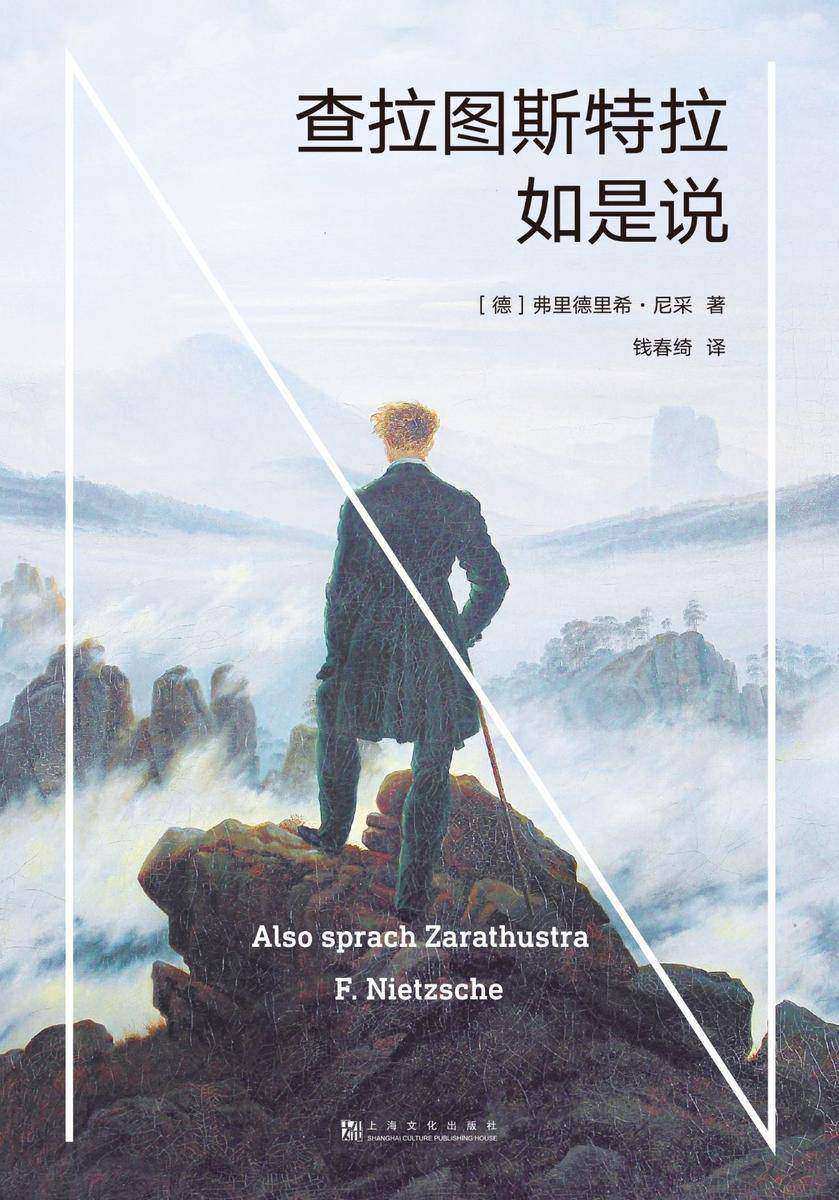
查拉图斯特拉如是说
¥98.00
当善与恶的界限日益模糊, 当一切坚固的东西都烟消云散, 当生命之轻已变得不能承受, 我们该从哪里求得生存的意义? 是重造崇拜偶像?还是干脆沦于虚无,一路娱乐至死? 在人类刚刚步现代世界时,德国哲人尼采就严肃地思考上述问题--而一切答案,都汇聚到《查拉图斯特拉如是说》这部哲学小说中。通过主人公查拉图斯特拉的漫游与教诲,尼采发出了先知般的宣言:在"上帝已死"的时代,人应该直面虚无,从自身创造生命的意义,*终化为能撑起生命重担的超人!
叶秀山全集·第二卷
¥65.00
【内容简介】 本选题分类结集叶秀山先生全部已经出版的专著,在学术期刊上发表的所有论文,以及部分笔记、札记、书信和讲演录,共11卷。本选题代表了当代中国哲学的高度,是哲学专业学 习者和研究者的重要学习和参考用书。第二卷包括《书法美学引论》《古中国的歌》《思·史·诗》三本专著。

叶秀山全集·第七卷
¥56.00
【内容简介】 本选题分类结集叶秀山先生全部已经出版的专著,在学术期刊上发表的所有论文,以及部分笔记、札记、书信和讲演录,共11卷。本选题代表了当代中国哲学的高度,是哲学专业学习者和研究者的重要学习和参考用书。第七卷包括《永恒的活火》《学与思的轮回》这两本作者著作。
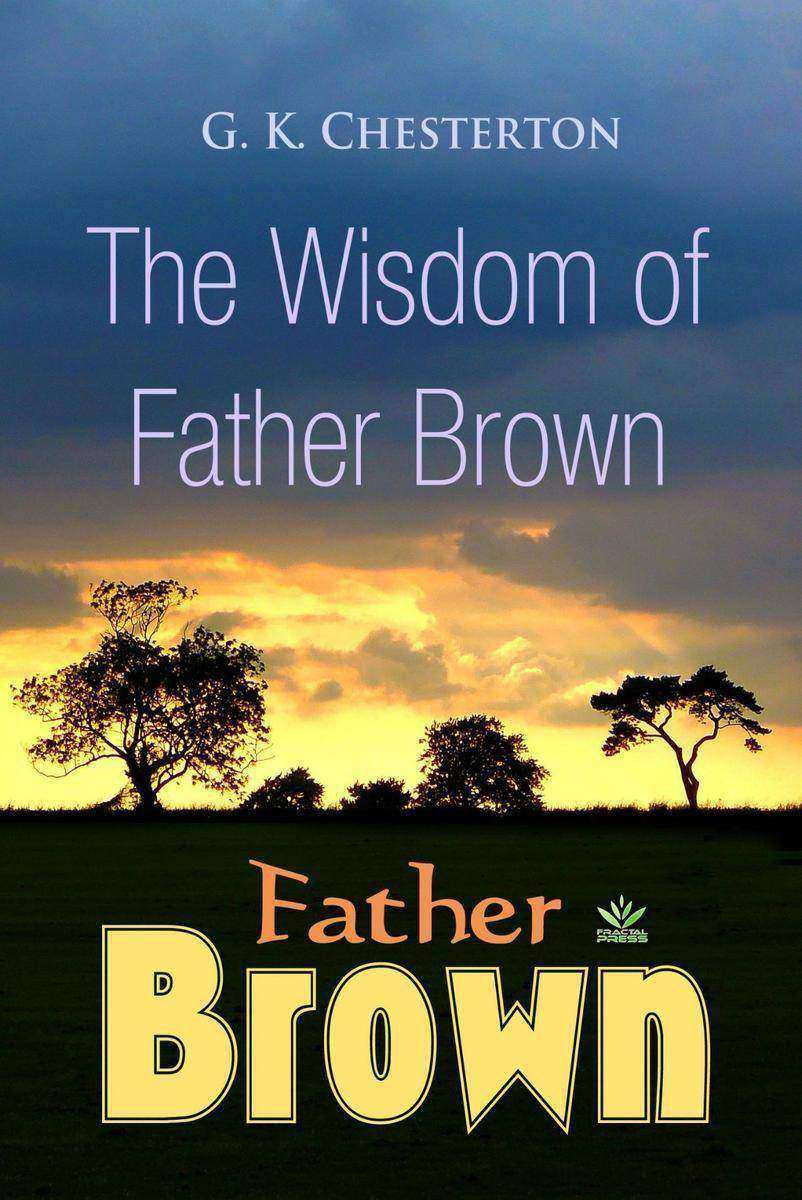
The Wisdom of Father Brown
¥40.79
Two men appeared simultaneously at the two ends of a sort of passage running along the side of the Apollo Theatre in the Adelphi. The evening daylight in the streets was large and luminous, opalescent and empty. The passage was comparatively long and dark, so each man could see the other as a mere black silhouette at the other end. Nevertheless, each man knew the other, even in that inky outline; for they were both men of striking appearance and they hated each other.
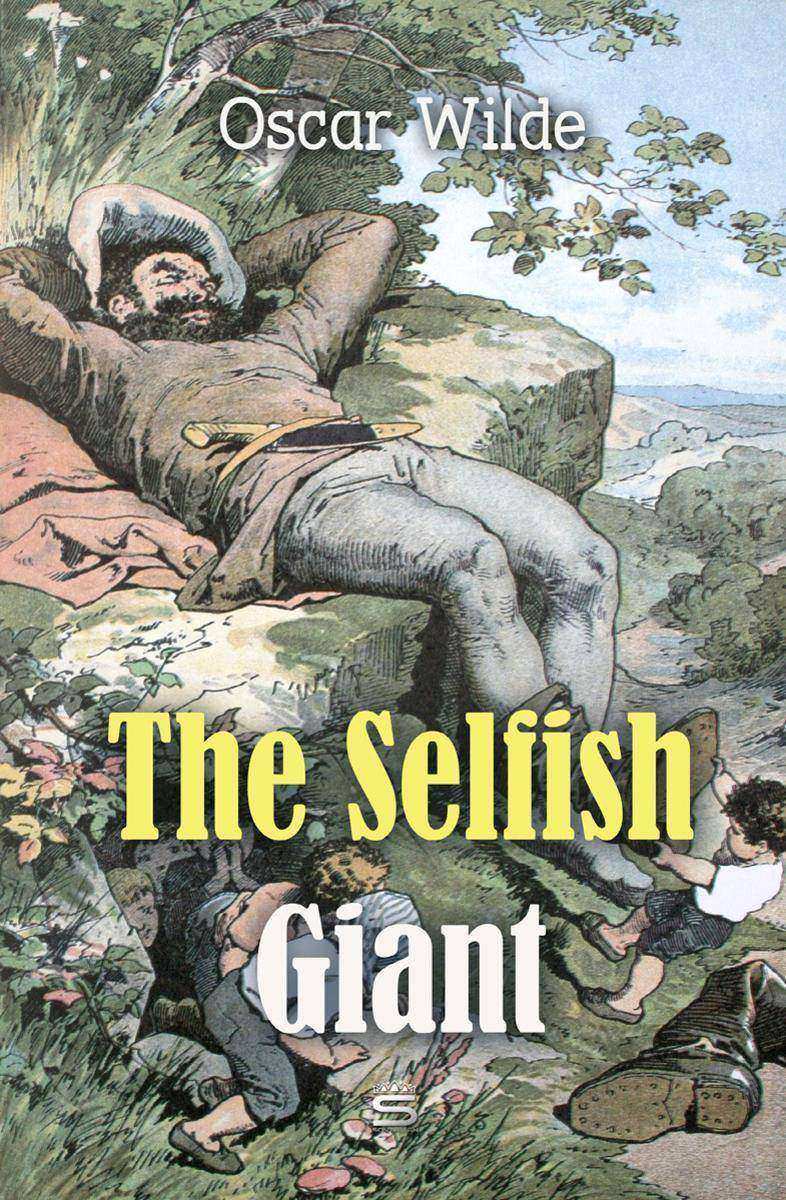
The Selfish Giant
¥40.79
Perpetual winter comes to a beautiful garden of the selfish giant who erected a wall around it to stop children playing in the garden. Unexpected consequences follow. The birds stop singing in this garden and both trees and flowers stop blossoming. One day discovers that spring has returned to the garden, as the children have found a way in through a gap in the wall. He sees the error of his ways, and resolves to destroy the wall.

The Devoted Friend
¥40.79
Little Hans spends most of his time gardening and makes a living from sales of his beautiful flowers. Little Hans always treats his neighbours well and even allows neighbouring rich Miller to pick flowers from his garden. But the Miller rarely invites Hans into his house or responds in kind. The Miller instead develops has his own philosophy of friendship: ‘Lots of people act well but very few people talk well, which shows that talking is much the more difficult thing of the two, and much the finer thing also'.
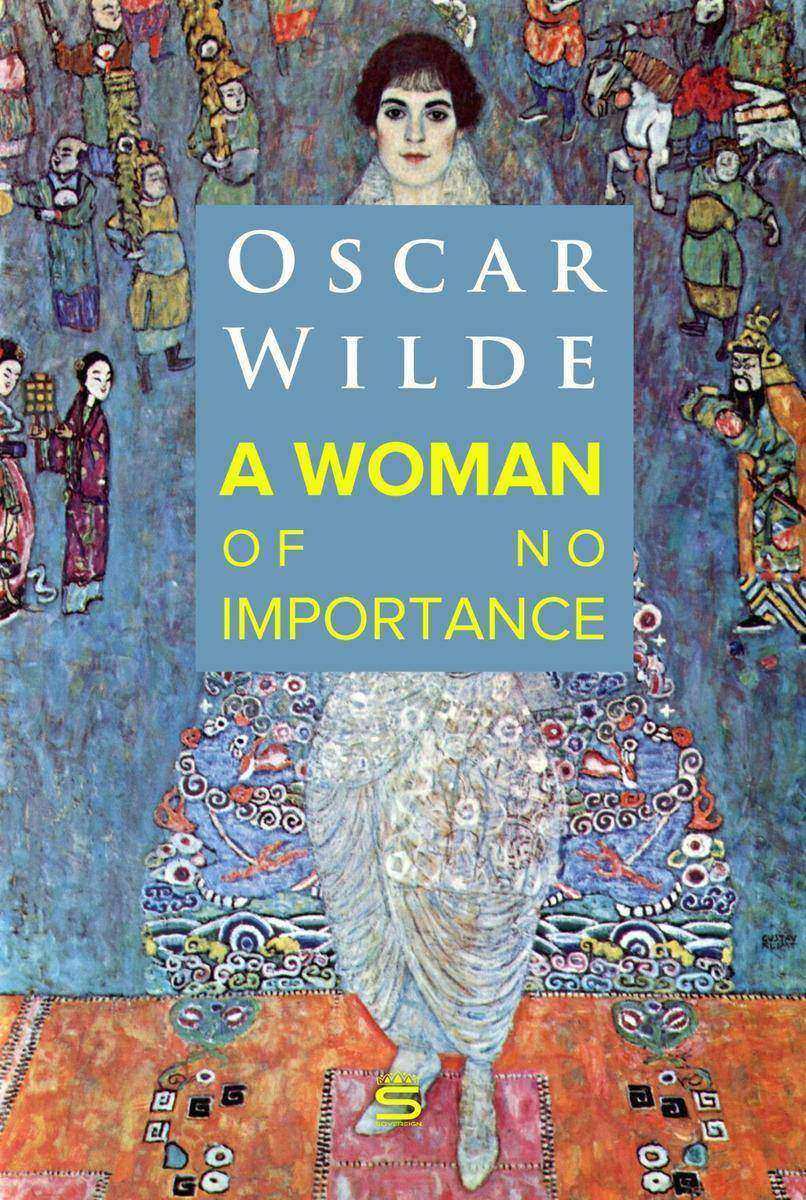
A Woman of No Importance
¥40.79
The play opens with a party on a terrace in Lady Hunstanton's estate. The upper class guests exchange social gossip and small talk. Lady Caroline Pontrefact patronizes an American visitor, Hester Worsley, and proceeds to give her own opinion on everyone in the room and her surrounding life. Lady Caroline also denounces Hester's enthusiasm for Gerald Arbuthnot until Gerald himself enters to proclaim that Lord Illingworth, a powerful, flirtatious male political figure intends to take him under his wing as secretary.
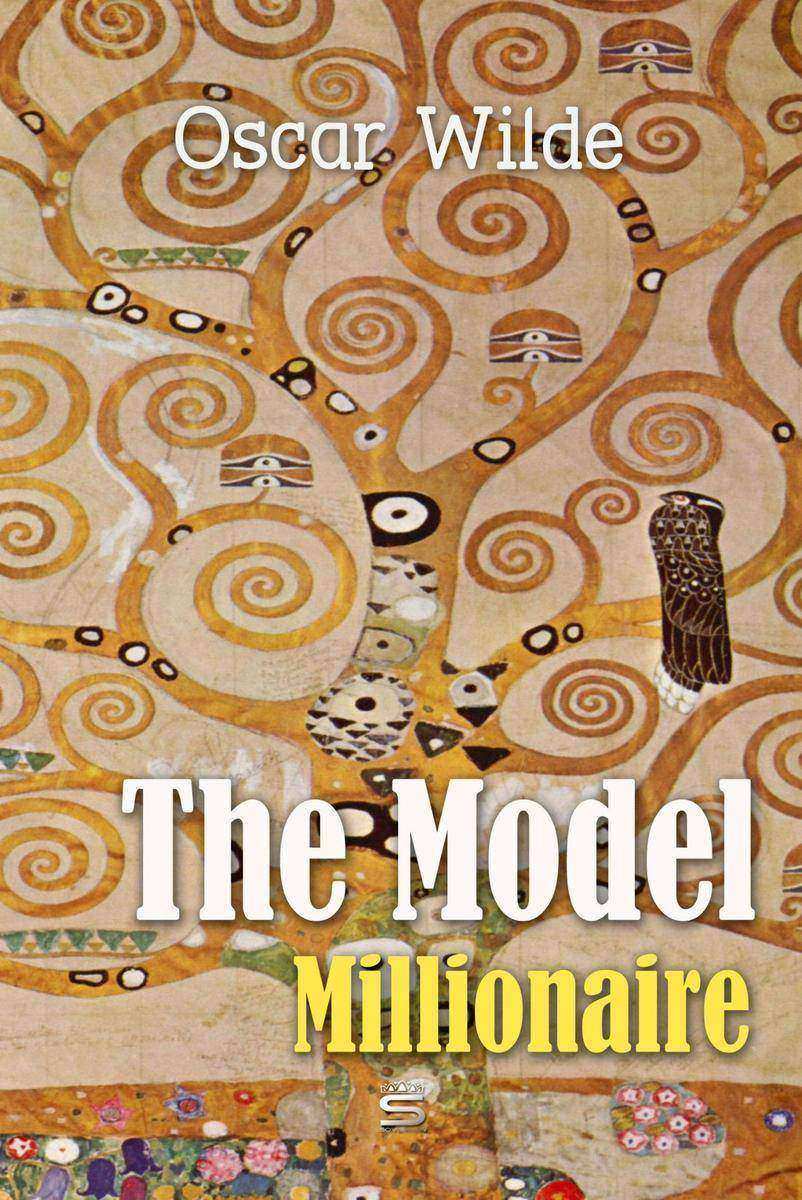
The Model Millionaire
¥40.79
Hughie Erskine is in love and wants to marry, but the girl's father will not allow it, since Erskine has no money. Erskine's friend Alan Trevor is a painter, and he visits him at his studio one day to find him with a pitiable beggar — the model for his painting. Erskine only has one coin, on which he depends for transportation, but he decides he can walk for a couple of weeks and gives the beggar the coin.


