


 购物车
购物车 个人中心
个人中心
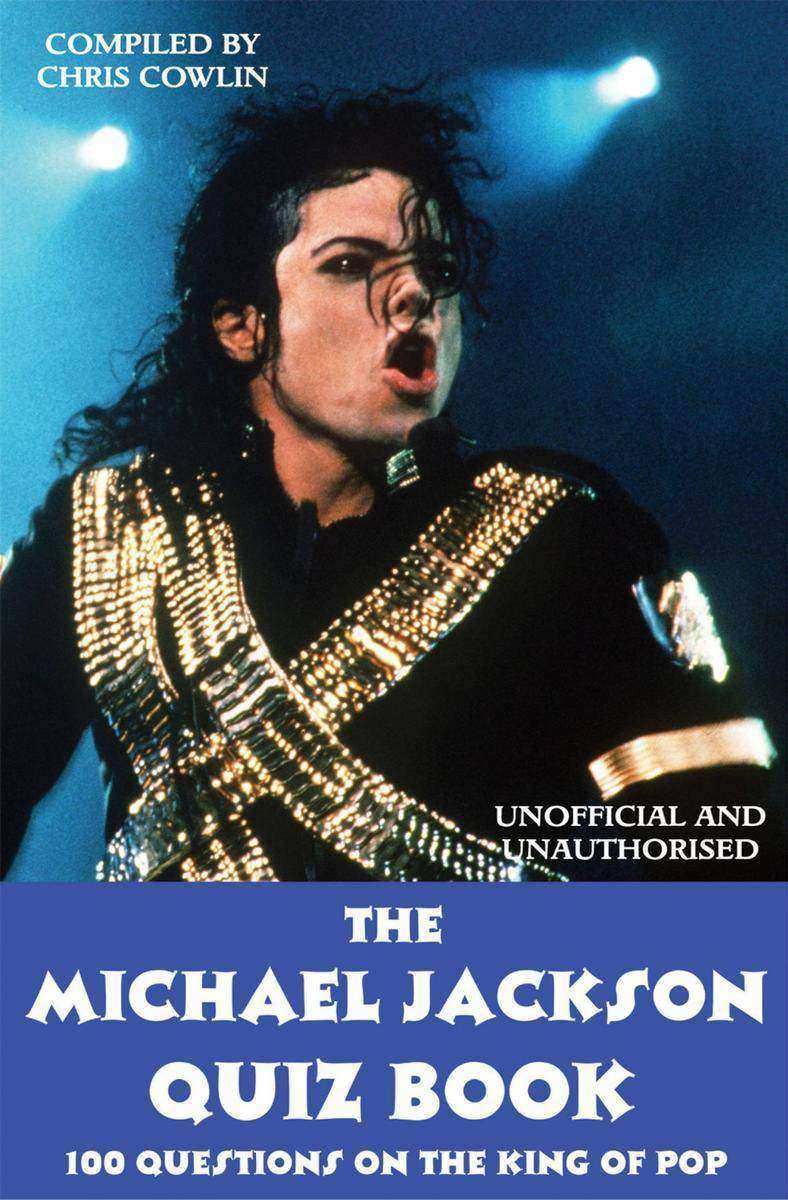
Michael Jackson Quiz Book
¥24.43
Brief Description: Are you a Michael Jackson fan? Have you followed every twist and turn in the amazing Michael Jackson story? Did you mourn his untimely death? Then what better way to pay tribute to the undisputed king of pop than with this quiz book? The 100 questions in the The Michael Jackson Quiz Book are designed to test your memory of the people and places that shaped the life of one of the most popular and controversial entertainers in the history of popular music. Michael Jackson leaves behind a legacy of ground breaking hits, who can forget Thriller or Billie Jean? This book covers the phenomenal success of the early years singing with his brothers, to Michael's transformation into a multi award winning solo artist and innovative performer. With questions about all aspects of Michael's life, you are certain to discover something new about the iconic superstar. This book is a must have for all Michael Jackson fans and for anyone interested in learning more about the man responsible for some of the most famous songs and memorable dance videos of all time.
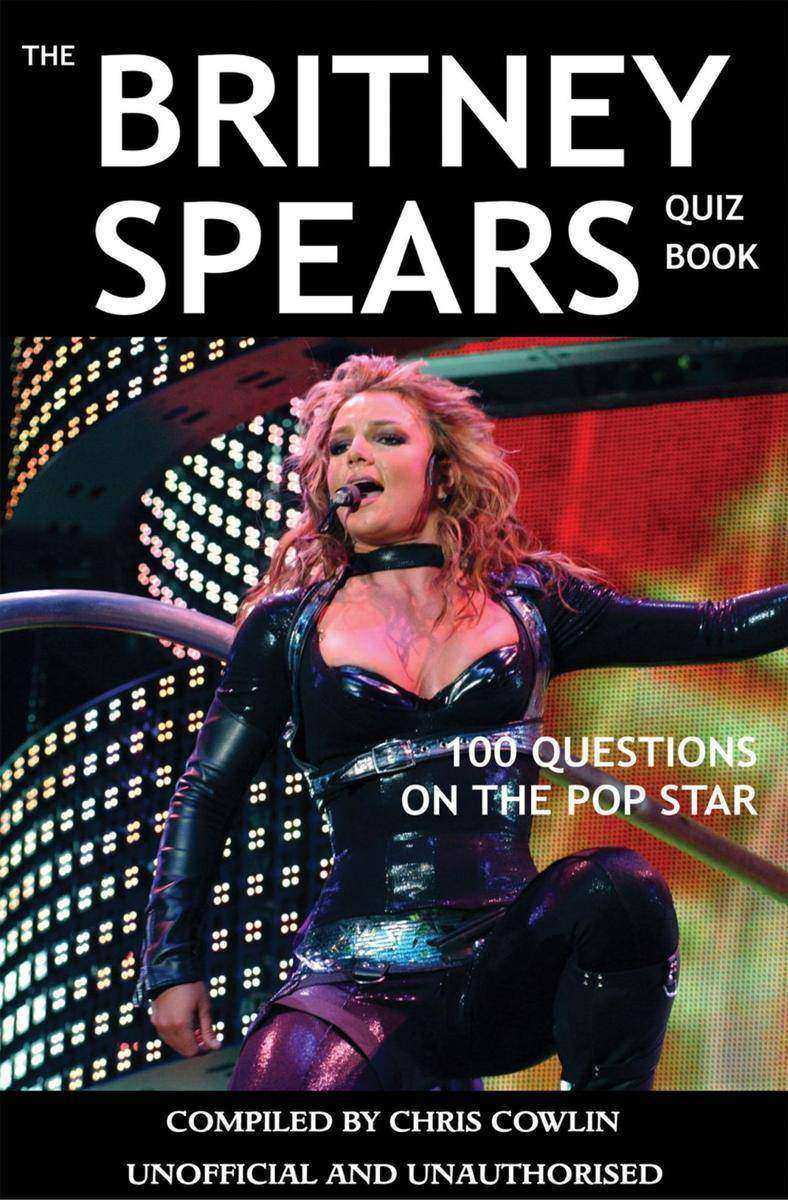
Britney Spears Quiz Book
¥24.43
Are you an expert on Britney Spears? Have you followed every dramatic twist and turn in the amazing Britney Spears story from child wannabe to controversial princess of pop? Are you familiar with Britney's early work before finding international acclaim and stardom? And would you like to find out more about the blond schoolgirl who went on to become a global icon? If so The Britney Spears Quiz Book is just what you need. Packed with fascinating facts this quiz book covers the phenomenal success of the young Britney through to more troubled times. With 100 questions about the chart topping hits, awards and nominations, career highlights and low points, as well as many personal details, you are certain to learn something new about your favourite celebrity. This book is a fitting tribute to the woman listed by Forbes as the third most mentioned musician on the Internet and who is purported to be the best-selling female artist of the first decade of the 21st century. If you are a fan of Britney, you will love this quiz book.
Wine - 101 Truths, Myths and Legends
¥24.43
Are you a wine connoisseur? Do you prefer to try different makes and vintages or do you have a firm favourite? At the weekend, do you like to open a bottle (or two!) to enjoy with family and friends? Whatever your wine drinking habits, if you like wine, you are certain to enjoy this new trivia book. Do you know how the American 'Starboard' wine came to be named? What did the eminent scientist William Lemeck discover about champagne? Who said, "e;Whether wine is a nourishment, medicine or poison is a matter of dosage."e;? The answers can all be found in Wine - 101 Truths, Myths and Legends.With sections on names of wines, champagne, colour, history, labels, quotes, cost, and much more, you can't help but find out some fascinating new facts about wine and the myths and legends surrounding it. Whether red, white or rose is your tipple, and even if you only ever drink champagne, if you like wine and are interested in the facts and figures associated with its production, you won't want to without this book.
Fulham Quiz Book
¥34.24
Is Fulham your local football team or the one you have chosen to support? Do you go to every match? Are you clued up on all the events, people and places that have shaped the club's long history? Then why not find out how much you really know about The Cottagers with this fun quiz book?With 250 thought-provoking questions about all aspects of the club, including the top players and managers, nationalities and playing positions, worthy opponents, club honours, and all those memorable matches from days gone by, this book can't fail to turn up one or two surprises alongside all the well known facts.Packed full of information, The Fulham Quiz Book is certain to score a hit with football fans of all ages, whether you want to impress family and friends with your knowledge or simply find out more about the club. This tribute to the Cottagers is an indispensable guide for all fans of Fulham FC and anyone who is interested in learning about London's oldest professional football team.
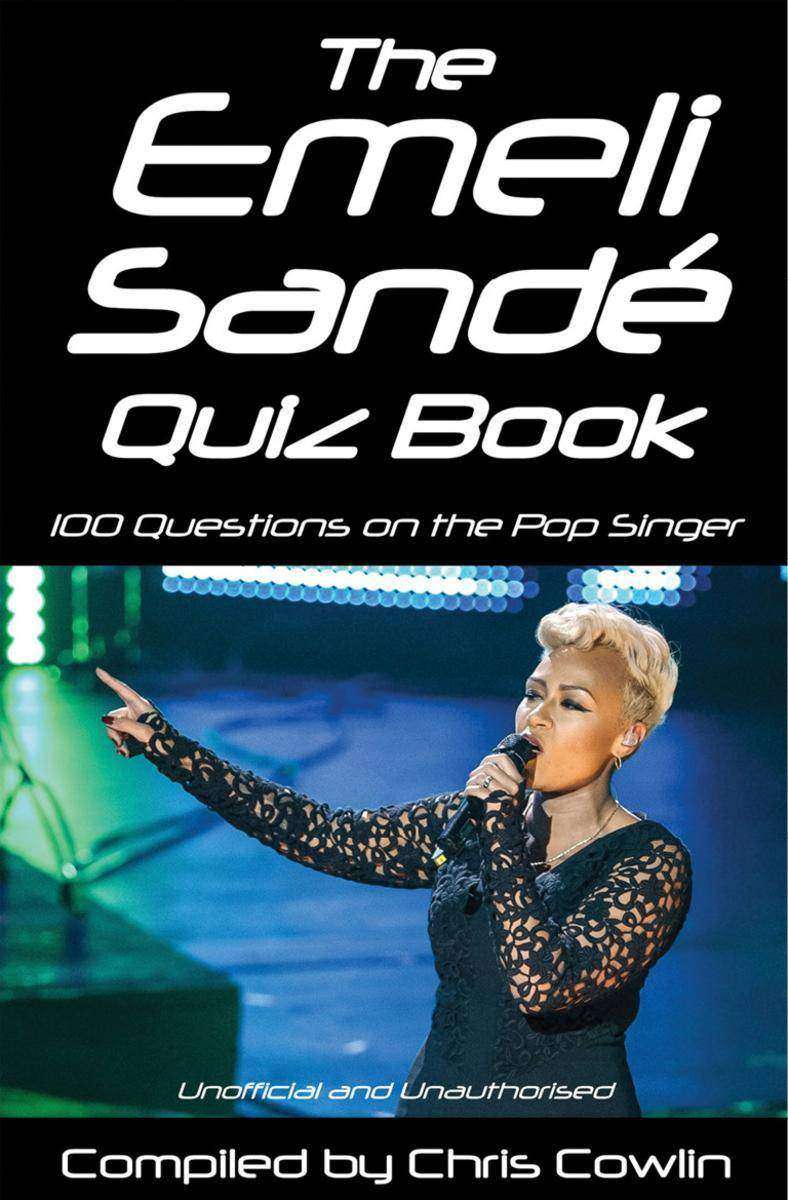
Emeli Sande Quiz Book
¥24.43
Are you a fan of Emeli Sande? Have you followed her rise to fame from early collaborations to singing at the opening ceremony of the London 2012 Olympic Games? Do you know all the words to Emeli's soulful lyrics and like to sing along? If so, you are certain to enjoy this informative new quiz book all about the multi-talented singer-songwriter.What award did Emeli win at the 2012 Harper's Bazaar Women of the Year awards? Where in the UK was Emeli born? What is unusual about Emeli's music video for her 2012 single 'Clown'? The answers to these questions and many more like them can be found in The Emeli Sande Quiz Book.Packed full of facts about Emeli's amazing career to date, this quiz book contains 100 questions about the award winning star and covers all aspects of Emeli's professional life as well as many personal details. This is a must-have book for anyone who enjoys the music of Emeli Sande or would like to find out more about her.
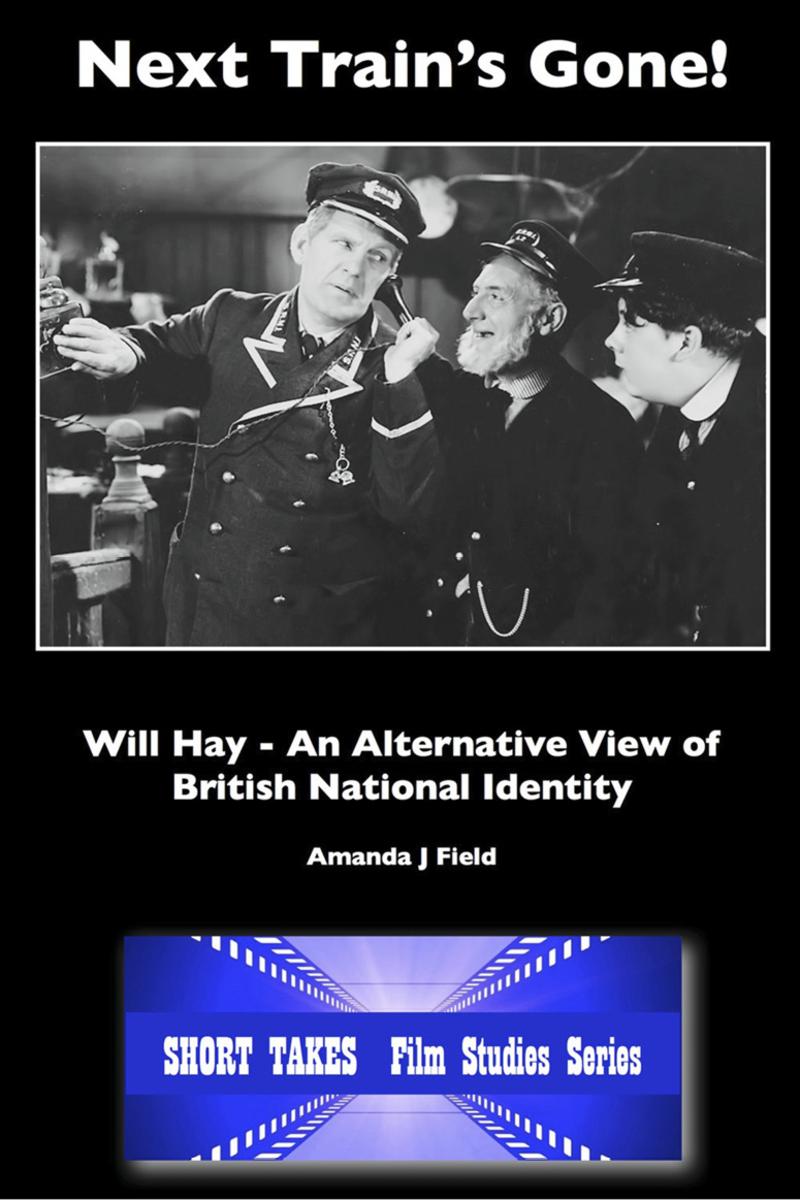
Next Train's Gone!
¥19.52
In the 1930s, British film producers and critics championed the idea of 'quality' pictures - thoughtful, intelligent films that would project a particular and positive view of Britain. The result was to drive a wedge between 'national' cinema (which reflected middle-class values) and 'popular' cinema (which reflected the working-class values of the majority of cinema audiences). 'Popular' became a term of abuse, particularly directed at comedies, whose roots often lay in music-hall. A very different image of Britain emerges from these comedies, as this insightful analysis of two Will Hay films - Oh Mr Porter (1937) and Ask a Policeman (1939) reveals.
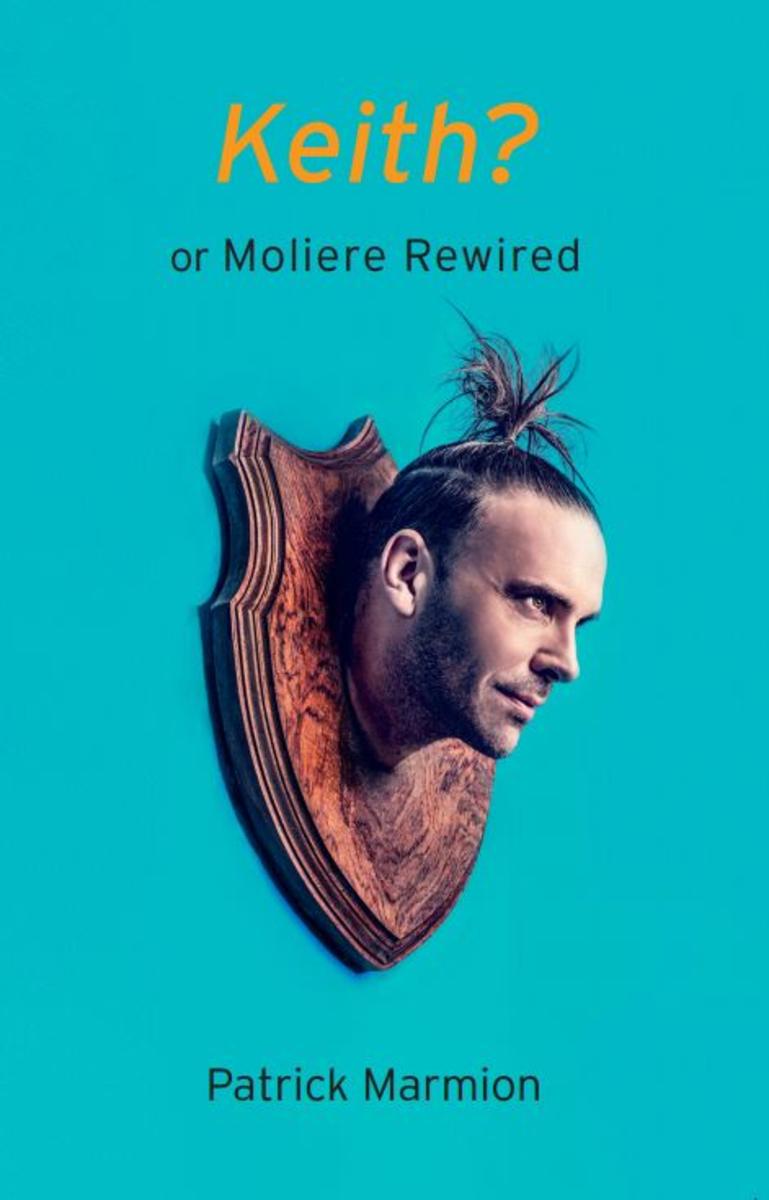
Keith? or Moliere Rewired
¥40.79
… A South African gunrunner turned Buddhist monk.… A gullible startup millionaire.… His radical feminist ex wife.… Their aid worker daughter.… The young British Muslim she met in Syria.… An ethical Serbian hitman.And an unstable Brazilian cleaner.Modern Britain. Moral chaos. Total nightmare.A new comedy about life in Brexit Britain, the lies we tell to each other – and to ourselves.
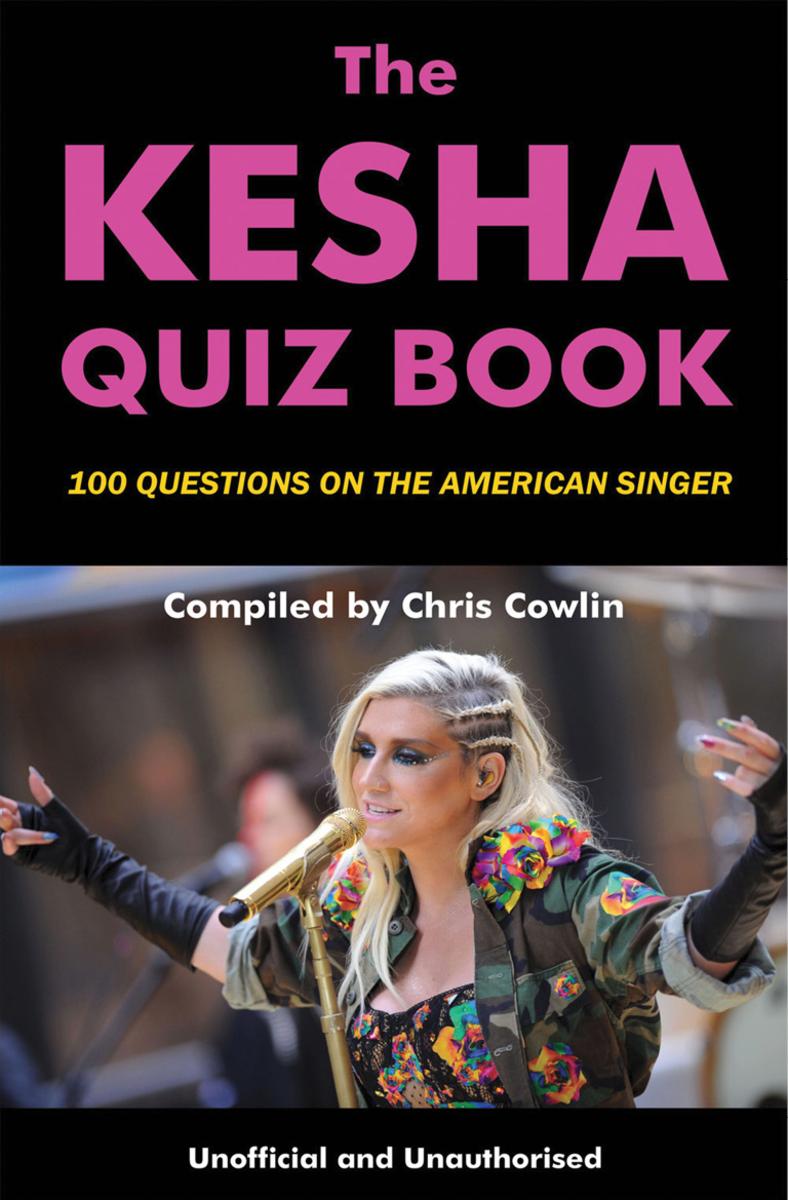
Kesha Quiz Book
¥24.43
Are you a fan of American singer-songwriter Kesha? Do you enjoy her particular style of music and sing along to her songs? Are you one of the thousands who brought her albums and helped to turn Kesha into a popular, award-winning, contemporary artist? If you like Kesha and would like to find out more about her, The Kesha Quiz Book will tell you everything you need to know? When and where was Kesha born? What was the name of her debut album? How many siblings does she have? What single was her biggest hit? Gen up on details about Kesha's professional and personal life by tackling the 100 questions in this book. Packed with fun and informative facts all about Kesha, you are certain to learn something new about the bubbly performer and her rise to fame. This is a must-have book for Kesha fans of all ages, so whether you are nine or ninety this book is a great way to find out about your favourite artist.
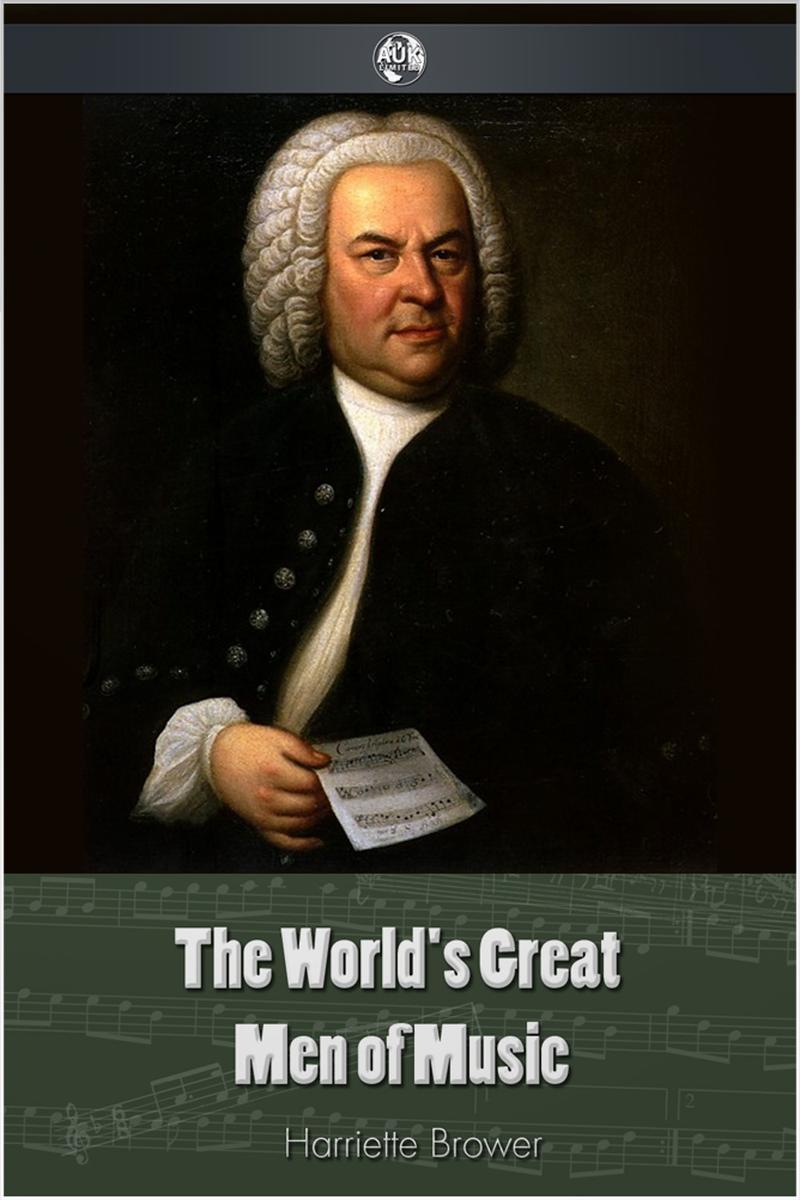
World's Great Men Of Music
¥44.05
This excellent ebook introduces the reader to a wide range of the world's greatest composers, including interesting facts about not only their musical styles but the men themselves. This edition has been specially formatted for today's e-readers, and will appeal to all those looking for a fascinating read about the history of classical music.
101 Amazing Mumford & Sons Facts
¥19.52
Are you a fan of world-famous folk rock band Mumford & Sons? Do you want to know everything there is to know about the multi-instrumentalist Grammy-award-winning chart-toppers? If so, then this is the book for you.Contained within are over one hundred amazing facts about everything from how the band got together to facts about Marcus Mumford's amazing talents, awards the band have won, their singles, albums and much, much more. Get the facts you want quick!

Media Unfriendly
¥19.52
Everything you see, Asimov, is a deception.' This book is a collection of deceptions, of reflections, of fictions, of distractions and distortions. 'Media Unfriendly' features vignettes, short stories, improvisations, meditations and sketches inspired by, but not exclusive, to John Simm, Five Star, Elvis impersonators, cream jeans, androids, Italo disco, Nicole Kidman, media barons, psychosis, local councils, Swedish pop groups and idea material one cannot mention in a family publication. It requires your emotional and financial investment, and your attention span. You could 'Like' if you are a slave to platitudes. Or buy it, if this blurb is not considered too smug to the point that you want to smash the authors face in. With a horse skull.
101 Amazing Facts about Foo Fighters
¥19.52
Are you the world's biggest Foo Fighters fan? Or do you want to discover some interesting facts about Dave Grohl's band, generally considered to be the best rock act in the entire world? If so, then this is the book for you! Contained within are more than one hundred amazing facts about everything, from the band's formation and early days of recording all the way to their most recent tour. With sections about each member as well as information on their music, awards and much more, you can find the information you want fast - and the book is perfect for all ages. No fan should be without it!
101 Amazing Justin Timberlake Facts
¥19.52
Are you the world's biggest Justin Timberlake fan? Or do you want to know everything there is to know about the SexyBack superstar, actor and ex *NSYNC singer?If so, then this is the book for you! Contained within are 101 amazing facts about everything, from how Justin got started as both a singer and as an actor, his love life, awards he has won and much more. The book is easily organised into sections so you can find the information you want fast and is perfect for all ages!
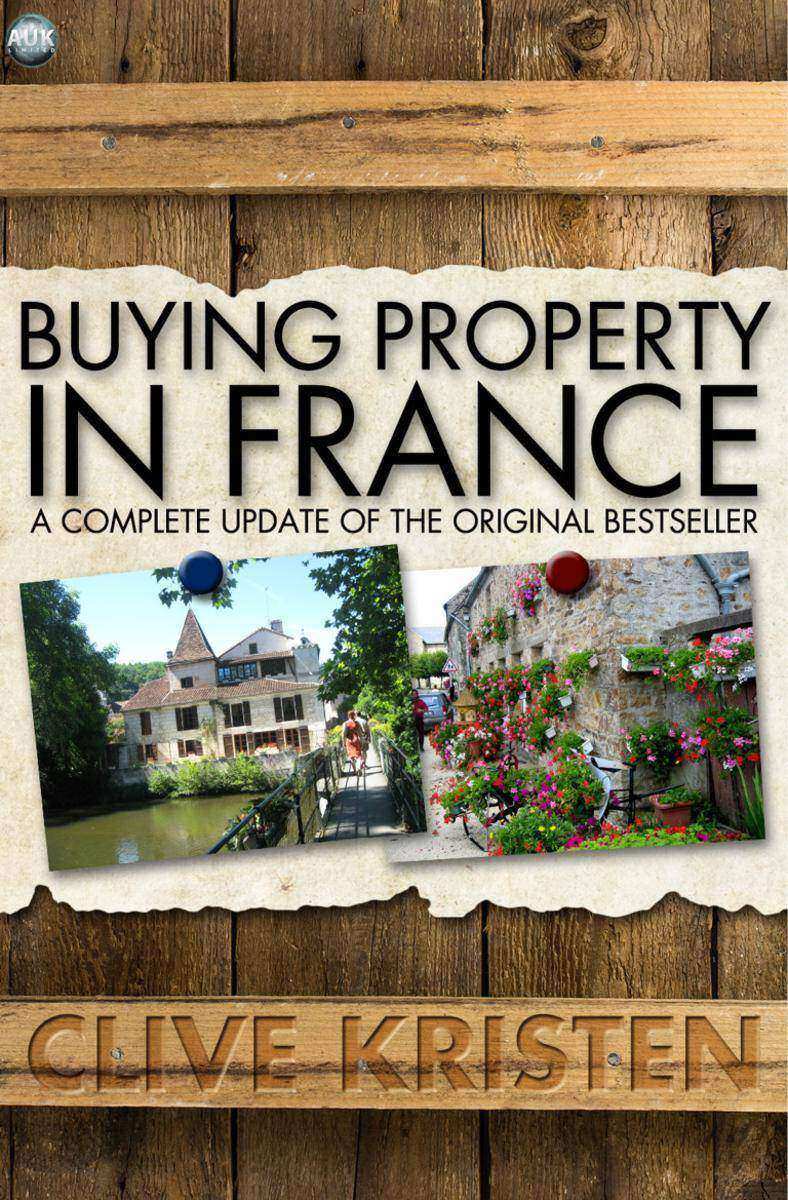
Buying Property in France
¥48.95
Straightforward, practical and independent advice on a broad range of subjects related to French property, based on my own personal experience. This includes choices about buying and renting, the costs and intricacies of the legal processes, and how to avoid some of the pitfalls.
10 Amazing Christmas Carols - Volume 1
¥39.14
This first volume in the Amazing Christmas Carols collection features:- In the Bleak Midwinter- The Boar's Head Carol- Jingle Bells- God Rest Ye Merry, Gentlemen- The Holly and the Ivy- O Little Town of Bethlehem- O Come, O Come Emmanuel- While Shepherds Watched their Flocks by Night- Silent Night- Good King WenceslasEach carol is presented with an introduction featuring information about its origins, the full music score (all choral parts plus accompaniment), a separate piano score, individual parts for Soprano, Alto, Tenor and Bass and a separate page of just the words. This eBook is specifically formatted for high quality display on a range of devices, tablets and eBook readers and is perfect for individuals, choirs, schools, churches or any other singing group.
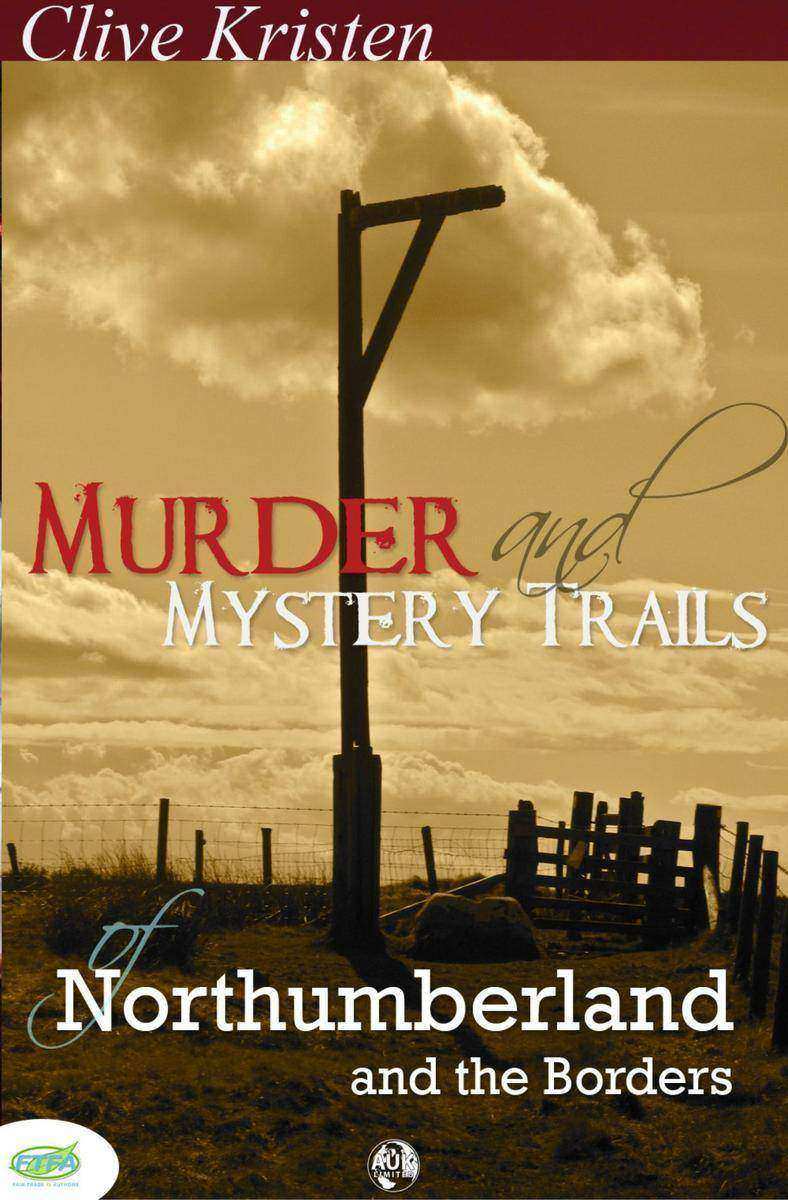
Murder & Mystery Trails of Northumberland & The Borders
¥29.33
Popular TV ghosthunter, Clive Kristen, takes the reader in search of the most notorious murderers in Northumberland's history and tries to unravel the circumstances and mysteries that still surround their crimes. The stories are woven into their historical context within the area. Although the trails are largely rural, we have included the region's capital and some of its most ancient buildings. Many of the stories have never been published before in any format. So get out your boots and brollies and join the author at some of his favourite murder scenes.
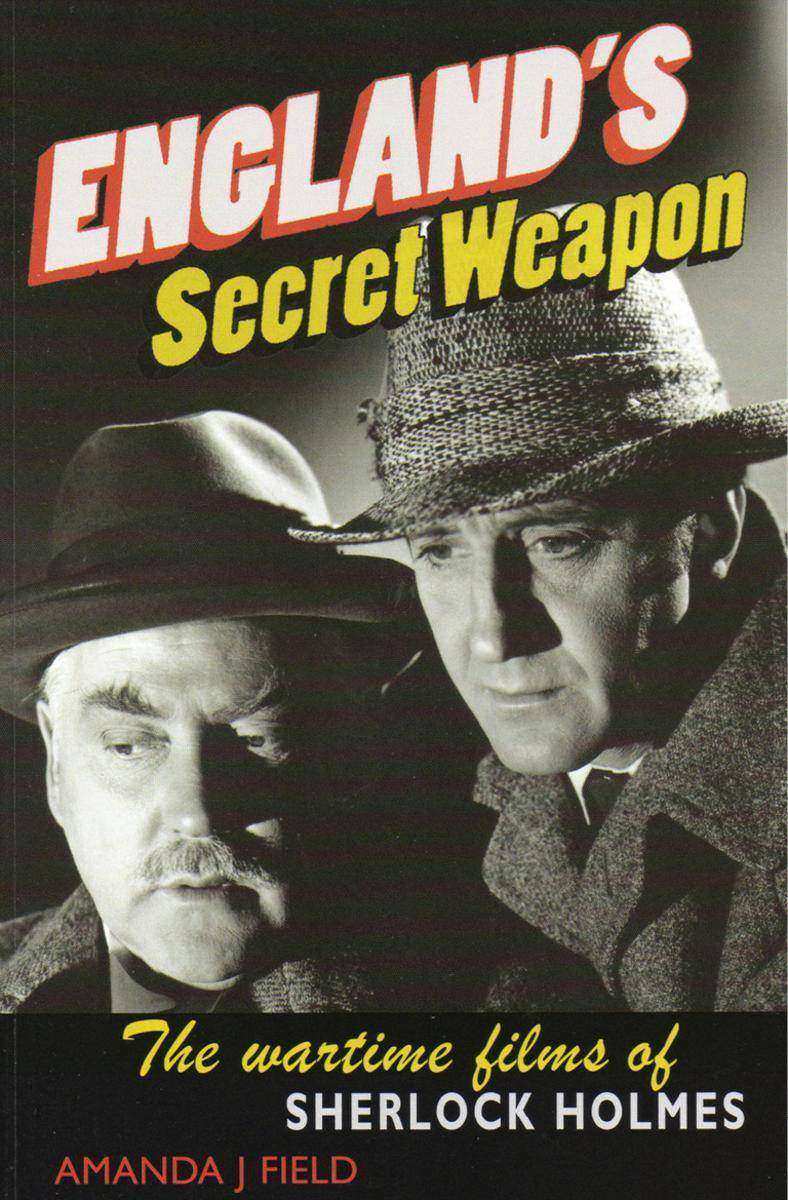
England's Secret Weapon
¥88.19
England's Secret Weapon explores the way Hollywood used Sherlock Holmes in a series of fourteen films spanning the years of World War II in Europe, from The Hound of the Baskervilles in 1939 to Dressed to Kill in 1946. Basil Rathbone's portrayal of Holmes has influenced every actor who has since played him on film, TV, stage and radio, yet the film series has, until now, been neglected in terms of detailed critical analysis. The book looks at the films themselves in combination with their historical context and examines how the studio 'updated' Holmes and recruited him to fight the Nazis, steering a careful course between modernising the detective and making sure he was still recognisable as the 'old Holmes' in clothes, locations and behaviour.
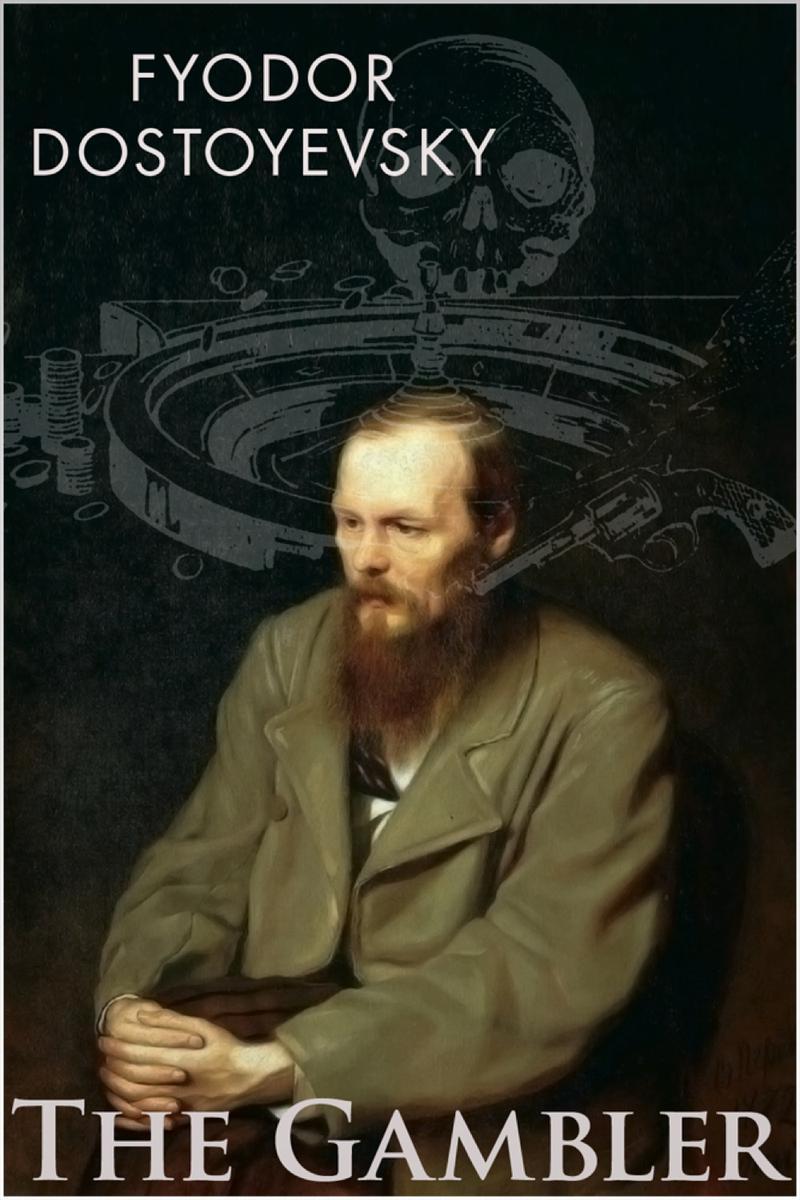
Gambler
¥19.52
Fyodor Dostoyevsky wrote 'The Gambler' after losing most of his money by gambling and entering into a hazardous contract with F. T. Stellovsky that if he did not deliver a novel of 12 or more signatures by 1 November 1866, Stellovsky would acquire the right to publish Dostoevsky's works for nine years without any compensation to the writer. The book is therefore a very accurate and personal portrayal of the allure of gambling, and the damage it can do.
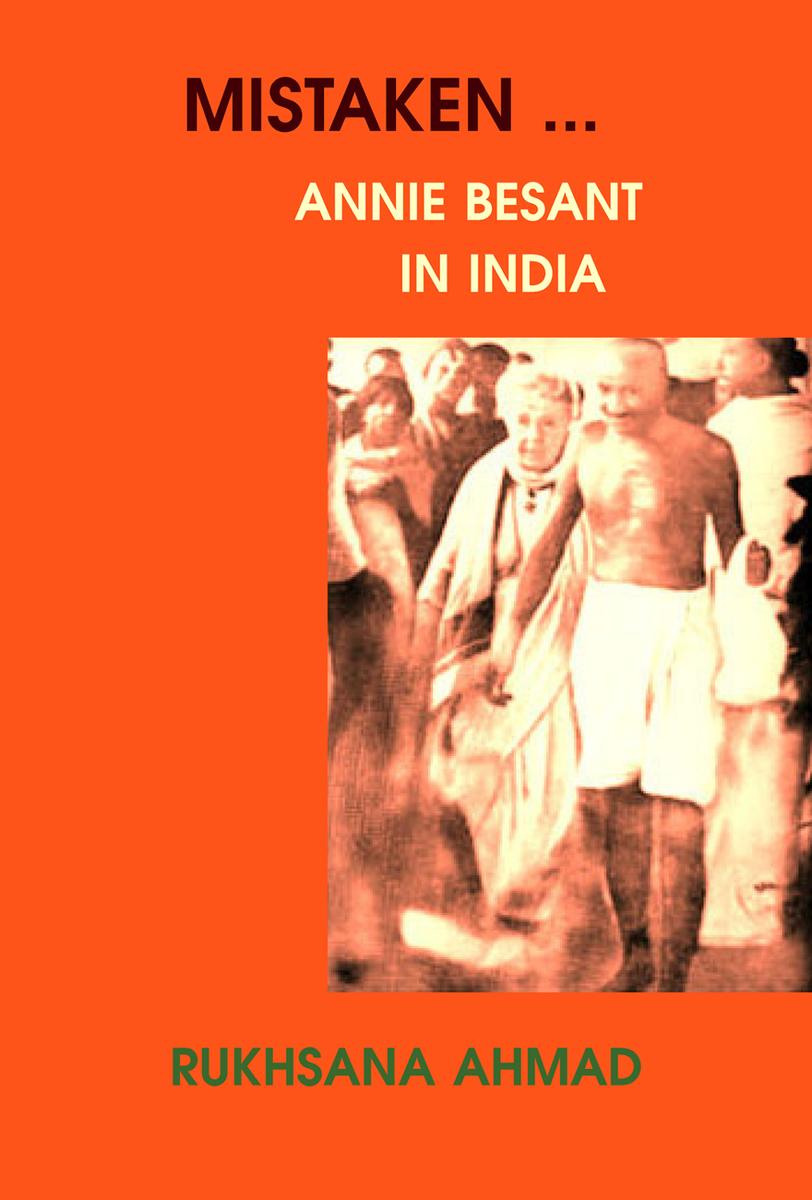
Mistaken… Annie Besant in India
¥40.79
Explores the incredible story of Annie Besant’s relationship with India and the boy who went on to become one of India’s greatest teachers and thinkers – Krishnamurti. 1916: India is simmering with discontent against the Raj. Enter English proto-feminist Annie Besant, notorious at home for the match-girls’ strike, political, charismatic. In India she finds a new family and a new cause. Gandhi hails her as the leader of the Congress Party after she courts imprisonment for promoting Indian Home Rule. She admires him – but can rulers ever befriend the ruled? Can Annie’s great love affair with India last? … or is she mistaken in her beliefs, politics and adoptions? ? ABOUT THE AUTHOR Rukhsana Ahmad‘s stage plays include: Song For Sanctuary, The Gate-Keeper’s Wife, Black Shalwar, River On Fire?(shortlist Susan Smith Blackburn Prize 2002), The Man Who Refused to be God, Last Chance and Partners in Crime. Radio plays and adaptations include:?Song for a Sanctuary?(CRE award, runner-up),?An Urnful of Ashes, The Errant Gene,?Nawal El Saadawi’s?Woman At Point Zero,?Jean Rhy’s?Wide Sargasso Sea?(shortlist CRE and Writers’ Guild Award for best adaptation), R.K Narayan’s?The Guide?and Nadeem Aslam’s?Maps For Lost Lovers. She also wrote for Westway and helped to create?Pyaar Ka Passort?for BBC World Service Trust. Her fiction includes a novel;?The Hope Chest?(Virago) and several short stories have been published internationally. Her translations from Urdu include?We Sinful Women, and Altaf Fatima’s novel,?The One Who Did Not Ask. Currently she is working on?Letting Go, a new play for Pursued by a Bear, and an adaptation for the BBC of Salman Rushdie’s?Midnight’s Children.
Three Plays
¥40.79
Award-winning playwright Jonathan Moore has been described as a “singular voice for his generation: furious, nihilistic, poetic…” (Time Out). This anthology brings together three of his critically acclaimed plays, including: This Other Eden, Fall From Light, and Treatment. ? The Plays This Other Eden?(Guardian Critics’s Choice): A story of passion. A wife and a mother. Her son and daughter. Her husband. The London Irish. Limboland. The hunger for a sense of a real culture. The desire for freedom… A tough play about a woman’s soul, told with beauty, humour and hope. “… the play burns with passion and indignation.”?Daily Telegraph Fall From Light: A young composer writes a new opera. The Director rejects it, but his lover, a young Diva, takes him to the council estate, where she and the composer grew up. There they meet Girly and his gang… A tale of art, savagery and redemption. Treatment?(Fringe First): Liam is part of a violent street gang but wants to escape. Trapped between two worlds, he has to choose between the dark allure of violence and the healing power of love.
Standard Operas
¥19.52
A fantastic resource for students and lovers of opera. This book contains a wealth of information about the works of the greatest opera composers. Includes information on the composers themselves, as well as discussions of the music and plot of the operas. Composers include Beethoven, Bizet, Mozart, Verdi, Wagner and many more.


