


 购物车
购物车 个人中心
个人中心
Building an RPG with Unreal
¥90.46
Get to grips with building the foundations of an RPG using Unreal Engine 4About This BookUtilize a mixture of C++, Blueprints, and UMG to create a role playing game (RPG) efficientlyCreate reusable code chunks and elements that can easily be integrated into other gamesA cost effective, step-by-step guide to building and customizing an entire framework for your RPGWho This Book Is ForIf you are new to Unreal Engine and always wanted to * an RPG, you are this book’s target reader. The lessons assume you understand the conventions of RPG games and have some awareness of the basics of using the Unreal editor to build level.What You Will LearnProgram gameplay elements in C++ in UnrealCreate custom game data for entities such as players and enemiesCreate a turn-based combat engineDesign menu systems and blueprint logicCreate an NPC and dialog systemIntegrate equipment and itemsDevelop the foundations of a saving and loading systemIn DetailNow that Unreal Engine 4 has become one of the most cutting edge game engines in the world, developers are looking for the best ways of creating games of any genre in the engine. This book will lay out the foundation of creating a turn-based RPG in Unreal Engine 4.The book starts by walking you through creating a turn-based battle system that can hold commands for party members and enemies. You’ll get your hands dirty by creating NPCs such as shop owners, and important mechanics, that make up every RPG such as a currency system, inventory, dialogue, and character statistics. Although this book specifically focuses on the creation of a turn-based RPG, there are a variety of topics that can be utilized when creating many other types of genres.By the end of the book, you will be able to build upon core RPG framework elements to create your own game experience.Style and approachYou will follow a series of lessons detailing the elements that contribute to an RPG. By the end of the book, you will have considerably leveled up your ability to make your own game
Mastering Yii
¥90.46
Advance your modern web application development skills with Yii Framework 2About This BookLearn to work with the key aspects of Yii Framework 2Explore how to create RESTful APIs with YiiIncorporate codeception with Yii2 to test your code thoroughlyWho This Book Is ForThis book is for Yii Framework developers who want to quickly master Yii2. This book assumes some familiarity with Yii2, PHP 5, and HTML5.What You Will LearnExplore Yii2’s conventions and learn how to properly configure Yii2Create both web and console applicationsReduce development time by learning to create classes automatically with Gii, Yii2’s automatic code generation toolUse Yii2’s database migration toolManage and access databases with Active Record, DAO, and Query BuilderHandle user authentication and authorization within Yii2Create RESTful APIs with Yii Framework 2Test applications automatically with codeceptionIn DetailThe successor of Yii Framework 1.1, Yii2 is a complete rewrite of Yii Framework, one of the most popular PHP 5 frameworks for making modern web applications. The update embraces the best practices and protocols established with newer versions of PHP, while still maintaining the simple, fast, and extendable behavior found in its predecessor.This book has been written to enhance your skills and knowledge with Yii Framework 2. Starting with configuration and how to initialize new projects, you’ll learn how to configure, manage, and use every aspect of Yii2 from Gii, DAO, Query Builder, Active Record, and migrations, to asset manager. You'll also discover how to automatically test your code using codeception.With this book by your side, you’ll have all the skills you need to quickly create rich modern web and console applications with Yii2.Style and approach This book is a step-by-step guide to mastering every aspect of Yii Framework 2. Each chapter outlines a new set of tools along with code that can be used to efficiently create modern web and console applications
Game Programming Using Qt: Beginner's Guide
¥99.18
A complete guide to designing and building fun games with Qt and Qt Quick 2 using associated toolsetsAbout This BookLearn to create simple 2D to complex 3D graphics and games using all possible tools and widgets available for game development in QtUnderstand technologies such as QML, Qt Quick, OpenGL, and Qt Creator, and learn the best practices to use them to design gamesLearn Qt with the help of many sample games introduced step-by-step in each chapterWho This Book Is ForIf you want to create great graphical user interfaces and astonishing games with Qt, this book is ideal for you. Any previous knowledge of Qt is not required, however knowledge of C++ is mandatory.What You Will LearnInstall Qt on your systemUnderstand the basic concepts of every Qt game and applicationDevelop 2D object-oriented graphics using Qt Graphics ViewBuild multiplayer games or add a chat function to your games with Qt's Network moduleScript your game with Qt ScriptProgram resolution-independent and fluid UI using QML and Qt QuickControl your game flow as per the sensors of a mobile deviceSee how to test and debug your game easily with Qt Creator and Qt TestIn DetailQt is the leading cross-platform toolkit for all significant desktop, mobile, and embedded platforms and is becoming more popular by the day, especially on mobile and embedded devices. Despite its simplicity, it's a powerful tool that perfectly fits game developers’ needs. Using Qt and Qt Quick, it is easy to build fun games or shiny user interfaces. You only need to create your game once and deploy it on all major platforms like iOS, Android, and WinRT without changing a single source file.The book begins with a brief introduction to creating an application and preparing a working environment for both desktop and mobile platforms. It then dives deeper into the basics of creating graphical interfaces and Qt core concepts of data processing and display before you try creating a game. As you progress through the chapters, you’ll learn to enrich your games by implementing network connectivity and employing *ing. We then delve into Qt Quick, OpenGL, and various other tools to add game logic, design animation, add game physics, and build astonishing UI for the games. Towards the final chapters, you’ll learn to exploit mobile device features such as accelerators and sensors to build engaging user experiences. If you are planning to learn about Qt and its associated toolsets to build apps and games, this book is a must have.Style and approachThis is an easy-to-follow, example-based, comprehensive introduction to all the major features in Qt. The content of each chapter is explained and organized around one or multiple simple game examples to learn Qt in a fun way.
Learning PHP 7
¥90.46
Learn the art of PHP programming through this example-rich book filled to the brim with tutorials every PHP developer needs to know About This Book Set up the PHP environment and get started with web programming Leverage the potential of PHP for server-side programming, memory management, and object-oriented programming (OOP) This book is packed with real-life examples to help you implement the concepts as you learn Who This Book Is For If you are a web developer or programmer who wants to create real-life web applications using PHP 7, or a beginner who wants to get started with PHP 7 programming, this book is for you. Prior knowledge of PHP, PHP 7, or programming is not mandatory. What You Will Learn Set up a server on your machine with PHP Use PHP syntax with the built-in server to create apps Apply the OOP paradigm to PHP to write richer code Use MySQL to manage data in your web applications Create a web application from scratch using MVC Add tests to your web application and write testable code Use an existing PHP framework to build and manage your applications Build REST APIs for your PHP applications Test the behavior of web applications with Behat In Detail PHP is a great language for building web applications. It is essentially a server-side *ing language that is also used for general purpose programming. PHP 7 is the latest version with a host of new features, and it provides major backwards-compatibility breaks. This book begins with the fundamentals of PHP programming by covering the basic concepts such as variables, functions, class, and objects. You will set up PHP server on your machine and learn to read and write procedural PHP code. After getting an understanding of OOP as a paradigm, you will execute MySQL queries on your database. Moving on, you will find out how to use MVC to create applications from scratch and add tests. Then, you will build REST APIs and perform behavioral tests on your applications. By the end of the book, you will have the skills required to read and write files, debug, test, and work with MySQL. Style and approach This book begins with the basics that all PHP developers use every day and then dives deep into detailed concepts and tricks to help you speed through development. You will be able to learn the concepts by performing practical tasks and implementing them in your daily activities, all at your own pace.
Bootstrap By Example
¥80.65
Master Bootstrap 4's frontend framework and build your websites faster than ever before About This Book Become an expert in Bootstrap framework, and speed up front-end development and prototyping through real-life examples An applied guide exploring two web applications such as Twitter and Dashboard from scratch Hands on the Bootstrap version 4 even before the official release Who This Book Is For If you are a frontend developer with no knowledge of Bootstrap, then this book is for you. Basic knowledge of HTML, CSS, and JavaScript is expected, as well as a reasonable understanding of web frameworks, such as jQuery. What You Will Learn Discover how to use Bootstrap’s components and elements, and to customize them for your own projects Understand the framework’s usage in the best way with the recommended development patterns Create web pages for any kind of device like tablet, mobile, computer, etc. Construct a Twitter app by exploring the advanced bootstrap components like Breadcrumbs, Pagination, Media objects, and so on Combine the power of JavaScript with your Bootstrap app for more functionality Create a Dashboard web app using Bootstrap’s JavaScript plugins Learn the difference between Bootstrap’s version 3 and 4 of the framework Extend your knowledge on Bootstrap’s external plugins, their incorporation and usage In Detail Bootstrap is a free, open source collection of tools that helps developers create websites or web applications. It provides a faster, easier, and less repetitive solution to designing and building applications. Before Bootstrap’s release, it was necessary to import a variety of libraries into your project that offered different components and features for web interface development. Plus with the increased popularity of smartphones there were lack of libraries that could handle the responsiveness of a web page. Bootstrap‘s existence let it quickly become famous as a front-end framework that offered a wide set of tools from page grid up to components that render a web page in the best possible way for any device. This book will be a tutorial covering various examples as well as step-by-step methodology to create interesting web applications using Bootstrap and to understand the front-end framework to its core. We begin with an introduction to the Bootstrap framework and setting up an environment to build a simple web page. We then cover the grid system, basic Bootstrap components, HTML elements, and customization components for responsive and mobile first development. This is presented by creating a beautiful Landing page sample. You will also learn how to create a web application like Twitter by using the full set of components offered in the framework. Finally, you will learn to create a dashboard web app, using Bootstrap to its finest potential including component customizations, event handling, and external library integration. All these examples are explained step-by-step and in depth, while covering the versions 3 and the most recent version 4 of Bootstrap. So, you will be in the state of the art for front-end development. By the end of this book, you will be familiar with the development of a plugin for the framework and Bootstrap’s world which is popular for fast paced front-end web development, used in countless projects all over the world, and now yours. Style and approach This is a step-by-step guide that closely focuses on developing web applications in most objective way solving real-life problems with Bootstrap. It covers two sample web applications, which are explained in detail.
Learning ArcGIS for Desktop
¥90.46
Create, analyze, and map your spatial data with ArcGIS for Desktop About This Book Learn how to use ArcGIS for Desktop to create and manage geographic data, perform vector and raster analysis, design maps, and share your results Solve real-world problems and share your valuable results using the powerful instruments of ArcGIS for Desktop Step-by-step tutorials cover the main editing, analyzing, and mapping tools in ArcGIS for Desktop Who This Book Is For This book is ideal for those who want to learn how to use the most important component of Esri’s ArcGIS platform, ArcGIS for Desktop. It would be helpful to have a bit of familiarity with the basic concepts of GIS. Even if you have no prior GIS experience, this book will get you up and running quickly. What You Will Learn Understand the functionality of ArcGIS for Desktop applications Explore coordinate reference system concepts and work with different map projections Create, populate, and document a file geodatabase Manage, create, and edit feature shapes and attributes Built automate analysis workfl ows with ModelBuilder Apply basic principles of map design to create good-looking maps Analyze raster and three-dimensional data with the Spatial Analyst and 3D Analyst extensions In Detail ArcGIS for Desktop is one of the main components of the ESRI ArcGIS platform used to support decision making and solve real-world mapping problems. Learning ArcGIS for Desktop is a tutorial-based guide that provides a practical experience for those who are interested in start working with ArcGIS. The first five chapters cover the basic concepts of working with the File Geodatabase, as well as editing and symbolizing geospatial data. Then, the book focuses on planning and performing spatial analysis on vector and raster data using the geoprocessing and modeling tools. Finally, the basic principles of cartography design will be used to create a quality map that presents the information that resulted from the spatial analysis previously performed. To keep you learning throughout the chapters, all exercises have partial and final results stored in the dataset that accompanies the book. Finally, the book offers more than it promises by using the ArcGIS Online component in the tutorials as source of background data and for results sharing Style and approach This easy-to-follow guide is full of hands-on exercises that use open and free geospatial datasets. The basic features of the ArcGIS for Desktop are explained in a step-by-step style.
Learning Proxmox VE
¥80.65
Unleash the power of Proxmox VE by setting up a dedicated virtual environment to serve both containers and virtual machines About This Book Create virtual machines and containers from the comfort of your workstation using Proxmox VE's web-based management interface Maximize performance, security, and the quality of virtual services by tailoring container and virtual machine configurations based on established best practices Put theory to practice by deploying virtual servers that promise portability, modularity, flexibility, security, and quality of service at any scale Who This Book Is For This book is intended for server and system administrators and engineers who are eager to take advantage of the potential of virtual machines and containers to manage servers more efficiently and make the best use of resources, from energy consumption to hardware utilization and physical real estate What You Will Learn Install and configure Proxmox VE Create new virtual machines and containers Import container templates and virtual appliances Optimize virtual machine performance for common use cases Apply the latest security patches to a Proxmox VE host Contrast PVE virtual machines and containers to recognize their respective use cases Secure virtual machines and containers Assess the benefits of virtualization on budgets, server real estate, maintenance, and management time In Detail Proxmox VE 4.1 provides an open source, enterprise virtualization platform on which to host virtual servers as either virtual machines or containers. This book will support your practice of the requisite skills to successfully create, tailor, and deploy virtual machines and containers with Proxmox VE 4.1. Following a survey of PVE's features and characteristics,this book will contrast containers with virtual machines and establish cases for both. It walks through the installation of Proxmox VE, explores the creation of containers and virtual machines, and suggests best practices for virtual disk creation, network configuration, and Proxmox VE host and guest security. Throughout the book, you will navigate the Proxmox VE 4.1 web interface and explore options for command-line management. Style and approach This book is a practical exploration of the different processes and procedures, which are essential in beginning your journey to fluent creation and optimization of effective containers and virtual machines.
Learning Linux Binary Analysis
¥80.65
Uncover the secrets of Linux binary analysis with this handy guideAbout This BookGrasp the intricacies of the ELF binary format of UNIX and LinuxDesign tools for reverse engineering and binary forensic analysisInsights into UNIX and Linux memory infections, ELF viruses, and binary protection schemesWho This Book Is ForIf you are a software engineer or reverse engineer and want to learn more about Linux binary analysis, this book will provide you with all you need to implement solutions for binary analysis in areas of security, forensics, and antivirus. This book is great for both security enthusiasts and system level engineers. Some experience with the C programming language and the Linux command line is assumed.What You Will LearnExplore the internal workings of the ELF binary formatDiscover techniques for UNIX Virus infection and analysisWork with binary hardening and software anti-tamper methodsPatch executables and process memoryBypass anti-debugging measures used in malwarePerform advanced forensic analysis of binariesDesign ELF-related tools in the C languageLearn to operate on memory with ptraceIn DetailLearning Linux Binary Analysis is packed with knowledge and code that will teach you the inner workings of the ELF format, and the methods used by hackers and security analysts for virus analysis, binary patching, software protection and more.This book will start by taking you through UNIX/Linux object utilities, and will move on to teaching you all about the ELF specimen. You will learn about process tracing, and will explore the different types of Linux and UNIX viruses, and how you can make use of ELF Virus Technology to deal with them.The latter half of the book discusses the usage of Kprobe instrumentation for kernel hacking, code patching, and debugging. You will discover how to detect and disinfect kernel-mode rootkits, and move on to analyze static code. Finally, you will be walked through complex userspace memory infection analysis.This book will lead you into territory that is uncharted even by some experts; right into the world of the computer hacker.Style and approachThe material in this book provides detailed insight into the arcane arts of hacking, coding, reverse engineering Linux executables, and dissecting process memory. In the computer security industry these skills are priceless, and scarce. The tutorials are filled with knowledge gained through first hand experience, and are complemented with frequent examples including source code.
ARM? Cortex? M4 Cookbook
¥99.18
Over 50 hands-on recipes that will help you develop amazing real-time applications using GPIO, RS232, ADC, DAC, timers, audio codecs, graphics LCD, and a touch screen About This Book This book focuses on programming embedded systems using a practical approach Examples show how to use bitmapped graphics and manipulate digital audio to produce amazing games and other multimedia applications The recipes in this book are written using ARM’s MDK Microcontroller Development Kit which is the most comprehensive and accessible development solution Who This Book Is For This book is aimed at those with an interest in designing and programming embedded systems. These could include electrical engineers or computer programmers who want to get started with microcontroller applications using the ARM Cortex-M4 architecture in a short time frame. The book’s recipes can also be used to support students learning embedded programming for the first time. Basic knowledge of programming using a high level language is essential but those familiar with other high level languages such as Python or Java should not have too much difficulty picking up the basics of embedded C programming. What You Will Learn Use ARM’s uVision MDK to configure the microcontroller run time environment (RTE), create projects and compile download and run simple programs on an evaluation board. Use and extend device family packs to configure I/O peripherals. Develop multimedia applications using the touchscreen and audio codec beep generator. Configure the codec to stream digital audio and design digital filters to create amazing audio effects. Write multi-threaded programs using ARM’s real time operating system (RTOS). Write critical sections of code in assembly language and integrate these with functions written in C. Fix problems using ARM’s debugging tool to set breakpoints and examine variables. Port uVision projects to other open source development environments. In Detail Embedded microcontrollers are at the core of many everyday electronic devices. Electronic automotive systems rely on these devices for engine management, anti-lock brakes, in car entertainment, automatic transmission, active suspension, satellite navigation, etc. The so-called internet of things drives the market for such technology, so much so that embedded cores now represent 90% of all processor’s sold. The ARM Cortex-M4 is one of the most powerful microcontrollers on the market and includes a floating point unit (FPU) which enables it to address applications. The ARM Cortex-M4 Microcontroller Cookbook provides a practical introduction to programming an embedded microcontroller architecture. This book attempts to address this through a series of recipes that develop embedded applications targeting the ARM-Cortex M4 device family. The recipes in this book have all been tested using the Keil MCBSTM32F400 board. This board includes a small graphic LCD touchscreen (320x240 pixels) that can be used to create a variety of 2D gaming applications. These motivate a younger audience and are used throughout the book to illustrate particular hardware peripherals and software concepts. C language is used predominantly throughout but one chapter is devoted to recipes involving assembly language. Programs are mostly written using ARM’s free microcontroller development kit (MDK) but for those looking for open source development environments the book also shows how to configure the ARM-GNU toolchain. Some of the recipes described in the book are the basis for laboratories and assignments undertaken by undergraduates. Style and approach The ARM Cortex-M4 Cookbook is a practical guide full of hands-on recipes. It follows a step-by-step approach that allows you to find, utilize and learn ARM concepts quickly.
Swift 2 By Example
¥80.65
Create robust and extensible iOS apps using the advanced features of Swift 2 About This Book Get up to speed with the new features of Swift 2 by following the exhaustive examples in this book Specialize in developing real iOS apps, and 2D and 3D videogames using Swift and Cocoapods Learn how to build server API apps to feed your iOS client apps Who This Book Is For This book is ideal for those who want to learn to develop app in Swift, starting the right way. Whether you are an expert Objective-C programmer or are new to this platform, you’ll quickly grasp the code of real world apps, and discover how to use Swift effectively. Prior experience in development for Apple devices would be helpful, but is not mandatory. What You Will Learn Create a server in Swift to deliver JSON data to an iOS app Take advantage of Cocoapods to use third-party libraries Use a clean and effective architecture to decrease complexity and speed up development Take advantage of the most useful parts of the iOS SDK Build games with SpriteKit and SceneKit Develop an app running on the cloud to act as an API server for your client’s apps In Detail Swift is no longer the unripe language it was when launched by Apple at WWDC14, now it’s a powerful and ready-for-production programming language that has empowered most new released apps. Swift is a user-friendly language with a smooth learning curve; it is safe, robust, and really flexible. Swift 2 is more powerful than ever; it introduces new ways to solve old problems, more robust error handling, and a new programming paradigm that favours composition over inheritance. Swift 2 by Example is a fast-paced, practical guide to help you learn how to develop iOS apps using Swift. Through the development of seven different iOS apps and one server app, you’ll find out how to use either the right feature of the language or the right tool to solve a given problem. We begin by introducing you to the latest features of Swift 2, further kick-starting your app development journey by building a guessing game app, followed by a memory game. It doesn’t end there, with a few more apps in store for you: a to-do list, a beautiful weather app, two games: Flappy Swift and Cube Runner, and finally an ecommerce app to top everything off. By the end of the book, you’ll be able to build well-designed apps, effectively use AutoLayout, develop videogames, and build server apps. Style and approach These easy-to-follow tutorials show you how to build real-world apps. The difficulty and complexity level increases chapter by chapter. Each chapter is dedicated to build a new app, beginning from a basic and unstyled app through to a full 3D game. The last two chapters show you how to build a complete client-server ecommerce app right from scratch.
jQuery Mobile Web Development Essentials - Third Edition
¥80.65
Build a powerful and practical jQuery-based framework in order to create mobile-optimized websites About This Book Build websites with jQuery Mobile that work beautifully across a wide range of mobile devices Become a competent jQuery Mobile developer and learn the building blocks of jQuery Mobile’s component-driven design This book covers key concepts but with a focus on providing the practical skills required Who This Book Is For This book is for any web developer who is looking to create mobile-optimized websites. Basic knowledge of HTML is required. Minor familiarity with JavaScript would help but is not required. What You Will Learn Create mobile-optimized sites using simple HTML Structure your sites so users can browse them on mobile devices Find out how to work with multiple pages in the JQM framework and embed multiple pages in HTML files Enhance simple pages using various toolbars Include mobile-optimized forms for interactive sites Convert desktop sites into mobile versions Use HTML5’s local storage feature in jQuery Mobile to include persistent client-side storage Explore the rich sets of widgets and themes available and discover how to modify them for use in your jQuery Mobile site In Detail jQuery Mobile is a HTML5-based touch-optimized web framework. jQuery Mobile can be used to build responsive cross-platform websites and apps for a wide range of smartphones, tablets, and desktop devices. The jQuery Mobile framework can be integrated with other mobile app frameworks such as PhoneGap, IBM Worklight, and more. Introduction to jQuery Mobile explains how to add the framework to your HTML pages to create rich, mobile-optimized web pages with minimal effort. You’ll learn how to use jQuery Mobile’s automatic enhancements and configure the framework for customized, powerful mobile-friendly websites. We then dig into forms, events, and styling. You'll see how jQuery Mobile automatically enhances content, and will find out how to use the JavaScript API to build complex sites. We’ll introduce you to how jQuery Mobile can be themed as well looking into how JavaScript can be used for deep sets of customizations. The examples are ready to run and can be used to help kick-start your own site. Along the way, you will leverage all the concepts you learn to build three sample mobile applications. Style and approach Through a set of easy to follow instructions, we’ll show you how to use jQuery Mobile’s features one easy-to-use widget at a time. You’ll see examples for each feature as well as screenshots to demonstrate what they should look like on a mobile device. You can then take these example files and modify them as you learn to experiment.
OpenLayers 3.x Cookbook - Second Edition
¥80.65
Over 50 comprehensive recipes to help you create spectacular maps with OpenLayers 3 About This Book Create highly customized mapping apps for the web with rich interactivity and diverse content using JavaScript See how successful mapping apps work and how they integrate with third-party services Packed full of code examples, screenshots, and explanations from professionals in the industry Who This Book Is For If you are a GIS-related professional with basic knowledge of web technologies and want to gain in-depth knowledge of creating web mapping applications, then this book is for you. The recipes will be appropriately mixed to suit JavaScript beginners or experts and cover basic to advanced topics on OpenLayers. What You Will Learn Create stunning maps, and understand projection. Add customized raster and vector layers Work with important tile providers Work with OGCs, WMS, and WFS compliant servers Read/write features from/to different data sources Style features to improve their visualization Understand events and work with the main controls Enhance maps with HTML5 technologies such as Geolocation In Detail Data visualization and analytics has become an important task across all technology-based industries. OpenLayers 3,is one of the most important and complete open source JavaScript mapping libraries today. Throughout this book, you will go through recipes that expose various features of OpenLayers 3, allowing you to gain an insight into building complex GIS web applications. You’ll get to grips with the basics of creating a map with common functionality and quickly advance to more complicated solutions that address modern challenges. You will explore into maps, raster and vector layers and styling in-depth. This book also includes problem solving and how-to recipes for the most common and important tasks. The range of recipes includes: creating basic maps, working with raster and vector layers, understanding events,working with the main controls, reading features from different data sources, styling features, and understanding the underlying architecture. It will also cover solutions and optimizations to challenges commonly faced in modern applications. Style and approach This book teaches you how to create stunning maps that are highly interactive and visually appealing with the help of 50 handpicked recipes. Each recipe will address your need to visualize data on a map. Just follow the steps in the recipes to create maps of your choice in no time.
Getting Started with Raspberry Pi Zero
¥54.49
Get started with the smallest, cheapest, and highest-utility Pi ever—Raspberry Pi Zero About This Book Get started with Raspberry Pi Zero and put all of its exciting features to use Create fun games and programs with little or no programming experience Learn to use this super-tiny PC to control hardware and software for work, play, and everything else Who This Book Is For This book is for hobbyists and programmers who are taking their first steps toward using Raspberry Pi Zero. No programming experience is required, although some Python programming experience might be useful. What You Will Learn Understand how to initially download the operating system and set up Raspberry Pi Zero Find out how to control the GPIO pins of Raspberry Pi Zero to control LED circuits Get to grips with adding hardware to the GPIO to control more complex hardware such as motors Add USB control hardware to control a complex robot with 12 servos Include speech recognition so that projects can receive commands Enable the robot to communicate with the world around it by adding speech output Control the robot from a distance and see what the robot is seeing by adding wireless communication Discover how to build a Robotic hand and a Quadcopter In Detail Raspberry Pi Zero is half the size of Raspberry Pi A, only with twice the utility. At just three centimeters wide, it packs in every utility required for full-fledged computing tasks. This practical tutorial will help you quickly get up and running with Raspberry Pi Zero to control hardware and software and write simple programs and games. You will learn to build creative programs and exciting games with little or no programming experience. We cover all the features of Raspberry Pi Zero as you discover how to configure software and hardware, and control external devices. You will find out how to navigate your way in Raspbian, write simple Python *s, and create simple DIY programs. Style and approach This is a practical and fun ?getting startedtutorial that will guide you through everything new that the Raspberry Pi has to offer.
Practical Data Wrangling
¥222.81
Turn your noisy data into relevant, insight-ready information by leveraging the data wrangling techniques in Python and RAbout This Book·This easy-to-follow guide takes you through every step of the data wrangling process in the best possible way·Work with different types of datasets, and reshape the layout of your data to make it easier for analysis·Get simple examples and real-life data wrangling solutions for data pre-processingWho This Book Is ForIf you are a data scientist, data analyst, or a statistician who wants to learn how to wrangle your data for analysis in the best possible manner, this book is for you. As this book covers both R and Python, some understanding of them will be beneficial.What You Will Learn·Read a csv file into python and R, and print out some statistics on the data·Gain knowledge of the data formats and programming structures involved in retrieving API data·Make effective use of regular expressions in the data wrangling process·Explore the tools and packages available to prepare numerical data for analysis·Find out how to have better control over manipulating the structure of the data·Create a dexterity to programmatically read, audit, correct, and shape data·Write and complete programs to take in, format, and output data setsIn DetailAround 80% of time in data analysis is spent on cleaning and preparing data for analysis. This is, however, an important task, and is a prerequisite to the rest of the data analysis workflow, including visualization, analysis and reporting. Python and R are considered a popular choice of tool for data analysis, and have packages that can be best used to manipulate different kinds of data, as per your requirements. This book will show you the different data wrangling techniques, and how you can leverage the power of Python and R packages to implement them.You'll start by understanding the data wrangling process and get a solid foundation to work with different types of data. You'll work with different data structures and acquire and parse data from various locations. You'll also see how to reshape the layout of data and manipulate, summarize, and join data sets. Finally, we conclude with a quick primer on accessing and processing data from databases, conducting data exploration, and storing and retrieving data quickly using databases.The book includes practical examples on each of these points using simple and real-world data sets to give you an easier understanding. By the end of the book, you'll have a thorough understanding of all the data wrangling concepts and how to implement them in the best possible way.Style and approachThis is a practical book on data wrangling designed to give you an insight into the practical application of data wrangling. It takes you through complex concepts and tasks in an accessible way, featuring information on a wide range of data wrangling techniques with Python and R

Inside the Box: An Introduction to ePub, HTML & CSS for the Independent Author/P
¥24.44
An ebook is just a website in a boxBut what’s inside the box?In this clear, concise guide, ebook designer and indie author David Kudler folds back the lid of ePub, the universal ebook format. He introduces you to the nuts and bolts that make an ebook work. Includes overviews of the ePub format and internal structure as well as basic guides to the HTML and CSS (Cascading Style Sheets) that you need to know to make your ebooks look professional.(Self-Publishing & Ebook Creation)David Kudler is an independent publisher and author. He has been designing ebooks since 2010. He blogs about ebook creation, publishing, and marketing on Huffington Post, Stillpoint Digital Press, and The Book Designer.
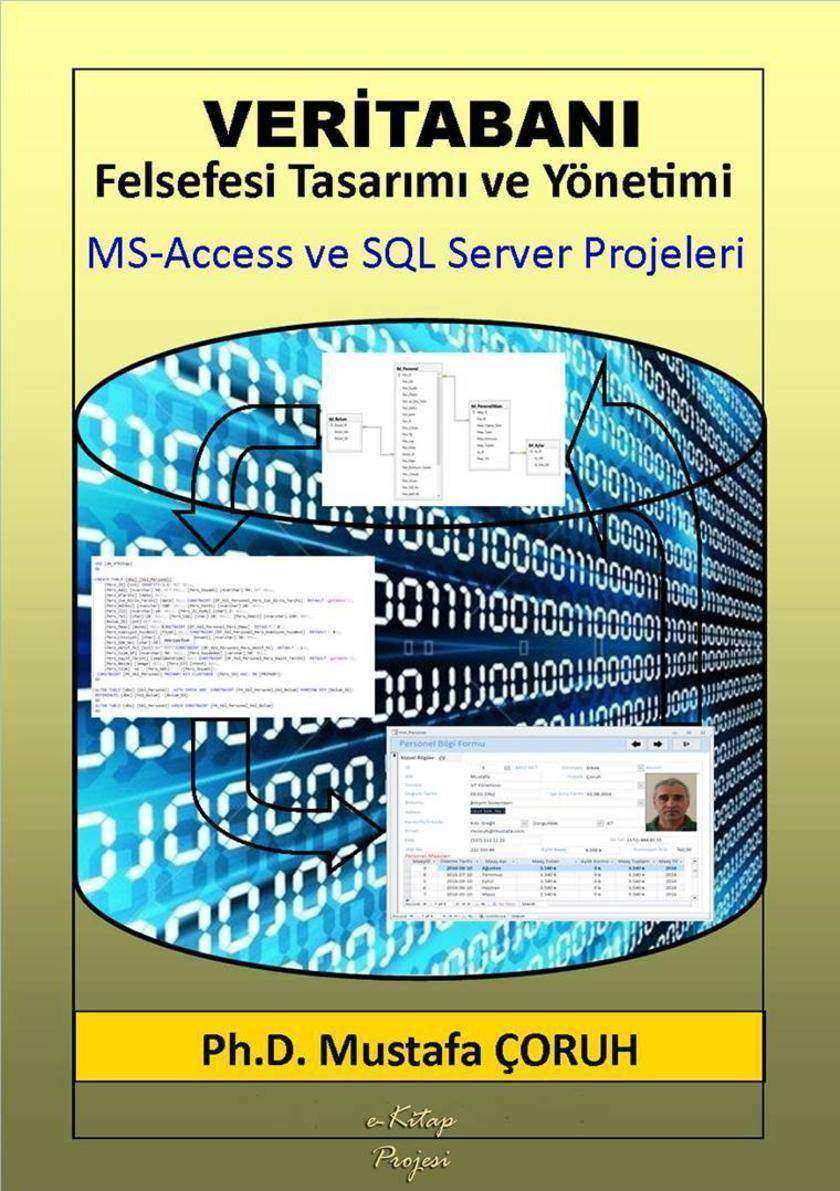
Veritaban?: "Felsefesi, Tasar?m? ve Y?netimi": MS-Access ve SQL Server Projeleri
¥27.88
“Bili?im Teknolojileri” konusunda yazd???m ü? kitaptan sonra as?l uzmanl?k alan?m olan veritabanlar? konusunda uzun y?llar ?nce yazmaya ba?lay?p bitiremedi?im daha do?rusu bas?lmayan bu kitab? güncelleyerek yeniden yazmaya karar vermek benim a??mdan yeni bir heyecan oldu. 1980’lerde COBOL ile ba?layan ve 1990’da dBase ve Informix’le devam eden veritaban? tecrübelerim, 1995 sonras? MS-Access ve SQL Server yard?m?yla geli?tirdi?im 100’e yak?n veritaban? uygulama programlar?yla devam etti. 1996’da Dallas’ta MCI Systemhouse’da FrontPage ve Access 95’le veritaban?na dayal? Intranet web siteleri geli?tiren ilk ki?ilerden birisi ben oldum. 1999’da Movo Mediya’da ilk ??p?atan web sitesi www.dating.com'un?arkas?ndaki SQL Server veritabanlar?n? tasarlayan ve y?neten ki?i de bendim. 2000 y?l?nda Aris Genesis Intermedia Inc’de web tabanl? muhasebe program?n?n arkas?ndaki SQL Server veritaban? tasar?mc?lar?ndan biriside bendim. Büyük al??veri? merkezlerinde g?rülen Kiosk’lar?n SQL Server tabanl? ilk uygulamas?n? Los Angeles’de kuran Genesis Intermedia Inc’deki tasar?mlar? yapan ki?ilerden birisi de bendim. 2001’de Los Angeles’de SQL Server ve ASP 3.0’la Citibank’ta kredi kartlar?yla ilgili projenin mimarlar?ndan biriside bendim. K?sacas? Veritabanlar?n?n Web’de kullan?lmas?nda ilk ?al??an ve tasarlayanlardan birisi oldu?umu s?ylemeliyim. 1995-2000 y?llar? aras?nda ya?anan ve dot com bom olarak bilinen metaforun i?inde bir fiil ?al??an ve yarat?c?lar?ndan birisiydim. Veritabanlar?n?n Internet’e ba?lanmas? i?in geli?tirilen ilk projelerinde uzun y?llar Kalifornya, New York ve Colorado firmalar?nda ?al??t?m ve dan??manl?k yapt?m. Bu tecrübelerim s?ras?nda ??rendi?im en ?nemli ?ey; tek bir konuda uzman olmak gerekti?idir. Ben Ms-Access ve SQL Server veritabanlar? tasar?m?nda uzmanla?t?m. Bir?ok teklif olmas?na ra?men Oracle, DB2, Aproach, File Maker gibi veritabanlar? tasar?mlar?yla ilgilenmedim ?ünkü her biri ayr? bir uzmanl?k isteyen veritaban? yaz?l?mlar?d?r. Bu a??dan ?zellikle Bili?im sekt?ründe ?al??anlara verebilece?im en ?nemli tavsiye tek bir konuda hatta tek bir programda uzmanla?malar?d?r. Kitapta Veritabanlar? tasar?m?n? Access ve SQL Server projeleri üzerinden anlatmaya ?al??t?m. University of Phoenix’de verdi?im Veritabanlar? ve Veri Ambarlar? ders notlar?m bu kitab?n omurgas?n? olu?turmaktad?r. Veritabanlar?yla ilgili kavramlar?, felsefesini, tasar?m?n? ve birazda y?netimini detaylar?yla anlatmaya ?al??t?m. Umut ediyorum ki yeni Veritaban? tasar?mc?lar? ve y?neticilerine burada payla?t???m enformasyon faydal? olur. 30 y?ll?k Bili?im Teknolojileri ve ?zellikle veritaban? alan?ndaki tecrübelerimin bir?o?unu bu kitapta okuyucularla payla?maya ?al??t?m. Daha ?nceki kitaplar?mda da vurgulad???m gibi bu kitapta da ilkokul ??retmenim Say?n ?erare ?zya?c? han?mdan, en son Doktora tez dan??man?m Say?n Prof. Dr. Len Rogers’a kadar yüzlerce ki?inin eme?inin oldu?u unutulmamal?d?r. 1984’ten beri Türkiye, ABD, Kanada ve ?ngiltere de ?al??t???m veya dan??manl???n? yapt???m onlarca firma ve mü?terilerimin katk?lar?n? unutabilir miyim? Di?er kitaplarda oldu?u gibi bu kitab?n yaz?lmas?nda bana katlanan e?im Meliha ?oruh’a ve o?lum Bu?ra’ya da en ba?tan te?ekkür etmeliyim. Burada isim isim te?ekkür edemedi?im ancak bu kitab?n yaz?lmas?nda katk?lar? olan daha yüzlerce ki?i var, hepsine en i?ten dileklerimle te?ekkür ediyorum. Elinizde tuttu?unuz bu kitap 30 y?ld?r Bili?im Teknolojileri alan?nda yapt???m ??retim, ?al??ma ve tecrübelerin veritabanlar? alan?nda kay?t alt?na al?nm?? bir ?zetidir. Tabii ki kitab?n hatalar? ve eksikleri vard?r ve bunlar tamamen bana aittir. Kitapta Veritabanlar? denince akla gelebilecek bir?ok konuya de?inmeye ?al??t?m. Kitapta teori ile uygulamay? birlikte harmanlamaya ?al??t?m. Bu yüzden bu kitab?n bir elkitab? veya kaynak kitap olarak dü?ünülmesinde fayda vard?r. ? Mustafa ?oruh Kdz. Ere?li, Mart 2017
NativeScript for Angular Mobile Development
¥80.65
Learn NativeScript to build native mobile applications with Angular, TypeScript, JavaScript About This Book ? Power packed hands-on guide to help you become pro-efficient with NativeScript ? Harness the power of your web development skills with JavaScript and Angular to build cross-platform mobile apps ? Create highly maintainable and feature-rich apps with TypeScript and NativeScript APIs Who This Book Is For This book assumes you have a general understanding of TypeScript, have heard of NativeScript and know what it's about, and are familiar with Angular (2.0). You don't need to be an expert in any of these technologies, but having some sense of them before reading is recommended this book, which is ideal for intermediate to advanced users. What You Will Learn ? Bootstrap a NativeScript for Angular app ? Best practices for project organization ? Style your app with CSS/SASS ? Use Angular together with NativeScript to create cross-platform mobile apps ? Take advantage of powerful Angular features, such as Dependency Injection, Components, Directives, Pipes, and NgModules right within your NativeScript apps ?Gain insight into great project organization and best practices ?Use Objective C/Swift and Java APIs directly from TypeScript ?Use rich framework features and third-party plugins ?Style your app with CSS/SASS ?Integrate @ngrx/store + @ngrx/effects to help with state management ?Test your app with Karma and Appium In Detail NativeScript is an open source framework that is built by Progress in order to build truly native mobile apps with TypeScript, JavaScript or just Angular which is an open source framework built by Google that offers declarative templates, dependency injection, and fully featured modules to build rich applications. Angular’s versatile view handling architecture allows your views to be rendered as highly performant UI components native to iOS and Android mobile platforms. This decoupling of the view rendering layer in Angular combined with the power of native APIs with NativeScript have together created the powerful and exciting technology stack of NativeScript for Angular. This book focuses on the key concepts that you will need to know to build a NativeScript for Angular mobile app for iOS and Android. We’ll build a fun multitrack recording studio app, touching on powerful key concepts from both technologies that you may need to know when you start building an app of your own. The structure of the book takes the reader from a void to a deployed app on both the App Store and Google Play, serving as a reference guide and valuable tips/tricks handbook. By the end of this book, you’ll know majority of key concepts needed to build a successful NativeScript for Angular app. Style and approach This step-by-step advanced tutorial focuses on the key concepts you need to know to build a NativeScript for Angular mobile app for iOS and Android.
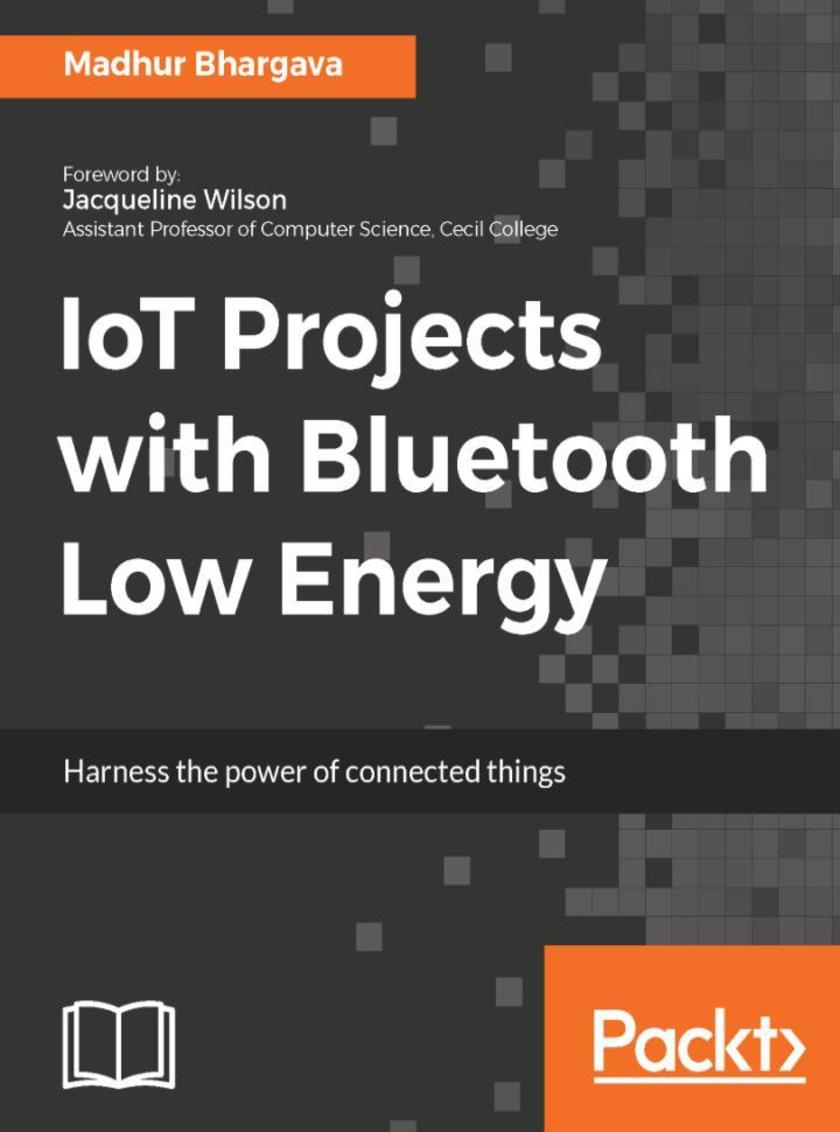
IoT Projects with Bluetooth Low Energy
¥63.21
Use the power of BLE to create exciting IoT applications About This Book ? Build hands-on IoT projects using Bluetooth Low Energy and learn about Bluetooth 5 and its features. ? Build a health tracking system, and indoor navigation and warehouse weather monitoring projects using smart devices. ? Build on a theoretical foundation and create a practice-based understanding of Bluetooth Low Energy. Who This Book Is For If you're an application developer, a hardware enthusiast, or just curious about the Internet of Things and how to convert it into hands-on projects, then this book is for you. Having some knowledge of writing mobile applications will be advantageous. What You Will Learn ? Learn about the architecture and IoT uses of BLE, and in which domains it is being used the most ? Set up and learn about various development platforms (Android, iOS, Firebase, Raspberry Pi, Beacons, and GitHub) ? Create an Explorer App (Android/iOS) to diagnose a Fitness Tracker ? Design a Beacon with the Raspberry Pi and write an app to detect the Beacon ? Write a mobile app to periodically poll the BLE tracking sensor ? Compose an app to read data periodically from temperature and humidity sensors ? Explore more applications of BLE with IoT ? Design projects for both Android and iOS mobile platforms In Detail Bluetooth Low Energy, or Bluetooth Smart, is Wireless Personal Area networking aimed at smart devices and IoT applications. BLE has been increasingly adopted by application developers and IoT enthusiasts to establish connections between smart devices. This book initially covers all the required aspects of BLE, before you start working on IoT projects. In the initial stages of the book, you will learn about the basic aspects of Bluetooth Low Energy—such as discovering devices, services, and characteristics—that will be helpful for advanced-level projects. This book will guide you through building hands-on projects using BLE and IoT. These projects include tracking health data, using a mobile App, and making this data available for health practitioners; Indoor navigation; creating beacons using the Raspberry Pi; and warehouse weather Monitoring. This book also covers aspects of Bluetooth 5 (the latest release) and its effect on each of these projects. By the end of this book, you will have hands-on experience of using Bluetooth Low Energy to integrate with smart devices and IoT projects. Style and approach A practical guide that will help you promote yourself into an expert by building and exploring practical applications of Bluetooth Low Energy.
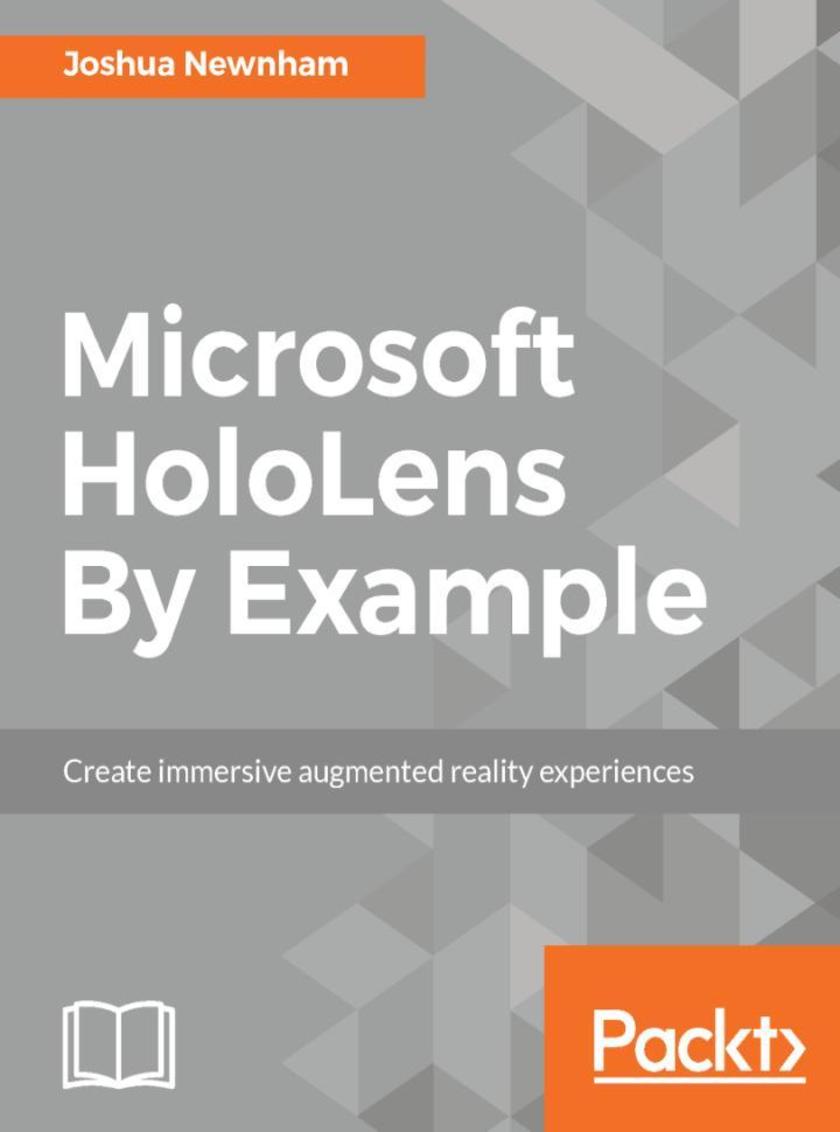
Microsoft HoloLens By Example
¥80.65
Get to grips with HoloLens development as you create mixed reality apps from scratch About This Book ? Create awesome Augmented Reality (AR) apps for the Microsoft HoloLens platform ? Unleash the power of Unity SDK for HoloLens to create next generation AR apps ? Explore the exciting world of gesture control, visual mapping, voice command for apps, and many more cutting edge possibilities with HoloLens Who This Book Is For This book is for developers who have some experience with programming in any of the major languages such as C#, C++, and so on. You do need any knowledge of Augmented Reality development. What You Will Learn ? Extend the computing experience beyond the flat glass screen by placing and embedding virtual objects holograms) into the physical world ? Interact with the holograms using gaze, gestures, and voice ? Enhance the experience with spatial sound ? Allow multiple users to naturally collaborate with each other ? Integrate voice commands into your own HoloLens projects ? Experiment with techniques to better understand the real world ? Implement a user interface in Mixed Reality ? Blend the virtual and physical world by making the holograms interact and react to the physical environment In Detail Are you a developer who is fascinated with Microsoft HoloLens and its capabilities? Do you want to learn the intricacies of working with the HoloLens SDK and create your own apps? If so, this is the book for you. This book introduces and demystifies the HoloLens platform and introduces new ways you can interact with computers (Mixed Reality). It will teach you the important concepts, get you excited about the possibilities, and give you the tools to continue exploring and experimenting. You will go through the journey of creating four independent examples throughout the book, two using DirectX and two using Unity. You will learn to implement spatial mapping and gesture control, incorporate spatial sound, and work with different types of input and gaze. You will also learn to use the Unity 5 SDK for HoloLens and create apps with it. Collectively, the apps explore the major concepts of HoloLens, but each app is independent, giving you the flexibility to choose where to start (and end). Style and approach This book takes an example-based approach where you’ll build AR apps with increasing difficulty. You will learn more about HoloLens platform as well as AR app development in general.
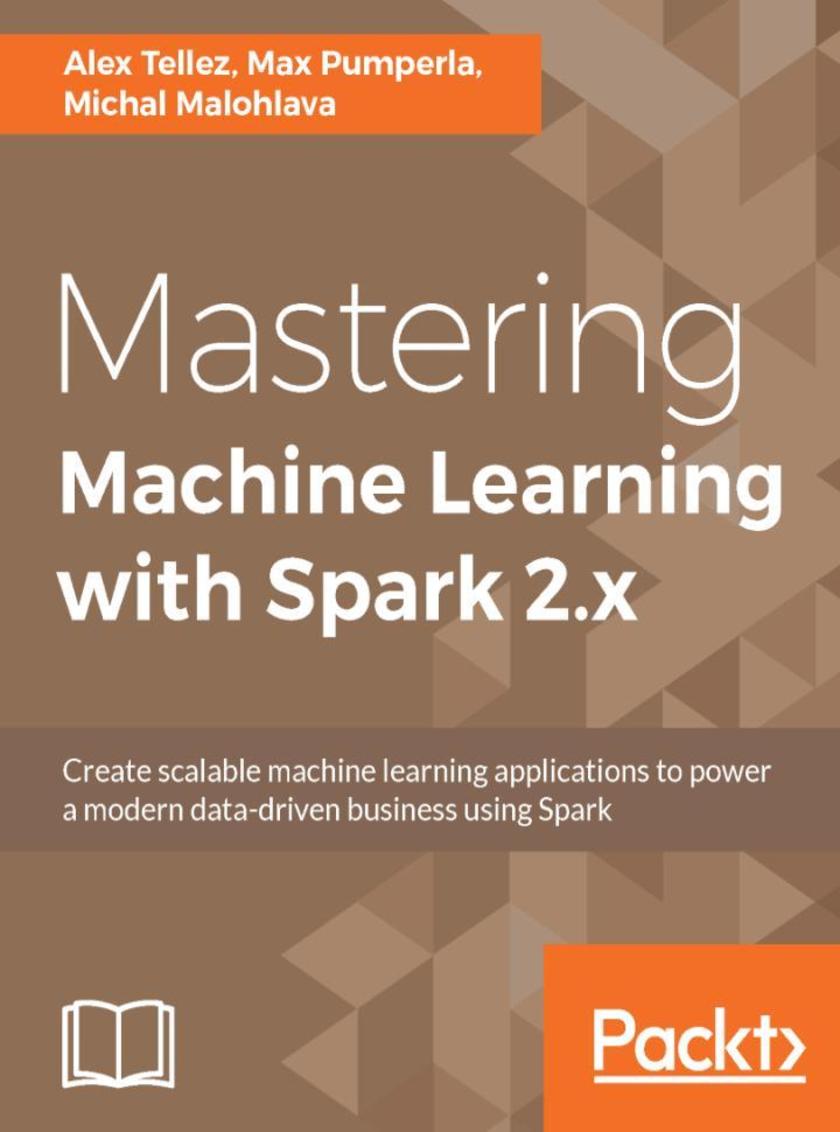
Mastering Machine Learning with Spark 2.x
¥90.46
Unlock the complexities of machine learning algorithms in Spark to generate useful data insights through this data analysis tutorial About This Book ? Process and analyze big data in a distributed and scalable way ? Write sophisticated Spark pipelines that incorporate elaborate extraction ? Build and use regression models to predict flight delays Who This Book Is For Are you a developer with a background in machine learning and statistics who is feeling limited by the current slow and “small data” machine learning tools? Then this is the book for you! In this book, you will create scalable machine learning applications to power a modern data-driven business using Spark. We assume that you already know the machine learning concepts and algorithms and have Spark up and running (whether on a cluster or locally) and have a basic knowledge of the various libraries contained in Spark. What You Will Learn ? Use Spark streams to cluster tweets online ? Run the PageRank algorithm to compute user influence ? Perform complex manipulation of DataFrames using Spark ? Define Spark pipelines to compose individual data transformations ? Utilize generated models for off-line/on-line prediction ? Transfer the learning from an ensemble to a simpler Neural Network ? Understand basic graph properties and important graph operations ? Use GraphFrames, an extension of DataFrames to graphs, to study graphs using an elegant query language ? Use K-means algorithm to cluster movie reviews dataset In Detail The purpose of machine learning is to build systems that learn from data. Being able to understand trends and patterns in complex data is critical to success; it is one of the key strategies to unlock growth in the challenging contemporary marketplace today. With the meteoric rise of machine learning, developers are now keen on finding out how can they make their Spark applications smarter. This book gives you access to transform data into actionable knowledge. The book commences by defining machine learning primitives by the MLlib and H2O libraries. You will learn how to use Binary classification to detect the Higgs Boson particle in the huge amount of data produced by CERN particle collider and classify daily health activities using ensemble Methods for Multi-Class Classification. Next, you will solve a typical regression problem involving flight delay predictions and write sophisticated Spark pipelines. You will analyze Twitter data with help of the doc2vec algorithm and K-means clustering. Finally, you will build different pattern mining models using MLlib, perform complex manipulation of DataFrames using Spark and Spark SQL, and deploy your app in a Spark streaming environment. Style and approach This book takes a practical approach to help you get to grips with using Spark for analytics and to implement machine learning algorithms. We'll teach you about advanced applications of machine learning through illustrative examples. These examples will equip you to harness the potential of machine learning, through Spark, in a variety of enterprise-grade systems.
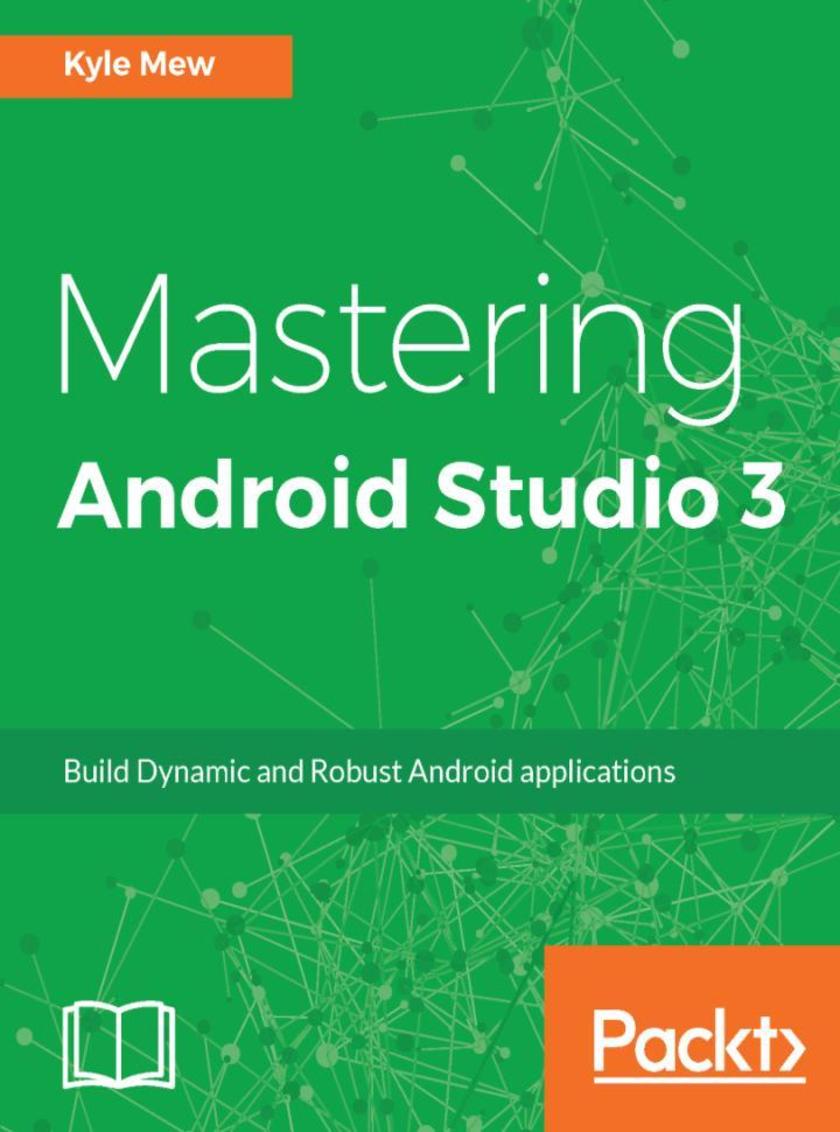
Mastering Android Studio 3
¥80.65
Unleash the power of Android Studio 3 to develop mobile applications faster and efficiently. About This Book ? Use Android Studio not just as an IDE but as a complete testing and build solution ? Produce customized APKs with Gradle to suit various versions of an app, such as test versions and free versions of an otherwise paid app. ? Explore all aspects of UI development and testing using working XML and Java examples. ? Learn seamless migration from Eclipse and other development platforms to Android Studio. Who This Book Is For This book targets developers, with experience of developing for Android, who are new to Android Studio or wish to migrate from another IDE such as Eclipse. This book will show you how to get the utmost from this powerful tool. What You Will Learn ? Create styles, themes, and material designs ? Set up, configure, and run virtual devices using the AVD manager ? Improve the design of your application using support libraries ? Learn about GitHub libraries ? Use emulators to design layouts for a wide variety of devices, including wearables. ? Improve application performance in terms of memory, speed, and power usage In Detail Android Studio is an Integrated Development Environment (IDE) designed for developing Android apps. As with most development processes, Android keeps resources and logic nicely separated, and so this book covers the management of imagery and other resources, and the development and testing tools provided by the IDE. After introducing the software, the book moves straight into UI development using the sophisticated, WYSIWYG layout editor and XML code to design and test complex interfaces for a wide variety of screen configurations. With activity design covered, the book continues to guide the reader through application logic development, exploring the latest APIs provided by the SDK. Each topic will be demonstrated by working code samples that can be run on a device or emulator. One of Android Studio's greatest features is the large number of third-party plugins available for it, and throughout the book we will be exploring the most useful of these, along with samples and libraries that can be found on GitHub. The final module of the book deals with the final stages of development: building and distribution. The book concludes by taking the reader through the registration and publication processes required by Google. By the time you have finished the book, you will be able to build faster, smoother, and error-free Android applications, in less time and with fewer complications than you ever thought possible. Style and approach This is a step-by-step guide with examples demonstrating how Android Studio can be used as a complete solution for developing, testing, and deploying apps from start to finish.


