


 购物车
购物车 个人中心
个人中心
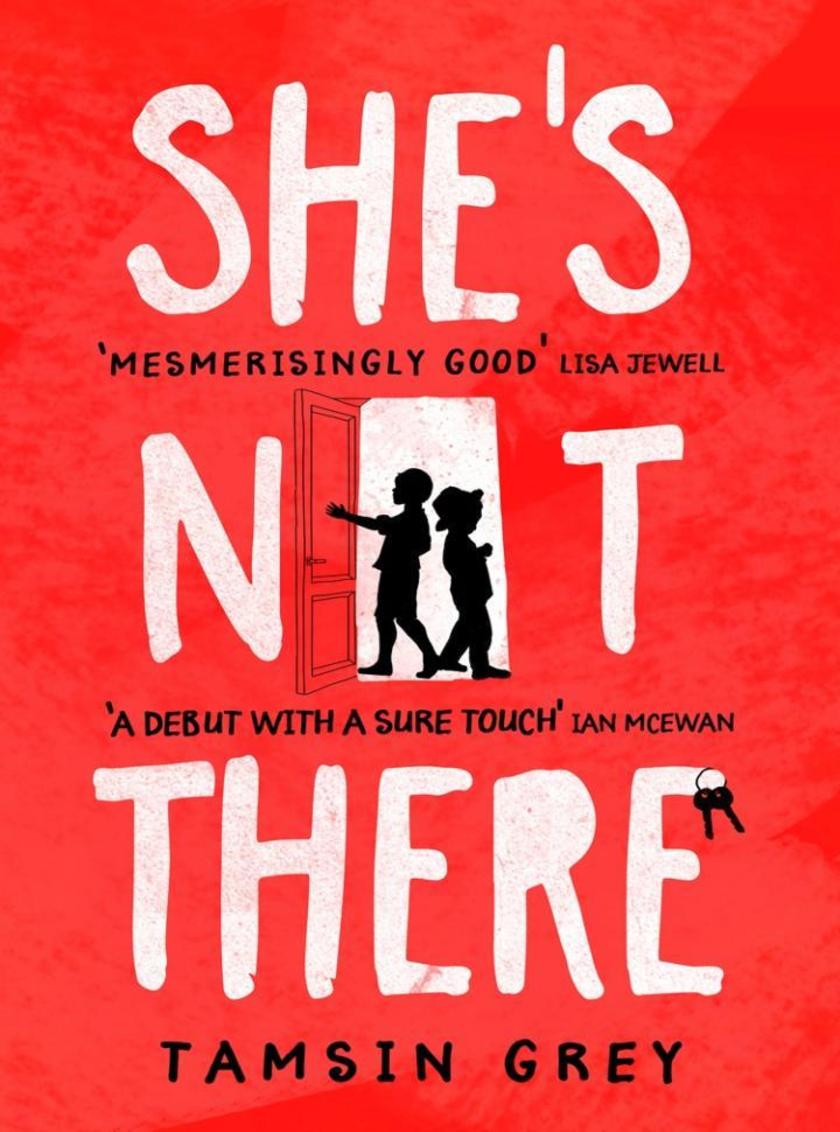
She’s Not There
¥110.46
‘[An] amazing debut, packed with South London atmosphere…it has To Kill a Mockingbird written all over it… brilliant’ Daily Mail When Jonah and Raff wake up on Monday, their mother Lucy isn’t there. Although Jonah is only nine, he is the big brother, and knows enough about the world to keep her absence a secret. If anyone found out she’d left them alone, it could be disastrous for him and Raff; and she'll be back, he’s nearly sure. With growing unease, he puzzles over the clues she’s left behind. Who sent her the flowers? Why are all her shoes still in the house? Why is her phone buried in a plant pot? And who, in their diverse south London community, might know more about her than he does? For fans of My Name is Leon and The Trouble with Goats and Sheep, Tamsin Grey’s outstanding debut is tender, funny and unsettling.
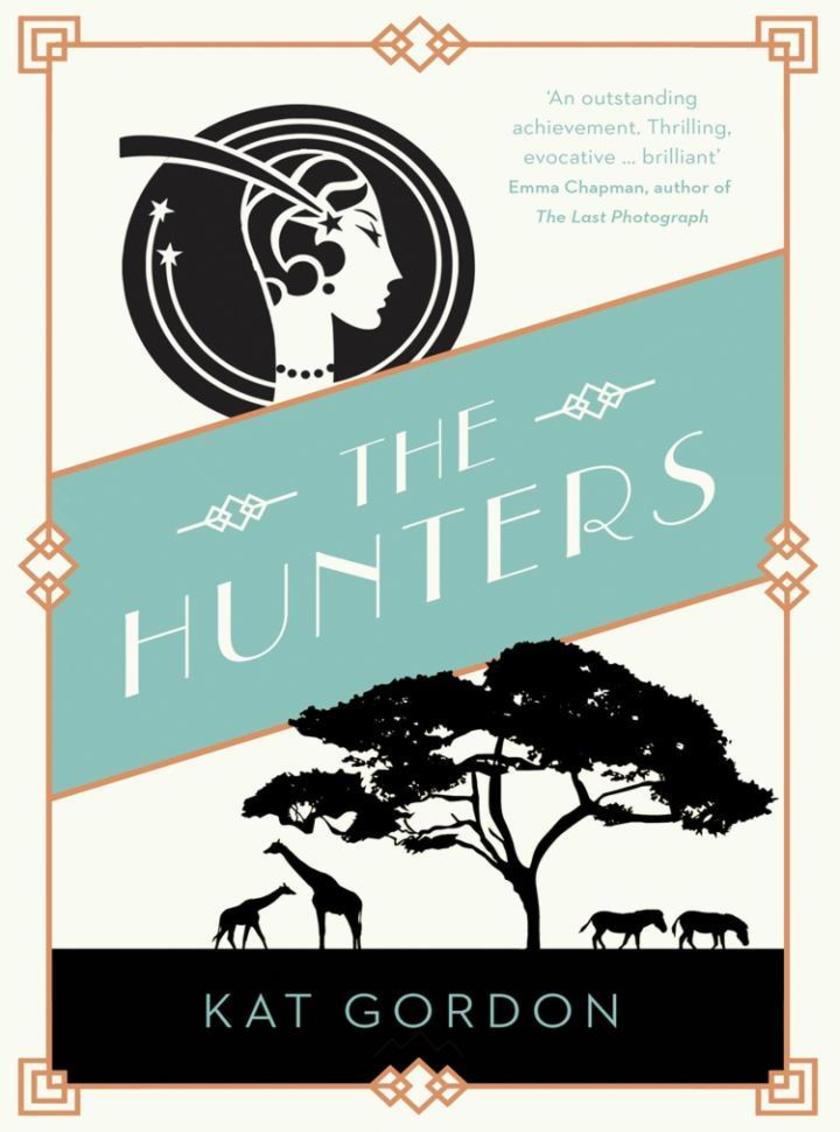
The Hunters
¥110.46
‘An imaginative portrait of Theo Miller … and his infatuation with the seemingly glamorous figures of Sylvie de Croy and her lover … a rich reimagining of a colonial Eden in which multitudes of serpents lurked’ Sunday Times ‘Just the thing to read while sipping a cocktail or two’ iPaper ‘A gloriously dark tale, packed with heat and glamour’ LIZA KLAUSSMANN Sweeping, evocative and sumptuously told, The Hunters is a dramatic coming-of-age story, a complex portrayal of first love and family loyalty and a passionate reimagining of the Happy Valley set in all their glory and notoriety. Theo Miller is fourteen years old, bright and ambitious, when he steps off the train into the simmering heat and uproar of 1920s Nairobi. Neither he, nor his earnest younger sister Maud, is prepared for the turbulent mix of joy and pain their new life in Kenya will bring. Their father is Director of Kenyan Railways, a role it is assumed Theo will inherit. But when he meets enchanting American heiress Sylvie de Cro? and her charismatic, reckless companion, Freddie Hamilton, his aspirations turn in an instant. Sylvie and Freddie’s charm is magnetic and Theo is welcomed into the heart of their inner circle: rich, glamourous expatriates, infamous for their hedonistic lifestyles. Yet behind their intoxicating allure lies a more powerful cocktail of lust, betrayal, deceit and violence that he realises he cannot avoid. As dark clouds gather over Kenya’s future and his own, he must find a way back to his family – to Maud – before it is too late.
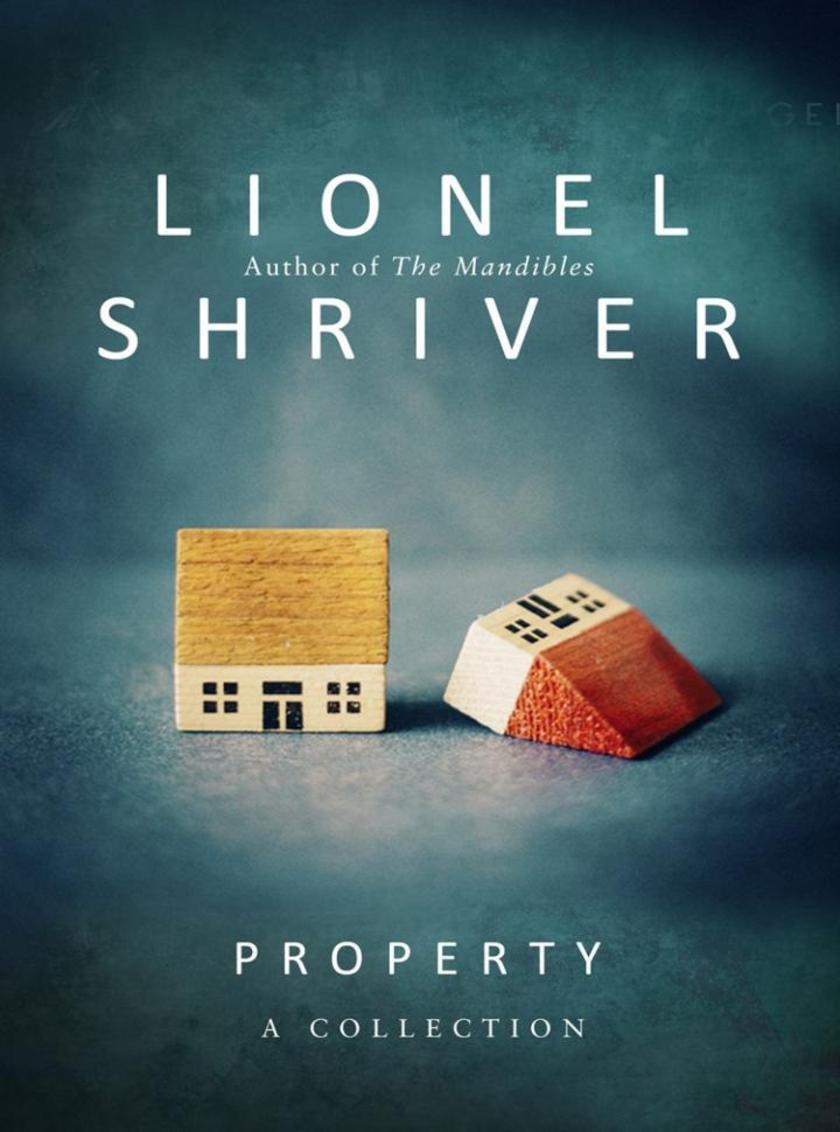
Property: A Collection
¥110.46
The first ever story collection from the inimitable Lionel Shriver ‘Genius’ Stylist ‘Phenomenal’ Observer ‘Brilliant’ The Times This landmark publication, the first collection of stories from a master of the form, explores the idea of "property" in both senses of the word: real estate, and stuff. These sharp, brilliantly imaginative pieces illustrate how our possessions act as proxies for ourselves, and how tussles over ownership articulate the power dynamics of our relationships. In Shriver’s world, we may possess people and objects and places, but in turn they possess us. In the stunning novella “The Standing Chandelier” (‘a brutal treat’: Daily Mail), a woman with a history of attracting other women’s antagonism creates a deeply personal wedding present for her best friend and his wife-to-be. In “Domestic Terrorism,” a thirty-something son refuses to leave home, resulting in a standoff that renders him a Millennial cause célèbre. In “The ChapStick,” a middle-aged man subjugated by service to his elderly father discovers that the last place you should finally assert yourself is airport security. In “Vermin,” an artistic Brooklyn couple’s purchase of a ramshackle house destroys their once passionate relationship. In “The Subletter,” two women, both foreign conflict junkies, fight over claim to a territory that doesn’t belong to either. This immensely readable collection showcases the biting insight that has made Lionel Shriver one of the most acclaimed authors of our time, described by the Sunday Times as ‘a brilliant writer’ with ‘a strong, clear and strangely seductive voice’.
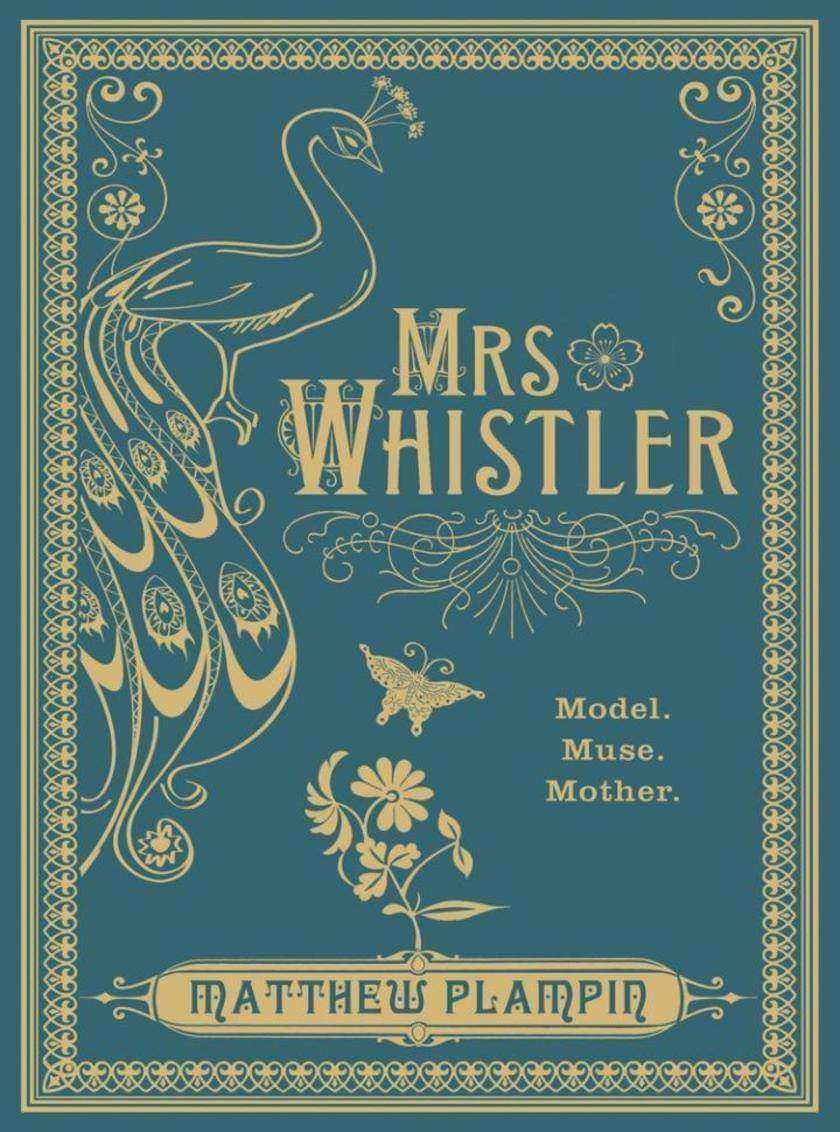
Mrs Whistler
¥110.46
‘A captivating tale …This novel is a delight’ THE TIMES ‘A terrific novel … It springs off the page’ DEBORAH MOGGACH 'Vividly engaging’ SUNDAY TIMES ‘Maud could tell the whole story, but she will not’ Chelsea 1876: Jimmy Whistler stands on the cusp of fame, ready to astound the London art world with his radical paintings. At his side is Maud Franklin, his muse, lover and occasional pupil, sharing his house, his dazzling social life and his grand hopes for the future. But Jimmy’s rebelliousness comes at a heavy price for them both as he battles a furious patron, challenges an influential and viciously hostile critic and struggles with a dire lack of cash. Before long a fight for survival is being waged through the galleries, the drawing rooms and even the courts – and Maud, Jimmy’s Madame and closest ally, is expected to do her part. The Madame has problems of her own, however. Maud has fallen pregnant, and must now face the reality of what life with Jimmy entails. As the situation starts to unravel, as loyalties are sorely tested and bankruptcy looms, she has to decide what she wants. Who she is. What she is prepared to endure. Stunning and suspenseful, this a story of one woman’s progress through a world of beauty and sacrifice, art and ambition; a story which asks what we will withstand for love, and what it means to reach for greatness.
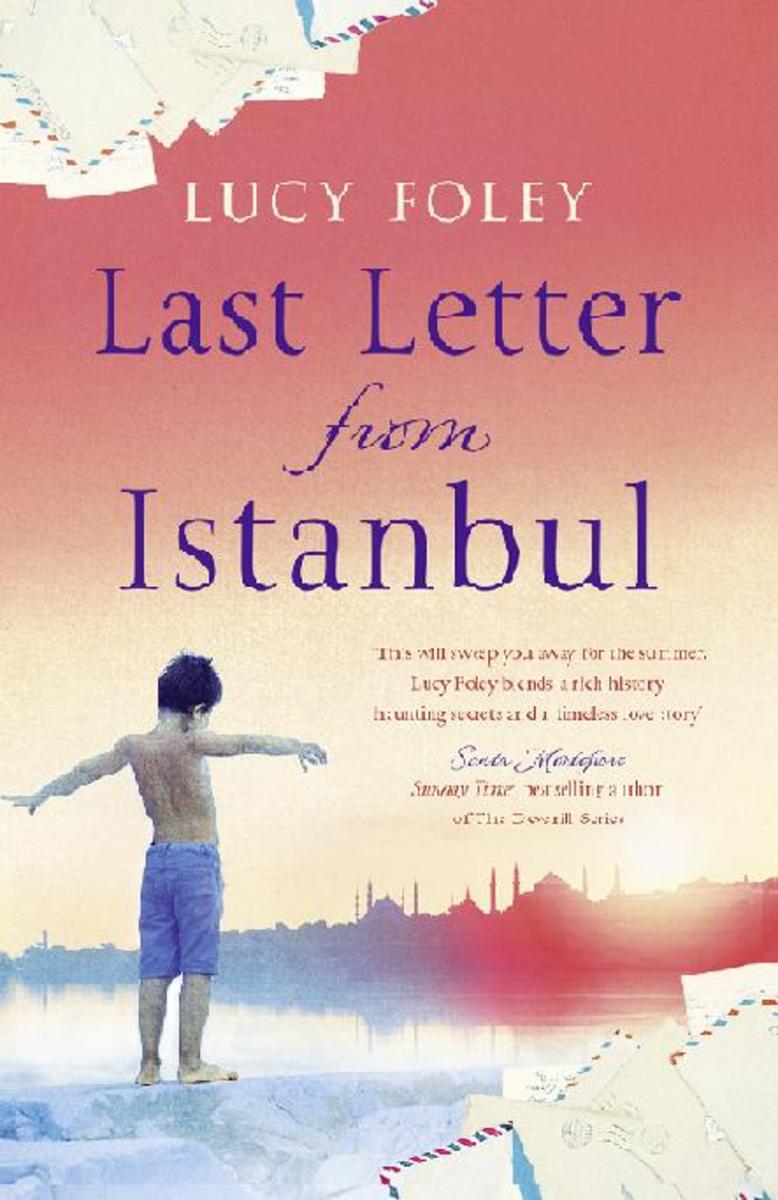
Last Letter from Istanbul: Escape with this epic holiday read of secrets and for
¥58.86
‘This will sweep you away for the summer. Lucy Foley blends a rich history, haunting secrets and a timeless love story’ Santa Montefiore, Sunday Times bestselling author of The Deverill series 1921 Each day Nur gazes across the waters of the Bosphorus to her childhood home, a grand white house, nestled on the opposite bank. Memories float on the breeze – the fragrance of the fig trees, the saffron sunsets of languid summer evenings. But now those days are dead. The house has been transformed into an army hospital, it is a prize of war in the hands of the British. And as Nur weaves through the streets carrying the embroideries that have become her livelihood, Constantinople swarms with Allied soldiers – a reminder of how far she and her city have fallen. The most precious thing in Nur’s new life is the orphan in her care – a boy with a terrible secret. When he falls dangerously ill Nur’s world becomes entwined with the enemy’s. She must return to where she grew up, and plead for help from Medical Officer George Monroe. As the lines between enemy and friend become fainter, a new danger emerges – something even more threatening than the lingering shadow of war.
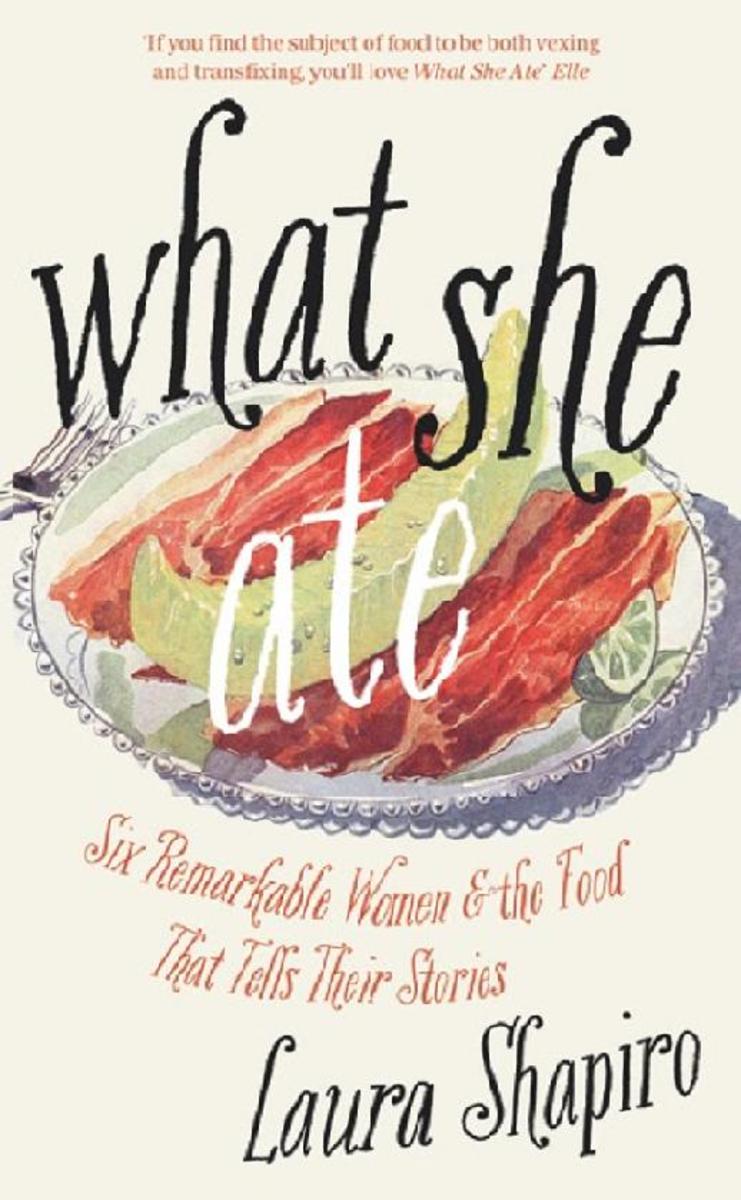
What She Ate: Six Remarkable Women and the Food That Tells Their Stories
¥73.58
‘If you find the subject of food to be both vexing and transfixing, you’ll love What She Ate’ Elle Dorothy Wordsworth believed that feeding her poet brother, William, gooseberry tarts was her part to play in a literary movement. Cockney chef Rosa Lewis became a favourite of King Edward VII, who loved her signature dish of whole truffles boiled in Champagne. Eleanor Roosevelt dished up Eggs Mexican – a concoction of rice, fried eggs, and bananas – in the White House. Eva Braun treated herself to Champagne and cake in the bunker before killing herself, alongside Adolf Hitler. Barbara Pym's novels overflow with enjoyment of everyday meals – of frozen fish fingers and Chablis – in midcentury England. Cosmopolitan editor Helen Gurley Brown's idea of “having it all” meant having almost nothing on the plate except a supersized portion of diet gelatin. In the irresistible What She Ate, Laura Shapiro examines the plates, recipe books and shopping trolleys of these six extraordinary women, casting a new light on each of their lives – revealing love and rage, desire and denial, need and pleasure.

The World’s Worst Children 2 (Read Aloud by David Walliams)
¥110.46
The brilliant follow-up to David Walliams’ bestseller The World’s Worst Children! Ten more stories about a brand new gang of hilariously horrible kids from everyone’s favourite children’s author, illustrated in glorious full colour by Tony Ross. If you thought you had read about the World’s Worst Children already, you’re in for a rather nasty shock. The beastly boys and gruesome girls in this book are even ruder, even more disgusting and WORSE than you could ever imagine! This gorgeous collection of ten stories from the master himself, David Walliams, will make you snort with laughter and thank your lucky stars that you don’t know anyone like Gruesome Griselda or Fussy Frankie in real life. It also features a special appearance from fan-favourite Raj! Gloriously illustrated in full colour throughout by artistic genius Tony Ross, The World’s Worst Children 2 is a side-splitting companion to David’s blockbuster hit, The World’s Worst Children, and the perfect gift for kids aged 9 and up.
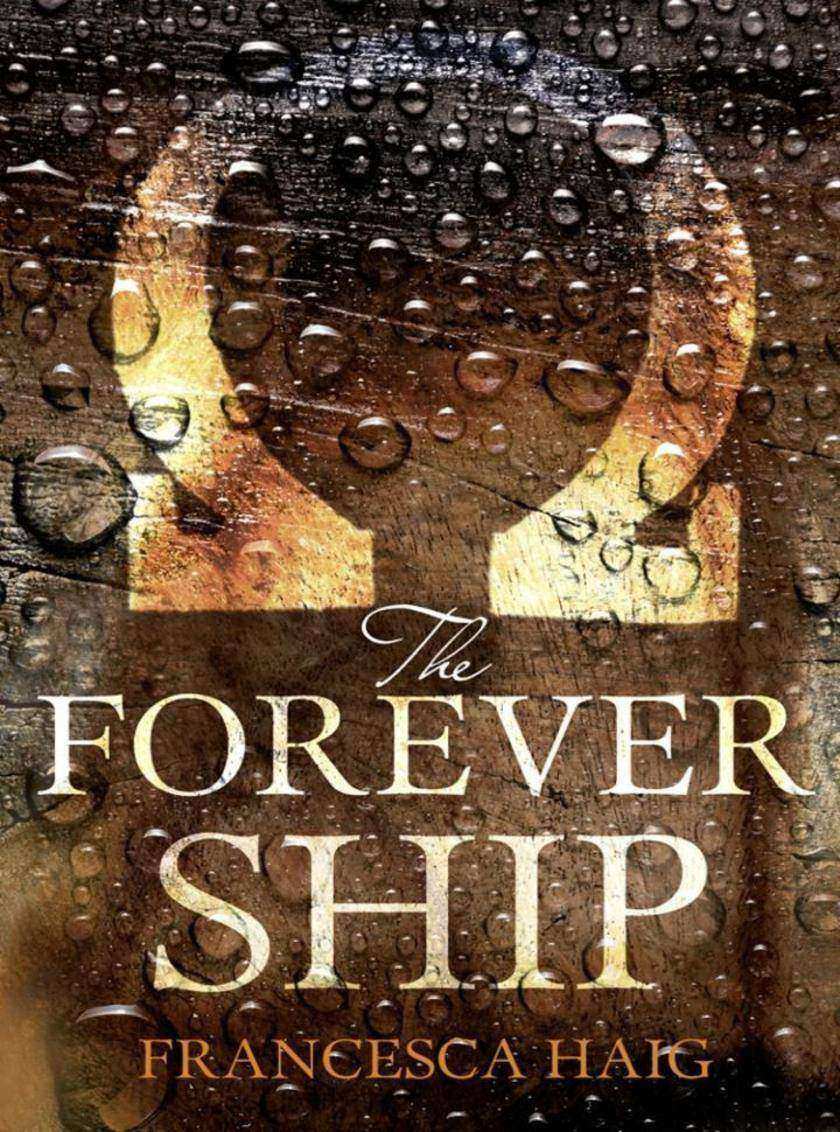
The Forever Ship (Fire Sermon, Book 3)
¥66.22
Book Three in the critically acclaimed The Fire Sermon trilogy—The Hunger Games meets Cormac McCarthy’s The Road in this richly imagined post-apocalyptic series by award-winning poet Francesca Haig. The apocalypse has come and gone, and now every person is born a twin: one a strong Alpha, one a mutated Omega. The Omegas live in segregation, cast out by their families as soon as their mutation becomes clear. Forced to live apart, they are ruthlessly oppressed by their Alpha counterparts. The only thing that keeps the Alphas at bay is the fact that whenever one twin dies, so does the other. In this thrilling conclusion to The Fire Sermon trilogy, Cass, Piper, and Zoe have discovered that Elsewhere exists, and it’s more real and more complicated than any of them could have imagined. Now, they must race to prevent the Alphas from destroying what might be the only salvation for the Omegas. The end to their lifelong discrimination is in sight, but before she can be free, Cass must overcome her loyalty to her Alpha twin, Zach, her most dangerous enemy. But if they’re not careful, both will die in the struggle for power.

Clean Eating Alice The Body Bible: Feel Fit and Fabulous from the Inside Out
¥110.46
Alice is a pint sized personal trainer with a passion for health and fitness. Having spent the majority of her formative years developing unhealthy habits through trying every diet there was, and gaining weight as a result, she decided to take matters into her own hands. Alice tracked her complete lifestyle change progress through her now hugely successful Instagram blog ‘Clean Eating Alice’. Now a fully qualified personal trainer, Alice wants to bring her message of balance and ditching the diet myths to the masses. The aim is to encourage everyone and anyone to readdress their eating habits and increase their activity levels to create a healthier, happier lifestyle that is ultimately sustainable. Find Alice posting regular updates of her day to day food and fitness videos on Instagram at clean_eating_alice, on twitter at alice_LDNM and on Facebook at /cleaneatingalice, where she creates a fuss and fad free approach to diet and exercise.
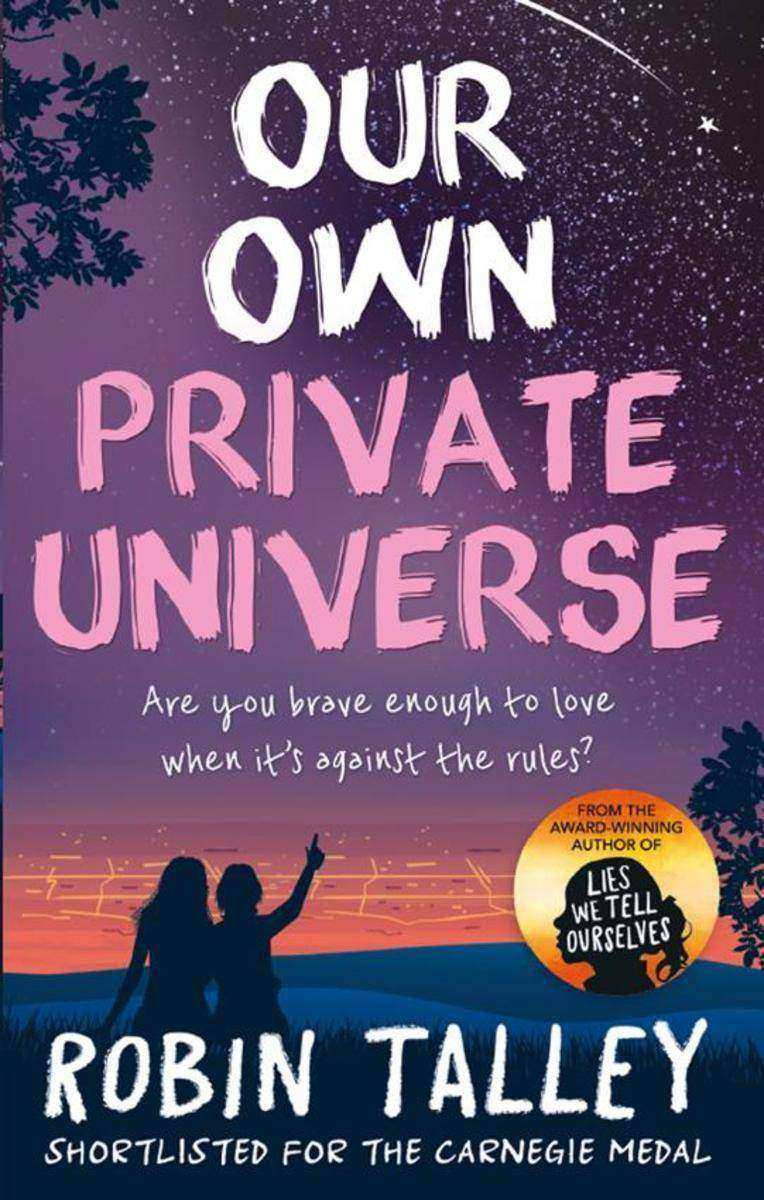
Our Own Private Universe
¥58.86
’Talley’s newest is sure to satisfy.’ – Kirkus Reviews Fifteen-year-old Aki Simon has a theory. And it’s mostly about sex. No, it isn’t that kind of theory. Aki already knows she’s bisexual–-even if, until now, it’s mostly been in the hypothetical sense. Aki’s theory is that she’s only got one shot at living an interesting life–-and that means she’s got to stop sitting around and thinking so much. It’s time for her to actually do something. Or at least try. So when Aki and her friend Lori set off on a trip to a small Mexican town for the summer, and Aki meets Christa–-slightly-older, far-more-experienced–-it seems her theory is prime for the testing. But something tells her its not going to be that easy…
I Heart Forever: The brilliantly funny feel-good romance (I Heart Series, Book 7
¥58.86
’Brilliantly funny’ Paige Toon‘I loved it!’ Louise Pentland A wedding in Manhattan…and someone’s keeping a secret. The day her husband Alex picks up a backpack and goes travelling, Angela Clark promises to stay out of trouble and keep both Louboutins on the ground. So when her best friend’s boyfriend confides in her, it can’t hurt to help him pick out a ring at Tiffany’s surely? And when her fashion magazine announces major changes, being terminally late and arguing with your boss isn’t that bad, is it? Then suddenly there’s another big secret Angela’s got to keep – and the man she loves is still thousands of miles away. As the wedding of the year looms, Angela is going to need her friends by her side as her old life looks set to change forever.

Death Knocks Twice (A Death in Paradise Mystery, Book 3)
¥58.86
The new Death in Paradise mystery Two dead bodies. A family of suspects. One grumpy detective. Reluctantly stationed on the sweltering Caribbean island of Saint-Marie, Detective Inspector Richard Poole dreams of cold winds, drizzly rain and a pint in his local pub. Just as he is feeling as fed up as can be, a mysterious vagrant is found dead in the grounds of the historic Beaumont plantation. Immediately assumed to be suicide, DI Poole is not so convinced and determined to prove otherwise. Never mind that the only fingerprints on the murder weapon belong to the victim. Or that the room was locked from the inside. Before long, death knocks twice and a second body turns up. The hunt is on to solve the case – despite the best efforts of the enigmatic Beaumont family… Praise for Robert Thorogood: ‘Very funny and dark with great pace. I love Robert Thorogood’s writing’ Peter James ‘This second DEATH IN PARADISE NOVEL is a gem’ DAILY EXPRESS ‘Deftly entertaining … satisfyingly pushes all the requisite Agatha Christie-style buttons’ Barry Forshaw, THE INDEPENDENT ‘For fans of Agatha Christie’ MAIL ON SUNDAY ‘A treat’ RADIO TIMES ‘This brilliantly crafted, hugely enjoyable and suitably goosebump-inducing novel is an utter delight from start to finish’ HEAT ‘Plenty of red herrings and twists to keep readers guessing’ DAILY EXPRESS 'Fans will enjoy returning to DI Richard Poole… just switch off and relax' LOVE READING
Hold My Hand: The addictive new crime thriller that you won’t be able to put dow
¥58.86
‘Superb, gritty and realistic’ MEL SHERRATT, million copy bestseller How long do you hunt for the missing? A horrible vanishing act… When a young Josie Masters sees a boy wearing a red football shirt, Dylan Jones, being taken by a clown at a carnival, she tries to alert the crowds. But it’s too late. Dylan has disappeared… Thirty years later, Josie is working as a police officer in Bath. The remains of the body of a child have been found – complete with tatters of a torn red football shirt. Is it the boy she saw vanish in the clutches of the clown? Or is it someone else altogether? And then another child disappears…
The House on Cocoa Beach: A sweeping epic love story, perfect for fans of histor
¥58.86
Lose yourself in a sweeping love story this summer - perfect for fans of Dinah Jeffries and Santa Montefiore Northern France, 1917 Virginia Fortescue has thrown convention and her respected upbringing to the wind to drive ambulances for the American Red Cross across northern France. Grinding through the mud and the trenches to bring injured and dying men back from the front, the last thing she expects to find is a handsome English doctor who won’t let her go – in spite of a wife waiting for him at home in Cornwall. Florida, 1922 In the humid heat of Florida, Virginia Fitzwilliam must tackle the estate of her late estranged husband. After the plantation house burned to the ground with Simon Fitzwilliam inside, the shipping business he built from scratch has foundered and the mangroves have started to take back the land. The more Virginia learns about Simon and the secrets of his life, the more she fears that the dangers surrounding Simon now threaten her as well…
Compelling Reason
¥58.86
Born in Ireland in 1898, Clives Staples Lewis gained a triple First at Oxford and was Fellow and Tutor at Magdalen College from 1925-54, where among others he was a contemporary of Tolkien. In 1954 he became Professor of Mediaeval and Renaissance Literature at Cambridge. C. S. Lewis was for many years an atheist, until his conversion which he memorably described in his autobiography Surprised by Joy: “I gave in, and admitted that God was God … perhaps the most dejected and reluctant convert in all England.” He is also celebrated for his famous series of children’s books, the Narnia Chronicles (which have been filmed and broadcast many times), as well as his literary criticism and science fiction. C. S. Lewis died on 22nd November 1963.
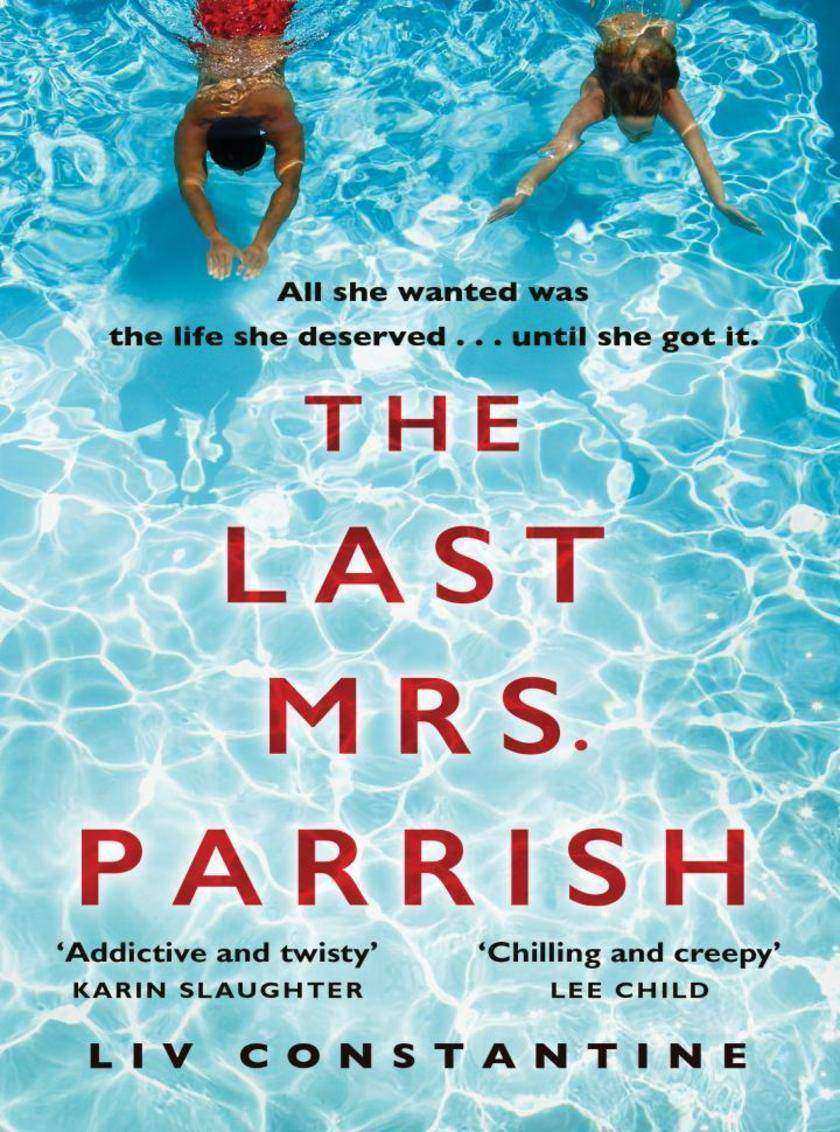
The Last Mrs Parrish: An addictive psychological thriller with a shocking twist!
¥58.86
A REESE WITHERSPOON BOOK CLUB PICK! Addictive, dark, thrilling and full of twists! You won’t want to miss this mesmerising debut from a fresh new voice in psychological suspense. Perfect for fans of B. A. Paris, Shari Lapena and Liane Moriarty How far would you go to make all your dreams come true? Amber Patterson is tired of being a nobody: an invisible woman who melts into the background. She deserves more. She deserves a life of wealth, luxury and leisure. Daphne Parrish is the golden girl of Bishops Harbor, Connecticut. With her model looks, her picture-perfect mansion and her millionaire husband, Jackson, she has everything Amber wants. Amber’s envy could eat her alive―if she didn't have a plan. Before long, she has become Daphne’s closest friend, and is catching the eye of Jackson. But a skeleton from her past could destroy everything, and if discovered, Amber’s well-laid plan may end in disaster…
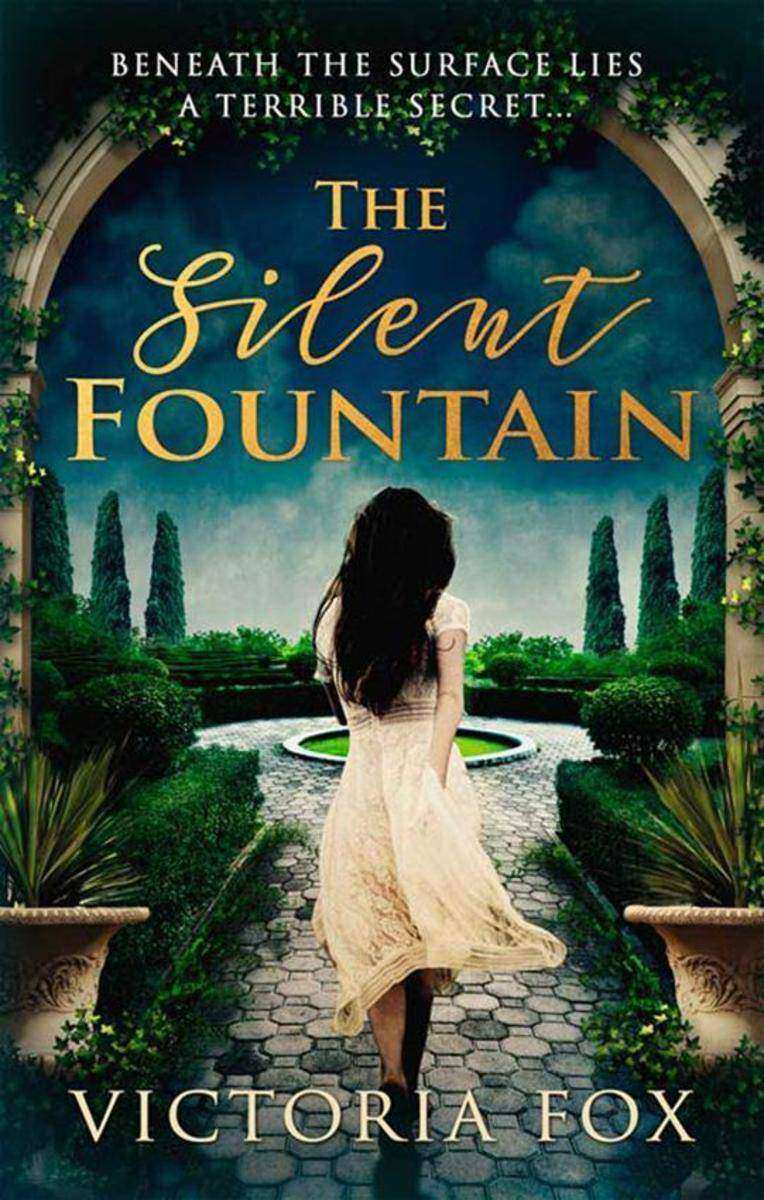
The Silent Fountain
¥58.86
‘Atmospheric and foreboding this is the perfect contemporary homage to the gothic tradition.’ – The Sun Beneath the surface lies a terrible secret… Hollywood, 1975: Tragedy sends troubled film star Vivien Lockhart into the arms of Giovanni Moretti, and it seems her fortunes have finally changed. Until she meets his sister, and learns that dark shadows haunt her new husband’s past… Tuscany, Present day: Everyone in London is searching for Lucy Whittaker – so Lucy needs to disappear. But her new home, the crumbling Castillo Barbarossa, is far from the secluded paradise it seemed. Across the decades, Vivien and Lucy find themselves trapped in the idyllic Italian villa. And if they are ever to truly escape its walls, they must first unearth its secrets… Rebecca meets Sante Montefiore in this atmospheric tale of lies, obsession, and betrayal… ‘Wonderfully atmospheric and suspenseful’ – Nicola Cornick, author of The Phantom Tree ‘Addictive reading, Victoria Fox hooks you and doesn’t let go. It’s Kate Morton with added sass!’ – Jenny Oliver, author of The Sunshine and Biscotti Club
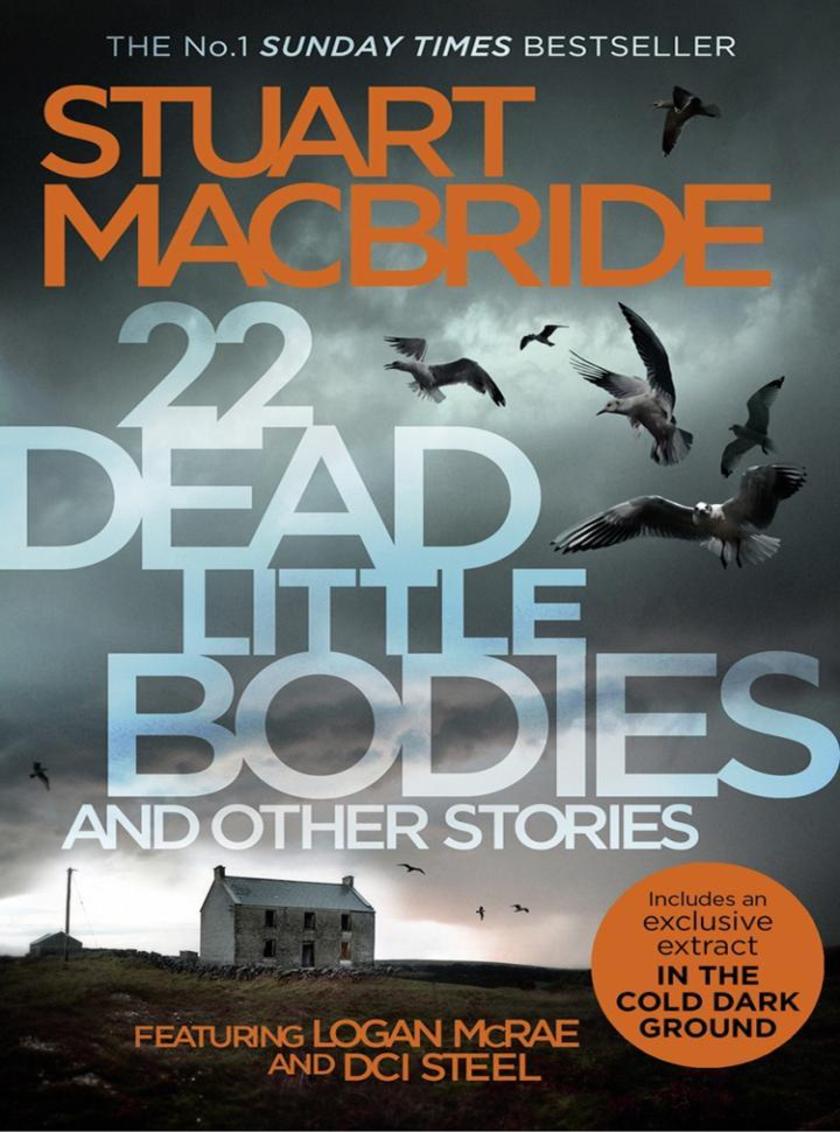
22 Dead Little Bodies and Other Stories
¥61.51
From the No. 1 bestselling author of THE MISSING AND THE DEAD comes the short novel: 22 DEAD LITTLE BODIES, plus two short stories: STRAMASH and DI STEEL'S BAD HEIR DAY, and a novella: THE 45% HANGOVER, all featuring his most popular characters - DS Logan McRae and DCI Roberta Steel. They say ‘small is beautiful’, but as Stuart MacBride demonstrates in these four tales, it can also be dark, violent, disturbing, and sometimes really quite rude. So pour yourself a wee dram, curl up on the sofa and enjoy DS Logan McRae and his sometime boss, friend, mother substitute, and nemesis, DCI Steel at their best. Here you’ll find Logan’s week from hell; Steel’s own personal nightmare before Christmas; an explosive shootout on a remote Scottish island; and the ultimate test of their relationship…
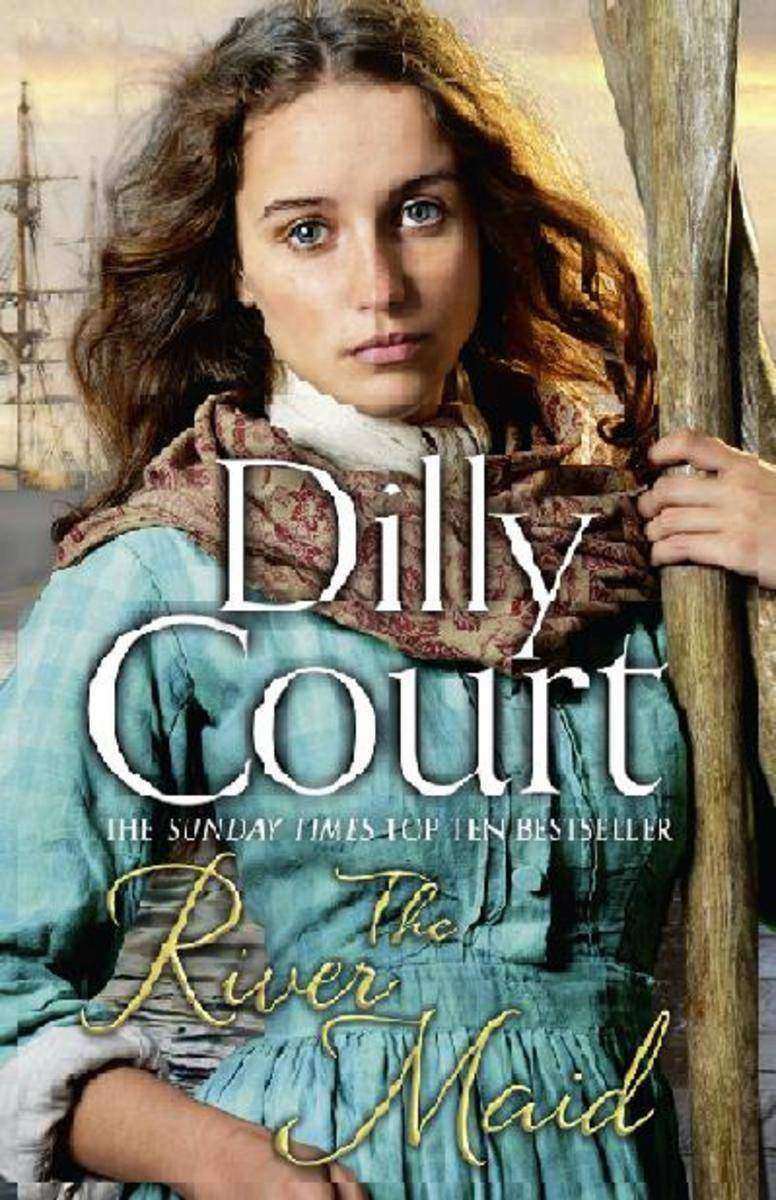
The River Maid (The River Maid, Book 1)
¥58.86
The first in a stunning new series from Sunday Times bestseller, Dilly Court London, 1854: twenty-year-old Essie Chapman lives with her father in poverty stricken Limehouse, working on the river as a boatman. Her life seems set before her, never to leave this part of London and forever at her father’s beck and call. Then, one night, she must transport a mysterious man from a foreign ship to the banks of the Thames, a man who ends up renting a room in Essie’s house, identifying himself only as ‘Raven’. When curiosity gets the better of her, Essie follows him and unwittingly becomes involved in something far greater than she could ever have guessed. Finding herself on a ship bound for the penal colonies in Australia with Raven and his cousin Alice, this is only the start of a remarkable journey taking her to the other side of the world and back again…
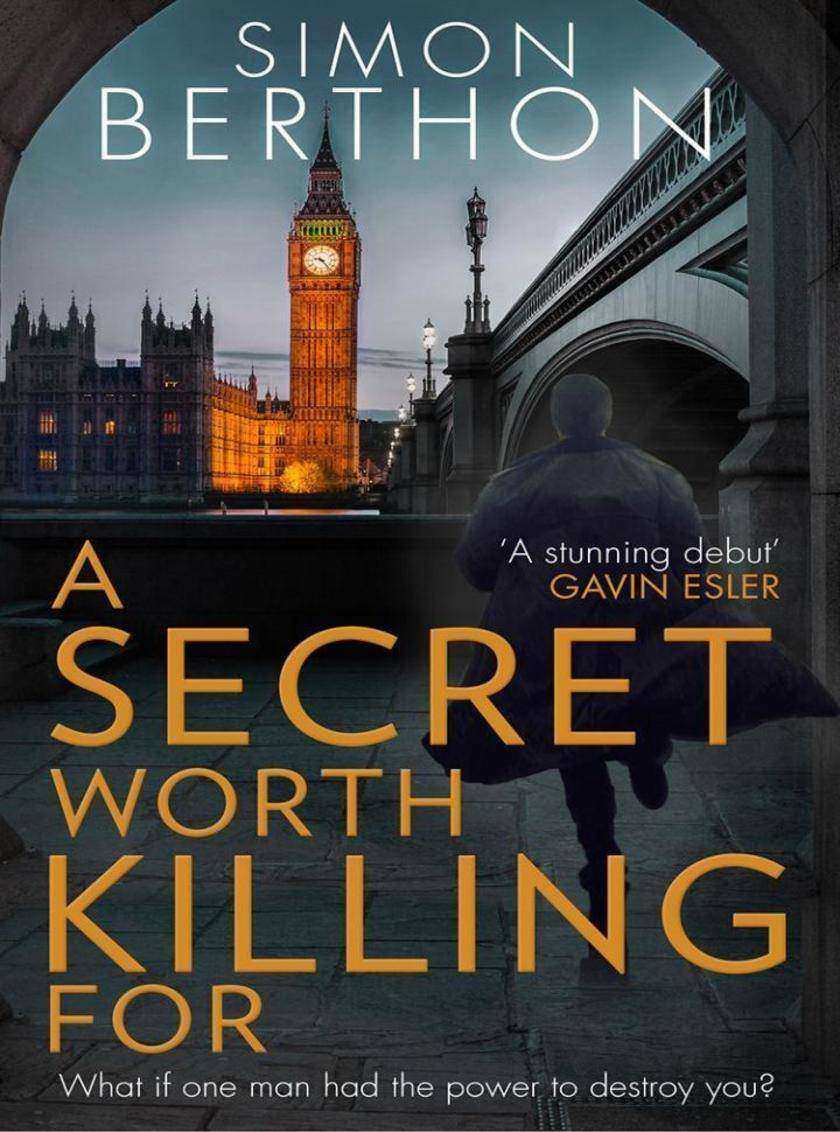
A Secret Worth Killing For
¥95.75
Previously published as Woman of State ‘A stunning debut novel from a top TV producer. It could not be more timely.’ – Gavin Esler Somebody knows where the bodies are buried… Minister of State Anne-Marie Gallagher appears to have an unblemished record. Only she knows that two decades ago, she was integral to an underground mission which went disastrously wrong. Now, unknown to Anne-Marie, DCI Jon Carne has received an anonymous tip-off, leading him to a body – badly decomposed after twenty-five years underground. When news reaches Westminster, Anne-Marie knows she’s in danger. And with Carne closing in, there’s not much time for her to decide how far she’ll go to keep the past where it belongs…

Dad You Suck: And other things my children tell me
¥66.22
Tim Dowling is the author of several books including the Sunday Times Humour Book of the Year, How to be a Husband. His popular weekly Guardian column charts the ups and downs of his family life.


