


 购物车
购物车 个人中心
个人中心

Wife On His Doorstep (Mills & Boon Vintage Cherish)
¥31.10
JUNE BRIDES HIS MEANT-TO-BE BRIDE When doe-eyed, all gowned-up-and-no-groom-in-sight Megan Morison sought refuge in his arms, bachelor John Vermont offered her a roof over her head, a job to pay the bills and his rugged shoulder to lean on…. HER DESTINED GROOM Megan had had her fill of people trying to run her life, but with strong, silent, steely-eyed John Vermont, she felt truly safe, accepted…and dare she believed loved? But John claimed that marriage wasn't for him, though his longing looks and heated kisses suggested otherwise. And now Megan wished this gorgeous albeit gruff ship captain would take the gift destiny offered and make her his lawfully wedded wife…. Celebrate a month of joyful marriages with Silhouette Romance!
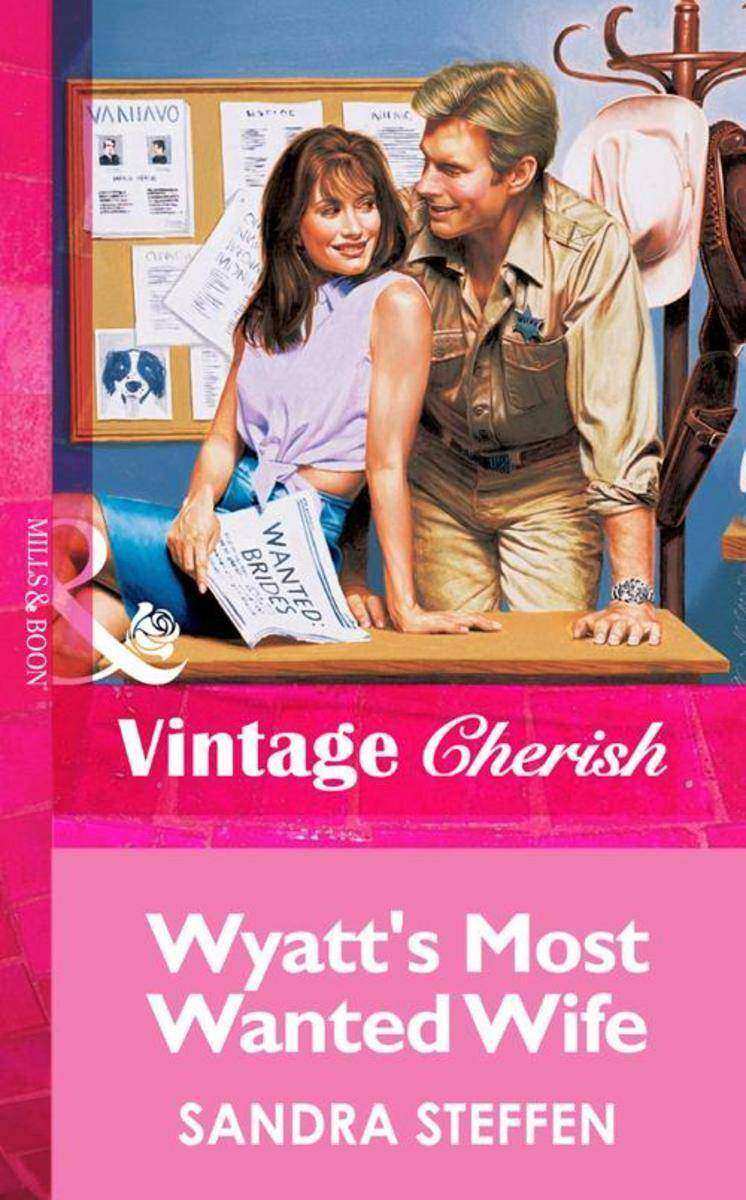
Wyatt's Most Wanted Wife (Mills & Boon Vintage Cherish)
¥31.10
Bachelor Gulch The Bachelor: Wyatt McCully, dedicated–and extremely eligible–town sheriff. Though husband-hungry women were flocking to Jasper Gulch, there was only one single gal Wyatt wanted. The Bride: Lisa Markman, a woman with a yearning for marriage, and with a secret. She couldn't dare consider lawman Wyatt as a potential groom. The sexy sheriff could tell when a woman was interested, and Lisa had all the signs of succumbing to his charming ways. So why did she refuse to take his heartfelt proposals seriously? Wyatt decided he had to uncover everything about the mysterious woman he intended to claim as his wife, and set out to make the pursuit his pleasure…and hers! Bachelor Gulch. This little town wanted women–but are these bachelors ready for marriage?

Selfish Beings (Selfish Beings, Book 1)
¥42.48
There's no place like home… Unless, like Kaarl, you are a demon and your home is Hell…literally! While the rest of Hell enjoys cruel games, Kaarl is looking for a new challenge. So he makes a deal with the devil himself: time in the Mortal Realm in return for human souls… The Mortal Realm offers a taste of freedom he could never experience in Hell and Kaarl jumps at the chance to fulfil his dream. But gathering human souls comes with a cost and as more and more souls lose their way, Kaarl realises that he is creating Hell on his beloved Earth. Now to save the Mortal Realm, Kaarl's going to have to switch sides… Praise for JL Morris 'This was a great read. Very entertaining.' - Koeur's Book Reviews 'A great story from a young author who has, I believe, a strong future in the literary world if he can produce more books like this.' - Fiona's Book Reviews

Candlelight Christmas (The Lakeshore Chronicles, Book 10)
¥50.62
A single father who yearns to be a family man, Logan O'Donnell is determined to create the perfect Christmas for his son, Charlie. The entire O’Donnell clan arrives to spend the holidays in Avalon, a postcard-pretty town on the shores of Willow Lake, a place for the family to reconnect and rediscover the special gifts of the season. One of the guests is a newcomer to Willow Lake–Darcy Fitzgerald. Sharp-witted, independent and intent on guarding her heart, she’s the last person Logan can see himself falling for. And Darcy is convinced that a relationship is the last thing she needs this Christmas. Yet between the snowy silence of the winter woods, and toasty moments by a crackling fire, their two lonely hearts collide. The magic of the season brings them each a gift neither ever expected–a love to last a lifetime.
Donnelly's Promise (Fast Fiction)
¥11.77
Vaughn Donnelly's work has taken him to many different villages over the years, and he's never regretted saying goodbye to anyone in them. Until he promises to help Darcy Keegan rescue an orphaned boy from prison. Darcy dreams of a family, a home, a husband… But can Vaughn offer Darcy what she needs?

The Christmas Wedding Quilt(Mills & Boon M&B)
¥45.03
A FAMILY'S GIFT When they were young, cousins Ella, Rachel and Jo were always together at their family’s lake house. As they grew up, though, they grew apart… until now, as the three must band together to grant a beloved aunt's dying wish: to finish the quilt she began as a gift for her daughter's Christmas wedding. LET IT SNOW Searching for vintage quilting fabric, independent Jo is reunited with the man she thought she’d marry. And proves that sometimes the second time's the charm… YOU BETTER WATCH OUT Ella is desperate when the unfinished quilt goes missing in her care. But a cocky lawyer might just help her find it – and find love. “Nine Ladies Dancing” by Sarah Mayberry – Shy Rachel risks exposing her secret life when she falls for her quilting teacher's seemingly perfect son, in this novella by Janice Kay Johnson. Together, Jo, Ella and Rachel create a Christmas heirloom that's both a wish and promise – of happiness, hope and love everlasting.

Wolf Dreams (Fast Fiction)
¥11.77
Fast Fiction Paranormal - quick reads to transport you to another world Erika Cenov has dreams where someone dies - and then it comes true. Her latest nightmare has a young girl being abducted and the man she once loved, Lazlo Brennan, being shot and turning into a wolf. Erika doesn't want to believe her vision. Then a child goes missing and the detective on the case is Lazlo Brennan. Erika knows Lazlo will die. Unless, for the first time, she can change the outcome of her dreams…and save them all.
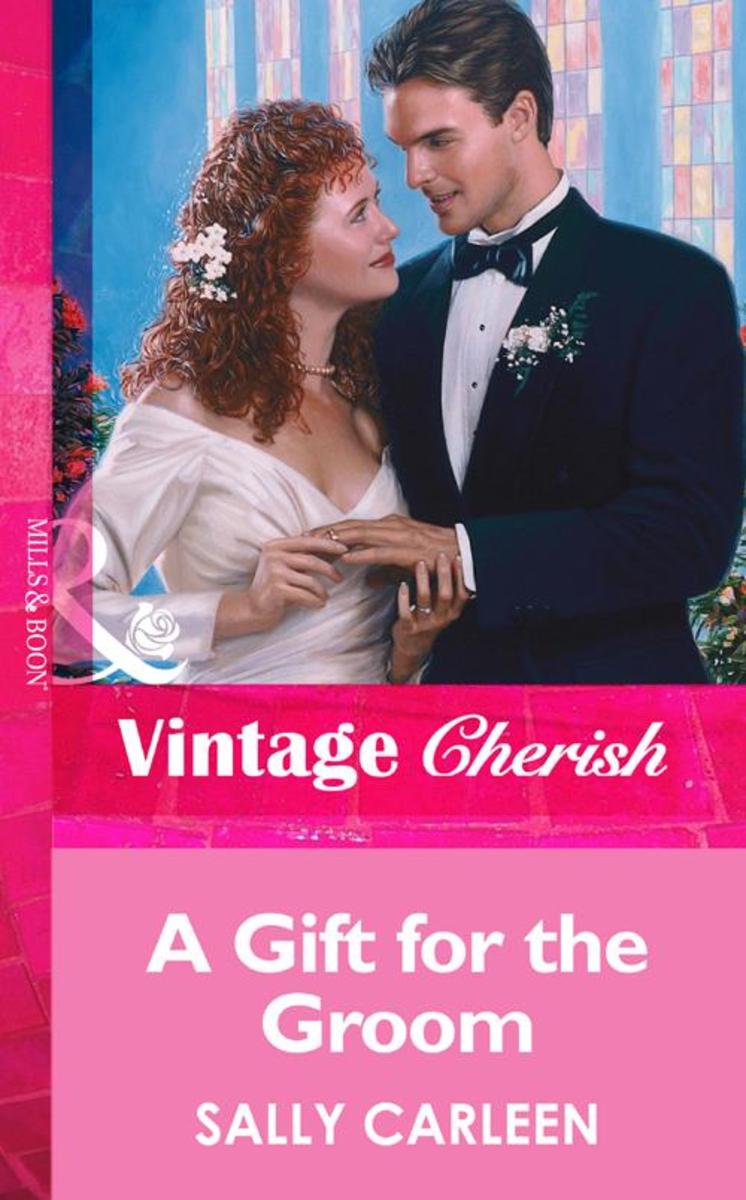
A Gift For The Groom (Mills & Boon Vintage Cherish)
¥31.10
ON THE WAY TO A WEDDING… BORROWED BRIDE Dark and devastating P.I. Nick Claiborne's love 'em and leave 'em policy was suddenly in jeopardy. Because his new client, Analise Brewster, not only insisted on "helping" him uncover the mystery of her fiancé's past, her irrepressible spirit tempted Nick to forget his vows to stay single–and hers to wed another…. Spending time with a lively, loving woman usually made Nick want to run–but this time he found himself taking Analise with him. Yet once they'd found Analise's gift for her groom, would Nick be the one walking down the aisle? Long-lost twins discover their perfect grooms!

A Ring For Cinderella (Mills & Boon Vintage Cherish)
¥25.60
LUCKY CHARM SISTERS KATE MAGGIE SUSAN DESPERATELY SEEKING CINDERELLA… Susan Greenwood had expected a tip, not an offer of marriage! But how could the down-on-her-luck beauty resist when rich-as-a-prince Zach Lowery proposed to her in the middle of the Lucky Charm Diner? Then she got her answer–it was just a role she had to play to soothe Zach's dying grandfather. But Zach never expected his pretend wife to tie him in knots with her selfless gestures and warm embraces. And soon this cynical rancher found himself trying to find a way to make a real future…a real family…with his Cinderella bride. The Lucky Charm Sisters: A boss, a brain and a beauty. Three sisters marry for convenience…but will they find love?

A Rugged Ranchin' Dad (Mills & Boon Vintage Cherish)
¥31.10
Fabulous Fathers FOREVER A FATHER When single dad Stone Tyler first met the beautiful and free-spirited Dahlia nine years ago, he was a rough-edged cowboy with no intention of getting married–ever. But it wasn't long before he was asking for Dahlia's hand, certain their love would last forever. But then an unthinkable tragedy struck their blissful home and tore his family apart. Although Stone and Dahlia couldn't deny the love that brought them together, they were suddenly separated by a world of pain and grief. Now Stone had to find a way to save his family and somehow convince his wife a lifetime of love awaited them…. This ranchin' dad would do anything to save his family.

Bachelor Boss (Mills & Boon Vintage Cherish)
¥31.10
MERGER IN THE MAKING…? Powerful CEO Philip Ambercroft prized efficiency, order–and no temptation in the office. So when he needed a temporary assistant, he decided to hire a no-nonsense, matronly type. But then he met the most qualified candidate…. All-too-appealing Madalyn Wier had impeccable references and years of experience–and she soon had her handsome executive boss falling for her womanly charms. But Philip was determined to deny the attraction between them, especially since Madalyn was a single mother who had a daughter to consider. And the confirmed bachelor wasn't prepared to propose a marriage merger…was he?

Sheriff Takes A Bride (Mills & Boon Vintage Cherish)
¥31.10
FAMILY MATTERS THE LAWMAN AND THE LADY Hallie Cates's biological clock was ticking, but there was nary a husband on the horizon. Then she returned to her hometown and discovered Cam Osborne–a gorgeous small-town sheriff straight out of her dreams. He was everything she wanted in a man, but he'd sworn off commitment. And although she tried to steer clear of the handsome lawman, Cam was impossible to resist. Avowed loner Cam liked his bachelor life-style–until he butted heads with the lovely schoolteacher over her law-breaking grandmother. Sweet Hallie with her down-home values was a lady worth chasing. Only problem was, Hallie was the kind of woman a man married, and Cam wasn't looking for a wife…was he? Kisses, kids, cuddles and kin. The best things in life are found in families!

Soldier And The Society Girl (Mills & Boon Vintage Cherish)
¥31.10
He's My Hero A protector, a provider, a friend and a lover–he's every woman's hero. MOST ELIGIBLE SOLDIER The government wanted protocol specialist Chessey Banks Bailey to teach rough-around-the-edges Lieutenant Derek McKenna how to be a gentleman. And though he was her student, Derek was the sexiest, most intriguing man Chessey had ever met. From the moment he kissed her without warning, Chessey knew she wanted to be his bride. But even though blue blood Chessey had him second-guessing his bachelor status, walking down the aisle was the furthest thing from Derek's mind. Could Chesssey enlist the reluctant soldier for a lifetime of love?
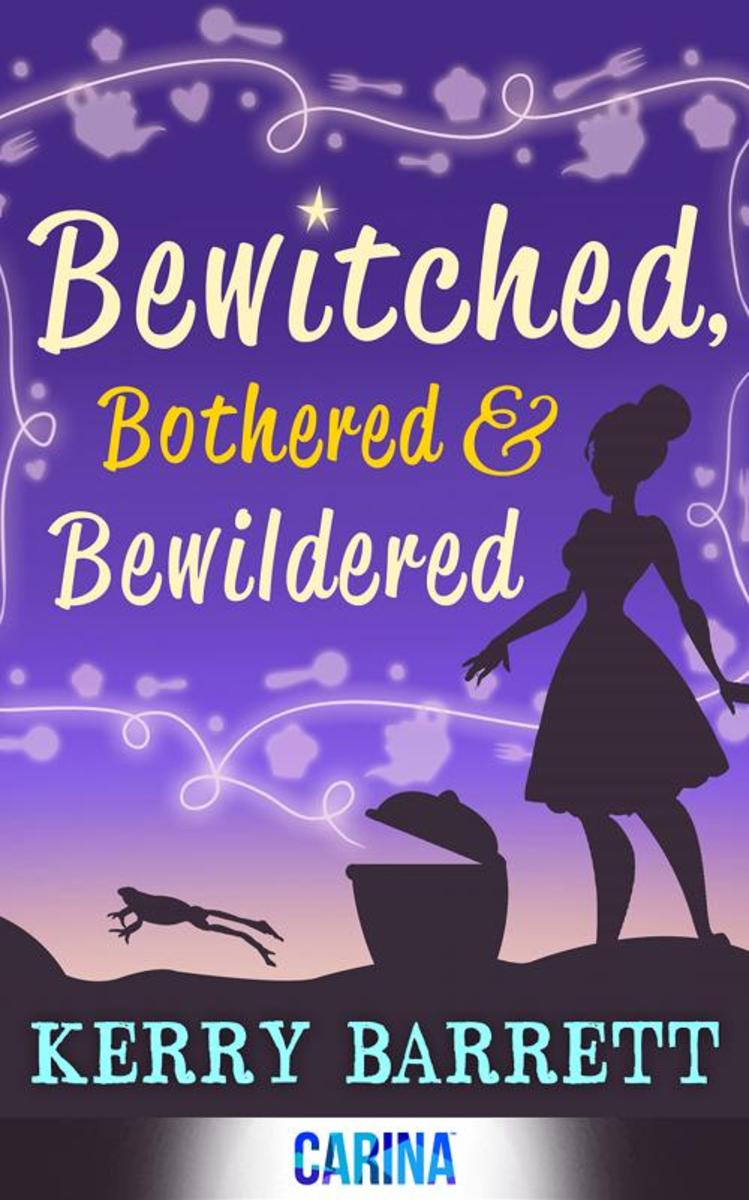
Bewitched, Bothered And Bewildered (Could It Be Magic?, Book 1)
¥42.48
A Kind of Magic Part-time witch, full-time glamorous high-flyer Esme Mcleod rubs shoulders with celebrities for a living, has a sort-of-boyfriend …and just enough magic in her fingertips to solve life’s little irritations; why shouldn’t she cast a little spell to catch the busy barman’s attention, or to summon a latte to aid her all-nighters? Called back to her small Scottish home town and meddling family, stiletto-clad Esme is way out of her comfort zone… But Esme must embrace her abilities as a witch, or watch her family lose their beloved café. Except Esme has never claimed to be a whizz at witchcraft, and her charms are starting to go awry – she certainly never meant to cast a love spell on her ex-boyfriend Jamie! It’s time for urgent lessons in magic as well as love – it seems there’s only so much that muttering a few words over cupcake batter will fix… Don't miss the Could It Be Magic series: 1 – Bewitched, Bothered & Bewildered 2 – I Put a Spell on You 3 – Baby It's Cold Outside 4 – I’ll Be There For You 5 – A Spoonful of Sugar (novella) What readers are saying about Kerry Barrett 'I was absorbed from the first page' – Pass The Gin 'It was just lovely! I loved the plot, I loved the spells and the magic, I loved the characters and I loved the writing. Kerry Barrett is a talented writer and I’m so pleased I got the chance to review her debut novel and here’s hoping there will be many more!' – Chick Lit Reviews and News 'This is a story filled with heart-warming characters full of family loyalty, a little romance … sprinkled with magic and humour throughout which will leave you, like me wanting to find out what happen next for Esme and her family.’ – That Thing She Reads

Gemini Falling
¥23.25
‘First of all, let’s get something straight. This is not going to be one of those stories where the school bitch turns out to have a heart of gold…’ Amie’s the most popular – and the meanest –girl at her exclusive private school, with her trusty second in command Lexy by her side. And she likes it that way. Lexy knows that she deserves Amie’s prized position just as much but dethroning the Queen Bee just isn’t done. Until mysterious twins Elyse and Melanie arrive mid-term, with a magnetic power that’s impossible to deny, and shake up the school’s social rules. As the twins leave darkness and devastation in their wake, Lexy’s suddenly discovering her own powers of manipulation. Whilst Amie’s about to learn that it’s not just lonely at the top – it’s terrifying. A Gemini Rising story

Not Another Happy Ending
¥58.86
Sometimes love needs a rewrite The stunning romantic comedy from David Solomans, Winner of the 2016 Waterstones Children’s Book Prize With her debut novel, Happy Ending, JANE LOCKHART pulled off that rare double – critical acclaim and mainstream success. But now, with just the last chapter of the follow-up book to write, she encounters crippling writer’s block. She has no idea how her story ends… This is not good news for her publisher, TOM DUVAL. His company is up against the wall financially and the only thing that will save him is a massive hit, in the form of Jane’s next novel. When he discovers that his most important author is blocked, Tom realises that he has to unblock her or he’s finished. Everyone knows that you have to be unhappy to be really creative, so Tom decides that the only way he’s going to get her to complete the novel is to make her life a misery… Set within the Scottish publishing industry, and filmed against a stunning backdrop of both romantic and hip Glasgow locations, Not Another Happy Ending is perfect for fans of One Day. “Engagingly watchable” – Mark Adams, Screen Daily “…has more heart than most Hollywood rom-coms…an entertaining diversion and an example of mainstream Scottish cinema that easily holds its own” – Rob Dickie, Sight On Sound About the author David Solomons is the BAFTA-shortlisted screen screenwriter of The Great Ghost Rescue, The Fabulous Bagel Boys and Five Children and It. He lives in Dorset with his wife, Natasha Solomons, and their young son. Not Another Happy Ending is his first novel.

The Sheriff's Second Chance (Mills & Boon Cherish)
¥31.10
The Sheriff’s Second Chance She’d left him to pursue her dreams right after high school, but now Caitlyn Cavanaugh is back. Deputy Sheriff Nathan Jeffries doesn’t know what to do, but it’s his job to rescue this damsel in distress from a series of minor mishaps. The single dad’s strategy: keep it professional and don’t fall for Caitie again!
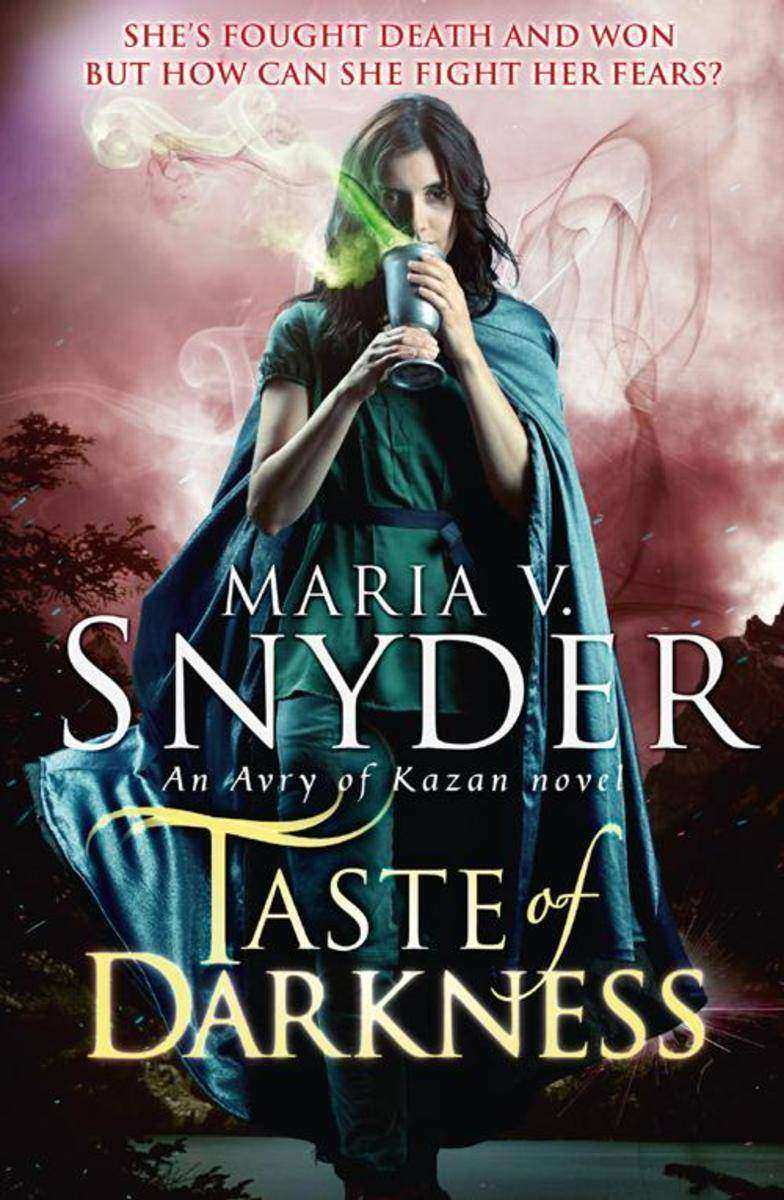
Taste of Darkness (An Avry of Kazan Novel, Book 3)
¥62.59
‘A compelling new fantasy series.’- SFX on Sea Glass ‘Snyder delivers another excellent adventure.’ - Publishers Weekly 'Spellbinding romantic adventure that will leave readers salivating for the next book in the series.’-USA Today on Touch of Power-USA TODAY THE FINAL BATTLE BEGINS… Powerful healer Avry knows hardship and trouble. She fought a plague and survived. She took on corrupt King Tohon and defeated him. But now her true love, Kerrick, is missing and Avry fears he’s gone forever. Yet she faces a more immediate – and deadly – threat. The Skeleton King plots to claim the Fifteen Realms for his own. With the territories’ armies in disarray and the dead not staying dead, Avry’s powers are needed now more than ever. Torn between love and loyalty, she must choose her path carefully. For the future of Avry’s world depends on her decision…
Mastering Node.js - Second Edition
¥90.46
Expert techniques for building fast servers and scalable, real-time network applications with minimal effort; rewritten for Node.js 8 and Node.js 9 About This Book ? Packed with practical examples and explanations, Mastering Node.js contains everything you need to take your applications to the next level. ? Unleash the full potential of Node.js 9 to build real-time and scalable applications. ? Gain in-depth knowledge of asynchronous programming, event loops, and parallel data processing. ? Explore Node's innovative event-non-blocking design, and build professional applications with the help of detailed examples. Who This Book Is For This book is targeted at JavaScript developers who want to take an in-depth look at the latest Node.js framework to create faster, scalable, real-time backend applications. Basic JavaScript programming knowledge—and also some previous Node.js development experience—are mandatory to get the best out of this book What You Will Learn ? Build an Electron desktop app using Node that manages a filesystem ? Explore Streams and understand how they apply to building networked services ? Develop and deploy an SMS-driven customer service application ? Use WebSockets for rapid bi-directional communication ? Construct serverless applications with Amazon Lambda ? Test and debug with headless browsers, CPU profiling, Mocha, Sinon, and more ? Scale applications vertically and horizontally across multiple cores and web services In Detail Node.js, a modern development environment that enables developers to write server- and client-side code with JavaScript, thus becoming a popular choice among developers. This book covers the features of Node that are especially helpful to developers creating highly concurrent real-time applications. It takes you on a tour of Node's innovative event non-blocking design, showing you how to build professional applications. This edition has been updated to cover the latest features of Node 9 and ES6. All code examples and demo applications have been completely rewritten using the latest techniques, introducing Promises, functional programming, async/await, and other cutting-edge patterns for writing JavaScript code. Learn how to use microservices to simplify the design and composition of distributed systems. From building serverless cloud functions to native C++ plugins, from chatbots to massively scalable SMS-driven applications, you'll be prepared for building the next generation of distributed software. By the end of this book, you'll be building better Node applications more quickly, with less code and more power, and know how to run them at scale in production environments. Style and approach Mastering Node.js contains all of the examples and explanations you'll need to build applications in a short amount of time and at a low cost, running rapidly and at scale.

Designing Purpose-Built Drones for Ardupilot Pixhawk 2.1
¥63.21
Design and build land, air, and sea drones using Ardupilot with Pixhawk 2.1 About This Book ? Explore the best practices used by the top industry professionals that will not only help you build drones in time, but also build effective solutions to cater to. ? Navigate through the complexities of Ardupilot to put together a complete functional UAV and assemble your drone ? Learn through practical examples that help you build robust UAV flight and ground control components Who This Book Is For The primary audience for this book is anyone (enthusiasts and hobbyists) who dream of building their own drones. It will also help those who are trying to build UAVs for commercial purposes. Some prior experience with microcontrollers and electronics would be useful. What You Will Learn ? Kitbash "dumb" objects into smart ones ? Program Pixhawk for your drones ? Fabricate your own parts out of different materials ? Integrate Pixhawk into different types of drones ? Build and understand the significant difference between land, sea, and air drones ? Adapt old Pixhawk sensors to the new Pixhawk 2.1 plugs ? Become familiar with procedures for testing your new drones In Detail The Ardupilot platform is an application ecosystem that encompasses various OS projects for drone programming, flight control, and advanced functionalities.The Ardupilot platform supports many Comms and APIs, such as DroneKit, ROS, and MAVLink. It unites OS drone projects to provide a common codebase. With the help of this book, you will have the satisfaction of building a drone from scratch and exploring its many recreational uses (aerial photography, playing, aerial surveillance, and so on). This book helps individuals and communities build powerful UAVs for both personal and commercial purposes. You will learn to unleash the Ardupilot technology for building, monitoring, and controlling your drones.This is a step-by-step guide covering practical examples and instructions for assembling a drone, building ground control unit using microcontrollers, QgroundControl, and MissionPlanner. You can further build robotic applications on your drone utilizing critical software libraries and tools from the ROS framework. With the help of DroneKit and MAVLink (for reliable communication), you can customize applications via cloud and mobile to interact with your UAV. Style and approach Step-by-step instructions to help assemble your first drone with the Ardupilot platform.
Mastering Entity Framework Core 2.0
¥90.46
Learn how to leverage the features of the new Entity Framework Core APIs and use them to build pure .NET Core applications. About This Book ? Learn how to effectively manage your database to make it more productive and maintainable. ? Write simplified queries using LINQ to acquire the desired data easily ? Raise the abstraction level from data to objects so teams can function independently, resulting in easily maintainable code Who This Book Is For This book is for .NET Core developers who would like to integrate EF Core in their application. Prior knowledge of .NET Core and C# is assumed. What You Will Learn ? Create databases and perform CRUD operations on them ? Understand and build relationships (related to entities, keys, and properties) ? Understand in-built, custom, and remote validation (both client and server side) ? You will learn to handle concurrency to build responsive applications ? You will handle transactions and multi-tenancy while also improving performance In Detail Being able to create and maintain data-oriented applications has become crucial in modern programming. This is why Microsoft came up with Entity Framework so architects can optimize storage requirements while also writing efficient and maintainable application code. This book is a comprehensive guide that will show how to utilize the power of the Entity Framework to build efficient .NET Core applications. It not only teaches all the fundamentals of Entity Framework Core but also demonstrates how to use it practically so you can implement it in your software development. The book is divided into three modules. The first module focuses on building entities and relationships. Here you will also learn about different mapping techniques, which will help you choose the one best suited to your application design. Once you have understood the fundamentals of the Entity Framework, you will move on to learn about validation and querying in the second module. It will also teach you how to execute raw SQL queries and extend the Entity Framework to leverage Query Objects using the Query Object Pattern. The final module of the book focuses on performance optimization and managing the security of your application. You will learn to implement failsafe mechanisms using concurrency tokens. The book also explores row-level security and multitenant databases in detail. By the end of the book, you will be proficient in implementing Entity Framework on your .NET Core applications. Style and approach This book is filled with various examples that will help you use Entity Framework Core 2.0 to write efficient software.


