


 购物车
购物车 个人中心
个人中心

囧囧CLUB
¥7.85
世界各地之有味笑話如恆河沙數,素來是廣受大眾歡迎的流行讀本。本書作者Mr. C特別編撰「小小笑話」系列,精選妙絕抵死的笑話匯集成篇,以輕巧且價錢相宜的迷你版本出版,為你帶來經濟實惠的閱讀樂趣和享受。除了豐富精選的笑話,書首更有得意有趣的遊戲,供大家互動玩耍一下,順便先來個大腦熱熱身,然後再放開懷抱笑個痛快。 《癲癲WORKING》及《公主病駕到》分別取材為Office笑話及男女關係笑話,詼諧抵死,適合成人閱讀。 《囧囧CLUB》及《女王捉字室》則取材為校園笑話(classroom jokes),幽默搞笑,適合學生閱讀。

拆走醫院的炸彈 (新訂版)
¥31.47
《拆走醫院的炸彈》以40個關於醫生、病人、護士及家屬的真實個案,改編成活潑生動的故事去講述醫患關係,出版未足半年初版3000冊已售罄,反應理想。 本書文字簡短精練,盡量保留病房內外、醫生護士與病人及家屬之間衝突中的言行,其中也有病房內外的特殊用語、有趣代號甚或爛gag等,生動傳神。 其實人的一生總離不開醫院、醫生與護士。不過,由於種種言語、心理、行為上的誤會、誤解、矛盾、衝突,醫患之間始終不容易建立起互信、互諒的關係,因此醫院內「炸彈」處處!如何拆彈?! 細閱本書,讀者除了可看到病房眾生相外,更可嘗試代入角色,想像一下炸彈引爆前的凝重、爆發一刻的顫震,以及爆後心理的忐忑。本書更試圖從第三者的角度,提出「拆彈」的忠告與實踐良策。可讀之餘,發人深省。 《拆走醫院的炸彈》新版除了保留了故事、沙龍照片、勵志金句外,在內容上也作出了修訂;特別的是更換上新裝。今次伊利沙伯醫院破天荒邀請到醫管局主席胡定旭、香港防癌會主席高永文醫生,聯同一眾演藝界明星名人葛民輝、羅蘭、廖安麗,以及譚玉瑛一起粉墨登場,角色扮演醫生、病人、護士及家屬,拍攝封面及內頁照片;星光熠熠,令人耳目一新!

萌淨。一休
¥27.22
風──創作路,多風暴;風眼中,看平靜。 花──風旅中,遇花海;學種花,孕新生。 雪──花落時,雪堵路;寒道裡,享甘薯。 月──雪告別,前路明;月照下,見新遊。 作者在書中以自然之景──風、花、雪、月為幹,既說一己的創作歷程,又細說對人世間的萬事萬物的觀察,體現作者的觀點與視覺。 綣綣塵世間,我們會遇到風雨,但風雨過後,得享霎時平靜,柳暗花明,未至絕路。碰到寒雪堵路,調整心境,實是享甘薯的好時光。人生有高有低,或臨絕處卻又逢生。作者欲藉文、圖道出的,正是此理。 此作以清新的繪圖為主,配以精簡的文字,感悟各式各樣人生小道理,讓讀者在閱讀之時,享受一刻的清泉,澄明身心。 內文範例: 同生同等。 兒時,我無聊跳高伸手蜻蜓,但牠總會飛高來欺負我; 當時我還無知地認為長高後,牠就難逃我的魔掌。 今天,牠就在我身邊飛過,當然人大了, 我沒伸出那頑皮手來捉牠。 因我明白,不是現在我的高度足以捉到牠, 而是牠因快下雨而低飛。 我早就不應跟牠比較高低,即使現在我能力比牠高,亦不等於我就要向牠施展魔爪, 因從沒有誰想打倒誰,而是本身就是應該共存。

小學生寫字字典
¥55.51
本書從提高小學生寫字能力的角度出發,以香港教育局課程發展處中國語文教育組編訂的《香港小學學習字詞表》為基礎,參考衆多小學語文教材,精選350個小學階段使用頻率、構字構詞能力強的漢字,從偏旁、筆畫、筆順等方面對漢字逐一解構,幫助小學生掌握正確的漢字書寫規則。

中文大作戰:修辭篇
¥37.77
本書精選小學生8種常用修辭法,包括:比喻、擬人、排比、反復、設問、反問、誇張、對偶等,提供3百多條測試題目,輔以淺白的文字加以解說,幫助學生讀者把握運用有關修辭的用法。為增添閱讀趣味,本書加入了生動的故事,幽默的漫畫和形式豐富的遊戲,務求做到「學」與「樂」統一。

腎病治療與中醫調養
¥73.33
重點探討慢性腎病中西治療比較及配合,並清楚列出容易產生的併發症,慢性腎衰竭的狀況,提供實用診治和個人調養方法。提供中藥藥饍、食療、生活方式調護,並輔以簡易的菜餚、湯水等食譜,讀者可以自行烹調食用。
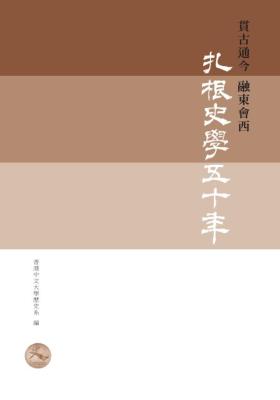
貫古通今 融東會西:扎根史學五十年
¥125.49
香港中文大歷史系成立於1963年,至2013年已經歷了五十年。在這五十年的歲月中,歷史系的前賢和師輩奠下了嚴肅的學術風氣與扎實的研究根基。莘莘學子,遂得以承傳錢穆、牟潤孫、全漢昇、嚴耕望、王德昭、孫國棟等眾多史學名宿的治學精神。 為了慶祝歷史系踏入金禧之年,我們邀請校友撰文論述前輩老師的個人風骨、學術成就、治史理念、研究心得及教學旨趣等,編成此書以總結五十年來歷史系前賢的開創、耕耘之功及治史業績,好讓後輩繼往開來,延續並發展創系以來的理念和精神。

輕描淡寫話英語
¥56.57
全書包含幾個英語語法範疇:易混淆詞、單複數、量詞、數目詞彙、同音異義詞、短語動詞、慣用語、明喻和隱喻等 內容選自余黎青萍於報章撰寫的專欄文章,談及英語學習不同的重要範疇,作者從日常生活、工作、傳媒報導等搜集實例,從反方面指出措辭不當、似是而非的毛病,也從正面說明如何學好英語,如何活用 phrasal verbs 及 idioms,幫助讀者明白英語如何可表達得傳神。

長跑運動全攻略──健體、訓練、比賽 (增訂版)
¥73.33
本書從鍛鍊體魄的好處開始,仔細講解跑步前的風險評估,按個人體能和目標設計的多種長跑訓練計劃和訓練方法,如長距離跑、節奏跑及間歇跑的要點,還詳述如何預防受傷、處理傷患、配合飲食營養,加強鍛鍊效果。

鍾玲極短篇
¥52.40
「極短篇」,又有人稱之為「小小說」或「掌上小說」。寫「極短篇」,極不容易,在如此小的篇幅內說故事,從頭到尾,一眼望盡,瑕瑜立見,無可隱藏,其實「難度」相當高。 但本書作者卻是寫「極短篇」的高手,書中精選了她的三十篇佳作,當中的故事,既有愛情的,也有人情的,甚至奇幻的,題材豐富,異彩紛呈,情節引人入勝,結局又出人意表。每個故事讀後,相信讀者或會會心微笑,或會擊節驚歎,又或會領悟到一點點人生的道理。

Apache Mesos Cookbook
¥63.21
Over 50 recipes on the core features of Apache Mesos and running big data frameworks in Mesos About This Book ? Learn to install and configure Mesos to suit the needs of your organization ? Follow step-by-step instructions to deploy application frameworks on top of Mesos, saving you many hours of research and trial and error ? Use this practical guide packed with powerful recipes to implement Mesos and easily integrate it with other application frameworks Who This Book Is For This book is for system administrators, engineers, and big data programmers. Basic experience with big data technologies such as Hadoop or Spark would be useful but is not essential. A working knowledge of Apache Mesos is expected. What You Will Learn ? Set up Mesos on different operating systems ? Use the Marathon and Chronos frameworks to manage multiple applications ? Work with Mesos and Docker ? Integrate Mesos with Spark and other big data frameworks ? Use networking features in Mesos for effective communication between containers ? Configure Mesos for high availability using Zookeeper ? Secure your Mesos clusters with SASL and Authorization ACLs ? Solve everyday problems and discover the best practices In Detail Apache Mesos is open source cluster sharing and management software. Deploying and managing scalable applications in large-scale clustered environments can be difficult, but Apache Mesos makes it easier with efficient resource isolation and sharing across application frameworks. The goal of this book is to guide you through the practical implementation of the Mesos core along with a number of Mesos supported frameworks. You will begin by installing Mesos and then learn how to configure clusters and maintain them. You will also see how to deploy a cluster in a production environment with high availability using Zookeeper. Next, you will get to grips with using Mesos, Marathon, and Docker to build and deploy a PaaS. You will see how to schedule jobs with Chronos. We’ll demonstrate how to integrate Mesos with big data frameworks such as Spark, Hadoop, and Storm. Practical solutions backed with clear examples will also show you how to deploy elastic big data jobs. You will find out how to deploy a scalable continuous integration and delivery system on Mesos with Jenkins. Finally, you will configure and deploy a highly scalable distributed search engine with ElasticSearch. Throughout the course of this book, you will get to know tips and tricks along with best practices to follow when working with Mesos. Style and approach This step-by-step guide is packed with powerful recipes on using Apache Mesos and shows its integration with containers and big data frameworks.
AWS Tools for PowerShell 6
¥80.65
Leverage the power of PowerShell to bring the best out of your AWS infrastructure About This Book ? A collection of real-world-tested Powershell *s that can be used to manage your Windows server efficiently ? Follow step-by-step processes to solve your problems with Windows servers using AWS tools ? Design examples that work in the Amazon free usage tier, which lets you run the Windows platform on cloud Who This Book Is For This book will be useful for (but not limited to) Windows System administrators, cloud engineers, architects, DevOps engineers, and all those who want to accomplish tasks on the AWS Public Cloud using PowerShell. What You Will Learn ? Install the AWS Tools for PowerShell 6 ? Understand key services provided by Amazon Web services (AWS) ? Understand the Virtual Private Cloud ? Use PowerShell 6 for AWS Identity and Access Management (IAM) ? Use PowerShell 6 for AWS Elastic Compute Cloud (EC2) ? Use PowerShell 6 for AWS Simple Storage Service (S3) ? Use PowerShell 6 for AWS Relational Database Service (RDS) ? Build fault-tolerant and highly-available applications using PowerShell 6 In Detail AWS Tools for PowerShell 6 shows you exactly how to automate all the aspects of AWS. You can take advantage of the amazing power of the cloud, yet add powerful *s and mechanisms to perform common tasks faster than ever before. This book expands on the Amazon documentation with real-world, useful examples and production-ready *s to automate all the aspects of your new cloud platform. It will cover topics such as managing Windows with PowerShell, setting up security services, administering database services, and deploying and managing networking. You will also explore advanced topics such as PowerShell authoring techniques, and configuring and managing storage and content delivery. By the end of this book, you will be able to use Amazon Web Services to automate and manage Windows servers. You will also have gained a good understanding of automating the AWS infrastructure using simple coding. Style and approach This step-by-step guide starts with simple examples then expands to full-blown administrative tasks leading to the efficient management of Windows servers. Each topic covers a section related to Amazon Web Services products, and the examples are built on one another to deliver a comprehensive library of *s for administrators.

Full Stack Web Development with Raspberry Pi 3
¥63.21
Discover how to build full stack web applications with the Raspberry Pi 3 About This Book ? Leverage JavaScript, HTML5, and Cloud APIs to create visual representations and interactive web pages. ? Learn to install and use a Node.js-based web framework to develop Raspberry Pi 3-powered web applications. ? A step-by-step guide that will cover from setting up a embedded system to developing embedded, device-powered interactive web applications. Who This Book Is For This book is aimed at hobbyist, enthusiasts, and developers eager to develop embedded device-powered web applications. Prior programming experience with JavaScript, HTML5, and Node.JS will be beneficial. What You Will Learn ? Get up and running with your Raspberry Pi ? Go full stack! Learn about the end-to-end development process for web applications, right from the OS up to the actual HTML web interface ? Discover that JavaScript is one of the fastest growing languages today, and is the only language that can be used both on a browser and server. This book will empower you to develop in a complete JavaScript stack ? See that the IoT is everywhere!Connect your application to the outside world. Make use of sensors in your Raspberry Pi to give your application an edge, and unleash the full power of the Internet of Things ? Build a rich UI with beautiful charts and data visualizations that can run on any browser ? Make your software data-driven. Learn how to utilize SQLite to collect and analyze data from multiple systems In Detail Modern web technology and portable computing together have enabled huge advances in the Internet of Things (IoT) space,as well as in areas such as machine learning and big data. The Raspberry Pi is a very popular portable computer for running full stack web applications. This book will empower you to master this rapidly evolving technology to develop complex web applications and interfaces. This book starts by familiarizing you with the various components that make up the web development stack and that will integrate into your Raspberry Pi-powered web applications. It also introduces the Raspberry Pi computer and teach you how to get up and running with a brand new one. Next, this book introduces you to the different kinds of sensor you’ll use to make your applications; using these skills, you will be able to create full stack web applications and make them available to users via a web interface. Later, this book will also teach you how to build interactive web applications using JavaScript and HTML5 for the visual representation of sensor data. Finally, this book will teach you how to use a SQLite database to store and retrieve sensor data from multiple Raspberry Pi computers. By the end of this book you will be able to create complex full stack web applications on the Raspberry Pi 3 and will have improved your application’s performance and usability. Style and approach Step-by-step instructions on developing a full stack web application and deploying it to the Cloud.
Salesforce Lightning Reporting and Dashboards
¥90.46
Learn how to build advanced reports and dashboards in Salesforce Lightning experience About This Book ? Visualize and create advanced reports and dashboards using Lightning Experience ? Improve overall business efficiency with advanced and effective reports and dashboards ? Understand and create custom reports and dashboards Who This Book Is For This book is targeted at Salesforce.com administrators, business analysts, and managers who use Salesforce.com for their daily job and want to learn in depth about Salesforce Reporting and Dashboard in Lightning Experience. Readers should have a basic knowledge of Salesforce, such as: Accounts, Contacts, Leads, Opportunities and custom objects. What You Will Learn ? Navigate in Salesforce.com within the Lightning Experience user interface ? Secure and share your reports and dashboards with other users ? Create, manage, and maintain reports using Report Builder ? Learn how the report type can affect the report generated ? Explore the report and dashboard folder and the sharing model ? Create reports with multiple formats and custom report types ? Explore various dashboard features in Lightning Experience ? Use Salesforce1, including accessing reports and dashboards In Detail Built on the Salesforce App Cloud, the new Lightning Experience combines the new Lightning Design System, Lightning App Builder, and Lightning Components to enable anyone to quickly and easily create modern enterprise apps. The book will start with a gentle introduction to the basics of Salesforce reports and dashboards. It will also explain how to access reports in depth. Then you will learn how to create and manage reports, to use Schedule Report, and create advanced report configurations. The next section talks about dashboards and will enable you to understand and compare various types of dashboard component and how you can benefit the most from each of them. Then we move on to advanced topics and explain tips and tricks related to reports and dashboards, including reporting snapshots, report parameters, and collaboration. Finally, we will discuss how to access dashboards and reports from the Salesforce1 mobile app. Style and approach This comprehensive guide covers the advanced features of the all new Salesforce Lightning concepts and communicates them through a practical approach to explore the underlying concepts of how, when, and why to use them.
R Deep Learning Cookbook
¥80.65
Powerful, independent recipes to build deep learning models in different application areas using R libraries About This Book ? Master intricacies of R deep learning packages such as mxnet & tensorflow ? Learn application on deep learning in different domains using practical examples from text, image and speech ? Guide to set-up deep learning models using CPU and GPU Who This Book Is For Data science professionals or analysts who have performed machine learning tasks and now want to explore deep learning and want a quick reference that could address the pain points while implementing deep learning. Those who wish to have an edge over other deep learning professionals will find this book quite useful. What You Will Learn ? Build deep learning models in different application areas using TensorFlow, H2O, and MXnet. ? Analyzing a Deep boltzmann machine ? Setting up and Analysing Deep belief networks ? Building supervised model using various machine learning algorithms ? Set up variants of basic convolution function ? Represent data using Autoencoders. ? Explore generative models available in Deep Learning. ? Discover sequence modeling using Recurrent nets ? Learn fundamentals of Reinforcement Leaning ? Learn the steps involved in applying Deep Learning in text mining ? Explore application of deep learning in signal processing ? Utilize Transfer learning for utilizing pre-trained model ? Train a deep learning model on a GPU In Detail Deep Learning is the next big thing. It is a part of machine learning. It's favorable results in applications with huge and complex data is remarkable. Simultaneously, R programming language is very popular amongst the data miners and statisticians. This book will help you to get through the problems that you face during the execution of different tasks and Understand hacks in deep learning, neural networks, and advanced machine learning techniques. It will also take you through complex deep learning algorithms and various deep learning packages and libraries in R. It will be starting with different packages in Deep Learning to neural networks and structures. You will also encounter the applications in text mining and processing along with a comparison between CPU and GPU performance. By the end of the book, you will have a logical understanding of Deep learning and different deep learning packages to have the most appropriate solutions for your problems. Style and approach Collection of hands-on recipes that would act as your all-time reference for your deep learning needs
SQL Server on Linux
¥71.93
Bring the performance and security of SQL Server to Linux About This Book ? Design and administer your SQL Server solution on the open source Linux platform ? Install, configure, and fine-tune your database application for maximum performance ? An easy-to-follow guide teaching you how to implement various SQL Server CTP 2.x offerings on Linux—from installation to administration Who This Book Is For This book is for the Linux users who want to learn SQL Server on their favorite Linux distributions. It is not important if you are experienced database user or a beginner as we are starting from scratch. However, it is recommended that you have basic knowledge about relational models. More advanced readers can pick the chapters of their interest and study specific topics immediately. Users from Windows platform can also benefit from this book to expand their frontiers and become equally efficient on both platforms. What You Will Learn ? Install and set up SQL Server CTP 2.x on Linux ? Create and work with database objects using SQL Server on Linux ? Configure and administer SQL Server on Linux-based systems ? Create and restore database back-ups ? Protect sensitive data using the built-in cryptographic features ? Optimize query execution using indexes ? Improve query execution time by more than 10x using in-memory OLTP ? Track row-versioning using temporal tables In Detail Microsoft's launch of SQL Server on Linux has made SQL Server a truly versatile platform across different operating systems and data-types, both on-premise and on-cloud. This book is your handy guide to setting up and implementing your SQL Server solution on the open source Linux platform. You will start by understanding how SQL Server can be installed on supported and unsupported Linux distributions. Then you will brush up your SQL Server skills by creating and querying database objects and implementing basic administration tasks to support business continuity, including security and performance optimization. This book will also take you beyond the basics and highlight some advanced topics such as in-memory OLTP and temporal tables. By the end of this book, you will be able to recognize and utilize the full potential of setting up an efficient SQL Server database solution in your Linux environment. Style and approach This book follows a step-by-step approach to teach readers the concepts of SQL Server on Linux using the bash command line and SQL programming language trough examples which can easily be adapted and applied in your own solutions.
Serverless computing in Azure with .NET
¥90.46
Harness the power of the Cloud, leveraging the speed and scale of Azure Serverless computing About This Book ? Take advantage of the agility, scale, and cost-effectiveness of the cloud using Azure Serverless compute ? Build scalable, reliable, and cost-effecient applications with Serverless architecture and .NET ? Learn to use Azure functions to their fullest potential in .NET Who This Book Is For This book is for .NET developers who would like to learn about serverless architecture. Basic C# programming knowledge is assumed. What You Will Learn ? Understand the best practices of Serverless architecture ? Learn how how to deploy a Text Sentiment Evaluation application in an Azure Serverless environment ? Implement security, identity, and access control ? Take advantage of the speed of deployment in the cloud ? Configure application health monitoring, logging, and alerts ? Design your application to ensure cost effectiveness, high availability, and scale In Detail Serverless architecture allows you to build and run applications and services without having to manage the infrastructure. Many companies have started adopting serverless architecture for their applications to save cost and improve scalability. This book will be your companion in designing Serverless architecture for your applications using the .NET runtime, with Microsoft Azure as the cloud service provider. You will begin by understanding the concepts of Serverless architecture, its advantages and disadvantages. You will then set up the Azure environment and build a basic application using a sample text sentiment evaluation function. From here, you will be shown how to run services in a Serverless environment. We will cover the integration with other Azure and 3rd party services such as Azure Service Bus, as well as configuring dependencies on NuGet libraries, among other topics. After this, you will learn about debugging and testing your Azure functions, and then automating deployment from source control. Securing your application and monitoring its health will follow from there, and then in the final part of the book, you will learn how to Design for High Availability, Disaster Recovery and Scale, as well as how to take advantage of the cloud pay-as-you-go model to design cost-effective services. We will finish off with explaining how azure functions scale up against AWS Lambda, Azure Web Jobs, and Azure Batch compare to other types of compute-on-demand services. Whether you’ve been working with Azure for a while, or you’re just getting started, by the end of the book you will have all the information you need to set up and deploy applications to the Azure Serverless Computing environment. Style and approach This step-by-step guide shows you the concepts and features of Serverless architecture in Azure with .NET.
Azure Serverless Computing Cookbook
¥80.65
Over 50 recipes to help you build applications hosted on Serverless architecture using Azure Functions. About This Book ? Enhance Azure Functions with continuous deployment using Visual Studio Team Services ? Learn to deploy and manage cost-effective and highly available serverless applications using Azure Functions ? This recipe-based guide will teach you to build a robust serverless environment Who This Book Is For If you are a Cloud administrator, architect, or developer who wants to build scalable systems and deploy serverless applications with Azure functions, then this book is for you. Prior knowledge and hands-on experience with core services of Microsoft Azure is required. What You Will Learn ? Develop different event-based handlers supported by serverless architecture supported by Microsoft Cloud Platform – Azure ? Integrate Azure Functions with different Azure Services to develop Enterprise-level applications ? Get to know the best practices in organizing and refactoring the code within the Azure functions ? Test, troubleshoot, and monitor the Azure functions to deliver high-quality, reliable, and robust cloud-centric applications ? Automate mundane tasks at various levels right from development to deployment and maintenance ? Learn how to develop statefulserverless applications and also self-healing jobs using DurableFunctions In Detail Microsoft provides a solution to easily run small segment of code in the Cloud with Azure Functions. Azure Functions provides solutions for processing data, integrating systems, and building simple APIs and microservices. The book starts with intermediate-level recipes on serverless computing along with some use cases on benefits and key features of Azure Functions. Then, we’ll deep dive into the core aspects of Azure Functions such as the services it provides, how you can develop and write Azure functions, and how to monitor and troubleshoot them. Moving on, you’ll get practical recipes on integrating DevOps with Azure functions, and providing continuous integration and continous deployment with Visual Studio Team Services. It also provides hands-on steps and tutorials based on real-world serverless use cases, to guide you through configuring and setting up your serverless environments with ease. Finally, you’ll see how to manage Azure functions, providing enterprise-level security and compliance to your serverless code architecture. By the end of this book, you will have all the skills required to work with serverless code architecture, providing continuous delivery to your users. Style and approach This recipe-based guide explains the different features of Azure Function by taking a real-world application related to a specific domain. You will learn how to implement automation and DevOps and discover industry best practices to develop applications hosted on serverless architecture using Azure functions.

The Golden Road
¥8.09
Classic children's novel by the author of Anne of Green Gables. According to Wikipedia: "Lucy Maud Montgomery, (always called "Maud" by family and friends) and publicly known as L. M. Montgomery, (1874-1942) was a Canadian author, best known for a series of novels beginning with Anne of Green Gables, published in 1908. Anne of Green Gables was an immediate success. The central character, Anne, an orphaned girl, made Montgomery famous in her lifetime and gave her an international following. The first novel was followed by a series of sequels with Anne as the central character. The novels became the basis for the highly acclaimed 1985 CBC television miniseries, Anne of Green Gables and several other television movies and programs, including Road to Avonlea, which ran in Canada and the U.S. from 1990-1996."

Anne of the Island
¥8.09
Classic children's novel. According to Wikipedia: "Lucy Maud Montgomery, (always called "Maud" by family and friends) and publicly known as L. M. Montgomery, (1874-1942) was a Canadian author, best known for a series of novels beginning with Anne of Green Gables, published in 1908. Anne of Green Gables was an immediate success. The central character, Anne, an orphaned girl, made Montgomery famous in her lifetime and gave her an international following. The first novel was followed by a series of sequels with Anne as the central character. The novels became the basis for the highly acclaimed 1985 CBC television miniseries, Anne of Green Gables and several other television movies and programs, including Road to Avonlea, which ran in Canada and the U.S. from 1990-1996."
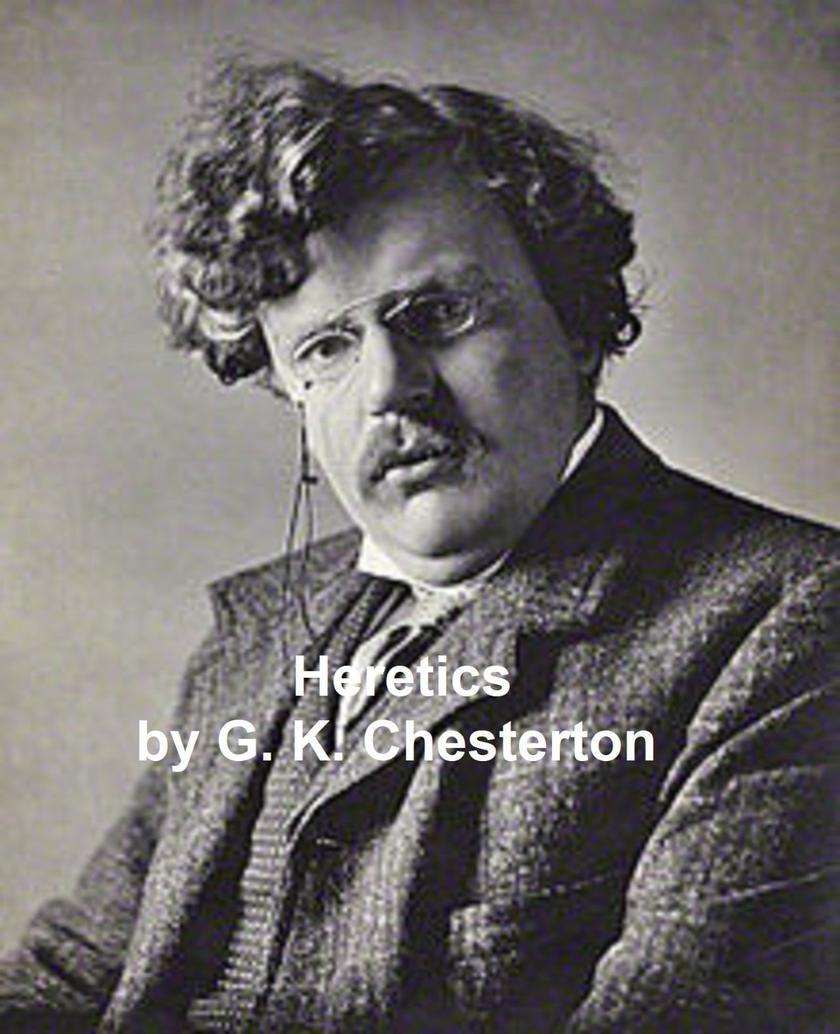
Heretics
¥8.09
Classic collection of essays. Introductory Remarks on the Importance of Orthodoxy, On the Negative Spirit, On Mr. Rudyard Kipling and Making the World Small, Mr. Bernard Shaw, Mr. H. G. Wells and the Giants, Christmas and the Esthetes, Omar and the Sacred Vine, The Mildness of the Yellow Press, The Moods of Mr. George Moore, On Sandals and Simplicity, Science and the Savages, Paganism and Mr. Lowes Dickinson, Celts and Celtophiles, On Certain Modern Writers and the Institution of the Family, and On Smart Novelists and the Smart Set, On Mr. McCabe and a Divine Frivolity, On the Wit of Whistler, The Fallacy of the Young Nation, Slum Novelists and the Slums, and Concluding Remarks on the Importance of Orthodoxy. According to Wikipedia: "Gilbert Keith Chesterton (29 May 1874 – 14 June 1936) was an influential English writer of the early 20th century. His prolific and diverse output included journalism, philosophy, poetry, biography, Christian apologetics, fantasy and detective fiction. Chesterton has been called the "prince of paradox." Time magazine, in a review of a biography of Chesterton, observed of his writing style: "Whenever possible Chesterton made his points with popular sayings, proverbs, allegories—first carefully turning them inside out."


