


 购物车
购物车 个人中心
个人中心
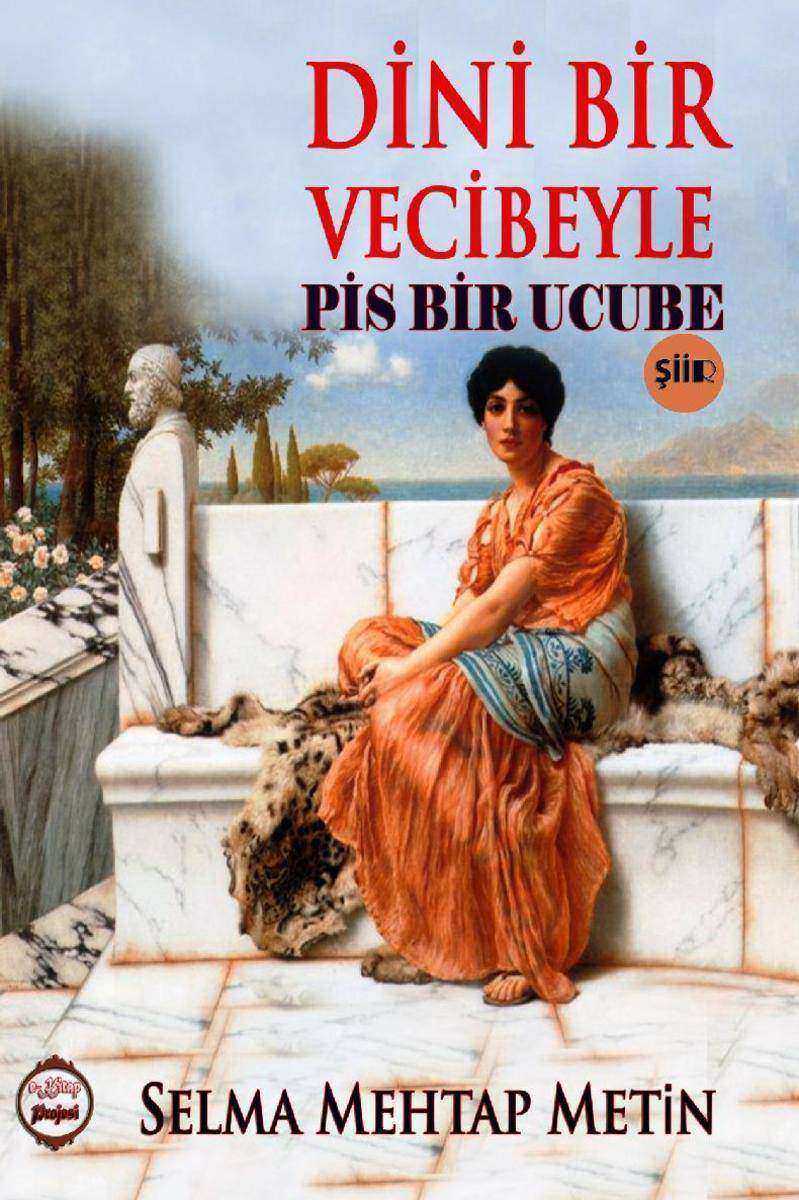
Dini Bir Vecibeyle Pis Bir Ucube
¥18.56
Gerek aklara gerek insanlara yazmtm iirlerimi... Bana pis bir ucubeymiim gibi davranan ucubeye... nsan hi ucubeye iir yazar m demeyin! Benimki gerek bir ak hikayesiydi... yle sandm...Küüktüm.... Aldandm... Hani bize hep anlatlan kurbaa prens hikayesi var ya; Ben hep kurbaann prens olacan düünmütüm, ama nereden bilebilirdim prensimin kurbaa kacan... Kurbaamn da yok olacan... Bu kitabm benim gibi kurbaay prens zanneden gen kzlara, incinmi aldatlm tüm kadnlara, terk edilmi aklara ve ak ararken insann nasl ac ektiini, her eyini kaybetmiliini anlamak isteyen ak hrszlarna gelsin... ve tüm iir dostlarna.... Ben küük bir kzdm, ok incindim... Lütfen siz incinmeyin ve sizi kimsenin incitmesine izin vermeyin... UCUBEYE... Bugün tam on iki sene oldu gidiinin ardndan.. Uzun uzun yolunu gzleyiimle, hala bana bunu nasl yapt deyiimle geen on iki sene... On iki senedir hi grmedim seni... Belki yüzünü bile unuttum; zaten sesini hi hatrlamyorum. Karma ksan tanmam bile. Sadece benden aldn ak, güven, huzur, mutluluk duygularn bulmaya alyorum. Yalnzlm iimde gibi büyürken braktn korkularla adm atmaya ekindim her ak araymda... Ve yllarca yazdm sen bilmesen de sana...
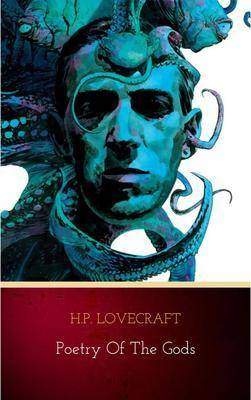
Poetry of the Gods
¥9.00
Poetry and the Gods is a short story by horror writer and poet H.P. Lovecraft in collaboration with writer Anna Helen Crofts. The story is very different from the vast majority of Lovecraft's other work and collaborations. It does, however, bear similar themes regarding dreams as a doorway to magic realms, and slumbering gods. The narrative follows the dream-voyage of Marcia, a young woman filled with weariness of the mundane world and all its woes. She resolves to ease her troubled soul by reading a magazine of poetry. As she does, a dream-state unfolds in which the Greek god Hermes appears and bears Marcia to the court of Zeus and the Olympians.
Legende istorice
¥16.35
Cel ce a scris aceast?? c??rticic?? ?i al c??rui nume s-a tot pitit p?n?? acuma sub modestul titlul de Culeg??torul tipograf p?n?? c?nd ?n sf?r?it meritele sale literare de to?i recunoscute ne-au f??cut s??-l silim acum pentru ?nt?ia?i dat?? a se da ?n vileagul publicit???ii cel ce a scris aceast?? c??rticic?? zic mi-a f??cut onoarea ?i pl??cerea de a m?? consulta adesea asupra alegerii faptelor pe care voia s?? le povesteasc?? ?ntr-?nsa. I-a dat ?n minte d-lui P. Ispirescu bunul g?nd de a l??muri pe cei din cititori rom?ni care nu sunt tocmai c??rtutari ad?nci asupra unei mul?imi de nume de cuvinte ?i de zic??tori str??ine pe cari ?n timpul de acum le ?ntrebuin?eaz?? mereu scriitorii no?tri prin gazete ?i prin felurite c??r?i. [...] Apoi pentru un a?a bun serviciu nu se cade oare s?? mul?umim domnului P. Ispirescu culeg??torul ?i scriitorul at?tor Basme Snoave ?i Zic??tori rom?ne?ti con?tiinciosul ?i merituosul lor editor? Ba z??u foarte mult ?i eu unul m?? simt acum fericit c?? mi-a dat ?nsu?i prilejul de a-i aduce prin aceste r?nduri cel dint?i prinos de mul?umire. Sunt ?ncredin?at c?? ?n urm??-mi are s?? se adune gloat?? mare. A. I. ODOBESCU
![Sing a Song of Sixpence: [Illustrated]](https://platform-permanent.ddimg.cn/pt-media-info-soa-resource/digital/product/53/13/1901165313_ii_cover.jpg?version=72ffa993-0d82-44e1-96c7-94b432ffcec8)
Sing a Song of Sixpence: [Illustrated]
¥9.24
A brand new sixpence fresh from the Mint! How it sparkled and glittered in the dancing sunlight! Such a treasure for a small girl to possess! But then, on the other hand, what a heavy responsibility!??All day long it had been burning a hole in her pocket, and as for learning lessons, not an idea would enter her head. Everything went in at one ear and out of the other, as Miss Primmer sternly remarked when Nellie could not say her poetry. But, indeed, Nellie did try hard to learn her lessons; she squeezed her eyes together as tightly as possible, though how shutting her eyes was to prevent the lessons from coming out of her ears was not very clear. ??"But I must learn them now," she sighed, "or Miss Primmer will keep me in tomorrow, and I shan't be able to go out with Nursie and Reggie to spend my sixpence. Oh dear! I wish I could learn my poetry and keep it in, I guess I'd better get a bit of cotton wool to put in my ears and then it can't come out. There, now!
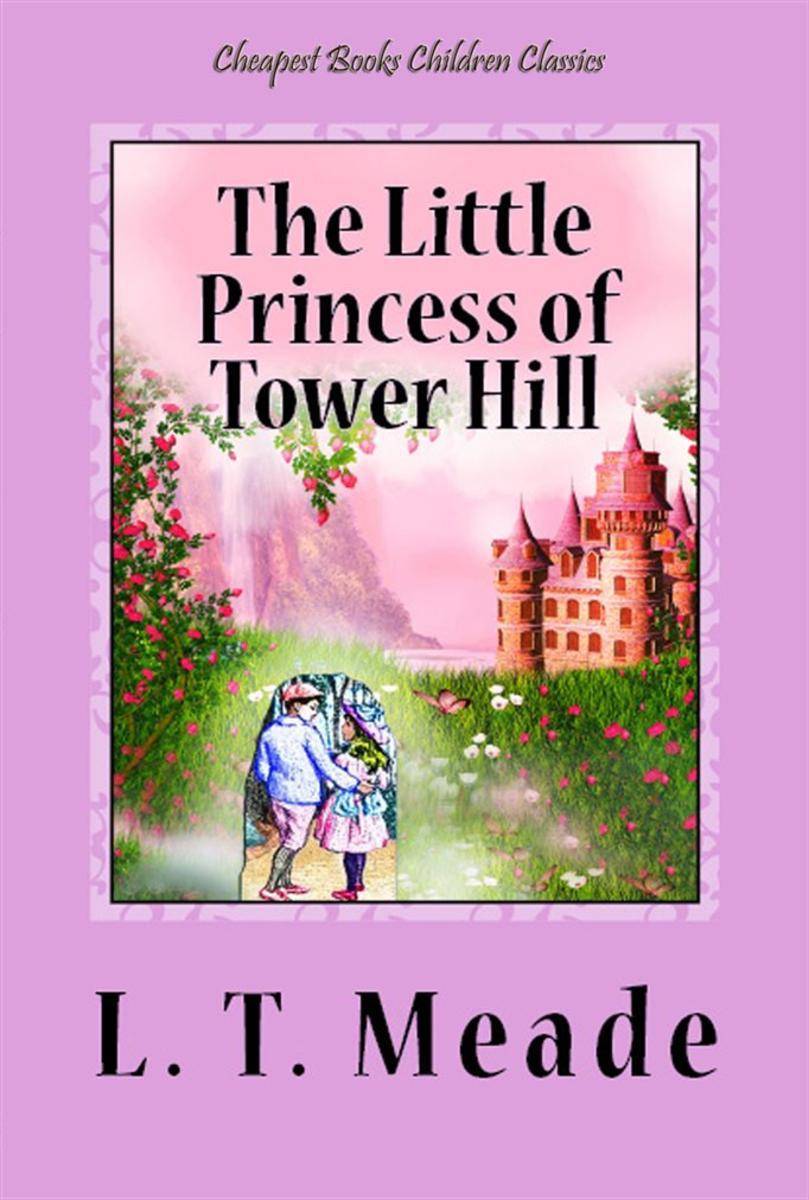
The Little Princess of Tower Hill
¥18.56
All the other children who knew her thought Maggie a wonderfully fortunate little girl. She was sometimes spoken about as the "Little Princess of Tower Hill," for Tower Hill was the name of her father's place, and Maggie was his only child. ??The children in the village close by spoke of her with great respect, and looked at her with a good deal of longing and also no slight degree of envy, for while they had to run about in darned and shabby frocks, Maggie could wear the gayest and daintiest little dresses, and while they had to trudge sometimes even on little bare feet, Maggie could sit by her mother's side and be carried rapidly over the ground in a most delicious and luxurious carriage, or, better still, she might ride on her white pony Snowball, followed by a groom. The poor children envied Maggie, and admired her vastly, and the children of those people who, compared to Sir John Ascot, Maggie's father, might be considered neither rich nor poor, also thought her one of the most fortunate little girls in existence. Mag-gie was nearly eight years old, and from her very earliest days there had been a great fuss made about her. At the time of her birth bonfires had been lit, and oxen killed and roasted whole to be given away to the poor people, and Sir John and Lady Ascot did not seem at all disappointed at their baby being a girl instead of a son and heir to the old title and the fine old place. ??There was a most extraordinary fuss made over Maggie while she was a baby; her mother was never tired of visiting her grand nurseries and watching her as she lay asleep, or smiling at her and kissing her when she opened her big, bright blue eyes.
![Borsaya Teknik Bak??: [A??klamal? Terimler ve Diyagramlarla]](https://platform-permanent.ddimg.cn/pt-media-info-soa-resource/digital/product/53/19/1901165319_ii_cover.jpg?version=14b54572-54c5-4d0d-94e7-6a83bd5cd642)
Borsaya Teknik Bak??: [A??klamal? Terimler ve Diyagramlarla]
¥37.11
NSZ / GR Ekonomik Analiz Hisse fiyatlar genel ekonomik koullardan etkilendiinden dolay ekonomik analiz temel analizin ilk aamasn oluturur. Hisse senetlerine yaplan bir yatrmn krla sonulanma olaslnn, gülü ve büyüyen ekonomilerde daha yüksek olduu bilinmektedir. Dolaysyla bu aamada hisse senedi yatrm iin genel ekonomik konjonktürün uygun olup olmad belirlenmeye allr. Zira ekonomik konjonktürdeki canlanma beklentisi hisse senedi yatrm iin uygun bir ortam iken, ekonomik konjonktürdeki daralma (resesyon) beklentisi hisse senedi yatrmlarndan klmas iin uygun bir ortama iaret eder. Ekonomik konjonktürdeki canlanma veya daralma beklentisi gstergelerden hareketle ekillenir. Ancak bu gstergeleri okuyabilmek ya da a deerlendirebilmek iin, nce genel olarak ekonomi ve ekonominin dinamikleri noktasnda bilgi sahibi olmak gerekir. Basite ifade edilmeye allan genel ekonomideki gelimeler ve sorunlar yakndan takip edilerek gelecek hakknda yaplan tahminler, yatrmclar asndan büyük nem tar. Ekonomik analizde ilk olarak dünyadaki ekonomik, sosyal ve politik gelimeler deerlendirilir. Daha sonra ise bu gelimelerin ülke ekonomisine olas etkileri deerlendirilir. Daha nce de ifade edildii üzere, bu tür deerlendirmeler ekonomik gstergelerden hareketle yaplr. Dolaysyla ekonomik analizde hangi ekonomik gstergelerin kullanlabilecei ve bu gstergelerin nasl deerlendirilecei konusu en nemli aamadr. Bu gstergeler ekonomik konjonktür hakknda bir fikir verecektir. Yazar Hakknda [Tarkan zhan, 1969-] RENM DURUMU: Trakya üniversitesi Blüm: Fen Fakultesi Kimyager MESLE: Borsac, Trader, Portfoy Ynetimi Aktif alma süresi; 25 yl
Hypnos
¥9.00
"Hypnos" is a short story by H.P. Lovecraft, penned in March 1922 and first published in the May 1923 issue of National Amateur. The narrator, a sculptor, recounts meeting a mysterious man in a railway station. The moment the man opened his "immense, sunken and widely luminous eyes", the narrator knew that the stranger would become his friend-–"the only friend of one who had never possessed a friend before". In the eyes of the stranger he saw the knowledge of the mysteries he always sought to learn

The Horror at Martin's Beach
¥8.98
Sailors kill a 50-foot creature at sea after a lengthy battle. The creature bears strange anatomical irregularities such as a single large eye and rudimentary forelegs and six-toed feet in place of pectoral fins. After inspection by marine biologists, it is revealed to be just a juvenile. The captain who captured the creature tours the coast and profits from the corpse of the deceased creature. As the captain attempts to finish his business at Martin's Beach, a group of swimmers are attacked. The captain and others attempt to rescue the victims but it is too late. The rescuers and the captain are hypnotized and pulled into the water by the creature's apparently vengeful mother, to the horror of an onlooking crowd.
Wonderful Stories for Children
¥19.05
STORIES:?OLE LUCKOIE, (SHUT-EYE.)?MONDAY.?TUESDAY.?WEDNESDAY.?THURSDAY.?FRIDAY.?SATURDAY.?SUNDAY.?THE DAISY.?THE NAUGHTY BOY.?TOMMELISE.?THE ROSE-ELF.?THE GARDEN OF PARADISE.?A NIGHT IN THE KITCHEN.?LITTLE IDA'S FLOWERS.?THE CONSTANT TIN SOLDIER.?THE STORKS.??There is nobody in all this world who knows so many tales as Ole Luckoie! He can tell tales! In an evening, when a child sits so nicely at the table, or on its little stool, Ole Luckoie comes. He comes so quietly into the house, for he walks without shoes; he opens the door without making any noise, and then he flirts sweet milk into the children's eyes; but so gently, so very gently, that they cannot keep their eyes open, and, therefore, they never see him; he steals softly behind them and blows gently on their necks, and thus their heads become heavy. ??Oh yes! But then it does them no harm; for Ole Luckoie means nothing but kindness to the children, he only wants to amuse them; and the best thing that can be done is for somebody to carry them to bed, where they may lie still and listen to the tales that he will tell them.
The Dunwich Horror
¥9.00
In H.P. Lovecraft’s, "The Dunwich Horror", we are told the story of Wilbur Whateley, the son of a deformed albino mother and an unknown father (alluded to in passing by the mad Old Whateley as "Yog-Sothoth"), and the strange events surrounding his birth and precocious development. Wilbur matures at an abnormal rate, reaching manhood within a decade. All the while, his sorcerer grandfather indoctrinates him into certain dark rituals and the study of witchcraft.

Kay?p Halkan?n S?rr?
¥18.56
Yazar, bandan geen gizemli olaylar okuyucusuyla paylamaktadr.Yazar yal bir kadn tesadüfen kaldrmda baygn vaziyette bulur hastaneye kaldrr fakat daha sonra hastane odasnda brakr ve mutsuz ekilde Bodrum’a geri dner. ünkü yaynevlerinden bekledii ilgiyi grmez.Doktor hemire ve hastalar kadn ok sever ve sahip karlar.Yal kadna daha sonra devlet sahip kar ve onu bir huzur evine yatrr. Yal kadn orada da ok sevilir. Fakat huzur evi müdürü kadndan üphelenir. Yazar ise bir türlü istedii eseri yazamamaktadr. stelik ok sevdii ruh eine kavuamamaktadr. Bütün skntlarn zecek gü yal kadndr fakat yazar bunu bilmez. Fakat yazarn kader dngüsü deimek üzeredir ve yal kadn onu kendisine doru arr.Yazar balarda bununla mücadele etmeye alr fakat daha sonra pes eder. stanbul’a doru yolculuk yapmaya karar verir. Yolculuk esnasnda rüyasnda gerilim ve gizemli olaylar grür bilmedii ey aslnda bu olaylarn gerekte yaanddr. Yal kadn düündüü kii deildir.Yazarn gizemli bir ekilde tant yal kadnn srlar vardr. Yazar gerek grevi iin armaktadr.Aslnda yazar kayp halkadan birisidir.
The Descendant
¥9.00
"The Descendant" is a story fragment by American horror fiction writer H. P. Lovecraft, believed to have been written in 1927.[1] It was first published in the journal Leaves in 1938, after Lovecraft's death.

Dagon
¥9.00
The story is the testament of a tortured, morphine-addicted man who relates an incident that occurred during his service as an officer during World War I. In the unnamed narrator's account, his cargo ship is captured by an Imperial German sea-raider in "one of the most open and least frequented parts of the broad Pacific"
The Crawling Chaos
¥9.00
"The Crawling Chaos" is a short story by American writers H. P. Lovecraft and Winifred V. Jackson (first published April 1921 in the United Cooperative. As in their other collaboration, "The Green Meadow", the tale was credited to "Elizabeth Berkeley" (Jackson) and "Lewis Theobald, Jun" (Lovecraft). The story begins with the narrator describing the effects of opium and the fantastical vistas it can inspire. The narrator then tells of his sole experience with opium in which he was accidentally administered an overdose by a doctor during the "year of the plague".
Nero
¥27.88
IN ancient times, when the city of Rome was at the height of its power and splendor, it was the custom, as it is in fact now with the inhabitants of wealthy capitals, for the principal families to possess, in addition to their city residences, rural villas for summer retreats, which they built in picturesque situations, at a little distance from the city, sometimes in the interior of the country, and sometimes upon the seashore. There were many attractive places of resort of this nature in the neighborhood of Rome. Among them was Antium.??The beauty and the salubrity of Antium made it a very attractive place of summer resort for the people of Rome; and in process of time, when the city attained to an advanced stage of opulence and luxury, the Roman noblemen built villas there, choosing situations, in some instances, upon the natural terraces and esplanades of the promontory, which looked off over the sea, and in others cool and secluded retreats in the valleys, on the land. It was in one of these villas that NERO was born.??NERO's father belonged to a family which had enjoyed for several generations a considerable degree of distinction among the Roman nobility, though known by a somewhat whimsical name. The family name was Brazenbeard, or, to speak more exactly, it was Aheno-barbus, which is the Latin equivalent for that word. ?
The Colour Out of Space
¥9.00
"The Colour Out of Space" is a first-person narrative written from the perspective of an unnamed surveyor from Boston. In order to prepare for the construction of a new reservoir in Massachusetts, he surveys a rural area that is to be flooded near Lovecraft's fictional town of Arkham. He comes across a mysterious patch of land, an abandoned five-acre farmstead, which is completely devoid of all life.
A Story of the Golden Age of Greek Heroes: Pictured & Illustrated
¥28.29
YOU have heard of Homer, and of the two wonderful poems, the Iliad and the Odyssey, which bear his name. No one knows whether these poems were composed by Homer, or whether they are the work of many different poets. And, in fact, it matters very little about their authorship. Everybody agrees that they are the grandest poems ever sung or written or read in this world; and yet, how few persons, comparatively, have read them, or know any thing about them except at second-hand! ? Homer commences his story, not at the beginning, but "in the midst of things;" hence, when one starts out to read the Iliad without having made some special preparation beforehand, he finds it hard to understand, and is tempted, in despair, to stop at the end of the first book. Many people are, therefore, content to admire the great masterpiece of poetry and story-telling simply because others admire it, and not because they have any personal acquaintance with it.? Now, it is not my purpose to give you a "simplified version" of the Iliad or the Odyssey. There are already many such versions; but the best way for you, or any one else, to read Homer, is to read Homer. If you do not understand Greek, you can read him in one of the many English translations. You will find much of the spirit of the original in the translations by Bryant, by Lord Derby, and by old George Chapman, as well as in the admirable prose rendering by Butcher and Lang; but you can get none of it in any so-called simplified version.??My object in writing this "Story of the Golden Age" has been to pave the way, if I dare say it, to an enjoyable reading of Homer, either in translations or in the original. I have ta-ken the various legends relating to the causes of the Trojan war, and, by assuming certain privileges never yet denied to story-tellers, have woven all into one continuous narrative, ending where Homer's story begins. The hero of the Odyssey—a character not always to be admired or commended—is my hero. And, in telling the story of his boyhood and youth, I have taken the opportunity to repeat, for your enjoyment, some of the most beautiful of the old Greek myths. If I have, now and then, given them a coloring slightly different from the original, you will remember that such is the right of the story-teller, the poet, and the artist. The essential features of the stories remain unchanged. I have, all along, drawn freely from the old tragedians, and now and then from Homer himself; nor have I thought it necessary in every instance to mention authorities, or to apologize for an occasional close imitation of some of the best translations. The pictures of old Greek life have, in the main, been derived from the Iliad and the Odyssey, and will, I hope, help you to a better understanding of those poems when you come to make acquaintance directly with them.??Should you become interested in the "Story of the Golden Age," as it is here related, do not be disappointed by its somewhat abrupt ending; for you will find it continued by the master-poet of all ages, in a manner both inimitable and unapproachable. If you are pleased with the discourse of the porter at the gate, how much greater shall be your delight when you stand in the palace of the king, and hearken to the song of the royal minstrel! ?
The Book
¥9.00
"The Book" is an unfinished short story by American horror fiction writer H. P. Lovecraft, believed to have been written in late 1933. It was first published in the journal Leaves in 1938, after Lovecraft's death. In the story fragment, the narrator is given an ancient book by a strange bookseller, and when he takes it home and examines it, weird and sinister events ensue.
America First: —100 Stories from Our History—
¥23.54
WHEN children advance beyond the nursery age, no story is so wonderful as a true story. Fiction to them is never as appealing as fact. I have often been faced with the inquiry: whether or not a story is a true one. The look of gratification, when told that "it actually happened," was most satisfying to me as a story-teller.??The nearer a story is to the life and traditions of the child, the more eagerly it is attended. True stories about our own people, about our neighbors and friends, and about our own country at large, are more interesting than true stories of remote places and people. We naturally are interested in our own affairs, and the nearer they are to us the greater the interest we feel.??That history is just a long, thrilling story of the trials and triumphs of pioneers and patriots is well known to those who have had to do with the teaching of history to youthful minds. That the dry recital of political and governmental history does not interest children is also well known. History should be made vital, vibrant, and personal if we expect children to be stirred by its study.?To gratify the love of children for the dramatic and picturesque, to satisfy them with stories that are true, and to make them familiar with the great characters in the history of their own country, is the purpose of this volume.??It is hoped that through appeal to youthful love of adventure, this collection of stories, covering the entire range of American history, will stimulate the ambition and strengthen the patriotism of those young citizens whose education has been the constant concern of the author for many years.
Fairy Stories and Fables
¥28.29
The longer stories in this book are called Fairy Stories, because that is the name by which such tales are always known to children; and yet only a very few contain any direct reference to fairies. The most of them have to do with talking animals and with strange incidents and transformations such as have always delighted the childish fancy. They have been drawn from a variety of sources; and liberty has been taken to make such changes in the narratives as seemed most necessary to adapt them to the understanding and needs of the children of our own time and country. ??Free renderings, they may be called, of some of the most popular folktales of foreign lands. The Three Bears, Tom Thumb, Jack and the Beanstalk, and Tom Tit Tot are old English favorites dressed in modern garb; Little Red Riding Hood, Puss in Boots, Princet and the Golden Blackbird, and Drakesbill and his Friends are variants of the well-known French versions by Perrault, Marelles, and Sebillot; Little Tuppen and The Three Goats named Bruse are from Norwegian sources; and the rest are founded upon German originals. In the retelling of these tales care has been taken to avoid whatever might distress the most sensitive child as well as everything that could give a wrong bias to his moral nature or distort his perception of the beautiful and the true.
Fifty Famous People: "A Book of Short Stories"
¥28.29
ONE of the best things to be said of the stories in this volume is that, although they are not biographical, they are about real persons who actually lived and performed their parts in the great drama of the world's history. Some of these persons were more famous than others, yet all have left enduring "footprints on the sands of time" and their names will not cease to be remembered. ??In each of the stories there is a basis of truth and an ethical lesson which cannot fail to have a wholesome influence; and each possesses elements of interest which, it is believed, will go far towards proving the fallibility of the doctrine that children find delight only in tales of the imaginative and unreal. The fact that there are a few more than fifty famous people mentioned in the volume may be credited to the author's wish to give good measure.??SAVING THE BIRDS?ONE day in spring four men were riding on horseback along a country road. These men were lawyers, and they were going to the next town to attend court.?There had been a rain, and the ground was very soft. Water was dripping from the trees, and the grass was wet.?The four lawyers rode along, one behind another; for the pathway was narrow, and the mud on each side of it was deep. They rode slowly, and talked and laughed and were very jolly.?As they were passing through a grove of small trees, they heard a great fluttering over their heads and a feeble chirping in the grass by the roadside.? "Stith! stith! stith!" came from the leafy branches above them.?"Cheep! cheep! cheep!" came from the wet grass.?"What is the matter here?" asked the first lawyer, whose name was Speed.?"Oh, it's only some old robins!" said the second lawyer, whose name was Hardin. "The storm has blown two of the little ones out of the nest. They are too young to fly, and the mother bird is making a great fuss about it."?"What a pity! They'll die down there in the grass," said the third lawyer, whose name I forget.?"Oh, well! They're nothing but birds," said Mr. Hardin. "Why should we bother?"? "Yes, why should we?" said Mr. Speed.?The three men, as they passed, looked down and saw the little birds fluttering in the cold, wet grass. They saw the mother robin flying about, and crying to her mate.?Then they rode on, talking and laughing as before. In a few minutes they had forgotten about the birds.?But the fourth lawyer, whose name was Abraham Lincoln, stopped. He got down from his horse and very gently took the little ones up in his big warm hands.


