


 购物车
购物车 个人中心
个人中心

Cum s? scapi de anxietate
¥51.50
De peste 160 de ani, impozanta Cavendon Hall este re?edin?a a dou? familii ale c?ror destine s-au ?ntrep?truns inexorabil: aristocra?ii Ingham ?i slujitorii lor loiali, membrii familiei Swann Charles Ingham, al ?aselea conte de Mowbray, locuie?te aici cu so?ia lui Felicity ?i cu cei ?ase copii. Lady Daphne, cea mai frumoas? dintre cele patru fiice ale contelui, se preg?te?te s?-?i fac? debutul ?n ?nalta societate, iar acest eveniment capteaz? aten?ia ?ntregii familii. ?ns? cineva ?i-a pus ?n g?nd s? distrug? totul ? ?i a ales cel mai crud mod cu putin??. Consecin?ele pot fi dezastruoase at?t pentru via?a ?i reputa?ia frumoasei tinere, c?t ?i pentru ?ntreaga familie ?i pentru numele de Ingham. Re?ntoarcerea lui Hugo Ingham Stanton, v?rul primar al contelui, alungat de la Cavendon Hall cu ?aisprezece ani ?n urm? de c?tre propria mam?, va fi pentru Lady Daphne nu numai o salvare providen?ial?, ci ?i g?sirea unei iubiri pentru o via??. Sub amenin?area Primului R?zboi Mondial, familiile Ingham ?i Swann vor fi supuse unor ?ncerc?ri pe care nu le-ar fi crezut niciodat? posibile – loialit??i vor fi puse sub semnul ?ntreb?rii, secrete vor fi dezv?luite ?i iubiri vor fi tr?date. ?n acele vremuri pline de incertitudini, un singur lucru este sigur: pentru cele dou? familii, via?a nu va mai fi niciodat? la fel. Roman a c?rui ac?iune se desf??oar? pe o perioad? de ?aisprezece ani, ?ntre 1913 ?i 1929, Cavendon Hall nu-i va dezam?gi pe cititorii Barbarei Taylor Bradford. ?Fani Downton Abbey, preg?ti?i-v?! Ac?iunea urm?torului bestseller al Barbarei Taylor Bradford se petrece ?n Anglia edwardian?, unde membrii familiei Swann i-au slujit cu credin?? pe aristocra?ii Ingham vreme de secole. Dar, odat? cu Primul R?zboi Mondial, totul se schimb?…” Library Journal ?Barbara Taylor Bradford scrie o saga clasic? despre loialit??i, secrete, pasiuni ?i intrigi. O carte pentru fanii Downton Abbey.” Mail Online ?n cele aproape patru decenii de carier?, Barbara Taylor Bradford a scris 35 de bestselleruri, v?ndute ?n 92 de milioane de exemplare, ?n 90 de ??ri ?i traduse ?n 40 de limbi. Zece dintre romanele sale au fost ecranizate, bucur?ndu-se, ca ?i c?r?ile, de un succes remarcabil.
The Sign of the Four
¥8.82
First published in 1890, The Sign of Four is Sir Arthur Conan Doyle's second book starring legendary detective Sherlock Holmes. The story is complex, involving a secret between four ex-cons from India and a hidden treasure. More complex than the first Holmes novel, The Sign of Four also introduces the detective's drug habit and leaves breadcrumbs for the reader that lead toward the final resolution.

Through the Magic Door
¥8.82
Through the Magic Door (1907) is an essay by Arthur Conan Doyle: his subject is the charisma and charm of books. Doyle invites readers to enjoy the greatest minds of all times through what they have left behind and argues that, when we read, the selfishness and hopelessness of the world can be left behind.
The Orange Fairy Book
¥8.82
Andrew Lang's Fairy Books — also known as Andrew Lang's "Coloured" Fairy Books or Andrew Lang's Fairy Books of Many Colors — are a series of twelve collections of fairy tales, published between 1889 and 1910.
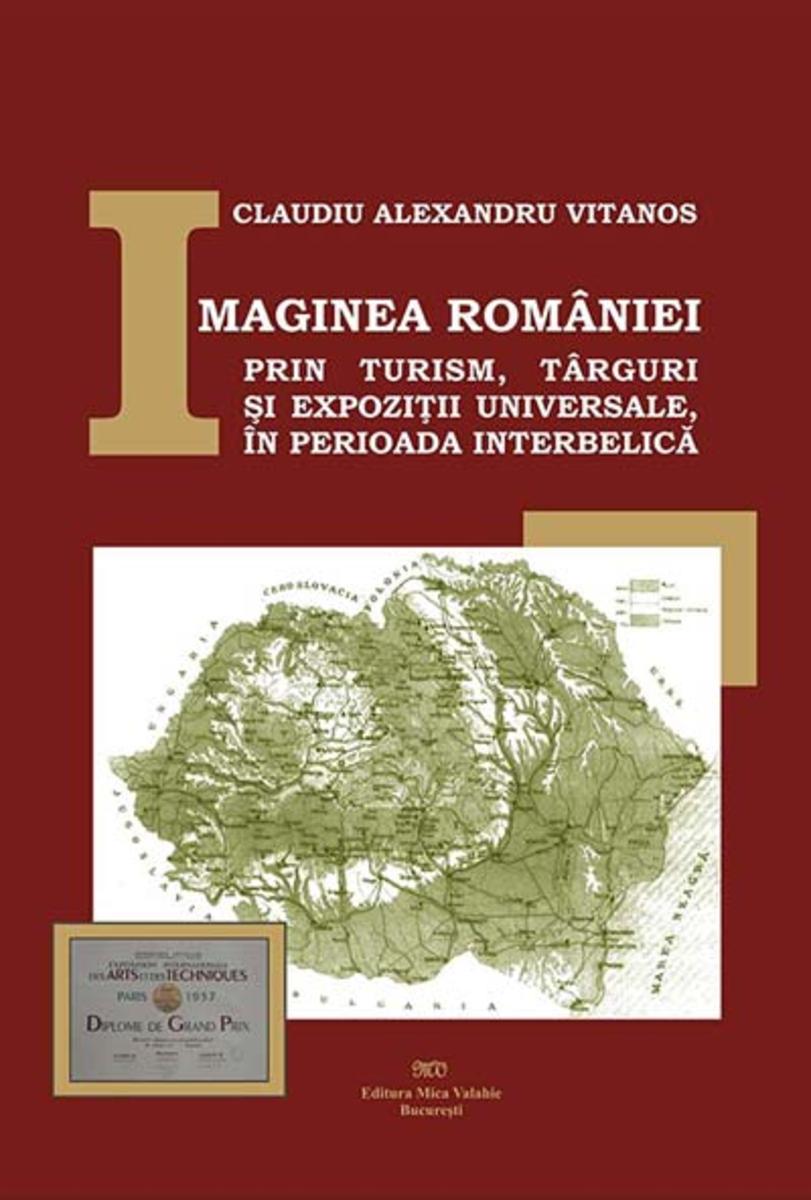
Imaginea Rom?niei prin turism, t?rguri ?i expozi?ii universale, ?n perioada inte
¥147.07
Anna Benz aminte?te de Karenina, combin?nd ?n plus senzualitatea periculoas? din 50 de umbre ale lui Grey ?i disperarea Doamnei Bovary.Anna Benz, o americanc? ?n v?rst? de aproape 40 de ani, locuie?te cu so?ul s?u elve?ian, Bruno – care este bancher – ?i cei trei copii mici ai lor ?ntr-un or??el lini?tit de l?ng? Zürich. De?i duce o via?? prosper? ?i a?ezat?, Anna simte c? e ?n pragul unui colaps mental. ?n deriv? ?i incapabil? s? comunice cu so?ul ei ?i s?-?i ?n?eleag? propriile g?nduri ?i sentimente, Anna ?ncearc? s?-?i reg?seasc? entuziasmul cu ajutorul unor experien?e noi: cursuri de german?, analiz? jungian? ?i o serie de aventuri sexuale ?n care intr? cu o non?alan?? ce o uime?te p?n? ?i pe ea.Dar situa?ia devine tot mai ap?s?toare ?i v?rtejul de minciuni ?i scap? de sub control.Pentru c? a trecut dincolo de limitele moralei, Anna va descoperi c? nu mai exist? ?ntoarcere.“Un roman de debut despre Anna, o casnic? plictisit? care, asemenea eroinei cu acela?i nume din romanul lui Tolstoi, se arunc? ?ntr-o aventur? psihologic? ?i sexual? a autocunoa?terii.“ - The Oprah MaMagazine“Senzual ?i profund, acest roman extraordinar de bine scris dezv?luie sufletul sf??iat al unei femei.“ - People“Cartea lui Essbaum e construit? impecabil, meticulos, iar alternan?a trecut-prezent e redat? cu mare virtuozitate.“ - Chicago Tribune“?n copil?rie visam s? ajung o romancier? faimoas?. Scriam pove?ti care erau minunate, a?a cum sunt inven?iile copil?riei, dar sunau ?ngrozitor. Mai t?rziu mi-am dat seama c? m? pricep la jocul poeziei, apoi versurile au devenit paragrafe…“ - Jill Alexanander Essbaum
Helen of Troy
¥8.82
In Greek mythology, Helen, better known as Helen of Sparta or Helen of Troy, was daughter of Zeus and Leda, wife of king Menelaus of Sparta and sister of Castor, Polydeuces and Clytemnestra. Her abduction by Paris brought about the Trojan War. Helen was described as having the face that launched a thousand ships. Helen or Helene is probably derived from the Greek word meaning "torch" or "corposant" or might be related to "selene" meaning "moon".
?inutul Loney
¥73.49
Fanii primului volum din trilogia Alb?-ca-z?pada au motive de bucurie: Lumikki Andersson, adolescenta ciudat? ?i rebel?, vine cu o nou? poveste!Lumikki c?l?tore?te la Praga, unde o cunoa?te pe Zelenka. Aceasta ?i dezv?luie c? este sora ei, iar povestea i se pare veridic? lui Lumikki.?n scen? apare ?i Jiri, reporter la canalul de ?tiri Super8. ?mpreun? cu el, Lumikki ?ncearc? s? afle adev?rul legat de secta numit? Familia Alb?, din care face parte ?i Zelenka. Liderul sectei, Adam, pune la cale sinuciderea ?n mas? a membrilor acesteia.Lucrurile se precipit?, iar finalul aduce dezv?luiri surprinz?toare ?i ?nc? o lec?ie de via?? pentru Lumikki: fiecare om are o latur? ascuns? ?i inocen?a nu e ne?ntinat? ca z?pada.?Salla Simukka e o t?n?r? autoare extraordinar de talentat?. Trilogia Alb?-ca-Z?pada poate sta al?turi de cele mai dure thrillere nordice ?i are o eroin? nonconformist? pe m?sur?. ?n tu?e de ro?u, alb ?i negru, povestea lui Lumikki are o aur? de magie ?nghe?at?.“ – Kirkus Reviews?Lumea pe care o creeaz? Salla Simukka are un farmec exotic aparte. Finlanda, cu peisajele ?i locuitorii ei, r?m?ne un ?inut misterios, ?nc?rcat de legend?.“ – Publishers Weekly?Lumikki privea acum str?lucirea soarelui ?i albul norilor, g?ndindu-se c?, de?i c?l?toria nu-i d?duse vreun r?spuns la ?ntreb?rile trecutului, g?sise indicii. Era mai sigur? ca niciodat? c? Zelenka se apropiase surprinz?tor de adev?r. Visele ?i amintirile lui Lumikki erau adev?rate. Zelenka i le trezise, prin minciuna ei. Lumikki ?tia c? nu ??i imaginase jocul de-a Alb?-ca-Z?pada ?i Ro?ie-ca-Trandafirul. Totul se ?nt?mplase cu adev?rat.C?ndva, avusese o sor?.“
Niciodat? ?nduplecate. Al doilea volum al trilogiei Min?i primejdioase
¥106.19
Fascinant – cea mai bun lucrare de istorie militar din ultimii ani i o analiz edificatoare a disputelor care continu s mocneasc amenintor i azi. O carte extraordinar sub toate aspectele." – The New York Times O relatare palpitant i revelatoare a uneia dintre cele mai zbuciumate i legendare perioade din istoria secolului al XX-lea – Revolta Arab i marele joc" secret de a controla Orientul Mijlociu. CARTE INCLUS PE LISTA CELOR MAI BUNE TITLURI ALE ANULUI DE New York Times Christian Science Monitor NPR Seattle Times St. Louis Dispatch Chicago Tribune American Library Association Bazat pe cercetri extinse i intense, munc asidu n arhive, Lawrence n Arabia aduce o nou perspectiv asupra modului n care s-a configurat lumea Orientului Mijlociu. Cu o aciune de proporii epice, portretizri expresive, accente critice n condamnarea distrugerilor provocate de comploturile coloniale europene, volumul surprinde strlucit felul n care nesbuina trecutului declaneaz suferina prezentului. Printre numeroasele istorii individuale din Primul Rzboi Mondial care vor fi povestite i repovestite n cadrul centenarelor commemorate ntre 2014 i 2018, cea a lui T.E. Lawrence iese n eviden… Cartea lui Anderson nu putea fi mai oportun. Acum, cnd atenia ntregii lumi se concentreaz asupra Siriei i Egiptului, este uluitor s priveti n urm cu o sut de ani i s vezi un tablou asemntor…. Apelnd la o distribuie bogat, Anderson reuete s exploreze haosul din Orientul Mijlociu de la nceputul secolului al XX-lea dintr-o varietate de perspective distincte i revelatoare totodat. O mrturie captivant, de o mare complexitate i profunzime. – The New York Times Book Review Vast, hipnotic i – s ndrznim s o spunem – cinematografic n detaliu, Lawrence n Arabia ilustreaz modul n care biografia i istoria se poteneaz reciproc. – The Wall Street Journal Absorbii de mcelul ce avea loc n traneele Europei n Primul Rzboi Mondial, combatanii occidentali acordau prea puin importan teatrului de lupt din Orientul Mijlociu. Ca urmare, conflictul de aici a fost influenat surprinztor de mult de o mn de aventurieri i ofieri de rang mrunt aflai departe de marile coridoare ale puterii: Curt Prüfer – universitar tern, ataat pe lng Ambasada German din Cairo, Aaron Aaronsohn – renumit agronom provenit din Romnia i sionist nflcrat. William Yale – descendent scptat al unei familii aristocratice americane. n centrul acestui cerc se afla Lawrence – la nceputul lui 1914, doar un arheolog care lucre la spturi prin deerturile Siriei. n 1917 ajunsese deja cea mai romantic figur din Primul Rzboi Mondial, luptndu-se att cu inamicii Marii Britanii, ct i cu propriul guvern pentru a-i transforma n realitate viziunea sa asupra destinului poporului arab. Drumurile ncruciate ale acestor patru personaje – intrigile pe care le-au pus la cale, btliile pe care le-au purtat, trdrile pe care le-au suferit sau le-au uneltit ei nii – oglindesc grandoarea, complexitatea i tragedia rzboiului din deert.

Confesiuni psy. Psihologii, psihiatrii ?i psihoterapeu?ii se dest?inuie
¥90.84
Un angajat cu experien?? ajunge s? ia decizii financiare nes?buite, repet?nd, f?r? s? ?tie, istoria t?t?lui s?u, un parior "ratat" pe care nici m?car nu-l cunoscuse. O t?n?r? depresiv? vrea s? se sinucid? prin "evaporare", pentru ca mai apoi s? afle c? bunica ei supravie?uise camerelor de gazare de la Auschwitz. Un b?iat e cuprins de senza?ii inexplicabile de frig, f?r? s? ?tie c? unchiul s?u murise ?nghe?at.?Cartea de fa?? vorbe?te despre acele fobii, depresii ?i g?nduri obsesive care ne cople?esc f?r? s? ne d?m seama de unde ni se trag. Combin?nd cercet?rile din neuro?tiin?e cu interven?iile specifice constela?iilor familiale, autorul demonstreaz? ?n ce fel uneori ajungem s? mo?tenim ?i s? retr?im, ?n mod incon?tient, suferin?ele ?i traumele nerezolvate ale str?mo?ilor. Cititorul are la ?ndem?n? c?i utile pentru eliberarea de traumele mo?tenite pe cale transgenera?ional?. Aceste tehnici merg de la identificarea anxiet??ilor mascate dup? cuvinte ?i comportamente aparte p?n? la genogram?, dialogul imaginar cu str?mo?ii ?i eliberarea, prin compasiune, de suferin?ele genera?iilor trecute.
Arhive secrete, secretele arhivelor vol I
¥106.19
C??tig?tor al Michael L. Printz Honor Award"Cel mai bun roman pentru adolescen?i al anului 2015" - Boston Globe"Cea mai bun? carte a anului 2015" - Kirkus Reviews"Hubbard surprinde perfect toat? fr?m?ntarea primei iubiri, bucuria prieteniei ?i rela?ia complicat? dintre adolescen?i ?i adul?i." – VOYAPaul Wagoner, elev ?n ultimul an de liceu, intr? ?n ?coal? cu o arm? furat?, ??i amenin?? iubita, pe Emily Beam, apoi ??i ia via?a.Emily, furioas? ?i cople?it? de vin?, este trimis? la ?coala cu internat Amherst, unde dou? colege ciudate ?i spiritul lui Emily Dickinson ?i sar ?n ajutor.Dar Emily trebuie s? g?seasc? ?n ea ?ns??i for?a de a-?i vindeca sufletul r?nit, de a afla binele din spatele r?ului, speran?a din spatele disper?rii ?i promisiunea prim?verii, odat? cu ultima z?pad?."Gra?ioas? ca o pan? dus? de v?nt, aceast? poveste plin? de lirism vorbe?te despre experien?a vindec?rii ?n urma unei tragedii." - Kirkus Reviews"Z?pada mieilor e o mic? bijuterie. Aduce ?n scen? un personaj feminin puternic, care se str?duie?te din r?sputeri s? treac? peste un eveniment dureros din via?a ei." - School LibraryJournal"Stilul lui Hubbard e elegant ?i emo?ionant." - Publisher’s Weekly"Romanul acesta ?mbin? proza ?i poezia ?ntr-un mod aparte, iar efectul este uluitor." - Booklist
The Fat and the Thin
¥4.41
The third novel in Zola's twenty-volume series entitled "Les Rougon-Macquart," this story revolves around and within the 21-acre market Les Halles Centrales of Paris. The starving scholar Florent has escaped his unwarranted exile on Devil's Island, and he is alternately entranced and disgusted by his refuge in 'the belly of Paris.' Zola describes the market and Florent's experiences in the midst of it with his characteristically captivating comprehension, foreshadowing the total mastery of working-class speech in his later works. Florent makes a friend of Claude Lantier, a painter who explains the battle being waged in the vast Central Markets between the 'fat' burghers and 'thin' lower class, in which Florent is soon embroiled. He is a man caught between the fat and the thin, and this lack of allegiance leads to painful condemnation and Florent's ultimate disintegration. Presented here is the somewhat expurgated 1895 translation of Ernest Alfred Vizetelly, entitled "The Fat and the Thin".
El Arte de la Guerra
¥8.82
El arte de la guerra es un libro sobre tácticas y estrategias militares, inspirado por Sun Tzu, un famoso autor militar.

Acolo unde femeile sunt regi
¥73.49
Un roman din seria Vanessa Munroe?De la autoarea bestsellerului Femeia cameleon?Aventurile Vanessei Munroe continu? cu o nou? poveste plin? de adrenalin?!Cu ani ?n urm?, un b?rbat a r?pit o pe Hannah, o feti?? de cinci ani, din curtea ?colii ?i a trecut o grani?a ?n Mexic. Acolo a introdus o ?n lumea unei secte secrete – cea a Ale?ilor.?Acum ?ns? c??iva oameni vor s? dea de urma feti?ei. Oameni care au crescut ?n mijlocul sectei, dar care au reu?it, ?n ciuda suferin?ei suportate acolo, s? ?i construiasc? o via?? nou?.Supravie?uitorii ?n?eleg mecanismele mentale ?i religioase ce guverneaz? secta ?i apeleaz? la ajutorul oferit de Vanessa Munroe, ?tiind c? ea ar putea fi singura lor ?ans? de a o g?si pe Hannah."Vanessa Munroe ??i elibereaz? for?a distructiv? c?nd cei neputincio?i sunt amenin?a?i. E o eroin? cu totul special?: dur?, ne?nfricat?, dar ?n acela?i timp vulnerabil? ?i plin? de compasiune." – Publishers Weekly"Mult a?teptata continuare a seriei Vanessa Munroe… Stevens descrie foarte conving?tor lumea ?ntunecat? a manipul?rii, ?ndoctrin?rii ?i abuzului." – Booklist"Munroe love?te din nou!" – Library Journal?
Time Regained
¥9.00
The final volume of Remembrance of Things Past chronicles the years of World War I, when, as M. de Charlus reflects on a moonlit walk, Paris threatens to become another Pompeii. Years later, after the war's end, Proust's narrator returns to Paris, where Mme. Verdurin has become the Princesse de Guermantes. He reflects on time, reality, jealousy, artistic creation, and the raw material for literature-his past life.
Cabaret Biarritz
¥73.49
“Un thriller la fel de alert precum?Fata din tren??i?Fata disp?rut?. Vocea lui Flynn Berry este foarte puternic?.” -?The New York Times Book ReviewFinalist Edgar Award pentru cel mai bun roman de debutInclus pe listele 10 Best MysteryBooks and Thrillers of the Year (The Washington Post) ?i Best New Mysteries (The Wall Street Journal)C?nd Nora se duce s?-?i viziteze sora, tr?ie?te cel mai cumplit co?mar: Rachel a fost ucis? cu brutalitate.??ngrozit? ?i dezorientat?, Nora ??i d? seama c? nu mai poate reveni la via?a ei. Nu are ?ncredere c? poli?ia ?l va g?si pe uciga?ul surorii sale, a?a c? ?ncepe o investiga?ie pe cont propriu. Dar pe m?sur? ce frica pe care o simte se transform? ?n obsesie, ?i ea devine o alt? persoan?, descoperind totodat? o serie de secrete despre sora ei pe care nu ?i le-ar fi imaginat niciodat?.Un senza?ional thriller psihologic. O analiz? p?trunz?toare a iubirii feroce dintre dou? surori, a formelor pe care le ia suferin?a ?i a puterii teribile a trecutului.Sora pierdut??marcheaz? debutul unei scriitoare extraordinare.?“Flynn Berry scrie despre femei, violen?? ?i memorie ?ntr-un stil care aminte?te de romanele Paulei Hawkins. O poveste spus? cu aten?ie la detalii ?i din care r?zbate o disperare mut?.” -?USA Today“Sora pierdut??are atmosfera unui film de Hitchcock… Un thriller psihologic imprevizibil, care exploreaz? amestecul complicat de iubire ?i resentimente pe care ?l presupune rela?ia dintre dou? surori.” –?Booklist “Ceea ce m-a f?cut s? nu las cartea din m?n? nu a fost intriga, de?i e plin? de suspans ?i foarte bine construit?. Ci a fost scriitura perfect? a lui Flynn Berry. E o povestitoare genial?.” –?Jill Alexander Essbaum, autoarea romanului Casnica“Obsesie ?i amintire, furie ?i regret – despre toate acestea vorbe?te romanul de debut al lui Flynn Berry.” -?Library Journal
Sora pierdut?
¥65.32
C?nd "explodezi" de furie, gesturile necugetate pot avea consecin?e pe care s? le regre?i o via?? ?ntreag?: ajungi s?-?i strici rela?iile cu cei mai buni prieteni, ??i periclitezi situa?ia de la serviciu sau chiar te ?mboln?ve?ti grav. Reac?ia pasiv?, de tipul "Rabd? ?i ?ntoarce ?i cel?lalt obraz", dar ?i exprimarea brut? a furiei (prin lovirea unor perne, de exemplu) sunt, ambele, solu?ii la fel de nes?n?toase. Dar cum altfel s? faci fa?? stresului ?i nedrept??ilor ?i cum s? ??i aperi punctul de vedere, f?r? s? pari agresiv? Influentul terapeut american Albert Ellis te ajut? s?-?i ?n?elegi mai bine credin?ele care ??i provoac? furia, s? ??i exprimi ?n moduri asertive (dar neviolente) opiniile ?n fa?a celor care te-au m?niat, dar ?i s? aplici metode de relaxare ?i de control cognitiv-comportamental al reac?iilor afective exacerbate ?i al g?ndurilor ira?ionale disfunc?ionale. Miza c?r?ii nu const? ?n a-?i reprima sau ascunde furia, ci ?n a o accepta ?i a o modula ?n forme s?n?toase, care te pot ajuta s? fii mai asertiv ?i mai echilibrat.?

Alegerea potrivit? ?n dragoste. For?a incon?tientului
¥65.32
Fiecare secret e un accident care a?teapt? s? se ?nt?mpleE sezonul accidentelor, ?n fiecare an ?n aceea?i perioad?.Se rup oase, se sf??ie pielea, ?ncep s? apar? v?n?t?i.Sezonul accidentelor a f?cut dintotdeauna parte din via?a Carei, o adolescent? ?n v?rst? de ?aptesprezece ani: o lun? a tragediilor ?i r?nilor misterioase, care arunc? o umbr? constant? asupra Carei ?i a familiei sale.Anul acesta, ?n sezonul accidentelor nu se va l?sa doar cu oase rupte. Pentru c? acum Cara ?ncepe s? ?i pun? o serie de ?ntreb?ri – ?i toate secretele familiei sale vor ie?i la iveal?.Ame?itor, devastator, ?ntunecat ?i intens – sezonul accidentelor a sosit."Senza?ionalul roman de debut al Mo?rei Fowley Doyle ?mbin? planul temporal cu cel spiritual ?ntr-o realitate f?r? fisuri, cu un puternic impact emo?ional... Aceast? poveste profund? ?i va fermeca deopotriv? pe adolescen?i ?i adul?i." - School Library Journal"Fantome, secrete ?i magie se ?mpletesc ?n acest roman uluitor al autoarei irlandeze. Un portret impresionant al unei familii dezbinate, care ?ncearc? s? se reuneasc? prin iubire ?i curaj. Sezonul accidentelor e un roman puternic ce anun?? un talent aparte." - Kirkus Review
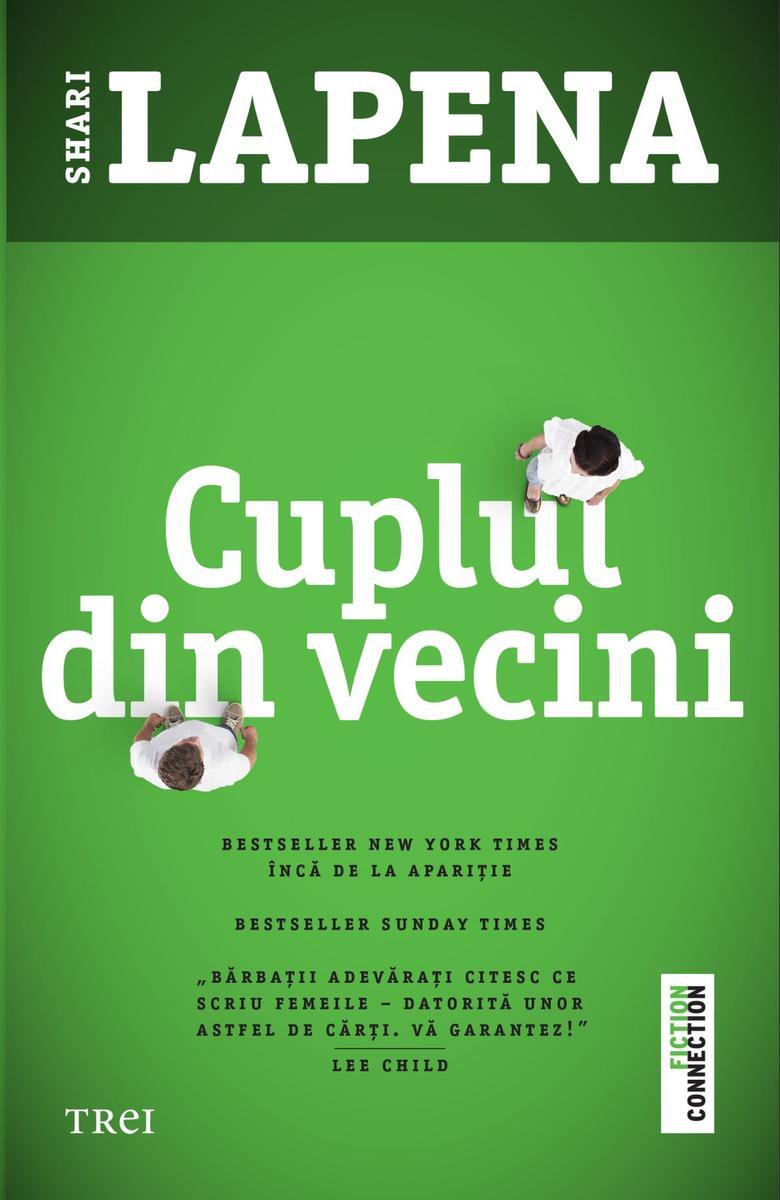
Cuplul din vecini
¥73.49
#1 New York Times Bestseller?# 1 USA Today BestsellerDe la autoarea celebrei trilogii GrishaUrmarea volumului Banda celor ?ase ciori (nominalizat la Carnegie Medal 2017) este un amestec de Urzeala tronurilor ?i Ocean’s ElevenKaz Brekker ?i echipa lui tocmai au dat o lovitur? at?t de ?ndr?znea??, ?nc?t nici ei nu credeau c? vor sc?pa teferi. Dar ?n loc s? pun? m?na pe o recompens? consistent?, sunt nevoi?i s? lupte din nou pentru vie?ile lor.??n?elat? ?i sl?bit? de r?pirea unui membru important, echipa a r?mas f?r? resurse, f?r? alia?i ?i f?r? speran??.??n timp ce ?n Ketterdam se adun? for?e puternice din ?ntreaga lume, dornice s? smulg? secretele periculosului drog numit jurda parem, rivali vechi ?i du?mani noi pun la ?ncercare iscusin?a lui Kaz ?i loialit??ile fragile din cadrul echipei. Pe str?zile ?ntunecate ?i ?ntortocheate ale ora?ului se va da un r?zboi, o lupt? pentru r?zbunare ?i isp??ire care va decide soarta lumii Grisha."Un roman sumbru ?i violent – una dintre scene ?nf??i?eaz? o parad? de adolescen?i cu revolvere, pu?ti, pistoale, explozibili ?i grenade luminoase –, dar de o autenticitate captivant?." - Kirkus Reviews"Excelent scris… Bardugo se dep??e?te pe sine." – Booklist"Romanul are toate ingredientele necesare ca s? ?in? cititorii cu sufletul la gur?: un ?ef de band? viclean, cu un plan pentru fiecare ?mprejurare, ?anse de reu?it? aproape nule, o echip? distractiv? de inadapta?i cu talente diverse, o intrig? cu r?sturn?ri de situa?ii ?i un deznod?m?nt plin de suspans." - Publishers Weekly?
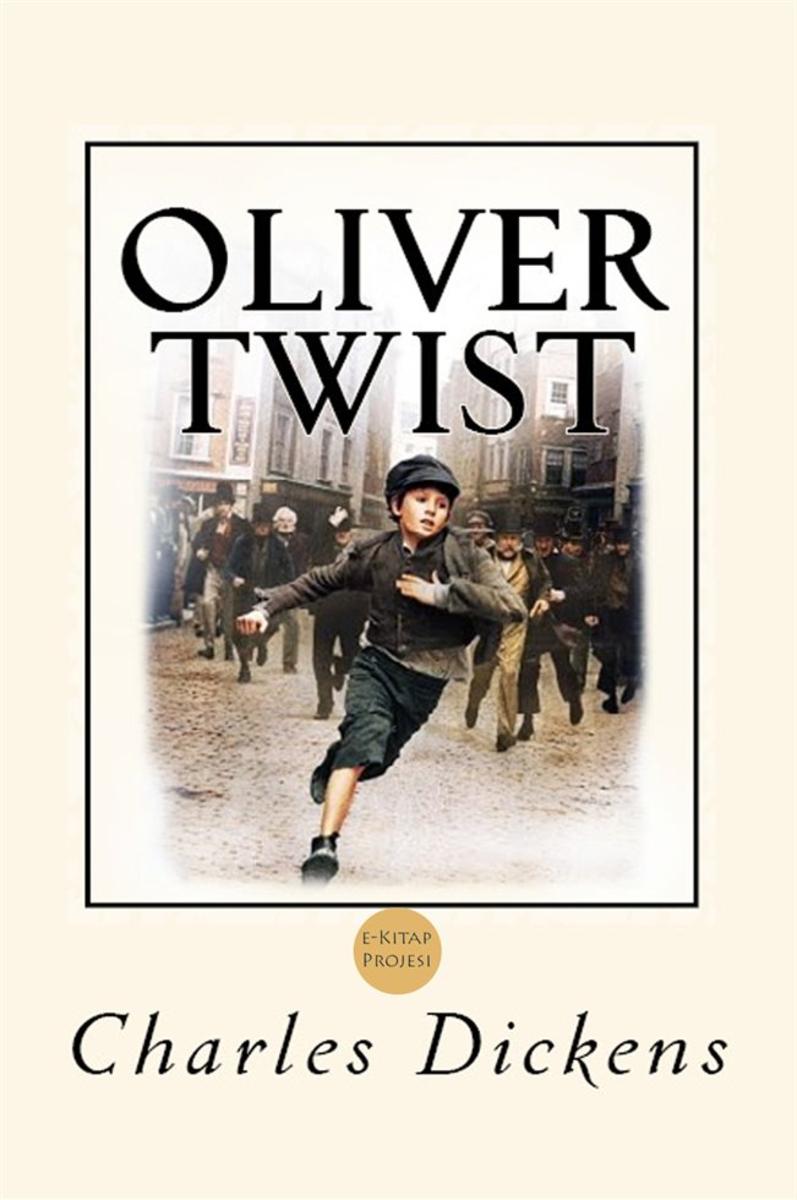
Oliver Twist
¥18.88
Charles Dickens was born on 1812, in Portsea, England. His parents were middle-class, but they suffered financially as a result of living beyond their means. When Dickens was twelve years old, his family's dire straits forced him to quit school and work in a blacking factory, a place where shoe polish is made. Within weeks, his father was put in debtor's prison, where Dickens's mother and siblings eventually joined him. At this point, Dickens lived on his own and continued to work at the factory for several months. The horrific conditions in the factory haunted him for the rest of his life, as did the experience of temporary orphanhood. Apparently, Dickens never forgot the day when a more senior boy in the warehouse took it upon himself to instruct Dickens in how to do his work more efficiently. For Dickens, that instruction may have represented the first step toward his full integration into the misery and tedium of working-class life. The more senior boy's name was Bob Fagin. Dickens's residual resentment of him reached a fevered pitch in the characterization of the villain Fagin in Oliver Twist.??After inheriting some money, Dickens's father got out of prison and Charles returned to school. As a young adult, he worked as a law clerk and later as a journalist. His experience as a journalist kept him in close contact with the darker social conditions of the Industrial Revolution, and he grew disillusioned with the attempts of lawmakers to alleviate those conditions. A collection of semi-fictional sketches entitled Sketches by Boz earned him recognition as a writer. Dickens became famous and began to make money from his writing when he published his first novel, The Pickwick Papers, which was serialized in 1836 and published in book form the following year.??In 1837, the first installment of Oliver Twist appeared in the magazine Bentley’s Miscellany, which Dickens was then editing. It was accompanied by illustrations by George Cruikshank, which still accompany many editions of the novel today. Even at this early date, some critics accused Dickens of writing too quickly and too prolifically, since he was paid by the word for his serialized novels. Yet the passion behind Oliver Twist, animated in part by Dickens’s own childhood experiences and in part by his outrage at the living conditions of the poor that he had witnessed as a journalist, touched his contemporary readers. Greatly successful, the novel was a thinly veiled protest against the Poor Law of 1834.??In 1836, Dickens married Catherine Hogarth, but after twenty years of marriage and ten children, he fell in love with Ellen Ternan, an actress many years his junior. Soon after, Dickens and his wife separated, ending a long series of marital difficulties. Dickens remained a prolific writer to the end of his life, and his novels—among them Great Expectations, A Tale of Two Cities, A Christmas Carol, David Copperfield, and Bleak House—continued to earn critical and popular acclaim. He died of a stroke in 1870, at the age of 58, leaving The Mystery of Edwin Drood unfinished.??The Poor Laws: Oliver Twist’s Social Commentary?Oliver Twist opens with a bitter invective directed at the nineteenth-century English Poor Laws. These laws were a distorted manifestation of the Victorian middle class’s emphasis on the virtues of hard work. England in the 1830s was rapidly undergoing a transformation from an agricultural, rural economy to an urban, industrial nation. The growing middle class had achieved an economic influence equal to, if not greater than, that of the British aristocracy.??In the 1830s, the middle class clamored for a share of political power with the landed gentry, bringing about a restructuring of the voting system. Parliament passed the Reform Act, which granted the right to vote to previously disenfranchised middle-class citizens. This desire gave rise to the Evangelical religious movement and inspired sweeping economic and political change.
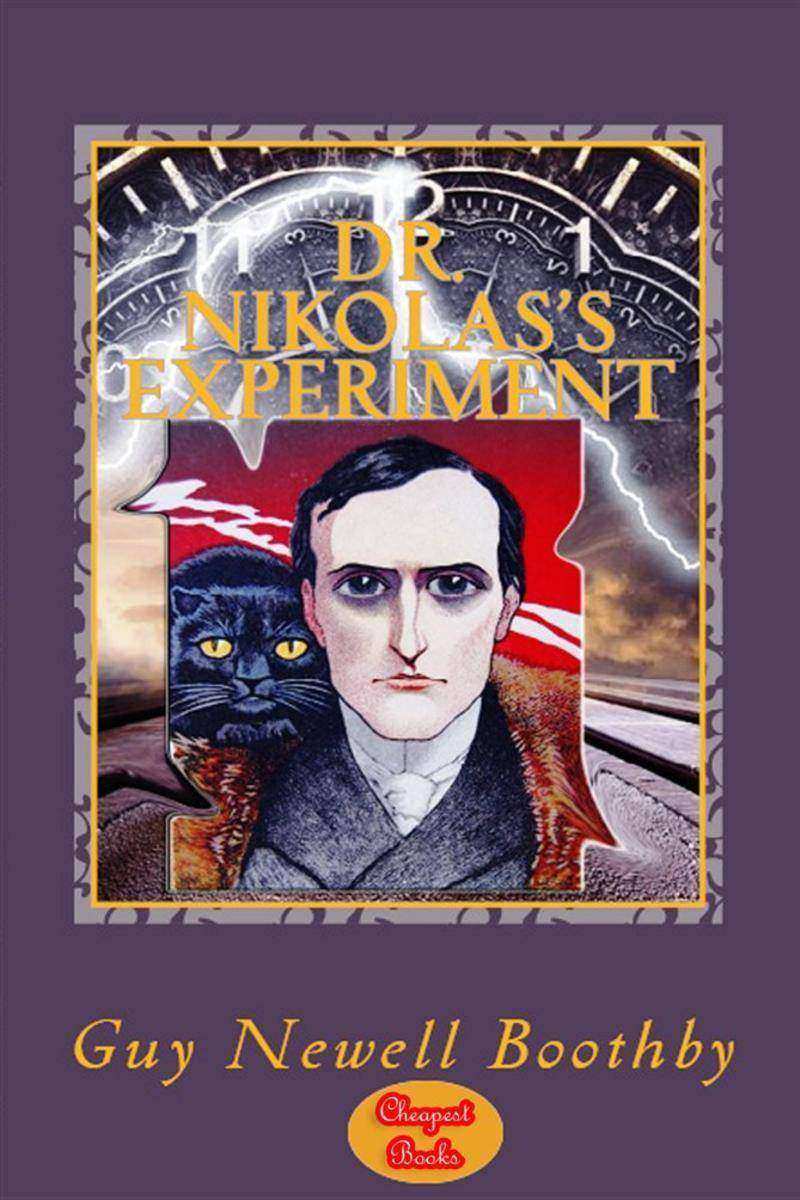
Dr. Nikola's Experiment
¥18.88
This fourth novel of Boothby's Dr. Nikola series reveals that Nikola has discovered all of the facts necessary to extend a human being's life. He has studied science and magic secrets of Tibetan monks. He explains: ?"It has been a long and tedious search, but such labour only makes success the sweeter. The machinery is now prepared; all that remains is to fit the various parts together. In six months' time, if all goes well, I will have a man walking upon this earth who, under certain conditions, shall live a thousand years."??To assist him, he hires a destitute young physician, who explains his predicament: ?"As ill luck would have it, however, I had got into the wrong set, and before I had been two years in the hospital was over head and ears in such a quagmire of debt and difficulties that it looked as if nothing but an absolute miracle co-uld serve to extricate me." ?That miracle seems to have come to him in the person of Dr. Nikola.??The nefarious and wealthy Nikola has purchased a remote castle in the north of England, where the seclusion will allow him and his new assistant and Nikola's deaf-mute malformed Chinese servant to conduct his grand experiment on a human subject. ? AUTHOR: Guy Newell Boothby was an Australian novelist and writer, born in Adelaide, son of Thomas Wilde Boothby, who for a time was a member of the South Australian Legislative Assembly. Guy Boothby's grandfather was Benjamin Boothby (1803-1868), judge of the supreme court of South Australia from 1853 to 1867. When Boothby was six, he traveled to England with his mother. Around 1890, he took the position of private secretary to the mayor of Adelaide, Australia, but was not content with the work due to little opportunity for advancement. He turned to his writing talents, writing librettos for 2 comic operas and stories about Australian life. Boothby moved back to the United Kingdom in 1894. He wrote over 50 books in the course of a decade, before dying of pneumonia in Bournemouth. Some of Boothby's earlier works were non-fiction, but later he turned to writing novels. He was once well known for his series of five novels about Doctor Nikola, an occultist anti-hero seeking immortality and world domination.
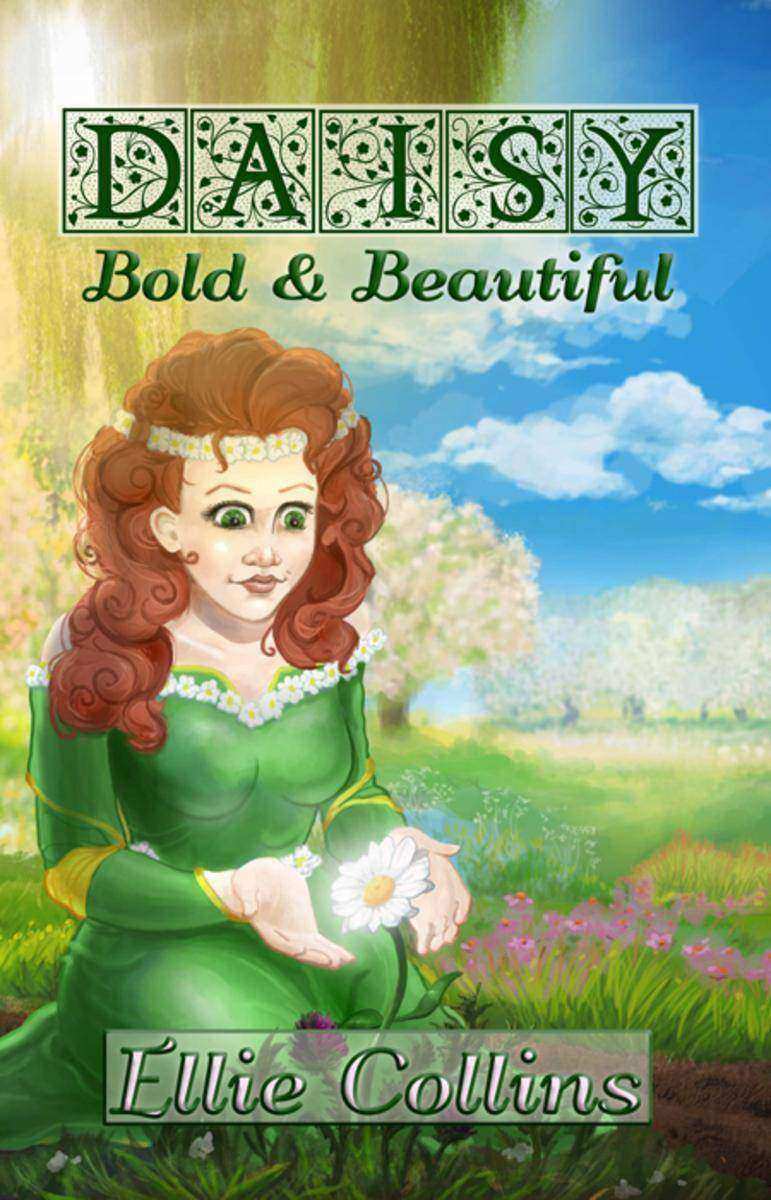
Daisy, Bold & Beautiful
¥24.44
D.J. and her dad moved far from the small town and only home she ever knew. Now she’s starting middle school in the city with kids she’s never met. She tries to make friends, but they all appear to be slaves to screen time. D.J. just likes to garden, nurturing plants, watching them grow and thrive. It seems she’ll never find a way to fit in, but then she awakens in a gorgeous garden where she meets Persephone, Goddess of Spring. She must be dreaming; her new friend can’t possibly be real—and what could she know about getting along with gamers? D.J. really needs some ideas, or she might never find her own place in a complicated world. ? Daisy, Bold & Beautiful is the debut novel of middle-schooler Ellie Collins, daughter of award-winning author Stephanie Collins. Boys and girls alike will appreciate Ellie’s keen eye for the challenges of growing up that she and her friends must face. Discover the wonderful writing of Ellie now, then follow her to learn about her writing and more books to come.


