


 购物车
购物车 个人中心
个人中心
![The Romance of Spanish History: [Illustrated & Engraved & Mapped]](https://platform-permanent.ddimg.cn/pt-media-info-soa-resource/digital/product/53/97/1901165397_ii_cover.jpg?version=39bce93d-9102-4e7e-9ac3-85633a446f54)
The Romance of Spanish History: [Illustrated & Engraved & Mapped]
¥28.29
THE Spanish peninsula, separated from France on the north by the Pyrenees, and bounded on the three remaining sides by the Mediterranean Sea and the Atlantic Ocean, con-tains an area of 225,600 square miles, being a little larger than France. Nature has reared a very formidable barrier between Spain and France, for the Pyrenees, extending in a straight line 250 miles in length, from the Bay of Biscay to the Mediterranean, and often rising in peaks more than ten thou-sand feet in height, offer but three defiles which carriages can traverse, though there are more than a hundred passes which may be surmounted by pedestrians or the sure-footed mule. The soil is fertile; the climate genial and salubrious; and the face of the country, diversified with meadows and mountains, presents, in rare combination, the most attractive features both of loveliness and sublimity.?History does not inform us when and how this beautiful peninsula—called Hispania by the Romans—first became in-habited. Whether the earliest emigrants crossed the straits of Gibraltar from Africa, or came from Asia, coasting the shores of the Mediterranean, or descended from France through the defiles of the Pyrenees, can now never be known. The first glimpse we catch of Spain, through the haze of past ages, reveals to us the country inhabited by numerous barbaric tri-bes, fiercely hostile to each other, and constantly engaged in bloody wars. The mountain fastnesses were infested with robber bands, and rapine and violence everywhere reigned. The weapons grasped by these fierce warriors consisted of lances, clubs, and slings, with sabres and hatchets, of rude fashion but of keen edge. Their food was mainly nuts and ro-ots. Their clothing consisted of a single linen garment, girded around the waist; and a woollen tunic, surmounted by a cloth cap, descended to the feet. As in all barbarous nations, the hard work of life was performed by the women.??The names even of most of these tribes have long since perished; a few however have been transmitted to our day, such as the Celts, the Gallicians, the Lusitanians, and the Iberians. Several ages before the foundations of Rome or of Carthage were laid, it is said that the Phoenicians, exploring in their commercial tours the shores of the Mediterranean, established a mercantile colony at Cadiz. The colonists growing rich and strong, extended their dominions and founded the cities of Malaga and Cordova. About 800 years before Christ, a colony from Rhodes settled in the Spanish peninsula, and established the city of Rosas. Other expeditions, from various parts of Greece, also planted colonies and engaged in successful traffic with the Spanish natives.??Four hundred years before Christ, the Carthaginian republic was one of the leading powers, and Carthage was one of the most populous and influential cities on the globe. The Carthaginians crossed the narrow straits which separate Africa from Spain, landed in great strength upon the Spanish peninsula, and, after a short but severe conflict, subdued the foreign colonies there, brought the native Spaniards into subjection, and established their own supremacy over all the southern coast. Cadiz became the central point of Carthaginian power, from whence the invaders constantly extended their conquests. Though many of the interior tribes maintained for a time a sort of rude and ferocious independence, still Carthage gradually assumed dominion over the whole of Spain.??In the year 235 B.C., Hamilcar, the father of the illustrious Hannibal, compelled nearly all the tribes of Spain to ack-nowledge his sway. For eight years Hamilcar waged almost an incessant battle with the Spaniards. Still it was merely a military possession which he held of the country, and he erected Barcelona and several other fortresses, where his soldiers could bid defiance to assaults, and could overawe the surrounding inhabitants.

Capcana de piatr?
¥40.79
Sonetul contondentCelor doi / poe?i de mare soi...(Istrate ?i Murgeanu)Visam c? Marea-?i p?r?sea ghioculCu-al s?u tumult de valuri euxine?i, h?t-departe-n zonele alpine,Ca-n Cretaceu, ??i reg?sise locul...Priveam de-acuma fascinat la joculDe valuri ?n?esate de jivineDin vremuri disp?rute, care-n fine,??i ?ncercau, o dat?-n plus, norocul.Sim?eam o dulce binecuv?ntareC?-n groapa euxinic? ad?nc?O Mare Neagr? nu exist? ?nc?,Nici Casa Scriitorilor la mare;Nici doi poe?i cu barb?, bur?i ?i plete,S?-n?ire contondentele sonete.
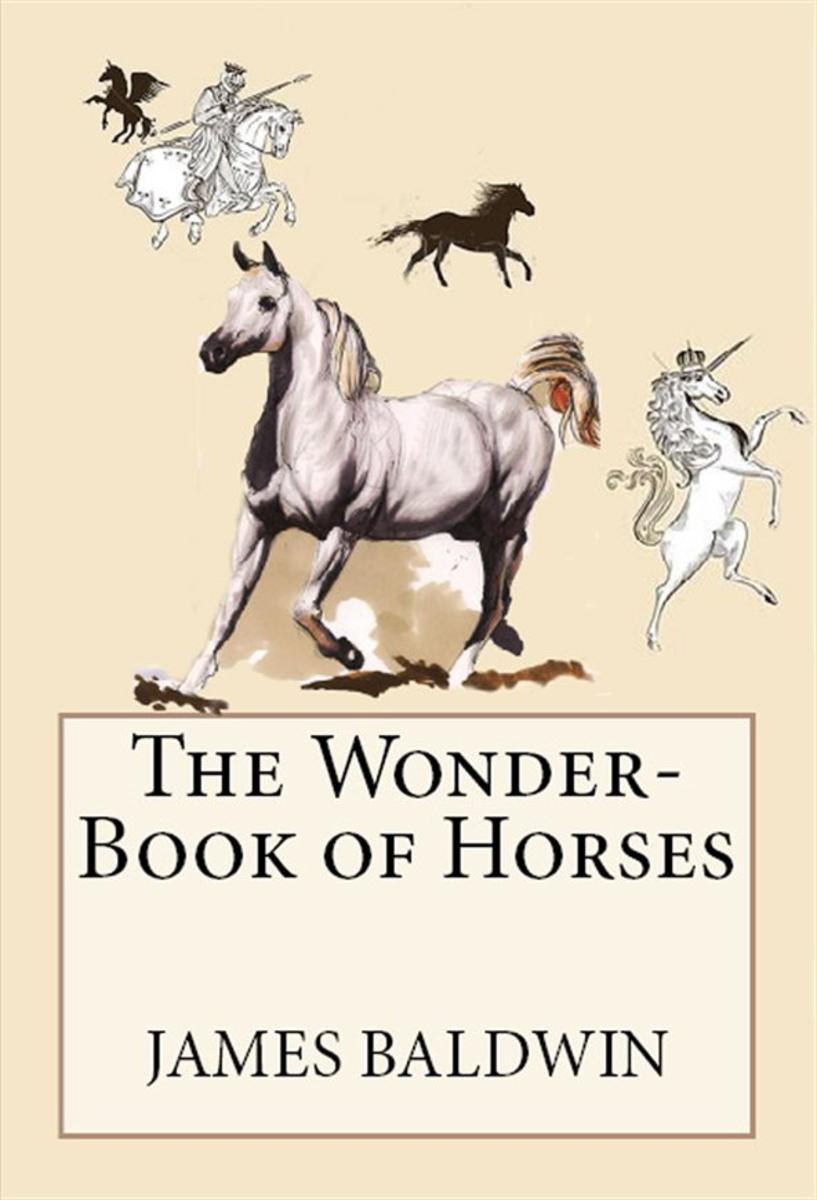
The Wonder-Book of Horses
¥28.29
SINCE the publication of my larger book, "The Horse Fair," many letters have been received from teachers and their scholars telling of the pleasure derived from the reading of it, and incidentally suggesting that much of its contents is directly in line with the courses of literary instruction pursued in our elementary schools. This suggestion has led me to col-lect certain of the stories into a smaller volume especially adapted for use as a school reading-book.? The eighteen stories in this volume have been chosen with a thought to their educative value as well as for the intrinsic charm of the original narratives, which in various forms have delighted many generations of readers. All have a literary interest connecting them with subjects with which every educated person is supposed to be familiar. In the first four, you will be introduced to the sun myths and season myths of the Greeks and of our Norse ancestors. Following these, the tale of song-inspiring Pegasus is presented in contrast with that of Griffen, the base imitation invented by the romancing poets of the Middle Ages. ? Then in "The Ship of the Plains," you may read of the mythical founding of Athens; and in the sketch that follows, you may enjoy a brief glimpse of Arabic imagery in the story of one of the most interesting episodes in the life of the prophet Mohammed. The story of the twin brethren will acquaint you with the thought of some of the old Latin writers, while the tale of Rakush will give you a taste of Persian literature as it is found in the great epic written by Firdusi. The romances of Charlemagne and his peers are represented by the story of Broiefort and his indomitable master; and the world-famous Don Quixote is introduced by his sorry but scarcely less famous steed, Rozinante.
Eu ?mpotriva mea vol. 1
¥36.79
Lucrarea Cum s? fii un bun p?rinte ne ?nva?? cum s? ne cre?tem copiii frumos, f?r? s? ?ip?m la ei, f?r? s?-i agres?m fizic, verbal ori psihic.Totodat?, ea ne pune ?n fa?? o oglind? pentru a ne vedea ?i a ne ?n?elege pe noi ?n?ine (copiii p?rin?ilor no?tri!), pentru a ?i ?n?elege pe p?rin?i, dar ?i pentru a afla cum s? ne construim o leg?tur? sufleteasc? adev?rat? cu copiii, bazat? pe iubire, pe respect ?i pre?uire.Cartea a ap?rut anterior sub titlul Eu te-am f?cut, eu te omor, autoarea renun??nd la acest titlu la sugestia cititorilor c?r?ii.

A Hellinger- Madonna
¥57.31
Scrum este cel de-al doilea roman al lui Augustin Nacu ?i reprezint? istoria unei evad?ri e?uate, un joc periculos, dar ?i frumos, disperat de frumos al unui grup de prieteni, mai ?nt?i, elevi, apoi, studen?i, din Uniunea Sovietic?, afla?i ?ntr-o goan? perpetu? dup? visul lor. Cu mici excep?ii, ac?iunea se desf??oar? la Chi?in?u, capitala Republicii Sovietice Socialiste Moldovene?ti, la ?nceputul anilor optzeci ai secolului XX, constituind sf?r?itul a?a-zisei epoci de stagnare a lui Brejnev ?i acel intermezzo dinaintea perestroik?i lui Gorbaciov, av?nd mai multe ie?iri ?ntr-un viitor nu doar imaginar pentru tot at?tea ?ntoarceri ?ntr-un trecut teribil de real, chiar ?i ?n unul mai ?ndep?rtat, cel de la mijlocul secolului men?ionat, o perioad? dramatic? pentru Basarabia ?i oamenii ei, bunici ?i p?rin?i, a c?ror remanent? disperare s-a transmis printr-o ?memorie a genelor“ copiilor ?i nepo?ilor, aliment?ndu-le mereu acestora din urm? dorin?a nest?vilit? de libertate, din care s-a iscat acel vis ?i, implicit, acel joc al lor...

B?iatul care a furat calul lui Attila
¥24.44
Volumul de fa?? din seria Eminescu, poem cu poem ne dezva?? de toate vechile obiceiuri de interpretare care au prezentat ?n limbaj de lemn poeziile eminesciene. Alex. ?tef?nescu ne face din nou cuno?tin??, de data aceasta ?n cuvinte simple ?i idei proaspete, cu unele dintre cele mai cunoscute poezii din literatura rom?n?. Analiza sa cuprinde observa?ii fresh ?i referin?e culturale pe gustul elevilor, tinerilor ?i iubitorilor de literatur? care (re)descoper? ast?zi crea?ia eminescian?.
Aviatoarea
¥36.79
Discursul poetic preios i limpede, lipsit de dramatism nvluie tragismul existenial, sugernd, peste fragmentarismul unei existene, viziunea izbvitoare, ascensional, pur, emanat de raza logosului integrator. Poezia fr evenimente pe care o scrie Liviu Antonesei aspir spre perfeciune formal...“ – Cezar IvnescuDac n-ar fi existat teroarea cenzurii, dac n-ar fi existat ceaushima, dac n-ar fi existat teama redactorilor de carte, dac n-ar fi existat delatorii, aa ar fi artat cartea aprut n 1989 la Cartea Romneasc, sub titlul Pharmakon. Dar, dac toate acestea n-ar fi existat, ar mai fi fost ea oare scris Imposibil de rspuns. Nu-mi rmne, deci, dect s m bucur c toate cele care au existat – i nc multe altele – nu mai exist i, pn la urm, cartea (bun sau rea, asta vor decide cititorii i criticii) apare aa cum am gndit-o, aa cum s-a scris de-a lungul a zece sau cincisprezece ani. Nici eu nu tiu de cnd dateaz cel mai vechi poem din volum. mi amintesc numai c o prim versiune a acestui manuscris a fost depus prima dat la o editur n 1979-1980. De-atunci, manuscrisul a tot fost modificat pn a ajuns la aceast form definitivat n primvara anului 1988, depus la editur i aprut n anul urmtor mai mult dect njumtit. Aa a fi vrut s apar atunci. Aa o voi lsa, deci, s fie tiprit acum, indiferent de imperfeciunile ce le voi fi observat ntre timp. Este limpede c, din acest moment, volumul de debut n poezie Pharmakon nu mai exist.“ – Liviu Antonesei
Dactilografa de noapte
¥8.09
Pentru c? unii se nasc prea buni ?i prea multi-talenta?i, avem ?ansa unor c?r?i cum este Pisica rupt?.Mircea Daneliuc pune la b?taie o poveste spumoas? despre via?a (p?n? acum) secret? a cinea?tilor din vremurile rom?ne?ti c?nd pelicula de film se d?dea la ra?ie, exact la fel ca p?inea ?i salamul de soia. Personaje de ?legend?“ ca Albani, Dinu Seralu ?i Vasilica Cur-de-Fier, ?ntr-o doz? incredibil? de umor, creativitate ?i sarcasm.
Playlist (pentru sf?r?itul lumii)
¥24.44
Ac?iunea informativ? Nichita Smochin? reprezint? rezultatul cercet?rii ?n Arhiva CNSAS.Documentele publicate sub egida Institutului de Istorie ?George Bari?iu“ al Academiei Rom?ne au ca subiect urm?rirea informativ? a lui Nichita Smochin? de c?tre Securitate ?n perioada 1952-1962. Dup? abandonarea Rom?niei ?n sfera de influen?? sovietic?, activitatea academic?, publicistic? ?i umanitar?, desf??urat? ?n perioada interbelic? ?i ?n timpul celui de al Doilea R?zboi Mondial, dar mai ales calitatea de consilier al mare?alului Ion Antonescu, l-au plasat pe cel mai important militant pentru afirmarea spiritului rom?nesc ?n Transnistria ?n fruntea listei du?manilor URSS.FragmentDin nota privind ?nt?lnirea agentului ?Speran?a“ cu Nichita Smochin?: ?n ziua de 17 octombrie 1952, informatorul ?Speran?a“, sub pretextul c? vrea s? primeasc? lec?ii de limba rus? ?n scris, s-a dus la Smochin? Nichita, din str. N. Golescu nr. 14. La intrare ?Speran?a“ a fost ?nt?mpinat? de fiica lui Smochin?, care nu prea vroia s? o primeasc? ?n?untru. Dup? ce a fost primit? ?n?untru, a venit ?i Smochin?, cu care a ?nceput discu?ia. Din discu?ii a rezultat c? Smochin? ?n prezent traduce din limba rus? ?n limba rom?n? diferite c?r?i, pe care le prime?te de la o redac?ie din apropiere de locuin?a sa. A mai rezultat c? el, p?n? ?n anul 1938, a locuit ?n Ia?i, dup? care s-a mutat ?n Bucure?ti. Este v?duv, locuie?te ?mpreun? cu fiica sa, ginerele s?u ?i un nepot. Este o fire ?nchis?, necomunicativ?, ?ns? fa?? de ?Speran?a“ s-a ar?tat foarte binevoitor, mai ales v?z?nd c? ?tie la perfec?ie s? vorbeasc? limba rus?. Toat? conversa?ia a fost dus? ?n limba rus?. Sursa: ?Speran?a“. Valoarea: serioas?. Nota biroului: S-au trasat instruc?iuni informatorului s? se mai duc? la Smochin? ?i s? primeasc? lec?ii ?n scris, iar deocamdat? s? nu deschid? discu?ia despre trecutul s?u, pentru a putea c?p?ta ?ncrederea lui Smochin?, iar la a treia vedere s? deschid? discu?ia. Nota superiorului: ?S? se urm?reasc? ?n continuare ac?iunea lui Smochin?, p?n? vom primi noi dispozi?iuni de la Cabinet. Informatorului s? i se dea bani pentru a pl?ti medita?ia pe care o prime?te de la Smochin? (ss)“.

Toxoplasmose adquirida na gesta??o e congênita
¥57.14
tiu cu adevrat: cltoria ta ncepe cu alegerea de a te ridica, de a merge nainte i de a tri pe deplin.“ — Oprah WinfreyAcum, pentru prima oar, gndurile i ideile din leciile de via ale utoarei au fost revizuite, actualizate i adunate ntre copertele unei cri. Organizate pe teme – bucurie, rezilien, relaii, recunotin, posibilitate, veneraie, claritate, putere – aceste eseuri ne dezvluie inima i mintea unei femei extraordinare, oferind totodat cititorilor un ghid pentru a tri o via mplinit.

Labirintul haosului meu
¥32.62
Ca orice construc?ie solid?, ?i un sistem de g?ndire se pl?smuie?te pe structura unor con?cepte fundamentale cu func?ii vitaminizante pentru ?ntreaga desf??urare a g?ndului ?i pen?tru ?nchegarea lui ?ntr?o viziune articulat? ?i complex?, marcat? de cele dou? condi?ii indis?pensabile unui sistem: completitudinea ?i non?contradic?ia. ?i mai preciz?m, chiar cu riscul suspiciunii de banal, c? un sistem de g?ndire articulat nu las? ?i nu trebuie s? lase r?m??i?e sau componente necuprinse ?n ansamblu. C?ci un sistem incomplet, cu resturi sau componen?te r?mase ?n afara ?ntregului ??i pierde carac?teristica de sistem. S? preciz?m totu?i c? vorbim despre sis?tem ?ntr?un loc unde, nu doar c? lipse?te, dar a ?i fost repudiat cu o insisten?? repetat? ?i ?n?d?rjit?. Nu spun c? furia lui Cioran ?mpotriva ideii de sistem filosofic nu??i are ra?iunile ei, spun doar c? chiar acolo unde este t?g?duit?, o anumit? viziune de ansamblu asupra lumii este totu?i implicit?. Nu se poate vorbi despre parte, despre fragment f?r? s? se aib? ?n vede?re imaginea totului ?i felul cum o diviziune este a?ezat? ?n p?ntecul exist?rii. Ionel Necula
![Through Russia: [Illustrated Edition]](https://platform-permanent.ddimg.cn/pt-media-info-soa-resource/digital/product/54/33/1901165433_ii_cover.jpg?version=6fb6256e-5286-4d5c-903c-15c8cde63451)
Through Russia: [Illustrated Edition]
¥23.14
This Book, is a collection of short stories about Russia. Book contains many collections of short stories by the popular and influential Russian author, a founder of the socialist realism literary method and arguably the greatest Russian literary figure of the 20th century. Maxim Gorky also wrote about stories, plays, memoirs and novels which touched the imagination of the Russian people, and was the first Russian author to write sympathetically of such characters as tramps and thieves, emphasizing their daily struggles against overwhelming odds..Some Other Books Maxim Gorky: Mother (1907) Creatures That Once Were Men (1918) Twenty-six and One and Other Stories (1902) The Man Who Was Afraid (1901)

Cioran
¥65.17
Surse oficiale precizeaz?: Metroul-2 este un obiectiv guvernamental, care prezint? interes din punctul de vedere al leg?turilor subterane ?i, ?n caz de necesitate, poate fi folosit at?t ca sistem sigur de comunica?ii, c?t ?i ca mijloc de transport. Dac?, p?n? ?n prezent, n-au existat motive s? fie ascunse aceste informa?ii, atunci, de ce nu se spune dac? Metroul-2 este depozit secret pentru rezervele de aur ale Rusiei sau tunel care duce la cele mai mari z?c?minte de bog??ii minerale sau drumul folosit de Stalin ca s? mearg? la ?nt?lnirile cu Buharin? Ce s-a petrecut ?i ce se petrece acolo? Mai ?nt?i, de ce au fost ?mpu?ca?i constructorii Metroului-2? De ce au disp?rut at??ia oameni ?i de unde a ap?rut plutoniul pentru armament sub p?m?nt? Cine folose?te ?n prezent bunc?rul de sub Kremlin? De ce se ascund cu grij? informa?iile despre acesta, despre bunc?rul secret a lui Stalin ?i despre ?nmorm?nt?rile ?n mas? din subteranele metroului? Sau despre legendara bibliotec? a lui Ivan cel Groaznic, precum ?i despre cauzele pr?bu?irii parcului acvatic din Moscova? Despre toate acestea ?i despre multe altele v? va povesti un ziarist care a cutreierat ?mpreun? cu diggerii tunelurile subterane ?i s-a ini?iat ?n tainele sumbre ale metrourilor din Piter ?i Moscova.

Puntea artelor
¥102.19
Are 4 roi care se nvrt, dou sau trei pedale aflate n dreptul picioarelor, un schimbtor de viteze care se folosete cu mna i un volan. Ce este aa greu“ Asta dac suntem att de ignorani, nct nici soarele nu-l vedem. Sau suntem att de ncuiai la minte, nct nu ne-ar sensibiliza nici mcar o piatr aruncat ntre ochi. Sau suntem aa de arogani i plini de noi, nct i la coada de la pine sau n mijlocul pdurii trebuie s artm noi cum st treaba“. Dac ni se pare att de simplu ca numrarea pe degete pn la zece, atunci de ce suntem att de penibili n calitate de oferi

Pilátus
¥73.49
n Enciclopedia transformrii“ Vladimir Lermontov i-a propus s ne nvee s lucrm cu imaginile. Descoperim astfel c noi suntem creatorii att ai realitii n care trim, ct i ai viitorului nostru. Autorul a pus laolalt cele mai importante momente ale metodologiei sale cu scopul de a prezenta cititorului un tablou complet. Ne ascultm sufletul sau ne lsm dominai de raiune Ce sunt imaginile i cum lucrm cu ele Unde trebuie s cutm fericirea, sntatea, bogia i iubirea De unde vine boala i cum s ne vindecm Cum ne putem crea realitatea n care ne dorim s trim Aici vei gsi rspuns la toate aceste ntrebri. Vei nva s aplicai aceste cunotine n viaa de zi cu zi. Vei afla c magia nu este dect o calitate a sufletului nostru, c avem puteri nelimitate, trebuie doar s credem n noi, n sufletul nostru i s ne crem o lume nou n care ne dorim s trim.
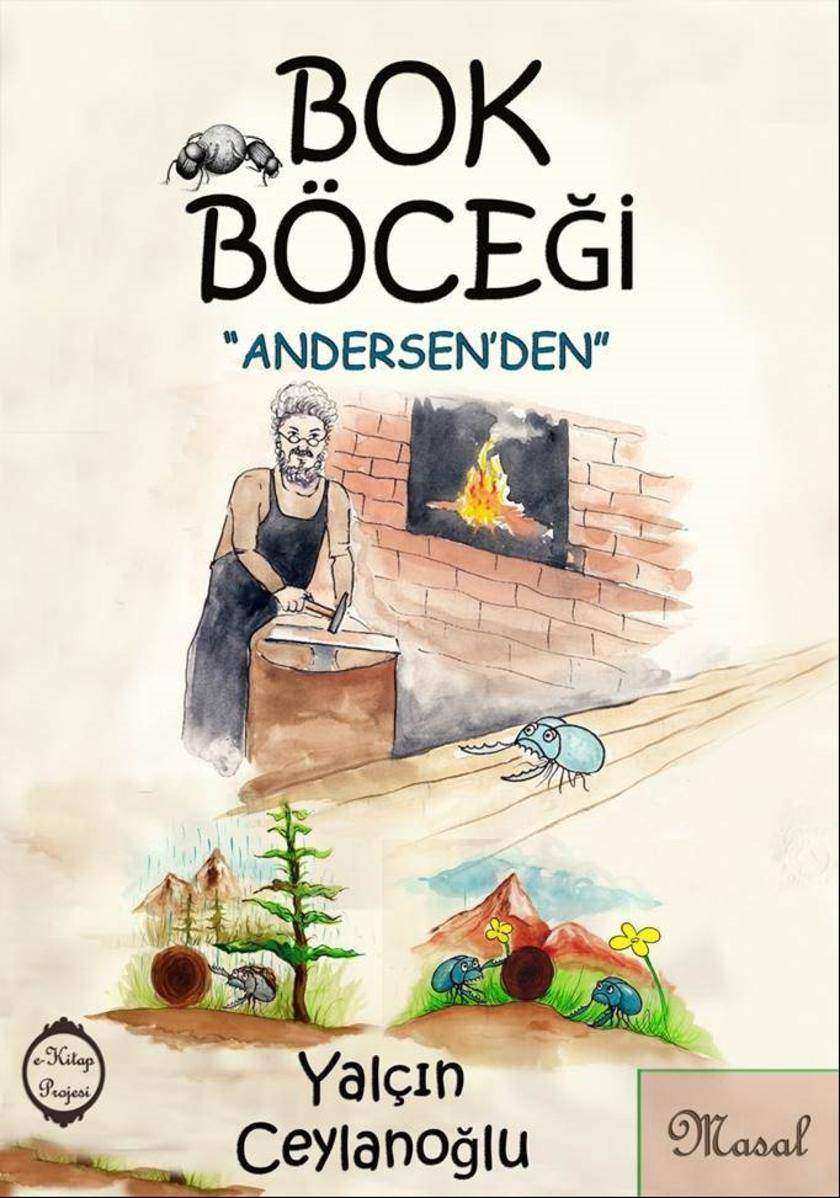
Bok B?ce?i: "Andersen'den"
¥18.56
Güne, onun üzerinde parlyor ve ok güzel ldyordu. Bok bcei, “Dünya, henüz o kadar akln karmam.”, dedi ve unu syledi: “Sadece ona katlanmann yolunu yordamn bilmeniz gerekiyor.” Dünya güzeldi: mparatorun süvari atna, nallar verilmiti ünkü binicisi, “Bok Bcei” olacakt. Bok bcei unu syledi: “imdi ineceim ve dier bok bceklerine, uruma ne kadar fazla ey yapldn anlatacam. Dardaki yolculuumda tiryakisi olduum tüm zevklerden bahsedeceim ve artk at, nallarn eskitene kadar yuvamda kalacam syleyeceim!” Yazar Hakknda: “1972 ylnda Adana'da dodu. lk, orta ve lise eitimini Adana'da tamamlad. ukurova niversitesi Biyoloji Blümü'nden 1994 ylnda mezun oldu. eviri iiyle urat. 2004 ylndan bu yana, zel bir irkette muhasebe eleman olarak alyor. Hobi olarak, blog yazarl, editrlük (Adana Blog Yazarlar Facebook sayfas) ve eviri yapyor. Yabanc dil olarak, ngilizce biliyor. Mitoloji ve simgecilik konularyla ilgileniyor."
Col?i-Lungi. Uniunea triburilor
¥81.67
Planul de 28 de zile pentru creterea energiei i a imunitii i scderea n greutatePotrivit autorilor acestei cri, stilul nostru de via actual duce la o diminuare i chiar eliminare din alimentaie a micronutrienilor – vitamine i minerale eseniale pentru o sntate optim. Iar acest deficit cauzeaz majoritatea bolilor larg rspndite n prezent. Mira nsi sufer de osteoporoz avansat la vrsta de 30 de ani. Dar, cu ajutorul lui Jayson, a reuit s inverseze evoluia bolii prin terapie cu micronutrieni. Soii Calton au creat Miracolul micronutrienilor", un excepional program de vindecare general.CarteaMiracolul micronutrienilorne dezvluie adevrul despre ceea ce mnnci de fapt i motivul pentru care obiceiurile legate de stilul de via pot duce la epuizarea micronutrienilor. Ofer, de asemenea, un plan de 28 de zile pentru inversarea acestor efecte prin refacerea nivelurilor de micronutrieni. n carte gsim reete delicioase care pot fi adaptate diverselor stiluri de via: fr gluten, hipoglucidic, hipolipidic, vegan i Paleo.Deficitul de micronutrieni eseniali cauzeaz boli grave i cronice, cum ar fi osteoporoz, cancer, diabet, boli de inim, demen, obezitate i altele. Autorii au identificat cu precizie problema i ne ofer o soluie care ne ajut s scdem n greutate, s fim mai plini de energie i s inversm evoluia bolilor mai rapid dect am fi crezut vreodat." -Dr. Mark Hyman, autorul crii The Blood Sugar SolutionDac eti stresat, supraponderal, epuizat sau suferi de orice boal, citete aceast carte." -Dr. Sara Gottfried, autoarea bestsellerului The Hormone Reset DietMicronutrienii sunt adesea veriga care lipsete pentru meninerea unei snti optime. n aceast carte revoluionar, Mira i Jayson Calton ofer un plan eficient i uor de implementat, care te ajut s-i pstrezi supleea, tonusul muscular i s ai o sntate excelent." -JJ Virgin, autoarea bestsellerului The Sugar Impact Diet
Twenty Thousand Leagues Under the Sea
¥8.09
The Last of the Mohicans is a historical novel written by James Fenimore Cooper. The book, which is set during the French and Indian War, was made into an award-winning film starring Kevin Costner.?James Fenimore Cooper's most famous character, Hawkeye, and his Mohican companions, Uncas and Chingachook, are tasked with rescuing the daughters of a British colonel, who have been abducted by the very man entrusted to keep them safe.?This ebook has been professionally proofread to ensure accuracy and readability on all devices.?

Un taur ?n vitrina de piatr?. Antologie liric? (1977-2012)
¥40.79
Un b?ie?el c?ruia ?i pl?cea s? colec?ioneze insecte mult mai mult dec?t s? mearg? la ?coal? Un pasager (cu r?u de mare) care a c?l?torit ?n jurul lumii ?ntr-un voiaj ce a durat cinci ani Savantul care, formul?nd teoria evolu?ionist?, a declan?at o ?revolu?ie a g?ndirii" Toate cele de mai sus!Afl? mai multe despre adev?ratul Charles Darwin din aceast? biografie amuzant? ?i minunat ilustrat?!

Pisica rupt?
¥81.67
Cea mai mare dintre Marile Piramide e una dintre cele mai impresionante construc?ii din lumeDintre cele ?apte minuni ale lumii antice, piramidele sunt singurele care ?nc? mai exist?Nimeni nu ?tie sigur cum le-au construit egipteniiToate cele de mai sus!Afl? mai multe despre Marile Piramide din aceast? carte amuzant? ?i minunat ilustrat?!
?ns?n?to?ire complet?. Cum ne ?mboln?vim? De ce nu ne facem bine? Cum ne putem v
¥73.49
12 principii pentru a supravie?ui ?i a fi eficient la serviciu, acas? ?i la ?coal?Cei mai mul?i dintre noi nu au habar de ceea ce se ?nt?mpl? cu adev?rat ?n capul lor. Totu?i, oamenii de ?tiin?? care studiaz? creierul au descoperit detalii pe care orice lider din domeniul afacerilor, p?rinte ?i ?nv???tor ar trebui s? le ?tie – cum ar fi faptul c? trebuie s? facem mi?care dac? vrem s? avem un creier care s? func?ioneze la parametri maximi.Cum ?nv???m? Ce efecte au somnul ?i stresul asupra creierului? De ce nu se recomand? s? facem mai multe lucruri deodat?? De ce e at?t de u?or s? uit?m ?i de ce e at?t de important s? repet?m cuno?tin?ele noi? Este adev?rat c? b?rba?ii ?i femeile au creiere diferite??n fiecare capitol al c?r?ii, autorul prezint? c?te o regul? a creierului – ce ?tiu sigur oamenii de ?tiin?? despre felul cum func?ioneaz? creierul uman – ?i ofer? apoi idei care ne pot transforma via?a de zi cu zi. Astfel, cititorii vor descoperi c?:* fiecare creier este condi?ionat diferit* activitatea fizic? ?mbun?t??e?te cogni?ia* nu ?ncet?m niciodat? s? ?nv???m ?i s? explor?m* unele amintiri sunt efemere* ?ntre somn ?i capacitatea de a ?nv??a exist? o leg?tur? puternic?* stresul schimb? modul ?n care ?nv???m?n final, vei ?n?elege cum func?ioneaz? creierul uman ?i cum poate fi exploatat la maximum.??Autorul reu?e?te s? prezinte func?ionarea creierului pe ?n?elesul tuturor, explic?nd care este rolul acestuia la locul de munc? sau ?n s?lile de clas?… ?ntr-un stil care d? via?? cuvintelor.“ - USA Today?Regulile creierului este una dintre cele mai informative, antrenante ?i utile c?r?i ale vremurilor noastre.“ - Garr Reynolds, autor al c?r?ii Presentation Zen?


