


 购物车
 个人中心

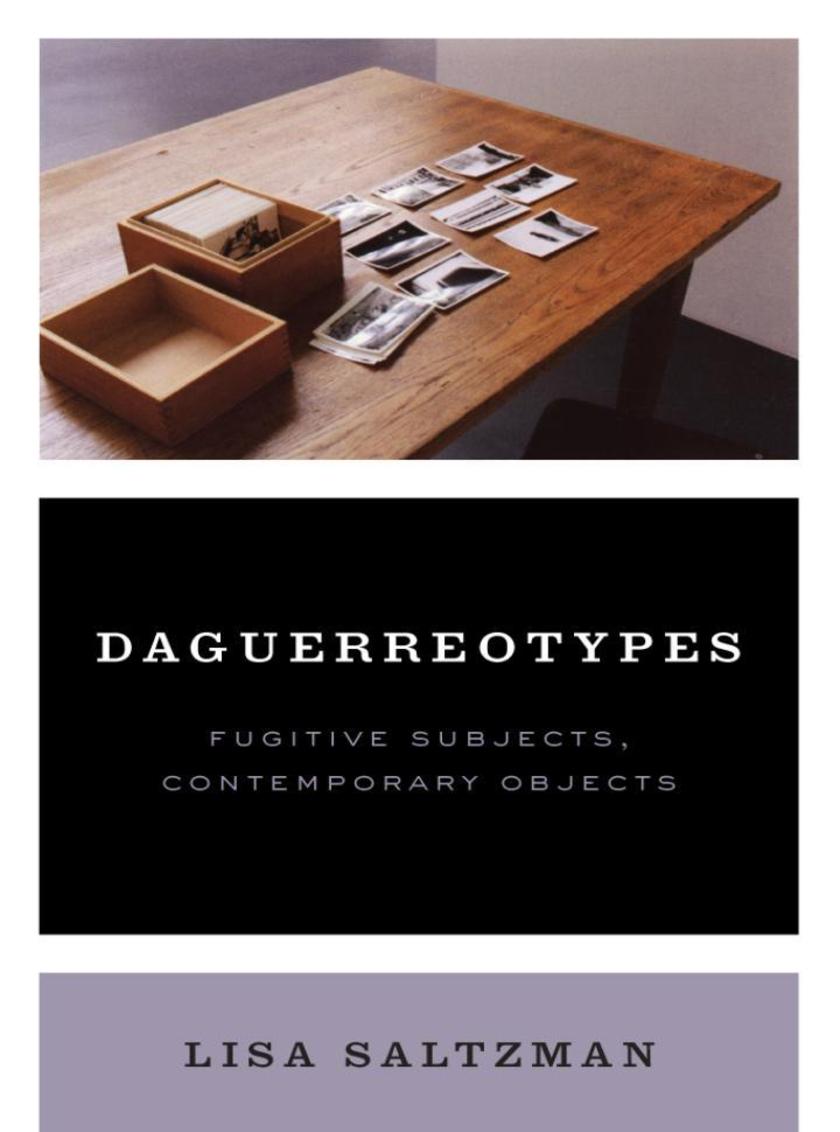
Daguerreotypes
¥288.41
In the digital age, photography confronts its future under the competing signs of ubiquity and obsolescence. While technology has allowed amateurs and experts alike to create high-quality photographs in the blink of an eye, new electronic formats have severed the original photochemical link between image and subject. At the same time, recent cinematic photography has stretched the concept of photography and raised questions about its truth value as a documentary medium. Despite this situation, photography remains a stubbornly substantive form of evidence: referenced by artists, filmmakers, and writers as a powerful emblem of truth, photography has found its home in other media at precisely the moment of its own material demise.By examining this idea of photography as articulated in literature, film, and the graphic novel, Daguerreotypes demonstrates how photography secures identity for figures with an otherwise unstable sense of self. Lisa Saltzman argues that in many modern works, the photograph asserts itself as a guarantor of identity, whether genuine or fabricated. From Roland Barthes's Camera Lucida to Ridley Scott's Blade Runner, W. G. Sebald's Austerlitz to Alison Bechdel's Fun Home-we find traces of photography's "e;fugitive subjects"e; throughout contemporary culture. Ultimately, Daguerreotypes reveals how the photograph, at once personal memento and material witness, has inspired a range of modern artistic and critical practices.
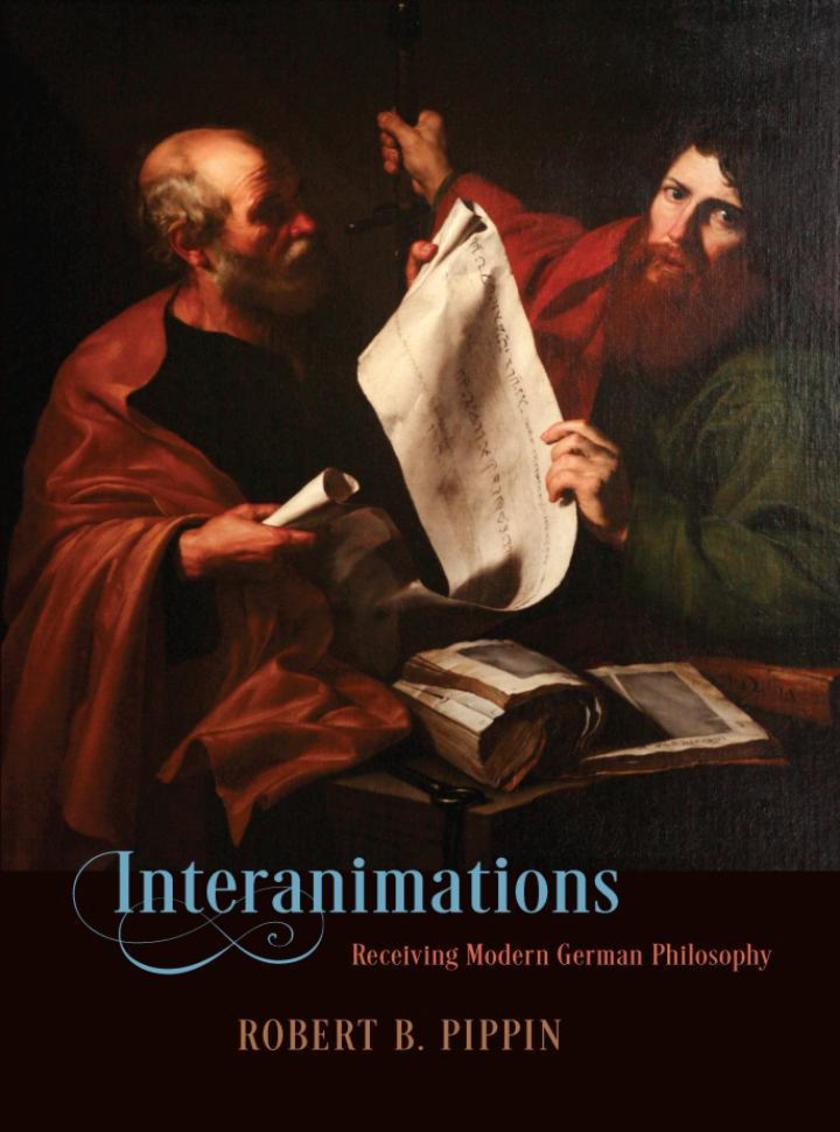
Interanimations
¥288.41
In this latest book, renowned philosopher and scholar Robert B. Pippin offers the thought-provoking argument that the study of historical figures is not only an interpretation and explication of their views, but can be understood as a form of philosophy itself. In doing so, he reconceives philosophical scholarship as a kind of network of philosophical interanimations, one in which major positions in the history of philosophy, when they are themselves properly understood within their own historical context, form philosophy's lingua franca. Examining a number of philosophers to explore the nature of this interanimation, he presents an illuminating assortment of especially thoughtful examples of historical commentary that powerfully enact philosophy.After opening up his territory with an initial discussion of contemporary revisionist readings of Kant's moral theory, Pippin sets his sights on his main objects of interest: Hegel and Nietzsche. Through them, however, he offers what few others could: an astonishing synthesis of an immense and diverse set of thinkers and traditions. Deploying an almost dialogical, conversational approach, he pursues patterns of thought that both shape and, importantly, connect the major traditions: neo-Aristotelian, analytic, continental, and postmodern, bringing the likes of Heidegger, Honneth, MacIntyre, McDowell, Brandom, Strauss, Williams, and A iA ek-not to mention Hegel and Nietzsche- into the same philosophical conversation.By means of these case studies, Pippin mounts an impressive argument about a relatively under discussed issue in professional philosophy-the bearing of work in the history of philosophy on philosophy itself-and thereby he argues for the controversial thesis that no strict separation between the domains is defensible.

Reinventing Public Education
¥288.41
A heated debate is raging over our nation's public schools and how they should be reformed, with proposals ranging from imposing national standards to replacing public education?altogether with a voucher system for private schools. Combining decades of experience in education, the authors propose an innovative approach to solving the problems of our school system and find a middle ground between these extremes.Reinventing Public Education shows how contracting would radically change the way we operate our schools, while keeping them public and accessible to all, and making them better able to meet standards of achievement and equity. Using public funds, local school boards would select private providers to operate individual schools under formal contracts specifying the type and quality of instruction.In a hands-on, concrete fashion, the authors provide a thorough explanation of the pros and cons of school contracting and how it would work in practice. They show how contracting would free local school boards from operating schools so they can focus on improving educational policy; how it would allow parents to choose the best school for their children; and, finally, how it would ensure that schools are held accountable and academic standards are met.While retaining a strong public role in education, contracting enables schools to be more imaginative, adaptable, and suited to the needs of children and families. In presenting an alternative vision for America's schools, Reinventing Public Education is too important to be ignored.

Internationalization of Palace Wars
¥282.53
How does globalization workFocusing on Latin America, Yves Dezalay and Bryant G. Garth show that exports of expertise and ideals from the United States to Argentina, Brazil, Chile, and Mexico have played a crucial role in transforming their state forms and economies since World War II.Based on more than 300 extensive interviews with major players in governments, foundations, law firms, universities, and think tanks, Dezalay and Garth examine both the production of northern exports such as neoliberal economics and international human rights law and the ways they are received south of the United States. They find that the content of what is exported and how it fares are profoundly shaped by domestic struggles for power and influence-"e;palace wars"e;-in the nations involved. For instance, challenges to the eastern intellectual establishment influenced the Reagan-era export of University of Chicago-style neoliberal economics to Chile, where it enjoyed a warm reception from Pinochet and his allies because they could use it to discredit the previous regime.Innovative and sophisticated, The Internationalization of Palace Wars offers much needed concrete information about the transnational processes that shape our world.

Alfred the Great
¥265.87
Filled with drama and action, here is the story of the ninth-century life and times of Alfred-warrior, conqueror, lawmaker, scholar, and the only king whom England has ever called "e;The Great."e; Based on up-to-date information on ninth-century history, geography, philosophy, literature, and social life, it vividly presents exciting views of Alfred in every stage of his long career and leaves the reader with a sharply-etched picture of the world of the Middle Ages.

Afterlife Is Where We Come From
¥265.87
When a new baby arrives among the Beng people of West Africa, they see it not as being born, but as being reincarnated after a rich life in a previous world. Far from being a tabula rasa, a Beng infant is thought to begin its life filled with spiritual knowledge. How do these beliefs affect the way the Beng rear their children?In this unique and engaging ethnography of babies, Alma Gottlieb explores how religious ideology affects every aspect of Beng childrearing practices-from bathing infants to protecting them from disease to teaching them how to crawl and walk-and how widespread poverty limits these practices. A mother of two, Gottlieb includes moving discussions of how her experiences among the Beng changed the way she saw her own parenting. Throughout the book she also draws telling comparisons between Beng and Euro-American parenting, bringing home just how deeply culture matters to the way we all rear our children.All parents and anyone interested in the place of culture in the lives of infants, and vice versa, will enjoy The Afterlife Is Where We Come From."e;This wonderfully reflective text should provide the impetus for formulating research possibilities about infancy and toddlerhood for this century."e; - Caren J. Frost, Medical Anthropology Quarterly?"e;Alma Gottlieb's careful and thought-provoking account of infancy sheds spectacular light upon a much neglected topic. . . . [It] makes a strong case for the central place of babies in anthropological accounts of religion. ?Gottlieb's remarkably rich account, delivered after a long and reflective period of gestation, deserves a wide audience across a range of disciplines."e;-Anthony Simpson, Critique of Anthropology?
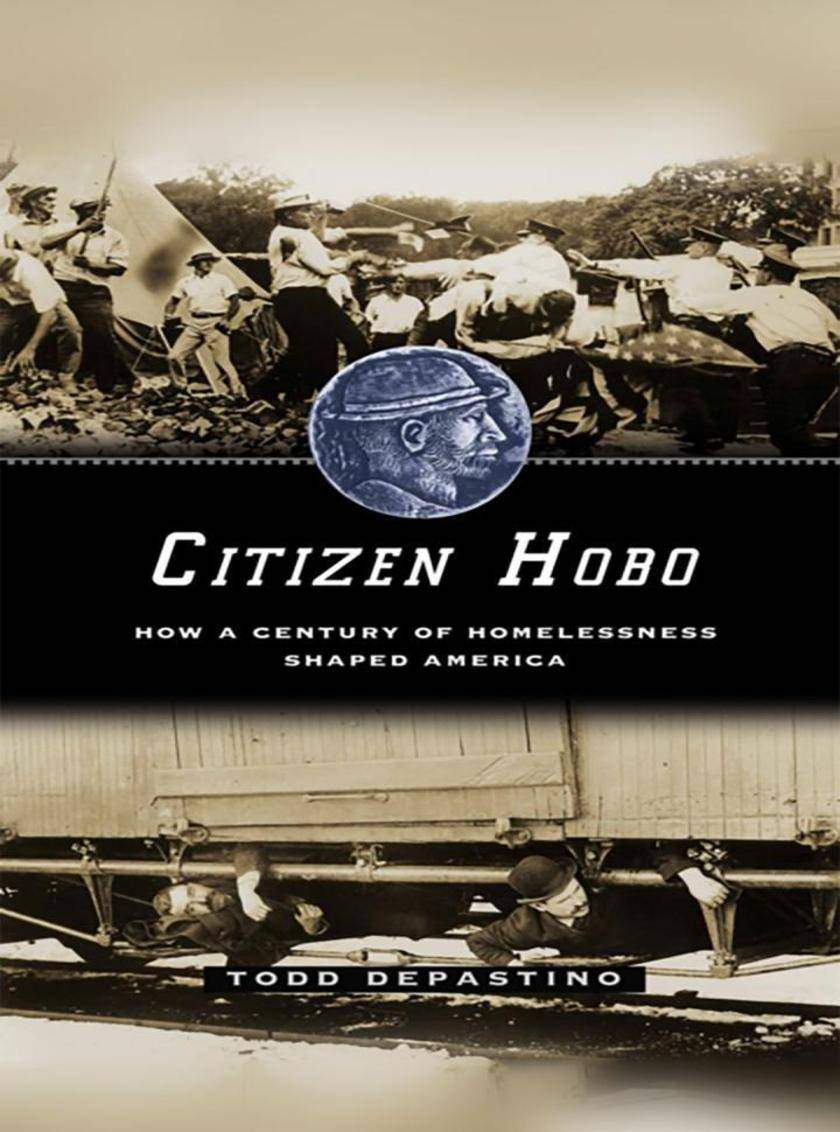
Citizen Hobo
¥253.10
In the years following the Civil War, a veritable army of homeless men swept across America's "e;wageworkers' frontier"e; and forged a beguiling and bedeviling counterculture known as "e;hobohemia."e; Celebrating unfettered masculinity and jealously guarding the American road as the preserve of white manhood, hoboes took command of downtown districts and swaggered onto center stage of the new urban culture. Less obviously, perhaps, they also staked their own claims on the American polity, claims that would in fact transform the very entitlements of American citizenship.In this eye-opening work of American history, Todd DePastino tells the epic story of hobohemia's rise and fall, and crafts a stunning new interpretation of the "e;American century"e; in the process. Drawing on sources ranging from diaries, letters, and police reports to movies and memoirs, Citizen Hobo breathes life into the largely forgotten world of the road, but it also, crucially, shows how the hobo army so haunted the American body politic that it prompted the creation of an entirely new social order and political economy. DePastino shows how hoboes-with their reputation as dangers to civilization, sexual savages, and professional idlers-became a cultural and political force, influencing the creation of welfare state measures, the promotion of mass consumption, and the suburbanization of America. Citizen Hobo's sweeping retelling of American nationhood in light of enduring struggles over "e;home"e; does more than chart the change from "e;homelessness"e; to "e;houselessness."e; In its breadth and scope, the book offers nothing less than an essential new context for thinking about Americans' struggles against inequality and alienation.
Embers and the Stars
¥247.21
"e;It is hard to put this profound book into a category. Despite the author's criticisms of Thoreau, it is more like Walden than any other book I have read. . . . The book makes great strides toward bringing the best insights from medieval philosophy and from contemporary environmental ethics together. Anyone interested in both of these areas must read this book."e;-Daniel A. Dombrowski, The Thomist"e;Those who share Kohk's concern to understand nature as other than a mere resource or matter in motion will find his temporally oriented interpretation of nature instructive. It is here in particular that Kohk turns moments of experience to account philosophically, turning what we habitually overlook or avoid into an opportunity and basis for self-knowledge. This is an impassioned attempt to see the vital order of nature and the moral order of our humanity as one."e;-Ethics
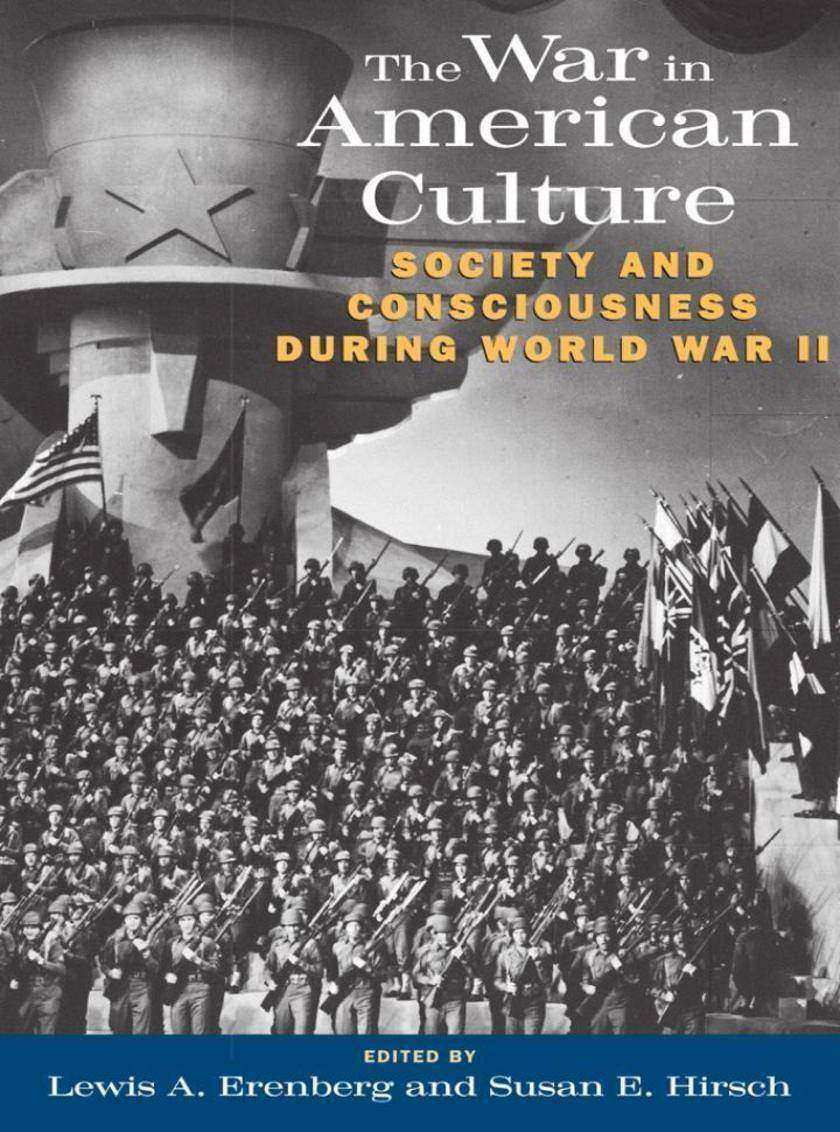
War in American Culture
¥247.21
The War in American Culture explores the role of World War II in the transformation of American social, cultural, and political life.World War II posed a crisis for American culture: to defeat the enemy, Americans had to unite across the class, racial and ethnic boundaries that had long divided them. Exploring government censorship of war photography, the revision of immigration laws, Hollywood moviemaking, swing music, and popular magazines, these essays reveal the creation of a new national identity that was pluralistic, but also controlled and sanitized. Concentrating on the home front and the impact of the war on the lives of ordinary Americans, the contributors give us a rich portrayal of family life, sexuality, cultural images, and working-class life in addition to detailed consideration of African Americans, Latinos, and women who lived through the unsettling and rapidly altered circumstances of wartime America.
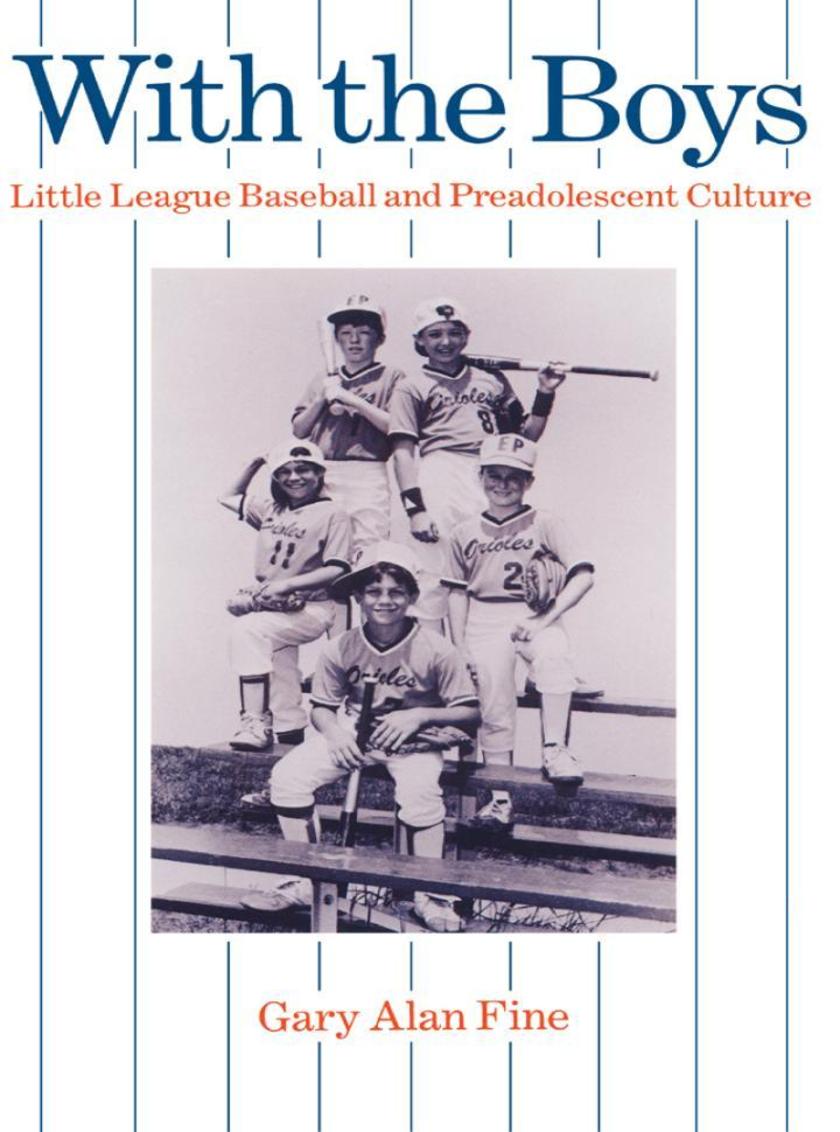
With the Boys
¥247.21
What are boys likeWho is the creature inhabiting the twilight zone between the perils of the Oedipus complex and the Strum und Drang of pubertyIn With the Boys, Gary Alan Fine examines the American male preadolescent by studying the world of Little League baseball. Drawings on three years of firsthand observation of five Little Leagues, Fine describes how, through organized sport and its accompanying activities, boys learn to play, work, and generally be "e;men."e;
Greater Ethiopia
¥247.21
Greater Ethiopia combines history, anthropology, and sociology to answer two major questions. Why did Ethiopia remain independent under the onslaught of European expansionism while other African political entities were colonizedAnd why must Ethiopia be considered a single cultural region despite its political, religious, and linguistic diversity?Donald Levine's interdisciplinary study makes a substantial contribution both to Ethiopian interpretive history and to sociological analysis. In his new preface, Levine examines Ethiopia since the overthrow of the monarchy in the 1970s."e;Ethiopian scholarship is in Professor Levine's debt. . . . He has performed an important task with panache, urbanity, and learning."e;-Edward Ullendorff, Times Literary Supplement"e;Upon rereading this book, it strikes the reader how broad in scope, how innovative in approach, and how stimulating in arguments this book was when it came out. . . . In the past twenty years it has inspired anthropological and historical research, stimulated theoretical debate about Ethiopia's cultural and historical development, and given the impetus to modern political thinking about the complexities and challenges of Ethiopia as a country. The text thus easily remains an absolute must for any Ethiopianist scholar to read and digest."e;-J. Abbink, Journal of Modern African Studies
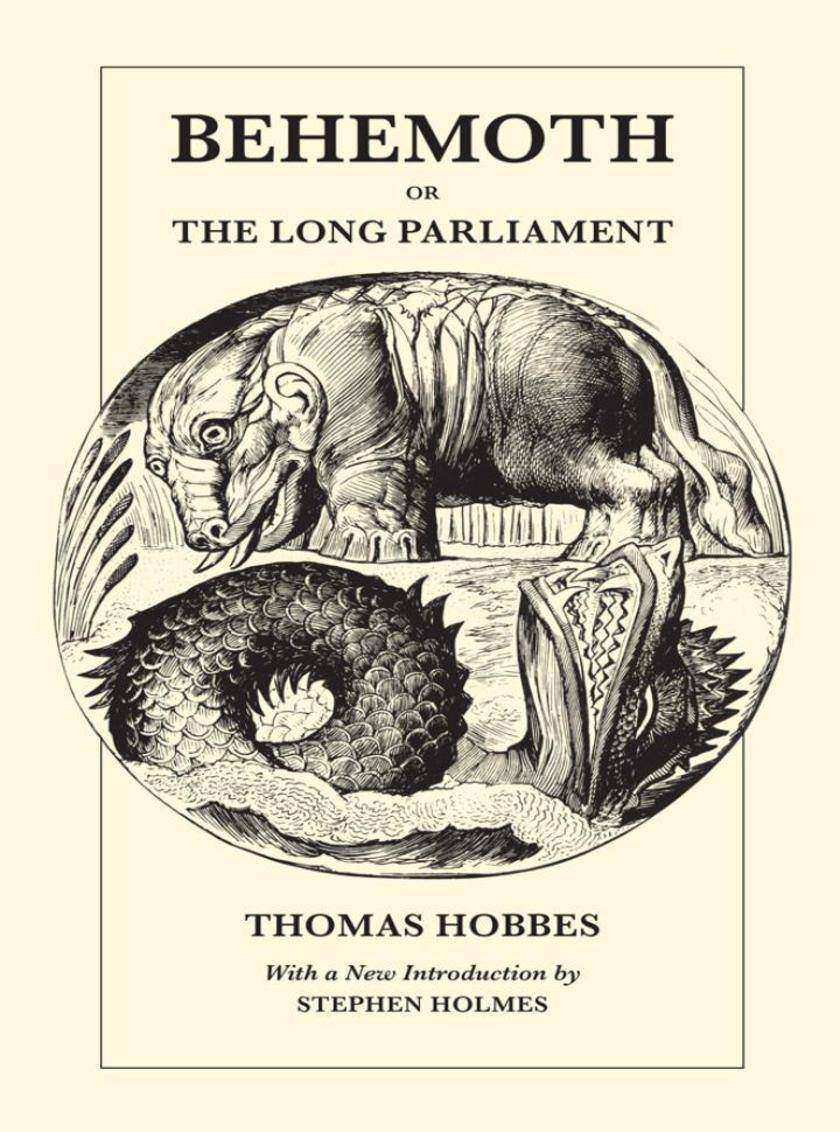
Behemoth or The Long Parliament
¥247.21
Behemoth, or The Long Parliament is essential to any reader interested in the historical context of the thought of Thomas Hobbes (1588-1679). In De Cive (1642) and Leviathan (1651), the great political philosopher had developed an analytical framework for discussing sedition, rebellion, and the breakdown of authority. Behemoth, completed around 1668 and not published until after Hobbe's death, represents the systematic application of this framework to the English Civil War.In his insightful and substantial Introduction, Stephen Holmes examines the major themes and implications of Behemoth in Hobbes's system of thought. Holmes notes that a fresh consideration of Behemoth dispels persistent misreadings of Hobbes, including the idea that man is motivated solely by a desire for self-preservation. Behemoth, which is cast as a series of dialogues between a teacher and his pupil, locates the principal cause of the Civil War less in economic interests than in the stubborn irrationality of key actors. It also shows more vividly than any of Hobbe's other works the importance of religion in his theories of human nature and behavior.

Socrates and the Jews
¥247.21
"e;What has Athens to do with Jerusalem?"e; Asked by the early Christian Tertullian, the question was vigorously debated in the nineteenth century. While classics dominated the intellectual life of Europe, Christianity still prevailed and conflicts raged between the religious and the secular. Taking on the question of how the glories of the classical world could be reconciled with the Bible, Socrates and the Jews explains how Judaism played a vital role in defining modern philhellenism.Exploring the tension between Hebraism and Hellenism, Miriam Leonard gracefully probes the philosophical tradition behind the development of classical philology and considers how the conflict became a preoccupation for the leading thinkers of modernity, including Matthew Arnold, Moses Mendelssohn, Kant, Marx, Nietzsche, and Freud. For each, she shows how the contrast between classical and biblical traditions is central to writings about rationalism, political subjectivity, and progress. Illustrating how the encounter between Athens and Jerusalem became a lightning rod for intellectual concerns, this book is a sophisticated addition to the history of ideas.

Fiela's Child
¥241.33
Set in nineteenth-century rural Africa, Fiela's Child tells the gripping story of Fiela Komoetie and a white, three-year old child, Benjamin, whom she finds crying on her doorstep. For nine years Fiela raises Benjamin as one of her own children. But when census takers discover Benjamin, they send him to an illiterate white family of woodcutters who claim him as their son. What follows is Benjamin's search for his identity and the fundamental changes affecting the white and black families who claim him."e;Everything a novel can be: convincing, thought-provoking, upsetting, unforgettable, and timeless."e;-Grace Ingoldby, New Statesman"e;Fiela's Child is a parade that broadens and humanizes our understanding of the conflicts still affecting South Africa today."e;-Francis Levy, New York Times Book Review"e;A powerful creation of time and place with dark threads of destiny and oppression and its roots in the almost Biblical soil of a storyteller's art."e;-Christopher Wordsworth, The Guardian"e;The characters in the novel live and breathe; and the landscape is so brightly painted that the trees, birds, elephants, and rivers of old South Africa are characters themselves. A book not to miss."e;-Kirkus Reviews
Lectures on Kant's Political Philosophy
¥141.26
Hannah Arendt's last philosophical work was an intended three-part project entitled The Life of the Mind. Unfortunately, Arendt lived to complete only the first two parts, Thinking and Willing. Of the third, Judging, only the title page, with epigraphs from Cato and Goethe, was found after her death. As the titles suggest, Arendt conceived of her work as roughly parallel to the three Critiques of Immanuel Kant. In fact, while she began work on The Life of the Mind, Arendt lectured on "e;Kant's Political Philosophy,"e; using the Critique of Judgment as her main text. The present volume brings Arendt's notes for these lectures together with other of her texts on the topic of judging and provides important clues to the likely direction of Arendt's thinking in this area.
Culture of Ancient Egypt
¥129.49
The story of Egypt is the story of history itself-the endless rise and fall, the life and death and life again of the eternal human effort to endure, enjoy, and understand the mystery of our universe. Emerging from the ancient mists of time, Egypt met the challenge of the mystery in a glorious evolution of religious, intellectual, and political institutions and for two millenniums flourished with all the vigor that the human heart can invest in a social and cultural order. Then Egypt began to crumble into the desert sands and the waters of the Nile, and her remarkable achievements in civilization became her lingering epitaph. John A. Wilson has written a rich and interpretive biography of one of the greatest cultural periods in human experience. He answers-as best the modern Egyptologist can-the questions inevitably asked concerning the dissolution of Egypt's glory. Here is scholarship in its finest form, concerned with the humanity that has preceded us, and finding in man's past grandeur and failure much meaning for men of today.
Dead Ladies Project
¥129.49
When Jessa Crispin was thirty, she burned her settled Chicago life to the ground and took off for Berlin with a pair of suitcases and no plan beyond leaving. Half a decade later, she's still on the road, in search not so much of a home as of understanding, a way of being in the world that demands neither constant struggle nor complete surrender.The Dead Ladies Project is an account of that journey-but it's also much, much more. Fascinated by exile, Crispin travels an itinerary of key locations in its literary map, of places that have drawn writers who needed to break free from their origins and start afresh. As she reflects on William James struggling through despair in Berlin, Nora Barnacle dependant on and dependable for James Joyce in Trieste, Maud Gonne fomenting revolution and fostering myth in Dublin, or Igor Stravinsky starting over from nothing in Switzerland, Crispin interweaves biography, incisive literary analysis, and personal experience into a rich meditation on the complicated interactions of place, personality, and society that can make escape and reinvention such an attractive, even intoxicating proposition.?Personal and profane, funny and fervent, The Dead Ladies Project ranges from the nineteenth century to the present, from historical figures to brand-new hangovers, in search, ultimately, of an answer to a bedrock question: How does a person decide how to live their life?

Venusberg
¥129.49
Written from a vantage point both high and deliberately narrow, the early novels of the late British master Anthony Powell nevertheless deal in the universal themes that would become a substantial part of his oeuvre: pride, greed, and the strange drivers of human behavior. More explorations of relationships and vanity than plot-driven narratives, Powell's early works reveal the stirrings of the unequaled style, ear for dialogue, and eye for irony that would reach their caustic peak in his epic, A Dance to the Music of Time.Powell's sophomore novel, Venusberg, follows journalist Lushington as he leaves behind his unrequited love in England and travels by boat to an unnamed Baltic state. Awash in a marvelously odd assortment of counts and ladies navigating a multicultural, elegant, and politically precarious social scene, Lushington becomes infatuated with his very own, very foreign Venus. An action-packed literary precursor to Wes Anderson's The Grand Budapest Hotel, Venusberg is replete with assassins and Nazis, loose countesses and misunderstandings, fatal accidents and social comedy. But beyond its humor, this early installment in Powell's literary canon will offer readers a welcome window onto the mind of a great artist learning his craft.

Planet of Viruses
¥105.95
The past year has been one of viral panic-panic about viruses, that is. Through headlines, public health warnings, and at least one homemade hazmat suit, we were reminded of the powerful force of viruses. They are the smallest living things known to science, yet they can hold the entire planet in their sway.A Planet of Viruses is Carl Zimmer's eye-opening look at the hidden world of viruses. Zimmer, the popular science writer and author of National Geographic's award-winning blog The Loom, has updated this edition to include the stories of new outbreaks, such as Ebola, MERS, and chikungunya virus; new scientific discoveries, such as a hundred-million-year-old virus that infected the common ancestor of armadillos, elephants, and humans; and new findings that show why climate change may lead to even deadlier outbreaks. Zimmer's lucid explanations and fascinating stories demonstrate how deeply humans and viruses are intertwined. Viruses helped give rise to the first life-forms, are responsible for many of our most devastating diseases, and will continue to control our fate for centuries. Thoroughly readable, and as reassuring as it is frightening, A Planet of Viruses is a fascinating tour of a formidable hidden world.
Becoming a Marihuana User
¥82.40
OG Kush. Sour Diesel. Wax, shatter, and vapes. Marijuana has come a long way since its seedy days in the back parking lots of our culture. So has Howard S. Becker, the eminent sociologist, jazz musician, expert on "e;deviant"e; culture, and founding NORML board member. When he published Becoming a Marihuana User more than sixty years ago, hardly anyone paid attention-because few people smoked pot. Decades of Cheech and Chong films, Grateful Dead shows, and Cannabis Cups later, and it's clear-marijuana isn't just an established commodity, it's an entire culture. And that's just the thing-Becker totally called it: pot has everything to do with culture. It's not a blight on culture, but a culture itself-in fact, you'll see in this book the first use of the term "e;users,"e; rather than "e;abusers"e; or "e;addicts."e; Come along on this short little study-now a famous timestamp in weed studies-and you will be astonished at how relevant it is to us today.?Becker doesn't judge, but neither does he holler for legalization, tell you how to grow it in a hollowed-out dresser, or anything else like that for which there are plenty of other books you can buy. Instead, he looks at marijuana with a clear sociological lens-as a substance that some people enjoy, and that some others have decided none of us should. From there he asks: so how do people decide to get high, and what kind of experience do they have as a result of being part of the marijuana worldWhat he discovers will bother some, especially those who proselytize the irrefutably stunning effects of the latest strain: chemistry isn't everything-the important thing about pot is how we interact with it. We learn to be high. We learn to like it. And from there, we teach others, passing the pipe in a circle that begins to resemble a bona fide community, defined by shared norms, values, and definitions just like any other community.?All throughout this book, you'll see the intimate moments when this transformation takes place. You'll see people doing it for the first time and those with considerable experience. You'll see the early signs of the truths that have come to define the marijuana experience: that you probably won't get high at first, that you have to hold the hit in, and that there are other people here who are going to smoke that, too.?
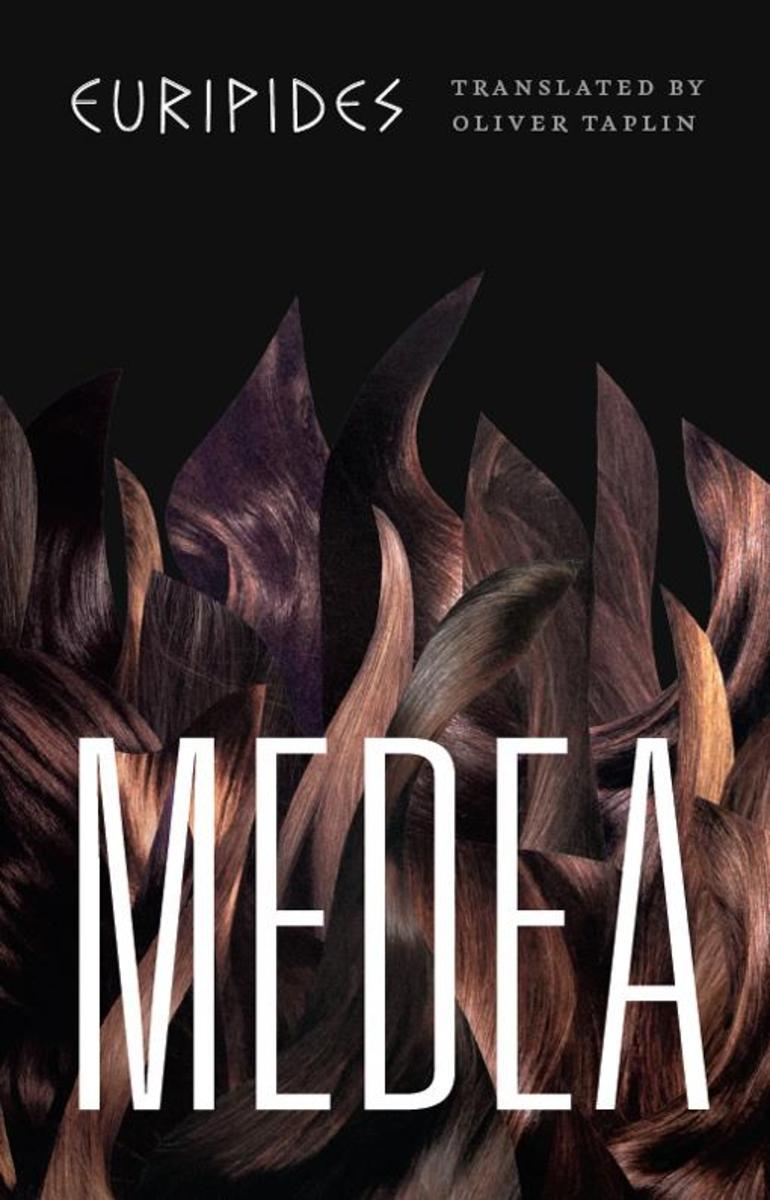
Medea
¥65.75
In the centuries since it was first performed, Euripides's Medea has established itself as one of the most influential of the Greek tragedies. The story of the wronged wife who seeks revenge against her unfaithful husband by murdering their children is lodged securely in the popular imagination, a touchstone for politics, law, and psychoanalysis and the subject of constant retellings and reinterpretations.This new translation of Medea by classicist Oliver Taplin, originally published as part of the acclaimed third edition of Chicago's Complete Greek Tragedies, brilliantly replicates the musicality and strength of Euripides's verse while retaining the play's dramatic and emotional impact.?Taplin has created an edition of Medea that is particularly suited to performance, while not losing any of the power it has long held as an object of reading or study. This edition is poised to become the new standard, and to introduce a new generation of readers to the heights and depths of Greek tragedy.


