


 购物车
购物车 个人中心
个人中心
Santorini
¥57.09
Reissue of the gripping tale of sabotage at sea, from the acclaimed master of action and suspense. In the heart of the Aegean Sea, a luxury yacht is on fire and sinking fast. Minutes later, a four-engined jet with a fire in its nose-cone crashes into the sea. Is there a sinister connection between these two tragedies? And is it an accident that the Ariadne, a NATO spy ship, is the only vessel in the vicinity - the only witness? Only Commander Talbot of the Ariadne can provide the answers as he uncovers a deadly plot involving drugs and terrorism - leading to the heart of the Pentagon.
The Satan Bug
¥57.09
Gripping and tense story of secret agents, even more secret government facilities, and a deadly virus, from the acclaimed master of action and suspense. HELL IS ABOUT TO BE UNLEASHED… Five strands of high-voltage wire, 200 yards of bare ground and double barbed wire fences patrolled by armed guards with dogs separated Mordon Research Centre from the outside world. Yet behind the locked doors of E block, a scientist lies dead, and a new toxin of terrifying power has vanished…
The Hours
¥66.22
Winner of the 1999 Pulitzer Prize and Pen Faulkner prize. Made into an Oscar-winning film, ‘The Hours’ is a daring and deeply affecting novel inspired by the life and work of Virginia Woolf. In 1920s London, Virginia Woolf is fighting against her rebellious spirit as she attempts to make a start on her new novel. A young wife and mother, broiling in a suburb of 1940s Los Angeles, yearns to escape and read her precious copy of ‘Mrs Dalloway’. And Clarissa Vaughan steps out of her smart Greenwich village apartment in 1990s New York to buy flowers for a party she is hosting for a dying friend. Moving effortlessly across the decades and between England and America, this exquisite novel intertwines the stories of three unforgettable women.
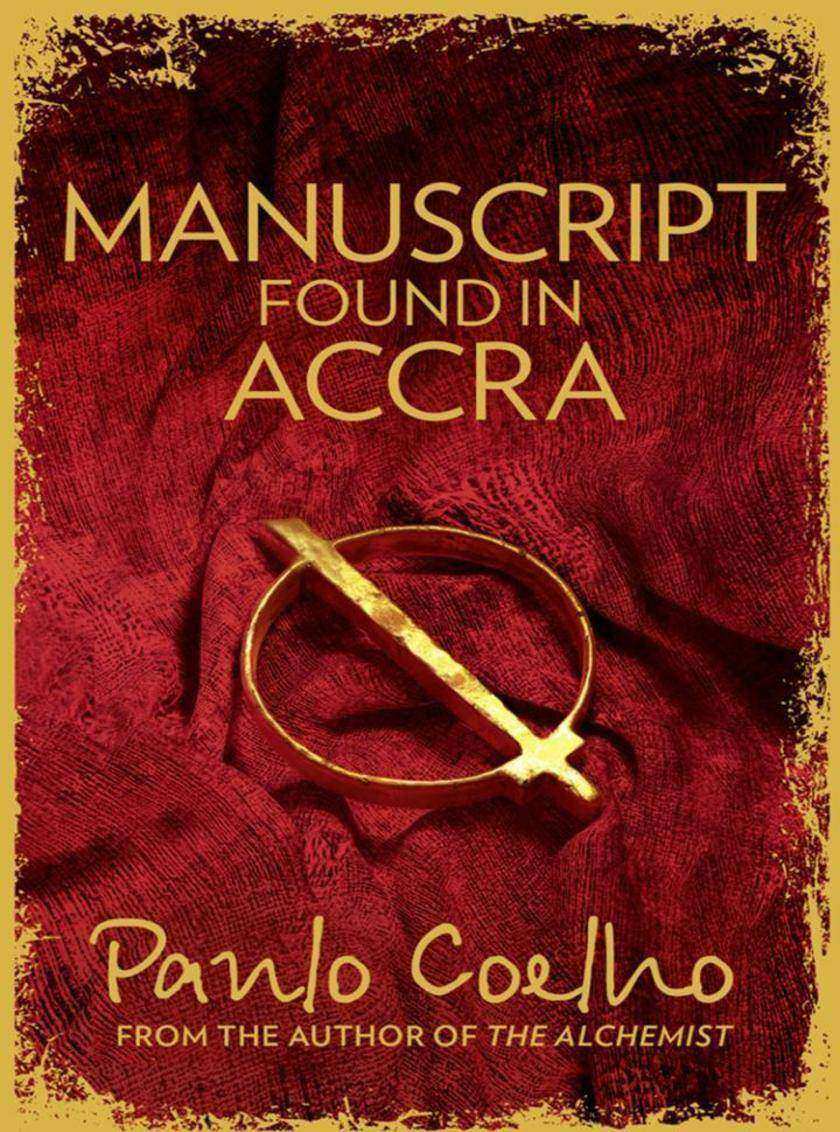
Manuscript Found in Accra
¥45.62
Another incredible novel from the #1 internationally bestselling author of The Alchemist.
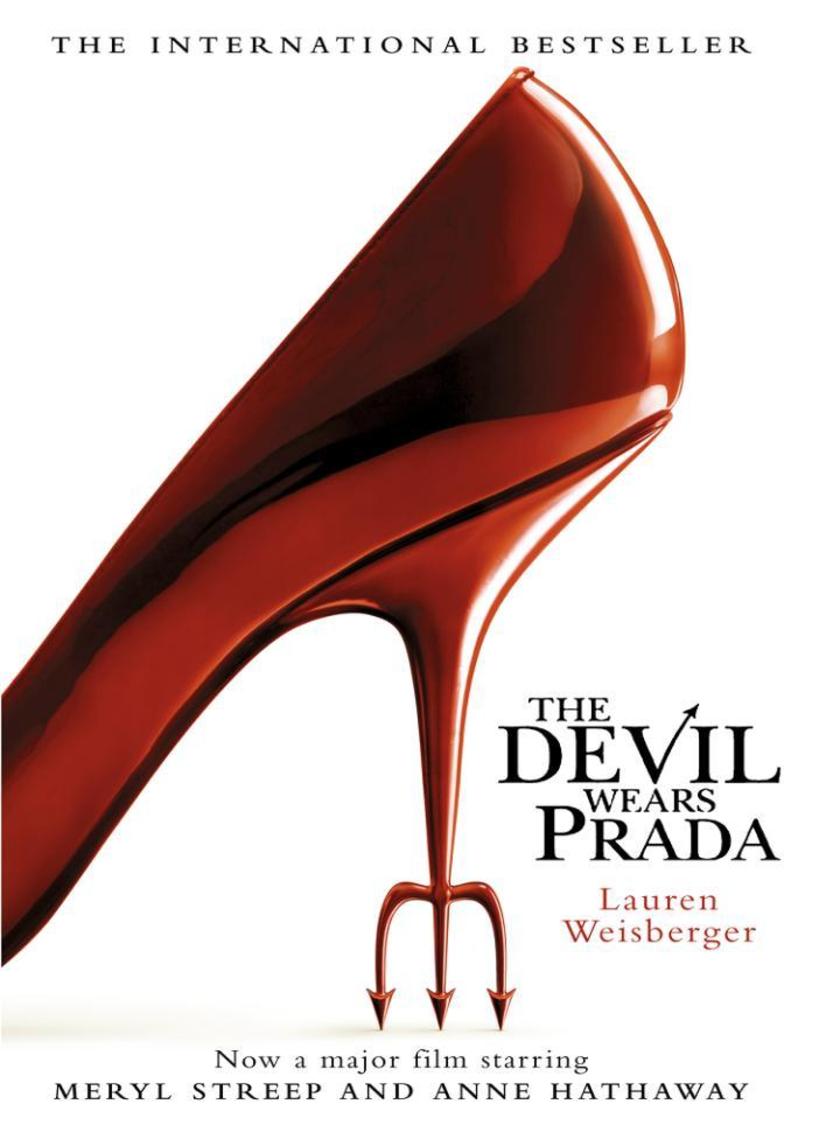
The Devil Wears Prada
¥58.86
The classic bestseller – over a million copies sold worldwide High fashion, low cunning – and the boss from hell When Andrea first sets foot in the plush Manhattan offices of Runway she knows nothing. She's never heard of the world's most fashionable magazine, or its feared and fawned-over editor, Miranda Priestly – her new boss. A year later, she knows altogether too much: That it's a sacking offence to wear anything lower than a three-inch heel to work. That you can charge cars, manicures, anything at all to the Runway account, but you must never, ever, leave your desk, or let Miranda's coffee get cold. And that at 3 a.m. on a Sunday, when your boyfriend's dumping you because you're always at work, if Miranda phones, you jump. But this is Andrea’s big break – it's going to be worth it in the end. Isn't it?
The Highly Sensitive Child: Helping our children thrive when the world overwhelm
¥95.75
15-20% of children are Highly Sensitive – and they are often labelled shy, introverted, fussy or faddy. The real story is very different though and this intelligent, practical book helps parents know what to do, when to back off, and how to ensure their child is given the right sort of treatment at school. This book is the follow up to the author’s internationally best-selling personal development guide The Highly Sensitive Person. It is the first and only book for parents of highly sensitive children. It provides parents with insights and information so they can understand High Sensitivity, and help their highly sensitive child thrive in the world. It is important for these children to be understood so they can be helped to avoid the common traps of shyness and withdrawal that many highly sensitive fall into as they develop. Contains questionnaire for parents to find out if their child has the traits common in highly sensitive children. Discusses HSC’s at different ages – infant, toddler, school-age and adolescent.…

The Shipping News
¥66.22
Annie Proulx's highly acclaimed, international bestseller and Pulitzer Prize-winning novel. Quoyle is a hapless, hopeless hack journalist living and working in New York. When his no-good wife is killed in a spectacular road accident, Quoyle heads for the land of his forefathers -- the remotest corner of far-flung Newfoundland. With 'the aunt' and his delinquent daughters -- Bunny and Sunshine -- in tow, Quoyle finds himself part of an unfolding, exhilarating Atlantic drama. 'The Shipping News' is an irresistible comedy of human life and possibility.
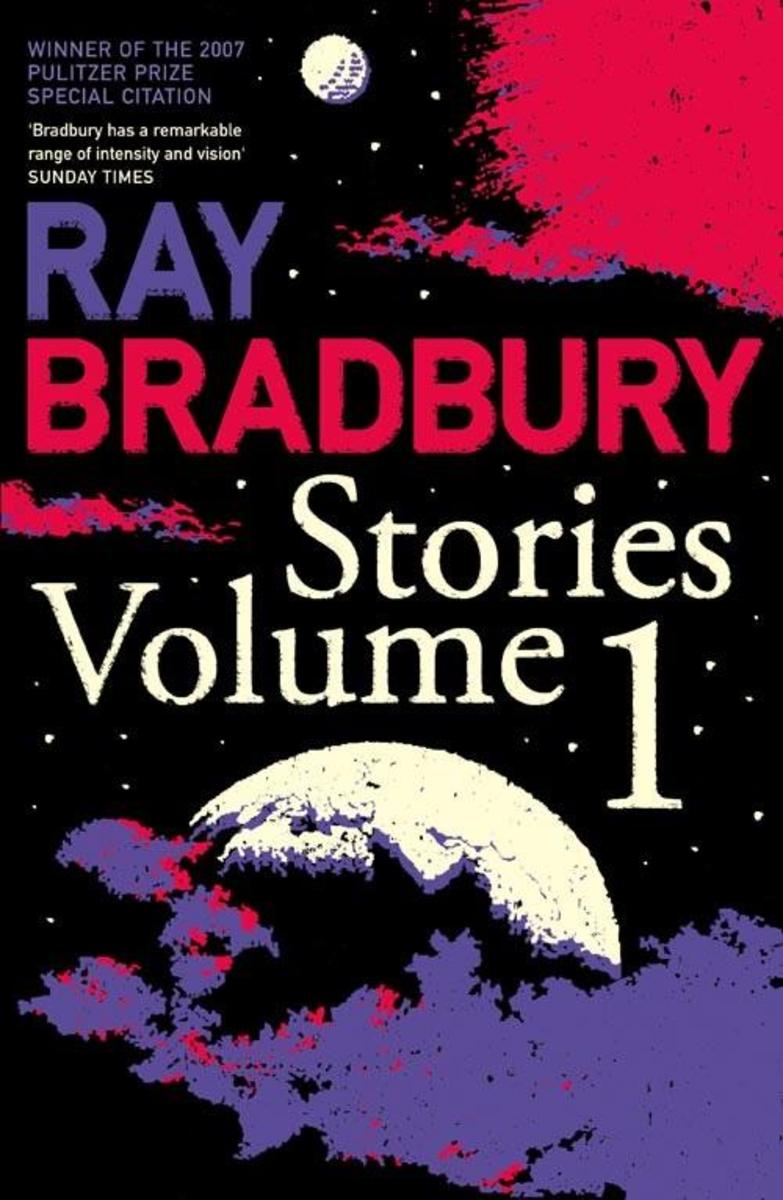
Ray Bradbury Stories Volume 1
¥136.56
One hundred classic stories from the celebrated author of Fahrenheit 451. In this, the first volume of Ray Bradbury's short stories, some of the author's finest works are published together, among them ‘Homecoming’, ‘Veldt’, ‘A Sound of Thunder’ and ‘The Long Rain’. Join an ill-fated crew of astronauts pushed to the brink of insanity by the incessant and highly corrosive rain on Venus, a high-tech virtual reality playroom that comes to life with terrible consequences, and a safari company offering tours for the wealthy back in time to the prehistoric era to stalk and kill dinosaurs, resulting in the present they return to being irrevocably altered. This collection is a rare treasure trove of wonder; as apprehensive about technology and the fate of humanity as it is elegiaic of its irrepressible progress. Each story presents an enlightening and poetic facet of Bradbury’s writing, every one as relevant now as when it was first written.
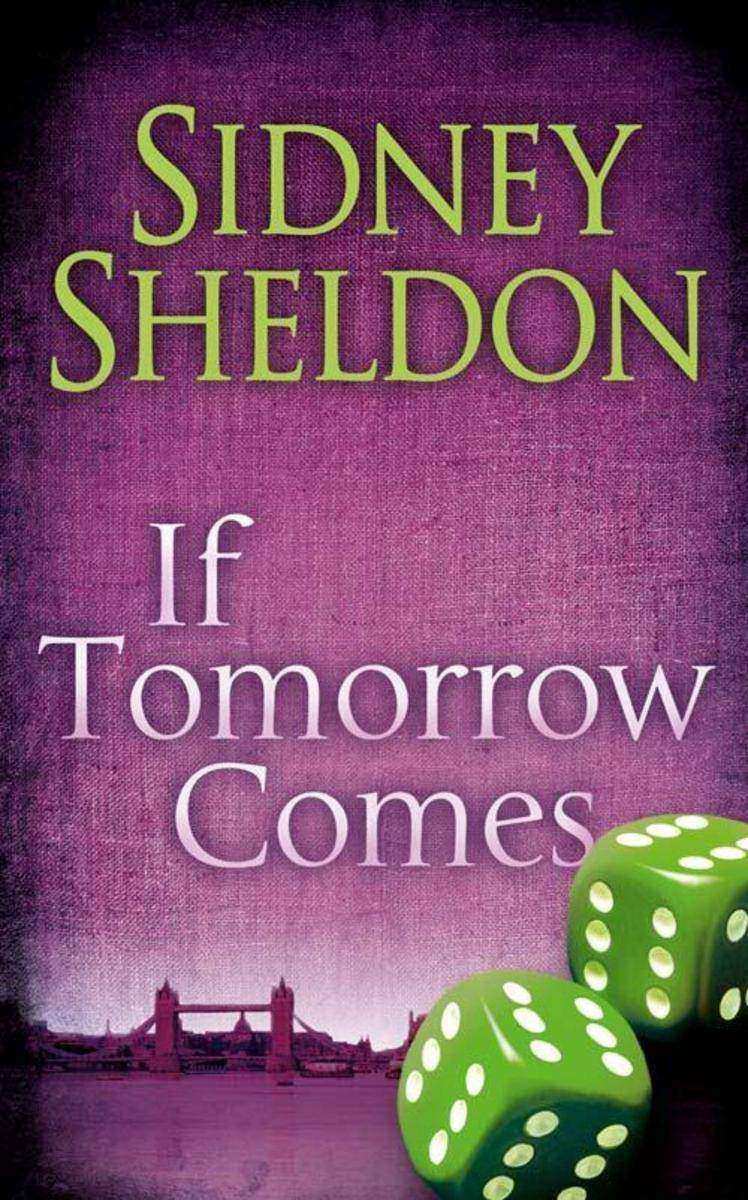
If Tomorrow Comes
¥66.22
The international bestseller from the master of suspense. A mafia conspiracy and one women against the world. Tracy Whitey is on top of the world. Young, beautiful, intelligent, she is about to marry into wealth and glamour – until, betrayed by her own innocence, she finds herself in prison, framed by a ruthless mafia gang and abandoned by the man she loves. Beaten and broken, but surviving with her dazzling ingenuity, Tracy emerges from her savage ordeal – determined to avenge those who have destroyed her life. Her thirst for revenge takes her from New Orleans to London, from Paris to Madrid and Amsterdam. Tracy is playing for the highest stakes in a deadly game. Only one man can challenge her – he’s handsome, persuasive and every bit as daring. Only one man can stop her – an evil genius whose only hope of salvation is in Tracy’s destruction…
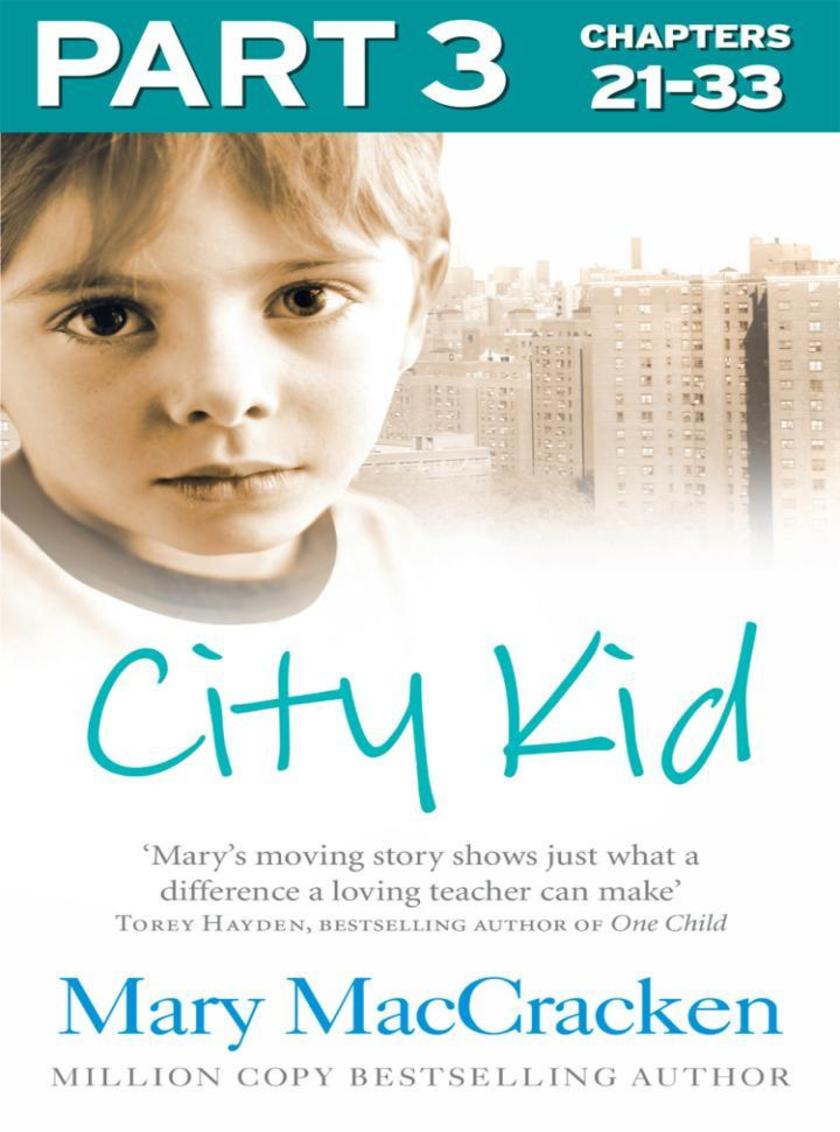
City Kid: Part 3 of 3
¥47.48
City Kid can either be read as a full-length eBook or in 3 serialised eBook-only parts. This is PART 3 of 3. You can read Part 3 on release of the full-length eBook and paperback. From the author of international bestsellers A Circle of Children and Lovey comes an inspiring true story of a gifted teacher’s determination to understand the ‘rotten’ city kid everyone has given up on. Sitting quiet and withdrawn at a battered school desk, Luke had the looks of a shy angel – and a past that special needs teacher Mary MacCracken could barely believe. Already Luke had been picked up 24 times by the police. He’d set over a dozen major fires, and had a staggering record of thefts. No adult could reach him, no teacher could control him, and no policeman could cow him. All this – and Luke was only seven and a half years old. Trying to help Luke was Mary MacCracken’s job – and a seemingly impossible challenge. This is the remarkable story of how the impossible came true.
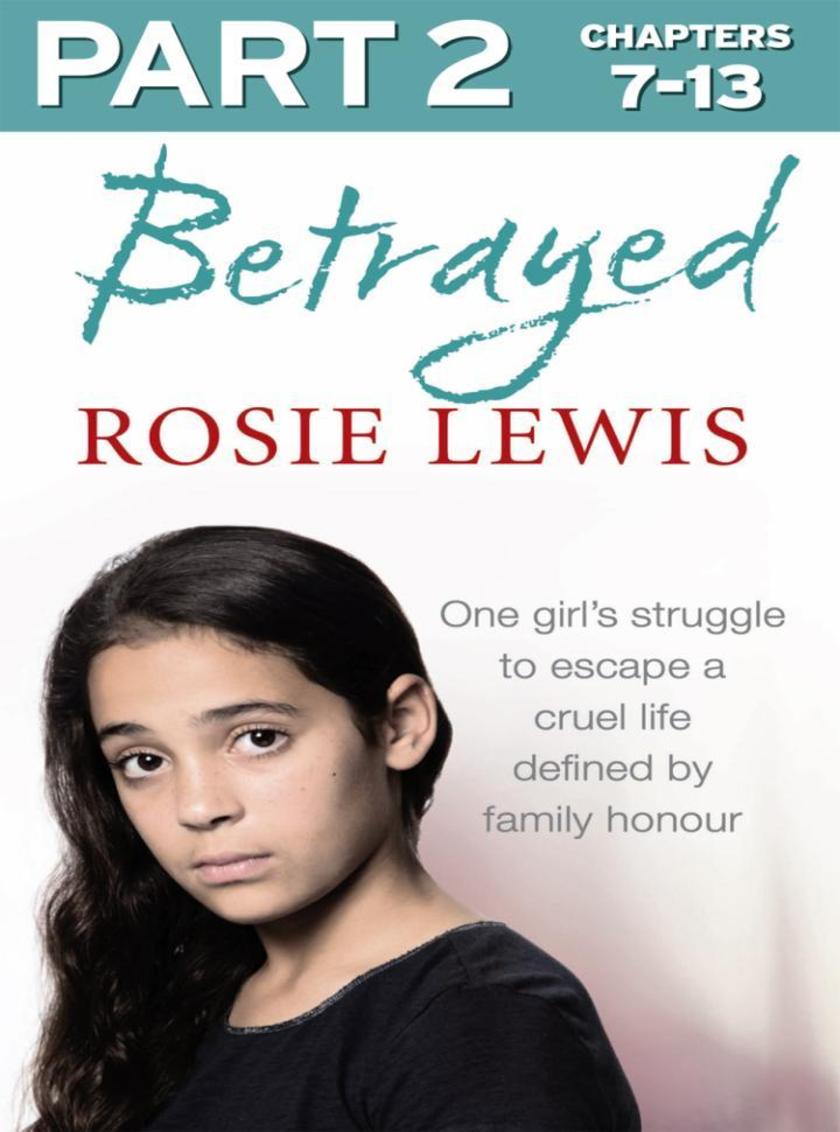
Betrayed: Part 2 of 3
¥28.45
Betrayed can either be read as a full-length eBook or in 3 serialised eBook-only parts. This is PART 2 of 3. You can read Part 2 one week ahead of release of the full-length eBook and paperback. In the much-anticipated follow-up to Sunday Times bestseller Trapped, foster carer Rosie Lewis tells the heartbreaking true story of 13-year-old Zadie. When the young teenage girl runs away and is discovered hiding on the city streets by the police, it is clear that all is not as it should be. Taught to believe that Westerners should not be trusted, when Zadie is initially delivered into the experienced hands of foster carer Rosie she is polite and well-behaved, but understandably suspicious of the family around her. Through Rosie’s support and understanding, gradually Zadie begins to settle into her new surroundings, but loyalty to her relatives, and fear of bringing shame on those around her, prevents her from confessing the horrifying truth about her troubled past. When the shocking truth finally emerges, Rosie and her family can hardly believe that Zadie had managed to keep the shocking secrets to herself for so long.

Trilogy Collection (Tales of the Notorious Hudson Family)
¥182.47
The first three titles in a series of gritty family sagas, Our Vinnie, My Uncle Charlie and My Mam Shirley chart the lives of three of the most infamous members of Yorkshire’s real-life notorious criminal family, the Hudsons. Dramatic and shocking, these three explosive true stories document a community forsaken by society - one brother’s unrelenting determination to take justice into his own hands, one man’s ascendancy to power, and the tragedy that brought it all crashing down, and, finally, the vivid account of the ‘Tucker’ girls; the resourceful women at the helm of a notorious Bradford family who will never be forgotten.
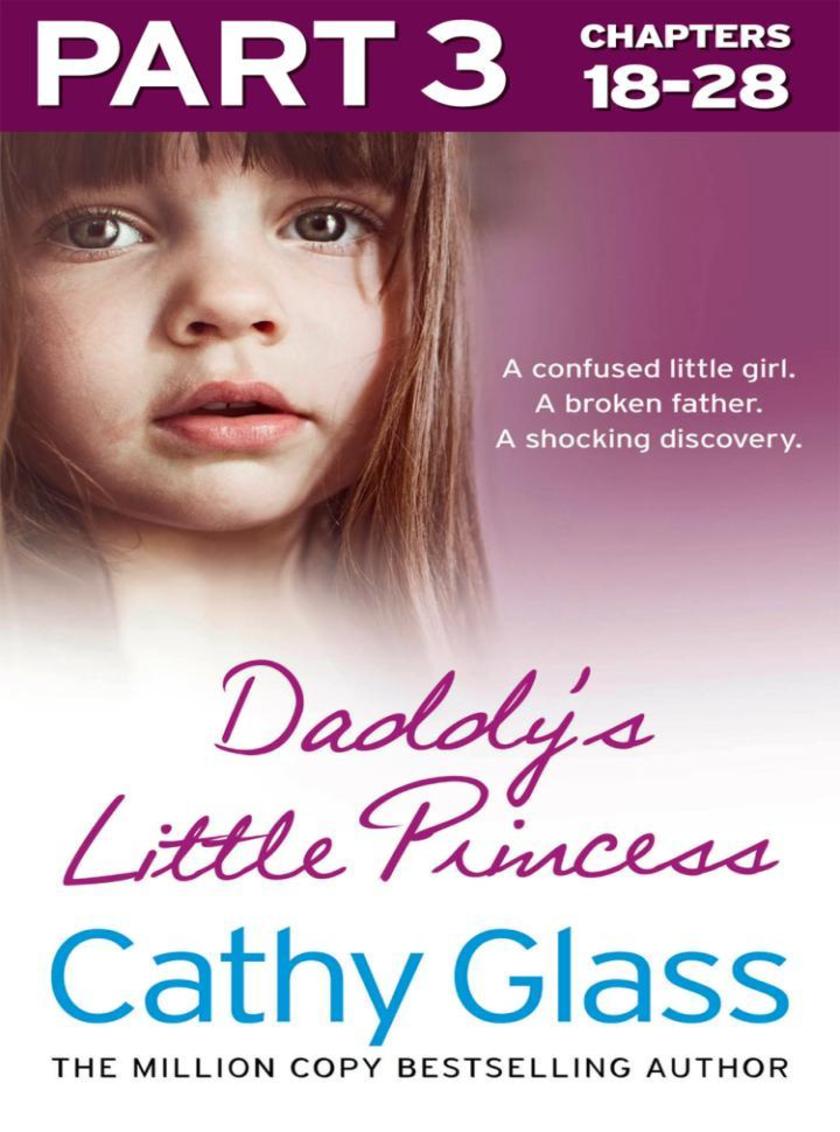
Daddy’s Little Princess: Part 3 of 3
¥47.48
The latest title from the internationally bestselling author and foster carer Cathy Glass. Beth is a sweet-natured child who appears to have been well looked after. But it isn’t long before Cathy begins to have concerns that the relationship between Beth and her father is not as it should be. Little Beth, aged 7, has been brought up by her father Derek after her mother left when she was a toddler. When Derek is suddenly admitted to hospital with psychiatric problems Beth is taken into care and arrives at Cathy’s. Beth and her father clearly love each other very much and Derek spoils his daughter, treating her like a princess, but there is something bothering Cathy, something she can’t quite put her finger on. Meanwhile Cathy’s husband is working away a lot and coming home less at weekends. Then, suddenly, everything changes. Events take a dramatic turn for both Beth and Cathy and her family; as Cathy strives to pick up the pieces all their lives are changed forever.
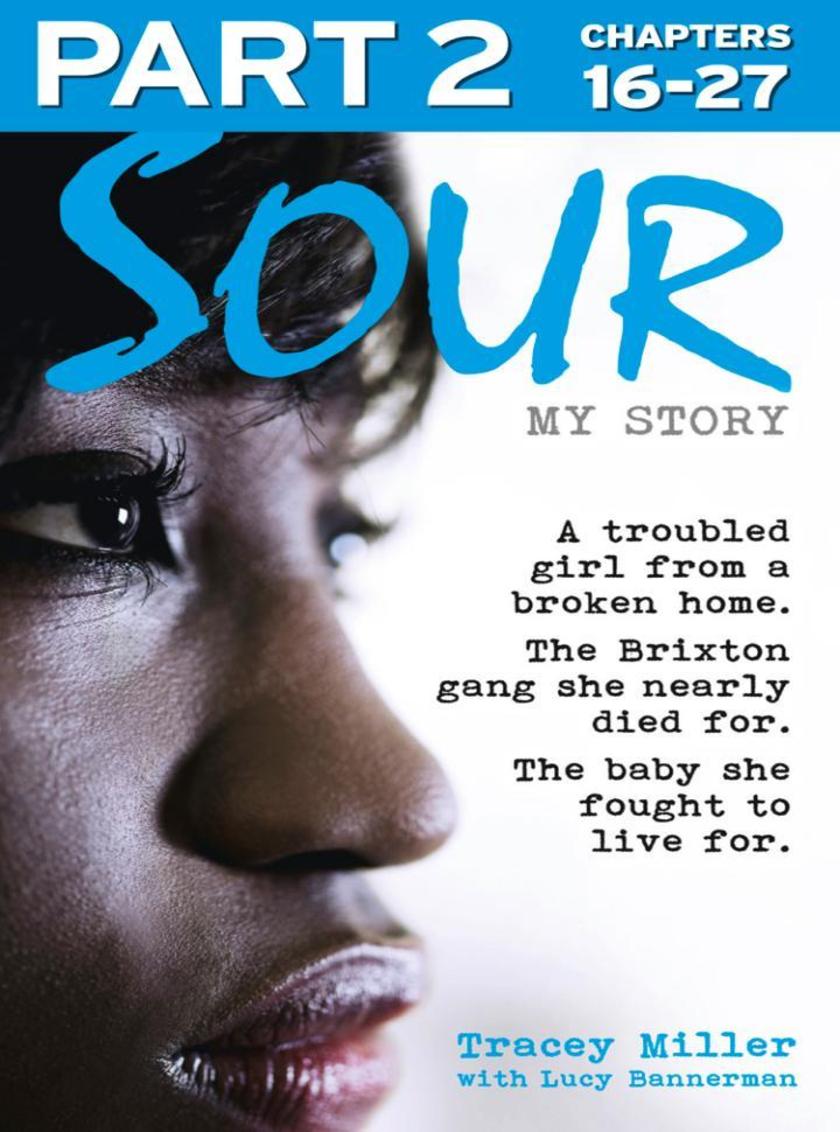
Sour: My Story - Part 2 of 3
¥40.52
Sour can either be read as a full-length eBook or in 3 serialised eBook-only parts. This is PART 1 of 3. They call me Sour. The opposite of sweet. Shanking, stabbing, steaming, robbing, I did it all, rolling with the Man Dem. I did it because I was bad. I did it because I had heart. And the reason I reckon I got away with it for so long? Because I was a girl. SOUR is the true story of a former Brixton gang girl, drug dealer and full-time criminal. A member of the Younger 28s, a notorious gang that terrorised the postcodes around Brixton in the 90s, Sour escapes a troubled family life to immerse herself in the street life of likking and linking. She never leaves her house without a knife. At the age of fifteen, she stabs an innocent man in the street, earning her unrivalled respect and ‘Top-Dog’ status amongst her crew. She believes she is invincible. But the consequences of her actions are soon to catch up with her. Waking for the second time in two weeks in a hospital bed, to the news that she is pregnant, she realises it’s time to turn her life around. Motherhood will be a rude awakening, but it may also be her saving grace. Told with raw emotions and ferocious honesty, this is the real, on-the-record, story of one woman’s descent down the rabbit hole of gangland, and her efforts, as a daughter, mother and girlfriend, to claw herself out.

SuperBetter: How a gameful life can make you stronger, happier, braver and more
¥102.61
A revolutionary new self-help book by top flight game designer Jane McGonigal. After suffering a brain injury, Jane McGonigal came up with a game to help aid her recovery and battle the ensuing depression she experienced. Half a million people have now played this game to astonishing results: depression gone in 6 weeks in some cases and even terminal cancer patients reporting that playing the game gives them a sense of control over their own health. The book shows readers how to use these techniques to find strength and create positivity: readers can look to their own ‘power-ups’ which are little things they can do to feel better and tackle the hurdles in their own lives. This book provides simple step-by-step ideas that can be carried out in day-to-day life, helping you transform your life with a new flexible and reenergised mindset. In this book McGonigal uses her own story and those of others to expertly demonstrate how simple changes can result in dramatic life-affirming effects. And what’s more, she tells you how you yourself can lead a more “gameful” life.
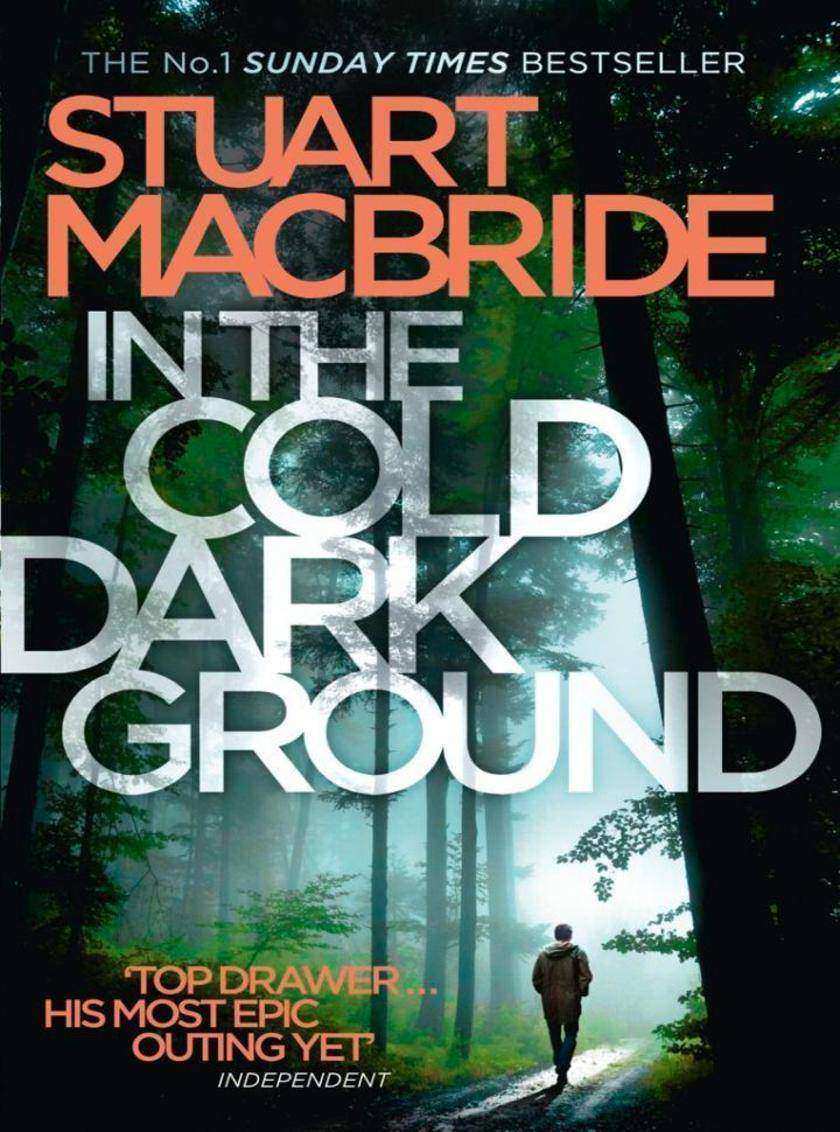
In the Cold Dark Ground (Logan McRae, Book 10)
¥58.86
THE SUNDAY TIMES NO. 1 BESTSELLER The new Logan McRae novel from the No. 1 bestselling author of THE MISSING AND THE DEAD and A SONG FOR THE DYING. Sergeant Logan McRae is in trouble… His missing-persons investigation has just turned up a body in the woods – naked, hands tied behind its back, and a bin bag duct-taped over its head. The Major Investigation Team charges up from Aberdeen, under the beady eye of Logan’s ex-boss Detective Chief Inspector Steel. And, as usual, she wants him to do her job for her. But it’s not going to be easy: a new Superintendent is on her way up from the Serious Organised Crime Task Force, hell-bent on making Logan’s life miserable; Professional Standards are gunning for Steel; and Wee Hamish Mowat, head of Aberdeen’s criminal underbelly, is dying – leaving rival gangs from all over the UK eying his territory. There’s a war brewing and Logan’s trapped right in the middle, whether he likes it or not.
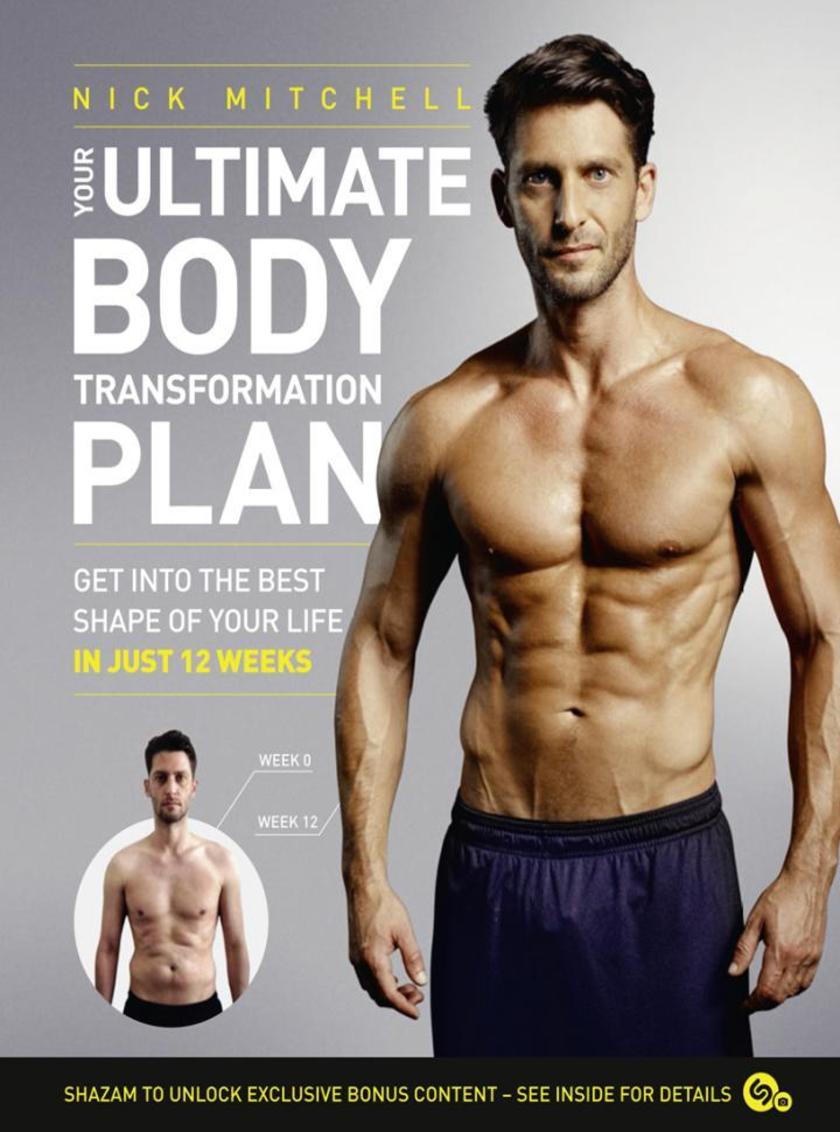
Your Ultimate Body Transformation Plan: Get into the best shape of your life – i
¥110.46
The 12-week plan for men to get into the best shape of their life. Burn fat, build muscle and get that ideal body. This is an exercise book for men who want something a little bit special – a definitive plan that has worked time after time for thousands of people who live ordinary, non-gym and diet obsessed lives. Building on the success of his first bookazine, which was the number one best-selling fitness book of 2013 – Nick Mitchell, trainer of trainers and owner of internationally renowned Ultimate Performance Gyms, provides a comprehensive guide to transforming your body. - 12-week Foundation programme suitable for all levels and any goal - Additional Specialisation workouts to sculpt your arms, back, chest, delts and legs - Nutritional advice and guidance on supplements - Comprehensive set of meal plans to maximise muscle building and fat loss - Shazam the physical book to unlock exclusive training videos for every exercise (on the ebook, simply tap the relevant exercise to unlock)
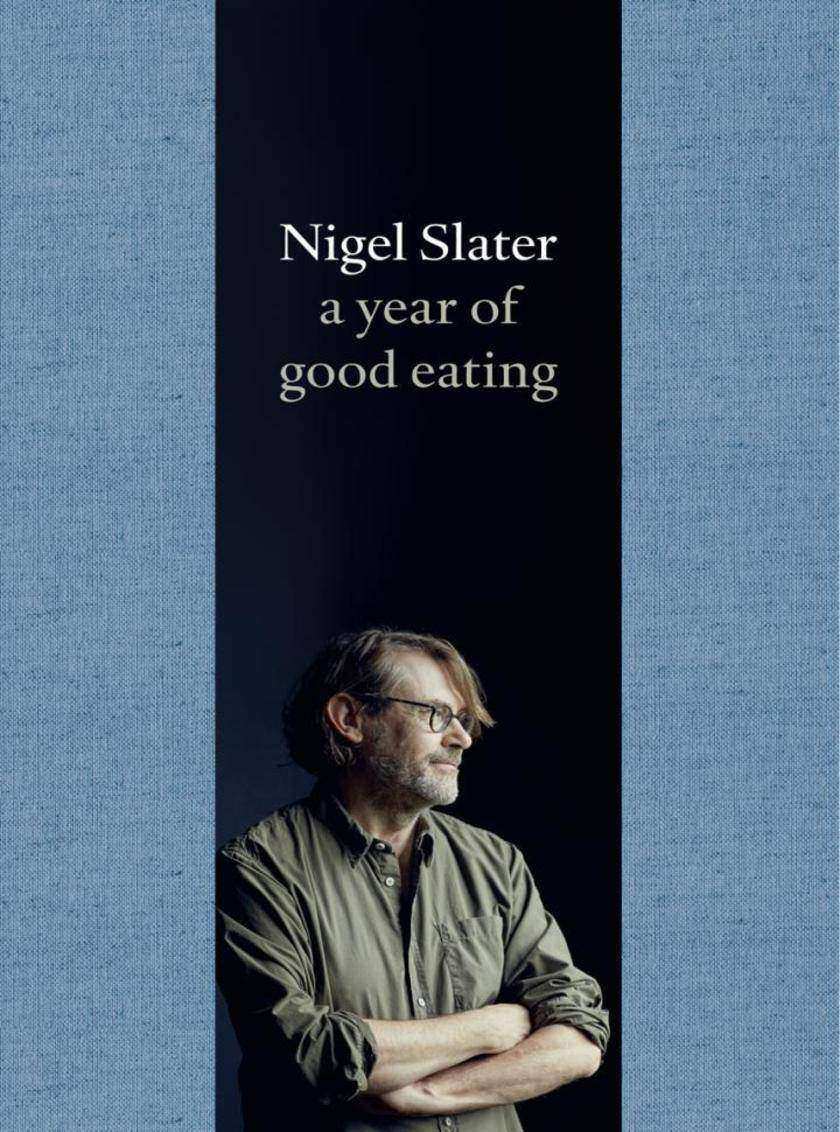
A Year of Good Eating: The Kitchen Diaries III
¥221.12
An immediate new classic from Nigel Slater. Over 250 recipes, moments and ideas for good eating, with extra-special seasonal sections for quick, weeknight eats. The third instalment of Nigel Slater’s classic Kitchen Diaries series, A Year of Good Eating explores the balance and pleasure in eating well throughout the year. The leisurely recipes and kitchen stories of the Diaries are ingeniously interspersed with seasonal sections of quick, weeknight suppers in the style of Nigel’s most recent bestseller Eat. A salmon pie with herb butter sauce or an asparagus and blue cheese tart for when you have time to cook; roasted summer vegetables with sausages or quick baked eggs and greens for when you need to get dinner on the table fast. With Nigel’s characteristically simple recipes and inspiring writing, this new book will make good eating a joy, every day of the year.

Girl Alone
¥62.59
Aged nine Joss came home from school to discover her father's suicide. She's never gotten over it. This is the true story of Joss, 13 who is angry and out of control. At the age of nine, Joss finds her father’s dead body. He has committed suicide. Then her mother remarries and Joss bitterly resents her step-father who abuses her mentally and physically. Cathy takes Joss under her wing but will she ever be able to get through to the warm-hearted girl she sees glimpses of underneath the vehement outbreaks of anger that dominate the house, and will Cathy be able to build up Joss’s trust so she can learn the full truth of the terrible situation?
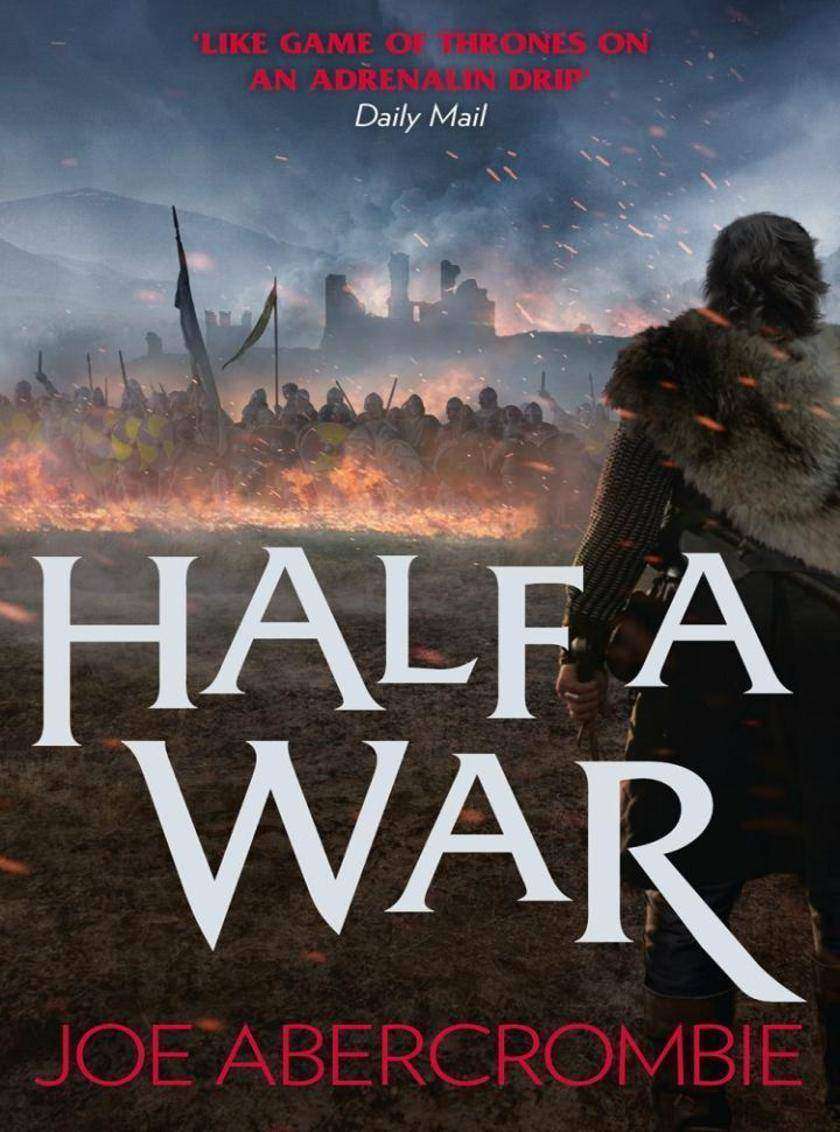
Half a War (Shattered Sea, Book 3)
¥53.56
A classic coming-of-age tale set in a vivid and richly-imagined world from Sunday Times bestselling author Joe Abercrombie. ‘Joe Abercrombie is doing some terrific work’ GEORGE R.R. MARTIN
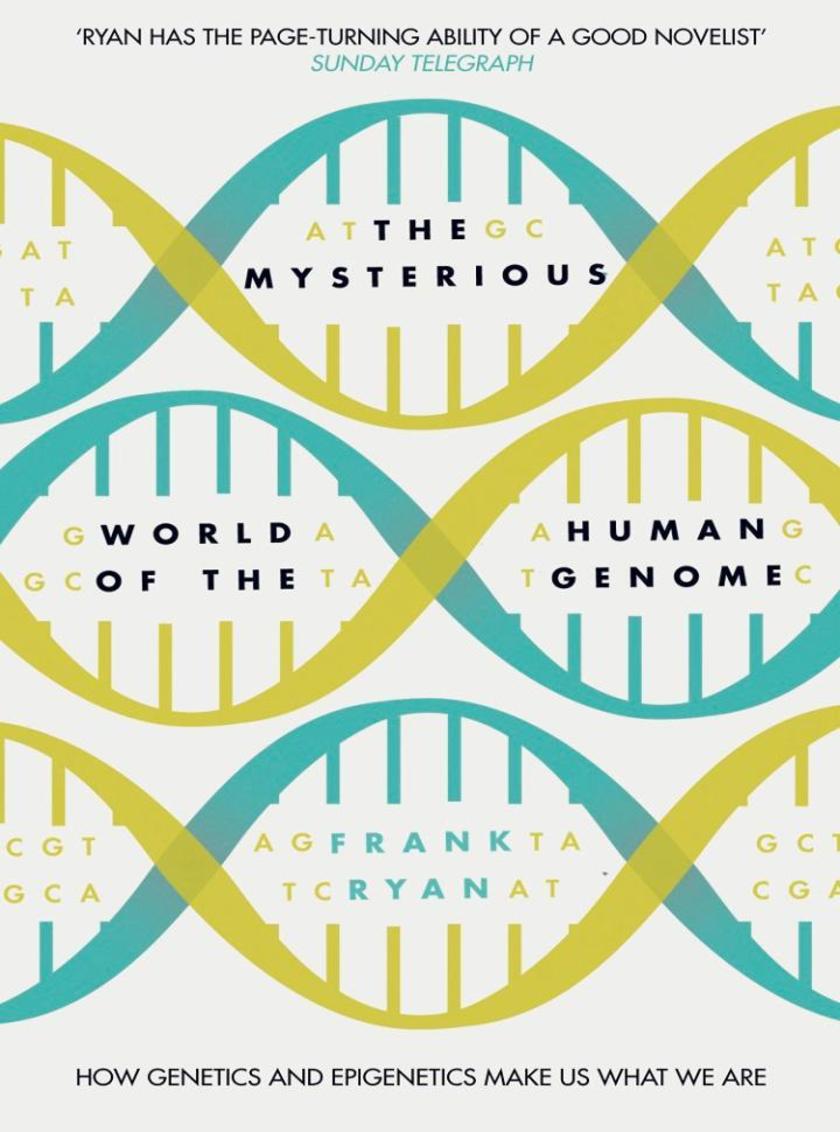
The Mysterious World of the Human Genome
¥81.03
How could a relatively simple chemical code give rise to the complexity of a human being? How could our human genome have evolved? And how does it actually work? Over the past 50 years we have deciphered the inner workings of the human genome. From the basic structure of DNA through to the complete sequence of the code, what first appeared to be simple is actually a complex and beautiful three-dimensional world that makes each of us who we are. In The Mysterious World of the Human Genome acclaimed science writer Frank Ryan leads us through the most exciting scientific discoveries of the last 50 years, revealing how this science has unlocked the cure of some genetic diseases, developed the use of DNA in forensic science and paternity testing, helped us trace our ancestors and provided a definitive map for the movement of humans out of Africa. This scientific journey has had a profound impact on our understanding of the evolution of life itself, through the role of the most ancient of organisms in our basic biology all the way to the revelation that our most recent ancestor, Homo neanderthalensis, lives on in many of us. In the ever more complicated world of the human genome, this is the first book to explain how the human genome actually works as a whole and how that knowledge will have a profound effect on our understanding of where we have come from and where we are likely to be going in the future.


