


 购物车
购物车 个人中心
个人中心
The Dolce Vita Diaries
¥47.48
A deliciously different travelogue In 2005, Cathy and Jason threw in successful careers as TV presenters and producers to become olive farmers in Italy. With their one year old daughter and Italian dictionary in tow, they found themselves in the middle of a European nowhere untouched by modernity. They were on a steep learning curve in more-or-less everything – finding out how to prune an olive tree so that a sparrow can pass through its branches, learning what beauty products are de rigeur in the changing rooms of a local Italian football team, being trained, by a local Italian choir, how to sing in English but with an Italian accent – and learning the rigorous rules of when one is allowed to consume a cappuccino. Armed with their indefatigable love of food, they headed off many a potentially tricky situation by cooking their way out of it, a sure route to the heart of any Italian. They discover that olive farming is dominated by the big boys and desperate to turn their new home into a way of making a living they cast around for ideas of how they can do so. A flash of inspiration led them to launch an 'Adopt-an-Olive-Tree' scheme. For a fee buyers could adopt a tree, receive produce from it and even go and visit it to give it a hug. The scheme became hugely popular with trees selling out way ahead of expectations. A contract with Selfridges followed and suddenly Cathy and Jason's dream is realised. Or nearly anyway. It's a hard slog and they meet every challenge with fortitude and humour but what they hadn't expected was that the biggest challenge would be the quiet of the countryside. Soon they find themselves hankering for the sounds and stench of the city and facing a difficult decision on what they should do next.
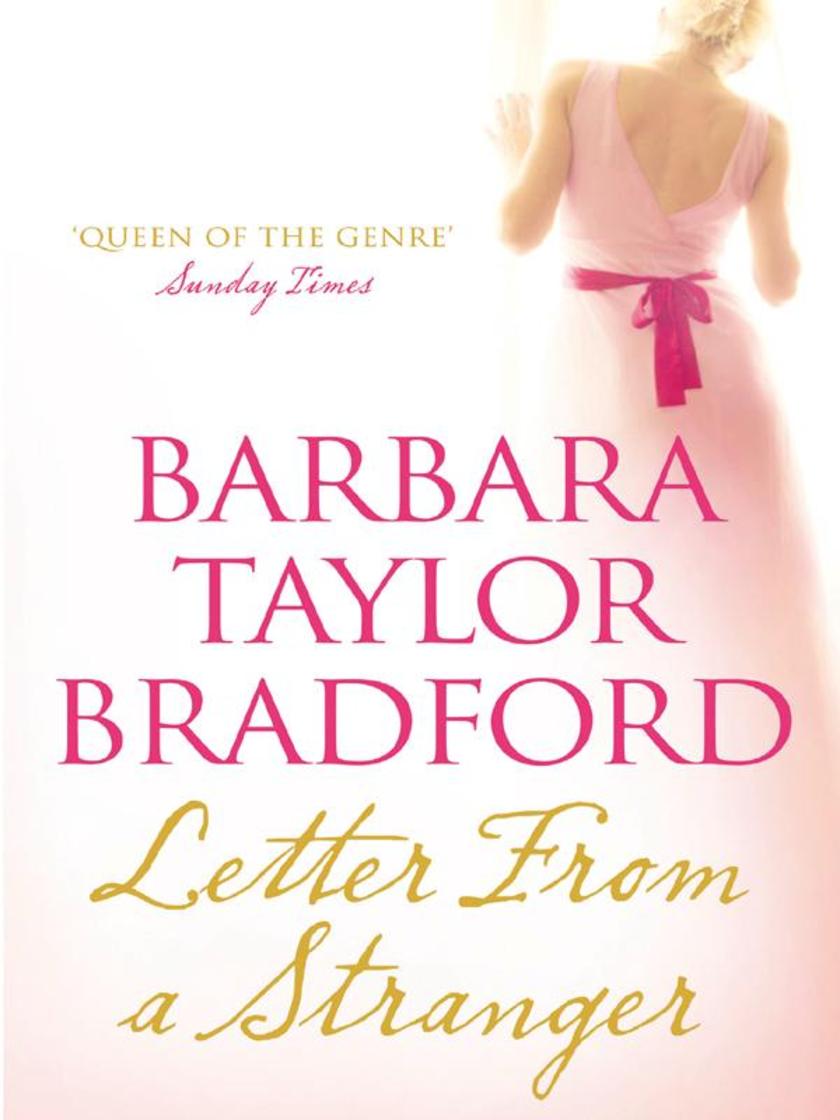
Letter from a Stranger
¥61.51
Captivating and evocative, Letter from a Stranger will take you on an unforgettable journey from idyllic Connecticut to exotic Istanbul to war-torn Berlin then back to the present day. When award-winning film maker Justine Nolan returns to her beautiful childhood home, she is intrigued by an envelope she finds in her absent mother’s post. But the letter inside contains a shocking revelation. If genuine it will change everything she believes about her family’s recent history, her mother and her adored grandmother, Gabriele. With the support of her beloved twin brother, Richard, Justine resolves to uncover the truth. To do so she must travel to Istanbul – the teeming, beguiling city on the cusp of East and West. It is a place which holds its own secrets, leading her to a fascinating man who appears to know more than he is prepared to disclose. Yet even when her quest succeeds, Justine is faced with a further mystery: Gabriele’s background is not what it seems. Justine is given a book of memories in which the real story unfolds, taking her back to the darkest days of European history, with its suffering and astonishing acts of bravery. At the heart of it lie the final facts of Gabriele’s identity – and her own. The letter from a stranger has brought her not only to the truth about her family but also a chance to heal the wounds of past betrayals, to embrace a new love and new life.

Apache
¥57.09
Ed Macy is an elite pilot, one of the few men qualified to fly Apache helicopters, the world’s deadliest fighting machines. This is his account of a fearless mission behind enemy lines in Afghanistan. After a brutal accident forced him out of the Paras, Ed Macy refused to go down quietly. He bent every rule to sign up for the Army’s gruelling Apache helicopter programme and was one of the handful to pass the nightmare selection process. Dispatched to Afghanistan’s notorious Helmand Province in 2006, his squadron were on hand when a marine went MIA behind enemy lines – and they knew they were his only hope. From the cockpit of the mighty Apache helicopter comes this incredible true story of a rescue mission so dangerous they said it couldn’t be done, and of the man who dared to disagree.

Ship of Rome (Masters of the Sea)
¥63.18
Against a backdrop of the clash of the Roman and Carthaginian empires, the battle for sovereignty takes place on the high seas Atticus, captain of one of the ships of Rome's small, coastal fleet, is from a Greek fishing family. Septimus, legionary commander, reluctantly ordered aboard ship, is from Rome, born into a traditionally army family. It could never be an easy alliance. But the arrival of a hostile fleet, larger, far more skilful and more powerful than any Atticus has encountered before, forces them to act together. So Atticus, one of Rome's few experienced sailors, finds himself propelled into the middle of a political struggle that is completely foreign to him. Rome need to build a navy fast but the obstacles are many; political animosities, legions adamant that they will only use their traditional methods; Roman prejudice even from friends, that all those not born in Rome are inferior citizens. The enemy are first class, experienced and determined to control the seas. Can Atticus, and the fledgling Roman navy, staffed with inexperienced sailors and unwilling legionaries, outwit and outfight his opponents. SHIP OF ROME, full of magnificent sea-battles, packed with strong characters, torn between two powerful empires, is the first book in a new series, MASTERS OF THE SEA, by a brilliant new author.

Short walks in the Lake District
¥51.50
The Lake District contains some of the most spectacular landscapes in Britain with superb walking areas. These can be explored with these 20 walks, all of which are 5 miles or under in length and can easily be completed in less than 3 hours. This guide, produced in co-operation with the Ramblers and featuring Ordnance Survey mapping, is the perfect way to really appreciate the landscapes of the Lake District. INCLUDES: ? 20 easy to follow walks which can be completed in 3 hours and under. ? Each walk has a detailed 1:25 000 Ordnance Survey map with the route clearly marked plus a detailed de*ion of the route. ? The walks have been chosen with issues like parking and refreshments in mind to make life easy for families. ? Packed with colour photographs of scenes you will see along the walk. The perfect guide for afternoon walks near to Keswick, Windermere, Coniston, Grasmere and Ambleside.
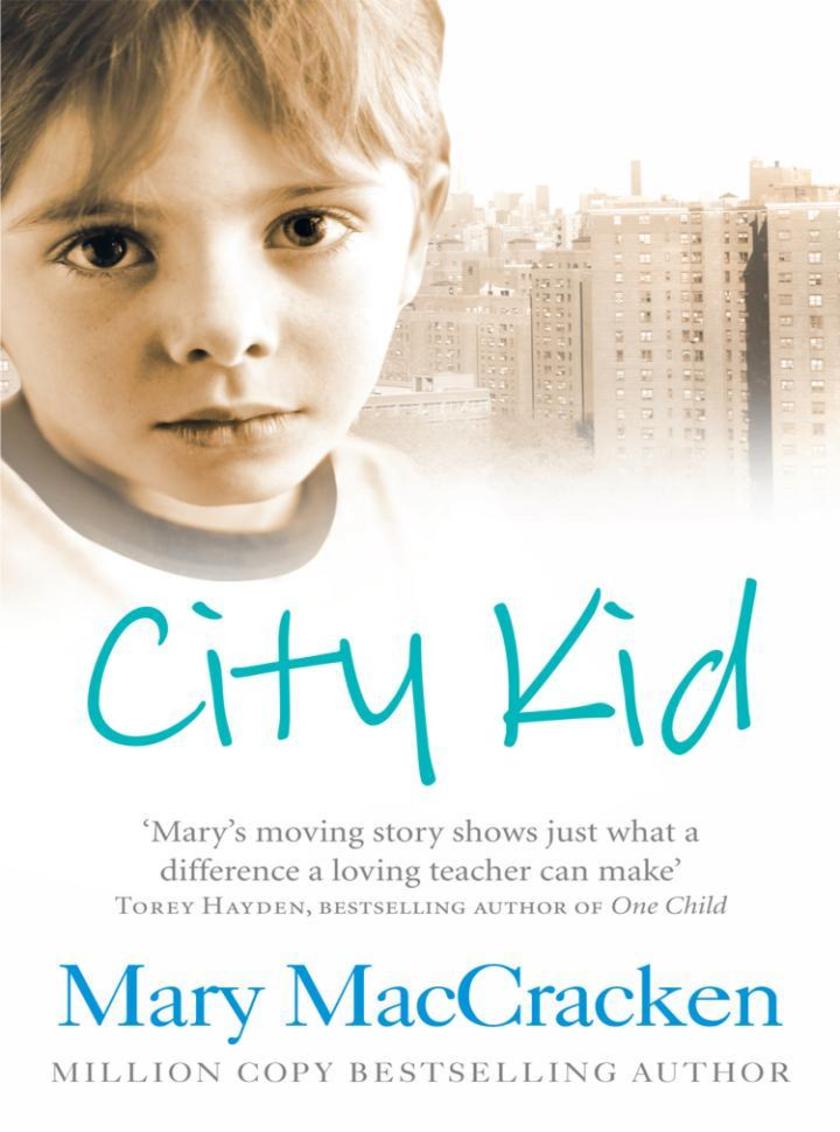
City Kid
¥58.86
From the author of international bestsellers A Circle of Children and Lovey comes an inspiring true story of a gifted teacher’s determination to understand the ‘rotten’ city kid everyone has given up on. Sitting quiet and withdrawn at a battered school desk, Luke had the looks of a shy angel – and a past that special needs teacher Mary MacCracken could barely believe. Already Luke had been picked up 24 times by the police. He’d set over a dozen major fires, and had a staggering record of thefts. No adult could reach him, no teacher could control him, and no policeman could cow him. All this – and Luke was only seven and a half years old. Trying to help Luke was Mary MacCracken’s job – and a seemingly impossible challenge. This is the remarkable story of how the impossible came true.
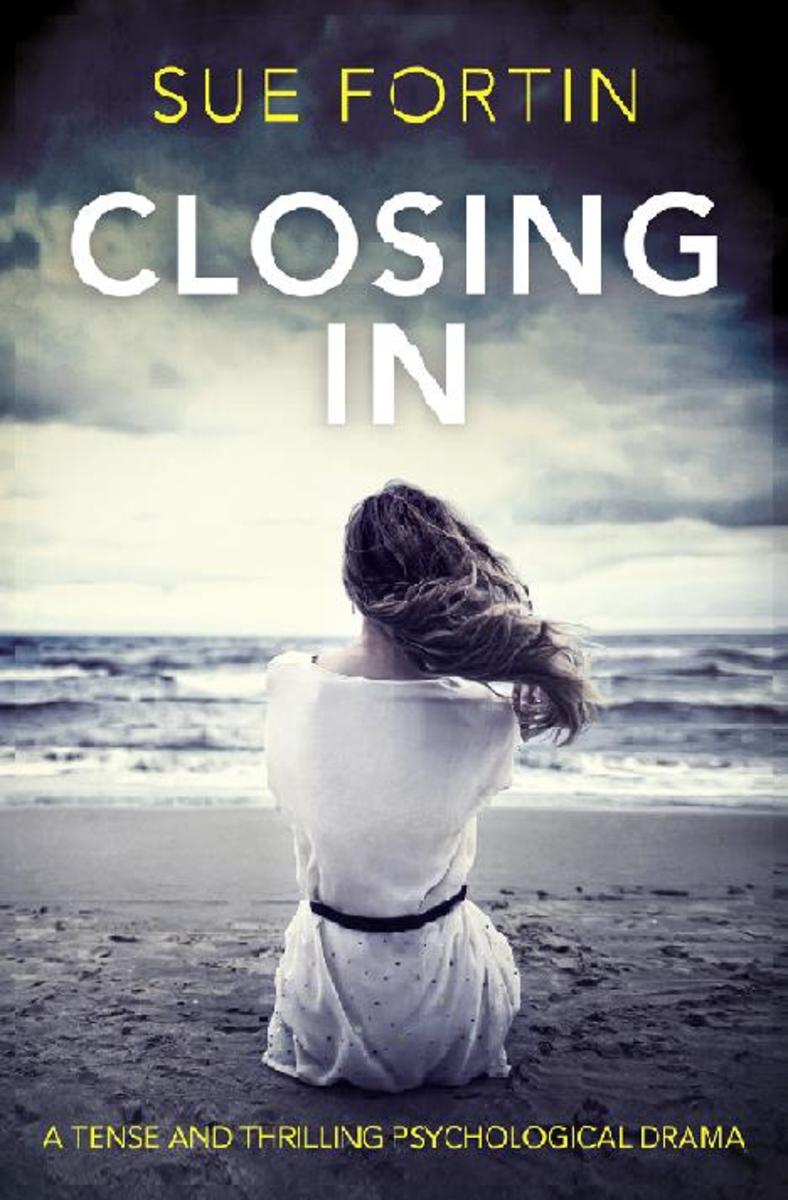
Closing In
¥45.42
‘Compelling and gripping’ – Blabbering about Books ‘Thoroughly gripping…full of suspense’ – Kim The Bookworm She thinks she’s escaped. She thinks she’s safe… Helen has had to leave everything she’s ever known behind; her home, her family, even her own name. Now, returning to the UK as Ellen Newman, she moves to a small coastal village, working as a nanny for Donovan, a criminal psychologist. Attractive, caring and protective, this single father and his sweet daughter are a world away from Ellen’s brutal past. But Ellen can’t shake the feeling that something’s wrong. Strange incidents begin to plague her new family, and their house of calm is about to become one of suspicion and fear. Who can be trusted? Who is the target? Who is closing in?
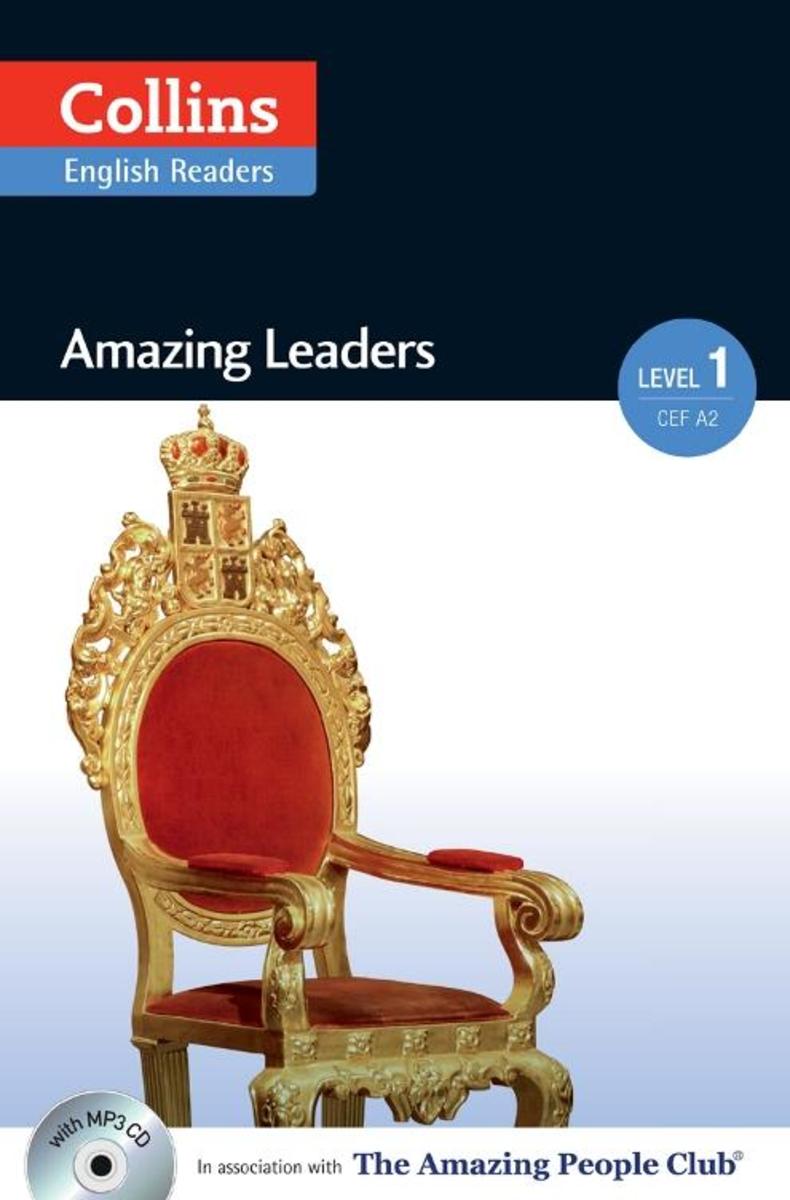
Amazing Leaders: A2 (Collins Amazing People ELT Readers)
¥42.67
The inspiring stories of 6 people who changed history. Contents: Gaius Julius Caesar, the powerful Roman leader Queen Elizabeth I who ruled England for 45 years George Washington, the first president of the USA King Louis XVI, the last king of France Winston Churchill who led Britain in the Second World War Che Guevara, the Argentinian doctor who fought for revolution BRITISH ENGLISH Word count: 18,924 Headword count: 1,654 Each book includes a free CD with a full recording of each story. PLUS: visit www.collinselt.com/readers for videos, teacher resources and self-study materials. This book is Level 4 in the Collins ELT Readers series. Level 4 is equivalent to CEF level B2. About the Amazing People series: A unique opportunity for learners of English to read about the exceptional lives and incredible abilities of some of the most insightful people the world has seen. Each book contains six short stories, told by the characters themselves, as if in their own words. The stories explain the most significant parts of each character’s life, giving an insight into how they came to be such an important historic figure. After each story, a timeline presents the most major events in their life in a clear and succinct fashion. The timeline is ideal for checking comprehension or as a basis for project work or further research. Created in association with The Amazing People Club. About Collins ELT Readers: Collins ELT Readers are divided into four levels: Level 1 - elementary (A2) Level 2 - pre-intermediate (A2–B1) Level 3 - intermediate (B1) Level 4 - upper intermediate (B2) Each level is carefully graded to ensure that the learner both enjoys and benefits from their reading experience.

Amazing Entrepreneurs & Business People: A2
¥42.67
The inspiring stories of 6 people who changed history. Contents: Mayer Amschel Rothschild who started a bank which made his family rich Cornelius Vanderbilt who became one of the richest people in the USA W. K. Kellogg who started the world’s biggest cereal company Elizabeth Arden who built the Elizabeth Arden cosmetics company Walt Disney who started the famous entertainment company Soichiro Honda who started the Honda motorbike and car company BRITISH ENGLISH Word count: 6,901 Headword count: 623 Each book includes a free CD with a full recording of each story. PLUS: visit www.collinselt.com/readers for videos, teacher resources and self-study materials. This book is Level 1 in the Collins ELT Readers series. Level 1 is equivalent to CEF level A2. About the Amazing People series: A unique opportunity for learners of English to read about the exceptional lives and incredible abilities of some of the most insightful people the world has seen. Each book contains six short stories, told by the characters themselves, as if in their own words. The stories explain the most significant parts of each character’s life, giving an insight into how they came to be such an important historic figure. After each story, a timeline presents the most major events in their life in a clear and succinct fashion. The timeline is ideal for checking comprehension or as a basis for project work or further research. Created in association with The Amazing People Club. About Collins ELT Readers: Collins ELT Readers are divided into four levels: Level 1 - elementary (A2) Level 2 - pre-intermediate (A2–B1) Level 3 - intermediate (B1) Level 4 - upper intermediate (B2) Each level is carefully graded to ensure that the learner both enjoys and benefits from their reading experience.
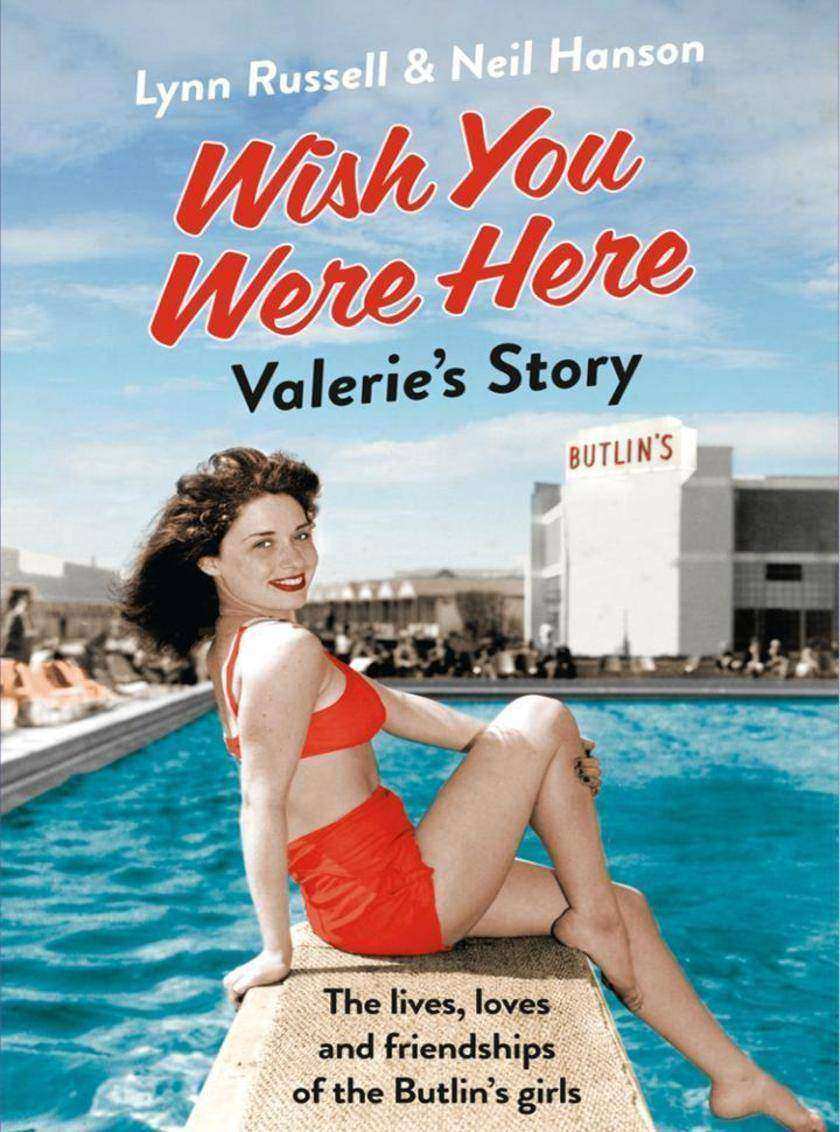
Valerie’s Story (Individual stories from WISH YOU WERE HERE!, Book 3)
¥11.77
One of seven touching true stories from Wish You Were Here!, the tale of Butlin’s holiday camps. ‘When I got to the camp I felt as if I’d suddenly walked into Utopia – it was so colourful, so warm, so friendly. There were lights across the roads, there were banners fluttering in the breeze… There seemed to be laughter coming from every building.’ With grey post-WWII skies hanging low over Britain, factories lining the streets and smoke stacks dotting the horizon, there was one way that ordinary families could escape: the ever-cheerful holiday camps of Butlin’s. When Billy Butlin founded his holiday camps in 1936, they were bastions of community spirit and havens of luxury. Here, for one week, wives and mothers were freed from the toil and drudgery of housework, children ran free through the grounds, fathers and husbands hung up their work clothes. Ever-helpful redcoats were on hand all hours of the day, dinner halls ready with plentiful food for old and young alike, bars stocked to quench any level of thirst, ballrooms waiting to be flooded with shiny shoes, rustling dresses and peals of laughter. And, as the sun went down on another exhausting, happy day, a chorus line was ready to sing holidaymakers back to their beds. Rich in period detail and highly evocative, Wish You Were Here! follows the lives of seven of the camps’ key figures through the highs and lows of the holiday season: from redcoats searching for stardom to young families who returned year after year, to pensioners who rediscovered an inner youth. The laughter and tears, the loves and losses, and the fun and friendships that have lasted a lifetime – it's all here. Funny, moving and heartwarming, they are tales of swimming pools and sing-a-longs, Glamorous Grannies and bicycle rides, and of a community spirit that burned brightly in a much-loved British institution.

The Moral State We’re In
¥72.30
A study of the moral state of the nation – the acid test of this being how we treat the weakest among us. Rabbi Julia Neuberger assesses the situation in the UK from her own unique viewpoint and draws some challenging and thought-provoking conclusions. Just as Will Hutton looked at the political landscape at a turning point in Britain, Rabbi Julia will take the moral temperature of the nation by looking at the ways in which we treat the weakest amongst us. The National Health Service, government pensions and asylum seekers all make daily headlines, and here is a writer with the moral authority and mastery of the necessary information to undertake this timely project. The way we treat the weak and vulnerable members of society has long been an established way to judge how civilised a society is. In this book, Julia looks at the extent to which the elderly are thought a burden, the way we care for the mentally ill, attitudes to asylum seekers and support for ex-offenders, as well as the care of children and the future of society in the UK. Her straight-forward approach to what has elsewhere proven highly esoteric, is here written with ease and fluidity and with a style that is highly approachable for those interested in the state of their nation with purely social, rather than academic, motivations. With her uncomplicated but extremely intelligent and candid take on the issues that make daily headlines, and with Julia’s high media profile, this book is guaranteed to tap into the state of our nation. Includes exciting new sections, reviewing the past year’s events, reception to her book and what – if anything – has changed in the way she sees our nation’s moral predicament.

Dark Angels
¥51.50
How far would you go to protect your past? How much further to protect someone else's? The start of a thrilling Edinburgh-based series starring rebellious young lawyer Brodie McLennan. A celebrated Edinburgh lawyer is found murdered outside an infamous gay haunt and notorious dominatrix Kailash Coutts stands accused. Against her wishes, headstrong, unorthodox Brodie McClennan is appointed to defend Kailash under the watchful gaze of the 'Dark Angels', a violent street-gang led by the enigmatic Moses Tierney. As the case becomes ever more complex, Brodie receives a chilling photograph, establishing a link to a number of brutal murders and a suspected paedophile ring. It becomes apparent that a serial killer is haunting the city - and that powerful people are involved, intent on covering up past crimes. Brodie herself becomes a target - both for a depraved killer and for deadly forces in the highest of circles… A shocking, atmospheric thriller that combines a centuries-old conspiracy with heart-stopping terror for fans of Ian Rankin and Mo Hayder…
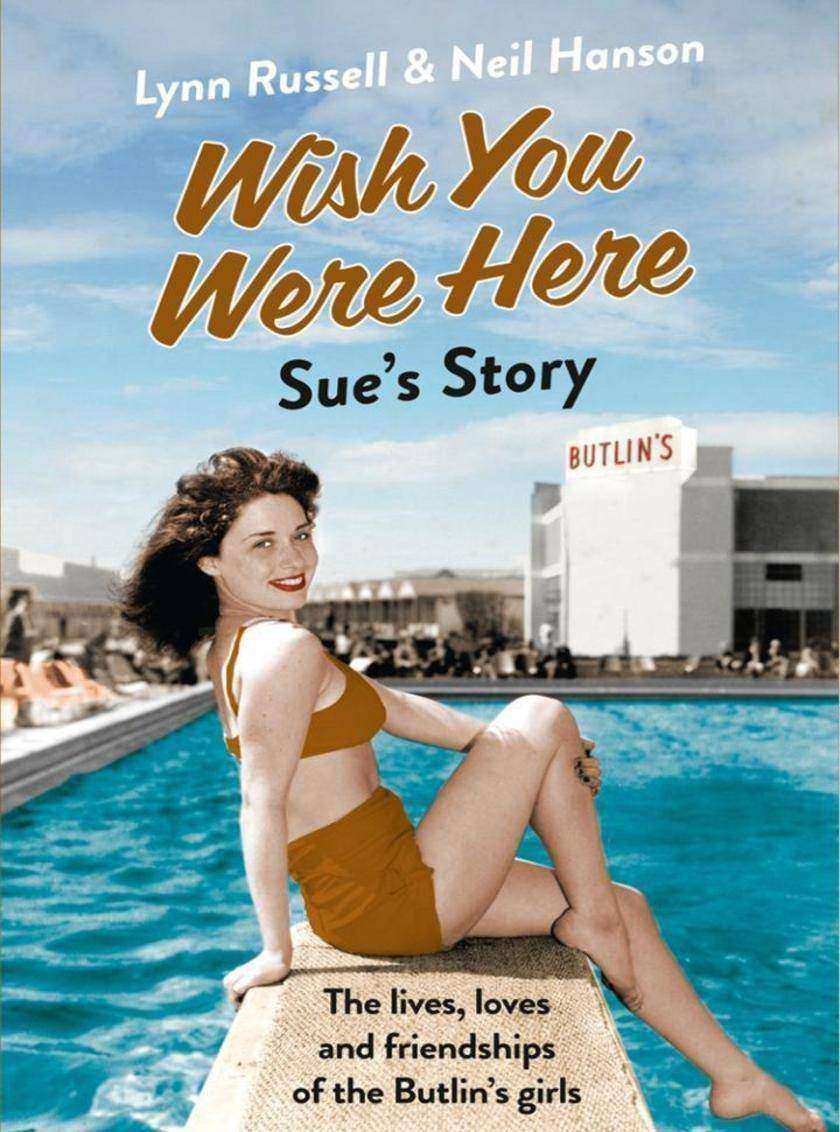
Sue’s Story (Individual stories from WISH YOU WERE HERE!, Book 5)
¥11.77
One of seven touching true stories from Wish You Were Here!, the tale of Butlin’s holiday camps. ‘When I got to the camp I felt as if I’d suddenly walked into Utopia – it was so colourful, so warm, so friendly. There were lights across the roads, there were banners fluttering in the breeze… There seemed to be laughter coming from every building.’ With grey post-WWII skies hanging low over Britain, factories lining the streets and smoke stacks dotting the horizon, there was one way that ordinary families could escape: the ever-cheerful holiday camps of Butlin’s. When Billy Butlin founded his holiday camps in 1936, they were bastions of community spirit and havens of luxury. Here, for one week, wives and mothers were freed from the toil and drudgery of housework, children ran free through the grounds, fathers and husbands hung up their work clothes. Ever-helpful redcoats were on hand all hours of the day, dinner halls ready with plentiful food for old and young alike, bars stocked to quench any level of thirst, ballrooms waiting to be flooded with shiny shoes, rustling dresses and peals of laughter. And, as the sun went down on another exhausting, happy day, a chorus line was ready to sing holidaymakers back to their beds. Rich in period detail and highly evocative, Wish You Were Here! follows the lives of seven of the camps’ key figures through the highs and lows of the holiday season: from redcoats searching for stardom to young families who returned year after year, to pensioners who rediscovered an inner youth. The laughter and tears, the loves and losses, and the fun and friendships that have lasted a lifetime – it's all here. Funny, moving and heartwarming, they are tales of swimming pools and sing-a-longs, Glamorous Grannies and bicycle rides, and of a community spirit that burned brightly in a much-loved British institution.
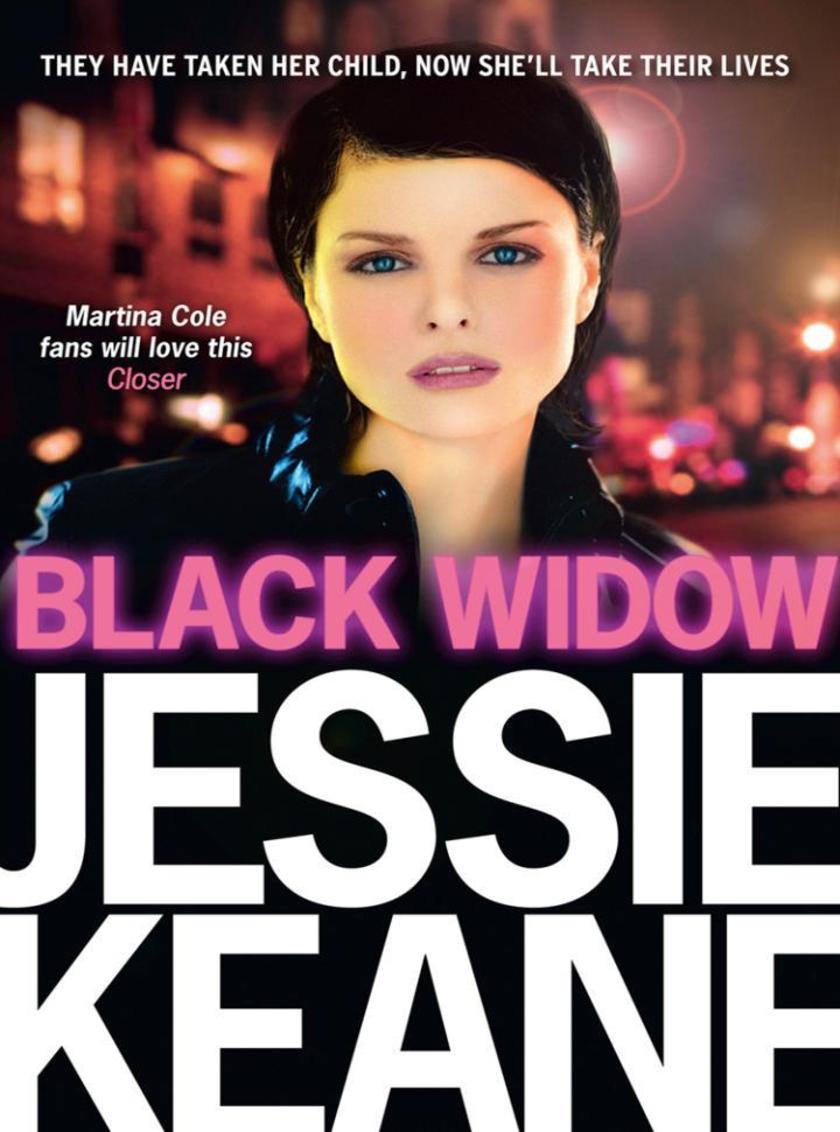
Black Widow
¥61.51
In Dirty Game, Annie Bailey was an East End Madam. In Black Widow she’s queen of the gangs and trying to save her daughter’s life… Annie Bailey had done it all; Madam, mistress and Gangster's moll. Now she's Annie Carter, and she taking over the East End. Annie knew that it wouldn't last. Everything was going so well; she was living in Majorca, had Max Carter - the head of the Carter firm by her side, and had given him a beautiful daughter, Layla. But if there was one thing life had taught her, it was that everything could change in the blink of an eye. One minute she's lying by the pool, the next she's out cold. When she comes round Max and Layla are gone. It's not long before she gets the demands. They want money or she'll be getting her little girl back in pieces… There's only one thing Annie can do, she heads back to the East End of London and gathers the Carter firm together. Someone has snatched her husband and child. Now there's a score to settle, and it's being settled Annie Carter style…
While You Were Dreaming
¥63.77
A warm and uplifting tale, perfect for fans of Dorothy Koomson. Lena has always kept her two sisters Millie and Cara in check. Beautiful but lazy Millie relies on her sister for everything. She needs to pull herself together and get a job but is constantly distracted by the string of men in her life… Cara runs a successful bar with her adoring boyfriend Ade.He can’t wait to start a family but Cara isn't ready. Will she ever be? But when Lena is involved in an accident her sisters forget their own issues and rush to her side.As they desperately try to wake Lena from her deep sleep, they begin to learn things they never knew about themselves and discover their much-loved sister had a few secrets in her closet… A funny and heartwarming tale about family, love and living for the moment.

The Book of Fires
¥63.18
A stunning historical novel, 'The Book of Fires' is the unforgettable story of Agnes Trussel – and love, fireworks and redemption. Brought up in rural Sussex, seventeen-year-old Agnes Trussel is carrying an unwanted child. Taking advantage of the death of her elderly neighbour, Agnes steals her savings and runs away to London. On her way she encounters the intriguing Lettice Talbot who promises that she will help Agnes upon their arrival. But Agnes soon becomes lost in the dark, labyrinthine city. She ends up at the household of John Blacklock, laconic firework-maker, becoming his first female assistant. The months pass and it becomes increasingly difficult for Agnes to conceal her secret. Soon she meets Cornelius Soul, seller of gunpowder, and hatches a plan which could save her from ruin. Yet why does John Blacklock so vehemently disapprove of Mr Soul? And what exactly is he keeping from her? Could the housekeeper, Mrs Blight, with her thirst for accounts of hangings, suspect her crime or condition? Historical fiction at its very best, ‘The Book of Fires’ is utterly intriguing, completely compelling and impossible to put down.

Hoggy: Welcome to My World
¥66.22
The quintessential barking-mad Yorkshire cricketer, 'Hoggy's' record-breaking bowling exploits for England allied to his humorous, uniquely oddball yet hugely endearing attitude to sport and life makes this essential reading for all lovers of the game. More than just a line-and-length cricketer's biography, Hoggy offers an entertaining insight into the weird and wonderful world of one of cricket's true characters. From the pub to the wicket and everywhere in-between, the dogged nightwatchman and wicket-taker looks beyond the runs and wickets to reveal what cricketers really get up to on tour and in the dressing room …

Smile Though Your Heart Is Breaking
¥58.86
A tale of Catherine Cookson-esque tragedy and Northern grit, Pauline Prescott's life story will shock and amaze. A mother and a faithful friend, Pauline is not your typical politician's wife. She is immensely proud of her role as a housewife and over the near-forty years she has been in the public eye she has remained discreet, dignified and deeply loyal. The daughter of a bricklayer, who died when she was young, Pauline came from humble backgrounds. At 15 she found herself pregnant by a married US serviceman. Resisting all attempts to give her son up for adoption, she struggled on for three years, until she was finally persuaded it was for his own good. She never expected to see him again. She trained as a hairdresser and got a good job at a salon in Chester. Soon afterwards she met John, a dashing waiter who whisked her off her feet and married her. John's dreams of becoming a union activist meant that he spent the next eight years in university. It was Pauline's wages that paid for everything. She never complained. John quickly rose through the ranks and suddenly, it seemed, he was the Deputy Prime Minister. Pauline went almost overnight from a Hull hairdresser to a key participant at political events. Always immaculate, she quickly became known for her fashion, style and stunning hats. But Pauline's world was turned upside down when, more than forty years after she put her son up for adoption, John received a call to say the press had tracked him down. The decision to give up her son had been heart-rending. All these years later, Pauline was overjoyed to be reunited with the child she had pined for for so long, finally getting the happy ending she had dreamed of for years. Throughout John's career, Pauline has had to cope with the lack of privacy his position has afforded their family. Through it all she has emerged a figure of admiration. Loyal, sharp, good humoured and articulate, Pauline has entranced the nation. Now tells us her story in her own words. Warm, moving and at times painfully sad, Pauline's autobiography is an honest account of a fascinating life.

‘… then he ate my boy entrancers.’
¥51.50
Hilariously funny Louise Rennison’s fabby sixth book of the confessions of crazy but lovable teenager Georgia Nicolson. Guaranteed to have the nation laughing their knickers off! “Come on, Jas, you do really want to know my plan, especially as it concerns you, my little hairy pally.” “I’m not hairy.” “Have it your own way, just don’t go near any circuses.” “Shut up. Go on then, tell me your plan.” “OK, this is it: when I go to Hamburger-a-gogo land… you come with me! Do you see? We will be like Thelma and Louise!” “We’re not called Thelma and Louise.” “I know that, I’m just saying we will be LIKE THEM!” “And we’re not American. And neither of us can drive.” “Oh dear God. Jas, your spaceship has arrived. Please get in.” Laugh your knickers off at Georgia’s tales from her trip to Hamburger-a-gogo land (the US) and her attempts to entice Masimo, the Italian stallion. Can Georgia become the composed sex-kitten she aspires to be…?
A Fairy in the Flat/A Pot of Tea: An Agatha Christie Short Story
¥19.13
A classic Agatha Christie short story, available individually for the first time as an ebook. Tommy and Tuppence set up the International Detective Agency, but don’t seem able to attract any clients. Unexpectedly, a trip to a hat shop leads to a missing person case…
The Edge: An Agatha Christie Short Story
¥19.13
A classic Agatha Christie short story, available individually for the first time as an ebook. A dowdy lover is cast aside by a shallow man in favour of a beautiful young woman in this gripping tale of jealousy and infidelity…


