


 购物车
购物车 个人中心
个人中心
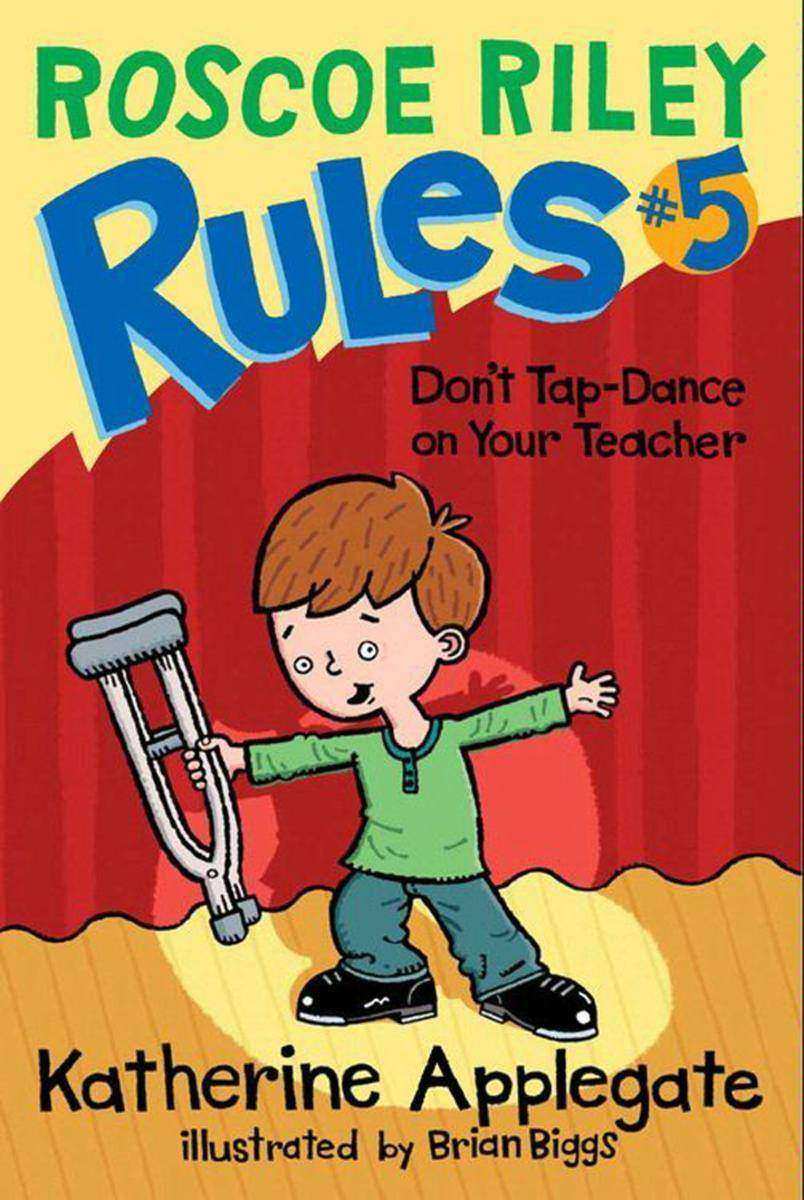
Roscoe Riley Rules #5: Don't Tap-Dance on Your Teacher
¥33.18
Roscoe Riley doesn't mean to break the rulesDon't Tap-Dance on Your TeacherRat-tat-TAT!Tap shoes make the best noise ever! But tap dancingThe big boys say that's just for girls. Roscoe promised to tap in the school talent show. When the teasing starts, will he keep his word?
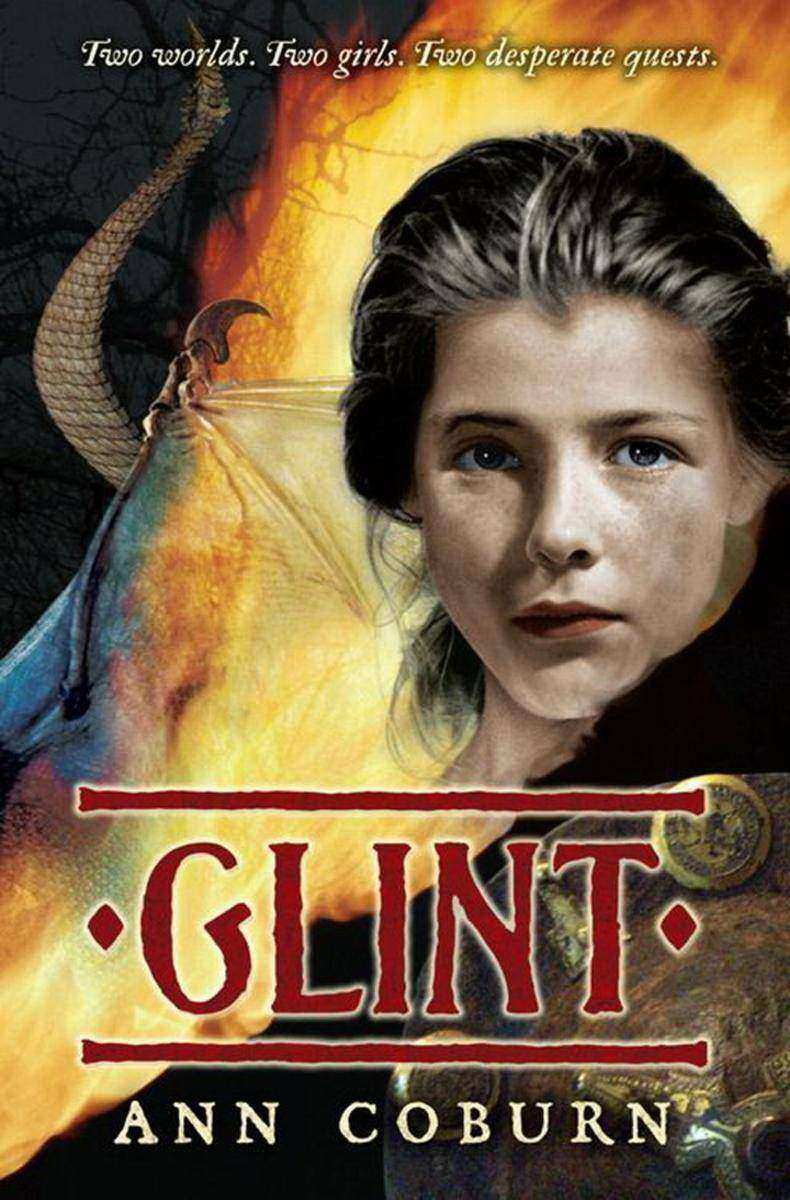
Glint
¥87.18
Ellie and her little brother Danny spend their lonely days making up stories about a young girl in a world of dragons and shape-shifters, a girl as brave and cunning as they would like to be. Five years later Danny disappears. The police have no clues. They fear he is dead, but Ellie knows better. She also knows that she is the only one who can find him. At the same time, in the world Danny and Ellie imagined, a young girl named Argent sets off on a quest of her own to reclaim a stolen dragon hatchling.As each girl makes her way closer to her goal, the boundaries between the worlds of fantasy and reality begin to blur until it's unclear where one world ends and the other begins. Gripping, compelling, and utterly absorbing, Glint is the story of two worlds—and two heroines—that readers will never forget.
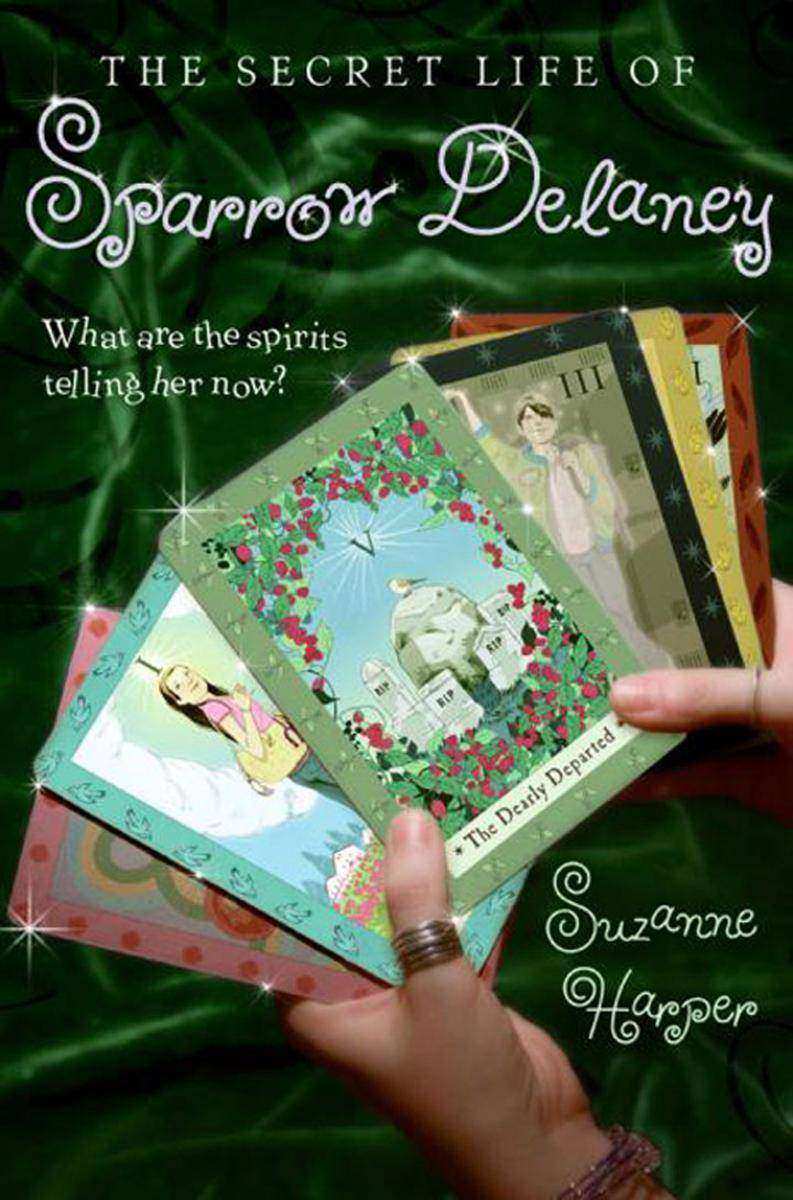
The Secret Life of Sparrow Delaney
¥56.08
How do you ignore a ghost?Sparrow Delaney absolutely, positively does not want to be a medium like her six older sisters, her mother, and her grandmother. She does not want to see, hear, smell, or talk to ghosts. If she sticks to her rules and doesn't let anyone know that she can do all those things—everywhere, all the time—Sparrow just might pass as a normal tenth grader at her new high school. She makes a new best friend and meets an irritatingly appealing guy in her history class. But when another boy catches her eye, all Sparrow's dreams of being ordinary go up in smoke. Because this boy is a dead one—a persistent, charming, infuriating ghost, who won't let her be until she agrees to help him Move On.
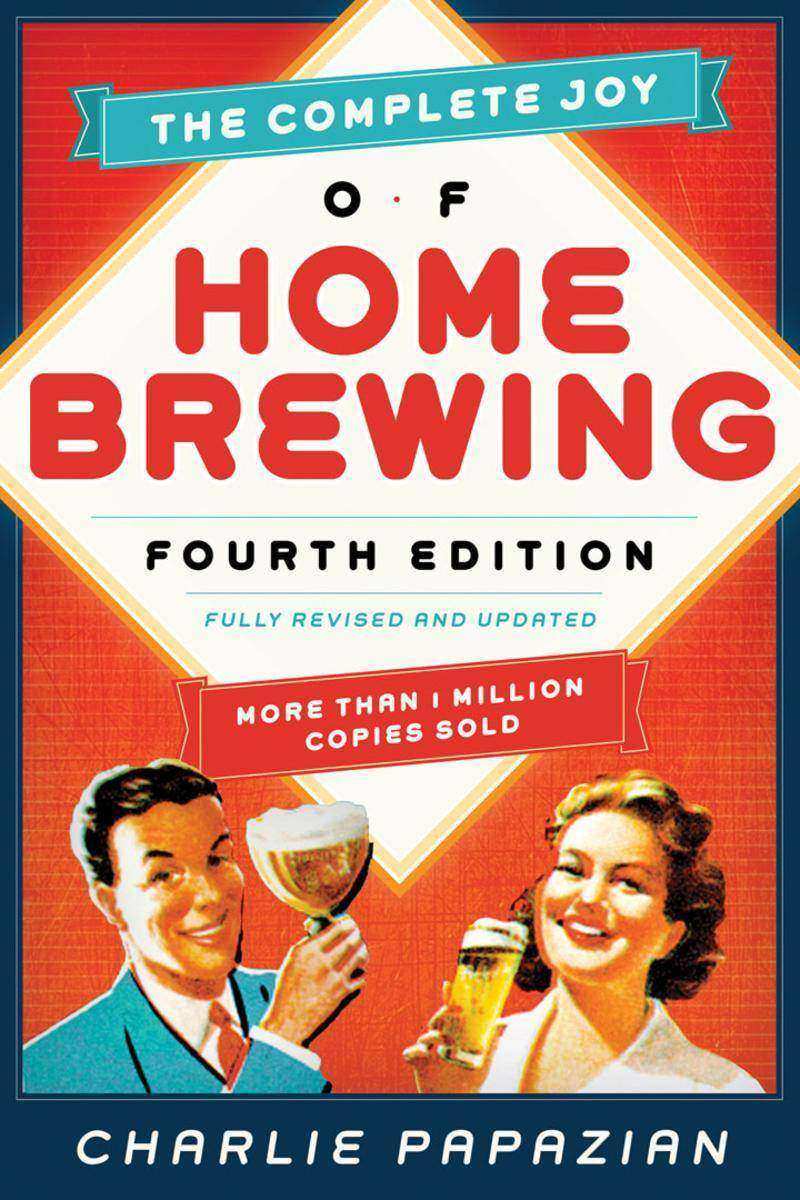
The Complete Joy of Homebrewing Fourth Edition
¥111.91
The homebrewer's bible—everything you need to know to brew beer at home from start to finish, including new recipes, updated charts on hop varieties, secrets to fermentation, beer kit tips, and more—from the master of homebrewingThe Complete Joy of Homebrewing is the essential guide to understanding and making a full range of beer styles, including ales, lagers, stouts, pilseners, dubbels, tripels, and homerun specialty beers and meads. Everything to get started is here: the basics of building a home brewery, world-class proven recipes, easy-to-follow brewing instructions, and the latest insights in the art and science of brewing. Master brewer Charlie Papazian also explains the history and lore of beer, reveals the technology behind brewing, and shares countless tips on how to create your own original ales and lagers.This completely revised and updated edition includes:An expanded and updated Beer Styles and Homebrew Recipe Formulation chart with easy-to-understand de*ions of key flavor and aroma characters Ingredient information for fifty-three beer styles A list of more than seventy-five beer types describing strength, hop aroma, bitterness, flavor, color, sweetness, and alcohol percentage Expanded chart on sixty-eight hop varieties, de*ions, and uses Eighty brand-new and revised favorite beer and mead recipes Beer kit tips Key information about using and understanding hops Revealing reasons why homebrew is the best . . . and much more!Paired with the newly revised Homebrewer's Companion, Second Edition, this book will transform you from beginning brewer to homebrewing expert.
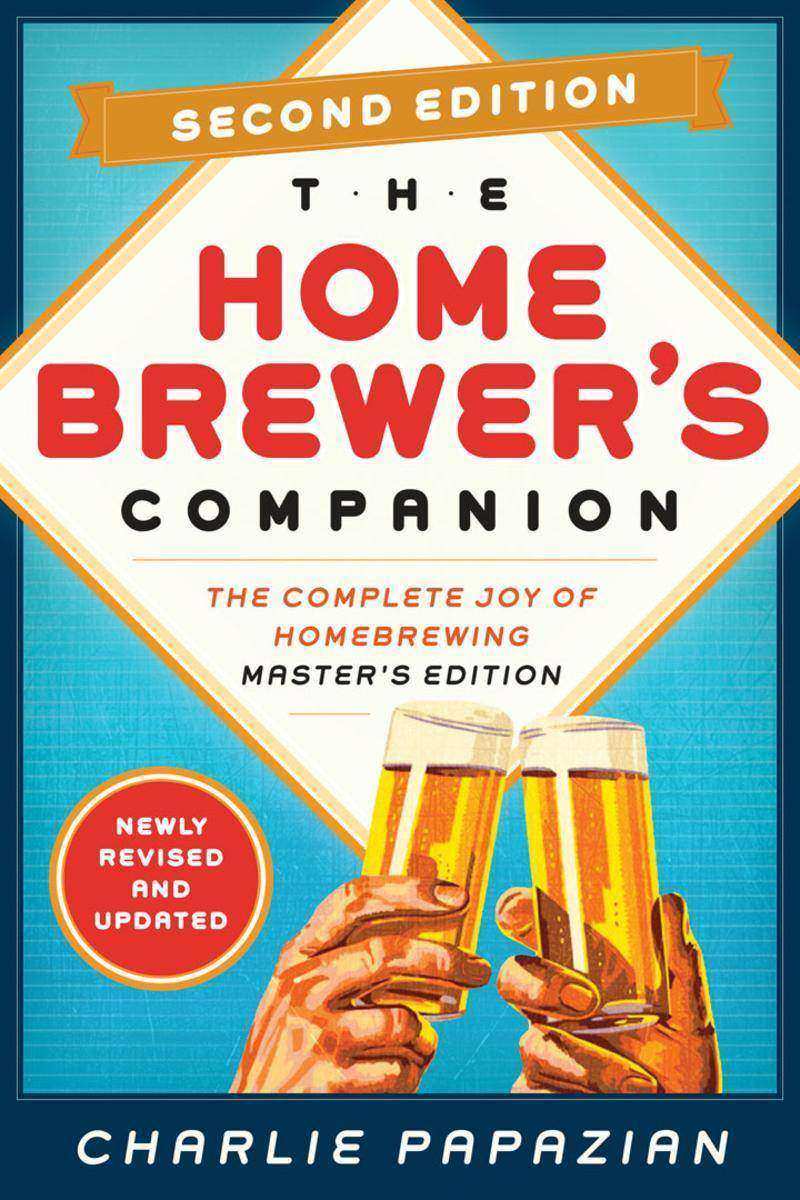
Homebrewer's Companion Second Edition
¥100.71
Take your craftsmanship to the master homebrewers level—everything you need to know to go from beginning brewer to homebrewing expert from homebrewing master Charlie PapazianA companion to the world's bestselling beermaking book, The Complete Joy of Homebrewing, this guide is for homebrewers who have mastered the basics and want to advance their beermaking skills. Charlie Papazian, the godfather of homebrewing, covers all aspects of the process and answers commonly asked questions. The Homebrewer's Companion is now completely revised, reorganized, and updated with detailed charts and tables, information about the latest techniques and equipment, more than seventy new and improved lager, ale, and mead recipes, and more, including: Details and insights on the art and science of brewing beerCurrent malt, special ingredient, and fermentation charts Websites and resources for up-to-date information Fascinating details about the diversity of hops and how to use themExpanded information on yeast and microbiological critters that can enhance your beerA list of beer styles with referencesA resource list of more than 120 of Charlie's original homebrew recipesInstructions for making gluten-free beerAn expanded glossary of beer characters and a beer evaluation sectionExpert insight and recommendations on beer and food pairings and cooking with beer
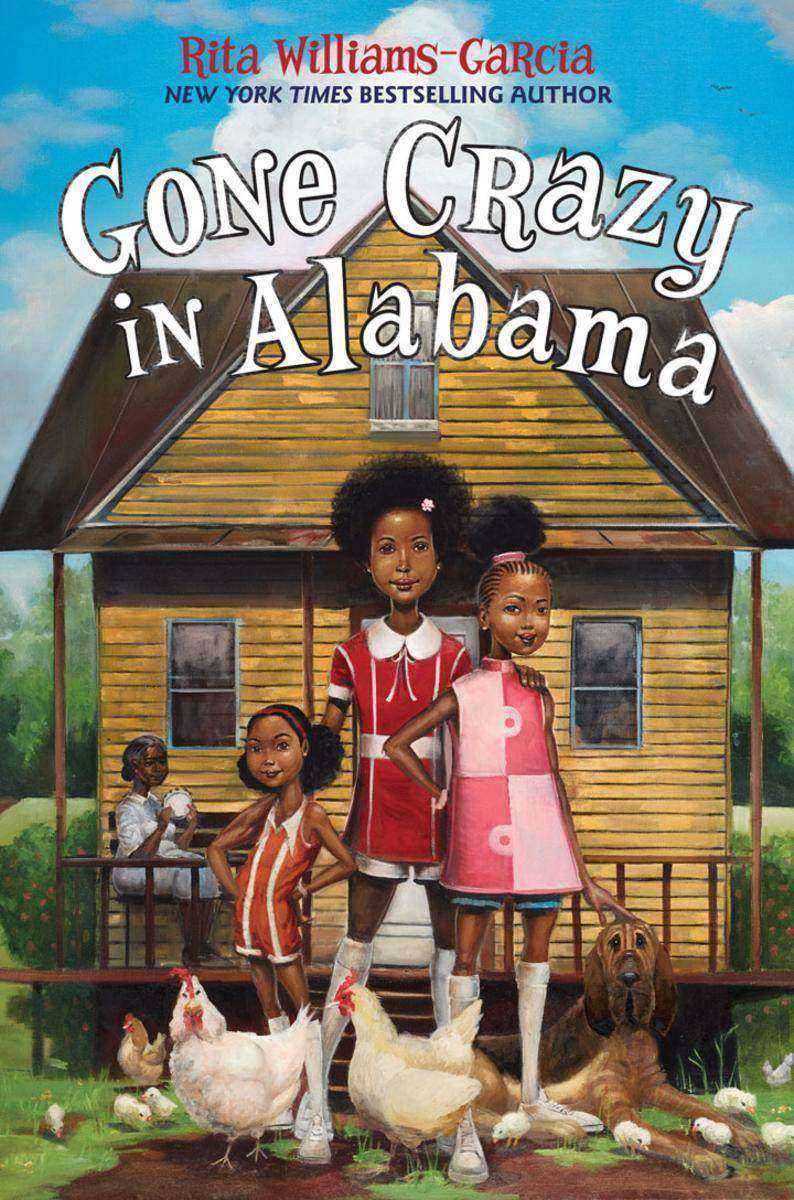
Gone Crazy in Alabama
¥44.73
Newbery Honor winner and New York Times bestselling author Rita Williams-Garcia tells the story of the Gaither sisters, who are about to learn what it's like to be fish out of water as they travel from the streets of Brooklyn to the rural South for the summer of a lifetime.Delphine, Vonetta, and Fern are off to Alabama to visit their grandmother, Big Ma, and her mother, Ma Charles. Across the way lives Ma Charles's half sister, Miss Trotter. The two half sisters haven't spoken in years. As Delphine hears about her family history, she uncovers the surprising truth that's been keeping the sisters apart. But when tragedy strikes, Delphine discovers that the bonds of family run deeper than she ever knew possible. Powerful and humorous, this companion to the award-winning One Crazy Summer and P.S. Be Eleven will be enjoyed by fans of the first two books as well as by readers meeting these memorable sisters for the first time.
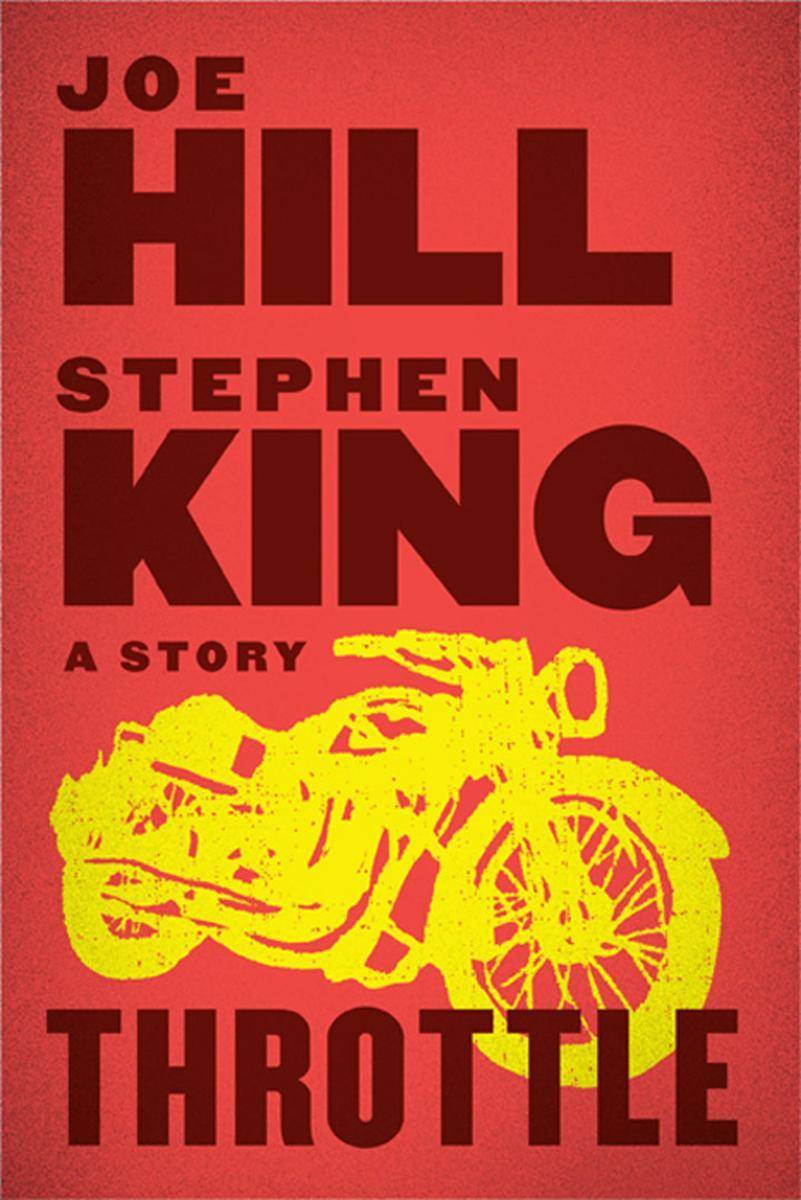
Throttle
¥10.86
Inspired by Richard Matheson's classic "Duel," "Throttle," by Joe Hill and Stephen King, is a duel of a different kind, pitting a faceless trucker against a tribe of motorcycle outlaws in the simmering Nevada desert. Their battle is fought out on twenty miles of the most lonely road in the country, a place where the only thing worse than not knowing what you're up against, is slowing down . . .
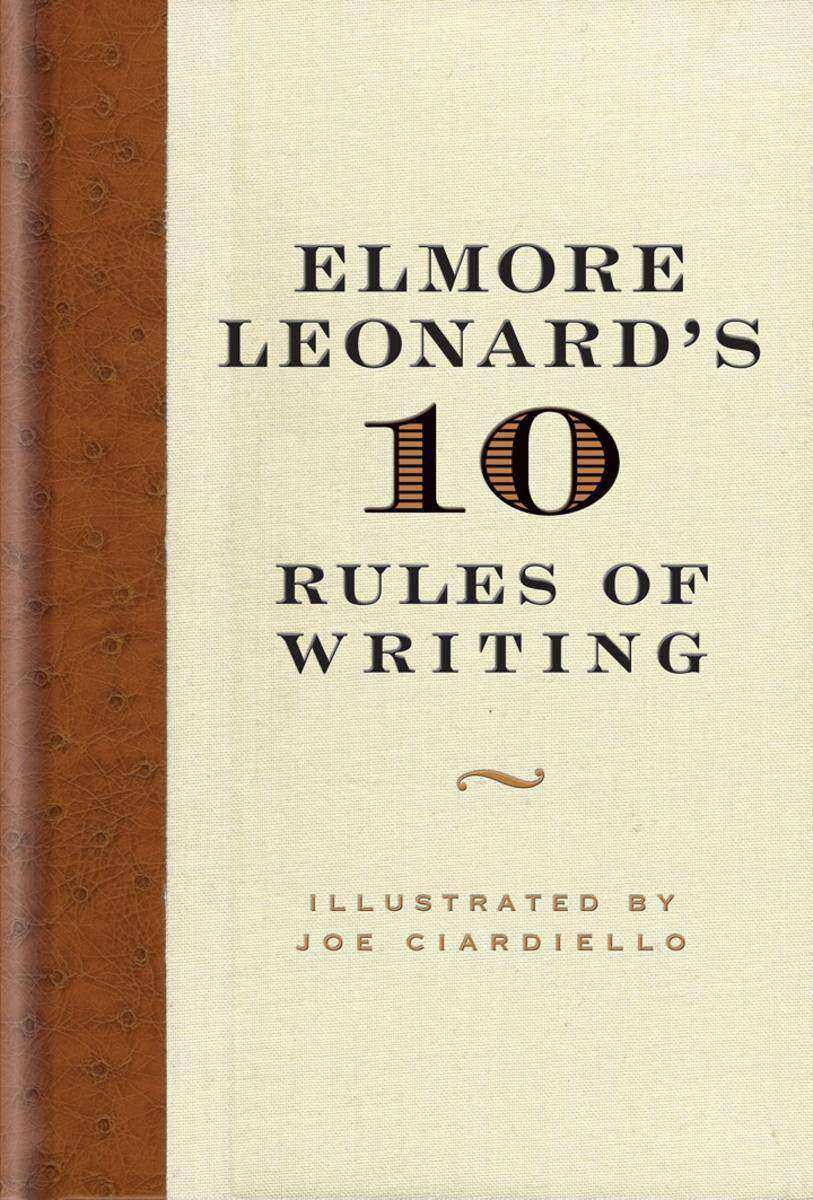
Elmore Leonard's 10 Rules of Writing
¥94.10
"These are the rules I've picked up along the way to help me remain invisible when I'm writing a book, to help me show rather than tell what's taking place in the story."—Elmore LeonardFor aspiring writers and lovers of the written word, this concise guide breaks down the writing process with simplicity and clarity. From adjectives and exclamation points to dialect and hoopetedoodle, Elmore Leonard explains what to avoid, what to aspire to, and what to do when it sounds like "writing" (rewrite).Beautifully designed, filled with free-flowing, elegant illustrations and specially priced, Elmore Leonard's 10 Rules of Writing is the perfect writer's—and reader's—gift.
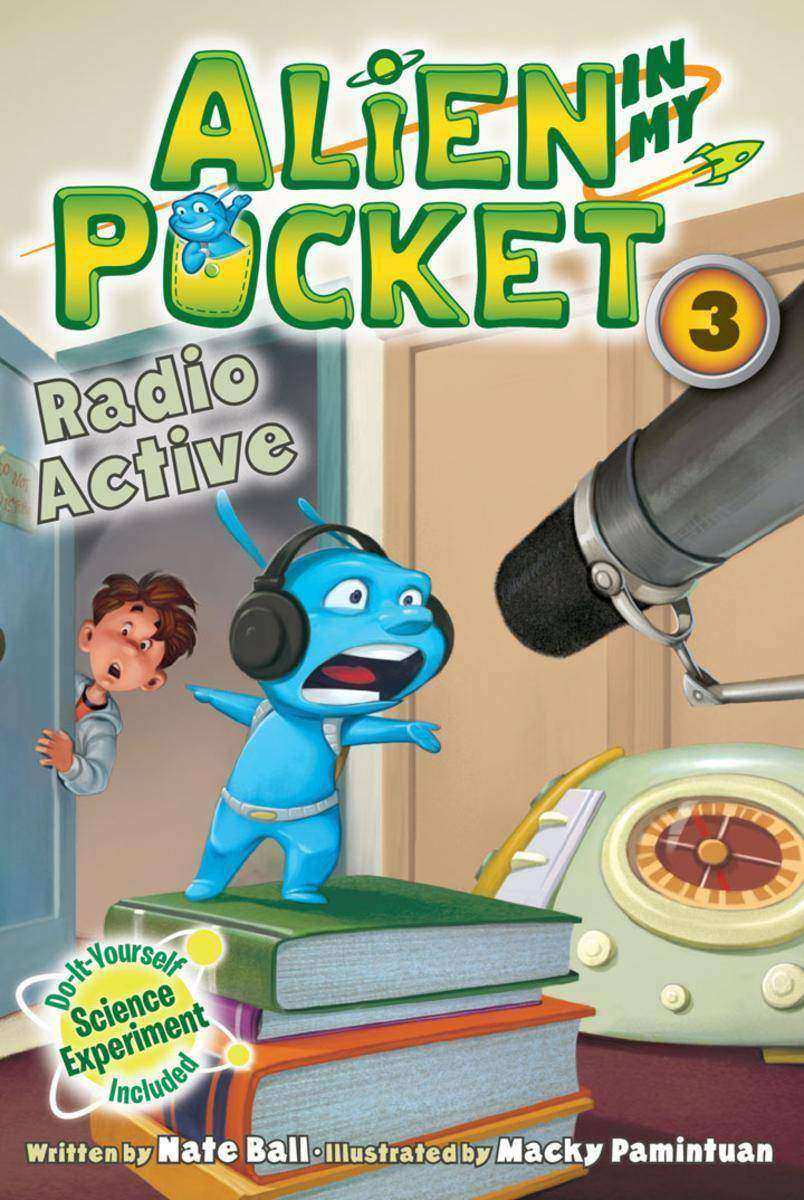
Alien in My Pocket #3: Radio Active
¥27.65
This third book in the Alien in My Pocket series is the zaniest yet! Zack and Amp create a massive mishap in this hilarious story. Plus the book comes with a do-it-yourself science experiment.Nothing's been easy since Amp crash-landed his spaceship through Zack McGee's bedroom window. Now Amp has built a quantum radio to alert his commanders to call off the invasion of Earth. Unfortunately, instead of contacting Erdian Central Command, Amp's radio accidentally broadcasts Amp's messages all over Zack's hometown. Now it's up to Zack and his best friend, Olivia, to save their alien friend from being discovered and to save the planet from panic.With illustrations throughout, a page-turning plot, and fun scientific facts, this is the perfect chapter book for young readers. Supports the Common Core State Standards.
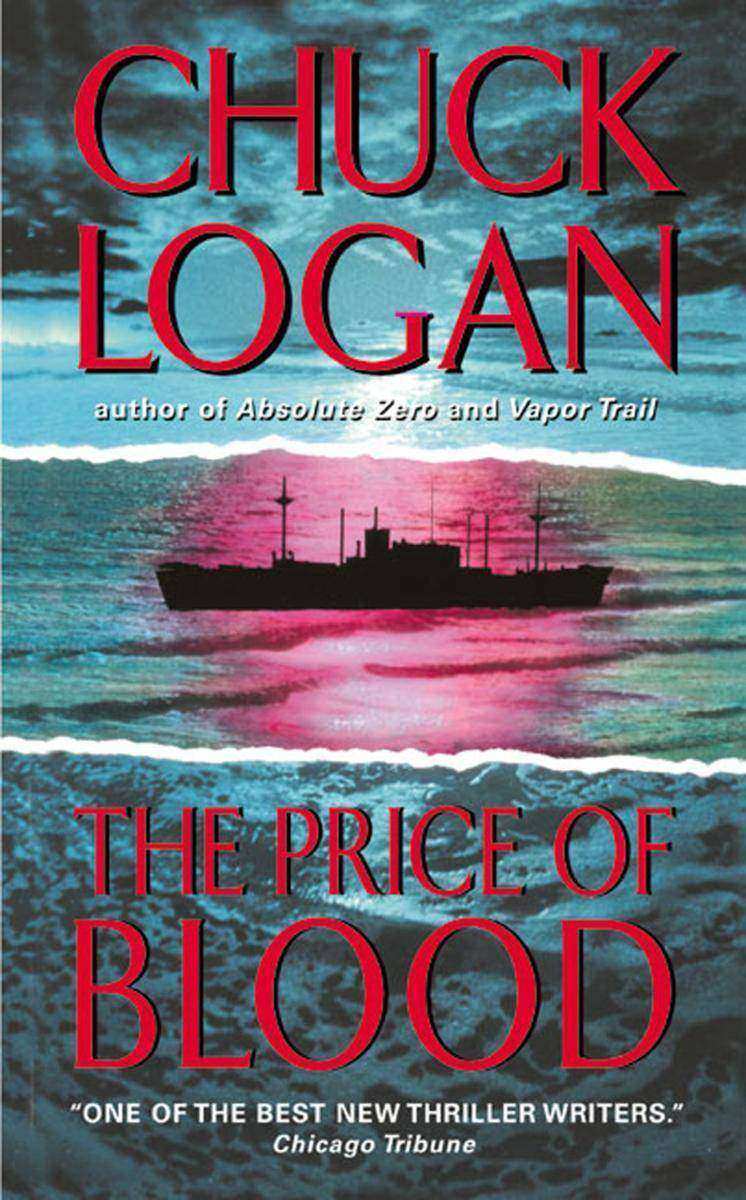
The Price of Blood
¥52.63
In the last 20 years Phil Broker has pulled himself together. A good, tough undercover cop in Minnesota, he knows the difference between a sucker punch and a lucky break. And although he's put his Vietnam years behind him, the grown daughter of his old commander has been dogging his heels for months. Nina Pryce is trying to exonerate her dishonorably discharged dead father and—more importantly—find the 10 tons of gold he helped liberate during a U.S. commando mission.Broker doesn't like the smell of it. Still, Nina has her charms, and can be very persuasive. The only problem is, two of Broker's old army buddies have beaten them to the search. Rich, sadistic Cyrus La Porte has the means, but no direction. Convicted thief Jimmy Tuna has a line on the location but no cash. Jimmy's a dying man with nothing left to win—or lose. And Broker and Nina know both men would kill them for the slimmest chance to take it all.A riveting suspense novel that reads like a thrilling treasure hunt with a murderous legacy that echoes down from the past.
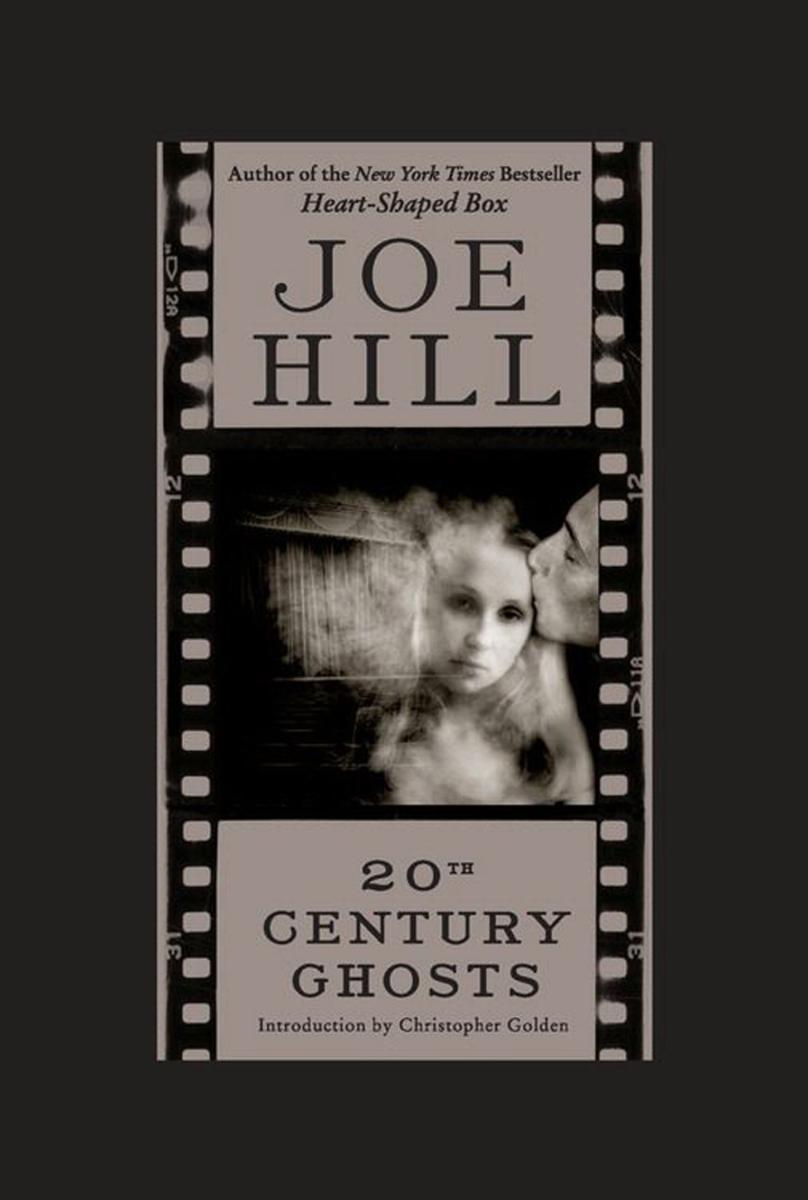
My Father's Mask
¥10.83
Imogene is young and beautiful. She kisses like a movie star and knows everything about every film ever made. She's also dead and waiting in the Rosebud Theater for Alec Sheldon one afternoon in 1945. . . .Arthur Roth is a lonely kid with big ideas and a gift for attracting abuse. It isn't easy to make friends when you're the only inflatable boy in town. . . .Francis is unhappy. Francis was human once, but that was then. Now he's an eight-foot-tall locust and everyone in Calliphora will tremble when they hear him sing. . . .John Finney is locked in a basement that's stained with the blood of half a dozen other murdered children. In the cellar with him is an antique telephone, long since disconnected, but which rings at night with calls from the dead. . . .

Let the Northern Lights Erase Your Name
¥94.10
On the day of her father's funeral, twenty-eight-year-old Clarissa Iver?ton discovers that he wasn't her biological father after all. Her mother disappeared fourteen years earlier, and her fiancé has just revealed a life-changing secret to her. Alone and adrift, Clarissa travels to mystical Lapland, where she believes she'll meet her real father. There, at a hotel made of ice, Clarissa is confronted with the truth about her mother's his?tory, and must make a decision about how—and where—to live the rest of her life.
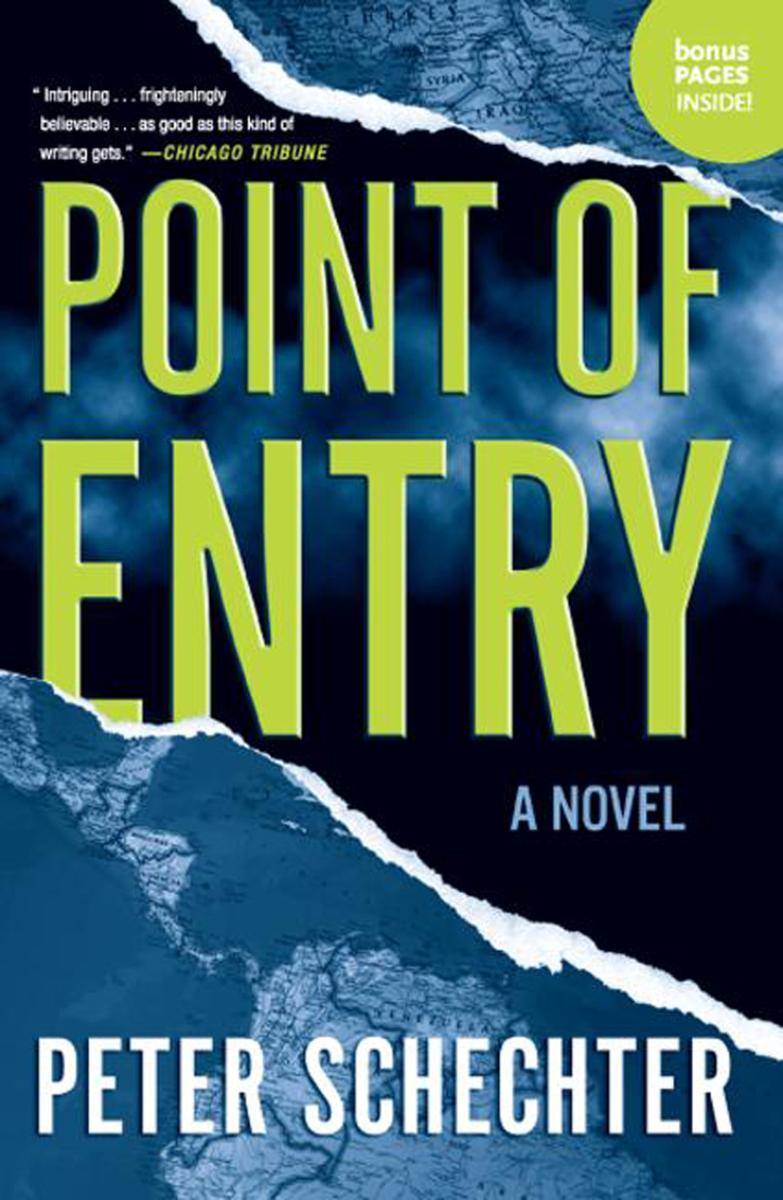
Point of Entry
¥85.05
With calculated cunning, renegade Syrian intelligence operatives have discovered how to smuggle uranium-235—the key material required to manufacture an atomic weapon—into the United States undetected, exploiting a network of the most experienced and sophisticated smugglers the world has ever known.As the CIA repeatedly misinterprets numerous intelligence warnings, only Marta Pradilla—Colombia's beautiful, hard-minded new president—can assist the United States' conservative, isolationist President Stockman in finding the terrorists and their deadly cargo before it's too late. Set in Washington, D.C., Bogotá, Rome, and Tbilisi, and featuring a cast of major international figures, Point of Entry brings readers into an intensely treacherous world that reads less like fiction every day.

The Typhoon Lover
¥88.56
A young woman with a foothold in two cultures, Rei Shimura has gone wherever fortune and her unruly passions have led her throughout her chaotic twenties. Now, after the streamers for her thirtieth birthday celebration have been taken down, the Japanese-American antiques dealer and part-time sleuth finds herself with an assignment to find and authenticate an ancient Middle Eastern pitcher that disappeared from Iraq's national museum.The piece is believed to be in the hands of a wealthy Japanese collector, whose passion for beauty extends to Rei herself. But when a devastating typhoon hits Tokyo, Rei is trapped with the object of her investigation—and with much much more than the fate of an ancient pitcher at risk.

Beasts of No Nation
¥77.49
“A tour de force.”—Washington Post Book WorldIn this stunning debut novel, Agu, a young boy in an unnamed West African nation, is recruited into a unit of guerrilla fighters as civil war engulfs his country. Haunted by his father’s own death at the hands of militants, Agu is vulnerable to the dangerous yet paternal nature of his new commander. While the war rages on, Agu becomes increasingly divorced from the life he had known before the conflict started—a life of school friends, church services, and time with his family still intact.In a powerful, strikingly original voice that vividly captures Agu’s youth and confusion, Uzodinma Iweala has produced a harrowing, inventive, and deeply affecting novel.“A startling debut.”—The New Yorker“A remarkable novel that suggests a dazzling literary future.”—People
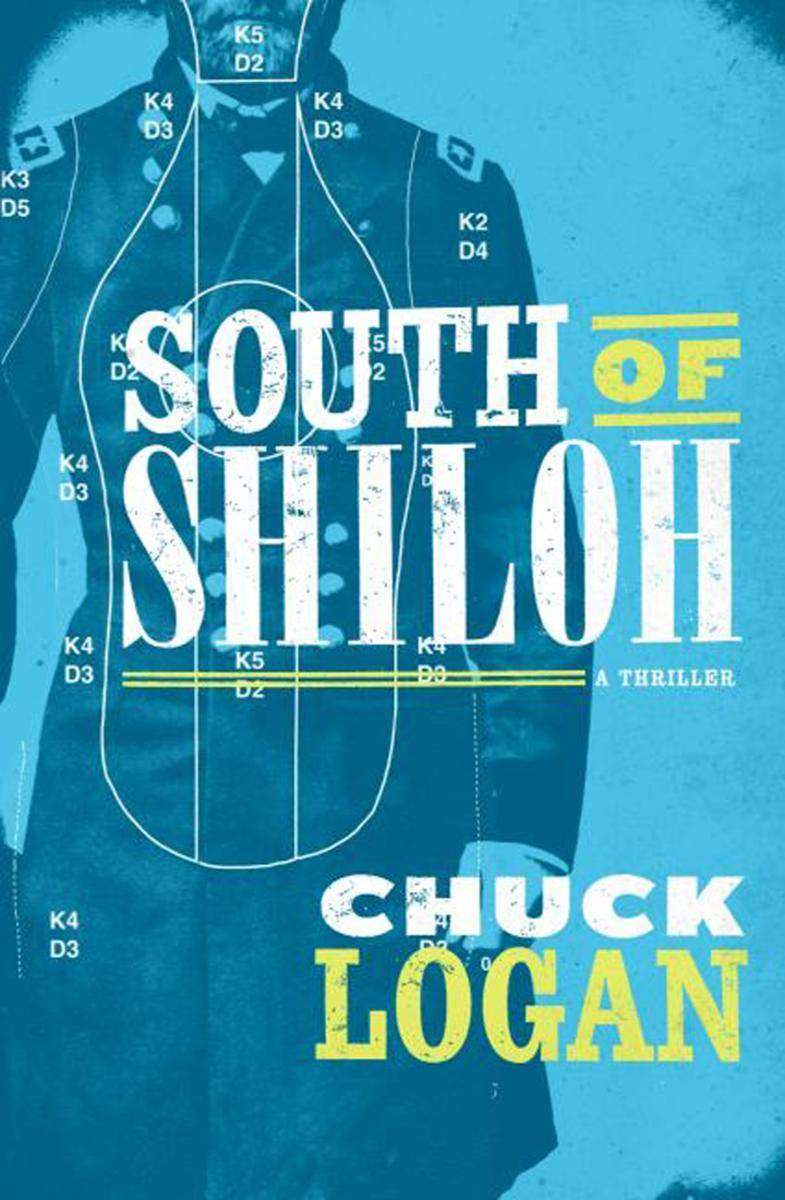
South of Shiloh
¥56.07
A nameless sniper is targeting participants in popular Civil War battle reenactments, and Minnesota reenactor Paul Edin is killed at the mock Battle of Kirby Creek, near Corinth, Mississippi. His death is ruled an accident, but Paul's widow, Jenny, discovers that the sniper's bullet was meant for the man standing next to Paul, a cop named Kenny Beeman. To penetrate the Mississippi smokescreen, Jenny enlists the aid of her former lover, news photographer John Rane. Appealing to be covering a story, Rane pokes into the Tennessee-Mississippi border country and teams up with Beeman. With demons nipping at his heels, Rane picks a Sharps rifle and live ammunition and heads off to the Shiloh Battlefield—and a showdown with a killer.South of Shiloh is a pulse-pounding thriller from a master of the genre—a story that uses a popular national pastime as the springboard for a page-turning read.
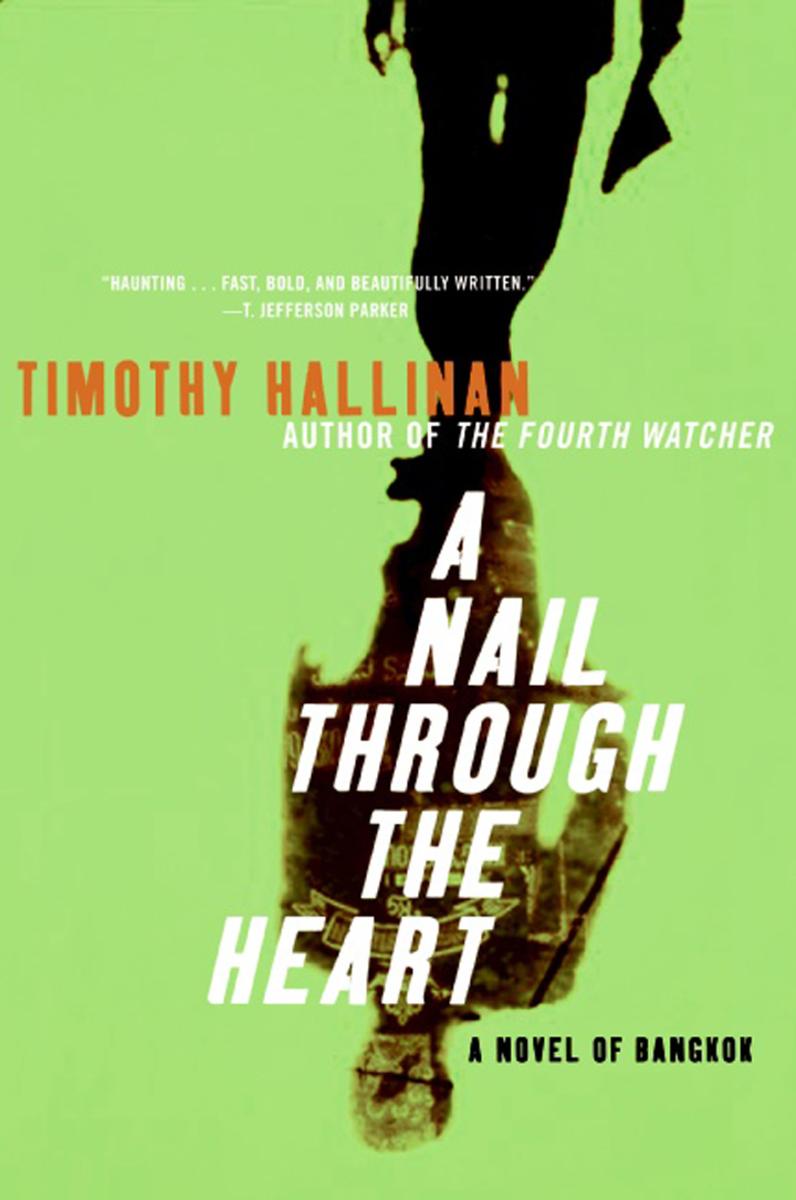
A Nail Through the Heart
¥83.03
Travel writer Poke Rafferty was good at looking for trouble—so good that he made a little money writing a few offbeat travel guides for the young and terminally bored. But that was before Bangkok stole his heart. Now the expat American is happily playing family with Rose, the former go-go dancer he wants to marry, and with Miaow, the wary street child he wants to adopt. Yet just when everything is beginning to work out, trouble comes looking for Poke in the guise of good intentions. First he takes in Miaow's friend, a troubled and terrifying street urchin named Superman. Then he agrees to find a distraught Aussie woman's missing uncle—and accept an old woman's generous payment to find a blackmailing theif. Soon, these three seemingly disparate events begin to overlap, pulling Poke deeper into dark, unfamiliar terrain. Gradually he realizes that he's been gliding across the surface of a culture he really doesn't understand—and that what he doesn't know is about to hurt him and everyone he loves.Beautifully crafted, relentlessly paced, A Nail Through the Heart is an exciting and enticing read that will leave readers hungry for more from the gifted Timothy Hallinan.
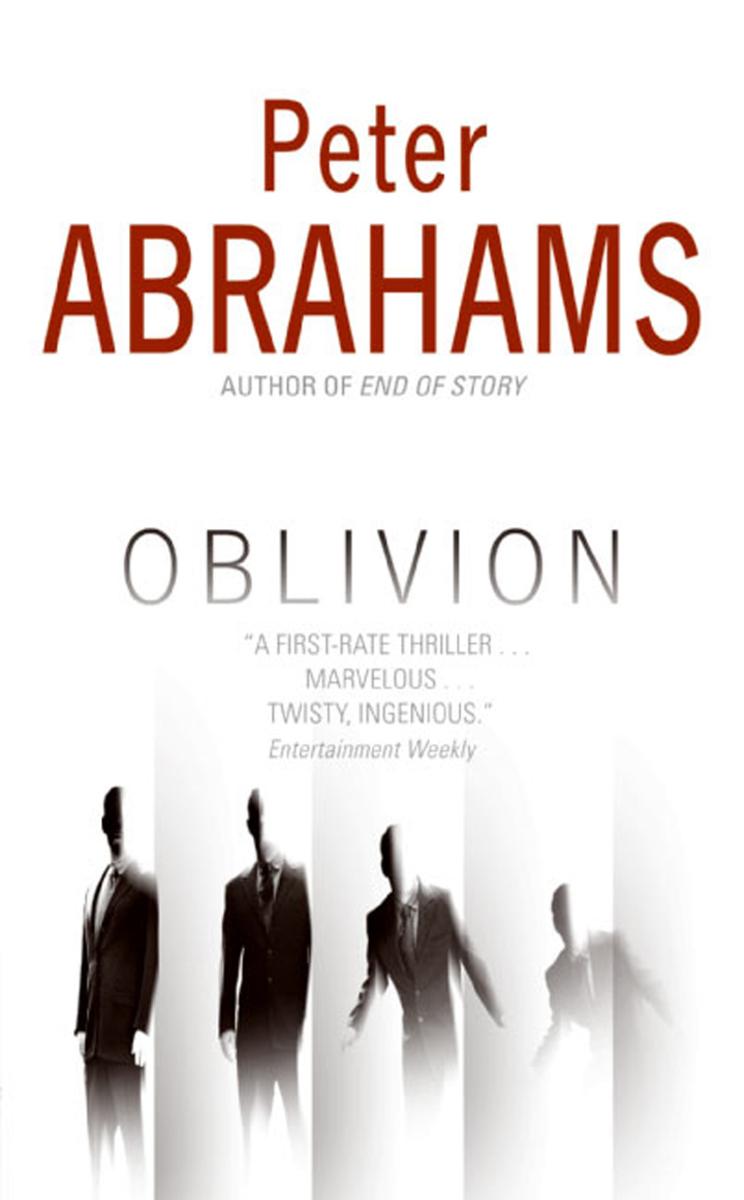
Oblivion
¥56.07
Nick Petrov was a world-famous private investigator -- until a brain trauma destroyed part of his memory and changed who he is forever.Now a killer is on the loose, looming up from a past that Nick can no longer remember.
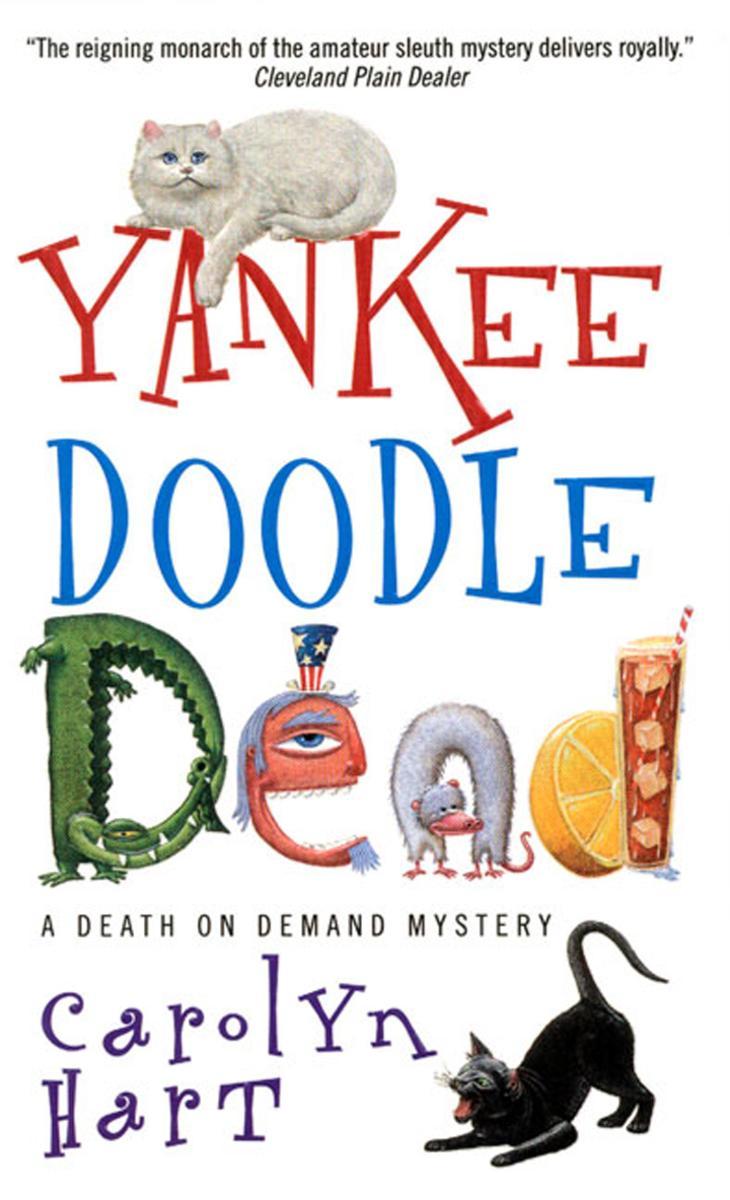
Yankee Doodle Dead
¥55.31
Master mystery spinner Carolyn Hart gives us the tenth high-spirited entry in her Agatha, Anthony and Macavity Award-winning Death on Demand series.The most delectable sleuthing couple since Nick met Nora, Annie and Max Darling manage to find quite a bit of murder in their allegedly safe and serene South Carolina island resort town. After all, murder is Annie's business -- well, sort of. She's the proprietor of the popular Death on Demand mystery bookstore and cafe, and her establishment seems to attract trouble like Annie's pesky felines, Dorothy L. and Agatha, attract hairballs. Now, Annie and Max watch their Fourth of July holiday explode not only with fun and fireworks, but with murder as well.The library board wants to declare its independence from new member, retired Brigadier General Charlton "Bud" Hatch, a man accustomed to being in charge. Hatch's takeover attitude has alienated everyone in town, especially the women. But Annie finds it difficult to ignore him at a crowded patriotic festival -- particularly when he's shot dead before her eyes...
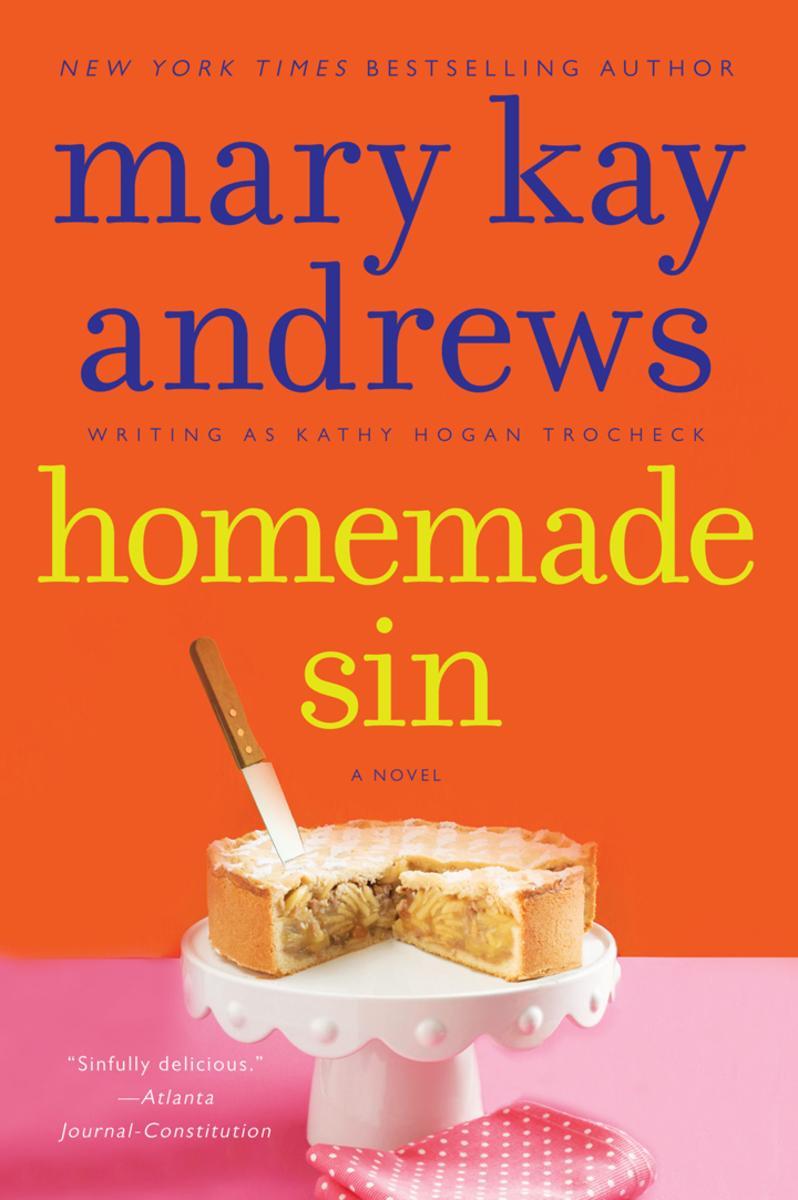
Homemade Sin
¥49.05
With a nose for crime and grime, Callahan Garrity has handled dirty killers on the streets as an Atlanta cop and on the job as a house cleaner. But she's always been able to keep her private life neatly separated from work -- until her cousin, Patti, is found dead. Exchanging her House Mouse cleaning uniform for a detective's cap, Callahan is hellbent to find the culprit. It's notthat she doesn't trust the Atlanta PD. She just knows that her suburbanite cousin's death is too strange to be accidental.Callahan's search takes her on a convoluted trail from Patti's priest, who may have provided more than spiritual counsel, through Atlanta's inner city and into the shady deals of her cousin's newly prosperous husband. Yet, as the pieces start to fall into place, Callahan faces an even bigger challenge -- staying alive.
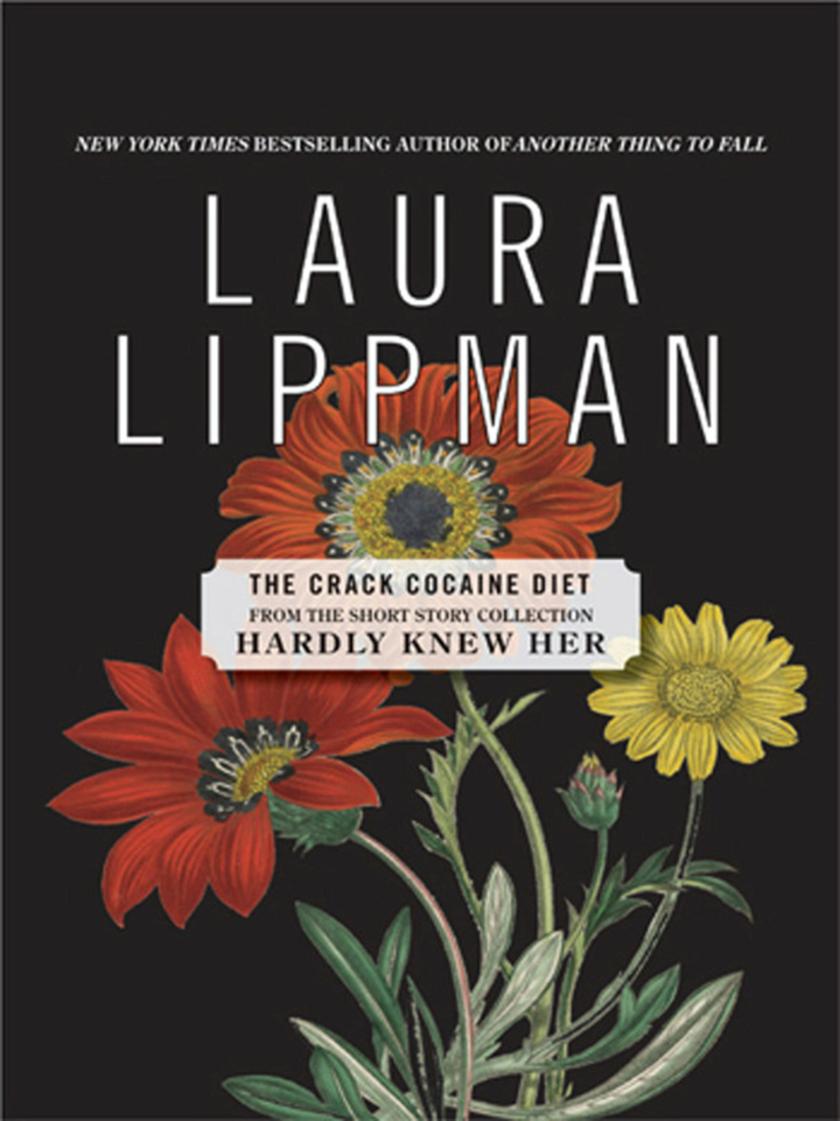
The Crack Cocaine Diet
¥10.98
New York Times bestselling author Laura Lippman has been hailed as one of the best crime fiction writers in America today, winning virtually every major award in the genre. The author of the enormously popular series featuring Baltimore P.I. Tess Monaghan as well as three critically lauded stand-alone novels, Lippman now turns her attention to short stories—and reveals another level of mastery.Lippman sets many of the stories in this sterling anthology, Hardly Knew Her, in familiar territory: her beloved Baltimore, from downtown to its affluent suburbs, where successful businessmen go to shocking lengths to protect what they have or ruthlessly expand their holdings, while dissatisfied wives find murderous ways to escape their lives. But Lippman is also unafraid to travel—to New Orleans, to an unnamed southwestern city, and even to Dublin, the backdrop for the lethal clash of two not-so-innocents abroad. Tess Monaghan is here, in two stories and a profile, aligning herself with various underdogs. And in her extraordinary, never-before-published novella, Scratch a Woman, Lippman takes us deep into the private world of a high-priced call girl/madam and devoted soccer mom, exploring the mystery of what may, in fact, be written in the blood.Each of these ingenious tales is a gem—sometimes poignant, sometimes humorous, always filled with delightfully unanticipated twists and reversals. For people who have yet to read Lippman, get ready to experience the spellbinding power of "one of today's most pleasing storytellers, hailed for her keen psychological insights and her compelling characterizations," (San Diego Union-Tribune), who has "invigorated the crime fiction arena with smart, innovative, and exciting work" (George Pelecanos). As for longtime devotees of her multiple award-winning novels, you'll discover that you hardly know her.


