


 购物车
购物车 个人中心
个人中心
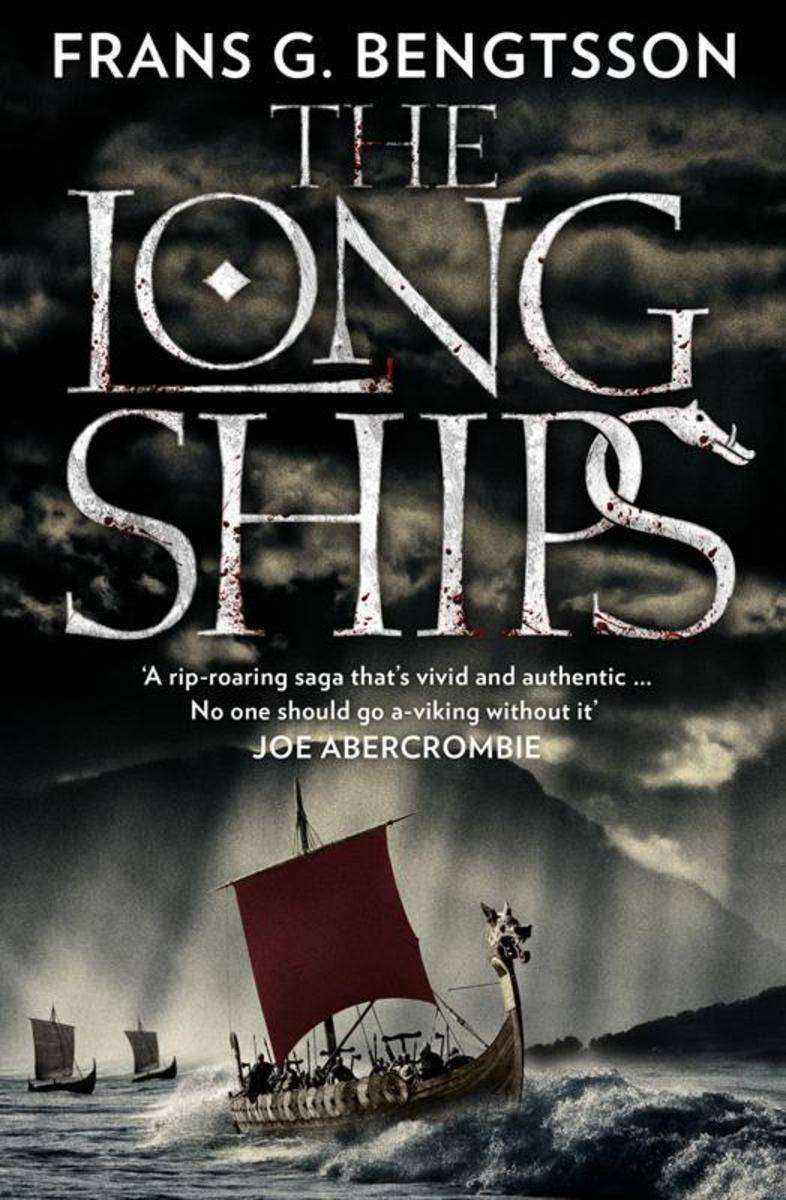
The Long Ships: A Saga of the Viking Age
¥69.26
This saga brings alive the world of the 10th century AD when the Vikings raided the coasts of England. Acclaimed as one of the best historical novels ever written, this engaging saga of Viking adventure in 10th century northern Europe has a very appealing young hero, Orm Tostesson, whose story we follow from inexperienced youth to adventurous old age, through slavery and adventure to a royal marriage and the search for great treasure. Viking expeditions take him to lands as far apart as England, Moorish Spain, Gaardarike (the country that was to become Russia), and the long road to Miklagard. The salt-sea spray, the swaying deck awash in slippery blood are the backdrop to fascinating stories of King Harald Blue Tooth, the Jomsvikings, attempts to convert the Northmen to Christianity, and much else. Like H. Rider Haggard, Bengtsson is a master of the epic form.

Stardust and the Daredevil Ponies (Pony Club Secrets, Book 4)
¥51.50
The fourth PONY CLUB SECRETS adventure by bestselling author of THE PRINCESS AND THE FOAL. Issie has landed her dream job – handling horses on a real film set! And with a group of frisky palominos to deal with, Issie asks her friends at pony club to help out too. But it’s not just the horses who play up on set – what is spoilt actress Angelique’s problem? Could this be Issie’s chance for stardom? Join talented young rider, Issie, on another action-packed adventure in the Pony Club Secrets series.

The First Christmas Without You
¥27.17
A story of love and hope at Christmas, The First Christmas Without You is an emotional and poignant novella. A truly magical Lapland fairytale… Jessie Collins has always wanted to visit Lapland. But this Christmas, more than any other, it’s the place she feels she really needs to be as she tries to come to terms with a future she really needs to start living.
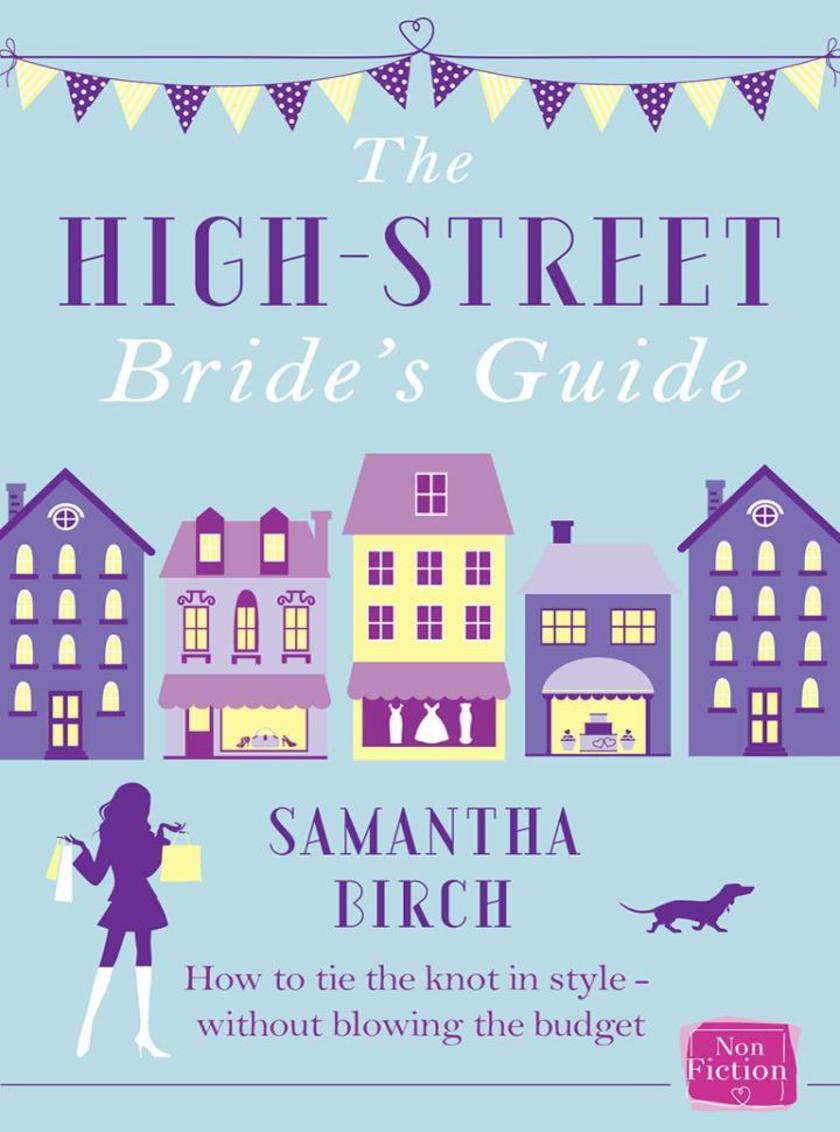
The High-Street Bride’s Guide
¥45.42
Samantha Birch has written for GLAMOUR, Brides, You & Your Wedding and Cosmopolitan Bride. She knows a thing or two about planning a wedding on a budget, how much you can expect to pay for everything and where to go to get it for less. And she's put it all down here. You can say your vows in a catwalk gown so beautiful it reduces your mum to tears (and not because she paid for it). You can style a reception so stunning your guests won’t believe you didn’t hire an A-list planner. And you can sprinkle the day with personal touches that make everyone feel like you gave them special attention before they even got there. Without spending a house deposit on it. Honest. “This book has truly changed my wedding, full of simple and affordable ideas to spice up any wedding on any budget – the writer clearly knows what they are talking about.”

Say it with Sequins: The Charleston: (A Novella)
¥27.17
For fans of reality dance shows, this series is strictly irresistible! Into the last stage of ‘Who Dares Dances’ blasts Meredith Denning, a tour de force! She’s a voluptuous, beautiful Oxford grad looking for a direction in life. Merry is partnered with professional dancer Daniel, who is still nurturing feelings for a newly engaged Julia. Though it’s not long before these two take their incredible chemistry from ballroom… to bedroom! With Daniel on her arm and the trophy within reach, Merry finds herself in danger of breaking the habit of a lifetime as she falls heavily for Daniel. Find out how it all ends the final part of the flirty, fun and FAB-U-LOUS series, Say it with Sequins!
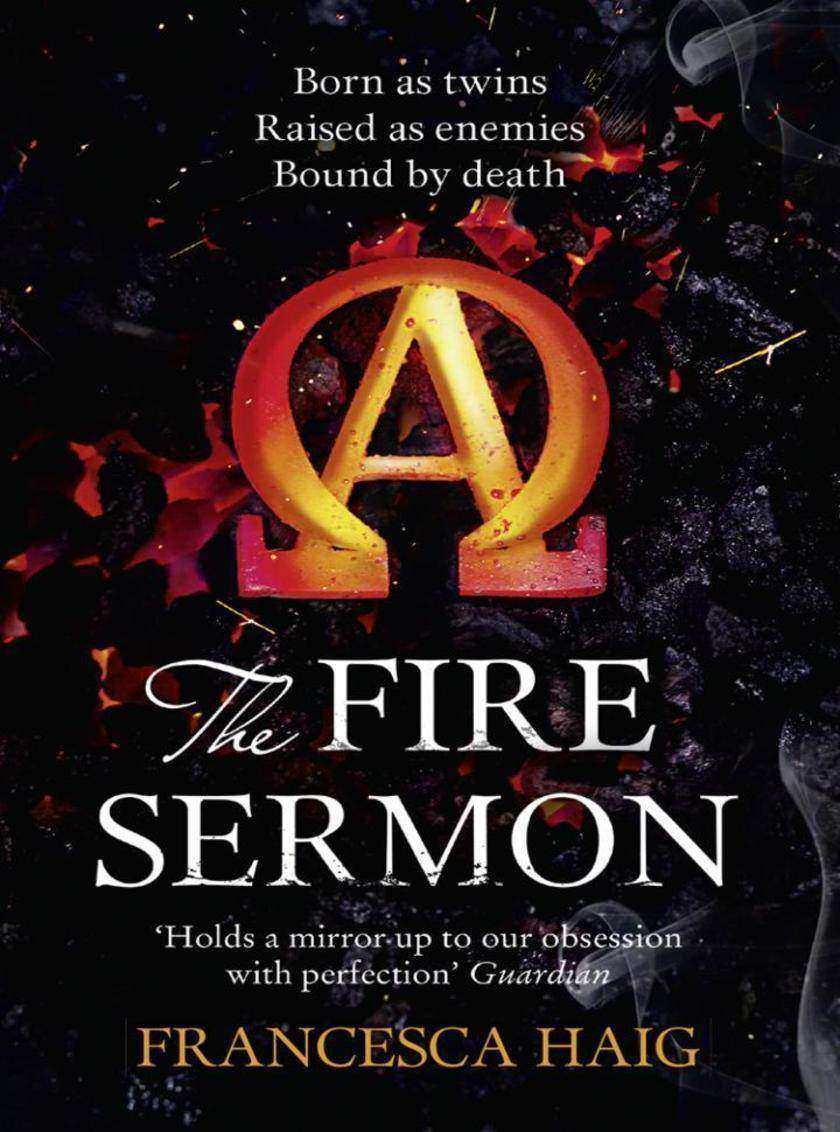
The Fire Sermon (Fire Sermon, Book 1)
¥65.16
BORN AS TWINS RAISED AS ENEMIES BOUND BY DEATH Cass is born a few minutes after her brother, Zach. Both infants are perfect, but only one is a blessing; only one is an Alpha. The other child must be cast out. But with no discernible difference, other than their genders, their parents cannot tell which baby is tainted. Perfect twins. So rare, they are almost a myth. But sooner or later the Omega will slip up. It will eventually show its true self. The polluted cannot help themselves. Then its face can be branded. Then it can be sent away.

World War 2 Thriller Collection
¥165.91
Presented for the first time, three classic war novels from the generals of the genre, Len Deighton, Jack Higgins & Alistair MacLean. Prepare to be blown away by these explosive thrillers: WINTER The epic prelude to Deighton’s acclaimed Bernard Samson spy series, in which the complex lives of two brothers unfold during the dramatic rise of Nazi Germany between two world wars. THE EAGLE HAS FLOWN Sequel to Higgins’ legendary The Eagle Has Landed. The mission to assassinate Winston Churchill has failed, but two of the ringleaders are still alive and now the Reichsfuhrer is demanding the Eagle’s return – at all costs. SOUTH BY JAVA HEAD 1942: Singapore lies shattered, overrun by the conquering Japanese army, as the last boat slips out to sea. On board, a desperate group of people, each with a secret they will kill to protect. Ahead lie murderous dive-bombers, the fierce tropical sun, and the hell-bent Japanese, who will stop at nothing to prevent the boat escaping south by Java Head.

Checker and the Derailleurs
¥66.22
From the Orange Prize winning author of We Need to Talk About Kevin this is a novel about what it takes to make it in music. How charisma is worth its weight in gold. And how jealously can grow until it has eaten away at a musician’s heart. He has that thing that they’d all pay for but can’t buy: on stage and off, the 19-year-old rock drummer Checker Secretti is electric. When he plays with his band The Derailleurs, the natives of Astoria, Queens clamour for a piece of him. But charisma comes at a price. A Salieri to Checker’s Mozart, the fiercely envious fellow drummer Eaton Striker is eager to sow discord among the Derailleurs, that he might replace the exasperatingly popular goody-goody in the close-knit neighbourhood’s affections. An examination of the passion, the jealousy and the friendship of young musicians trying to break out, Checker and The Derailleurs is also about cycling, rock lyrics, glass blowing, the marriage of convenience, and―most of all―the mystery of joy.

The Complete Confessions of a GP (The Confessions Series)
¥34.14
Confessions of a GP and Further Confessions of a GP together in one volume. Benjamin Daniels is angry. He is frustrated, confused, baffled and, quite frequently, very funny. He is also a GP. These are his confessions.
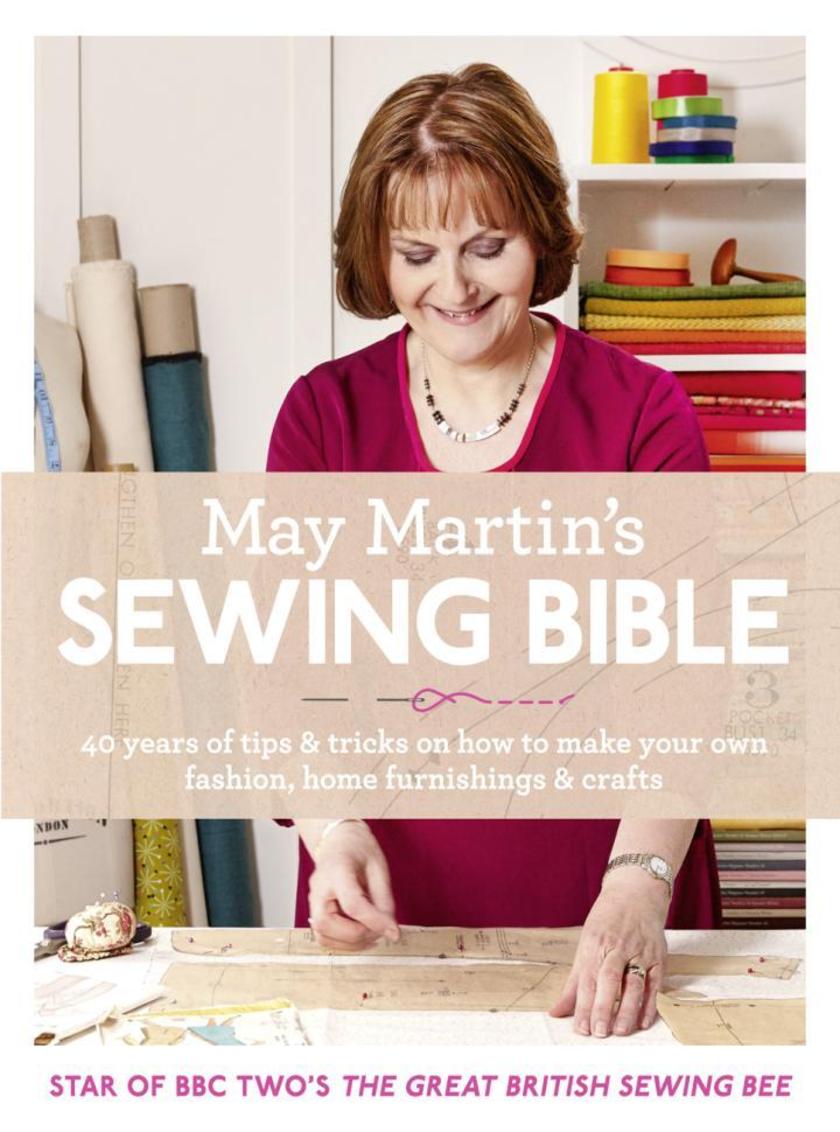
May Martin’s Sewing Bible: 40 years of tips and tricks
¥184.23
Star of the Great British Sewing Bee and doyenne of the Women’s Institute, May Martin has been teaching sewing for over 40 years. Now for the first time she shares her tips and tricks, offering the ultimate beginners’ guide to sewing. Beautifully styled and simple-to-follow, this authoritative sewing bible gives readers information on everything they need to know to get started with sewing. Providing all the essential background information on sewing, setting up your sewing space and detailed lists of all the equipment you’ll need; step-by-step instructions for over 40 projects; and a wealth of general sewing tips and techniques to help you finally master overlocking, seams, fastenings, hemming and much much more, with this book May will simplify all the skills and terms you need, demystify sewing and inspire you to unpack your sewing machine and have a go. It contains over 40 beautiful projects, including crafts, accessories, womenswear, kidswear, menswear and home furnishings. With a range of difficulties for each category – from super-easy but stylish ideas to get even the most nervous sewers started to more elaborate ideas for the aspiring sewer looking for a challenge.

The Windmill Girls
¥58.86
A compelling wartime drama from the author of The Street, perfect for fans of Pam Weaver and Kitty Neale. The Windmill Theatre was one of the most famous clubs of the 20th century. Its heyday was during WWII when it famously ‘never closed’ and it became famous for its ‘tasteful’ nude performances. Dawn is a pretty and feisty blonde. Losing her job as a chambermaid, she goes to work as a dancer at The Windmill Theatre. Despite refusing to appear on stage naked, Dawn is taken on and soon gets a glimpse of London’s dark and seductive underbelly. She meets Olive, Renee and Rosie, women all with their own secrets to bear. Each of them will be have to draw on their courage to survive, not just Hitler and his bombs, but by the life they have chosen and the men that they cannot escape…
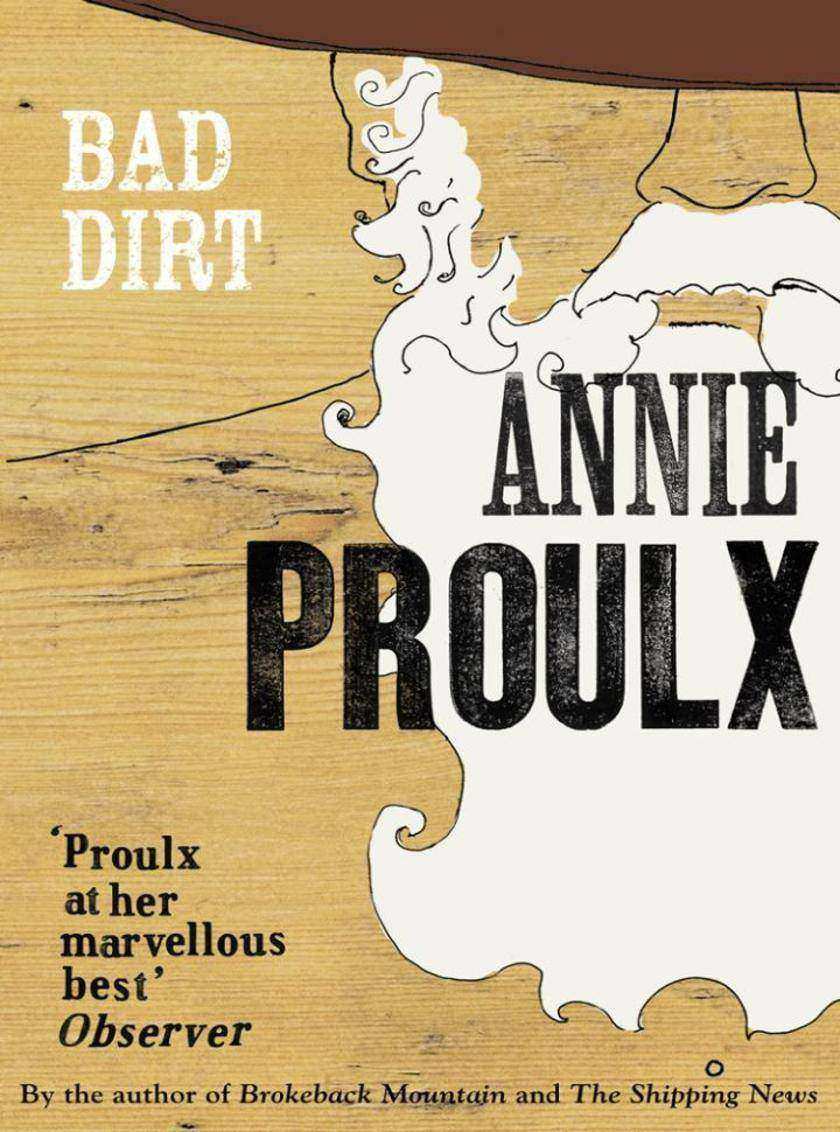
Bad Dirt: Wyoming Stories 2
¥66.22
A remarkable collection of short stories set in Wyoming from the Pulitzer Prize-winning author of ‘The Shipping News’ and ‘Brokeback Mountain’. ‘Bad Dirt’ is filled with the vivid and willful characters for which Proulx has become known. Each story occupies a community or landscape described in rich and robust language, with an eye for detail unparalleled in American fiction. In ‘The Contest’, the men of Elk Tooth, Wyoming, vow to put aside their razors for two seasons and wait to see who has the longest beard come the 4th of July. Deb Sipple, the moving protagonist of ‘That Trickle Down Effect’, finds that his opportunism – and his smoking habit – lead to a massive destruction. And ‘What Kind of Furniture Would Jesus Pick?’ is the story of Gilbert Wolfscale, whose rabid devotion to his ranch drives off his wife and sons. Proulx displays her wit in every story of this stunning collection, as well as her knowledge of the West, of history, of ranching and of farming. Her profound sympathy for characters who must use sheer will and courage to make it in tough territory makes this collection extraordinarily compelling.
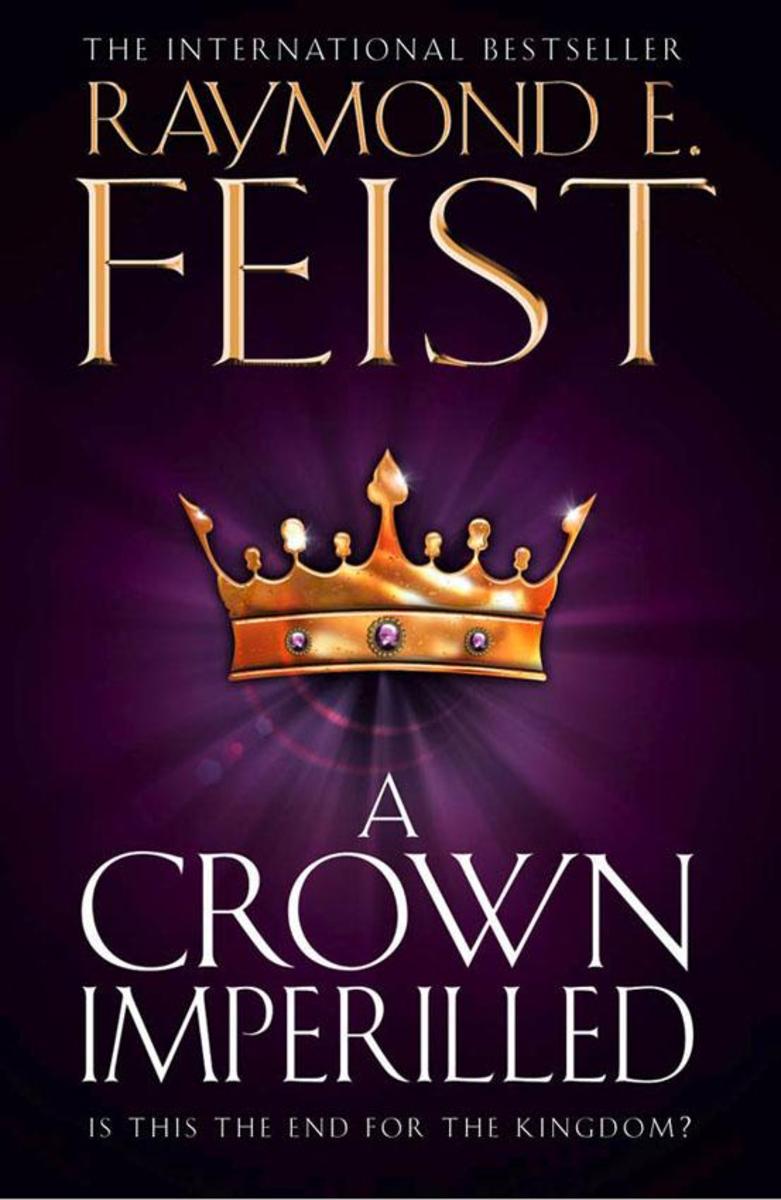
A Crown Imperilled (The Chaoswar Saga, Book 2)
¥67.69
The penultimate volume of the mighty Riftwar Cycle War rages in Midkemia but behind the chaos there is disquieting evidence of dark forces at work. Jim Dasher’s usually infallible intelligence network has been cleverly dismantled; nowhere is safe. He feels that the world is coming apart at the seams and is helpless to protect his nation. Quiet palace coups are underway in Roldem and Rillanon; and King Gregory of the Isles has yet to produce an heir. In each kingdom a single petty noble has risen from obscurity to threaten the throne. Lord Hal of Crydee and his great friend Ty Hawkins, champion swordsman of the Masters’ Court, are entrusted with the task of smuggling Princess Stephané and her lady-in-waiting, the lovely but mysterious Lady Gabriella, out of Roldem to a place of greater safety. But is there any safe haven to be found? Meanwhile, Hal’s younger brothers Martin and Brendan are attempting to hold the strategic city of Ylith against an onslaught of Keshian Dog Soldiers, and a mysterious force from beneath the sea. The Kingdom might lose Crydee and recover; but if Ylith falls, all is lost. An unknown player appears to orchestrating these conflicts. Can Pug and the Conclave of Shadows track down this source before Midkemia is destroyed?
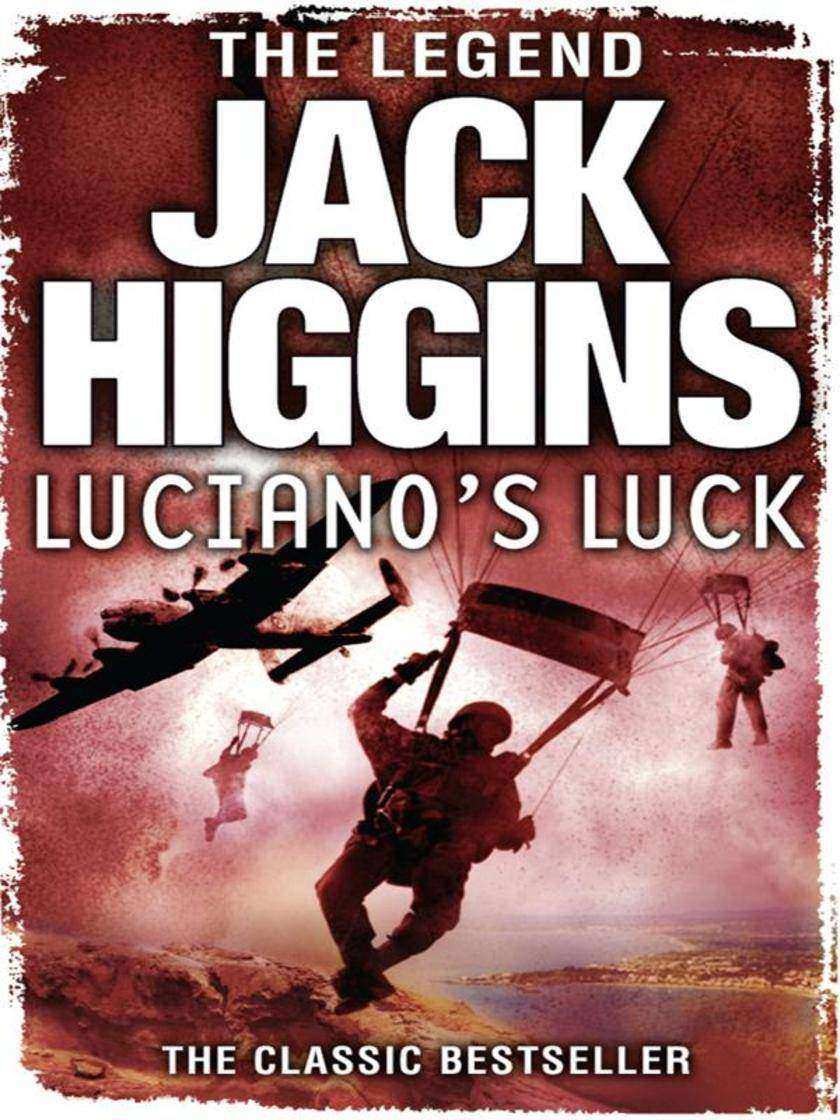
Luciano’s Luck
¥57.09
The brilliant suspense thriller from the author of THE EAGLE HAS LANDED, set in the wartime battlegrounds of the Mediterranean. A brilliant suspense thriller from the wartime battlegrounds of the Mediterranean. In the historic summer offensive of 1943, the Allies stand ready to invade Sicily. The cost will be high in lives and time, unless the Sicilians themselves can be persuaded to rise against their Nazi oppressors. Only the Mafia can command an uprising – and the Godfather refuses to fight… Desperate action is needed to dent Hitler's evil pride. Someone who understands Mafia ways, and knows how to earn the loyalty the Allies crave. Someone who isn't afraid of killing his own…

The Valhalla Exchange
¥34.14
The electrifying WWII bestseller from the master of the game. On the 30th April 1945, Russian radar reported a light aircraft leaving the vicinity of the Tiergarten in Berlin. But who was on board, and where was the plane going? Berlin was in ruins as the Russians moved relentlessly towards the concrete bunker where the Nazi adminstration was in ruins. But one man, Reichsleiter Martin Bormann, Adolf Hitler’s secretary and eminence grise had a daring plan to escape. Far away to the sout–west , at Schloss Arlberg above the River Inn, five prisoners of war were contemplating their fate. Would they be murdered by their captors or liberated by the Russians? Unbeknown to them Bormann has is own plans. They are about to become part of a mystery that has fascinated the world for over sixty years. What exactly did happen to Bormann and his prisoners?

The Dead Place (Cooper and Fry Crime Series, Book 6)
¥21.58
Bones where there should be none and a chilling warning of an imminent killing challenge Detectives Ben Cooper and Diane Fry in their sixth novel. "This death will be a model of perfection. The details will be precise, the conception immaculate, the execution flawless…" When a caller taunts the police with talk of a 'dead place' and the threat of an imminent killing, most think it's a sick hoax. But Detective Diane Fry is sure there's a murderer at work. And when the voice calmly invites them to meet the 'flesh eater', Fry fears it may be too late. Meanwhile, her colleague DC Ben Cooper is investigating Derbyshire's first case of body snatching, entering the macabre world of those whose lives revolve around the deceased and their disposal. But does an obsession with death make for a killer? And what horrors will greet them when they finally find the dead place?

Relentless
¥54.74
A must-read thriller from Dean Koontz – the worldwide bestseller of over 400 million copies. RELENTLESS is a pulse-pounding, page-turning race to the finish. It looked like just a bad review. But perhaps it was a death threat… Being a writer is a dangerous business. When Cubby Greenwich receives a scathing review for his latest bestseller by the feared and therefore revered critic Shearman Waxx, he is determined to take no notice of it. But Fate carries him right into Waxx’s path. What began as an innocent and unexpected encounter is about to trigger an inferno of violence. For Shearman Waxx is not merely a ferocious literary enemy, but a ruthless sociopath, and now he is intent on destroying Cubby and everything he holds dear: his home, his wife, his young son, and every hope he had in the world. The terror has only just begun, and it will be relentless…
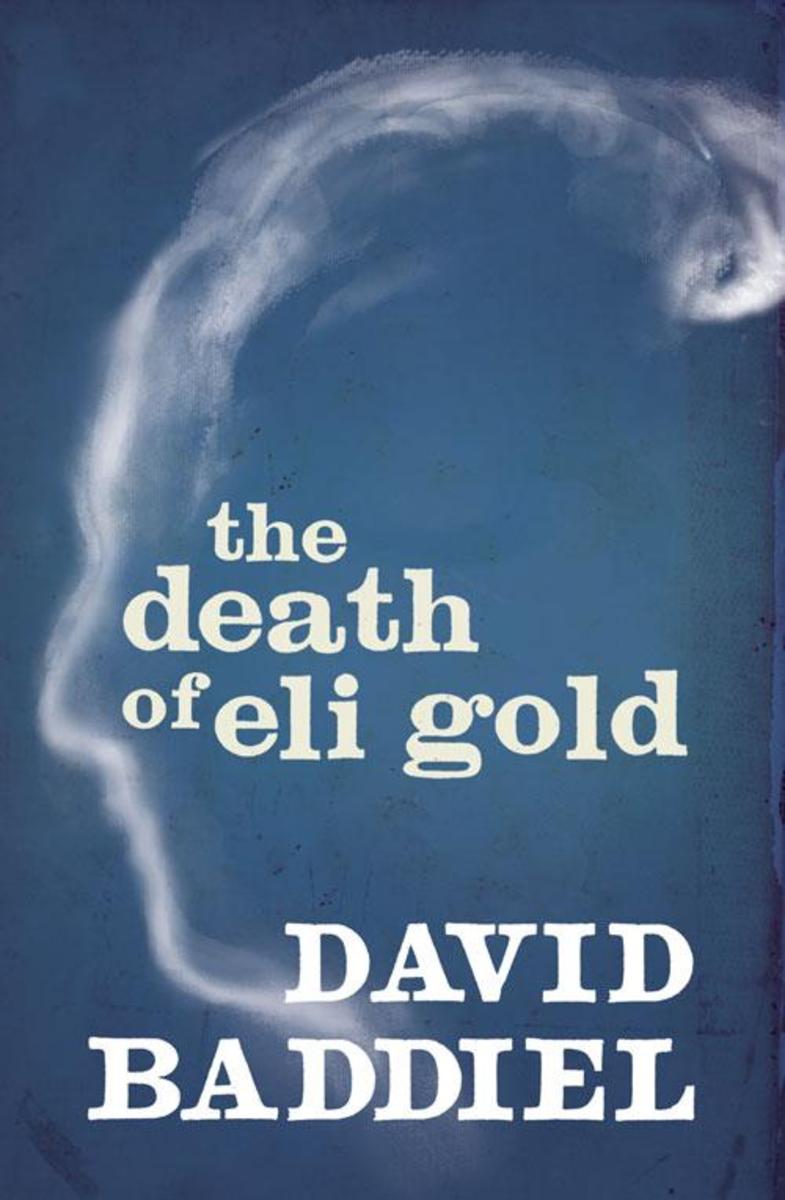
The Death of Eli Gold
¥73.58
The new novel from David Baddiel, comedian, columnist and author of the critically-praised The Secret Purposes. In New York's Mt. Sinai hospital, the world's greatest living writer, Eli Gold, is dying. Witnessing his death are his precocious 8-year-old daughter by his present (fifth) wife, his anxiety-ridden 44-year-old son from his third marriage, and his 89-year-old first wife, watching on TV from a care home in London. And also, secretly, his fourth wife's fundamentalist Mormon brother, who has never got over his sister's death in a suicide pact with Eli, a suicide pact that Eli survived. The Death of Eli Gold is a comedy, a thriller, and a meditation on love, death, aging, sex, fame, and the idea - the dying idea - of The Great Man.

Hangman (Peter Decker and Rina Lazarus Crime Thrillers)
¥54.15
Peter Decker and Rina Lazarus face a familiar sociopath in this electrifying new tale of suspense from New York Times bestselling author Faye Kellerman When LAPD Lieutenant Peter Decker reluctantly agrees to do a big favour for old friend Teresa McLaughlin, he knows that his involvement will bring her sociopathic husband, Chris Donatti, back into his life. But then Terry goes missing and Donatti disappears, leaving their 14-year-old son Gabe behind. Meanwhile Adrianna Blanc, a party-loving nurse, is found swinging from the rafters of a house in a wealthy suburban area. Her last phone call announced she was breaking up with her philandering boyfriend and Decker questions whether it was in fact suicide. With lives hanging in the balance, Decker and his team need to find answers fast. At home matters are just as precarious: while Decker and his wife Rina Lazarus want to look after young Gabe, with Donatti on the loose, no one is really ever safe…

United States of Love
¥54.65
‘If you want a fun, emotional and really enjoyable read, don’t miss United States of Love by Sue Fortin.’ – Sara at Harlequin Junkie Since splitting from her husband, single mum Anna Barnes is enjoying her new found freedom and independence. However, she didn't bank on working for Tex Garcia – or the sparks that fly between them. The gorgeous American chef is getting the locals hot under the collar and not just because of his culinary prowess! One problem: Tex can't commit and women pass through his life like dishes going out to service! Will it be the same with Anna? One thing’s for sure, this All American man is determined to break her self-imposed rule of never mixing business with pleasure – and add some spice into the mix…
Negotiation Skills in 7 simple steps
¥61.51
7 simple steps to flawless negotiations A successful negotiation results in a win-win agreement for both parties. But where do you start if you’re up against people or organisations with conflicting objectives? Or people who are just downright difficult? Getting what you want requires determination and tact. You need to be assertive but know when to compromise. We’ll help you refine your persuasive skills through verbal and non-verbal communication. We’ll show you how to identify and understand the key issues, distinguish between needs and interests and come to an agreement that benefits everyone. With our 7 simple steps you’ll be a pro in no time.


