


 购物车
购物车 个人中心
个人中心

Master Business English:90 Words and Phrases to Take You to the Next Level
¥0.01
Want to take your business English to the next level? Most textbooks teach the same things; presentations, speaking on the phone etc. This is great at the beginning, but if you are going to succeed, you’ll need more. You need to be able to walk into any business situation and feel seriously confident. That is why I wrote this book; to help you go from good to great. To really master business English. Learn: 90 essential words and phrases that will give you an edge in the business world. Improve by using examples: We have included many examples, so you can get a real feel for how to use these business words and phrases. Master: the language in the following essential business English topics. General business English. Start-ups. Online business. Finance. This book is the perfect stepping stone from ‘textbook’ business English to the ‘real’ language that will help you excel in the business world. If you are ready to truly advance, press the buy button and get started today.
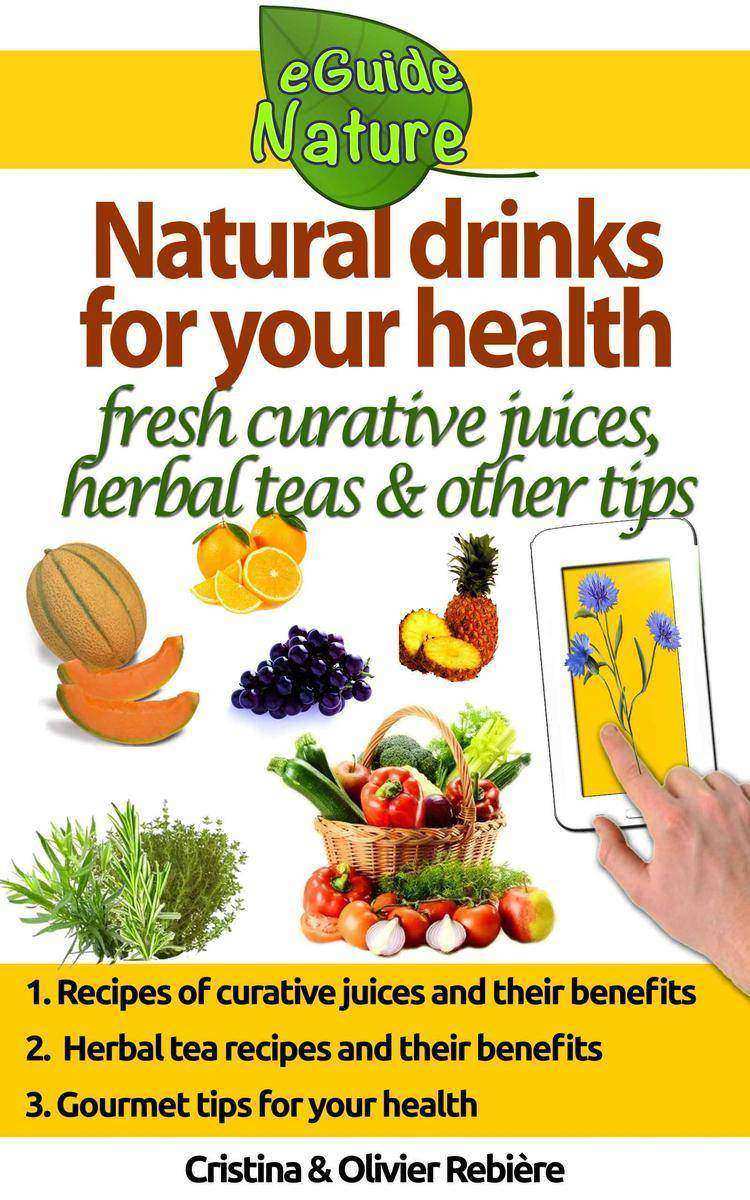
Natural drinks for your health
¥0.01
A fresh juice or herbal tea for your health? Do you like nature, animals or plants? Want to know how to use fruits and vegetables to make fresh juices, herbal teas, and improve your health? Life is also made of simple pleasures that can turn into pure happiness easily Our collection of practical ebooks??eGuide Nature is going to?prove it to you! Discover small, easy and cheap books that will help you to bring nature into your life every day! We have over a decade of experience in small animal breeding and presenting them to children as part of a mini-zoo, and like to pass on the experience of our seniors. We also love to cook and of course love preparing any kind of beverages and meals?to remain in good health, naturally? We wish to share with you our knowledge and our helpful tips for ??tame?? simply this Nature from which, sometimes, modern life takes us away… You are going to discover?small useful practical guides, always handy in your smartphone –?Natural drinks for your health In this ??zero?? issue of the collection ??eGuide Nature?? we’ll see how to prepare natural drinks, fresh juices or herbal teas to just stay and naturally healthy! What are you going to find in this???eGuide Nature??? our tips to prepare your juice our tips for concocting herbal teas 20 healthy recipes So, are you ready to bring nature into your everyday life?! Yes?Let’s go! Kind regards, Cristina Olivier Rebiere
The Art of Balance Cheat Sheet
¥0.01
The Battle for Balance is a life and death struggle. Stay balanced, and we enjoy life to the fullest. Lose balance, and life gets hard. In The Art of Balance: Staying Sane in an Insane World, life coach and psychotherapist David J. Bookbinder shows you how to stay on top of the forces that unbalance us, recover quickly if you get knocked down, and be prepared whenever life's unbalancers throw you a curve ball.? The Art of Balance doesn't just "give a man a fish," so he can eat that day. It teaches you how to fish. Time-tested self-help tools and techniques are integrated into a system that helps you create your own tools, develop your own techniques, refine your own strategies--and thereby become the master of your destiny.This Cheat Sheet is a quick overview of the six-step system for restoring and maintaining life balance described in The Art of Balance: Staying Sane in an Insane World.

Já Faz Parte de Mim
¥0.01
Um velho diário é encontrado por um casal de editores literários em Curitiba. Após localizarem o responsável pelos registros, tentam convencê-lo a transformar a história em um grande livro. Porém, para que a obra seja publicada no próximo ver?o, o editor Carlos Mascarenhas faz uma exigência ao autor: construir fatos reais para que os mesmos possam gerar o final feliz que a editora deseja.

Boissons naturelles pour votre santé
¥0.01
Un petit jus frais ou une tisane pour la santé? Vous aimez la nature, les animaux ou les végétaux? Vous aimeriez savoir comment utiliser fruits et légumes pour faire des jus frais, des tisanes, et améliorer votre santé? La vie est aussi faite de plaisirs simples qui peuvent se transformer en pur bonheur facilement Notre collection de livrets?pratiques ??eGuide Nature?? va vous le prouver! Découvrez des petits livres faciles et pas chers qui vont vous?aider à faire entrer la Nature dans votre quotidien! Nous avons plus d’une décennie d’expérience?dans l’élevage de petits animaux et leur présentation aux enfants dans le cadre d’un mini-zoo et aimons transmettre l’expérience de nos a?nés. Nous adorons aussi cuisiner naturellement et préparer toute sorte de jus ou de tisanes Nous souhaitons partager avec vous nos connaissances utiles et nos astuces pour???apprivoiser?? simplement cette Nature dont?quelques fois la vie moderne nous éloigne… Vous allez découvrir des petits livres pratiques utiles, toujours à portée de main dans votre smartphone N°0 – Boissons naturelles pour votre santé Dans ce numéro ??zéro?? de la collection ??eGuide Nature?? nous allons voir comment préparer des boissons naturelles, des jus frais ou des tisanes pour rester simplement et naturellement?en?bonne santé! Qu’allez vous trouver dans cet ??eGuide Nature??? nos conseils pour bien?préparer vos jus de fruits nos astuces pour concocter des tisanes 20?recettes?santé Alors, êtes vous prêt(e) à faire entrer la Nature dans votre quotidien?! Oui?On y va! Amicalement, Cristina Olivier Rebiere
Liquid Cool (The Cyberpunk Detective Series):The Cyberpunk Detective Series
¥0.01
Liquid Cool is the action-packed and funny,?debut cyberpunk detective series!? It’s cyberpunk reimagined—science fiction meets the detective thriller in an ever-rainy world of colossal skyscrapers. Hovercars fly above in the dark, bustling skies and gray people walk below on the grimy, flashy streets of this “neon jungle.” Metropolis isn’t a bad place, but it isn’t a good one either. Uber-governments and megacorporations fight for control of the super-city, but so does crime. We were introduced to Liquid Cool, in the prequel short, These Mean Streets, Darkly. We met an average woman, Carol—hardworking and decent in every way—only to have her daughter kidnapped by the psycho cyborg Red Rabbit. Can Police Central find the girl in time—alive? And is it really another senseless act of random violence in the fifty-million-plus supercity?? This story continues…and there are so many more. For the first time, we meet Cruz, our private eye (and unlikely hero), in a supercity with a million victims and perpetrators. Welcome to the high-tech, low-life world of Liquid Cool.? But watch out for tech-tricksters, analog hustlers, and digital gangsters—psychos, samurais, and cyborgs aplenty—they may want your money, or your life, more than you do. Get Your Copy of LIQUID COOL?Right Now and Prepare to be Thrilled with Mystery, Action, and Laughs!?And don’t get shot by a laser-pistol-packing cyber-punk on your way to the digital store. FIVE STAR REVIEWS “Lots of shooting, lots of crazy maniacs, lots of action and fun!” “I loved this book. It takes place in the future, and what a weird future.” “A funny, intelligent (and sometimes crazy) main character…playing detective” “Cool and Smooth.” “I had a hard time putting this book down to do things like sleeping and eating.” Enjoy!

Ketogenic Diet:Delicious Ketogenic Diet Recipes Cookbook:Easy Ketogenic Lifestyl
¥0.01
What is the ketogenic diet? It's a way of eating that shifts your body from being a sugar burner to being a fat burner. It's also a revolutionary way to support better health—it can improve everything from epilepsy to obesity to autoimmune disease and more. It's easier than you think to prepare mouthwatering, nourishing ketogenic meals. Are you ready to rapidly melt away chunks of fat from off your body and keep It off for good? Packed into this delightful little book are amazing ketogenic recipes that you will absolutely adore. That's a whole month of delicious dinners with a choice of different meals every single day! Delicious Recipes The Science Your body normally converts carbohydrates to glucose for energy. By limiting your intake and replacing it with fats, your body enters a state of ketosis. Here your body produces ketones created by a breakdown of fats in the liver. Without carbohydrates as your primary source of energy your body will turn to the ketones. This effectively cranks up the fat burning furnace and puts your body in the ultimate metabolic state. Beyond Weight Control Keto has its origins in treating healthcare conditions such as epilepsy, type 2 diabetes, cardiovascular disease, metabolic syndrome, auto-brewery syndrome and high blood pressure. This diet will take you beyond typical weight control and into a new realm of total body health. Finally, A Diet You Will Enjoy Forcing yourself to eat bland, uninspired meals is not a long-term solution to obtaining a healthy body. You will be more likely to relapse or even abandon your diet altogether. This ketogenic cookbook rekindles your love for food, meaning you will look forward to your every meal. When you enjoy what you are eating the results come easy Pick Up Your Copy Now! Click On The BUY NOW Button At The Top Of The Page!

A haldokló részvényes
¥0.01
Ingyenes tartalom - T?ltsd le Kondor Vilmos Szélhámos Budapest k?tetéhez készült el?novellát. Kondor Vilmos nemzetk?zi siker? B?n?s Budapest regényfolyamát már nem kell bemutatni az olvasónak. A szerz? legújabb regénye a Budapest Noir el?zményt?rténete, amelyb?l fény derül Gordon Zsigmond ifjúkorára, a t?zsdekrachok éveire és kedvenc zsurnalisztánk els? pesti ügyére, amelyet a már ismert kalandok sora k?vet. Kondor e-novellája is a korszak hírhedt vagy éppen pitiáner szélhámosainak, svindlereinek, és persze az átverésekhez elengedhetetlen palimadarainak világába vezeti olvasóit, egy igencsak példaérték? ?kopasztás" leírásával, amib?l az ifjú Gordon Zsigmond is kivette a részét. A k?tet ingyenes, let?ltéséhez válaszd az ek?nyv megvásárlását, majd a fizetés tárcáról opciót a fizetés harmadik lépésekor.
Adam ?i Eva
¥0.01
Adam ?i Eva este un roman scris de Liviu Rebreanu ?n anul 1925. Este un roman de dragoste mai aparte. Romanul are drept tem? principal? credin?a ?n re?ncarnare, metempsihoza. Cuplul arhetipal ?i androginic se caut? ?i se re?ntrege?te ?n ?apte perioade istorice foarte diferite. Personajul principal, Toma Novac, trece prin mai multe vie?i, este pe r?nd p?stor ?n India, guvernator ?n Egipt, scrib ?n Babilon, cavaler roman ?n Roma ?n epoca domniei ?mp?ratului Tiberiu, c?lug?r ?n Germania medieval?, medic ?n Fran?a revolu?iei franceze, ?i ?n fine profesor universitar la Bucure?ti. El se ?ndr?goste?te pe r?nd de 7 personaje feminine diferite: de Navamalika, Isit, Hamma, Servilla, Maria, Yvonne, ?i de Ileana.

30 Green Smoothies Recipes Supercharge Your Day
¥0.01
Green smoothies are blended drinks that contain fresh leafy green vegetables in them, such as Kale, Collard greens, Swiss chard, Spinach, Mint or Parsley, in addition to fresh or frozen fruit, ice, yogurt or milk. Other herbal or nutritional supplements can also be added. These beverages are blended into a smooth, thick, milkshake-like consistency. They are extremely easy to make, taste great and provide great nutrition.
21 Prayers of Thanksgiving: Transform Your Prayer Life by Giving Thanks
¥0.01
Thanksgiving prayers are powerful! This book will transform your prayer life through using the everyday spiritual tool of thanksgiving.? Using the 21 prayers will open your eyes to the unseen, draw you into God's presence, unlock conversations with God, keep you hopeful, banish fear and doubt, bring your clarity and help you to experience miracles. Each prayer focuses on a different area of your life or an aspect of God's character- family, teenagers, work, health, time, weaknesses, future, God's joy, God's provision, God's love, just to name a few. Use this book to unlock the incredible power of thanksgiving in your life.

《梦的心理》+《一个少女的日记》
¥6.16
《梦的心理+一个少女的日记》:西格蒙德·弗洛伊德。 《梦的心理+一个少女的日记》:1900年,弗洛伊德开始运用临床个案,致力于分析病人的各种各样的奇怪的梦。他对梦的解释,深入到人的内心深处的潜在动机。他以“性欲论”解释梦。我们现在出版的这本《梦的心理》,则是他精神分析理论体系形成过程中一个很重要的标志性出版物。德国哲学家弗洛姆曾说弗洛伊德对梦的分析,是“现代科学对梦的分析的**原创性、著名与重要的贡献”。《一个少女的日记》记述了少女丽塔从11岁到14岁半期间成长过程中的青春思绪与豆蔻情怀。书中描述了作者与父母、与家庭中其他成员,如何相处,如何更亲密。同时书中也写了作者与别人产生的友情,是如何形成与破裂的;还有,作者也写了早恋的萌芽心态,以及对初恋对象的朦胧情感;写了神秘的性意识是如何启蒙、占据青春期少女的内心世界的;写了怎样惴惴不安地解开心结,探索爱的真谛;写了蠢蠢欲动的各种年少思想;写了家庭内部不公引发作者的愤怒;写了与老师和同学间关系的处理……文字间透露着简单、明快、犀利、爱憎分明的个性,充盈着对亲情、友情、爱情的体悟和思考,揭示出家庭因素在孩童成长和日后观念形成中产生的巨大作用,对我们理解自我曾经走过的成长之路,也大有帮助。

Ketogenic Vegan:50 Healthy & Delicious Recipes For A Ketogenic Vegan Diet
¥0.01
Vegan and ketogenic diets make for a surprisingly good pairing. It may not seem like it first, if you look at their contrasting carb and fat intake requirements. But by following the core principles of each, you get a program that’s much healthier and more effective.Specifically, the vegan keto program combines the no-animal-derived-food-products rule of the vegan diet and the low-carb-high-fat foundation of a ketogenic diet. A Ketogenic Vegan diet, is becoming more popular, not only among celebrities, but common people who want to lose weight without putting their bodies in a starvation mode. The fusion between Ketogenic and Vegan is the perfect deal for anyone who is conscious about their health. Based on thorough research, the contents of the book have been designed to help you reach an overall well being through healthy weight loss. While other "quick" weight loss methods end up being harmful, Ketogenic diet helps you keep your meals balanced and healthy. So, what are you waiting for? You'll find: Chapter 1 - Introduction To Ketogenic DietChapter 2 - Main Benefits Of A Ketogenic Diet Chapter 3 - Some Basic Principles Of Vegan Ketogenic Diet Chapter 4 - How To Lose Weight Faster Than Ever Before? Chapter 5 - Nutrient Rich Vegan Foods Chapter 6 - Balance Of Nutrients In A Ketogenic Diet Chapter 7 - Recipes Order your copy and start your journey today!
Kelebe?in ?ilesi ?iir
¥0.01
Herkes, beni s?rf " yazar?m"San?yor!Yan?l?yor!Oysa ki: Ben hem yazar?m;Hem de "silerim".T?pk?: Silgili bir kalem gibiyim:Bir yan?m: Yazar,Di?er yan?m da siler.Kendi defterimin "kar" beyaz sayfalar?nda:Do?ru ve güzel olan? yazmaya çabalarken;Di?erlerinin defterlerindeki yanl??lar?,Görmemezlikten gelemem!Nerede bir yanl?? görsem;Düzeltmeden de duramam!Ya yanl??? silerim! Ya da sayfay? KELEBE??N Ç?LES?Ey!Sadekul Veysel;Biliyorsun ki!Marifet: Do?rular? bilmekte,De?il;Do?rular? söyleyebilmektedir.?imdi!Söyle, sen de do?rular?;Anlat, herkese k?ssay?.Arif olan; mutlaka al?r hisseyi.Bu, öyle bir k?ssa ki!Tam bir: "Yeti?kin Masal?".Kahramanlar? ise:Eli asal?Uzun sakall?,Ya?l?-ba?l?:H?rpani bir dervi?le,Ye?ilimt?rak bir kurtçuk (t?rt?l).Dervi?;Küflü, karanl?k ve bo?ukKüçük, yal?n ve de so?uk!Tek oda, çilehanesinde:Günlerdir:Yar? açYar? tok,Uykusuz ve yorgun.Ama!Ruhen, oldukça dingin!Çilesini çekmekte...Dervi?;Ba?da? kurmu?!Yere, öyle oturmu?.Alt?nda: ?iltesi yok!Oturdu?u yer kuru.Sofras?nda: az??? yok!Çanakta, ekme?i kuru.Ama!Rahlesi: kitap,Testisi: su,Kalbi ise imanDolu!?lahi a?k?n etkisiyleBirazc?k daDeli!?di.Çile günlerinde:Kafas?ndaki, zaman kavram?n? yitirmi?;Gündüz ile gecenin fark?n? bitirmi?,Bir halde!Zihninde: sürekli "pirinin sözlerini "tekrarlamakta.Ço?u kez,O sözler; odan?n içinde de yank?lanmakta!?di.Her f?rsatta piri:"-Evlatlar?m!Nefis!Nefes gibidir:Yoklu?u ölüm,Çoklu?u zulüm;Getirir."Diyordu!Ve sürdürüyordu...."?nsano?lu;Fiziki çelimsizli?ine ra?men,Yaradan?n kendisine bah?etti?i:Metafizik güçlerin sayesinde;Yeryüzündeki: yarat?lm??lar?n hepEn üstünü! ?di.Ama!?imdiki gibi: Egemeni de?ildi;Ne yeralt?n?n, ne de üstünün!O zamanlar;Her canl?n?n dilinden anlar idi.Di?erleri gibi: Kendisinin deHem av hem de avc? oldu?unu,Ya?am çark?n?n: Böyle döndü?ünü;?yi bilirdi."..."Bu durum:Ad?na: Kibir denilen!Yedi ba?l? canavar?n!?nsan?, teslim almas?na kadar sürdü.Sonras?nda;Canavar, insandan; insanl??? sürdü.""Kibirdir: ?nsanl??? hasta eden alamet.Günlerden, bir gün:Dervi?in gözü, duvar?n yukar?s?na tak?ld?.Uzun uzun, kö?edeki bu noktaya bak?nd?.Kar??s?ndaki köhne duvarda:Bir " ipek böce?i t?rt?l?" vard?.?leri geri sal?narak; kozas?n? örüyordu.A??n?n aras?ndan, o da dervi?i görüyordu.Ama!Epeycedir; hiç ilgilenmez görünüyordu.Kozan?n kapanmas?na, çok az kalm??t?.T?rt?l, son bir kez; ba??n? d??ar? ç?kartt?.Birden!Dervi?le, göz göze geldi.Dervi?i ise ani bir merak ald?.-Senin ne i?in var?
Raspberry Pi Robotic Blueprints
¥80.65
Utilize the powerful ingredients of Raspberry Pi to bring to life your amazing robots that can act, draw, and have fun with laser tagsAbout This BookLearn to implement a number of features offered by Raspberry Pi to build your own amazing robotsUnderstand how to add vision and voice to your robots.This fast-paced practical guide comprises a number of creative projects to take your Raspberry Pi knowledge to the next level Who This Book Is For This all-encompassing guide was created for anyone who is interested in expanding their knowledge in applying the peripherals of Raspberry Pi. If you have a fancy for building complex-looking robots with simple, inexpensive, and readily available hardware, then this book is ideal for you. Prior understanding of Raspberry Pi with simple mechanical systems is recommended.What You Will LearnAdd sensors to your robot so that it can sense the world around itKnow everything there is to know about accessing motors and servos to provide movement to the robotic platformExplore the feature of adding vision to your robot so it can “see” the world around itRefine your robot with the skill of speech recognition so that it can receive commandsPolish your robot by adding speech output so it can communicate with the world around itMaximize the use of servos in Raspberry Pi to create a drawing robotStrengthen your robot by adding wireless communication skills so you can see what the robot is seeing and control it from a distanceBuild an unbelievable autonomous hexcopter controlled by Raspberry Pi In Detail The Raspberry Pi is a series of credit card-sized single-board computers developed in the UK by the Raspberry Pi Foundation with the intention of promoting the teaching of basic computer science in schools. The Raspberry Pi is known as a tiny computer built on a single circuit board. It runs a Linux operating system, and has connection ports for various peripherals so that it can be hooked up to sensors, motors, cameras, and more. Raspberry Pi has been hugely popular among hardware hobbyists for various projects, including robotics. This book gives you an insight into implementing several creative projects using the peripherals provided by Raspberry Pi. To start, we’ll walk through the basic robotics concepts that the world of Raspberry Pi offers us, implementing wireless communication to control your robot from a distance. Next, we demonstrate how to build a sensible and a visionary robot, maximizing the use of sensors and step controllers. After that, we focus on building a wheeled robot that can draw and play hockey. To finish with a bang, we’ll build an autonomous hexcopter, that is, a flying robot controlled by Raspberry Pi. By the end of this book, you will be a maestro in applying an array of different technologies to create almost any imaginable robot.Style and approach This book is an easy-to-follow, project-based guide that throws you directly into the action of creating almost any imaginable robot through blueprints. It is full of step by step instructions and screenshots to help you build amazing robots in no time at all.

Best-Loved Chinese Proverbs
¥72.93
"By filling one's head instead of one's pocket, one cannot be robbed." The appeal of Chinese proverbs is profound and universal. With brevity, clarity, and simplicity, these carefully chosen words help pass wisdom and insight throughout the ages. This timeless, eloquent collection of proverbs offers fundamental truths about the natural world and the human condition, on subjects such as: Ability Adversity Beauty Character Conflict Cooperation Deception Defeat Fortune Greed Happiness Honor Inspiration Knowledge Leadership Love Moderation Necessity Neighbors Obstinacy Opportunity Perseverance Pride Sincerity Strategy Success Thought Trust Victory Wisdom And More "With our thoughts we must build our world."

I Never Metaphor I Didn't Like
¥88.56
The murals in restaurants are on a par with the food in museums. America is an enormous frosted cupcake in the middle of millions of starving people. Critics are like pigs at the pastry cart. Describing something by relating it to another thing is the essence of metaphorical thought. It is one of the oldest activities of humankind and one of the most impressive when done skillfully. Throughout history, many masters of metaphor have crafted observations that are so spectacular they have taken up a permanent residence in our minds. In I Never Metaphor I Didn't Like , quotation maven Dr. Mardy Grothe fixes his attention on the three superstars of figurative language analogies, metaphors, and similes. The result is an extraordinary compilation of nearly 2,000 feats of association that will entertain, educate, and occasionally inspire quotation lovers everywhere. In this intellectual smorgasbord, the author of Oxymoronica and Viva la Repartee explains figurative language in a refreshingly down-to-earth way before taking readers on a tour of history's greatest word pictures. In chapters on wit, love, sex, stage and screen, insults, politics, sports, and more, you will find quotations from Aristotle and Maya Angelou to George Washington and Oprah Winfrey.
Mastering Google App Engine
¥90.46
Build robust and highly scalable web applications with Google App EngineAbout This BookGet an in-depth look at how Google App Engine works under the hoodDesign and model your application around Google's highly scalable distributed NoSQL datastore to unlock its full potentialA comprehensive guide to ensure your mastery of Google App Engine Who This Book Is For If you have been developing web applications in Python or any other dynamic language but have always wondered how to write highly scalable web applications without getting into system administration and other plumbing, then this is the book for you. No experience in writing scalable applications is required.What You Will LearnScale and develop your applications with Google App Engine's runtime environmentGet to grips with request handling mechanism and write request handlersDeep dive into Google's distributed NoSQL and highly scalable datastore and design your application around itImplement powerful search with scalable datastorePerform long-running tasks in the background using task queuesWrite compartmentalized apps using multi tenancy, memcache, and other Google App Engine runtime servicesHandle web requests using the CGI, WSGI, and multi-threaded configurationsDeploy, tweak, and manage apps in production on Google App Engine In Detail Developing web applications that serve millions of users is no easy task, as it involves a number of configurations and administrative tasks for the underlying software and hardware stack. This whole configuration requires not only expertise, but also a fair amount of time as well. Time that could have been spent on actual application functionality. Google App Engine allows you develop highly scalable web applications or backends for mobile applications without worrying about the system administration plumbing or hardware provisioning issues. Just focus writing on your business logic, the meat of the application, and let Google's powerful infrastructure scale it to thousands of requests per second and millions of users without any effort on your part. This book takes you from explaining how scalable applications work to designing and developing robust scalable web applications of your own, utilizing services available on Google App Engine. Starting with a walkthrough of scalability is and how scalable web applications work, this book introduces you to the environment under which your applications exist on Google App Engine. Next, you will learn about Google's datastore, which is a massively scalable distributed NoSQL solution built on top of BigTable. You will examine the BigTable concepts and operations in detail and reveal how it is used to build Google datastore. Armed with this knowledge, you will then advance towards how to best model your data and query that along with transactions. To augment the powerful distributed dataset, you will deep dive into search functionality offered on Google App Engine. With the search and storage sorted out, you will get a look into performing long running tasks in the background using Google App Engine task queues along with sending and receiving emails. You will also examine the memcache to boost web application performance, image processing for common image manipulation tasks. You will then explore uploading, storing, and serving large files using Blobstore and Cloud storage. Finally, you will be presented with the deployment and monitoring of your applications in production along with a detailed look at dividing applications into different working modules.Style and approach This book is an in-depth guide where you will examine the problems in the context of highly scalable web applications. This book will take you through the libraries, services, and required configuration and finally puts everything together into a small web application that showcases all the capabilities of Google App Engine.
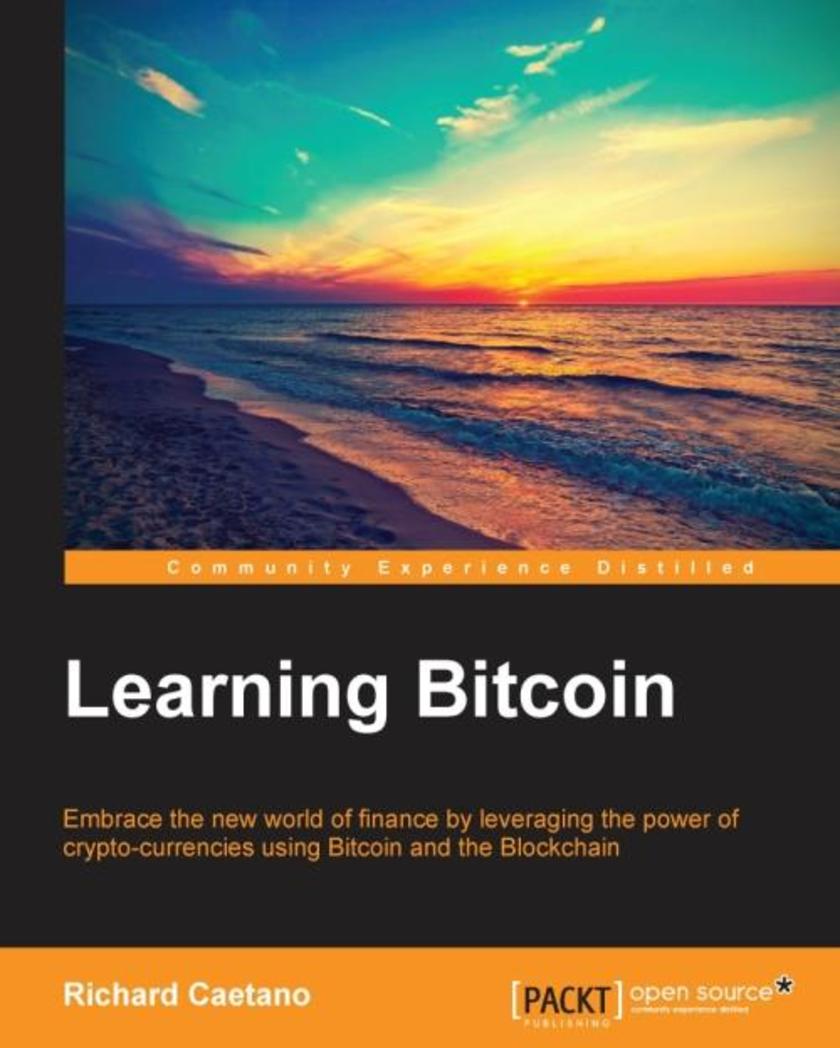
Learning Bitcoin
¥80.65
Embrace the new world of fiance by leveraging the power of crypto-currencies using Bitcoin and the BlockchainAbout This BookSet up your own wallet, buy and sell Bitcoin, and execute custom transactions on the BlockchainLeverage the power of Bitcoin to reduce transaction costs and eliminate fraudA practical step-by-step guide to break down the Bitcoin technology to ensure safe transactions Who This Book Is For If you are familiar with online banking and want to expand your finances into a resilient and transparent currency, this book is ideal for you. A basic understanding of online wallets and financial systems will be highly beneficial to unravel the mysteries of Bitcoin.What You Will LearnSet up your wallet and buy a Bitcoin in a flash while understanding the basics of addresses and transactionsAcquire the knack of buying, selling, and trading Bitcoins with online marketplacesSecure and protect your Bitcoins from online theft using Brainwallets and cold storageUnderstand how Bitcoin’s underlying technology, the Blockchain, works with simple illustrations and explanationsConfigure your own Bitcoin node and execute common operations on the networkDiscover various aspects of mining Bitcoin and how to set up your own mining rigDive deeper into Bitcoin and write *s and multi-signature transactions on the networkExplore the various alt-coins and get to know how to compare them and their value In Detail The financial crisis of 2008 raised attention to the need for transparency and accountability in the financial world. As banks and governments were scrambling to stay solvent while seeking a sustainable plan, a powerfully new and resilient technology emerged. Bitcoin, built on a fundamentally new technology called “The Blockchain,” offered the promise of a new financial system where transactions are sent directly between two parties without the need for central control. Bitcoin exists as an open and transparent financial system without banks, governments, or corporate support. Simply put, Bitcoin is “programmable money” that has the potential to change the world on the same scale as the Internet itself. This book arms you with immense knowledge of Bitcoin and helps you implement the technology in your money matters, enabling secure transactions. We first walk through the fundamentals of Bitcoin, illustrate how the technology works, and exemplify how to interact with this powerful and new financial technology. You will learn how to set up your online Bitcoin wallet, indulge in buying and selling of bitcoins, and manage their storage. We then get to grips with the most powerful algorithm of all times: the Blockchain, and learn how crypto-currencies can reduce the risk of fraud for e-commerce merchants and consumers. With a solid base of Blockchain, you will write and execute your own custom transactions. Most importantly, you will be able to protect and secure your Bitcoin with the help of effective solutions provided in the book. Packed with plenty of screenshots, Learning Bitcoin is a simple and painless guide to working with Bitcoin.Style and approach This is an easy-to-follow guide to working with Bitcoin and the Blockchain technology. This book is ideal for anyone who wants to learn the basics of Bitcoin and explore how to set up their own transactions.

Beowulf
¥55.33
A verse translation of the first great narrative poem in the English language that captures the feeling and tone of the original.

Hidden Figures
¥100.71
The #1 New York Times bestsellerThe phenomenal true story of the black female mathematicians at NASA whose calculations helped fuel some of America’s greatest achievements in space. Soon to be a major motion picture starring Taraji P. Henson, Octavia Spencer, Janelle Monae, Kirsten Dunst, and Kevin Costner. Before John Glenn orbited the earth, or Neil Armstrong walked on the moon, a group of dedicated female mathematicians known as “human computers” used pencils, slide rules and adding machines to calculate the numbers that would launch rockets, and astronauts, into space. Among these problem-solvers were a group of exceptionally talented African American women, some of the brightest minds of their generation. Originally relegated to teaching math in the South’s segregated public schools, they were called into service during the labor shortages of World War II, when America’s aeronautics industry was in dire need of anyone who had the right stuff. Suddenly, these overlooked math whizzes had a shot at jobs worthy of their skills, and they answered Uncle Sam’s call, moving to Hampton, Virginia and the fascinating, high-energy world of the Langley Memorial Aeronautical Laboratory. Even as Virginia’s Jim Crow laws required them to be segregated from their white counterparts, the women of Langley’s all-black “West Computing” group helped America achieve one of the things it desired most: a decisive victory over the Soviet Union in the Cold War, and complete domination of the heavens. Starting in World War II and moving through to the Cold War, the Civil Rights Movement and the Space Race, Hidden Figures follows the interwoven accounts of Dorothy Vaughan, Mary Jackson, Katherine Johnson and Christine Darden, four African American women who participated in some of NASA’s greatest successes. It chronicles their careers over nearly three decades they faced challenges, forged alliances and used their intellect to change their own lives, and their country’s future.?


