


 购物车
购物车 个人中心
个人中心

Live Like a Hot Chick
¥94.10
You are a hot chick; Now start living like one!Jodi Lipper and Cerina Vincent are back to give you the savvy self-assurance you need to find the perfect balance between work and play. You are a Hot Chick (an empowered, confident woman) who deserves every juicy bit of goodness that life has to offer. Lipper and Vincent help you conquer insecurities and replace them with a positive body image, balanced diet, and smart exercise plan; teach you how to be powerful and feminine (at work) no matter what you do for a living; inspire you to let your hair down and kick up your four-inch heels by creating a heyday that is daring, bold, and unforgettable; and, finally, how to balance it all. Live Like a Hot Chick will motivate you to go out there and get the absolute best that life has to offer, which is exactly what a Hot Chick like you deserves.
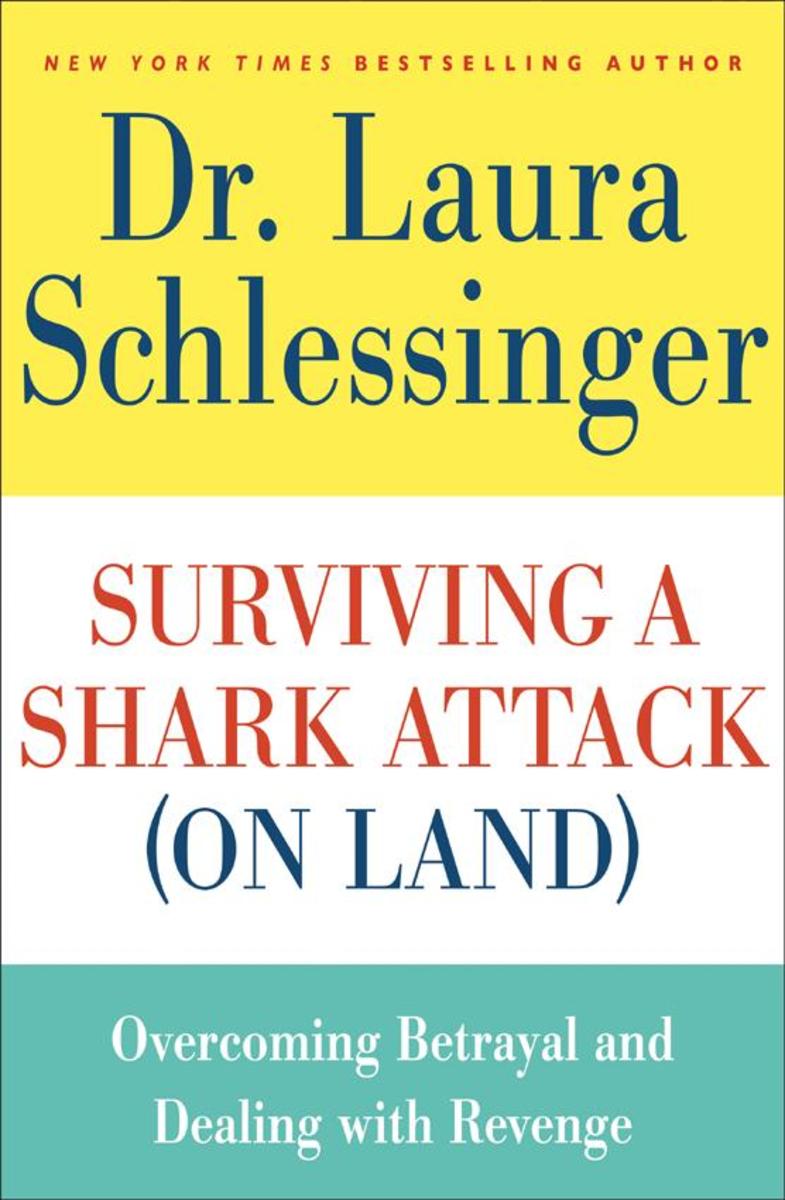
Surviving a Shark Attack (On Land)
¥83.92
With her trademark no-nonsense approach and building on the principles developed during her long career as a licensed therapist, New York Times bestselling author Dr. Laura shows readers how to survive enemies traitors, backstabbers, and saboteurs at work and at home. In her previous New York Times bestsellers, author and renowned radio host Dr. Laura Schlessinger has helped countless men and women become better husbands, wives, parents, and people. She's helped them cope with grief; encouraged them to be moral, compassionate, and considerate individuals; shown them how to handle adversity; and set them on the path to understanding and living happy, well-adjusted lives.Now, in this long-awaited book, Dr. Laura turns to an emotionally explosive subject that has touched all our lives: betrayal and the desire for revenge. And for the first time, she shares her own personal experiences with betrayal, humiliation, and pain, which have led her to a powerful desire for revenge. Intimate and honest, Dr. Laura connects with her readers as never before and puts this subject into context: I concluded that betrayals are frightening, destructive, painful, humiliating, demoralizing, and so very, very hard to repair. Betrayals undermine people, relationships (marriages and families), institutions (churches, schools, businesses, government, politics) everything. The entire fabric of humanity depends upon people depending upon each other for their word, honesty, and loyalty. Millions of Dr. Laura's listeners struggle with the idea of taking revenge and how to accept when it cannot be achieved. For many who have been betrayed, justice may never be served, she reminds us. Empathetic yet never saccharine, direct yet never harsh, Dr. Laura encourages readers to explore their feelings and learn to get beyond them, supplying tools they can use to achieve fulfilling, contented lives free of rancor and the need to settle scores.Powerful and thought-provoking, Surviving a Shark Attack (on Land) gives readers the emotional defenses they need to overcome the worst life will throw at them, whether it's a cheating spouse, a lying sibling, or a ruthless colleague.
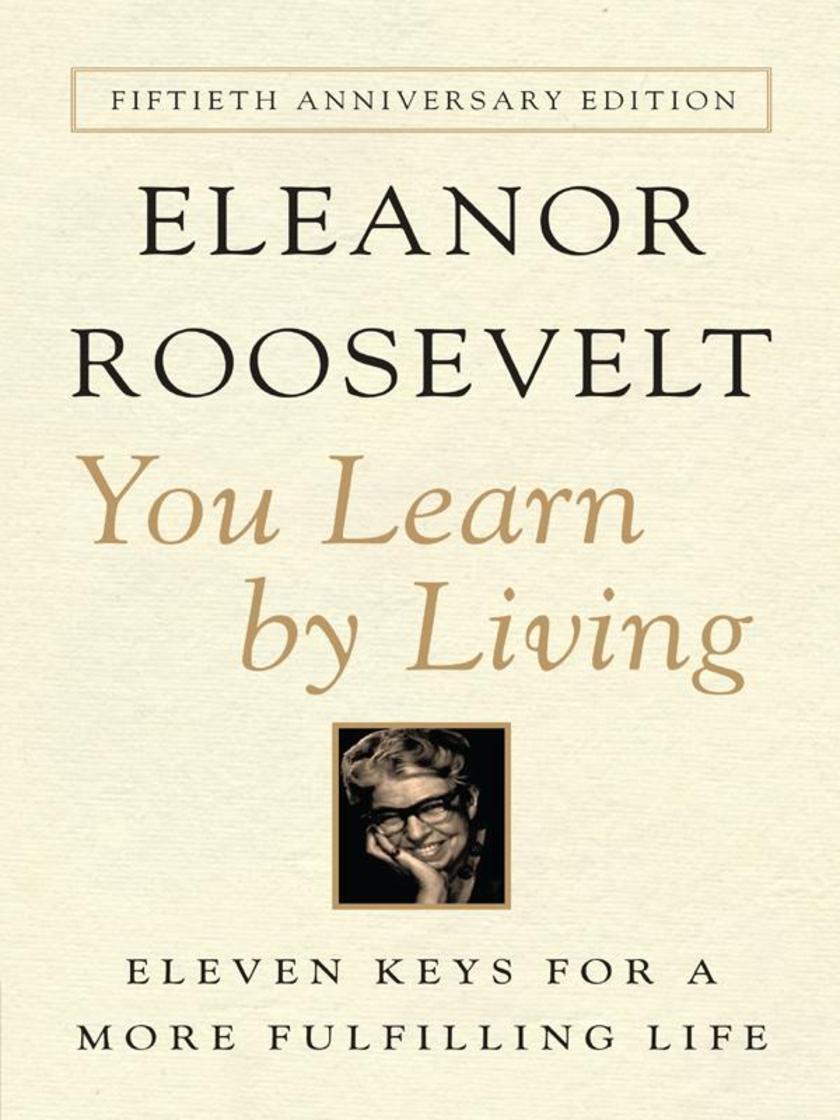
You Learn By Living
¥88.56
One of the most beloved figures of the twentieth century, First Lady Eleanor Roosevelt remains a role model for a life well lived. At the ageof seventy-six, Roosevelt penned this simple guide to living a fuller life. nowback in print, You Learn by Living is a powerful volume of enduring commonsenseideas and heartfelt values. offering her own philosophy on living, Eleanor takes readers on a path to compassion, confidence, maturity, civicstewardship, and more. her keys to a fulfilling lifeLearning to Learn Fear—the Great Enemy The Uses of Time The Difficult Art of Maturity Readjustment is Endless Learning to Be Usefulthe Right to Be an Individual How to Get the Best Out of People ?Facing Responsibility How Everyone Can Take Part in Politics Learningto Be a Public Servant Informed by her personal experiences as a daughter, wife, parent, anddiplomat, this book is a window into Eleanor Roosevelt herself and a troveof timeless wisdom that resonates in any era.

Sacred Circles
¥99.65
From Jewish to Christian, Mormon and Pagan, women's sacred circles are sprouting up everywhere, in astonishing variety providing a haven where essential female values can be discussed and embraced.This much-needed guide celebrates the rich diversity of women's spiritual lives and offers practical, step-by-step advice for those who want to create and sustain a spirituality group of their own.Sacred Circle shows us how we can use a group to explore our relationship to the sacred, and honor the divine in everyday life. The authors, drawing from their own group experiences as well as those of many diverse groups around the country, share the model they've developed, while offering wise advise on how and why groups work. They propose circle basics, such as listening without an agenda and rotating leadership, and also offer reflections on the power of personal storytelling and thoughts on reclaiming and reinventing ritual. Women longing for a powerful and supportive feminine community in which to thrive spiritually will find vital wisdom here.

HarperCollins e-books
¥121.80
Raised by working-class immigrant parents and later exposed to Hollywood's most elite experts in every field, Access Hollywood's, Today's, and Nightly News's reporter Maria Menounos reveals her EveryGirl secrets on everything: her systems to organize life, manage time, and ascend the ladder of success; her lazy woman's workout; her weight-loss tips (how she lost forty pounds and kept it off); and her guide to styling yourself like the stars a self-proclaimed EveryGirl, Maria often does her own hair and makeup for celebrity events.In The EveryGirl's Guide to Life, Maria shares personal experiences and photos from her life and professional journey as well as the various mantras, mottos, and philosophies she's adopted from the world's most impressive women. She gives advice on health, career, relationships, renovations, recreation, and more. From your carpet to the red carpet, Maria teaches the EveryGirl on a budget how to do it all, while living a healthier and happier life.

The President's Devotional
¥105.17
In the heat of Barack Obama's first presidential campaign, staff member DuBois recognized the wear and tear on his boss and asked the senator if he could e-mail a devotional to him each day. When Obama responded positively, DuBois prepared a short e-mail for the future president to read first thing every morning, short snippets of *ure, inspirational stories, quotes, and prayers to provide counsel, encouragement, and inspiration, which the president himself has stated meant the world to him.Through his years of working closely with the president, DuBois learned many life-changing lessons as well as gained an inside view on the faith and values of President Obama. DuBois now provides 365 of the best readings and prayers he sent the president; in addition, each month DuBois offers a longer meditation on the spiritual lessons he learned by accompanying the president as he faced many historic moments and challenges two elections, meeting Billy Graham, the Sandy Hook shootings, and more. By spending time each day with The President's Devotional, we are reminded what is most important in life, that we are not alone in our efforts, and what our true mission is in the world.

Got What It Takes?
¥83.93
Beyond talent, what factors have determined and defined the careers of well-known individualsTrainingRisk-takingLuckEmmy Award-winning interviewer Bill Boggs shares success secrets he uncovered in candid conversations with 44 leaders in entertainment and the arts, sports, fashion, the business world, and more, including: Mark Burnett, Craig Newmark (Craigslist.com), Matt Lauer, Anna Quindlen, Rene Zellweger, Sir Richard Branson, Bobby Flay, Brooke Shields, Diane von Furstenberg, Norman Lear, Donald Trump, and Joe Torre, among others. They reveal crucial influences, how they deal with adversity and stress, and the choices they made that helped them to prevail in their careers and in their lives. This is an inside view of what makes the most successful people tick and a lessons-in-life career guide from accomplished stars at the top of their game.

Fight Back and Win
¥88.33
Voted by her peers as one of the best lawyers in America, and described by Time magazine as "one of the nation's most effective advocates of family rights and feminist causes," Allred has devoted her career to fighting for civil rights and has won hundreds of millions of dollars for victims of abuse. She has taken on countless institutions to promote equality, including the Boy Scouts, the Friars Club, and the United States Senate. And as the attorney for numerous high-profile clients including Nicole Brown Simpson's family, actress Hunter Tylo, and Amber Frey, Scott Peterson's girlfriend Allred has helped victims assert and protect their rights. Throughout her memoir, Allred offers colorful sometimes shocking examples of self-empowerment from her personal and professional life. Presenting nearly fifty of her most memorable cases, Allred takes us deep inside the justice system to show how it's possible to win even in the face of staggering odds. Her inspiring true stories serve to remind us that winning justice depends on the righ-teousness of the cause and an individual's willingness to stand up, speak out, and fight back. Fight Back and Win is a powerful testament to Gloria Allred's trailblazing career and the battles she has fought alongside countless brave individuals to win justice for us all.

When a Parent Has Cancer
¥94.10
At some point in our lives, many of us will face the crisis of an unexpected illness. For parents, the fear, anxiety and confusion resulting from a cancer diagnosis can be particularly devastating. When A Parent Has Cancer is a book for families written from the heart of experience. A mother, physician, and cancer survivor, Dr Wendy Harpham offers clear, direct, and sympathetic advice for parents challenged with the task of raising normal, healthy children while they struggle with a potentially life threatening disease. Dr Harpham lays the groundwork of her book with specific plans for helping children through the upheaval of a parent's diagnosis and treatment, remission and recovery, and if necessary, confronting the possibility of death. She emphasises the importance of being honest with children about the gravity of the illness, while assuring them that their basic needs will always be met. Included is Becky and the Worry Cup, an illustrated children's book that tells the story of a seven year old girl's experiences with her mother's cancer.

Parenting with Pride Latino Style
¥72.70
From a distinguished psychologist, mother, and Latina, Parenting with Pride Latino Style offers the first bicultural child-rearing approach for Latino parents. This groundbreaking book supports families in raising their children with time-honored Hispanic values while incorporating the best that North America has to offer. Dr. Vazquez's unique parenting method, the New Traditionalism (El Nuevo Tradicionalismo), preserves classic Latino ideals, such as pride, family loyalty, and courtesy, while helping parents revise their traditional authoritarian child-rearing style, blending the best of Latino and American cultures and dramatically reducing cultural conflict in the family. Her seven steps to successful parenting are grounded in the acronym ORGULLO ("pride"): O: Organize your feelings R: Respect your child's feelings G: Guide and teach your child; do not dictate U: Update your media awareness often L: Love your child for who she or he is L: Listen to your child O: Open the communication channels -- and keep them open Self-assessments and reflection exercises help parents resolve the dilemmas produced when two cultures combine. Detailed examples show how to use these methods immediately in daily life -- from family relationships to children's friendships to school issues. Clear, compassionate, and based on Dr. Vazquez's personal experience as a Latina professional and parent, Parenting with Pride Latino Style is the one book that enables contemporary Latino parents to pass on their rich cultural heritage to their children -- and to future generations as well.
The Courage To Be a Single Mother
¥84.16
Putting the Pieces Back TogetherStep One: I Do Love MyselfStep Two: I Know What I WantStep Three: My Family Is Still WholeStep Four: I Can Choose Who I AmFour simple steps. A world of truth. At last, a source of compassion and support for divorced mothers facing the realities of raising children when their lives are at their most vulnerable and their self-images at their most fragile. Filled with more than a book on coping -- it is a source of understanding, encouragement, and strength that will help single women to nurture their children, resurrect their spirits, and create the life they want.
Femininity Lost and Regained
¥60.92
The author of the phenomenal bestsellers He and She discusses the importance of regaining the feminine dimension in our lives. According to Johnson, regaining the power of feminine feeling and value is critical to the development of human peace and consciousness.

The Sermon on the Mount
¥88.56
What did Jesus teachDistilled from years of study and lecture, affirmed by nearly a million readers over the last fifty years, Emmet Fox's answer in The Sermon on the Mount is simple. The Bible is a "textbook of metaphysics" and the teachings of Jesus express--without dogma--a practical approach for the development of the soul and for the shaping of our lives into what we really wish them to be. For Fox, Jesus was "no sentimental dreamer, no mere dealer in empty platitudes, but the unflinching realist that only a great mystic can be."In his most popular work, Emmet Fox shows how to: Understand the true nature of divine wisdom. Tap into the power of prayer. Develop a completely integrated and fully expressed personality. Transform negative attitudes into life-affirming beliefs. Claim our divine right to the full abundance of life.
Ruthless Trust
¥83.03
In his sequel to The Ragamuffin Gospel bestselling author Brennan Manning shows how true and radical trust in God can transform our lives
Naked Spirituality
¥83.03
Christianity is in crisis. Many sincere Christians feel their traditional Christian practices are in danger of becoming irrelevant, empty rituals. In his previous book A New Kind of Christianity, Brian D. McLaren offered new biblical models for how we understand the central ideas of a faith that provides hope for restoring and reinvigorating the power of the gospels to transform us and our communities.In Naked Spirituality, McLaren takes his prophetic work a step further by confronting how the lack of a simple, doable, durable spirituality undermines the very transformation God is calling us to undergo. As a result, our religious structures become tools to maintain the status quo and not catalysts for personal and social change. McLaren presents a four-stage framework for understanding the spiritual life, and he unfolds spiritual practices appropriate to each stage. Each practice is rooted in a simple word: here, thanks, O, sorry, help, please, when, no, why, behold, yes, and silence. Naked Spirituality offers accessible, practical wisdom for living a truly spiritual life. Staying true to Jesus's core message while engaging faithfully with our postmodern world, McLaren presents a proven spiritual program for engaging in and sustaining a meaningful relationship with God.
Bullied
¥99.65
Winner of National Parenting Publications Award and Mom's Choice Award!Everybody knows how it feels to be ostracized, isolated or taunted, but most of us are at a loss when it comes to knowing how to make it better. In Carrie Goldman's groundbreaking book, Bullied, she offers concrete solutions for parents, teachers, and kids on how to effectively respond to painful situations whether it is normal social conflict or more serious bullying.Goldman's warm, engaging style combines the real-life stories of bullies, victims, bystanders, and their parents with the most cutting edge scientific research to provide a thorough analysis of cruelty in our culture. She explores how the pop culture permeates homes and schools, often impacting the way kids view those who are different from the accepted norm.Bullied comprehensively addresses issues such as: The media's influence on aggression and bullying How to prevent cyberbullying, or how to manage cyberbullying once it has begun How to safely shift from being a bystander into a witness or an ally Effects of bullying on the brain, both for bullies and for victims Steps to take with the school if you are being bullied or sexually harassed A comprehensive look at restorative justice as a non-punitive response to bullying Techniques to help you deal with verbal taunting in the moment it is happening Identifying the difference between normal social drama and bullying Knowing when to ask for help and how to access effective help The mother of a bullied first grader, Goldman's inspiring true story triggered an outpouring of support from online communities around the world. Bullied is a research-based book born from Goldman's blog post about the ridicule her daughter suffered for bringing a Star Wars thermos to school a story that went viral on Facebook and Twitter before exploding everywhere, from CNN.com and Yahoo.com to sites all around the world. More than 200 people were interviewed for the book, including parents, teachers, kids, social workers, authors, celebrities, researchers, psychologists, actors, actresses, and school administrators. It is a wealth of knowledge packaged in a fascinating read.
That's Not What I Meant!
¥94.10
At home, on the job, in a personal relationship, it's often not what you say but how you say it that counts.Deborah Tannen revolutionized our thinking about relationships between women and men in her #1 bestseller You Just Don't Understand. In That's Not What I Meant!, the internationally renowned sociolinguist and expert on communication demonstrates how our conversational signals voice level, pitch and intonation, rhythm and timing, even the simple turns of phrase we choose are powerful factors in the success or failure of any relationship. Regional speech characteristics, ethnic and class backgrounds, age, and individual personality all contribute to diverse conversational styles that can lead to frustration and misplaced blame if ignored but provide tools to improve relationships if they are understood.At once eye-opening, astute, and vastly entertaining, Tannen's classic work on interpersonal communication will help you to hear what isn't said and to recognize how your personal conversational style meshes or clashes with others. It will give you a new understanding of communication that will enable you to make the adjustments that can save a conversation . . . or a relationship.

Why Suicide?
¥83.03
According to the American Foundation for Suicide Prevention, in our lifetimes 80 percent of us will have some up-close experience with the suicide of someone we know. And more than 20 percent of us will have a family member die by suicide. Journalist Eric Marcus knows this better than most people. In 1970, his father took his life at the age of 44. In 2008, his 49-year-old sister-in-law took her life as well.In a completely revised and updated edition of the landmark original Why Suicide ?, Eric Marcus offers thoughtful answers to scores of questions about this complex, painful issue, from how to recognize the signs of someone who is suicidal to strategies for coping in the aftermath of a loved one's death.No matter what the circumstances, those of us who are affected by suicide are left with difficult and disturbing questions: Why did they do itWas it my faultWhat should I tell people when they ask what happenedIs someone who attempts suicide likely to try againWhat should I do if I'm thinking of killing myselfDrawing from his own experience, as well as interviews with people who have been touched by suicide, Eric Marcus cuts through the veil of silence and misunderstanding to bring clarity, reassurance, and comfort to those who so desperately need it.

Finding Your Way Home
¥90.51
What does it mean to feel at home, truly present with ourselves, comfortable with our choices, and alive to the possibilities of conscious changeHow can we develop inner balance and connection, keeping our boundaries clear while opening our hearts to those we loveWith practical wisdom and insight, Melody Beattie addresses these questions, encouraging us to reach a higher level of living and loving, and showing us how to be at home with ourselves wherever we are in the world, at whatever stage of life.Through true stories and take-action exercises, including journaling, visualizations, affirmations, meditations, and prayers, Beattie provides the essential tools to help us discover our own sense of home. Accessible and illuminating, Finding Your Way Home is a soul-searching look at how not to be victimized by ourselves'or other people. Beattie urges us to discover new levels of integrity, to break through barriers that have blocked us for too long. This is a powerful and challenging book about buying back our souls and learning to live a life guided by spirit.

Mars and Venus Starting Over
¥90.51
Is it possible to find love again after a breakup, death, or divorce?At the end of a relationship, it can sometimes feel like the end of the world. Devastation, loneliness, and bitterness are some emotions that exist due to a breakup, divorce, or the loss of a loved one. But with the help of this compassionate guide, Dr. John Gray expresses that you will survive and tells you how to find love again.While the process of healing is similar with both sexes, there are distinct differences between the ways men and women heal their bruised hearts. In Mars and Venus Starting Over, Dr. Gray offers gender-specific advice on how to: Deal with pain Find forgiveness Discover the strength to let go Rebuild confidence Rise to the challenge of finding fulfillment again Filled with gentle guidance, healing practices, and compassionate wisdom, Mars and Venus Starting Over will help men and women explore the meaning of loss, find their way through the healing process, and discover the secret to moving on.
I Am a Woman Finding My Voice
¥90.77
This celebration of womanhood, with a foreword by Dr. Joan Borysenko, delights in the joy of the feminine soul. In a time when it might not be politically correct to speak of such a uniquely feminine soul, Quinn takes the position that finding one's own authentic voice is imperative if we are to value a universal livelihood of love and community.


