


 购物车
购物车 个人中心
个人中心
The Great Gatsby
¥16.27
In 1922, F. Scott Fitzgerald announced his decision to write "something new--something extraordinary and beautiful and simple + intricately patterned." That extraordinary, beautiful, intricately patterned, and above all, simple novel became The Great Gatsby, arguably Fitzgerald's finest work and certainly the book for which he is best known. A portrait of the Jazz Age in all of its decadence and excess, Gatsby captured the spirit of the author's generation and earned itself a permanent place in American mythology. Self-made, self-invented millionaire Jay Gatsby embodies some of Fitzgerald's--and his country's--most abiding obsessions: money, ambition, greed, and the promise of new beginnings. "Gatsby believed in the green light, the orgiastic future that year by year recedes before us. It eluded us then, but that's no matter--tomorrow we will run faster, stretch out our arms farther.... And one fine morning--" Gatsby's rise to glory and eventual fall from grace becomes a kind of cautionary tale about the American Dream.It's also a love story, of sorts, the narrative of Gatsby's quixotic passion for Daisy Buchanan. The pair meet five years before the novel begins, when Daisy is a legendary young Louisville beauty and Gatsby an impoverished officer. They fall in love, but while Gatsby serves overseas, Daisy marries the brutal, bullying, but extremely rich Tom Buchanan. After the war, Gatsby devotes himself blindly to the pursuit of wealth by whatever means--and to the pursuit of Daisy, which amounts to the same thing. "Her voice is full of money," Gatsby says admiringly, in one of the novel's more famous descriptions. His millions made, Gatsby buys a mansion across Long Island Sound from Daisy's patrician East Egg address, throws lavish parties, and waits for her to appear. When she does, events unfold with all the tragic inevitability of a Greek drama, with detached, cynical neighbor Nick Carraway acting as chorus throughout. Spare, elegantly plotted, and written in crystalline prose, The Great Gatsby is as perfectly satisfying as the best kind of poem.* * *"Now we have an American masterpiece in its final form: the original crystal has shaped itself into the true diamond. This is the novel as Fitzgerald wished it to be, and so it is what we have dreamed of, sleeping and waking." -- James Dickey* * *The Great Gatsby is a novel by the American author F. Scott Fitzgerald. First published on April 10, 1925, it is set on Long Island's North Shore and in New York City during the summer of 1922.The novel takes place following the First World War. American society enjoyed prosperity during the "roaring" 1920s as the economy soared. At the same time, Prohibition, the ban on the sale and manufacture of alcohol as mandated by the Eighteenth Amendment, made millionaires out of bootleggers. After its republishing in 1945 and 1953, it quickly found a wide readership and is today widely regarded as a paragon of the Great American Novel, and a literary classic. The Great Gatsby has become a standard text in high school and university courses on American literature in countries around the world, and is ranked second in the Modern Library's lists of the 100 Best Novels of the 20th Century.--Wikipedia
Glass Faerie
¥40.79
Emerson Clarke: Sarcastic. Independent. Possibly losing her mind. Because that’s the only explanation for why she occasionally sees things that aren’t there, right? But one night, an impossible power erupts from her, and Em realizes the truth is crazier than she ever thought: she isn’t losing her mind; she’s magical. Thrown into an entirely new world of faeries, enchantments—and the annoying guy from down the road who, it turns out, isn’t human either—Em barely has time to learn even the most basic of magic before another startling truth reveals itself: she has a Griffin Ability. A special kind of magic feared by most fae. Now she’s at the top of everyone’s most-wanted list—including the mysterious glass faerie carrying out random attacks on fae. In this magical and terrifying world that she’s entirely unprepared for, Em must try to figure out who she really is, whom to trust, and how to stay alive long enough to get back to her normal life. Begin a thrilling new adventure as the bestselling Creepy Hollow series continues eighteen years after the events of A Faerie’s Curse!

Keto Diet: 100+ Low-Carb Healthy Ketogenic Recipes & Desserts That Can Change Yo
¥24.44
Looking For Simple Tasty Ketogenic Recipes You Can Cook At Home? Tired of Feeling Sick Unhealthy? I've Included 100+ Recipes That Can Dramatically Improve Your Life! Start Feeling Healthier Happier Today! You no longer need to suffer and withhold from eating while you're dieting. The great thing about starting a ketogenic diet is you never get saddled with that hungry feeling that is a byproduct of most traditional diets. Dieting no longer needs to feel like a punishment. The keto diet was created to help people like you lose weight and get your body back under control. The ketogenic diet has been proven to lower blood pressure, lower cholesterol, and even lower blood sugar. Sticking to this diet will give you the energy you need to make the most out of each day. This book will give you 100+ keto recipes covering every meal from breakfast to dessert. Inside You'll Learn: 30+ Keto Diet Breakfast Recipes 20+ Keto Diet Lunch Recipes 30+ Keto Diet Dinner Recipes 20+ Keto Diet Sides, Soups, & Snacks Recipes 20+ Keto Diet Dessert Recipes This recipe book will give you a taste of everything the ketogenic diet can offer. Taking that first step towards a healthier lifestyle is often the most difficult. By picking up this book you're deciding your health comes first and you want to become the best version of yourself possible. Don't Wait Another Minute! Get Your Copy Now!

Prietena mea genial?
¥65.32
Cnd eram mic – pe la doisprezece-treisprezece ani –, eram absolut convins c o carte bun trebuie s aib un brbat drept erou i lucrul sta m ntrista foarte tare. Dar dup vreo doi ani faza aceea s-a ncheiat. La cincisprezece ani, am nceput s scriu poveti despre fete curajoase aflate n situaii dificile. ns am rmas cu convingerea – e adevrat, tot mai accentuat – c cei mai mari povestitori sunt brbaii i c, dac vrei s scrii, trebuie s nvei s povesteti ca ei.“ – Elena Ferrante O capodoper modern a uneia dintre scriitoarele italiene cele mai apreciate, Prietena mea genial este o poveste complex i emoionant despre dou prietene, Elena i Lila. Aciunea romanului este plasat n anii 1950, n mahalalele unui Napoli cenuiu. Elena i Lila cresc mpreun pe strzile pe care se duc rzboaiele ntre bande rivale i nva s aib ncredere deplin una n cealalt. Prietenia lor rmne profund, n ciuda drumurilor diferite pe care le va purta destinul. Prezentnd vieile a dou femei, Ferrante spune povestea unei mahalale, a unui ora i a unei ri care sufer transformri ce vor influena, la rndul lor, relaia dintre protagoniste, memorabilele Elena i Lila. Cine va reui s lase n urm universul dur al unei copilrii pe jumtate condamnate – Lilla cea descurcrea i ntreprinztoare sau Elena cea sfioas, ndrgostit de romane i pasionat de digresiuni filosofice Elena i Lila simbolizeaz o naiune supus unor transformri majore, iar portretul pe care Ferrante l face eroinelor sale reprezint o impresionant meditaie asupra istoriei i a prieteniei dintre oameni. Elena Ferrante este pseudonimul unei romanciere italiene. A publicat ase cri, printre care Amore molesto i I giorni dell 'abbandono, descris ca rvitoare“ de ctre prestigiosul cotidian New York Times. Prietena mea genial este primul roman dintr-o serie despre dou fete inteligente i descurcree din Napoli, care ncearc s-i construiasc o via ntr-o cultur violent i opresiv. Ferrante scrie sub semnul urgenei, cu aviditate i pasiune.“ – The San Francisco Chronicle Prietena mea genial este unul dintre cele mai nuanate portrete ale prieteniei dintre femei din memoria recent.“ – Vogue
Mr. Mercedes
¥85.67
Kontroll. Káosz. S?tétség.Egy pangó k?zép-nyugati kisvárosban, a fagyos kora hajnali órákban munkanélküliek százai állnak sorban az állásk?zvetít? el?tt. Egyszer csak egy magányos sof?r a t?megbe hajt egy lopott Mercedesszel, visszatolat, majd újra gázol, aztán elmenekül a helyszínr?l, nyolc halottat - k?ztük egy csecsem?t - és tizen?t sérültet hagyva maga után.Brady Hartfield alkoholista anyjával él a szül?i házban. Vágyik a mámorra, amit a Mercedes volánja m?g?tt, a halálosztó szerepében érzett, ezért újabb, még ?rd?gibb merényletre készül.Amikor Bill Hodges, a nyugdíjas zsaru levelet kap a Mercedeses Gyilkostól, reaktiválja magát, hogy meghiúsítsa az immár ezrek életét fenyeget?, ?rült tervet, és innent?l hajmereszt?en izgalmas versenyfutás kezd?dik az id?vel...King, a "horrorkirály" legújabb regénye kemény krimi, amely a klasszikus receptet k?vetve jó és gonosz küzdelmét állítja elénk, s k?zben félelmetes bepillantást nyújt egy megszállott, gyilkos elme m?k?désébe.Bill Hodges pedig hamarosan ismét színre lép, a szerz? ugyanis két további regényt tervez a f?szereplésével.Fordította: Bihari Gy?rgy
Perechea perfect?
¥7.36
SERIA ?FAMILIA MALORY” Cu aproape un deceniu ?n urm?, Richard Allen a p?r?sit Anglia ca s? scape de un tat? abuziv ?i tiranic, care dorea s?-l ?nsoare cu fiica unui comerciant bogat pentru a face rost astfel de o avere uria??. Hot?r?t s?-?i tr?iasc? via?a dup? bunul plac, Richard se ?mbarc? ?ns? pe o corabie ?i se stabile?te ?n Caraibe, al?tur?ndu-se unei bande de v?n?tori de comori sub identitatea lui Jean Paul, un francez seduc?tor ?i lipsit de griji. C?nd se ?ntoarce ?n secret ?n Anglia ca s? rezolve o sarcin? urgent? ?i particip? la un bal mascat, Richard face ?nt?mpl?tor cuno?tin?? cu o femeie tulbur?toare. ?nc?ntat? c? avoca?ii ei au g?sit ?n sf?r?it o modalitate de a o elibera de contractul de c?s?torie cu fiul contelui de Manford, ?ncheiat pe c?nd cei doi erau doar ni?te copii, Julia Miller, mo?tenitoarea unei mari averi, sper? s?-?i g?seasc? perechea perfect? la balul prietenei sale, Georgina. Fermecat? de un francez mascat, care ?i d? primul s?rut tulbur?tor din via?a ei, Julia nu se poate ab?ine s? nu ?ncerce s? descopere identitatea acestui b?rbat misterios – ?i face o descoperire ?ocant?. Acum, ca s? scape de fantomele trecutului, Julia se vede nevoit? s? participe la o fars? riscant? al?turi un b?rbat despre care nu ar fi crezut niciodat? c? poate fi perechea perfect?.

Trei nop?i de dorin?e
¥7.36
Unii b?rba?ii tr?iesc dup? propriile reguli… p?n? c?nd pasiunea d? totul peste cap Fiul bastard al unui nobil, Julian Bellamy reprezint? acum ?ntruchiparea elegan?ei des?v?r?ite, ?nc?nt?ndu-i pe membrii aristocra?iei cu inteligen?a ?i farmecul s?u, ?n timp ce unelte?te ?n tain? s?-i ruineze pe lorzi, s? le seduc? so?iile ?i s?-?i bat? joc de o societatea care c?ndva l-a dispre?uit. Dar ?nt?lnirea cu Leo Chatwick ?i cu Lily, fermec?toarea lui sor?, ?l determin? pe Julian s?-?i reconsidere modul de via??. Dup? moartea tragic? a lui Leo, Julian jur? s? fac? tot ce ?i va sta ?n putin?? s-o conving? Lily, femeia de care este ?ndr?gostit ?n secret, s? se m?rite cu un b?rbat demn de rangul ei. Lily ?ns? ?l iube?te pe Julian dintotdeauna, ?l ador? pe b?rbatul ascuns sub fa?ada de libertin ?i viseaz? s? ?i devin? so?ie. Insisten?a lui de a o c?s?tori cu altcineva nu face dec?t s? ?i sporeasc? dorin?a de a-i dovedi c? el este singurul b?rbat potrivit pentru ea. ?ns? obsedat de ideea de a-i prinde pe asasinii lui Leo, Julian se ?ntoarce din nou ?n trecutul sordid al tinere?ii sale. Oare dragostea ei ?i poate salva pe am?ndoi sau secretele primejdioase scoase la iveal? le amenin?? nu doar iubirea, ci ?i via?a?
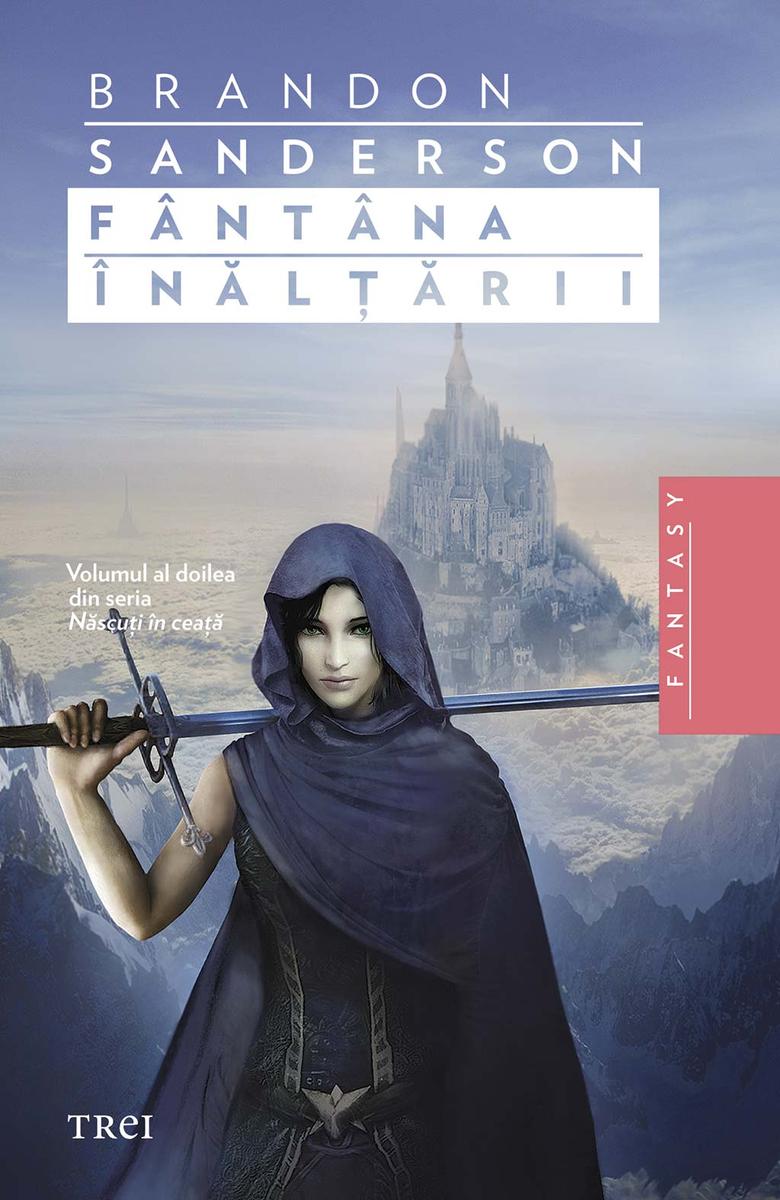
F?nt?na ?n?l??rii. Volumul al doilea din seria N?scu?i ?n cea??
¥114.37
Al doilea volum din seria N?scu?i din cea?? Imposibilul a fost atins. Lordul Legiuitor – care se pretindea nemuritor ?i conducea lumea cu brutalitate de o mie de ani – a pierit. Elend Venture, noul conduc?tor al lui Luthandel, ?ncearc? s?-?i men?in? puterea, ?n timp ce aristocra?ii ?i negu??torii murmur? nemul?umi?i ?i dou? armate inamice apar la por?ile ora?ului. C?nd asediul lui Luthandel se ?n?spre?te, o legend? str?veche pare s? ofere o sclipire de speran??. Dar chiar dac? F?nt?na ?n?l??rii ar exista cu adev?rat, nimeni nu ?tie unde s-o caute ?i nici ce puteri confer?. Din fericire, Elend se poate bizui pe ajutorul iubitei sale, Allomanta Vin, asasina neoficial? a Cur?ii. ?Ac?iunea exploziv? pe care ?i-o doresc to?i iubitorii de aventuri.“

Belas palavras de amor
¥8.18
Cinquenta pequenas histórias que v?o deixar você emocionada e que v?o inspirar o seu cora??o a se expressar.S?o histórias doces, que acontecem no cotidiano daquelas pessoas que amam e se deixam amar. S?o palavras simples, mas que se ditas com sinceridade, tornam-se belas.
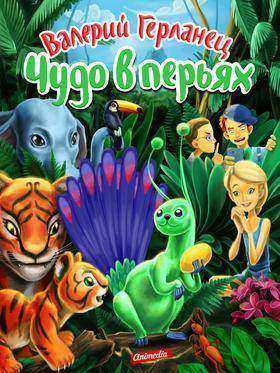
Чудо в перьях - Сказки для подростков
¥22.81
Свою новую экзотическую повесть о зверях и людях ?Чудо в перьях? ее автор адресовал тинейджерам. Именно в этом возрасте многие из них впервые задумываются над такими извечными вопросами, как: кто я? для чего живу? что такое любовь? Этими вопросами озабочен и главный герой повествования — неизвестный науке птицезверь по имени Хрум, обитающий в джунглях одной из далеких стран Юго-Восточной Азии. Он не желает жить ?по законам джунглей?, потому что окружающая его действительность наполнена насилием и кровожадностью. Хруму больше нравятся законы доброты, взаимной помощи и уважения, по которым живут дикие слоны, повстречавшиеся ему по пути к Большой Мутной реке. Главными героями повести выступает также троица юных представителей человеческого сообщества — Элиз Смит, Майк Питерс и Рэй Картер, которые приходят на помощь попавшему в беду странному зверенышу. Хрум вновь оказывается в своем привычном мире, где встречает похожее на него самого ?чудо в перьях?. Встреча с незнакомкой впервые пробуждает в нем неведомое ему ранее чувство… Повесть ?Чудо в перьях? написана в стиле экшен, с присущими автору мягким юмором и ?киношной? калейдоскопичностью построения сюжета. Издательство Animedia Company желает вам приятного чтения.
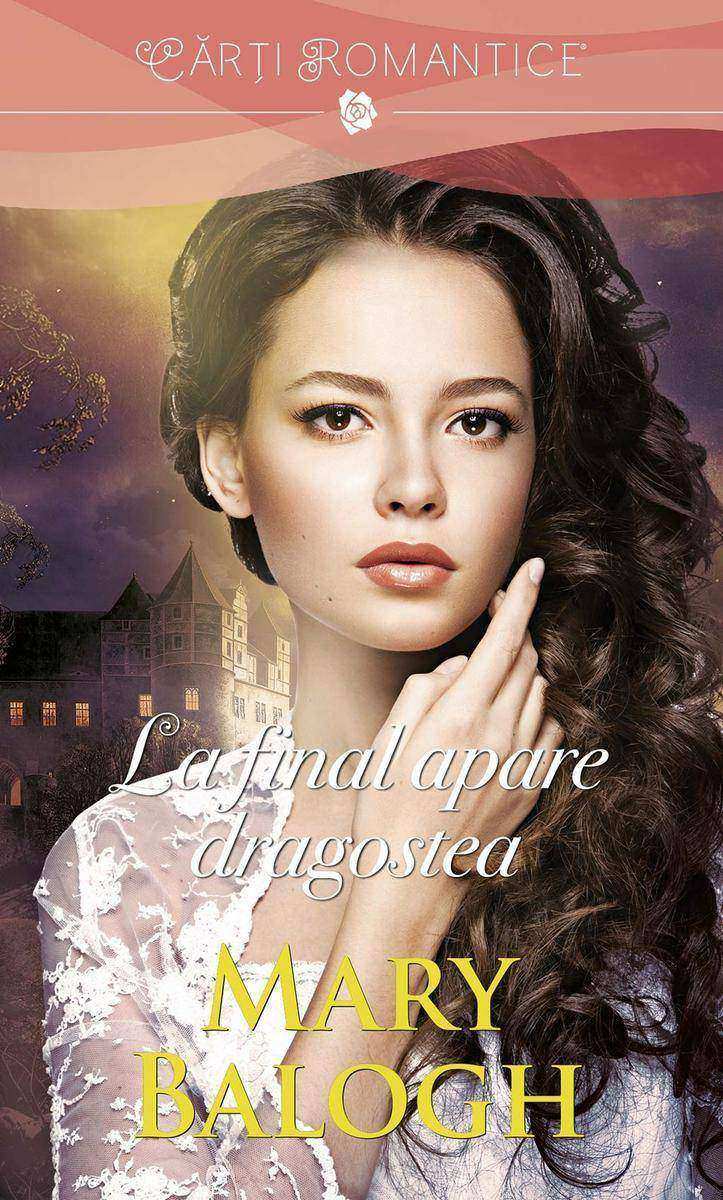
La final apare dragostea
¥7.36
Numai disperarea l-ar fi putut aduce pe Duncan Pennethorne, infamul conte de Sheringford, icircnapoi acas? dup? spectaculosul scandal pe care l-a stacirc;rnit cu cinci ani icircn urm?. C?ci dependent financiar de bunicul s?u, Duncan a primit de la acesta un ultimatum: se icirc;nsoar? icirc;n dou? s?pt?m acircni sau r?m acircne f?r? nici un ban. ?i iat? c? soarta i-o scoate icircn cale pe singura femeie din Londra care are tot at acircta nevoie ca ?i el s?-?i g?seasc? un so?. Pus? icircntr-o situa?ie jenant? din pricina unei minciuni spuse pe negacircndite, Margaret Huxtable se vede nevoit? s? accepte cererea icircn c?s?torie f?cut? de un necunoscut misterios. Dar cacirc nd descoper? cine se ascunde de fapt icircn spatele chipului fermec?tor al pe?itorul ei, este deja prea tacircrziu: tocmai s-a logodit cu cel mai notoriu seduc?tor al Londrei. ?i pe m?sur? ce pasiunea se aprinde icirc;ntre ei, doi oameni care se c?s?toresc din motive gre?ite descoper? c? niciodat? nu este prea tacircrziu s? apar? dragostea...
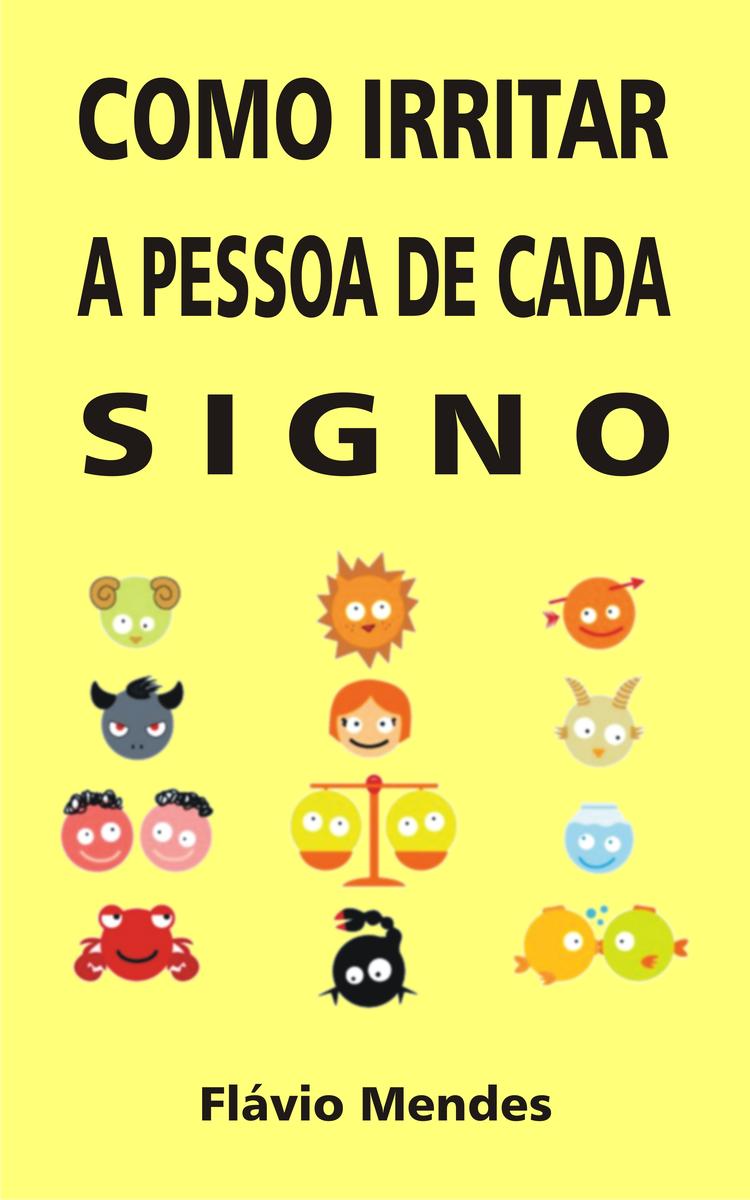
Como irritar a pessoa de cada signo
¥8.18
Você pode usar este pequeno livro de duas maneiras:1 – Para azucrinar a vida de alguém.2 – Para n?o chatear alguém.Seja qual for a sua op??o, primeiro você terá que descobrir o signo deste “alguém”.
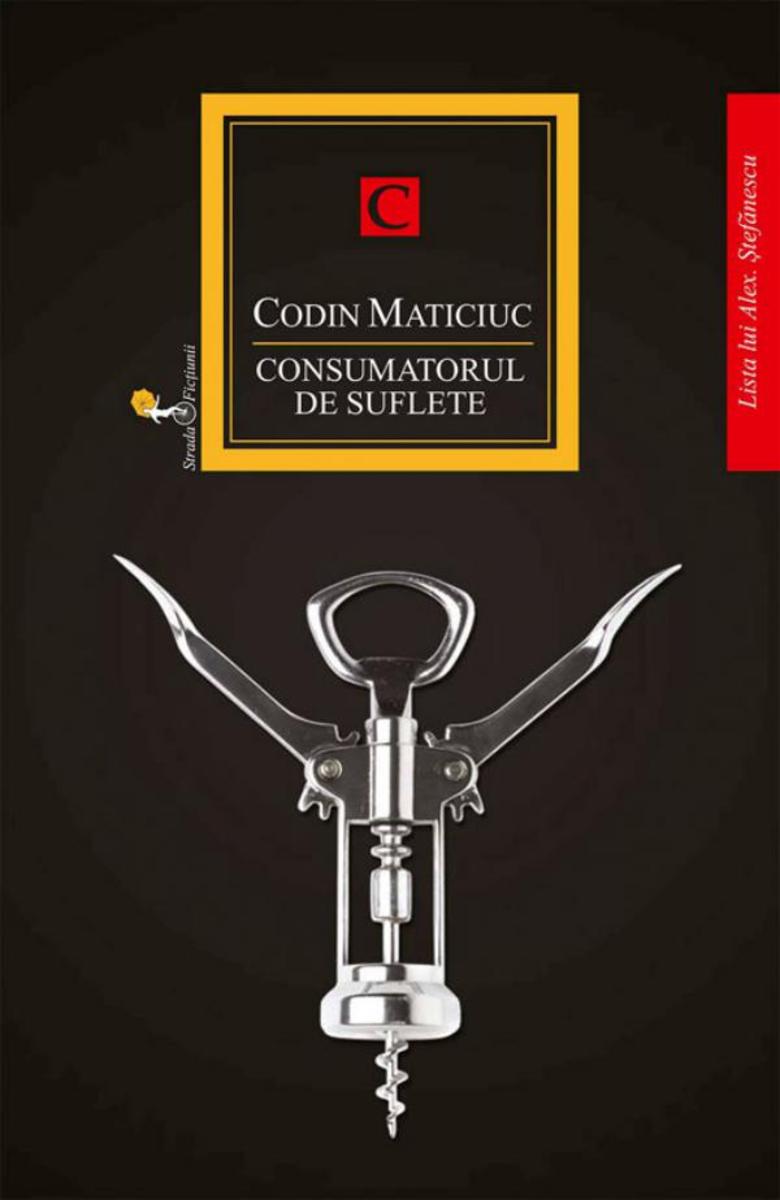
Consumatorul de suflete
¥57.14
Am citit manuscrisul, la nceput pe o diagonal, apoi pe alta, i din nou pe prima. Nu din comoditate sau lips de interes, ci de draci... Sunt, cumva, prea aproape de tem. Dar tema mi place, este adnc integrat n epiderma modei care ne bntuie. mi place mintea ascuit brici care ncearc s se elibereze tind n stnga i-n dreapta fr a msura altfel dect cu privirea rece, ngheat de atta contien de sine.“ Florin ChilianExist oameni care nu ateapt s li se dea. Ei doar ntind mna i iau. Iau ntmplri, iau fiine, iau senzaii, sentimente, obiecte, anotimpuri, locuri. Codin Maticiuc e unul dintre oamenii de genul sta. Consumatorul de suflete este felul lui de a da ceva napoi lumii din care ia cu atta nesa. O carte care se citete pe nersuflate, mai ales dup ce renuni s te mai ntrebi dac povestea e ficiune sau realitate.“ Lia BugnarO proporie covritoare a celor care ne viziteaz ara pot depune mrturie c viaa de noapte bucuretean este, cu adevrat, ceva ieit din comun. Am nceput s citesc ce a scris Codin cu mari rezerve. tiam c are o inteligen peste medie. Avem de-a face cu un jurnal insolit. Un breviar de tipologii feminine i triri ale unui mare superficial. Cred n talentul lui literar, i mai ales n modernitatea scriiturii.“ Mihai BendeacSurprinztor de interesant descrierea unui mediu aproape necunoscut omului de rnd. Umorul i autoironia personajului sunt uimitoare. i dau un aer aparte observaiilor fcute de la nlimea meselor pe care troneaz destrblarea sufletelor cumprate, vndute sau nchiriate pentru o noapte.“ Dan ChiuScriu mai mult pe Blackberry (sta fiind i motivul pentru care rezist intrrii iPhone-ului n viaa mea). N-am crezut c rndurile mele vor vedea vreodat tiparul, dar am fost ncurajat de cteva persoane dragi mie i apoi de criticul literar Alex. tefnescu, dup ce, cu un curaj nebunesc, i-am trimis manuscrisul. Stul de exploatarea vampirului de ctre americani, m-am hotrt s-l aduc n patria lui. Sunt convins c meleagurile noastre i priesc mult mai mult dect cele hollywoodiene.“
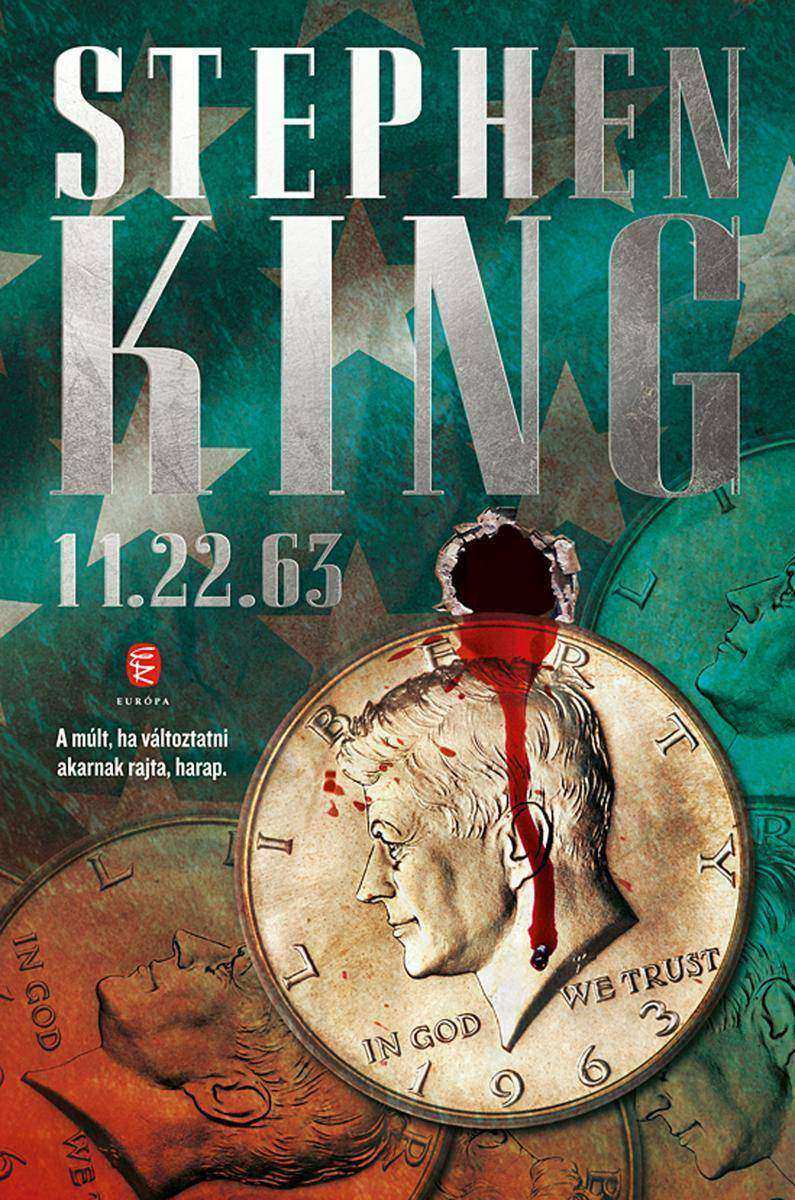
11.22.63
¥129.08
Jake Epping kisvárosi angoltanár, jókép?, m?velt, harmincas fiatalember. Amikor a gimnázium feln?tt angol kurzusán ?A nap, amelyen megváltozott az életem” címmel íratott dolgozatokat javítja, elé kerül a pedellus fogalmazása: Harry Dunning ?tven évvel azel?tt valahogyan túlélte, ahogy az apja lemészárolta a tulajdon családját. Jake teljesen odavan... ám kisvártatva még nagyobb titok birtokába jut, amikor ?reg barátja, Al, az egyik helyi bisztró tulajdonosa azzal a bizarr kéréssel áll el?, hogy el?zze meg azt az eseményt, amelyt?l ? Amerika és a világ romlását datálja: akadályozza meg Lee Harvey Oswaldot Kennedy eln?k meggyilkolásában. Hogy hogyan? Egyszer?. Lépjen át a bisztró spájzában nyíló id?kapun, és térjen vissza a nagy amerikai kocsik, Elvis Presley és az általános dohányzás korába. Jake az id? el?rehaladtával nem tudja eld?nteni, áldja-e vagy átkozza Alt, amiért erre a küldetésre rávette, azt azonban egyre biztosabban tudja, hogy a múltban vagy a j?v?ben szeretne-e élni.Tahoma
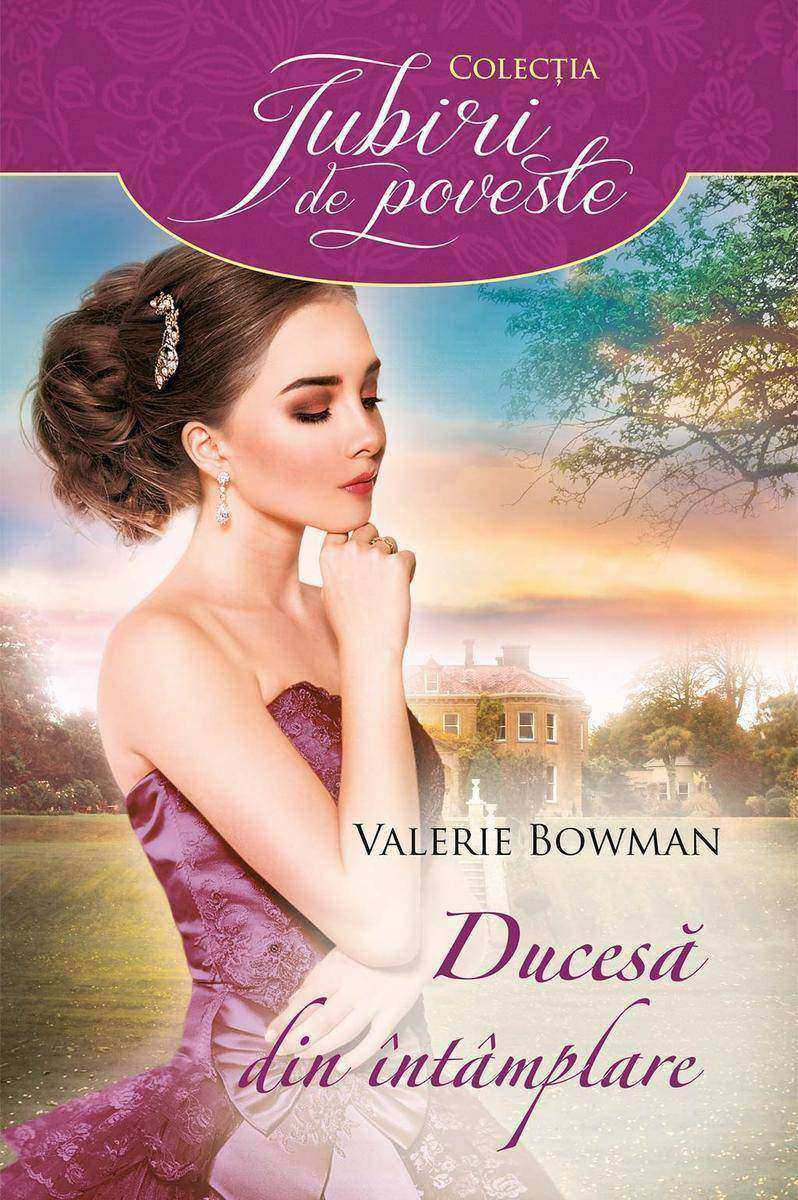
Duces? din ?nt?mplare
¥7.36
Seria ?Mirese neast?mp?rate“ E posibil ca Lady Lucy Upton s? aib? limba prea ascu?it? ca s? atrag? pe?itorii, dar inima ei este bun?, iar atunci c?nd prietena ei deosebit de timid?, Cassandra, are nevoie de ajutor, ea n?scoce?te un plan genial pentru a o ajuta s? descurajeze un pe?itor nedorit, pe Derek Hunt, duce de Claringdon… Se pare ?ns? c? ducele nu este chiar at?t de u?or de manipulat pe c?t anticipau cele dou? prietene. Iar Lucy descoper? ?ocat? c?, uneltind ?i complot?nd ?mpotriva acestui b?rbat ?nc?p???nat, se distreaz? mai bine ca niciodat?. Lordul Derek Hunt i-a promis prietenului s?u grav r?nit c? se va ?nsura cu Cassandra, iar pentru un b?rbat care nu-?i dore?te nimic altceva dec?t lini?te ?i pace dup? ororile r?zboiului, Cassandra este so?ia perfect?. Dar nesuferita domni?oar? Upton nu-l las? s? o curteze! S? poarte ?nc? o b?t?lie este ultimul lucru pe care ?i-l dore?te Derek, dar duelurile verbale pe care le are cu Lucy sunt pur ?i simplu prea tentante pentru a le putea rezista. Iar trofeul acestui ultim r?zboi ar putea fi chiar dragostea adev?rat?…

Чтобы вы гордились детьми
¥60.96
Для того чтобы сесть за руль, необходимо сперва научиться водить машину, сдать экзамены по теории правил дорожного движения и практике навыков вождения и затем получить на вождение письменное разрешение в виде водительских прав. Однако для воспитания ребёнка и подготовки зрелого полноценного члена общества совершенно нет никаких требований. Мне всегда это казалось странным. Разве неправильное формирование личности в детстве и юности не приводит к проблемам во взрослом возрасте? Разве каждый родитель не нуждается в проверке правильности своего интуитивного умения ?выруливать? своего ребёнка на путь истинный? По-моему, пришло время серьёзно заняться этим вопросом и среди бесконечной массы неправильных методов воспитания, изобретаемых каждым молодым и неопытным родителем, отыскать элементы прекрасных и бесспорно зарекомендовавших себя методик и выстроить основательную систему и грамотный подход к такому важному делу, как родительский труд по воспитанию своих детей. Издательство Animedia Company желает вам приятного чтения.

Calla's Story:(Creepy Hollow Books 4, 5 & 6)
¥81.67
The magic, mystery & adventure continue, ten years later ... When Calla Larkenwood is given the opportunity to realize her dream of becoming a guardian, she enters a world far more dangerous than she could ever have imagined. One foe is intent on bringing the Guild down for good, while another prepares for a horrifying prophesied spell that will forever change both the magic and non-magic realms. In a world where everyone keeps secrets and the line between good and bad has become blurred, how will Calla figure out whom to trust? Join beloved Creepy Hollow characters and new heroes in this thrill ride of heart-pounding action, startling revelations, and dangerous magic, beginning ten years after the events of The Faerie War. Includes the following THREE Creepy Hollow books: A Faerie’s Secret A Faerie’s Revenge A Faerie’s Curse THE COMPLETE CREEPY HOLLOW SERIES CONSISTS OF THE FOLLOWING BOOKS: Violet's Story 1. The Faerie Guardian 2. The Faerie Prince 3. The Faerie War Calla's Story 4. A Faerie's Secret 5. A Faerie's Revenge 6. A Faerie's Curse Emerson's Story 7. Glass Faerie 8. Shadow Faerie 9. Rebel Faerie

Career Change
¥48.97
Are you tired of asking "What should I do with my life?” Are you sick of your job? Don't worry, I know how you feel! I used to start every working week saying "I hate my job" and spend every Friday night drinking too much to drown my misery. I was a cubicle worker in large corporates, going to pointless meetings, writing endless documents no one would read, testing computer systems that would soon be obsolete. Every day, my soul and my creativity died a little. Maybe you feel the same? Well, life is too short to just exist on the edge of breakdown, and there is a better way of living. You need to discover what you love to do and then make that your job, your life's work. This book will take you through understanding the way you feel now as well as how to improve your current situation immediately so you can create enough space to work on breaking out and doing what you truly love. It also contains the career change process I used to go from management consultant to full-time author-entrepreneur. It's time to change your career and your life. In this book, you will find:? Part 1: I hate my job 1) Identifying the problem 2) The results of an unhappy workplace- stress, depression and weight gain Part 2: How to improve your current situation 3) Develop yourself 4) Coping with stress at work 5) Being valued and appreciated 6) Escaping the trap 7) Making money and keeping hold of it 8) Being creative 9) Escape is sometimes necessary Part 3: How to change your career 10) What do you really want to do? 11) Entrepreneurship or working for yourself 12) The Career Change Process 13) Setting and achieving your goals 14) Your Challenge. Your Future Bonus Articles: * Case Study Micro-Entrepreneur: How I run my business, The Creative Penn Limited * Interview with Joanna Penn on how to change careers * From affirmation to reality: the author’s story * The Smart Person’s Guide to Quitting the Day Job Life’s too short to continue feeling this way. It’s time to change your life. Packed with strategies, tips and personal stories that will help you find the work you love. If you want to change your life and your career, download a sample or buy now.
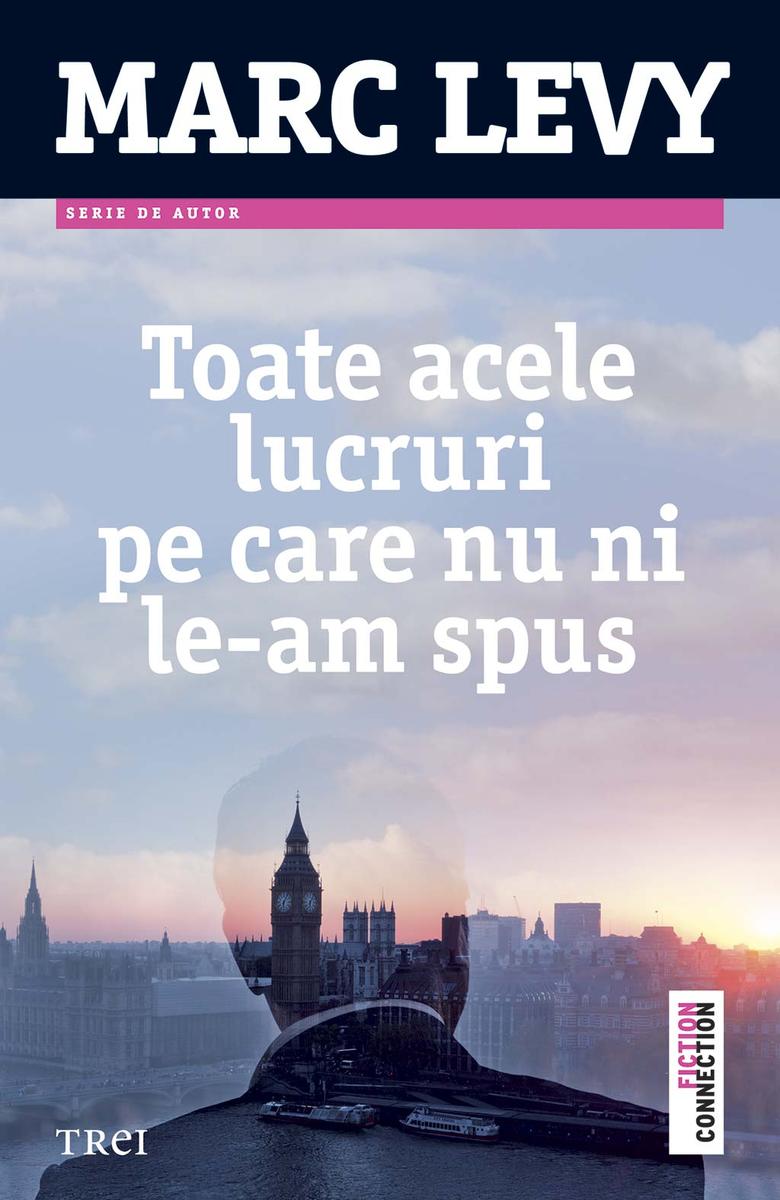
Toate acele lucruri pe care nu ni le-am spus
¥73.49
Cu doar c?teva zile ?nainte de nunt?, Julia prime?te un telefon de la secretarul tat?lui s?u. A?a cum intuia, Anthony Walsh — om de afaceri str?lucit, dar tat? distant — nu va putea veni la ceremonie. Nu e prima oar? c?nd Anthony Walsh dispare brusc din via?a ei, bulvers?nd?o cu totul. De data aceasta ?ns?, Julia trebuie s? admit? c? scuza este imbatabil?: tat?l s?u a murit! A doua zi dup? ?nmorm?ntare, Julia descoper? ?ns? c? tat?l s?u ?i rezervase o alt? surpriz?. Cea mai neobi?nuit? c?l?torie din via?a ei... ?i ocazia de a??i spune, ?n sf?r?it, lucruri pe care nu ?i le?au spus niciodat?. Reg?sim ?n aceast? poveste atmosfera ?nc?rcat? de romantism ?i fantastic din ?i dac? e adev?rat, romanul care l-a f?cut celebru pe Marc Levy. Pentru cititorii francezi, Marc Levy ?ntruchipeaz? un destin de basm: ajuns t?rziu la literatur?, acest autor, pe c?t de discret, pe at?t de melancolic, s?a impus ?nc? din momentul ?n care primul s?u manuscris a ?nc?put pe m?na editorului, scenariul corespunz?tor fiind imediat cump?rat de compania de film a lui Steven Spielberg. Ast?zi, el a devenit la noi scriitorul cel mai popular. Secretul s?u? Un adev?rat sim? al povestirii, o extraordinar? capacitate de a capta mitologia timpurilor noastre, un romantism inalterabil care pune mai presus de orice o scriitur? eficace, foarte american?, ce merge direct la scop. Miracolele nu se explic?, se constat?. – Pascal Bruckner ?... un amestec de m?iestrie ?i suspans, ce te poart? cu precizie infailibil? ?ntr-o lume ?n care visele tale devin realitate.“ Le Parisien
Focul ascuns
¥7.36
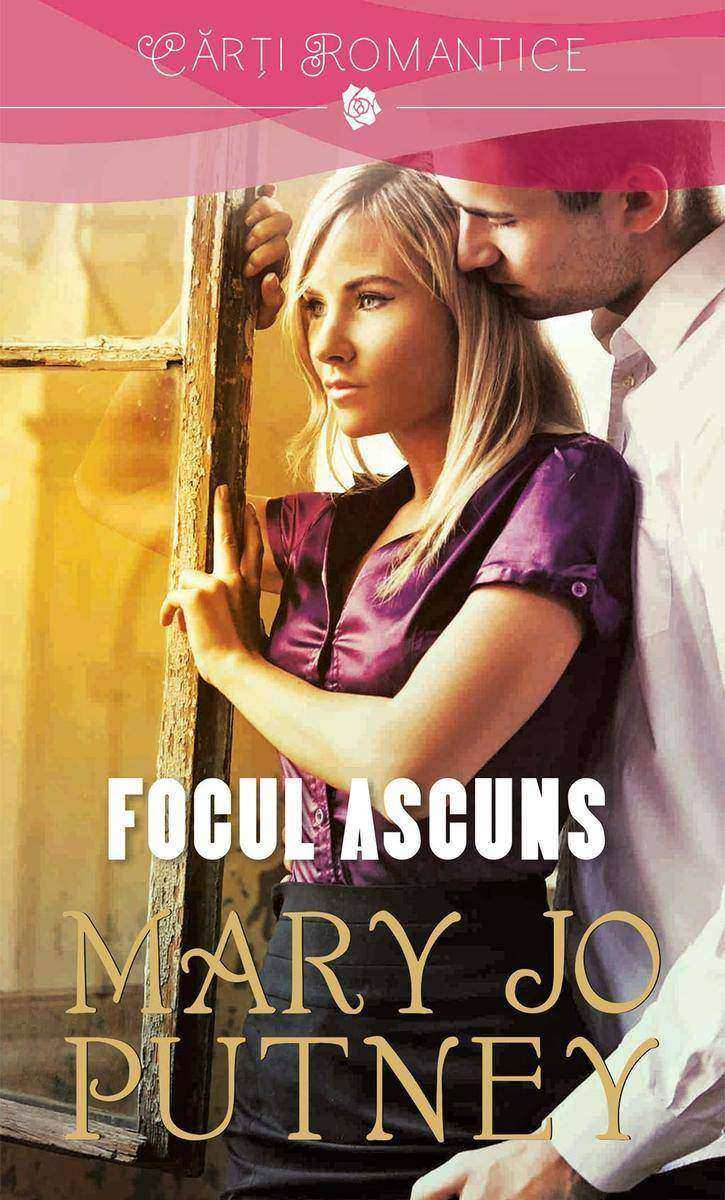
Kate Corsi ?i Patrick Donovan se icircnt acirc lnesc icircnt acircmpl?tor cacircnd nu aveau nici dou?zeci de ani. Din familii total diferite ?i cu un statut social care icirci f?cea incompatibili, cei doi se icirc;ndr?gostesc nebune?te ?i hot?r?sc s? se c?s?toreasc?. Kate este fiica italianului Sam Corsi, proprietarul celei mai importante firme de demol?ri prin implozie, Phoenix Demolition International (PDI). Donovan, pe de alt? parte, ?i-a petrecut copil?ria al?turi de un tat? alcoolic care devenea violent la be?ie ?i a r?mas orfan de tacircn?r.
Ultima scrisoare de dragoste
¥68.75
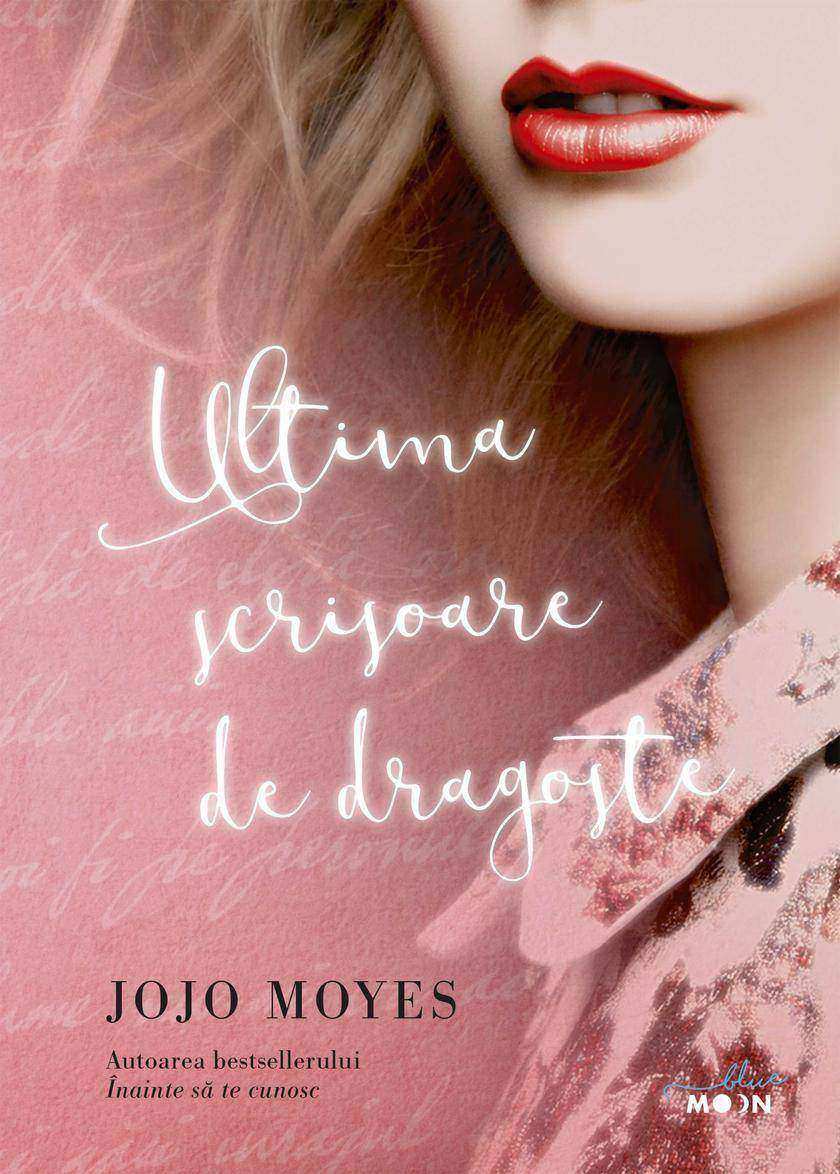
Aflat? ?n c?utarea unui subiect inedit ?i emo?ionant, ziarista Ellie Haworth g?se?te ?n arhiva ziarului la care lucreaz? o scrisoare dat?nd din anul 1960, scris? de un b?rbat care-i cere iubitei s?-?i p?r?seasc? so?ul. Astfel, Ellie se vede prins? ?n h??i?urile unei pove?ti de dragoste din trecut, iar impactul asupra ei este cu at?t mai puternic cu c?t ?i ea ?ns??i are o leg?tur? cu un b?rbat ?nsurat.?n 1960, Jennifer Stirling se treze?te ?n spital, unde a ajuns ?n urma unui accident de ma?in?. Nu-?i poate aminti nimic: nici de so?, nici de prieteni, nici cine era. La ?napoierea acas?, descoper? o scrisoare de dragoste ?i ?ncepe s?-?i aminteasc? de iubitul ei, pentru care fusese dispus? s? ri?te totul.Povestea din trecut a lui Jennifer ?i cea actual? a lui Ellie, ambele implic?nd o dragoste p?tima?? ?i interzis?, se ?mpletesc ?ntr-o dram? de mare intensitate emo?ional?, ?n care scrisorile de dragoste readuc la via?? o iubire care sfideaz? timpul.


