


 购物车
购物车 个人中心
个人中心

Novel Science
¥394.36
Novel Science is the first in-depth study of the shocking, groundbreaking, and sometimes beautiful writings of the gentlemen of the "e;heroic age"e; of geology and of the contribution these men made to the literary culture of their day. For these men, literature was an essential part of the practice of science itself, as important to their efforts as mapmaking, fieldwork, and observation. The reading and writing of imaginative literatures helped them to discover, imagine, debate, and give shape and meaning to millions of years of previously undiscovered earth history.?Borrowing from the historical fictions of Walter Scott and the poetry of Lord Byron, they invented geology as a science, discovered many of the creatures we now call the dinosaurs, and were the first to unravel and map the sequence and structure of stratified rock. As Adelene Buckland shows, they did this by rejecting the grand narratives of older theories of the earth or of biblical cosmogony: theirs would be a humble science, faithfully recording minute details and leaving the big picture for future generations to paint. Buckland also reveals how these scientists-just as they had drawn inspiration from their literary predecessors-gave Victorian realist novelists such as George Eliot, Charles Kingsley, and Charles Dickens a powerful language with which to create dark and disturbing ruptures in the too-seductive sweep of story.
Seeing Double
¥447.34
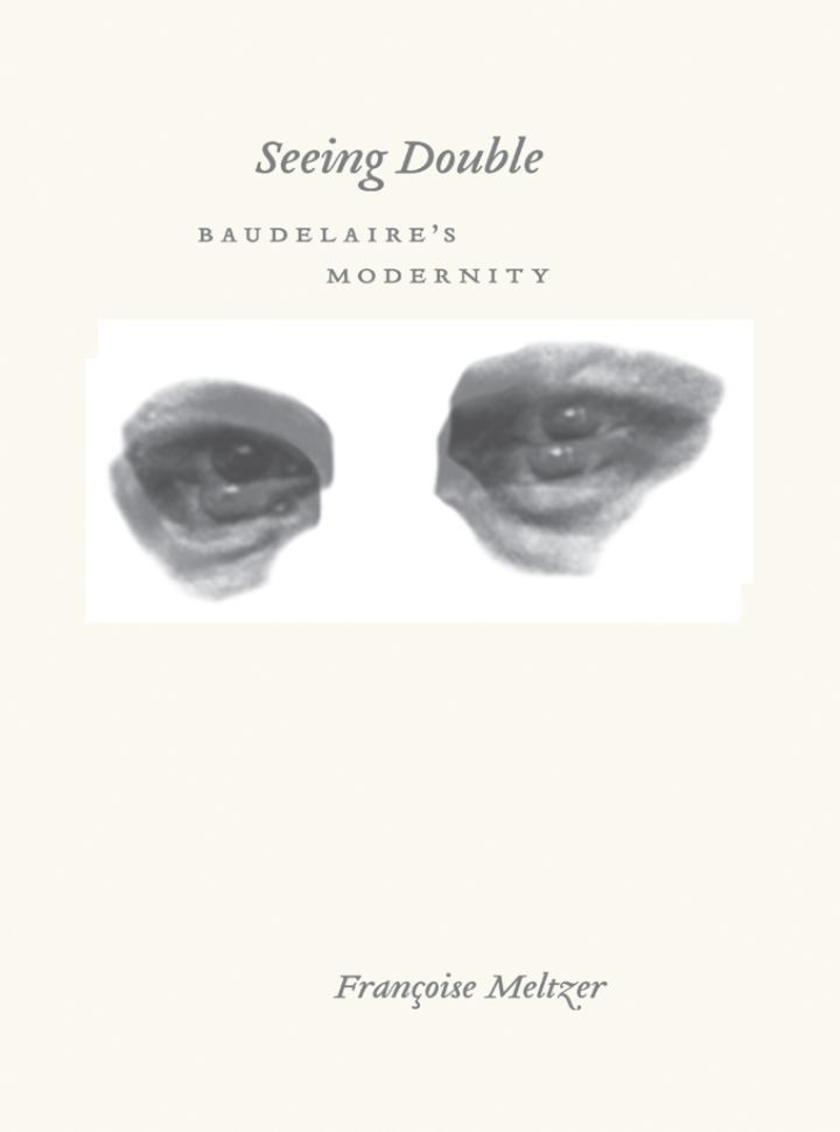
The poet Charles Baudelaire (1821-1867) has been labeled the very icon of modernity, the scribe of the modern city, and an observer of an emerging capitalist culture. Seeing Double reconsiders this iconic literary figure and his fraught relationship with the nineteenth-century world by examining the way in which he viewed the increasing dominance of modern life. In doing so, it revises some of our most common assumptions about the unresolved tensions that emerged in Baudelaire's writing during a time of political and social upheaval.Franoise Meltzer argues that Baudelaire did not simply describe the contradictions of modernity; instead, his work embodied and recorded them, leaving them unresolved and often less than comprehensible. Baudelaire's penchant for looking simultaneously backward to an idealized past and forward to an anxious future, while suspending the tension between them, is part of what Meltzer calls his "e;double vision"e;-a way of seeing that produces encounters that are doomed to fail, poems that can't advance, and communications that always seem to falter. In looking again at the poet and his work, Seeing Double helps to us to understand the prodigious transformations at stake in the writing of modern life.

Enrico; or, Byzantium Conquered
¥353.16
Lucrezia Marinella (1571-1653) is, by all accounts, a phenomenon in early modernity: a woman who wrote and published in many genres, whose fame shone brightly within and outside her native Venice, and whose voice is simultaneously original and reflective of her time and culture. In Enrico; or, Byzantium Conquered, one of the most ambitious and rewarding of her numerous narrative works, Marinella demonstrates her skill as an epic poet.Now available for the first time in English translation, Enrico retells the story of the conquest of Byzantium in the Fourth Crusade (1202-04). Marinella intersperses historical events in her account of the invasion with numerous invented episodes, drawing on the rich imaginative legacy of the chivalric romance. Fast-moving, colorful, and narrated with the zest that characterizes Marinella's other works, this poem is a great example of a woman engaging critically with a quintessentially masculine form and subject matter, writing in a genre in which the work of women poets was typically shunned.?

Exemplary Tales of Love and Tales of Disillusion
¥253.10
At the height of Mara de Zayas's popularity in the mid-eighteenth century, the number of editions in print of her work was exceeded only by the novels of Cervantes. But by the end of the nineteenth century, Zayas had been excluded from the Spanish literary canon because of her gender and the sociopolitical changes that swept Spain and Europe. Exemplary Tales of Love and Tales of Disillusion gathers a representative sample of seven stories, which features Zayas's signature topics-gender equality and domestic violence-written in an impassioned tone overlaid with conservative Counter-Reformation ideology. This edition updates the scholarship since the most recent English translations, with a new introduction to Zayas's entire body of stories, and restores Zayas's author's note and prologue, omitted from previous English-language editions. Tracing her slow but steady progress from notions of ideal love to love's treachery, Exemplary Tales of Love and Tales of Disillusion will restore Zayas to her rightful place in modern letters.

Under a Bad Sign
¥229.55
Many people have contributed to the completion of this book.Its inception can be traced to a seminar that Lary May and Paula Rabinowitz asked me to deliver on hip hop's gangsta culture toward the end of my graduate studies in the American studies program at the University of Minnesota.The media hype and moral panic surrounding gangsta culture in the early 1990s bore an uncanny resemblance to the troublesome reception of Hollywood's white ethnic gangsters in the 1930s, the subject of my research at the time.The chance to discuss the gangster/gangsta relation also fueled the development of an undergraduate course on African American popular culture.So I have the American studies faculty and fellow graduates in Scott Hall, as well as the students on the consequent course, to thank for setting me on the road to writing Under a Bad Sign.A particular shout-out has to go to John Wright, who insisted I dig up Claude McKay's Harlem: Negro Metropolis in the rare books section of Wilson Library to see how deep the provenance and complex the relationship was between black denizens of the American city and their gangster culture heroes.

Nostalgia for the Future
¥211.90
Since the end of the cold war, Africa has seen a dramatic rise in new political and religious phenomena, including an eviscerated privatized state, neoliberal NGOs, Pentecostalism, a resurgence in accusations of witchcraft, a culture of scamming and fraud, and, in some countries, a nearly universal wish to emigrate. Drawing on fieldwork in Togo, Charles Piot suggests that a new biopolitics after state sovereignty is remaking the face of one of the world's poorest regions.In a country where playing the U.S. Department of State's green card lottery is a national pastime and the preponderance of cybercafs and Western Union branches signals a widespread desire to connect to the rest of the world, Nostalgia for the Future makes clear that the cultural and political terrain that underlies postcolonial theory has shifted. In order to map out this new terrain, Piot enters into critical dialogue with a host of important theorists, including Agamben, Hardt and Negri, Deleuze, and Mbembe. The result is a deft interweaving of rich observations of Togolese life with profound insights into the new, globalized world in which that life takes place.
Culture in Chaos
¥282.53
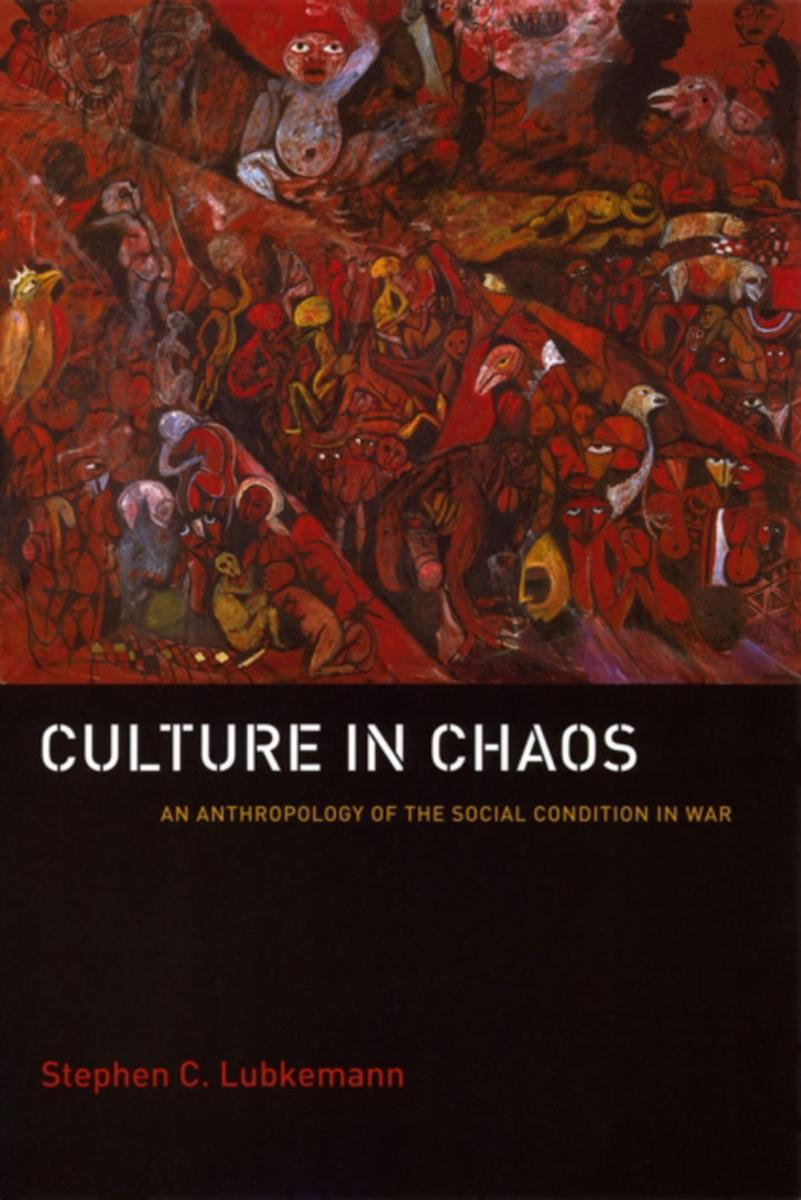
Fought in the wake of a decade of armed struggle against colonialism, the Mozambican civil war lasted from 1977 to 1992, claiming hundreds of thousands of lives while displacing millions more. As conflicts across the globe span decades and generations, Stephen C. Lubkemann suggests that we need a fresh perspective on war when it becomes the context for normal life rather than an exceptional event that disrupts it. Culture in Chaos calls for a new point of departure in the ethnography of war that investigates how the inhabitants of war zones live under trying new conditions and how culture and social relations are transformed as a result.Lubkemann focuses on how Ndau social networks were fragmented by wartime displacement and the profound effect this had on gender relations. Demonstrating how wartime migration and post-conflict return were shaped by social struggles and interests that had little to do with the larger political reasons for the war, Lubkemann contests the assumption that wartime migration is always involuntary. His critical reexamination of displacement and his engagement with broader theories of agency and social change will be of interest to anthropologists, political scientists, historians, and demographers, and to anyone who works in a war zone or with refugees and migrants.

School Principal
¥188.35
When we think about school principals, most of us imagine a figure of vague, yet intimidating authority-for an elementary school student, being sent to the principal's office is roughly on par with a trip to Orwell's Room 101. But with School Principal, Dan C. Lortie aims to change that. Much as he did for teachers with his groundbreaking book Schoolteacher, Lortie offers here an intensive and detailed look at principals, painting a compelling portrait of what they do, how they do it, and why.Lortie begins with a brief history of the job before turning to the daily work of a principal. These men and women, he finds, stand at the center of a constellation of competing interests around and within the school. School district officials, teachers, parents, and students all have needs and demands that frequently clash, and it is the principal's job to manage these conflicting expectations to best serve the public. Unsurprisingly then, Lortie records his subjects' professional dissatisfactions, but he also vividly depicts the pleasures of their work and the pride they take in their accomplishments. Finally, School Principal offers a glimpse of the future with an analysis of current issues and trends in education, including the increasing presence of women in the role and the effects of widespread testing mandated by the government.Lortie's scope is both broad and deep, offering an eminently useful range of perspectives on his subject. From the day-to-day toil to the long-term course of an entire career, from finding out just what goes on inside that office to mapping out the larger social and organizational context of the job, School Principal is a truly comprehensive account of a little-understood profession.
Local Transcendence
¥247.21
Driven by global economic forces to innovate, today's society paradoxically looks forward to the future while staring only at the nearest, most local present-the most recent financial quarter, the latest artistic movement, the instant message or blog post at the top of the screen.Postmodernity is lived, it seems, at the end of history.In the essays collected in Local Transcendence, Alan Liu takes the pulse of such postmodern historicism by tracking two leading indicators of its acceleration in the late twentieth and early twenty-first centuries: postmodern cultural criticism-including the new historicism, the new cultural history, cultural anthropology, the new pragmatism, and postmodern and postindustrial theory-and digital information technology.?What is the relation between the new historicist anecdote and the database field, Liu asks, and can either have a critical function in the age of postmodern historicismLocal Transcendence includes two previously unpublished essays and a synthetic introduction in which Liu traverses from his earlier work on the theory of historicism to his recent studies of information culture to propose a theory of contingent method incorporating a special inflection of history: media history.

Romey's Order
¥117.72
Romey's Order is an indelible sequence of poems voiced by an invented (and inventive) boy-speaker called Romey, set alongside a river in the South Carolina lowcountry.As the word-furious eye and voice of these poems, Romey urgently records--and tries to order--the objects, inscape, injuries, and idiom of his "e;blood-home"e; and childhood world. Sounding out the nerves and nodes of language to transform "e;every burn-mark and blemish,"e; to "e;bind our river-wrack and leavings,"e; Romey seeks to forge finally (if even for a moment) a chord in which he might live. Intently visceral, aural, oral, Atsuro Riley's poems bristle with musical and imaginative pleasures, with story-telling and picture-making of a new and wholly unexpected kind.
Medicine Show
¥117.72
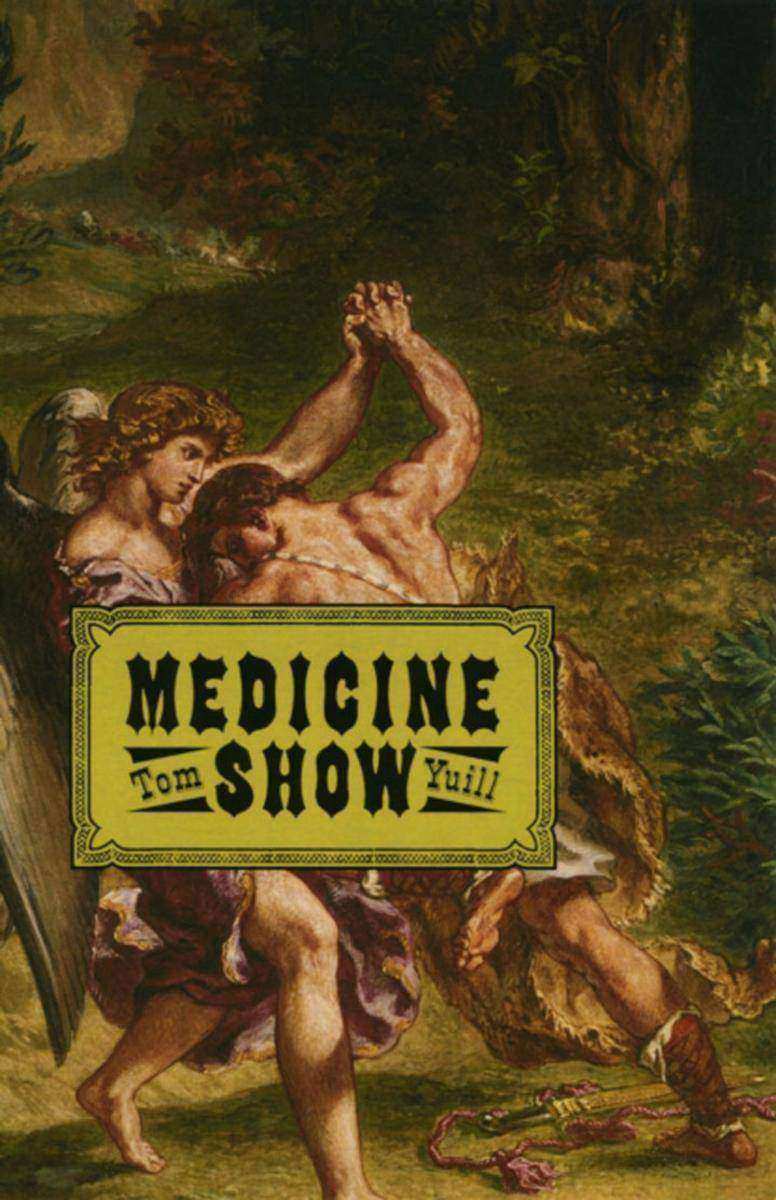
In Medicine Show, inner conflict is wonderfully realized in the clash of down-home plain speech and European high culture utterances. Freely translating and adapting Catullus (Latin), Villon (Middle French), Corbiere (French), Hikmet (Turkish), and Orpheus (Greek), and placing them alongside Jagger and Richards, skinheads, and psalms, Tom Yuill's book mirrors an old-style hawking of wares, with all the charm and absurdity that results when high culture meets pop, when city meets small town, and when provincialism confronts urbanity. Here, the poems talk to one another, one poem nudging the cusps of many others, those poems touching still others' circumferences. Yuill, by invoking the Rolling Stones as muses and as background music, offers cover versions of Shakespeare, Keats, and Dylan Thomas, ultimately giving us a new kind of verse, funneled through the languages and rhythms of his masters' voices.

Marked
¥129.49
Nearly every job application asks it: have you ever been convicted of a crimeFor the hundreds of thousands of young men leaving American prisons each year, their answer to that question may determine whether they can find work and begin rebuilding their lives.The product of an innovative field experiment, Marked gives us our first real glimpse into the tremendous difficulties facing ex-offenders in the job market. Devah Pager matched up pairs of young men, randomly assigned them criminal records, then sent them on hundreds of real job searches throughout the city of Milwaukee. Her applicants were attractive, articulate, and capable-yet ex-offenders received less than half the callbacks of the equally qualified applicants without criminal backgrounds. Young black men, meanwhile, paid a particularly high price: those with clean records fared no better in their job searches than white men just out of prison. Such shocking barriers to legitimate work, Pager contends, are an important reason that many ex-prisoners soon find themselves back in the realm of poverty, underground employment, and crime that led them to prison in the first place."e;Using scholarly research, field research in Milwaukee, and graphics, [Pager] shows that ex-offenders, white or black, stand a very poor chance of getting a legitimate job. . . . Both informative and convincing."e;-Library Journal?"e;Marked is that rare book: a penetrating text that rings with moral concern couched in vivid prose-and one of the most useful sociological studies in years."e;-Michael Eric Dyson

We Wanna Boogie: The Rockabilly Roots of Sonny Burgess and the Pacers
¥225.63
Rock and roll pioneer and Newport native Sonny Burgess is a member of the Rockabilly Hall of Fame. In this book full of personal interviews and remembrances, Burgess and his band tell of their original recordings for Sun Records in the 1950s; their shows with greats such as Elvis Presley, Johnny Cash, and Jerry Lee Lewis; and their success in the contemporary rockabilly revival. This also is the history of a once prominent and spirited Delta community of extensive agricultural wealth. Newport was home to numerous music clubs that hosted national artists as well as illicit backroom gambling. Burgess is a product of this history, and his vivacious music is shaped by his hometown and the dramatic transformation of southern rural life it witnessed.

Worlds Before Adam
¥353.16
In the late eighteenth and early nineteenth centuries, scientists reconstructed the immensely long history of the earth-and the relatively recent arrival of human life. The geologists of the period, many of whom were devout believers, agreed about this vast timescale. But despite this apparent harmony between geology and Genesis, these scientists still debated a great many questions: Had the earth cooled from its origin as a fiery ball in space, or had it always been the same kind of place as it is nowWas prehuman life marked by mass extinctions, or had fauna and flora changed slowly over time?The first detailed account of the reconstruction of prehuman geohistory, Martin J. S. Rudwick's Worlds Before Adam picks up where his celebrated Bursting the Limits of Time leaves off. Here, Rudwick takes readers from the post-Napoleonic Restoration in Europe to the early years of Britain's Victorian age, chronicling the staggering discoveries geologists made during the period: the unearthing of the first dinosaur fossils, the glacial theory of the last ice age, and the meaning of igneous rocks, among others. Ultimately, Rudwick reveals geology to be the first of the sciences to investigate the historical dimension of nature, a model that Charles Darwin used in developing his evolutionary theory.Featuring an international cast of colorful characters, with Georges Cuvier and Charles Lyell playing major roles and Darwin appearing as a young geologist, Worlds Before Adam is a worthy successor to Rudwick's magisterial first volume. Completing the highly readable narrative of one of the most momentous changes in human understanding of our place in the natural world, Worlds Before Adam is a capstone to the career of one of the world's leading historians of science.
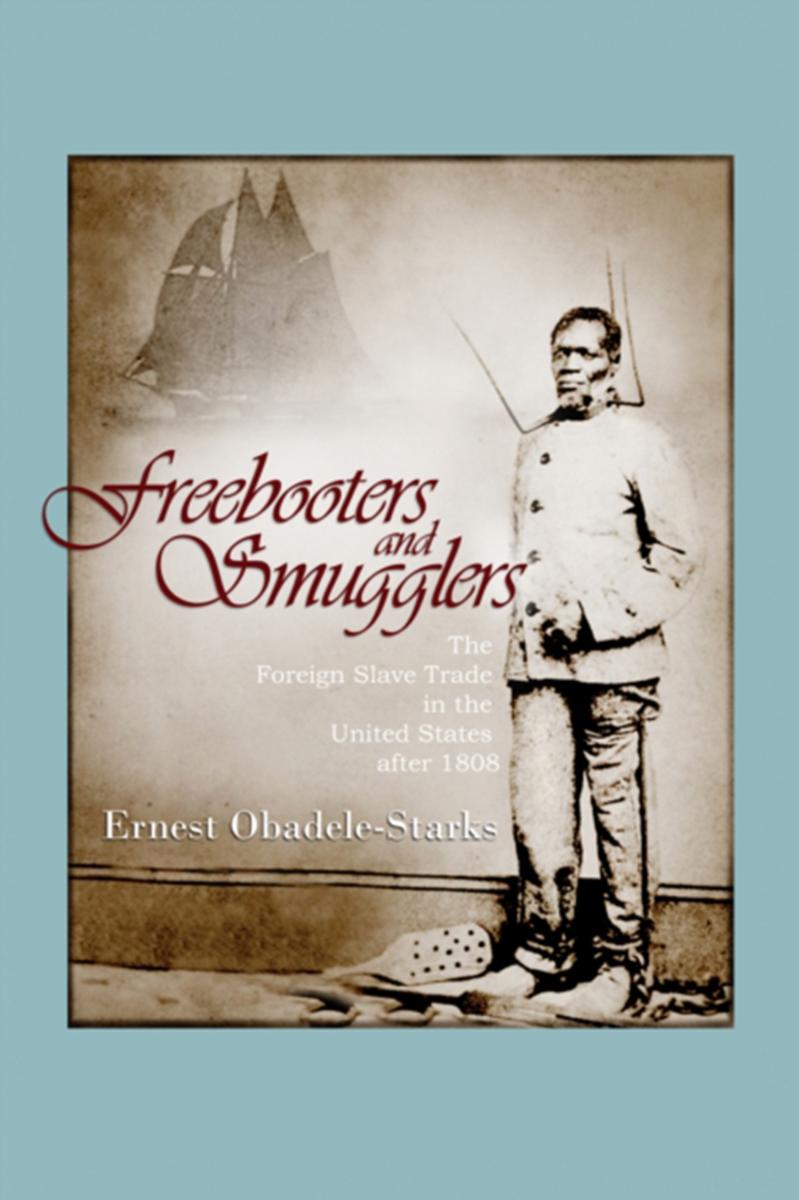
Freebooters and Smugglers
¥280.96
This book is the result of several years of collaboration with historians, students, archivists, and friends.The final product owes much to a collection of individuals who offered insight, analysis, recommendations, and sometimes their gut-level opinion about the project. In reflecting on its evolution, this study benefited greatly from two individuals in particular. In the embryonic stages of this work, Cynthia Bouton, being the true colleague that she is, took time from her own hectic academic schedule to offer several critiques, probing questions, and trenchant comments about the manu*.At a later stage in the writing, Gwendolyn Midlo Hall canvassed the study, detected gaps, and then pointed me toward additional sources without which the final product would not have been as thorough.
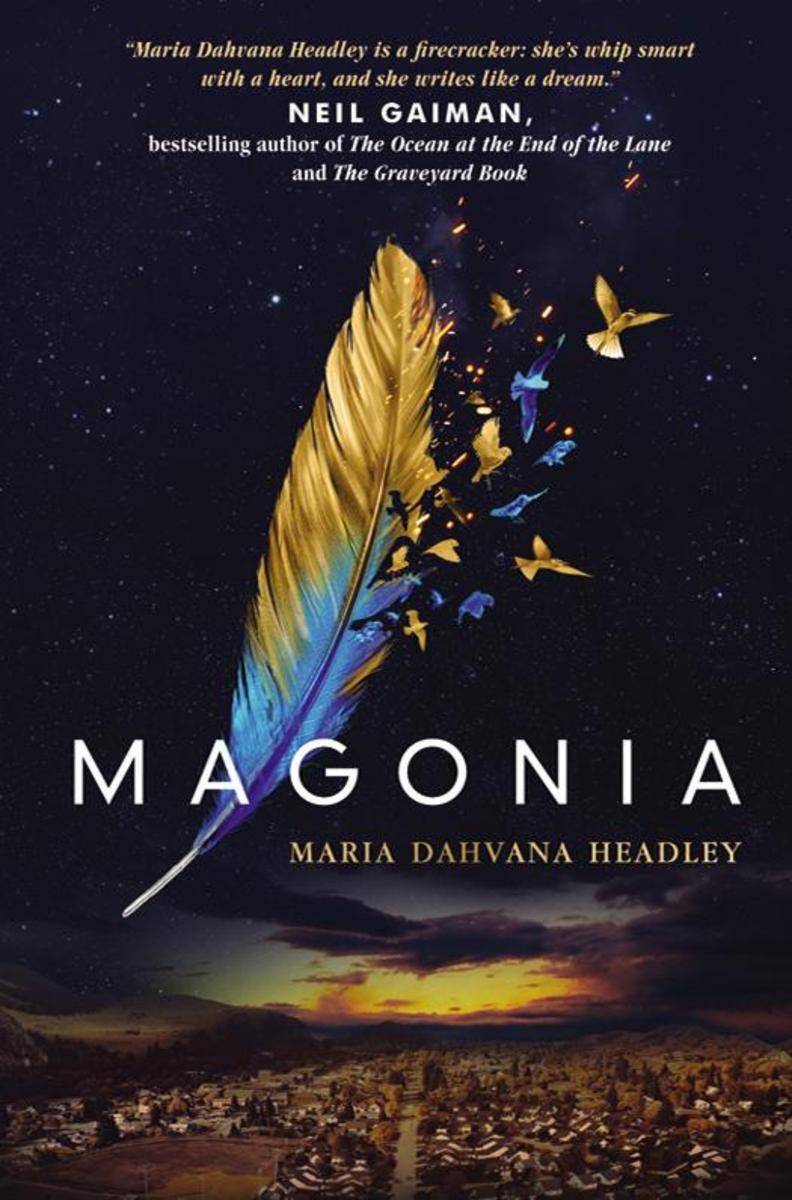
Magonia
¥61.70
Maria Dahvana Headley's soaring YA debut is a fiercely intelligent, multilayered fantasy where Neil Gaiman's Stardust meets John Green's The Fault in Our Stars in a story about a girl caught between two worlds . . . two races . . . and two destinies. Aza Ray Boyle is drowning in thin air. Since she was a baby, Aza has suffered from a mysterious lung disease that makes it ever harder for her to breathe, to speak—to live. So when Aza catches a glimpse of a ship in the sky, her family chalks it up to a cruel side effect of her medication. But Aza doesn't think this is a hallucination. She can hear someone on the ship calling her name.Only her best friend, Jason, listens. Jason, who's always been there. Jason, for whom she might have more-than-friendly feelings. But before Aza can consider that thrilling idea, something goes terribly wrong. Aza is lost to our world—and found, by another. Magonia. Above the clouds, in a land of trading ships, Aza is not the weak and dying thing she was. In Magonia, she can breathe for the first time. Better, she has immense power—but as she navigates her new life, she discovers that war between Magonia and Earth is coming. In Aza's hands lies fate of the whole of humanity—including the boy who loves her. Where do her loyalties lie?
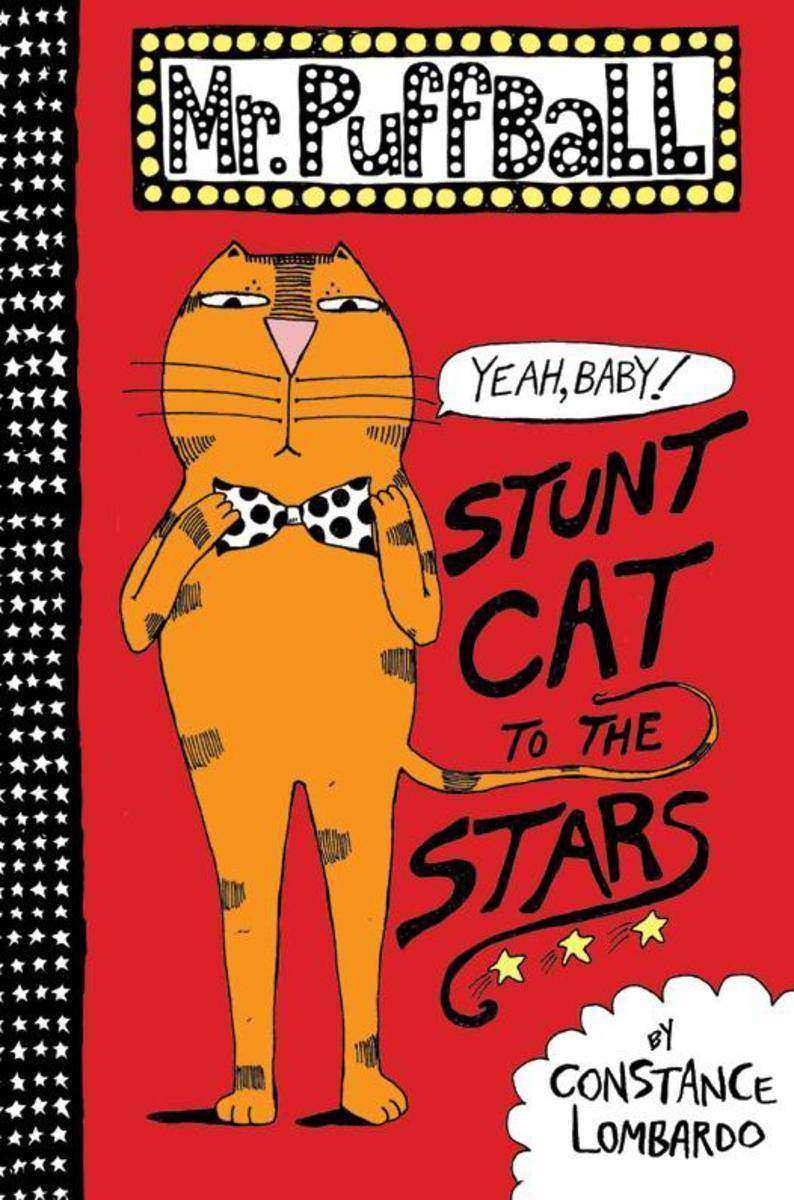
Mr. Puffball: Stunt Cat to the Stars
¥72.93
In this hilarious illustrated adventure meet Mr. Puffball, a medium-size feline with a big dream! With amazing humor that appeals to both kids and adults as well as funny illustrations throughout the story, Mr. Puffball: Stunt Cat to the Stars is perfect for dreamers, movie buffs, and fans of Timmy Failure and Stick Dog.He's a hero for today. Or possibly tomorrow. He's a cat. He's awesome. And . . . wait for it . . . he's going to Hollywood to become a famous movie star! Follow Mr. Puffball on his trip cross-country. (Look at all the postcards to Mom!) See him stumble upon Hobowood! (Not as glamorous as Hollywood, but full of beans.) Watch him land at last in Hollywood, where he meets a cast of thousands (or at least half a dozen) and catapults himself into the next best thing to being a famous movie star: working as a stunt cat to his movie star hero, El Gato!
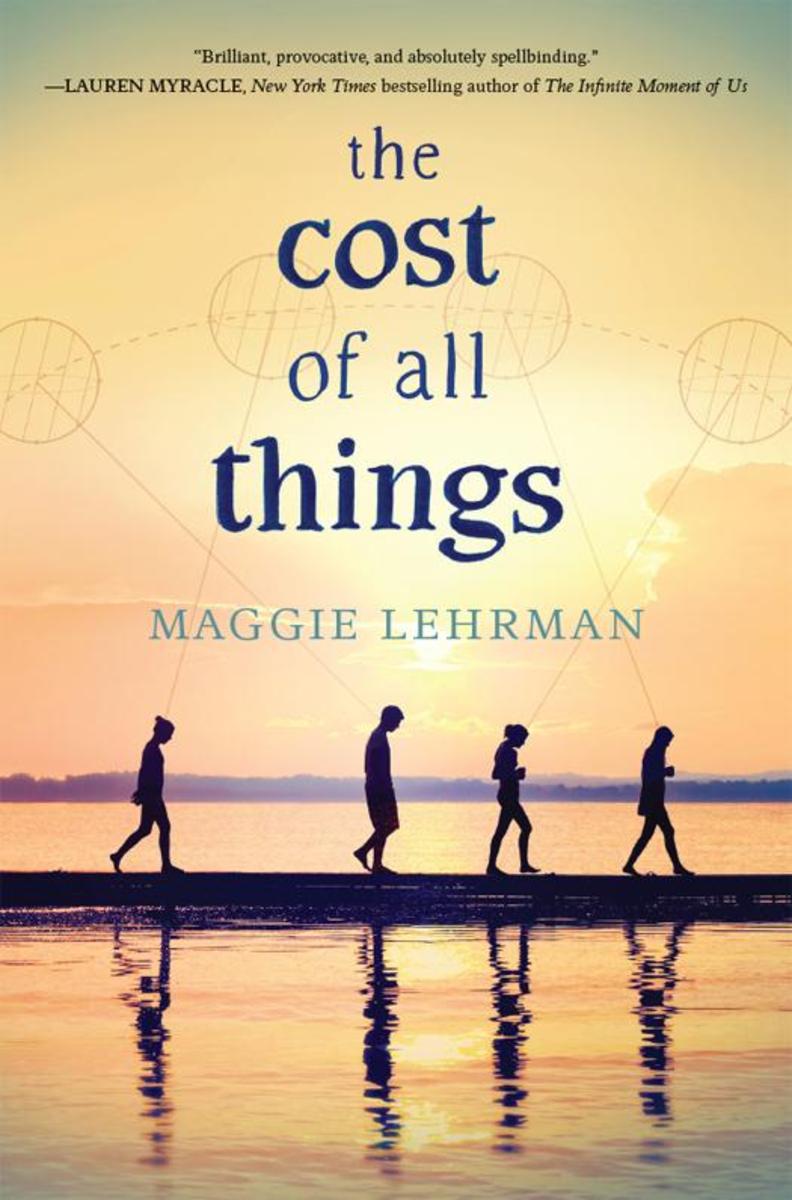
The Cost of All Things
¥101.00
Eternal Sunshine of the Spotless Mind meets We Were Liars in this thought-provoking and brilliantly written debut that is part love story, part mystery, part high-stakes drama.What would you pay to cure your heartbreakBanish your sadnessTransform your looksThe right spell can fix anything…. When Ari's boyfriend Win dies, she gets a spell to erase all memory of him. But spells come at a cost, and this one sets off a chain of events that reveal the hidden—and sometimes dangerous—connections between Ari, her friends, and the boyfriend she can no longer remember.Told from four different points of view, this original and affecting novel weaves past and present in a suspenseful narrative that unveils the truth behind a terrible tragedy.
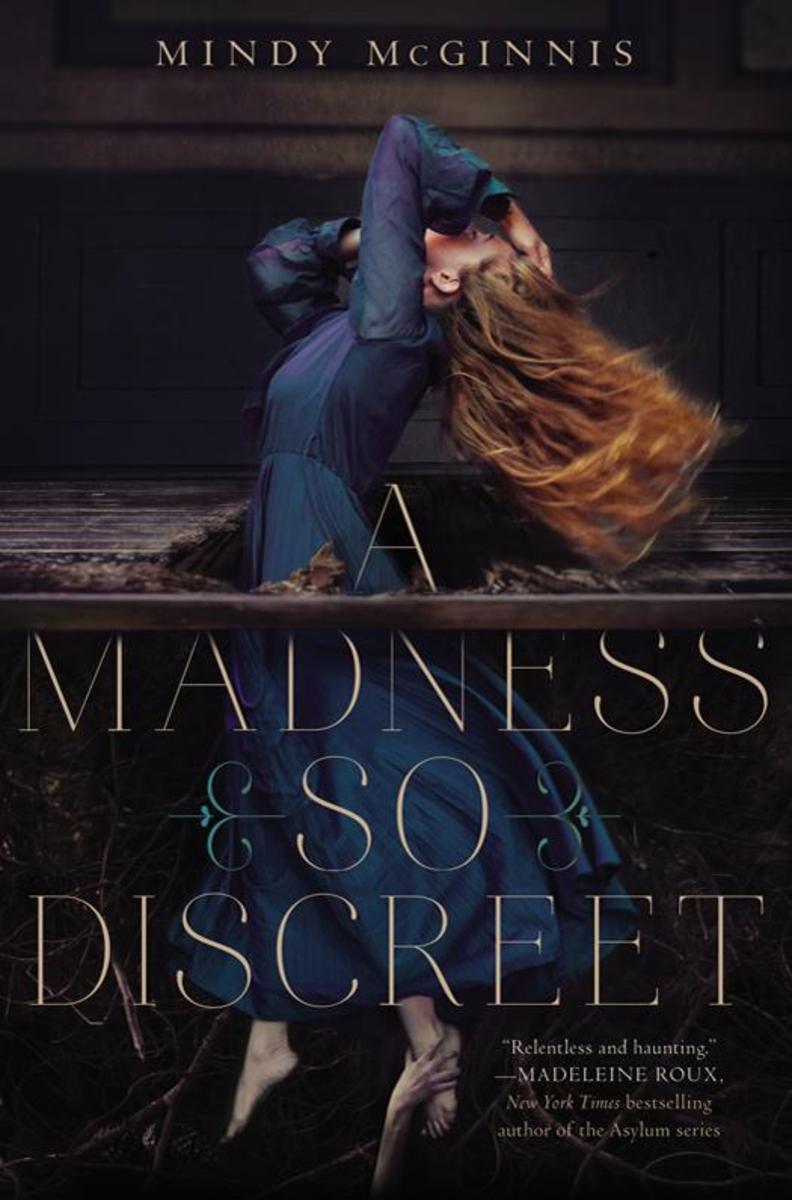
A Madness So Discreet
¥55.33
Mindy McGinnis, the acclaimed author of Not a Drop to Drink and In a Handful of Dust, combines murder, madness, and mystery in a beautifully twisted gothic historical thriller perfect for fans of novels such as Asylum and The Diviners as well as television's True Detective and American Horror Story.Grace Mae is already familiar with madness when family secrets and the bulge in her belly send her to an insane asylum—but it is in the darkness that she finds a new lease on life. When a visiting doctor interested in criminal psychology recognizes Grace's brilliant mind beneath her rage, he recruits her as his assistant. Continuing to operate under the cloak of madness at crime scenes allows her to gather clues from bystanders who believe her less than human. Now comfortable in an ethical asylum, Grace finds friends—and hope. But gruesome nights bring Grace and the doctor into the circle of a killer who will bring her shaky sanity and the demons in her past dangerously close to the surface.
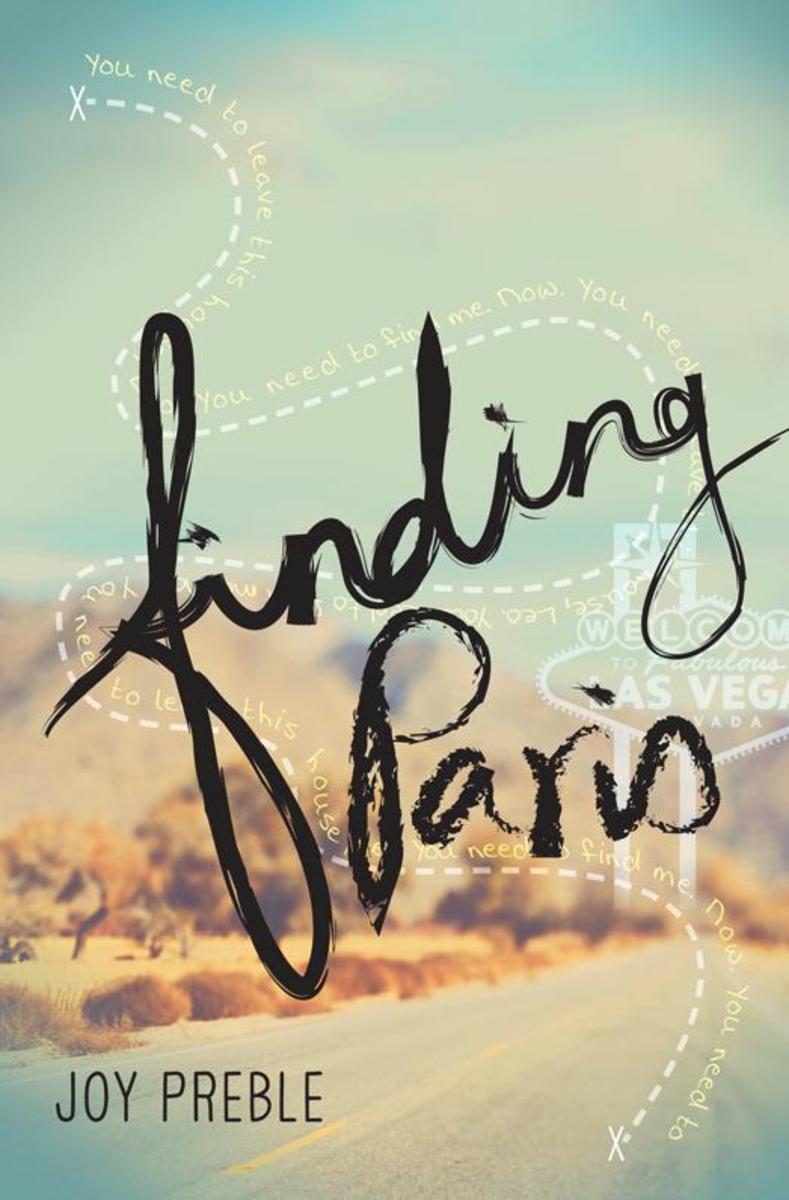
Finding Paris
¥101.00
An evocative and compelling story of two sisters who would do anything for each other—perfect for fans of Thirteen Reasons Why and Speak. Joy Preble's stirring new novel explores the lengths to which sisters go to protect each other, and the winding road that brings two strangers into each other's lives.Sisters Leo and Paris Hollings have only ever had each other to rely on. They can't trust their mother, who hops from city to city and from guy to guy, or their gambler stepfather, who's moved them all to Las Vegas. It's just the two of them: Paris, who's always been the dreamer, and Leo, who has a real future in mind—going to Stanford, becoming a doctor, falling in love. But Leo isn't going anywhere right now, except driving around Vegas all night with her sister.Until Paris ditches Leo at the Heartbreak Hotel Diner, where moments before they had been talking with physics student Max Sullivan. Outside, Leo finds a cryptic note from Paris—a clue. Is it some kind of gameWhere is Paris, and why has she disappearedWhen Leo reluctantly accepts Max's offer of help, the two find themselves following a string of clues through Vegas and beyond. But the search for the truth is not a straight line. And neither is the path to secrets Leo and Max hold inside.
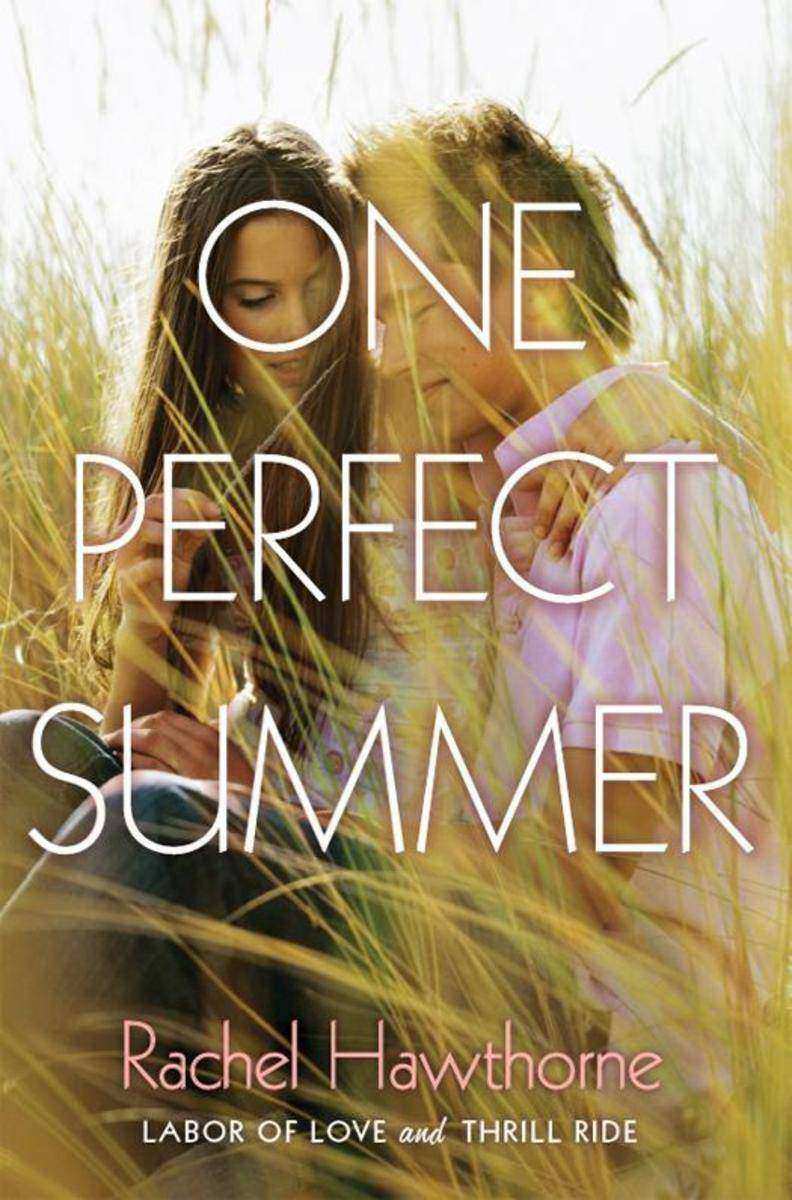
One Perfect Summer
¥55.33
Perfect for fans of Lauren Barnholdt and Susane Colasanti, this sun-soaked pairing of Rachel Hawthorne's beach reads Labor of Love and Thrill Ride brings a fresh feel to two summer favorites.In Labor of Love, Dawn joins a volunteer trip to New Orleans, hoping to forget about boys (her cheating ex Drew, in particular) for the summer. But when a fortune teller predicts she'll meet the man of her dreams on this trip, Dawn has to decide if she believes in the destiny of true love, or if she's just headed for another heartbreak.In Thrill Ride, Megan has landed the perfect summer job at an amusement park far away from home. The only problem is she'll also be far away from her boyfriend. But surely true love can survive three months apart. And Megan can resist her incredibly hot coworker . . . right?Value priced with a great new cover, this combined edition will have readers (re)discovering Rachel Hawthorne.


