


 购物车
购物车 个人中心
个人中心
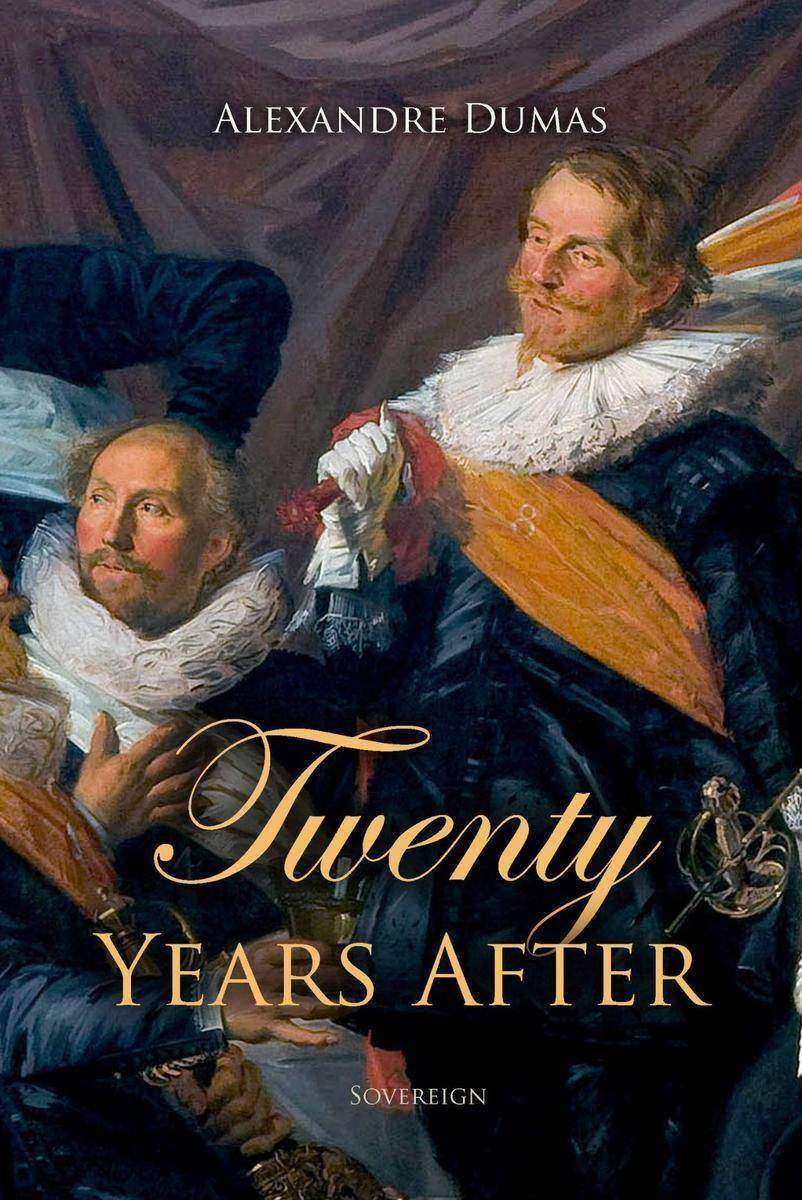
Twenty Years After
¥40.79
In this sequel to The Three Musketeers, we continue following adventured of a young man named d'Artagnan. This story follows events in France during La Fronde, during the childhood reign of Louis XIV, and in England near the end of the English Civil War, leading up to the victory of Oliver Cromwell and the execution of King Charles I.
Five Weeks in a Balloon
¥40.79
A scholar and explorer, Dr. Samuel Ferguson, accompanied by his manservant Joe and his friend professional hunter Richard Kennedy, sets out to travel across the African with the help of a balloon filled with hydrogen. The balloon itself ultimately fails before the end, but makes it far enough across to get the protagonists to friendly lands, and eventually back to England, therefore succeeding in the expedition.
Short Stories of Various Types
¥8.09
You will find that the stories in this collection are of different types with settings that take you in imagination all over our own country and into foreign lands. Try writing a story with a surprise ending like "The Gift of the Magi," a character story with the theme of unselfish love, and its setting in a big city. Again, "John G," the story of adventure with an animal for the hero, might suggest to you an adventuresome incident in your own experience. If you have a vivid imagination, it might be interesting to write a fanciful story like "Feathertop." All of you have heard of true and thrilling incidents of the recent Great War. Try to weave one into a good war story as did Daudet or Mrs. Andrews. Almost every young person loves nature or the open country. After you have read Mr. Garland's, "The Camping Trip," see how well you can tell a story of your own experience in the out-of-doors. Or, best of all, see if you can equal the great Conan Doyle in a detective story.
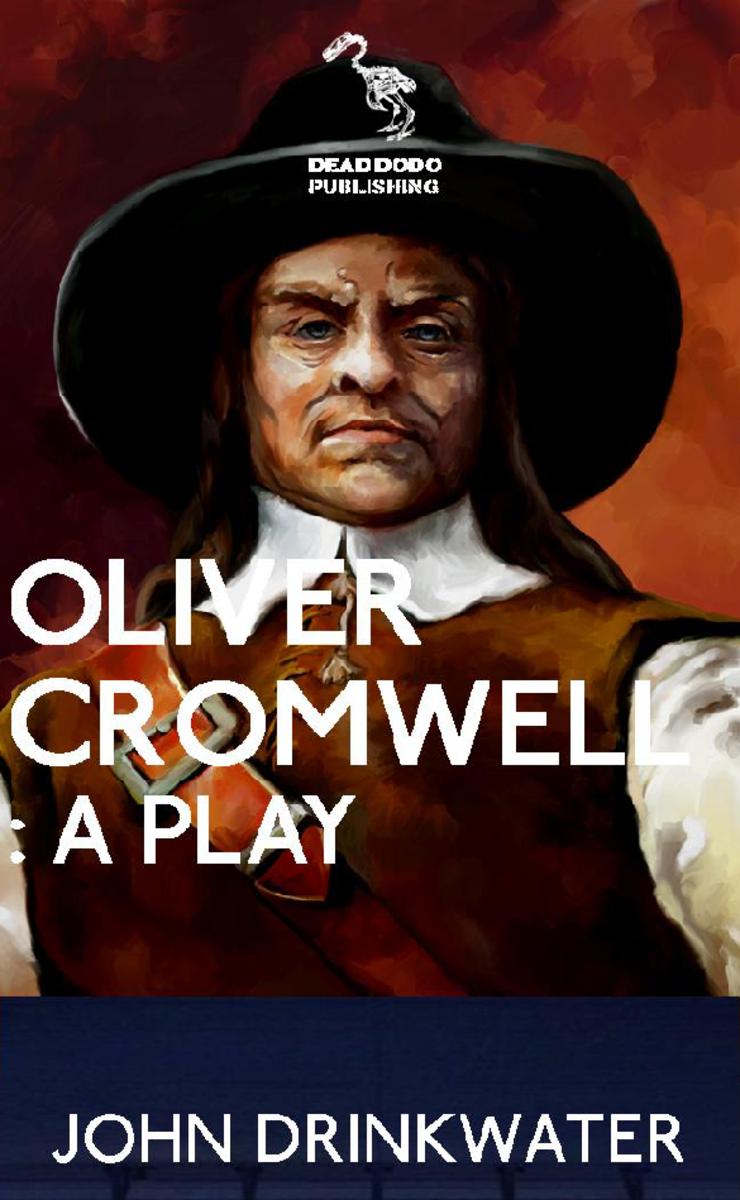
Oliver Cromwell: A Play
¥8.09
This unique edition of Oliver Cromwell: A Play from Dead Dodo Vintage includes the full original text as well as exclusive features not available in other editions.
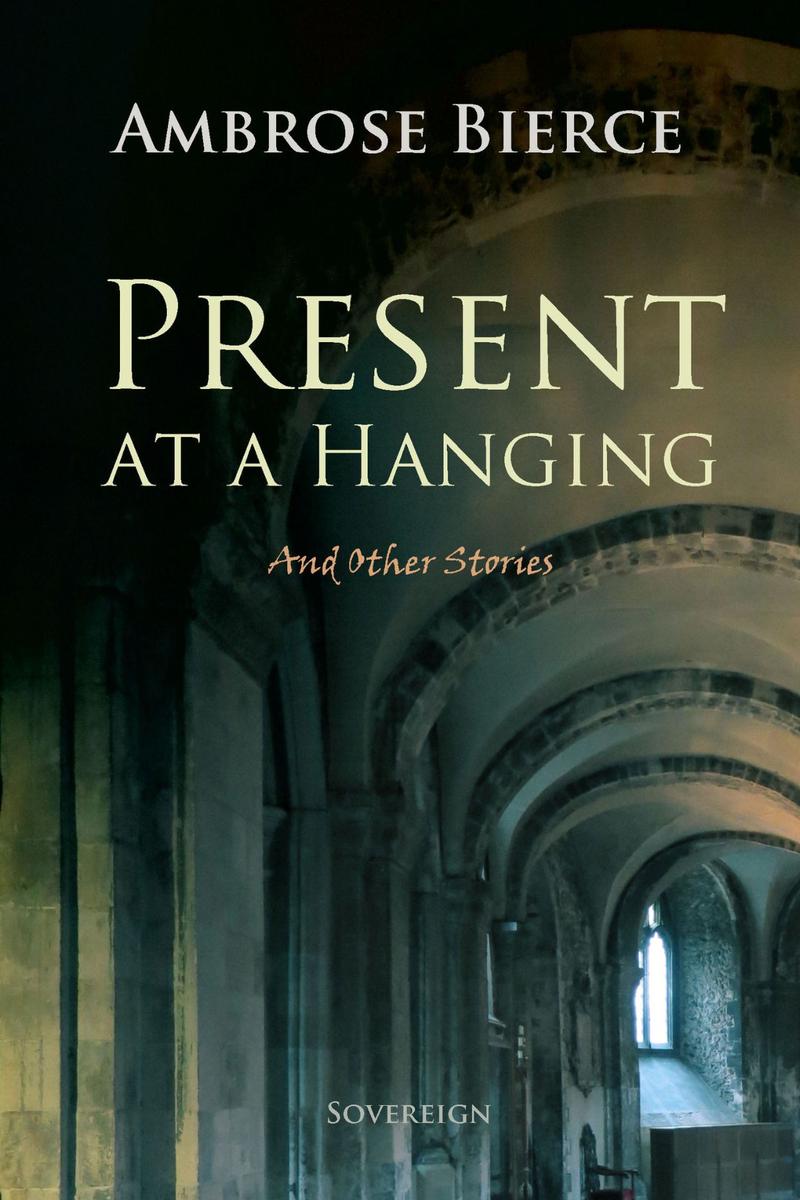
Present at a Hanging and Other Ghost Stories
¥40.79
Some of the best of ghost stories from Ambrose Bierce, including: Present at a hanging, A cold greeting, A Wireless Message, An Arrest, A Man with Two Lives, The Isle of Pines, A Vine on a House, The Spook House, The Other Lodgers, and many other ghost stories.
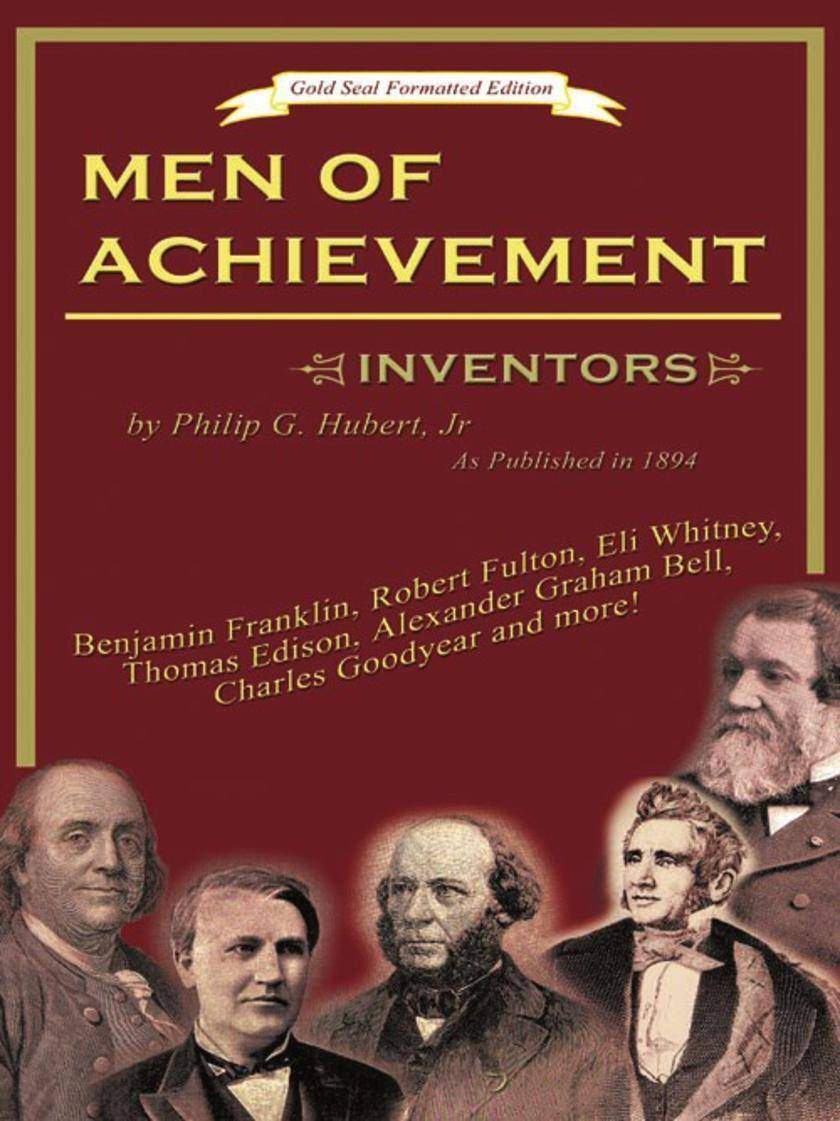
Men of Achievement Inventors
¥56.82
In Men of Achievement Phillip Hubert writes about inventors Benjamin Franklin, Robert Fulton, Eli Whitney, Elias Howe, Samuel Morse, Charles Goodyear, Thomas Edison and Alexander Graham Bell, as well as many others. He reviews their inventions and also examines the inventor: their origins, hopes, aims, principles, disappointments, trials and triumphs ,and their daily life and personal character. With over forty-five illustrations, Men of Achievement discusses the value of their work – the invention of steam power, electricity, the telegraph, the telephone, phonograph, the camera, and Goodyear’s vulcanized rubber. With the patent laws of the time it also highlights how these men contributed thousands of millions of dollars to the nation’s wealth and, in some cases, received comparatively little in return.
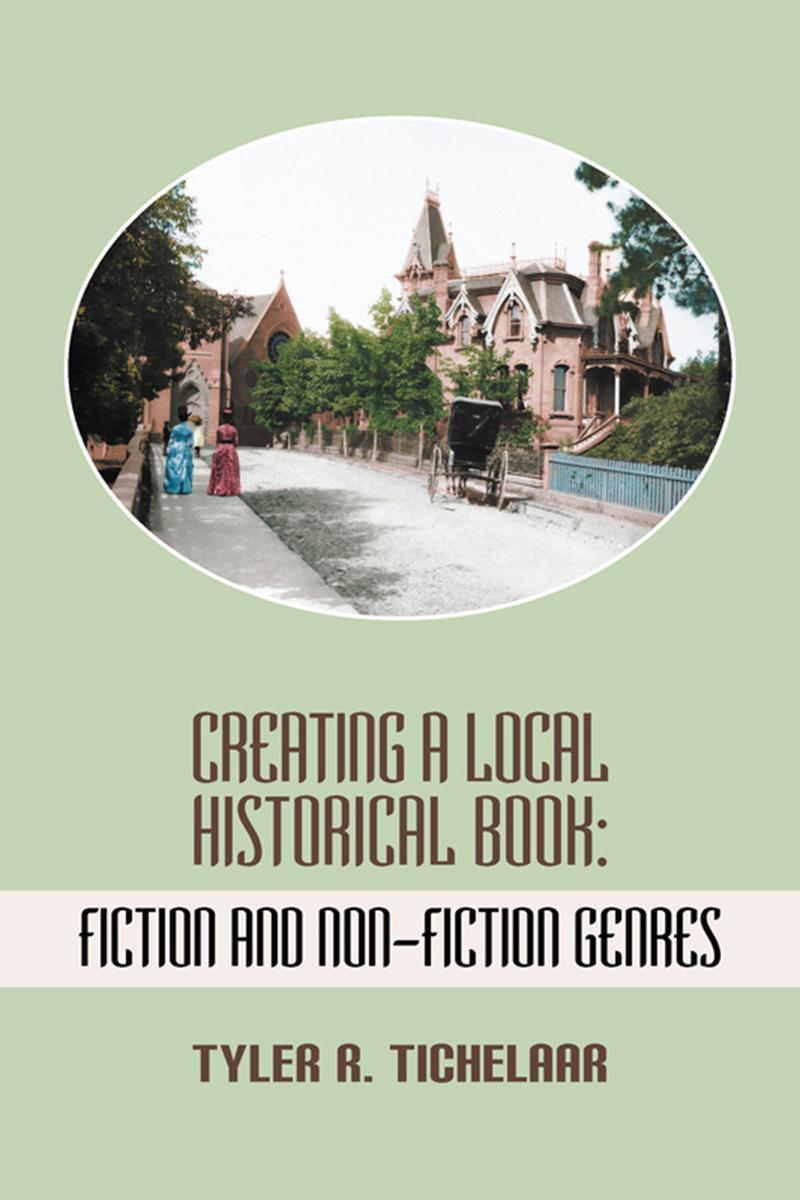
Creating a Local Historical Book:Fiction and Non-Fiction Genres
¥32.62
Does Your City or Region Have a Fascinating Story that needs to be told before it's forgotten? Yes, it does, and you can be the person to write it! In this short text, Tyler Tichelaar, author of My Marquette and The Marquette Trilogy, talks in a conversational format about how he became interested in writing both local history and regional and historical fiction and his research and writing process to bring his books to fruition. Readers of "Creating a Local Historical Book" will learn: ·What kind of research is required ·What counts as research ·Where to do research ·How to organize that research into a book ·How not to go overboard with details ·Finding images and gaining usage permission ·How to make your book stand out from others ·Tips on marketing your history book Tyler R. Tichelaar, Ph.D. and seventh generation Marquette resident, was raised on tales of his hometown's past. His other interests include literary studies ranging from King Arthur to Gothic texts. He is also a professional editor and writing coach who has guided dozens of authors through the treacherous seas of composition. "Our committee would like to honor Tyler with this award in honor of his meticulous research, his enlightened and personal testimony about Marquette and his educational contributions to the preservation of Marquette's history." --The Marquette Beautification & Restoration Committee, presenting Tyler with the Barbara H. Kelly Historic Preservation Award "Tyler Tichelaar speaks from the heart about his love affair with the town of his birth. Join him on a nostalgic tour of one of the great small cities of America." --Karl Bohnak, author of So Cold a Sky: Upper Michigan Weather Stories Learn more at www.MarquetteFiction.com From Modern History Press www.ModernHistoryPress.com
How Dare We! Write:A Multicultural Creative Writing Discourse
¥56.82
How Dare We! Write: a multicultural creative writing discourse offers a much needed corrective to the usual dry and uninspired creative writing pedagogy. The collection asks us to consider questions, such as "What does it mean to work through resistance from supposed mentors, to face rejection from publishers and classmates, and to stand against traditions that silence you?" and "How can writers and teachers even begin to make diversity matter in meaningful ways on the page, in the classroom, and on our bookshelves?" How Dare We! Write is an inspiring collection of intellectually rigorous lyric essays and innovative writing exercises; it opens up a path for inquiry, reflection, understanding, and creativity that is ultimately healing. The testimonies provide a hard won context for their innovative paired writing experiments that are, by their very nature, generative. --Cherise A. Pollard, PhD, Professor of English, West Chester University of Pennsylvania So-called "creative writing" classes are highly politicized spaces, but no one says so; to acknowledge this obvious fact would be to up-end the aesthetics, cultural politics (ideology) and economics on which most educational institutions are founded How Dare We! Write, a brilliant interventive anthology of essays, breaks this silence. --Maria Damon, Pratt Institute of Art; co-editor of Poetry and Cultural Studies: A Reader How Dare We! Write a collection of brave voices calling out to writers of color everywhere: no matter how lonely, you are not alone; you are one in a sea of change, swimming against the currents. --Kao Kalia Yang, author of The Latehomecomer: A Hmong Family Memoir, and The Song Poet, a 2017 Minnesota Book Award winner How Dare We! Write is a much needed collection of essays from writers of color that reminds us that our stories need to be told, from addressing academic gatekeepers, embracing our identities, the effects of the oppressor's tongue on our psyche and to the personal narratives that help us understand who we are. --Rodrigo Sanchez-Chavarria, writer, spoken word poet/performer and contributing author to A Good Time for the Truth: Race in Minnesota Learn more at http://blog.SherryQuanLee.com From Modern History Press www.ModernHistoryPress.com
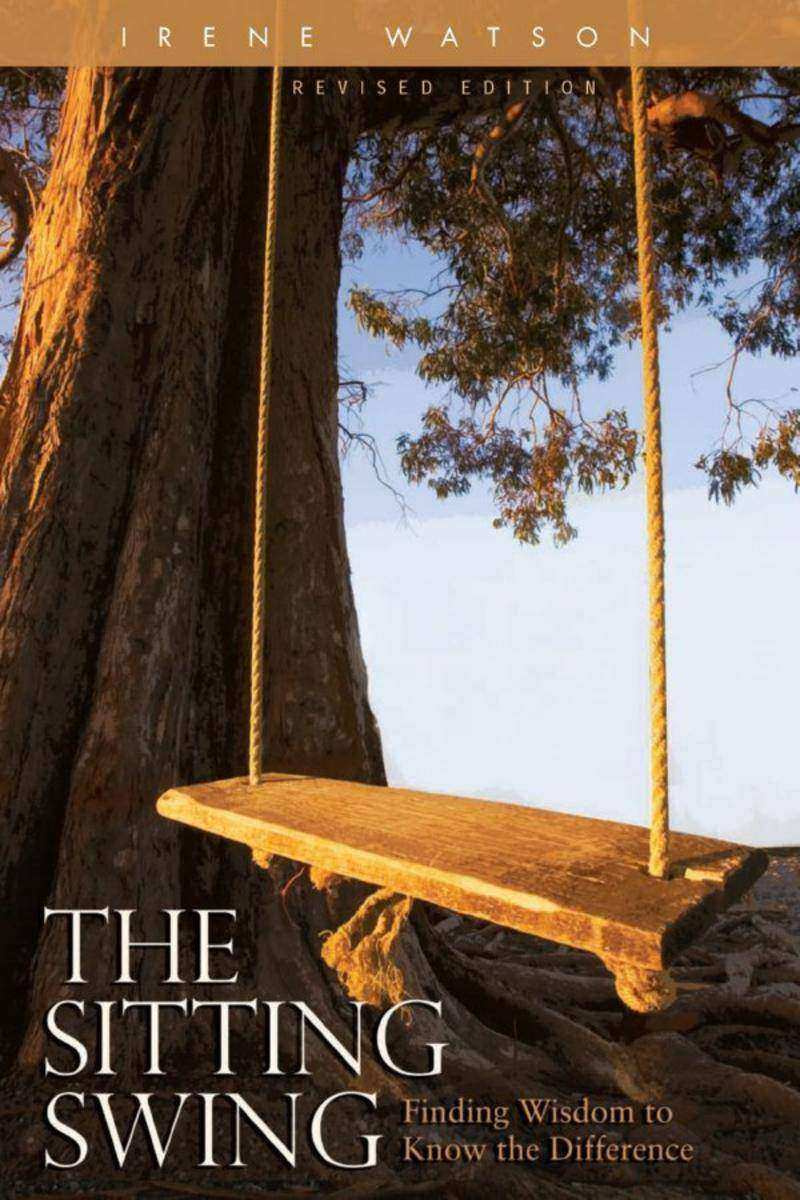
The Sitting Swing:Finding the Wisdom to Know the Difference
¥65.99
Irene Watson's pretentious life could go no further until she faced her past. Her moving and inspiring memoir begins at the end, in a recovery center, where she has gone to understand a childhood fraught with abuse, guilt, and uncertainty.Two distinct parts of the book look at abusive child rearing and the process of recovery years later. This story shows change, growth, and forgiveness are possible. It gives hope and freedom to those accepting the past and re-writing life scripts that have been passed down for generations. It's never too late to change your life, never too late to heal.Praise for The Sitting Swing"Watson's memoir recounts her fearful, highly sheltered years as she uncovers the childhood wounds leading to her personality crisis. This is an earnest memoir, well structured." --PUBLISHERS WEEKLY"The Sitting Swing is the poignant story of the author's successful journey to transcend the patterns sculpted by her parents and childhood experiences. I loved it!" --NANCY OELKLAUS, PHD, LIFE COACH AND AUTHOR OF JOURNEY FROM HEAD TO HEART: LIVING AND WORKING AUTHENTICALLY"As a teacher of transformational principles for self-discovery and the treatment of addictions, reading The Sitting Swing inspired me to a richer new voice, infusing my lectures with a deeper level of meaning. Irene's personal story of transformation will add to the experience, strength, and hope we share with our clients and to anyone who is on a path of personal transformation. " --MARY LYNN SZYMANDERA, LCAS, CEFIP, OUTPATIENT MANAGER, PAVILLON INTERNATIONAL, AND EQUINE PROGRAM DIRECTOR, SAWHORSE HILLAuthor info at www.irenewatson.comBook #6 in the Spiritual Dimensions Series from Loving Healing Press www.LovingHealing.com
The Path of a King by John Buchan - Delphi Classics (Illustrated)
¥8.09
This eBook features the unabridged text of ‘The Path of a King by John Buchan - Delphi Classics (Illustrated)’ from the bestselling edition of ‘The Complete Works of John Buchan’. Having established their name as the leading publisher of classic literature and art, Delphi Classics produce publications that are individually crafted with superior formatting, while introducing many rare texts for the first time in digital print. The Delphi Classics edition of Buchan includes original annotations and illustrations relating to the life and works of the author, as well as individual tables of contents, allowing you to navigate eBooks quickly and easily. eBook features: * The complete unabridged text of ‘The Path of a King by John Buchan - Delphi Classics (Illustrated)’ * Beautifully illustrated with images related to Buchan’s works * Individual contents table, allowing easy navigation around the eBook * Excellent formatting of the text Please visit www.delphiclassics.com to learn more about our wide range of titles
John Macnab by John Buchan - Delphi Classics (Illustrated)
¥8.09
This eBook features the unabridged text of ‘John Macnab by John Buchan - Delphi Classics (Illustrated)’ from the bestselling edition of ‘The Complete Works of John Buchan’. Having established their name as the leading publisher of classic literature and art, Delphi Classics produce publications that are individually crafted with superior formatting, while introducing many rare texts for the first time in digital print. The Delphi Classics edition of Buchan includes original annotations and illustrations relating to the life and works of the author, as well as individual tables of contents, allowing you to navigate eBooks quickly and easily. eBook features: * The complete unabridged text of ‘John Macnab by John Buchan - Delphi Classics (Illustrated)’ * Beautifully illustrated with images related to Buchan’s works * Individual contents table, allowing easy navigation around the eBook * Excellent formatting of the text Please visit www.delphiclassics.com to learn more about our wide range of titles
The Essential Poetry
¥90.03
Marina Tsvetaeva: The Essential Poetry includes translations by Michael M. Naydan and Slava I. Yastremski of lyric poetry from all of great Modernist Russian poet Marina Tsvetaeva’s published collections and from all periods of her life. It also includes a translation of two of Tsvetaeva’s masterpieces in the genre of the long poem, “Poem of the End” and “Poem of the Mountain.” The collection strives to present the best of Tsvetaeva’s poetry in a small single volume and to give a representative overview of Tsvetaeva’s high art and development of different poetic styles over the course of her creative lifetime. Also included in the volume are a guest introduction by eminent American poet Tess Gallagher, a translator’s introduction and extensive endnotes. Naydan and Yastremski have previously published a well-received annotated translation of Tsvetaeva’s collection After Russia with Ardis Publishers. The fourteen previously published translations from the After Russia collection have been revised for this volume.
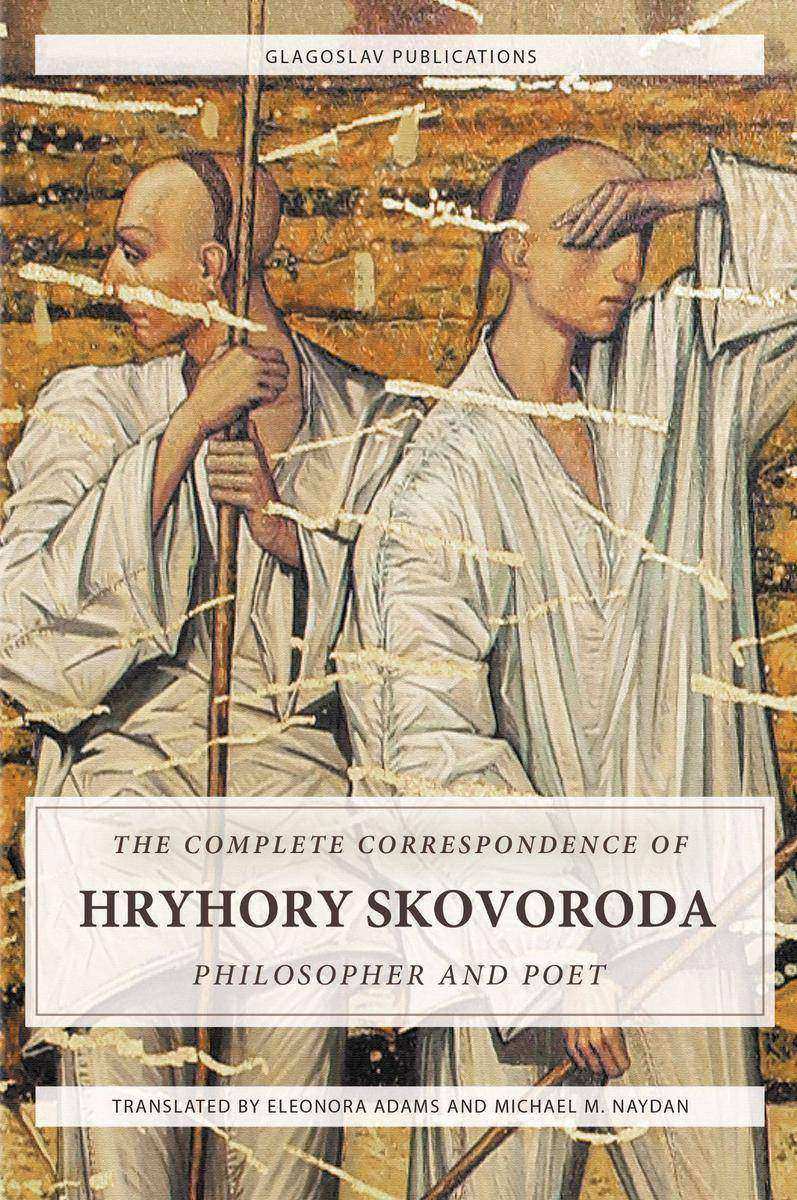
The Complete Correspondence of Hryhory Skovoroda:Philosopher And Poet
¥90.03
The religious philosopher and poet Hryhory Skovoroda (1722-1794) is described by many as the Ukrainian Socrates and was one of the most learned men of his time. He was a polyglot who knew the Bible virtually by heart, as well as the writings of the Church Fathers and the literature of Greek and Roman antiquity. The eminent literary critic Ivan Dziuba considers Skovoroda the greatest Ukrainian mind ever. And Yuri Andrukhovych, one of the most prominent Ukrainian writers of today, calls him “the first Ukrainian hippie” on account of his itinerant lifestyle and rejection of worldly life. The impact of Skovoroda’s life and works has been well documented on major writers in future generations, such as Leo Tolstoy, Andrei Bely and Pavlo Tychyna, to name but a few. None of Skovoroda’s works appeared during his lifetime – they were first published in 1837 in Moscow. The texts of Skovoroda’s writings were preserved mostly by Skovoroda’s lifelong friend Mykhailo Kovalynsky, to whom he had given the manuscripts. Skovoroda’s extant writings consist of a collection of thirty poems entitled The Garden of Divine Songs along with other occasional poems, a collection of fables entitled Kharkiv Fables, which was published in 1990, and seventeen philosophical treatises. Most of the treatises were composed during the latter part of his life. The letters of Skovoroda are appearing in their entirety here in English for the first time, accompanied by a guest introduction by Leonid Rudnytzky. This title has been realised by a team of the following dedicated professionals: Translated by Eleonora Adams and Michael M. Naydan, Edited by Liliana M. Naydan, The cover shows a detail from Blessing of the Road, by Mykola Kumanovsky from the Woskob Private Collection, Interior Design by Dmytro Podolyanchuck, Guest Introduction by Leonid Rudnytzky, Maxim Hodak - Максим Ходак (Publisher), Max Mendor - Макс Мендор (Director), Ksenia Papazova.
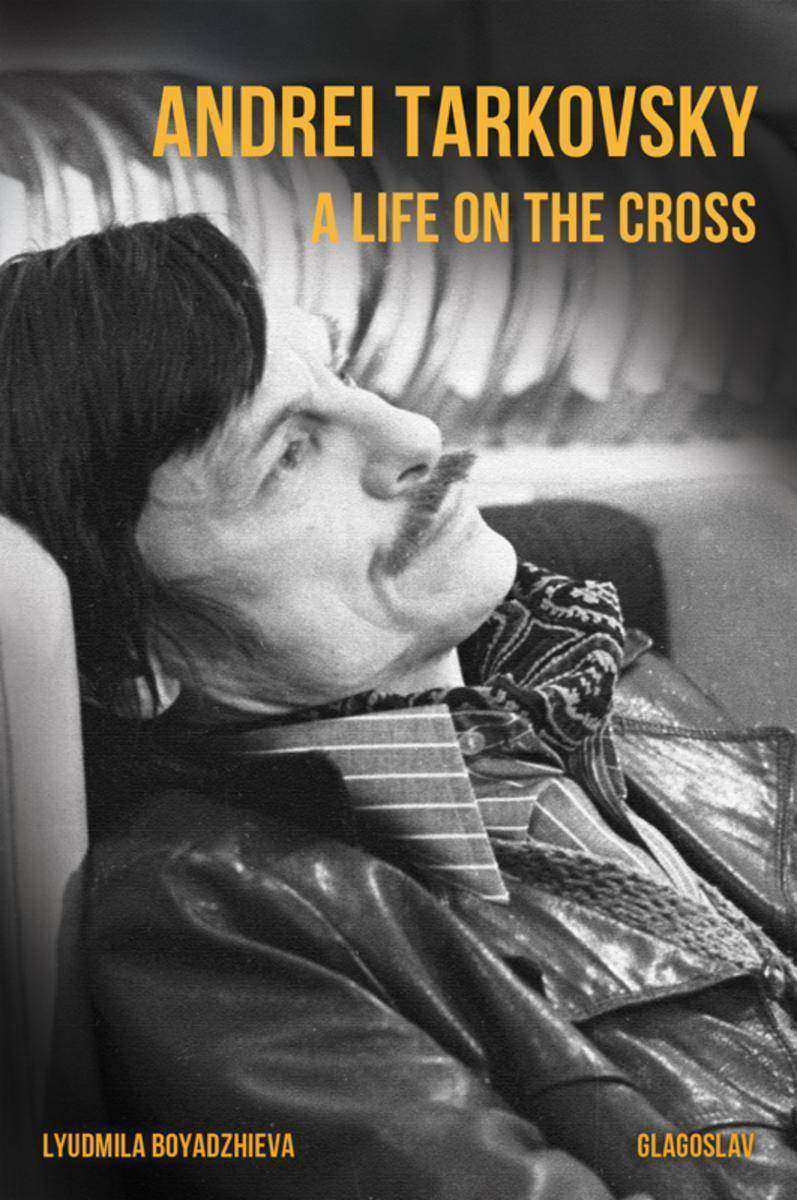
Andrei Tarkovsky:A Life on the Cross
¥90.03
Andrei Tarkovsky died in a Paris hospital in 1986, aged just 54. An internationally acclaimed icon of the film industry, the legacy Tarkovsky left for his fans included Andrei Rublev, Stalker, Nostalgia and a host of other brilliant works. In the Soviet Union, however, Tarkovsky was a persona non grata. Longing to be accepted in his homeland, Tarkovsky distanced himself from all forms of political and social engagement, yet endured one fiasco after another in his relations with the Soviet regime. The Soviet authorities regarded the law-abiding, ideologically moderate Tarkovsky as an outsider and a nuisance, due to his impenetrable personal nature. The documentary novel A Life on the Cross provides a unique insight into the life of Andrey Tarkovsky, the infamous film director and a man whose life was by no means free of unedifying behaviour and errors of judgement. Lyudmila Boyadzhieva sets out to reveal his innate talent, and explain why the cost of such talent can sometimes be life itself.

The Autobiography of Benjamin Franklin
¥8.09
Space and Time are pleased to bring you this classic presented as a wonderfully presented edition with a fully interactive table of contents.

Cartophilia
¥370.82
The period between the French Revolution and World War II was a time of tremendous growth in both mapmaking and map reading throughout Europe. There is no better place to witness this rise of popular cartography than in Alsace-Lorraine, a disputed borderland that the French and Germans both claimed as their national territory. Desired for its prime geographical position and abundant natural resources, Alsace-Lorraine endured devastating wars from 1870 to 1945 that altered its borders four times, transforming its physical landscape and the political allegiances of its citizens. For the border population whose lives were turned upside down by the French-German conflict, maps became essential tools for finding a new sense of place and a new sense of identity in their changing national and regional communities.?Turning to a previously undiscovered archive of popular maps, Cartophilia reveals Alsace-Lorraine's lively world of citizen mapmakers that included linguists, ethnographers, schoolteachers, hikers, and priests. Together, this fresh group of mapmakers invented new genres of maps that framed French and German territory in original ways through experimental surveying techniques, orientations, scales, colors, and iconography. In focusing on the power of "e;bottom-up"e; maps to transform modern European identities, Cartophilia argues that the history of cartography must expand beyond the study of elite maps and shift its emphasis to the democratization of cartography in the modern world.
Masters of Uncertainty
¥247.21
Though we commonly make them the butt of our jokes, weather forecasters are in fact exceptionally good at managing uncertainty. They consistently do a better job calibrating their performance than stockbrokers, physicians, or other decision-making experts precisely because they receive feedback on their decisions in near real time. Following forecasters in their quest for truth and accuracy, therefore, holds the key to the analytically elusive process of decision making as it actually happens.In Masters of Uncertainty, Phaedra Daipha develops a new conceptual framework for the process of decision making, after spending years immersed in the life of a northeastern office of the National Weather Service. Arguing that predicting the weather will always be more craft than science, Daipha shows how forecasters have made a virtue of the unpredictability of the weather. Impressive data infrastructures and powerful computer models are still only a substitute for the real thing outside, and so forecasters also enlist improvisational collage techniques and an omnivorous appetite for information to create a locally meaningful forecast on their computer screens. Intent on capturing decision making in action, Daipha takes the reader through engrossing firsthand accounts of several forecasting episodes (hits and misses) and offers a rare fly-on-the-wall insight into the process and challenges of producing meteorological predictions come rain or come shine. Combining rich detail with lucid argument, Masters of Uncertainty advances a theory of decision making that foregrounds the pragmatic and situated nature of expert cognition and casts into new light how we make decisions in the digital age.
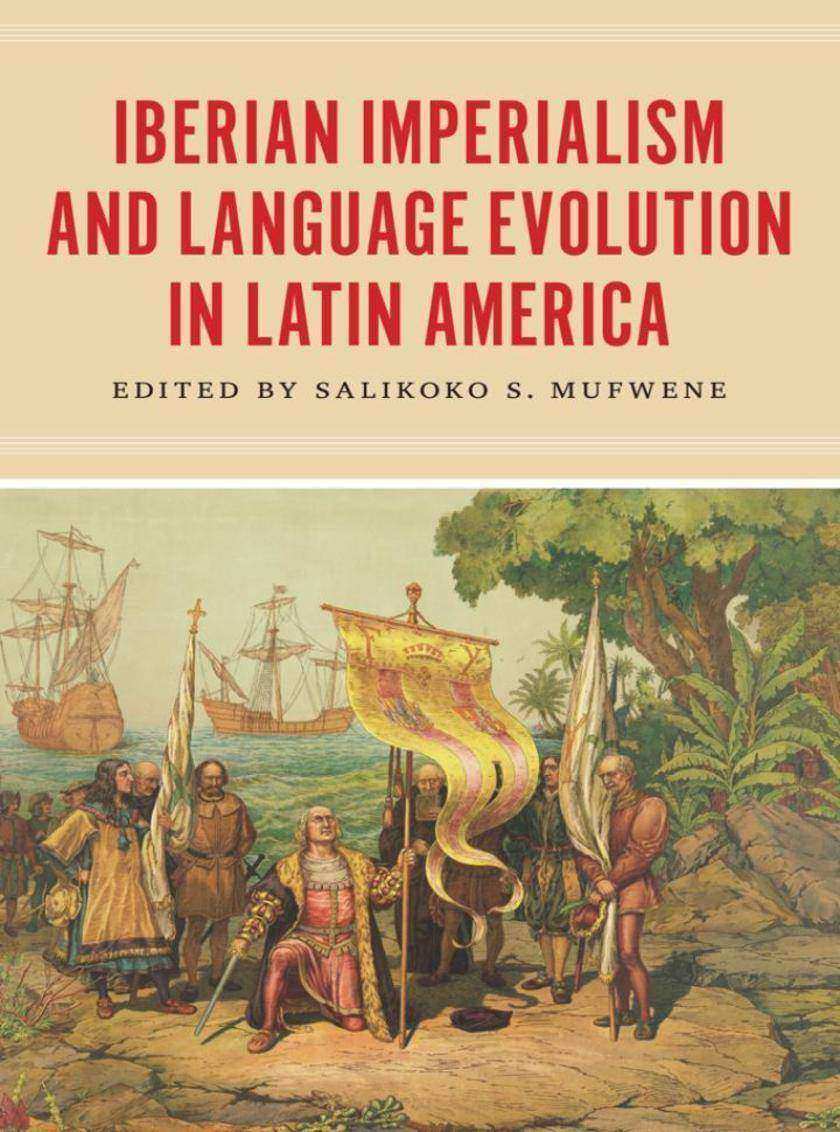
Iberian Imperialism and Language Evolution in Latin America
¥329.62
As rich as the development of the Spanish and Portuguese languages has been in Latin America, no single book has attempted to chart their complex history. Gathering essays by sociohistorical linguists working across the region, Salikoko S. Mufwene does just that in this book. Exploring the many different contact points between Iberian colonialism and indigenous cultures, the contributors identify the crucial parameters of language evolution that have led to today's state of linguistic diversity in Latin America.?The essays approach language development through an ecological lens, exploring the effects of politics, economics, cultural contact, and natural resources on the indigenization of Spanish and Portuguese in a variety of local settings. They show how languages adapt to new environments, peoples, and practices, and the ramifications of this for the spread of colonial languages, the loss or survival of indigenous ones, and the way hybrid vernaculars get situated in larger political and cultural forces. The result is a sophisticated look at language as a natural phenomenon, one that meets a host of influences with remarkable plasticity. ?

Comparative Approach in Evolutionary Anthropology and Biology
¥353.16
Comparison is fundamental to evolutionary anthropology. When scientists study chimpanzee cognition, for example, they compare chimp performance on cognitive tasks to the performance of human children on the same tasks. And when new fossils are found, such as those of the tiny humans of Flores, scientists compare these remains to other fossils and contemporary humans. Comparison provides a way to draw general inferences about the evolution of traits and therefore has long been the cornerstone of efforts to understand biological and cultural diversity. Individual studies of fossilized remains, living species, or human populations are the essential units of analysis in a comparative study; bringing these elements into a broader comparative framework allows the puzzle pieces to fall into place, creating a means of testing adaptive hypotheses and generating new ones.?With this book, Charles L. Nunn intends to ensure that evolutionary anthropologists and organismal biologists have the tools to realize the potential of comparative research. Nunn provides a wide-ranging investigation of the comparative foundations of evolutionary anthropology in past and present research, including studies of animal behavior, biodiversity, linguistic evolution, allometry, and cross-cultural variation. He also points the way to the future, exploring the new phylogeny-based comparative approaches and offering a how-to manual for scientists who wish to incorporate these new methods into their research.
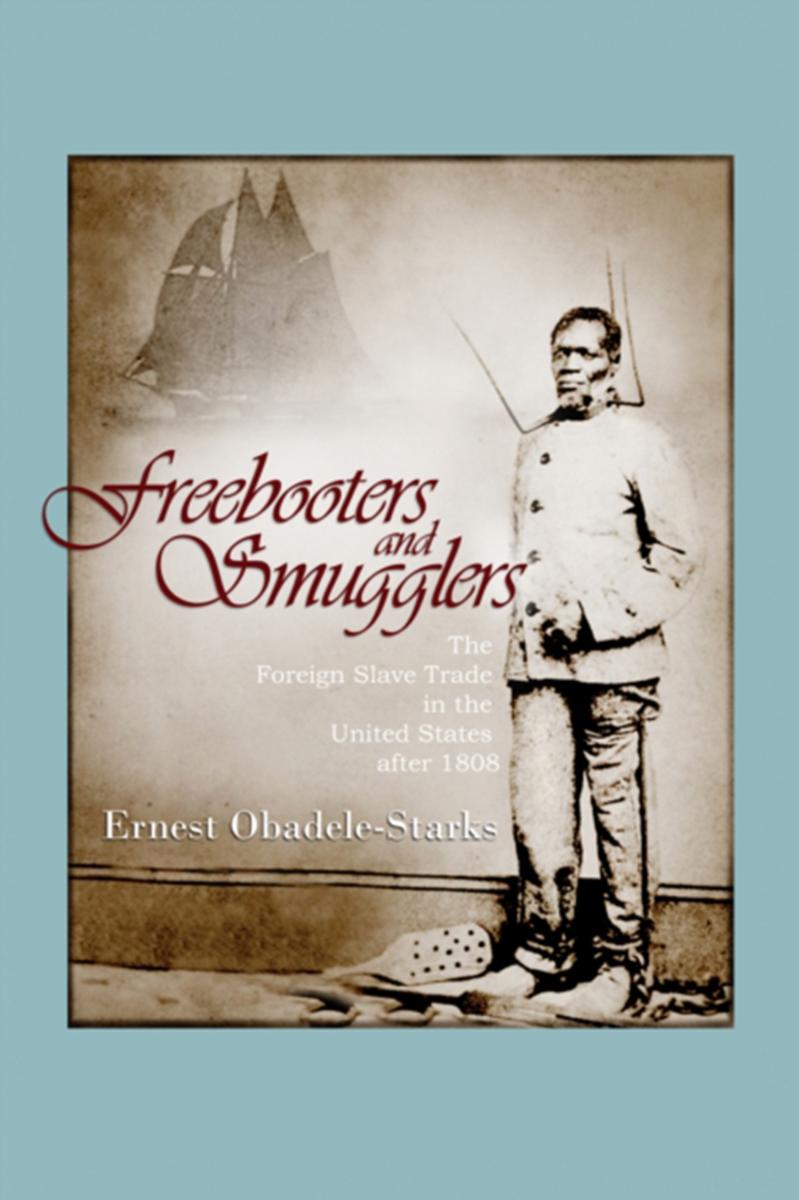
Freebooters and Smugglers
¥280.96
This book is the result of several years of collaboration with historians, students, archivists, and friends.The final product owes much to a collection of individuals who offered insight, analysis, recommendations, and sometimes their gut-level opinion about the project. In reflecting on its evolution, this study benefited greatly from two individuals in particular. In the embryonic stages of this work, Cynthia Bouton, being the true colleague that she is, took time from her own hectic academic schedule to offer several critiques, probing questions, and trenchant comments about the manu*.At a later stage in the writing, Gwendolyn Midlo Hall canvassed the study, detected gaps, and then pointed me toward additional sources without which the final product would not have been as thorough.

The Complete Poems
¥353.16
Gaspara Stampa (1523?-1554) is one of the finest female poets ever to write in Italian. Although she was lauded for her singing during her lifetime, her success and critical reputation as a poet emerged only after her verse was republished in the early eighteenth century. Her poetry runs the gamut of human emotion, ranging from ecstasy over a consummated love affair to despair at its end. While these tormented works and their multiple male addressees have led to speculation that Stampa may have been one of Venice's famous courtesans, they can also be read as a rebuttal of typical assumptions about women's roles. Championed by Rainer Maria Rilke, among others, she has more recently been celebrated by feminist scholars for her distinctive and original voice and her challenge to convention.The first complete translation of Stampa into English, this volume collects all of her passionate and lyrical verse. It is also the first modern critical edition of her poems, and in restoring the original sequence of the 1554 text, it allows readers the opportunity to encounter Stampa as she intended. Jane Tylus renders Stampa's verse in precise and graceful English translations, allowing a new generation of students and scholars of poetry, Renaissance literature, and music history to rediscover this incipiently modern Italian poet.


