


 购物车
购物车 个人中心
个人中心

Enrico; or, Byzantium Conquered
¥353.16
Lucrezia Marinella (1571-1653) is, by all accounts, a phenomenon in early modernity: a woman who wrote and published in many genres, whose fame shone brightly within and outside her native Venice, and whose voice is simultaneously original and reflective of her time and culture. In Enrico; or, Byzantium Conquered, one of the most ambitious and rewarding of her numerous narrative works, Marinella demonstrates her skill as an epic poet.Now available for the first time in English translation, Enrico retells the story of the conquest of Byzantium in the Fourth Crusade (1202-04). Marinella intersperses historical events in her account of the invasion with numerous invented episodes, drawing on the rich imaginative legacy of the chivalric romance. Fast-moving, colorful, and narrated with the zest that characterizes Marinella's other works, this poem is a great example of a woman engaging critically with a quintessentially masculine form and subject matter, writing in a genre in which the work of women poets was typically shunned.?

Exemplary Tales of Love and Tales of Disillusion
¥253.10
At the height of Mara de Zayas's popularity in the mid-eighteenth century, the number of editions in print of her work was exceeded only by the novels of Cervantes. But by the end of the nineteenth century, Zayas had been excluded from the Spanish literary canon because of her gender and the sociopolitical changes that swept Spain and Europe. Exemplary Tales of Love and Tales of Disillusion gathers a representative sample of seven stories, which features Zayas's signature topics-gender equality and domestic violence-written in an impassioned tone overlaid with conservative Counter-Reformation ideology. This edition updates the scholarship since the most recent English translations, with a new introduction to Zayas's entire body of stories, and restores Zayas's author's note and prologue, omitted from previous English-language editions. Tracing her slow but steady progress from notions of ideal love to love's treachery, Exemplary Tales of Love and Tales of Disillusion will restore Zayas to her rightful place in modern letters.

Under a Bad Sign
¥229.55
Many people have contributed to the completion of this book.Its inception can be traced to a seminar that Lary May and Paula Rabinowitz asked me to deliver on hip hop's gangsta culture toward the end of my graduate studies in the American studies program at the University of Minnesota.The media hype and moral panic surrounding gangsta culture in the early 1990s bore an uncanny resemblance to the troublesome reception of Hollywood's white ethnic gangsters in the 1930s, the subject of my research at the time.The chance to discuss the gangster/gangsta relation also fueled the development of an undergraduate course on African American popular culture.So I have the American studies faculty and fellow graduates in Scott Hall, as well as the students on the consequent course, to thank for setting me on the road to writing Under a Bad Sign.A particular shout-out has to go to John Wright, who insisted I dig up Claude McKay's Harlem: Negro Metropolis in the rare books section of Wilson Library to see how deep the provenance and complex the relationship was between black denizens of the American city and their gangster culture heroes.

Nostalgia for the Future
¥211.90
Since the end of the cold war, Africa has seen a dramatic rise in new political and religious phenomena, including an eviscerated privatized state, neoliberal NGOs, Pentecostalism, a resurgence in accusations of witchcraft, a culture of scamming and fraud, and, in some countries, a nearly universal wish to emigrate. Drawing on fieldwork in Togo, Charles Piot suggests that a new biopolitics after state sovereignty is remaking the face of one of the world's poorest regions.In a country where playing the U.S. Department of State's green card lottery is a national pastime and the preponderance of cybercafs and Western Union branches signals a widespread desire to connect to the rest of the world, Nostalgia for the Future makes clear that the cultural and political terrain that underlies postcolonial theory has shifted. In order to map out this new terrain, Piot enters into critical dialogue with a host of important theorists, including Agamben, Hardt and Negri, Deleuze, and Mbembe. The result is a deft interweaving of rich observations of Togolese life with profound insights into the new, globalized world in which that life takes place.
Culture in Chaos
¥282.53
Fought in the wake of a decade of armed struggle against colonialism, the Mozambican civil war lasted from 1977 to 1992, claiming hundreds of thousands of lives while displacing millions more. As conflicts across the globe span decades and generations, Stephen C. Lubkemann suggests that we need a fresh perspective on war when it becomes the context for normal life rather than an exceptional event that disrupts it. Culture in Chaos calls for a new point of departure in the ethnography of war that investigates how the inhabitants of war zones live under trying new conditions and how culture and social relations are transformed as a result.Lubkemann focuses on how Ndau social networks were fragmented by wartime displacement and the profound effect this had on gender relations. Demonstrating how wartime migration and post-conflict return were shaped by social struggles and interests that had little to do with the larger political reasons for the war, Lubkemann contests the assumption that wartime migration is always involuntary. His critical reexamination of displacement and his engagement with broader theories of agency and social change will be of interest to anthropologists, political scientists, historians, and demographers, and to anyone who works in a war zone or with refugees and migrants.

School Principal
¥188.35
When we think about school principals, most of us imagine a figure of vague, yet intimidating authority-for an elementary school student, being sent to the principal's office is roughly on par with a trip to Orwell's Room 101. But with School Principal, Dan C. Lortie aims to change that. Much as he did for teachers with his groundbreaking book Schoolteacher, Lortie offers here an intensive and detailed look at principals, painting a compelling portrait of what they do, how they do it, and why.Lortie begins with a brief history of the job before turning to the daily work of a principal. These men and women, he finds, stand at the center of a constellation of competing interests around and within the school. School district officials, teachers, parents, and students all have needs and demands that frequently clash, and it is the principal's job to manage these conflicting expectations to best serve the public. Unsurprisingly then, Lortie records his subjects' professional dissatisfactions, but he also vividly depicts the pleasures of their work and the pride they take in their accomplishments. Finally, School Principal offers a glimpse of the future with an analysis of current issues and trends in education, including the increasing presence of women in the role and the effects of widespread testing mandated by the government.Lortie's scope is both broad and deep, offering an eminently useful range of perspectives on his subject. From the day-to-day toil to the long-term course of an entire career, from finding out just what goes on inside that office to mapping out the larger social and organizational context of the job, School Principal is a truly comprehensive account of a little-understood profession.
Local Transcendence
¥247.21
Driven by global economic forces to innovate, today's society paradoxically looks forward to the future while staring only at the nearest, most local present-the most recent financial quarter, the latest artistic movement, the instant message or blog post at the top of the screen.Postmodernity is lived, it seems, at the end of history.In the essays collected in Local Transcendence, Alan Liu takes the pulse of such postmodern historicism by tracking two leading indicators of its acceleration in the late twentieth and early twenty-first centuries: postmodern cultural criticism-including the new historicism, the new cultural history, cultural anthropology, the new pragmatism, and postmodern and postindustrial theory-and digital information technology.?What is the relation between the new historicist anecdote and the database field, Liu asks, and can either have a critical function in the age of postmodern historicismLocal Transcendence includes two previously unpublished essays and a synthetic introduction in which Liu traverses from his earlier work on the theory of historicism to his recent studies of information culture to propose a theory of contingent method incorporating a special inflection of history: media history.
Romey's Order
¥117.72
Romey's Order is an indelible sequence of poems voiced by an invented (and inventive) boy-speaker called Romey, set alongside a river in the South Carolina lowcountry.As the word-furious eye and voice of these poems, Romey urgently records--and tries to order--the objects, inscape, injuries, and idiom of his "e;blood-home"e; and childhood world. Sounding out the nerves and nodes of language to transform "e;every burn-mark and blemish,"e; to "e;bind our river-wrack and leavings,"e; Romey seeks to forge finally (if even for a moment) a chord in which he might live. Intently visceral, aural, oral, Atsuro Riley's poems bristle with musical and imaginative pleasures, with story-telling and picture-making of a new and wholly unexpected kind.
Medicine Show
¥117.72
In Medicine Show, inner conflict is wonderfully realized in the clash of down-home plain speech and European high culture utterances. Freely translating and adapting Catullus (Latin), Villon (Middle French), Corbiere (French), Hikmet (Turkish), and Orpheus (Greek), and placing them alongside Jagger and Richards, skinheads, and psalms, Tom Yuill's book mirrors an old-style hawking of wares, with all the charm and absurdity that results when high culture meets pop, when city meets small town, and when provincialism confronts urbanity. Here, the poems talk to one another, one poem nudging the cusps of many others, those poems touching still others' circumferences. Yuill, by invoking the Rolling Stones as muses and as background music, offers cover versions of Shakespeare, Keats, and Dylan Thomas, ultimately giving us a new kind of verse, funneled through the languages and rhythms of his masters' voices.

Marked
¥129.49
Nearly every job application asks it: have you ever been convicted of a crimeFor the hundreds of thousands of young men leaving American prisons each year, their answer to that question may determine whether they can find work and begin rebuilding their lives.The product of an innovative field experiment, Marked gives us our first real glimpse into the tremendous difficulties facing ex-offenders in the job market. Devah Pager matched up pairs of young men, randomly assigned them criminal records, then sent them on hundreds of real job searches throughout the city of Milwaukee. Her applicants were attractive, articulate, and capable-yet ex-offenders received less than half the callbacks of the equally qualified applicants without criminal backgrounds. Young black men, meanwhile, paid a particularly high price: those with clean records fared no better in their job searches than white men just out of prison. Such shocking barriers to legitimate work, Pager contends, are an important reason that many ex-prisoners soon find themselves back in the realm of poverty, underground employment, and crime that led them to prison in the first place."e;Using scholarly research, field research in Milwaukee, and graphics, [Pager] shows that ex-offenders, white or black, stand a very poor chance of getting a legitimate job. . . . Both informative and convincing."e;-Library Journal?"e;Marked is that rare book: a penetrating text that rings with moral concern couched in vivid prose-and one of the most useful sociological studies in years."e;-Michael Eric Dyson

We Wanna Boogie: The Rockabilly Roots of Sonny Burgess and the Pacers
¥225.63
Rock and roll pioneer and Newport native Sonny Burgess is a member of the Rockabilly Hall of Fame. In this book full of personal interviews and remembrances, Burgess and his band tell of their original recordings for Sun Records in the 1950s; their shows with greats such as Elvis Presley, Johnny Cash, and Jerry Lee Lewis; and their success in the contemporary rockabilly revival. This also is the history of a once prominent and spirited Delta community of extensive agricultural wealth. Newport was home to numerous music clubs that hosted national artists as well as illicit backroom gambling. Burgess is a product of this history, and his vivacious music is shaped by his hometown and the dramatic transformation of southern rural life it witnessed.

Worlds Before Adam
¥353.16
In the late eighteenth and early nineteenth centuries, scientists reconstructed the immensely long history of the earth-and the relatively recent arrival of human life. The geologists of the period, many of whom were devout believers, agreed about this vast timescale. But despite this apparent harmony between geology and Genesis, these scientists still debated a great many questions: Had the earth cooled from its origin as a fiery ball in space, or had it always been the same kind of place as it is nowWas prehuman life marked by mass extinctions, or had fauna and flora changed slowly over time?The first detailed account of the reconstruction of prehuman geohistory, Martin J. S. Rudwick's Worlds Before Adam picks up where his celebrated Bursting the Limits of Time leaves off. Here, Rudwick takes readers from the post-Napoleonic Restoration in Europe to the early years of Britain's Victorian age, chronicling the staggering discoveries geologists made during the period: the unearthing of the first dinosaur fossils, the glacial theory of the last ice age, and the meaning of igneous rocks, among others. Ultimately, Rudwick reveals geology to be the first of the sciences to investigate the historical dimension of nature, a model that Charles Darwin used in developing his evolutionary theory.Featuring an international cast of colorful characters, with Georges Cuvier and Charles Lyell playing major roles and Darwin appearing as a young geologist, Worlds Before Adam is a worthy successor to Rudwick's magisterial first volume. Completing the highly readable narrative of one of the most momentous changes in human understanding of our place in the natural world, Worlds Before Adam is a capstone to the career of one of the world's leading historians of science.
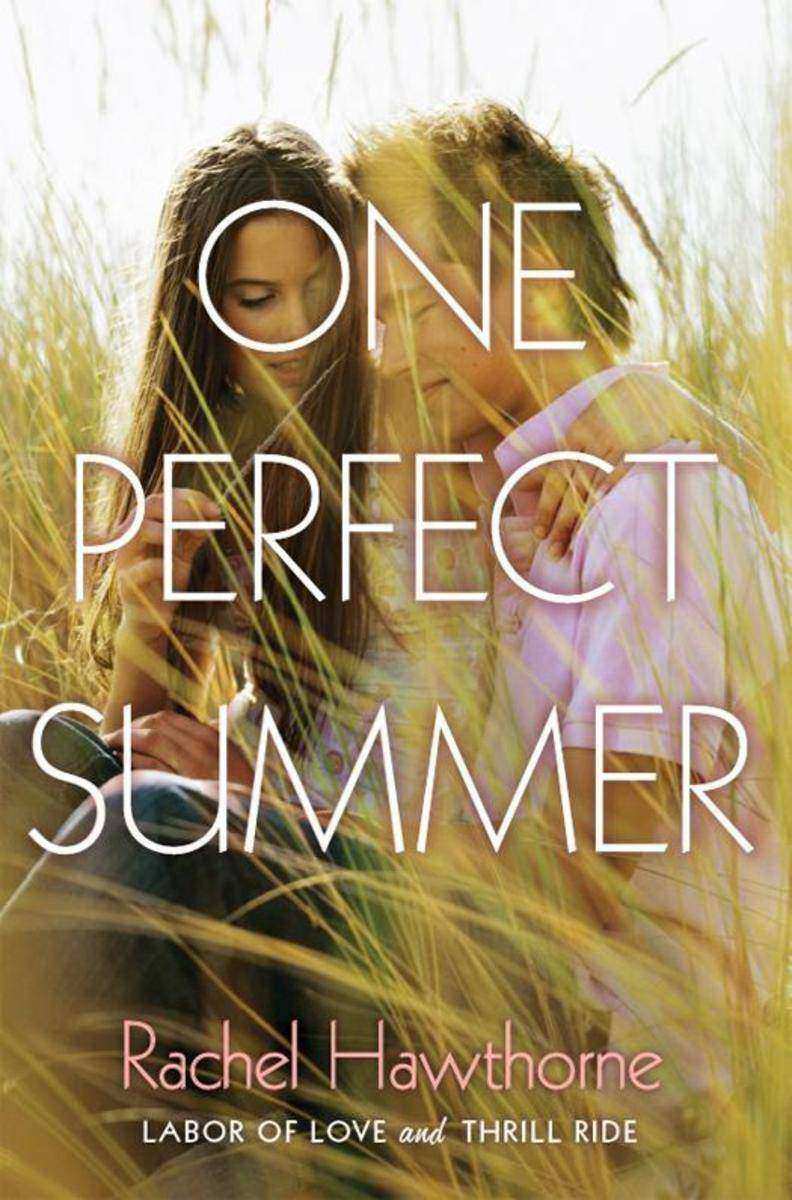
One Perfect Summer
¥55.33
Perfect for fans of Lauren Barnholdt and Susane Colasanti, this sun-soaked pairing of Rachel Hawthorne's beach reads Labor of Love and Thrill Ride brings a fresh feel to two summer favorites.In Labor of Love, Dawn joins a volunteer trip to New Orleans, hoping to forget about boys (her cheating ex Drew, in particular) for the summer. But when a fortune teller predicts she'll meet the man of her dreams on this trip, Dawn has to decide if she believes in the destiny of true love, or if she's just headed for another heartbreak.In Thrill Ride, Megan has landed the perfect summer job at an amusement park far away from home. The only problem is she'll also be far away from her boyfriend. But surely true love can survive three months apart. And Megan can resist her incredibly hot coworker . . . right?Value priced with a great new cover, this combined edition will have readers (re)discovering Rachel Hawthorne.
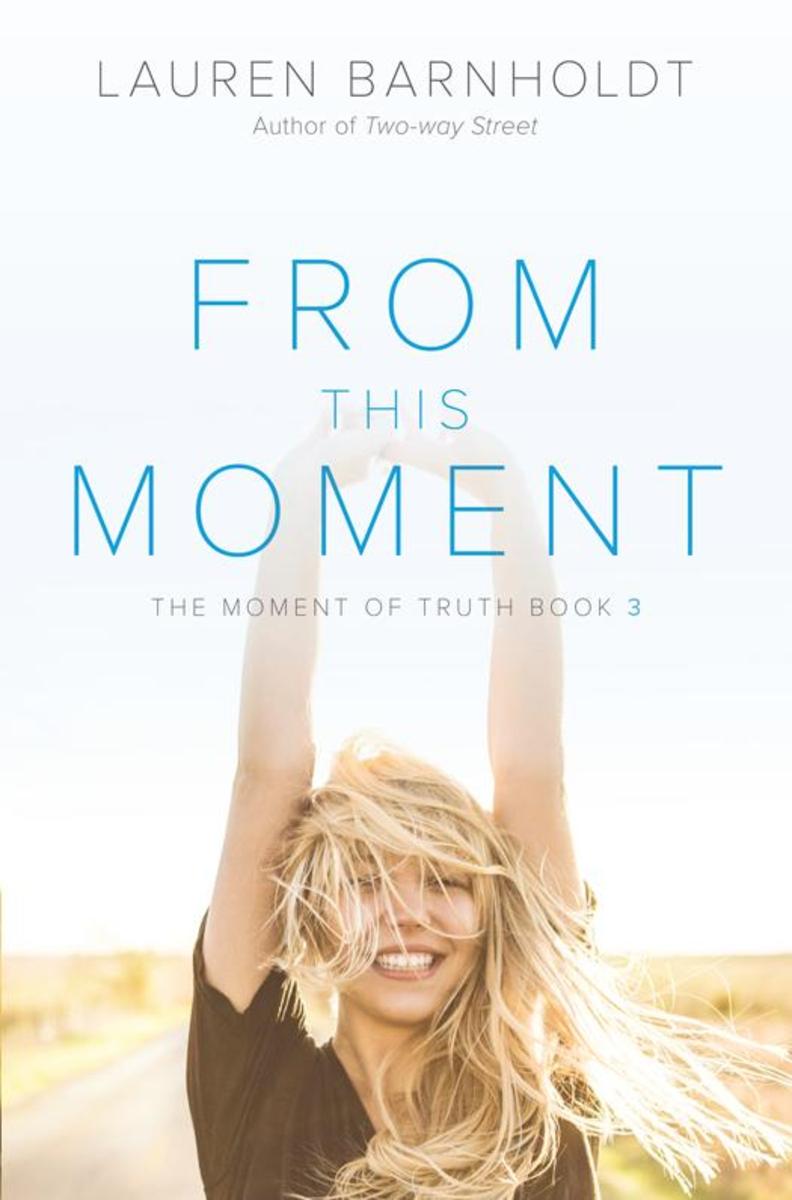
From This Moment
¥55.33
Each book in The Moment of Truth trilogy is told from the perspective of former best friends Lyla, Aven, and Quinn. When they were freshman, they wrote emails to themselves about one thing they hoped to accomplish before they graduate. Over the course of the series, which takes place on their senior trip, each girl tackles that email all while learning about life, love, and the truth about the fight that ended their perfect friendship.In the final book, Aven must decide if, when it comes to deciding between friendship and true love, she is able to listen to her heart. For the past four years she has shared everything with her best friend, Liam . . . except for the secret she knows would ruin their friendship. The one about how she's loved him since the first time they met.But now everything is about to change.With the end of high school drawing near, and the seniors headed to Florida for a class trip, Aven is determined to tell Liam the truth. Even though he already has a girlfriend. Even though Aven's finally met a great guy who likes her back. Even though Liam reciprocating her feelings is as terrifying as him rejecting her. Because no matter what he says, Aven knows that once the truth is out, things will never be the same.
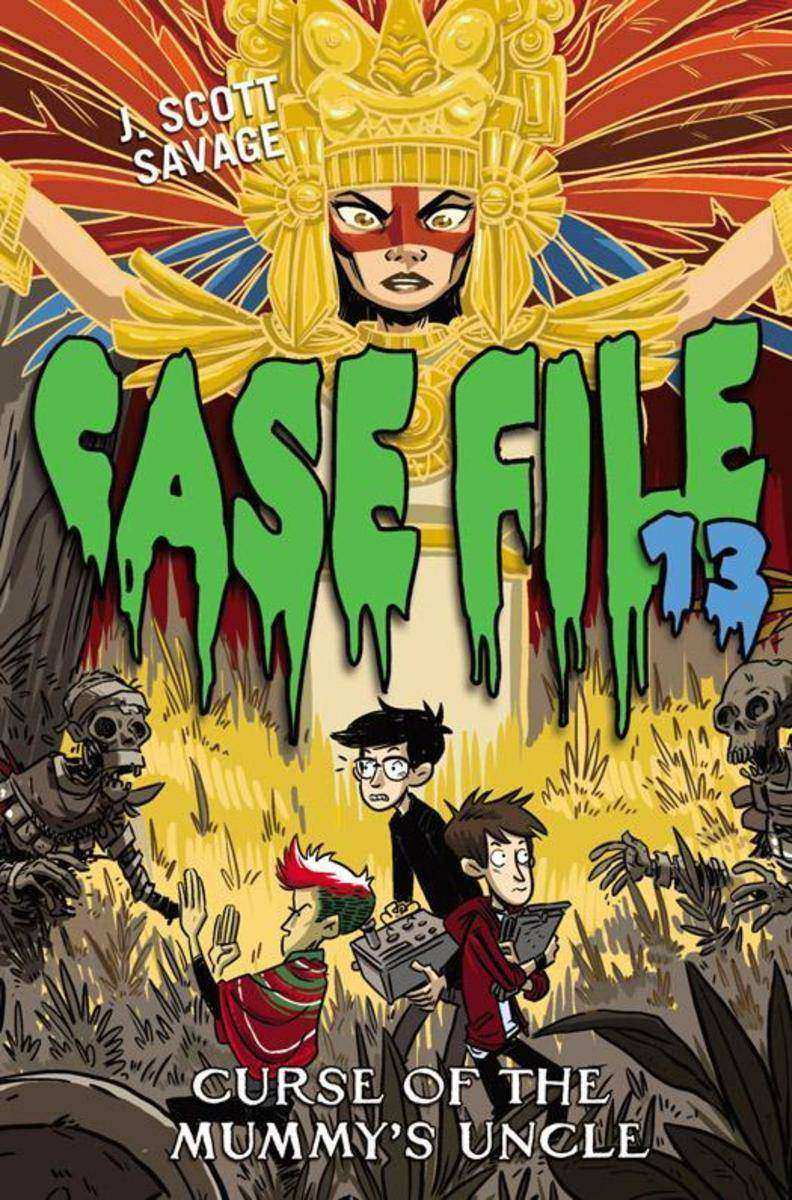
Case File 13 #4: Curse of the Mummy's Uncle
¥44.85
With thrills, chills, and laughs on every page, this fourth book in the tween series "sure to please young readers looking for a thrill" (Kirkus Reviews, starred review) follows three monster-obsessed best friends on a trip to a haunted Mexican pyramid.The Three Monsterteers—Nick, Carter, and Angelo—have defeated the Zombie King, taken down a mad scientist, and even squared off with their own evil twins. But all that pales in comparison to the trio's latest monster mystery, which begins with a family trip to Mexico to explore some forgotten Mayan pyramids alongside a group of archaeologists. When the boys arrive at the archaeological site, they learn of a previous expedition that vanished into these very pyramids fifty years ago. Angelo is convinced that aliens must have been involved, but Nick starts to suspect that the disappearance had more to do with an ancient Mayan curse—one that may still hang over the ruins today. Using their knowledge of real Mayan mythology, the three friends must unravel the secret history of the curse—before someone very close to Nick ends up trapped in the underworld forever.With the same "mix of creepy chills and laugh-out-loud humor" that made bestselling author James Dashner call Zombie Kid "the perfect book," this fourth book in the Case File 13 series will leave you rolling in your tomb.
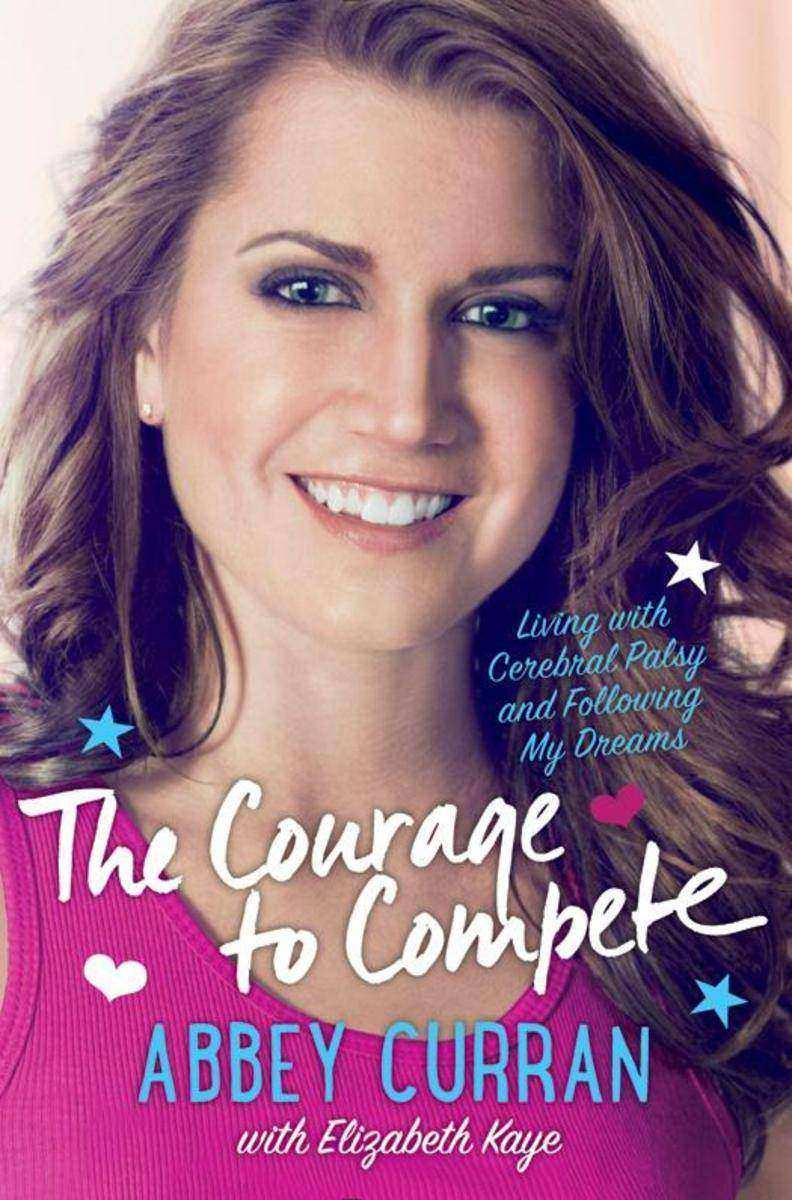
The Courage to Compete
¥101.00
A remarkable memoir by Miss Iowa USA Abbey Curran about living with cerebral palsy, competing in Miss USA, and her inspiring work with young women who have disabilities.Abbey Curran was born with cerebral palsy, but early on she resolved to never let it limit her. Abbey made history when she became the first contestant with a disability to win a major beauty pageant. After earning the title of Miss Iowa, she went on to compete in Miss USA.Growing up on a hog farm in Illinois, Abbey competed in local pageants despite naysayers who told her not to. After realizing her own dream, she went on to help other disabled girls achieve their goals by starting Miss You Can Do It, a national nonprofit pageant for girls and women with special needs and challenges, which became the subject of an HBO documentary with the same name. This is Abbey’s story.?
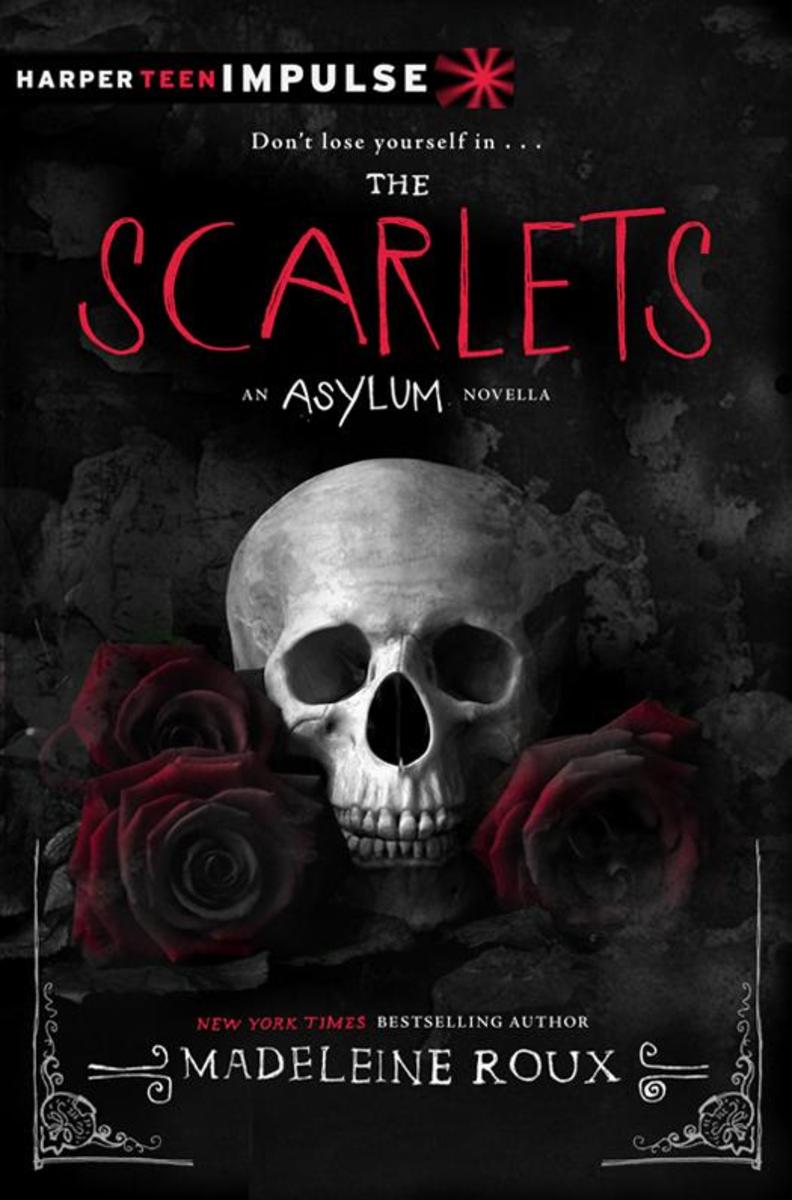
The Scarlets
¥54.42
In this chilling e-original story set in the world of Madeleine Roux's New York Times bestselling novel Asylum, which Publishers Weekly called "a strong YA debut," one teen's descent into the ranks of a secret society leaves him with a secret he'll have to take to his grave.When Dan and his friends meet Cal in Sanctum—the sequel to Asylum—their impression of the privileged New Hampshire College student is less than stellar. But Cal wasn't always the cold, sarcastic guy he is now. In this digital original story preceding the events of Sanctum, we meet Cal when he is experiencing college like any other kid with a group of close friends and a dad who piles on the pressure. Only, when the pressure starts getting to him and Cal accepts an invitation to meet a selective group of students and alumni known only as the Scarlets, the course of Cal's life changes forever. And the price of joining the Scarlets might be higher than he can pay.With plenty of twists, turns, and thrills, The Scarlets is an exhilarating installment in the Asylum series that can stand on its own for new readers or provide a missing piece of the puzzle for series fans.Epic Reads Impulse is a digital imprint with new releases each month.
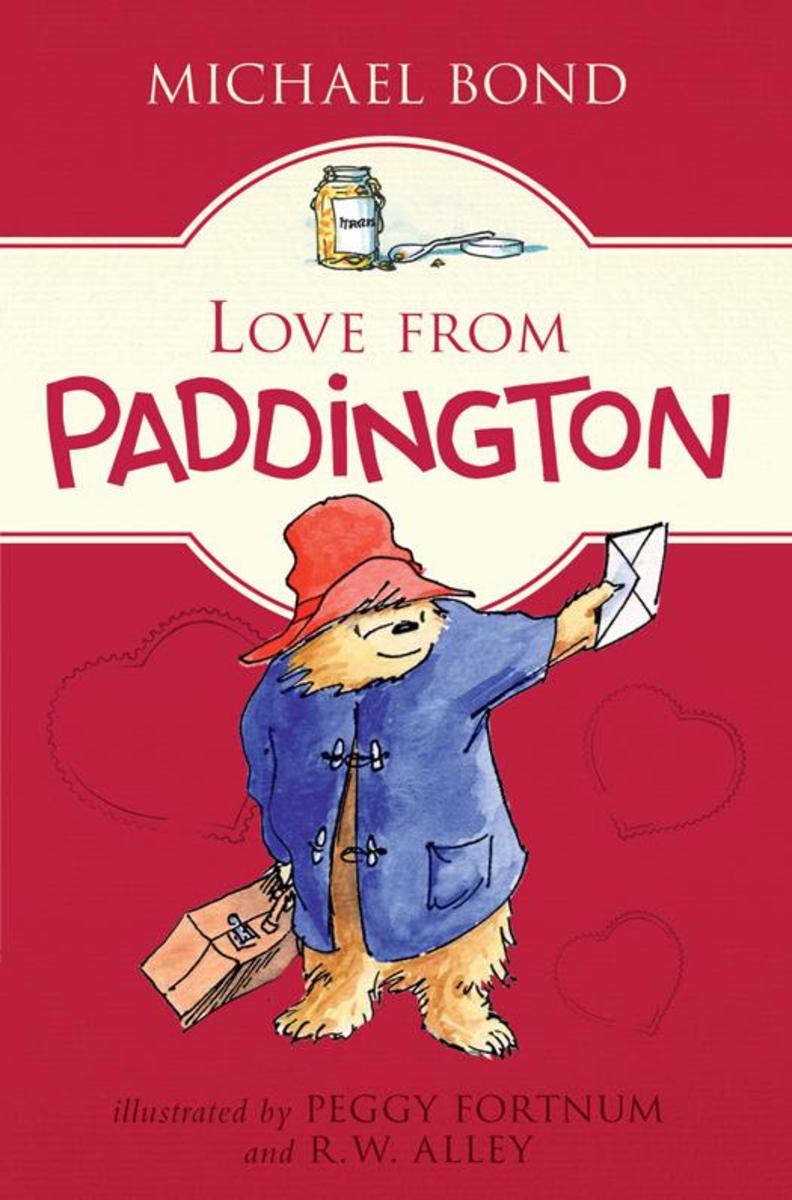
Love from Paddington
¥33.18
A brand-new novel from Michael Bond, celebrating Paddington's many adventures!Told through Paddington's letters to his aunt Lucy back in Peru, this new novel offers Paddington's own special view on some of his most famous tales. Filled with Paddington's signature charm and with black-and-white illustrations throughout, this paper-over-board keepsake is a celebration of this beloved character.
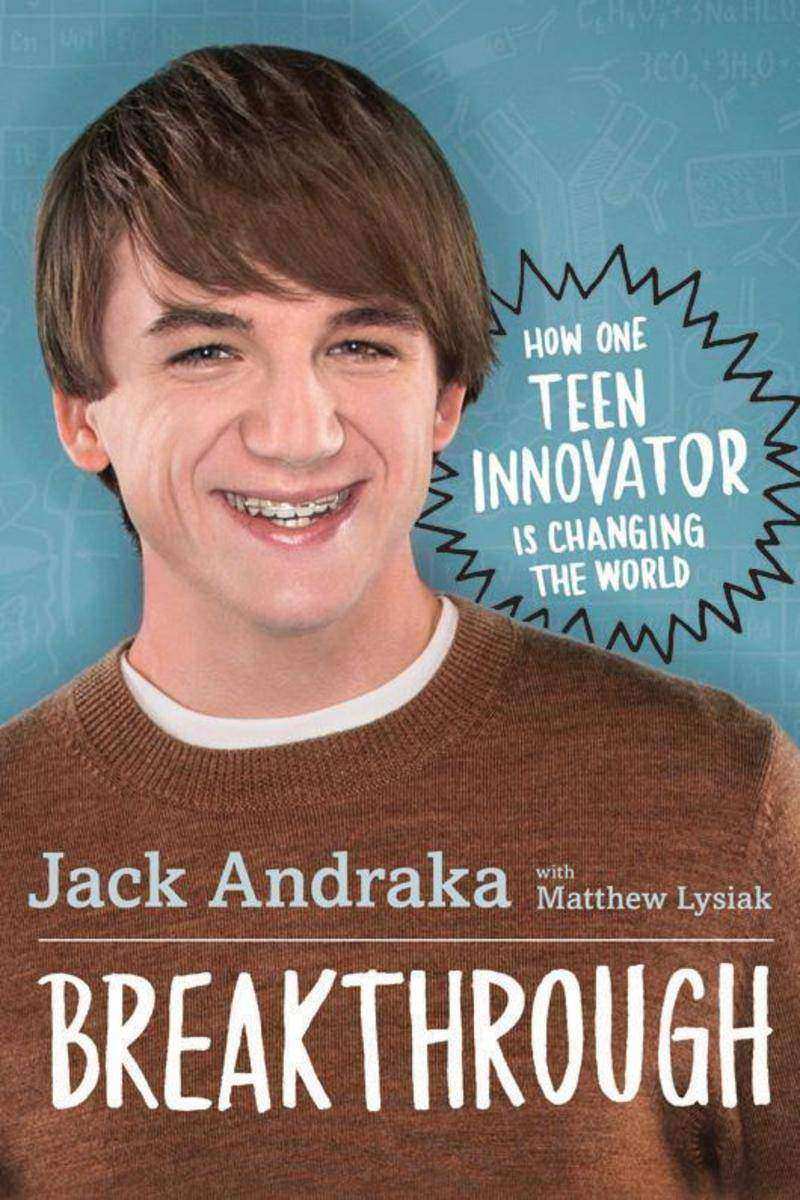
Breakthrough: How One Teen Innovator Is Changing the World
¥105.17
For the first time, teen innovator and scientist Jack Andraka tells the story behind his revolutionary discovery. When a dear family friend passed away from pancreatic cancer, Jack was inspired to create a better method of early detection. At the age of fifteen, he garnered international attention for his breakthrough: a four-cent strip of paper capable of detecting pancreatic, ovarian, and lung cancers four hundred times more effectively than the previous standard.Jack's story is not just a story of dizzying international success; it is a story of overcoming depression and homophobic bullying and finding the resilience to persevere and come out. His account inspires young people, who he argues are the most innovative, to fight for the right to be taken seriously and to pursue our own dreams. Do-it-yourself science experiments are included in each chapter, making Breakthrough perfect for STEM curriculum. But above all, Jack's memoir empowers his generation with the knowledge that we can each change the world if we only have the courage to try.
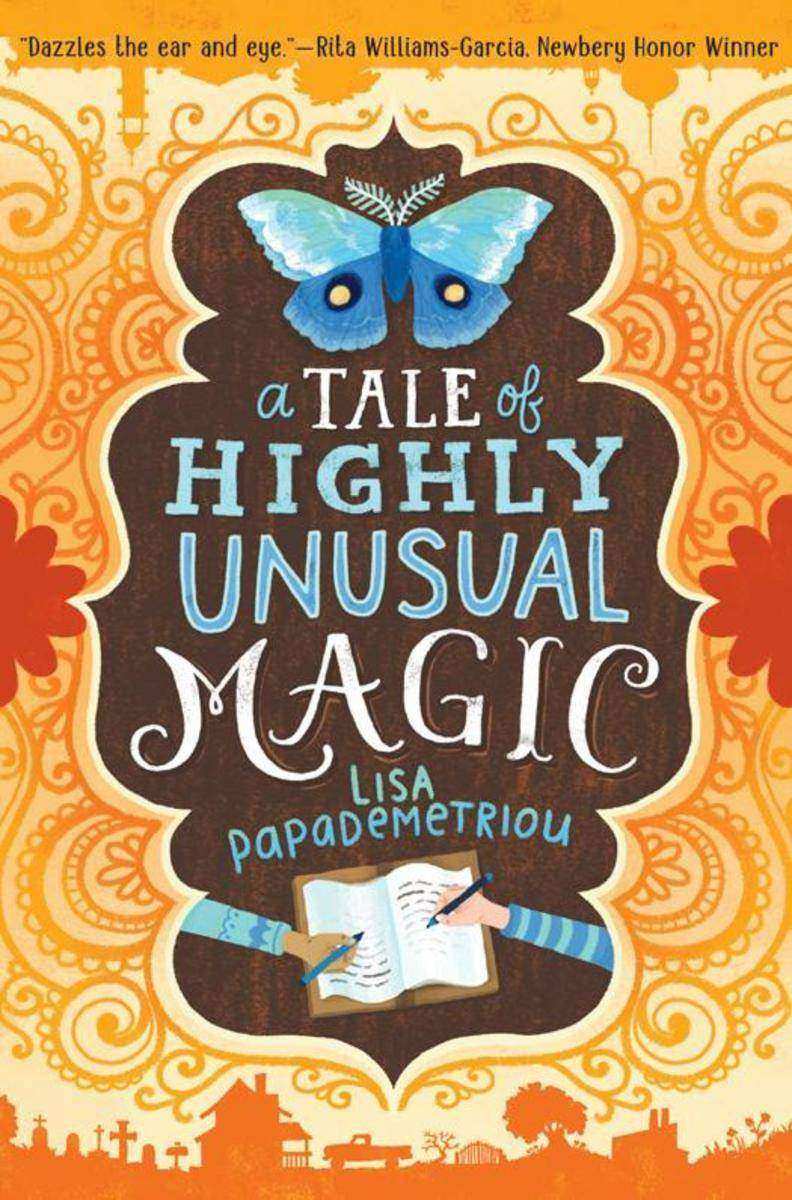
A Tale of Highly Unusual Magic
¥94.10
Bestseller and author of the popular middle grade series Confectionately Yours Lisa Papademetriou is back with a magical, page-turning adventure for readers of all ages—a touching tale about destiny and the invisible threads that link us all, ultimately, to one another.Kai and Leila are both finally having an adventure. For Leila, that means a globe-crossing journey to visit family in Pakistan for the summer; for Kai, it means being stuck with her crazy great-aunt in Texas while her mom looks for a job. In each of their bedrooms, they discover a copy of a blank, old book called The Exquisite Corpse. Kai writes three words on the first page—and suddenly, they magically appear in Leila's copy on the other side of the planet. Kai's words are soon followed by line after line of the long-ago, romantic tale of Ralph T. Flabbergast and his forever-love, Edwina Pickle. As the two take turns writing, the tale unfolds, connecting both girls to each other, and to the past, in a way they never could have imagined.A heartfelt, vividly told multicultural story about fate and how our stories shape it.
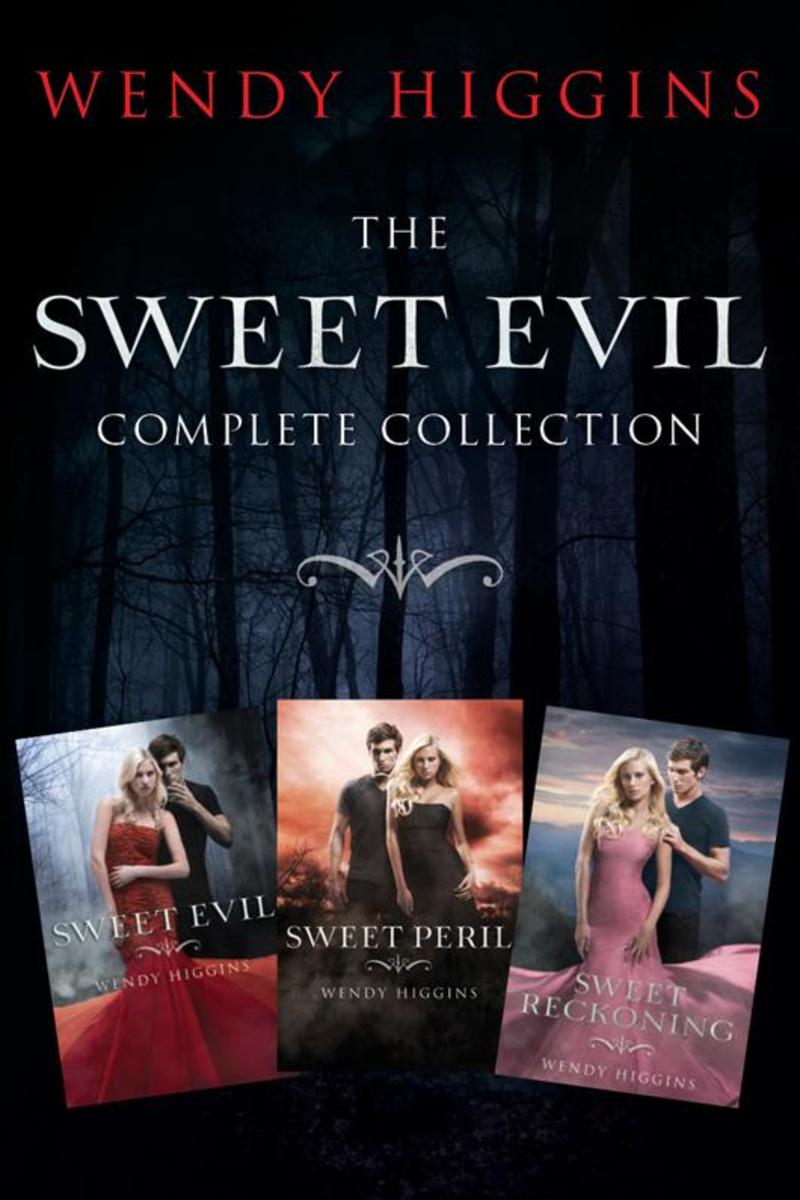
Sweet Evil 3-Book Collection
¥215.73
Embrace the forbidden with the Sweet Evil trilogy—Sweet Evil, Sweet Peril, and Sweet Reckoning—from bestselling author Wendy Higgins.What if there were teens whose lives literally depended on being bad influencesThis is the reality for sons and daughters of fallen angels. Tenderhearted Southern girl Anna Whitt was born with the sixth sense to see and feel emotions of other people. She's aware of a struggle within herself, an inexplicable pull toward danger, but it isn't until she turns sixteen and meets the alluring Kaidan Rowe that she discovers her terrifying heritage and her willpower is put to the test. He's the boy your daddy warned you about. If only someone had warned Anna. Forced to face her destiny, will Anna embrace her halo or her horns?"Suspense, steamy romance, an appealing contemporary teen protagonist, and a lively cast"* make this a must-read series.*Booklist


