


 购物车
购物车 个人中心
个人中心
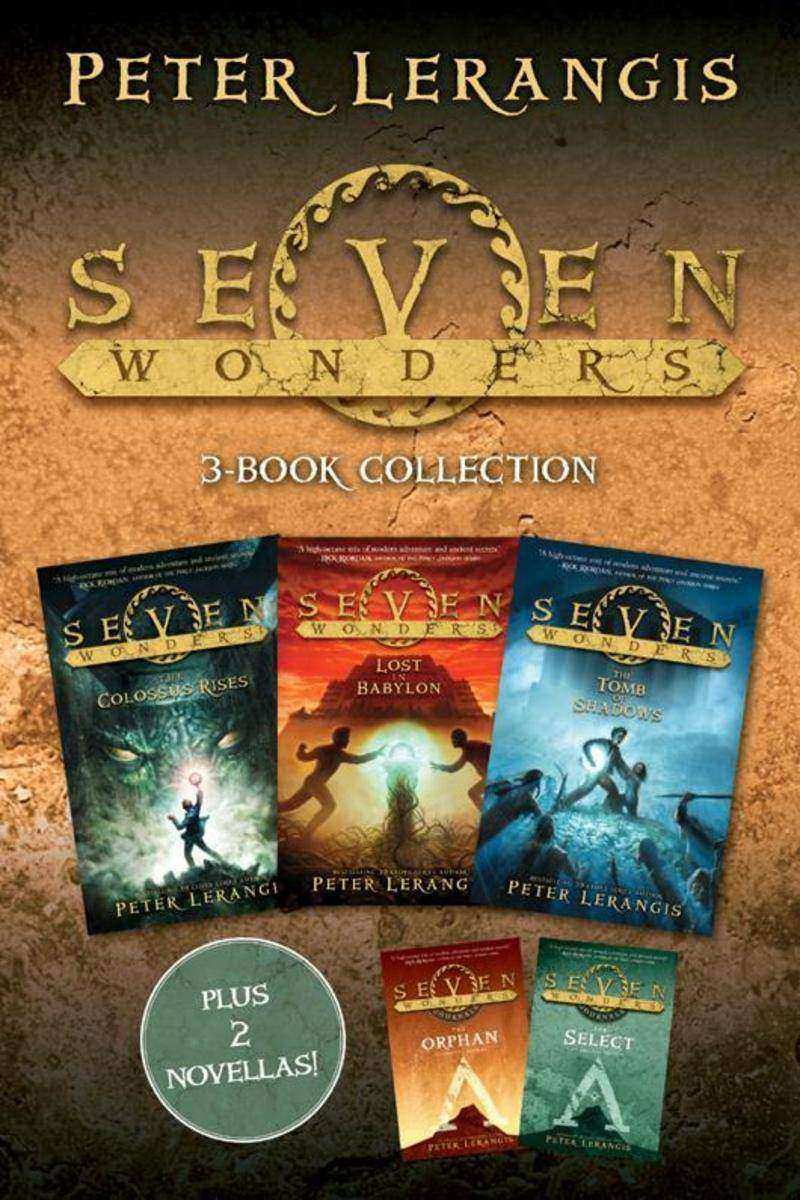
Seven Wonders 3-Book Collection
¥261.65
Follow the story of Jack McKinley in the mysterious, action-packed adventure series that takes place throughout the Seven Wonders of the Ancient World. Jack discovers a secret organization on a hidden island and becomes the leader of a mission to retrieve seven lost magical orbs. As Jack and his three friends realize their lives are at stake, they have no choice but to accept the quest and embark on the challenge of their lives. Four friends. Six months. Seven Wonders. One goal.This collection includes books 1 through 3 in this bestselling series (The Colossus Rises, Lost in Babylon, and The Tomb of Shadows). It also includes the thrilling prequel novella to book 1, Seven Wonders Journals: The Select, plus Seven Wonders Journals: The Orphan, a short novella that chronicles a key character's valiant battle to rescue her best friend.
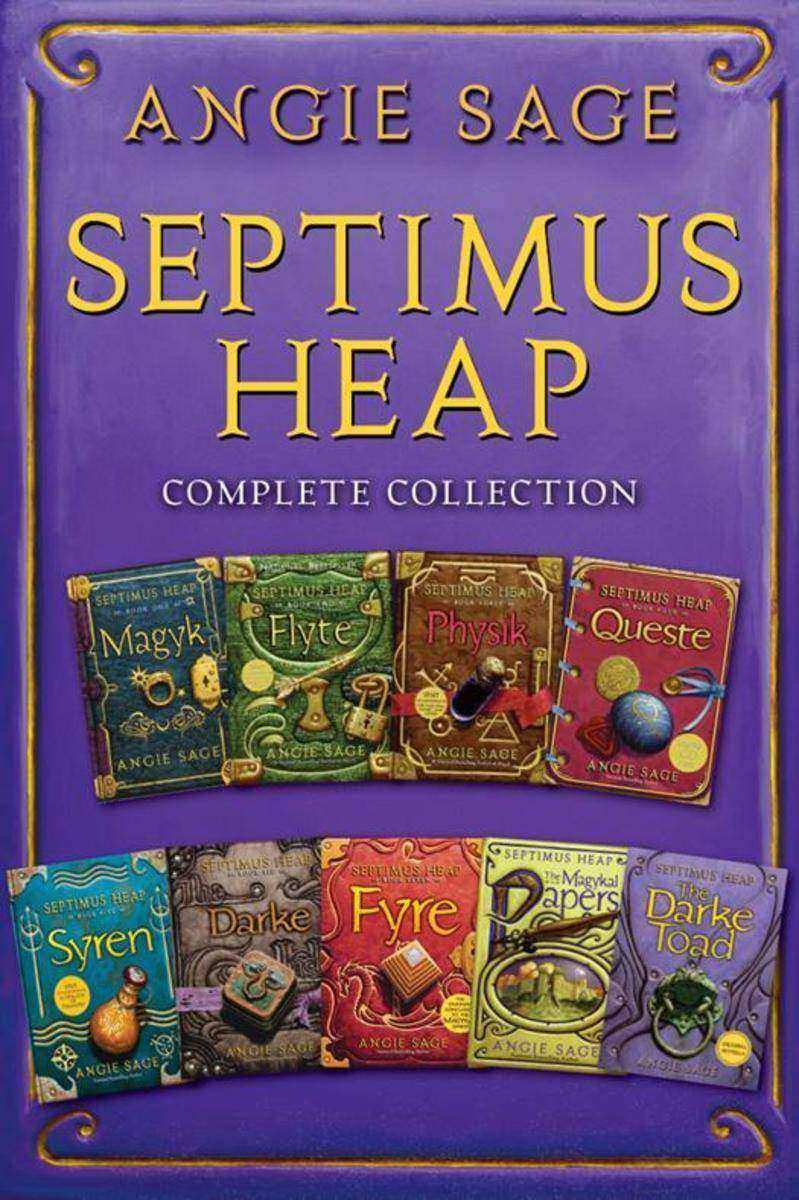
Septimus Heap Complete Collection
¥708.84
Fantasy adventure at its best! This collection contains all seven books in the New York Times bestselling Septimus Heap series. Also included are The Magykal Papers, a wonderful full-color compendium of extras such as maps, guides, and journals, and The Darke Toad, a 96-page novella packed with the action, humor, and magic that make this series perfect for fans of Fablehaven or Harry Potter.The series follows the adventures of Septimus Heap, who, as a seventh son of a seventh son, has magical powers. After he becomes the apprentice of the ExtraOrdinary Wizard, Marcia Overstrand, he starts his studies for seven years and a day to become an Ordinary Wizard (or maybe an ExtraOrdinary?). His adventures take place in a fictional world full of secrets and mysteries, a world where rats are messengers and can speak, a world where spells are common and where the dark forces are trying to penetrate.Magyk, Flyte, Physik, Queste, Syren, Darke, and Fyre are the enchanting and humorous adventures of Septimus Heap and his friends in this magical world.
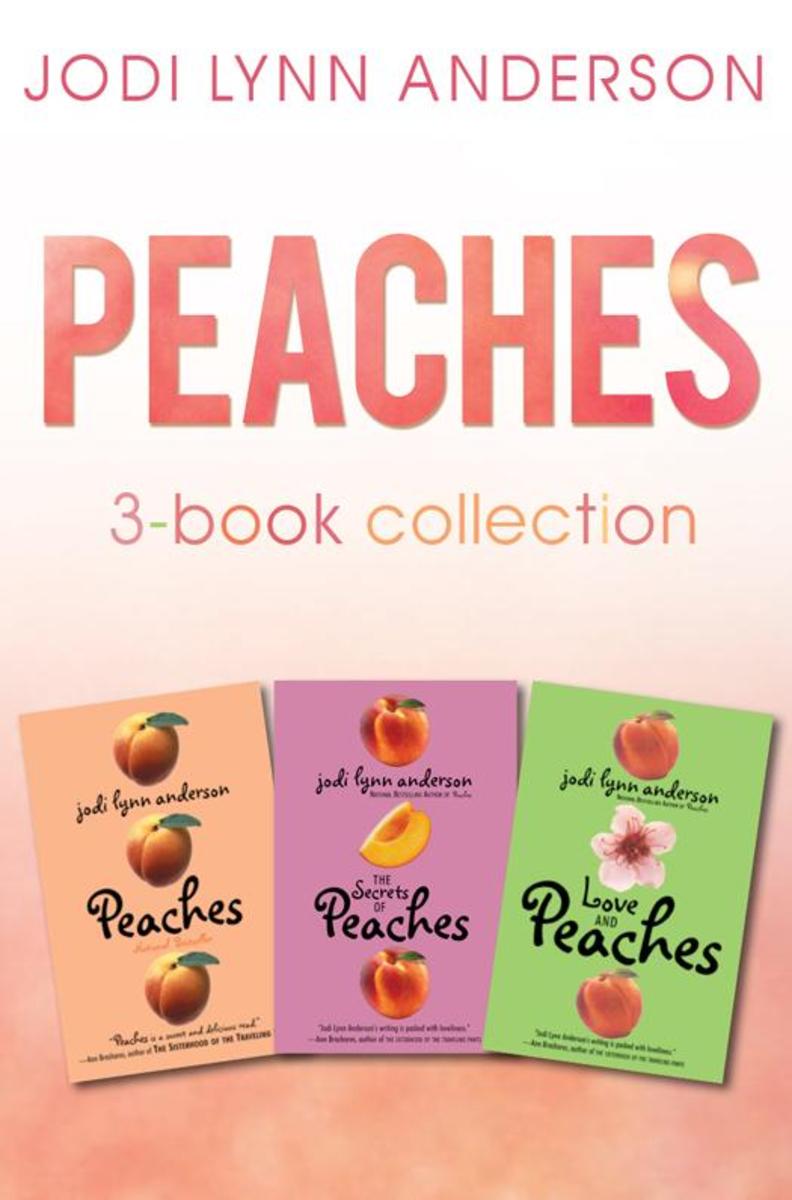
Peaches Complete Collection
¥218.05
This collection contains the complete text of the three bestselling Peaches books, by Jodi Lynn Anderson: Peaches, The Secrets of Peaches, and Love and Peaches.Peaches: Three Georgia peaches are in for one juicy summer…but Birdie would rather eat Thin Mints and sulk in the AC. Leeda would prefer to sneak off with her boyfriend, Rex. And Murphy just wants to cause a little mischief. Together these three very different girls will discover the secret to finding the right boy, making the truest friends, and picking the perfect Georgia peach.The Secrets of Peaches: After a magical summer living on a peach orchard, Murphy, Leeda, and Birdie confront a series of breakups, makeups, and takeoffs. They may have to leave one another, along with the orchard that brought them together. But despite their heartbreak, this year's bittersweet endings could lead to the sweetest of new beginnings.Love and Peaches: After a not-quite-peachy year apart, three Georgia peaches come home to Darlington Orchard. Together for another juicy summer, carefree Murphy, perfect Leeda, and big-hearted Birdie return to the place that allowed them to bloom. Brimming with all the charm, humor, and heart of Peaches and The Secrets of Peaches, this satisfying conclusion to the series reunites three unlikely best friends for a final sweet farewell.
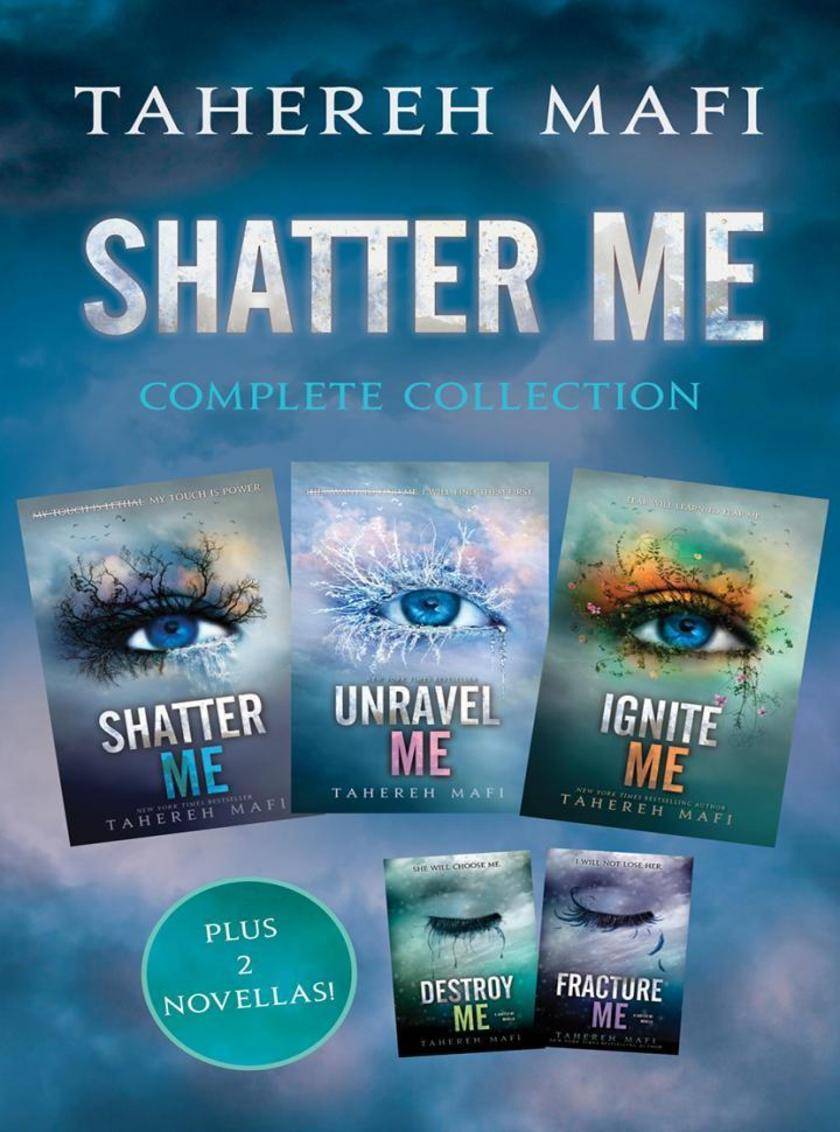
Shatter Me Complete Collection
¥381.65
The Shatter Me series is perfect for fans who crave action-packed young adult novels with tantalizing romance like Divergent by Veronica Roth, The Hunger Games by Suzanne Collins, and Legend by Marie Lu. Tahereh Mafi has created a captivating and original story that combines the best of dystopian and paranormal and was praised by Publishers Weekly as "a gripping read from an author who's not afraid to take risks." This collection includes the three novels and two novellas in the series.Shatter Me: No one knows why Juliette's touch is fatal, but The Reestablishment has plans for her. Plans to use her as a weapon. But Juliette has plans of her own. After a lifetime without freedom, she's finally discovering a strength to fight back for the very first time—and to find a future with the one boy she thought she'd lost forever.Destroy Me: Set after Tahereh Mafi's Shatter Me and before Unravel Me, the spellbinding sequel, Destroy Me is a novella told from the perspective of Warner, the ruthless leader of Sector 45.Unravel Me: Juliette is still haunted by her deadly touch. But now that she has teamed up with other rebels with powers of their own, she'll be able to fight back against The Reestablishment to save her broken world. With the help of these new allies, she'll also finally learn the secret behind Adam's—and Warner's—immunity to her killer skin.Fracture Me: In this electrifying sixty-page companion novella to the New York Times bestselling Shatter Me series, discover the fate of the Omega Point rebels as they go up against The Reestablishment. Set during and soon after the final moments of Unravel Me, Fracture Me is told from Adam's perspective.Ignite Me: With Omega Point destroyed, Juliette doesn't know if the rebels, her friends, or even Adam are alive. But that won't keep her from trying to take down The Reestablishment once and for all. Now she must rely on Warner, the handsome commander of Sector 45. The one person she never thought she could trust. The same person who saved her life. He promises to help Juliette master her powers and save their dying world . . . but that's not all he wants with her.

The Baseball Great Collection
¥174.42
Tim Green's thrilling Baseball Great books are perfect for middle-grade readers, and this collection contains three bestselling novels in the series.Baseball Great: Josh feels like he's starting to make it big! Jaden, the school reporter, says he's going to take the baseball team to number one. Then his dad pulls him off the field and signs him up with Coach Rocky Valentine's youth championship team, the Titans. Now Josh is gulping down Rocky's "Super Stax" milkshakes to build muscle and trying to fit in with his new teammates. All Josh really wants to do is play ball, but as he gets in deeper with the Titans, Josh and his new friend Jaden find themselves in a dangerous struggle with a desperate man who doesn't want them to expose the nasty secrets they uncover.Rivals: New York Times bestselling author Tim Green delivers a hard-hitting look at what some teams will do to win in this gripping companion to Baseball Great. Josh is thrilled when all his hard training pays off in a big way and his team, the Titans, makes it to a national tournament in Cooperstown, home of the National Baseball Hall of Fame. But after a dirty play and a brutal injury threaten to sideline Josh, he spies suspicious activity at the tournament. He tries to tell his good friend Jaden about what he's seen, but she's too busy spending time with the L.A. Comets' star player to want to get involved. Jaden says she's doing research for the newspaper . . . but is she?Best of the Best: Josh is still flying high from his team's tournament win when his parents start talking about a divorce. Now his dad is challenging him to play the best of the best at the Little League World Series in Williamsport, Pennsylvania. But does he just want to get Josh out of the way. With the help of Benji and Jaden, Josh races to get the facts that can keep his family together—but it's ever harder to concentrate on the game and make the winning plays that will lead his team to victory.
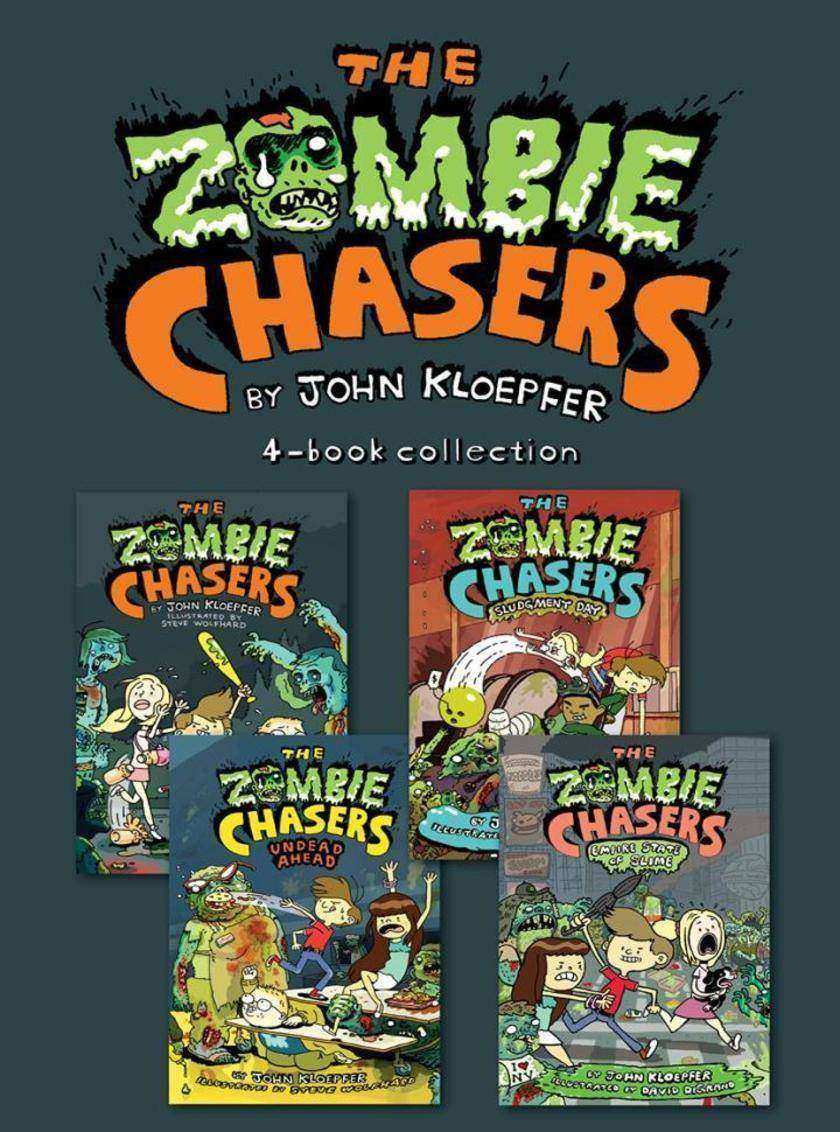
Zombie Chasers 4-Book Collection
¥218.05
Perfect for fans of Diary of a Wimpy Kid and The Strange Case of Origami Yoda, John Kloepfer's hilarious and stomach-churning Zombie Chasers tween series is overflowing with uproarious middle school humor, dead-on illustrations, and high-action adventure that will leave readers moaning for more. This collection contains the first four books in the series.The Zombie Chasers: Zombie Attack! When brain-gobbling zombies invade, a sleep?over at Zack Clarke's house quickly turns into a Level-3 creep-over. The undead have infested the streets, filling the air with deathly moans and the stench of rotting flesh. The Zombie Chasers are on a mission to save the world, but first they have to survive their flesh-eating, half-dead neighbors—and one another.The Zombie Chasers #2: Undead Ahead: Zack's sister is a zombie and his parents might be goners. Rice has uncovered the source of the zombie outbreak, and Madison's health-drink habit may be the key to a cure. Ozzie, the newest zombie chaser, is a nunchaku-wielding, monster-fighting machine who's ready to kick some undead butt. The whole country—from their parents to the president—is counting on them. Can the Zombie Chasers save the nation from brain-gobbling ghoulsOr will the US of A become the US of Z?The Zombie Chasers #3: Sludgment Day: Zack and his crew of Zombie Chasers—Rice, Madison, Ozzie, and Zoe—are ready to end this nightmare once and for all! With the antidote in hand, the gang sets off on a wild cross-country road trip to defeat the evil genius behind the zombie apocalypse.The Zombie Chasers #4: Empire State of Slime: Six months after Zack Clarke, his sister, Zoe, and pals Rice, Ozzie, and Madison saved the country from brain-gobbling ghouls, life is finally heading back to normal. But while the kids are busy exploring the Big Apple's sites on a class trip to New York City, things go from sublime to slime when millions of people suddenly rezombify! The Zombie Chasers are back on undead duty, but can they escape the crowded city streets and find a new cure, or is Z-Day here to stay?
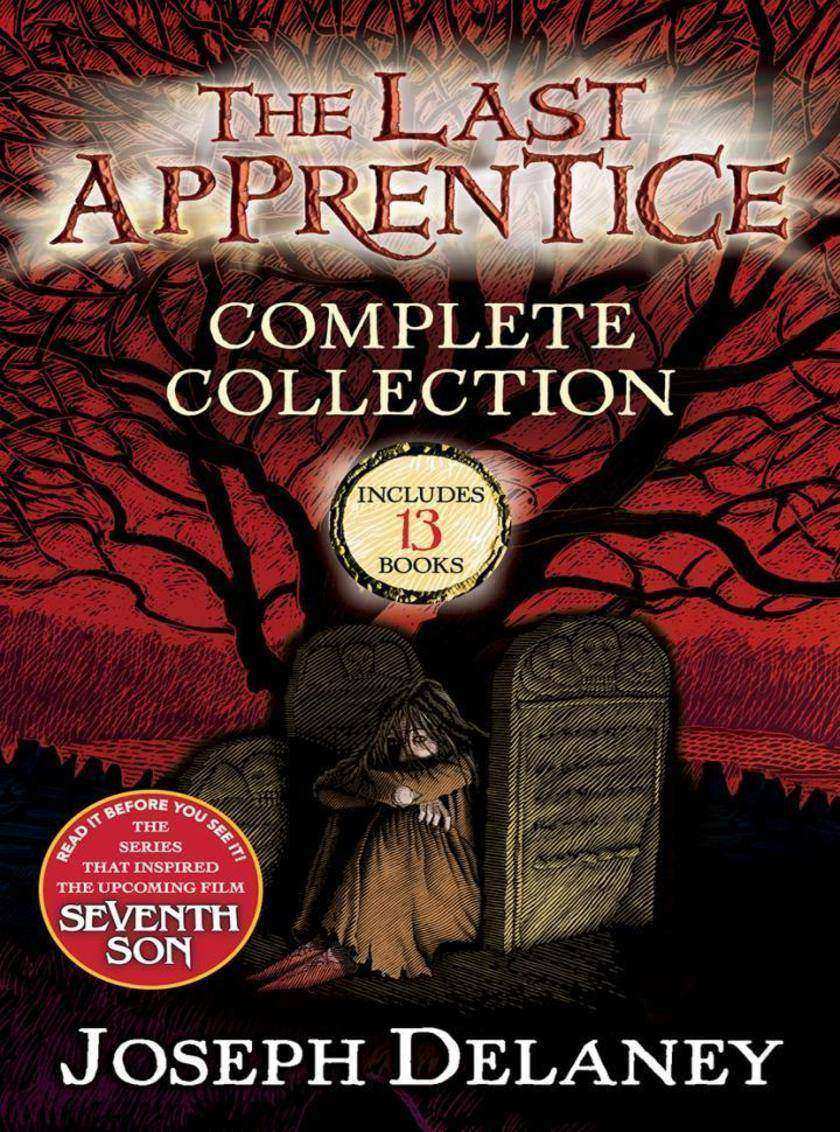
The Last Apprentice Complete Collection
¥1363.22
All 13 volumes of Joseph Delaney's internationally best-selling fantasy adventure series, The Last Apprentice, plus the two short story collections and The Spook's Bestiary—all together for the first time!Tom Ward is the seventh son of a seventh son. As the Spook's apprentice, he will face boggarts, witches, ghosts, and other terrifying creatures of the night. Other apprentices have come before him. Some have failed. Some have fled. Some have died. Will Tom be the one who survives—especially when he becomes the target of the world's greatest evils?Includes 16 books set in the world of the acclaimed series that inspired the major motion picture Seventh Son.Revenge of the Witch (Book 1) Curse of the Bane (Book 2) Night of the Soul Stealer (Book 3) Attack of the Fiend (Book 4) Wrath of the Bloodeye (Book 5) Clash of the Demons (Book 6) Rise of the Huntress (Book 7) Rage of the Fallen (Book 8) Grimalkin the Witch Assassin (Book 9) Lure of the Dead (Book 10) Slither (Book 11) I Am Alice (Book 12) Fury of the Seventh Son (Book 13) The Spook's Tale and Other Horrors (short story collection) Coven of Witches (short story collection) The Spook's Bestiary: The Guide to Creatures of the Dark (illustrated companion book)
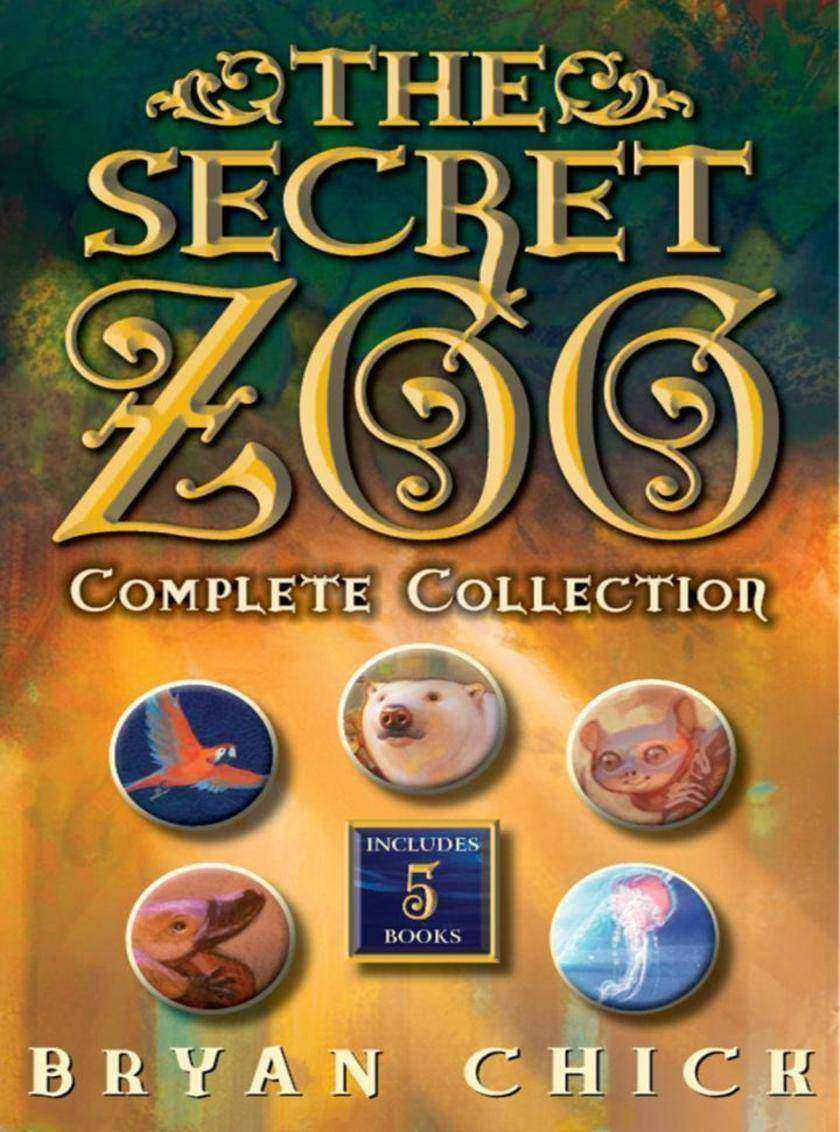
The Secret Zoo Complete Collection
¥377.59
Five complete books in one! Noah, Megan, Richie, and Ella are the Action Scouts: friends whose tree house overlooks the Clarksville City Zoo. When they discover a magical world hidden within the zoo, they are swept away on an adventure in which penguins can fly, a mysterious figure lurks in the shadows, and the scouts are enlisted to help Mr. Darby, who is in charge of the Secret Zoo.The Secret Zoo: Noah, his sister Megan, and their best friends, Richie and Ella, live next door to the zoo. Megan is the first to notice the puzzling behavior of some of the animals. One day Megan disappears, and her brother and their friends realize it's up to them to find her. Once inside, will they discover there's much more to the Clarksville City Zoo than they could ever have guessed?The Secret Zoo: Secrets and Shadows: Noah and his must train to become Crossers, members of a secret society who freely travel to the Secret Zoo and back, helping to defend its borders. But now that the monstrous sasquatches are on the loose and the evil Shadowist is plotting destruction, will Noah, Megan, Ella, and Richie have what it takes to survive?The Secret Zoo: Riddles and Danger: Will the scouts be able to fight against the dangerous sasquatches who have escaped the zoo and threaten their town?The Secret Zoo: Traps and Specters: On Halloween night, Noah and his friends must battle terrifying sasquatches that have attacked their own elementary school. Little do they know the sasquatches are a trap! When DeGraff captures three of Noah's friends, can the kids ally with their rivals in order to save every person and animal in the zoo—all while dodging the town's police?The Secret Zoo: Raids and Rescues: Even in the Secret Zoo, there are dangers . . . and forbidden places. When the scouts' friends are held in the off-limits sector—a never-ending maze of aquariums—Noah, Megan, Richie, and Ella must be at their most courageous.
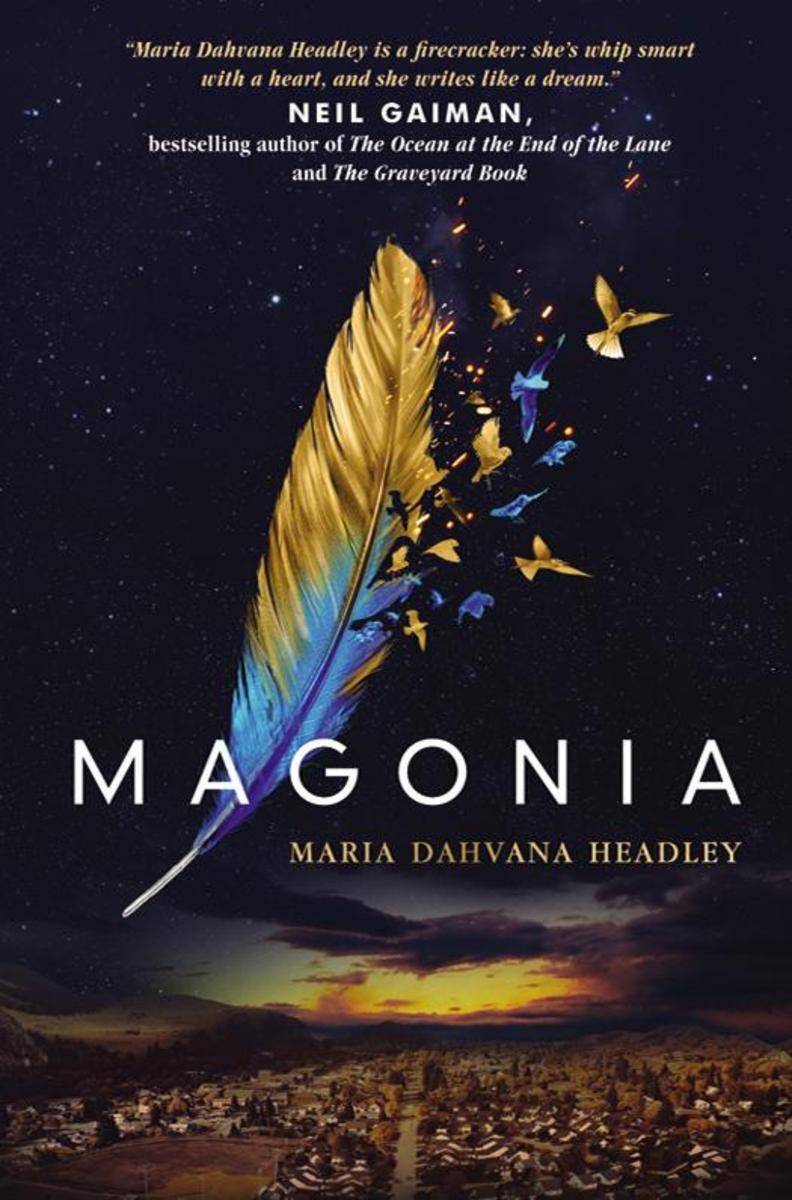
Magonia
¥61.70
Maria Dahvana Headley's soaring YA debut is a fiercely intelligent, multilayered fantasy where Neil Gaiman's Stardust meets John Green's The Fault in Our Stars in a story about a girl caught between two worlds . . . two races . . . and two destinies. Aza Ray Boyle is drowning in thin air. Since she was a baby, Aza has suffered from a mysterious lung disease that makes it ever harder for her to breathe, to speak—to live. So when Aza catches a glimpse of a ship in the sky, her family chalks it up to a cruel side effect of her medication. But Aza doesn't think this is a hallucination. She can hear someone on the ship calling her name.Only her best friend, Jason, listens. Jason, who's always been there. Jason, for whom she might have more-than-friendly feelings. But before Aza can consider that thrilling idea, something goes terribly wrong. Aza is lost to our world—and found, by another. Magonia. Above the clouds, in a land of trading ships, Aza is not the weak and dying thing she was. In Magonia, she can breathe for the first time. Better, she has immense power—but as she navigates her new life, she discovers that war between Magonia and Earth is coming. In Aza's hands lies fate of the whole of humanity—including the boy who loves her. Where do her loyalties lie?
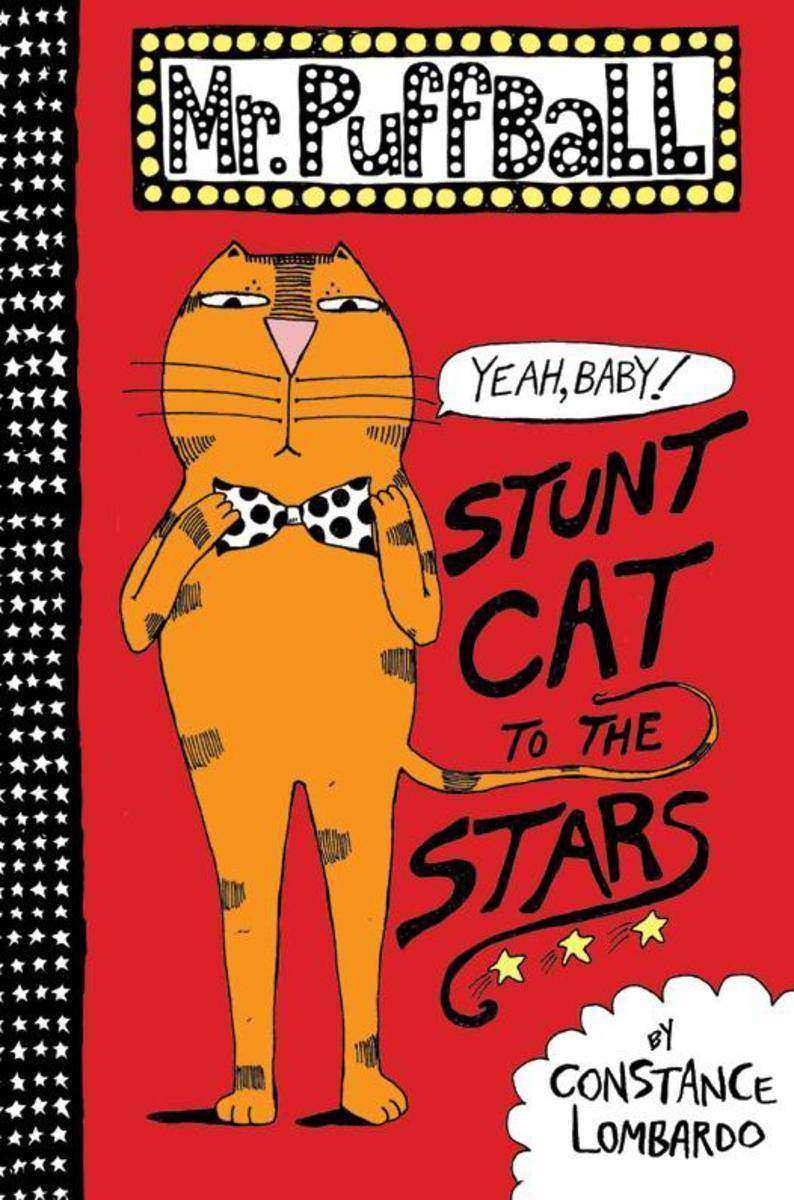
Mr. Puffball: Stunt Cat to the Stars
¥72.93
In this hilarious illustrated adventure meet Mr. Puffball, a medium-size feline with a big dream! With amazing humor that appeals to both kids and adults as well as funny illustrations throughout the story, Mr. Puffball: Stunt Cat to the Stars is perfect for dreamers, movie buffs, and fans of Timmy Failure and Stick Dog.He's a hero for today. Or possibly tomorrow. He's a cat. He's awesome. And . . . wait for it . . . he's going to Hollywood to become a famous movie star! Follow Mr. Puffball on his trip cross-country. (Look at all the postcards to Mom!) See him stumble upon Hobowood! (Not as glamorous as Hollywood, but full of beans.) Watch him land at last in Hollywood, where he meets a cast of thousands (or at least half a dozen) and catapults himself into the next best thing to being a famous movie star: working as a stunt cat to his movie star hero, El Gato!
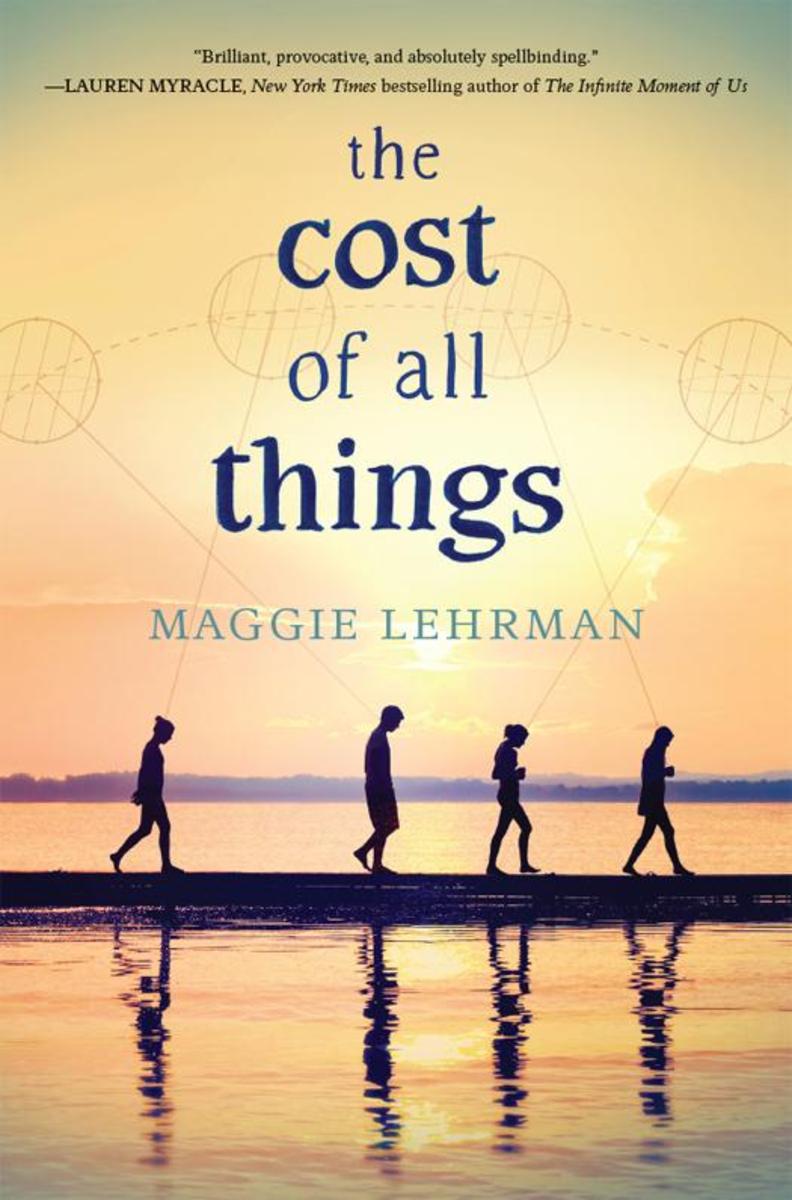
The Cost of All Things
¥101.00
Eternal Sunshine of the Spotless Mind meets We Were Liars in this thought-provoking and brilliantly written debut that is part love story, part mystery, part high-stakes drama.What would you pay to cure your heartbreakBanish your sadnessTransform your looksThe right spell can fix anything…. When Ari's boyfriend Win dies, she gets a spell to erase all memory of him. But spells come at a cost, and this one sets off a chain of events that reveal the hidden—and sometimes dangerous—connections between Ari, her friends, and the boyfriend she can no longer remember.Told from four different points of view, this original and affecting novel weaves past and present in a suspenseful narrative that unveils the truth behind a terrible tragedy.
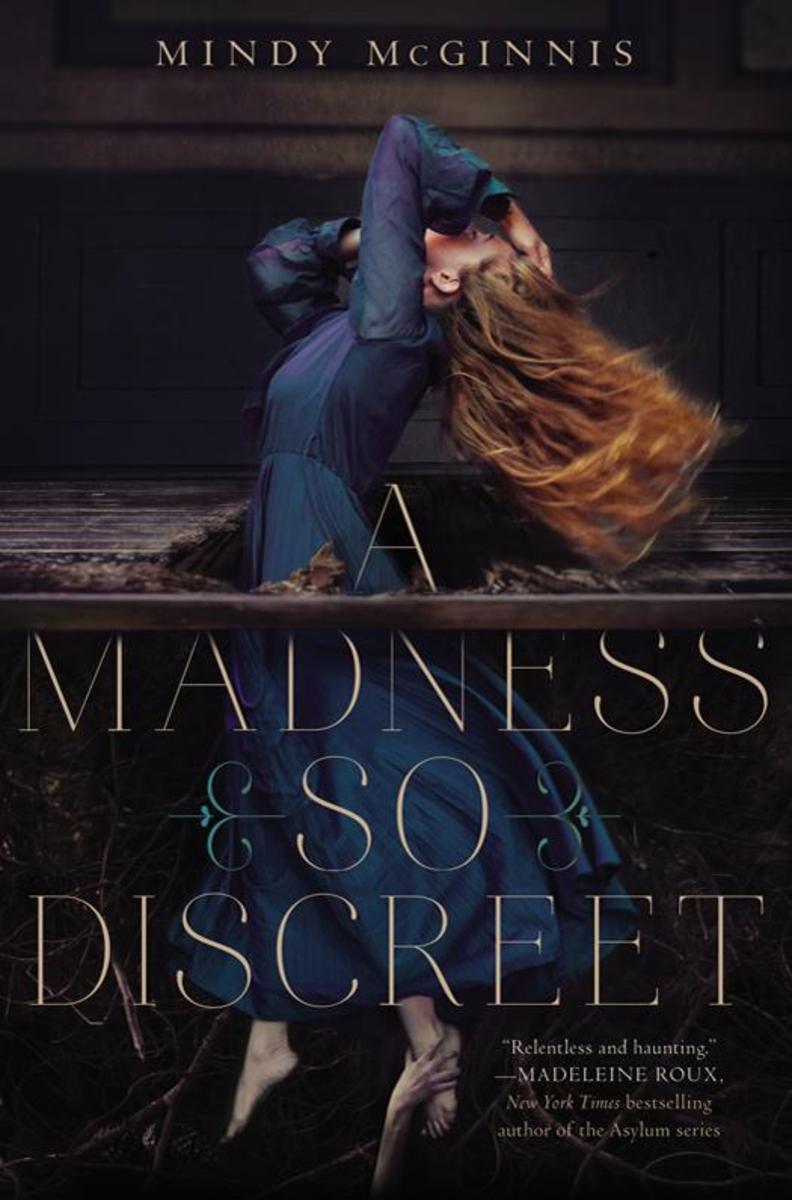
A Madness So Discreet
¥55.33
Mindy McGinnis, the acclaimed author of Not a Drop to Drink and In a Handful of Dust, combines murder, madness, and mystery in a beautifully twisted gothic historical thriller perfect for fans of novels such as Asylum and The Diviners as well as television's True Detective and American Horror Story.Grace Mae is already familiar with madness when family secrets and the bulge in her belly send her to an insane asylum—but it is in the darkness that she finds a new lease on life. When a visiting doctor interested in criminal psychology recognizes Grace's brilliant mind beneath her rage, he recruits her as his assistant. Continuing to operate under the cloak of madness at crime scenes allows her to gather clues from bystanders who believe her less than human. Now comfortable in an ethical asylum, Grace finds friends—and hope. But gruesome nights bring Grace and the doctor into the circle of a killer who will bring her shaky sanity and the demons in her past dangerously close to the surface.

Finding Paris
¥101.00
An evocative and compelling story of two sisters who would do anything for each other—perfect for fans of Thirteen Reasons Why and Speak. Joy Preble's stirring new novel explores the lengths to which sisters go to protect each other, and the winding road that brings two strangers into each other's lives.Sisters Leo and Paris Hollings have only ever had each other to rely on. They can't trust their mother, who hops from city to city and from guy to guy, or their gambler stepfather, who's moved them all to Las Vegas. It's just the two of them: Paris, who's always been the dreamer, and Leo, who has a real future in mind—going to Stanford, becoming a doctor, falling in love. But Leo isn't going anywhere right now, except driving around Vegas all night with her sister.Until Paris ditches Leo at the Heartbreak Hotel Diner, where moments before they had been talking with physics student Max Sullivan. Outside, Leo finds a cryptic note from Paris—a clue. Is it some kind of gameWhere is Paris, and why has she disappearedWhen Leo reluctantly accepts Max's offer of help, the two find themselves following a string of clues through Vegas and beyond. But the search for the truth is not a straight line. And neither is the path to secrets Leo and Max hold inside.
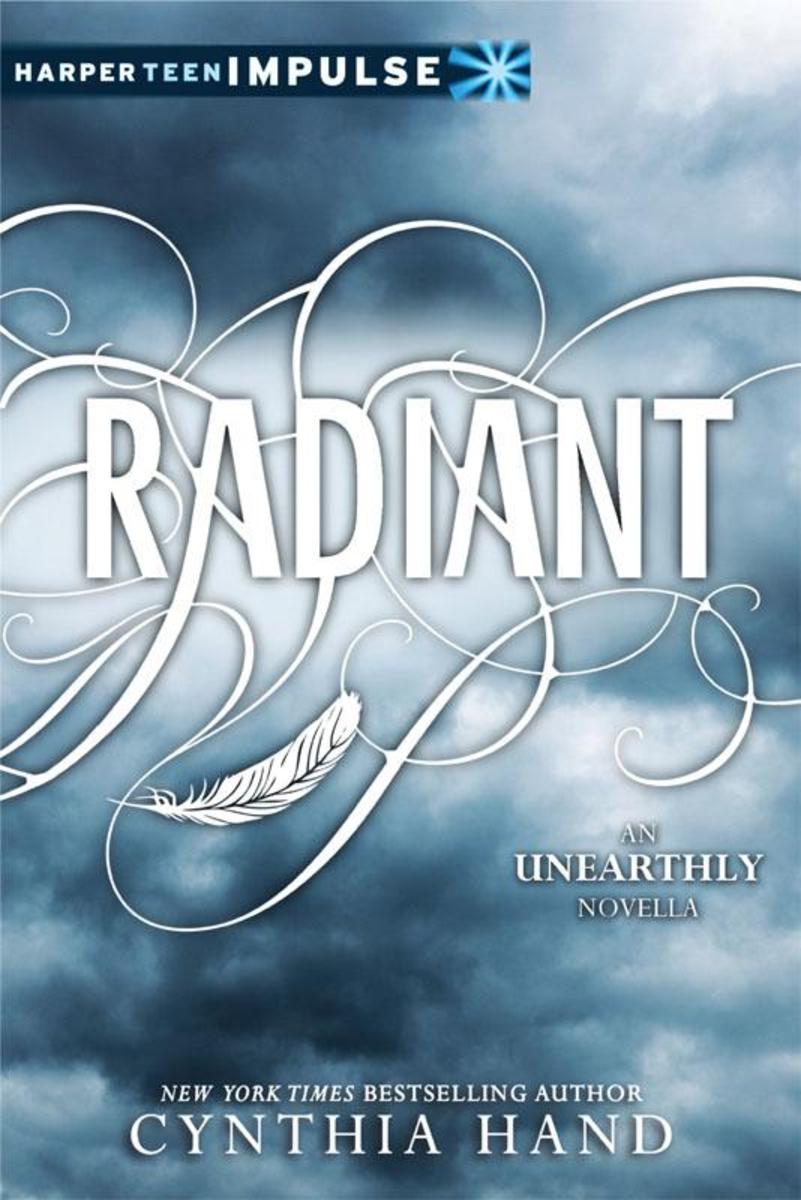
Radiant
¥10.83
From New York Times bestselling author Cynthia Hand comes a riveting original novella (available only as an ebook) set in the world of the Unearthly series.Clara is desperate to get away—from the memories that haunt her in Wyoming and the visions of a future she isn't ready to face—and spending the summer in Italy with her best friend, Angela, should be the perfect escape. . . .For as long as she can remember, Angela has been told that love is dangerous, that she must always guard her heart. But when she met Phen two years ago she was determined to be with him, no matter the costs. Now she must decide whether she can trust Clara with her secret, or if telling her the truth will risk everything she cares about.Alternating between Angela and Clara's perspectives, Radiant chronicles the unforgettable summer that will test the bounds of their friendship and change their lives forever.Epic Reads Impulse is a digital imprint with new releases each month.
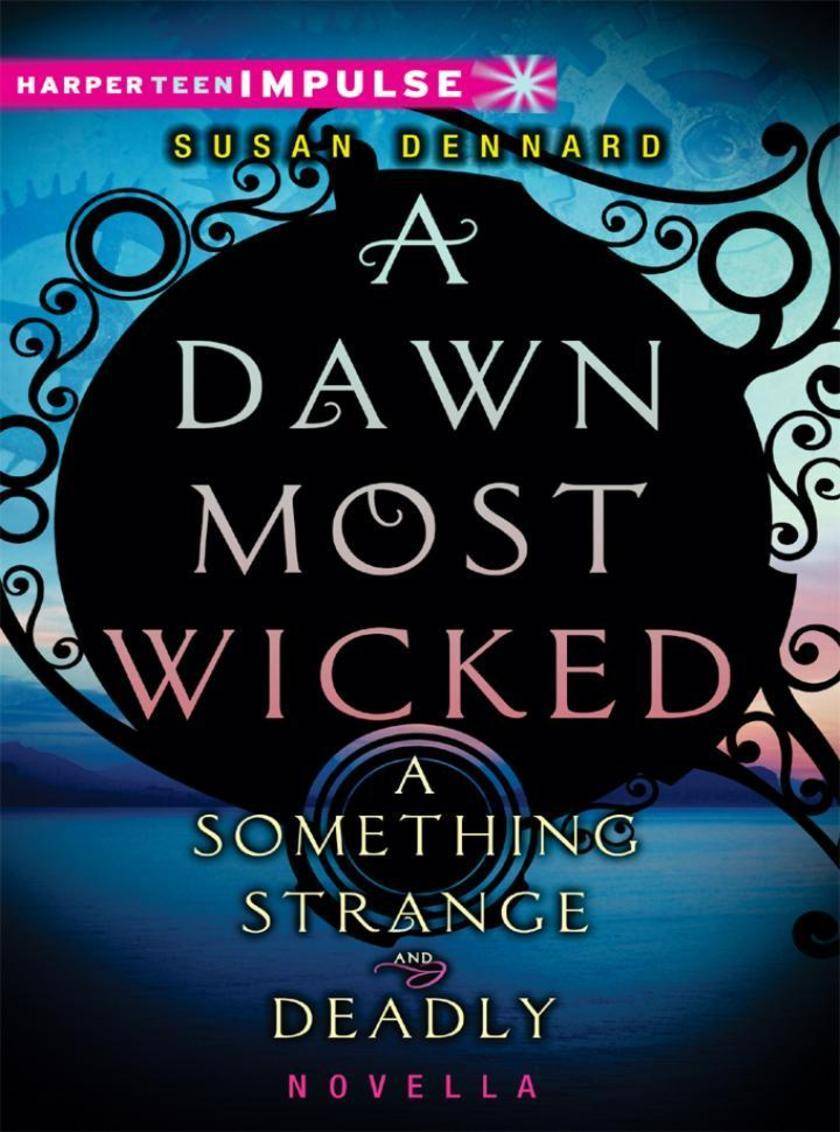
A Dawn Most Wicked
¥10.83
He has stolen Eleanor Fitt's heart, but who was Daniel Sheridan before he became a Spirit-HunterIn this suspenseful 100-page digital-original romance novella from Something Strange and Deadly author Susan Dennard, Daniel's past—and his first love—will be exposed.With a checkered past like Daniel Sheridan's, landing an apprenticeship aboard the Sadie Queen was just the fresh start he was looking for. But that's the last thing it's been. Teeming with ghosts that plague the crew with horrific nightmares, this ship is more trouble than it's worth to Daniel. Except for Cass. . . .Gorgeous and stubborn to a fault, apprentice pilot Cassidy Cochran is the one thing keeping Daniel on board. Though they started as best friends, their relationship has grown into something more intense. Their stolen, sometimes steamy moments have Daniel feeling something he never thought possible: love.Enlisting the help of a short-tempered Chinese boy named Jie and a Creole gentleman named Joseph, the three attempt to rid the boat of the ghosts—for if they don't, the Sadie Queen will be put out of business. And with Cass's fatally-ill sister in need of expensive medical help, Daniel is more determined than ever to save the ship. But when he discovers that the ghosts are linked to a dangerous curse whose caster wants everyone on board dead, Daniel will come face-to-face with an evil so dark, so wicked, that it will change the course of his life forever.Epic Reads Impulse is a digital imprint with new releases each month.

Sweet Reckoning
¥56.08
Fans of Cassandra Clare's Mortal Instruments series will be drawn to Wendy Higgins's sexy, thrilling Sweet Evil series.In Sweet Reckoning, the time has come for Anna, daughter of a guardian angel and a fallen one, to accept her fate as the chosen one. She is destined to rid the earth of demons once and for all. But as Anna and her Nephilim allies prepare for the evil brewing, the powerful Dukes use Anna's love for bad boy Kaidan Rowe against her, and her strength is put to the ultimate test. How far will the two of them go to keep each other aliveWill love conquer all in the final battle between good and evil?
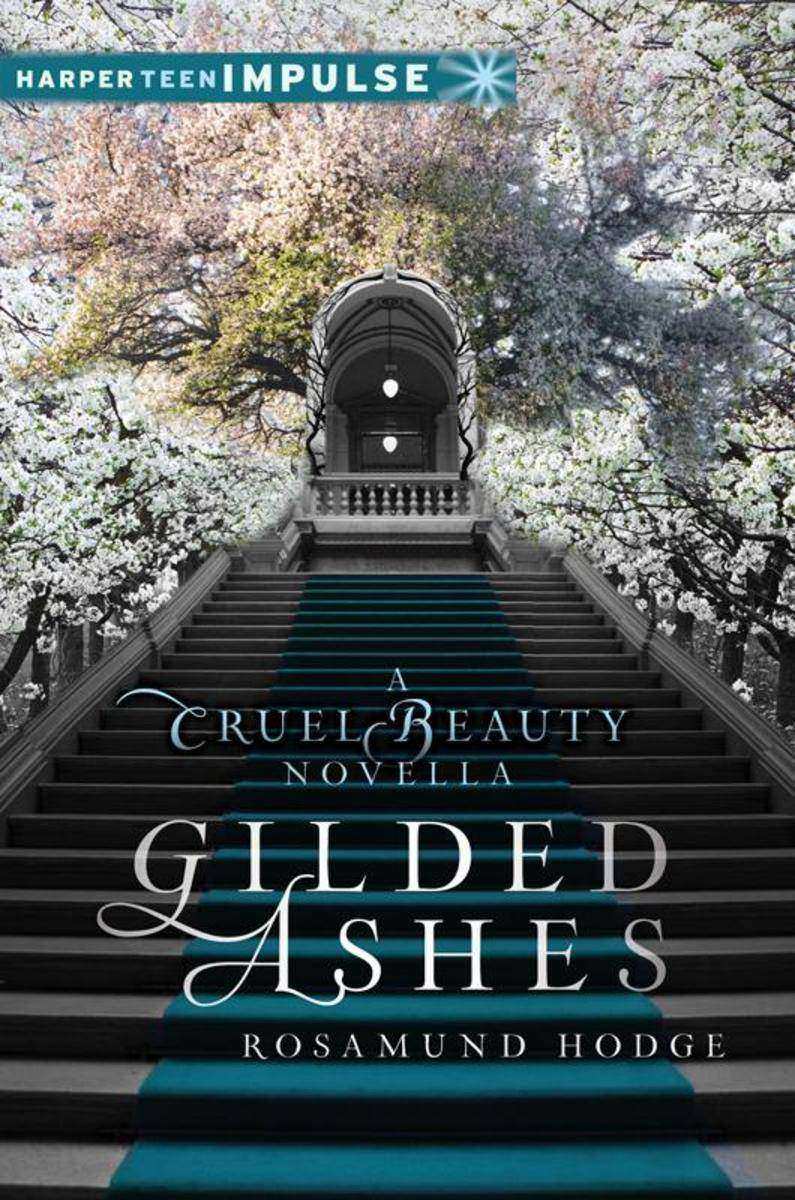
Epic Reads Impulse
¥87.15
Gilded Ashes is an atmospheric and darkly romantic reimagining of Cinderella set in the world of Cruel Beauty. Perfect for fans of An Ember in the Ashes and A Court of Thorns and Roses.Maia doesn't see the point of love when it only brings people pain: Her dead mother haunts anyone who hurts Maia, and her stepsisters are desperate for their mother's approval, even though she despises them. Meanwhile, Anax, heir to the Duke of Sardis, doesn't believe in love either—not since he discovered that his childhood sweetheart was only using him for his noble title. But when Maia's and Anax's paths cross before the royal ball, they discover that love might not be the curse they once thought. And it might even be the one thing that can save them both.Fans who love Kristin Cashore and Rae Carson will find everything they're looking for in this extraordinary and romantic novellaEpic Reads Impulse is a digital imprint with new releases each month.
Miss Cutler and the Case of the Resurrected Horse
¥488.54
Social workers produced thousands of case files about the poor during the interwar years. Analyzing almost two thousand such case files and traveling from Boston, Minneapolis, and?Portland to London and Melbourne, Miss Cutler and the Case of the Resurrected Horse is a pioneering comparative study that examines how these stories of poverty were narrated and reshaped by ethnic diversity, economic crisis, and war.Probing the similarities and differences in the ways Americans, Australians, and Britons understood and responded to poverty, Mark Peel draws a picture of social work that is based in the sometimes fraught encounters between the poor and their interpreters. He uses dramatization to bring these encounters to life-joining Miss Cutler and that resurrected horse are Miss Lindstrom and the fried potatoes and Mr. O'Neil and the seductive client-and to give these people a voice. Adding new dimensions to the study of charity and social work, this book is essential to understanding and tackling poverty in the twenty-first century.
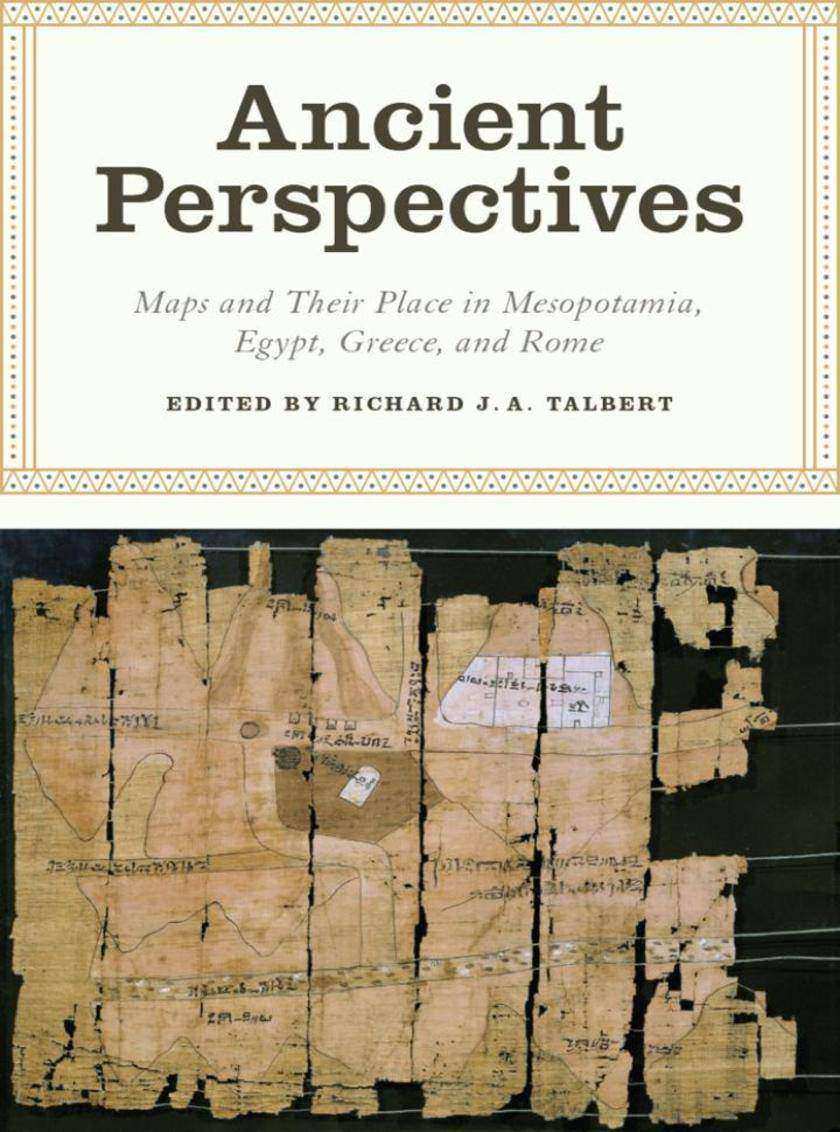
Ancient Perspectives
¥576.83
Ancient Perspectives encompasses a vast arc of space and time-Western Asia to North Africa and Europe from the third millennium BCE to the fifth century CE-to explore mapmaking and worldviews in the ancient civilizations of Mesopotamia, Egypt, Greece, and Rome. In each society, maps served as critical economic, political, and personal tools, but there was little consistency in how and why they were made. Much like today, maps in antiquity meant very different things to different people.Ancient Perspectives presents an ambitious, fresh overview of cartography and its uses. The seven chapters range from broad-based analyses of mapping in Mesopotamia and Egypt to a close focus on Ptolemy's ideas for drawing a world map based on the theories of his Greek predecessors at Alexandria. The remarkable accuracy of Mesopotamian city-plans is revealed, as is the creation of maps by Romans to support the proud claim that their emperor's rule was global in its reach. By probing the instruments and techniques of both Greek and Roman surveyors, one chapter seeks to uncover how their extraordinary planning of roads, aqueducts, and tunnels was achieved.?Even though none of these civilizations devised the means to measure time or distance with precision, they still conceptualized their surroundings, natural and man-made, near and far, and felt the urge to record them by inventive means that this absorbing volume reinterprets and compares.
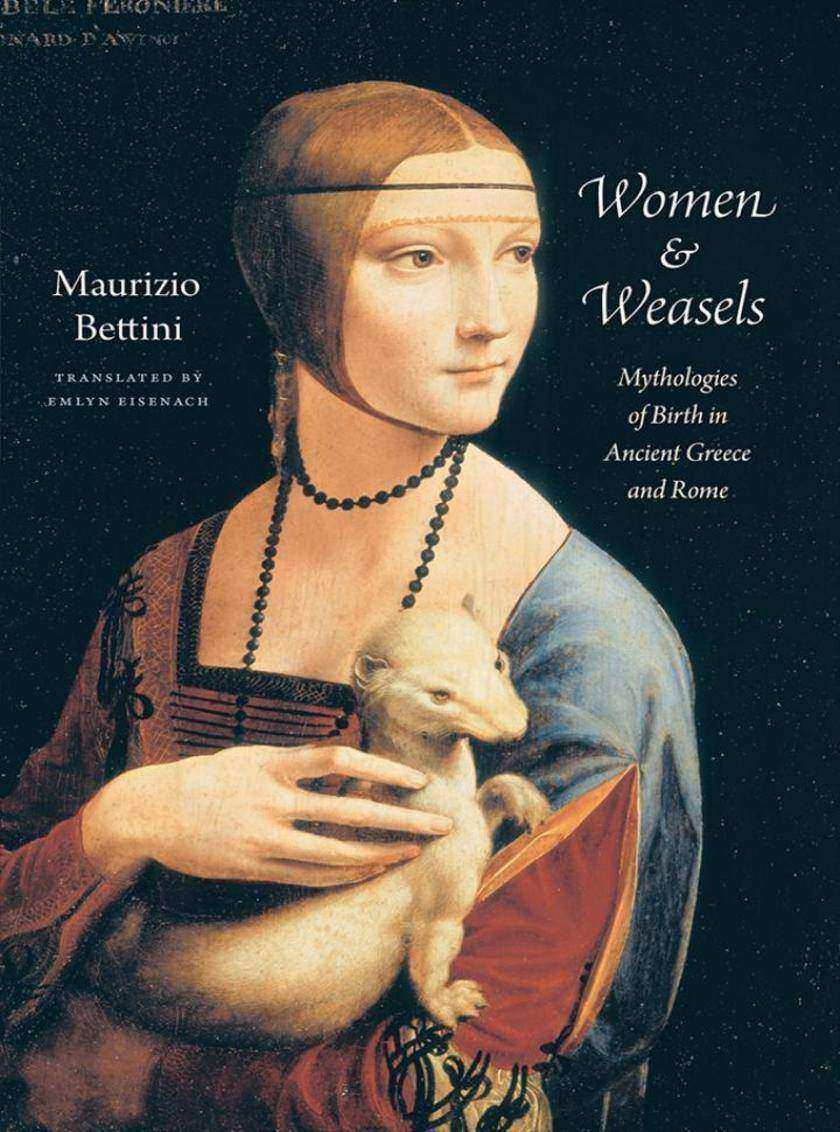
Women and Weasels
¥535.63
If you told a woman her sex had a shared, long-lived history with weasels, she might deck you. But those familiar with mythology know better: that the connection between women and weasels is an ancient and favorable one, based in the Greek myth of a midwife who tricked the gods to ease Heracles's birth-and was turned into a weasel by Hera as punishment. Following this story as it is retold over centuries in literature and art,?Women and Weasels?takes us on a journey through mythology and ancient belief, revising our understanding of myth, heroism, and the status of women and animals in Western culture. ?Maurizio Bettini recounts and analyzes a variety of key literary and visual moments that highlight the weasel's many attributes. We learn of its legendary sexual and childbearing habits and symbolic association with witchcraft and midwifery, its role as a domestic pet favored by women, and its ability to slip in and out of tight spaces. The weasel, Bettini reveals, is present at many unexpected moments in human history, assisting women in labor and thwarting enemies who might plot their ruin. With a parade of symbolic associations between weasels and women-witches, prostitutes, midwives, sisters-in-law, brides, mothers, and heroes-Bettini brings to life one of the most venerable and enduring myths of Western culture.
Gusto for Things
¥488.54
We live in a material world-our homes are filled with things, from electronics to curios and hand-me-downs, that disclose as much about us and our aspirations as they do about current trends. But we are not the first: the early modern period was a time of expanding consumption, when objects began to play an important role in defining gender as well as social status. Gusto for Things reconstructs the material lives of seventeenth-century Romans, exploring new ways of thinking about the meaning of things as a historical phenomenon.?Through creative use of account books, inventories, wills, and other records, Renata Ago examines early modern attitudes toward possessions, asking what people did with their things, why they wrote about them, and how they passed objects on to their heirs. While some inhabitants of Rome were connoisseurs of the paintings, books, and curiosities that made the city famous, Ago shows that men and women of lesser means also filled their homes with a more modest array of goods. She also discovers the genealogies of certain categories of things-for instance, books went from being classed as luxury goods to a category all their own-and considers what that reveals about the early modern era. An animated investigation into the relationship between people and the things they buy, Gusto for Things paints an illuminating portrait of the meaning of objects in preindustrial Europe.


