


 购物车
 个人中心

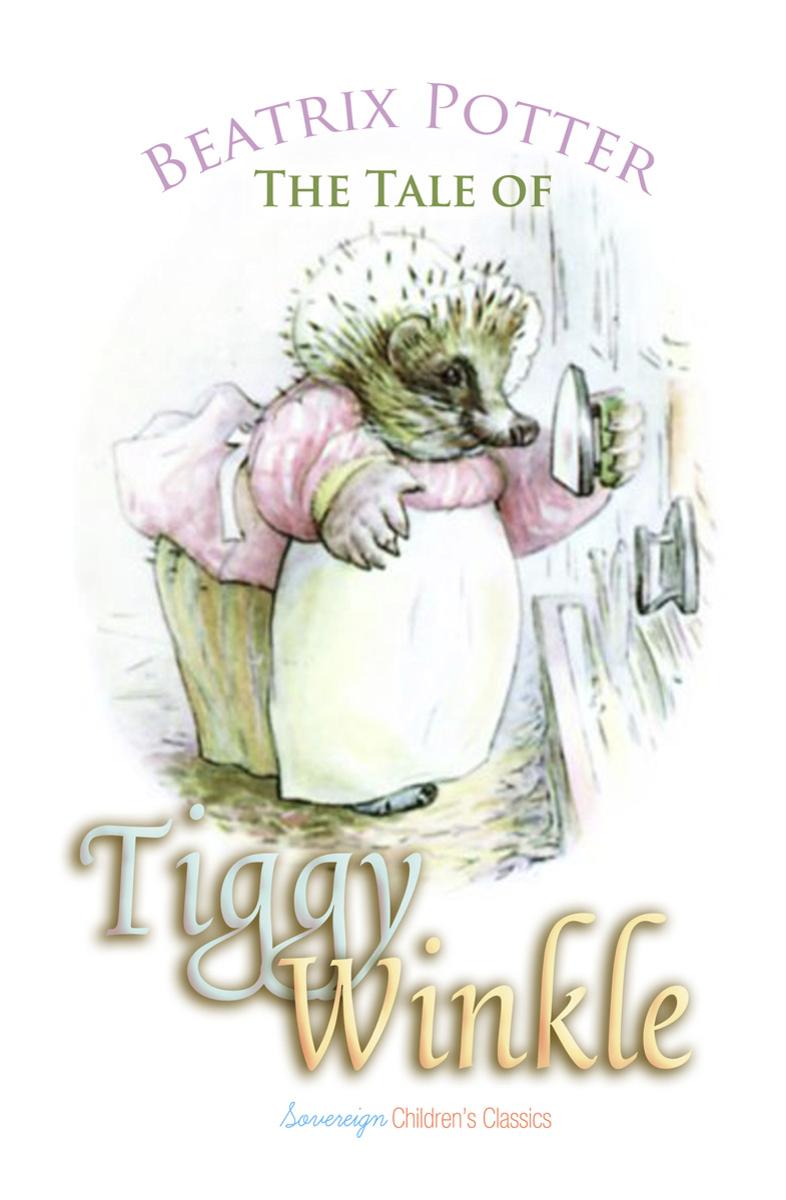
The Tale of Mrs. Tiggy-Winkle
¥40.79
Once upon a time there was a little girl called Lucie, who lived at a farm called Little-town. She was a good little girl—only she was always losing her pocket-handkerchiefs! One day little Lucie came into the farm-yard crying—oh, she did cry so! I’ve lost my pocket-handkin! Three handkins and a pinny! Have you seen them, Tabby Kitten?
The Essential Poetry
¥90.03
Marina Tsvetaeva: The Essential Poetry includes translations by Michael M. Naydan and Slava I. Yastremski of lyric poetry from all of great Modernist Russian poet Marina Tsvetaeva’s published collections and from all periods of her life. It also includes a translation of two of Tsvetaeva’s masterpieces in the genre of the long poem, “Poem of the End” and “Poem of the Mountain.” The collection strives to present the best of Tsvetaeva’s poetry in a small single volume and to give a representative overview of Tsvetaeva’s high art and development of different poetic styles over the course of her creative lifetime. Also included in the volume are a guest introduction by eminent American poet Tess Gallagher, a translator’s introduction and extensive endnotes. Naydan and Yastremski have previously published a well-received annotated translation of Tsvetaeva’s collection After Russia with Ardis Publishers. The fourteen previously published translations from the After Russia collection have been revised for this volume.
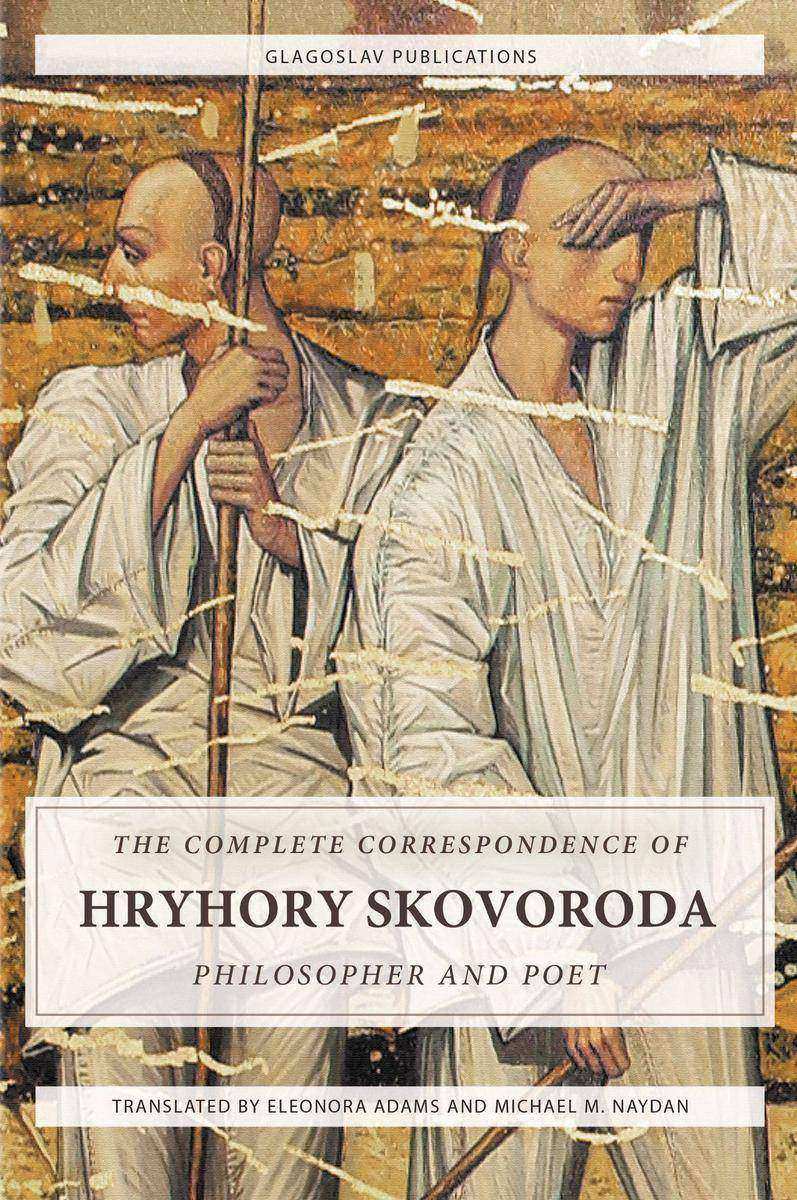
The Complete Correspondence of Hryhory Skovoroda:Philosopher And Poet
¥90.03
The religious philosopher and poet Hryhory Skovoroda (1722-1794) is described by many as the Ukrainian Socrates and was one of the most learned men of his time. He was a polyglot who knew the Bible virtually by heart, as well as the writings of the Church Fathers and the literature of Greek and Roman antiquity. The eminent literary critic Ivan Dziuba considers Skovoroda the greatest Ukrainian mind ever. And Yuri Andrukhovych, one of the most prominent Ukrainian writers of today, calls him “the first Ukrainian hippie” on account of his itinerant lifestyle and rejection of worldly life. The impact of Skovoroda’s life and works has been well documented on major writers in future generations, such as Leo Tolstoy, Andrei Bely and Pavlo Tychyna, to name but a few. None of Skovoroda’s works appeared during his lifetime – they were first published in 1837 in Moscow. The texts of Skovoroda’s writings were preserved mostly by Skovoroda’s lifelong friend Mykhailo Kovalynsky, to whom he had given the manuscripts. Skovoroda’s extant writings consist of a collection of thirty poems entitled The Garden of Divine Songs along with other occasional poems, a collection of fables entitled Kharkiv Fables, which was published in 1990, and seventeen philosophical treatises. Most of the treatises were composed during the latter part of his life. The letters of Skovoroda are appearing in their entirety here in English for the first time, accompanied by a guest introduction by Leonid Rudnytzky. This title has been realised by a team of the following dedicated professionals: Translated by Eleonora Adams and Michael M. Naydan, Edited by Liliana M. Naydan, The cover shows a detail from Blessing of the Road, by Mykola Kumanovsky from the Woskob Private Collection, Interior Design by Dmytro Podolyanchuck, Guest Introduction by Leonid Rudnytzky, Maxim Hodak - Максим Ходак (Publisher), Max Mendor - Макс Мендор (Director), Ksenia Papazova.

Félélet
¥32.62
40 éves lettem. Bibliai értelemben – ha egy emberéletet 80 esztend?ben mérünk – eljutottam az élet felére. Ezért a cím: Félélet. 6 k?tet, kisregények sorozata után elgondolkodtam, miért is írok, hogyan jutottam el addig a pontig, amikor tollat vettem a kezembe. Végül ráj?ttem, és magam is meglep?dtem, hogy az els? nyomtatásban megjelent írásom 1996-ból való, ha innen indulok, akkor az életem felében írtam. Mindenfélét: verset, cikket, naplót, t?rténeteket. Ezekb?l állt ?ssze ez, az életem els? felét ?sszegz? k?tet. Nem változtattam a rég leírt szavakon, gondolatokon, akkor és ott jók voltak, ma is megfelelnek. Sokan kísértek az úton. K?sz?net jár mindazoknak, akiket illet, hogy eddig eljutottam. Indulok tovább. 2017. október 13. Csüll?g Ferenc

Virginia Woolf in Richmond
¥48.97
"I ought to be grateful to Richmond & Hogarth, and indeed, whether it's my invincible optimism or not, I am grateful." - Virginia Woolf Although more commonly associated with Bloomsbury, Virginia and her husband Leonard Woolf lived in Richmond-upon-Thames for ten years from the time of the First World War (1914-1924). Refuting the common misconception that she disliked the town, this book explores her daily habits as well as her intimate thoughts while living at the pretty house she came to love - Hogarth House. Drawing on information from her many letters and diaries, the author reveals how Richmond's relaxed way of life came to influence the writer, from her experimentation as a novelist to her work with her husband and the Hogarth Press, from her relationships with her servants to her many famous visitors. Reviews “Lively, diverse and readable, this book captures beautifully Virginia Woolf’s time in leafy Richmond,?her mixed emotions over this exile from central London, and its influence on her life and work.?This illuminating book is a valuable addition to literary history, and a must-read for every Virginia Woolf enthusiast…” ?- Emma Woolf, writer, journalist, presenter and Virginia Woolf’s great niece About the Author Peter Fullagar is a former English Language teacher, having lived and worked in diverse locations such as Tokyo and Moscow. He became fascinated by the works of Virginia Woolf while writing his dissertation for his Masters in English Literature and Language. During his teaching career he was head of department at a private college in West London. He has written articles and book reviews for the magazine?English Teaching Professional?and?The Huffington Post. His first short story will be published in an anthology entitled?Tempest?in March 2019. Peter was recently interviewed for the?forthcoming film about the project to fund, create and install a new full-sized bronze statue of Virginia Woolf in Richmond-upon-Thames.
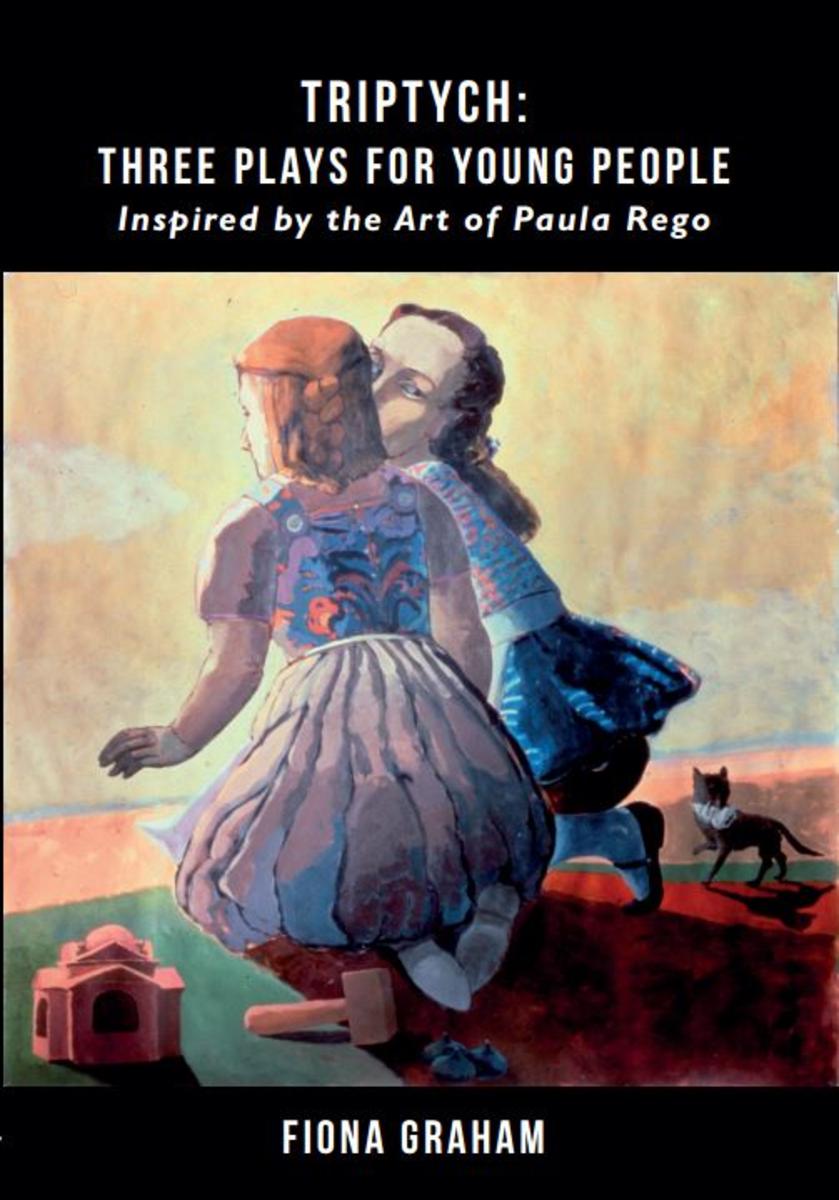
Triptych: Three Plays for Young People: Inspired by the Art of Paula Rego
¥40.79
The Portuguese visual artist Paula Rego has inspired this trilogy of plays. Her paintings Crivelli’s Garden, The Prey and Breaking China became the catalyst for writing by theatre maker Fiona Graham. Commissioned by Theatre Centre and Komedia, these three new plays were developed for specific audiences through a series of artist/audience residencies and collaborations. These works have toured Britain and been re-staged in Portugal and Singapore. Crivellis’s Garden was created for a 16+ audience and explores rites of passage as two young women decide whether they should stay or leave their fishing village to go to university in Portugal. Between Friends is for 7 -11 year olds and examines the politics of friendship between three young people when they are shipwrecked and abandoned in a lighthouse. Breaking China is for 4-8 year olds and shows the importance of creative play and storytelling when making sense of change and adversity. About the authorDR FIONA GRAHAMFiona teaches dramaturgy at Goldsmiths University. Previously she spent over a decade in New Zealand writing and teaching at Auckland University. Her plays include: Passage (The Herald Theatre, Auckland 2010), Breaking China (Theatre Centre, 2002 and Singapore’s International Festival, 2004) and Legacy (for Massive Theatre Company, 1998). Most recently she worked as dramaturge with Otago University and Talking House Theatre Company on Be/Longing and Hush, with Red Leap Theatre Company on Paper Sky and Sea, with playwright Mei-Lin Hansen on The Mooncake And The Kumara, with Winning Productions on I Wanna Be -- Ponsonby and Carol Brown on 1000 Lovers and the Pah Collective. Her book Catalyst For Change: The Interventions of the Dramaturge was published in New Zealand in 2017. Reviews: ‘Graham’s poetically eloquent script flows like molten silver and should give students, teachers and other theatregoers much to think about’ (on Crivelli’s Garden) – The Stage ‘A prime example of how an excellent script innovatively directed and beautifully performed can be applied to a wide age range. This joyful production provides much food for thought.’ (on Breaking China) – The Stage
Dew Drops
¥24.44
Again and again, in Denver Welte's exquisite Dew Drops, poems startle us into awareness of the understated, the nearly always invisible and the marvelous; those aspects of life that come under the rubrics of loneliness and joy. Welte combines a light lyricism with a postmodern sensibility for life. This collection was gathered from a one time weekly blog that appeared over four years. They are arranged in date order rather than by theme, so that you may witness the poet's growth.

120 Zmajevih pesama za decu
¥37.20
Poruke radosti i vedrine neophodne svakom novom pokoljenju -- pesme bez kojih se ne mo?e odrasti. S originalnim ilustracijama iz ?asopisa Neven.
Complete Works Of Edgar Allan Poe: The New Raven Edition
¥8.75
This volume collects the complete works of Edgar Allan Poe (Wikipedia). It started out as a restructuring and reformatting of the 1903 “Raven Edition” of his works—and then it grew.I have rearranged the texts according to genres in the order of first publications (though still using the later revised versions). I added all the stories, poems, essays, and some miscellanea that were missing in the “Raven Edition”. Thus, you’ll find in this collection: THE TALESMetzengerstein, The Duc de L’Omelette, A Tale of Jerusalem, Loss of Breath, Bon-Bon, Ms. Found in a Bottle, The Assignation, Berenice, Morella, Lionizing, The Unparalleled Adventures of One Hans Pfaal, King Pest, Shadow—A Parable, Four Beasts in One—The Homo-Cameleopard, Mystification, Silence—A Fable, Ligeia, How to Write a Blackwood Article, A Predicament, The Devil in the Belfry, The Man that Was Used Up, The Fall of the House of Usher, William Wilson, The Conversation of Eiros and Charmion, Why the Little Frenchman Wears his Hand in a Sling, The Business Man, The Man of the Crowd, The Murders in the Rue Morgue, A Descent into the Maelstr?m, The Island of the Fay, The Colloquy of Monos and Una, Never Bet the Devil Your Head, Eleonora, Three Sundays in a Week, The Oval Portrait, The Masque of the Red Death, The Landscape Garden, The Mystery of Marie Rogêt, The Pit and the Pendulum, The Tell-Tale Heart, The Gold-Bug, The Black Cat, Diddling, The Spectacles, A Tale of the Ragged Mountains, The Premature Burial, Mesmeric Revelation, The Oblong Box, The Angel of the Odd, Thou Art the Man, The Literary Life of Thingum Bob, Esq, The Purloined Letter, The Thousand-and-Second Tale of Scheherazade, Some Words with a Mummy, The Power of Words, The Imp of the Perverse, The System of Doctor Tarr and Professor Fether, The Facts in the Case of M. Valdemar, The Sphinx, The Cask of Amontillado, The Domain of Arnheim, Mellonta Tauta, Hop-Frog, Von Kempelen and his Discovery, X-ing a Paragrab, Landor’s Cottage.THE POEMSPoetry, O, Tempora! O, Mores!, Tamerlane, Song, Dreams, Spirits of the Dead, Evening Star, Imitation, Stanzas, A Dream, The Happiest Day, The Lake —— to ——, To Margaret, Alone, Sonnet—to Science, Al Aaraaf, Romance, To ——, To the River——, To M——, Fairy-Land, To Isaac Lea, An Acrostic, Elizabeth, To Helen, Israfel, The City in the Sea, The Sleeper, A P?an, The Valley of Unrest, Enigma, Fanny, The Coliseum, Serenade, To One in Paradise, Hymn, May Queen Ode, Spiritual Song, Latin Hymn, Bridal Ballad, To Zante, The Haunted Palace, Silence, Lines On Joe Locke, The Conqueror Worm, Lenore, A Campaign Song, Dream-Land, Impromptu. To Kate Carol, To F——, Eulalie, Epigram for Wall Street, The Raven, The Divine Right of Kings, To Frances S. Osgood, A Valentine, Beloved Physician, Deep in Earth, To Marie Louise (Shew), Ulalume, Lines on Ale, To Marie Louise (Shew), An Enigma, To Helen, A Dream within a Dream, Eldorado, For Annie, To My Mother, Annabel Lee, The Bells.THE NOVELSNarrative of A. Gordon Pym, The Journal of Julius Rodman.THE ESSAYSPal?stine, Maelzel’s Chess-Player, Letter to B——, American Novel-Writing, The Capitol at Washington, Instinct vs Reason—A Black Cat, The Philosophy of Furniture, Morning on the Wissahiccon, Some Account of Stonehenge, The Giant’s Dance, A Druidical Ruin in England, A Few Words on Secret Writing, Exordium, Harper’s Ferry, The Balloon-Hoax, Byron and Miss Chaworth, Pay of American Authors, Some Secrets of the Magazine Prison-House, Anastatic Printing, Street-Paving, American Poetry, The Philosophy of Composition, A Few Words on Etiquette, Eureka: A Prose Poem, The Rationale of Verse, The Poetic Principle.THE MISCELLANEAAutography, Pinakidia, Literary Small Talk, Intemperance, A Chapter on Science and Art, Cabs, Omniana, Prospectus of The Penn Magazine, Autobiographical Note, A Chapter on Autography, Prospectus of The Stylus, Souvenirs of Youth, The Head of St. John The Baptist, Doings of Gotham, A Moving Chapter, Desultory Notes on Cats, A Chapter of Suggestions, Marginalia, The Literati, Mr. Poe’s Reply to Mr. English and Others, Fifty Suggestions, Preface to “Tamerlane And Minor Poems,” Prologue to “The Folio Club”, Prefaces and Introduction to “The Conchologist’s First Book,” Preface to “Tales of the Grotesque and Arabesque,” Preface to “The Raven and Other Poems.”THE PLAYPolitian.THE CRITICISMThe Complete Works of Edgar Allan Poe, vols. 8-13, ed. by James A. Harrison, Thomas Y. Crowell & Company 1902.THE LETTERSThe Letters of Edgar Allan Poe, 2nd edition, 2 vols., ed. by J. W. Ostrom, The Gordian Press 1966.
Burhan Bey
¥0.01
Mevsim, k?? ortas?yd?! Günlerce ya?murla ?slanm??t? ?stanbul! Bütün hafta f?rt?nayla, karla, so?ukla insanlar?n can?n ??kar. Sonra da insanlara ?ektirdi?ine pi?man olmu? gibi bir sevimlili?e büründü. ?stanbul bu, bir bakm??s?n?z f?rt?na dinmi?, güne? a?m??, bir bakm??s?n?z aniden kar ya?m??. ?stanbul b?yledir i?te… Parlayan güne?i f?rsat bilen binlerce insan sokaklara d?külür. Kimi bo?azda, kimi k?prüde, kimi deniz k?y?s?nda oltas?yla bal?k tutuyor, kimileri vapurla adalara gidiyor, kimi Emin?nü’ne, kimi al?? veri? merkezlerine, ya da kar?n tad?n? ??karmak i?in Belgrat ormanlar?na gidiyor… Bu gün hava karl?yd? ve tipik ?stanbul hali i?te! Zalim bir ?ehirdir ?u ?stanbul! Tehlike ?ok ama, bir o kadar da güzeldir. Sana hep ihanet eder ve sen yine onu sevmeye devam edersin. “?stanbul’u sevmeyen g?nül, a?k? ne anlar!” demi?ler ?airler ve bu s?zü bo?una s?ylememi?ler! Bir bakm??s?n?z güzel bir gün ge?irirken onu bozacak birisi mutlaka ??kar. Sanki ?stanbul’un de?i?mez bir kurald?r bu! Onu o kadar iyi tan?m?? durumday?m ki, hakk?nda ciltler dolusu kitap bile yazabilirim... ? ? ? Halit Fuat Be?ik kimdir? 1952 y?l?nda Fatsa'da do?du. ?lk ve orta ??renimini Fatsa'da, üniversite ??renimini ise ?stanbul'da tamamlad?. Kapal? ?ar??da ticaret hayat?na at?ld?. Bu arada dünyan?n pek ?ok ülkesini gezme f?rsat? buldu. ?nceleri rezaletten ka?mayan ve "Hep ben" mant???yla maceral? bir hayat ya?ad?. Okumay? ve not almay? ?ok sevdi?i i?in pek ?ok kitap ve notlara sahiptir… Yazar?n ?al??malar?; "TALAN MEVS?M?NDE ADAM G?B? YA?AMAK", "SOKRATES’?N ?SYANI", "HA?LILAR ?ANAKKALEDE", "Y?Z ELL? YA?INDAK? ADAM", "TEVRATIN ?OCUKLARI VE KURAN", "AR?F’?N ?L?M?", "???RLE A?LAMAK", "K???K MAHMUT ?LE KOCA BAYRAM", "VEN?S GEZEGEN?NDE ?SYAN", "ADEME MEKTUPLAR" gibi Kur-an ahlak?na dayal?, ama daha cüretk?r ve farkl? konuda yaz?lm?? kitaplard?r. ?Yazmak konusuna otuz y?ll?k bir emek vermesine ra?men, bu konuda daha pek ?ok ?ey yapmas? gerekti?ine inan?yor. “Talan Mevsiminde Adam gibi ya?amak”, “Sokrates’in ?syan?”, “Ha?l?lar ?anakkale’de”, “Tevrat’?n ?ocuklar? ve Kur-an”, “Yüz Elli Ya??ndaki Adam”, “?iirle A?lamak”, “Kü?ük Mahmut ile Koca Bayram”, “Venüs Gezegeninde ?syan” ve “Adem’e Mektuplar” isimli kitaplar? yay?nlanm??t?r. ?nan?, Adalet, ?nsan sevgisi ve Kuran ahlak?na dayal? o muhte?em denge i?inde eserler vermeye ?al???yor. Ger?ek eserlerini bundan sonra size sunaca??na inan?yor... ?imdilik, ya??yor i?te…

Jeff Bezos: La Fuerza Detrás de la Marca
¥32.62
Su historia es diferente a la de las otras personas exitosas en la historia. Su ética laboral es conocida, pero a la vez diferente. ?Qué hay en él que lo hace un súper triunfador? ?Qué lo hace conducir intensamente hacia sus objetivos? ?Por qué puede convertir una idea en un éxito sorprendente? Léelo, y descúbrelo. La necesidad de comprender a los que triunfan más allá de nuestra propia imaginación es inherente a todos nosotros. El deseo innato es impulsado por nuestra profunda y subyacente necesidad de encontrar mejores formas para lograr nuestros objetivos, comprender nuestros sue?os y elevarnos hasta lograr nuestros desafíos.?Este libro trata sobre los eventos subyacentes de Jeff Bezos y las formas en que influyeron en su vida, además de conocer la forma en que respondió y los usó para su beneficio. El libro no pretende conocer las fibras que componen el contenido de su corazón; ningún hombre puede saberlo. Pero lo que hace es encadenar múltiples eventos y ver las sombras que proyecta.Todo eso es descrito para que usted pueda encontrar los elementos que podrían ser su semilla, logro y grandeza. La historia de Bezos traza el camino desde que fue joven, observa sus acciones y logros, y descifra la existencia de su mayor logro, Amazon, de una manera que refleja su carácter, intelecto y educación.

Felsefe ?iirleri: ?iir
¥27.71
Deniz fenerinin ki gibidir: Ayd?n?n da ?????. Birisi gemileri, di?eri insanlar? ayd?nlat?r. Onlar?n sayesinde: Gemiler ve toplumlar yollar?n? bulabilirler."Batmaktan" kurtulup ayakta kalabilirler. Yeter ki: I??klar? söndürülmesin. Hiçbir fener, hiçbir ko?ulda; bir geminin tonaj?n? ve band?ras?n? sormaz. Gerçek bir ayd?n da öyle: Ayd?nl???n?n bilgisini sunarken; insanlar?n hiçbirine, ne ?rk?n? ve cinsiyetini ne de inanç tercihini sormaz. Ayd?n dedi?in; ayn? zamanda gerçekçidir. Gördü?ü: Hiçbir kötü rüyay? da hayra yormaz!...Her ikisi de; ?ss?z ve sessiz geceler boyu çal??arak; ayd?nlatmaya çabalar karanl?klar?. Ayd?nlar da fenerler gibidirler: Ortakt?r yaln?zl?klar?!..Özetle:"Ben de;Küçük bir "burunda"Küçük bir deniz feneriyim,Hümanizmin ise; sad?k bir neferiyim.I????m? hep çakar?m, Her durumda.Ya?am benim kutsal?m:Ya?ayan her canl? benim umurumda.Fenerler, kimseleri aramazlar;Arayanlar, mutlaka onlar? bulurlar:Ço?u kez de zor durumda.Ben her daim i?ime bakar,Sürekli ?????m? çakar?m.Hiç y?lmam; bunu hep yapar?m!...FELSEFE ???RLER? tüm bu duygular? ifade etmek için, yeni bir ?iir türü olarak yaz?ld?..

The Evolution of Modern Orchestration
¥27.88
It is not the purpose of this work to write a treatise on instrumentation or to prepare a pedagogical analysis of orchestration only, but rather to trace the evolu-tion of the orchestra and of orchestration in connection with the history of music proper. Special emphasis will be laid upon what may be termed the IMPELLING FORCES to which the development of orchestration is due. This necessitates a considerable repetition of familiar facts that do not lend themselves to further original treatment. The restatement of such facts, however, would seem to form an indispensable background for the main theme, which is thereby exposed with all its attending phases of logical evolution. In addition to extended studies of orchestral scores themselves, the standard works of Berlioz, Geva?rt, Riemann, Parry, and others have, as a matter of course, been referred to. The subject under discussion has already been admirably handled by Lavoix in his voluminous work entitled "Histoire de L'Instrumentation," but it was unquestionably done through French glasses, and the scores of not one German romanticist are submitted to careful analysis beyond those of Weber and Wagner. "Parsifal" had not been produced at the time when Lavoix's book went to press, nor had such representative composers as Brahms, Saint-Sa?ns, Tschaikowsky, Dvorak then won their full meed of recognition. It is obvious, therefore, that the orchestration especially of the nineteenth century offers a fertile field for further profitable research. Again, the present writer is not aware of the existence of any comprehensive work in the English language upon the history of the orchestra and of orchestration. Throughout these pages the achievements of the more prominent composers are set forth in such manner as to indicate not only the distinctive features of their orchestration but of their general creative ability as well. In each case, the general style of composition and its significance as a contribution to musical literature are first enlarged upon. This is followed by an examination of the differentiated treatment of the strings, the wood, the brass, presented in logical sequence. A final analysis is then made of the individual method of orchestration as a whole, together with its relative value in the evolution of orchestration. In the Appendix to this book will be found a few musical illustrations selected from representative orchestral scores. LOUIS ADOLPHE COERNE. Cambridge, Massachusetts, U.S.A.April 30, 1905.
Recep Tayyip Erdo?an'l? Y?llar
¥27.80
Bu kitapta Türkiye Cumhuriyeti'nin Atatürk'ten sonra gelen en ba?ar?l? lideri Recep Tayyip Erdo?an'?n siyasi hayat? ve ?zellikle icraat?n ba??nda oldu?u Ba?bakanl?k d?nemi yer almaktad?r. Ba?bakanl?k d?neminde ya?anan siyasi ve gündemi olu?turan olaylar kronolojik olarak s?ralanm??t?r. Bu eserde "Ba?ar?l? bir siyaset?i nas?l olunur?" sorusunun cevab?, 13 y?ll?k Ba?bakanl?k yapt??? g?revinde nas?l ba?ar?l? oldu?unun yan?t?, Recep Tayyip Erdo?an'?n hayat?ndan kesitler ve Recep Tayyip Erdo?an'?n farkl? konulardaki de?erlendirmeleri ve g?rü?leri vard?r. Ayr?ca Recep Tayyip Erdo?an'?n karakteri, ald??? ?düller ve yabanc?lar?n g?zünden Recep Tayyip Erdo?an hakk?nda yorumlar yer almaktad?r. "Yeni Türkiye" olarak tan?mlad??? Recep Tayyip Erdo?an'?n Türkiye'sinden bizim almam?z gereken dersler de elbette vard?r...Recep Tayyip Erdo?an, 26 ?ubat 1954'te ?stanbul'un Kas?mpa?a semtinde ailesinin ü?üncü ?ocu?u olarak do?du. Ahmet Erdo?an'?n Tenzile Erdo?an'la olan ikinci evlili?inden bir erkek ?ocu?u, Recep Tayyip dünyaya geldi. Babas?n?n, bir ?nceki evlili?inden iki ?ocu?u daha vard?. Recep Tayyip Erdo?an'?n biri k?z d?rt karde?i vard?. Deniz Hatlar?'nda k?y? kaptan? olarak ?al??an "Reis Kaptan" lakapl? baba Ahmet Erdo?an, o?luna babas?n?n ad? olan Tayyip ad?n? koydu. Eski takvime g?re Recep ay?nda do?an bebe?e Recep ad? da verildi. Recep Tayyip Erdo?an'?n ailesi, Recep Tayyip Erdo?an 13 ya??ndayken Rize'nin eski ad?yla Potamya yeni ad?yla Güneysu il?esinden, yokluk ve i?sizlik nedeniyle ?stanbul'un Kas?mpa?a semtine g?? etti. Recep Tayyip Erdo?an'?n babas? Sahil Güvenlik Te?kilat?nda g?revli oldu?u i?in ?ocuklu?u Rize'de ge?ti. Babas?, o d?nemin “?irket-i Hayriye”si günümüzün Denizyollar?'nda kaptanl?k yapt? ve ve k?y? kaptanl???ndan emekli oldu. Recep Tayyip Erdo?an, o günleri anlat?rken babas?n?n ?stanbul'un varo?lar?nda ko?turdu?unu belirterek, gelecekte nas?l bir ya?am olmas? gerekti?ini ?u s?zlerle ifade ediyordu:“O ?ilelerin i?erisinden geldik. Onlar da oralarda b?yle merdiven altlar?nda odalarda ya?ad?lar. Bunlar? bana a?layarak anlat?rd? rahmetli babam. Biz oralardan geldik. Ama oralarda kalamay?z. Gelecek ku?aklar?m?za da biz oralar? ?rnek olarak veririz ama ‘Orada kal.’ diyemeyiz. Bunlar? ya?ad???m?za g?re gelecek ku?aklara biz ?ok daha farkl? bir Türkiye b?rakmak zorunday?z. O yavrular?m?z ?ok daha farkl? yeti?mek durumunda. E?er ben o?lumu, torunumu bilimde, sanatta her alanda ?ok daha ileri g?türebiliyorsam kendimi ?ok daha ba?ar?l? bir baba ve dede olarak g?rebilirim. E?er g?türemiyorsam o zaman ba?ar?s?z?m, olaya b?yle bakaca??z. Onun i?in bizim bir günümüz di?erine e?it olmamal?. Dün bugünden geri kalmal?. Yar?n bugünden ?ok daha ileri olmal?. Mevlana diyor ya ’Dün dünde kald? canca??z?m yeni bir ?eyler yapmak, s?ylemek laz?m.’ … ??te biz bunu ba?armak durumunday?z.”
Me?terul Manole
¥77.66
Dac? spun un adev?r incomod sunt tratat? ca un trouble-fête. Dac? regret radicalismul sau lipsa de tact de a emite un adev?r nepl?cut, mi se sugereaz? c? sunt la??. Dac? sunt vis?toare sau patetic?, mi se spune c? sunt dep??it?. C?nd sunt trist? ?i m? ascund dup? masca unei veselii debordante, mi se z?mbe?te insidios: ei, ascunde ea ceva. C?nd spun ?n gura mare ceea ce cred, sunt ?fichiuit? cu sarcasme. Iar atunci c?nd abordez teme majore, mi se sugereaz? c? sunt expirat?. Nu, nu exist? nici un fel de comunicare. La mijloc sunt, mai degrab?, ni?te savante mecanisme menite s?-?i deformeze faptele, iar, ?n ultim? instan??, imaginea, ?i s?-?i taie orice elan, pentru ca, ?ntr-un t?rziu, s? te fac? s? alegi, iar??i, singur?tatea – mam? bun?, aspr?, cald? – ?n iadul-raiul de fiecare zi.S? te re?ntorci ?n subterana ta mereu acela?i, mereu altul, tu, cel care e?ti ?i devii ceea ce e?ti. Aici e marea judecat?. ?ntre pere?ii acoperi?i cu c?r?i ?ncepe cunoa?terea. Restul sunt vorbe, fantezii, toane, divaga?ii, ?nt?mpl?ri m?runte, scurse dinspre realitatea de fum, a c?rei amintire e proasp?t? ?i-at?t de vie. Orgoliul, smerenia ?i asprimea ?ndreptat? ?mpotriva ta ??i vor fi sfetnici.Carnea trec?toare a cui sunt, Doamne? (Aura Christi)
Agatha nyomoz: A legendás skót királyi kard
¥38.18
Alian?ele, studiul filosofiei ?i psihologiei, cunoa?terea intim? a literaturii, muzicii ?i artelor plastice de la noi ?i de altundeva au completat p?n? la rafinare forma?ia Hortensiei Papadat-Bengescu. ?n alt mod dec?t compatrioatele Dora D’Istria, Elena V?c?rescu, Martha Bibescu, Anna de Noailles. Sensibil? la inova?ii, ?n ton cu timpul ?i cu noile cerin?e, elec?iunea spiritului european, acestea i-au ?ntre?inut voca?ia originar?. Cum se spune cu formularea devenit? loc comun: un scriitor f?r? frontiere. Un alt mod de a fi european.
Ποιητικ? Αυτογνωσ?α
¥42.10
Το συγγραφικ? αυτ? ?ργο ε?ναι απ?σταγμα των ιδια?τερων συναισθηματικ?ν δεσμ?ν του συγγραφ?α με το εσ?τερο κομμ?τι τη? ψυχ?? του και τον αν?τερο φ?λακα ?γγελ? του, ?που ο ?διο? ο ?γγελο? μιλ? με σαφ?νεια και απαρ?μιλλη αγ?πη προ? αυτ?ν, μεταφ?ροντα? την ευλογ?α που συναντ? κανε?? στα κρυμμ?να καταπρ?σινα λιβ?δια του καρδιακο? πεδ?ου, ?που επ?ση? τα ροζ λουλο?δια επικρατο?ν. Ε?ναι πρ?γματι μια προσωπικ? μελ?τη γεμ?τη με πλο?σια συναισθ?ματα, ?που τι? ιερ?? στιγμ?? τη? σιωπ?? αναδ?ονται τα στοιχε?α του πυρ?να τη? ?παρξη? και αυτ? αντιμ?χονται την κ?λπικη προσωπικ?τητα, με νικηφ?ρα πορε?α την υπ?ρμαχο αγ?πη και τη συμπ?νια για κ?θε τι που υπ?ρχει σ?μερα. ?Μπορε? το σ?μερα να νικ?σει την εμμον? στο παρελθ?ν και το φευγι? στο μ?λλον?? ... Μα δεν υπ?ρχει τ?ποτε ?λλο παρ? μ?νο αυτ? η στιγμ? που διαβ?ζει? αυτ? την απλ? φρ?ση!!!... Υπ?ρχει? τ?ρα!!!...
Elon Musk: Moviendo el Mundo con Una Tecnología a la Vez
¥24.44
Deja de lado lo que estás leyendo en la web sobre Elon Musk. Hay una cantidad de información más significativa que no se limita a hablar solo sobre su genio y sus logros. Este libro expone la vida que tuvo antes de llegar a los Estados Unidos y mira al ni?o que se encuentra en su interior, quien se abrió camino por sí solo, y literalmente pasó por los fuegos del infierno antes de obtener las oportunidades que deseaba.No cayó en la riqueza y no trabajó dentro de la escalera corporativa, sino que Elon conformó cada parte de su vida que puedes ver hoy. Algunas de las historias que encontrarás en este libro te sorprenderán, asombrarán y cambiarán la forma en que consideras tus propios desafíos. De llegar a un nuevo país con pocos dólares y no conocer a nadie, trabajar en granjas y limpiar los animales, hasta trabajar en el fuego de un horno tóxico. Lee sobre el hombre que está a punto de hacer que este planeta sea un lugar más seguro para vivir.Elon Musk es una inspiración para una generación porque representa muchos de los valores que definen a los Millennials de hoy y a los de la Generación X. Desde PayPal hasta Tesla, la fuerza impulsora que construyó estos íconos de la imaginación fue el deseo de hacer del mundo un lugar mejor para todos: y nunca se trató sobre el dinero. Este libro te da una mirada y un análisis más profundo de un hombre que desafía el molde tradicional de lo que es ser industrial, emprendedor y triunfador.
Cum se fabric? o emo?ie
¥32.62
n paginile acestei cri, am redat situaia general din Paradisul Vestului“ i a exilatului romn venit aici, vzut n dublu avantaj de persoana particular i jurnalist. Majoritatea celor venii n perioada tranziiei romne“, dar i o buna parte din ceilali au fost i sunt buni aici – cu preponderen n Germania – la muncile de jos“ (…) Romnia nu e cunoscut n Occident dect ca zona srciei, a copiilor orfani, a hoilor i a corupiei“!

Zanna Bianca
¥32.54
Astfel de dic?ionare care s? te edifice asupra autorului, a operelor ?i a personajelor principale ale acestora n-au mai ap?rut p?n? acum la noi (desigur, ?n ce prive?te literatura universal?). Aici g?se?ti nu numai cuno?tin?ele necesare la orele rezervate lecturii obligatorii sau suplimentare din literatura universal?, ci ?i suficiente informa?ii care s? te incite la noi ?aventuri“ ale lecturii ?i, firesc, la l?rgirea universului intelectual.
Pasakos Hanso Christiano Anderseno
¥18.56
Nici avangardi?tii cei mai radicali n-au putut ignora total tradi?ia, de?i, la modul teoretic, au pretins c? au aruncat-o la co?ul de gunoi. Un Urmuz a valorificat absurdul care nu lipse?te din folclor, dar nici din Caragiale. ?Constructivi?tii” au sim?it tenta?ia s?-l asimileze pe Br?ncu?i la avangard? etc. Iat? ?ns? c? postmoderni?tii au ajuns la ??n?elepciunea” c? lumea contemporan? ?ncepe doar cu d?n?ii. Am auzit voci spun?nd c? Liviu Rebreanu este at?t de ??nvechit”, ?nc?t nu mai are ce c?uta ?n programele de ?nv???m?nt. Nu mai vorbim de Eminescu. Acesta n-ar fi dec?t un scriitor ?istoricizat”, interesant, cel mult, prin c?teva poeme cu tent? parodic-textualist?, cum sus?ine un eminent istoric literar, care consider? c? locul ?n ?canonul literar” rom?nesc trebuie cedat postmodernistului Mircea C?rt?rescu, cu detronarea ?poetului na?ional”, sintagm? complet ?dep??it?”. Captatio benevolentiae din conferin?a Aurei Crhisti ?ncepe cu o astfel de provocare: ?M-am ?ntrebat nu o dat?, pe ?ntinderea ultimilor ani, ce s-ar ?nt?mpla dac?, ?ntr-o bun? zi, ne-am pomeni fa?? ?n fa?? cu Mihai (sau Mihail, cum ?i spunea Nichita St?nescu) Eminescu, cu Lucian Blaga sau Nicolae Iorga, cu George C?linescu sau Liviu Rebreanu, cu Titu Maiorescu sau cu una dintre marile doamne ale literaturii rom?ne, Hortensia Papadat-Bengescu? S-ar sim?i acas?? Aici, printre noi, scriitorii rom?ni… Aceste ?ntreb?ri ar st?rni, f?r? ?ndoial?, ironiile sau comentariile sarcastice ale multor postmoderni?ti, textuali?ti, dou?mii?ti sau post-post-moderni?ti, care ?i-au ?ntocmit, ?ntr-o grab? suspect?, precipitat?, o ?nou? tabl? de valori acceptate?, fiindc? no?iunea de cultur? e... ?suspect? din punct de vedere politic!? Desigur, ace?ti mari scriitori nu s-ar mai sim?i acas?, ci abandona?i, cu patria lor cu tot, ?n numele alteia, obscur?, fudul?, ?n vulgaritatea ei, hibrid? din punct de vedere nu numai cultural, a?a cum o prevedea, alarmat, Mircea Eliade ?n celebra lui conferin?? din 1953, Destinul culturii rom?ne?ti. (Theodor Codreanu)


