


 购物车
购物车 个人中心
个人中心
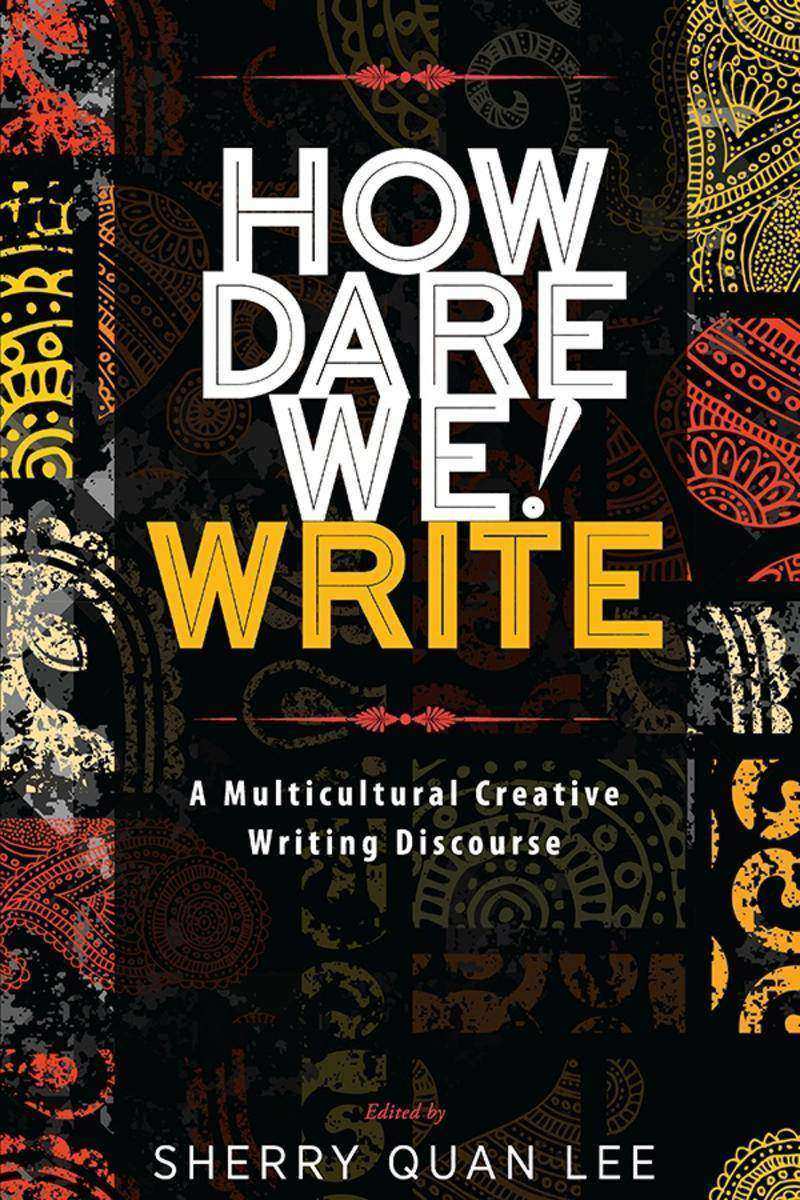
How Dare We! Write:A Multicultural Creative Writing Discourse
¥56.82
How Dare We! Write: a multicultural creative writing discourse offers a much needed corrective to the usual dry and uninspired creative writing pedagogy. The collection asks us to consider questions, such as "What does it mean to work through resistance from supposed mentors, to face rejection from publishers and classmates, and to stand against traditions that silence you?" and "How can writers and teachers even begin to make diversity matter in meaningful ways on the page, in the classroom, and on our bookshelves?" How Dare We! Write is an inspiring collection of intellectually rigorous lyric essays and innovative writing exercises; it opens up a path for inquiry, reflection, understanding, and creativity that is ultimately healing. The testimonies provide a hard won context for their innovative paired writing experiments that are, by their very nature, generative. --Cherise A. Pollard, PhD, Professor of English, West Chester University of Pennsylvania So-called "creative writing" classes are highly politicized spaces, but no one says so; to acknowledge this obvious fact would be to up-end the aesthetics, cultural politics (ideology) and economics on which most educational institutions are founded How Dare We! Write, a brilliant interventive anthology of essays, breaks this silence. --Maria Damon, Pratt Institute of Art; co-editor of Poetry and Cultural Studies: A Reader How Dare We! Write a collection of brave voices calling out to writers of color everywhere: no matter how lonely, you are not alone; you are one in a sea of change, swimming against the currents. --Kao Kalia Yang, author of The Latehomecomer: A Hmong Family Memoir, and The Song Poet, a 2017 Minnesota Book Award winner How Dare We! Write is a much needed collection of essays from writers of color that reminds us that our stories need to be told, from addressing academic gatekeepers, embracing our identities, the effects of the oppressor's tongue on our psyche and to the personal narratives that help us understand who we are. --Rodrigo Sanchez-Chavarria, writer, spoken word poet/performer and contributing author to A Good Time for the Truth: Race in Minnesota Learn more at http://blog.SherryQuanLee.com From Modern History Press www.ModernHistoryPress.com
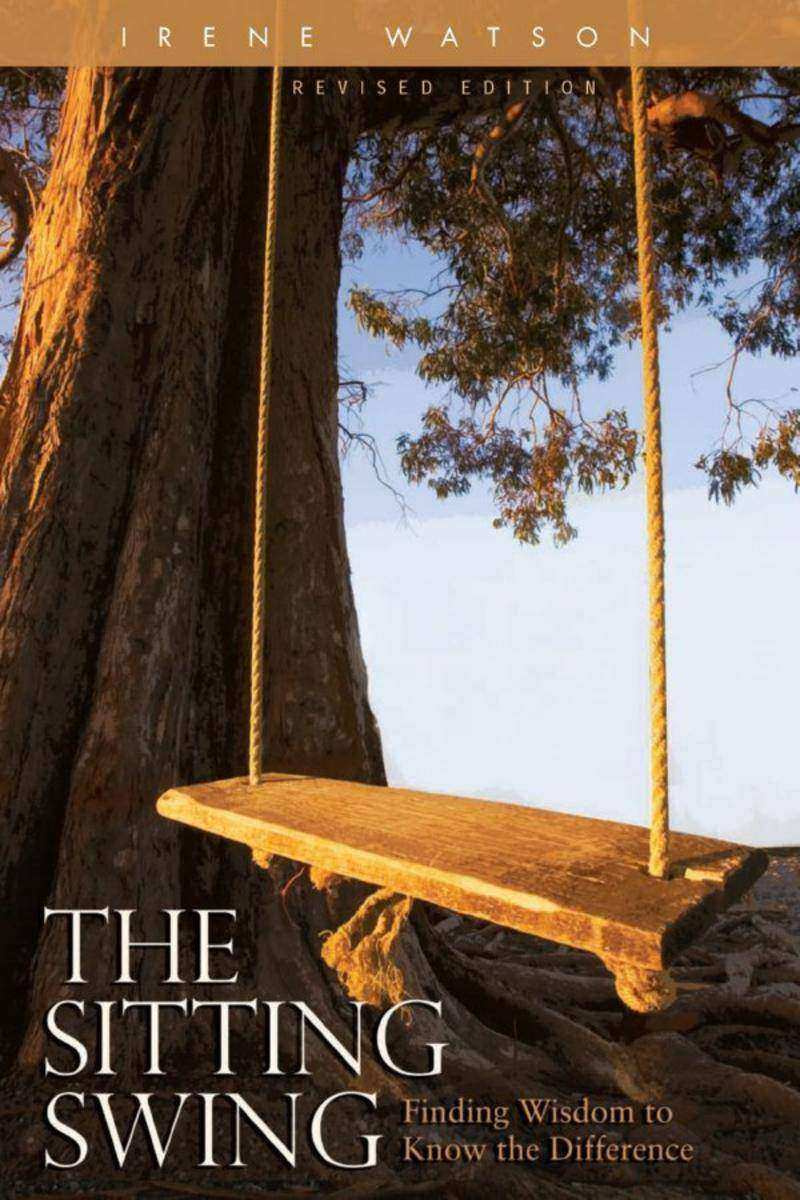
The Sitting Swing:Finding the Wisdom to Know the Difference
¥65.99
Irene Watson's pretentious life could go no further until she faced her past. Her moving and inspiring memoir begins at the end, in a recovery center, where she has gone to understand a childhood fraught with abuse, guilt, and uncertainty.Two distinct parts of the book look at abusive child rearing and the process of recovery years later. This story shows change, growth, and forgiveness are possible. It gives hope and freedom to those accepting the past and re-writing life scripts that have been passed down for generations. It's never too late to change your life, never too late to heal.Praise for The Sitting Swing"Watson's memoir recounts her fearful, highly sheltered years as she uncovers the childhood wounds leading to her personality crisis. This is an earnest memoir, well structured." --PUBLISHERS WEEKLY"The Sitting Swing is the poignant story of the author's successful journey to transcend the patterns sculpted by her parents and childhood experiences. I loved it!" --NANCY OELKLAUS, PHD, LIFE COACH AND AUTHOR OF JOURNEY FROM HEAD TO HEART: LIVING AND WORKING AUTHENTICALLY"As a teacher of transformational principles for self-discovery and the treatment of addictions, reading The Sitting Swing inspired me to a richer new voice, infusing my lectures with a deeper level of meaning. Irene's personal story of transformation will add to the experience, strength, and hope we share with our clients and to anyone who is on a path of personal transformation. " --MARY LYNN SZYMANDERA, LCAS, CEFIP, OUTPATIENT MANAGER, PAVILLON INTERNATIONAL, AND EQUINE PROGRAM DIRECTOR, SAWHORSE HILLAuthor info at www.irenewatson.comBook #6 in the Spiritual Dimensions Series from Loving Healing Press www.LovingHealing.com
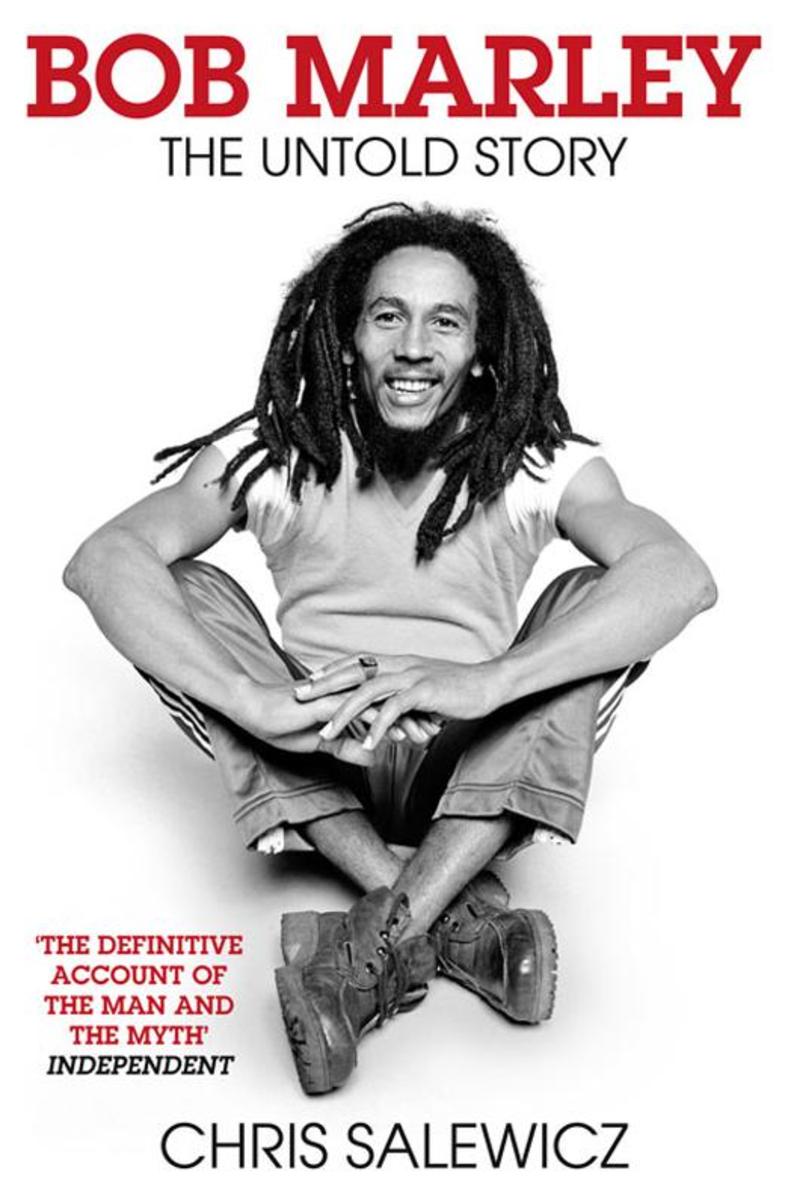
Bob Marley: The Untold Story
¥80.34
What was it about Bob Marley that made him so popular in a world dominated by rock’n’roll? How is that he has not only remained the single most successful reggae artist ever, but has also become a shining beacon of radicalism and peace to generation after generation of fans across the globe? On May 11, 1981, a little after 11.30 in the morning, Bob Marley died. The man who introduced reggae to a worldwide audience, in his own lifetime he had already become a hero figure in the classic mythological sense. From immensely humble beginnings and with talent and religious belief his only weapons, the Jamaican recording artist applied himself with unstinting perseverance to spreading his prophetic musical message. And he had achieved it: only a year earlier, Bob Marley and The Wailers' tour of Europe had seen them perform to the largest audiences a musical act had up to that point experienced. Record sales of Marley's albums before his death were spectacular; in the years since his death they have become phenomenal, as each new generation discovers afresh the remarkable power of his music. Chris Salewicz, who had a sequence of adventures with Bob Marley in Jamaica in 1979, offers us a comprehensive and detailed account of Bob Marley's life and the world in which he grew up and came to dominate. Never-before-heard interviews with dozens of people who knew Marley are woven through a narrative that brings to life not only the Rastafari religion and the musical scene in Jamaica, but also the spirit of the man himself.
Jason Leonard: The Autobiography
¥80.25
Leonard’s story starts as rugby started – in the amateur days, when the Cockney Carpenter began playing for Barking and Saracens in the days before multi-million pound business owners and sponsorship deals. His big break came when he was invited to join the England squad for their tour to Argentina in 1990 and has been capped 100 times. It was a tour that precipitated one of the greatest periods in the history of the British game, and Leonard provides a compelling insight into life behind the international scenes with England and the Lions, as well as the domestic game through his time at Saracens and Harlequins. Once told that he would never walk again after undergoing life-saving surgery on his neck, Leonard describes the torment he went through during this period – both physical and financial – and how he fought against all the odds to re-establish himself on the international stage. With 100 Test caps won to date, and a career in rugby union spanning two decades, there is no more experienced player in the modern game. Leonard has plenty to tell about the people he has met during his career – Rob Andrew, Will Carling, Lawrence Dallaglio, Brian Moore, Dick Best and Clive Woodward all feature – and with nicknames like 'The Fun Bus' and 'The Scourge of the Barking Barmaids' the stories are as colourful and controversial as the man himself. All is revealed in this fascinating portrait of an English rugby legend.
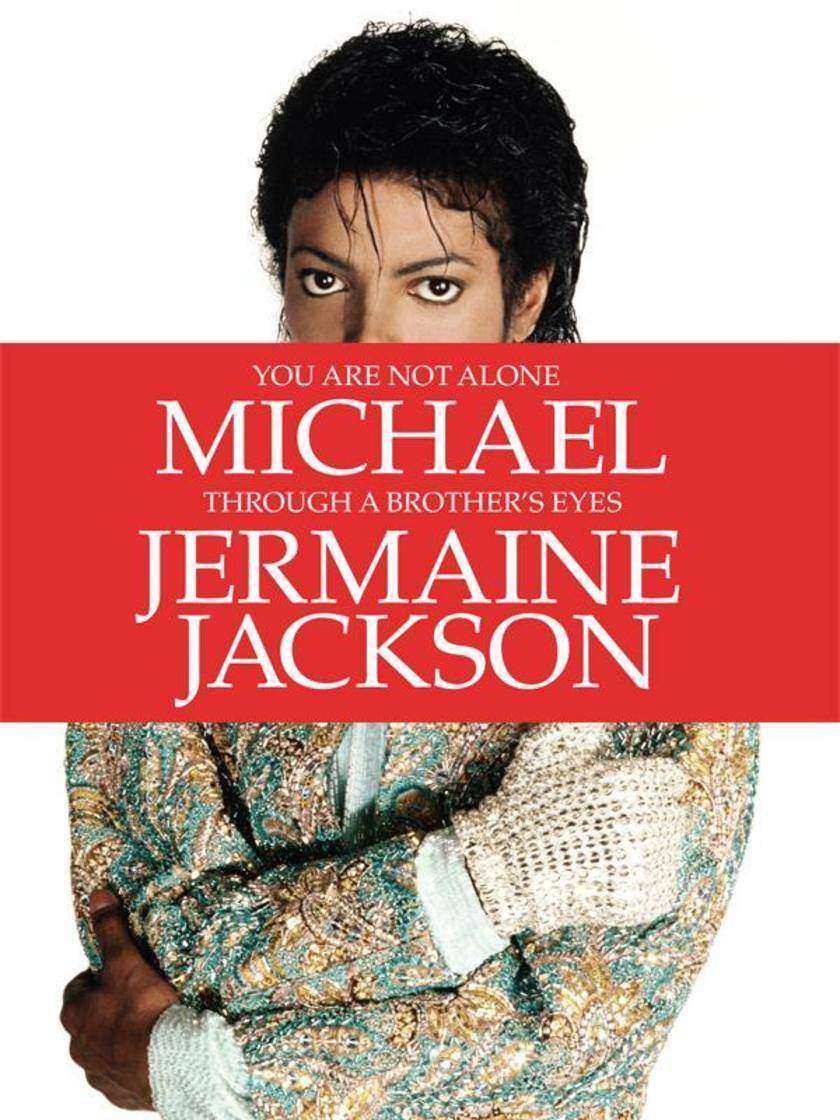
You Are Not Alone: Michael, Through a Brother’s Eyes
¥70.44
‘This is the truth as we know it. I have read so much about what people think they know about Michael, but this is about what really happened.’ Jermaine Jackson You Are Not Alone is an intimate, loving portrait of Michael Jackson, illuminating the private man like never before. It is an invitation into Michael’s real character, private insights and hidden feelings: the innermost thoughts of a fiercely private individual. Jermaine Jackson knew Michael like only a brother can. In You Are Not Alone Jermaine brings light to the man behind the mask of superstardom, an identity that has lingered in the shadows for too long. You Are Not Alone is a celebration of the real Michael: the boy who shared a tiny bunkbed with Jermaine at 2300 Jackson Street, Gary, Indiana; the brother with whom Jermaine shared laughter, tears and memories; the boy who would grow up to become a legend. Raw, honest and incredibly moving, You Are Not Alone is also a sophisticated, no-holds-barred examination of Michael Jackson, aimed at fostering a true and final understanding of who he was and what shaped him. This is Michael Jackson – the man, not the legend – through a brother’s eyes. If you love Michael Jackson, this is the only book you will want to read. If you think you know the Michael Jackson story, it’s time to think again.
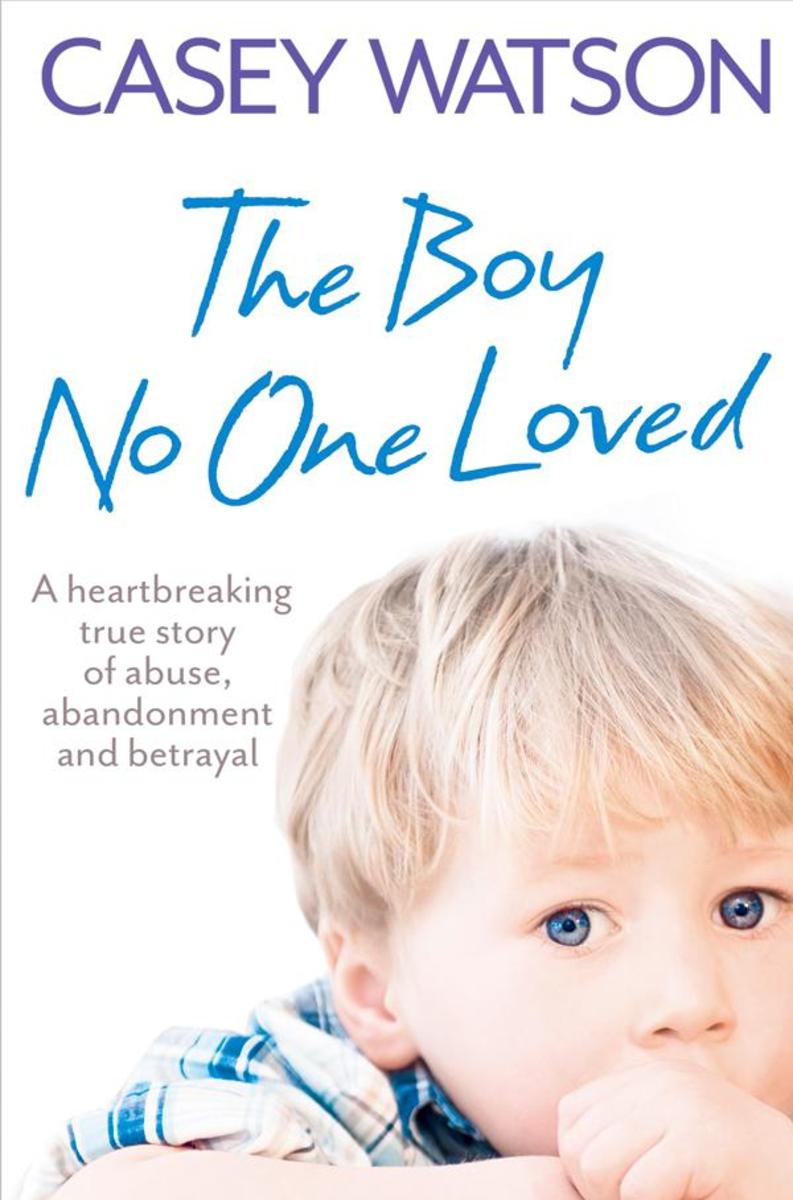
The Boy No One Loved: A Heartbreaking True Story of Abuse, Abandonment and Betra
¥63.77
Sunday Times bestselling author and foster carer Casey Watson’s first heartbreaking memoir. Justin was five years old; his brothers two and three. Their mother, a heroin addict, had left them alone again. Later that day, after trying to burn down the family home, Justin was taken into care. Justin was taken into care at the age of five after deliberately burning down his family home. Six years on, after 20 failed placements, Justin arrives at Casey’s home. Casey and her husband Mike are specialist foster carers. They practice a new style of foster care that focuses on modifying the behaviour of profoundly damaged children. They are Justin’s last hope, and it quickly becomes clear that they are facing a big challenge. Try as they might to make him welcome, he seems determined to strip his life of all the comforts they bring him, violently lashing out at schoolmates and family and throwing any affection they offer him back in their faces. After a childhood filled with hurt and rejection, Justin simply doesn’t want to know. But, as it soon emerges, this is only the tip of a chilling iceberg. A visit to Justin’s mother on Boxing Day reveals that there are some very dark underlying problems that Justin has never spoken about. As the full picture becomes clearer, and the horrific truth of Justin’s early life is revealed, Casey and her family finally start to understand the pain he has suffered… Includes a sample chapter of Crying for Help.
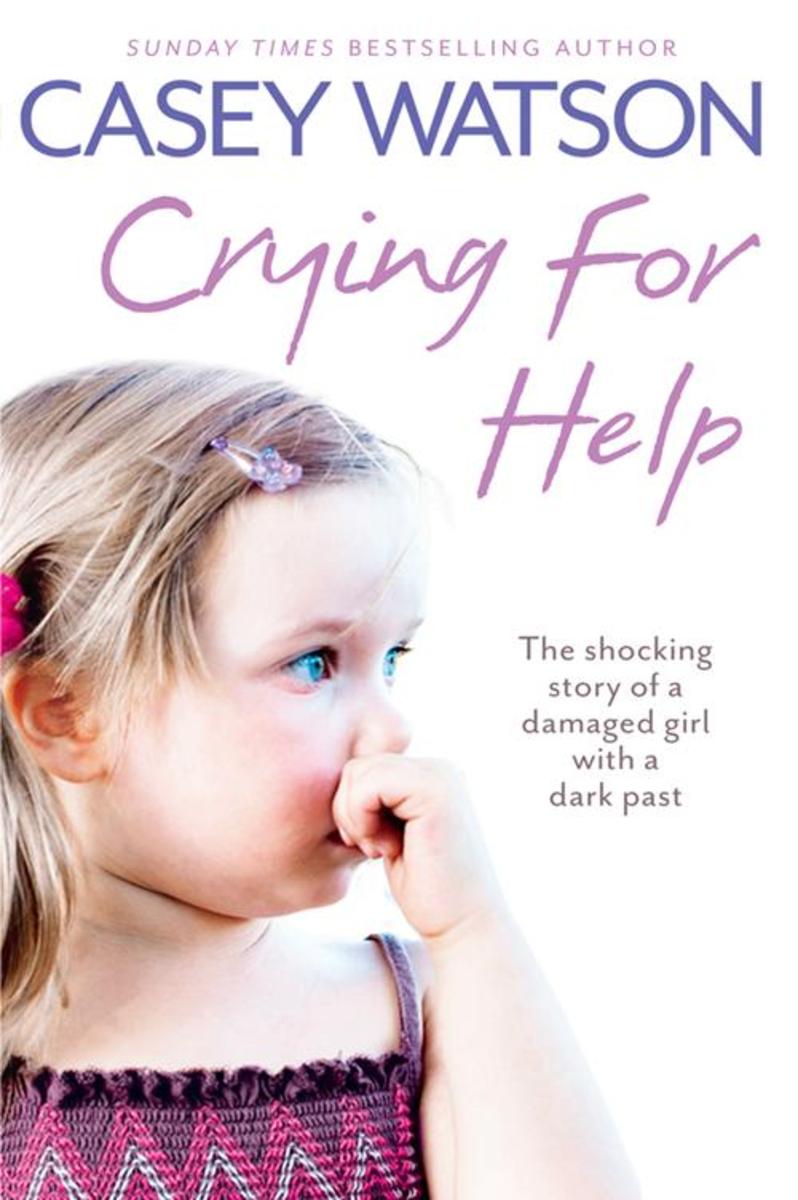
Crying for Help: The Shocking True Story of a Damaged Girl with a Dark Past
¥63.77
The second book from Sunday Times bestselling author Casey Watson. Two weeks after saying farewell to her first foster child, Casey is asked to look after Sophia, a troubled 12-year-old with a sad past. Sophia’s actions are disturbing and provocative and, before long, Casey and her family find themselves in a dark and dangerous situation. Two years ago Sophia’s mother had a terrible accident. Sophia has been in care ever since. Right away, Casey feels something isn’t right. Sophia’s a well-developed girl, who looks more like 18 than 12. She only seems to have eyes and ears for men, and treats all women with contempt and disgust. And she has everyone around her jumping through hoops. Over time, as more details begin to emerge about Sophia’s past, it becomes clear that her behaviour is a front for an early life filled with pain and suffering. But although Casey feels she is gradually breaking through to Sophia and getting her to open up about things she has never spoken about before, her violence is threatening the safety of the whole family, forcing Casey to question whether she can really handle this lost and damaged girl. Both shocking and inspiring, this true story will shed new light on the extreme and sometimes dangerous nature of foster care. Includes a sample chapter of Little Prisoners.
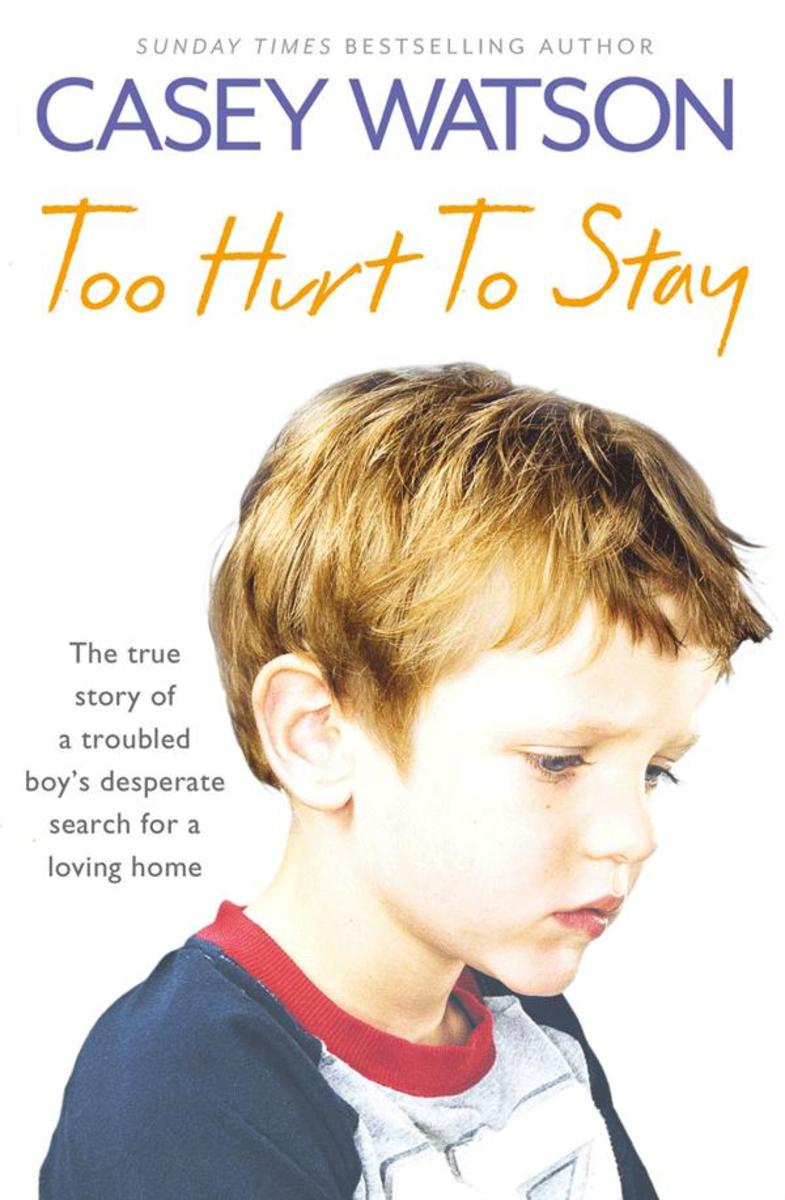
Too Hurt to Stay: The True Story of a Troubled Boy’s Desperate Search for a Lovi
¥56.11
The fourth title from Sunday Times bestselling author Casey Watson. Eight-year-old Spencer takes himself to social services and demands to be taken into care. It’s a desperate act, a cry for help, but his parent’s reaction – good riddance – speaks volumes. Casey’s hackles are immediately up for this poor child. Spencer is the middle child of four siblings. His parents claim all their other kids are ‘normal’ and that Spencer was born ‘vicious and evil’. Casey and her family are disgusted – kids aren’t born evil, they get damaged. Although when vigilante neighbours start to take action and their landlord threatens eviction, Casey is stretched to the limits, trying desperately to hold on to this boy who causes so much pain and destruction. Casey is determined to try and understand what Spencer is going through and help him find the loving home he is so desperately searching for. But it’s only when Spencer’s mother gets in touch with social services for the first time that gradually everything starts to make sense.
Gavin Henson: My Grand Slam Year
¥146.27
Silver boots, perma-tanned skin, shaven legs and gravity-defying red spikes in his hair – Gavin Henson is Wales’s hottest new celeb and rugby’s golden boy. This is his story of a momentous year in rugby, starting with an epic Six Nations Grand Slam for Wales, followed by the toughest of all tours, the British Lions in New Zealand. After kicking the 50-yard goal that sent England to shock defeat in the 2005 Six Nations, the 23-year-old Gavin Henson demonstrated that here, at last, was a Welsh sportsman who was ready to put his proud rugby nation back on the world map. Wales’s Grand Slam triumph – their first since 1978 – was done the hard way, with dramatic victories against the world champions followed by France in Paris, and climaxing in the Millennium stadium against Ireland, amid a crescendo of noise and passion-fuelled expectation. The flamboyant Henson relives those special moments on and off the field: the build-up to the games and the stories from within the inner sanctum of the Welsh dressing room; the pressure of suddenly becoming favourites to win the trophy; the nail-biting victories over England and France; and the moment when Henson knew that life would never be the same again. Fast forward to summer 2005. Wales’s No 12, the inside-centre whose clever running, booming kicks and crunching tackling make him a genuine all-rounder, is the favourite to play alongside captain and Irish phenomenon Brian O’Driscoll in the Lions team against the All Blacks in this most eagerly awaited clash of the Northern and Southern hemispheres. Henson’s insight into this defining tour, his views on coach Clive Woodward and his home nation colleagues (including a fit-again Jonny Wilkinson), and the eye-opening stories away from the rugby – plus all the other highlights of an unprecedented season for Wales’s new generation of talent – will make this book essential reading for the autumn.
Graham Thorpe: Rising from the Ashes
¥72.99
Graham Thorpe’s achievements on the cricket field contrasted wildly with his personal problems, where drink and depression combined to send him spiralling off the rails. This is his brutally honest life story, including his dramatic retirement from Test cricket, and updated to include England’s 2005 Ashes win, and his new coaching career. Graham Thorpe was one of the best batsmen in world cricket for more than a decade. Yet the national press hounded him as 'English cricket's most disturbed player' for pulling out of a series of tours and turning his back on the game more than once. With painful candour and often unexpected humour, Thorpe dissects his career in cricket and the inner recesses of his private life: the impact of his bitter divorce; the suicidal depression that afflicted him in his darkest hours; the reasons why he needed to 'save himself' by withdrawing from past England tours; the elation of his magnificent century on his comeback Test at the Oval in 2003; and his fresh outlook in life with a new partner after confronting his own failings and past troubles. Twelve years on from his Test debut against Australia, Thorpe took the decision to retire from international cricket after the disappointment of his controversial non-selection for the Ashes 2005 tour. With updated material on his coaching spell in Australia – where he gained valuable insight into cricket’s No 1 nation.
Barefoot in Mullyneeny: A Boy’s Journey Towards Belonging
¥73.58
Bryan Gallagher's reminiscences of the Ireland of his youth, first heard on Radio 4's 'Home Truths', transport you to a world of boyhood pranks, playground politics and the confusion of growing up in a land that is every bit as magical and captivating as the stories he has to tell. Barefoot in Mullyneeny is Bryan Gallagher's evocative tale of a childhood remembered through the people and landscape of Fermanagh, near the beautiful shores of Lough Erne in Ireland. Bryan chronicles a time when all the big boys went to school in bare feet and secretly watched the Saturday night bands and dances in halls lit by Tilley lamps; where it was known to be nothing less than the biblical truth that if you put a horse-hair across the palm of your hand when you were about to be punished at school, the cane would split in two. Gallagher's writing will touch the hearts of those who long for the innocence of childhood and the simplicity of an era long past. Whether relating tales of murderous bicycle chases through the darkened streets of Cavan, of ghosts and fairy forts or the anguish of emigration, this remarkable memoir vividly recreates life in rural Ireland in the 1940s and 50s. For those who thought that life in Ireland was one of the poverty and misery of James Joyce or Frank McCourt, Barefoot in Mullyneeny offers a view of the Ireland of yesteryear that combines the touching, homely nostalgia of Nigel Slater's Toast and Laurie Lee's Cider with Rosie with a humorous optimism that is unmistakably Ireland at its best.
Chopin
¥80.25
A new edition of Adam Zamoyski’s definitive biography of Chopin, first published in 1979 and unavailable in English for many years. Few composers elicit such strong emotions as Chopin. Few have been more revered and cherished. And few have had so much sentimental nonsense written about them. Published to coincide with the bicentenary of Chopin's birth, Adam Zamoyski's compelling new biography cuts through the mass of anecdote and myth that has sprung up around the composer's life and the ebullient and striking personalities of Romantic Paris among whom he lived, including Liszt, Berlioz, Victor Hugo and George Sand, in search of the real Chopin. Zamoyski brings to the subject an unrivalled knowledge of the historical, social and cultural background of the composer's native Poland as well as of the France in which he spent most of his creative life. He has scoured the archives of Warsaw, Krakow, Paris and London in his quest for the truth, and has based his account exclusively on primary sources and contemporary accounts. The result is a biography of authority, perception and wit. Chopin emerges from the sugary romantic mist in which he has been shrouded as a real, palpable personality, a man of intelligence and humour; in music an innovator of genius; in business a feckless spendthrift; in love hesitant and tender; in friendship passionately loyal but often intolerably exacting. Through a close reading of his letters and the use of everyday detail, Zamoyski draws the reader into the private world of this most complicated and reticent of men - 'a man made for intimacy', as the poet Heinrich Heine called him - and reveals the real passions, suffering and ultimate tragedy of his life.
The Boy Who Harnessed the Wind
¥66.22
When William Kamkwamba was just 14 years old his parents told him that he must leave school and come and work on the family farm as they could no longer afford to $80 a year tuition fees. This is the story of his refusal to give up on learning and reading. A story of passion, determination and remarkable achievements. Malawi is a country battling Aids, drought and famine, and in 2002, a season of floods, followed by the most severe famine in fifty years, brought it to its knees. Like the majority of the population, William's family were farmers. They were totally reliant of the maize crop. By the end of 2001, after many lean and difficult years, there was no more crop. They were running out of food - had nothing to sell - and had months until they would be able to harvest their crop again. Forced to leave school at 14 years old, with no hope of raising the funds to go again, William resorted to borrowing books from the small local library to continue his education. One day, browsing the titles, he picked up a book about energy, with a picture of a wind turbine on the front cover. Fascinated by science and electricity, but knowing little more about the technology, William decided to build his own. Ridiculed by those around him, and exhausted from his work in the fields every day, and using nothing more than bits of scrap metal, old bicycle parts and wood from the blue gum tree, he slowly built his very own windmill. This windmill has changed the world in which William and his family live. Only 2 per cent of Malawi has electricity; William's windmill now powers the lightbulbs and radio for his compound. He has since built more windmills for his school and his village. When news of William's invention spread, people from across the globe offered to help him. Soon he was re-enrolled in college and travelling to America to visit wind farms. This is his incredible story. William's dream is that other African's will learn to help themselves - one windmill and one light bu
The Times Great Irish Lives
¥67.49
For the first time, The Times brings together a unique collection of obituaries of Ireland's most distinguished individuals from the last two centuries.

Westlife: Our Story
¥66.22
The biggest pop band in the world celebrate 10 years at the top – telling their full story in their own words for the very first time. 40 million albums 14 UK number 1 singles 7 UK number 1 albums Westlife have had more number ones than any other artist apart from The Beatles and Elvis and with songs that have become modern classics like Flying without Wings, they have ensured their place in the annals of pop history. Westlife – The Autobiography will chart the highs and lows of their phenomenonal career and a unique friendship that has seen them endure as a band for an extraordinary ten years. The book will chronicle the band’s story from the grass-roots of Sligo, Ireland to multi-platinum records, celebrity collaborations and chart achievements. But bubbling under this public face is a private and unseen story never before recorded, crammed with candid personal revelations, including of course the departure of Brian McFadden. Westlife have been a staple part of British entertainment for years, yet the public has no idea of the astounding life they have led – and still live – behind the headlines and soundbites. Here, for the first time, Westlife will take us into their confidence and reveal their lives and amazing ten year journey as the UK’s biggest pop band as never before.
Street Kid Fights On: She thought the nightmare was over
¥73.58
How can you forget your past when it keeps coming back to haunt you? Judy Westwater, the Sunday Times bestselling author of Street Kid, was determined to turn her back on her cruel and violent childhood. She didn't stand a chance. All too soon hope turned to fear and she knew she'd have to run again. Judy was only 11 years old when she was forced to live on the streets. Beaten, half-starved and horrifically abused, she finally escaped to a life in the circus and fell in love with one of the circus hands. But the charming man who seemed so perfect had a dark and sinister side. If she wanted to survive she had to get away. Judy fled to South Africa, taking with her her two young children. But the streets of South Africa were just as cruel. One day a man took her five-year-old daughter and her violent past was replayed in front of her eyes. Judy's incredible story of courage and determination will inspire as it will amaze.
The Other Side of Me
¥51.50
A brilliant, highly spirited memoir of Sidney Sheldon's early life that provides as compulsively readable and racy a narrative as any of his bestselling novels. Growing up in 1930s America, the young Sidney knew what it was to struggle to get by. Millions were out of work and the Sheldon family was forced to journey around America in search of employment. Grabbing every chance he could, Sidney worked nights as a busboy, a clerk, an usher – anything – but he dreamt of becoming something more. His dream was to become a writer and to break Hollywood. By a stroke of luck, he found work as a reader for David Selznick, a top Hollywood producer, and the dream began to materialise. Sheldon worked through the night writing stories for the movies, and librettos for the musical theatre. Little by little he gained a reputation and soon found himself in demand by the hottest producers and stars in Hollywood. But, this was wartime Hollywood and Sidney had to play his part. He trained as a pilot in the US Army Air Corps and waited for the call to arms which could put a stop to his dreams of stardom. Returning to Hollywood and working with actors like Cary Grant and Shirley Temple; with legendary producers like David Selznick and Dore Schary; and musical stars like Irving Berlin, Judy Garland and Gene Kelly, memories of poverty were finally behind Sheldon. This is his story: the story of a life on both sides of the tracks, of struggles and of success, and of how one man rose against the odds to become the master of his game.

Manhood for Amateurs
¥81.03
Michael Chabon, author of WONDER BOYS and the Pulitzer Prize-wining THE AMAZING ADVENTURES OF KAVALIER & CLAY, has written an autobiographical narrative as inventive, beautiful and powerful as his novels. In these insightful, provocative, slyly interlinked essays, one of our most brilliant and humane writers presents his autobiography and vision of life in the way so many of us experience our own: as a series of reflections, regrets and re-examinations, each sparked by an encounter, in the present, that holds some legacy of the past. What does it mean to be a man today? Chabon invokes and interprets and struggles to reinvent for us, with characteristic warmth and lyric wit, the personal and family history that haunts him even as it goes on being written every day. As a son, a husband and above all as a father of four young children, Chabon’s memories of childhood, of his parents’ marriage and divorce, of moments of painful adolescent comedy and giddy encounters with the popular art and literature of his own youth, are like a theme played – on different instruments, with a fresh tempo and in a new key – by the mad quartet of which he now finds himself co-conductor.
Unravelled: Life as a Mother
¥54.65
Maria Housden tells of her own transformation, as a mother, a wife and a woman, as she struggled to cope with the death of her daughter Hannah and make the hardest decision of her life. From the author of the bestselling Hannah’s Gift. At the age of 36, instead of enjoying the perfect family life she had imagined as a child, Maria felt judged and found wanting by others. She realised that, no matter how much she still loved her husband and how powerful her bond of love was with her children, she had to change her life radically – she had to make it her own again. What followed was an emotional and enlightening search for herself. Written in the same moving, lyrical style as Hannah’s Gift, the story unfolds in a series of painful, joyful and humorous moments. At times the story is heart-wrenchingly sad but ultimately it is uplifting and inspiring.
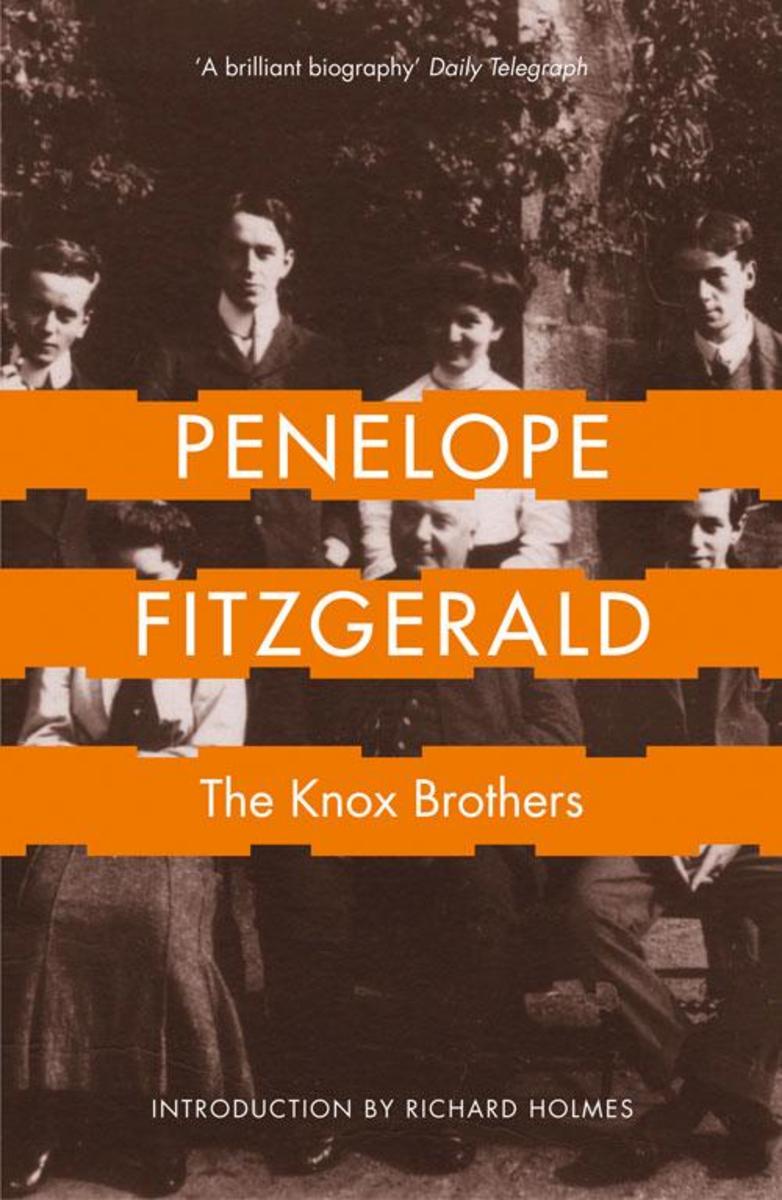
The Knox Brothers
¥76.52
Penelope Fitzgerald’s biography of her remarkable family. ‘When I was very young I took my uncles for granted, and it never occurred to me that everyone else in the world was not like them.’ In this, only her second book, Penelope Fitzgerald turned her novelist’s gaze on the quite extraordinary lives of her father and his three brothers. A masterly work of biography, within which we see Penelope Fitzgerald exercising her pen magnificently before she began her novel-writing career. Edmund Knox, her father, was one of the most successful editors of Punch. Dillwyn, a Cambridge Greek scholar, was the first to crack the Nazi’s message decoding system, Enigma, and in so doing, is estimated to have shortened the Second World War by six months. Wilfred became an Anglo-Catholic priest and an active welfare worker in the East End of London. Ronald, the best known of the four during his lifetime, was Roman Catholic chaplain to Oxford University’s student body, preacher, wit, scholar, crime-writer and translator of the Bible. A homage to a long-forgotten world and a fascinating account of the generation straddling the divide between late Victorian and Edwardian.
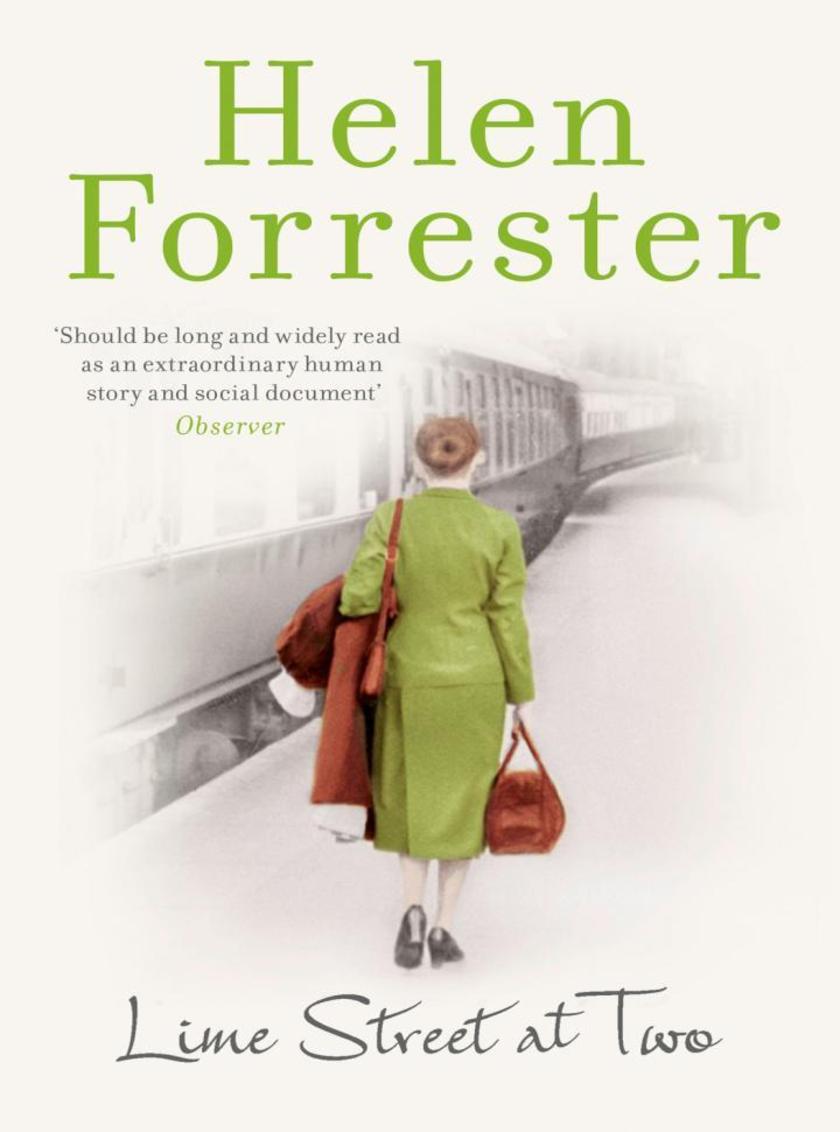
Lime Street at Two
¥54.25
The fourth and final part of Helen Forrester’s bestselling autobiography continues the moving story of her early poverty-stricken life with an account of the war years in Blitz-torn Liverpool In 1940 Helen, now twenty, reeling from the news that her fiance Harry has been killed on an Atlantic convoy, is working long hours at a welfare centre in Bootle, five miles from home. Her wages are pitifully low and her mother claims the whole of them for housekeeping. Then, early in 1941, she gets a new job and begins to enjoy herself a little. But in May the bombing starts again and another move brings more trouble to Helen, trouble which will be faced, as ever, with courage and determination.


