


 购物车
购物车 个人中心
个人中心
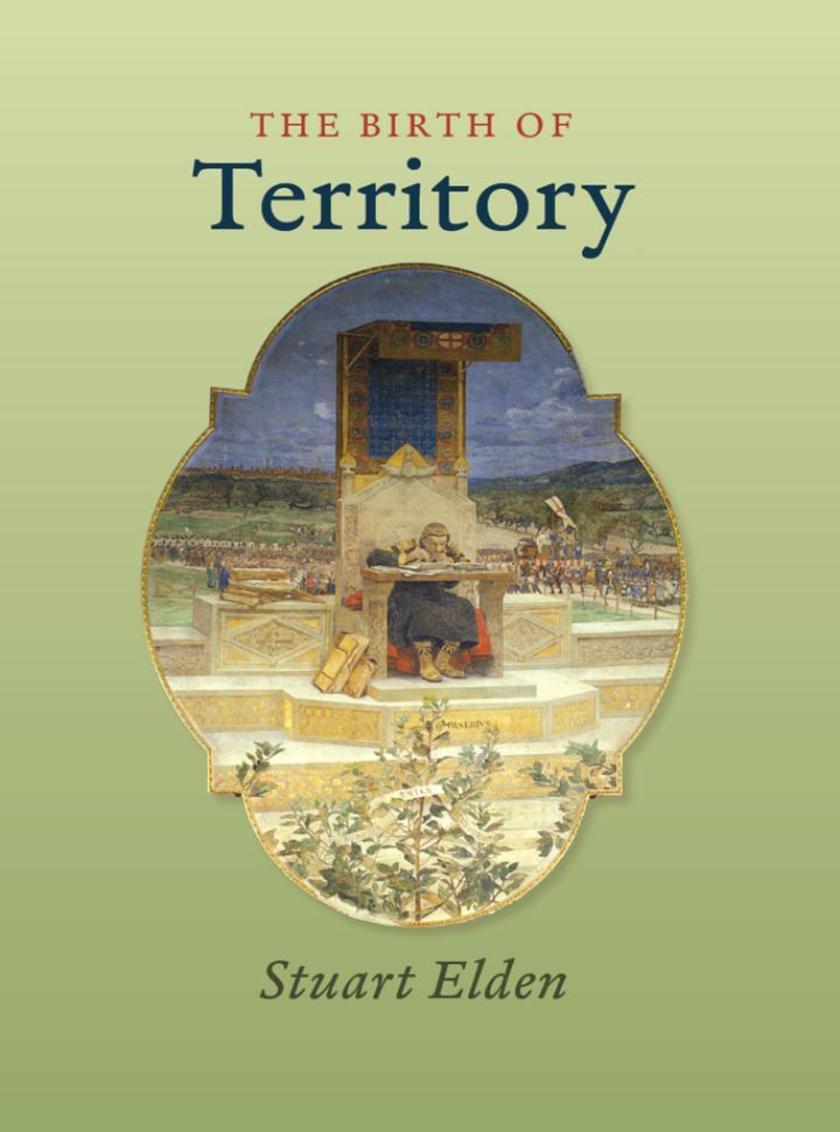
Birth of Territory
¥247.21
Territory is one of the central political concepts of the modern world and, indeed, functions as the primary way the world is divided and controlled politically. Yet territory has not received the critical attention afforded to other crucial concepts such as sovereignty, rights, and justice. While territory continues to matter politically, and territorial disputes and arrangements are studied in detail, the concept of territory itself is often neglected today. Where did the idea of exclusive ownership of a portion of the earth's surface come from, and what kinds of complexities are hidden behind that seemingly straightforward definitionThe Birth of Territory provides a detailed account of the emergence of territory within Western political thought. Looking at ancient, medieval, Renaissance, and early modern thought, Stuart Elden examines the evolution of the concept of territory from ancient Greece to the seventeenth century to determine how we arrived at our contemporary understanding. Elden addresses a range of historical, political, and literary texts and practices, as well as a number of key players-historians, poets, philosophers, theologians, and secular political theorists-and in doing so sheds new light on the way the world came to be ordered and how the earth's surface is divided, controlled, and administered.
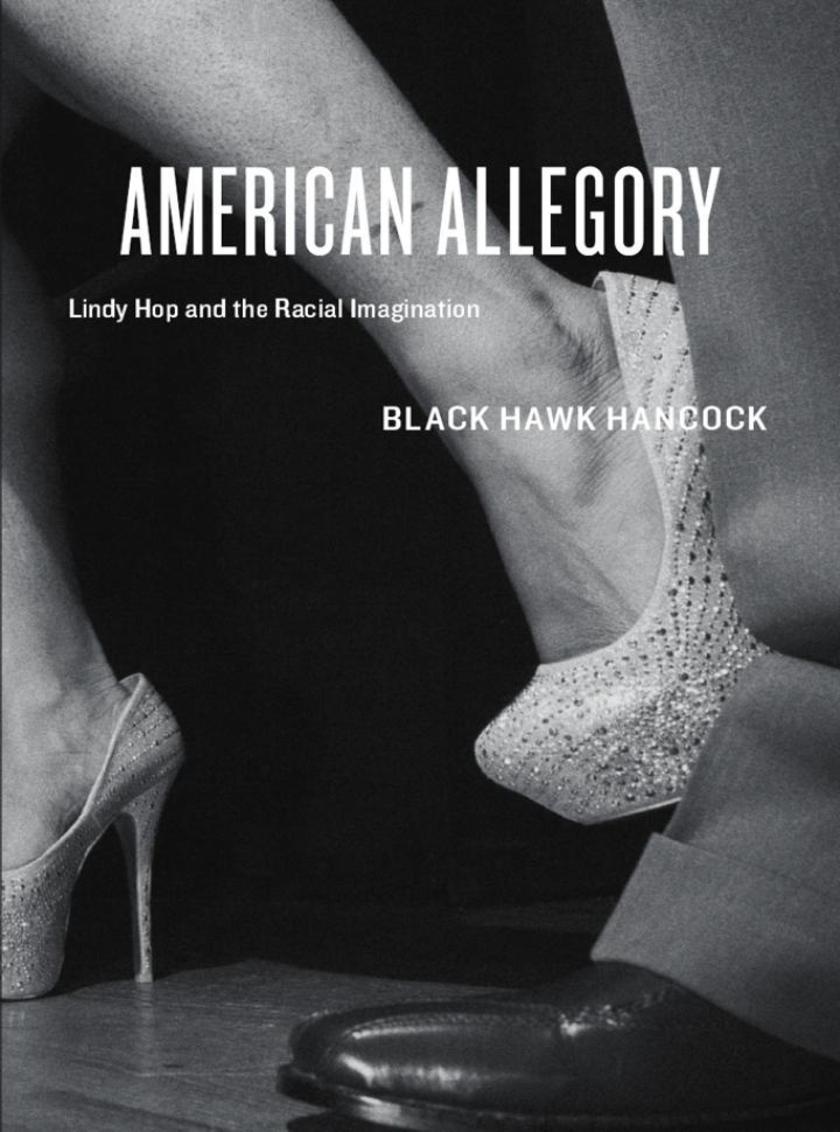
American Allegory
¥247.21
"e;Perhaps,"e; wrote Ralph Ellison more than seventy years ago, "e;the zoot suit contains profound political meaning; perhaps the symmetrical frenzy of the Lindy-hop conceals clues to great potential power."e; As Ellison noted then, many of our most mundane cultural forms are larger and more important than they appear, taking on great significance and an unexpected depth of meaning. What he saw in the power of the Lindy Hop-the dance that Life magazine once billed as "e;America's True National Folk Dance"e;-would spread from black America to make a lasting impression on white America and offer us a truly compelling means of understanding our culture. But with what hidden implications?In American Allegory, Black Hawk Hancock offers an embedded and embodied ethnography that situates dance within a larger Chicago landscape of segregated social practices. Delving into two Chicago dance worlds, the Lindy and Steppin', Hancock uses a combination of participant-observation and interviews to bring to the surface the racial tension that surrounds white use of black cultural forms. Focusing on new forms of appropriation in an era of multiculturalism, Hancock underscores the institutionalization of racial disparities and offers wonderful insights into the intersection of race and culture in America.
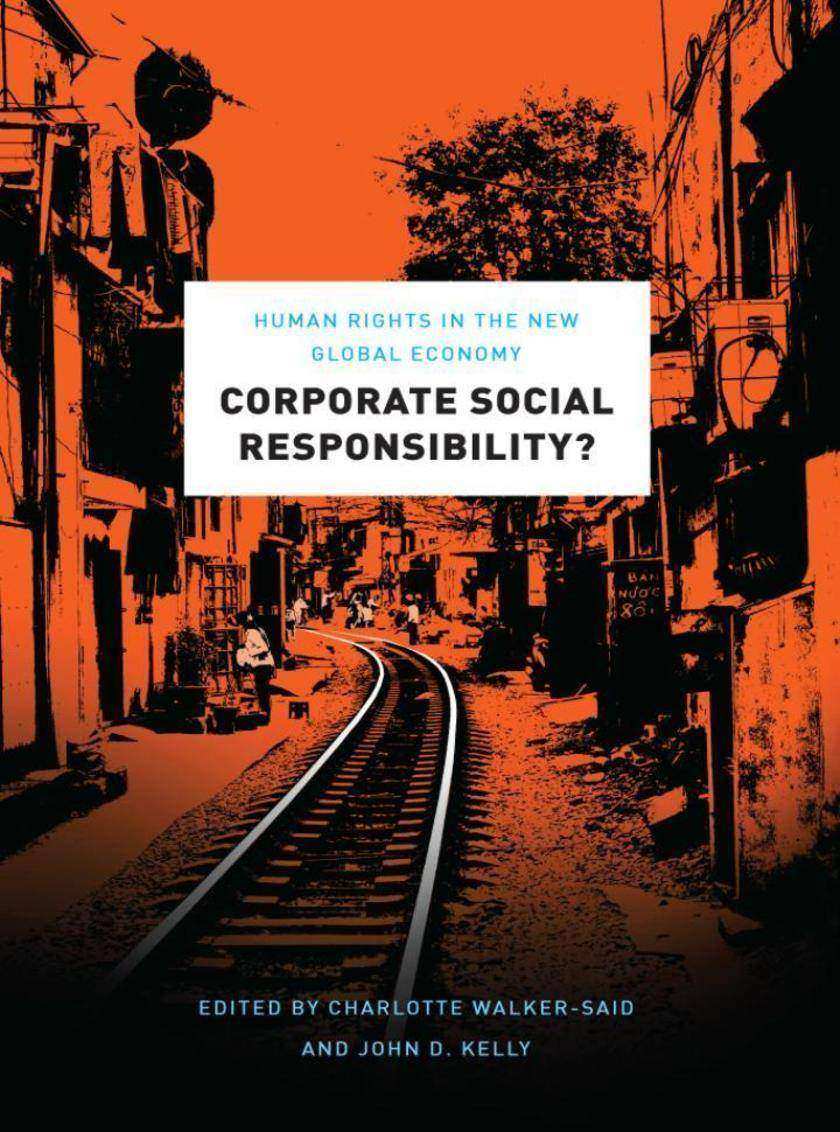
Corporate Social Responsibility?
¥247.21
With this book, Charlotte Walker-Said and John D. Kelly have assembled an essential toolkit to better understand how the notoriously ambiguous concept of corporate social responsibility (CSR) functions in practice within different disciplines and settings. Bringing together cutting-edge scholarship from leading figures in human rights programs around the United States, they vigorously engage some of the major political questions of our age: what is CSR, and how might it render positive political change in the real worldThe book examines the diverse approaches to CSR, with a particular focus on how those approaches are siloed within discrete disciplines such as business, law, the social sciences, and human rights. Bridging these disciplines and addressing and critiquing all the conceptual domains of CSR, the book also explores how CSR silos develop as a function of the competition between different interests. Ultimately, the contributors show that CSR actions across all arenas of power are interdependent, continually in dialogue, and mutually constituted. Organizing a diverse range of viewpoints, this book offers a much-needed synthesis of a crucial element of today's globalized world and asks how businesses can, through their actions, make it better for everyone.?
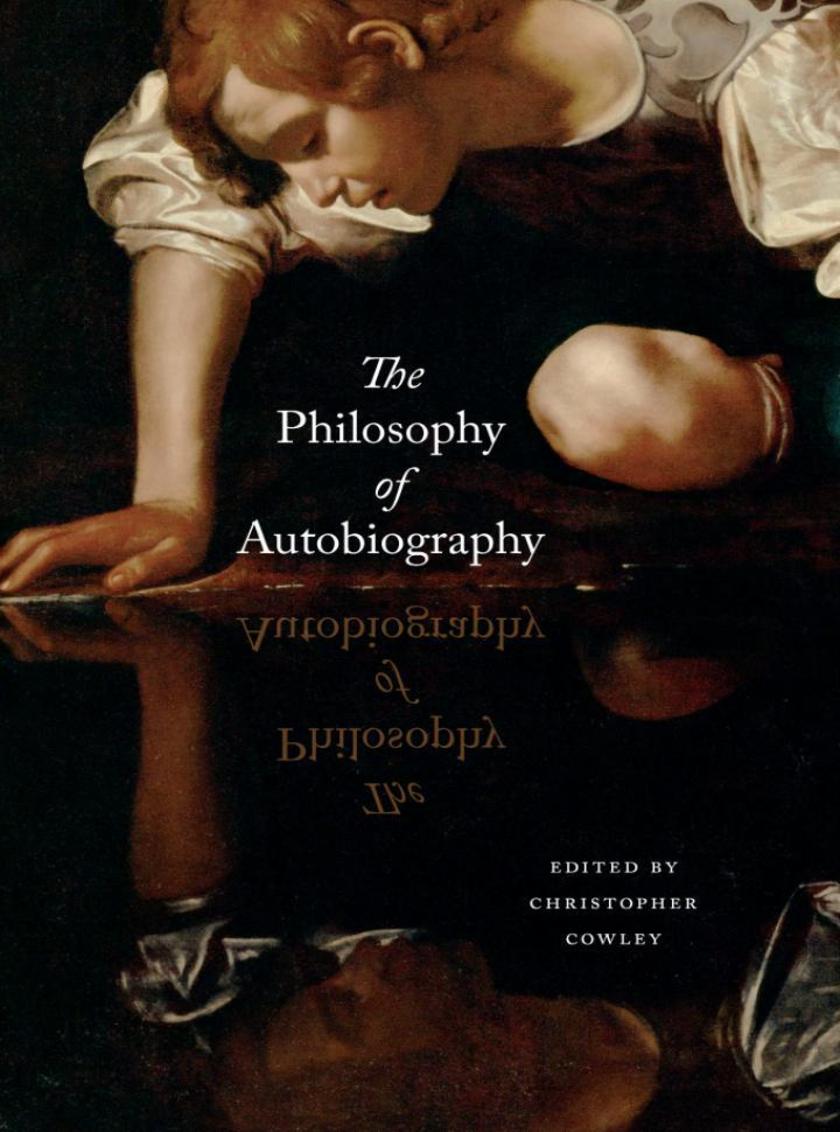
Philosophy of Autobiography
¥247.21
We are living through a boom in autobiographical writing. Every half-famous celebrity, every politician, every sports hero-even the non-famous, nowadays, pour out pages and pages, Facebook post after Facebook post, about themselves. Literary theorists have noticed, as the genres of "e;creative nonfiction"e; and "e;life writing"e; have found their purchase in the academy. And of course psychologists have long been interested in self-disclosure. But where have the philosophers beenWith this volume, Christopher Cowley brings them into the conversation.?Cowley and his contributors show that while philosophers have seemed uninterested in autobiography, they have actually long been preoccupied with many of its conceptual elements, issues such as the nature of the self, the problems of interpretation and understanding, the paradoxes of self-deception, and the meaning and narrative structure of human life. But rarely have philosophers brought these together into an overarching question about what it means to tell one's life story or understand another's. Tackling these questions, the contributors explore the relationship between autobiography and literature; between story-telling, knowledge, and agency; and between the past and the present, along the way engaging such issues as autobiographical ethics and the duty of writing. The result bridges long-standing debates and illuminates fascinating new philosophical and literary issues. ?

Urban Neighborhoods in a New Era
¥247.21
For decades, North American cities racked by deindustrialization and population loss have followed one primary path in their attempts at revitalization: a focus on economic growth in downtown and business areas. Neighborhoods, meanwhile, have often been left severely underserved. There are, however, signs of change. This collection of studies by a distinguished group of political scientists and urban planning scholars offers a rich analysis of the scope, potential, and ramifications of a shift still in progress. Focusing on neighborhoods in six cities-Baltimore, Chicago, Denver, Los Angeles, Phoenix, and Toronto-the authors show how key players, including politicians and philanthropic organizations, are beginning to see economic growth and neighborhood improvement as complementary goals. The heads of universities and hospitals in central locations also find themselves facing newly defined realities, adding to the fluidity of a new political landscape even as structural inequalities exert a continuing influence.While not denying the hurdles that community revitalization still faces, the contributors ultimately put forth a strong case that a more hospitable local milieu can be created for making neighborhood policy. In examining the course of experiences from an earlier period of redevelopment to the present postindustrial city, this book opens a window on a complex process of political change and possibility for reform.

Children of the Greek Civil War
¥253.10
At the height of the Greek Civil War in 1948, thirty-eight thousand children were evacuated from their homes in the mountains of northern Greece. The Greek Communist Party relocated half of them to orphanages in Eastern Europe, while their adversaries in the national government placed the rest in children's homes elsewhere in Greece. A point of contention during the Cold War, this controversial episode continues to fuel tensions between Greeks and Macedonians and within Greek society itself. Loring M. Danforth and Riki Van Boeschoten present here for the first time a comprehensive study of the two evacuation programs and the lives of the children they forever transformed.Marshalling archival records, oral histories, and ethnographic fieldwork, the authors analyze the evacuation process, the political conflict surrounding it, the children's upbringing, and their fates as adults cut off from their parents and their homeland. They also give voice to seven refugee children who poignantly recount their childhood experiences and heroic efforts to construct new lives in diaspora communities throughout the world. A much-needed corrective to previous historical accounts, Children of the Greek Civil War is also a searching examination of the enduring effects of displacement on the lives of refugee children.
Stick Dog Chases a Pizza
¥72.71
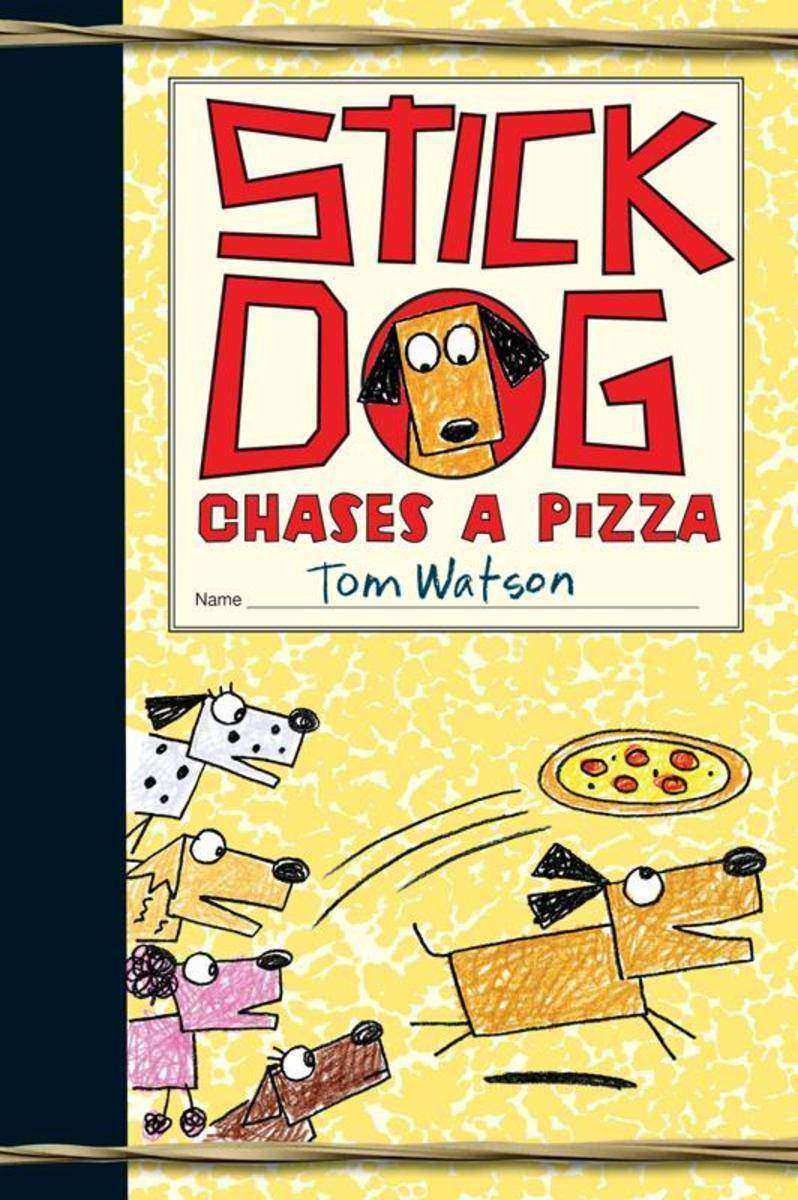
In Stick Dog Chases a Pizza, Tom Watson's hilarious follow-up to Stick Dog and Stick Dog Wants a Hot Dog, Stick Dog returns with the same crazy crew. This time these canine friends have discovered a newfangled flavor—and it's even more delicious than hamburgers and hot dogs. It's pizza! And they won't be satisfied until they get some slices of their own. But it won't be that easy. There's a kitten to rescue, a plan to make, and the messiest—and most dangerous—game of catch they've ever played. Pizza is on the menu, but only if their mission succeeds. Perfect for fans of Big Nate, Diary of a Wimpy Kid, and the previous Stick Dog books.

A Thousand Pieces of You
¥55.33
Cloud Atlas meets Orphan Black in this epic dimension-bending trilogy by New York Times bestselling author Claudia Gray about a girl who must chase her father's killer through multiple dimensions.Marguerite Caine's physicist parents are known for their groundbreaking achievements. Their most astonishing invention, called the Firebird, allows users to jump into multiple universes—and promises to revolutionize science forever. But then Marguerite's father is murdered, and the killer—her parent's handsome, enigmatic assistant Paul— escapes into another dimension before the law can touch him.Marguerite refuses to let the man who destroyed her family go free. So she races after Paul through different universes, always leaping into another version of herself. But she also meets alternate versions of the people she knows—including Paul, whose life entangles with hers in increasingly familiar ways. Before long she begins to question Paul's guilt—as well as her own heart. And soon she discovers the truth behind her father's death is far more sinister than she expected.A Thousand Pieces of You explores an amazingly intricate multi-universe where fate is unavoidable, the truth elusive, and love the greatest mystery of all.
Maybe One Day
¥56.08
In the tradition of The Fault in Our Stars, critically acclaimed author Melissa Kantor masterfully captures the joy of friendship, the agony of loss, and the unique experience of being a teenager in this poignant new novel about a girl grappling with her best friend's life-threatening illness. A person's whole life, she's lucky to have one or two real friends. Friends who are like family… For Zoe, that someone is Olivia. So when Olivia is diagnosed with leukemia, Zoe is determined to put on a brave face and be positive for her best friend.Even when she isn't sure what to say. Even when Olivia misses months of school. Even when Zoe starts falling for Calvin, Olivia's crush. The one thing that keeps Zoe moving forward is knowing that Olivia will beat this, and everything will go back to the way it was before. It has to. Because the alternative is too terrifying for her to even imagine.
Better Than Perfect
¥101.00
From the acclaimed author of Maybe One Day, Melissa Kantor, comes a poignant coming-of-age story that skillfully captures the singular experience of being a teenage girl. This beautifully woven tale will appeal to fans of Jenny Han and Sarah Dessen.Juliet Newman has it all. A picture-perfect family; a handsome, loving boyfriend; and a foolproof life plan: ace her SATs, get accepted into Harvard early decision, and live happily ever after.But when her dad moves out and her mom loses it, Juliet begins questioning the rules she's always lived by. And to make everything even more complicated there's Declan, the gorgeous boy who makes her feel alive and spontaneous—and who's totally off-limits. Torn between the life she always thought she wanted and one she never knew was possible, Juliet begins to wonder: What if perfect isn't all it's cracked up to be?

One Direction: Meet One Direction
¥61.70
The only 100% fully official annual—written in collaboration with One Direction. This is the annual for all 1D fans! Find out straight from Harry, Liam, Louis, Niall, and Zayn what they think about success, their musical influences, the making of their movie, their style, their amazing fans, and much more! With exclusive interviews, up-to-the-minute news, and fantastic never-before-seen photos, this is a must-have for all One Direction fans and a fantastic gift for any occasion!

The Half-a-Moon Inn
¥38.72
Aaron has never left alone before. He is mute, and depends on his mother for everything. But tomorrow Aaron will be twelve years old, old enough to stay home by himself while his mother goes to town. Everything will be fine, as long as he stays close to the house. And if there's trouble, Aaron can write what he needs to say.Trouble there is aplenty. When a terrible blizzard keeps his mother from returning home, Aaron sets out to search for her—but he stumbles upon the mysterious Half-a-Moon Inn, where the crafty Miss Grackle forces him to work for her. How can Aaron stop her from carrying out her devilish schemes—before it's too late?
Two Under Par
¥33.63
It seemed to ten-year-old Wedge that most of the time nothing made sense anymore. Suddenly he had a brand-new stepfather and a five-year-old stepbrother, Andrew. He lived in a new house, far from his friends, and his bedroom window looked out on a seven-foot castle that marked the eighteenth hole of the miniature golf course his stepfather owned. He hated it.Wedge does not easily let go of his anger, but the moment does come when things again begin to make sense. Kevin Henkes tells the story of Wedge's journey to understanding and acceptance with humor and sympathy.

Moonkind
¥38.72
Fer must save her realm from the Forsworn, a group destroying the land with their broken oaths, in Moonkind, the conclusion to award-winning author Sarah Prineas's fantasy-adventure series, which includes Winterling, Summerkin, and the short story Thrice Sworn.As the Lady of the Summerlands, Fer has vowed to serve her people without the deception of the glamorie, and she had trusted other leaders to fulfill the same promise. But not all of the Lords and Ladies want to keep their oaths, and they've unleashed the consequences of their betrayal onto the lands. Only Fer, with the help of the puck-boy Rook, can fight the stillness invading the realm. But can she trust RookAnd can she protect her people before it's too late?Sarah Prineas combines a brave and resourceful young heroine with a richly detailed fantasy world and beloved folklore into a story that will delight middle-grade fans of Diana Wynne Jones, Ingrid Law, and Rick Riordan.
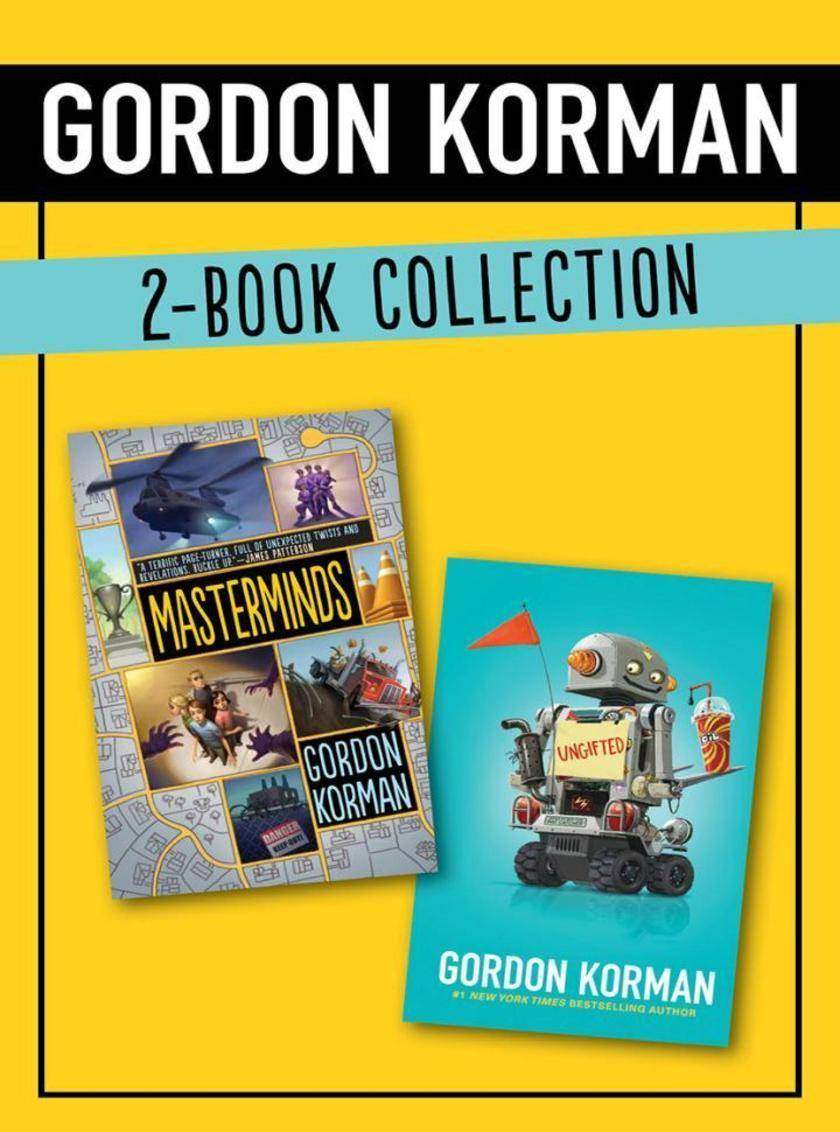
Gordon Korman 2-Book Collection
¥152.61
Here are two adventure-packed novels perfect for introducing middle grade readers to the work of #1 New York Times bestselling author Gordon Korman.Ungifted: When Donovan Curtis pulls a major prank at his middle school, he thinks he's finally gone too far. But thanks to a mix-up by one of the administrators, instead of getting in trouble, Donovan is sent to a special program for gifted and talented students. The program couldn't be a more perfectly unexpected hideout for someone like him. But as the students and teachers grow to realize that Donovan may not be good at math or science (or just about anything), he shows that his gifts may be exactly what these students never knew they needed.Masterminds: In idyllic Serenity, New Mexico, honesty and integrity are valued above all else. The thirty kids who live there never lie—they know it's a short leap from that to the awful problems of other, less fortunate places. Then one day Eli Frieden bikes to the edge of the city limits and something so crazy and unexpected happens, it changes everything. Action-packed and full of unexpected twists, this new series is perfect for young fans of James Patterson and John Grisham.
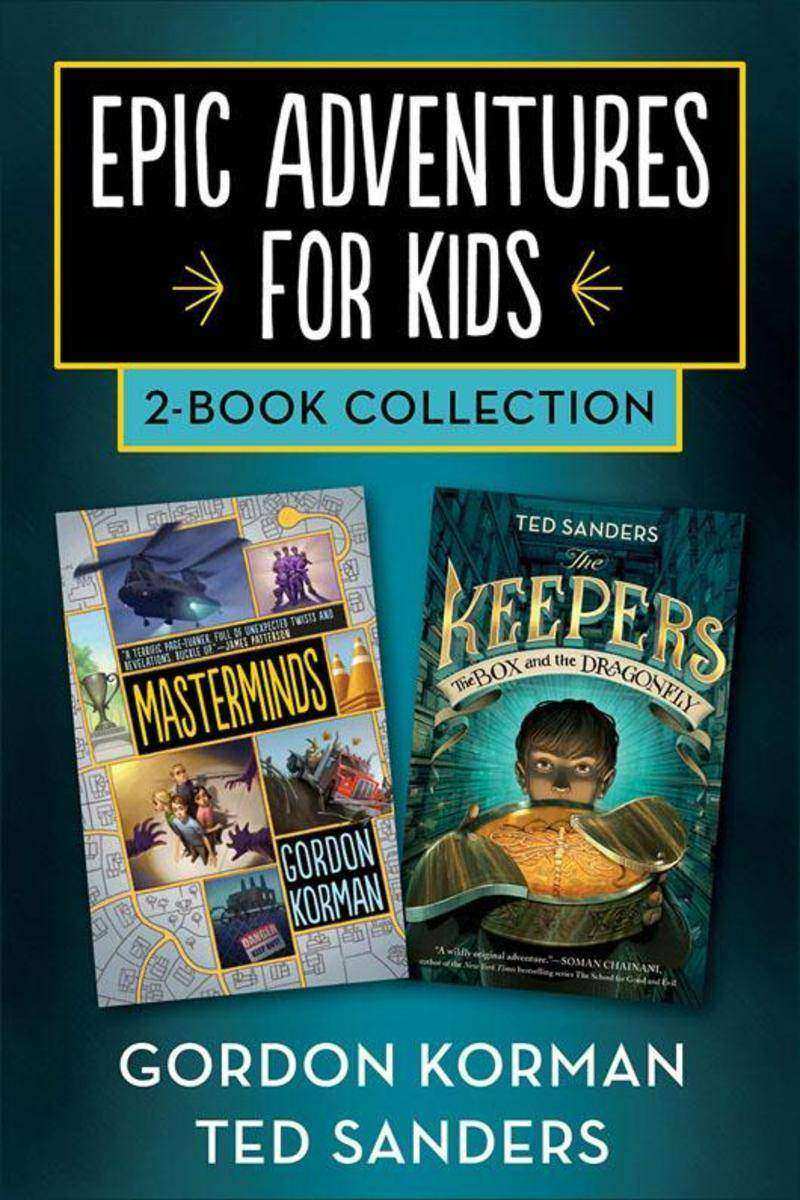
Epic Adventures for Kids 2-Book Collection
¥185.33
Here are two epic, adventure-packed novels for middle grade readers, from #1 New York Times bestselling author Gordon Korman and award-winning author Ted Sanders in his first book for younger readers.Masterminds: Action-packed and full of unexpected twists, this new series from Gordon Korman is perfect for young fans of James Patterson and John Grisham. In idyllic Serenity, New Mexico, honesty and integrity are valued above all else. The thirty kids who live there never lie—they know it's a short leap from that to the awful problems of other, less fortunate places. Then one day Eli Frieden bikes to the edge of the city limits and something so crazy and unexpected happens, it changes everything.The Keepers: The Box and the Dragonfly: Experience the fantastic adventure filled with magical objects, secret sects, and life as we know it on the line! Mixing magic and physics, Ted Sanders has created an epic story that has the feel of classic fantasy but twists it into something new and innovative. When Horace F. Andrews finds the Box of Promises in the curio shop, he quickly discovers that ordinary-looking objects can hold extraordinary power. From the enormous, sinister man shadowing him to the gradual mastery of his newfound abilities to his encounters with Chloe—a girl who has an astonishing talent of her own—Horace follows a path that puts the pair in the middle of a centuries-old conflict between two warring factions in which every decision they make could have disastrous consequences.
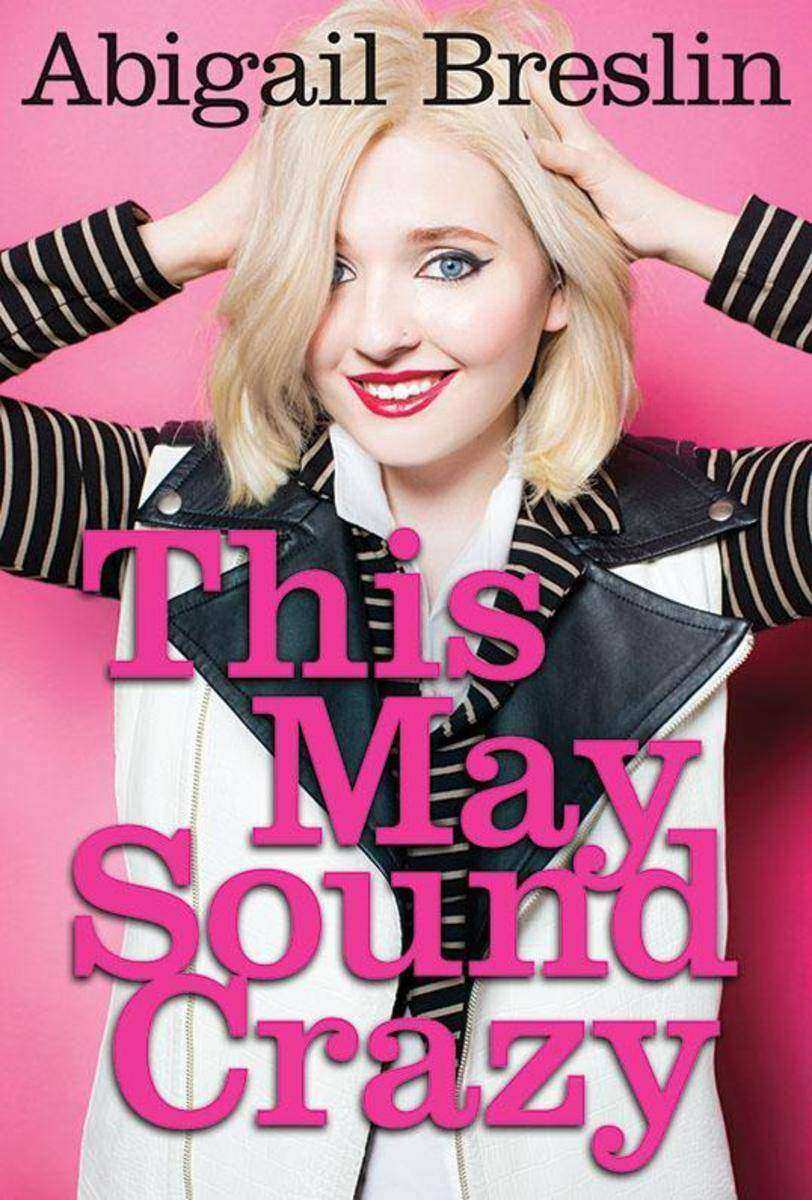
This May Sound Crazy
¥106.61
Academy Award-nominated actress and musician Abigail Breslin is your best friend in her publishing debut, a collection of hilarious and heartfelt nonfiction essays on the subjects nearest and dearest to our hearts: love, loss, and Tumblr.Growing up in film and the online era, Abigail knows better than anyone—it's rough out there in love-land. And this generation is ill-prepared to handle it gracefully. Let's be honest: if Cinderella had been on Twitter, she'd have ended up a crazy old cat lady like the rest of us. #realtalkSo when your "boyfriend" is liking different eligible young things' selfies, what's a modern ingénue to doPut down the iPhone, step away from the hair dye, and ~chill~. Abbie is here with cautionary tales and solid advice on being a classy-ass lady in the digital age.Because, girls, we're more than what meets the newsfeed. And this may sound crazy…But we've got this.Plus, this book is gorgeous inside and out. With a beautiful cover and heavily designed interior, this collection will be the crowning jewel on any teen's nightstand.
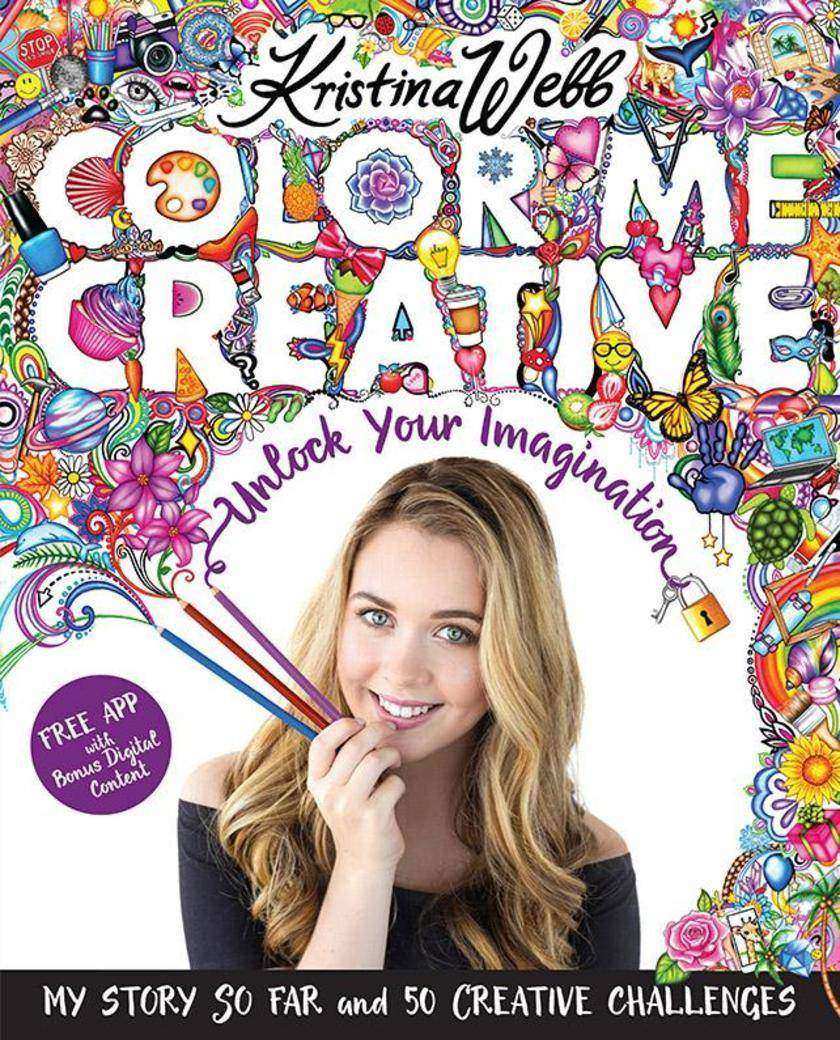
Color Me Creative
¥84.16
From Instagram sensation Kristina Webb (@colour_me_creative) comes a completely original and unique book to inspire and unlock your creativity.Color Me Creative gives readers a firsthand look into Kristina's personal life, including her exotic upbringing and the inspirational story of how, at nineteen years old, she has become one of the most popular artists of her generation, with a following in the millions. Readers can then go on their own journey by completing the fifty creative, art-inspired challenges designed by Kristina herself. This is the perfect gift not only for artists but for anyone wanting to awaken their inner creative. Featuring Kristina's beautiful custom art throughout, Color Me Creative will help readers escape the ordinary and unlock their imagination.This book offers readers the chance to download the free Unbound app to access interactive features and bonus videos by scanning the customized icon that appears throughout the book, including never-before-seen home videos and videos of Kristina drawing.

Rifles for Watie
¥44.25
Jeff Bussey walked briskly up the rutted wagon road toward Fort Leavenworth on his way to join the Union volunteers. It was 1861 in Linn County, Kansas, and Jeff was elated at the prospect of fighting for the North at last.In the Indian country south of Kansas there was dread in the air; and the name, Stand Watie, was on every tongue. A hero to the rebel, a devil to the Union man, Stand Watie led the Cherokee Indian Na-tion fearlessly and successfully on savage raids behind the Union lines. Jeff came to know the Watie men only too well.He was probably the only soldier in the West to see the Civil War from both sides and live to tell about it. Amid the roar of cannon and the swish of flying grape, Jeff learned what it meant to fight in battle. He learned how it felt never to have enough to eat, to forage for his food or starve. He saw the green fields of Kansas and Okla-homa laid waste by Watie's raiding parties, homes gutted, precious corn deliberately uprooted. He marched endlessly across parched, hot land, through mud and slash-ing rain, always hungry, always dirty and dog-tired.And, Jeff, plain-spoken and honest, made friends and enemies. The friends were strong men like Noah Babbitt, the itinerant printer who once walked from Topeka to Galveston to see the magnolias in bloom; boys like Jimmy Lear, too young to carry a gun but old enough to give up his life at Cane Hill; ugly, big-eared Heifer, who made the best sourdough biscuits in the Choctaw country; and beautiful Lucy Washbourne, rebel to the marrow and proud of it. The enemies were men of an-other breed - hard-bitten Captain Clardy for one, a cruel officer with hatred for Jeff in his eyes and a dark secret on his soul.This is a rich and sweeping novel-rich in its panorama of history; in its details so clear that the reader never doubts for a moment that he is there; in its dozens of different people, each one fully realized and wholly recognizable. It is a story of a lesser -- known part of the Civil War, the Western campaign, a part different in its issues and its problems, and fought with a different savagery. Inexorably it moves to a dramat-ic climax, evoking a brilliant picture of a war and the men of both sides who fought in it.

Max: Best Friend. Hero. Marine.
¥39.24
Now a major motion picture, this movie novelization tells the story of a canine hero.When Justin's older brother, Kyle, is killed in Afghanistan, Justin can't believe that his brother is really gone. Except there's one thing that Kyle left behind….Max is a highly trained military canine who has always protected his fellow soldiers. But when he loses his handler and best friend, Kyle, Max is traumatized and unable to remain in the service.He is sent home to America, where the only human he connects with is Justin, and he is soon adopted by Kyle's family, essentially saving his life. At first Justin has no interest in taking care of his late brother's troubled dog. However, the two learn to trust each other, which helps the four-legged veteran become his heroic self once more. As the pair start to unravel the mystery of what really happened to Kyle, they find more excitement—and danger—than they bargained for. But they might also find an unlikely new best friend—in each other.
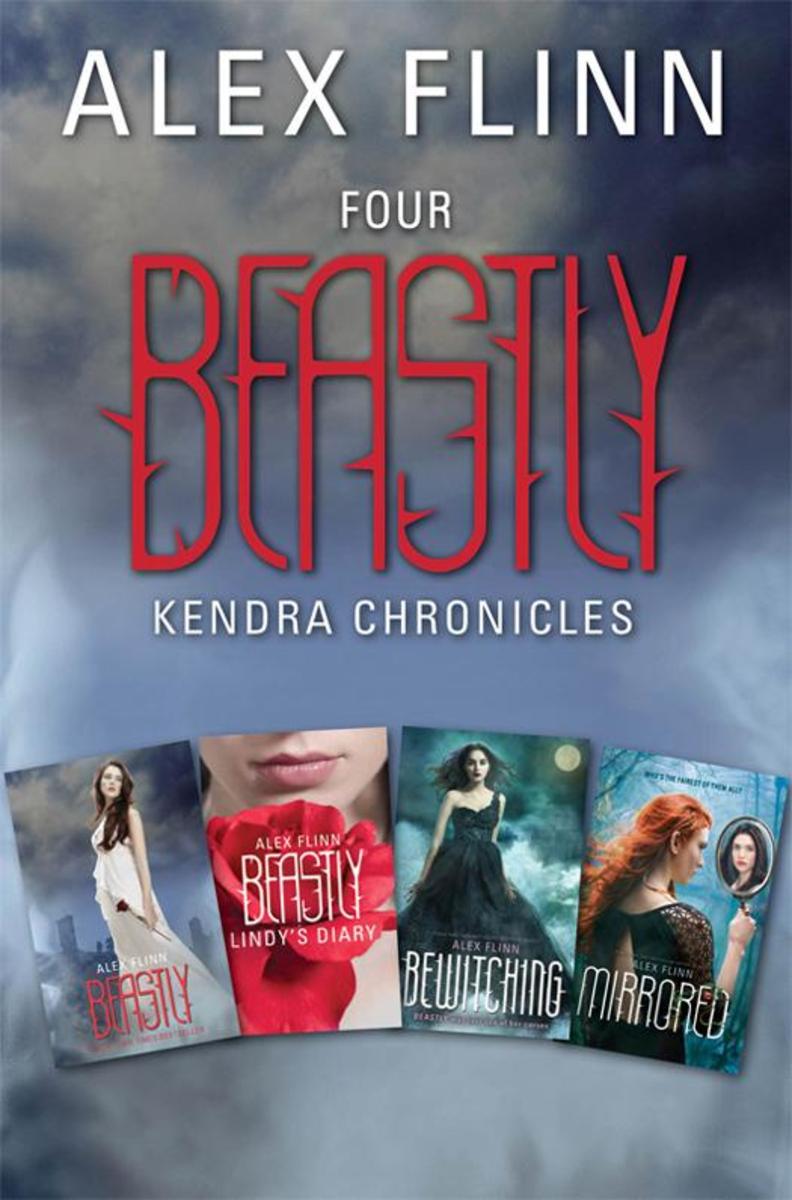
Four Beastly Kendra Chronicles Collection
¥327.12
A hapless witch, a bad boy turned beast, a beautiful girl and her wicked stepmother…what more could you want in these four modernized fairy tales, in one collection for the first time, by #1 New York Times bestselling author Alex Flinn.Beastly: Kyle was the cutest guy at school—and the most heartless. Kendra's spell turned him into a beast, but can Lindy's love turn him back into a boyAfter winning a VOYA Editor's Choice award and spending over 22 weeks on the New York Times bestseller list, Beastly, a retelling of Beauty and the Beast, became a major feature film starring Vanessa Hudgens, Alex Pettyfer, Mary Kate Olsen, and Neil Patrick Harris.Beastly: Lindy's Diary: This novella lets readers peek into the journal Lindy kept while she was getting to know—and love—her beast.Bewitching: Kendra shares her other schemes that have gone wrong . . . no matter how hard she tries! These tweaked fairy tales take readers all through history and all over the world.Mirrored: In this retelling of Snow White, beautiful Celine must take refuge with her friend Goose and his family since her wicked stepmother, Violet, is on a mission to be the fairest of all and won't let anything—including Celine—get in her way.


