


 购物车
购物车 个人中心
个人中心
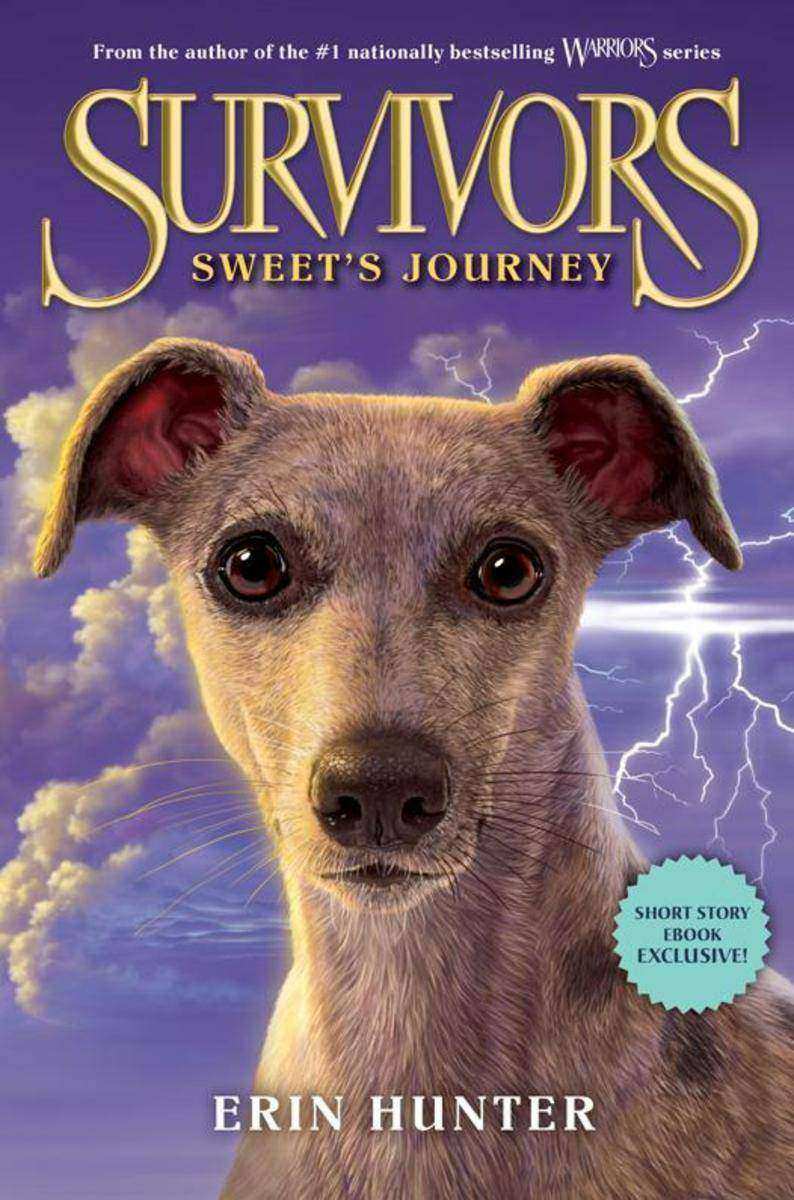
Survivors: Sweet's Journey
¥10.83
A sixty-page novella set in the world of the bestselling, action-packed Survivors series by Erin Hunter! This original prequel brings readers a behind-the-scenes look at the story of Sweet, and how she came to be the fearless Beta of the Wild Pack.When the Big Growl struck and changed Lucky's world forever, he escaped the ruins of the longpaw city with Sweet by his side. Then they were separated, and Lucky never thought he'd see her again—until he met the Wild Pack that ruled the forest. . . .Survivors: Sweet's Journey also includes a teaser chapter to Survivors #6: Storm of Dogs.
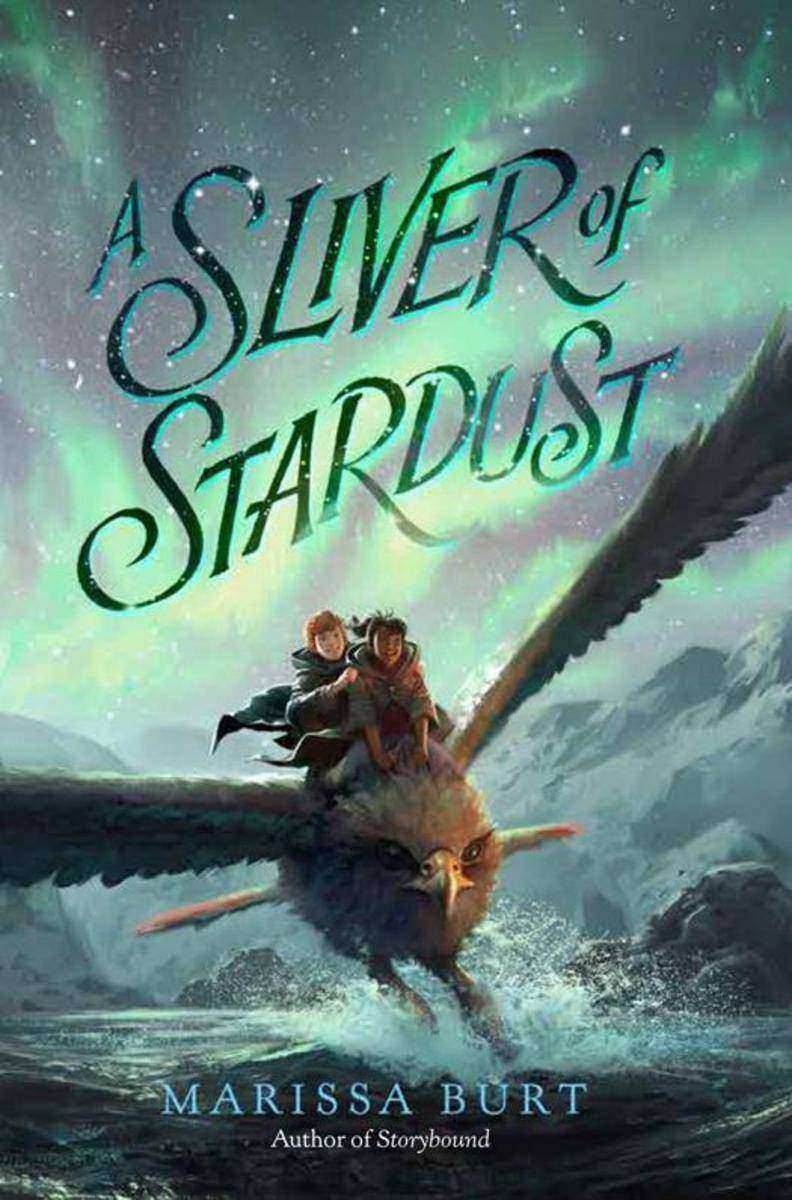
A Sliver of Stardust
¥95.39
From Marissa Burt, author of Storybound, comes a richly imagined middle grade fantasy full of magic, intrigue, and imaginative twists. A Sliver of Stardust is the perfect next adventure for fans of A Wrinkle in Time and The Emerald Atlas.Wren Matthews thought she'd outgrown nursery rhymes a long time ago. But that was before she knew that songs of twinkling little stars and four-and-twenty blackbirds were the key to an ancient, hidden magic.Wren's discovery catapults her into a world of buried secrets, strange dreams, and a mountain fortress under an aurora-filled sky. But just as she starts to master her unique abilities, her new world begins to crumble around her . . . and only she can save it.
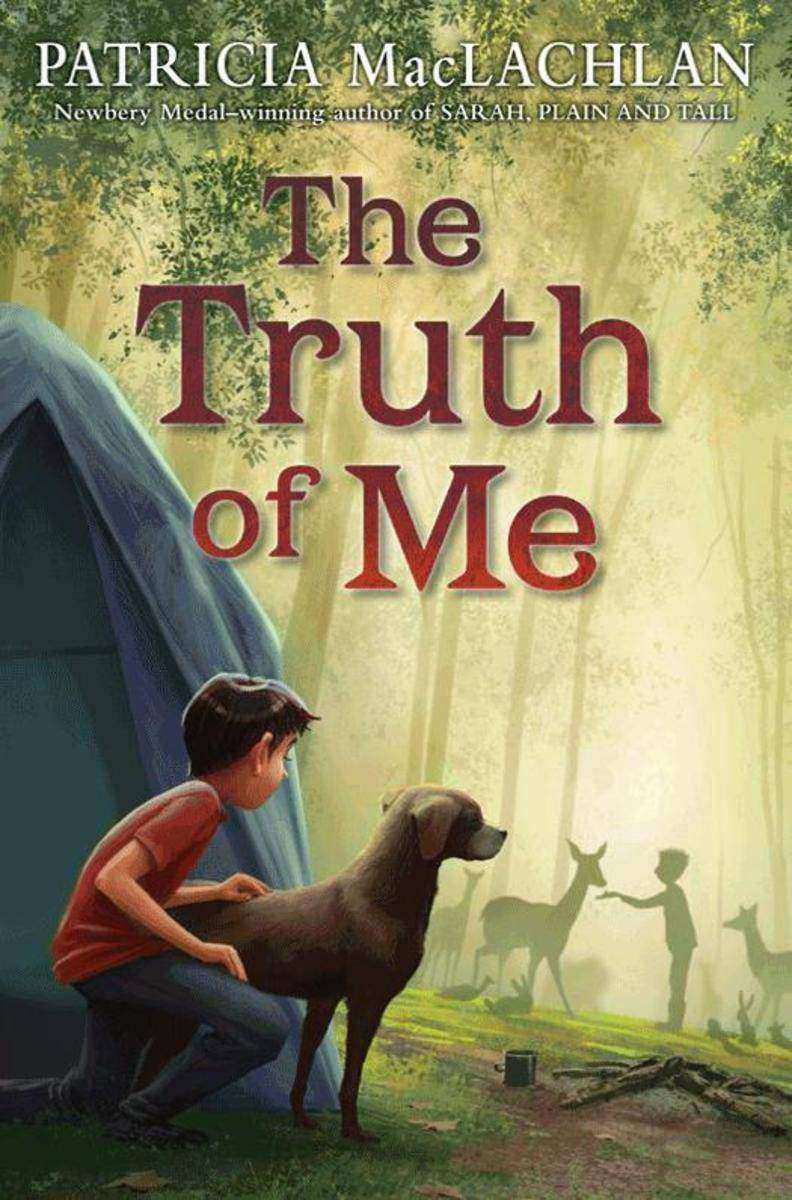
The Truth of Me
¥38.72
When Robbie spends the summer at his grandmother Maddy's house, he revels in his grandmother's easy, relaxed ways. Robbie has always felt as if something is missing in his life—his parents don't always act like they love him. Maddy helps him understand that an experience his mother had long ago is at the heart of the problem in his family. With this knowledge, Robbie finds the courage to try to make things right.This poignant story from beloved author Patricia MacLachlan celebrates how our unique "small truths" make each of us magical and brave in our own ways.Publishers Weekly Best Children's BookALA Booklist Notable Children's Books NomineeNew York Public Library's 100 Titles for Reading and Sharing

Falling into Place
¥55.93
One cold fall day, high school junior Liz Emerson steers her car into a tree. This haunting and heartbreaking story is told by a surprising and unexpected narrator and unfolds in nonlinear flashbacks even as Liz's friends, foes, and family gather at the hospital and Liz clings to life. This riveting debut will appeal to fans of Before I Fall, by Lauren Oliver, and 13 Reasons Why, by Jay Asher."On the day Liz Emerson tries to die, they had reviewed Newton's laws of motion in physics class. Then, after school, she put them into practice by running her Mercedes off the road." Why did Liz Emerson decide that the world would be better off without herWhy did she give upThe nonlinear novel pieces together the short and devastating life of Meridian High's most popular junior girl. Mass, acceleration, momentum, force—Liz didn't understand it in physics, and even as her Mercedes hurtles toward the tree, she doesn't understand it now. How do we impact one anotherHow do our actions reverberateWhat does it mean to be a friendTo love someoneTo be a daughterOr a motherIs life truly more than cause and effectAmy Zhang's haunting and universal story will appeal to fans of Lauren Oliver, Gayle Forman, and Jay Asher.
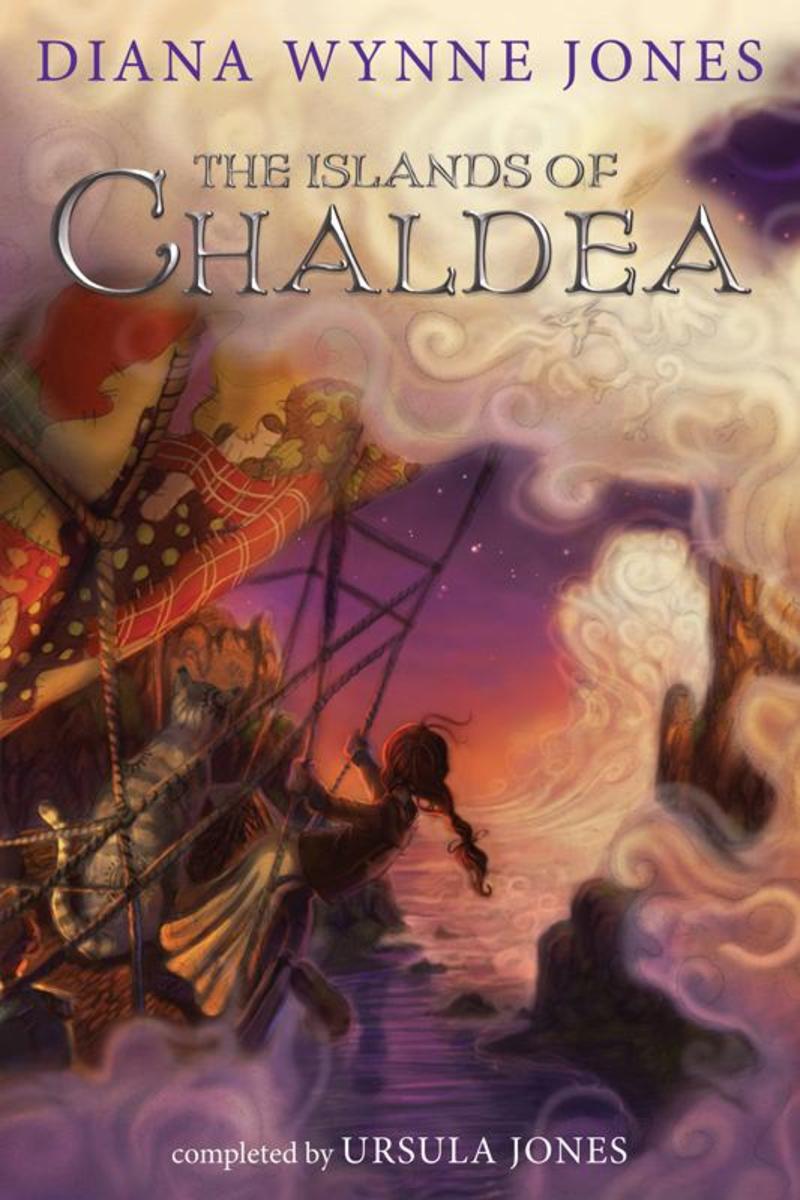
The Islands of Chaldea
¥61.52
A stand-alone novel of magic and adventure by the renowned fantasy author Diana Wynne Jones, who also wrote Howl's Moving Castle and the Chrestomanci books. Almost finished upon her death in 2011, the manu* was completed by Diana's sister Ursula Jones, an acclaimed novelist and actress. Publishers Weekly called The Islands of Chaldea "a story to cherish" in their starred review.Aileen comes from a long line of magic makers, and her aunt Beck is the most powerful magician on Skarr. But Aileen's magic has yet to reveal itself, even though she is old enough and it should have by now. When Aileen is sent over the sea on a mission for the King, she worries that she'll be useless and in the way. A powerful talking cat changes all of that—and with every obstacle Aileen faces, she becomes stronger and more confident, until her magic blooms. This stand-alone novel, by the beloved and acclaimed author of such classic fantasy novels as Howl's Moving Castle and the Chrestomanci books, will be welcomed by fans old and new. "Jones's imaginative vigor is unabated in this last, picaresque novel; her deft, fluid style and penchant for precise, characterful de*ion are amply present," proclaimed The Horn Book.
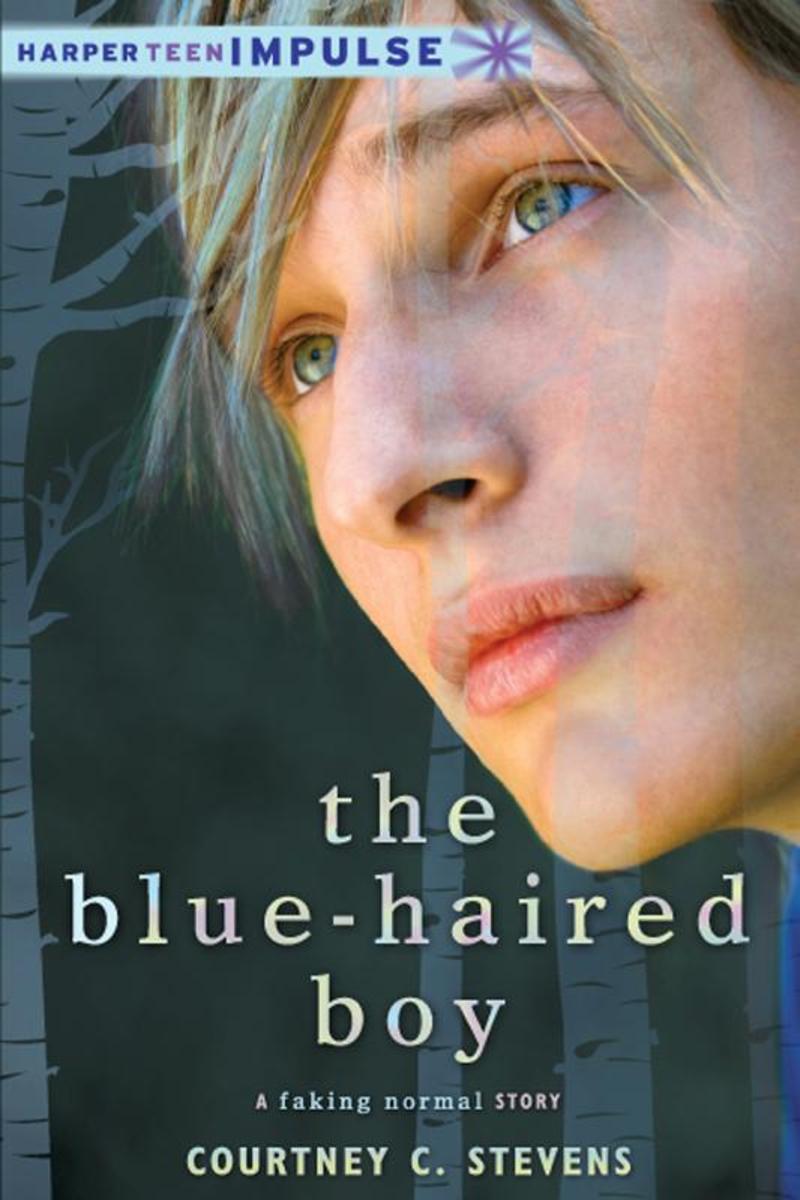
The Blue-Haired Boy
¥10.83
Set before the events of Courtney C. Stevens's debut novel, Faking Normal, this digital short story focuses on Bodee Lennox, otherwise known as the Kool-Aid Kid.Bodee Lennox has secrets. About where he got the four-inch scar on his leg. About the bruises on his back. About what it's really like to live in the Lennox household. These are things he doesn't share with anyone . . . until he meets Gerry, a girl with bright-green hair and a smile the size of Alaska. When Gerry falls out of a bus in Rickman, Tennessee, and lands at Bodee's feet, she gives Bodee two things he desperately needs: a friend and a chance to leave Rickman behind, even if it's just for a few hours.He joins Gerry on her epic bus trip for as far as his money will take him. And by the end of the day, more of Bodee has changed than just the color of his hair.Epic Reads Impulse is a digital imprint with new releases each month.
The First Midnight Spell
¥54.42
In this suspenseful companion novella to New York Times bestselling author Claudia Gray's Spellcaster, learn the tragic origins of the dark witch Elizabeth.It's 1695, and Elizabeth Cooper is a young witch in Fortune's Sound, Rhode Island. She spends her days perfecting spells with the local coven and dreaming about one day marrying Nat Porter. But Nat is the son of Widow Porter, another witch and the leader of their coven. According to the First Laws of the Craft, Elizabeth is strictly forbidden to marry him.Elizabeth never imagined dabbling in the dark arts, bringing herself close to serving the One Beneath. But as she feels Nat slipping away from her, she will do anything to secure his love. How much harm could she do with one single spell, even if it is black magic?Epic Reads Impulse is a digital imprint with new releases each month.
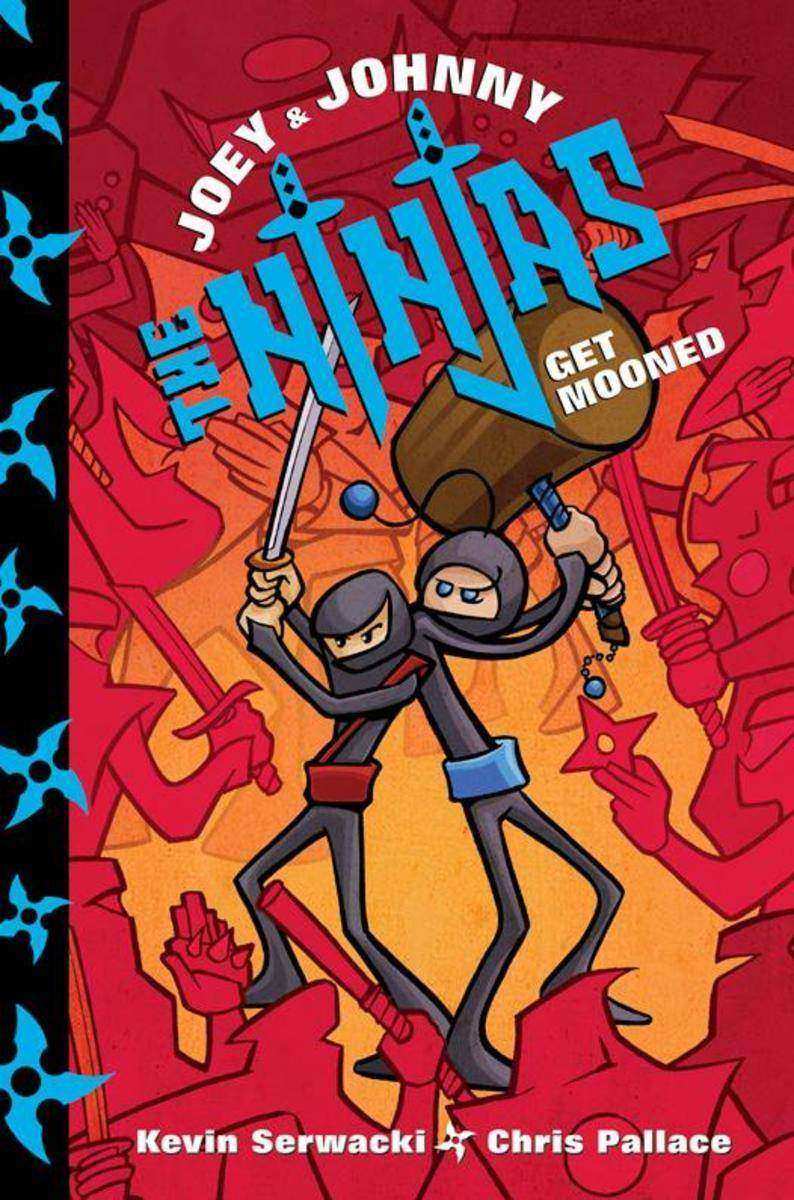
Joey and Johnny, the Ninjas: Get Mooned
¥72.93
Joey and Johnny, the Ninjas: Get Mooned is the first book in a clever, insanely funny, and highly entertaining illustrated series about two best friends and ninjas-in-training, perfect for fans of the Origami Yoda series.Joey and Johnny are best friends, but they could not be more different. Joey follows all the rules. Johnny doesn't know what rules are. Joey is strategic. Johnny leaves everything up to chance. Joey is serious. Johnny is . . . well, he carries a clown hammer and wears a dooly-bopper on his head. But there is something these two boys have in common: They are ninjas. And they're both students at Kick Foot Academy, the premier ninja school in Lemming Falls.But Kick Foot Academy's reputation is about to be put to the test. Their rivals at Red Moon Clan have mysteriously come into possession of state-of-the-art weapons—something that is totally not ninja. And now they have challenged Kick Foot Academy to a Test of Three, culminating in an epic Battle Royal. The outcome will determine which ninja school reigns supreme . . . and which shuts down forever.
Blackbird
¥56.08
From the author of the Eve trilogy comes the breathless story of a girl racing to figure out who she is—and how to stay alive. When a nameless girl wakes up on the subway tracks, she knows only one thing for sure: people want her dead. Can she find them before they track her downThis pulse-pounding contemporary thriller is perfect for fans of The Maze Runner, The Darkest Minds, and Legend.Things I Know Are True: I am in Los Angeles I woke up on the train tracks at the Vermont/Sunset station I am a teenage girl I have long black hair I have a bird tattoo on the inside of my right wrist with the letters and numbers FNV02198 People are trying to kill me
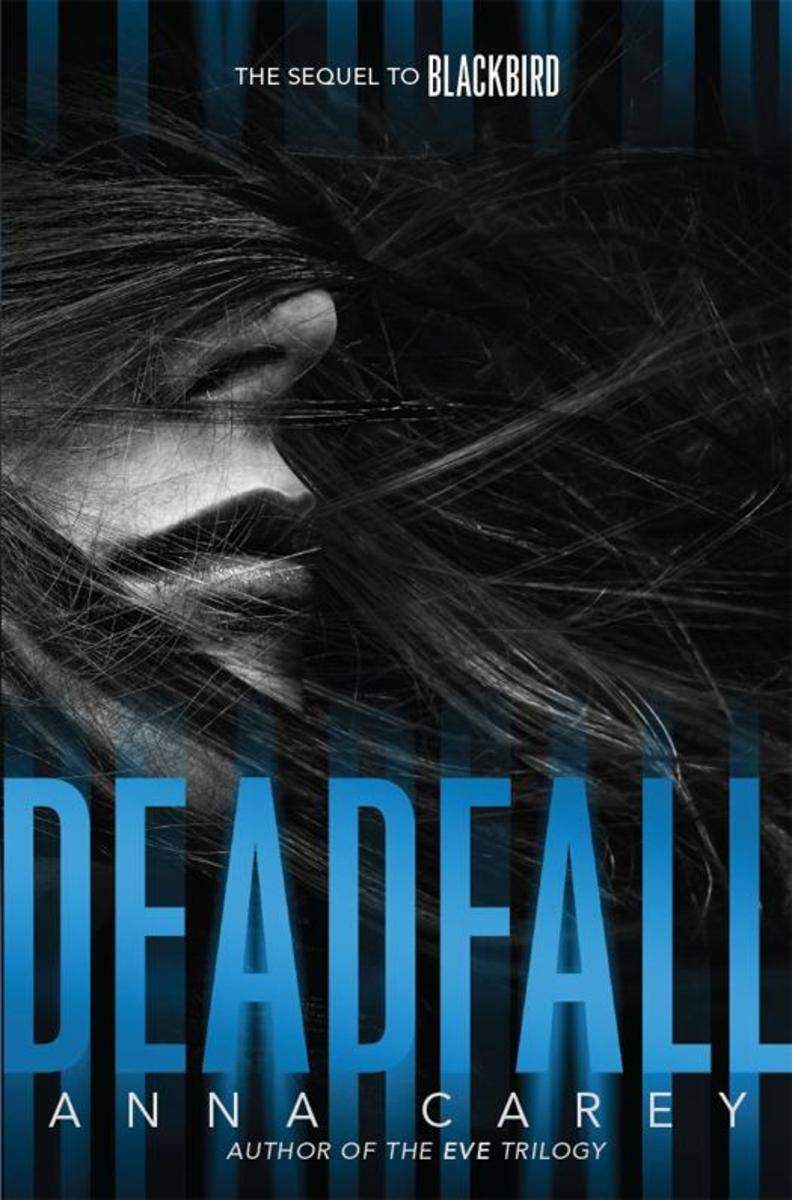
Deadfall
¥56.08
In the compelling sequel to Blackbird, Anna Carey delivers a gritty and adrenaline-filled story of a girl desperate to escape her mysterious and terrifying assailants. Told in second person, this heart-pounding thriller puts the reader in front of the target, and is perfect for fans of The Maze Runner and Legend.A week ago, you woke up in Los Angeles with no memory of who you are. The only thing you knew: people are trying to kill you. You put your trust in Ben, but he betrayed you and broke your heart. Now you’ve escaped to New York City with a boy named Rafe, who says he remembers you from before. But the two of you are not safe. The same people who are after you are tailing Rafe as well. As the chase heats up, your memory starts to return, but your past cannot save you from the terrifying circumstances of your present, or the fact that one wrong move could end this game forever.
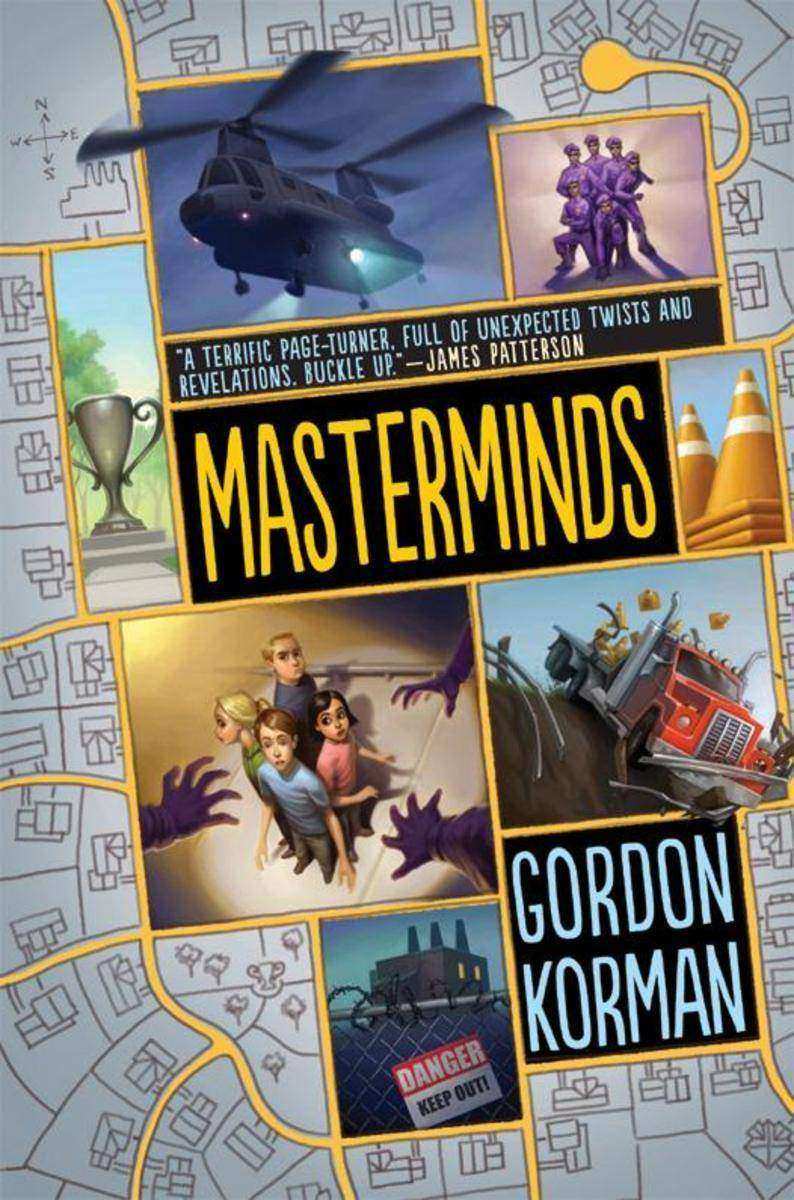
Masterminds
¥44.85
"A terrific page-turner, full of unexpected twists and revelations. Buckle up."—James PattersonThe first book in a new action-packed series from New York Times bestselling author Gordon Korman is perfect for young fans of James Patterson and John Grisham.?Eli Frieden lives in the most perfect town in the world: Serenity, New Mexico. Honesty and integrity are valued above all else. The thirty kids who live there never lie—they know it’s a short leap from that to the awful problems of other, less fortunate places.Eli has never left Serenity . . . why would he ever want toThen one day, he bikes to the edge of the city limits and something so crazy and unexpected happens, it changes everything. Eli convinces his friends to help him investigate further, and soon it becomes clear that nothing is as it seems in Serenity. The clues mount to reveal a shocking discovery, connecting their ideal crime-free community to some of the greatest criminal masterminds ever known. The kids realize they can trust no one—least of all their own parents.
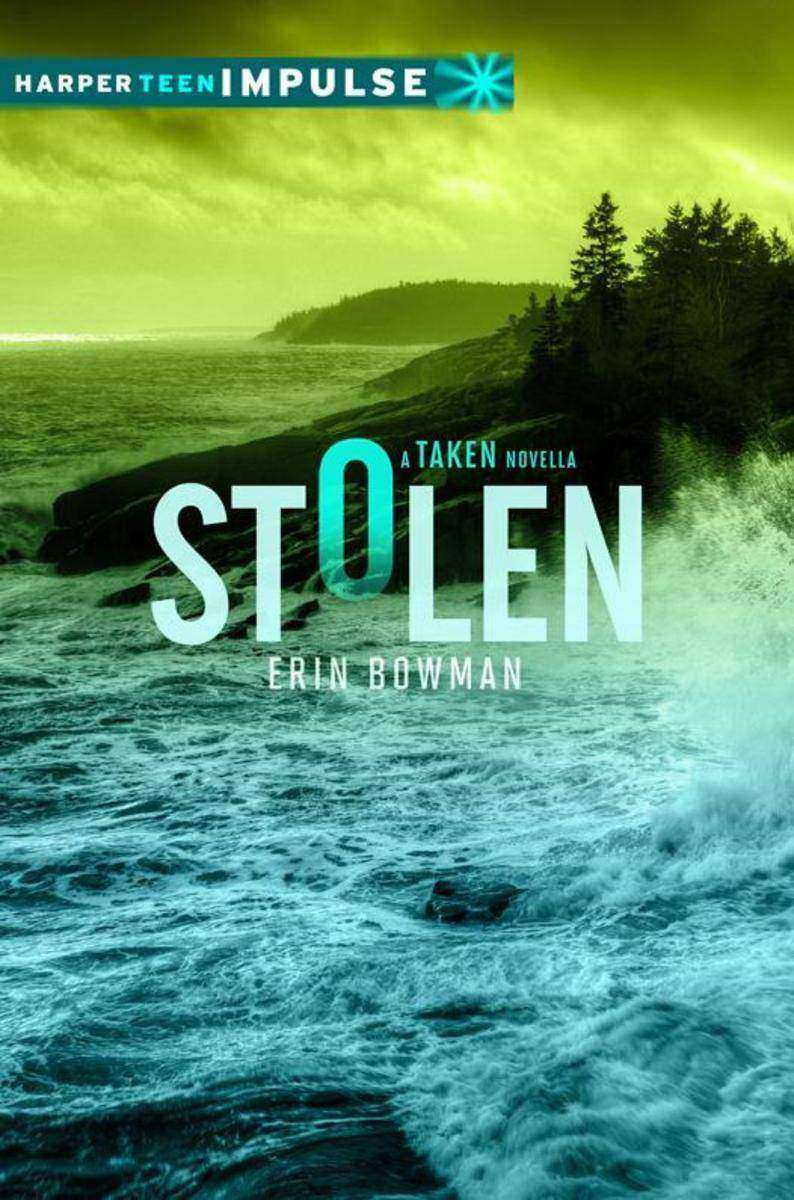
Stolen
¥10.83
In this thrilling 100-page digital prequel novella, enter the world of Taken, a heart-pounding dystopian sci-fi series from Erin Bowman.Before Gray Weathersby uncovered the truth about Claysoot and the Laicos Project, a girl named Bree came of age in the coastal settlement of Saltwater—and made her own surprising journey to the world beyond its borders. In Stolen, discover the story of Bree's life before she was Snatched from her home, before she joined the rebellion, and before she met a boy named Gray. . . .Epic Reads Impulse is a digital imprint with new releases each month.
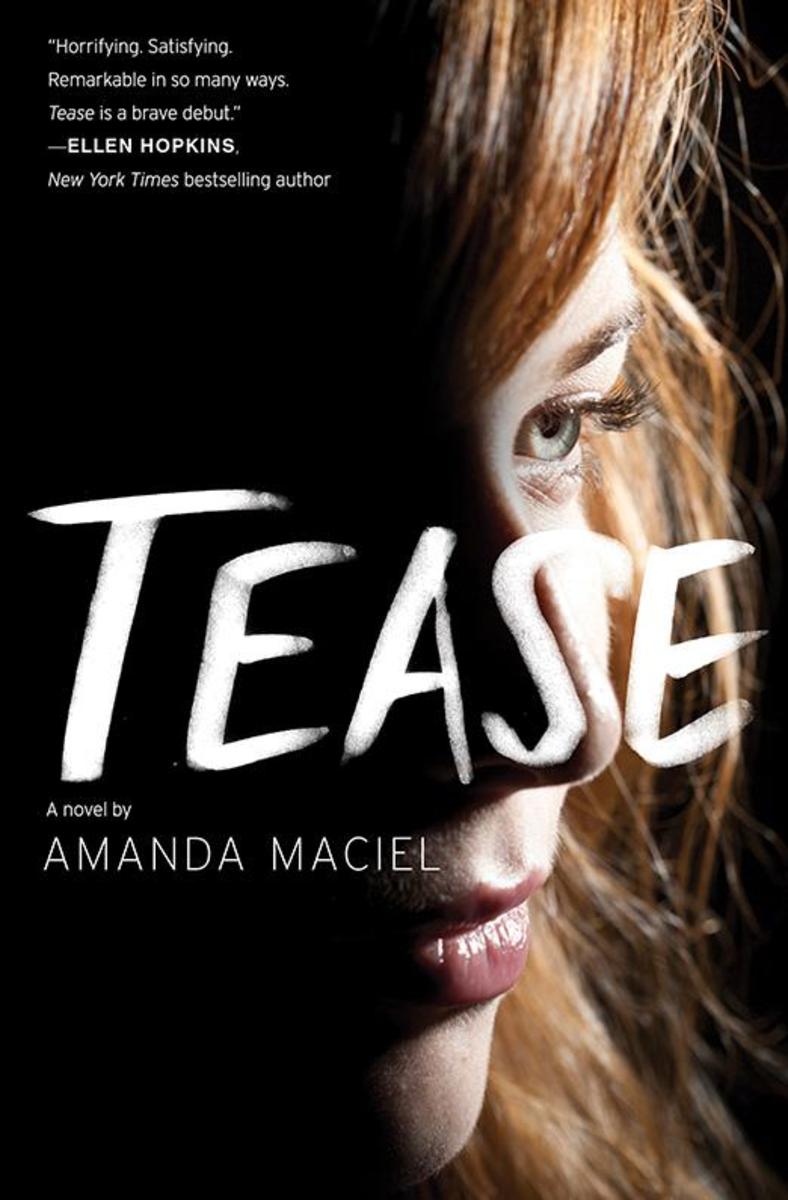
Tease
¥55.33
Provocative, unforgettable, and inspired by real-life incidents, Amanda Maciel's highly acclaimed debut novel Tease is the story of a teenage girl who faces criminal charges for bullying after a classmate commits suicide. With its powerful narrative, unconventional point of view, and strong anti-bullying theme, this coming-of-age story offers smart, insightful, and nuanced views on high school society, toxic friendships, and family relationships.Emma Putnam is dead, and it's all Sara Wharton's fault. At least, that's what everyone seems to think. Sara, along with her best friend and three other classmates, has been criminally charged for the bullying and harassment that led to Emma's shocking suicide. Now Sara is the one who's ostracized, already guilty according to her peers, the community, and the media. In the summer before her senior year, in between meetings with lawyers and a court-recommended therapist, Sara is forced to reflect on the events that brought her to this moment—and ultimately consider her own role in an undeniable tragedy. And she'll have to find a way to move forward, even when it feels like her own life is over.Correlates to the Common Core State Standards in English Language Arts
Brooke
¥65.65
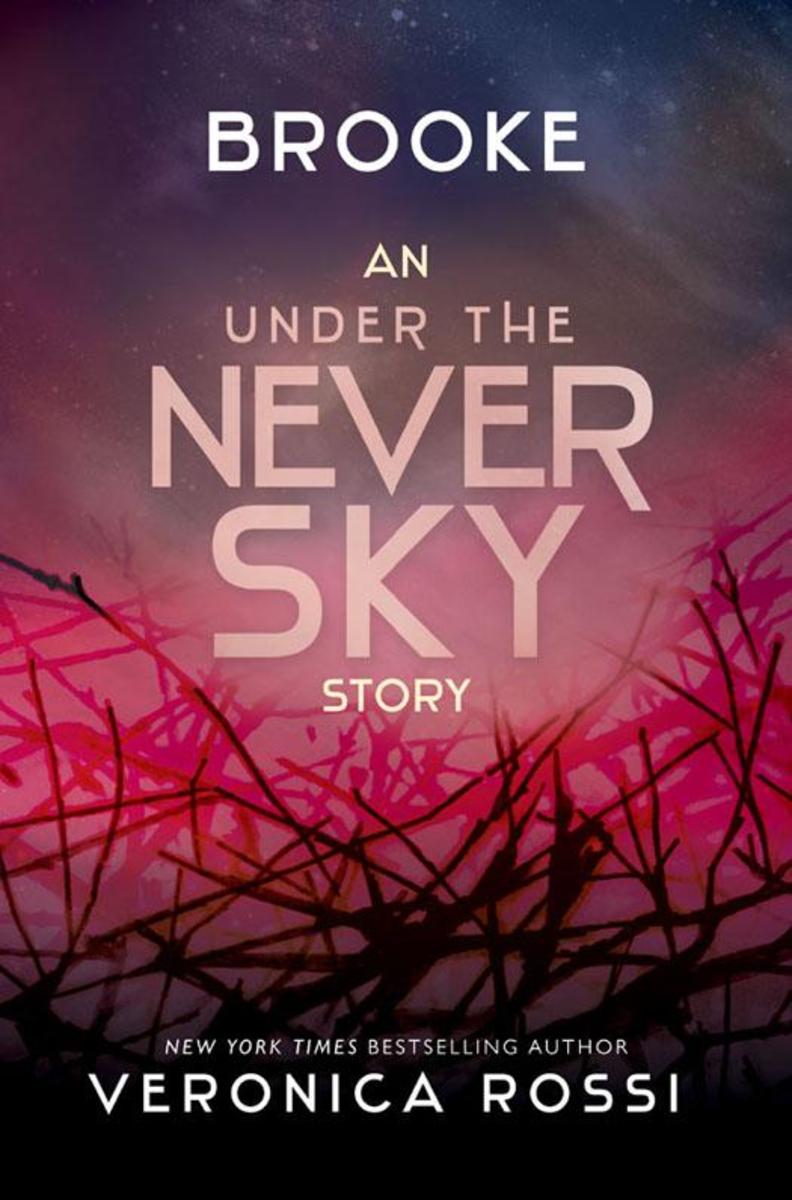
Set just before the events of Into the Still Blue, the conclusion to Veronica Rossi's "masterpiece" Under the Never Sky trilogy (Examiner.com), this breathtaking novella is a satisfying stand-alone for new readers as well as an exciting glimpse at favorite characters from the trilogy. Pulsing with romance and danger, Brooke will leave readers desperate for the conclusion to this epic and unforgettable saga.The only fight she can't win is the one for Perry's heart. Following the stunning climax in Through the Ever Night, the Tides have been forced to seek shelter from the Aether storms in a dismal, secluded cave. But Brooke's memories of the cave go back much further, to when she and Perry used to come here together. That was before Perry fell in love with Aria and before Vale's dealings with the Dwellers altered the course of the Tides forever.Now, with her sister back from a haunting year in captivity and Aria lying unconscious in the sick bay, Brooke struggles to put the pieces of her life back together. Without Perry, who is sheAnd what is her role in this frightening new worldAs these questions swirl about her, an old threat to the Tides resurfaces, and Brooke is forced to put the lives of her people before her own. But in taking this step outside of herself, Brooke may finally discover what she truly wants.
Kiss of Broken Glass
¥60.87
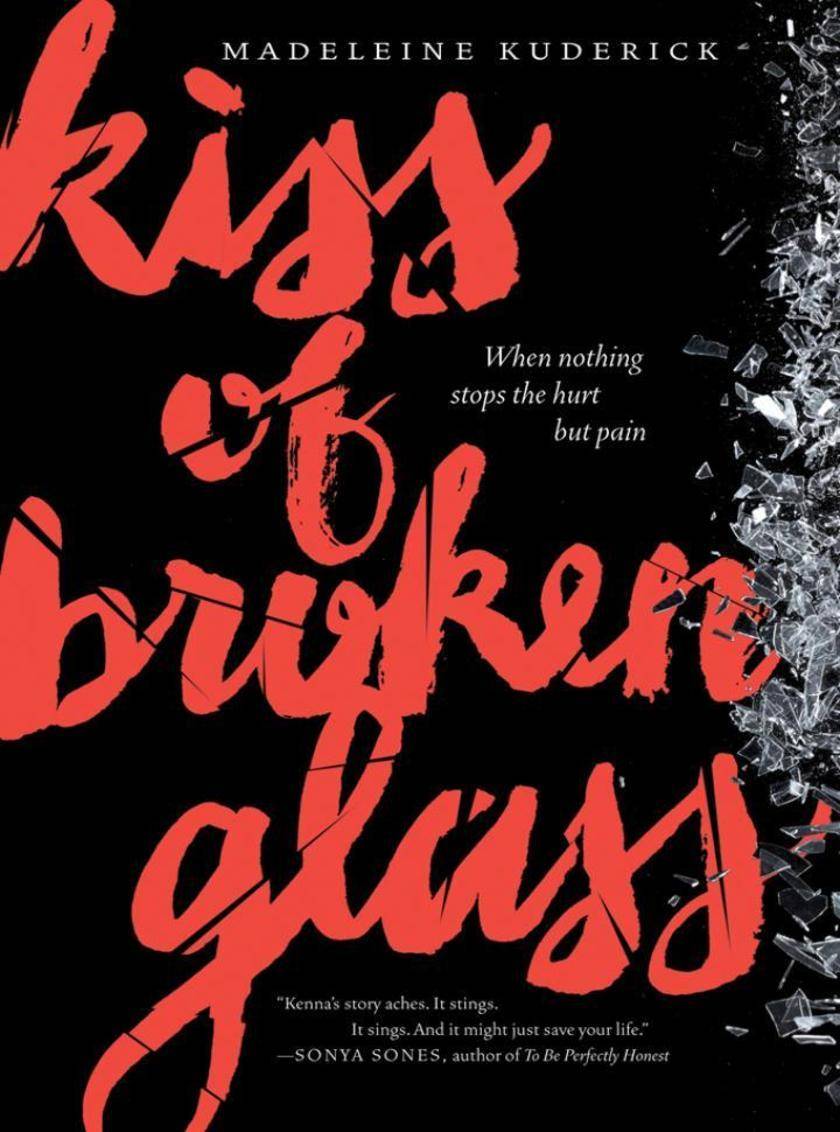
In the next 72 hours, Kenna may lose everything—her friends, her freedom, and maybe even herself. One kiss of the blade was all it took to get her sent to the psych ward for 72 hours. There she will face her addiction to cutting, though the outcome is far from certain.When fifteen-year-old Kenna is found cutting herself in the school bathroom, she is sent to a facility for a mandatory psychiatric watch. There Kenna meets other kids like her—her roommate, Donya, who's there for her fifth time; the birdlike Skylar; and Jag, a boy cute enough to make her forget her problems . . . for a moment.Madeleine Kuderick's gripping debut is a darkly beautiful and lyrical novel in verse, perfect for fans of Sonya Sones and Laurie Halse Anderson. Kiss of Broken Glass pulses with emotion and lingers long after the last page.Supports the Common Core State Standards

Four: The Son
¥54.42
Complete your Divergent library with the Four stories!Fans of the Divergent series by #1 New York Times bestselling author Veronica Roth will be thrilled by "Four: The Son," the third of four stories, each between fifty and seventy-five pages long, set in the world of Divergent and told from Tobias's perspective.In "The Son," Tobias struggles to find a place in the hierarchy of the Dauntless. He also begins to suspect that a foul plan may be brewing within the Dauntless leadership and discovers a truth about his past that could greatly affect his future.
Snow Like Ashes
¥55.93
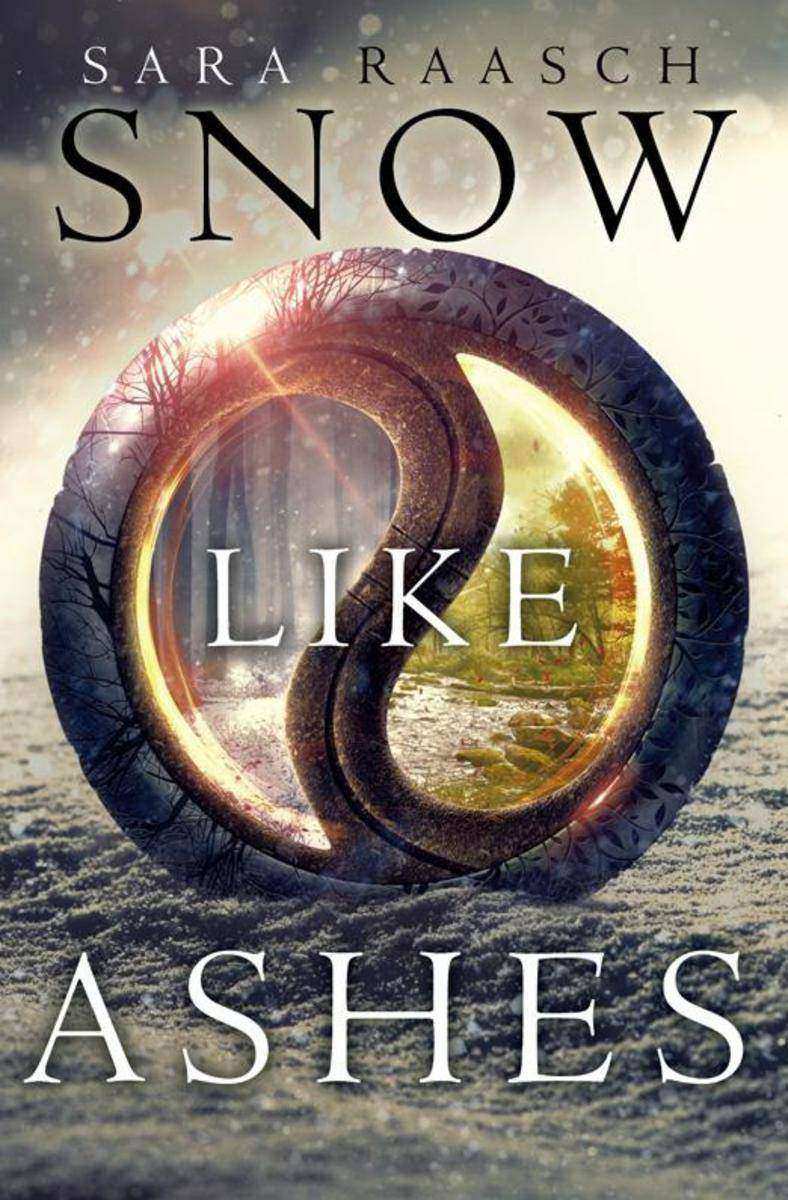
A striking fantasy tale of dark magic, dangerous politics, and discovering your true self—perfect for fans of Game of Thrones, An Ember in the Ashes and A Court of Thorns and Roses.Sixteen years ago the Kingdom of Winter was conquered and its citizens enslaved, leaving them without magic or a monarch. Now the Winterians' only hope for freedom is the eight survivors who managed to escape, and who have been waiting for the opportunity to steal back Winter's magic and rebuild the kingdom ever since.Orphaned as an infant during Winter's defeat, Meira has lived her whole life as a refugee. Training to be a warrior—and desperately in love with her best friend, Winter's future king—she would do anything to help Winter rise to power again.So when scouts discover the location of the ancient locket that can restore Winter's magic, Meira decides to go after it herself—only to find herself thrust into a world of evil magic and dangerous politics—and ultimately comes to realize that her destiny is not, never has been, her own.

Pretty Little Liars #16: Vicious
¥61.52
Vicious is the explosive conclusion to Sara Shepard's #1 New York Times bestselling Pretty Little Liars series, perfect for fans of the hit ABC Family original TV show based on the series.High school seniors Aria, Emily, Hanna, and Spencer have been through a lot since their best friend, Alison DiLaurentis, disappeared five summers ago. A stalker named "A" has harassed them for their past mistakes and revealed their darkest secrets to the world. They've been on TV, hounded by the press, kicked out of school, arrested, and even put in jail. With time running out, and their lives on the line, one of the Liars does something so terrifying and shocking, fans will be left breathless.Sara Shepard's fan base continues to grow as ABC Family's hit Pretty Little Liars TV show draws in new readers to the #1 New York Times bestselling series. Full of unexpected twists and shocking revelations, this long-awaited finale to this much-loved series will not disappoint.
Warriors: Dovewing's Silence
¥86.22
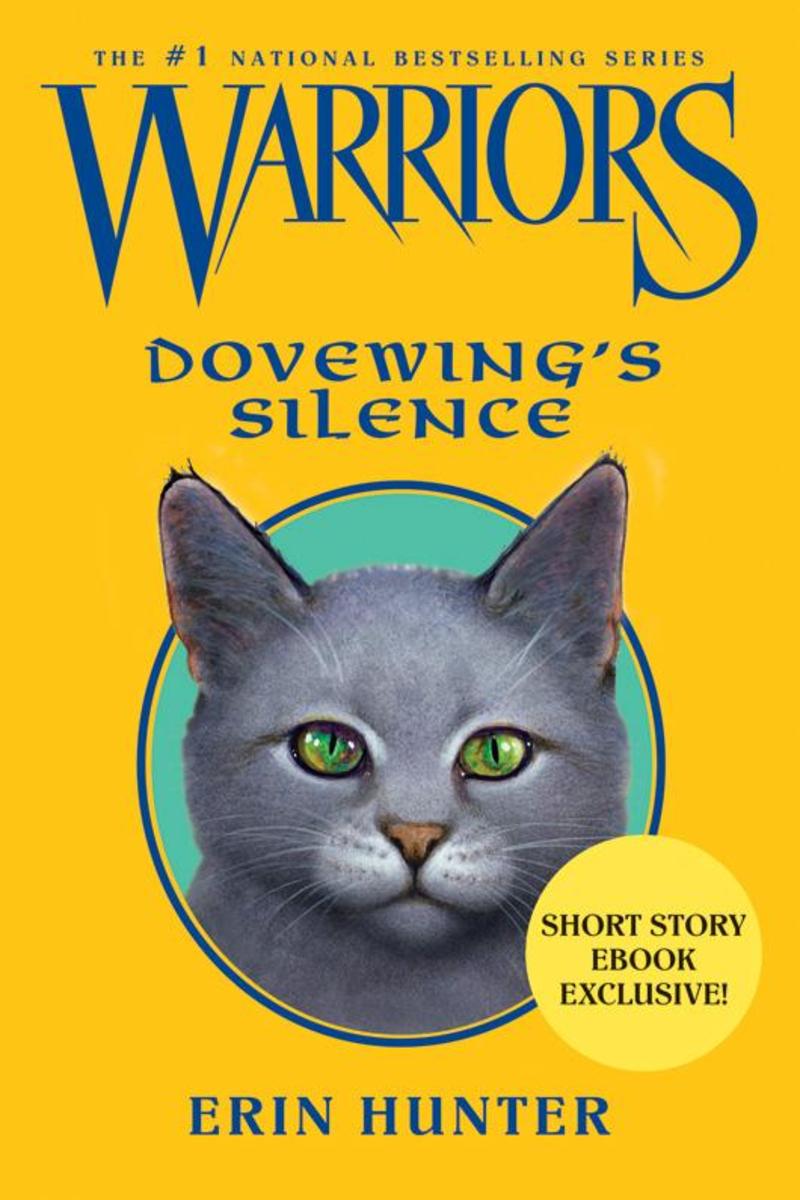
In this seventy-page novella from the world of Erin Hunter's #1 nationally bestselling Warriors series, discover what happened to Dovewing after the events of the fourth Warriors arc, Omen of the Stars.The Dark Forest has been defeated—but Dovewing's powers are gone. Will she able to adjust to life as an ordinary warrior?Warriors: Dovewing's Silence also includes a teaser to Warriors Super Edition: Bramblestar's Storm.

I Am Number Four: The Lost Files: Return to Paradise
¥87.15
In this thrilling one-hundred-page prequel companion novella to the New York Times bestselling I Am Number Four series, discover what happened in the aftermath of the Mogadorians' attack on Paradise, Ohio, from Mark James—Number Four's bully-turned-ally.After Four leaves town to find the rest of the Garde, Mark is left behind to pick up the pieces. His school has been destroyed, his home burned down, and, worst yet, Mark now knows the horrifying truth: aliens live among us and some of them seek to destroy us. Even with the FBI tailing him and Sarah Hart, Mark tries to return to a normal life. But when Sarah goes missing, he knows he can no longer sit back and do nothing. His quest to find her will lead him to new allies and a startling revelation about the Mogadorians' plan for invasion.
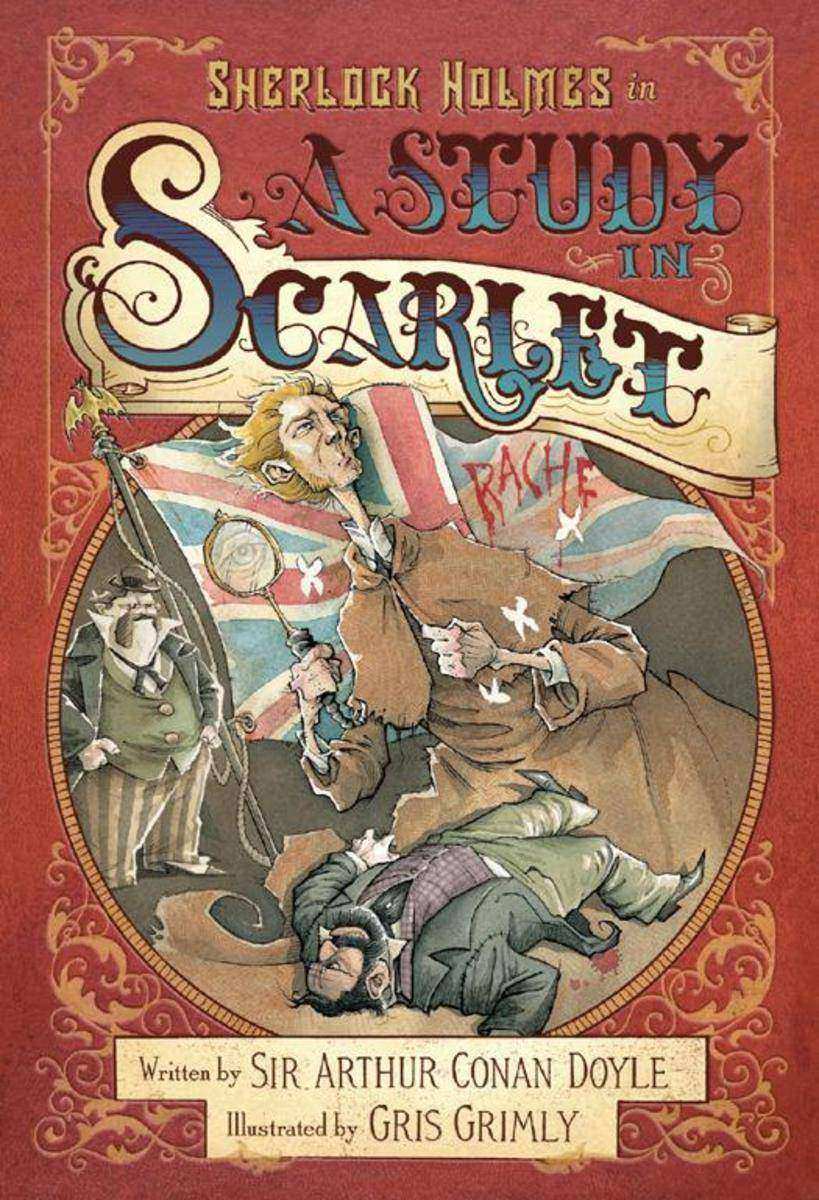
A Study in Scarlet
¥101.00
Sir Arthur Conan Doyle's first novel—and the origin story of Sherlock Holmes and John Watson—is reimagined in the first unabridged, fully illustrated version since its debut, by acclaimed and bestselling illustrator Gris Grimly.The year is 1881. The city, London. A man lies dead in an empty house, not a mark upon him, and no clues—save for the word "RACHE" scrawled in blood on the wall above. Elsewhere, two men—a former army doctor called John Watson and a brilliant eccentric called Sherlock Holmes—meet for the first time. These two events set in motion an adventure into the darkest corners of men's hearts as the cold, calculating investigative methods of Mr. Holmes are put to the test in a case that spans decades and continents, rife with danger and intrigue.Originally published in 1887, A Study in Scarlet was the first novel to feature a character whose name would become synonymous with the art of deduction. Today it is completely reimagined with artwork by the modern master of gothic romanticism, Gris Grimly, bringing this thrilling tale of love and revenge to a new generation of readers.


