


 购物车
购物车 个人中心
个人中心
Pulitzer Prize Poetry
¥58.76
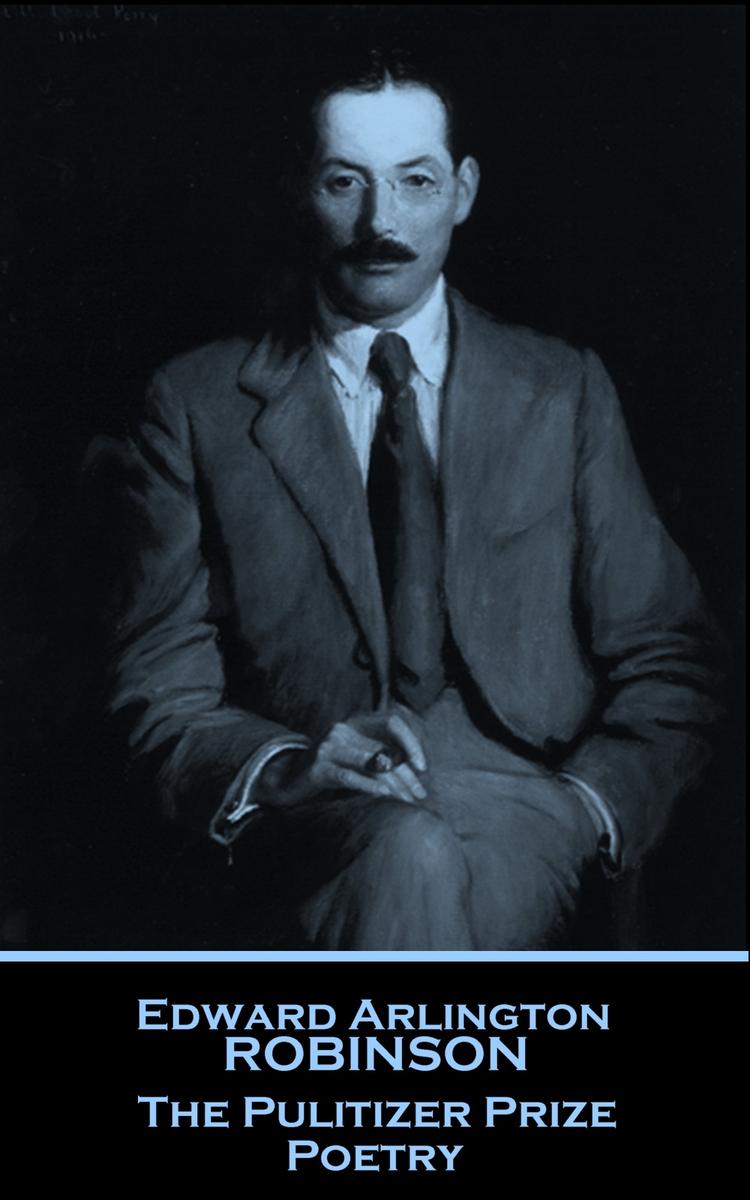
Poetry is a fascinating use of language. With almost a million words at its command it is not surprising that the English language have produced some of the most beautiful, moving and descriptive verse through the centuries. In this series we look at individual poets who have shaped and influenced their craft and cement their place in our heritage. In this volume we look at the works of Edwin Arlington Robinson who won the Pulitzer Prize for Poetry three times including the very first ever awarded.
First Man - Drunken with what? With wine, with poetry, or with virtue, as you wi
¥23.45
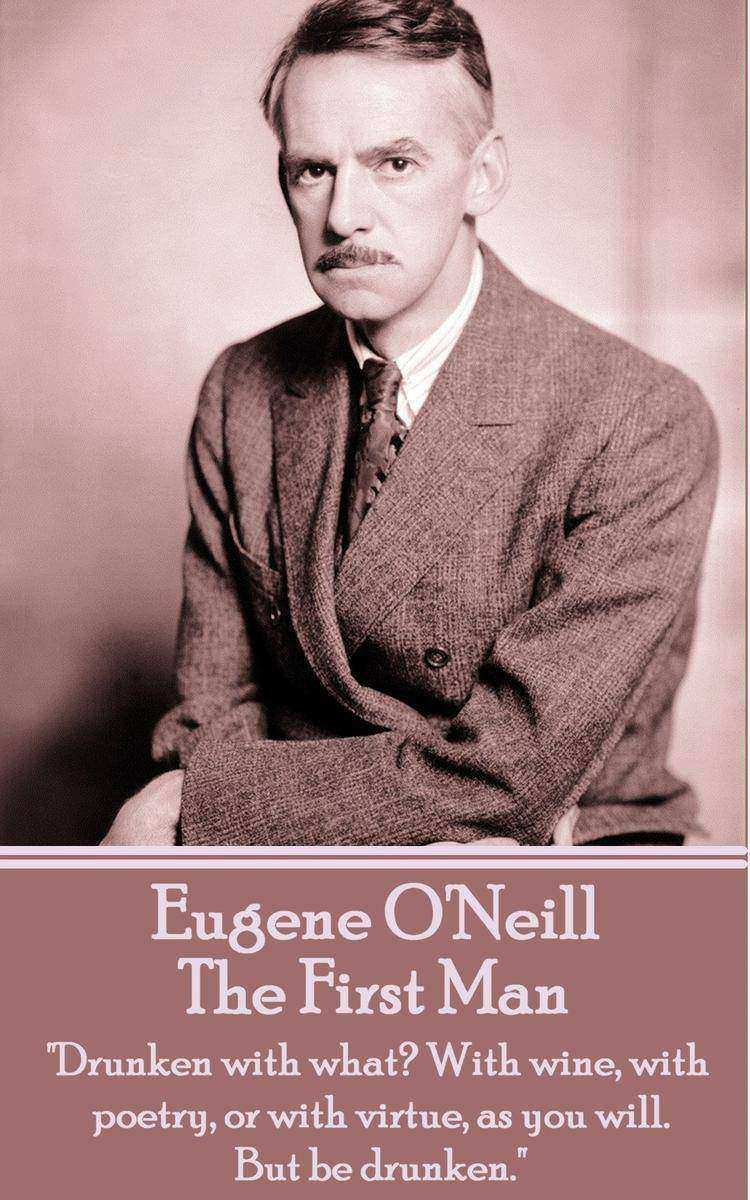
Eugene Gladstone O'Neill was born on October 16, 1888 in a hotel bedroom in what is now Times Square, New York. Much of his childhood was spent in the comfort of books at boarding schools whilst his actor father was on the road and his Mother contended with her own demons. He spent only a year at University - Princeton - and various reasons have been given for his departure. However whatever his background and education denied or added to his development it is agreed amongst all that he was a playwright of the first rank and possibly America's greatest. His introduction of realism into American drama was instrumental in its development and paved a path for many talents thereafter. Of course his winning of both the Pulitzer Prize (4 times) and the Nobel Prize are indicative of his status. His more famous and later works do side with the disillusionment and personal tragedy of those on the fringes of society but continue to build upon ideas and structures he incorporated in his early one act plays. Eugene O'Neill suffered from various health problems, mainly depression and alcoholism. In the last decade he also faced a Parkinson's like tremor in his hands which made writing increasingly difficult. But out of such difficulties came plays of the calibre of The Iceman Cometh, Long Day's Journey Into Night, and A Moon for the Misbegotten. Eugene O'Neill died in Room 401 of the Sheraton Hotel on Bay State Road in Boston, on November 27, 1953, at the age of 65. As he was dying, he whispered his last words: "e;I knew it. I knew it. Born in a hotel room and died in a hotel room."e;

Trojan Women - Much effort, much prosperity
¥14.03
Euripides is rightly lauded as one of the great dramatists of all time. In his lifetime, he wrote over 90 plays and although only 18 have survived they reveal the scope and reach of his genius. Euripides is identified with many theatrical innovations that have influenced drama all the way down to modern times, especially in the representation of traditional, mythical heroes as ordinary people in extraordinary circumstances. As would be expected from a life lived 2,500 years ago, details of it are few and far between. Accounts of his life, written down the ages, do exist but whether much is reliable or surmised is open to debate. Most accounts agree that he was born on Salamis Island around 480 BC, to mother Cleito and father Mnesarchus, a retailer who lived in a village near Athens. Upon the receipt of an oracle saying that his son was fated to win "e;crowns of victory"e;, Mnesarchus insisted that the boy should train for a career in athletics. However, what is clear is that athletics was not to be the way to win crowns of victory. Euripides had been lucky enough to have been born in the era as the other two masters of Greek Tragedy; Sophocles and schylus. It was in their footsteps that he was destined to follow. His first play was performed some thirteen years after the first of Socrates plays and a mere three years after schylus had written his classic The Oristria. Theatre was becoming a very important part of the Greek culture. The Dionysia, held annually, was the most important festival of theatre and second only to the fore-runner of the Olympic games, the Panathenia, held every four years, in appeal. Euripides first competed in the City Dionysia, in 455 BC, one year after the death of schylus, and, incredibly, it was not until 441 BC that he won first prize. His final competition in Athens was in 408 BC. The Bacchae and Iphigenia in Aulis were performed after his death in 405 BC and first prize was awarded posthumously. Altogether his plays won first prize only five times. Euripides was also a great lyric poet. In Medea, for example, he composed for his city, Athens, "e;the noblest of her songs of praise"e;. His lyric skills however are not just confined to individual poems: "e;A play of Euripides is a musical whole....one song echoes motifs from the preceding song, while introducing new ones."e; Much of his life and his whole career coincided with the struggle between Athens and Sparta for hegemony in Greece but he didn't live to see the final defeat of his city. Euripides fell out of favour with his fellow Athenian citizens and retired to the court of Archelaus, king of Macedon, who treated him with consideration and affection. At his death, in around 406BC, he was mourned by the king, who, refusing the request of the Athenians that his remains be carried back to the Greek city, buried him with much splendor within his own dominions. His tomb was placed at the confluence of two streams, near Arethusa in Macedonia, and a cenotaph was built to his memory on the road from Athens towards the Piraeus.
Cymbeline - Golden lads and girls all must as chimney sweepers come to dust.
¥11.67
The life of William Shakespeare, arguably the most significant figure in the Western literary canon, is relatively unknown. Shakespeare was born in Stratford-upon-Avon in 1565, possibly on the 23rd April, St. George's Day, and baptised there on 26th April. Little is known of his education and the first firm facts to his life relate to his marriage, aged 18, to Anne Hathaway, who was 26 and from the nearby village of Shottery. Anne gave birth to their first son six months later. Shakespeare's first play, The Comedy of Errors began a procession of real heavyweights that were to emanate from his pen in a career of just over twenty years in which 37 plays were written and his reputation forever established. This early skill was recognised by many and by 1594 the Lord Chamberlain's Men were performing his works. With the advantage of Shakespeare's progressive writing they rapidly became London's leading company of players, affording him more exposure and, following the death of Queen Elizabeth in 1603, a royal patent by the new king, James I, at which point they changed their name to the King's Men. By 1598, and despite efforts to pirate his work, Shakespeare's name was well known and had become a selling point in its own right on title pages. No plays are attributed to Shakespeare after 1613, and the last few plays he wrote before this time were in collaboration with other writers, one of whom is likely to be John Fletcher who succeeded him as the house playwright for the King's Men. William Shakespeare died two months later on April 23rd, 1616, survived by his wife, two daughters and a legacy of writing that none have since yet eclipsed.
Joy - Justice is a machine that, when someone has once given it the starting pus
¥21.09
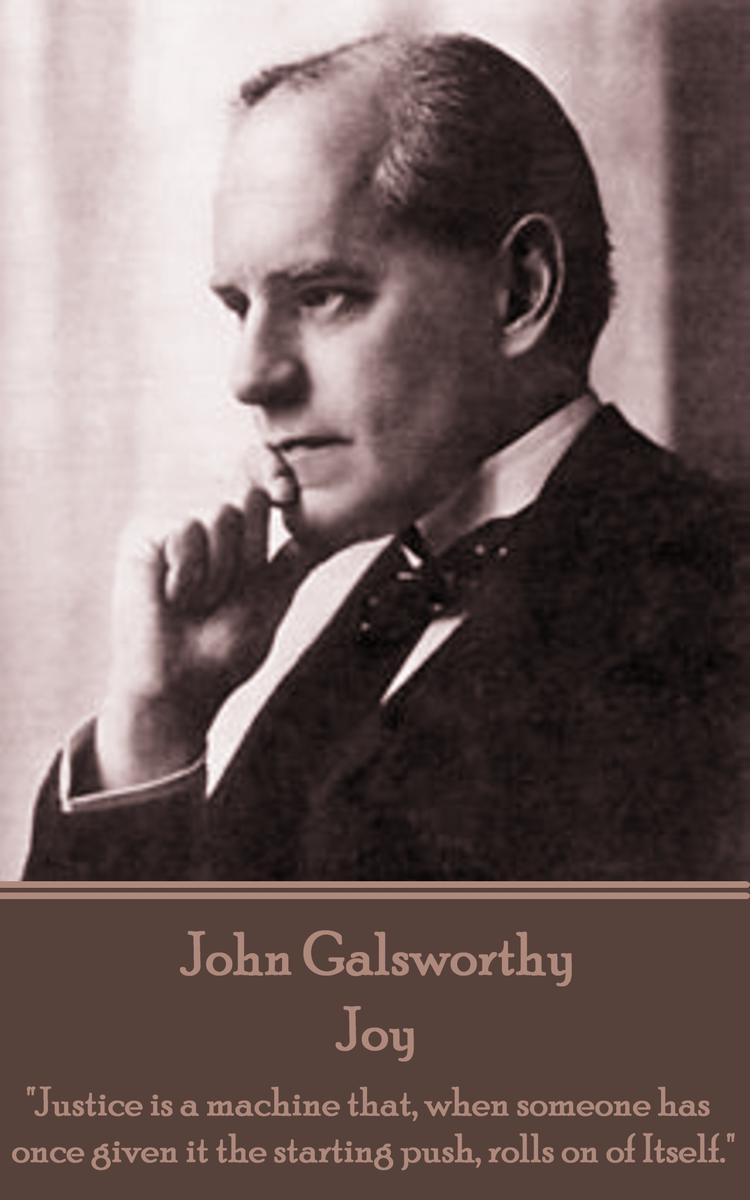
John Galsworthy was born at Kingston Upon Thames in Surrey, England, on August 14th 1867 to a wealthy and well established family. His schooling was at Harrow and New College, Oxford before training as a barrister and being called to the bar in 1890. However, Law was not attractive to him and he travelled abroad becoming great friends with the novelist Joseph Conrad, then a first mate on a sailing ship. In 1895 Galsworthy began an affair with Ada Nemesis Pearson Cooper, the wife of his cousin Major Arthur Galsworthy. The affair was kept a secret for 10 years till she at last divorced and they married on 23rd September 1905. Galsworthy first published in 1897 with a collection of short stories entitled "e;The Four Winds"e;. For the next 7 years he published these and all works under his pen name John Sinjohn. It was only upon the death of his father and the publication of "e;The Island Pharisees"e; in 1904 that he published as John Galsworthy. His first play, The Silver Box in 1906 was a success and was followed by "e;The Man of Property"e; later that same year and was the first in the Forsyte trilogy. Whilst today he is far more well know as a Nobel Prize winning novelist then he was considered a playwright dealing with social issues and the class system. Here we publish Villa Rubein, a very fine story that captures Galsworthy's unique narrative and take on life of the time. He is now far better known for his novels, particularly The Forsyte Saga, his trilogy about the eponymous family of the same name. These books, as with many of his other works, deal with social class, upper-middle class lives in particular. Although always sympathetic to his characters, he reveals their insular, snobbish, and somewhat greedy attitudes and suffocating moral codes. He is now viewed as one of the first from the Edwardian era to challenge some of the ideals of society depicted in the literature of Victorian England. In his writings he campaigns for a variety of causes, including prison reform, women's rights, animal welfare, and the opposition of censorship as well as a recurring theme of an unhappy marriage from the women's side. During World War I he worked in a hospital in France as an orderly after being passed over for military service. He was appointed to the Order of Merit in 1929, after earlier turning down a knighthood, and awarded the Nobel Prize in 1932 though he was too ill to attend. John Galsworthy died from a brain tumour at his London home, Grove Lodge, Hampstead on January 31st 1933. In accordance with his will he was cremated at Woking with his ashes then being scattered over the South Downs from an aeroplane.

Two Strings To Your Bow - 'I wish, with all my heart, he was under ground''
¥26.98
Robert Jephson was born in Ireland in 1736, the son of Archdeacon John Jephson. His education was at Ryder's grammar school and then the Reverend Roger Ford's school before he was admitted to Trinity College, Dublin in 1751. He left without a degree.Jephson now joined the British Army with a commission in the 73rd Regiment of Foot. Among his postings was one to the Caribbean. He left, for health reasons and retired with the rank of Captain.An appointment was offered as master of the horse to the lord-lieutenant of Ireland. Whilst in this office he wrote and had published, in the Mercury newspaper, a collection of articles that defended the lord-lieutenant's administration. These were later published in book form as 'The Bachelor', or 'Speculations of Jeoffry Wagstaffe'. Jepson held the office under twelve successive viceroys and gained a pension of GBP300, which was later doubled.He entered the Irish House of Commons in 1773 and sat for St Johnstown (County Longford) until 1776. Between 1777 and 1783, he served as Member of Parliament for Old Leighlin and thereafter represented Granard from 1783 to 1790In 1775 he added playwright, dramatist and poet to his military and political career strands. His plays gathered much interest. Among them his tragedy 'Braganza' was successfully performed at Drury Lane in 1775, 'Conspiracy' in 1796, 'The Law of Lombardy' in 1779, and 'The Count of Narbonne' (adapted from Horace Walpole's 'The Castle of Otranto') at Covent Garden in 1781. In 1788 he published 'Extempore Ludicrous Miltonic Verses' and, in 1794, the heroic poem 'Roman Portraits', and 'The Confessions of Jacques Baptiste Couteau', a satire on the excesses of the French Revolution. Robert Jephson died at Blackrock, near Dublin, on the 31st of May 1803.
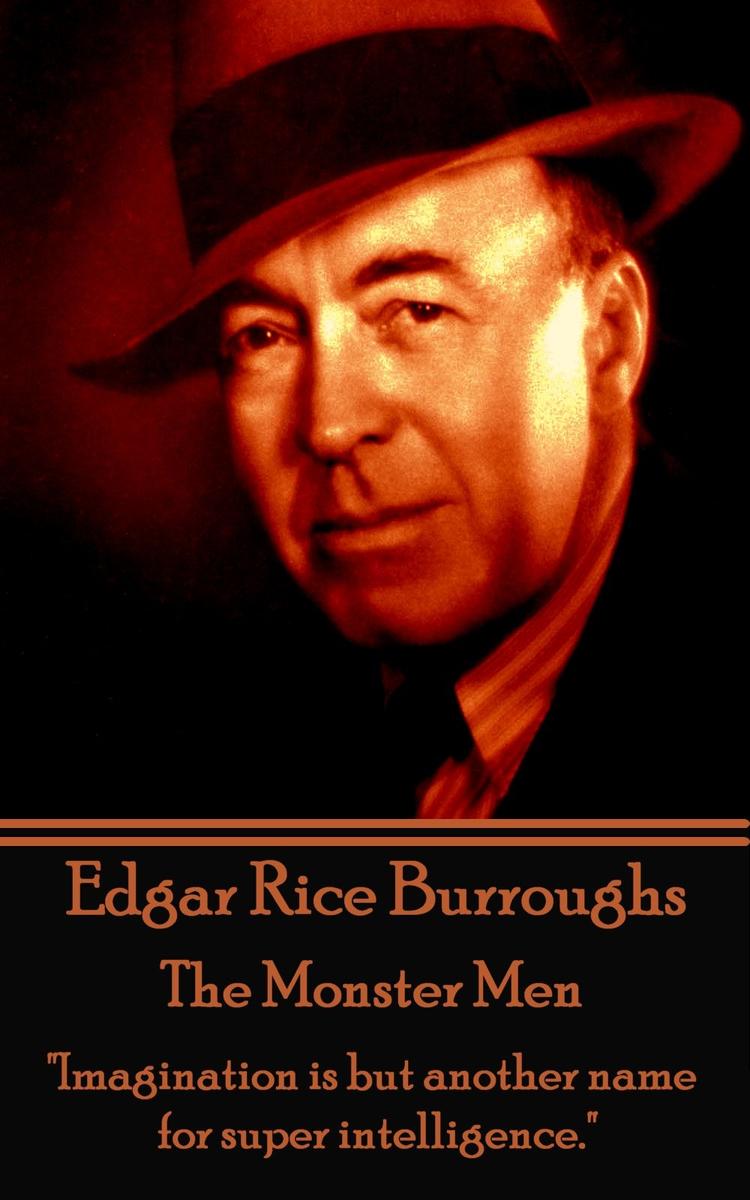
Monster Men - Imagination is but another name for super intelligence.
¥35.22
Edgar Rice Burroughs was born on September 1, 1875, in Chicago, Illinois. His early career was unremarkable. After failing to enter West Point he enlisted in the 7th Calvary but was discharged after heart problems were diagnosed. A series of short term jobs gave no indication as to a career path but finally, in 1911, married and with two young children, he turned his hand to writing. He aimed his works squarely at the very popular pulp serial magazines. His first effort 'Under The Moons Of Mars' ran in Munsey's Magazine in 1912 under the pseudonym Norman Bean. With its success he began writing full time. A continuing theme of his work was to develop series so that each character had ample opportunities to return in sequels. John Carter was in the Mars series and there was another on Venus and one on Pellucidar among others. But perhaps the best known is Tarzan. Indeed Burroughs wanted so much to capitalise upon the brand that he introduced a syndicated Tarzan comic strip, movies and merchandise. He purchased a large ranch north of Los Angeles, California, which he named "e;Tarzana."e; The surrounding communities outside the ranch voted in 1927 to adopt the name as their own. By 1932 Burroughs set up his own company to print his own books. Here we publish 'The Monster Men' a tale that shows just what Burroughs can do when his talents and craft are unleashed.
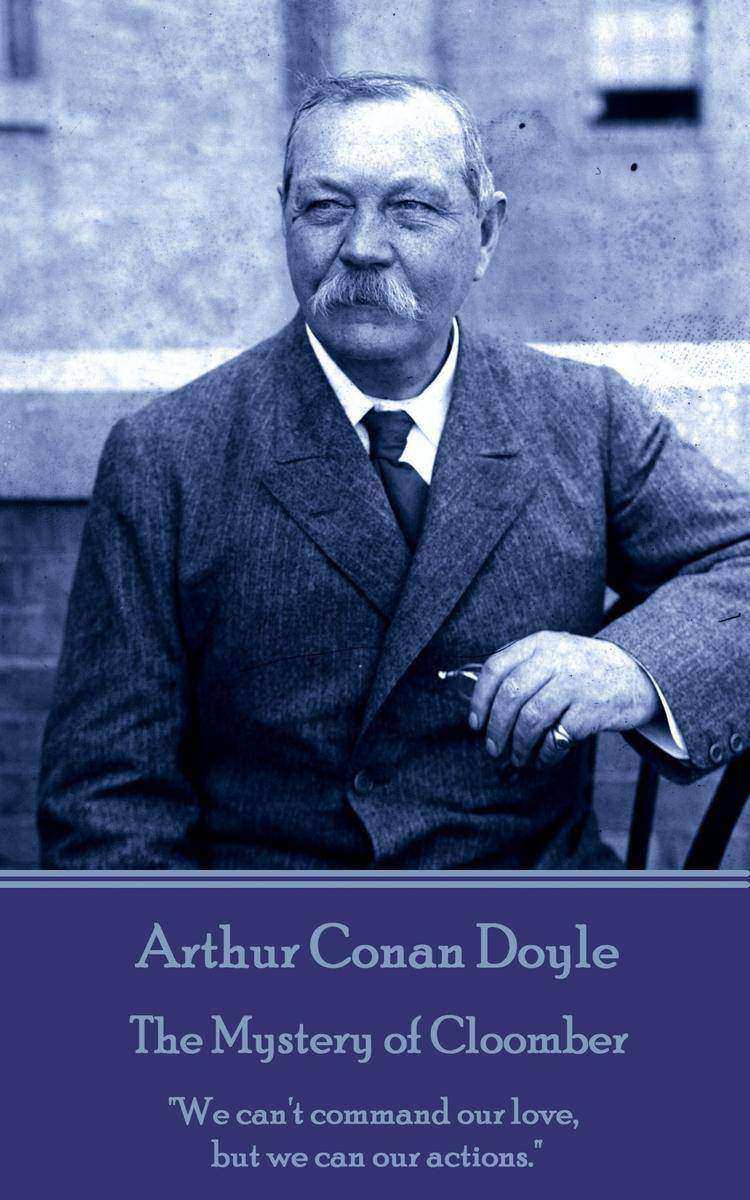
Mystery of Cloomber - We can't command our love, but we can our actions.
¥15.21
If ever a writer needed an introduction Arthur Conan Doyle would not be considered that man. After all, Sherlock Holmes is perhaps the foremost literary detective of any age. Add to this canon his stories of science fiction and his poems, his historical novels, his plays, his political campaigning, his efforts in establishing a Court of Appeal and there is little room for anything else. Except he was also an exceptional writer of short stories of the horrific and macabre. Something very different from what you might expect. Born in Arthur Conan Doyle was born on 22 May 1859 at 11 Picardy Place, Edinburgh, Scotland. From 1876 - 1881 he studied medicine at the University of Edinburgh following which he was employed as a doctor on the Greenland whaler Hope of Peterhead in 1880 and, after his graduation, as a ship's surgeon on the SS Mayumba during a voyage to the West African coast in 1881. Arriving in Portsmouth in June of that year with less than GBP10 (GBP700 today) to his name, he set up a medical practice at 1 Bush Villas in Elm Grove, Southsea. The practice was initially not very successful. While waiting for patients, Conan Doyle again began writing stories and composed his first novel The Mystery of Cloomber. Although he continued to study and practice medicine his career was now firmly set as a writer. And thereafter great works continued to pour out of him.
Prometheus Bound - I know how men in exile feed on dreams
¥11.67
schylus is often regarded as the father of Greek tragedy; he moved play writing from the simple interaction of a single character and a chorus to one where many characters interact and thereby create more dynamic and dramatic situations. schylus, was the son of Euphorion, and a scion of a Eupatrid or noble family. He was born at Eleusis 525 B.C., or, as the Greeks calculated time, in the fourth year of the 63rd Olympiad. He first worked at a vineyard and whilst there claimed to have been visited by Dionysis in a dream and told to turn his attention to the tragic art. It was a dream that would deliver a rich and incredible legacy through his writing talents. His earliest tragedy, composed when he was twenty-six years of age, failed to win the fabled Dionysia, (a revered festival of theatre) and it was not until fifteen years later that he gained this victory in 484BC going on to win it again in 472 BC (for The Persians), 467 BC (for Seven Against Thebes) and 463 BC (for The Suppliants). schylus was also known for his military skills and was ready to fight in defence of Athens whenever the call was made. He and his brother, Cynegeirus, fought against Darius's invading Persian army at the Battle of Marathon in 490 BCE and, although the Greeks won against overwhelming odds, Cynegeirus died in the battle, which had a naturally had a profound effect on schylus. He made several visits to the important Greek city of Syracuse in Sicily at the invitation of the tyrant Hieron, and it is thought that he also travelled extensively in the region of Thrace. His writing continued to be the envy of others. With the series of plays of which Seven Against Thebes was a part, his supremacy was undisputed. He was the "e;father of tragedy."e; schylus made many changes to dramatic form. The importance of the chorus was demoted and a second added to give prominence to the dialogue and making that interchange the leading feature of the play. He removed all deeds of bloodshed from the public view, and in their place provided various spectacular elements, improving the costumes, making the masks more expressive and convenient, and probably adopting the cothurnus to increase the stature of the performers. Finally, he established the custom of contending for the prize with trilogies, an inter-connecting set of three independent dramas. The closing years of the life of schylus were mainly spent in Sicily, which he had first visited soon after his defeat at the Dionysia by Sophocles. schylus returned to Athens to produce his Orestean trilogy, probably the finest of his works, although the Eumenides, the last of the three plays, revealed so openly his aristocratic tendencies that he became extremely unpopular, and returned to Sicily for the last time in 458 BCE and it was there that he died, while visiting the city of Gela in 456 or 455 BCE.
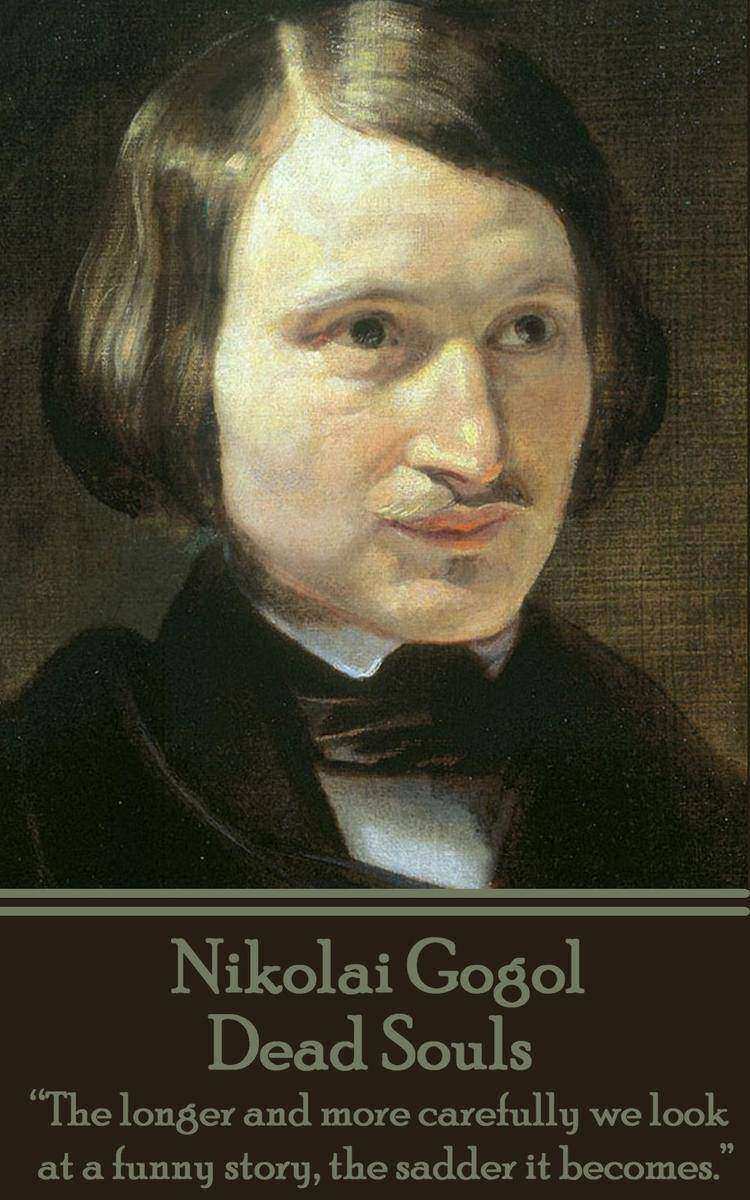
Dead Souls - The longer and more carefully we look at a funny story, the sadder
¥25.80
Nikolai Vasilievich Gogol was born on 31st March 1809 in present day Ukraine which was then the Russian Cossack village of Sorochyntsi. Nikolai's parents were relatively affluent; his mother's family were Polish landowners and his father, who wrote poetry in Ukrainian and Russian, was a descendant of Ukrainian Cossacks. Nikolai had a good education and started writing as a teenager whilst still at school although did consider becoming an actor due to his formidable talent at mimicry. On leaving school he went to St Petersburg but found it hard getting any work either in the civil service or as an actor. He self published a romantic poem but it was critically savaged to the extent that he swore never to write poetry again and also considered emigrating to the US. Fortunately, he persevered with his writing and produced a series of stories about his home in Ukraine in a colloquial and whimsical style that captured many literary admirers including the esteemed poet Pushkin. Nikolai was eventually able to abandon his work teaching and produced powerful books brilliantly and savagely satirising the inequities of the Russian system and its corrupt bureaucracy. His creative talents declined in later years and he became heavily influenced by a sadistic fanatical priest and died semi insane on 4th March 1852. He remains the father of Russian realism as evidenced here by his classic 'Dead Souls'
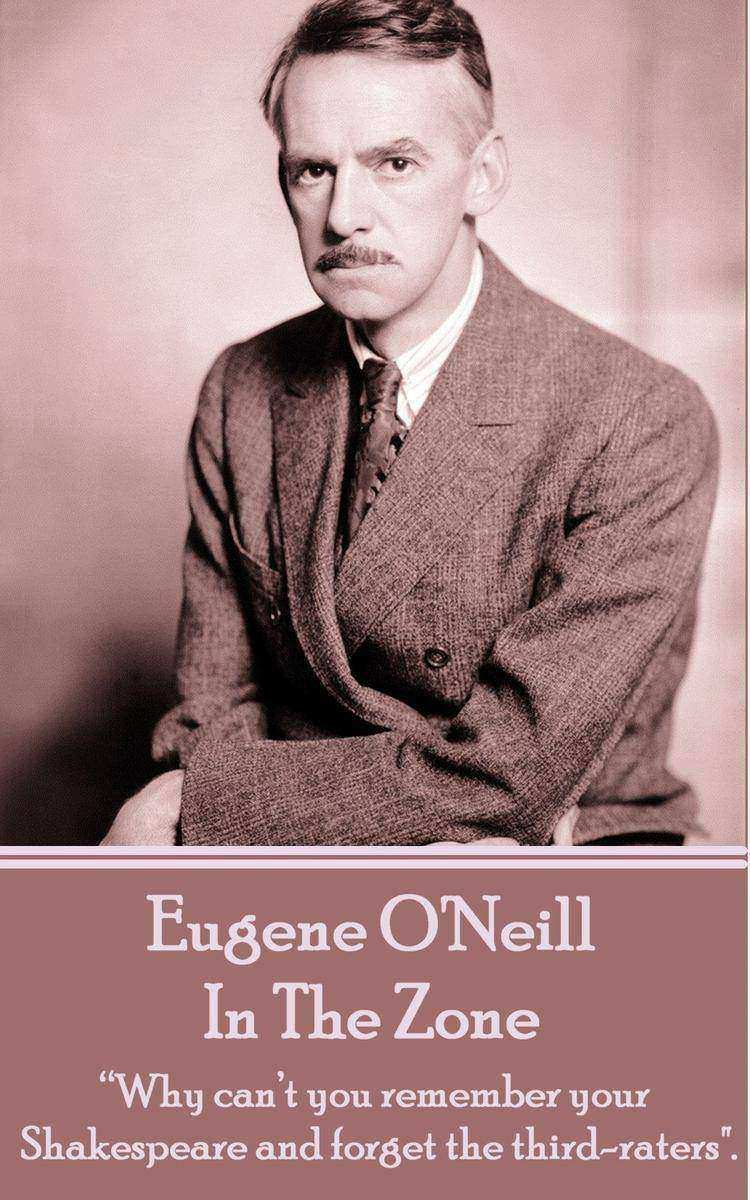
In The Zone - Why can't you remember your Shakespeare and forget the third-rater
¥14.03
Eugene Gladstone O'Neill was born on October 16, 1888 in a hotel bedroom in what is now Times Square, New York. Much of his childhood was spent in the comfort of books at boarding schools whilst his actor father was on the road and his Mother contended with her own demons. He spent only a year at University - Princeton - and various reasons have been given for his departure. However whatever his background and education denied or added to his development it is agreed amongst all that he was a playwright of the first rank and possibly America's greatest. His introduction of realism into American drama was instrumental in its development and paved a path for many talents thereafter. Of course his winning of both the Pulitzer Prize (4 times) and the Nobel Prize are indicative of his status. His more famous and later works do side with the disillusionment and personal tragedy of those on the fringes of society but continue to build upon ideas and structures he incorporated in his early one act plays. Eugene O'Neill suffered from various health problems, mainly depression and alcoholism. In the last decade he also faced a Parkinson's like tremor in his hands which made writing increasingly difficult. But out of such difficulties came plays of the calibre of The Iceman Cometh, Long Day's Journey Into Night, and A Moon for the Misbegotten. Eugene O'Neill died in Room 401 of the Sheraton Hotel on Bay State Road in Boston, on November 27, 1953, at the age of 65. As he was dying, he whispered his last words: "e;I knew it. I knew it. Born in a hotel room and died in a hotel room."e;
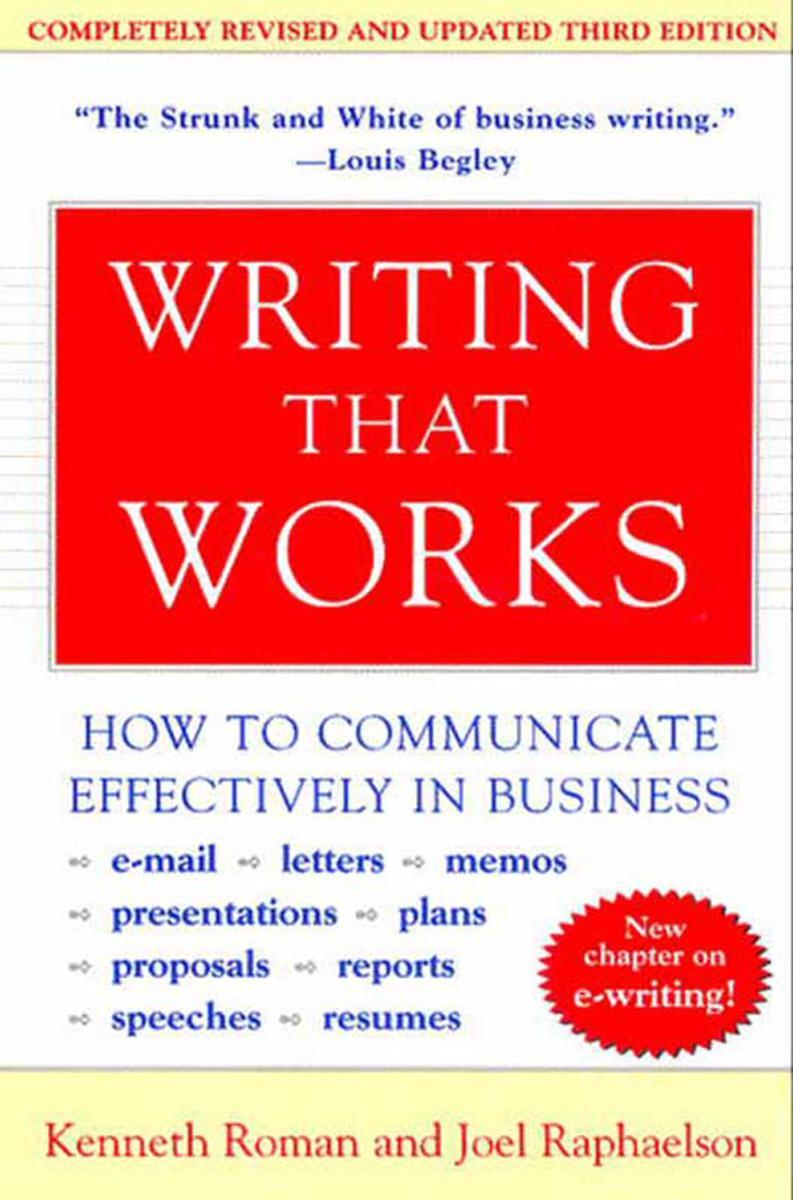
Writing That Works, 3e
¥88.56
Writing That Works will help you say what you want to say, with less difficulty and more confidence. Now in its third edition, this completely updated classic has been expanded to included all new advice on e-mail and the e-writing world, plus a fresh point of view on political correctness. With dozens of examples, many of them new, and useful tips for writing as well as faster on a computer, Writing That Works will show you how to improve anything you write: Presentations that move ideas and action Memos and letters that get things done Plans and reports that make things happen Fund-raising and sales letters that produce results Resumes and letters that lead to interviews Speeches that make a point
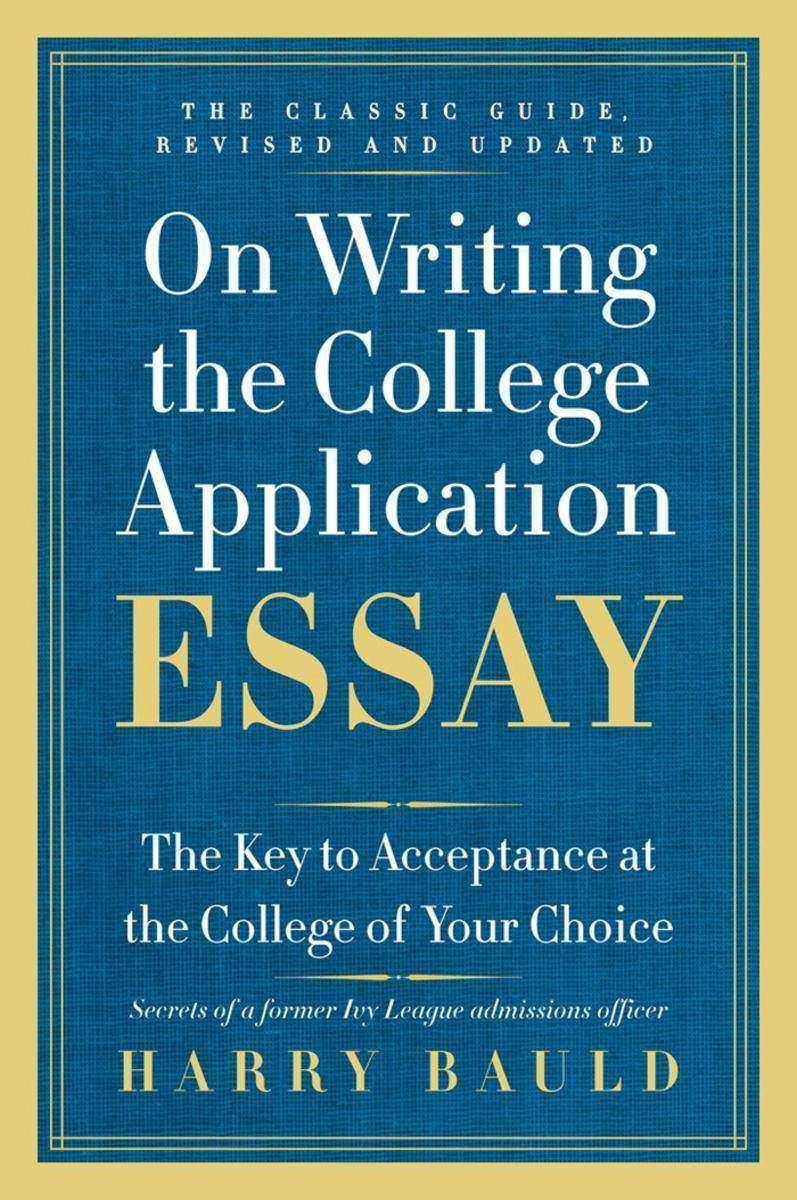
On Writing the College Application Essay, 25th Anniversary Edition
¥83.03
What does an admissions officer look for in a college application essayYou. It's that simple. There's no formula, no trick, no strategy, says Harry Bauld, a former Ivy League admissions officer. But with acceptance rates at all-time lows, just being yourself in an essay means understanding your readers and the unique form in which you are writing. In this fully revised and updated edition of the classic guide to writing the best essay of your life, Bauld reveals the big clich s (The Trip, The Jock, Miss America, Pet Death) and helps you discover ways to come alive on the page as a real person instead of applicant number 13,791.
William Morrow
¥55.91
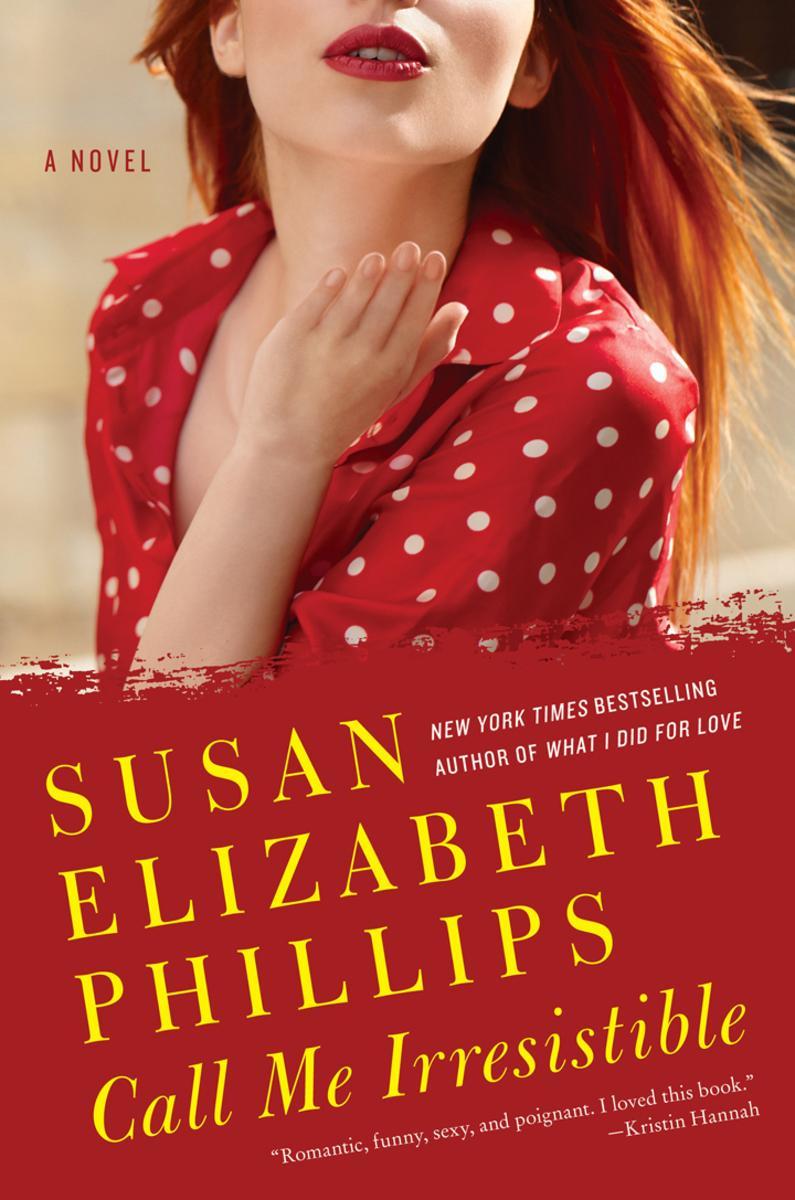
Call Me Irresistible R.S.V.P. to the most riotous wedding of the year . . . Lucy Jorik is the daughter of a former president of the United States. Meg Koranda is the offspring of legends. One of them is about to marry Mr. Irresistible Ted Beaudine the favorite son of Wynette, Texas. The other is not happy about it and is determined to save her friend from a mess of heartache. But even though Meg knows that breaking up her best friend's wedding is the right thing to do, no one else seems to agree. Faster than Lucy can say "I don't," Meg becomes the most hated woman in town a town she's stuck in with a dead car, an empty wallet, and a very angry bridegroom. Broke, stranded, and without her famous parents at her back, Meg is sure she can survive on her own wits. What's the worst that can happenLose her heart to the one and only Mr. IrresistibleNot likely. Not likely at all. Call Me Irresistible is the book Susan Elizabeth Phillips's readers have long awaited. Ted, better known as "little Teddy," the nine-year-old heartbreak kid from Phillips's first bestseller, Fancy Pants , and as "young Teddy," the hunky new college graduate in Lady Be Good , is all grown up now along with Lucy from First Lady and Meg from What I Did for Love . They're ready to take center stage in a saucy, funny, and highly addictive tale fans will love. "Crown Susan Elizabeth Phillips the queen of romantic comedy," raves the McClatchy-Tribune News Service, just one of numerous accolades the beloved New York Times bestselling author has earned in her remarkable career. For more than three decades, this wise and witty writer has charmed hearts and won the devotion of legions of readers. Now she's back with the book her fans have been demanding a sassy, sexy, downright irresistible tale of true love Texas-style, featuring gorgeous heartbreaker Ted Beaudine, now grown up and in a heap of romantic trouble all his own.
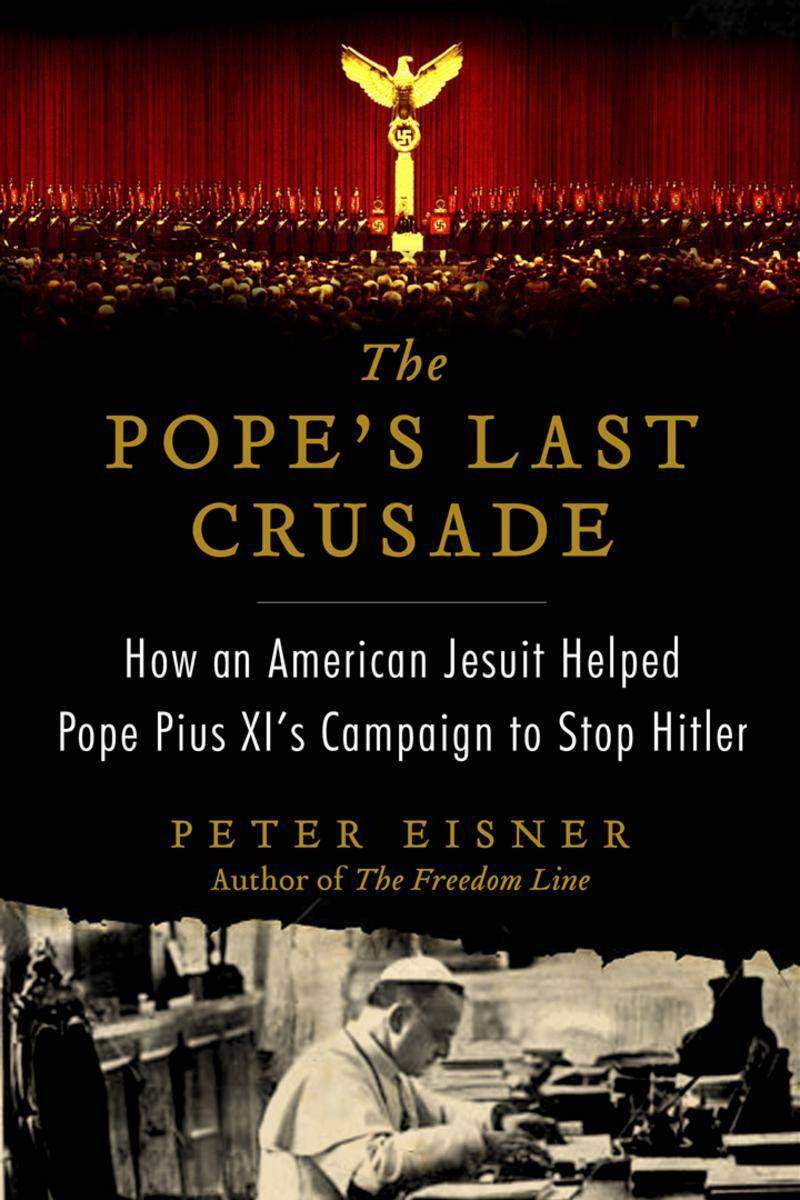
The Pope's Last Crusade
¥90.77
A conspiracy within the Vatican to stop an outspoken Pope In 1938, Pope Pius XI was the world most prominent critic of Hitler and his rhetoric of ethnic purity. To make his voice heard, Pius called upon a relatively unknown American Jesuit whose writing about racism in America had caught the Pope attention. Pius enlisted John LaFarge to write a papal encyclical the Vatican strongest decree publicly condemning Hitler, Mussolini, and their murderous Nazi campaign against the Jews. At the same time conservative members of the Vatican innermost circle were working in secret to suppress the document. Chief among them was Cardinal Eugenio Pacelli, whose appeasement of the Germans underlay a deep-running web of conspiracy. Pacelli, who would become Pope Pius XII, was joined by Wlodimir Ledóchowski, leader of the Jesuit order, to keep the finished encyclical from reaching the increasingly ill Pope. Peter Eisner, award-winning reporter and author of the critically acclaimed The Freedom Line , combines shocking new evidence (released only recently from Vatican archives) and eyewitness testimony to create a compelling journey into the heart of the Vatican and a little-known story of an American partnership with the head of the Catholic Church. A truly essential work, it brings staggering new light to one of the most critical junctures in modern history.

Avon
¥55.31
Lady Philippa Marbury is . . . odd The brilliant, bespectacled daughter of a double marquess cares more for books than balls, for science than the season, and for laboratories than love. She looking forward to marrying her simple fianc and living out her days quietly with her dogs and her scientific experiments. But before that, Pippa has two weeks to experience all the rest fourteen days to research the exciting parts of life. It not much time, and to do it right she needs a guide familiar with London darker corners. She needs . . . a Scoundrel She needs Cross, the clever, controlled partner in London most exclusive gaming hell, with a carefully crafted reputation for wickedness. But reputations often hide the darkest secrets, and when the unconventional Pippa boldly propositions him, seeking science without emotion, she threatens all he works to protect. He is tempted to give Pippa precisely what she wants . . . but the scoundrel is more than he seems, and it will take every ounce of his willpower to resist giving the lady more than she ever imagined.
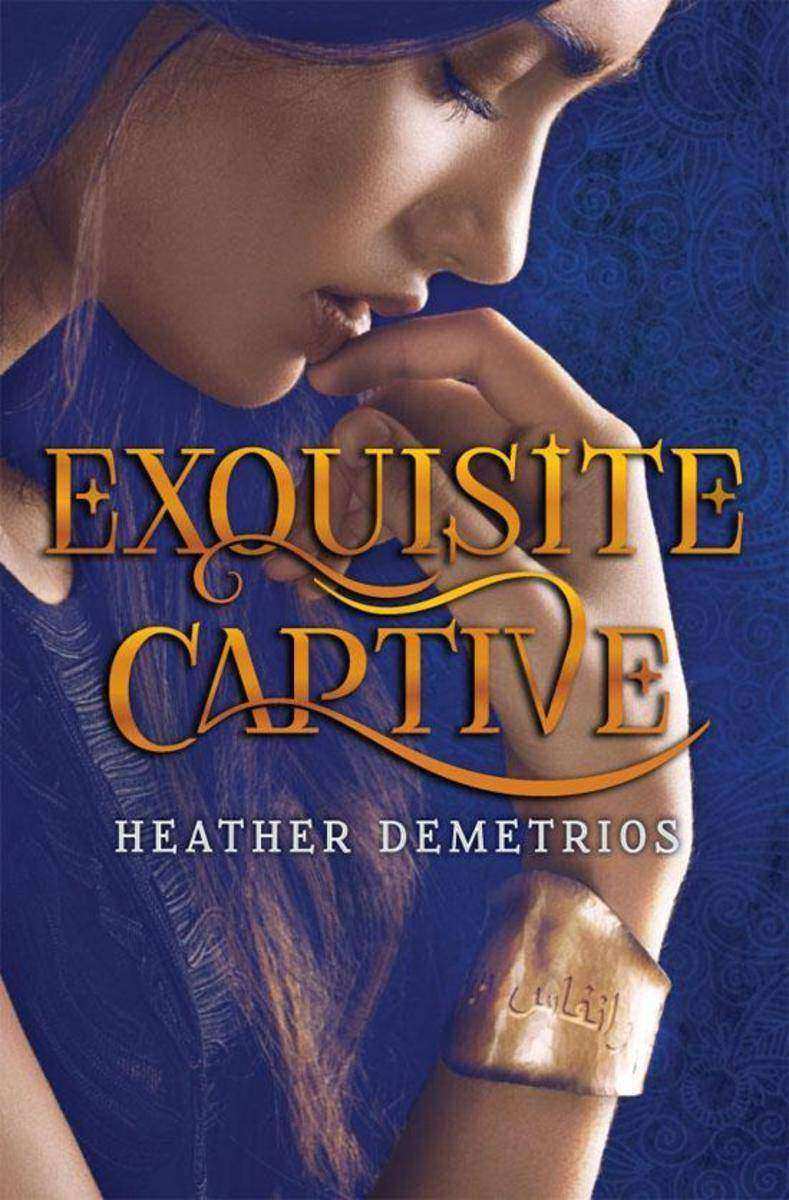
Exquisite Captive
¥55.33
For fans of Laini Taylor’s Daughter of Smoke and Bone series and Leigh Bardugo’s Grisha Trilogy comes the first book in the Dark Caravan Cycle, a modern fantasy-adventure trilogy about a gorgeous, fierce eighteen-year-old jinni who is pitted against two magnetic adversaries, both of whom want her—and need her—to make their wishes come true.Nalia is a jinni of tremendous ancient power, the only survivor of a coup that killed nearly everyone she loved. Now in hiding on the dark caravan—the lucrative jinni slave trade between Arjinna and Earth, where jinn are forced to grant wishes and obey their human masters’ every command—she’d give almost anything to be free of the golden shackles that bind her to Malek, her handsome, cruel master, and his lavish Hollywood lifestyle. Enter Raif, the enigmatic leader of Arjinna’s revolution and Nalia’s sworn enemy. He promises to release Nalia from her master so she can return to her ravaged homeland and free her imprisoned brother. There’s just one catch: for Raif’s unbinding magic to work, Nalia must gain possession of her bottle . . . and convince the dangerously persuasive Malek that she truly loves him.
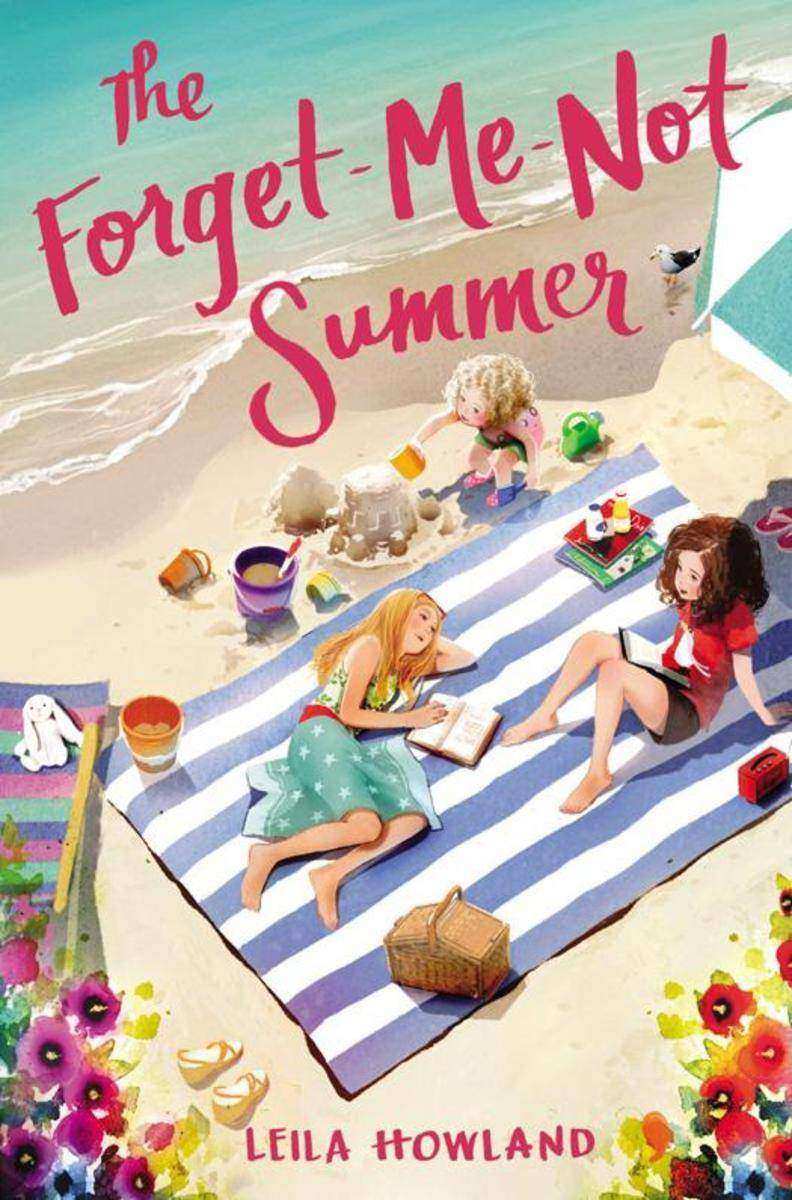
The Forget-Me-Not Summer
¥44.25
This charming story about the summer three California sisters spend on Cape Cod is perfect for fans of The Penderwicks and The Mother-Daughter Book Club. Full of moments both humorous and reflective, The Forget-Me-Not Summer is a story about three girls facing their fears, adjusting to change, and learning how to band together as the strongest version of themselves: sisters.Though Marigold, Zinnia, and Lily Silver couldn't be more different, they're all excited about their various plans for summer vacation. Twelve-year-old Marigold is hoping to get her first kiss from her big crush, while Zinnia, eleven, will most likely spend her time in Marigold's shadow. And little five-year-old Lily, though angelic, has a knack for stirring up mischief wherever she goes.But any expectation of summer fun comes crashing down when the sisters' parents send them to Cape Cod to visit their aunt Sunny. Small-town life is not what these L.A. girls had in mind. They must adjust, however, to things like sharing a room and living without a TV. With the help of Aunt Sunny's zany disposition and yummy brownies, though, the girls are quickly won over, and before Marigold, Zinnie, and Lily know it, they're cracking lobster shells at clambakes, making new friends, and even organizing a local talent show.
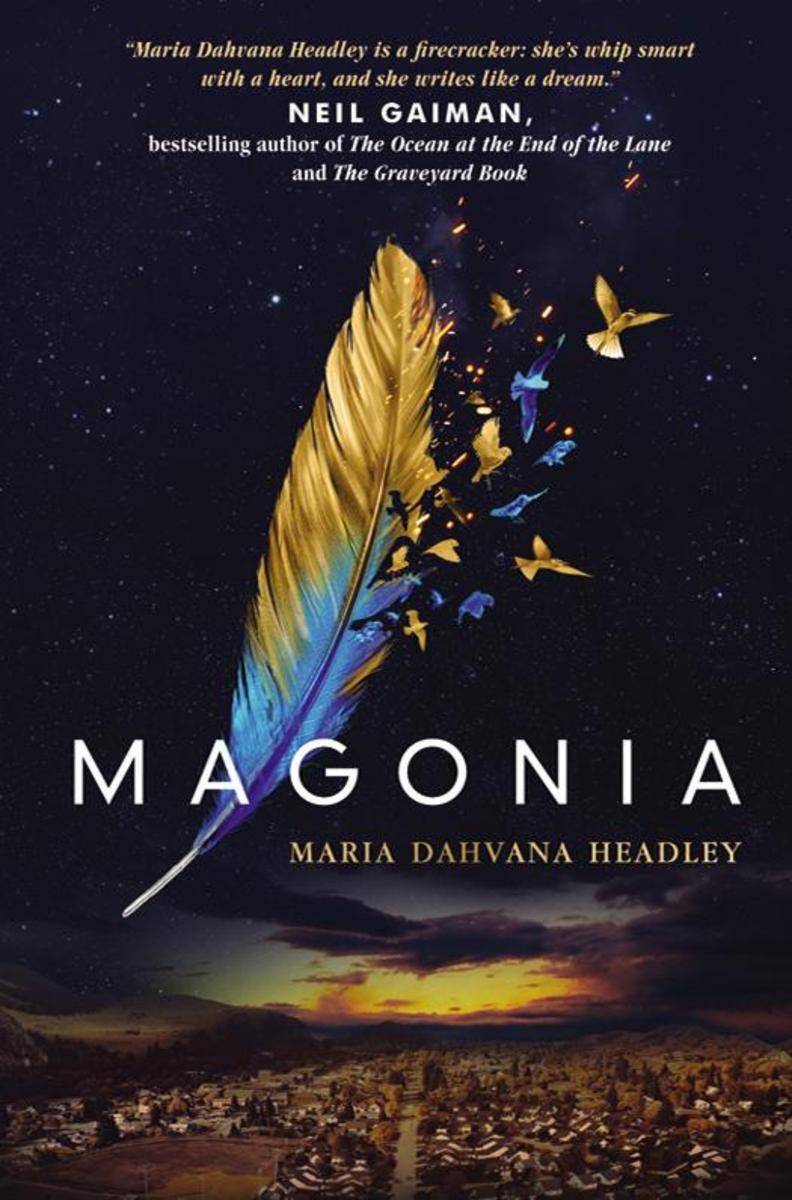
Magonia
¥61.70
Maria Dahvana Headley's soaring YA debut is a fiercely intelligent, multilayered fantasy where Neil Gaiman's Stardust meets John Green's The Fault in Our Stars in a story about a girl caught between two worlds . . . two races . . . and two destinies. Aza Ray Boyle is drowning in thin air. Since she was a baby, Aza has suffered from a mysterious lung disease that makes it ever harder for her to breathe, to speak—to live. So when Aza catches a glimpse of a ship in the sky, her family chalks it up to a cruel side effect of her medication. But Aza doesn't think this is a hallucination. She can hear someone on the ship calling her name.Only her best friend, Jason, listens. Jason, who's always been there. Jason, for whom she might have more-than-friendly feelings. But before Aza can consider that thrilling idea, something goes terribly wrong. Aza is lost to our world—and found, by another. Magonia. Above the clouds, in a land of trading ships, Aza is not the weak and dying thing she was. In Magonia, she can breathe for the first time. Better, she has immense power—but as she navigates her new life, she discovers that war between Magonia and Earth is coming. In Aza's hands lies fate of the whole of humanity—including the boy who loves her. Where do her loyalties lie?
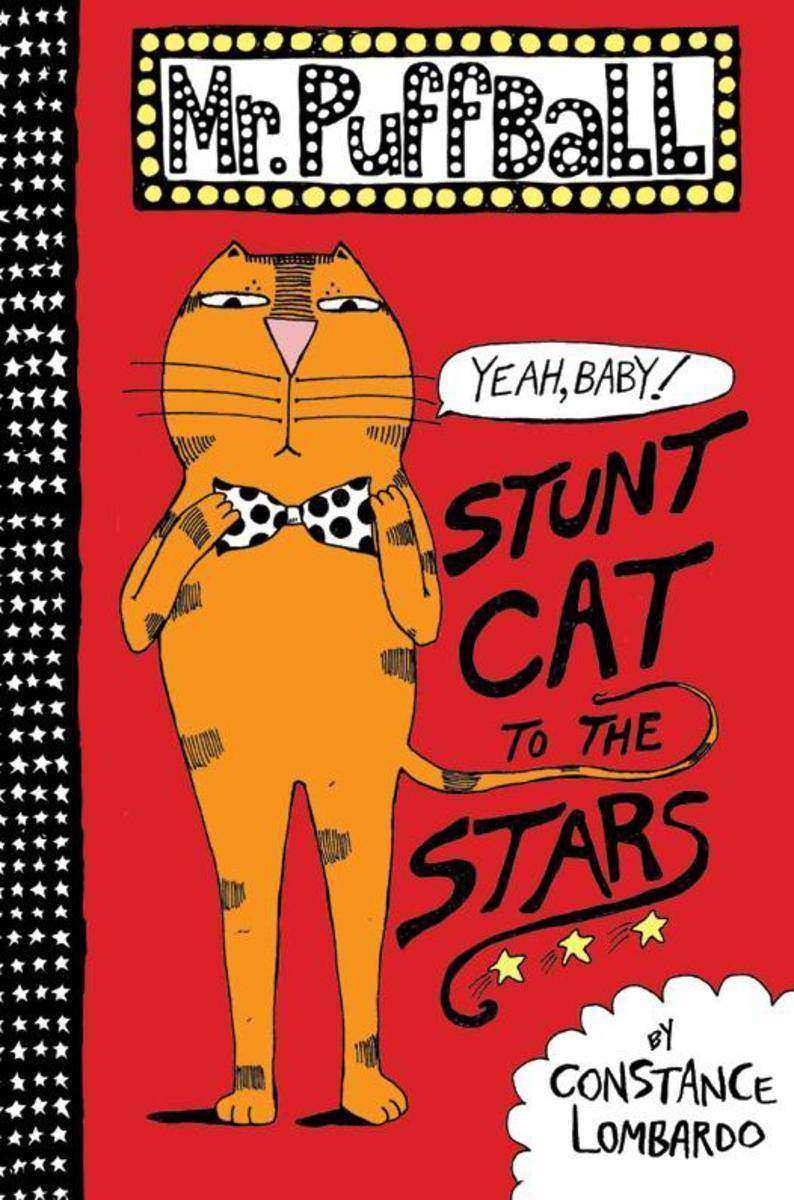
Mr. Puffball: Stunt Cat to the Stars
¥72.93
In this hilarious illustrated adventure meet Mr. Puffball, a medium-size feline with a big dream! With amazing humor that appeals to both kids and adults as well as funny illustrations throughout the story, Mr. Puffball: Stunt Cat to the Stars is perfect for dreamers, movie buffs, and fans of Timmy Failure and Stick Dog.He's a hero for today. Or possibly tomorrow. He's a cat. He's awesome. And . . . wait for it . . . he's going to Hollywood to become a famous movie star! Follow Mr. Puffball on his trip cross-country. (Look at all the postcards to Mom!) See him stumble upon Hobowood! (Not as glamorous as Hollywood, but full of beans.) Watch him land at last in Hollywood, where he meets a cast of thousands (or at least half a dozen) and catapults himself into the next best thing to being a famous movie star: working as a stunt cat to his movie star hero, El Gato!
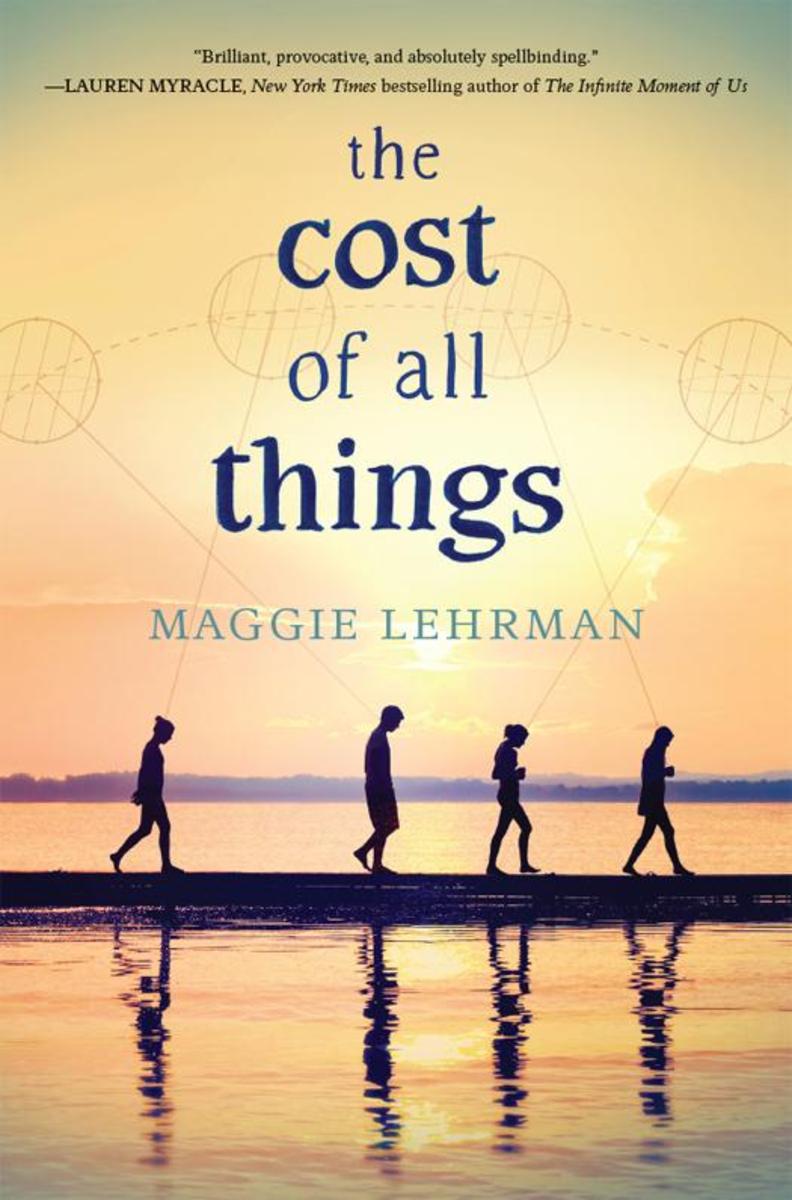
The Cost of All Things
¥101.00
Eternal Sunshine of the Spotless Mind meets We Were Liars in this thought-provoking and brilliantly written debut that is part love story, part mystery, part high-stakes drama.What would you pay to cure your heartbreakBanish your sadnessTransform your looksThe right spell can fix anything…. When Ari's boyfriend Win dies, she gets a spell to erase all memory of him. But spells come at a cost, and this one sets off a chain of events that reveal the hidden—and sometimes dangerous—connections between Ari, her friends, and the boyfriend she can no longer remember.Told from four different points of view, this original and affecting novel weaves past and present in a suspenseful narrative that unveils the truth behind a terrible tragedy.


