


 购物车
购物车 个人中心
个人中心
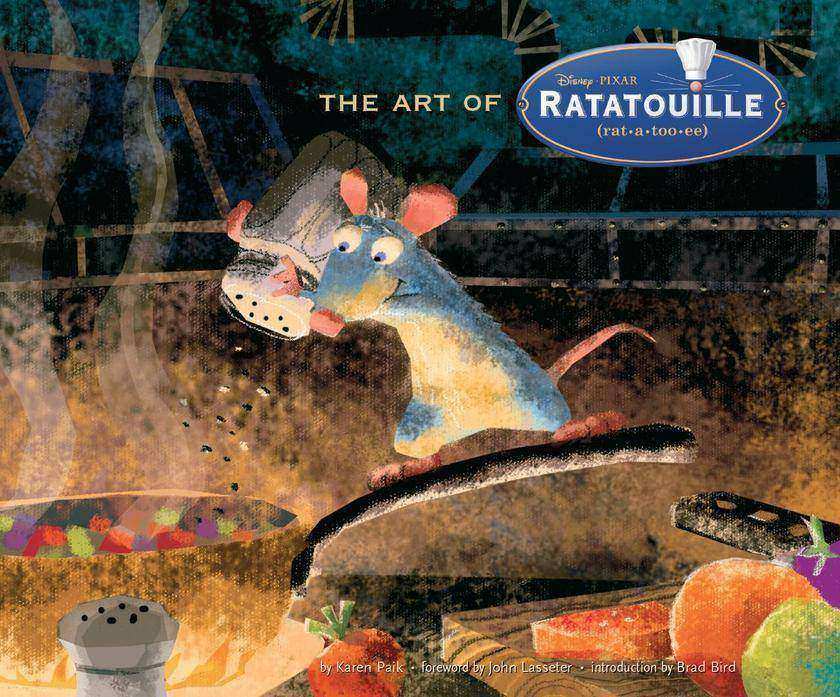
Art of Ratatouille
¥305.97
From the hit-makers at Pixar Animation Studios who brought us Buzz Lightyear, Nemo, and Mr. Incredible, now comes Remy, the furry star of Ratatouille. A lovable rat (yes, a rat!), Remy is driven by his passion for fine cuisine to become a chefagainst all odds and with madcap adventures along the wayat the most famous restaurant in Paris. The Art of Ratatouille includes more than 200 of the artistic ingredients in this heartwarming film: storyboards, full-color pastels, digital and pencil sketches, character studies, maquettes, and more. In this exclusive movie tie-in book for adults, effusive quotes from the director, artists, animators, and production team reveal the genius at work inside the studio that changed cartoon heroes forever.
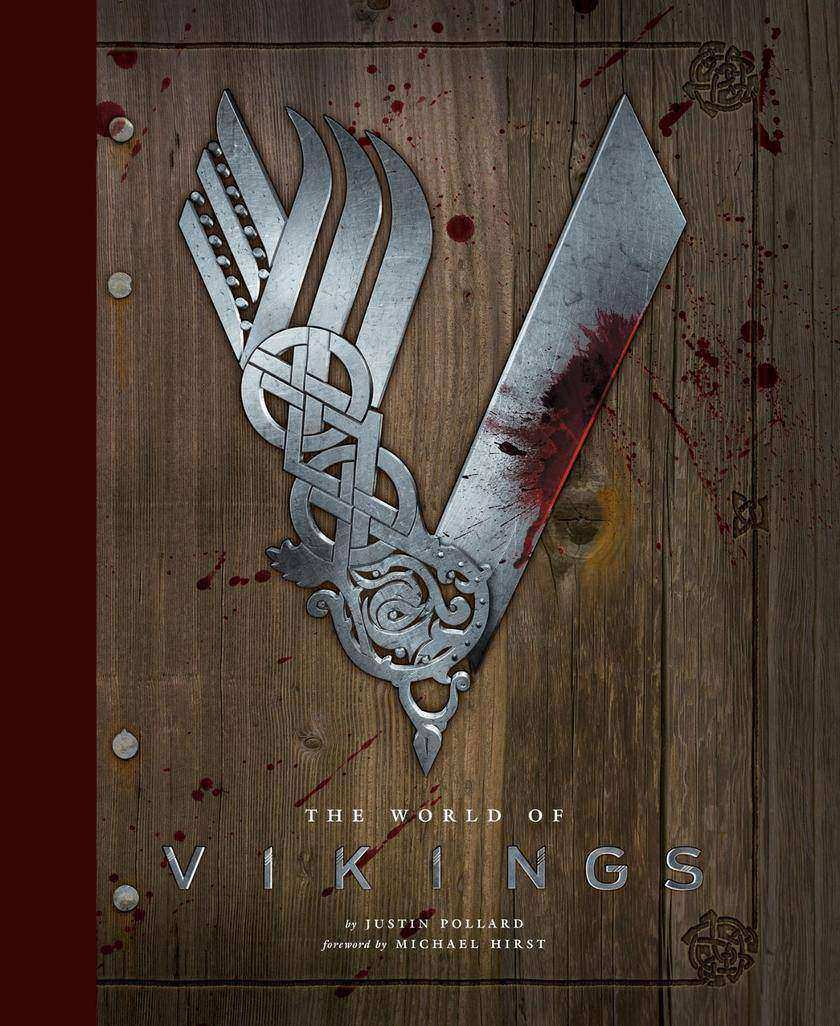
World of Vikings
¥211.80
MGM's hit show Vikings on the History Channel has drawn millions of viewers into the fascinating and bloody world of legendary Norse hero Ragnar Lothbrok, who led Viking warriors to the British Isles and France. Covering the first three seasons of the series, this official companion book delves into the real history as well as the behind-the-scenes stories. Viking historian Justin Pollard explains shipbuilding and navigation, Norse culture and religion, and the first encounters between Viking warriors and the kings of England and France. Interviews with cast and crew reveal the process of dramatizing this gripping story, from reviving the Old Norse language to choreographing battle scenes and building ancient temples for human sacrifice. This spectacular ebook is a must for fans of the show and history buffs alike.VIKINGS 2015 TM Prods Ltd/T5 Vikings Prods Inc. VIKINGS TM Prods Ltd.

Art of Pixar: 25th Anniversary
¥365.83
Over the past 25 years, Pixar's team of artists, writers, and directors have shaped the world of contemporary animation with their feature films and shorts. From classics such as Toy Story and A Bug's Life to recent masterpieces such as Up, Toy Story 3, and Cars 2, this comprehensive collection offers a behind-the-scenes tour of every Pixar film to date. Featuring a foreword by Chief Creative Officer John Lasseter, the complete color scripts for every film published in full for the first time as well as stunning visual development art, The Art of Pixar is a treasure trove of rare artwork and an essential addition to the library of animation fans and Pixar enthusiasts.

Star Wars: Women of the Galaxy
¥200.03
Star Wars: Women of the Galaxy
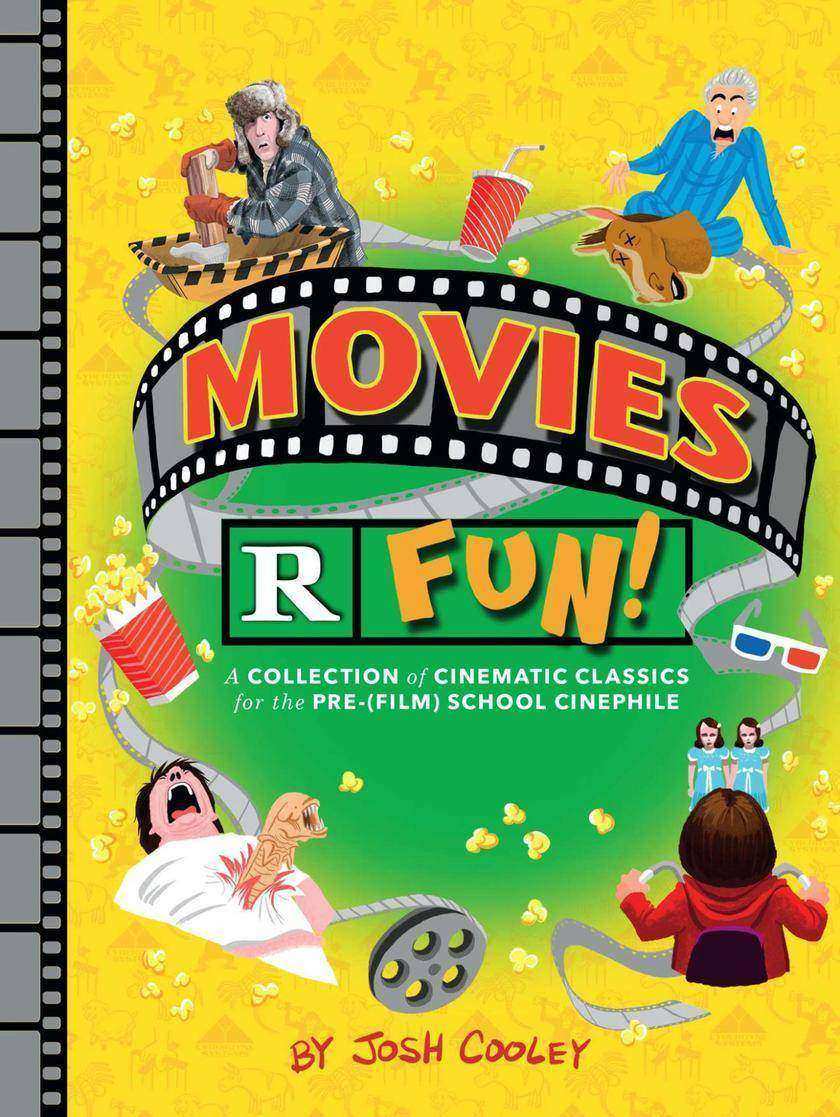
Movies R Fun! - A Collection of Cinematic Classics for the Pre-(Film) School Cin
¥82.31
Let's face it, reading sucks . . . but movies are fun! In this children's picture book parody for grown-ups, Pixar writer and artist Josh Cooley presents the most hilariously inappropriatethat is, the bestscenes from contemporary classic films in an illustrated, for-early-readers style. Terrifying, sexy, and awesome scenes from such favorite films as Alien, Rosemary's Baby, Fargo, Basic Instinct, Seven, The Silence of the Lambs, Apocalypse Now, The Shining, and many more are playfully illustrated and captioned to make reading fun and exciting for kids who never grew up. A sly celebration of the things fans love most about these legendary films (and movies in general), this is one book that probably should not be read at bedtime.
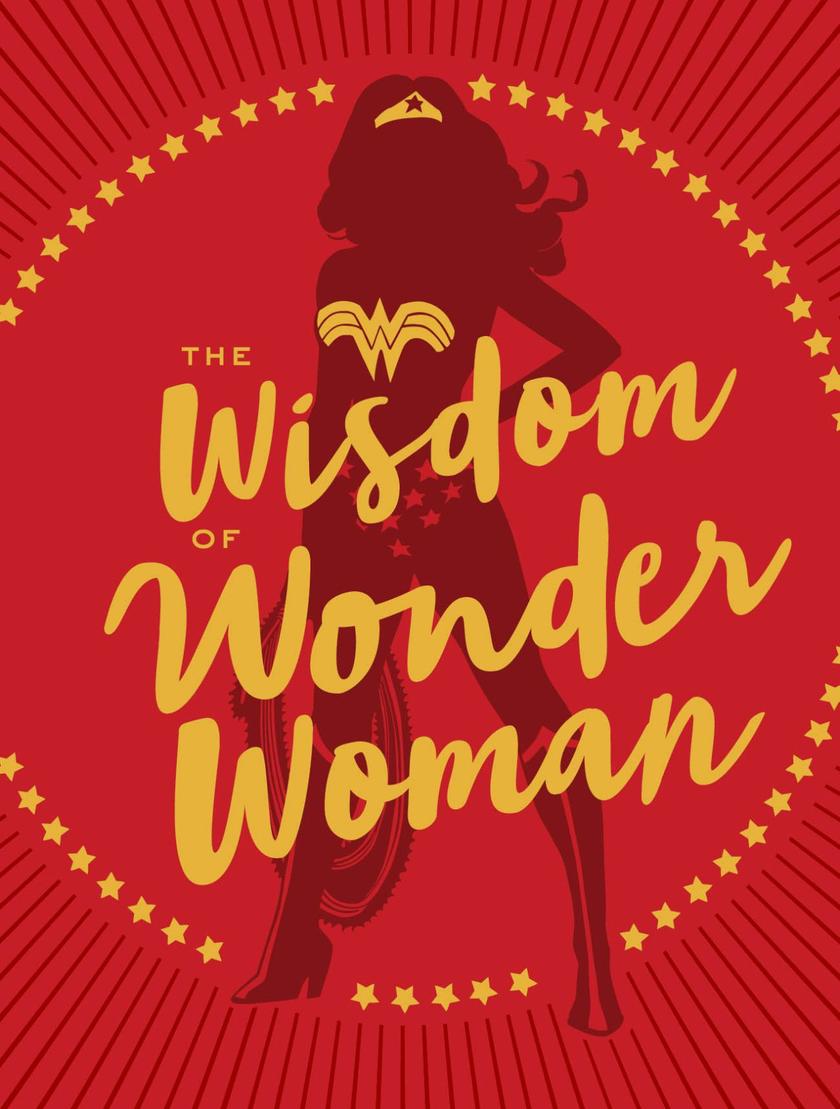
Wisdom of Wonder Woman
¥94.08
Beautiful as Aphrodite, stronger than Hercules, wise as Athenafor more than 75 years, Wonder Woman has inspired and empowered generations of fans with her strength and guidance. This gorgeous collection of quotes from throughout Wonder Woman's iconic history in comics, film, and TV, fully illustrated by a wide range of classic and modern visuals, showcases her wisdom on fighting systems of evil, defying expectations in Man's World, standing up for peace and love, and embodying the true meaning of strength. The Wisdom of Wonder Woman is an uplifting and powerful book for wonder women everywhere.WONDER WOMAN and all related characters and elements ? & ? DC Comics. (s19)

Art and Making of ParaNorman
¥247.11
From LAIKA, the studio behind the hit film Coraline, comes another marvel of stop-motion animation and creative storytelling. For ParaNorman, LAIKA's team of artists and animators built and brought to life a miniature town, a horde of zombies, and a quirky cast of characters to tell a tale of a boy with spooky talents who must save his hometown from a centuries-old curse. Featuring the amazing and detailed artwork that went into the film's creationfrom character sketches and concept art to puppets, textiles, set dressing, and 3-D printed facial modelsThe Art and Making of ParaNorman goes behind the scenes to explore the exacting, exciting steps that are achieved frame by frame in this newest LAIKA masterpiece.

Twitter: The Comic (The Book) - Comics Based on the Greatest Tweets of Our Gener
¥94.08
From a simple, brilliant premiseto create comics from the weirdest and funniest tweets aroundartist Mike Rosenthal (@VectorBelly) has crafted a hilariously surreal world that has attracted over a million followers to his blog Twitter: The Comic. Each carefully curated tweet delivers concentrated humor in the language of the Internet, reproduced in the comics with typos and all. As envisioned by Rosenthal, each comes to life through a bizarrely recognizable cast of bassoon-playing cops, sarcastic teens, bear MDs, clueless dads, potential insect overlords, and more. Featuring more than 120 of these comics, including dozens unique to this book, Twitter: The Comic (The Book) is a dementedly funny vision of our strange online age.
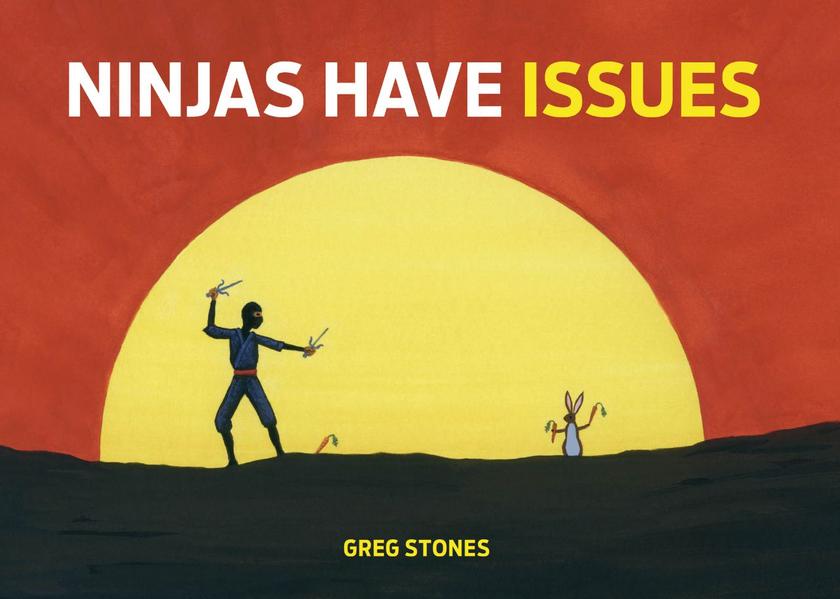
Ninjas Have Issues
¥58.76
Ninjas are awesomestealthy, cunning experts of infiltration and close combat. But like us all, they must sometimes grapple with the small but significant problems of everyday life. For instance, ninjas have issues with squirrels. They also have trouble with chimneys, pigeons, blow darts, and mimes. They really like hiding, going undercover, and piatas, but have MAJOR issues with samurai, giant fighting robots, and unicorns. Through it all, they secretly long for just one thing. Author of the breakout hit Zombies Hate Stuff, Greg Stones turns his popular, playfully absurd illustration style to the badass but surprisingly issue-fraught world of ninjas, detailing their inner lives and mortal combat with a subversive sense of the absurd.
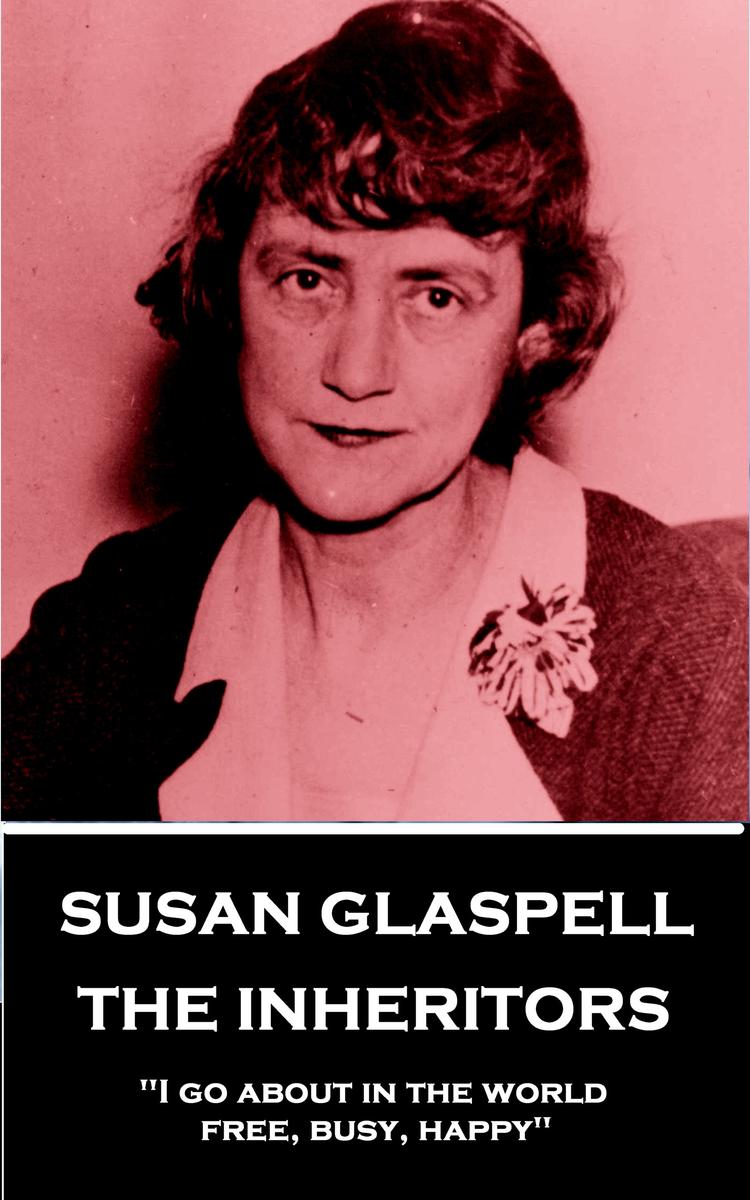
Inheritors - I go about in the world - free, busy, happy
¥18.74
Susan Keating Glaspell was born on July 1st, 1876 in Davenport.Glaspell, a precocious child was an active student at Davenport High School where she took an advanced course of study. By age eighteen she was earning a regular salary at the local newspaper as a journalist, and by twenty she was the author of a weekly 'Society' column.At twenty-one Glaspell enrolled at Drake University. A philosophy major, she also excelled in debate competitions, and represented Drake at the state tournament in her senior year.The day after her graduation, Glaspell again worked as a reporter, still a rare position for a woman. She was assigned to cover the state legislature and murder cases.At twenty-four, after covering the conviction of a woman accused of murdering her abusive husband, Glaspell abruptly resigned and moved back to Davenport, and with it, a hoped for career writing fiction.Her stories were published by many periodicals, including Harper's and Munsey's.Moving to Chicago she wrote her first novel, The Glory of the Conquered, in 1909. It was a best-seller.As was Glaspell's second novel, The Visioning, published in 1911 and her third, Fidelity in 1915. Each novel also received glowing reviews.With her husband Glaspell founded the Provincetown Playhouse devoted to plays that were more able to reflect contemporary American issues. Her first play, Trifles (1916), was based on the murder trial she covered as a young reporter in Des Moines. She wrote twelve groundbreaking plays over seven years for the company. By 1918 Glaspell was considered one of America's most significant new playwrights.However, the impact and critical success of Glaspell's theatre work did not unfortunately make financial sense. Therefore she continued to submit short stories in order to support her and her husband during their years with the theater.In 1931 she wrote the excellent play, Alison's House, for which she received the Pulitzer Prize.In 1936 Glaspell moved to Chicago as the Midwest Bureau Director of the Federal Theater Project. When that finished she returned to Cape Cod using the Mid-West experience in her last three novels which were increasingly focused on the region, on family life, and on theistic questions; The Morning is Near Us (1939), Norma Ashe (1942), and Judd Rankin's Daughter (1945).Susan Keating Glaspell died of viral pneumonia in Provincetown on July 28, 1948.
Lady Inger (1857)
¥23.45
Henrik Ibsen (20th March, 1828 - 23rd May, 1906) is often referred to as the father of realism and ranked just below Shakespeare as Europe's greatest ever playwright especially as his plays are performed most frequently throughout the world after Shakespeare's. He was Norwegian and although set his plays in Norway, he wrote them in Danish and lived most of his professional life in Italy and Germany. His affect on the theatre is still evident today and shapes the distinction of plays being art as opposed to entertainment since he broke down all previous traditions and explored issues, developed characterisation, revealed uncomfortable truths, challenged assumptions and brokedown facades in ourselves as well as society. These factors are clearly demonstrated in Lady Inger of Ostrat, a historical play set in a period in history when Norway was struggling to retain independence and Norwegian literature was virtually non existent. Ibsen describes the era as "e;Four Hundred Years of Darkness"e; and his setting Lady Inger at this time was very much part of the patriotic Romantic Nationalism movement of the time, of which he was its most famous exponent. This play is a fine example of both the movement's intent, to reintroduce the near forgotten past of the previous four centuries providing a richer Norwegian culture, as well as Ibsen's poetic style that captures the scan and spirit of old Scandinavian songs and ballads so skilfully .
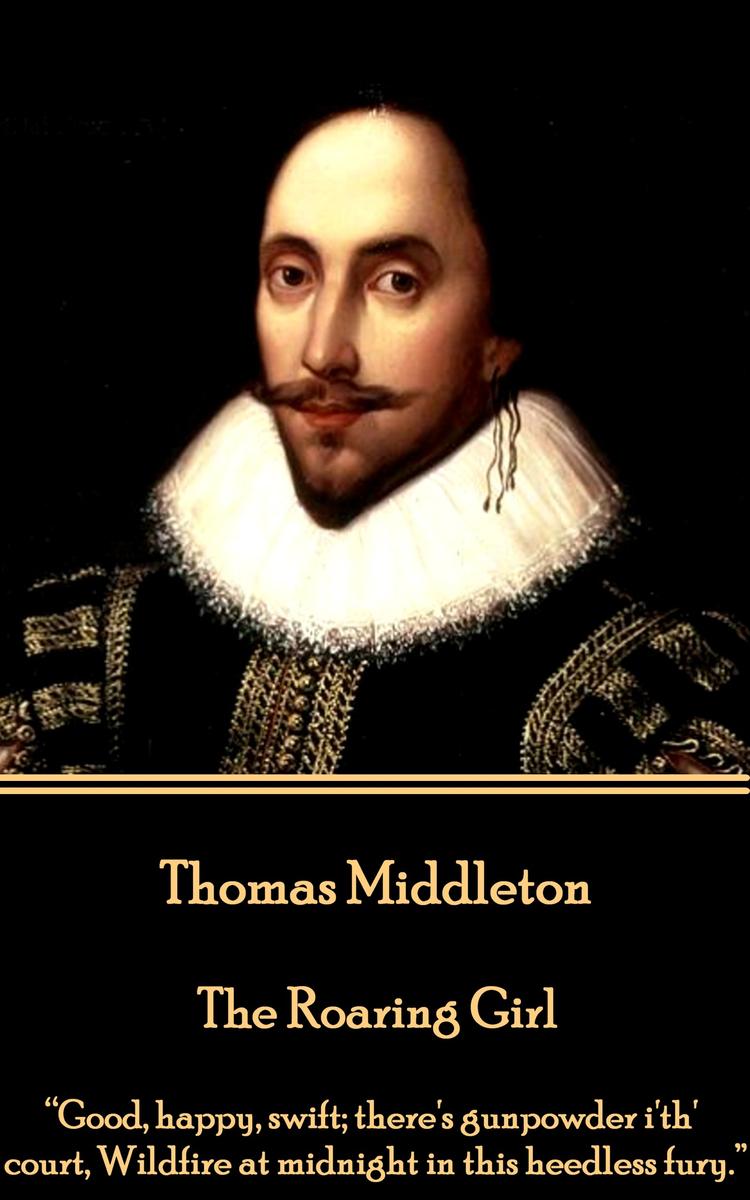
Roaring Girl - Good, happy, swift; there's gunpowder i'th' court
¥23.45
Thomas Middleton was born in London in April 1580 and baptised on 18th April. Middleton was aged only five when his father died. His mother remarried but this unfortunately fell apart into a fifteen year legal dispute regarding the inheritance due Thomas and his younger sister. By the time he left Oxford, at the turn of the Century, Middleton had and published Microcynicon: Six Snarling Satirese which was denounced by the Archbishop of Canterbury and publicly burned. In the early years of the 17th century, Middleton wrote topical pamphlets. One - Penniless Parliament of Threadbare Poets was reprinted several times and the subject of a parliamentary inquiry. These early years writing plays continued to attract controversy. His writing partnership with Thomas Dekker brought him into conflict with Ben Jonson and George Chapman in the so-called War of the Theatres. His finest work with Dekker was undoubtedly The Roaring Girl, a biography of the notorious Mary Frith. In the 1610s, Middleton began another playwriting partnership, this time with the actor William Rowley, producing another slew of plays including Wit at Several Weapons and A Fair Quarrel. The ever adaptable Middleton seemed at ease working with others or by himself. His solo writing credits include the comic masterpiece, A Chaste Maid in Cheapside, in 1613. In 1620 he was officially appointed as chronologer of the City of London, a post he held until his death. The 1620s saw the production of his and Rowley's tragedy, and continual favourite, The Changeling, and of several other tragicomedies. However in 1624, he reached a peak of notoriety when his dramatic allegory A Game at Chess was staged by the King's Men. Though Middleton's approach was strongly patriotic, the Privy Council silenced the play after only nine performances at the Globe theatre, having received a complaint from the Spanish ambassador. What happened next is a mystery. It is the last play recorded as having being written by Middleton. Thomas Middleton died at his home at Newington Butts in Southwark in the summer of 1627, and was buried on July 4th, in St Mary's churchyard which today survives as a public park in Elephant and Castle.
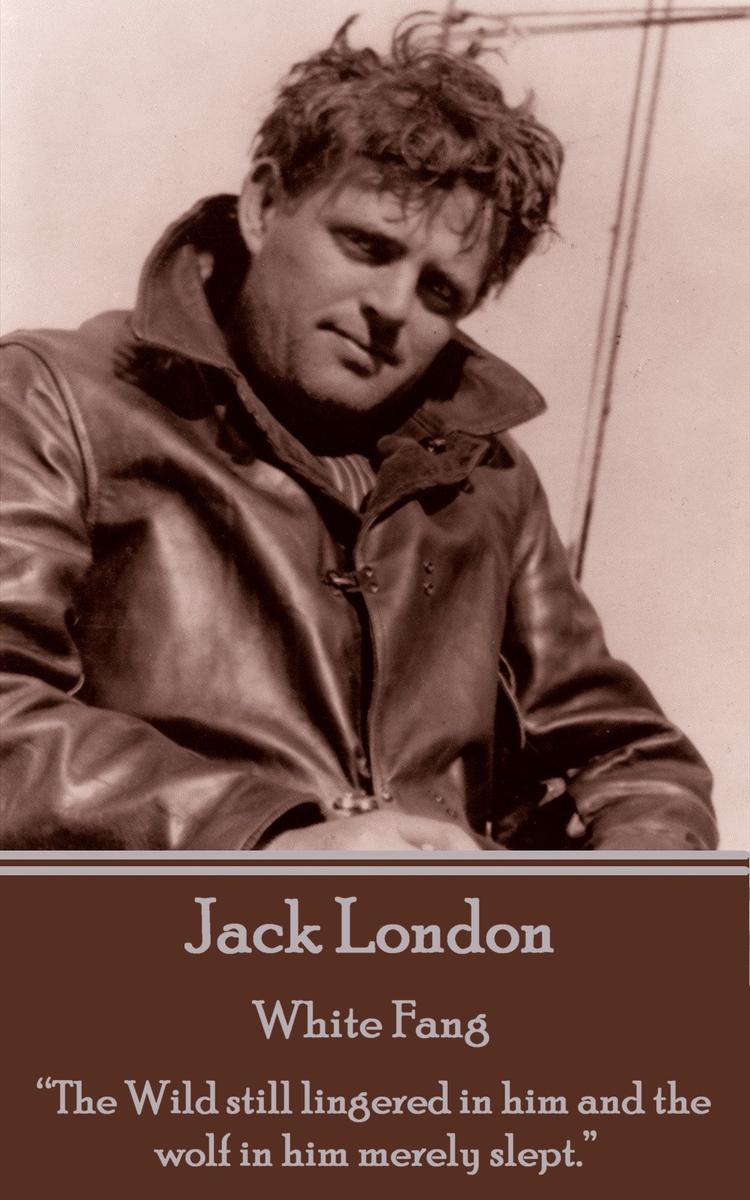
White Fang - The Wild still lingered in him and the wolf in him merely slept.
¥38.75
John Griffith "e;Jack"e; London was born John Griffith Chaney on January 12th, 1876 in San Francisco. His father, William Chaney, was living with his mother Flora Wellman when she became pregnant. Chaney insisted she have an abortion. Flora's response was to turn a gun on herself. Although her wounds were not severe the trauma made her temporarily deranged. In late 1876 his mother married John London and the young child was brought to live with them as they moved around the Bay area, eventually settling in Oakland where Jack completed grade school. Jack also worked hard at several jobs, sometimes 12-18 hours a day, but his dream was university. He was lent money for that and after intense studying enrolled in the summer of 1896 at the University of California in Berkeley. In 1897, at 21 , Jack searched out newspaper accounts of his mother's suicide attempt and the name of his biological father. He wrote to William Chaney, then living in Chicago. Chaney said he could not be London's father because he was impotent; and casually asserted that London's mother had relations with other men. Jack, devastated by the response, quit Berkeley and went to the Klondike. Though equally because of his continuing dire finances Jack might have taken that as the excuse he needed to leave. In the Klondike Jack began to gather material for his writing but also accumulated many health problems, including scurvy, hip and leg problems many of which he then carried for life. By the late 1890's Jack was regularly publishing short stories and by the turn of the century full blown novels. By 1904 Jack had married, fathered two children and was now in the process of divorcing. A stint as a reporter on the Russo-Japanese war of 1904 was equal amounts trouble and experience. But that experience was always put to good use in a remarkable output of work. Twelve years later Jack had amassed a wealth of writings many of which remain world classics. He had a reputation as a social activist and a tireless friend of the workers. And yet on November 22nd 1916 Jack London died in a cottage on his ranch at the age of only 40. Here we present White Fang.
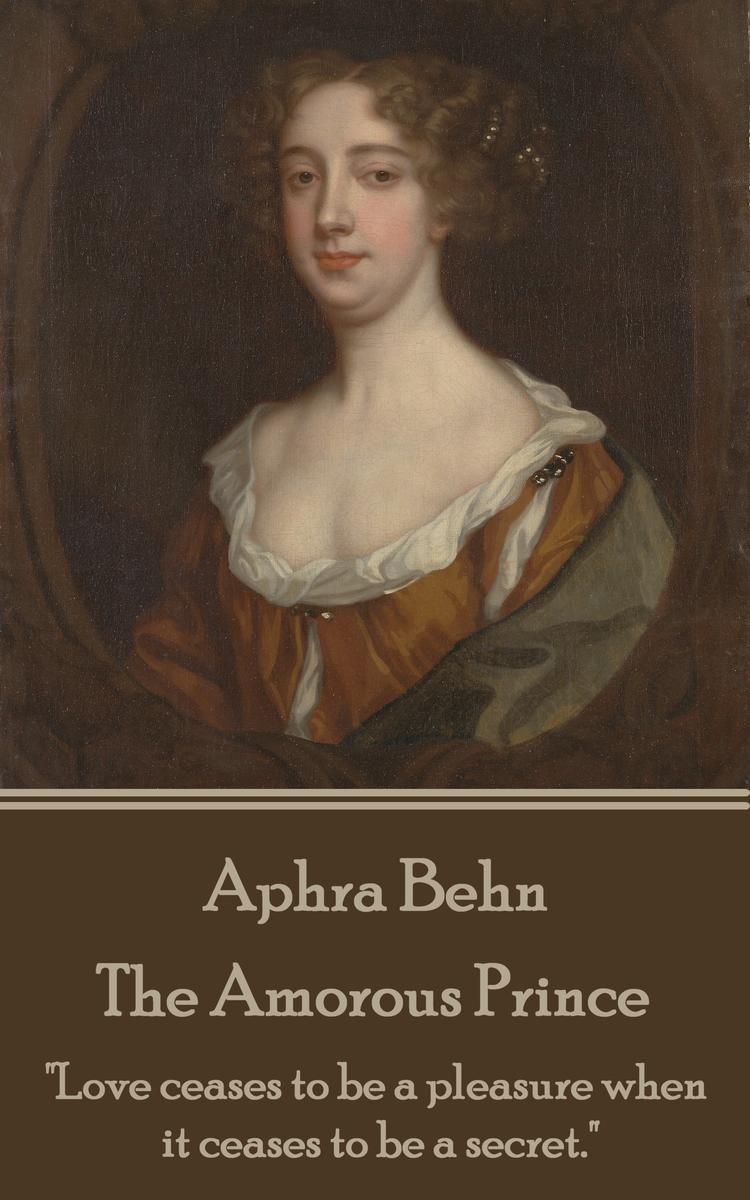
Amorous Prince - Love ceases to be a pleasure when it ceases to be a secret.
¥46.99
Aphra Behn was a prolific and well established writer but facts about her remain scant and difficult to confirm. What can safely be said though is that Aphra Behn is now regarded as a key English playwright and a major figure in Restoration theatre. Aphra was born into the rising tensions to the English Civil War. Obviously a time of much division and difficulty as the King and Parliament, and their respective forces, came ever closer to conflict. There are claims she was a spy, that she travelled abroad, possibly as far as Surinam. By 1664 her marriage was over (though by death or separation is not known but presumably the former as it occurred in the year of their marriage) and she now used Mrs Behn as her professional name. Aphra now moved towards pursuing a more sustainable and substantial career and began work for the King's Company and the Duke's Company players as a scribe. Previously her only writing had been poetry but now she would become a playwright. Her first, "e;The Forc'd Marriage"e;, was staged in 1670, followed by "e;The Amorous Prince"e; (1671). After her third play, "e;The Dutch Lover"e;, Aphra had a three year lull in her writing career. Again it is speculated that she went travelling again, possibly once again as a spy. After this sojourn her writing moves towards comic works, which prove commercially more successful. Her most popular works included "e;The Rover"e; and "e;Love-Letters Between a Nobleman and His Sister"e; (1684-87). With her growing reputation Aphra became friends with many of the most notable writers of the day. This is The Age of Dryden and his literary dominance. From the mid 1680's Aphra's health began to decline. This was exacerbated by her continual state of debt and descent into poverty. Aphra Behn died on April 16th 1689, and is buried in the East Cloister of Westminster Abbey. The inscription on her tombstone reads: "e;Here lies a Proof that Wit can never be Defence enough against Mortality."e; She was quoted as stating that she had led a "e;life dedicated to pleasure and poetry."e;
Law of Lombardy - 'The historian's page, the fertile epic store''
¥26.98
Robert Jephson was born in Ireland in 1736, the son of Archdeacon John Jephson. His education was at Ryder's grammar school and then the Reverend Roger Ford's school before he was admitted to Trinity College, Dublin in 1751. He left without a degree.Jephson now joined the British Army with a commission in the 73rd Regiment of Foot. Among his postings was one to the Caribbean. He left, for health reasons and retired with the rank of Captain.An appointment was offered as master of the horse to the lord-lieutenant of Ireland. Whilst in this office he wrote and had published, in the Mercury newspaper, a collection of articles that defended the lord-lieutenant's administration. These were later published in book form as 'The Bachelor', or 'Speculations of Jeoffry Wagstaffe'. Jepson held the office under twelve successive viceroys and gained a pension of GBP300, which was later doubled.He entered the Irish House of Commons in 1773 and sat for St Johnstown (County Longford) until 1776. Between 1777 and 1783, he served as Member of Parliament for Old Leighlin and thereafter represented Granard from 1783 to 1790In 1775 he added playwright, dramatist and poet to his military and political career strands. His plays gathered much interest. Among them his tragedy 'Braganza' was successfully performed at Drury Lane in 1775, 'Conspiracy' in 1796, 'The Law of Lombardy' in 1779, and 'The Count of Narbonne' (adapted from Horace Walpole's 'The Castle of Otranto') at Covent Garden in 1781. In 1788 he published 'Extempore Ludicrous Miltonic Verses' and, in 1794, the heroic poem 'Roman Portraits', and 'The Confessions of Jacques Baptiste Couteau', a satire on the excesses of the French Revolution. Robert Jephson died at Blackrock, near Dublin, on the 31st of May 1803.
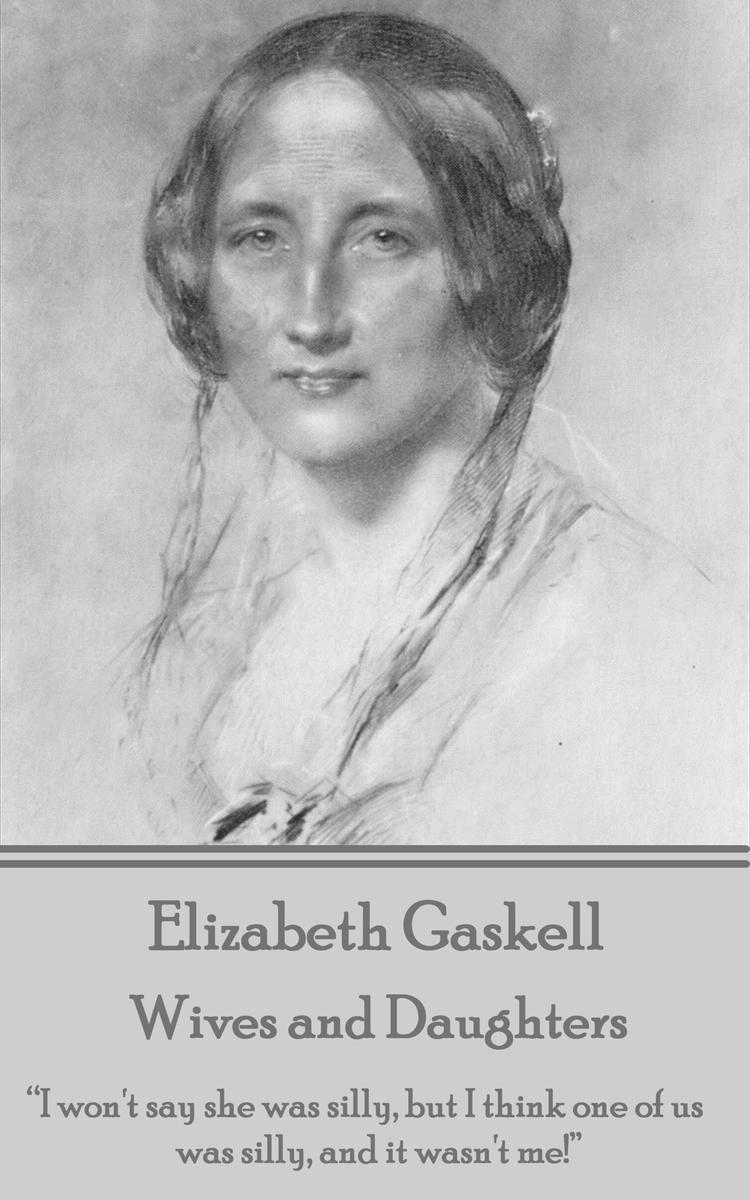
Wives and Daughters - I won't say she was silly, but I think one of us was silly
¥70.53
Elizabeth Gaskell is equally well known as Mrs Gaskell. When her mother died, she was three months old and she was sent to live in Knutsford, Cheshire with her Aunt Hannah, this setting would become the basis for her novel Cranford. At 22 she married and settled in Manchester to raise her family. Friends with Charlotte Bronte she went on to write her biography and was also highly regarded by a certain Charles Dickens who published her ghost stories in his magazine. Much of her work views the emerging industrial society of Victorian England through her own moral and religious values and has an uncanny ability to look at and report on the many strata of society. Here we publish Wives and Daughters.
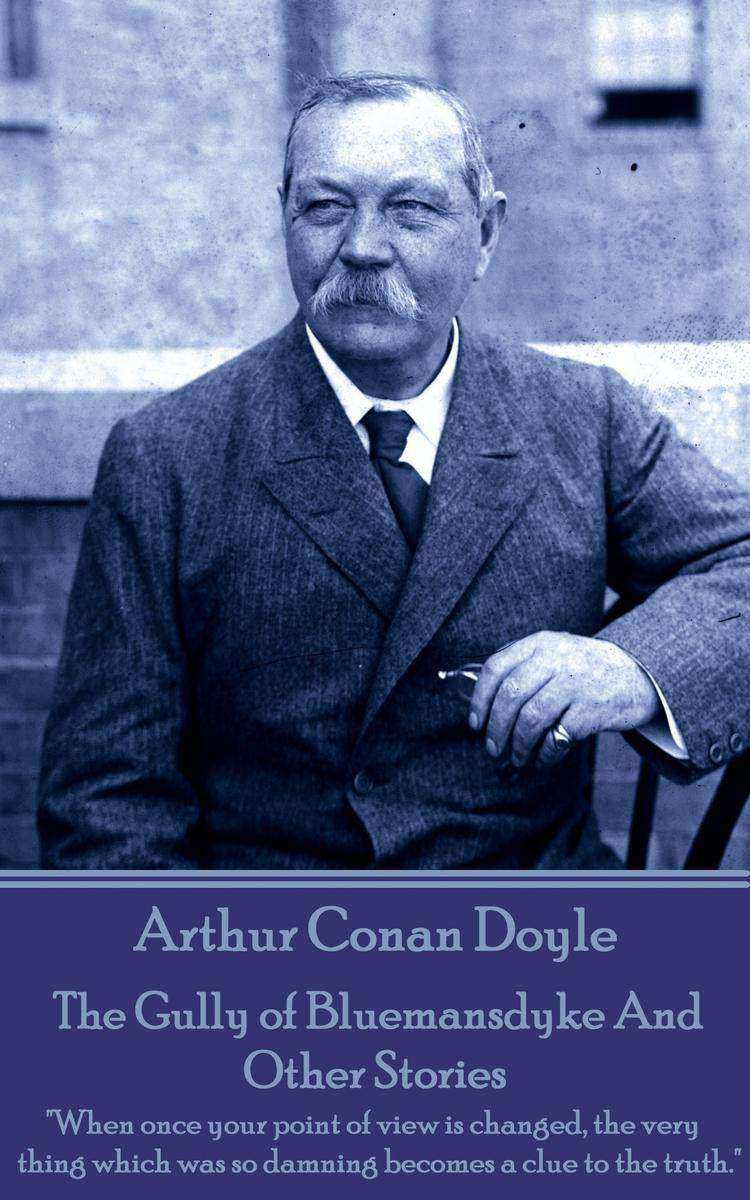
Gully of Bluemansdyke And Other stories
¥15.21
If ever a writer needed an introduction Arthur Conan Doyle would not be considered that man. After all, Sherlock Holmes is perhaps the foremost literary detective of any age. Add to this canon his stories of science fiction and his poems, his historical novels, his plays, his political campaigning, his efforts in establishing a Court of Appeal and there is little room for anything else. Except he was also an exceptional writer of short stories of the horrific and macabre. Something very different from what you might expect. Born in Arthur Conan Doyle was born on 22 May 1859 at 11 Picardy Place, Edinburgh, Scotland. From 1876 - 1881 he studied medicine at the University of Edinburgh following which he was employed as a doctor on the Greenland whaler Hope of Peterhead in 1880 and, after his graduation, as a ship's surgeon on the SS Mayumba during a voyage to the West African coast in 1881. Arriving in Portsmouth in June of that year with less than GBP10 (GBP700 today) to his name, he set up a medical practice at 1 Bush Villas in Elm Grove, Southsea. The practice was initially not very successful. While waiting for patients, Conan Doyle again began writing stories and composed his first novel The Mystery of Cloomber. Although he continued to study and practice medicine his career was now firmly set as a writer. And thereafter great works continued to pour out of him.

Great Gatsby - So we beat on, boats against the current, borne back ceaselessly
¥26.98
Francis Scott Key Fitzgerald was born on September 24th 1896 in Saint Paul, Minnesota, to an upper-middle-class family. His early years in Buffalo, New York showed him to be a boy of high intelligence and drive with a thirst for literature. In 1908, his father was fired from Procter & Gamble, and the family returned to Minnesota. Here Fitzgerald attended St. Paul Academy, in St. Paul, until 1911. At 13 he was published in the school newspaper, it was, of all things, a detective story. In 1911, aged 15, he was sent to the prestigious Newman School, in Hackensack, New Jersey.And, after graduating in 1913, he decided to continue at Princeton University. Here he firmly dedicated himself to writing. Unfortunately his writing pursuits came at the expense of his coursework. In 1917 he dropped out to join the U.S. Army. However this service to his country came with the very real fear that he might perish in the trenches of Western Europe with his literary dreams not yet begun. So he spent the weeks before reporting for duty at work on a novel entitled The Romantic Egotist. Fitzgerald was assigned to Camp Sheridan, in Alabama. It was there that Fitzgerald met the love of his life; Zelda Sayre, the "e;golden girl,"e; of Montgomery youth society.The war ended before Fitzgerald could be deployed, and he moved to New York City hoping to start a career in advertising that would be lucrative enough to convince Zelda to marry him. Unable to convince her that his means were enough to support her she broke off the engagement.Fitzgerald returned to his parents in St. Paul, to revise The Romantic Egoist, now recast as This Side of Paradise. His revised novel was accepted by Scribner's and published in 1920 becoming an instant success. It launched Fitzgerald's career as a writer and provided a steady income suitable for Zelda's ambitions. The engagement resumed and they married at St. Patrick's Cathedral in New York.Frances Scott "e;Scottie"e; Fitzgerald, their only child, was born on October 26, 1921. Inspired by the parties he had attended visiting Long Island's north shore Fitzgerald began planning the greatest of his novels, The Great Gatsby, in 1923, wanting to produce "e;something new-something extraordinary and beautiful and simple and intricately patterned."e; Published in April 1925, The Great Gatsby received mixed reviews and but sold 20,000 in its first year. Today, it is one of a small circle vying for the title "e;Great American Novel"e;. Fitzgerald continued to supplement his income by writing short stories for magazines and to sell his stories and novels to Hollywood. He called this 'whoring'. In February 1932, Zelda was hospitalized with schizophrenia. Fitzgerald's heavy and excessive drinking had now developed into alcoholism and with recurring financial difficulties, the emotional toll of Zelda's mental illness, this meant several difficult years. In 1937, Fitzgerald moved to Hollywood. His income improved but he found movies beneath his talents.He spent the second half of the 1930s in Hollywood, working on short stories, scripts for MGM, and his final novel, The Love of the Last Tycoon. In 1939, MGM ended the contract, and Fitzgerald became a writer for hire. Still an alcoholic, he now became estranged from Zelda and developed a relationship with Sheilah Graham, the Hollywood gossip columnist. In this last period of his life his alcoholism had left him physically wrecked. After suffering a heart attack, in Schwab's Drug Store, he was ordered to avoid strenuous exertion. On the night of December 20, 1940, Fitzgerald and Sheilah Graham attended the premiere of This Thing Called Love. As they left Fitzgerald went dizzy; upset, he said to Graham, "e;They think I am drunk, don't they?"e; The following day, Graham saw him jump from his armchair, grab the mantelpiece, gasp, and fall to the floor. Francis Scott Fitzgerald died of a heart attack on December 21st, 1940.
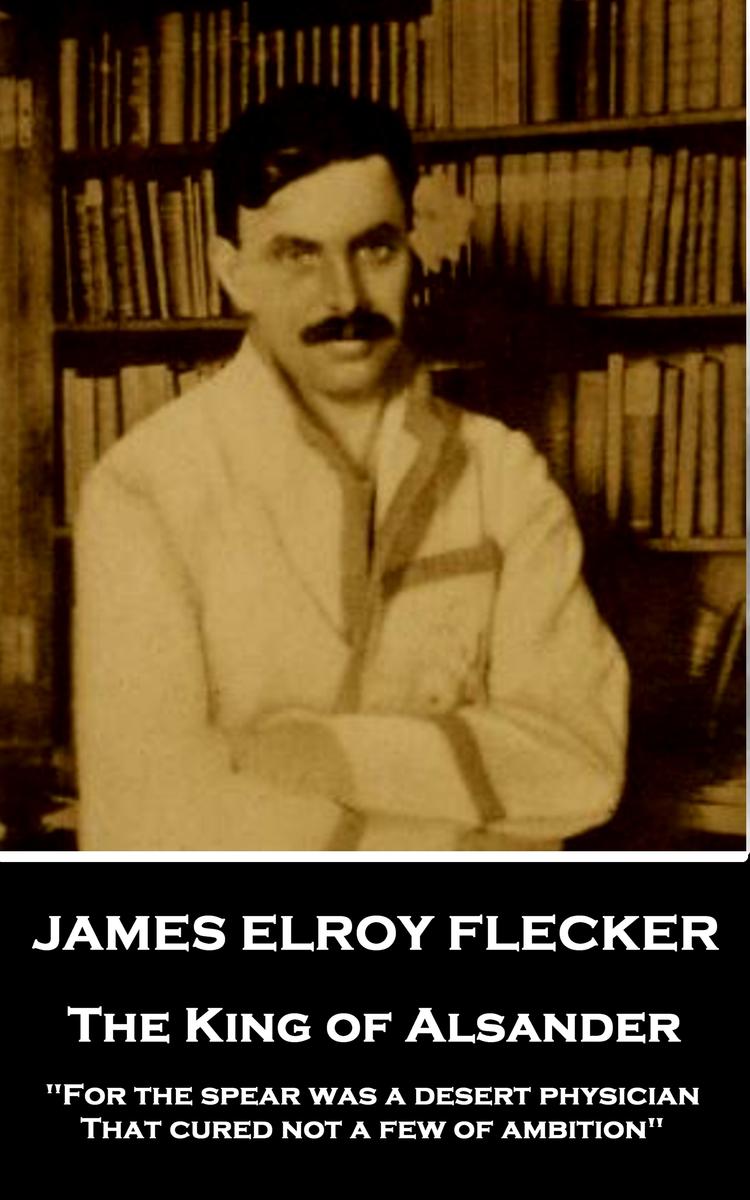
King of Alsander - For the spear was a desert physician, That cured not a few of
¥26.98
James Elroy Flecker was born on 5th November 1884, in Lewisham, London.Flecker does not seem to have enjoyed academic study and achieved only a Third-Class Honours in Greats in 1906. This did not set him up for a job in either government service or the academic world.After some frustrating forays at school teaching he attempted to join the Levant Consular Service and entered Cambridge to study for two years. After a poor first year he pushed forward in the second and achieved First-Class honours. His reward was a posting to Constantinople at the British consulate.However, Flecker's poetry career was making better progress and he was beginning to garner praise for his poems including The Bridge of Fire. Unfortunately, he was also showing the first symptoms of contracting tuberculosis. Bouts of ill health were to now alternate with periods of physical well-being woven with mental euphoria and creativity.Before his early death he managed to complete several volumes of poetry, which he continually revised, together with some prose works and plays. It was a small canon of work but on his death on 3rd January 1915, of tuberculosis, in Davos, Switzerland he was described as "e;unquestionably the greatest premature loss that English literature has suffered since the death of Keats"e;.
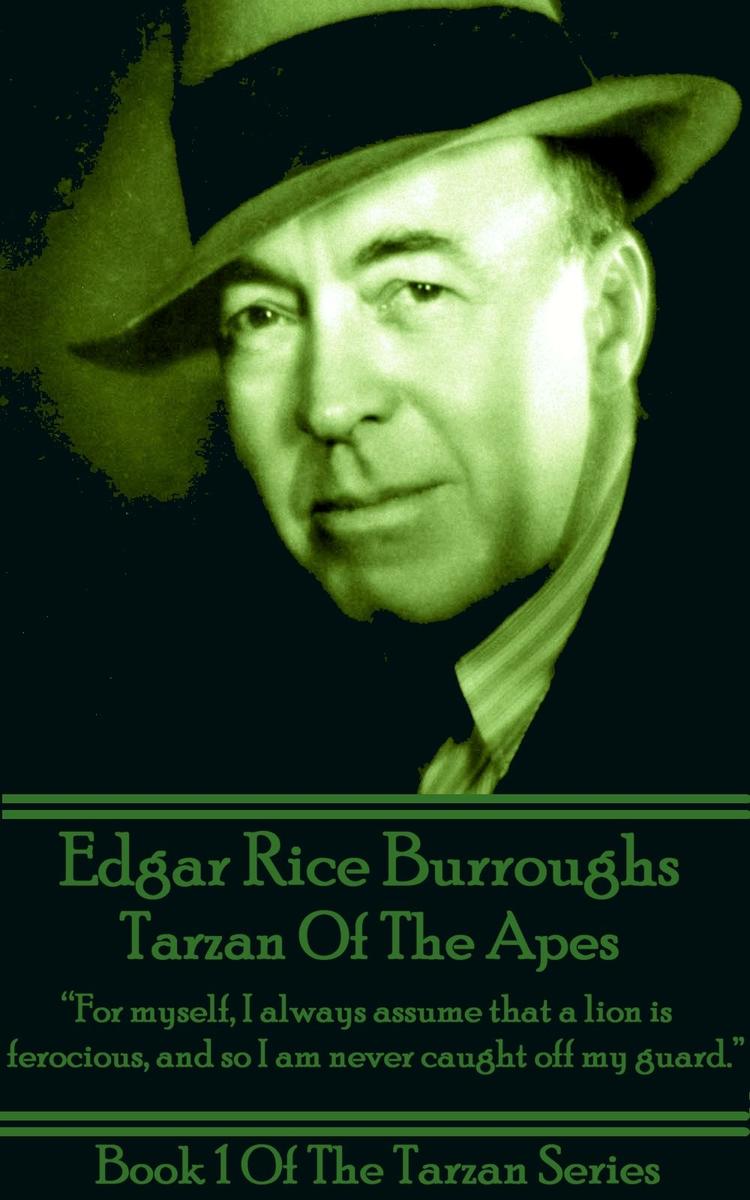
Tarzan Of The Apes - For myself, I always assume that a lion is ferocious
¥35.22
Edgar Rice Burroughs was born on September 1, 1875, in Chicago, Illinois. His early career was unremarkable. After failing to enter West Point he enlisted in the 7th Calvary but was discharged after heart problems were diagnosed. A series of short term jobs gave no indication as to a career path but finally, in 1911, married and with two young children, he turned his hand to writing. He aimed his works squarely at the very popular pulp serial magazines. His first effort 'Under The Moons Of Mars' ran in Munsey's Magazine in 1912 under the pseudonym Norman Bean. With its success he began writing full time. A continuing theme of his work was to develop series so that each character had ample opportunities to return in sequels. John Carter was in the Mars series and there was another on Venus and one on Pellucidar among others. But perhaps the best known is Tarzan. Indeed Burroughs wanted so much to capitalise upon the brand that he introduced a syndicated Tarzan comic strip, movies and merchandise. He purchased a large ranch north of Los Angeles, California, which he named "e;Tarzana."e; The surrounding communities outside the ranch voted in 1927 to adopt the name as their own. By 1932 Burroughs set up his own company to print his own books. Here we publish the first of his Tarzan books 'Tarzan of the Apes'. A cultural classic.
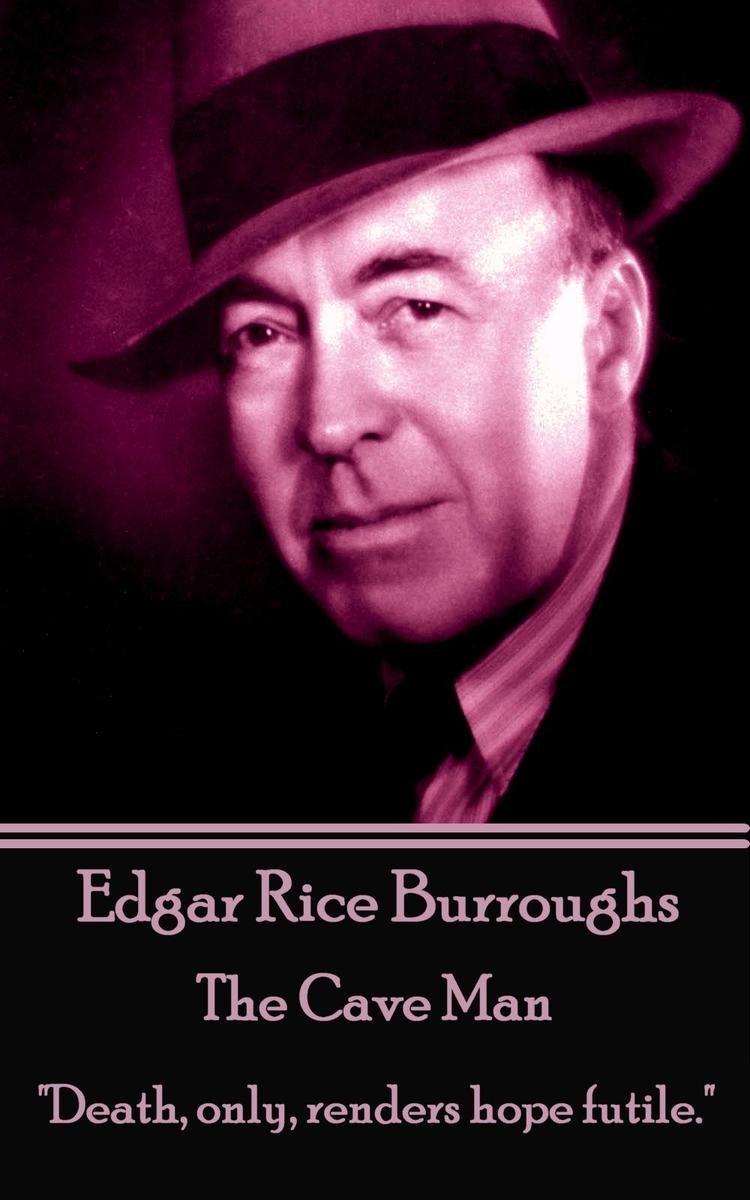
Cave Man - Death, only, renders hope futile.
¥29.33
Edgar Rice Burroughs was born on September 1, 1875, in Chicago, Illinois. His early career was unremarkable. After failing to enter West Point he enlisted in the 7th Calvary but was discharged after heart problems were diagnosed. A series of short term jobs gave no indication as to a career path but finally, in 1911, married and with two young children, he turned his hand to writing. He aimed his works squarely at the very popular pulp serial magazines. His first effort 'Under The Moons Of Mars' ran in Munsey's Magazine in 1912 under the pseudonym Norman Bean. With its success he began writing full time. A continuing theme of his work was to develop series so that each character had ample opportunities to return in sequels. John Carter was in the Mars series and there was another on Venus and one on Pellucidar among others. But perhaps the best known is Tarzan. Indeed Burroughs wanted so much to capitalise upon the brand that he introduced a syndicated Tarzan comic strip, movies and merchandise. He purchased a large ranch north of Los Angeles, California, which he named "e;Tarzana."e; The surrounding communities outside the ranch voted in 1927 to adopt the name as their own. By 1932 Burroughs set up his own company to print his own books. Here we publish 'The Cave Man' a tale that shows just what Burroughs can do when his talents and craft are unleashed.


