


 购物车
购物车 个人中心
个人中心
London Born: A Memoir of a Forgotten City
¥81.03
An extraordinary memoir from a man in his nineties who remembers everyday life in a North London now long gone: the hardships and deprivations of a life of poverty but also the resourcefulness and fortitude of a community determined to survive between the wars. 'When I look back, I can picture the old gels chinwagging on their steps in the Bay like it was yesterday. Little did they think that young Sid, passing by with his arse out of his trousers, would one way publish his memoirs!' 'Ordinary' people do not write their stories, believing their lives to be unremarkable. Some, like Sid, cannot write at all. But, with the aid of his granddaughter Helen Day, Sid has produced an extraordinary memoir of a city and a way of life now lost forever. 'London Born' is a book that has appeared against all the odds - as Sid says, 'When me granddaughter Helen Day said she wanted to record the story of the first half of me life and turn it into a book I was astonished. I thought to meself, Well, I've done a lot of things, but I never dreamt I'd get into the book game. You see, I can't write more than me own name.' In 'London Born', Sid remembers the city that emerged from the First World War and recreates the daily life of the people living in the notorious street known as 'Tiger Bay'. He describes the drinking and merrymaking, the poverty and unemployment - and the 'villainry'. With relish he relates how youthful high spirits and a refusal to accept the hardship of the times sometimes put him and his friends on the wrong side of the law. He goes on to tell of the wartime mayhem endured by Londoners and his determination to survive. His story closes with demobilisation when he returns to his wife and young family - 'the only thing that ever counted'. This is a memoir from a warm and cheeky voice; from someone who remembers, as if it were yesterday, parading down Archway in his fifty-bob suit, or running rings around Ernie Costen, the local policeman.
Daddy’s Little Princess
¥61.51
The latest title from the internationally bestselling author and foster carer Cathy Glass. Beth is a sweet-natured child who appears to have been well looked after. But it isn’t long before Cathy begins to have concerns that the relationship between Beth and her father is not as it should be. Little Beth, aged 7, has been brought up by her father Derek after her mother left when she was a toddler. When Derek is suddenly admitted to hospital with psychiatric problems Beth is taken into care and arrives at Cathy’s. Beth and her father clearly love each other very much and Derek spoils his daughter, treating her like a princess, but there is something bothering Cathy, something she can’t quite put her finger on. Meanwhile Cathy’s husband is working away a lot and coming home less at weekends. Then, suddenly, everything changes. Events take a dramatic turn for both Beth and Cathy and her family; as Cathy strives to pick up the pieces all their lives are changed forever.
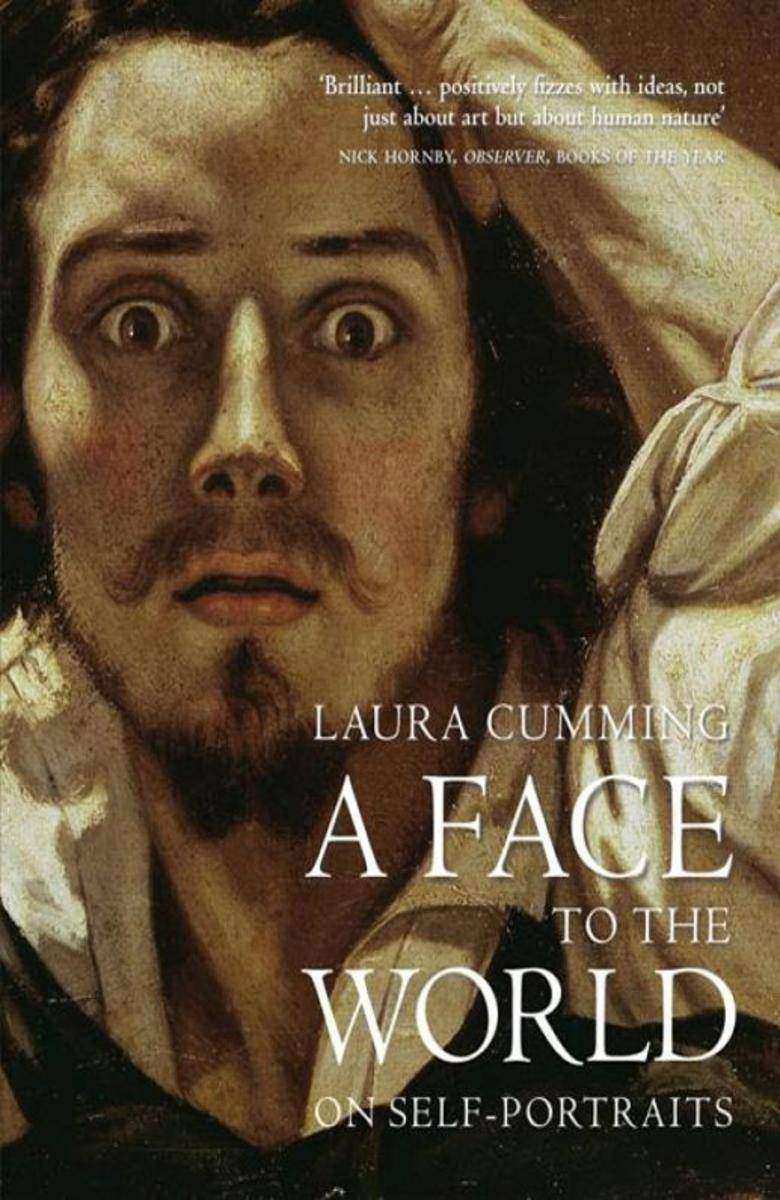
A Face to the World: On Self-Portraits
¥148.92
Focusing on the art of self-portraiture, this effortlessly engaging exploration of the lives of artists sheds fascinating light on some of the most extraordinary portraits in art history. Self-portraits catch your eye. They seem to do it deliberately. Walk into any art gallery and they draw attention to themselves. Come across them in the world’s museums and you get a strange shock of recognition, rather like glimpsing your own reflection. For in picturing themselves artists reveal something far deeper than their own physical looks: the truth about how they hope to be viewed by the world, and how they wish to see themselves. In this beautifully written and lavishly illustrated book, Laura Cumming, art critic of the Observer, investigates the drama of the self-portrait, from Durer, Rembrandt and Velazquez to Munch, Picasso, Warhol and the present day. She considers how and why self-portraits look as they do and what they reveal about the artist’s innermost sense of self – as well as the curious ways in which they may imitate our behaviour in real life. Drawing on art, literature, history, philosophy and biography to examine the creative process in an entirely fresh way, Cumming offers a riveting insight into the intimate truths and elaborate fictions of self-portraiture and the lives of those who practise it. A work of remarkable depth, scope and power, this is a book for anyone who has ever wondered about the strange dichotomy between the innermost self and the self we choose to present for posterity – our face to the world.
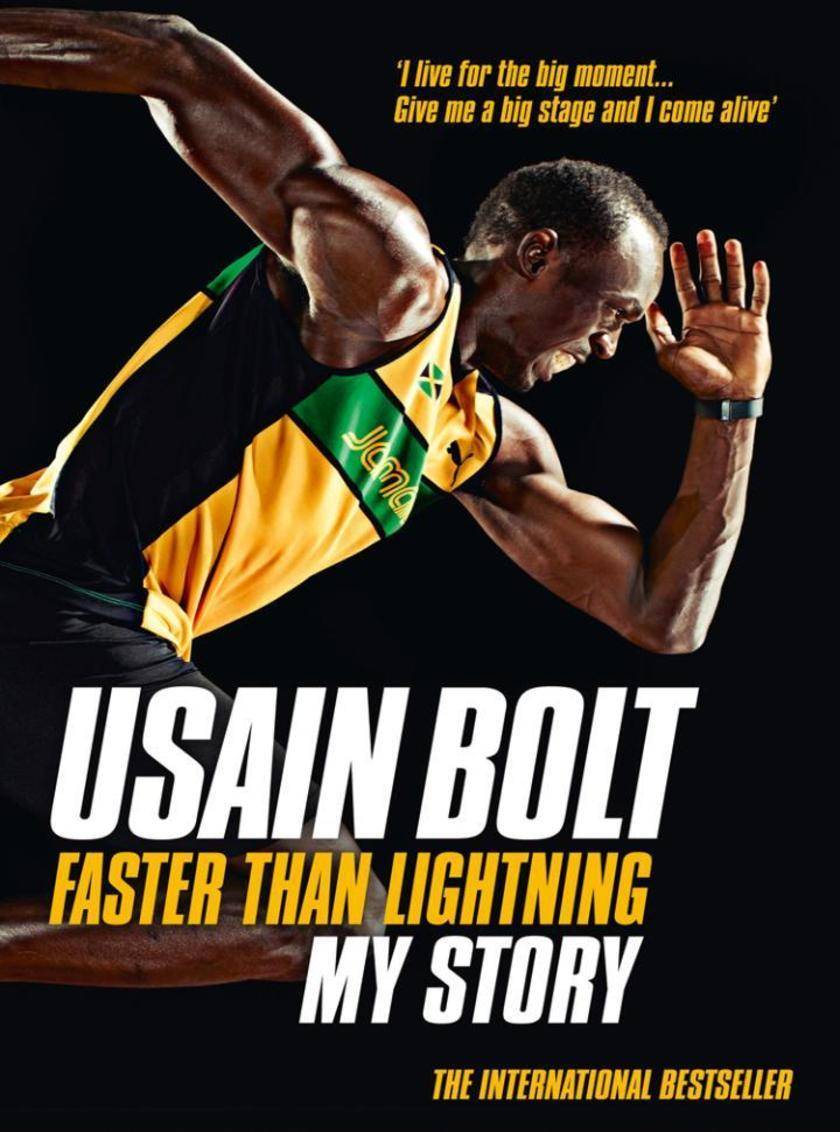
Faster than Lightning: My Autobiography
¥68.67
The autobiography of the fastest man of all time and a superstar whose talent and charisma have made him one of the most famous people on the planet. Whether you know Athletics or not, and even whether you know sport or not, chances are you know Usain Bolt. The fastest man on the planet, not just now but ever, Usain has won the hearts of people everywhere with his mind-blowing performances and his infectious charisma – uniting supporters around the world. In this, his full autobiography, Usain tells his story in his own words: from humble beginnings in Jamaica, to international stardom at Beijing and on to the new heights of superstardom he has reached since lighting up London 2012. Full of the charm and charisma that has made him the most popular sporting figure of our time and a universal celebrity, this is a book that Usain’s millions of fans will love.

Another Forgotten Child
¥58.86
A new memoir from Sunday Times and New York Times bestselling author Cathy Glass. Eight-year-old Aimee was on the child protection register at birth. Her five older siblings were taken into care many years ago. So no one can understand why she was left at home to suffer for so long. It seems Aimee was forgotten. The social services are looking for a very experienced foster carer to look after Aimee and, when she reads the referral, Cathy understands why. Despite her reservations, Cathy agrees to Aimee on – there is something about her that reminds Cathy of Jodie (the subject of ‘Damaged’ and the most disturbed child Cathy has cared for), and reading the report instantly tugs at her heart strings. When she arrives, Aimee is angry. And she has every right to be. She has spent the first eight years of her life living with her drug-dependent mother in a flat that the social worker described as ‘not fit for human habitation’. Aimee is so grateful as she snuggles into her bed at Cathy’s house on the first night that it brings Cathy to tears. Aimee’s aggressive mother is constantly causing trouble at contact, and makes sweeping allegations against Cathy and her family in front of her daughter as well. It is a trying time for Cathy, and it makes it difficult for Aimee to settle. But as Aimee begins to trust Cathy, she starts to open up. And the more Cathy learns about Aimee’s life before she came into care, the more horrified she becomes. It’s clear that Aimee should have been rescued much sooner and as her journey seems to be coming to a happy end, Cathy can’t help but reflect on all the other ‘forgotten children’ that are still suffering…

Girl Alone
¥62.59
Aged nine Joss came home from school to discover her father's suicide. She's never gotten over it. This is the true story of Joss, 13 who is angry and out of control. At the age of nine, Joss finds her father’s dead body. He has committed suicide. Then her mother remarries and Joss bitterly resents her step-father who abuses her mentally and physically. Cathy takes Joss under her wing but will she ever be able to get through to the warm-hearted girl she sees glimpses of underneath the vehement outbreaks of anger that dominate the house, and will Cathy be able to build up Joss’s trust so she can learn the full truth of the terrible situation?

50 Years of Golfing Wisdom
¥110.46
John Jacobs is one of golf's all-time great teachers, a true legend of the game who has passed on his words of wisdom to thousands of amateurs as well as to some of the world's greatest players over the last 50 years. Now, for the first time ever, the pick of his collective wisdom has been brought together in one seminal volume. When the likes of Butch Harmon and David Leadbetter heap praise on your methods and credit you with having helped shape the way they learnt their craft and how they applied those teachings, you know that you must be one of the most important and influential figures in the world of golf. Not only a great teacher, John Jacobs was also good enough to play in the Ryder Cup and beat the best in the game. Those who witnessed his memorable victory over Grand Slam winner Gary Player in the final of the South African Matchplay Championship knew they were in the presence of someone special – a talent that was able to use all his experience as a top-level player and move seamlessly into the world of golf teaching. 50 Years of Golfing Wisdom features all the lessons and advice that made Jacobs the original, and many say still the ultimate, golfing guru. Every department of the game receives the Jacobs treatment – from the fundamentals of grip and swing, to problem solving and curing your bad shots, to instruction on hitting every shot from the longest drive to the shortest putt, including everything in between. Simple, easy to understand, effective advice on how to maximize your potential and play your best golf – this may just be the only golf instruction book you'll ever need.
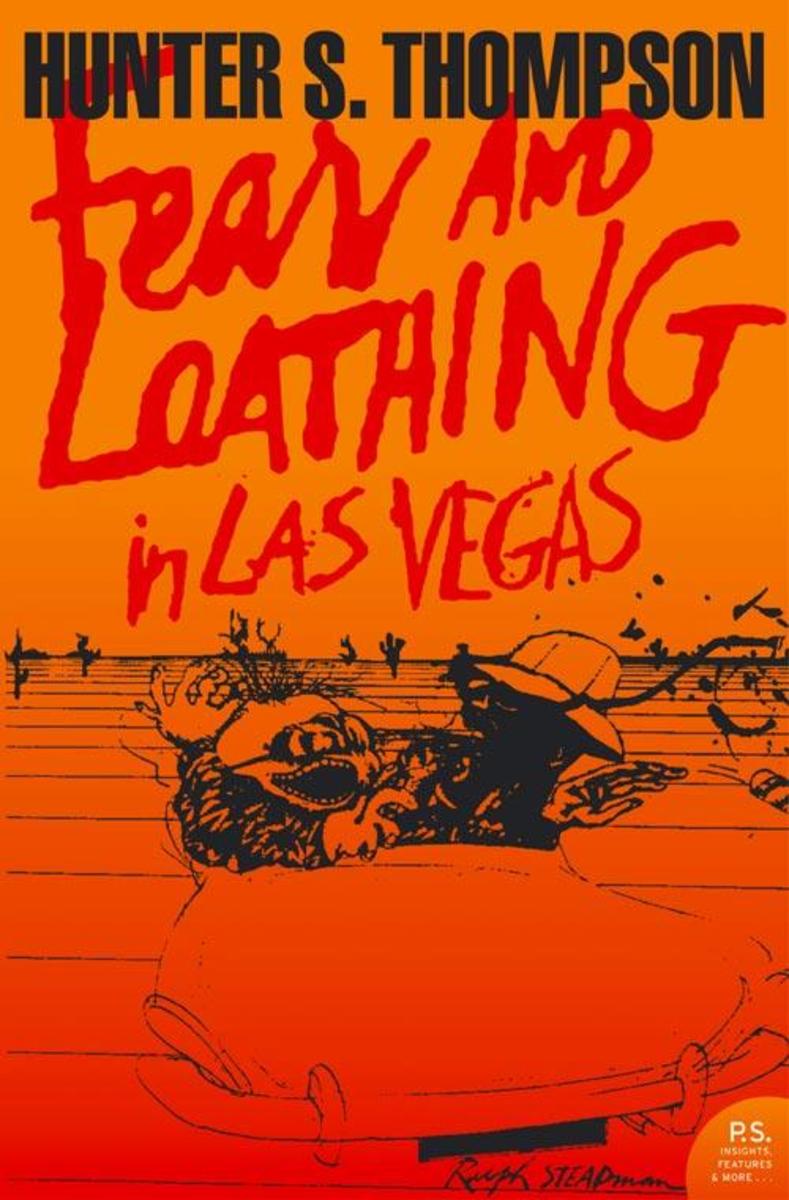
Fear and Loathing in Las Vegas (Harper Perennial Modern Classics)
¥66.22
‘We were somewhere around Barstow on the edge of the desert when the drugs began to take hold. I remember saying something like, “I feel a bit lightheaded; maybe you should drive …”’ Hunter S. Thompson is roaring down the desert highway to Las Vegas with his attorney, the Samoan, to find the dark side of the American Dream. Armed with a drug arsenal of stupendous proportions, the duo engage in a surreal succession of chemically enhanced confrontations with casino operators, police officers and assorted Middle Americans. This stylish reissue of Hunter S. Thompson’s iconic masterpiece, a controversial bestseller when it appeared in 1971, features the brilliant Ralph Steadman illustrations of the original. It brings to a new generation the hallucinatory humour and nightmare terror of Hunter S. Thompson’s musings on the collapse of the American Dream.
The Fundamentals of Hogan
¥95.06
Ben Hogan’s The Modern Fundamentals of Golf is the best-selling sports book ever, with over six million copies sold worldwide. This sequel to the original book offers previously unpublished photographs and the expert commentary of David Leadbetter. First published in 1957, Ben Hogan’s Modern Fundamentals was judged by Golf Digest in 1999 to be the best instructional book ever written. In this sequel all the illustrations from the previous book have been expertly reworked, while also included are 80 previously unseen photographs of Hogan, that were shot for the original book but never published. In addition to these exclusive photos, David Leadbetter, the most heralded golf instructor of the modern day, lends his expertise in the form of a revealing commentary. Famous for his work with Greg Norman, Nick Faldo and Ernie Els, Leadbetter analyses Hogan’s swing and explains what you can learn from the old master. The Fundamentals of Hogan is destined to become a golf classic. In one package you have the restoration of the number one golf book of all time, by the most heralded teacher of the modern day, about a man who had the greatest golf swing of all time. The Fundamentals of Hogan will surely be the instructional book for the new Millennium.
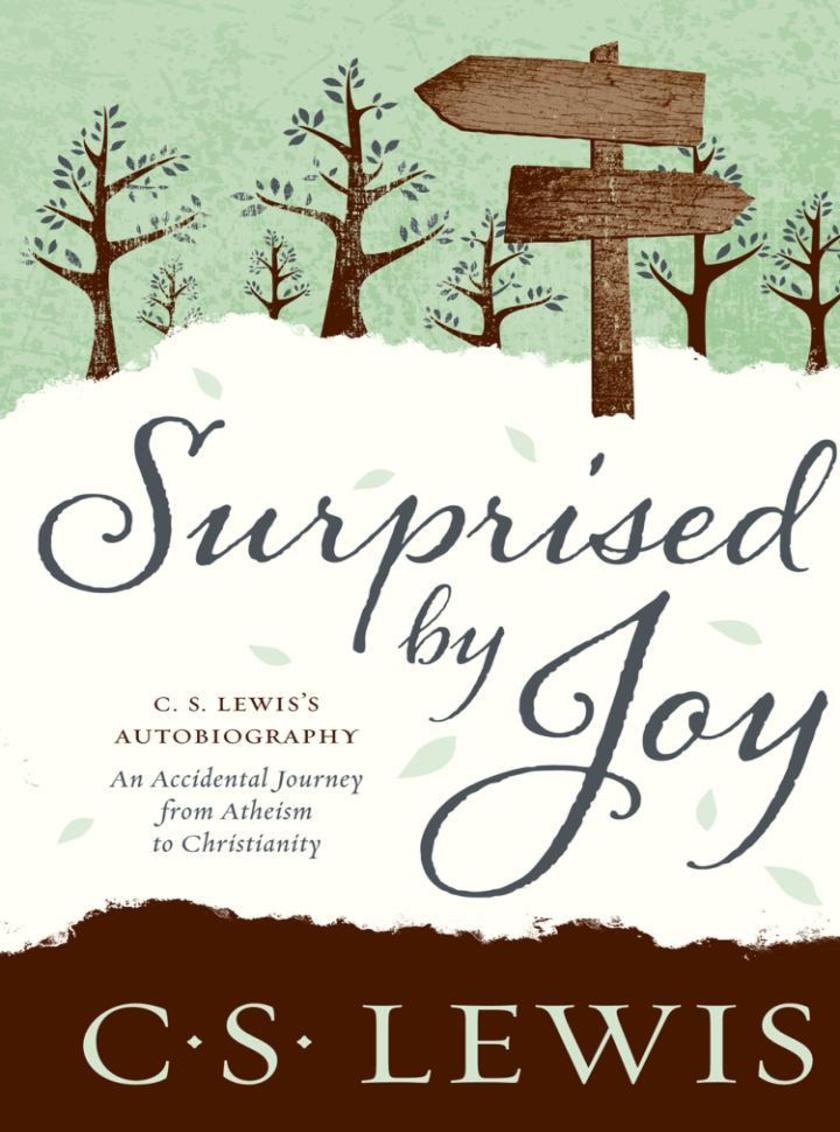
Surprised by Joy
¥65.16
This autobiography of C.S.Lewis’s early life, focusing on the spiritual crisis which was to determine the shape of his entire life, now repackaged and rebranded as a key title in the C.S. Lewis Signature Classics range. “In the Trinity Term of 1929 I gave in, and admitted that God was God…perhaps the most dejeced and reluctant convert in all England.” Thus C.S. Lewis describes memorably the crisis of his conversion in his famous autobiography. Lewis was for many years an atheist, and in Surprised by Joy he vividly describes the spiritual quest which eventually convinced him of the truth and reality of the Christian faith.
Proud Man Walking
¥72.99
Betrayed by his club but beloved by the fans, former Chelsea manager Claudio Ranieri has been a constant headline-maker in 2004. Occasionally puzzling, often eccentric, but always fascinating and refreshing, the Italian describes the highs and lows of an extraordinary season at Stamford Bridge - and the dramatic end to his English journey. 'Hello, my sharks. Welcome to the funeral.' 'People have said I am a dead man walking - but I am still moving!' 'Tonight I am a crazy man and Roman Abramovich is also going mad like me!' We rejoiced with him. We laughed with him. And we cried with him. In what turned out to be a year for the Blues resembling more a soap opera than a season of football, Claudio Ranieri reveals the highlights and the hurt of his farewell twelve months in England. This collaboration between Italian journalist Massimo Marianella and Ranieri promises to reveal the inside story of a rollercoaster year at Stamford Bridge, with a first-hand account of coaching the most expensively assembled team in the Premiership, alongside the increasing pressures of satisfying his bosses as Chelsea's season threatened to turn into anticlimax. How did Ranieri keep all his players contented, when the value of his subs bench often exceeded that of most Premiership teams? What were the skills required to mould a group of exciting individuals into a team capable of challenging the likes of Arsenal and Manchester United at the top of the tree? With the media suggesting an uneasy alliance between Ranieri and Roman Abramovich, what was it that drove their complex relationship? What was the real truth behind the allegations that Ranieri's position was being undermined by his bosses? And when did the 'Tinkerman' discover his final denouement? Just some of the questions that will be answered in this book by arguably the most talked-about man in English football in 2004.
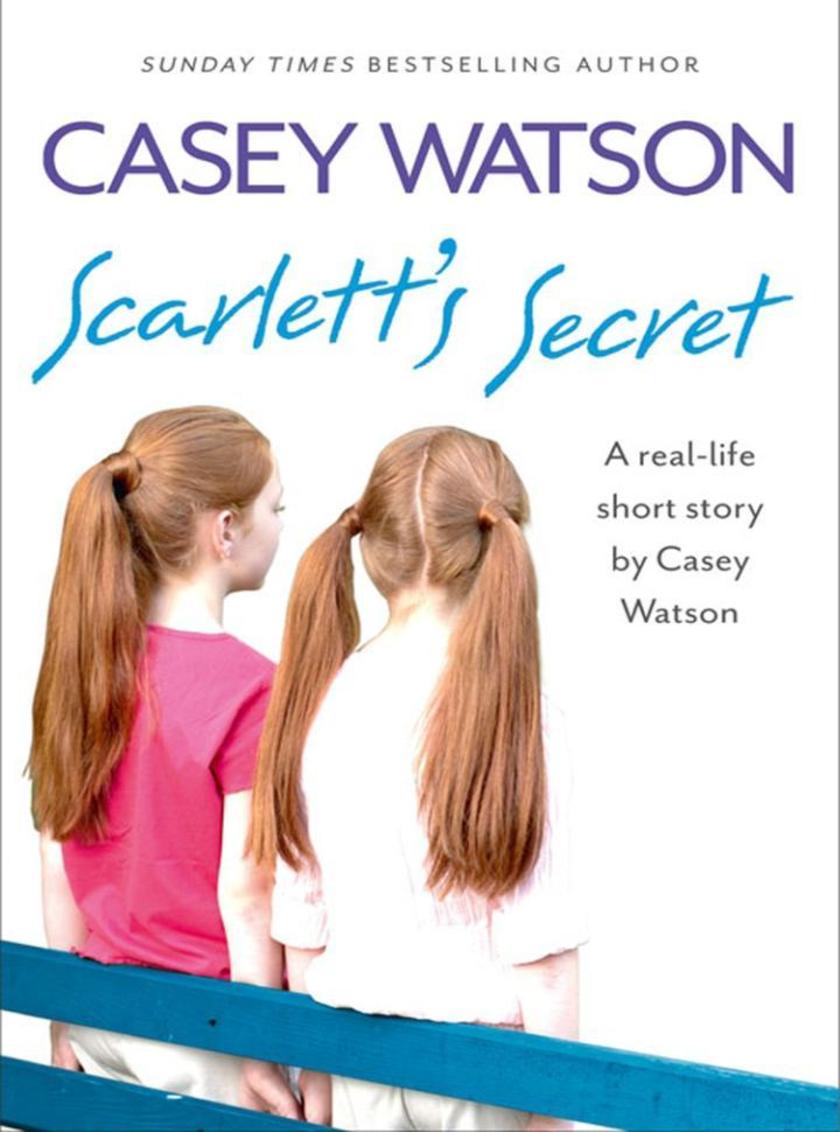
Scarlett’s Secret: A real-life short story by Casey Watson
¥14.81
Bestselling author and foster carer Casey Watson tells the shocking and deeply moving true story of two sisters who carry a terrible secret. This is a first taste of the ‘Unit’ series: several stories about ‘difficult’ children Casey helped during her time as a behaviour manager at her local comprehensive. Casey doesn’t know what to expect when seventeen-year-old twins Scarlett and Jade join her class. The girls seem grounded but they never leave each other’s side, although there seems to be an underlying tension between them that Casey can’t quite put her finger on. What’s more, Jade has a strong, unpleasant smell about her that further isolates her from the other teenagers. Eager to help the girls, Casey starts digging and finds out that Jade was pregnant and that the girls were taken into care when they were sixteen. But it’s not until a violent argument during class that Casey truly realises the anger the two girls harbour towards the rest of the world. And when Scarlett finally reveals the truth, it suddenly all makes sense. Can Casey find a way to bring Scarlett and Jade closer together? And can she break down Jade’s walls and get the girls the help they have craved since their childhood? Dark, disturbing and heartbreaking, this is a story of two sisters who just needed someone to believe in them.

The 13th Gift: Part One (HarperTrue Life – A Short Read)
¥9.71
A true Christmas story of a family suffering their darkest moments finding strength and love from a surprise Christmas miracle. December 1999: It was the Christmas season, but Joanne Smith was numb. She wished she could just go to sleep and wake up on December 26. No singing. No laughter. No shopping. She typically enjoyed the holidays, but this year she couldn’t celebrate. Her beloved husband of almost twenty years had died two months previously. What had once been a happy home was now devastated, leaving her and her three children drowning in grief. Until they were thrown a lifeline. Twelve days before Christmas, Jo was in the midst of rushing her kids to school, when she discovered a poinsettia sitting on her doorstep with a card, signed cryptically by her “true friends.” That seemingly small gift was the turning point for the Smith family, as over the course of the twelve days of Christmas, a new gift arrived daily. The mystery of the Christmas presents – specifically, the generosity and kindness behind them – worked its magic on the Smiths as the family knitted back together. They rose out of their grief and latched onto the hope they suddenly felt again: that with love, with community, and with family, even the most broken hearts can be mended.
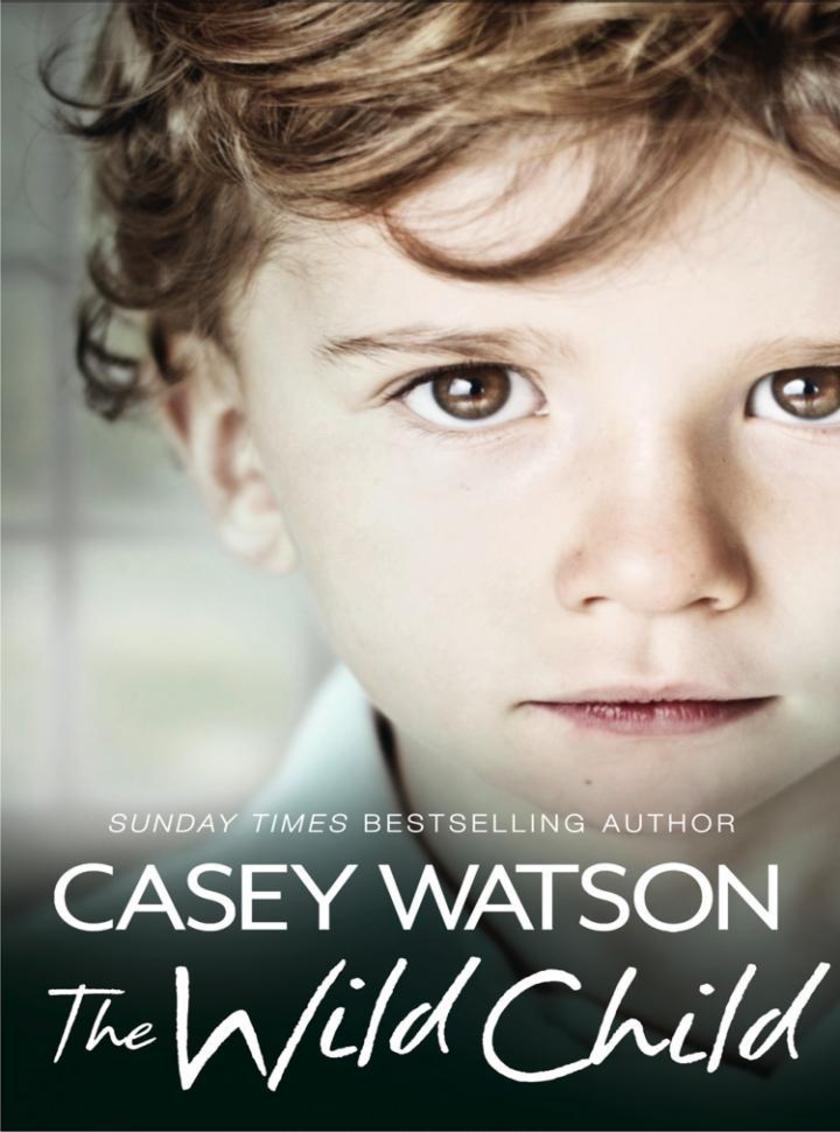
The Wild Child
¥11.77
Casey tells the harrowing story of Connor, an eight year old boy from a broken home who comes to stay with her family. It’s a Saturday morning when Casey and Mike are asked to take in eight year old Connor – an emergency placement, just for a couple of days, following a violent incident at his now former care home. And Casey’s instinct, as ever, is to say yes. With long term foster son Tyler off to football, and no particular plans for the weekend, even the fact that Connor arrives in what looks like a prison van doesn’t phase her – after all, challenging children are what she and Mike have trained for. And how much trouble can he really be? He’s eight. A lot, as it turns out. Connor is as streetwise as they come, and, hurt and angry, seems determined to cause trouble from the off. But despite the attitude, there’s something strangely endearing about their little visitor that makes Casey want to tease out the frightened child behind the swagger. So much so that, with Connor and Tyler getting on so well, she wonders – should they say they’ll keep him longer? It seems like the easiest decision in the world …
Jack Russell Terrier: An Owner’s Guide
¥57.00
A comprehensive guide to all aspects of owning a Jack Russell Terrier, this highly illustrated book is full of practical information and expert advice for pet owners and breeders. Jack Russell Terriers are very intelligent, high-energy dogs whose compact size and friendly nature make them great pets. If you are considering getting a Jack Russell, or are an existing owner who wants to learn more about the care of your dog, then this book will be an invaluable resource. Contents include: ? History of the breed ? Acquiring a puppy ? Behaviour and training ? Showing a Jack Russell ? Healthcare
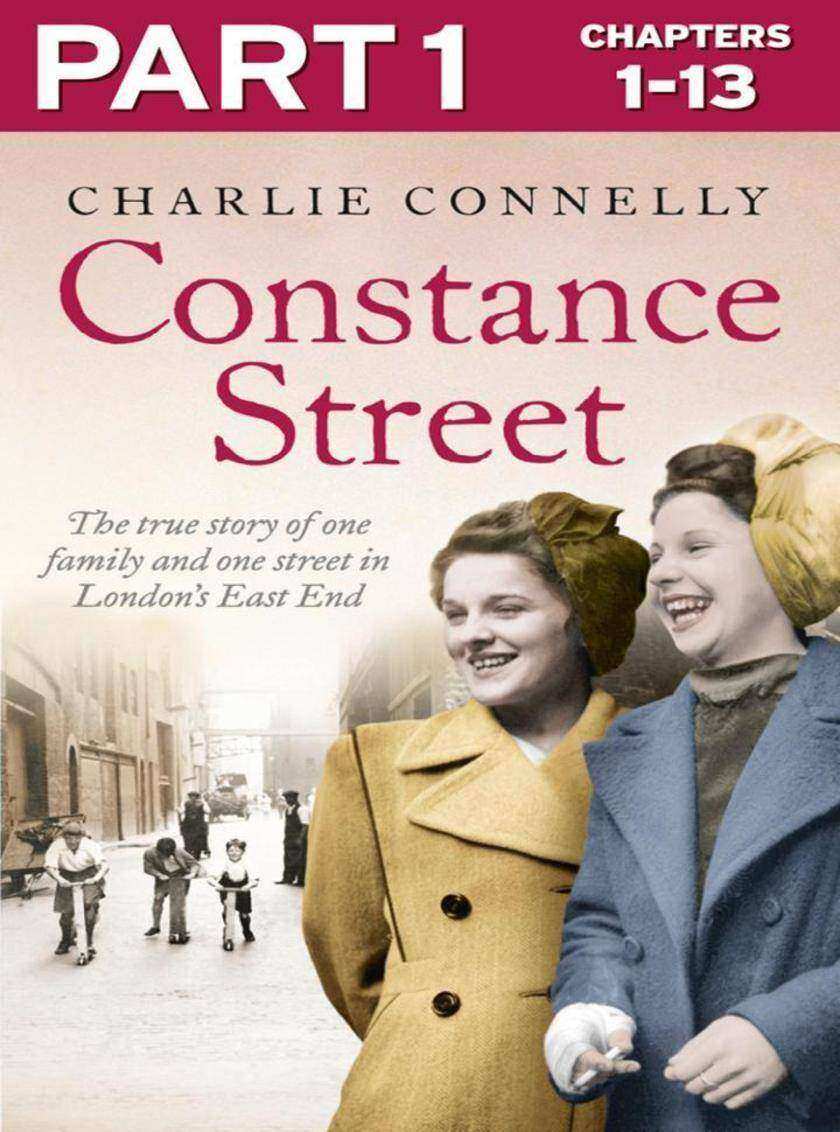
Constance Street: Part 1 of 3
¥36.50
One forgotten street, 12 unforgettable women. ‘’Ang on boy, Joan’s got sumfink to show yer.’ She rummaged in a drawer for a moment, pulled out a piece of paper and handed it to me. ‘Constance Street,’ she said. ‘As I remember it.’ Through the story of one street – Constance Street – we hear the true life tales of a tight knit group of working class women in the East End of London set against a backdrop of war, hardship and struggle. It’s a story of matriarchy and deep family ties, of a generation that was scattered away from the street during the blitz bombings, but which maintained the ties of that street for decades afterwards. Set in an area of East London called Silvertown, a once thriving docking community that at the turn of the 20th century was the industrial heartland of the south of England; the story focuses on the lives of 12 incredible women and their struggle to survive amidst the chaos of the war years. We have Nellie Greenwood, the author’s great grandmother who runs a laundry in Silvertown which becomes the focal point of the community. In 1917 a munitions factory in Silvertown explodes flattening much of the surrounding area and causing extensive damage to Constance Street – Nellie’s daughter is blown from her crib but miraculously survives. Deciding to open the laundry as a field hospital for the injured, Nellie and the women on the street come together to tend the wounded, the sick and the emotionally shattered as they cope with the aftermath of not just one but two world wars. Through the Great War, the roaring Twenties, the Depression and then the unimaginable – the outbreak of a second world war – Nellie and the street survive with love, laughter and friendships that bind the community together. But just as this incredible group of women live through the worst, the unthinkable happens. On 7 September 1940, Constance Street is no more. Following in the footsteps of Farewell to the East End by Jennifer Worth and The Sugar Girls, Constance Street is a life-affirming, heart-warming read that reminds us of a time when people pulled together.
Constance Street: Part 2 of 3
¥36.50
Constance Street can either be read as a full-length eBook or in 3 serialised eBook-only parts. This is PART 2 of 3. You can read Part 2 one week ahead of release of the full-length eBook and paperback. One forgotten street, 12 unforgettable women. Through the story of one street – Constance Street – we hear the true life tales of a tight knit group of working class women in the East End of London set against a backdrop of war, hardship and struggle. It’s a story of matriarchy and deep family ties, of a generation that was scattered away from the street during the blitz bombings, but which maintained the ties of that street for decades afterwards. Set in an area of East London called Silvertown, a once thriving docking community that at the turn of the 20th century was the industrial heartland of the south of England; the story focuses on the lives of 12 incredible women and their struggle to survive amidst the chaos of the war years. We have Nellie Greenwood, the author’s great grandmother who runs a laundry in Silvertown which becomes the focal point of the community. In 1917 a munitions factory in Silvertown explodes flattening much of the surrounding area and causing extensive damage to Constance Street – Nellie’s daughter is blown from her crib but miraculously survives. Deciding to open the laundry as a field hospital for the injured, Nellie and the women on the street come together to tend the wounded, the sick and the emotionally shattered as they cope with the aftermath of not just one but two world wars. Through the Great War, the roaring Twenties, the Depression and then the unimaginable – the outbreak of a second world war – Nellie and the street survive with love, laughter and friendships that bind the community together. But just as this incredible group of women live through the worst, the unthinkable happens. On 7 September 1940, Constance Street is no more. Following in the footsteps of Farewell to the East End by Jennifer Worth and The Sugar Girls, Constance Street is a life-affirming, heart-warming read that reminds us of a time when people pulled together.

Care for Your Kitten (RSPCA Pet Guide)
¥31.59
ublished in association with the RSPCA, the UK’s leading animal welfare charity, this practical family guide is full of expert advice on how to choose a kitten and how best to look after it. If you already own or are planning to buy a kitten this easy-to-use introductory guide is a must. Clearly illustrated with colour photographs throughout, it covers all aspects of daily care including housing, feeding, handling, hygiene, grooming, health and first aid. Published in association with the experts at the RSPCA, this book will help you ensure that you are giving your kitten the best possible start in life.
Will You Love Me?: The story of my adopted daughter Lucy: Part 1 of 3
¥12.85
Will You Love Me can either be read as a full-length eBook or in 3 serialised eBook-only parts. This is PART 1 of 3 (Chapters 1-9 of 27). You can read Part 1 two weeks ahead of release of the full-length eBook and paperback. The eleventh memoir and latest title from the internationally bestselling author and foster carer Cathy Glass. This book tells the true story of Cathy’s adopted daughter Lucy. Lucy was born to a single mother who had been abused and neglected for most of her own childhood. Right from the beginning Lucy’s mother couldn’t cope, but it wasn’t until Lucy reached eight years old that she was finally taken into permanent foster care. By the time Lucy is brought to live with Cathy she is eleven years old and severely distressed after being moved from one foster home to another. Withdrawn, refusing to eat and three years behind in her schooling, it is thought that the damage Lucy has suffered is irreversible. But Cathy and her two children bond with Lucy quickly, and break through to Lucy in a way no-one else has been able to, finally showing her the loving home she never believed existed. Cathy and Lucy believe they were always destined to be mother and daughter – it just took them a little while to find each other.
Will You Love Me?: The story of my adopted daughter Lucy: Part 3 of 3
¥47.48
Will You Love Me can either be read as a full-length eBook or in 3 serialised eBook-only parts. This is PART 3 of 3 (Chapters 17-27 of 27). You can read Part 3 on release of the full-length eBook and paperback. The eleventh memoir and latest title from the internationally bestselling author and foster carer Cathy Glass. This book tells the true story of Cathy’s adopted daughter Lucy. Lucy was born to a single mother who had been abused and neglected for most of her own childhood. Right from the beginning Lucy’s mother couldn’t cope, but it wasn’t until Lucy reached eight years old that she was finally taken into permanent foster care. By the time Lucy is brought to live with Cathy she is eleven years old and severely distressed after being moved from one foster home to another. Withdrawn, refusing to eat and three years behind in her schooling, it is thought that the damage Lucy has suffered is irreversible. But Cathy and her two children bond with Lucy quickly, and break through to Lucy in a way no-one else has been able to, finally showing her the loving home she never believed existed. Cathy and Lucy believe they were always destined to be mother and daughter – it just took them a little while to find each other.
The House is Full of Yogis
¥66.22
A witty memoir about the trials of adolescence, the tribulations of family life and the embarrassment that ensues from having larger-than-life parents Neville and Liz Hodgkinson bought into the Thatcherite dream of home ownership, aspiration and advancement. The first children of their working class parents to go to university and have professional careers, they lived in a semi-detached house in Richmond, sent their sons Tom and Will to private school, and went on holiday to Greece once a year. Neville was an award-winning science writer and Liz was a high-earning tabloid hack. Then a disastrous boat holiday, followed by a life-threatening bout of food poisoning from a contaminated turkey, led to the search for a new way of life. Nev joined the Brahma Kumaris, who believe evolution is a myth, time is circular, and a forthcoming Armageddon will make way for a new Golden Age. Out went drunken dinner parties and Victorian décor schemes; in came large women in saris meditating in the living room and lurid paintings of smiling deities on the walls. Liz took the arrival of the Brahma Kumaris as a chance to wage all-out war on convention, from announcing her newfound celibacy on prime time television to writing books that questioned the value of getting married and raising children. By an unfortunate coincidence, this dramatic and highly public transformation of the self coincided with the onset of Will’s adolescence. This is his story.


