


 购物车
购物车 个人中心
个人中心
George Washington
¥8.09
According to Wikipedia: "Washington is seen as a symbol of the United States and republicanism in practice. His devotion to civic virtue made him an exemplary figure among early American politicians. Washington died in 1799, and in his funeral oration, Henry Lee said that of all Americans, he was "first in war, first in peace, and first in the hearts of his countrymen." Washington has been consistently ranked by scholars as one of the greatest U.S. Presidents."
George Washington
¥8.09
According to Wikipedia: "Washington is seen as a symbol of the United States and republicanism in practice. His devotion to civic virtue made him an exemplary figure among early American politicians. Washington died in 1799, and in his funeral oration, Henry Lee said that of all Americans, he was "first in war, first in peace, and first in the hearts of his countrymen." Washington has been consistently ranked by scholars as one of the greatest U.S. Presidents."
Memoirs of the Author of "A Vindication of the Rights of Women"
¥8.09
According to Wikipedia: "William Godwin (3 March 1756 – 7 April 1836) was an English journalist, political philosopher and novelist. He is considered one of the first exponents of utilitarianism, and one of the first modern proponents of anarchism. Godwin is most famous for two books that he published within the space of a year: An Enquiry Concerning Political Justice, an attack on political institutions, and Things as They Are or The Adventures of Caleb Williams, which attacks aristocratic privilege, but also is virtually the first mystery novel. Based on the success of both, Godwin featured prominently in the radical circles of London in the 1790s. In the ensuing conservative reaction to British radicalism, Godwin was attacked, in part because of his marriage to the pioneering feminist writer Mary Wollstonecraft in 1797 and his candid biography of her after her death; their child, Mary Godwin (later Mary Shelley) would go on to author Frankenstein and marry the poet Percy Bysshe Shelley. Godwin wrote prolifically in the genres of novels, history and demography throughout his lifetime."
Tolstoy on Shakespeare
¥8.09
According to Wikipedia: "William Shakespeare (baptised 26 April 1564; died 23 April 1616)[a] was an English poet and playwright, widely regarded as the greatest writer in the English language and the world's pre-eminent dramatist.[1] He is often called England's national poet and the "Bard of Avon". His surviving works, including some collaborations, consist of 38 plays, 154 sonnets, two long narrative poems, and several other poems. His plays have been translated into every major living language and are performed more often than those of any other playwright." "Leo Tolstoy, or Count Lev Nikolayevich Tolstoy (September 9 – November 20, 1910), was a Russian writer widely regarded as among the greatest of novelists. His masterpieces War and Peace and Anna Karenina represent in their scope, breadth and vivid depiction of 19th-century Russian life and attitudes, the peak of realist fiction."
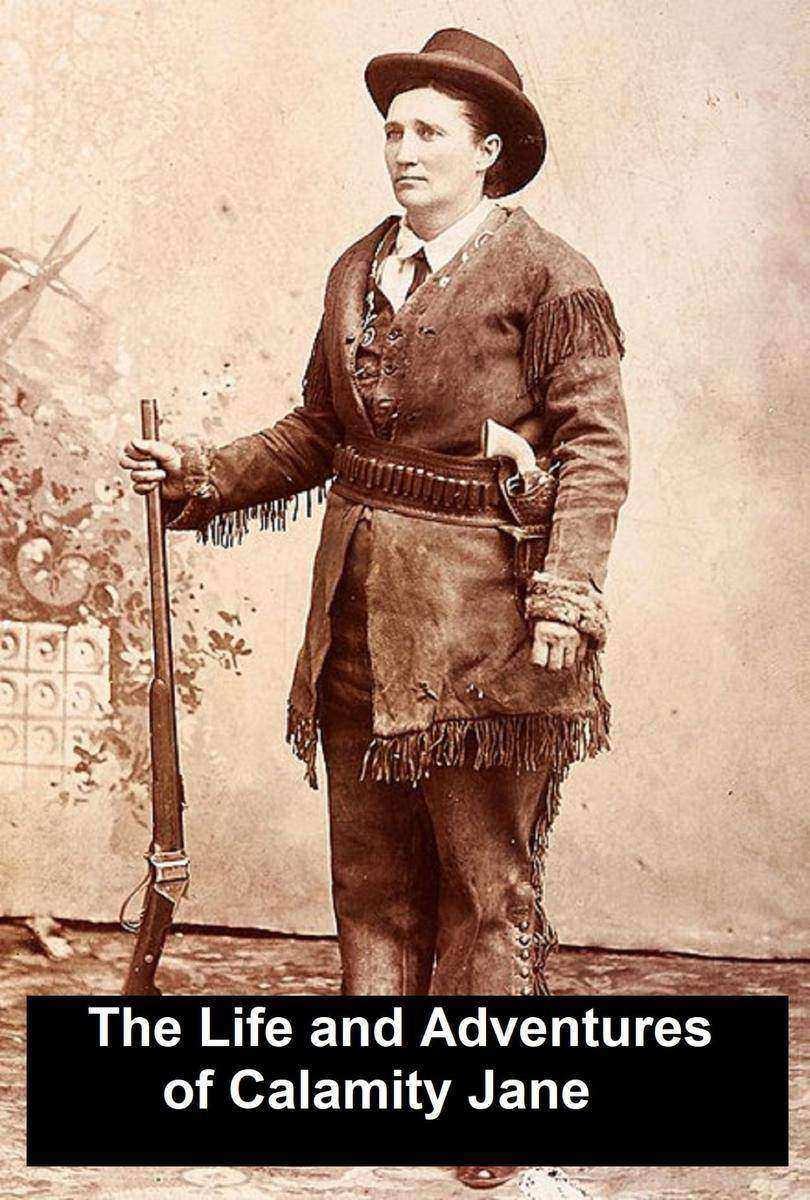
Life and Adventures of Calamity Jane
¥8.09
Short "autobiograhy." According to Wikipedia: "Martha Jane Cannary Burke, better known as Calamity Jane (May 1, 1852 – August 1, 1903), was a frontierswoman, prostitute, and professional scout best known for her claim of being an acquaintance of Wild Bill Hickok, but also for having gained fame fighting Native American Indians. She was a woman who exhibited kindness and compassion towards others, especially the sick and needy, who also was an alcoholic and traded sexual favors for money. This contrast helped to make her a famous and infamous frontier figure... In 1896 she joined the traveling Kohl & Middleton Dime Museum as a performer, and a 7-page souvenir booklet was sold by that circus, titled The Life and Adventures of Calamity Jane by Herself; it was almost certainly written by someone else, as there is no reliable evidence that Jane could read and write. It is this booklet that is described, rather generously, as her autobiography. The booklet misstates her birth name (as "Marthy Cannary"), her birthdate, and misspells "Missourri" repeatedly. Several of the stories in the booklet are unsupported, or even contradicted, by reliable evidence."

Purgatorio: Am murit, din fericire 4
¥46.60
O carte savuroas?, foarte bine conturat? din prezent, un pamflet fin, sustinut de o ironie muscatoare.?Arti?tii sunt firi complicate ca un motor Peugeot. Pentru ei asta este o virtute. Respir? pe nas ?i cred c? numai ei pot a?a, pentru c? am ?nv??at din lecturi c? limba scoas? e dizgra?ioas?“, scrie Octavian D?rm?nescu despre artist ?i, implicit ?i despre sine. Iar despre pamflet ?n sine: ?pamfletul este o ?int? ?n mi?care, o pas?re de ?nalt? altitudine. Pamfletul se scrie sp?lat pe m?ini ?i cu creioane foarte ascu?ite. De ce? Pentru c? pamfletul trebuie s? fie discret“.?C?nd ai combustia ?i voca?ia de pilot de curse a lui D?rm?nescu ?i nu e?ti obi?nuit s? ape?i pe fr?n? ?nainte de curb?, mai ales c?nd e noroi pe jos (ce-i drept, noroi rom?nesc, patriotic), e greu s? nu scapi din c?nd ?n c?nd volanul ?i s? ie?i ni?el ?n decor. Din acest motiv, e cinstit s? spun firilor mai sensibile c? D?rm?nescu trebuie ?judecat? nu doar prin prisma celor scrise, ci mai ales prin prisma motivelor pe care le are atunci c?nd – de exemplu – afirm?, funebru, c? ?Toat? istoria valahilor nu este altceva dec?t o cronic? cuminte a unui popor prea fricos pentru a se revolta pentru mai bine?. – Silviu Man, actor ?i publicist

A Journey to the Western islands of Scotland
¥8.09
According to Wikipedia: "Samuel Johnson (18 September 1709 – 13 December 1784), often referred to as Dr Johnson, was an English author who made lasting contributions to English literature as a poet, essayist, moralist, literary critic, biographer, editor and lexicographer. Johnson was a devout Anglican and committed Tory, and has been described as "arguably the most distinguished man of letters in English history". He is also the subject of "the most famous single work of biographical art in the whole of literature": James Boswell's Life of Samuel Johnson."
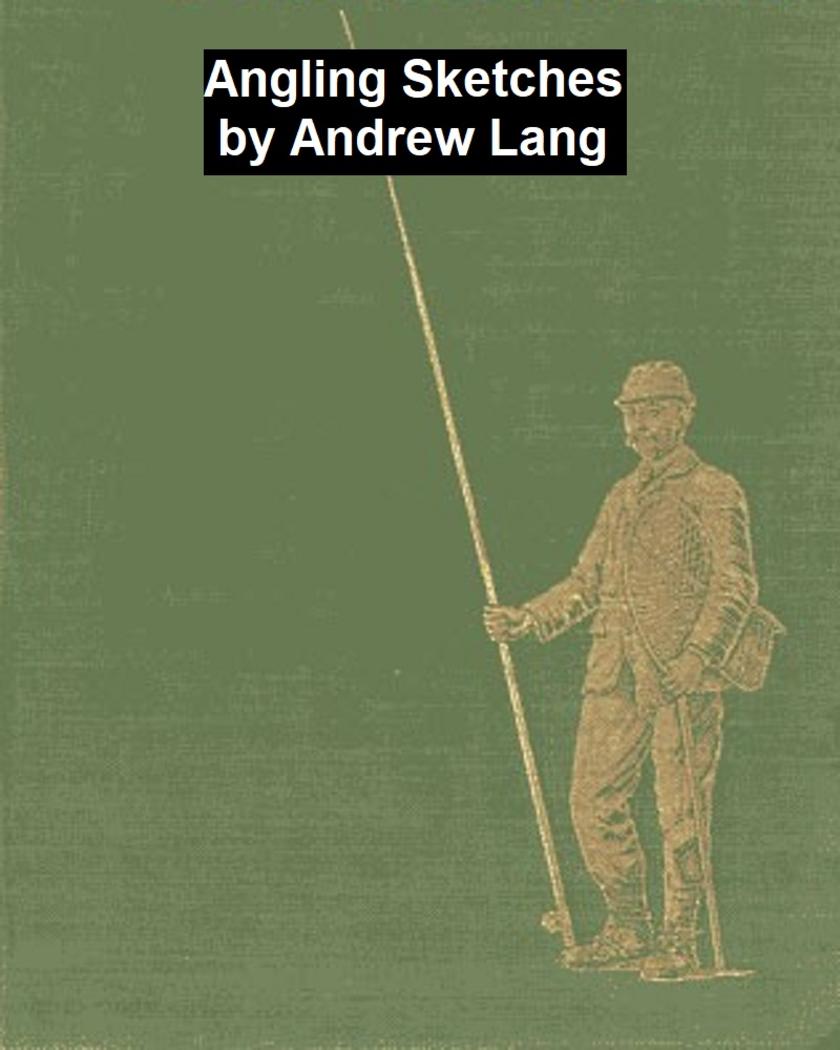
Angling Sketches
¥8.09
Classic collection of essays about fishing in Scotland. It begins: "These papers do not boast of great sport. They are truthful, not like the tales some fishers tell. They should appeal to many sympathies. There is no false modesty in the confidence with which I esteem myself a duffer, at fishing. Some men are born duffers; others, unlike persons of genius, become so by an infinite capacity for not taking pains. Others, again, among whom I would rank myself, combine both these elements of incompetence. Nature, that made me enthusiastically fond of fishing, gave me thumbs for fingers, short-sighted eyes, indolence, carelessness, and a temper which (usually sweet and angelic) is goaded to madness by the laws of matter and of gravitation."
Personal Recollections of Joan of Arc
¥8.09
Fictionalized history. According to Wikipedia: "Samuel Langhorne Clemens (1835 – 1910), better known by the pen name Mark Twain, was an American author and humorist. Twain is most noted for his novels Adventures of Huckleberry Finn, which has since been called the Great American Novel and The Adventures of Tom Sawyer. He is extensively quoted. During his lifetime, Twain became a friend to presidents, artists, industrialists and European royalty. Twain enjoyed immense public popularity, and his keen wit and incisive satire earned him praise from both critics and peers. American author William Faulkner called Twain "the father of American literature."
The Confessions of St. Augustine
¥8.09
According to Wikipedia: Aurelius Augustinus, Augustine of Hippo, or Saint Augustine (354 - 430) was a philosopher and theologian, and was bishop of the North African city of Hippo Regius for the last third of his life. Augustine is one of the most important figures in the development of Western Christianity, and is considered to be one of the church fathers. He framed the concepts of original sin and just war. ...Born in present day Algeria as the eldest son of Saint Monica, he was educated in North Africa and baptized in Milan. His works including The Confessions, which is often called the first Western autobiography are still read around the world."
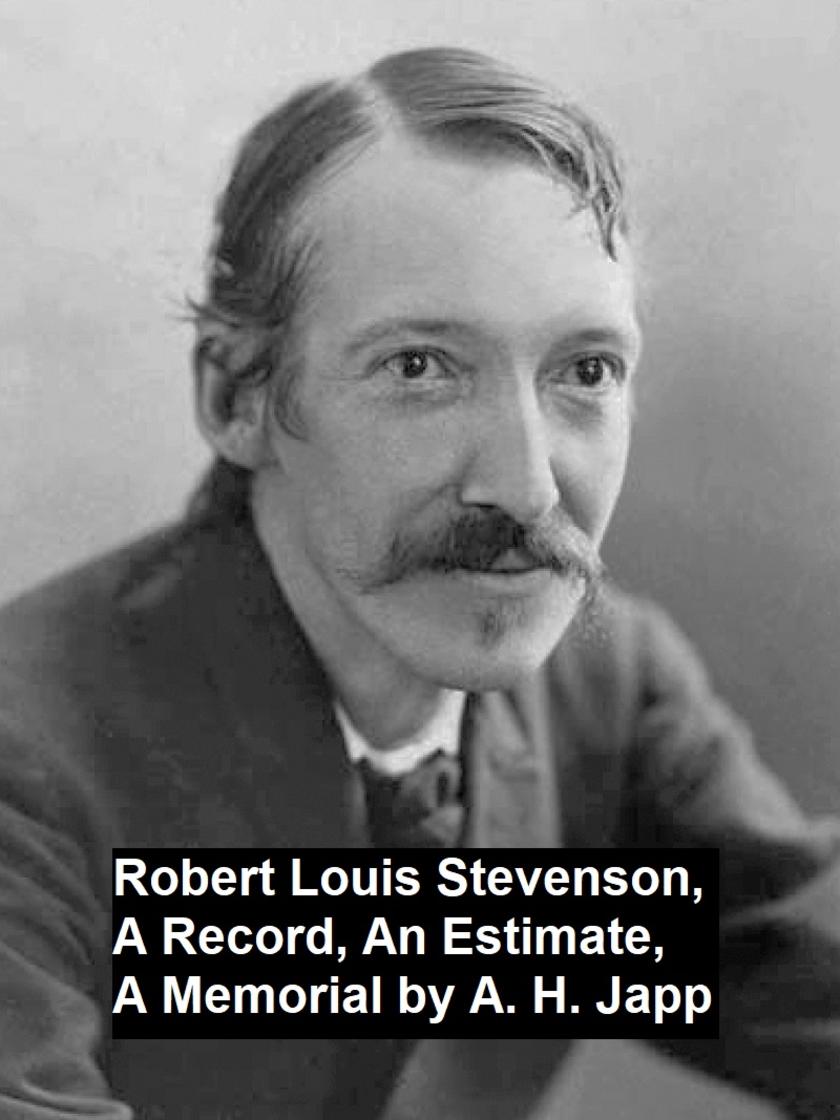
Robert Louis Stevenson, a Record, an Estimate, a Memorial
¥8.09
Biography of the author of Treasure Island. According to Wikipedia: "Robert Louis (Balfour) Stevenson ( 1850 - 1894), was a Scottish novelist, poet, and travel writer, and a leading representative of Neo-romanticism in English literature. He was the man who "seemed to pick the right word up on the point of his pen, like a man playing spillikins", as G. K. Chesterton put it. He was also greatly admired by many authors, including Jorge Luis Borges, Ernest Hemingway, Rudyard Kipling, Vladimir Nabokov, and J. M. Barrie. Most modernist writers dismissed him, however, because he was popular and did not write within their definition of modernism. It is only recently that critics have begun to look beyond Stevenson's popularity and allow him a place in the canon."
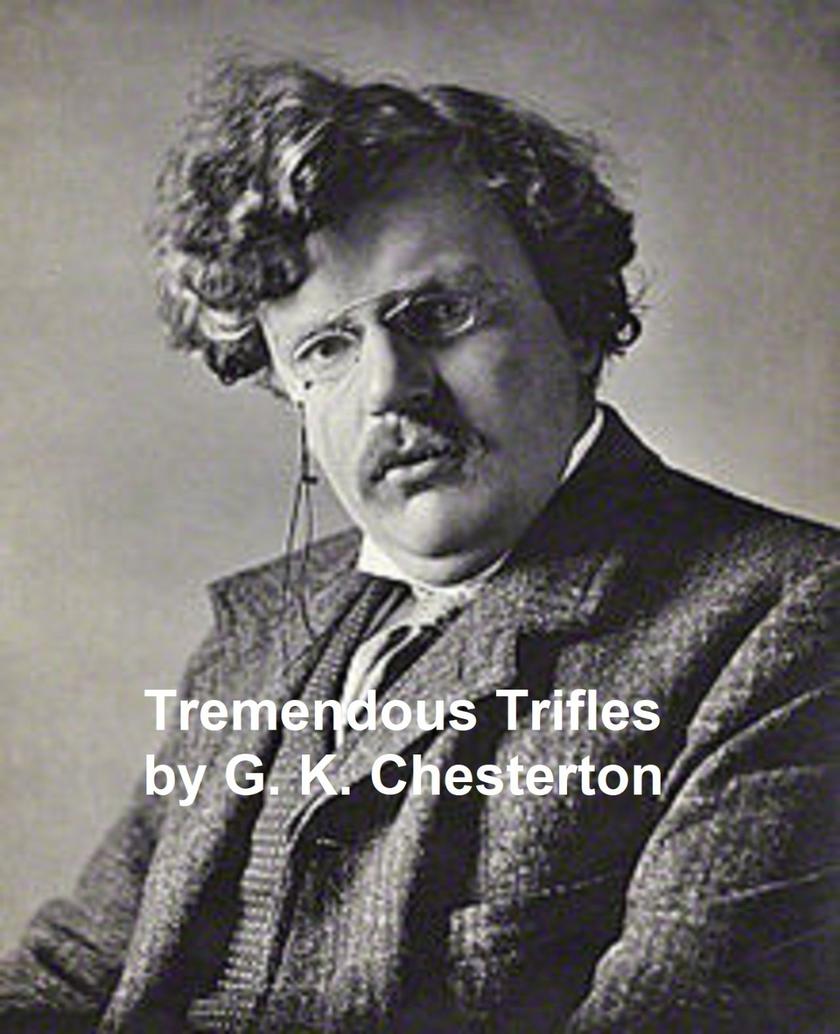
Tremendous Trifles
¥8.09
Book length collection of humorous essays. According to Wikipedia: "Gilbert Keith Chesterton (1874 - 1936) was an influential English writer of the early 20th century. His prolific and diverse output included journalism, philosophy, poetry, biography, Christian apologetics, fantasy and detective fiction. Chesterton has been called the "prince of paradox."[1] He wrote in an off-hand, whimsical prose studded with startling formulations. For example: "Thieves respect property. They merely wish the property to become their property that they may more perfectly respect it."[2] He is one of the few Christian thinkers who are equally admired and quoted by both liberal and conservative Christians, and indeed by many non-Christians. Chesterton's own theological and political views were far too nuanced to fit comfortably under the "liberal" or "conservative" banner."
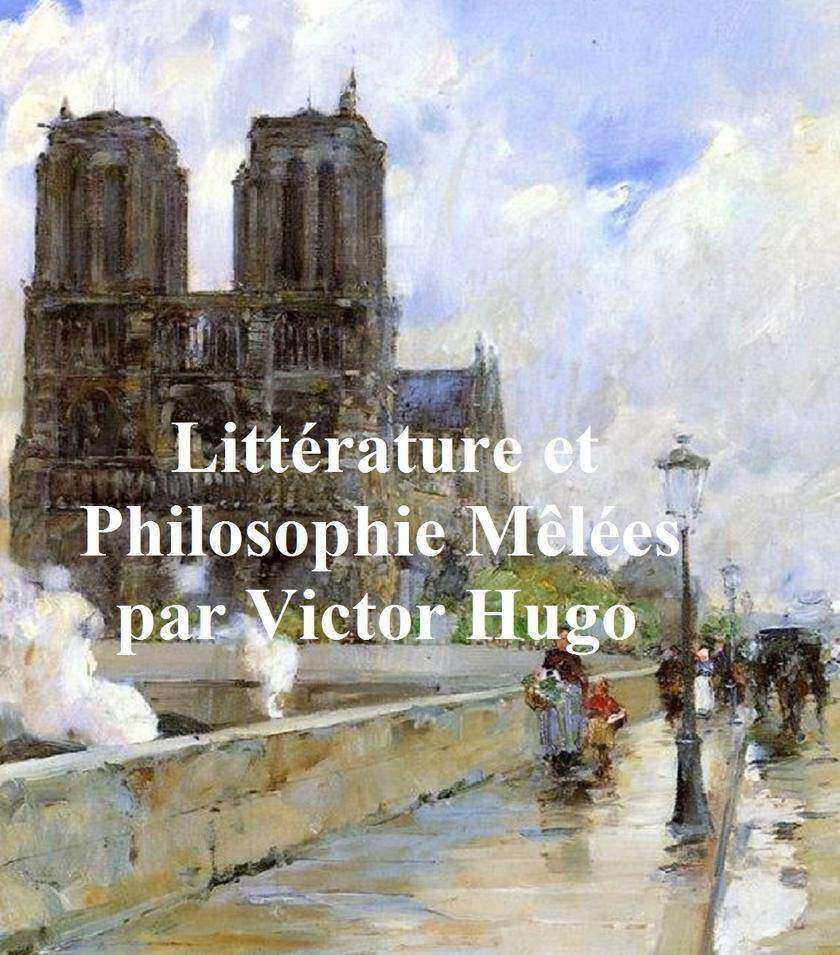
Littérature et Philosophie Mêlées
¥8.09
Livre classique de la critique littéraire et de la philosophie, publié en 1834. Selon Wikipédia: "Victor-Marie Hugo (26 février 1802 - 22 mai 1885) était un poète, dramaturge, romancier, essayiste, artiste visuel, homme d'?tat, défenseur des droits humains En France, la renommée littéraire de Hugo vient d'abord de sa poésie, mais repose aussi sur ses romans et ses réalisations dramatiques Parmi de nombreux volumes de poésie, Les Contemplations et La Légende des siècles tiennent particulièrement haut dans l'estime critique et Hugo est parfois identifié comme le plus grand poète fran?ais.A l'extérieur de la France, ses ?uvres les plus connues sont les romans Les Misérables et Notre-Dame de Paris (connu aussi en anglais sous le nom de Le Bossu de Notre Dame). il était jeune, Hugo devint plus libéral au fil des décennies, il devint un partisan passionné du républicanisme et son travail touche à la plupart des questions politiques et sociales et artistiques. nds de son temps. Il est enterré au Panthéon. "
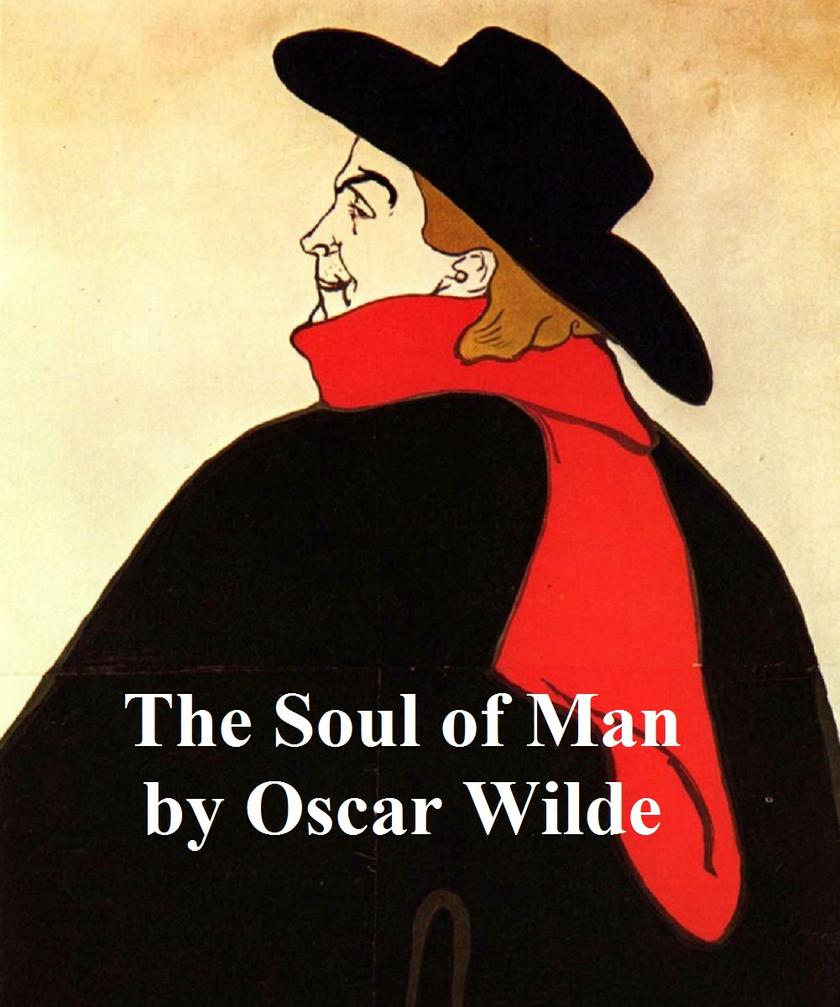
The Soul of Man: An essay
¥8.09
An essay. According to Wikipedia: "Oscar Fingal O'Flahertie Wills Wilde (1854 - 1900) was an Irish playwright, novelist, poet, and author of short stories. Known for his barbed wit, he was one of the most successful playwrights of late Victorian London, and one of the greatest celebrities of his day. As the result of a famous trial, he suffered a dramatic downfall and was imprisoned for two years of hard labour after being convicted of the offence of 'gross indecency.'"

Dewey and other Naval Commanders
¥8.09
Biography. According to Wikipedia: "Edward Sylvester Ellis (April 11, 1840 – June 20, 1916) was an American author who was born in Ohio and died at Cliff Island, Maine. Ellis was a teacher, school administrator, and journalist, but his most notable work was that that he performed as author of hundreds of dime novels that he produced under his name and a number of noms de plume. Notable works by Ellis include The Huge Hunter, or the Steam Man of the Prairies and Seth Jones, or the Captives of the Frontier. Internationally, Edward S. Ellis is probably best known for his Deerhunter novels widely read by young boys up to the 1950s (together with works by James Fenimore Cooper and Karl May). In the mid-1880s, after a fiction-writing career of some thirty years, Ellis eventually turned his pen to more serious works of biography, history, and persuasive writing."
The Defendant
¥8.09
Collection of humorous essays. According to Wikipedia: "Gilbert Keith Chesterton (1874 - 1936) was an influential English writer of the early 20th century. His prolific and diverse output included journalism, philosophy, poetry, biography, Christian apologetics, fantasy and detective fiction. Chesterton has been called the "prince of paradox."[1] He wrote in an off-hand, whimsical prose studded with startling formulations. For example: "Thieves respect property. They merely wish the property to become their property that they may more perfectly respect it."[2] He is one of the few Christian thinkers who are equally admired and quoted by both liberal and conservative Christians, and indeed by many non-Christians. Chesterton's own theological and political views were far too nuanced to fit comfortably under the "liberal" or "conservative" banner."

The Crimes of England
¥8.09
Collection of humorous historical essays. According to Wikipedia: "Gilbert Keith Chesterton (1874 - 1936) was an influential English writer of the early 20th century. His prolific and diverse output included journalism, philosophy, poetry, biography, Christian apologetics, fantasy and detective fiction. Chesterton has been called the "prince of paradox."[1] He wrote in an off-hand, whimsical prose studded with startling formulations. For example: "Thieves respect property. They merely wish the property to become their property that they may more perfectly respect it."[2] He is one of the few Christian thinkers who are equally admired and quoted by both liberal and conservative Christians, and indeed by many non-Christians. Chesterton's own theological and political views were far too nuanced to fit comfortably under the "liberal" or "conservative" banner."
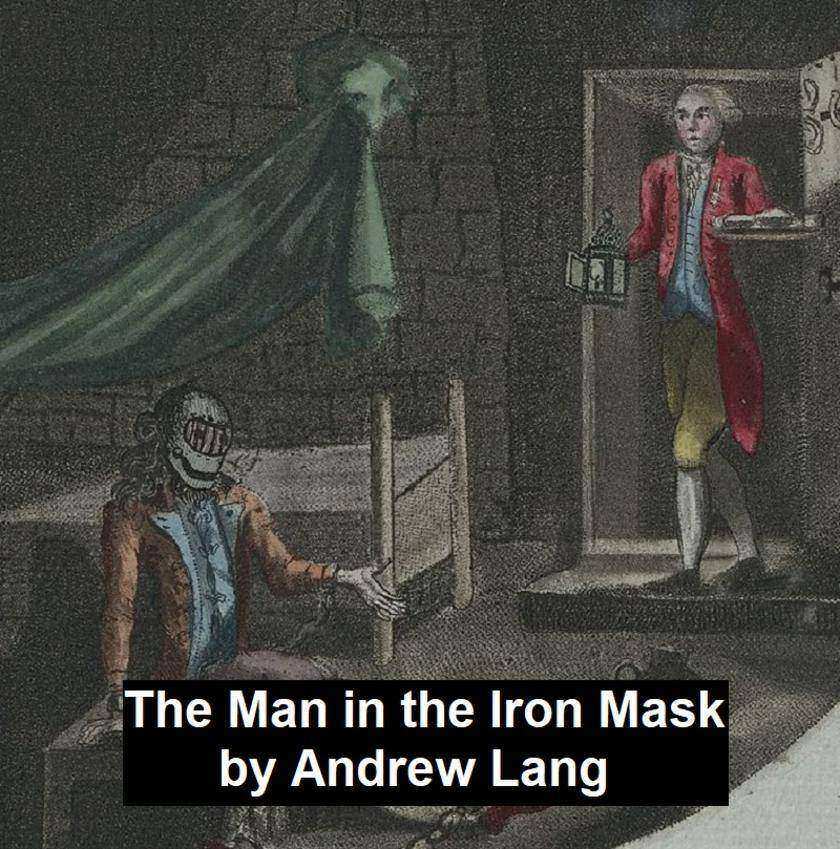
The Man in the Iron Mask
¥8.09
Essay about the legend/history behind Alexander Dumas' novel. According to Wikipedia: "Andrew Lang (March 31, 1844, Selkirk - July 20, 1912, Banchory, Kincardineshire) was a prolific Scots man of letters. He was a poet, novelist, and literary critic, and contributor to anthropology. He now is best known as the collector of folk and fairy tales
Letters of Chekhov
¥8.09
From the Translator's Note: "Of the eighteen hundred and ninety letters published by Chekhov's family I have chosen for translation these letters and passages from letters which best to illustrate Chekhov's life, character and opinions. The brief memoir is abridged and adapted from the biographical sketch by his brother Mihail. Chekhov's letters to his wife after his marriage have not as yet been published." According to Wikipedia: "Anton Pavlovich Chekhov (1860 – 1904) was a Russian short-story writer, playwright and physician, considered to be one of the greatest short-story writers in world literature. His career as a dramatist produced four classics and his best short stories are held in high esteem by writers and critics Chekhov practised as a doctor throughout most of his literary career: "Medicine is my lawful wife," he once said, "and literature is my mistress." Chekhov renounced the theatre after the disastrous reception of The Seagull in 1896; but the play was revived to acclaim in 1898 by Constantin Stanislavski's Moscow Art Theatre, which subsequently also produced Uncle Vanya and premiered Chekhov’s last two plays, Three Sisters and The Cherry Orchard. These four works present a special challenge to the acting ensemble as well as to audiences, because in place of conventional action Chekhov offers a "theatre of mood" and a "submerged life in the text." Chekhov had at first written stories only for the money, but as his artistic ambition grew, he made formal innovations which have influenced the evolution of the modern short story. His originality consists in an early use of the stream-of-consciousness technique, later adopted by James Joyce and other modernists, combined with a disavowal of the moral finality of traditional story structure He made no apologies for the difficulties this posed to readers, insisting that the role of an artist was to ask questions, not to answer them."
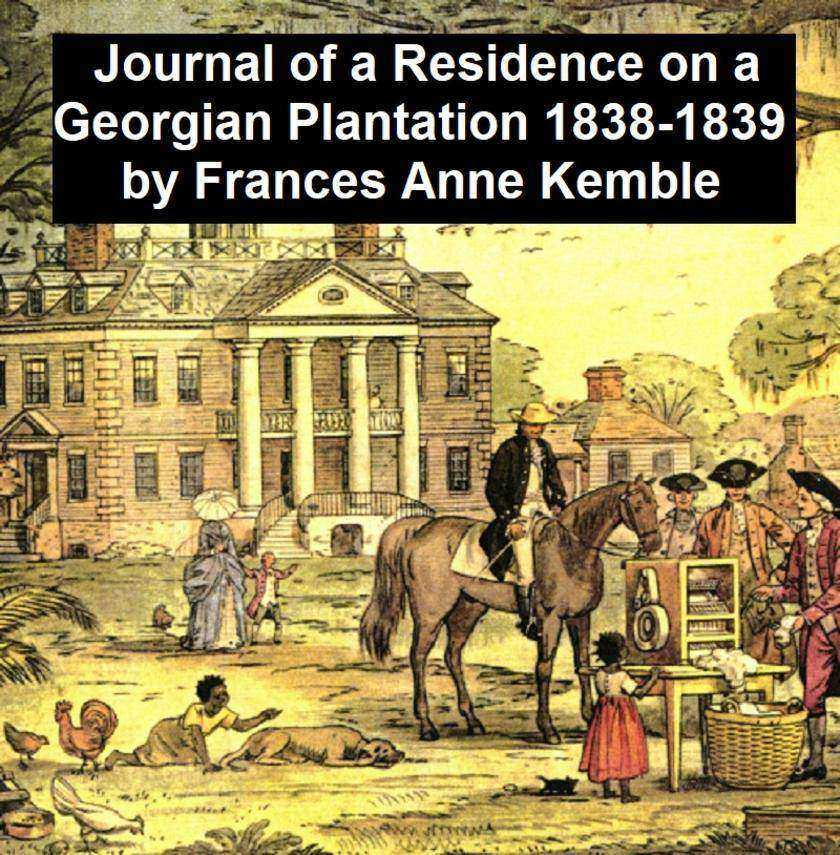
Journal of a Residence on a Georgian Plantation 1838-1839
¥8.09
Autobiographical journal, with first-hand account of slavery in Georgia, first published in 1863. According to Wikipedia: "Frances Anne Kemble (27 November 1809 - 15 January 1893), was a famous British actress and author in the early and mid nineteenth century… In 1834, she retired from the stage to marry an American, Pierce Butler, grandson of the Founding Father Pierce Butler, and heir to a large fortune founded on cotton, tobacco and rice... Butler squandered a fortune estimated at $700,000, but was saved from bankruptcy by the March 2–3, 1859 sale of his 436 slaves at Ten Broeck racetrack, outside Savannah, Georgia—the largest single slave auction in American history. Following the American Civil War, he tried to make his plantations profitable with free labor, but was unsuccessful. Butler died in Georgia, of malaria, in 1867. Neither he nor Fanny ever remarried... In 1877, Fanny returned to England, where she lived using her maiden name till her death. During this period, Fanny Kemble was a prominent and popular figure in the social life of London. She became a great friend of and inspiration for Henry James during her later years. His novel Washington Square (1880) was based upon a story Fanny had told him concerning one of her relatives... Her various volumes of reminiscences contain much valuable material illuminating the social and dramatic history of the period. Her elder daughter Sarah married a doctor, Owen Jones Wister, and they had one child, Owen Wister (b. 1860), the popular American novelist and author of the 1902 western novel, The Virginian."
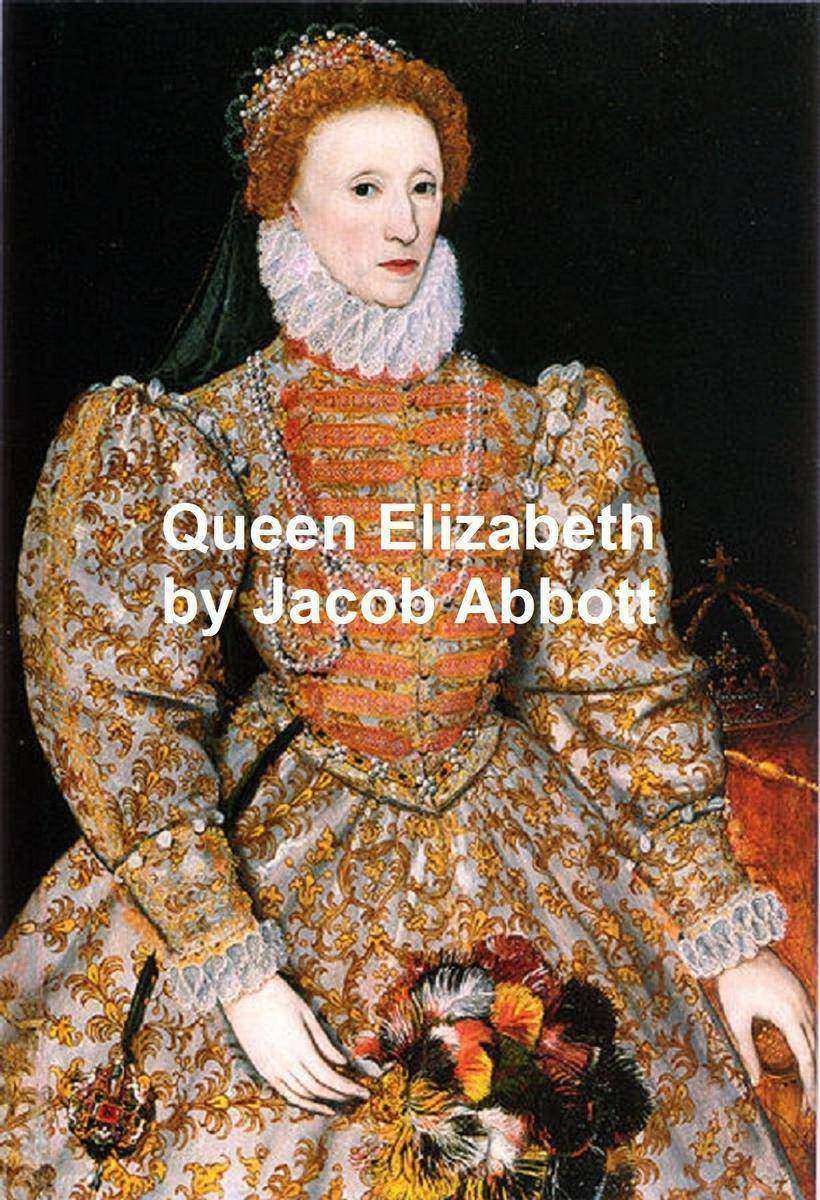
Queen Elizabeth
¥8.09
According to Wikipedia: "Elizabeth I (7 September 1533 – 24 March 1603) was Queen regnant of England and Queen regnant of Ireland from 17 November 1558 until her death. Sometimes called The Virgin Queen, Gloriana, or Good Queen Bess, Elizabeth was the fifth and last monarch of the Tudor dynasty. The daughter of Henry VIII, she was born a princess, but her mother, Anne Boleyn, was executed two and a half years after her birth, and Elizabeth was declared illegitimate. Her brother, Edward VI, bequeathed the crown to Lady Jane Grey, cutting his sisters out of the succession. His will was set aside, Lady Jane Grey was executed, and in 1558 Elizabeth succeeded the Catholic Mary I, during whose reign she had been imprisoned for nearly a year on suspicion of supporting Protestant rebels... Elizabeth's reign is known as the Elizabethan era, famous above all for the flourishing of English drama, led by playwrights such as William Shakespeare and Christopher Marlowe, and for the seafaring prowess of English adventurers such as Sir Francis Drake. Some historians are more reserved in their assessment. They depict Elizabeth as a short-tempered,[4] sometimes indecisive ruler,[5] who enjoyed more than her share of luck. Towards the end of her reign, a series of economic and military problems weakened her popularity to the point where many of her subjects were relieved at her death. Elizabeth is acknowledged as a charismatic performer and a dogged survivor, in an age when government was ramshackle and limited and when monarchs in neighbouring countries faced internal problems that jeopardised their thrones. Such was the case with Elizabeth's rival, Mary, Queen of Scots, whom she imprisoned in 1568 and eventually had executed in 1587. After the short reigns of Elizabeth's brother and sister, her 44 years on the throne provided welcome stability for the kingdom and helped forge a sense of national identity."


