


 购物车
购物车 个人中心
个人中心

Daddy’s Little Princess: Part 2 of 3
¥40.52
The latest title from the internationally bestselling author and foster carer Cathy Glass. Beth is a sweet-natured child who appears to have been well looked after. But it isn’t long before Cathy begins to have concerns that the relationship between Beth and her father is not as it should be. Little Beth, aged 7, has been brought up by her father Derek after her mother left when she was a toddler. When Derek is suddenly admitted to hospital with psychiatric problems Beth is taken into care and arrives at Cathy’s. Beth and her father clearly love each other very much and Derek spoils his daughter, treating her like a princess, but there is something bothering Cathy, something she can’t quite put her finger on. Meanwhile Cathy’s husband is working away a lot and coming home less at weekends. Then, suddenly, everything changes. Events take a dramatic turn for both Beth and Cathy and her family; as Cathy strives to pick up the pieces all their lives are changed forever.

The Bumpy Road to Married Bliss (HarperTrue Love – A Short Read)
¥11.77
In August 2012, Donny and Chris found themselves outside Islington Town Hall preparing to start the next chapter of their lives together. But from meeting on an Isle of Wight cliff top, to getting engaged in Thailand, and finally tying the knot in London, it was one hell of a journey that had taken them there… The Bumpy Road to Married Bliss follows the many funny and touching twists and turns of Donny and Chris’s journey towards their wedding day; from being born on different continents, to organising a multi-faith, trans-Atlantic, inter-racial wedding with disapproving families in tow – proving that the course of true love really doesn’t run smooth. Tender, honest and told from both Donny and Chris’s points of view in alternating chapters, this is a modern day love story you won’t be able to put down.

Confessions of a Barrister (The Confessions Series)
¥34.14
From the people who brought you the bestselling Confessions of a GP. Russell is a young criminal Barrister. It’s his job to defend the people who have found themselves on the wrong side of the law – Petty thieves, career criminals, drug dealers and murderers… The scary son of a famous footballer, whose violent behaviour has got him in trouble so many times he almost knows the law better than Russell. The thief of a marital aid, who has a rather unusual defence. The 27 year old drug addict accused of stealing a push-bike, a chainsaw, a bag full of washing and a small fridge – all at the same time. And Russell’s first murder case – a young woman accused of murdering her violent boyfriend. This fascinating insight takes us behind the closed doors of the British legal world. With plenty of drama inside – and outside – of the courtroom, you’ll find out how CCTV can make or break a case, how your Facebook page could land you in jail and why on earth they wear those funny wigs!
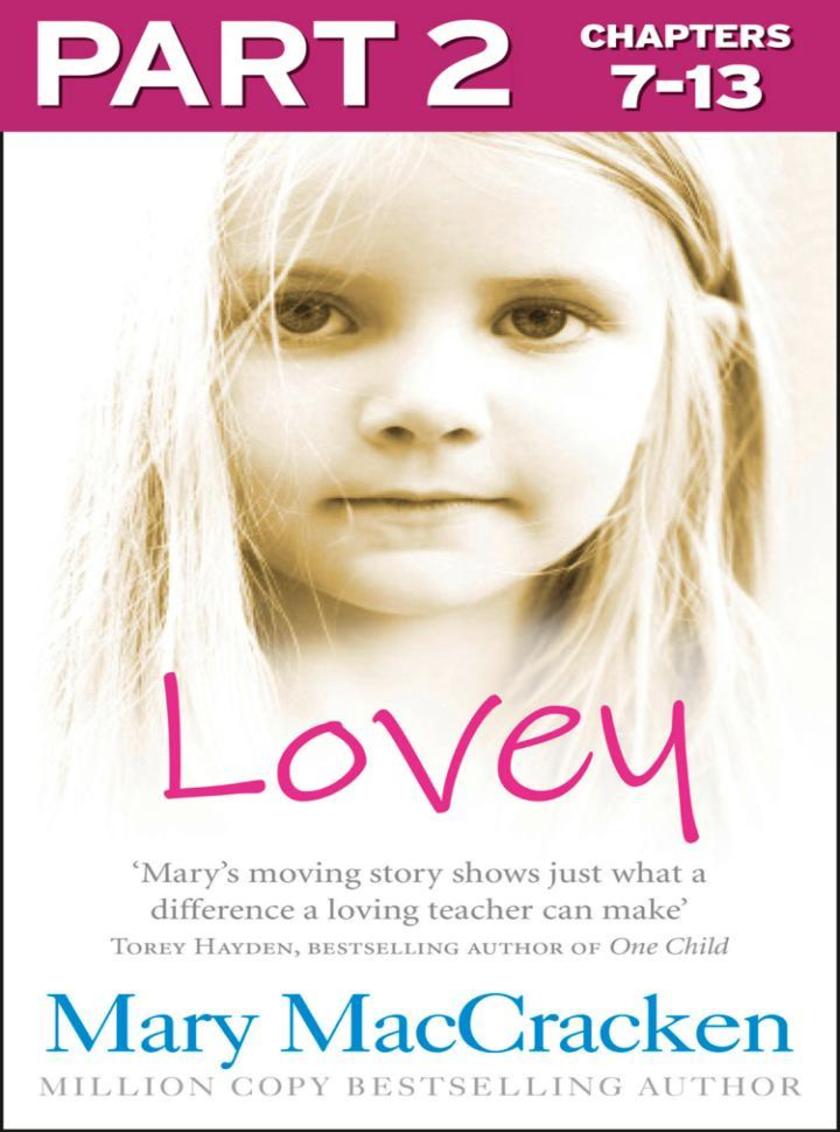
Lovey: Part 2 of 3
¥28.45
Lovey can either be read as a full-length eBook or in 3 serialised eBook-only parts. This is PART 2 of 3. You can read Part 2 two weeks ahead of release of the full-length eBook and paperback. This deeply moving memoir tells the story of Hannah: a child who has been beaten and abused; a girl full of loneliness and rage; a student no one but learning disabilities teacher Mary MacCracken could reach. Mary had reservations about eight-year-old Hannah joining her class. The three emotionally disturbed boys she was currently looking after had been making steady progress, and Hannah, who had a reputation for being a withdrawn and incredibly troubled child, would only be a disruptive influence. For the first fortnight Hannah retired to a cupboard and refused to come out. Howling almost non-stop she was displaying the worst symptoms that Mary had ever seen. How could Mary help a child who had been shut up in closets and treated like an animal? What could she say to a child who had been locked out of her own home, and beaten by both her brother and her father? How could she reach this lost girl? This is the remarkable story of Hannah and Mary’s journey together. Deep within Hannah, Mary recognises an amazing strength. And with love, skill and patience, she gradually starts to make a difference. It’s a long road to recovery, but Mary never gives up. As this moving true story unfolds, we feel Mary’s joy, we share her hope and, in time, her faith that Hannah will be okay.

The Girl Without a Voice: Part 1 of 3
免费
The Girl Without a Voice can either be read as a full-length eBook or in 3 serialised eBook-only parts. This is PART 1 of 3. You can read Part 1 two weeks ahead of release of the full-length eBook and paperback.
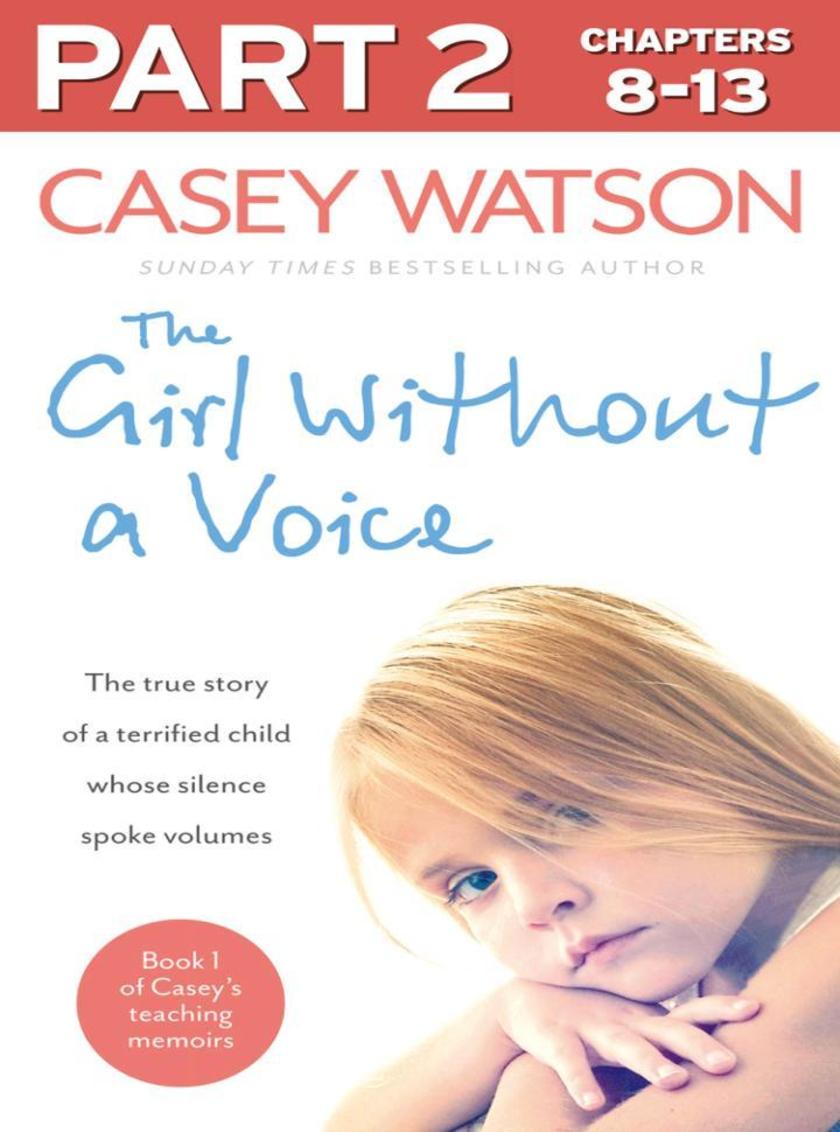
The Girl Without a Voice: Part 2 of 3
¥28.45
The Girl Without a Voice can either be read as a full-length eBook or in 3 serialised eBook-only parts. This is PART 2 of 3. You can read Part 2 one week ahead of release of the full-length eBook and paperback. Bestselling author and foster carer Casey Watson tells the shocking and deeply moving true story of a young girl with severe behavioural problems. This is the first of several stories about ‘difficult’ children Casey helped during her time as a behaviour manager at her local comprehensive. Casey has been in the post for six months when thirteen-year-old Imogen joins her class. One of six children Casey is teaching, Imogen has selective mutism. She’s a bright girl, but her speech problems have been making mainstream lessons difficult. Life at home is also hard for Imogen. Her mum walked out on her a few years earlier and she’s never got on with her dad’s new girlfriend. She’s now living with her grandparents. There’s no physical explanation for Imogen’s condition, and her family insist she’s never had troubles like this before. Everyone thinks Imogen is just playing up – except the member of staff closest to her, her teacher Casey Watson. It is the deadpan expression she constantly has on her face that is most disturbing to Casey. Determined there must be more to it, Casey starts digging and it’s not long before she starts to discover a very different side to Imogen’s character. A visit to her grandparents’ reveals that Imogen is anything but silent at home. In fact she’s prone to violent outbursts; her elderly grandparents are terrified of her. Eventually Casey’s hard work starts to pay off. After months of silence, Imogen utters her first, terrified, words to Casey: ‘I thought she was going to burn me.’ Dark, shocking and deeply disturbing, Casey begins to uncover the reality of what Imogen has been subjected to for years.
Fish of the Seto Inland Sea (Text Only)
¥53.76
An extraordinary portrait of one family across the years of Japan’s greatest changes; a loving, honest, moving biography of the author’s mother. Ruri Pilgrim tells the story of her family from the 1870s to the 1950s. She begins with the formality and security of the arrangements of life for a Japanese middle-class family, living in a walled compound with their servants, following exactly the tradition inherited from their parents, with marriages arranged for the children, which continued up till World War II. By then her mother was married to an engineer and living in Japanese-occupied Manchuria. That period, with her mother’s often funny, painful experiences of learning about the Chinese and Russians with whom she now lived with her growing family, and the war seen from her point of view, is fascinating. At the end of the war, the Japanese – women, children, everyone – had to escape, walking hundreds of miles to the coast. The family returned to a Tokyo where the society, the culture, the economy was entirely overturned. The Americans were everywhere, the Japanese were unemployed, and the ways of society that they had all known had vanished. And yet somehow Ruri’s indomitable mother survived.
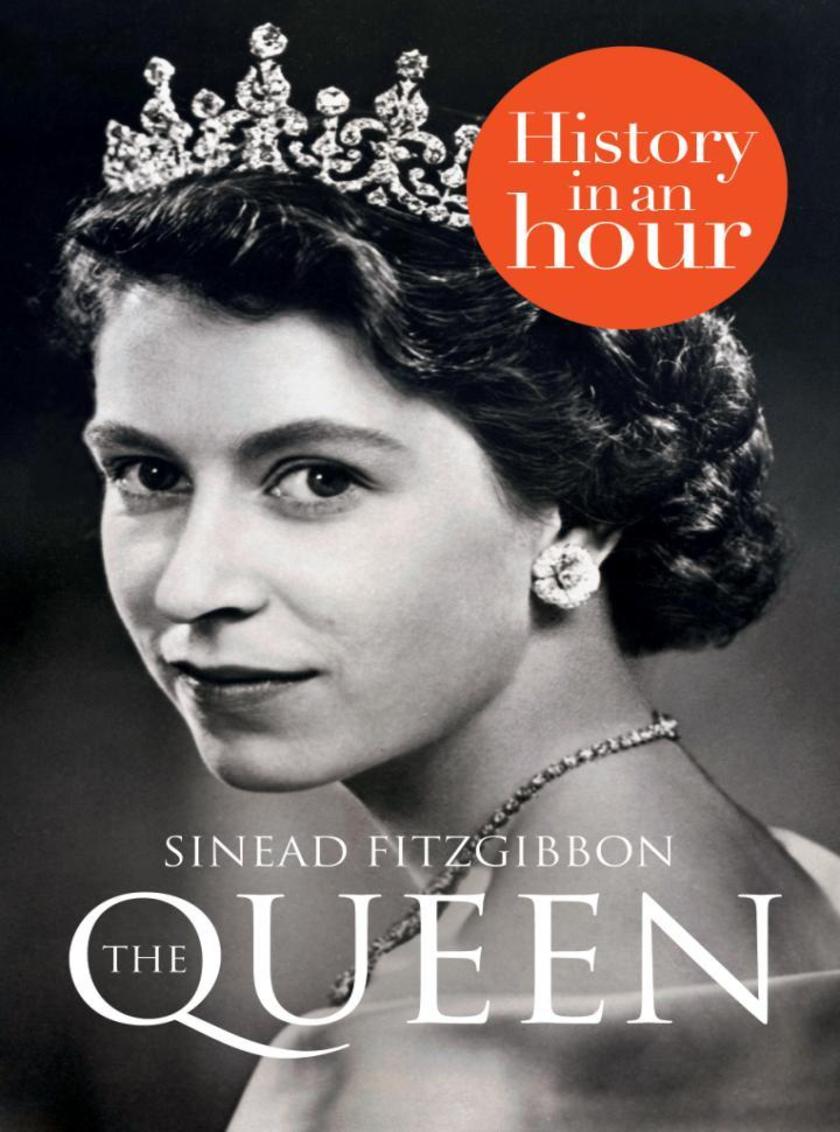
The Queen:History in an Hour
¥14.81
Love history? Know your stuff with History in an Hour. Elizabeth II is the longest lived and, after Queen Victoria, second longest reigning monarch of the United Kingdom. From her coronation in 1953 to her Diamond Jubilee in 2012, Queen Elizabeth II has stood on the world stage as the figurehead for Britain. The Queen: History in an Hour tells the story of the Queen Elizabeth II’s life and long reign, her royal duties, service during the Second World War, public perception and the transformation of the British Empire into the Commonwealth of Nations under her rule. In the Diamond Jubilee year this is essential reading for Royalists and Republicans alike. Know your stuff: read about Queen Elizabeth II in just one hour.
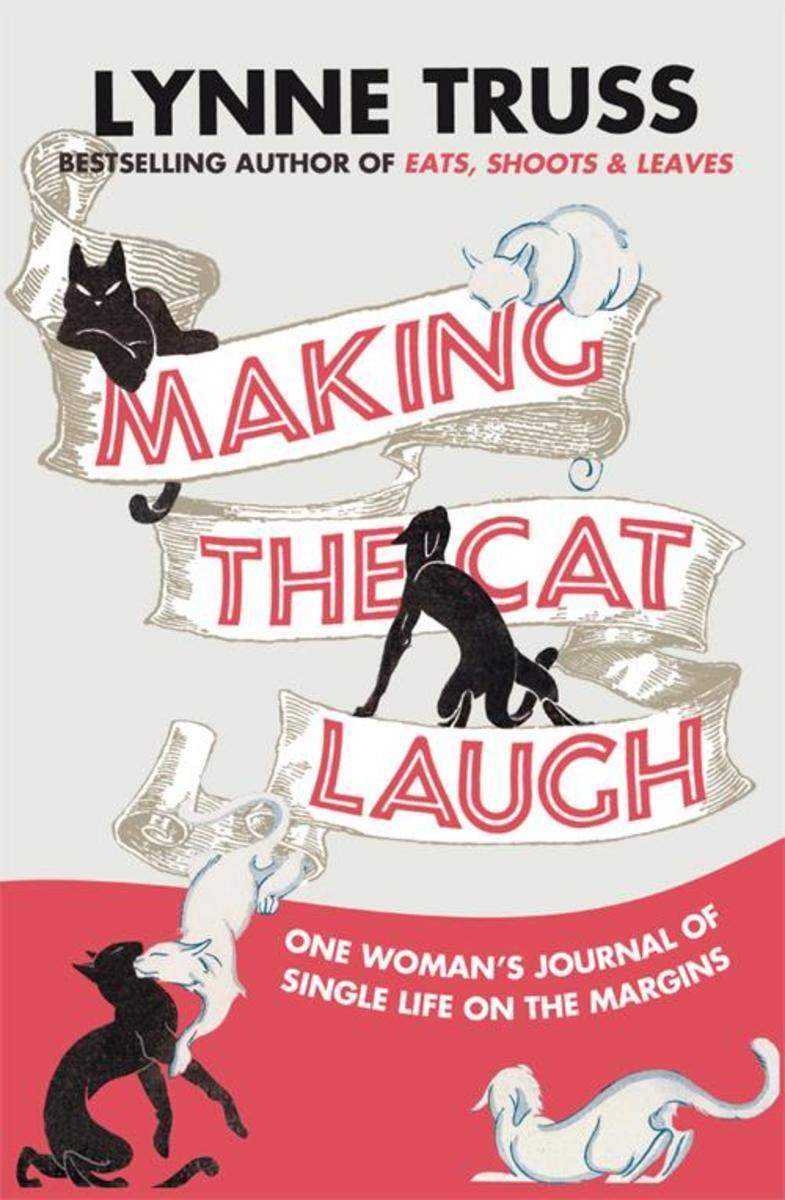
Making the Cat Laugh
¥66.22
SPECIAL PRICE FOR A LIMITED TIME One woman's journal of single life on the margins. A brilliant collection of Lynne Truss’ journalism – recording the life of a metropolitan refugee from coupledom. The alternative ‘Bridget Jones’. For seven long years, starting in ‘The Listener’ in 1988 and continuing in ‘The Times’ and ‘Woman's Journal’, Lynne Truss has been trying to make her cat laugh. It has been an uphill task, which is why she deserves this book, a recognition of outstanding courage in the face of futility. Along the way, 'Margins', 'Single of Life' and 'One Woman's Journal' have collected a band of devoted fans, yet still the cat remains unimpressed. Never have so many jokes about Kitbits been found in such concentration as in ‘Making the Cat Laugh’. But under the headings such as 'The Single Woman Considers Going Out but Doesn't Fancy the Hassle' and 'The Single Woman Stays at Home and Goes Quietly Mad', we discover a writer not only obsessed with cats, but prone to over-reacting generally - to news stories, shopping, passive smoking, Christmas, coupledom, boyfriends, snails, sheds, Andre Agassi, cooking instructions, requests of 'How's the novel going?' and personal remarks of any kind.
Hizzy: The Autobiography of Steve Hislop
¥80.25
Steve Hislop was one of the most famous motorcycle racers in the world. He had always been a controversial and outspoken character having had many famous clashes and splits with teams and riders over the years, not always to his advantage. Season 2003 was no different. Steve’s life was incredible, funny and ultimately tragic. Hislop made his debut in 1979 on a bike paid for by his father, but when the latter died of a heart-attack, he embarked on a self-destructive quest that resulted in more crashed bikes and cars than he can remember. Three years later his brother Garry was killed racing at Silloth. It looked as if he would never race again but while on holiday at the Isle of Man TT races in 1983, he was mesmerised by the sight of Joey Dunlop and he knew he had to try it. He took to the roads immediately, amassing an amazing career record of 11 wins and was the first rider in history to lap the course at an average speed of over 120mph. Hizzy's TT victories over big name rivals like Joey Dunlop and Carl Fogarty made him a living legend beyond the confines of just the UK. He turned his back on the Isle of Man in 1994, claiming it was too fast and dangerous for modern superbikes. However, he had already proved he was just as fast on purpose-built short circuits having won the British 250cc championship in 1990 and then went on to win the British Superbike (BSB) title in 1995 and 2002. Defending a title is always difficult and made even harder when your current team doesn't give you a new contract. However, season 2003 started positively for Steve, inasmuch as he found a new team, but he was sacked half way through the season after a string of poor results on an uncompetitive bike. These events, however, paled into insignificance when Steve was killed in July 2003 when the helicopter he was flying crashed in a remote Scottish border region. His book is a fitting tribute to a motor racing legend.

Squeezing the Orange
¥68.67
The quintessentially English cricket commentator, writer, oenophile, bon viveur, collector and national treasure, fondly known as “Blowers”, tells his colourful life story. Born in Norfolk and educated at Eton and Cambridge, Henry Calthorpe Blofeld OBE, nicknamed “Blowers” by the late Brian Johnston, is best known as a cricket commentator for Test Match Special on BBC Radio 4 and BBC Radio 5 Live Sports Extra. His distinctively rich, cut glass voice and his vividly eccentric observations of life on and off the pitch, have made him a household name, not only in Britain but around the world, wherever cricket is played. Blowers has been close the the heart of the game for over fifty years and his career has taken him to the far corners of the earth. This autobiography, stuffed to the gunwhales with delicious anecdotes, brings his astonishingly colourful story bang up to date.
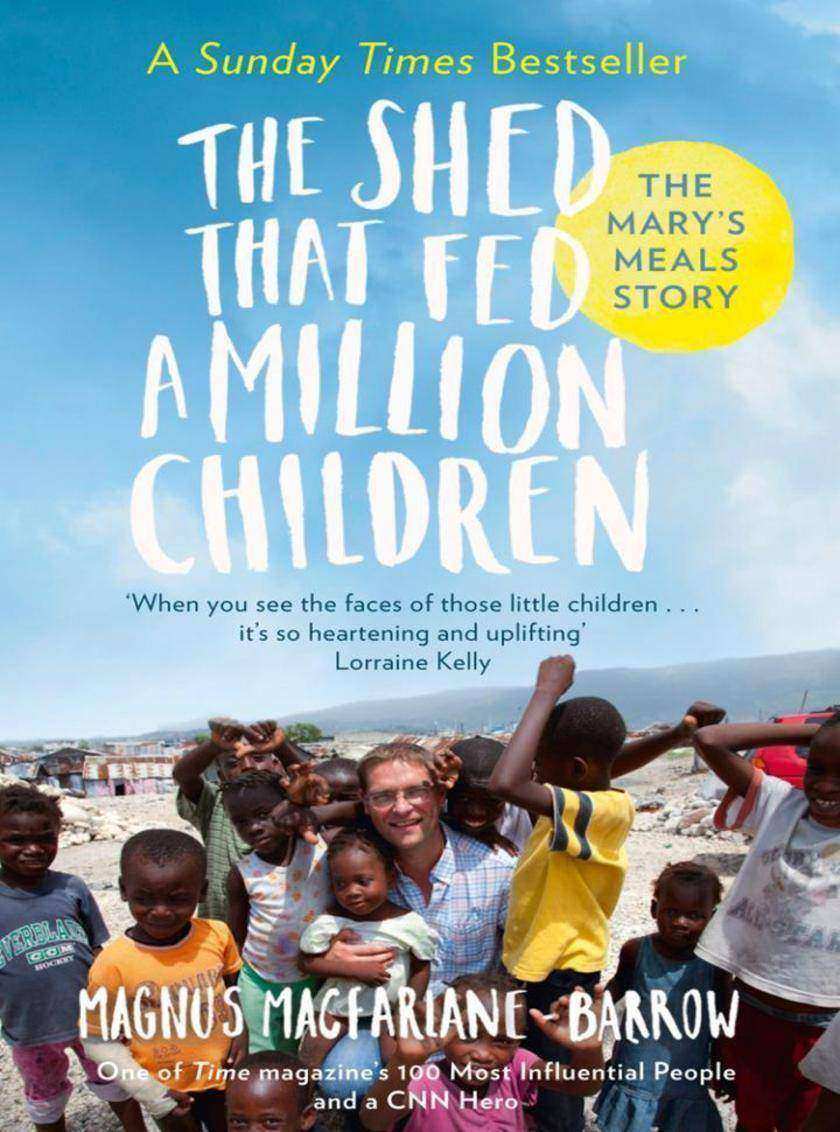
The Shed That Fed a Million Children: The Mary’s Meals Story
¥66.22
Speaking Volumes Christian Book of the Year 2016 Mary’s Meals is born from acts of love. If you put all those many acts of sacrifice together it creates a beautiful thing. Mary’s Meals tells the inspirational and compelling story of how a cripplingly shy fish farmer from Argyll, Scotland, became the international CEO of a global charity that now feeds over 800,000 children a day. In 1992, Magnus MacFarlane-Barrow was enjoying a pint with his brother when he got an idea that would change his life – and radically change the lives of others. After watching a news bulletin about war-torn Bosnia, the two brothers agreed to take a week’s hiatus from work to help. What neither of them expected is that what began as a one-time road trip in a beaten-up Landrover rapidly grew to become Magnus’s life’s work – leading him to leave his job, sell his house and direct all his efforts to feeding thousands of the world’s poorest children. Magnus retells how a series of miraculous circumstances and an overwhelming display of love from those around him led to the creation of Mary’s Meals; an organisation that now holds the key to eradicating child hunger altogether. This humble, heart-warming yet powerful story has never been more relevant in our society of plenty and privilege. It will open your eyes to the extraordinary impact that one person can make.

The New Arrival: Part 3 of 3
¥39.04
The New Arrival can either be read as a full-length eBook or in 3 serialised eBook-only parts. This is PART 3 of 3 (Chapters 22-30 of 30). You can read Part 3 on release of the full-length eBook and paperback. Sarah completes her training, and, inspired by her experiences with a Health Visitor, she begins to realise that she may have found her passion… More than just a hospital, Hackney General was part of the community just as much as the Adam & Eve pub the staff frequent. A place where the poorly children of Hackney were nursed to health, a place where young nurses would discover just want they wanted from life, fall in love with shy photographers and grow into women. But it’s not all smooth sailing in Hackney: for every baby that goes home to its loving family another is abandoned, unloved, or never gets to go home at all. Funny, warm and deeply moving, Sarah Beeson’s poignant memoir captures both the heartache and happiness of hospital life and 1970s London through the eyes of a gentle but determined young nurse.

If Only He’d Told Me: A foster family pushed to the limits
¥9.71
The third in a series of true short stories from foster carer Mia Marconi. Brody had been on the at-risk register since birth but was only removed from his alcoholic parents when he reached the age of six. Foster carer Mia Marconi was thrilled when he first arrived – a boy the same age as her son. It can be so bewildering for foster children when they arrive. The older ones are usually withdrawn and sullen. The younger ones will be screaming, spitting at you, making themselves sick and throwing themselves on the floor. For Mia, it’s normally her boisterous, happy children who provide the comfort at the beginning, because why should they trust another adult. Children always feel safe and secure when there are other children about. Mia believes it’s through making relationships with other children that they begin to trust adults again. But little did she know that six-year-old Brody was actually taking his anger and frustration out on her son. She quickly begins to realise the heavy price her family has had to pay.
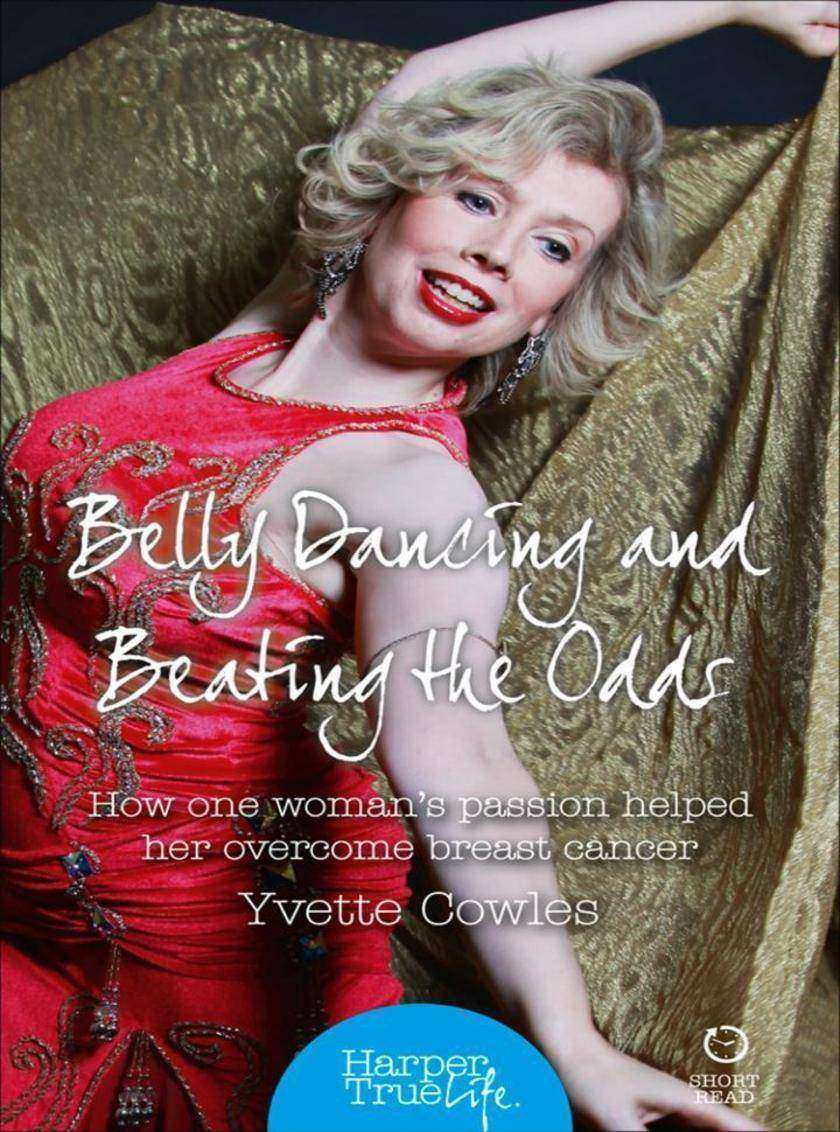
Belly Dancing and Beating the Odds
¥11.77
When 32-year-old Yvette Cowles contracted breast cancer she was determined it would not get in the way of her belly dancing dreams. Spirited and light-hearted, “Belly Dancing and Beating the Odds” is the true story of one woman’s quest to be the best breastless belly dancer in the business… Whilst most people see little to smile about when they hear the word “cancer”, for Yvette it was just another opportunity to find the silver lining. From realising the positives in a breast-free existence (think Audrey Hepburn physique and the uses of aero-dynamism when sales shopping), transforming her hospital cubicle into a sequinned boudoir and entertaining the nurses with her inflatable male companion, Yvette is determined not to let it get her down. Told with warmth and lively good humour, Yvette’s short story will move and inspire you – and might even persuade you to dig out your dancing shoes.
Collins Good Dog Behaviour: An Owner’s Guide
¥50.62
Published in association with The Blue Cross, one of Britain’s top animal welfare societies, ‘Collins Good Dog Behaviour’ is an essential handbook for all responsible dog owners with numerous step-by-step photographs that will help to make training your dog simple and enjoyable. Gwen Bailey believes that the first step to having a well-behaved dog is for the owner to fully understand the dog’s behaviour – only then can you learn to communicate effectively with your pet and create a successful partnership. She maintains that all dogs can be well-behaved and that you can teach an old dog new tricks! You can learn about: how to be a good owner through talking and listening to your dog, dicovering the essential ingredients for a well-behaved dog, introducing step-by-step obedience exercises to prevent and solve problem behaviour. ‘Collins Good Dog Behaviour’ is a book which will advise you on how to make your dog really clever, thus making you a clever owner!
Mummy, Come Home
¥68.67
Waking up bleary-eyed and beaten, Oxana wondered how she had got there. Then she remembered: her abusive husband, the dream of a better life, the 'job' that turned into a nightmare…. Tricked into prostitution by her best friend, Oxana was torn from her children in Ukraine and trafficked into the UK, where she was imprisoned in a Birmingham sauna and forced to service up to 15 clients a night. Raped, beaten and abused, she was sickened by what she had become. Oxana only had one thing left in the world to live for: the thought of being reunited with her children. But even if she escaped she had no idea how she'd get them back… But where so many women are destroyed forever by such violence and suffering, her unbending love for her children and her unshakeable determination meant that even in her darkest hour, the flame of hope in Oxana's heart was never extinguished. Spurred on by this faith, that one day she would be reunited with her children, Oxana found the strength to break free from prostitution and her captors and continue her fight to be a mother once more. She would hold her children in her arms again.

The Checkout Girl
¥81.03
How much do you know about what really goes on at your local supermarket? We see them every week and they are privy to some of our most intimate secrets - those we wouldn't even share with our closest friends. To us they are the anonymous helpers for whom nothing is too much trouble. But for them, every customer has a part in a gripping soap-opera of lovers' tiffs, family feuds and extraordinary innuendos - turning the daily life of a checkout girl into a hilariously entertaining farce. As we began to contend with the recession, Tazeen Ahmad realised that the supermarket checkout was the perfect place to gauge how the nation was coping with increasing job cuts, sky-high food prices and a billion pound hole in our economy. The answer, it turns out, was with white bread, ice cream and lots and lots of potatoes. Sworn at, flirted with and at the receiving end of endless customer rants, The Checkout Girl is the deliciously gossipy memoir of life on the supermarket conveyor belt where each one of us has unwittingly had a walk-on part. Reading her story will change the way you shop forever.

Callgirl
¥27.76
Professor by day, callgirl by night - a true story Jenny is left penniless by an ex-boyfriend and, in order to make ends meet, she finds herself juggling two lives - respected college-lecturer by day and $200-an-hour high class callgirl 'Tia' by night. Tia's clients range from the pitiful to the downright disturbing: there's the man obsessed with wearing her underwear, the client who wants her to pretend to be his mother and the punter who gets his kicks from inflicting pain. Tia is paid to fulfil all kinds of desires. Despite her madam's protection, Tia is drawn into a world of increasing danger, trying to dodge undercover cops, resist the temptation of drugs and, most of all, avoid falling in love with the wrong man. As Jenny juggles the twin roles of professor and prostitute, the eventual strain of keeping her life secret from friends and family forces her to re-examine everything - before her two worlds inevitably collide!

A Big Little Life
¥66.22
Dean Koontz’s first ever nonfiction book, the deeply moving story of his life with his good dog Trixie Dean Koontz is known for exploring the dark side of human nature in his fiction. But his softer, playful side comes out when he talks about his beloved dog, Trixie, a golden retriever. Trixie had a special place in Dean's heart. And now, in this, his first non-fiction book, Dean opens his heart to his readers to give us memories of Trixie, of the glorious dog who changed him and changed his life. There's everything in this memoir: adventure, mischief, emotion, and sadness too. Dean will talk with joy about the many gifts Trixie gave him – and the lessons she taught – and he'll talk with sadness at losing his beloved pet. The loss of a dog is a heartbreak that's been experienced by a great many people, and Dean's delving into that loss is a powerful part of this book, and a cathartic experience for those of us who have loved and lost an animal companion. Trixie had a big little life and lives for ever in Dean’s heart … and in these pages.
Thanks, Johnners: An Affectionate Tribute to a Broadcasting Legend
¥72.30
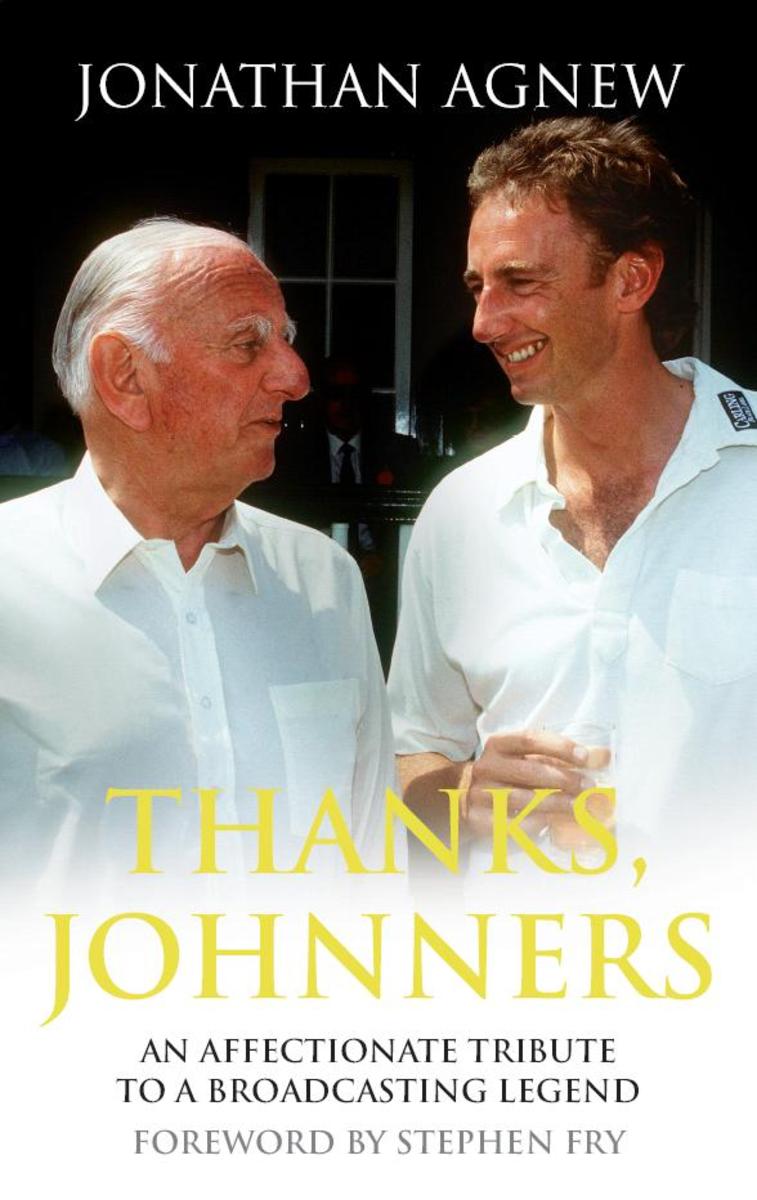
Perfect for cricket fans everywhere, Thanks Johnners is a warm and witty tribute to Brian Johnston and his time at the helm of Test Match Special. The Test Match Special on-air incident, in which Jonathan Agnew's comment on Ian Botham's attempt to avoid stepping on his stumps – "He just couldn't quite get his leg over" provoking prolonged fits of giggles, most notably from Brian Johnston, has been voted the greatest piece of sporting commentary ever. The friendship between "Aggers" and "Johnners" became immortalised through that broadcasting classic, but there was a far deeper bond between the two men, as this fascinating book reveals. Jonathan Agnew had grown up to the sound of Johnston, Arlott, and a young Martin-Jenkins et al on TMS as he followed his father around on the family farm, ear glued to the transistor radio, but the two men met formally only when Agnew joined the BBC team at Headingley in 1991. Thus began a great working partnership which, fuelled by a mutual passion for the noble game, bridged the generation gap and ended only with Johnston's sudden death in 1994. As this book demonstrates so convincingly, Johnners's wit, warmth and sense of fun was a feature not only of his cricket commentaries, but also in the way he lived his life. His influence on "Aggers" is clearly recognisable in the same amiable and informal manner in which his successor presents Test Match Special today. Thanks, Johnners is a rich blend of biography and anecdote, of antics and dramas on and off the pitch, in and out of the commentary box, its pages filled with stories about the great names of cricket including Fred Trueman, Geoffrey Boycott, Vivian Richards, Michael Holding and Ian Botham. Just as TMS is the sound of summer, so Thanks, Johnners is the fresh breeze rippling the long grass of remembered pleasures.


