


 购物车
购物车 个人中心
个人中心
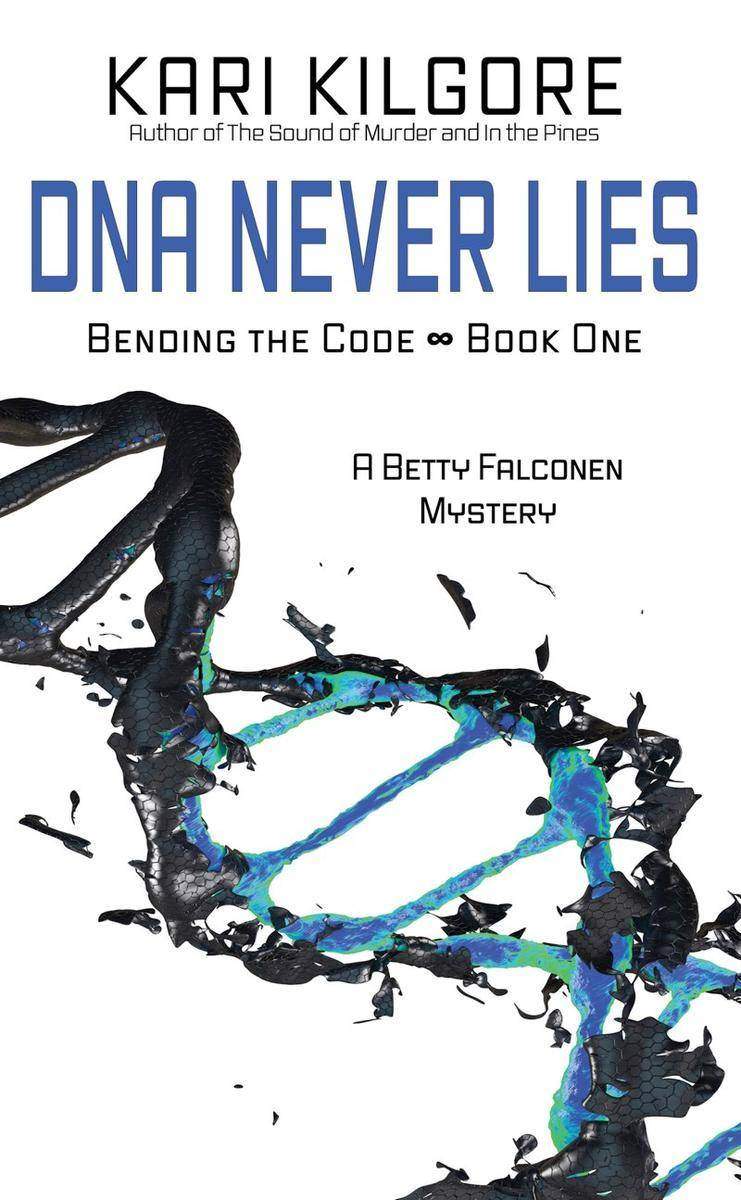
DNA Never Lies
¥34.79
Betty Falconen: the most overqualified low-rent geneticist in Atlanta. Overwhelmed by old insecurities and struggles to pay the rent. Her dreams of cutting-edge research withering on life-support. Betty wanted more from life and work. Will a stranger in a coffee shop bring the change she craves? Or prove her fears right after all? An excerpt from DNA Never Lies: An offer too good to refuse, but at what cost? One last surprise waited for Betty: an application to qualify as a contractor for the Baron County Police Department. Specifically, to re-examine evidence from recent crime scenes. A background check, a confidentiality agreement, and…an offer of payment. “Wow,” Betty whispered, shaking her head. Payment equal to what she’d earned over the last six months of work her lab assistants could do in their sleep. Turning Detective Willa Belladeux down cold didn’t seem nearly as easy as it had the night before, but not because of the money. Well, not only because of the money. The feeling of being in demand, of being appreciated, carried a lot more weight and influence. The idea of getting to work in the field she’d wanted. Yes, what she’d trained for. What her talents and skills were best suited for. All of that together got Betty up and dialing the number on the business card clipped to the application before she could change her mind.
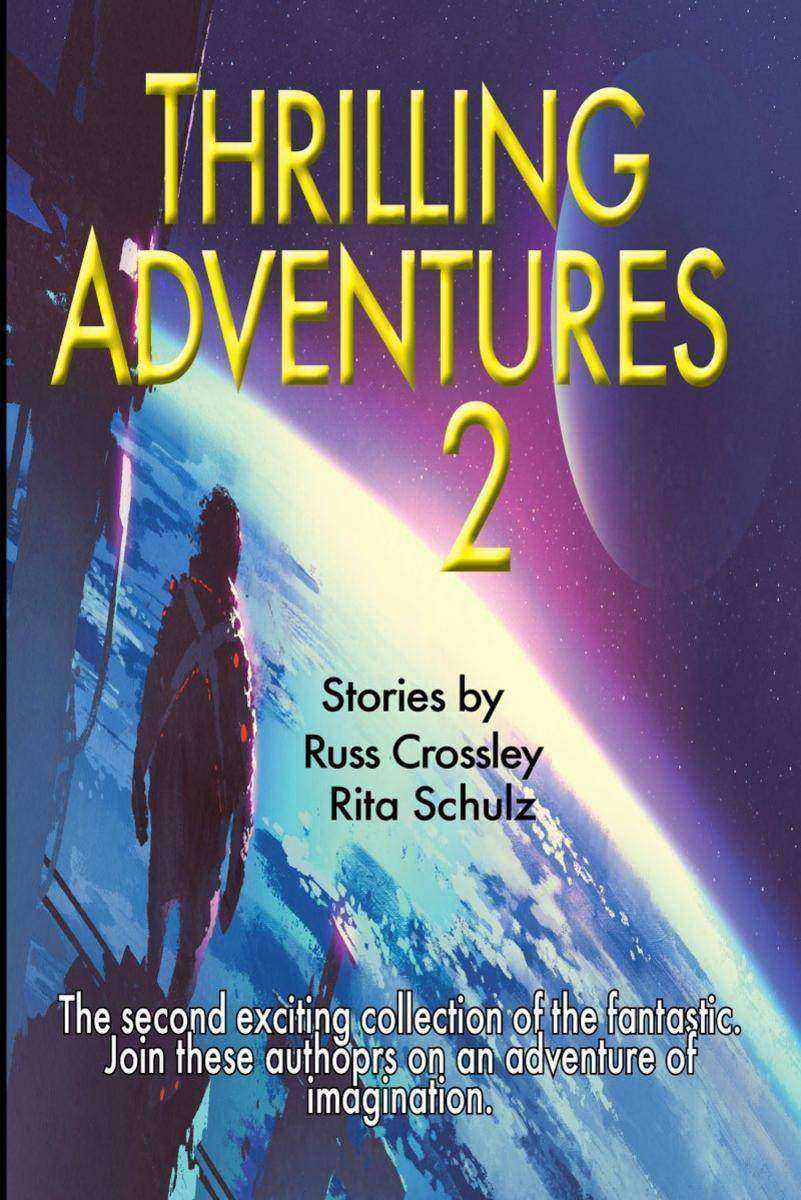
Thrilling Adventures 2
¥60.95
From modern tales involving myths re-told, to trips to the far future where the end of the world is imminent, to an alternate reality where a jetpack-wearing hero fights for truth and justice. Other tales include a vampire and an elf vanquishing evil thus saving the worlds they inhabit. ?A remarkable collection of exciting stories guaranteed to thrill you. ?Stories included: War Eagle Captain Virtue and the League of Evil The Beast of Cadboro Bay Dark Night A Simple Assignment Scavengers

The Cryptocurrency - Blockchain Connection
¥34.79
This special book is a real world combination of cryptocurrencies and blockchain technology. You begin with a precise blueprint of how to assemble a winning crypto portfolio. Then you continue on to expand your knowledge by entering the world of?blockchains beyond cryptocurrencies.? The official book of the 2018 Nordic Trading Competition at the Nasdaq OMX Exchange The book includes the following and much more! - Intensive and rapid guide to understanding the connection between cryptos and the blockchain - How to assemble and execute a crypto portfolio like a pro - Using crypto exchanges insider info to your advantage - Bitcoin and cryptocurrency trading tactics - How blockchain can be applied in your world - Smart contracts - ICOs This is a?combination of: The Next Level Of Cryptocurrency Investing and Blockchain: Real-World Applications And Understanding

Autism Box Set: Books 1 - 5
¥78.39
A single dad. A special-needs child. Can he break down parent-teacher barriers to help his son? Ben’s frantic, sixty-hour workweek has no room for family. But when he learns he must care for the autistic son he never knew he had, he turns his can-do attitude toward helping his five-year-old adjust to a new school and home. And while he knows caring for Kyle will be challenging, he didn’t expect it to open his eyes to life’s everyday wonders… Schoolteacher Melanie is committed to a positive environment for every student. So when the new parent in class resists her advice for his ASD child, she fears he’s just another stubborn dad. But as she convinces Ben to work with her to support Kyle’s development, it could spark the beginning of a beautiful bond… From the creative mind of a psychologist, teacher, and specialist in autism disorders comes a collection of five memorable novels of life and love on the spectrum. Featuring schoolkids, shut-ins, and chefs, these unique fictional accounts depict the challenges and celebrate the joys of raising children and young adults with special needs. Autism Box Set contains Books 1-5 of the inspiring School Daze fiction series. If you like true-to-life stories infused with practical information, compassionate characters, and tales of overcoming adversity, then you’ll adore Dr. Sharon A. Mitchell’s heartwarming anthology. Buy Autism Box Set to join a brave journey of love and understanding today!
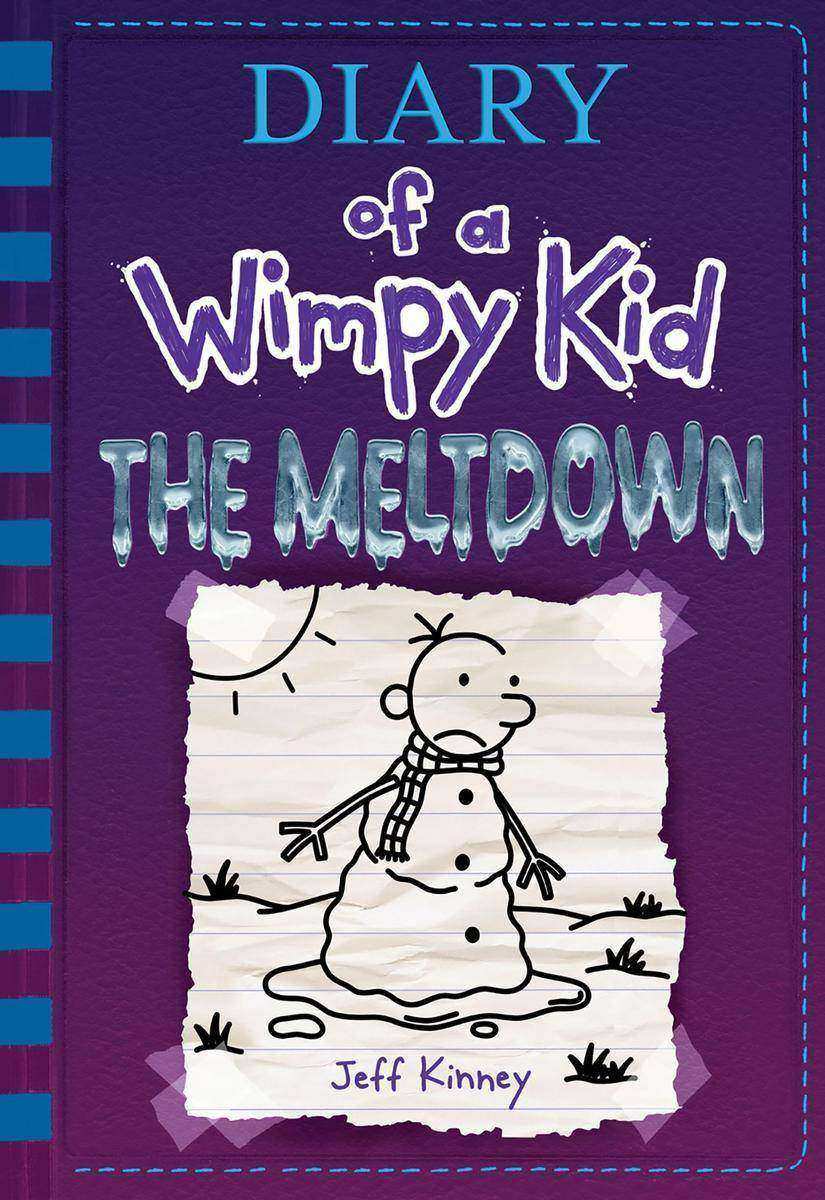
Meltdown (Diary of a Wimpy Kid Book 13)
¥158.82
When snow shuts down Greg Heffley's middle school, his neighborhood transforms into a wintry battlefield. Rival groups fight over territory, build massive snow forts, and stage epic snowball fights. And in the crosshairs are Greg and his trusty best friend, Rowley Jefferson. It's a fight for survival as Greg and Rowley navigate alliances, betrayals, and warring gangs in a neighborhood meltdown. When the snow clears, will Greg and Rowley emerge as heroes? Or will they even survive to see another day?
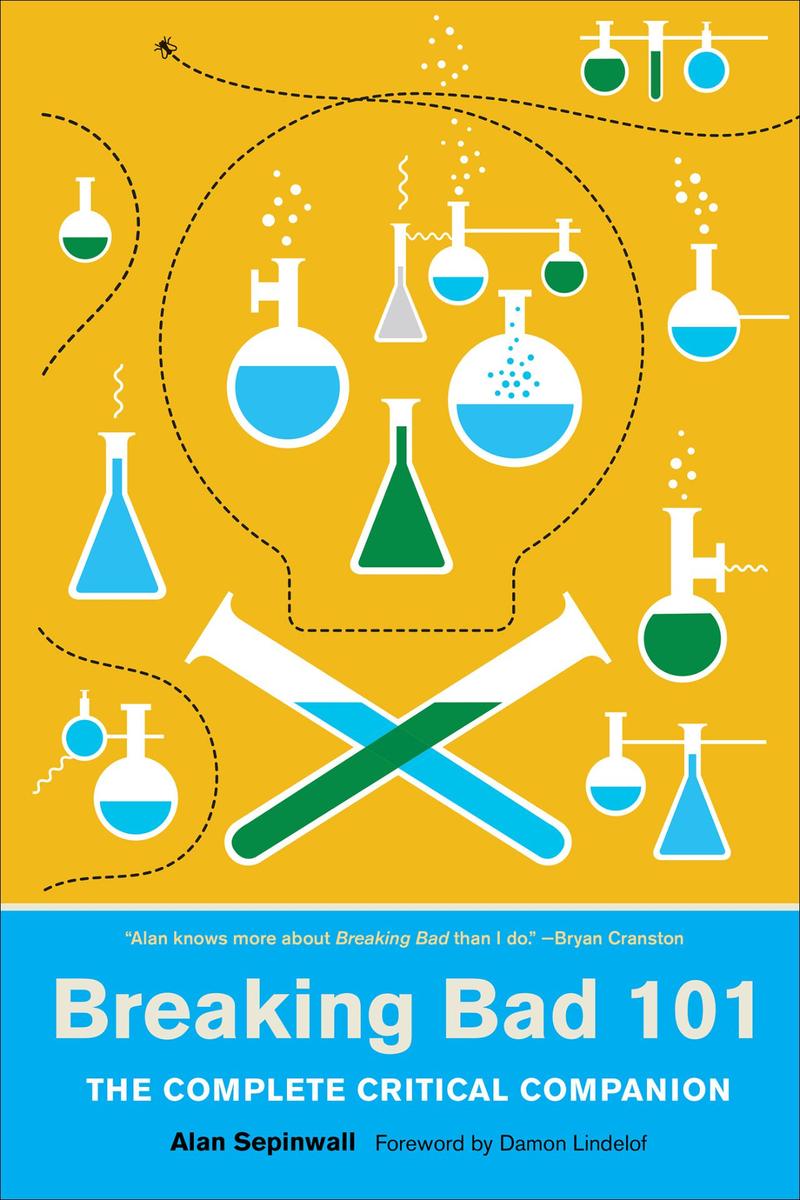
Breaking Bad 101 - The Complete Critical Companion
¥138.52
AMC's Breaking Bad is among the most beloved, critically acclaimed American television series of our time. Created by Vince Gilligan, the series charts the transformation of high school science teacher Walter White (played by Bryan Cranston) into a cold, calculating meth kingpin. Breaking Bad 101 collects esteemed critic Alan Sepinwall's (Uproxx) popular Breaking Bad recaps in book form, featuring new, exclusive essays and completely revised and updated commentary-as well as insights from and interviews with the creative masterminds behind Breaking Bad. The ultimate critical companion for one of the greatest television dramas of all time, Breaking Bad 101 offers fans Sepinwall's smart, funny, and incisive analysis of the psychology and filmmaking craft behind each episode and celebrates the series' unique place in pop-culture history.
Viking Goddesses and Seeresses
¥69.67
This book is the first of the Forbidden Knowledge series. Where did the power of Viking seeresses, dazzling goddesses, the Nornir, or Fates and the formidable Valkyries come from? To find the answer to this question the authors first examine the Old Norse mythology in order to decipher the ancient wisdom of women. Following this survey, the second part of the book explores what became of these mighty female figures, how their powers were transformed over time. The book is closing with a look at several questions related to the modern day: “How is ‘feminine lore’ understood today?” “What are its roots and how do they still affect humankind?” “How is what this book terms ‘the legacy of sight’ still useful?” The responses will both pinpoint what it is that the Norse women left behind them, and demonstrate how that legacy is still woven into the fabric of the present.This non-fiction book provides an outstanding analysis and a careful reinterpretation of Icelandic sagas and poems for properly understand the nature and power of the first mistresses of the Icy North. The research presented here goes deep to unveil the real meaning of the medieval chroniclers’ handiwork. Every detail of every Icelandic saga and poem cited in this book has been translated by the authors uniquely from the original manuscripts. The book contains more than 60 colourful illustrations, an Appendix with nearly 70 separate encyclopaedia articles and hyperlinks to 21 original Icelandic manuscripts and 17 referred websites.
Tales of the Abducted Princess: Adult Romance
¥26.07
Jean is a headstrong nineteen-year-old girl that knows what she wants, and that is to marry Joe the Blacksmith, he keeps saying he is too old for her that he is old enough to be her father. But his age doesn’t worry Jean especially after she had wormed her way into his bed and found out what a good lover he was. Jean finds loads of other men to satisfy her lust as she tells Joe about them just to tease him. Joe had promised Jean’s father he would bring Jean up as best as he could when he and his wife were handed Jean to them as a baby. Joe’s wife died and Joe struggled to bring Jean up on his own as a travelling blacksmith going from village to village in a caravan, he tried not to fall in love with Jean but he failed all too easily. Joe has a big secret to tell Jean, and he was sure she would hate him when she finds out, and the king would have him hanged for his relationship with Jean. Tale of the Abducted Princess is an Adult Romance set in England in the 1060s when there was a lot of unrest in England. Jean has been brought up more like a boy as Joe taught her to hunt with the bow and arrow, he taught her so well that she became a huntress. Follow Jean as she hops in and out of bed with the king’s soldiers and discovers a plot to kill a member of the royal family. Will, she catches the two assassins in time and will she forgive Joe.
Fantastic Shorts: Volume 1: A Fantasy Short Story Collection
¥34.79
Facing fear of your own dreams coming true.Longing to hold on to a beloved best friend.Wishing to repair a life gone off the tracks.A lifelong feeling that you never belong.The secret life of a gorgeous black cat. Functioning as signposts along the rich and often twisted road of Kari Kilgore’s imagination, each story in this collection explores a different area of fantasy fiction. Ranging from Appalachia to Atlanta, from love to loss, they all touch on emotions or experiences readers recognize. The (mostly) women in Fantastic Shorts: Volume 1 may start out in familiar territory. But in the hands of this talented storyteller, readers quickly learn to always expect the strange. Included in this collection: IntentionsAngela Garcia builds websites to help make other people’s dreams come true. Now one of her childhood dreams waits, ready to come to life. Sometimes your intentions make all the difference. ReflectionsA beloved family home, abandoned and broken. A so-called adult life, not much better off. Jessica’s hopes of finding her joy fade as soon as she steps through the door. Can facing her fears, and her memories, make Jessica’s life right at last? The Seeds of LoveVirginia Evans and her best friend Maggie grew up together. From shy girl and wriggly puppy to confident woman and gentle old soul. A touching tale of woman’s best friend. TerminaliaWhen you live a double life, you never take anything for granted. Kelly Webb finally feels safe. Until nighttime, when all but Kelly’s name changes. An enchanting tale of the crossroads between science and magic. Wicked BonePashmina knows which humans to trust. She shows her trust like all cats. With offerings from her hunts. And like all cats, Pashmina keeps her secrets to herself. Find out what happens when Katie learns Pashmina’s favorite secret.
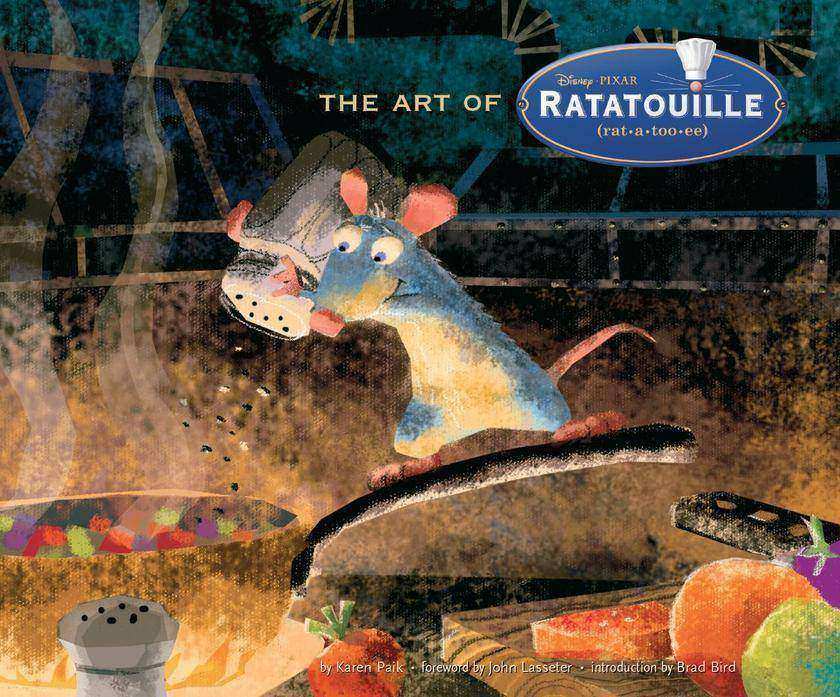
Art of Ratatouille
¥305.97
From the hit-makers at Pixar Animation Studios who brought us Buzz Lightyear, Nemo, and Mr. Incredible, now comes Remy, the furry star of Ratatouille. A lovable rat (yes, a rat!), Remy is driven by his passion for fine cuisine to become a chefagainst all odds and with madcap adventures along the wayat the most famous restaurant in Paris. The Art of Ratatouille includes more than 200 of the artistic ingredients in this heartwarming film: storyboards, full-color pastels, digital and pencil sketches, character studies, maquettes, and more. In this exclusive movie tie-in book for adults, effusive quotes from the director, artists, animators, and production team reveal the genius at work inside the studio that changed cartoon heroes forever.
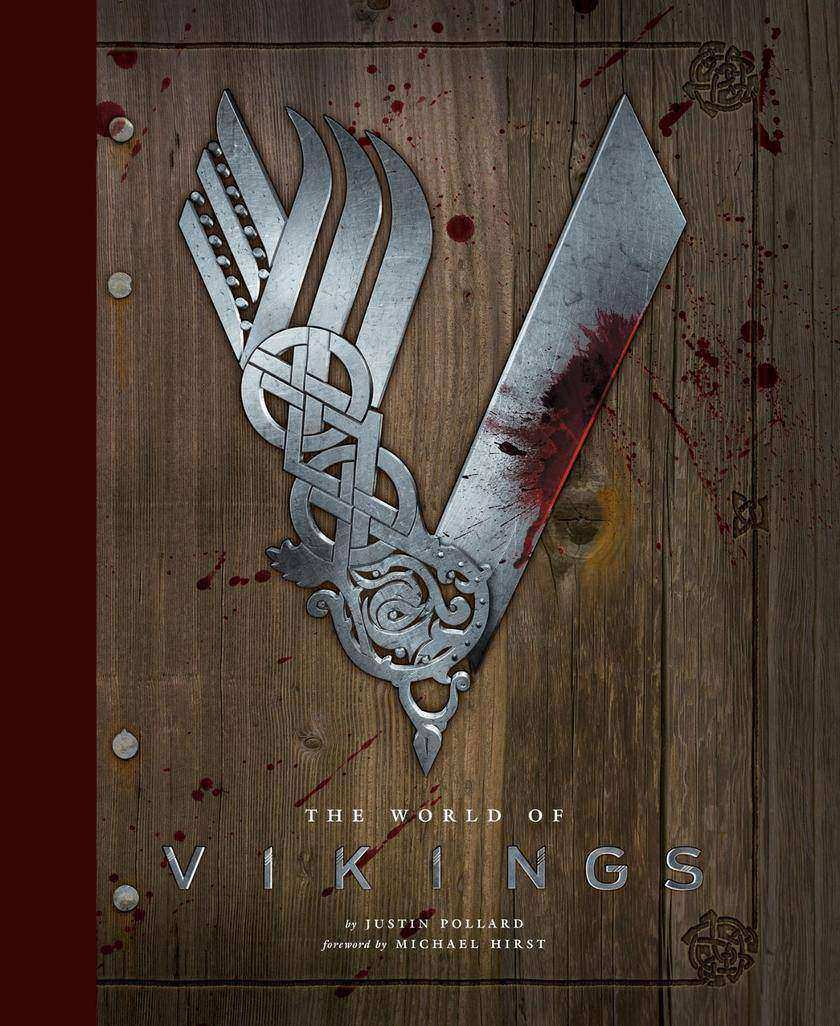
World of Vikings
¥211.80
MGM's hit show Vikings on the History Channel has drawn millions of viewers into the fascinating and bloody world of legendary Norse hero Ragnar Lothbrok, who led Viking warriors to the British Isles and France. Covering the first three seasons of the series, this official companion book delves into the real history as well as the behind-the-scenes stories. Viking historian Justin Pollard explains shipbuilding and navigation, Norse culture and religion, and the first encounters between Viking warriors and the kings of England and France. Interviews with cast and crew reveal the process of dramatizing this gripping story, from reviving the Old Norse language to choreographing battle scenes and building ancient temples for human sacrifice. This spectacular ebook is a must for fans of the show and history buffs alike.VIKINGS 2015 TM Prods Ltd/T5 Vikings Prods Inc. VIKINGS TM Prods Ltd.
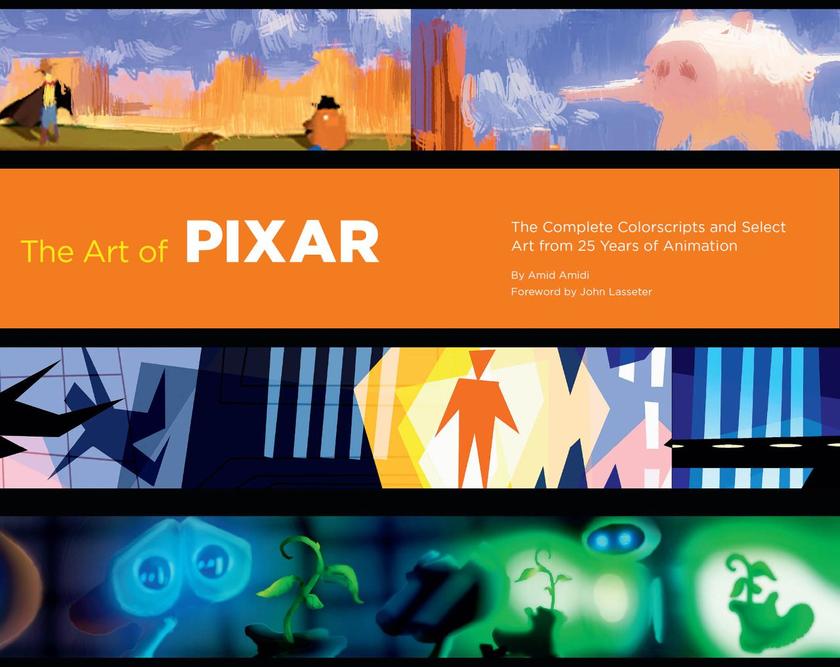
Art of Pixar: 25th Anniversary
¥365.83
Over the past 25 years, Pixar's team of artists, writers, and directors have shaped the world of contemporary animation with their feature films and shorts. From classics such as Toy Story and A Bug's Life to recent masterpieces such as Up, Toy Story 3, and Cars 2, this comprehensive collection offers a behind-the-scenes tour of every Pixar film to date. Featuring a foreword by Chief Creative Officer John Lasseter, the complete color scripts for every film published in full for the first time as well as stunning visual development art, The Art of Pixar is a treasure trove of rare artwork and an essential addition to the library of animation fans and Pixar enthusiasts.

Star Wars: Women of the Galaxy
¥200.03
Star Wars: Women of the Galaxy
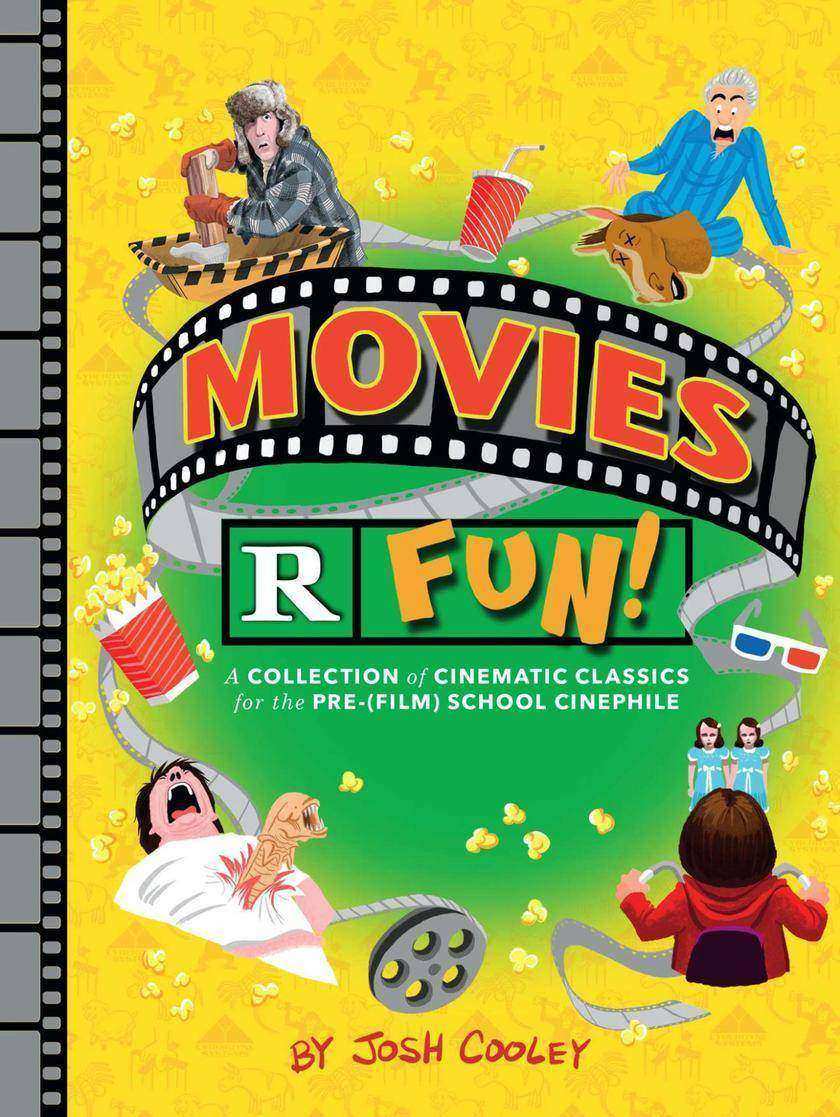
Movies R Fun! - A Collection of Cinematic Classics for the Pre-(Film) School Cin
¥82.31
Let's face it, reading sucks . . . but movies are fun! In this children's picture book parody for grown-ups, Pixar writer and artist Josh Cooley presents the most hilariously inappropriatethat is, the bestscenes from contemporary classic films in an illustrated, for-early-readers style. Terrifying, sexy, and awesome scenes from such favorite films as Alien, Rosemary's Baby, Fargo, Basic Instinct, Seven, The Silence of the Lambs, Apocalypse Now, The Shining, and many more are playfully illustrated and captioned to make reading fun and exciting for kids who never grew up. A sly celebration of the things fans love most about these legendary films (and movies in general), this is one book that probably should not be read at bedtime.
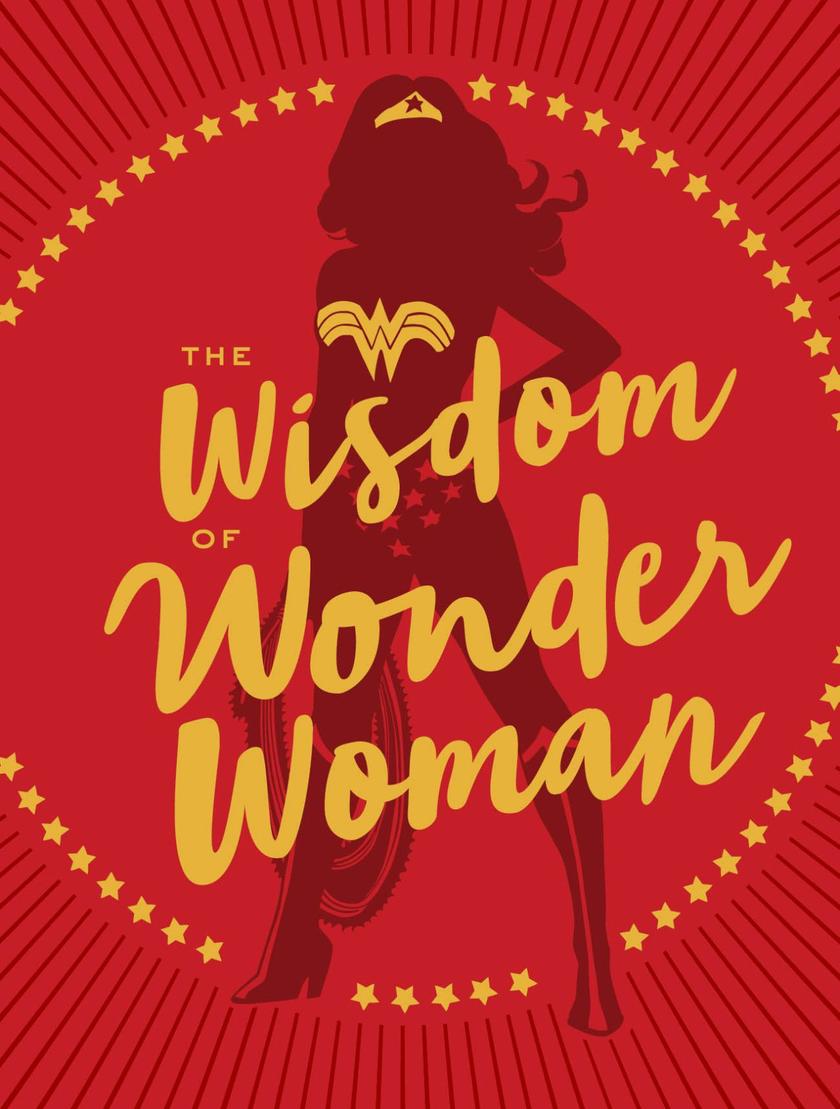
Wisdom of Wonder Woman
¥94.08
Beautiful as Aphrodite, stronger than Hercules, wise as Athenafor more than 75 years, Wonder Woman has inspired and empowered generations of fans with her strength and guidance. This gorgeous collection of quotes from throughout Wonder Woman's iconic history in comics, film, and TV, fully illustrated by a wide range of classic and modern visuals, showcases her wisdom on fighting systems of evil, defying expectations in Man's World, standing up for peace and love, and embodying the true meaning of strength. The Wisdom of Wonder Woman is an uplifting and powerful book for wonder women everywhere.WONDER WOMAN and all related characters and elements ? & ? DC Comics. (s19)

Art and Making of ParaNorman
¥247.11
From LAIKA, the studio behind the hit film Coraline, comes another marvel of stop-motion animation and creative storytelling. For ParaNorman, LAIKA's team of artists and animators built and brought to life a miniature town, a horde of zombies, and a quirky cast of characters to tell a tale of a boy with spooky talents who must save his hometown from a centuries-old curse. Featuring the amazing and detailed artwork that went into the film's creationfrom character sketches and concept art to puppets, textiles, set dressing, and 3-D printed facial modelsThe Art and Making of ParaNorman goes behind the scenes to explore the exacting, exciting steps that are achieved frame by frame in this newest LAIKA masterpiece.
Ninjas Have Issues
¥58.76
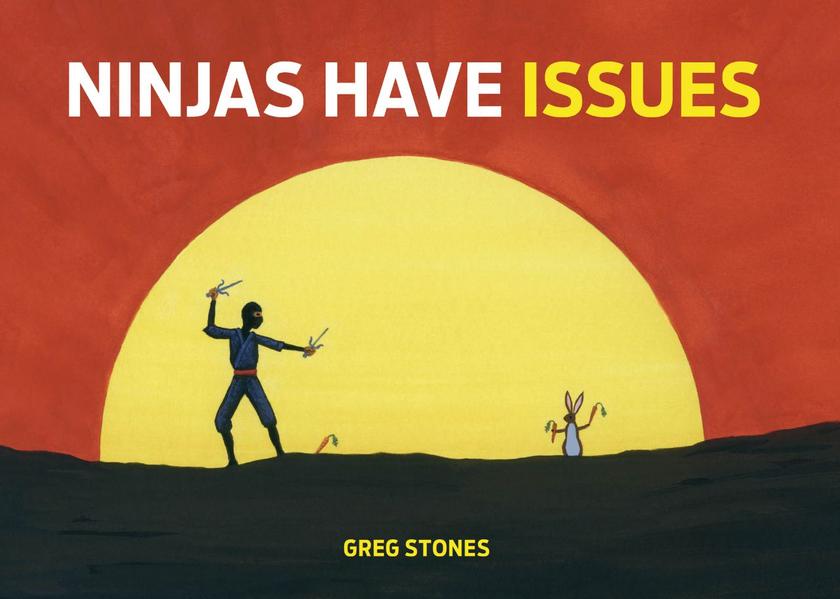
Ninjas are awesomestealthy, cunning experts of infiltration and close combat. But like us all, they must sometimes grapple with the small but significant problems of everyday life. For instance, ninjas have issues with squirrels. They also have trouble with chimneys, pigeons, blow darts, and mimes. They really like hiding, going undercover, and piatas, but have MAJOR issues with samurai, giant fighting robots, and unicorns. Through it all, they secretly long for just one thing. Author of the breakout hit Zombies Hate Stuff, Greg Stones turns his popular, playfully absurd illustration style to the badass but surprisingly issue-fraught world of ninjas, detailing their inner lives and mortal combat with a subversive sense of the absurd.
Gully of Bluemansdyke And Other stories
¥15.21
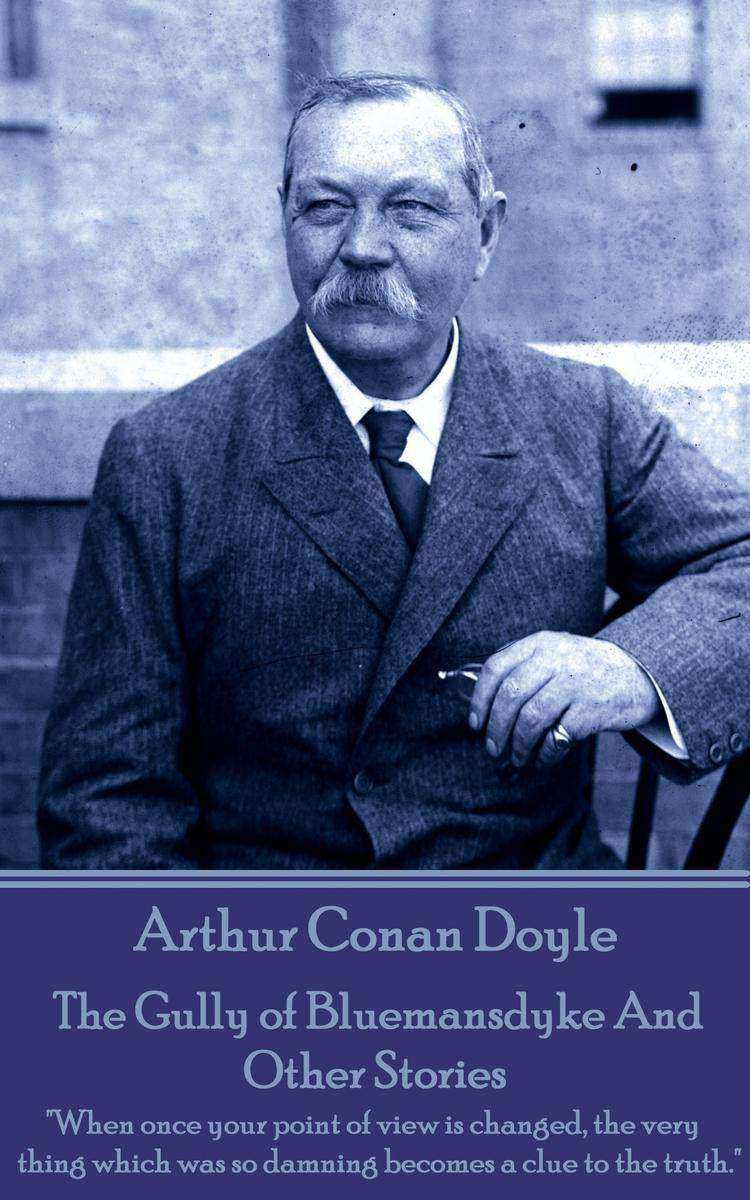
If ever a writer needed an introduction Arthur Conan Doyle would not be considered that man. After all, Sherlock Holmes is perhaps the foremost literary detective of any age. Add to this canon his stories of science fiction and his poems, his historical novels, his plays, his political campaigning, his efforts in establishing a Court of Appeal and there is little room for anything else. Except he was also an exceptional writer of short stories of the horrific and macabre. Something very different from what you might expect. Born in Arthur Conan Doyle was born on 22 May 1859 at 11 Picardy Place, Edinburgh, Scotland. From 1876 - 1881 he studied medicine at the University of Edinburgh following which he was employed as a doctor on the Greenland whaler Hope of Peterhead in 1880 and, after his graduation, as a ship's surgeon on the SS Mayumba during a voyage to the West African coast in 1881. Arriving in Portsmouth in June of that year with less than GBP10 (GBP700 today) to his name, he set up a medical practice at 1 Bush Villas in Elm Grove, Southsea. The practice was initially not very successful. While waiting for patients, Conan Doyle again began writing stories and composed his first novel The Mystery of Cloomber. Although he continued to study and practice medicine his career was now firmly set as a writer. And thereafter great works continued to pour out of him.

Great Gatsby - So we beat on, boats against the current, borne back ceaselessly
¥26.98
Francis Scott Key Fitzgerald was born on September 24th 1896 in Saint Paul, Minnesota, to an upper-middle-class family. His early years in Buffalo, New York showed him to be a boy of high intelligence and drive with a thirst for literature. In 1908, his father was fired from Procter & Gamble, and the family returned to Minnesota. Here Fitzgerald attended St. Paul Academy, in St. Paul, until 1911. At 13 he was published in the school newspaper, it was, of all things, a detective story. In 1911, aged 15, he was sent to the prestigious Newman School, in Hackensack, New Jersey.And, after graduating in 1913, he decided to continue at Princeton University. Here he firmly dedicated himself to writing. Unfortunately his writing pursuits came at the expense of his coursework. In 1917 he dropped out to join the U.S. Army. However this service to his country came with the very real fear that he might perish in the trenches of Western Europe with his literary dreams not yet begun. So he spent the weeks before reporting for duty at work on a novel entitled The Romantic Egotist. Fitzgerald was assigned to Camp Sheridan, in Alabama. It was there that Fitzgerald met the love of his life; Zelda Sayre, the "e;golden girl,"e; of Montgomery youth society.The war ended before Fitzgerald could be deployed, and he moved to New York City hoping to start a career in advertising that would be lucrative enough to convince Zelda to marry him. Unable to convince her that his means were enough to support her she broke off the engagement.Fitzgerald returned to his parents in St. Paul, to revise The Romantic Egoist, now recast as This Side of Paradise. His revised novel was accepted by Scribner's and published in 1920 becoming an instant success. It launched Fitzgerald's career as a writer and provided a steady income suitable for Zelda's ambitions. The engagement resumed and they married at St. Patrick's Cathedral in New York.Frances Scott "e;Scottie"e; Fitzgerald, their only child, was born on October 26, 1921. Inspired by the parties he had attended visiting Long Island's north shore Fitzgerald began planning the greatest of his novels, The Great Gatsby, in 1923, wanting to produce "e;something new-something extraordinary and beautiful and simple and intricately patterned."e; Published in April 1925, The Great Gatsby received mixed reviews and but sold 20,000 in its first year. Today, it is one of a small circle vying for the title "e;Great American Novel"e;. Fitzgerald continued to supplement his income by writing short stories for magazines and to sell his stories and novels to Hollywood. He called this 'whoring'. In February 1932, Zelda was hospitalized with schizophrenia. Fitzgerald's heavy and excessive drinking had now developed into alcoholism and with recurring financial difficulties, the emotional toll of Zelda's mental illness, this meant several difficult years. In 1937, Fitzgerald moved to Hollywood. His income improved but he found movies beneath his talents.He spent the second half of the 1930s in Hollywood, working on short stories, scripts for MGM, and his final novel, The Love of the Last Tycoon. In 1939, MGM ended the contract, and Fitzgerald became a writer for hire. Still an alcoholic, he now became estranged from Zelda and developed a relationship with Sheilah Graham, the Hollywood gossip columnist. In this last period of his life his alcoholism had left him physically wrecked. After suffering a heart attack, in Schwab's Drug Store, he was ordered to avoid strenuous exertion. On the night of December 20, 1940, Fitzgerald and Sheilah Graham attended the premiere of This Thing Called Love. As they left Fitzgerald went dizzy; upset, he said to Graham, "e;They think I am drunk, don't they?"e; The following day, Graham saw him jump from his armchair, grab the mantelpiece, gasp, and fall to the floor. Francis Scott Fitzgerald died of a heart attack on December 21st, 1940.
King of Alsander - For the spear was a desert physician, That cured not a few of
¥26.98
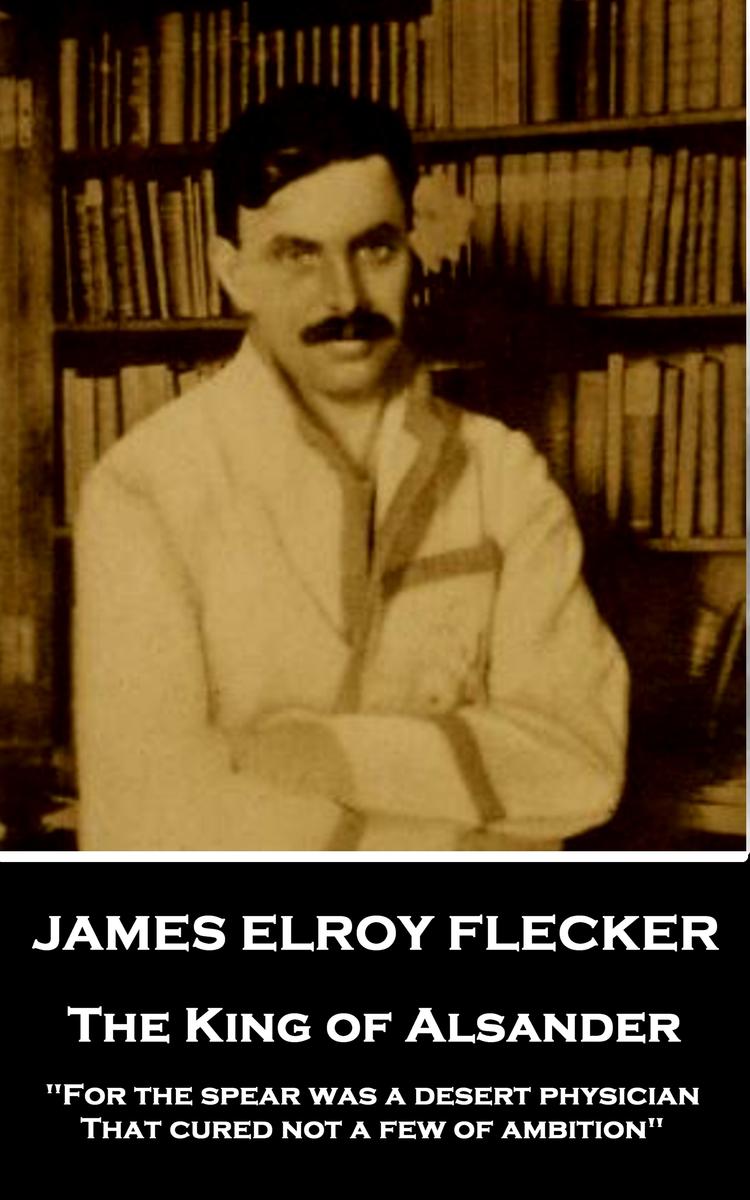
James Elroy Flecker was born on 5th November 1884, in Lewisham, London.Flecker does not seem to have enjoyed academic study and achieved only a Third-Class Honours in Greats in 1906. This did not set him up for a job in either government service or the academic world.After some frustrating forays at school teaching he attempted to join the Levant Consular Service and entered Cambridge to study for two years. After a poor first year he pushed forward in the second and achieved First-Class honours. His reward was a posting to Constantinople at the British consulate.However, Flecker's poetry career was making better progress and he was beginning to garner praise for his poems including The Bridge of Fire. Unfortunately, he was also showing the first symptoms of contracting tuberculosis. Bouts of ill health were to now alternate with periods of physical well-being woven with mental euphoria and creativity.Before his early death he managed to complete several volumes of poetry, which he continually revised, together with some prose works and plays. It was a small canon of work but on his death on 3rd January 1915, of tuberculosis, in Davos, Switzerland he was described as "e;unquestionably the greatest premature loss that English literature has suffered since the death of Keats"e;.
Tarzan Of The Apes - For myself, I always assume that a lion is ferocious
¥35.22
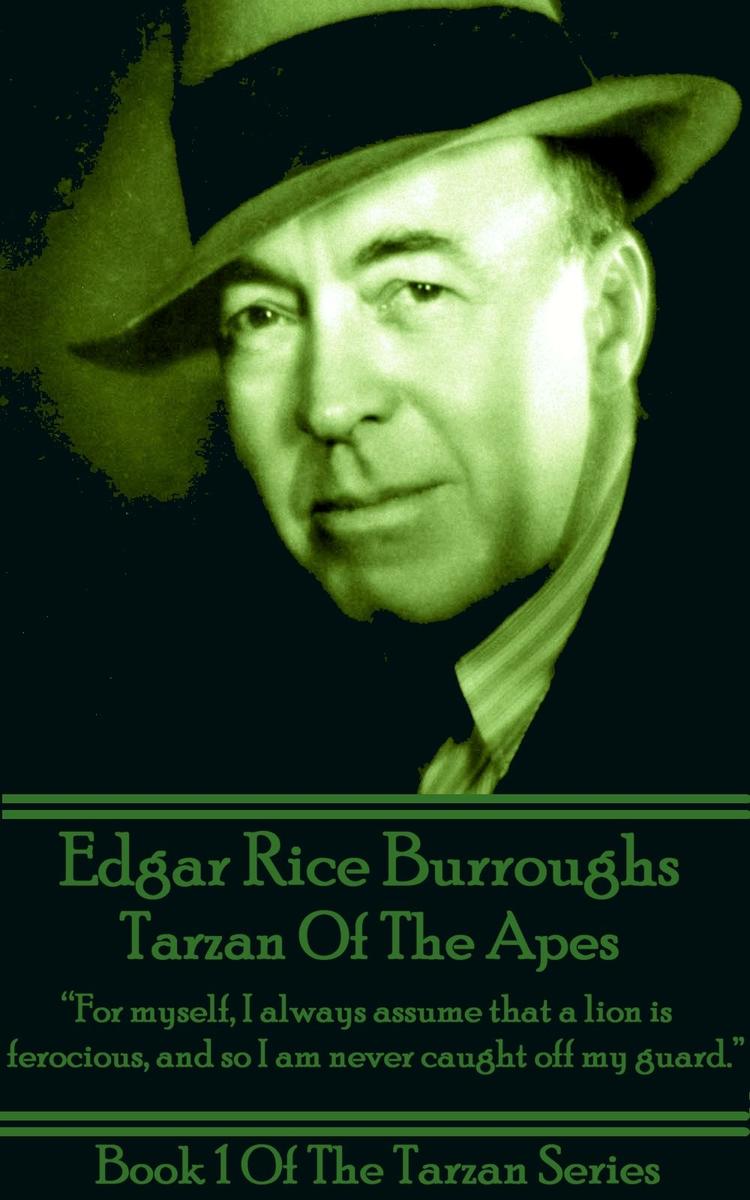
Edgar Rice Burroughs was born on September 1, 1875, in Chicago, Illinois. His early career was unremarkable. After failing to enter West Point he enlisted in the 7th Calvary but was discharged after heart problems were diagnosed. A series of short term jobs gave no indication as to a career path but finally, in 1911, married and with two young children, he turned his hand to writing. He aimed his works squarely at the very popular pulp serial magazines. His first effort 'Under The Moons Of Mars' ran in Munsey's Magazine in 1912 under the pseudonym Norman Bean. With its success he began writing full time. A continuing theme of his work was to develop series so that each character had ample opportunities to return in sequels. John Carter was in the Mars series and there was another on Venus and one on Pellucidar among others. But perhaps the best known is Tarzan. Indeed Burroughs wanted so much to capitalise upon the brand that he introduced a syndicated Tarzan comic strip, movies and merchandise. He purchased a large ranch north of Los Angeles, California, which he named "e;Tarzana."e; The surrounding communities outside the ranch voted in 1927 to adopt the name as their own. By 1932 Burroughs set up his own company to print his own books. Here we publish the first of his Tarzan books 'Tarzan of the Apes'. A cultural classic.


