


 购物车
购物车 个人中心
个人中心
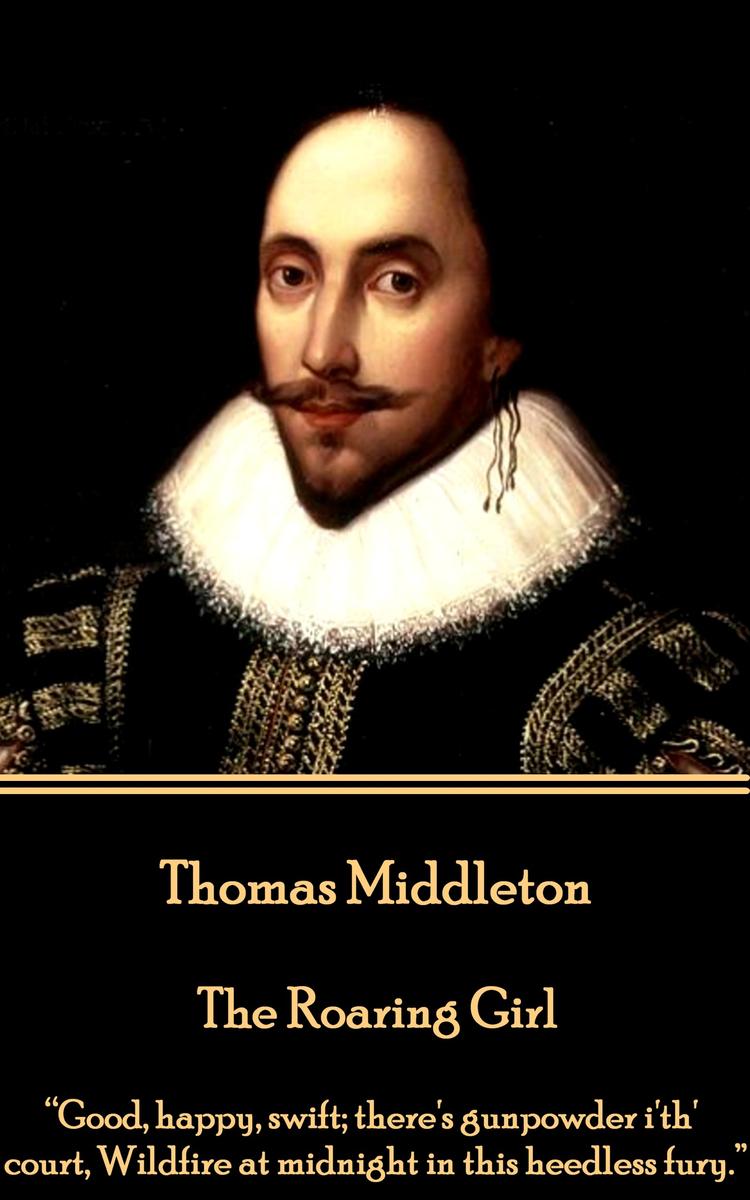
Roaring Girl - Good, happy, swift; there's gunpowder i'th' court
¥23.45
Thomas Middleton was born in London in April 1580 and baptised on 18th April. Middleton was aged only five when his father died. His mother remarried but this unfortunately fell apart into a fifteen year legal dispute regarding the inheritance due Thomas and his younger sister. By the time he left Oxford, at the turn of the Century, Middleton had and published Microcynicon: Six Snarling Satirese which was denounced by the Archbishop of Canterbury and publicly burned. In the early years of the 17th century, Middleton wrote topical pamphlets. One - Penniless Parliament of Threadbare Poets was reprinted several times and the subject of a parliamentary inquiry. These early years writing plays continued to attract controversy. His writing partnership with Thomas Dekker brought him into conflict with Ben Jonson and George Chapman in the so-called War of the Theatres. His finest work with Dekker was undoubtedly The Roaring Girl, a biography of the notorious Mary Frith. In the 1610s, Middleton began another playwriting partnership, this time with the actor William Rowley, producing another slew of plays including Wit at Several Weapons and A Fair Quarrel. The ever adaptable Middleton seemed at ease working with others or by himself. His solo writing credits include the comic masterpiece, A Chaste Maid in Cheapside, in 1613. In 1620 he was officially appointed as chronologer of the City of London, a post he held until his death. The 1620s saw the production of his and Rowley's tragedy, and continual favourite, The Changeling, and of several other tragicomedies. However in 1624, he reached a peak of notoriety when his dramatic allegory A Game at Chess was staged by the King's Men. Though Middleton's approach was strongly patriotic, the Privy Council silenced the play after only nine performances at the Globe theatre, having received a complaint from the Spanish ambassador. What happened next is a mystery. It is the last play recorded as having being written by Middleton. Thomas Middleton died at his home at Newington Butts in Southwark in the summer of 1627, and was buried on July 4th, in St Mary's churchyard which today survives as a public park in Elephant and Castle.
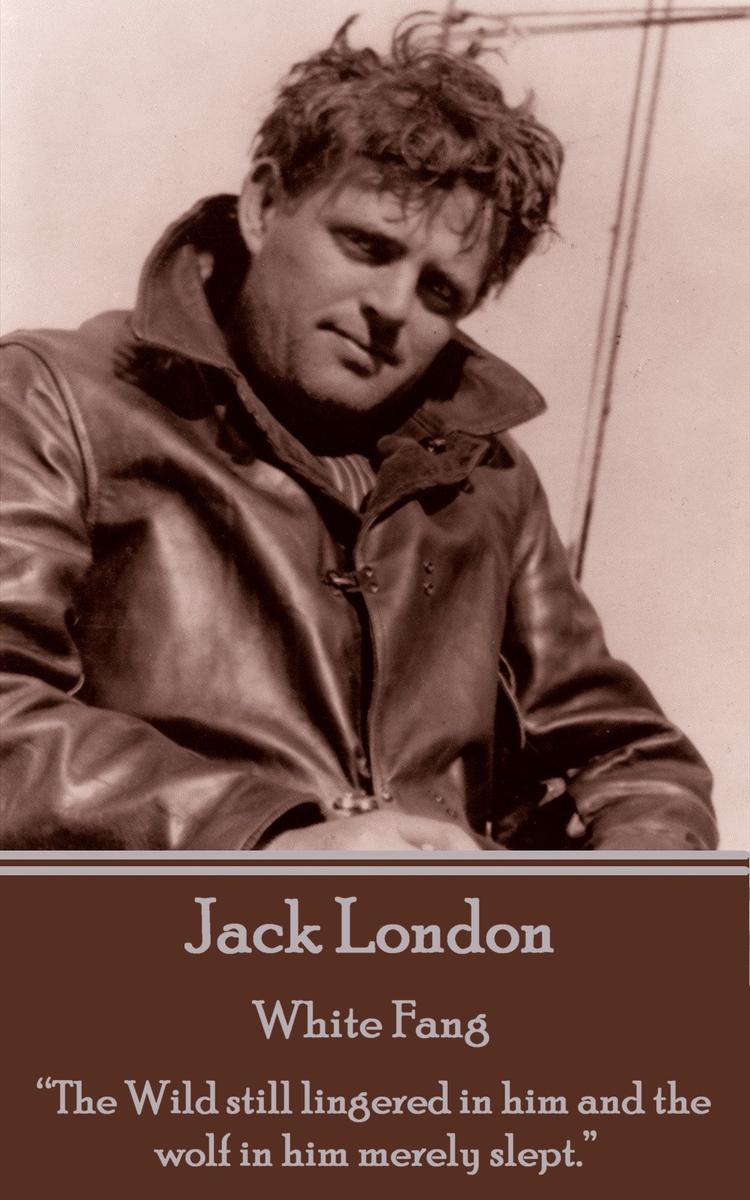
White Fang - The Wild still lingered in him and the wolf in him merely slept.
¥38.75
John Griffith "e;Jack"e; London was born John Griffith Chaney on January 12th, 1876 in San Francisco. His father, William Chaney, was living with his mother Flora Wellman when she became pregnant. Chaney insisted she have an abortion. Flora's response was to turn a gun on herself. Although her wounds were not severe the trauma made her temporarily deranged. In late 1876 his mother married John London and the young child was brought to live with them as they moved around the Bay area, eventually settling in Oakland where Jack completed grade school. Jack also worked hard at several jobs, sometimes 12-18 hours a day, but his dream was university. He was lent money for that and after intense studying enrolled in the summer of 1896 at the University of California in Berkeley. In 1897, at 21 , Jack searched out newspaper accounts of his mother's suicide attempt and the name of his biological father. He wrote to William Chaney, then living in Chicago. Chaney said he could not be London's father because he was impotent; and casually asserted that London's mother had relations with other men. Jack, devastated by the response, quit Berkeley and went to the Klondike. Though equally because of his continuing dire finances Jack might have taken that as the excuse he needed to leave. In the Klondike Jack began to gather material for his writing but also accumulated many health problems, including scurvy, hip and leg problems many of which he then carried for life. By the late 1890's Jack was regularly publishing short stories and by the turn of the century full blown novels. By 1904 Jack had married, fathered two children and was now in the process of divorcing. A stint as a reporter on the Russo-Japanese war of 1904 was equal amounts trouble and experience. But that experience was always put to good use in a remarkable output of work. Twelve years later Jack had amassed a wealth of writings many of which remain world classics. He had a reputation as a social activist and a tireless friend of the workers. And yet on November 22nd 1916 Jack London died in a cottage on his ranch at the age of only 40. Here we present White Fang.
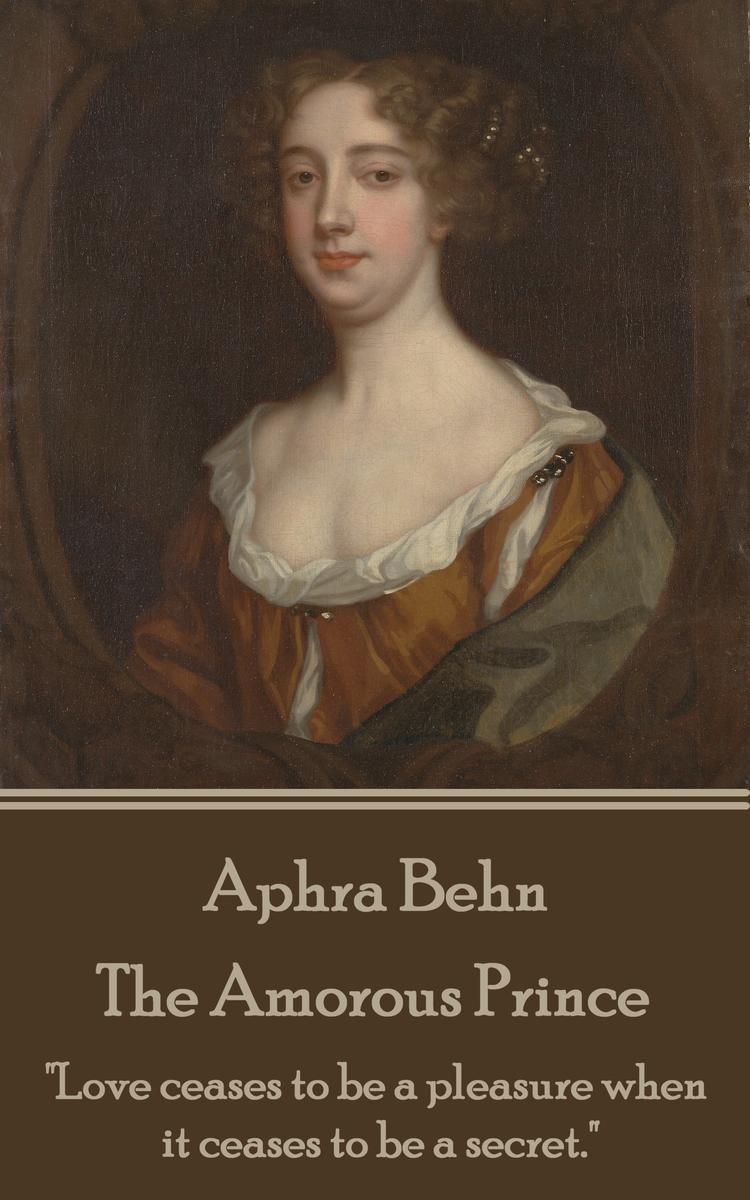
Amorous Prince - Love ceases to be a pleasure when it ceases to be a secret.
¥46.99
Aphra Behn was a prolific and well established writer but facts about her remain scant and difficult to confirm. What can safely be said though is that Aphra Behn is now regarded as a key English playwright and a major figure in Restoration theatre. Aphra was born into the rising tensions to the English Civil War. Obviously a time of much division and difficulty as the King and Parliament, and their respective forces, came ever closer to conflict. There are claims she was a spy, that she travelled abroad, possibly as far as Surinam. By 1664 her marriage was over (though by death or separation is not known but presumably the former as it occurred in the year of their marriage) and she now used Mrs Behn as her professional name. Aphra now moved towards pursuing a more sustainable and substantial career and began work for the King's Company and the Duke's Company players as a scribe. Previously her only writing had been poetry but now she would become a playwright. Her first, "e;The Forc'd Marriage"e;, was staged in 1670, followed by "e;The Amorous Prince"e; (1671). After her third play, "e;The Dutch Lover"e;, Aphra had a three year lull in her writing career. Again it is speculated that she went travelling again, possibly once again as a spy. After this sojourn her writing moves towards comic works, which prove commercially more successful. Her most popular works included "e;The Rover"e; and "e;Love-Letters Between a Nobleman and His Sister"e; (1684-87). With her growing reputation Aphra became friends with many of the most notable writers of the day. This is The Age of Dryden and his literary dominance. From the mid 1680's Aphra's health began to decline. This was exacerbated by her continual state of debt and descent into poverty. Aphra Behn died on April 16th 1689, and is buried in the East Cloister of Westminster Abbey. The inscription on her tombstone reads: "e;Here lies a Proof that Wit can never be Defence enough against Mortality."e; She was quoted as stating that she had led a "e;life dedicated to pleasure and poetry."e;
Law of Lombardy - 'The historian's page, the fertile epic store''
¥26.98
Robert Jephson was born in Ireland in 1736, the son of Archdeacon John Jephson. His education was at Ryder's grammar school and then the Reverend Roger Ford's school before he was admitted to Trinity College, Dublin in 1751. He left without a degree.Jephson now joined the British Army with a commission in the 73rd Regiment of Foot. Among his postings was one to the Caribbean. He left, for health reasons and retired with the rank of Captain.An appointment was offered as master of the horse to the lord-lieutenant of Ireland. Whilst in this office he wrote and had published, in the Mercury newspaper, a collection of articles that defended the lord-lieutenant's administration. These were later published in book form as 'The Bachelor', or 'Speculations of Jeoffry Wagstaffe'. Jepson held the office under twelve successive viceroys and gained a pension of GBP300, which was later doubled.He entered the Irish House of Commons in 1773 and sat for St Johnstown (County Longford) until 1776. Between 1777 and 1783, he served as Member of Parliament for Old Leighlin and thereafter represented Granard from 1783 to 1790In 1775 he added playwright, dramatist and poet to his military and political career strands. His plays gathered much interest. Among them his tragedy 'Braganza' was successfully performed at Drury Lane in 1775, 'Conspiracy' in 1796, 'The Law of Lombardy' in 1779, and 'The Count of Narbonne' (adapted from Horace Walpole's 'The Castle of Otranto') at Covent Garden in 1781. In 1788 he published 'Extempore Ludicrous Miltonic Verses' and, in 1794, the heroic poem 'Roman Portraits', and 'The Confessions of Jacques Baptiste Couteau', a satire on the excesses of the French Revolution. Robert Jephson died at Blackrock, near Dublin, on the 31st of May 1803.
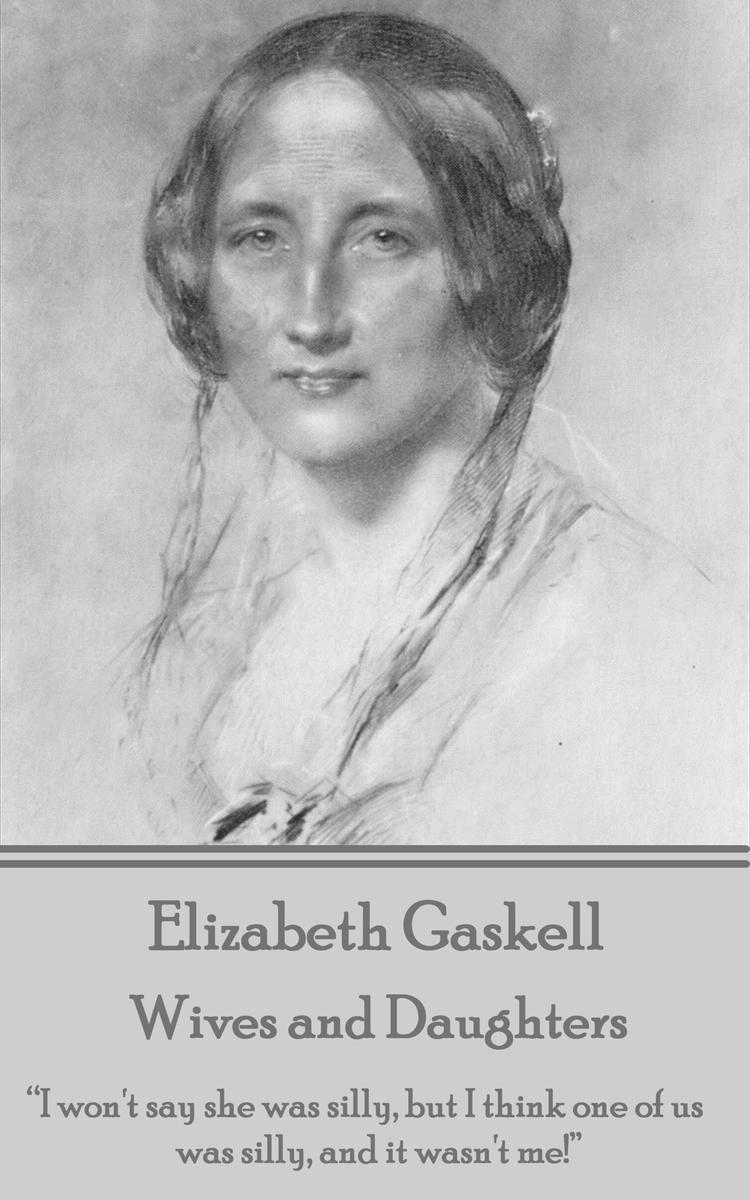
Wives and Daughters - I won't say she was silly, but I think one of us was silly
¥70.53
Elizabeth Gaskell is equally well known as Mrs Gaskell. When her mother died, she was three months old and she was sent to live in Knutsford, Cheshire with her Aunt Hannah, this setting would become the basis for her novel Cranford. At 22 she married and settled in Manchester to raise her family. Friends with Charlotte Bronte she went on to write her biography and was also highly regarded by a certain Charles Dickens who published her ghost stories in his magazine. Much of her work views the emerging industrial society of Victorian England through her own moral and religious values and has an uncanny ability to look at and report on the many strata of society. Here we publish Wives and Daughters.
What Katy Did (Mermaids Classics)
¥35.22
What Katy Did (1872) by Sarah Chauncey Woolsey (aka Susan Coolidge) (1835-1905) is a classic childrens novel based on a young 12 year tomboyish type of girl named Katy Carr who endures an accident by falling off a swing and becomes an invalid. Her cousin Helen also an invalid teaches Katy how to be a happier and kinder person by appreciating and making the most of what she has and how to be optimistic and cheerful especially around her siblings. At the end of the story, Katy learns to walk.The sequel to What Katy Did is What Katy Did At School.Mermaids Classics, an imprint of Mermaids Publishing brings the very best of old classic literature to a modern era of digital reading by producing high quality books in ebook format. All of the Mermaids Classics epublications are reproductions of classic antique books that were originally published in print format, mostly over a century ago and are now republished in digital format as ebooks. Begin to build your collection of digital books by looking for more literary gems from Mermaids Classics.
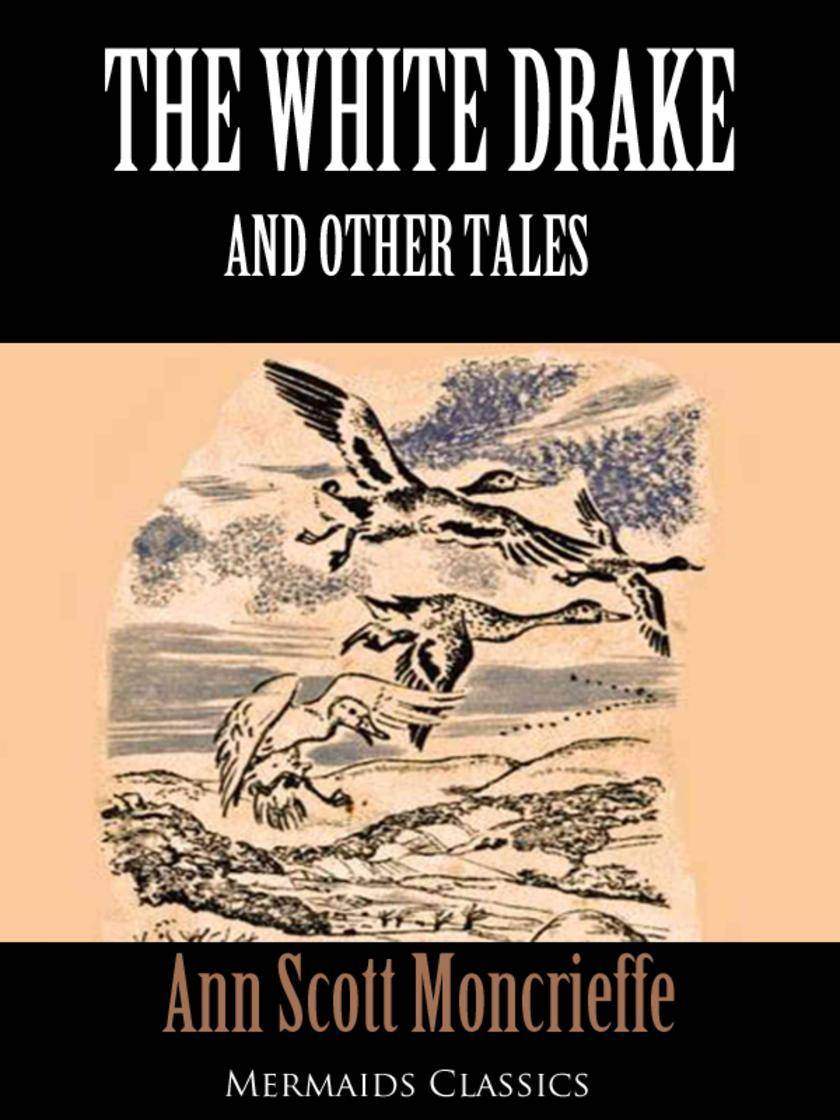
White Drake and Other Tales (Mermaids Classics)
¥35.22
The White Drake and Other Tales by Ann Scott-Moncrieff (1914-1943) is childrens book which was first published in 1936. It was illustrasted by Rojan and contains a volume of short stories including:- THE WHITE DRAKE- FIRKIN AND THE GREY GANGSTERS (EIGHT CHAPTERS)- FURTHER ADVENTURES OF FIRKIN- THE SHEEP WHO WASNT A SHEEPMermaids Classics, an imprint of Mermaids Publishing brings the very best of old classic literature to a modern era of digital reading by producing high quality books in ebook format. All of the Mermaids Classics epublications are reproductions of classic antique books that were originally published in print format, mostly over a century ago and are now republished in digital format as ebooks. Begin to build your collection of digital books by looking for more literary gems from Mermaids Classics.
Anna Karenina
¥11.67
ANNA KARENINA, the ORIGINAL 1901 English translation by Constance Garnett and written by Russian writer Leo Tolstoy (1828 - 1910) is considered as one of the greatest novels ever written and Tolstoys first true novel. It is divided into eight parts and was initially published between the years 1873 to 1878 in a publication called The Russian Messenger as serial installments. The main character Anna is married into Russian aristocrat and later has a love affair with a handsome military officer Count Vronsky. Some major themes include marriage, fidelity, passion and jealousy set in nineteenth century Russian high society.This digital edition is beautifully formatted with an active Table of Contents that goes directly to each chapter and all eight parts of the story. Mermaids Classics, an imprint of Mermaids Publishing brings the very best of old book classics to a modern era of digital reading by producing high quality books in ebook format.

Shirley (Mermaids Classics)
¥35.22
Shirley is an 1849 social novel by the English novelist Charlotte Bront. It was Bronts second published novel after Jane Eyre (originally published under Bronts pseudonym Currer Bell). The novel is set in Yorkshire in the period 1811-12, during the industrial depression resulting from the Napoleonic Wars and the War of 1812. The novel is set against a backdrop of the Luddite uprisings in the Yorkshire textile industry. (Citation from Wikipedia: The free Encyclopaedia). Mermaids Classics, an imprint of Mermaids Publishing brings the very best of old classic literature to a modern era of digital reading by producing high quality books in ebook format. All of the Mermaids Classics epublications are reproductions of classic antique books that were originally published in print format, mostly over a century ago and are now republished in digital format as ebooks. Begin to build your collection of digital books by looking for more literary gems from Mermaids Classics.
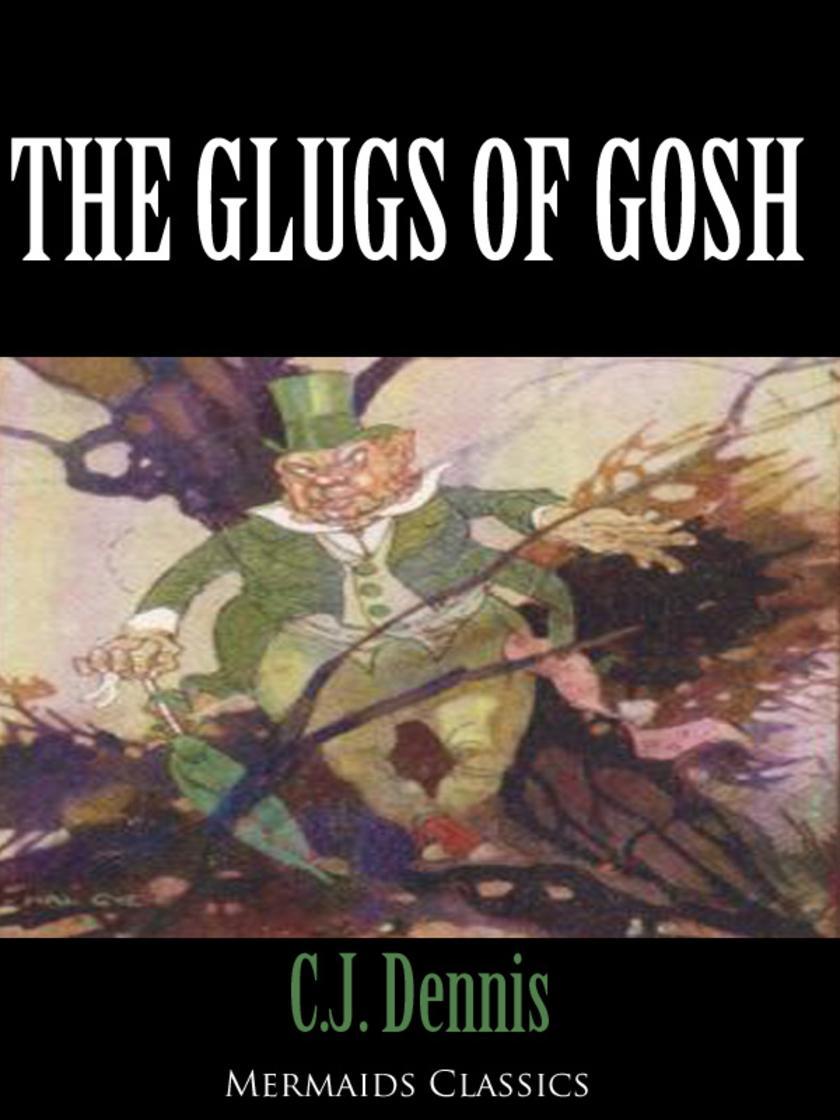
Glugs of Gosh (Mermaids Classics)
¥35.22
The Glugs of Gosh, is a collection of childrens poems written by C.J. Dennis (1876 - 1938) and illustrated by Hal Gye. C.J. Dennis is considered as one of Australias most famous poets of the early 20th century. The book was first published in 1917. This digital edition is beautifully formatted with an active Table of Contents that goes directly to each chapter. Mermaids Classics, an imprint of Mermaids Publishing brings the very best of classic literature to a modern era of digital reading by producing high quality books in ebook format.
Pollyanna (Mermaids Classics)
¥35.22
Pollyanna (1913) by Eleanor H Porter (1868-1920) is a classic childrens novel based on a young orphan named Pollyanna who is sent to live with her strict aunty in New England town. Pollyanna transforms the lives of the people in the town by lifting their spirits by following her game called The Glad Game which her father had taught her one Christmas where she was expecting to receive a doll in a barrel but instead she found crutches. A disappointed Pollyanna quickly absorbed her fathers comment to be glad about the crutches because we didnt need to use them. A cheerful Pollyanna viewed life from this angle and taught the locals how to be grateful and happy with what they have until one day tragedy strikes where Pollyanna loses the use of her legs and she no longer wants to play her game. The entire town gather to help cheer little Pollyanna.Mermaids Classics, an imprint of Mermaids Publishing brings the very best of old classic literature to a modern era of digital reading by producing high quality books in ebook format. All of the Mermaids Classics epublications are reproductions of classic antique books that were originally published in print format, mostly over a century ago and are now republished in digital format as ebooks. Begin to build your collection of digital books by looking for more literary gems from Mermaids Classics.

Mad Men Carousel - The Complete Critical Companion
¥138.52
Mad Men Carousel is an episode-by-episode guide to all seven seasons of AMC'sA Mad Men. This book collects TV and movie critic Matt Zoller Seitzs celebrated Mad Men recapsaas featured onA New YorkA magazine'sA VultureA blogafor the first time, including never-before-published essays on the shows first three seasons. Seitzs writing digs deep into the shows themes, performances, and filmmaking, examining complex and sometimes confounding aspects of the series. The complete seriesaall seven seasons and ninety-two episodesais covered. A Each episode review also includes brief explanations of locations, events, consumer products, and scientific advancements that are important to the characters, such as P.J. Clarkes restaurant and the old Penn Station; the inventions of the birth control pill, the Xerox machine, and the Apollo Lunar Module; the release of the Beatles Revolver and the Beach Boys Pet Sounds; and all the wars, protests, assassinations, and murders that cast a bloody pall over a chaotic decade.A A Mad Men Carousel is named after an iconic moment from the shows first-season finale, aThe Wheel,a wherein Don delivers an unforgettable pitch for a new slide projector thats centered on the idea of nostalgia: athe pain from an old wound.a This book will soothe the most ardent Mad Men fans nostalgia for the show. New viewers, who will want to binge-watch their way through one of the most popular TV shows in recent memory, will discover a spoiler-friendly companion to one of the most multilayered and mercurial TV shows of all time.A It's the perfect gift for Mad MenA fans and obsessives. Also available from Matt Zoller Seitz: The Oliver Stone Experience, The Wes Anderson Collection: Bad Dads, The Wes Anderson Collection: The Grand Budapest Hotel, and The Wes Anderson Collection. A
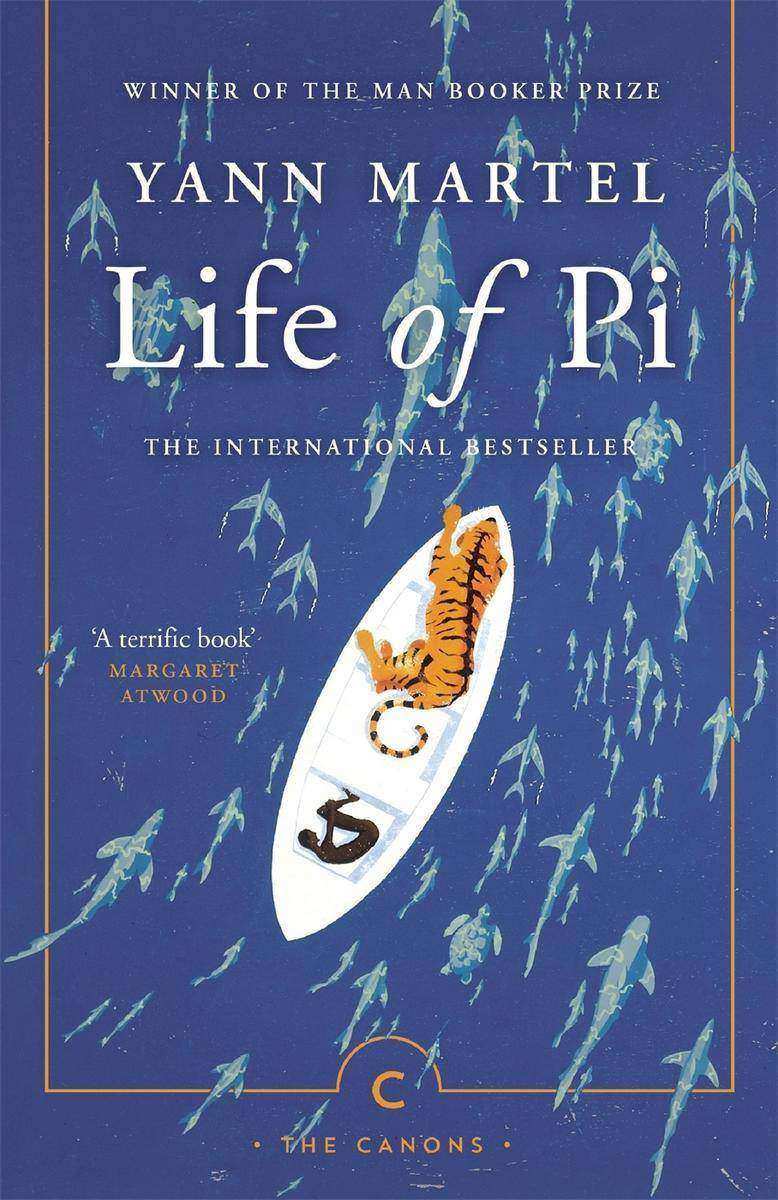
Life Of Pi
¥70.53
One boy, one boat, one tiger . . . After the tragic sinking of a cargo ship, a solitary lifeboat remains bobbing on the wild, blue Pacific. The only survivors from the wreck are a sixteen year-old boy named Pi, a hyena, a zebra (with a broken leg), a female orang-utan -- and a 450-pound Royal Bengal tiger. The scene is set for one of the most extraordinary and best-loved works of fiction in recent years.
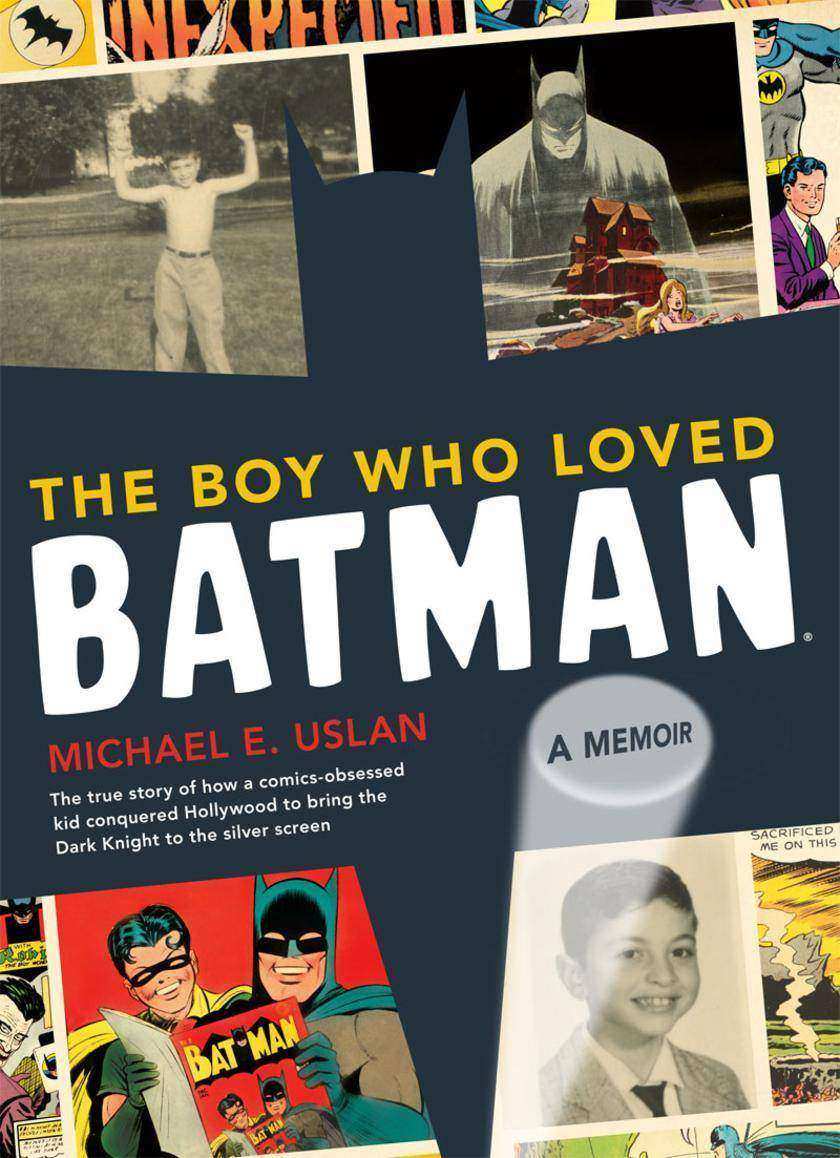
Boy Who Loved Batman - A Memoir
¥200.03
Is any superhero cooler than Batman? He s a crime-fighting vigilante with a tragic past, a lawless attitude, and a seemingly endless supply of high-tech gadgetry. In this fully illustrated memoir, author Michael Uslan recalls his journey from early childhood fandom through to the decades he spent on a caped crusade of his own: to bring Batman to the silver screen as the dark, serious character he was at heart. Uslan's story traces his path from the wilds of New Jersey to the limelight of Hollywood, following his work as Executive Producer on every Batman film from Tim Burton s 1989 re-envisioning to 2012's The Dark Knight Rises. Through it all, he helped to create one of the most successful pop culture franchises of all time.
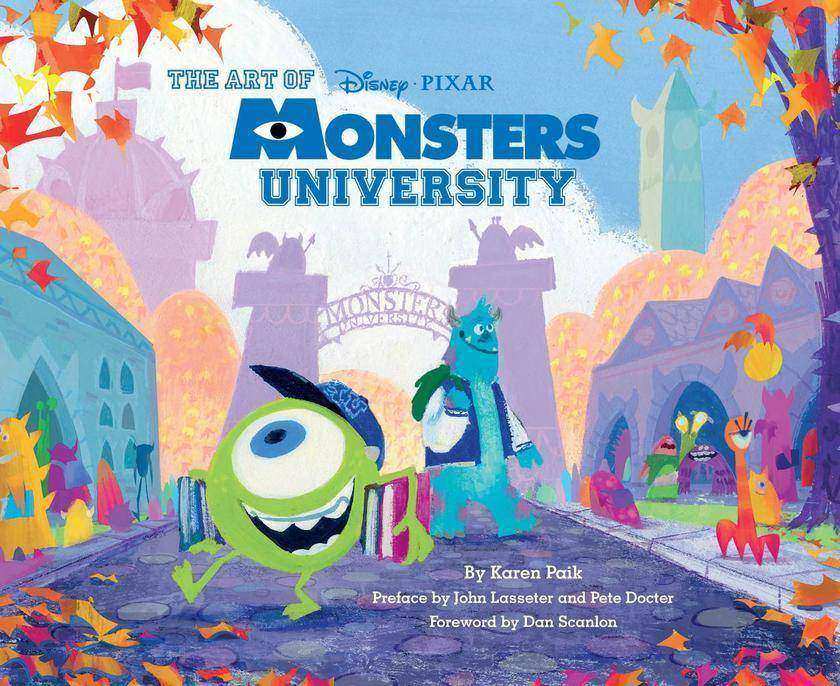
Art of Monsters University
¥305.97
In Monsters, Inc. (2001), Pixar Animation Studios introduced audiences to the #1 scaring team, Mike and Sulley, and the monstrous world behind our bedroom closet doors. In this prequel to the much-loved classic, Mike and Sulley meet for the first time at Monsters Universitywhere they are joined by a few familiar faces and a host of delightful new charactersas they seek to attain degrees in scaring. Author Karen Paik goes behind the scenes to interview the film's many artists for the ultimate inside look at the conception and production of this highly anticipated film. Featuring full-color concept art including character sculpts, color scripts, storyboards, and more, The Art of Monsters University fully explores the process of creating this new and expanded Monsters universe.
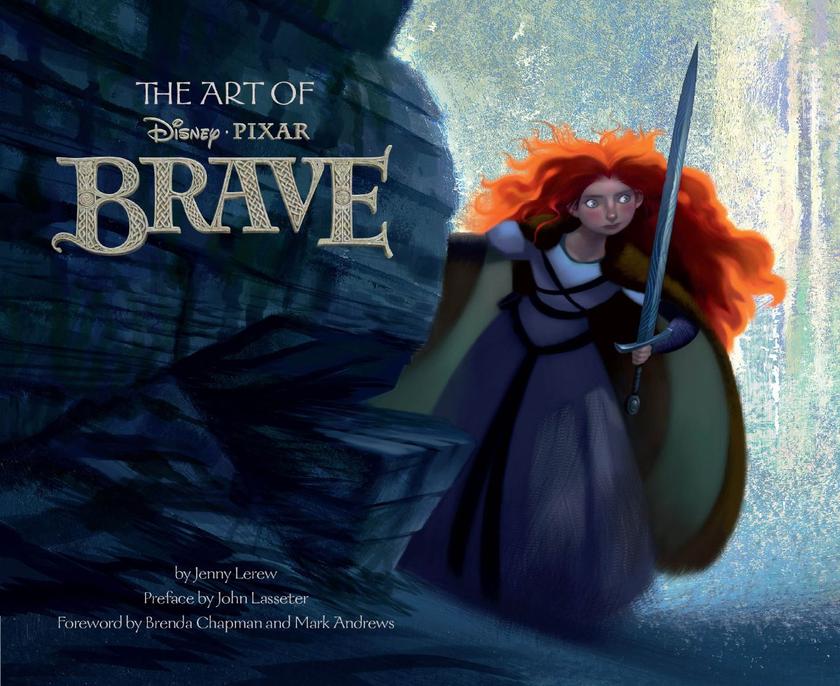
Art of Brave
¥305.97
Brave is Pixar's thirteenth feature film, but it marks two big firsts for the award-winning animation studio. It's Pixar's first feature film driven by a female lead and its first set in an ancient historical period. Against a backdrop of castles, forests, and highlands, Brave follows the fiery Merida as she clashes with the duty of her royal life and embarks on a journey through the rugged landscape of the dark ages of Scotland. At once epic and intimate, the latest Pixar masterpiece weaves a story of magic, danger, and adventure and the fierce bonds of family. Featuring behind-the-scenes interviews with the film's many artists and filmmakers, The Art of Brave showcases the gorgeous concept art that went into the making of this movie, including color scripts, storyboards, character studies, environment art, sculpts, and more. A Foreword by Brenda Chapman and Mark Andrews, the film's directors, and a preface by Chief Creative Officer John Lasseter shed light on the creation of this landmark film.
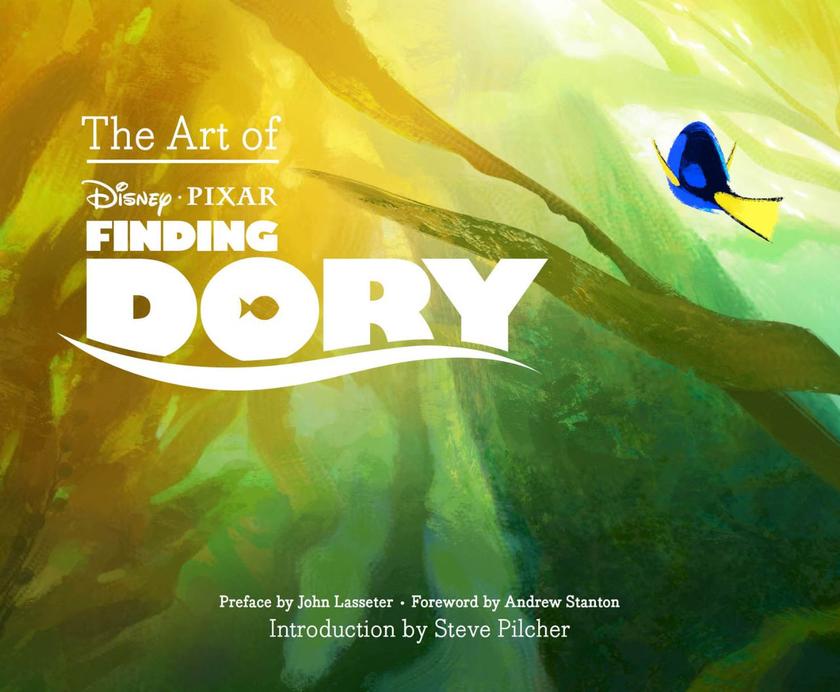
Art of Finding Dory
¥305.97
What can Dory remember? Who are her parents? In Finding Dory, Pixar Animation Studios sets out to answer these questions, to the delight of Finding Nemo fans. The Art of Finding Dory offers a look at the creative process behind the making of this much-anticipated sequel, shining a light on the many inspiring and beautiful layers of creation the artists at the studio explored during years of development.Copyright 2016 Disney Enterprises, Inc. and Pixar. All rights reserved.

Funny! - Twenty-Five Years of Laughter from the Pixar Story Room
¥223.57
From Toy Story to The Good Dinosaur, some of the most iconic and hilarious moments in Pixar's films were first conceived by the artists featured in this book. But there are hundreds of gags that don't make it past the cutting room floor, like Frozone cooling some beers with his breath and Sadness wearing mom jeans. Funny! explores this material in depth, showcasing classic moments from all of Pixar's films to date, plus never-before-published illustrations and doodles from the Pixar archives. With an introduction by veteran story man Jason Katz, this book is a must-have for any Pixar fan.Copyright 2015 Disney Enterprises, Inc. All rights reserved.
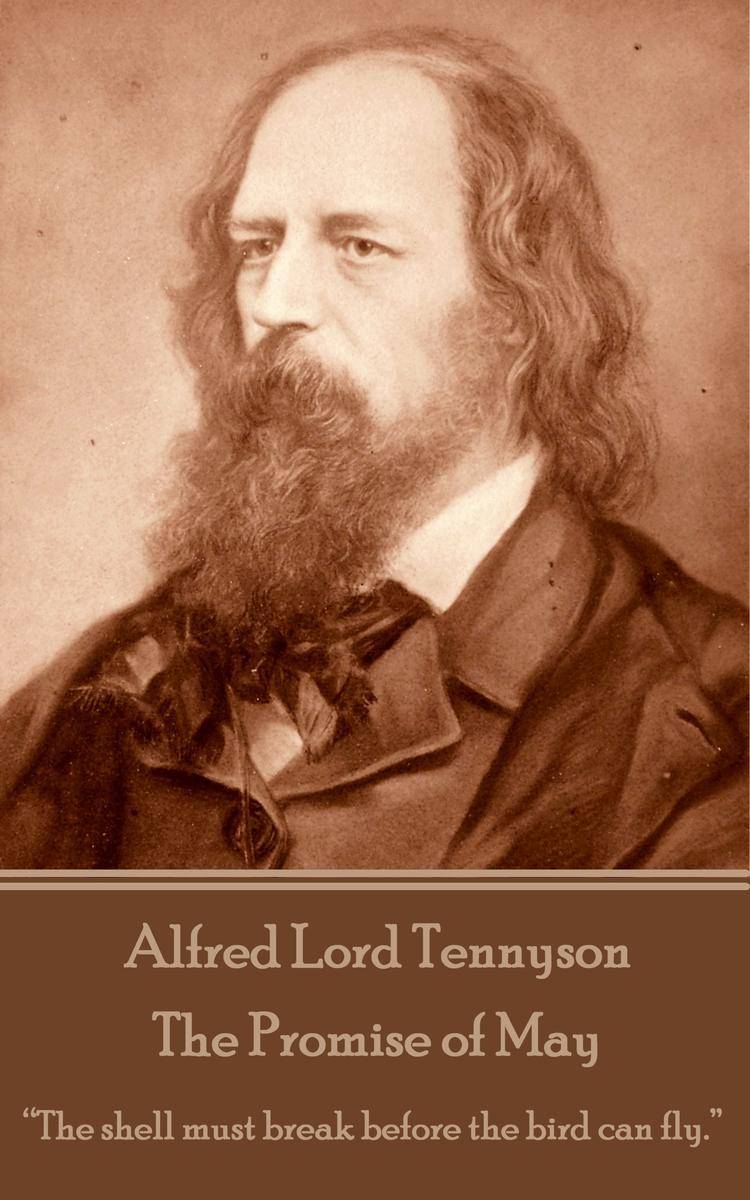
Promise of May - The shell must break before the bird can fly.
¥16.38
Alfred Tennyson was born on August 6th, 1809, in Somersby, Lincolnshire, the fourth of twelve children. Most of Tennyson's early education was under the direction of his father, although he did spend four unhappy years at a nearby grammar school. He left home in 1827 to join his elder brothers at Trinity College, Cambridge, more to escape his father than a desire for serious academic work. At Trinity he was living for the first time among young men of his own age who knew little of his problems. He was delighted to make new friends; he was handsome, intelligent, humorous, a gifted impersonator and soon at the center of those interested in poetry and conversation. That same year, he and his brother Charles published Poems by Two Brothers. Although the poems in the book were of teenage quality, they attracted the attention of the "e;Apostles,"e; a select undergraduate literary club led by Arthur Hallam. The "e;Apostles"e; provided Tennyson with friendship and confidence. Hallam and Tennyson became the best of friends; they toured Europe together in 1830 and again in 1832. Hallam's sudden death in 1833 greatly affected the young poet. The long elegy In Memoriam and many of Tennyson's other poems are tributes to Hallam. In 1830, Tennyson published Poems, Chiefly Lyrical and in 1832 he published a second volume entitled simply Poems. Some reviewers condemned these books as "e;affected"e; and "e;obscure."e; Tennyson, stung by the reviews, would not publish another book for nine years. In 1836, he became engaged to Emily Sellwood. When he lost his inheritance on a failed investment in 1840, the engagement was cancelled. In 1842, however, Tennyson's Poems [in two volumes] was a tremendous critical and popular success. In 1850, with the publication of In Memoriam, Tennyson's reputation was pre-eminent. He was also selected as Poet Laureate in succession to Wordsworth and, to complete a wonderful year, he married Emily Sellwood. At the age of 41, Tennyson had established himself as the most popular poet of the Victorian era. The money from his poetry [at times exceeding 10,000 pounds per year] allowed him to purchase a home in the country and to write in relative seclusion. His appearance-a large and bearded man, he regularly wore a cloak and a broad brimmed hat-enhanced his notoriety. In 1859, Tennyson published the first poems of Idylls of the Kings, which sold more than 10,000 copies in a fortnight. In 1884, he accepted a peerage, becoming Alfred Lord Tennyson. On October 6th, 1892, an hour or so after midnight, surrounded by his family, he died at Aldworth. It is said that the moonlight was streaming through the window and Tennyson himself was holding open a volume of Shakespeare. He was buried in Westminster Abbey.
Eumenides - Translaton by E.D.A. Morshead
¥11.67
schylus is often regarded as the father of Greek tragedy; he moved play writing from the simple interaction of a single character and a chorus to one where many characters interact and thereby create more dynamic and dramatic situations. schylus, was the son of Euphorion, and a scion of a Eupatrid or noble family. He was born at Eleusis 525 B.C., or, as the Greeks calculated time, in the fourth year of the 63rd Olympiad. He first worked at a vineyard and whilst there claimed to have been visited by Dionysis in a dream and told to turn his attention to the tragic art. It was a dream that would deliver a rich and incredible legacy through his writing talents. His earliest tragedy, composed when he was twenty-six years of age, failed to win the fabled Dionysia, (a revered festival of theatre) and it was not until fifteen years later that he gained this victory in 484BC going on to win it again in 472 BC (for The Persians), 467 BC (for Seven Against Thebes) and 463 BC (for The Suppliants). schylus was also known for his military skills and was ready to fight in defence of Athens whenever the call was made. He and his brother, Cynegeirus, fought against Darius's invading Persian army at the Battle of Marathon in 490 BCE and, although the Greeks won against overwhelming odds, Cynegeirus died in the battle, which had a naturally had a profound effect on schylus. He made several visits to the important Greek city of Syracuse in Sicily at the invitation of the tyrant Hieron, and it is thought that he also travelled extensively in the region of Thrace. His writing continued to be the envy of others. With the series of plays of which Seven Against Thebes was a part, his supremacy was undisputed. He was the "e;father of tragedy."e; schylus made many changes to dramatic form. The importance of the chorus was demoted and a second added to give prominence to the dialogue and making that interchange the leading feature of the play. He removed all deeds of bloodshed from the public view, and in their place provided various spectacular elements, improving the costumes, making the masks more expressive and convenient, and probably adopting the cothurnus to increase the stature of the performers. Finally, he established the custom of contending for the prize with trilogies, an inter-connecting set of three independent dramas. The closing years of the life of schylus were mainly spent in Sicily, which he had first visited soon after his defeat at the Dionysia by Sophocles. schylus returned to Athens to produce his Orestean trilogy, probably the finest of his works, although the Eumenides, the last of the three plays, revealed so openly his aristocratic tendencies that he became extremely unpopular, and returned to Sicily for the last time in 458 BCE and it was there that he died, while visiting the city of Gela in 456 or 455 BCE.
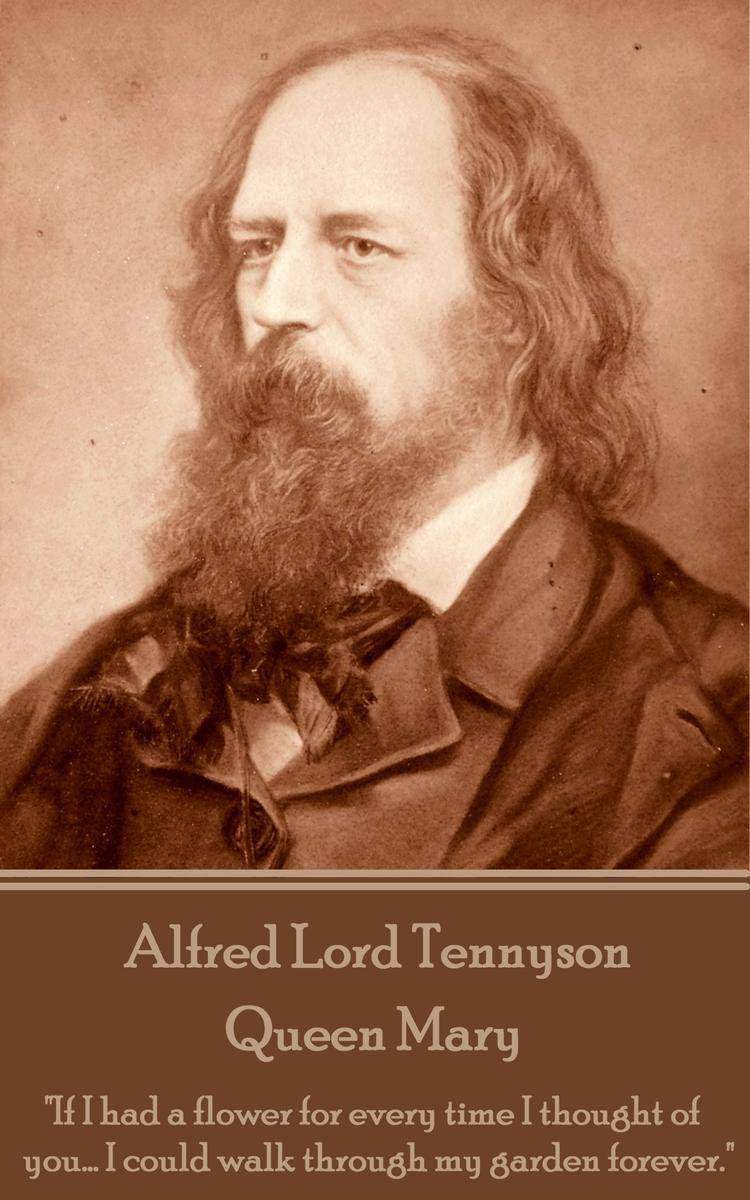
Queen Mary - If I had a flower for every time I thought of you...
¥23.45
Alfred Tennyson was born on August 6th, 1809, in Somersby, Lincolnshire, the fourth of twelve children. Most of Tennyson's early education was under the direction of his father, although he did spend four unhappy years at a nearby grammar school. He left home in 1827 to join his elder brothers at Trinity College, Cambridge, more to escape his father than a desire for serious academic work. At Trinity he was living for the first time among young men of his own age who knew little of his problems. He was delighted to make new friends; he was handsome, intelligent, humorous, a gifted impersonator and soon at the center of those interested in poetry and conversation. That same year, he and his brother Charles published Poems by Two Brothers. Although the poems in the book were of teenage quality, they attracted the attention of the "e;Apostles,"e; a select undergraduate literary club led by Arthur Hallam. The "e;Apostles"e; provided Tennyson with friendship and confidence. Hallam and Tennyson became the best of friends; they toured Europe together in 1830 and again in 1832. Hallam's sudden death in 1833 greatly affected the young poet. The long elegy In Memoriam and many of Tennyson's other poems are tributes to Hallam. In 1830, Tennyson published Poems, Chiefly Lyrical and in 1832 he published a second volume entitled simply Poems. Some reviewers condemned these books as "e;affected"e; and "e;obscure."e; Tennyson, stung by the reviews, would not publish another book for nine years. In 1836, he became engaged to Emily Sellwood. When he lost his inheritance on a failed investment in 1840, the engagement was cancelled. In 1842, however, Tennyson's Poems [in two volumes] was a tremendous critical and popular success. In 1850, with the publication of In Memoriam, Tennyson's reputation was pre-eminent. He was also selected as Poet Laureate in succession to Wordsworth and, to complete a wonderful year, he married Emily Sellwood. At the age of 41, Tennyson had established himself as the most popular poet of the Victorian era. The money from his poetry [at times exceeding 10,000 pounds per year] allowed him to purchase a home in the country and to write in relative seclusion. His appearance-a large and bearded man, he regularly wore a cloak and a broad brimmed hat-enhanced his notoriety. In 1859, Tennyson published the first poems of Idylls of the Kings, which sold more than 10,000 copies in a fortnight. In 1884, he accepted a peerage, becoming Alfred Lord Tennyson. On October 6th, 1892, an hour or so after midnight, surrounded by his family, he died at Aldworth. It is said that the moonlight was streaming through the window and Tennyson himself was holding open a volume of Shakespeare. He was buried in Westminster Abbey.


