


 购物车
购物车 个人中心
个人中心
Pepita Jimenez: Bilingual Edition (English – Spanish)
¥40.88
Pepita Jimenez: Bilingual Edition (English – Spanish)

Mini Storage Auctions: Step By Step Blueprint For Making Money With Mini Storage
¥24.44
Mini Storage Auctions: Step By Step Blueprint For Making Money With Mini Storage Auctions
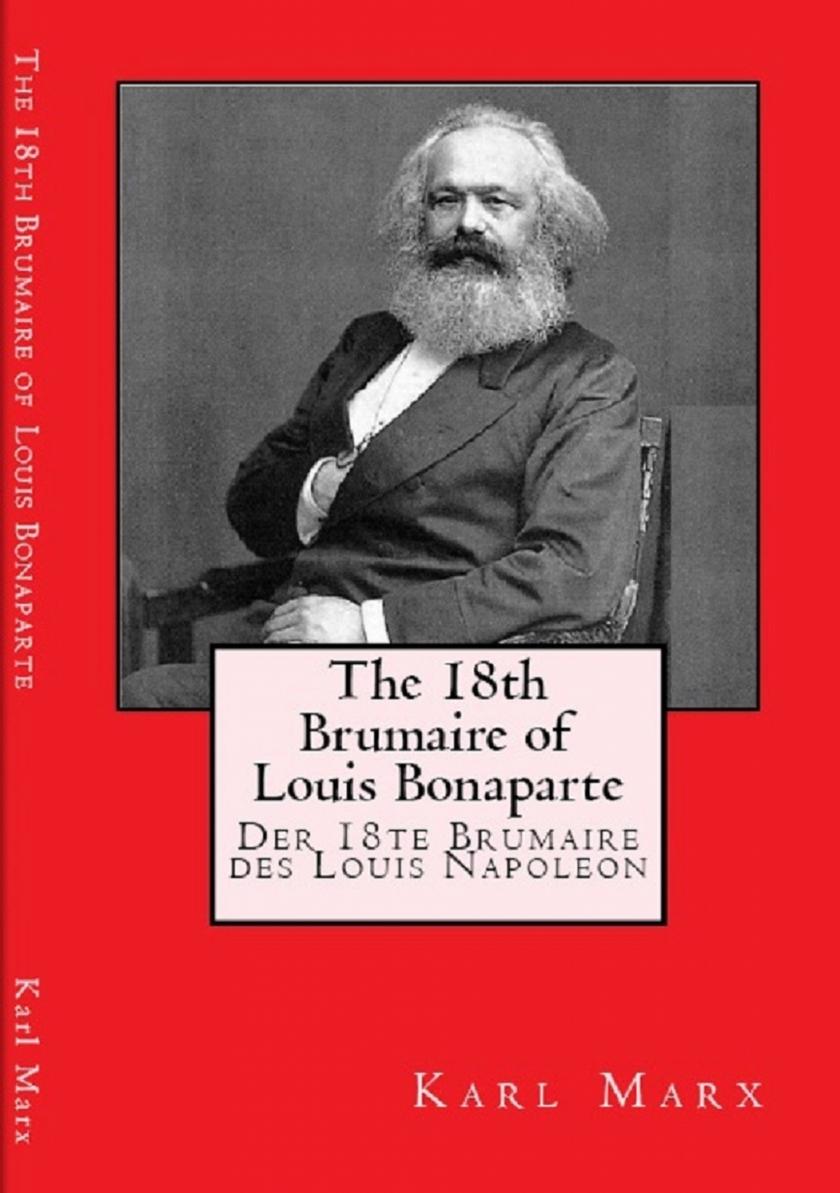
The 18th brumaire of Louis Bonaparte: The essay discusses the French coup of 185
¥16.27
The 18th brumaire of Louis Bonaparte: The essay discusses the French coup of 1851

Elon Musk
¥95.11
South African born Elon Musk is the renowned entrepreneur and innovator behind PayPal, SpaceX, Tesla, and SolarCity. Musk wants to save our planet; he wants to send citizens into space, to form a colony on Mars; he wants to make money while doing these things; and he wants us all to know about it. He is the real-life inspiration for the Iron Man series of films starring Robert Downey Junior. The personal tale of Musk’s life comes with all the trappings one associates with a great, drama-filled story. He was a freakishly bright kid who was bullied brutally at school, and abused by his father. In the midst of these rough conditions, and the violence of apartheid South Africa, Musk still thrived academically and attended the University of Pennsylvania, where he paid his own way through school by turning his house into a club and throwing massive parties. He started a pair of huge dot-com successes, including PayPal, which eBay acquired for $1.5 billion in 2002. Musk was forced out as CEO and so began his lost years in which he decided to go it alone and baffled friends by investing his fortune in rockets and electric cars. Meanwhile Musk’s marriage disintegrated as his technological obsessions took over his life ... Elon Musk is the Steve Jobs of the present and the future, and for the past twelve months, he has been shadowed by tech reporter, Ashlee Vance. Elon Musk: How the Billionaire CEO of Spacex and Tesla is Shaping our Future is an important, exciting and intelligent account of the real-life Iron Man.
Heroes and Contemporaries (Text Only)
¥54.84
First published in 1983, Heroes and Contemporaries reveals a new aspect of David Gower’s personality – that of an astute and intelligent observer of the game and of his fellow players. In this book he has chosen a collection of the people in cricket he most admires and has written about them in conversational style, with immediacy and critical appreciation. Gower’s encounters with these people behind the scenes – some of the most important players of our time – give us insight into their characters, their strengths and weaknesses, an insight which we would not normally have just by observing them on the field or by reading newspaper reports. His views on the captaincies of Bob Willis, Mike Brearley and Ian Botham are especially revealing. There is also displayed in this book considerable understanding of the psychology of such contemporaries as Ian Botham and Geoff Boycott, and an important chapter is included on Ray Illingworth, Gower’s staunchest champion and sternest critic. Although Heroes and Contemporaries is basically about other people, it also tells us a great deal about David Gower himself.
C. S. Lewis: A Biography
¥76.91
This is the true story of C.S. Lewis – one of the greatest writers of the 20th-century – whose books for children and adults have become much loved classics. Part of the story of C.S. Lewis has been made famous through the film ‘Shadowlands’. Here this fascinating man’s entire life story is told by those who knew him personally. C.S. Lewis was born in Belfast in 1898 and was sent to England for a public school education with his elder brother, Warren. Lewis exhibited a genius for imagination and perception from his earliest years. Brought up in a Christian household, Lewis lost his faith in his teenage years but was to regain it, with reluctance, as a fellow at Magdalen College, Oxford. His faith subsequently influenced his writings. He became a vigorous champion of the Christian faith through classics such as ‘Mere Christianity’ and through his BBC broadcasts. His ‘Chronicles of Narnia’ became children’s classics and he was deluged with correspondence from his young readers. In his latter years he unexpectedly fell deeply in love with a divorced American, Joy Greshem, and married her, only to suffer the devastation of her death a few years later. C.S. Lewis died in 1963 at his home in Oxford. During his lifetime C.S. Lewis suggested to his friend, Roger Lancelyn Green, who was a fellow English scholar, that he would undertake his biography one day. After Lewis’s death in 1963 Lancelyn Green and Walter Hooper were approached by several of Lewis’s friends to write the biography. Warren Lewis, brother to Jack, contributed a great deal to the writing. The authors had at their disposal a vast collection of letters and diaries, as well as the recollections of many surviving family members and friends. Walter Hooper has enhanced the original text with additional material to provide a new, expanded edition which all C.S. Lewis fans will be keen to own.
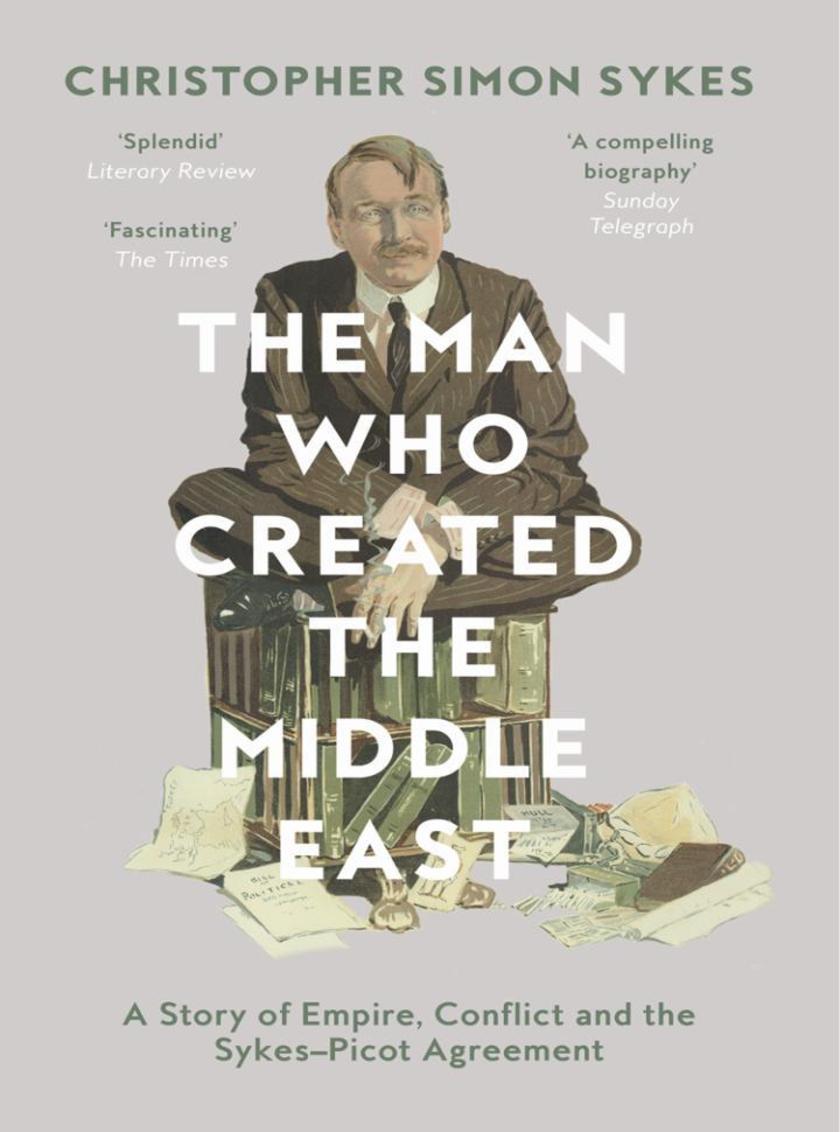
The Man Who Created the Middle East: A Story of Empire, Conflict and the Sykes-P
¥73.58
At the age of only 36, Sir Mark Sykes was signatory to the Sykes-Picot agreement, one of the most reviled treaties of modern times. A century later, Christopher Sykes’ lively biography of his grandfather reassesses his life and work, and the political instability and violence in the Middle East attributed to it. The Sykes–Picot agreement was drawn by the eponymous British and French diplomats in 1916 to determine the divide of the collapsing empire in the event of an allied victory in World War I. Excluding Arab involvement, it negated their earlier guarantee of independence made by the British – and controversy has raged around it ever since. But who was Mark Sykes? A century on, Christopher Simon Sykes reveals new facets of a misremembered diplomatic giant. Using previously undisclosed family letters and cartoons by his grandfather, he delivers a comprehensive and humbling account of the man behind one of the most impactful policies in the Middle East.

Stanley Spencer (Text Only)
¥115.56
Stanley Spencer (1891 – 1959) has recently been recognised by a wide general public, as well as by art historians, as probably the greatest English painter of the twentieth century. His strange and thrilling settings of biblical and semi-biblical scenes, his grippingly realist portraits, his intense English landscapes, hang in pride of place in our national collections and fetch ever-escalating prices at auction. Although there have been many books about Spencer, Pople's biography is the first to give a thoroughly convincing and coherent account of the life and psyche of the man who produced these extraordinary pictures. Pople has not only had the co-operation of Spencer's daughters and remaining friends' he has had unrestricted access to the artist's letters, diaries and other writings, and has spent ten years unravelling the familiar but so often impenetrable mysteries we see on the canvas. His analysis demonstrates that there never was as artist for whom life and art were so much of a piece, and that without understanding Spencer's doings and circumstances, we have no hope of understanding his paintings.
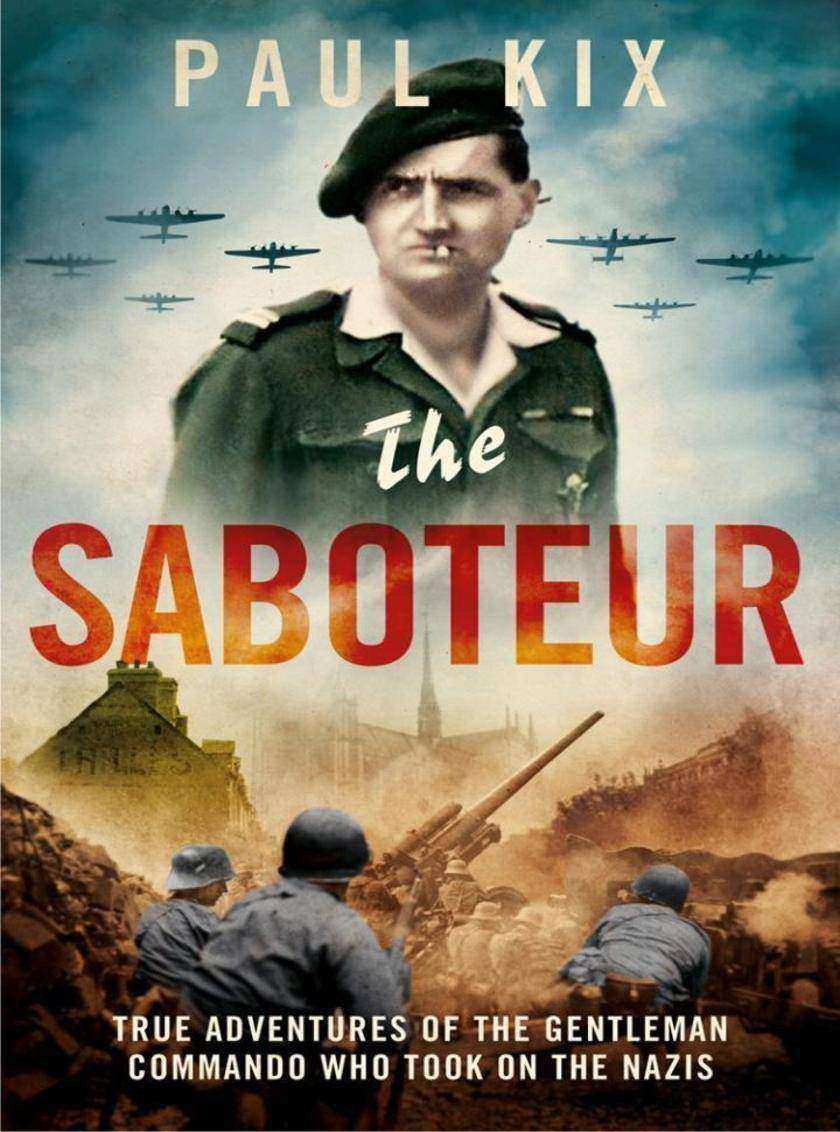
The Saboteur: True Adventures Of The Gentleman Commando Who Took On The Nazis
¥147.35
In the tradition of ‘Agent Zigzag’ comes a breathtaking biography of WWII’s ‘Scarlet Pimpernel’ as fast-paced and emotionally intuitive as the best spy thrillers. This celebrates unsung hero Robert de La Rochefoucauld, an aristocrat turned anti-Nazi saboteur, and his exploits as a British Special Operations Executive-trained resistant A scion of one of the oldest families in France, Robert de La Rochefoucauld was raised in a magnificent chateau and educated in Europe’s finest schools. When the Nazis invaded and imprisoned his father, La Rochefoucauld escaped to England and was trained in the dark arts of anarchy and combat – cracking safes, planting bombs and killing with his bare hands – by a collection of SOE spies. With his newfound skills, La Rochefoucauld returned to France and organized Resistance cells, blew up fortified compounds and munitions factories, interfered with Germany’s wartime missions and executed Nazi officers. Caught by the Germans, La Rochefoucauld withstood months of torture and escaped his own death sentence, not once but twice. More than just a fast-paced, real-life thriller, The Saboteur is also a deep dive into an endlessly fascinating historical moment, revealing the previously untold story of a network of commandos, motivated by a shared hatred of the Nazis, who battled evil and bravely worked to change the course of history.
The Times Great Letters: A century of notable correspondence
¥147.35
The Times has the most famous letters page of any newspaper. This delightful selection of over 300 items of correspondence over the last century shows precisely why. As a forum for debate, playground for opinion-formers, advertising space for decision-makers and noticeboard for eccentrics, nothing rivals it for entertainment value. By turns well-informed, well-intentioned, curious, quirky and bizarre, since 1914 it has taken the temperature of the British way of life and provided a window on the national character. Among those who have written to The Times to have their say are some of the major political and literary figures of the modern era, including Margaret Thatcher, Benito Mussolini, Graham Greene and John Le Carré. There are contributions, too, from Agatha Christie, Alastair Campbell, AA Milne, Yehudi Menuhin, Theresa May and Morrissey. If you want to know why kippers are dyed, who first turned up their trousers, how to make perfect porridge or just how to have a letter printed in The Times, this infinitely witty, diverting and memorable anthology should be, sincerely, yours.
Confessions of a Ghostwriter (The Confessions Series)
¥34.14
HE’S WRITTEN MORE THAN 80 BOOKS. HE’S SOLD MILLIONS OF COPIES ACROSS THE WORLD. HE IS THE MAN BEHIND A DOZEN SUNDAY TIMES TOP 10 HITS, SPENDING OVER 120 WEEKS IN THE BESTSELLER CHARTS. BUT YOU PROBABLY HAVEN’T HEARD OF HIM. Andrew Crofts is a ghostwriter, an author for hire, employed to write other people’s stories – everyone from film stars to footballers, hitmen to hookers, world leaders to abused children. Ghostwriters are confidantes to the most famous people on earth, and they help give a voice to some of the most vulnerable and inspiring. They dip their toes into every corner of life, and inhabit worlds that are both shadowy and glamorous. They are the ones who write the books that top the bestseller charts. Andrew is one of the world’s most sought-after ghosts. In this book he confesses the truth about ghosting; how it feels to be an invisible author, to be given first class tickets to travel anywhere and permission to ask whatever questions you like. Confessions of a Ghostwriter gives an unrivalled peek into private worlds that few others gain admission to.

Triumph Over Adversity 3-in-1 Collection
¥182.66
For the first time, Casey Watson’s The Girl Without a Voice, Torey Hayden’s Beautiful Child and Mary MacCracken’s Lovey are combined in an exclusive e-book bundle. Discover the moving stories of three inspirational teachers as they try to pull their students out of the darkness. The Girl Without a Voice is the shocking story from bestselling author and foster carer Casey Watson. Thirteen-year-old Imogen joins Casey’s class and suffers from selective mutism – although her grandparents insist they have no idea why. Not content with the explanation that Imogen is just playing up, Casey starts digging and it’s not long before she starts to discover a very different side to Imogen’s character. After months of silence, Imogen utters her first, terrified, words to Casey: ‘I thought she was going to burn me.’ Internationally bestselling author Torey Haydon returns with Beautiful Child, a stunning and poignant account of an extraordinary teacher's determination never to abandon a child in need. Seven-year-old Venus Fox never spoke or listened. Yet an accidental playground 'bump' would release a rage frightening to behold. The school year that followed would prove to be one of the most trying, perplexing, and ultimately rewarding of Torey's career, as she struggled to reach a silent child in obvious pain. Mary MacCracken’s deeply moving memoir Lovey is the account of eight-year-old Hannah, who joins Mary’s class and retires to a cupboard, refusing to come out. Howling almost non-stop she was displaying the worst symptoms that Mary had ever seen. How could Mary help a child who had been shut up in closets and treated like an animal? How could she reach this lost girl?
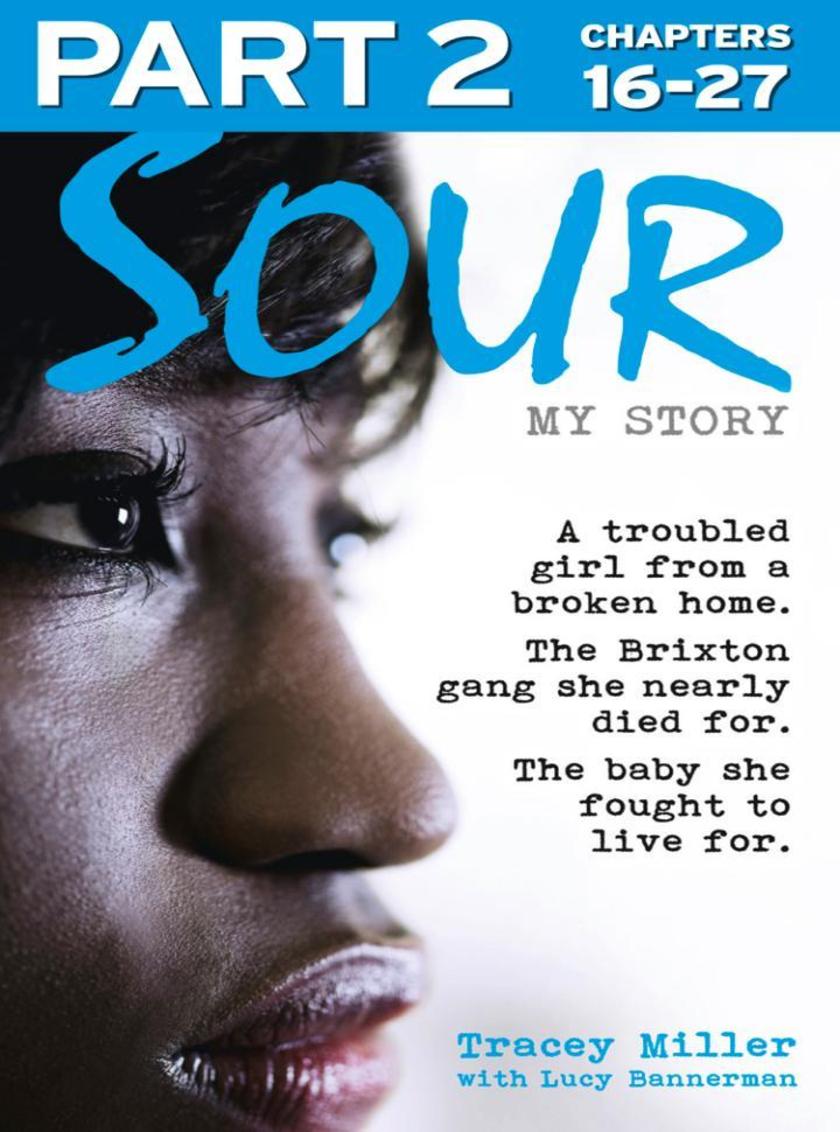
Sour: My Story - Part 2 of 3
¥40.52
Sour can either be read as a full-length eBook or in 3 serialised eBook-only parts. This is PART 1 of 3. They call me Sour. The opposite of sweet. Shanking, stabbing, steaming, robbing, I did it all, rolling with the Man Dem. I did it because I was bad. I did it because I had heart. And the reason I reckon I got away with it for so long? Because I was a girl. SOUR is the true story of a former Brixton gang girl, drug dealer and full-time criminal. A member of the Younger 28s, a notorious gang that terrorised the postcodes around Brixton in the 90s, Sour escapes a troubled family life to immerse herself in the street life of likking and linking. She never leaves her house without a knife. At the age of fifteen, she stabs an innocent man in the street, earning her unrivalled respect and ‘Top-Dog’ status amongst her crew. She believes she is invincible. But the consequences of her actions are soon to catch up with her. Waking for the second time in two weeks in a hospital bed, to the news that she is pregnant, she realises it’s time to turn her life around. Motherhood will be a rude awakening, but it may also be her saving grace. Told with raw emotions and ferocious honesty, this is the real, on-the-record, story of one woman’s descent down the rabbit hole of gangland, and her efforts, as a daughter, mother and girlfriend, to claw herself out.
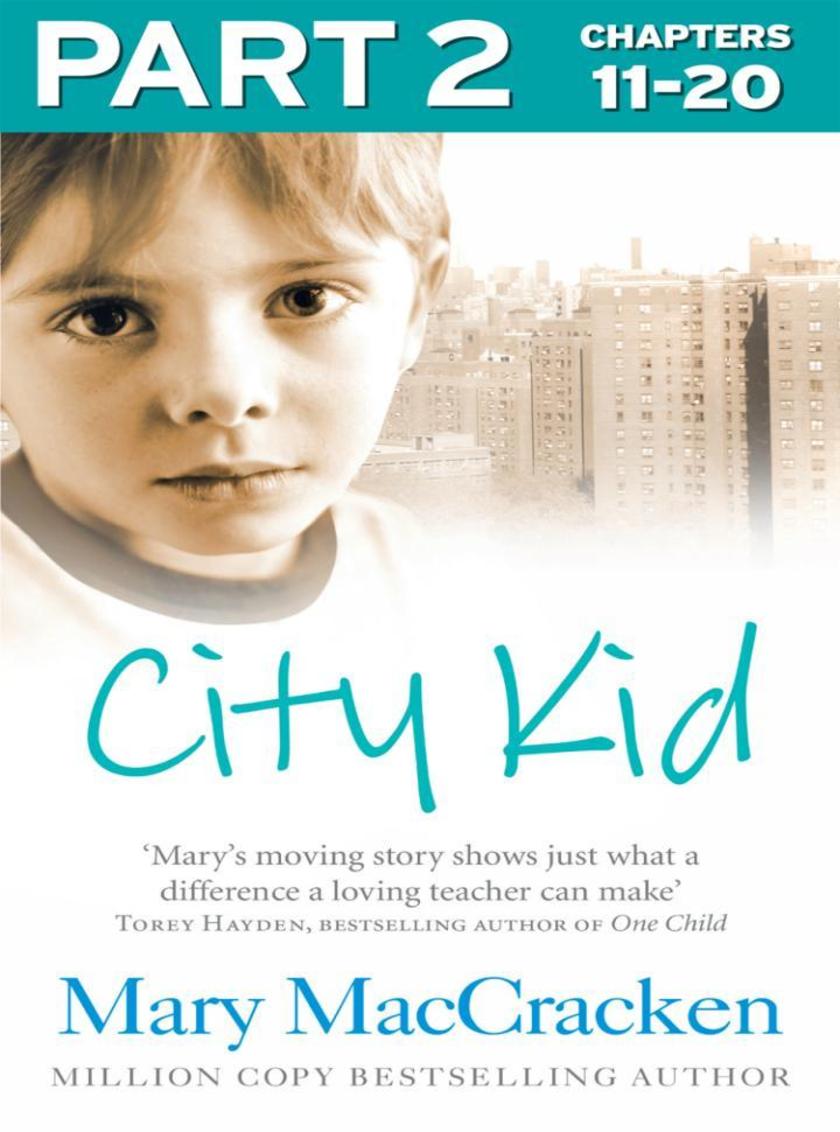
City Kid: Part 2 of 3
¥28.45
City Kid can either be read as a full-length eBook or in 3 serialised eBook-only parts. This is PART 2 of 3. You can read Part 2 one week ahead of release of the full-length eBook and paperback. From the author of international bestsellers A Circle of Children and Lovey comes an inspiring true story of a gifted teacher’s determination to understand the ‘rotten’ city kid everyone has given up on. Sitting quiet and withdrawn at a battered school desk, Luke had the looks of a shy angel – and a past that special needs teacher Mary MacCracken could barely believe. Already Luke had been picked up 24 times by the police. He’d set over a dozen major fires, and had a staggering record of thefts. No adult could reach him, no teacher could control him, and no policeman could cow him. All this – and Luke was only seven and a half years old. Trying to help Luke was Mary MacCracken’s job – and a seemingly impossible challenge. This is the remarkable story of how the impossible came true.
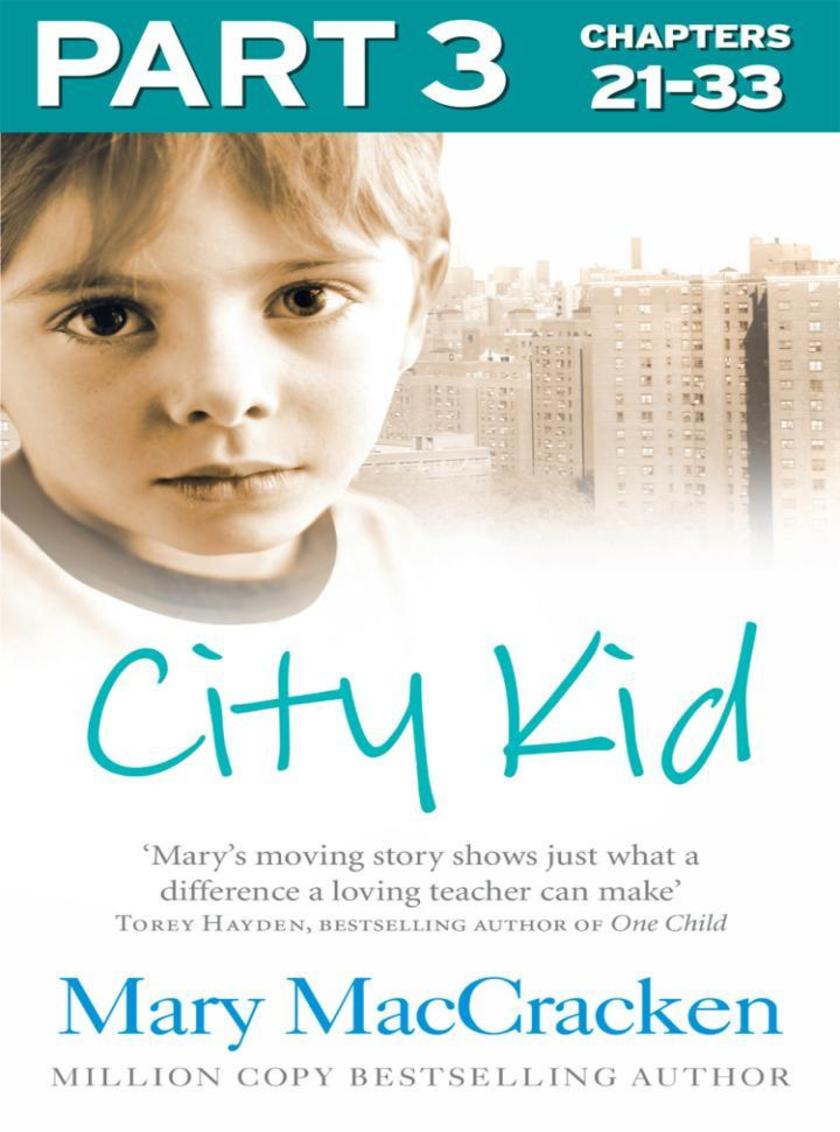
City Kid: Part 3 of 3
¥47.48
City Kid can either be read as a full-length eBook or in 3 serialised eBook-only parts. This is PART 3 of 3. You can read Part 3 on release of the full-length eBook and paperback. From the author of international bestsellers A Circle of Children and Lovey comes an inspiring true story of a gifted teacher’s determination to understand the ‘rotten’ city kid everyone has given up on. Sitting quiet and withdrawn at a battered school desk, Luke had the looks of a shy angel – and a past that special needs teacher Mary MacCracken could barely believe. Already Luke had been picked up 24 times by the police. He’d set over a dozen major fires, and had a staggering record of thefts. No adult could reach him, no teacher could control him, and no policeman could cow him. All this – and Luke was only seven and a half years old. Trying to help Luke was Mary MacCracken’s job – and a seemingly impossible challenge. This is the remarkable story of how the impossible came true.
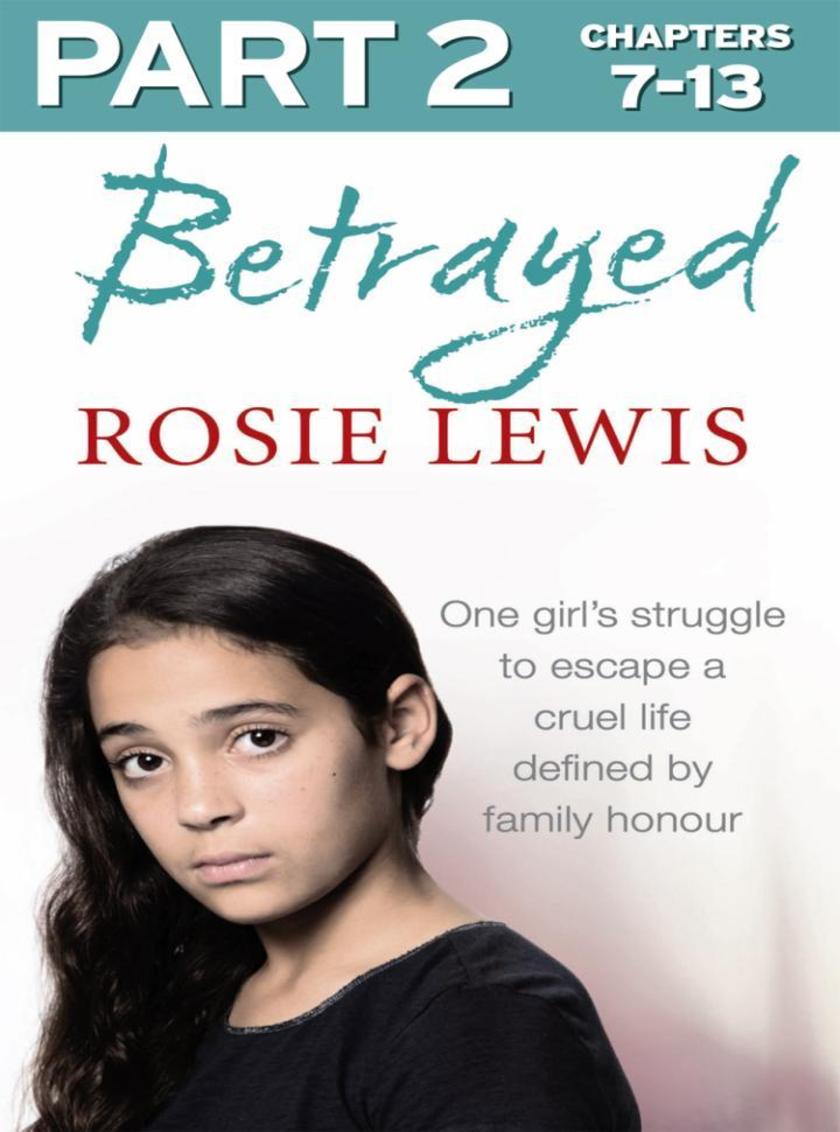
Betrayed: Part 2 of 3
¥28.45
Betrayed can either be read as a full-length eBook or in 3 serialised eBook-only parts. This is PART 2 of 3. You can read Part 2 one week ahead of release of the full-length eBook and paperback. In the much-anticipated follow-up to Sunday Times bestseller Trapped, foster carer Rosie Lewis tells the heartbreaking true story of 13-year-old Zadie. When the young teenage girl runs away and is discovered hiding on the city streets by the police, it is clear that all is not as it should be. Taught to believe that Westerners should not be trusted, when Zadie is initially delivered into the experienced hands of foster carer Rosie she is polite and well-behaved, but understandably suspicious of the family around her. Through Rosie’s support and understanding, gradually Zadie begins to settle into her new surroundings, but loyalty to her relatives, and fear of bringing shame on those around her, prevents her from confessing the horrifying truth about her troubled past. When the shocking truth finally emerges, Rosie and her family can hardly believe that Zadie had managed to keep the shocking secrets to herself for so long.

Trilogy Collection (Tales of the Notorious Hudson Family)
¥182.47
The first three titles in a series of gritty family sagas, Our Vinnie, My Uncle Charlie and My Mam Shirley chart the lives of three of the most infamous members of Yorkshire’s real-life notorious criminal family, the Hudsons. Dramatic and shocking, these three explosive true stories document a community forsaken by society - one brother’s unrelenting determination to take justice into his own hands, one man’s ascendancy to power, and the tragedy that brought it all crashing down, and, finally, the vivid account of the ‘Tucker’ girls; the resourceful women at the helm of a notorious Bradford family who will never be forgotten.
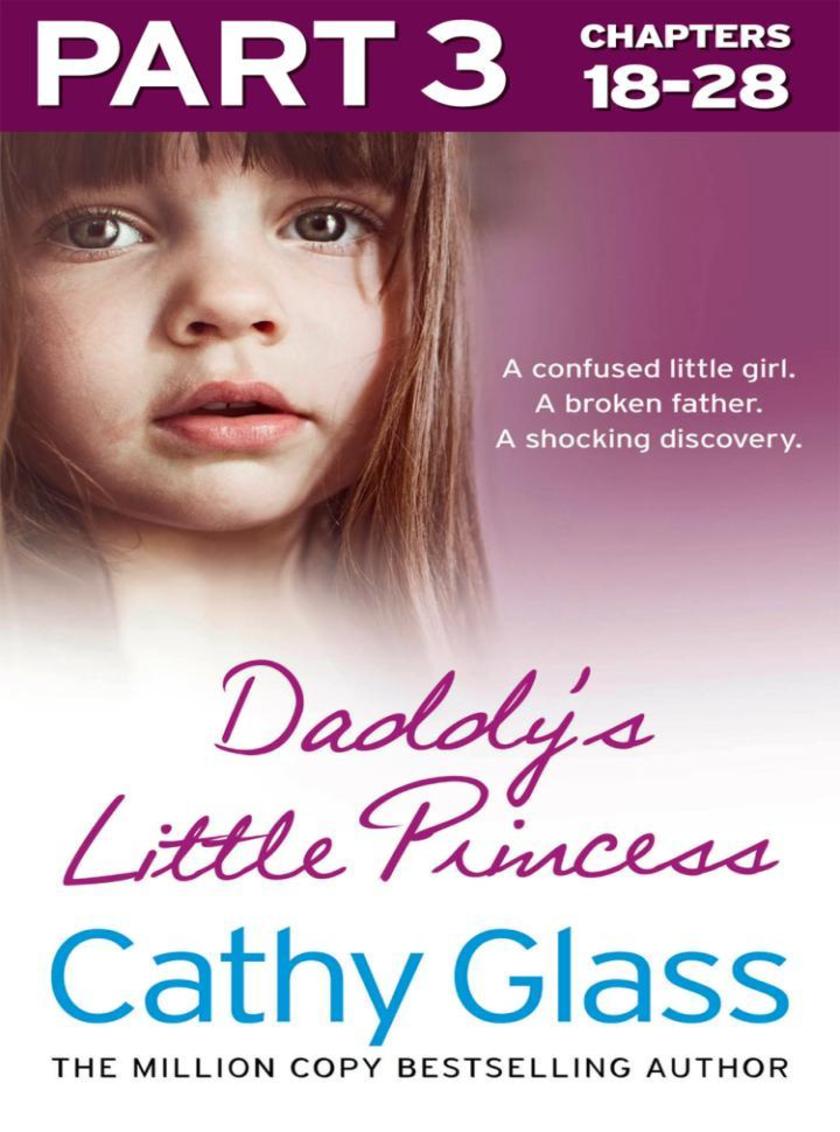
Daddy’s Little Princess: Part 3 of 3
¥47.48
The latest title from the internationally bestselling author and foster carer Cathy Glass. Beth is a sweet-natured child who appears to have been well looked after. But it isn’t long before Cathy begins to have concerns that the relationship between Beth and her father is not as it should be. Little Beth, aged 7, has been brought up by her father Derek after her mother left when she was a toddler. When Derek is suddenly admitted to hospital with psychiatric problems Beth is taken into care and arrives at Cathy’s. Beth and her father clearly love each other very much and Derek spoils his daughter, treating her like a princess, but there is something bothering Cathy, something she can’t quite put her finger on. Meanwhile Cathy’s husband is working away a lot and coming home less at weekends. Then, suddenly, everything changes. Events take a dramatic turn for both Beth and Cathy and her family; as Cathy strives to pick up the pieces all their lives are changed forever.

Poems, Letters and Memories of Philip Sidney Nairn
¥110.46
A poignant memoir and tribute to the Oxford poet Nairn by the author who went on to create The Worm Ouroboros and the groundbreaking Zimiamvia fantasy trilogy. Eric Rucker Eddison’s first book, originally published privately in hardback during the First World War, is a poignant memoir and tribute to the Oxford poet Philip Sidney Fletcher Nairn, whose work was so inspired by his Scottish ancestry, life in the Lake District, and his subsequent travels across Asia. This first official paperback edition includes a poignant and evocative biography, a dozen photographs, and more than 50 of Nairn’s poems, and marks the centenary of his untimely death in Kuala Lumpur in May 1914, aged just 30 years old.
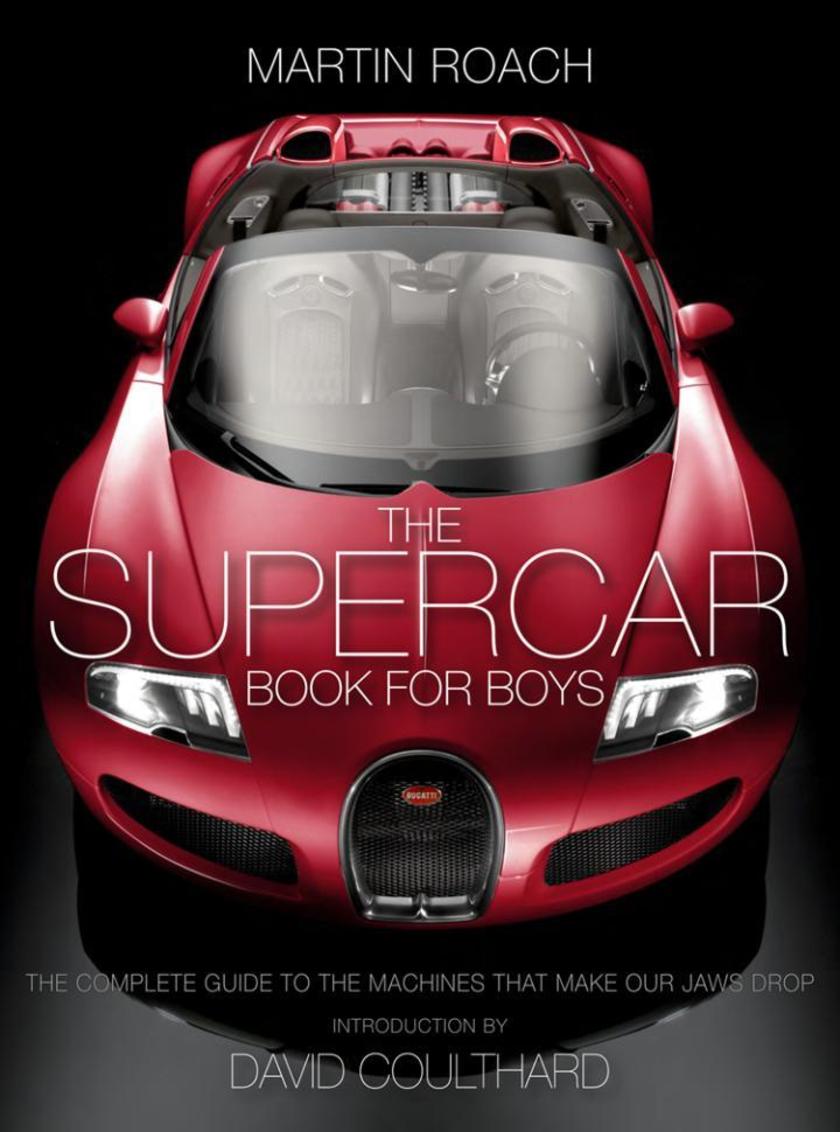
The Supercar Book for Boys
¥147.35
Fully illustrated throughout, The Supercar Book for Boys is a sumptuously designed guide full of everything you could ever want to know about the best supercars on the planet. From number-one bestselling author Martin Roach, The Supercar Book for Boys is a must-have for all boys and their dads (plus petrol-head girls and mums!) interested in fast cars. With an introduction from F1 racing legend David Coulthard, as well as contributions from the biggest names in the field, this tour de force starts with the iconic 1954 Mercedes Gullwing and races through each respective decade of supercar history, showcasing the very best and most important vehicles in this scintillating species. Featuring the landmark 10 game-changers that have defined the genre and highlighting dozens and dozens of supreme supercars from the likes of Ferrari, Lamborghini, Bugatti, Pagani, McLaren and Porsche, get ready to be blown away by the beauty and power of these incredible vehicles. With a pre-history of the genre plus an excursion into American muscle cars, this comprehensive book takes us underneath the bonnets and peels back the bodywork of these mind-blowing machines, as well as exploring how supercar technology has affected everyday cars. The Supercar Book for Boys is a tour de force of the fastest, the most powerful and the most drop-dead gorgeous vehicles in supercar history. Jam-packed with almost 200 full-colour photographs, awe-inspiring statistics and exclusive interviews with supercar experts, and featuring every landmark star of the genre, this book is the ultimate guide for every supercar fanatic.
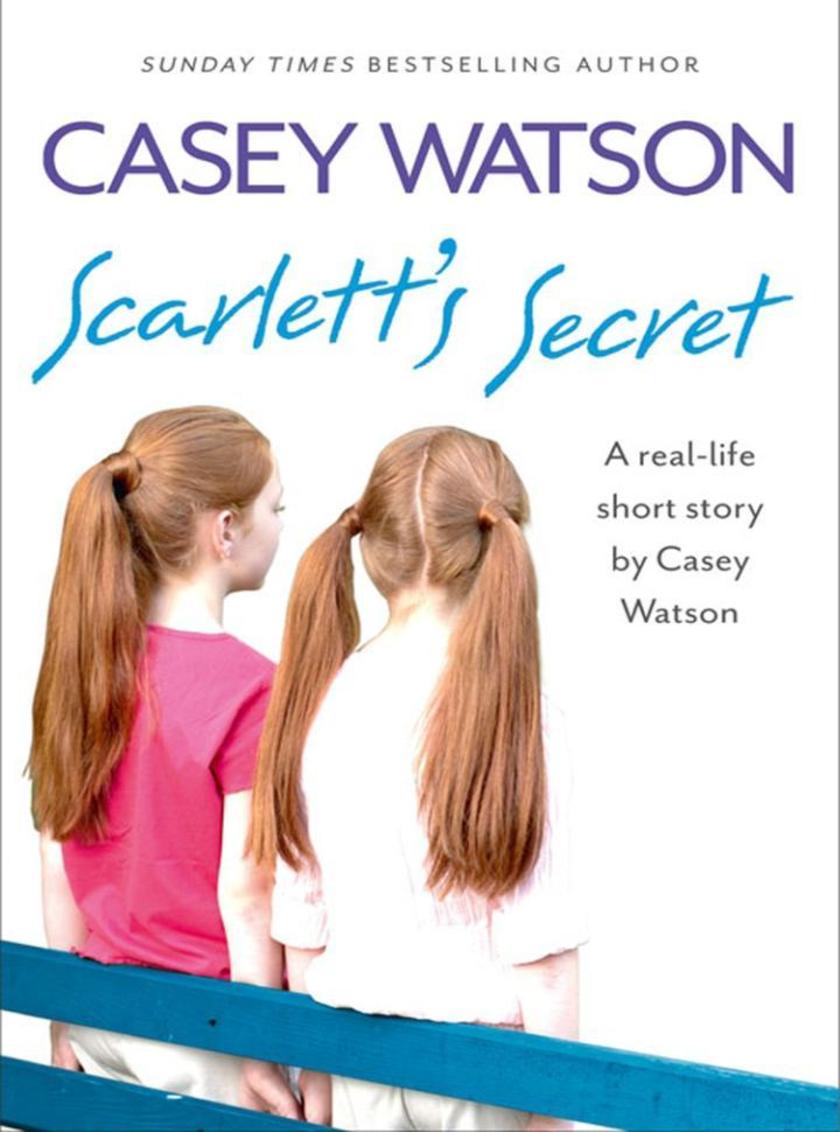
Scarlett’s Secret: A real-life short story by Casey Watson
¥14.81
Bestselling author and foster carer Casey Watson tells the shocking and deeply moving true story of two sisters who carry a terrible secret. This is a first taste of the ‘Unit’ series: several stories about ‘difficult’ children Casey helped during her time as a behaviour manager at her local comprehensive. Casey doesn’t know what to expect when seventeen-year-old twins Scarlett and Jade join her class. The girls seem grounded but they never leave each other’s side, although there seems to be an underlying tension between them that Casey can’t quite put her finger on. What’s more, Jade has a strong, unpleasant smell about her that further isolates her from the other teenagers. Eager to help the girls, Casey starts digging and finds out that Jade was pregnant and that the girls were taken into care when they were sixteen. But it’s not until a violent argument during class that Casey truly realises the anger the two girls harbour towards the rest of the world. And when Scarlett finally reveals the truth, it suddenly all makes sense. Can Casey find a way to bring Scarlett and Jade closer together? And can she break down Jade’s walls and get the girls the help they have craved since their childhood? Dark, disturbing and heartbreaking, this is a story of two sisters who just needed someone to believe in them.


