


 购物车
购物车 个人中心
个人中心
Apache
¥57.09
Ed Macy is an elite pilot, one of the few men qualified to fly Apache helicopters, the world’s deadliest fighting machines. This is his account of a fearless mission behind enemy lines in Afghanistan. After a brutal accident forced him out of the Paras, Ed Macy refused to go down quietly. He bent every rule to sign up for the Army’s gruelling Apache helicopter programme and was one of the handful to pass the nightmare selection process. Dispatched to Afghanistan’s notorious Helmand Province in 2006, his squadron were on hand when a marine went MIA behind enemy lines – and they knew they were his only hope. From the cockpit of the mighty Apache helicopter comes this incredible true story of a rescue mission so dangerous they said it couldn’t be done, and of the man who dared to disagree.
Never Say Die
¥54.25
On a Saturday morning in May 1980, Melanie Bowen, a pretty fifteen year old, ran down the stairs of her parents’ home in Port Talbot, grabbed her leather jacket and crash helmet, yelled a goodbye, and then walked out of the front door into the sunshine for what was to be the last time in her life. Never Say Die is the true story of what followed… Since the motorcycle crash that left her paralysed from the chest down, Melanie's life has been one of extremes. On the down side, she has endured 5 horrific months of despair and indignity in rehabilitation, undergone a colostomy at 23, been in another serious car crash, suffered syringomyelia and the terrifying prospect of full quadriplegia, been diagnosed with breast cancer and broken several bones. On the plus side, however, she's won medals in athletics for Wales, been humbled and inspired by Falklands veterans at RAF Chessington, raised thousands for charity, become a major disability poster girl in America, dabbled with the film world and been screen tested for a movie, met the Queen, and set up her own rehabilitation charity, whose patrons include the acclaimed actor Michael Sheen, Dame Tanni Grey Thompson and former Welsh Rugby captain, Gwyn Jones. She has also, against all the odds, found lasting happiness, having fallen in love with and married the surgeon who 25 years earlier told her she would never walk again.
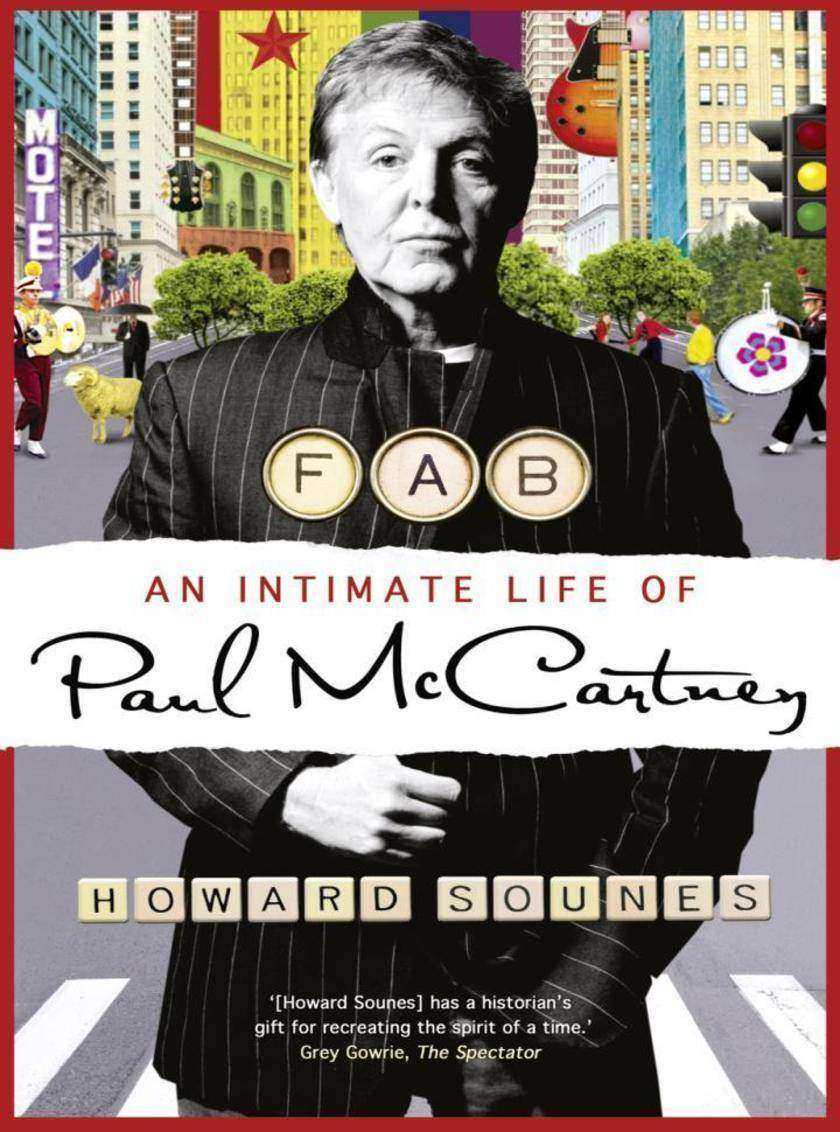
Fab: An Intimate Life of Paul McCartney
¥80.25
The living embodiment of The Beatles and a musical juggernaut without parallel, Paul McCartney is undoubtedly the patriarch of pop. In this authoritative biography, acclaimed author and journalist Howard Sounes creates the most accurate and extensive profile of McCartney ever built, leaving no stone unturned, and no shadow unexplored. He is the torch-bearer of the Beatles – the greatest band in pop – and one of the most closely studied stars in show business. But surprises and secrets still linger in the life of Sir Paul McCartney. In FAB, his full story is told for the first time. Acclaimed author Howard Sounes spent more than two years investigating every aspect of Sir Paul’s life and work, including interviewing over 200 people. The result is the richest and more comprehensive biography of McCartney ever written. Uniquely, FAB pays equal attention to the story of Paul McCartney both in the Beatles and post-Beatles, creating a unique narrative spanning the arc of the artist’s life. FAB culminates in the sensational human story of Sir Paul’s calamitous marriage to Heather Mills, which is fully revealed for the first time. Sounes proves a judicious critic of the music of an iconic star while also delivering a superb psychological portrait of the man.
The Light’s On At Signpost
¥66.22
From the author of the ever-popular Flashman novels, a collection of film-world reminiscences and trenchant thoughts on Cool Britannia, New Labour and other abominations. In between writing Flashman novels, George MacDonald Fraser spent thirty years as an "incurably star struck" screenwriter, working with the likes of Steve McQueen, Arnold Schwarzenegger, Cubby Broccoli, Burt Lancaster, Federico Fellini and Oliver Reed. Now he shares his recollections of those encounters, providing a fascinating glimpse behind the scenes. Far from starry-eyed where Tony Blair & Co are concerned, he looks back also to the Britain of his youth and castigates those responsible for its decline to "a Third World country … misruled by a typical Third World government, corrupt, incompetent and undemocratic". Controversial, witty and revealing – or "curmudgeonly", "reactionary", "undiluted spleen", according to the critics – The Light's on at Signpost has struck a chord with a great section of the public. Perhaps, as one reader suggests, it should be "hidden beneath the floorboards, before the Politically-Correct Thought Police come hammering at the door, demanding to confiscate any copies".

Transformer: The Complete Lou Reed Story: Free Sampler
¥9.71
‘A triumph’ - Time Out Transformer is the only complete and comprehensive telling of the Lou Reed story. Legendary songwriter and guitarist Lou Reed passed away on the 27th October 2013, but his musical influence is assured. Now discover the true story of the Velvet Underground pioneer in this update of Bockris’s classic biography. Transformer: The Complete Lou Reed Story follows the great songwriter and singer through the series of transformations that define each period of his fifty year career. It opens with the teenage electroshock treatments that dominated his memories of childhood and never stops revealing layer after layer of this complex and often anguished artist and man. Transformer is based on Lou’s collaborations with the hardest and most romantic artists of his times, from John Cale, Andy Warhol, and Nico, through David Bowie, Robert Wilson, Laurie Anderson and the ghost of Edgar Alan Poe. Rippling underneath everything he did are Lou’s relationships with his various muses, from his college sweetheart to his three wives (and one drag queen). Leading Lou Reed biographer, Victor Bockris - who knew Lou throughout the Rachel Years, from Rock ‘n’ Roll Animal to the Bells - updates his original biography in the wake of Lou’s death. Through new interviews and photos, he reveals the many transformations of this larger-than-life character, including his final shift from Rock Monster to the Prince Charming he had always wanted to be in the twenty years he spent with the love of his life, Laurie Anderson . Except with Lou, you could never really know what might happen next… Including previously unseen photographs and contributions from Lou’s innermost circle and collaborators that include similarly esteemed artists such as Andy Warhol and David Bowie, Transformer is as captivating and vivid a read as befits an American master.
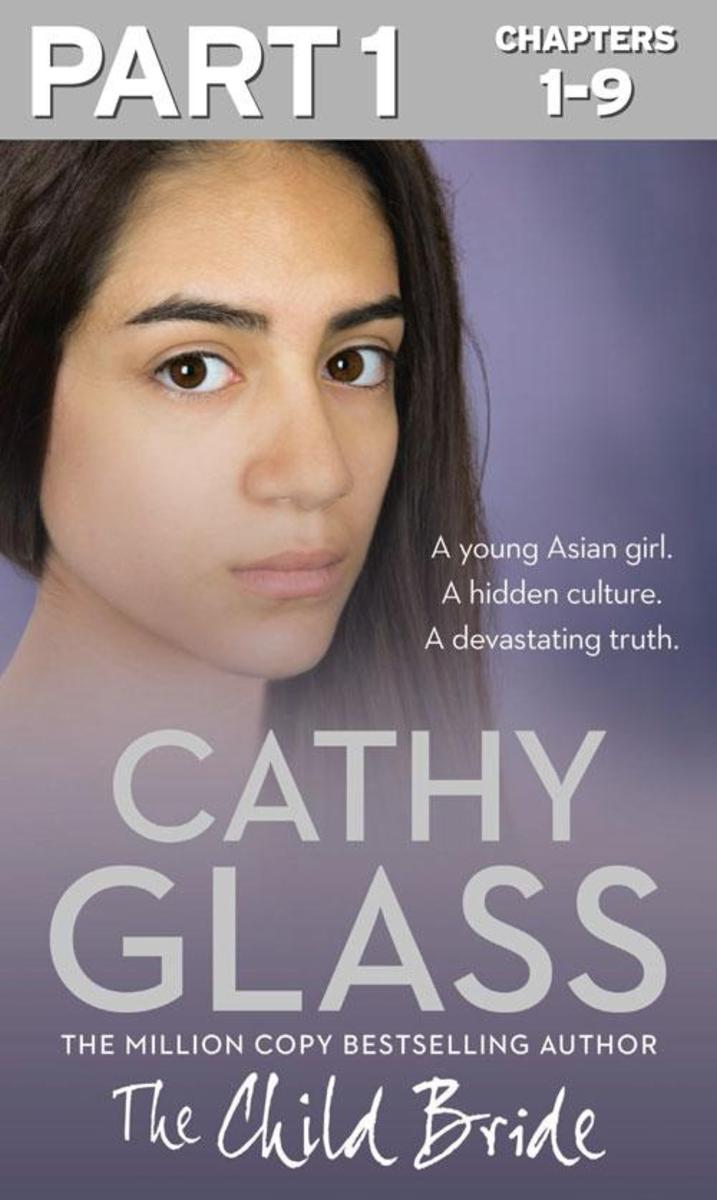
The Child Bride: Part 1 of 3
¥9.71
The Child Bride can either be read as a full-length eBook or in 3 serialised eBook-only parts. This is PART 1 of 3. You can read Part 1 three weeks ahead of release of the full-length eBook and paperback. Cathy Glass, international bestselling author, tells the shocking story of Zeena, a young Asian girl desperate to escape from her family. When 14 -year-old Zeena begs to be taken into care with a non-Asian family, she is clearly petrified. But of what? Placed in the home of experienced foster carer Cathy and her family, Zeena gradually settles into her new life, but misses her little brothers and sisters terribly. Prevented from having any contact with them by her family who insist she has brought shame and dishonour on the whole community, Zeena tries to see them at school. But when her father and uncle find out, they bundle her into a car and threaten to set fire to her if she makes anymore trouble. Zeena is too frightened to press charges against them despite being offered police protection in a safe house. Eventually, Cathy discovers the devastating truth from Zeena, and with devastation she believes there is little she can do to help her.
The Year of Magical Thinking
¥66.22
From one of America's iconic writers, a portrait of a marriage and a life – in good times and bad – that will speak to anyone who has ever loved a husband or wife or child. A stunning book of electric honesty and passion. Several days before Christmas 2003, John Gregory Dunne and Joan Didion saw their only daughter, Quintana, fall ill. At first they thought it was flu, then pneumonia, then complete sceptic shock. She was put into an induced coma and placed on life support. Days later – the night before New Year’s Eve –the Dunnes were just sitting down to dinner after visiting the hospital when John suffered a massive and fatal coronary. In a second, this close, symbiotic partnership of 40 years was over. Four weeks later, their daughter pulled through. Two months after that, arriving at LA airport, she collapsed and underwent six hours of brain surgery at UCLA Medical Centre to relieve a massive hematoma. This powerful book is Didion’s ‘attempt to make sense of the weeks and then months that cut loose any fixed idea I ever had about death, about illness … about marriage and children and memory … about the shallowness of sanity, about life itself’. The result is an exploration of an intensely personal yet universal experience: a portrait of a marriage, and a life, in good times and bad.
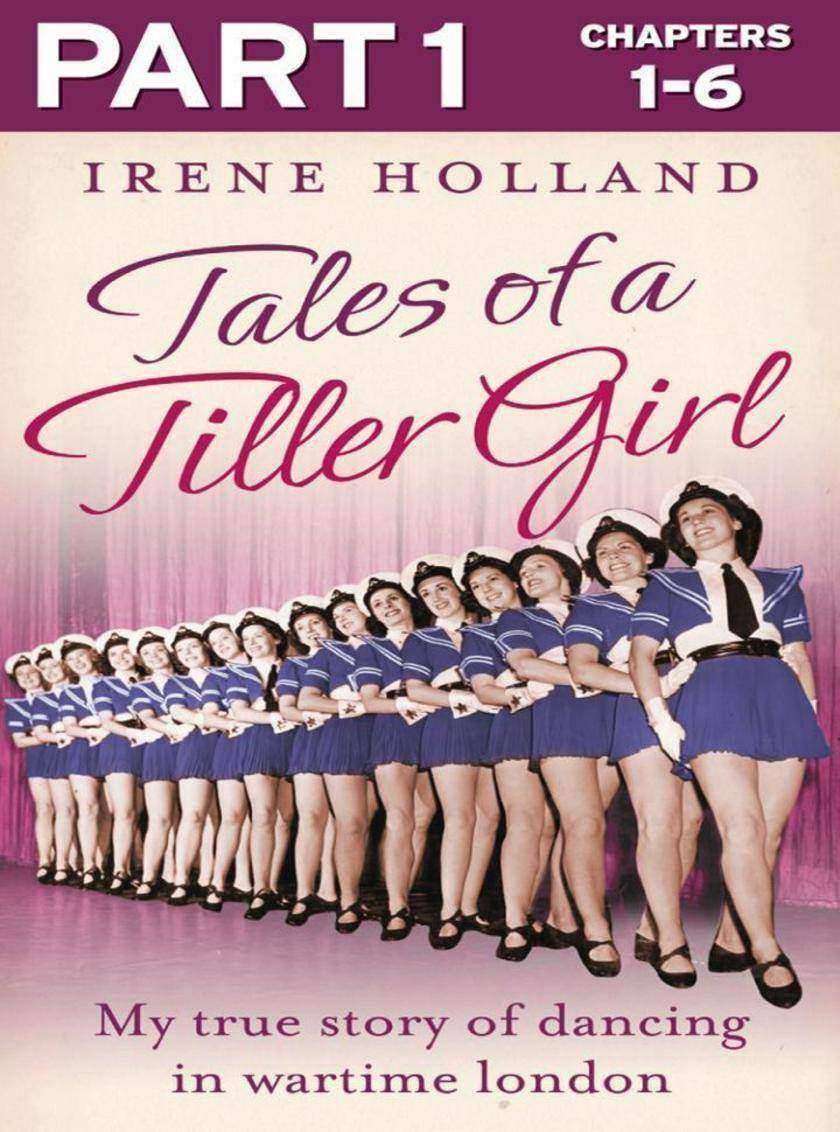
Tales of a Tiller Girl Part 1 of 3
免费
A heart-warming nostalgia memoir from a member of the world famous dance troupe, The Tiller Girls. Based in London in the 1930s, 40s and 50s, Irene’s story will transport readers back to a more innocent, simple way of life. This is the story of a little girl who loved to dance. Growing up in London in the 1930s, dancing was so much more to Irene than just a hobby. It was her escape and it took her off into another world away from the harsh realities of life. A fairytale world away from the horrors of WW2, from the grief of losing her father and missing her mother who she didn’t see for three years while she was drafted to help with the war effort. And far away from her cold-hearted grandparents who treated her like an inconvenience. Finally it led to her winning a place as a Tiller Girl; the world’s most famous dance troupe known for their 32-and-a-half high kicks a minute and precise, symmetrical routines. For four years she opened and closed the show at the prestigious London Palladium and performed on stage alongside huge stars such as Frank Sinatra, Nat King Cole and Judy Garland. It was a strange mixture of glamour and bloody hard work but it was certainly never dull. And being a Tiller Girl also gave Irene the opportunity to see firsthand the devastating effects of WW2, both here and abroad. Heart-warming, enlightening and wonderfully uplifting, Irene’s evocative story will transport readers back to a time when every town and holiday resort had several theatres and when dance troupes like The Tiller Girls were the epitome of glitz and glamour.
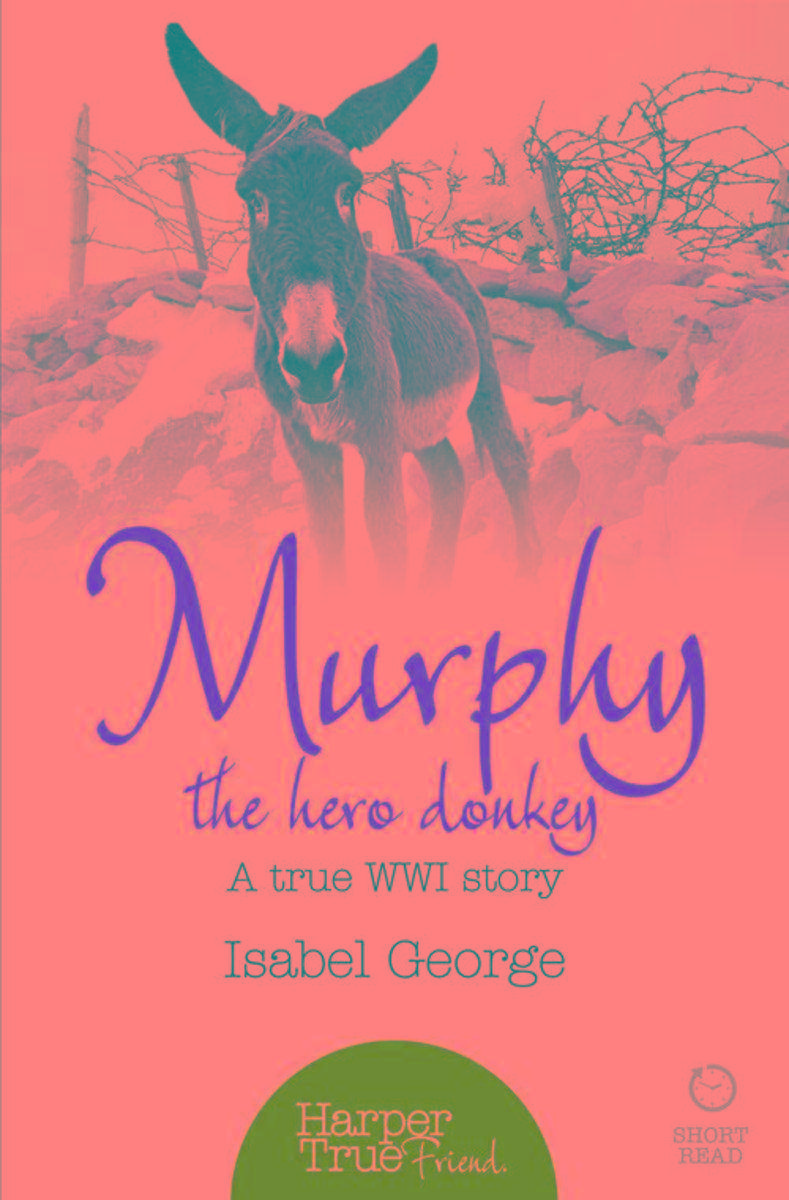
Murphy the Hero Donkey: A true WW1 story
¥9.71
The remarkable true story of an amazing and loyal donkey during World War I. The true story of a small grey donkey called Murphy, chosen to be a trusty ‘ambulance’ during the bloody Gallipoli campaign in 1915. He carried wounded soldiers over the hilly,craggy terrain to the field hospital as the bombs and snipers’ bullets rained down. The donkey was recruited by Australian stretcher-bearer ‘Jack’ Simpson, who cared for his brave helper day and night. Murphy never gave up or complained; he worked to the point of exhaustion, saving hundreds of lives. At the end of the battle, when the time came for the donkeys to be returned to Greece, the Australian ‘diggers’ were desperate to protect Murphy - he was one of them, he was a digger and a war hero. They fixed a brown luggage label to his harness, bearing his name and status, and hoped it would secure his safe passage home.
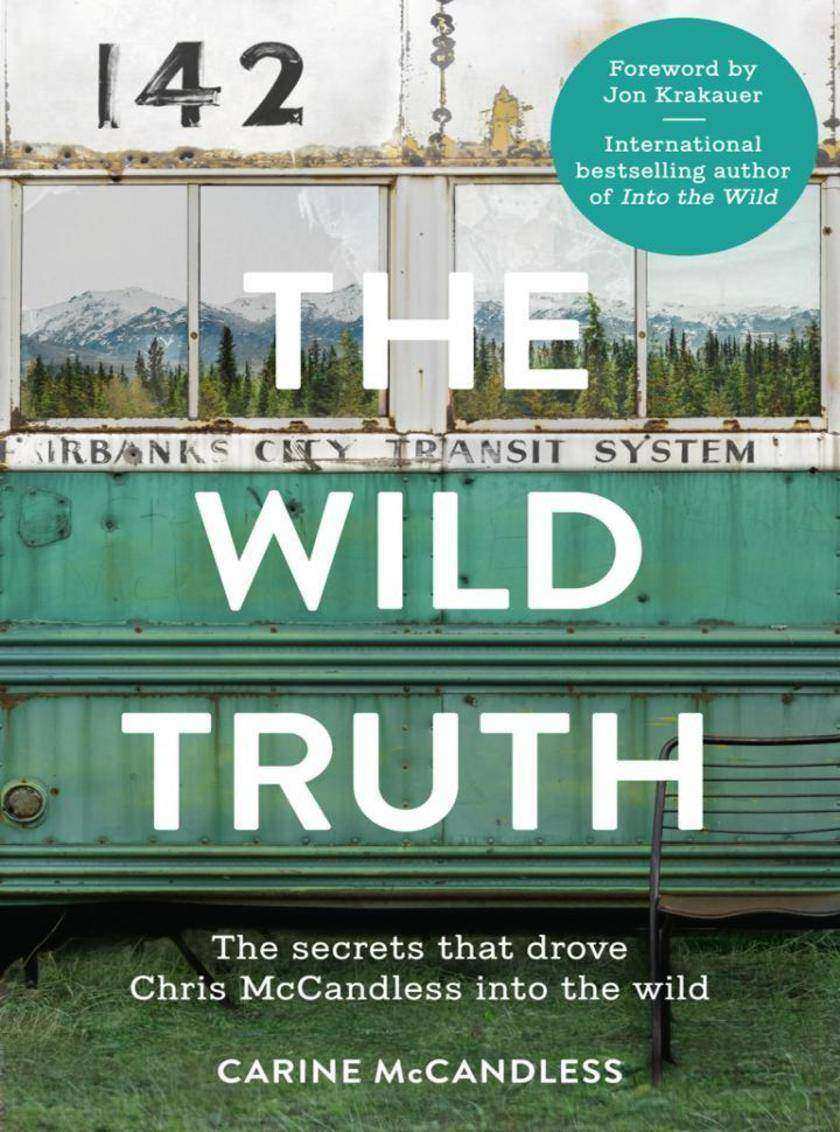
The Wild Truth: The secrets that drove Chris McCandless into the wild
¥66.22
The key missing piece of Jon Krakauer’s multi million, multi territory bestseller and widely acclaimed Sean Penn film Into the Wild is finally revealed by his best friend and sister, Carine. The story of Chris McCandless, who gave away his savings, hitchhiked to Alaska, walked into the wilderness alone, and starved to death in 1992, fascinated not just New York Times bestselling author Jon Krakauer, but the rest of the nation too. Krakauer’s book and a Sean Penn film skyrocketed Chris McCandless to worldwide fame, but the real story of his life and his journey has not yet been told – until now. Carine McCandless, Chris’s sister, featured in both the book and film, was the person with whom he had the closest bond, and who witnessed firsthand the dysfunctional and violent family dynamic that made Chris willing to embrace the harsh wilderness of Alaska. Growing up in the same troubled and volatile household that sent Chris on his fatal journey into the wild, Carine finally reveals the broader and deeper reality about life in the McCandless family. For decades, Carine and Chris’s parents, a successful aerospace engineer and his beautiful wife, raised their children in the tony suburbs of Northern Virginia. But behind closed doors, her father beat and choked her mother. He whipped Carine and Chris with his belt. He cursed them, belittled their accomplishments, and told them they were nothing without him. Carine and Chris hid under the stairs, hoping to avoid his wrath. They were teenagers before they learned they were conceived while their father was still married and having babies with his first wife, who finally summoned the courage to leave him after he broke her back in a fight. In the 20-plus years since the tragedy of Chris’s death, she has searched for some kind of redemption. But in this touching and deeply personal memoir, she reveals how she has learned that real redemption can only come from speaking the truth. Finally, she has found the truth not just in her brother’s story, but also her own.
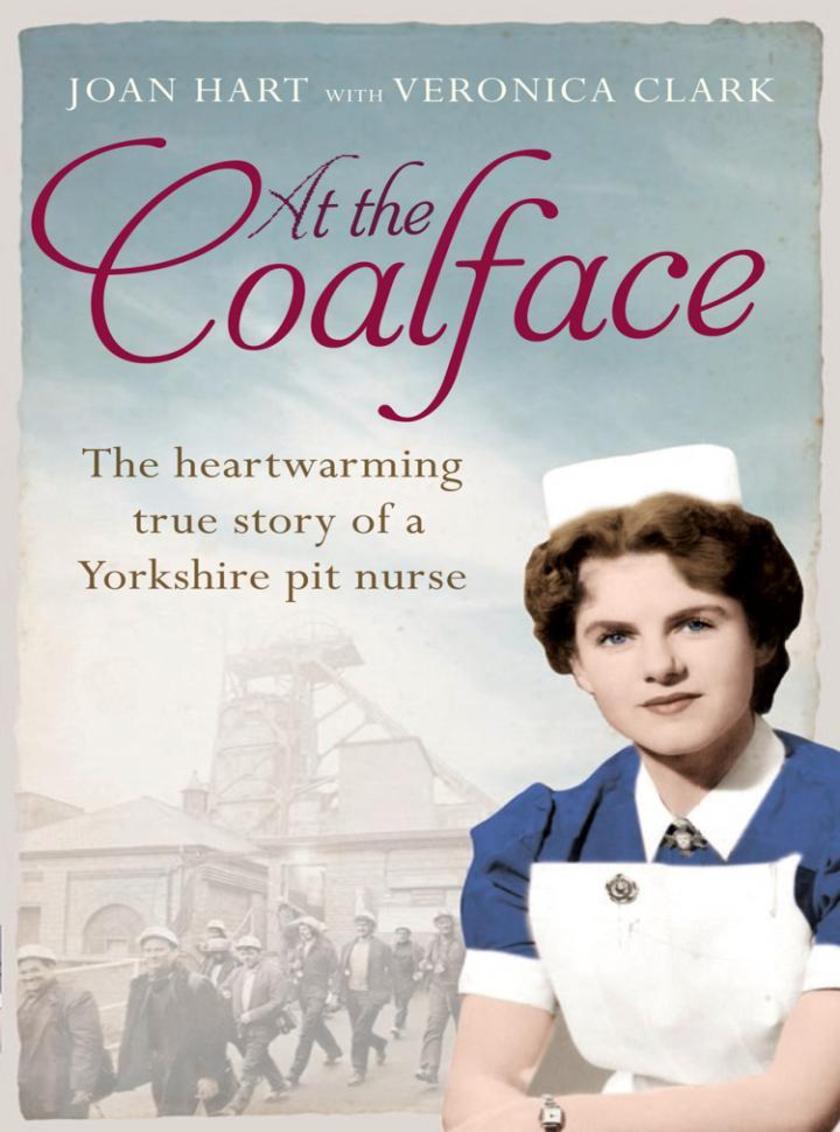
At the Coalface: The memoir of a pit nurse
¥58.86
A heart-warming story of a woman who devoted her life to helping others. This is the memoir of Joan, who started nursing in the 1940s and whose experiences took her into the Yorkshire mining pits and through the tumult of the 1984-85 miners’ strike. Joan Hart always knew what she wanted to do with her life. Born in South Yorkshire in 1932, she started her nursing training when she was 16, the youngest age girls could do so at the time. She continued working after she married and her work took her to London and Doncaster, caring for children and miners. When she took a job as a pit nurse in Doncaster in 1974, she found that in order to be accepted by the men under her care, she would have to become one of them. Most of the time rejecting a traditional nurse’s uniform and donning a baggy miner’s suit, pit boots, a hardhat and a headlamp, Joan resolved always to go down to injured miners and bring them out of the pit herself. Over 15 years Joan grew to know the miners not only as a nurse, but as a confidante and friend. She tended to injured miners underground, rescued men trapped in the pits, and provided support for them and their families during the bitter miners’ strike which stretched from March 1984 to 1985. Moving and uplifting, this is a story of one woman’s life, marriage and work; it is guaranteed to make readers laugh, cry, and smile.
At the Coalface: Part 1 of 3: The memoir of a pit nurse
¥33.75
A heart-warming story of a woman who devoted her life to helping others. This is the memoir of Joan, who started nursing in the 1940s and whose experiences took her into the Yorkshire mining pits and through the tumult of the 1984-85 miners’ strike. Joan Hart always knew what she wanted to do with her life. Born in South Yorkshire in 1932, she started her nursing training when she was 16, the youngest age girls could do so at the time. She continued working after she married and her work took her to London and Doncaster, caring for children and miners. When she took a job as a pit nurse in Doncaster in 1974, she found that in order to be accepted by the men under her care, she would have to become one of them. Most of the time rejecting a traditional nurse’s uniform and donning a baggy miner’s suit, pit boots, a hardhat and a headlamp, Joan resolved always to go down to injured miners and bring them out of the pit herself. Over 15 years Joan grew to know the miners not only as a nurse, but as a confidante and friend. She tended to injured miners underground, rescued men trapped in the pits, and provided support for them and their families during the bitter miners’ strike which stretched from March 1984 to 1985. Moving and uplifting, this is a story of one woman’s life, marriage and work; it is guaranteed to make readers laugh, cry, and smile.
At the Coalface: Part 3 of 3: The memoir of a pit nurse
¥41.01
A heart-warming story of a woman who devoted her life to helping others. This is the memoir of Joan, who started nursing in the 1940s and whose experiences took her into the Yorkshire mining pits and through the tumult of the 1984-85 miners’ strike. Joan Hart always knew what she wanted to do with her life. Born in South Yorkshire in 1932, she started her nursing training when she was 16, the youngest age girls could do so at the time. She continued working after she married and her work took her to London and Doncaster, caring for children and miners. When she took a job as a pit nurse in Doncaster in 1974, she found that in order to be accepted by the men under her care, she would have to become one of them. Most of the time rejecting a traditional nurse’s uniform and donning a baggy miner’s suit, pit boots, a hardhat and a headlamp, Joan resolved always to go down to injured miners and bring them out of the pit herself. Over 15 years Joan grew to know the miners not only as a nurse, but as a confidante and friend. She tended to injured miners underground, rescued men trapped in the pits, and provided support for them and their families during the bitter miners’ strike which stretched from March 1984 to 1985. Moving and uplifting, this is a story of one woman’s life, marriage and work; it is guaranteed to make readers laugh, cry, and smile.
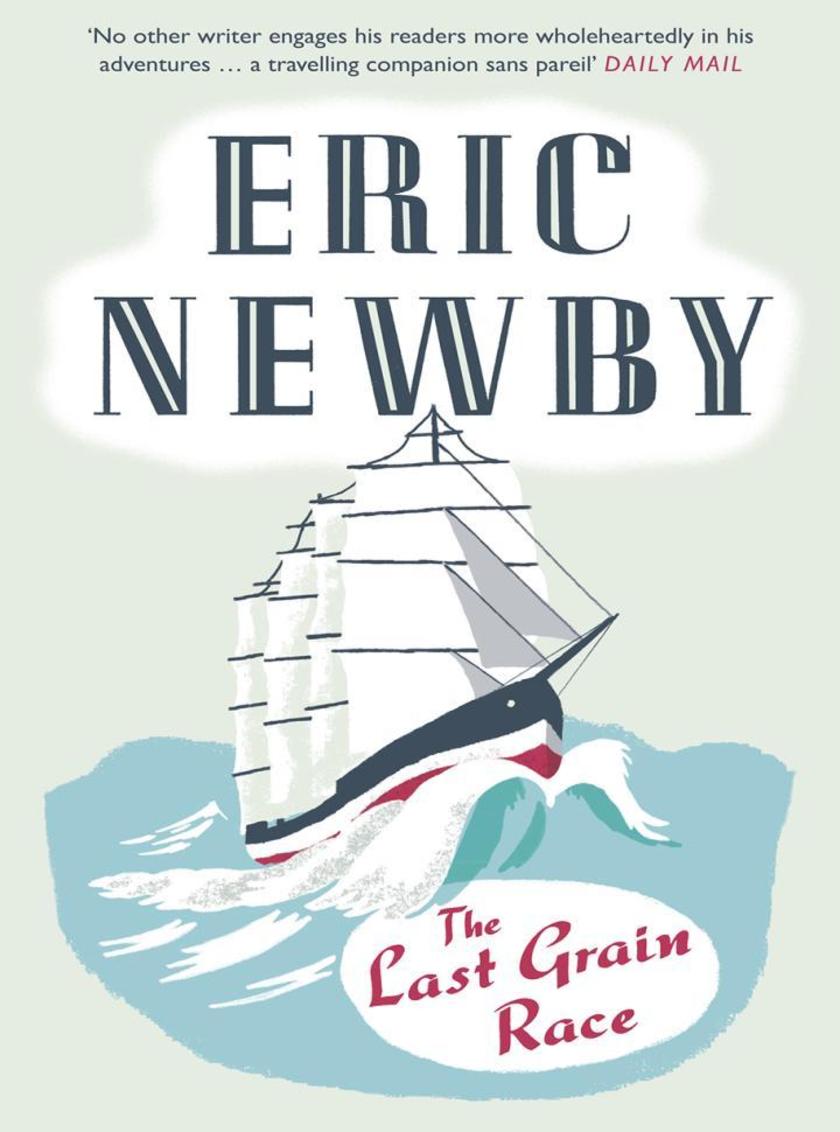
The Last Grain Race
¥80.25
An engaging and informative first-hand account of the last ‘grain race’ of maritime history, from respected travel writer Eric Newby. In 1939, a young Eric Newby – later renowned as a travel writer of exceptional talent – set sail aboard Moshulu, the largest sailing ship still employed in the transportation of grain from Australia to Europe. Every year from 1921 to 1939, the vessels involved in the grain trade would strive to find the shortest, fastest passage home – ‘the grain race’ – in the face of turbulent seas, atrocious weather conditions and hard graft. First published in 1956, ‘The Last Grain Race’, featuring many photographs from the author’s personal collection, celebrates both the spirit of adventure and the thrill of sailing on the high seas. Newby’s first-hand account – engaging and informative, with frequent bursts of humour and witty observations from both above and below deck – chronicles this classic sailing voyage of the Twenties and Thirties, and records the last grain race of maritime history.

David and Me: My path to solo motherhood
¥11.77
“This is the very beginning of the story of my life with my son. In some ways it is an unconventional one; a tale of choosing solo motherhood, with all its painful and joyful twists and turns. But at its heart it simply recounts a mother’s love for her child; a love that has been replicated throughout time all over the world.” The true story of Esther, who, at the age of 42, found herself single yet longing to be a mother. Flying in the face of the advice and scaremongering from the media, she made the brave decision to go it alone. Initially, the path was smooth, and Esther received nothing but encouragement and support from family and friends. But, as she ventured further down the path towards solo motherhood, Esther began to run up against bureaucracy, crushing negativity, obstructions and, occasionally, in amongst the care and compassion of doctors, nurses, embryologists and sonographers, bewildering incompetence. From IUI to IVF, dramatic hormonal fluctuations creating frustration and exhaustion, and a devastating blow, through to the joy of motherhood at last, Esther’s story is both moving and life-affirming.

Laugh or You’ll Cry
¥11.77
For most mothers, keeping up with the washing, the mess and the irrepressible energy of two young boys is a challenge in itself. But when Sue Askin’s eldest son was diagnosed with autism, only to be followed by her own diagnosis of MS the next year, the challenge became ever so slightly harder… Told in her own upbeat words, this is the heart-warming and funny account of one woman’s determination to do the best for her child, whilst learning to cope with her own diagnosis without any fuss. Packed with funny anecdotes and familiar challenges to which all families will relate, you’ll be uplifted and inspired as much as you’ll be smiling.

I Blame The Hormones
¥9.71
I Blame the Hormones follows the story of one woman battling long-term depression, her determination to root out the cause, and her ultimate discovery which freed her from its prison. Caroline Church suffered from a depression so chronic she experienced hallucinations, delusions and even suicidal inclinations. Yet through exploring the correlation between her depressive episodes and the basic elements of female nature, over many years she discovered that what she thought was a mental disorder was actually due to a hormonal imbalance. And the best bit? She learnt what she could do and take to control it. Shocking, vivid, and a must read for women, their partners and healthcare professionals alike, I Blame the Hormones is the uplifting memoir of Caroline’s journey to pull herself through despite all the odds.
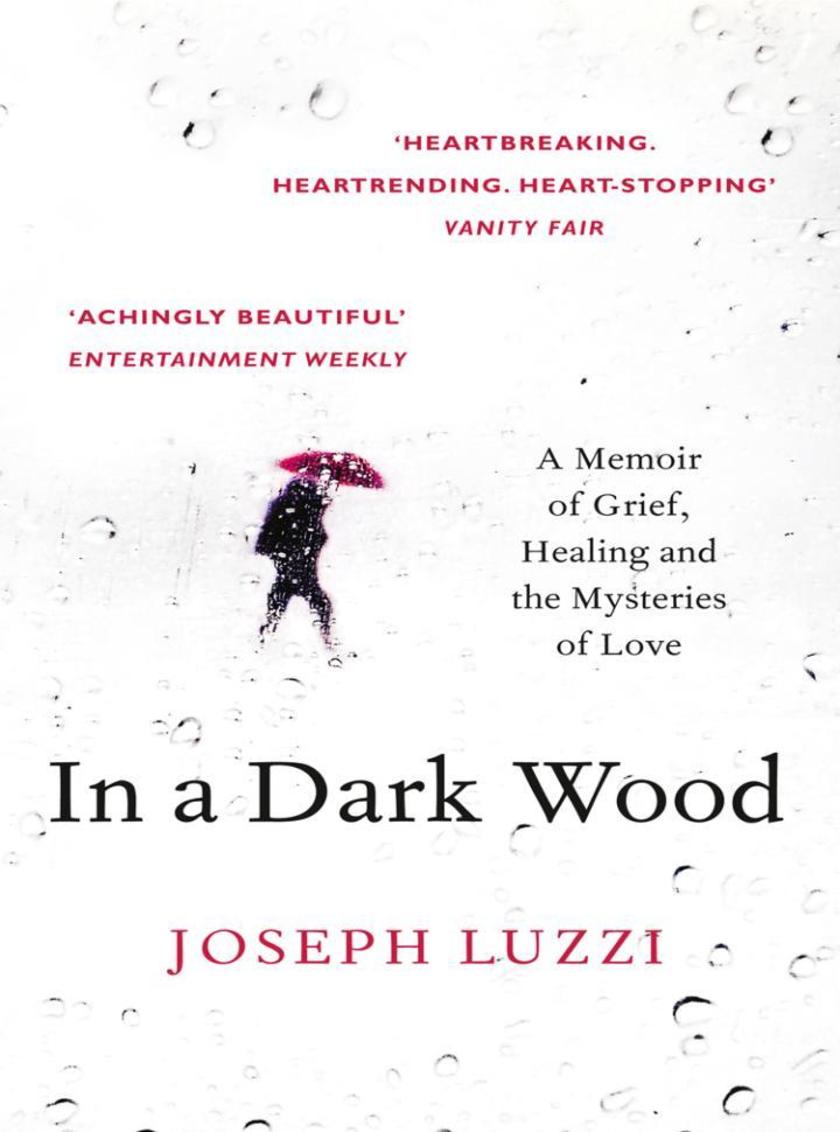
In a Dark Wood
¥66.22
A story of love and grief. ‘I became a widower and a father on the same day’ says Joseph Luzzi. His book tells how Dante’s ‘The Divine Comedy’ helped him to endure his grief, raise their infant daughter, and rediscover love. On a cold November morning, Joseph Luzzi, a Dante professor, found himself racing to hospital – his wife, eight-and-a-half months pregnant, had been in a horrible car accident. In one terrible instant, Luzzi became both a widower and a first-time father. Adrift and grieving, Luzzi found himself sharing Dante’s dark wood with an intimacy that years of reading had never shown him: the words became a wise companion through the Inferno of his grief, his healing, and ultimately his rediscovered love.
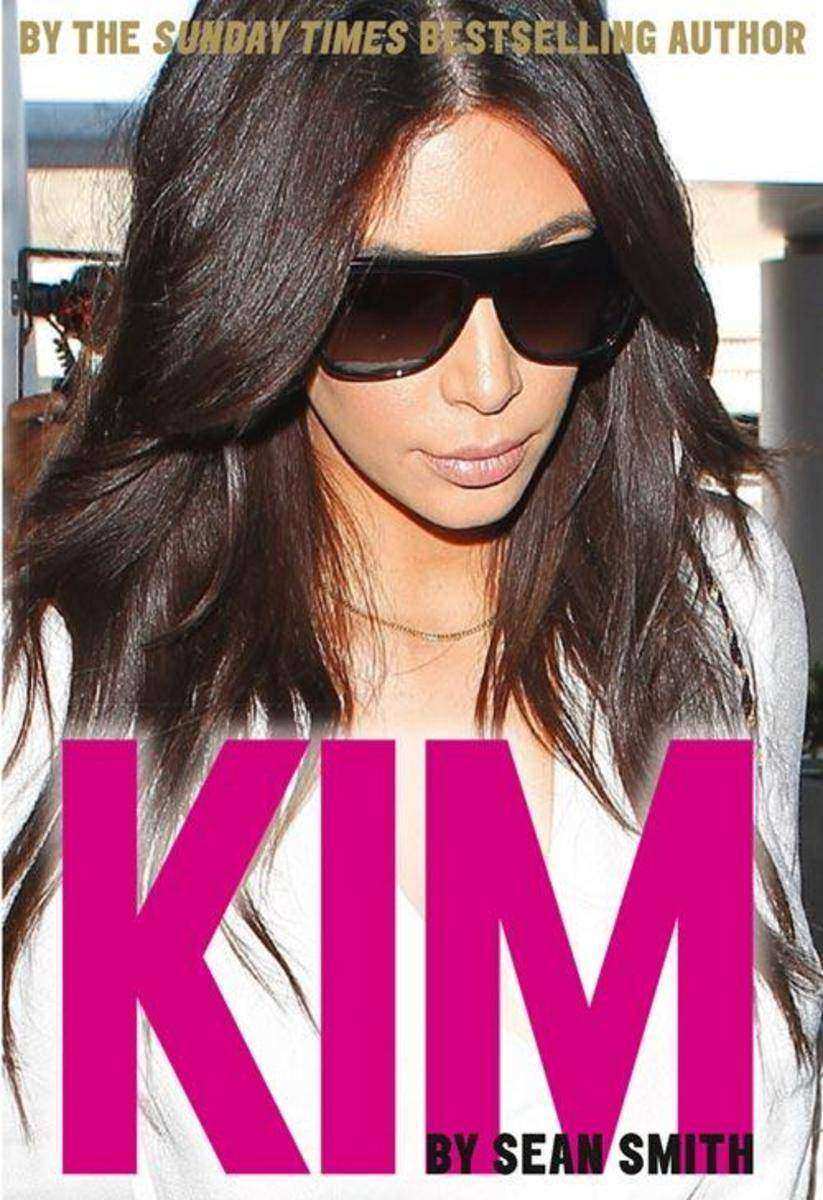
Kim Kardashian
¥58.86
Bestselling biographer Sean Smith takes on the world’s number one reality star, Kim Kardashian West. This is the ultimate insight into the reality behind the woman who has defined fame in our modern culture – her childhood, her family, her turbulent love life and the multi-millionaire lifestyle. Kim Kardashian West is a thoroughly modern woman. She enjoyed a privileged upbringing in a Beverley Hills mansion and, ironically, her childhood ambition was to appear in the long-running US reality series Real World. Instead she became the star of Keeping Up With the Kardashians while her own life story read like an X rated version of Dynasty…murder, elopement, domestic violence, sex tape, quickie divorce, churchgoing and impossibly glamorous designer dresses. Now married to one of the biggest stars on the planet, Kanye West, she has begun her own dynasty with the birth of daughter, North, and her son, Saint. In a world that follows her every move, Sean Smith uncovers what it took to get her to the top and how she intends to stay there. From her Armenian heritage and devotion to her family to the fabulous fashions and a body to die for, this is the truth behind the undisputed Queen of celebrity – the real story.
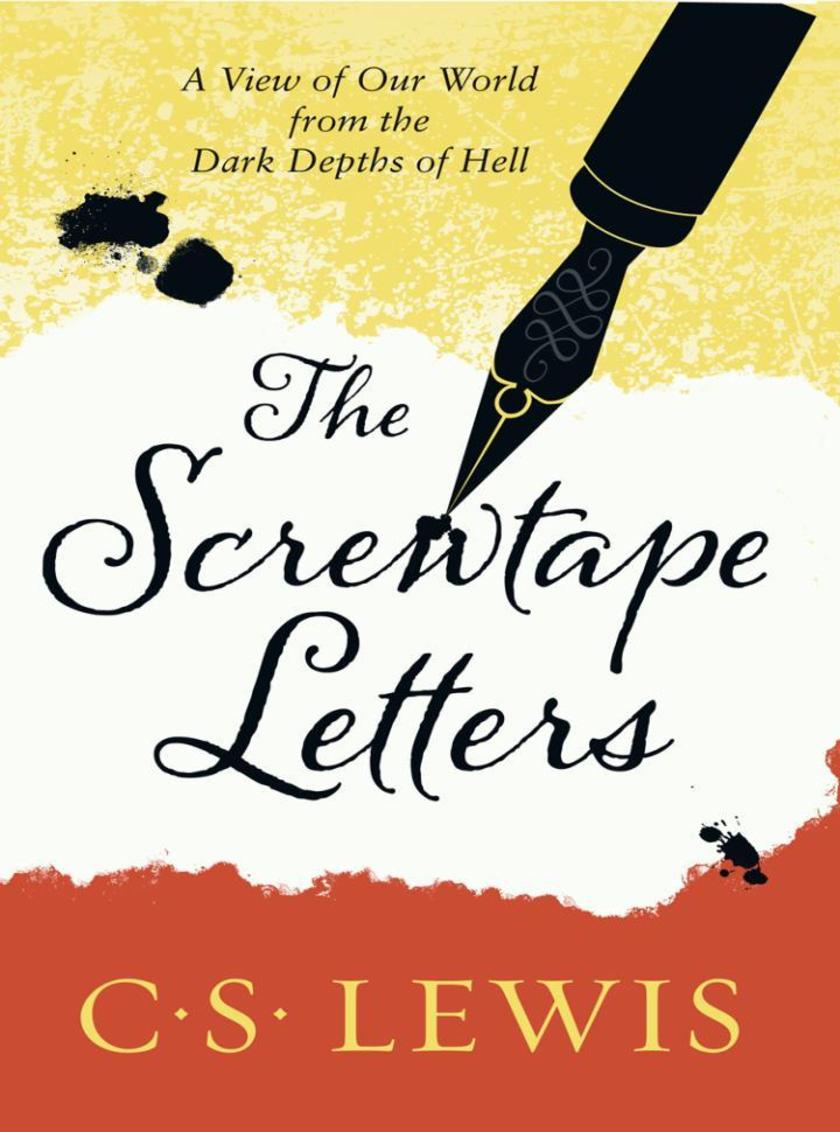
The Screwtape Letters: Letters from a Senior to a Junior Devil
¥61.51
The Screwtape Letters is a Christian apologetic novel by C. S. Lewis. It is written in a satirical, epistolary style and while it is fictional in format, the plot and characters are used to address Christian theological issues, primarily those to do with temptation and resistance to it. First published in February 1942, the story takes the form of a series of letters from a senior Demon Screwtape to his nephew Wormwood, a Junior Tempter. The uncle's mentorship pertains to the nephew's responsibility for securing the damnation of a British man known only as "the Patient".
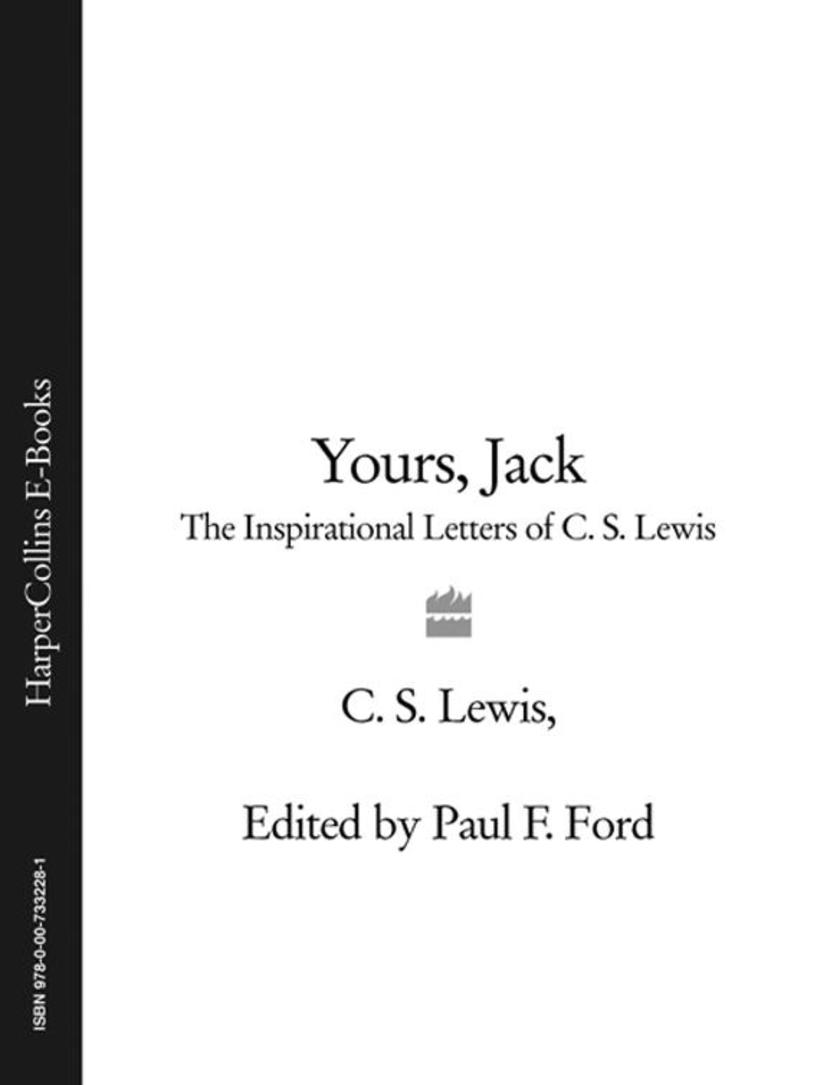
Yours, Jack: The Inspirational Letters of C. S. Lewis
¥95.75
A collection of 365 readings containing the best and most compelling writing culled from more than 4,000 pages of C.S.Lewis‘s famous published letters. Thoughout his life, C.S. Lewis – ‘Jack’ to his friends – spent a good portion of each day writing letters to people for whom he became a spiritual mentor – literally thousands of them. Contained within this vast body of correspondence is wisdom and personal insight as powerful as anything else he ever wrote or had published. Jack’s famous letters, published in their entirety in a collection consisting of three impressive volumes, reveal much about his private life, reflections, friendships and feelings, as well as all of Lewis’s interests: theology, literature, poetry, fantasy, and unknown details about his world-famous Narnia stories and other books. Amongst Jack’s correspondents were J.R.R. Tolkien, Dorothy L. Sayers, Owen Barfield, Arthur C. Clarke, Sheldon Vanauken and Dom Bede Griffiths. Now, this distillation of 365 inspirational readings extracted from the letters offers an easy-to-digest look at this great author’s lifetime of correspondence and drives straight to the heart of this insightful and inspirational thinker.


