


 购物车
购物车 个人中心
个人中心
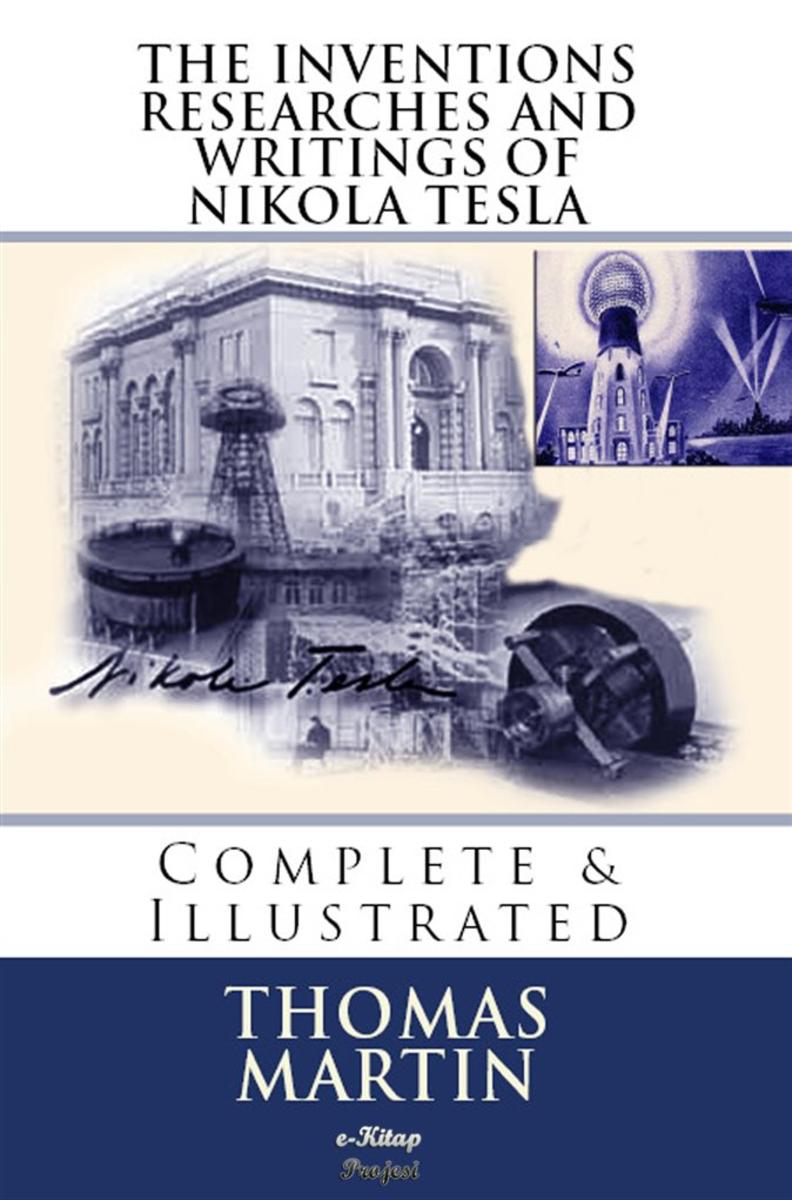
The Inventions, Researches and Writings of Nikola Tesla: Complete & Illustrated
¥28.61
The electrical problems of the present day lie largely in the economical transmission of power and in the radical improvement of the means and methods of illumination. To many workers and thinkers in the domain of electrical invention, the apparatus and devices that are familiar, appear cumbrous and wasteful, and subject to severe limitations. They believe that the principles of current generation must be changed, the area of current supply be enlarged, and the appliances used by the consumer be at once cheapened and simplified. The brilliant successes of the past justify them in every expectancy of still more generous fruition.??The present volume is a simple record of the pioneer work done in such departments up to date, by Mr. Nikola Tesla, in whom the world has already recognized one of the foremost of modern electrical in-vestigators and inventors. No attempt whatever has been made here to emphasize the importance of his researches and discoveries. ??Great ideas and real inventions win their own way, determining their own place by intrinsic merit. But with the conviction that Mr. Tesla is blazing a path that electrical development must follow for many years to come, the compiler has endeavored to bring together all that bears the impress of Mr. Tesla's genius, and is worthy of preservation. Aside from its value as showing the scope of his inventions, this volume may be of service as indicating the range of his thought. There is intellectual profit in studying the push and play of a vigorous and original mind.?
Alice in Wonderland and Through the Looking Glass
¥40.79
Who in the world am I? Ah, that's the great puzzle.' Curious Alice falls through a rabbit hole into a fantasy world populated by peculiar, anthropomorphic creatures. The tale plays with ideas of human perception and logic, giving the story lasting popularity with adults as well as with children. It is considered to be one of the best examples of the literary nonsense genre.
Mademoiselle de Scuderi and Other Tales
¥40.79
The action takes place in Paris during the reign of King Louis XIV of France. The city is under siege by what is presumed to be an organized band of thieves whose members rob citizens of costly jewelry in their homes or on the street. Some of the street victims are simply rendered unconscious by a blow to the head, but most are killed instantly by a deliberate dagger thrust to the heart. The murder victims are mostly wealthy lovers who are on their way to meet their mistresses with gifts of fine jewelry.
Ancient Medicine
¥40.79
The art of Medicine would not have been invented at first, nor would it have been made a subject of investigation (for there would have been no need of it), if when men are indisposed, the same food and other articles of regimen which they eat and drink when in good health were proper for them, and if no others were preferable to these. But now necessity itself made medicine to be sought out and discovered by men, since the same things when administered to the sick, which agreed with them when in good health, neither did nor do agree with them.
Aphorisms
¥40.79
Life is short, and Art long; the crisis fleeting; experience perilous, and decision difficult. The physician must not only be prepared to do what is right himself, but also to make the patient, the attendants, and externals cooperate.
Epidemics
¥40.79
Early in the beginning of spring, and through the summer, and towards winter, many of those who had been long gradually declining, took to bed with symptoms of phthisis; in many cases formerly of a doubtful character the disease then became confirmed; in these the constitution inclined to the phthisical. Many, and, in fact, the most of them, died; and of those confined to bed, I do not know if a single individual survived for any considerable time; they died more suddenly than is common in such cases. But other diseases, of a protracted character, and attended with fever, were well supported, and did not prove fatal: of these we will give a description afterwards.

The Sacred Disease
¥40.79
It is thus with regard to the disease called Sacred: it appears to me to be nowise more divine nor more sacred than other diseases, but has a natural cause from the originates like other affections. Men regard its nature and cause as divine from ignorance and wonder, because it is not at all like to other diseases. And this notion of its divinity is kept up by their inability to comprehend it, and the simplicity of the mode by which it is cured, for men are freed from it by purifications and incantations. But if it is reckoned divine because it is wonderful, instead of one there are many diseases which would be sacred; for, as I will show, there are others no less wonderful and prodigious, which nobody imagines to be sacred.
Fiul risipitor
¥68.75
Se spune c? ?nceputurile pot fi uneori ca o cea?? de nep?truns. A?a este ?i cazul acestei pove?ti, care ?ncepe cu apari?ia unei noi specii, probabil ?n urm? cu dou? mii de ani. Specia nu are ?nc? un nume – nimic nu are ?nc? unul – dar are capacitatea de a numi lucruri.Asemenea oric?rei alte noi specii, starea acesteia este fragil?. Num?rul membrilor s?i este mic, iar teritoriul pe care ?l ocup? este redus la o bucat? din estul Africii. Popula?ia sa cre?te treptat, dar apoi, destul de probabil, aceasta se diminueaz? din nou – unii ar spune c? asta se ?nt?mpl? ?ntr-un mod aproape fatal – ajung?nd la doar c?teva mii de perechi.Membrii speciei nu sunt neap?rat foarte rapizi sau puternici sau fertili. Ei sunt ?ns? nemaipomenit de descurc?re?i. Progresiv, ei ?ncep s? exploreze teritorii cu diferite climate, diferi?i pr?d?tori ?i diferite tipuri de v?nat. Nici una dintre constr?ngerile aduse de habitat sau de geografia locului nu pare s? ?i afecteze prea tare.

Surviving a Stroke—or Two: The Secret to Recovery
¥8.09
Having a stroke isn't bad. I didn't even know it was happening. It's afterward that all the fun starts. When you can't move or talk—even blink your eyes. That's a scary feeling. This book is a record of my journey—how the strokes happened—and more importantly, the long road to recovery ?
Inside Out
¥53.86
Inside-Out Weight Loss focuses on changing relationships with food by 're-programming' behaviour. Understanding that control and choice around food is managed at an unconscious level Louise Dorrian gently guides you to develop an awareness of food habits and compulsions that stem from 'thought processes' and result in overeating. Easy to understand and use techniques change the unhelpful thought processes and combine with the hypnotic recordings to transform your relationship with food and eating behaviours. Already proven to be successful and result in weight loss with Louise's private clients this program is available for the first time in book format and mp3 downloads. No diets, eating plans or strict regimes, just a natural, easy and rewarding route to weight loss and wellbeing.
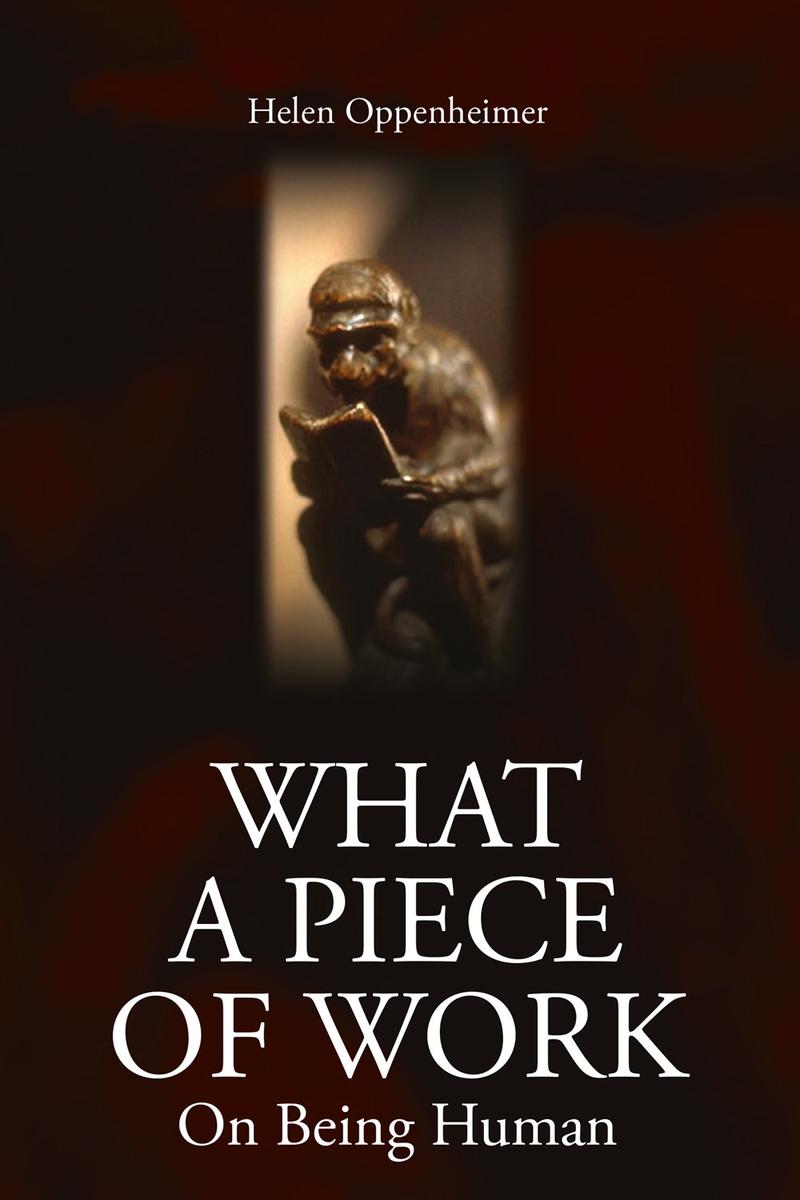
What a Piece of Work
¥63.67
This is a small book on a large subject: What is special about human beings? Hamlet mused, 'What a piece of work is man! How noble in reason! how like a god!' but went on to speak of 'this quintessence of dust'. Helen Oppenheimer prefers to start with the dust and move to the glory: we really are animals - and from these animals has come Shakespeare. People are indeed 'miserable sinners' - and also magnificent creatures.The author does not disguise that she is a Christian theologian whose subject is ethics, but she writes equally for non-Christians. Her invitation to the reader is: Here is a way of looking at things that I find exciting and convincing - I hope you do too.
Career Road Map
¥39.14
There are many times in a career where short pieces of advice come in useful, whether you're looking for a new job, thinking about leaving your current role, or trying to make progress inside an organisation.Here are 52 short pieces from careers expert John Lees, aimed to provide vital short-cuts, help you out of a fix, re-energise your job search or interview planning, or to rethink the way you manage your career. Most originally appeared in John's weekly column for the UK daily newspaper Metro.
Bilin? ve Zaman
¥9.32
Her ?ey ?evresiyle etkile?imsel bütünlükte anlaml? olmaktad?r. Soral?m yine de; Bütünü par?alar?ndan fazlas? yapan nedenler nelerdir? Evrende neyin ifadesiyiz? Canl?l?k, bilin?, ruh, duygular art?k anla??labilir midir? Canl?l?k h?z farklar?ndan m? olu?maktad?r? H?zl? bile?enimiz olan elektri?in; canl?l???n ve bilincimizin olu?umunda nas?l bir etken olmaktad?r? Bizleri olu?turanlardan beden, duygular, bilin?, ruh diye tan?mlad?klar?m?z aras?nda ba?lant?lar nas?l kurulmaktad?r? Sorular?, günümüzde enerjiler aras? ba?lant?, etkile?im nas?l kurulmaktad?r? Sorusu gibi oldu?u, yani her?ey gibi onlar?nda enerji oldu?u anla??lm??t?r. Ruh olarak tan?mlad?k, zihin-beden aras?nda ba?lant?y? kurmaya, duygular? anlamaya ?al??t?k. Bilincin, alg?n?n tüm bunlarla nas?l bir ili?kisi olabilece?ini sorgulad?k. Genelde ?yle oluyor ya, bütünün ?nce par?alar?n? anlamaya, par?alara ay?r?p anlamaya ?al??man?n sorunlar?n?n izlerini sürüp bütünle olan etkile?imini g?rmeye y?neliyoruz. Zaman?n i?inde zaman ge?irmemize ra?men bilincimizle, canl?l???m?zla nas?l ba?lant?l? oldu?unu g?rmezden geldik. Günümüz dünyas?n?n ula?t??? bilgi, ya?amsal deneyimlerin kaydedilip aktar?lmas?, izledi?imiz filmlerden tutun da, deneyimlerimizin h?zl? etkile?imiyle zaman aral?klar?n? orduk. S?n?r sistemimize benzeyen internet a?lar? olu?turduk. ?nsanl?k olarak yapay zekalar geli?tirdik. Hücre ile beden benzeri; canl?yla tüm canl?l???n, ekosistemin, varl???n etkile?im ?rüntüsü oldu?unu, etkile?imsel ?rüntüde anlam? oldu?unu ??rendik. Belki de olu?turdu?umuz yeni anlamlar gelecekte olu?acaklar?n par?alar?d?r. De?i?im devam ediyor. G?rünen o ki, canl?lar bu evrenin en ileri evrensel enerji alanlar?d?r. Soral?m kendimize; Evrende canl?l?ktan daha anlaml? bir ?ey var m?d?r? Dünya bilinci ?a?lard?r. Biriktirdi?i bilgi ve deneyimlerini, olu?umun ba?lang?c?ndan itibaren nesiller boyu aktarm??, ekosistemiyle bir bütün olarak evrilmi?tir. Ula?t??? bilin? halini ?evresiyle etkile?imsel d?ngü i?inde hep yeniden ?ekillendirmi?tir. D?nü?ümsel etkile?imin hi?bir zaman?n?n ayn? olmay??? temel evrensel durumun etkisiyle de zamanda evrilmi? ve günümüz dünyas?n?n paradigmas?na ula?m??t?r. Evrimsel ?rüntüye paralel geli?en teknolojik entegrasyonla bilgi, zamanda ?ok yo?un etkile?ebilmi?tir. Dünya üzerinde artan s?n?r hücresi say?s? yani artan canl? say?s?n?n olumlu bir yan? ise, bilginin etkile?imini art?rm?? olmas?d?r. Platon’un idealar dünyas?nda var olan?n kendi ba??na var olamayaca??n?, var olan?n ?ncül bir mükemmeli olmal? dü?üncesiyle hareket etti?i g?rülüyor. Bu dü?ünceye bi ele?tiriyle ba?lay?p daha sonra ele?tiriyide ele?tirelim. Diyelim ki bu dü?ünceye evrimin, zaman?n itiraz? var. Buna b?yle devam edersek ba?lang?? i?inde, uzaylar i?inde ba?layan evrenler olsa bile bugünki mant?k yine en ba?a d?nmemizi s?ylüyor. Yani ilk nas?l olu?tu? Bu olu?um ?ncesi uzay diyeyim en mükemmel saf hali olan B?R nas?l olu?tu. 1’de ise hi?bir ?zellik olmamal? yani nas?l olurda idea’lar oradan kaynaklan?r. Demek ki varl?k olu?umu bi süre?, evrim olur gibi. Sondan ba?a d?nsekte bi süre?, ba?tan ba?lam?? olsakta bi süre?. Bu ifadeler B?R d?ngüsü i?inde do?ru olabilir. ?dealar nereden geldi ?ünki sonu? olarak idealar B?R de olmamal? ?ünkü B?R farkl?l?k bar?nd?rm?yor. Asl?nda her ?eyi B?R kapsar, o kaynak potansiyeller alan?d?r. Haliyle her ?eyle ayn? alandad?r. Bi nevi potansiyeller alan?yla varl?k ayn? ?eydir, benzerdir. O halde Platon’un idealar kuram?n?n kayna?? ve kendisi bu evrendedir, bu evrendir. Günümüz bilim dünyas?nda ?oklu evrenler dü?üncesi olduk?a yayg?nd?r. O halde evrenlerin oldu?u daha dev uzaysal kaynaklar, alanlar olmal?d?r. ??te B?R belkide bizimde i?inde evrildi?imiz vede k?smen farkl?la?t???m?z her ?eyin kayna??, alan?d?r. Evren büyük tabii ancak büyüklük hep yan?lt?c? olmaya devam etmi?tir. Belkide hiper bir uzay hatta uzaylar alan?nda olabiliriz. Belki ama e?er do?ru b? dü?ünce ?ekliyse bu ilk soruyu yinede de?i?tirmiyor. ?lk ba?lang?? diye bir ?ey var m??
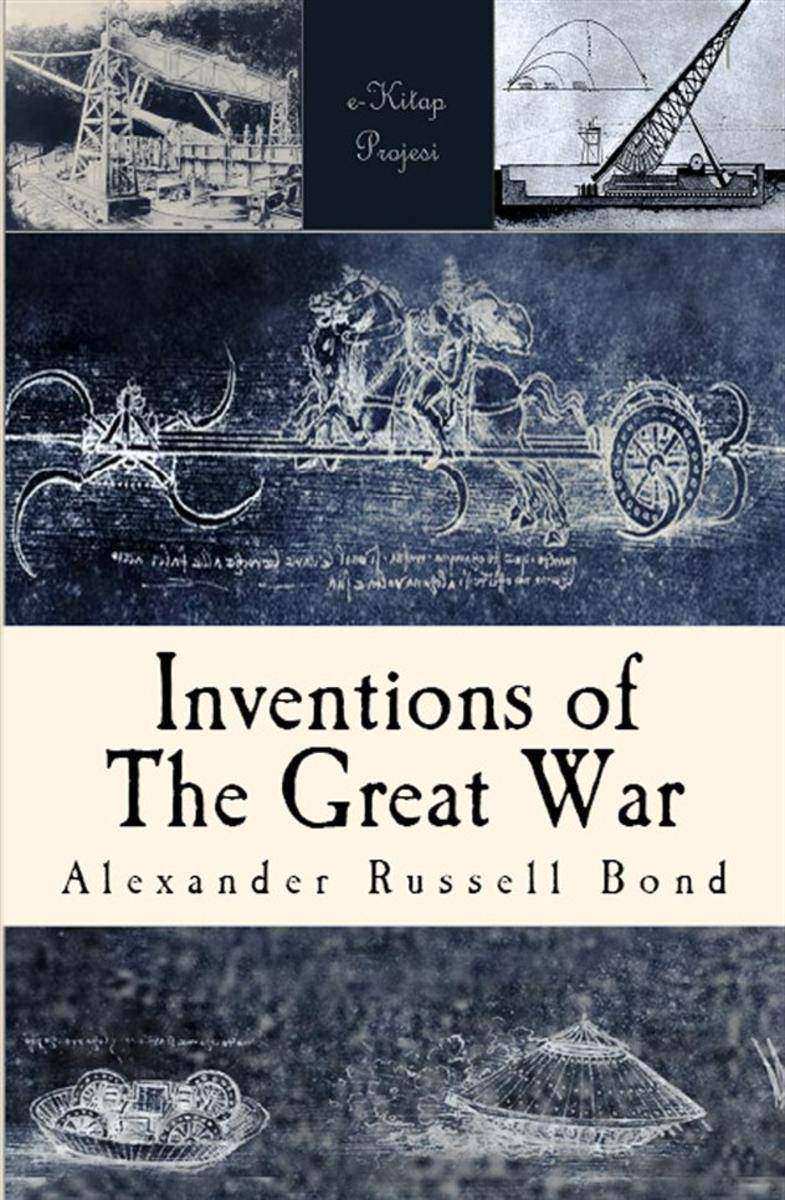
Inventions of the Great War
¥27.88
The great World War was more than two-thirds over when America entered the struggle, and yet in a sense this country was in the war from its very beginning. Three great inventions controlled the character of the fighting and made it different from any other the world has ever seen. These three inventions were American. The submarine was our invention; it carried the war into the sea. The airplane was an American invention; it carried the war into the sky. We invented the machine-gun; it drove the war into the ground. It is not my purpose to boast of American genius but, rather, to show that we entered the war with heavy responsibilities. The inven-tions we had given to the world had been developed marvelously in other lands. Furthermore they were in the hands of a determined and unscrupulous foe, and we found before us the task of overcoming the very machines that we had created. Yankee ingenuity was faced with a real test. The only way of overcoming the airplane was to build more and better machines than the enemy possessed. This we tried to do, but first we had to be taught by our allies the latest refinements of this machine, and the war was over before we had more than started our a?rial program. The machine-gun and its accessory, barbed wire (also an American invention), were overcome by the tank; and we may find what little comfort we can in the fact that its invention was inspired by the sight of an American farm tractor. But the tank was a British creation and was undoubtedly the most important invention of the war. On the sea we were faced with a most baffling problem. The U-boat could not be coped with by the building of swarms of submarines. The essential here was a means of locating the enemy and destroying him even while he lurked under the surface. Two American inventions, the hydrophone and the depth bomb, made the lot of the U-boat decidedly unenviable and they hastened if they did not actually end German frightfulness on the sea. But these were by no means the only inventions of the war. Great Britain showed wonderful ingenuity and resourcefulness in many di-rections; France did marvels with the airplane and showed great clev-erness in her development of the tank and there was a host of minor inventions to her credit; while Italy showed marked skill in the crea-tion of large airplanes and small seacraft.

The Hound of the Baskervilles: Sherlock Holmes #5
¥16.27
Egy csodálatos fantáziával és íráskészséggel megáldott fiatal n? került a budapesti Moravcsik-féle elmeklinikára. Akkor végezte ott éppen klinikai gyakorlatait dr. Brenner József fiatal orvos, Csáth Géza néven országos hír? novellista és zenekritikus. Rendkívül sokoldalú tehetség: zenél és zenét szerez, felfedez? érték? zenekritikát ír, ráérez a legújabb festészeti ízlésre, s útt?r?je a novellam?fajnak. Akármibe fog, mindig és mindenben megel?zi kora gondolkodását, ízlését, m?veltségét. ?gy van ez orvostudományi munkásságával is. A nagy tekintély?, de konzervatív iskolát képvisel? Moravcsik professzor égisze alatt a szakmában még igazán sehol el nem ismert freudi módszereket alkalmazza betege pszichés védelmi mechanizmusainak f?ltárásában, megismerésében. A korszak magyar tudományosságát a teljes nyitottság jellemezte az új t?rekvések iránt. Még a konzervatív Moravcsik és orvosgárdája is elt?rte, s?t segítette kezd? orvosa freudista kísérleteit. Egy zseniális adottságokkal rendelkez? elmebeteg, egy zseniális fiatal orvos és lélekbúvár író, valamint egy minden újra fogékony tudományos k?rnyezet szerencsés találkozása eredményeképpen született meg Az elmebetegségek pszichikus mechanizmusa.
Fundamentele comunic?rii interpersonale
¥48.97
Puericultur? ?i pediatrie pentru asisten?i medicali ofer? elevilor ?colilor postliceale sanitare un instrument de studiu al particularit??ilor fiziologice ?i patologice ale copilului, necesar identific?rii nevoilor fundamentale ale copilului s?n?tos ?i bolnav ?i aplic?rii tehnicilor specifice de ?ngrijire a acestuia.Aceast? carte se dore?te a fi un ghid teoretic pentru elevii ?i asisten?ii medicali care ?ngrijesc copii ?n diverse perioade de dezvoltare, pornind de la premisa c? un copil nu este un adult ?n miniatur?.Lucrarea este astfel conceput? ?nc?t informa?ia oferit? s? acopere cerin?ele programei analitice, s? fie simplu de accesat ?i s? fie u?or de ?n?eles.

Scriitori evrei din Rom?nia
¥46.36
Pornind de la rezultatele unor cercet?ri ?i experimente ?ndelungate ?n domeniul alimenta?iei, F?nic?-Voinea Ene, renumit specialist ?n medicin? complementar?, ne demonstreaz? c? numai o diet? naturist? ne poate conduce spre o pierdere ?n greutate lesnicioas?, cu pu?ine frustr?ri ?i f?r? s? ne afecteze s?n?tatea, fiindc? ea presupune consumul alimentelor integrale, a?a cum se g?sesc ele pe planeta aceasta de milioane de ani, ?i care au suferit pu?ine prelucr?ri termice sau chimice. Este o diet? bazat? pe respectarea unor reguli specifice: meniul zilnic trebuie s? con?in? numai alimente cu calorii negative, trebuie s? se consume doar ape minerale alcaline plate ?i alimente alcaline; se pune accent pe consumul de gr?simi nesaturate, carbohidra?i cu indice glicemic sc?zut, nu trebuie s? se utilizeze nutrimente glucido-lipidice ?i nici asocieri de glucide cu lipide la aceea?i mas?...
Superimunitatea. F?r? injec?ii, f?r? medicamente, f?r? concedii medicale
¥81.67
E u?or s? te ba?i cu pumnul ?n piept c? iube?ti Rom?nia. E simplu s?-?i cumperi un fular ?n culorile tricolorului – ro?u, galben ?i albastru – ?i s? ie?i ?n pia?? de 1 Decembrie, la un pahar de vin gratis. E comod s? te cer?i ?n diferite grupuri pe Facebook cu ?nenoroci?ii care nu iubesc trupul patriei mam? ?i-l p?ng?resc“. E la ?ndem?n? s?-?i lipe?ti pe man?et? o etichet? care url? c? ?rom?nii sunt frumo?i“. E confortabil s? te ?mp?unezi cu reu?itele altor rom?ni, al?ii dec?t tine – fie c? vorbim despre filme rom?ne?ti premiate ?n lume, fie c? vorbim despre o echip? de fotbal sau ni?te liceeni olimpici la matematic?. E ideal s? spui, de acas?, din fotoliul t?u, scuip?nd o coaj? de s?m?n?? pe covor: ?E buni, domle, e rom?ni de-ai no?tri!“ Dar, de fiecare dat? c?nd e?ti tentat s? spui asta, pune-?i ?i ?ntrebarea: c?nd am f?cut, cu adev?rat, ceva real ?i personal PENTRU Rom?nia?

Un american la Chi?in?u
¥48.97
Medicina modern? a f?cut progrese imense. Cu toate acestea, nu a reu?it s? ?nving? cancerul, boala nemiloas? care face milioane de victime ?n fiecare an, la nivel mondial. ?i totu?i, dr. Max Gerson (1881-1959) ne-a oferit o raz? de speran??, prin terapia alternativ? care ?i poart? numele. ?n 1958, el a fost primul medic din lume care a spus despre cancer c? ar fi cauzat de mai mul?i factori independen?i. Dintre cei 49 de astfel de factori identifica?i p?n? ?n prezent (deficien?ele de nutri?ie, radia?iile de diverse tipuri, ingerarea aditivilor alimentari, stresul cronic, consumul de tutun ?i de alcool etc.), ?n mod surprinz?tor, alimentele toxice fac cel mai mare r?u. Peste 70% dintre tumorile maligne sunt cauzate, ?ntr-un fel sau altul, de ceea ce m?nc?m. Tocmai de aceea, Terapia Gerson are la baz? o diet? care include fructe ?i legume proaspete, cultivate organic, ?i 13 pahare de sucuri proaspete pe zi, la intervale fixe. Dup? 70 de ani de la apari?ia terapiei, timp ?n care mii de pacien?i au fost trata?i cu succes, fiica dr. Gerson, Charlotte, ea ?ns??i terapeut ?n medicina alternativ?, ?mpreun? cu dr. Morton Walker ofer? ?i mai multe informa?ii despre efectele puternice de vindecare ale fructelor ?i legumelor organice. Afl?: cum s? ?nvingi cancerul schimb?nd chimia organismului;cum s? prepari sucuri prin tehnici speciale pentru a le maximiza puterea de vindecare;cum s? scapi de alergii, obezitate, hipertensiune, SIDA, lupus ?i alte boli;ce suplimente ?nt?resc sistemul imunitar. Terapia Gerson – cea mai bun? metod? pentru oricine a spus vreodat? ?Vreau s? m? fac bine. Ar?ta-mi cum“ A func?ionat ?i pentru al?ii, va func?iona ?i pentru tine! ?nvinge boala cu ajutorul Terapiei Gerson!

San-Antonio. Arhipelagul mitocanilor
¥32.62
Una dintre cele mai cuprinz?toare ?i mai bine v?ndute c?r?i despre tratamentul ?i supravie?uirea ?n cazurile de cancer mamar Aceast? edi?ie revizuit? ?i actualizat? a Manualului de supravie?uire ?n cancerul mamar ofer? nout??i esen?iale legate de tratament ?i ?ngrijire, f?c?nd din volumul de fa?? cel mai important ghid din ultimii zece ani pentru femeile diagnosticate cu cancer la s?n. Prezenta edi?ie cuprinde cele mai actuale informa?ii medicale privind: noua clasificare genomic? a cancerului mamar ?i importan?a acesteia ?n planificarea tratamentului; testarea genelor canceroase, prin care se determin? dac? pacienta va beneficia de pe urma chimioterapiei; noile progrese din chirurgia cancerului mamar ?i extirparea chirurgical? a ganglionilor limfatici; necesitatea ob?inerii unei a doua opinii: de ce este important s? o ob?inem, ce ?ntreb?ri trebuie s? punem ?i cum s? decidem care echip? de doctori este cea mai potrivit?. Con?tient de evolu?ia rapid? a spectrului op?iunilor de tratament, dr. John Link descrie ultimele experimente clinice din domeniu ?i ofer? sfaturi pentru pacientele aflate ?n c?utarea celui mai eficient plan de tratament. Manualul de supravie?uire ?n cancerul mamar r?m?ne o lectur? obligatorie pentru femeile care au nevoie de informa?ii corecte ?i accesibile cu privire la gestionarea cancerului mamar ?n zilele noastre. ?Ar fi o gre?eal? imens? s? trat?m cancerul mamar f?r? a ne g?ndi la femeia ?ns??i. V?rsta, statusul hormonal, starea general? de s?n?tate, re?eaua de sprijin emo?ional, sexualitatea, sistemul imunitar ?i femeia din punct de vedere psihologic ?i spiritual sunt toate extrem de importante pentru planificarea tratamentului ?i men?inerea st?rii de s?n?tate.“ – Dr. John Link ?Este o carte pe care nimeni n-ar vrea s? fie nevoit s-o citeasc?, dar cuprinde multe dintre informa?iile pe care trebuie s? le ?tim c?nd ne confrunt?m cu diagnosticarea acestei maladii teribile.“ – Beverly Deal
Mica ?ar?
¥57.14
Amit az olvasó a kezében tart, a F?ld kül?nb?z? pontjain feltárt lel?helyekr?l és a bennük található leletekr?l szól. Kül?nleges ablakot nyit elfeledett világokba, amiket a legt?bb ember nehezen tud elképzelni. Ezek a helyek olyan k?rülmények k?z?tt j?ttek létre, amik k?vetkeztében halált hoztak a figyelmetlenekre, legyenek azok kicsik vagy hatalmasak. Ebben a k?nyvben végigmegyünk kül?nb?z? f?ldt?rténeti korokon, mik?zben megtudjuk, hogy ezek a csapdák hogyan keletkeztek, hogyan m?k?dtek, és a bennük elpusztultak maradványaiból rekonstruáljuk a rég elfeledett él?lényeket.


