


 购物车
购物车 个人中心
个人中心
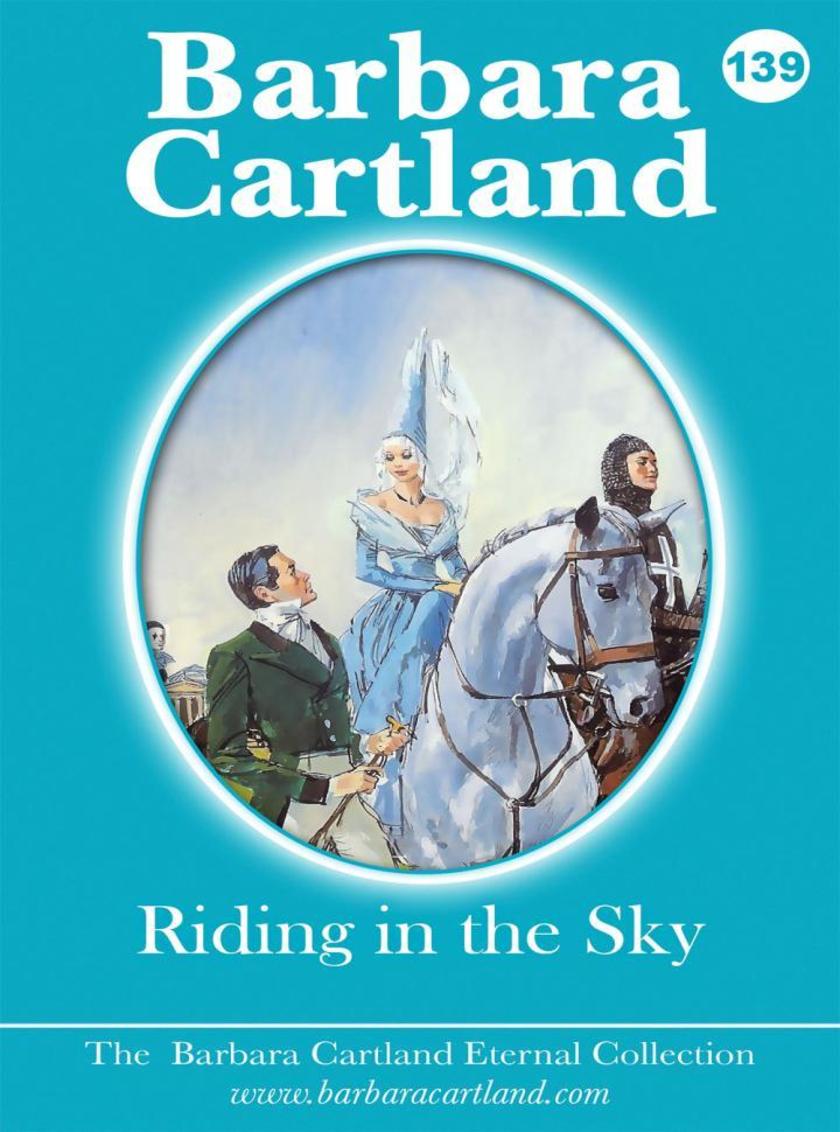
139. Riding In The Sky
¥24.44
Barbara Cartland was the world’s most prolific novelist who wrote an amazing 723 books in her lifetime, of which no less than 644 were romantic novels with worldwide sales of over 1 billion copies and her books were translated into 36 different languages. As well as romantic novels, she wrote historical biographies, 6 autobiographies, theatrical plays and books of advice on life, love, vitamins and cookery. She wrote her first book at the age of 21 and it was called Jigsaw. It became an immediate bestseller and sold 100,000 copies in hardback in England and all over Europe in translation. Between the ages of 77 and 97 she increased her output and wrote an incredible 400 romances as the demand for her romances was so strong all over the world. She wrote her last book at the age of 97 and it was entitled perhaps prophetically The Way to Heaven. Her books have always been immensely popular in the United States where in 1976 her current books were at numbers 1 & 2 in the B. Dalton bestsellers list, a feat never achieved before or since by any author. Barbara Cartland became a legend in her own lifetime and will be best remembered for her wonderful romantic novels so loved by her millions of readers throughout the world, who have always collected her books to read again and again, especially when they feel miserable or depressed. Her books will always be treasured for their moral message, her pure and innocent heroines, her handsome and dashing heroes, her blissful happy endings and above all for her belief that the power of love is more important than anything else in everyone’s life. Since the loss of her parents, the beautiful young Filipa Seymour runs the family’s ancient Manor House alone with very little money and only her beloved dogs and horses and ageing housekeeper, Mrs. Smeaton, for company. So she looks forward with excitement to every visit from her brother, Sir Mark Seymour, except that invariably he is looking for yet another heirloom in the house to sell in order to finance his extravagent Society lifestyle in London. So when Mark suggests a crazy plan for Filipa secretly to take the place of the glamorous ‘Pretty Horse-Breaker’ with whom he is due to ride at the Marquis of Kilne’s prestigious horse race meeting, she reluctantly agrees. Introduced to the Marquis and the other house guests as ‘Fifi’, Filipa is intimidated yet strangely enthralled by his dismissive attitude. But, even as she realises that she is falling in love with him, the Marquis seems oblivious to her and convinced that she is just another gold digger – until she foils a dastardly plot to poison his beloved stallion, saving its life and probably that of its rider as well and in the process opening the Marquis’s eyes to love.
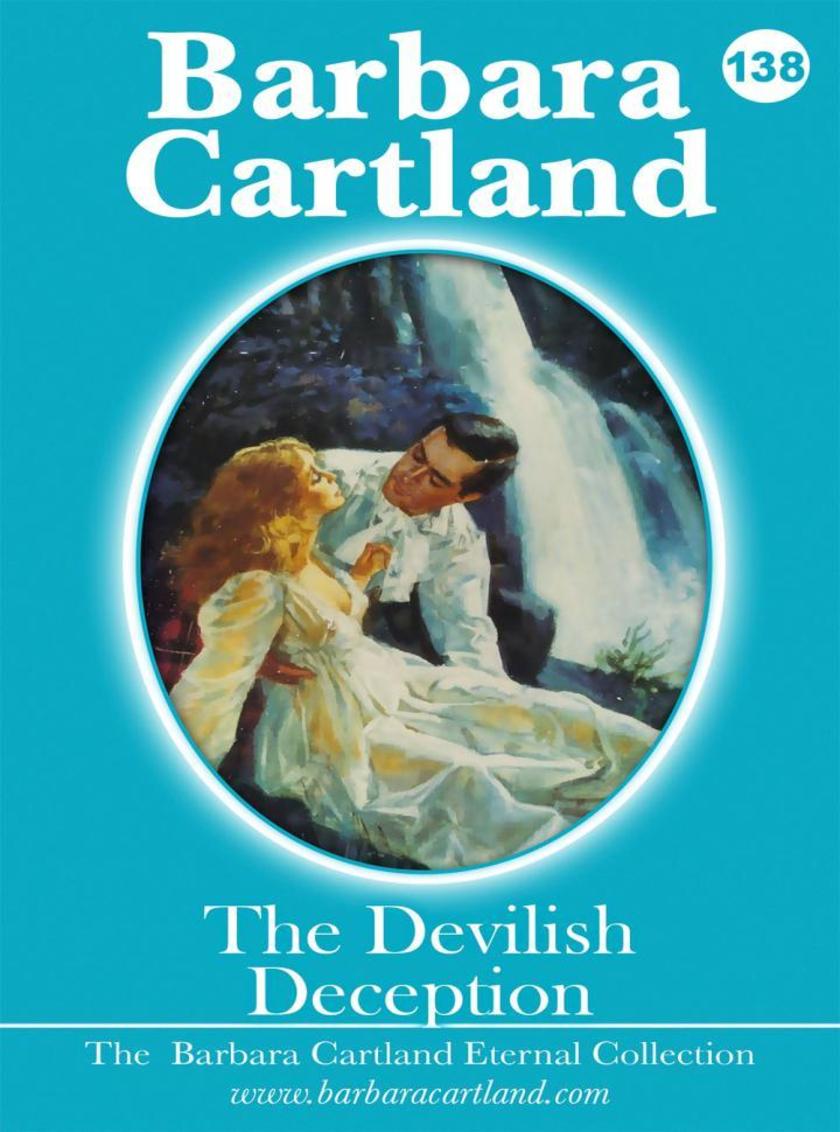
138. The Devilish Deception
¥24.44
Barbara Cartland was the world’s most prolific novelist who wrote an amazing 723 books in her lifetime, of which no less than 644 were romantic novels with worldwide sales of over 1 billion copies and her books were translated into 36 different languages. As well as romantic novels, she wrote historical biographies, 6 autobiographies, theatrical plays and books of advice on life, love, vitamins and cookery. She wrote her first book at the age of 21 and it was called Jigsaw. It became an immediate bestseller and sold 100,000 copies in hardback in England and all over Europe in translation. Between the ages of 77 and 97 she increased her output and wrote an incredible 400 romances as the demand for her romances was so strong all over the world. She wrote her last book at the age of 97 and it was entitled perhaps prophetically The Way to Heaven. Her books have always been immensely popular in the United States where in 1976 her current books were at numbers 1 & 2 in the B. Dalton bestsellers list, a feat never achieved before or since by any author. Barbara Cartland became a legend in her own lifetime and will be best remembered for her wonderful romantic novels so loved by her millions of readers throughout the world, who have always collected her books to read again and again, especially when they feel miserable or depressed. Her books will always be treasured for their moral message, her pure and innocent heroines, her handsome and dashing heroes, her blissful happy endings and above all for her belief that the power of love is more important than anything else in everyone’s life. Called home from his Regiment in Calcutta after having inherited the title of the Third Duke of Invercaron on the death of his uncle, Talbot McCaron is dismayed to find not only that his highland estate is all but bankrupt but also that his family seems determined to marry him off to Lady Jane Dalbeth from the neighbouring Macbeth Clan. He soon understands the reason why, when he is informed that Lady Jane has inherited a vast fortune from her American Godmother. Strolling in the grounds of his new domain, he comes across a thin half-starved yet bewitchingly beautiful young waif who appears intent on drowning herself in a torrential cascade he cannot understand. With some difficulty in persuading her not to commit suicide, the Duke takes Giovanna, for that is her name, secretly under his wing and patiently waits to hear the reason for her desperation and terror. What he eventually discovers is a Devilish Deception – an extraordinarily wicked plot – that almost defies belief and in the process of saving Giovanna he comes to realise that he has irrevocably and for ever lost his heart.
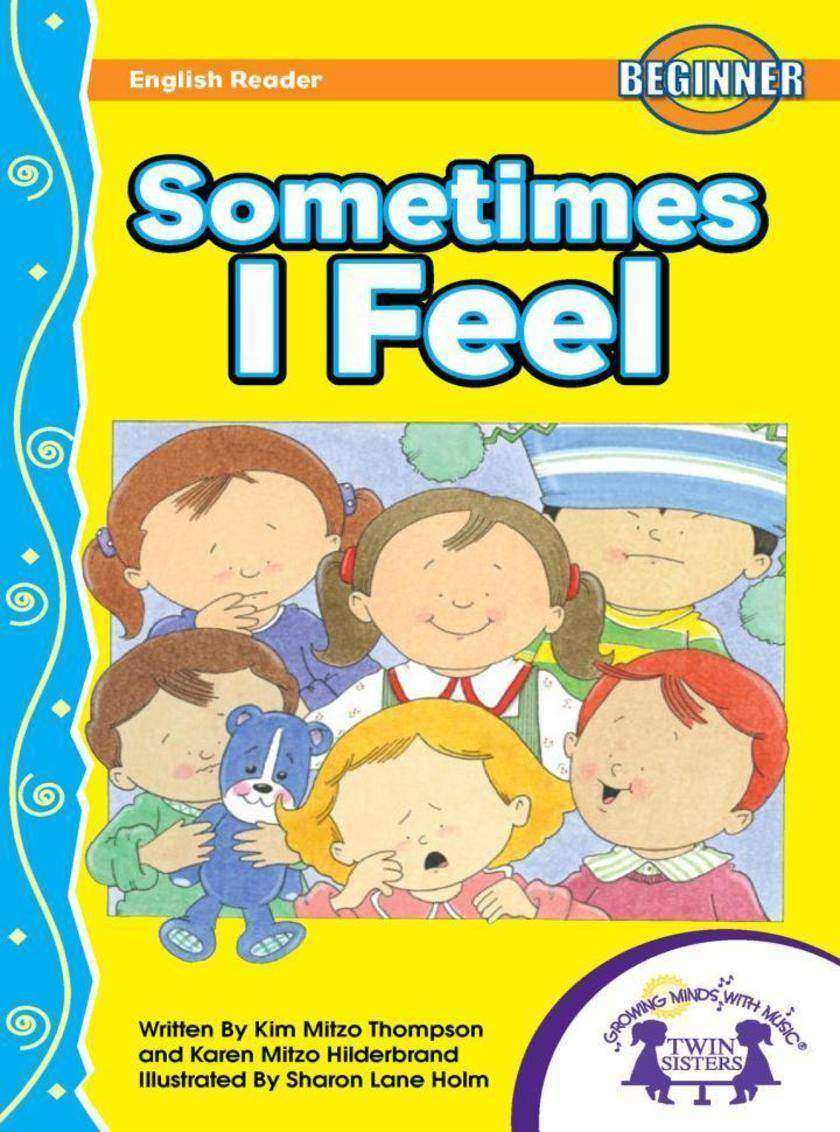
Sometimes I Feel
¥24.44
Young readers will realize that all the different feelings they experience throughout the day are common. Based in Stow, Ohio, Twin Sisters Productions has been dedicated to producing quality educational and inspirational music resources for over 25 years. Fraternal twins Karen Mitzo Hilderbrand and Kim Mitzo Thompson founded the company when they realized Kim’s success teaching third grade math through her catchy multiplication song could help children beyond her classroom. From there, Twin Sisters expanded its product line to include e-books, digital music, CDs, read-along and sing-along books, floor puzzles and educational workbooks, all with the purpose of learning through music. These internationally sold products have received nearly 170 awards, including nine Record Industry Association of America (RIAA) certified Gold albums and one Platinum albu, over the years for excellence, creativity and amusement. With thousands of songs and 35 million albums sold, Twin Sisters positions itself as the leader in children’s educational music.
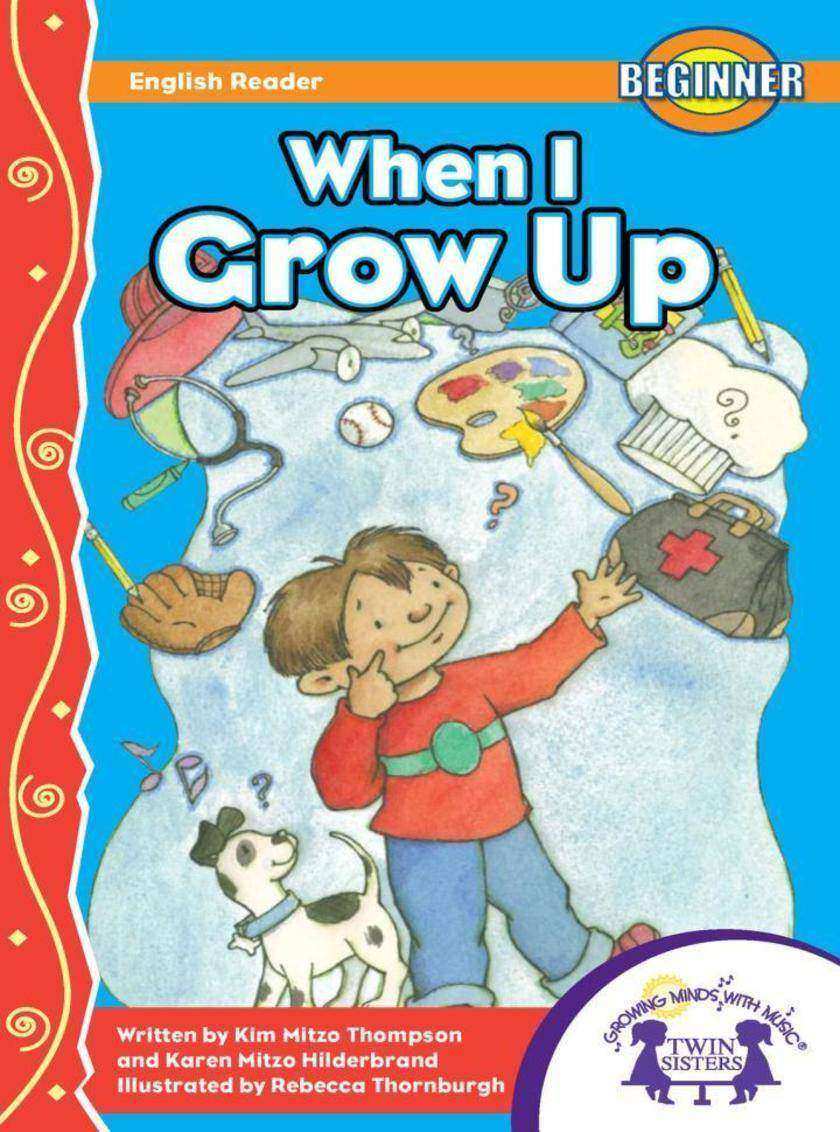
When I Grow Up
¥24.44
The little boy in this illustrated book can’t decide what he wants to be when he grows up. Based in Stow, Ohio, Twin Sisters Productions has been dedicated to producing quality educational and inspirational music resources for over 25 years. Fraternal twins Karen Mitzo Hilderbrand and Kim Mitzo Thompson founded the company when they realized Kim’s success teaching third grade math through her catchy multiplication song could help children beyond her classroom. From there, Twin Sisters expanded its product line to include e-books, digital music, CDs, read-along and sing-along books, floor puzzles and educational workbooks, all with the purpose of learning through music. These internationally sold products have received nearly 170 awards, including nine Record Industry Association of America (RIAA) certified Gold albums and one Platinum albu, over the years for excellence, creativity and amusement. With thousands of songs and 35 million albums sold, Twin Sisters positions itself as the leader in children’s educational music.
B-I-N-G-O
¥24.44
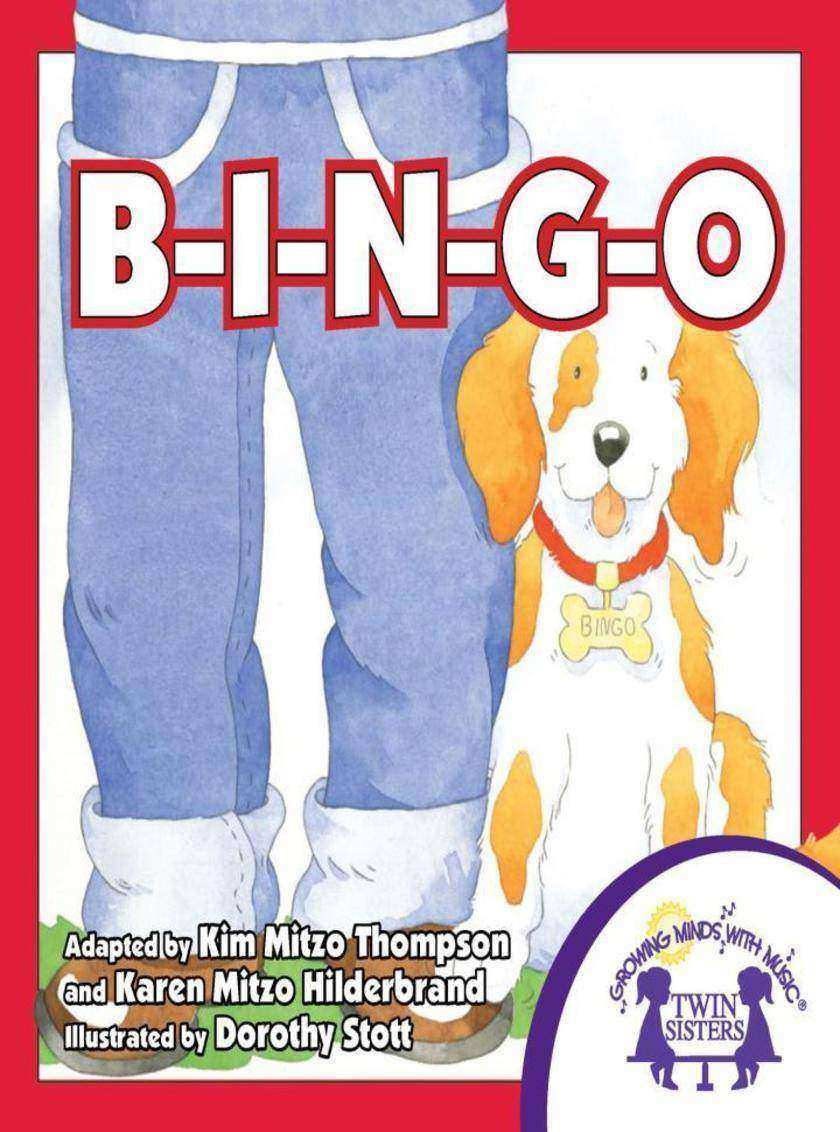
Young readers will love this classic tale about the farmer’s favorite dog. Based in Stow, Ohio, Twin Sisters Productions has been dedicated to producing quality educational and inspirational music resources for over 25 years. Fraternal twins Karen Mitzo Hilderbrand and Kim Mitzo Thompson founded the company when they realized Kim’s success teaching third grade math through her catchy multiplication song could help children beyond her classroom. From there, Twin Sisters expanded its product line to include e-books, digital music, CDs, read-along and sing-along books, floor puzzles and educational workbooks, all with the purpose of learning through music. These internationally sold products have received nearly 170 awards, including nine Record Industry Association of America (RIAA) certified Gold albums and one Platinum albu, over the years for excellence, creativity and amusement. With thousands of songs and 35 million albums sold, Twin Sisters positions itself as the leader in children’s educational music.
ABC Nursery Rhymes
¥24.44
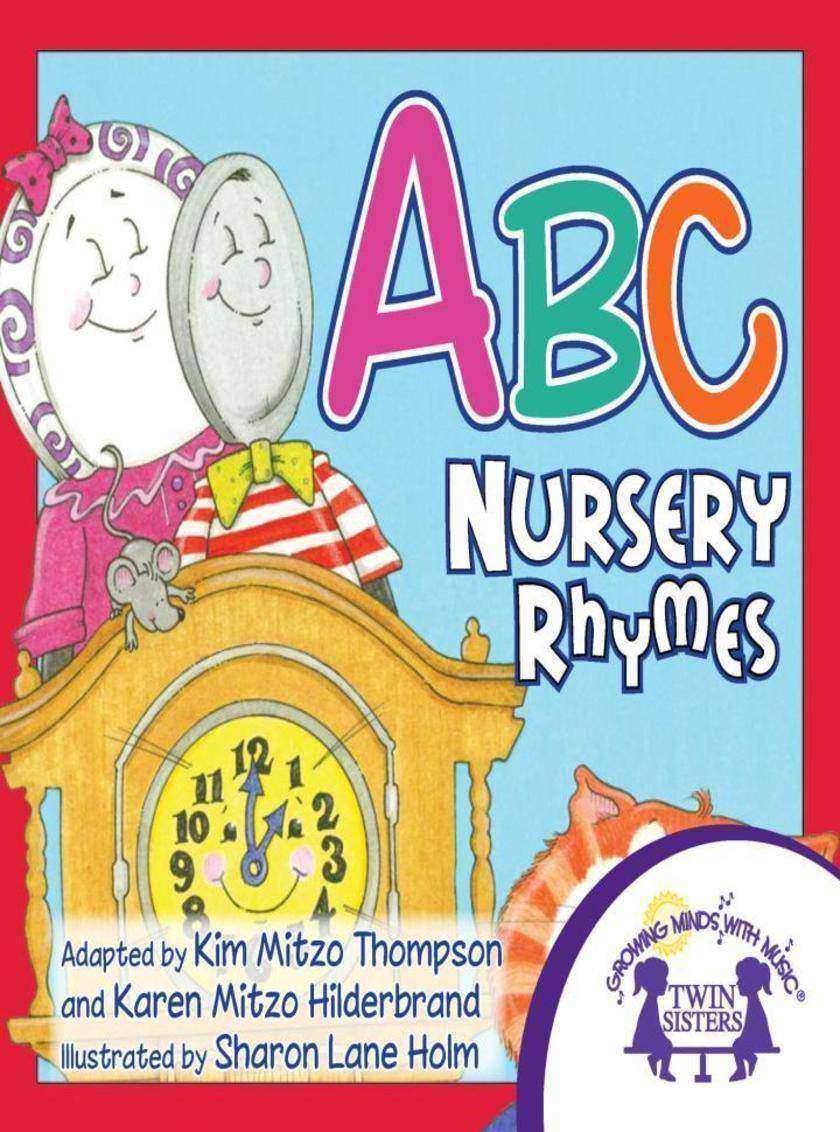
Master the ABCs while enjoying your favorite nursery rhymes in this beautifully illustrated collection. Based in Stow, Ohio, Twin Sisters Productions has been dedicated to producing quality educational and inspirational music resources for over 25 years. Fraternal twins Karen Mitzo Hilderbrand and Kim Mitzo Thompson founded the company when they realized Kim’s success teaching third grade math through her catchy multiplication song could help children beyond her classroom. From there, Twin Sisters expanded its product line to include e-books, digital music, CDs, read-along and sing-along books, floor puzzles and educational workbooks, all with the purpose of learning through music. These internationally sold products have received nearly 170 awards, including nine Record Industry Association of America (RIAA) certified Gold albums and one Platinum albu, over the years for excellence, creativity and amusement. With thousands of songs and 35 million albums sold, Twin Sisters positions itself as the leader in children’s educational music.
A Is For Alligator
¥24.44
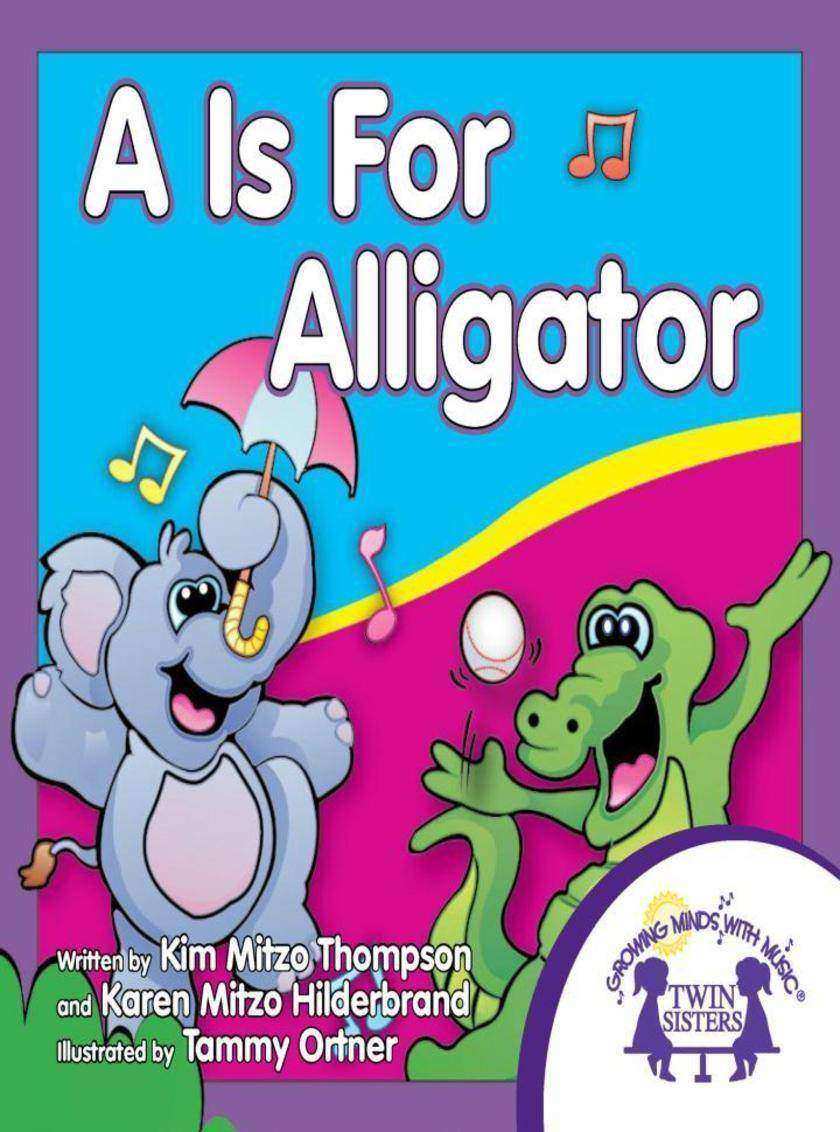
From A to Z, young readers will learn different words that begin with each letter. Based in Stow, Ohio, Twin Sisters Productions has been dedicated to producing quality educational and inspirational music resources for over 25 years. Fraternal twins Karen Mitzo Hilderbrand and Kim Mitzo Thompson founded the company when they realized Kim’s success teaching third grade math through her catchy multiplication song could help children beyond her classroom. From there, Twin Sisters expanded its product line to include e-books, digital music, CDs, read-along and sing-along books, floor puzzles and educational workbooks, all with the purpose of learning through music. These internationally sold products have received nearly 170 awards, including nine Record Industry Association of America (RIAA) certified Gold albums and one Platinum albu, over the years for excellence, creativity and amusement. With thousands of songs and 35 million albums sold, Twin Sisters positions itself as the leader in children’s educational music.
Mary Had a Little Lamb
¥24.44
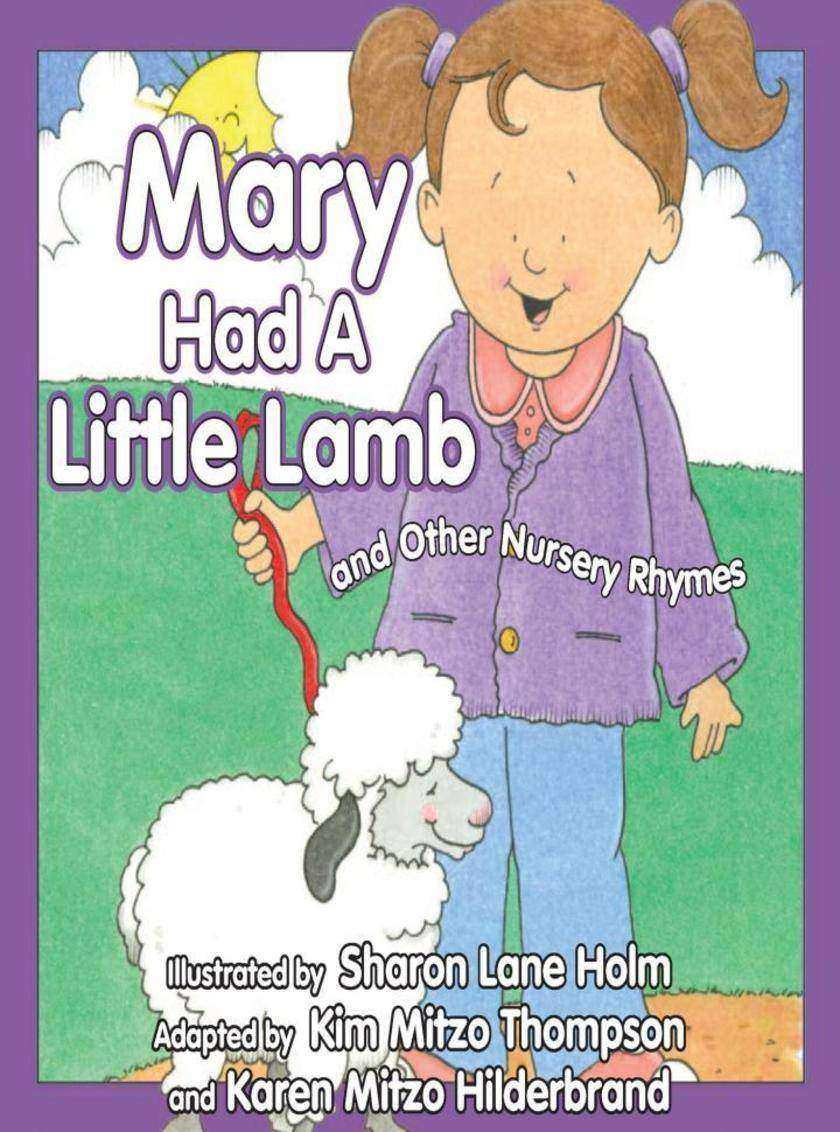
Enjoy this adorably-illustrated, classic rhyme about Mary and her silly lamb that follows her everywhere she goes! Then young readers can continue reading six other classics including Little Bo Peep, Humpty Dumpty, Little Miss Muffet, Oh Where Has My Little Dog Gone, Hickory Dickory Dock and Hey, Diddle DiddleBased in Stow, Ohio, Twin Sisters Productions has been dedicated to producing quality educational and inspirational music resources for over 25 years. Fraternal twins Karen Mitzo Hilderbrand and Kim Mitzo Thompson founded the company when they realized Kim’s success teaching third grade math through her catchy multiplication song could help children beyond her classroom. From there, Twin Sisters expanded its product line to include e-books, digital music, CDs, read-along and sing-along books, floor puzzles and educational workbooks, all with the purpose of learning through music. These internationally sold products have received nearly 170 awards, including nine Record Industry Association of America (RIAA) certified Gold albums and one Platinum albu, over the years for excellence, creativity and amusement. With thousands of songs and 35 million albums sold, Twin Sisters positions itself as the leader in children’s educational music.
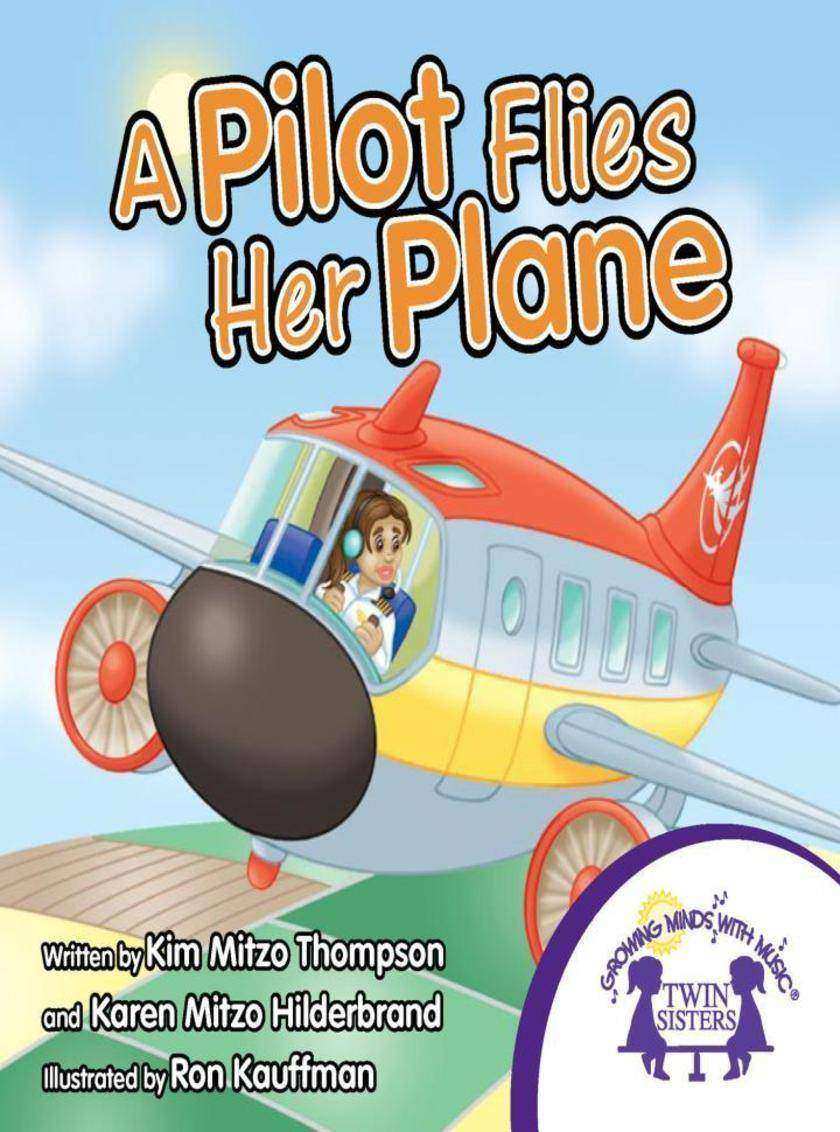
A Pilot Flies Her Plane
¥24.44
Learn about modes of transportation, but don’t forget that it’s fun and healthy to walk sometimes, too! Based in Stow, Ohio, Twin Sisters Productions has been dedicated to producing quality educational and inspirational music resources for over 25 years. Fraternal twins Karen Mitzo Hilderbrand and Kim Mitzo Thompson founded the company when they realized Kim’s success teaching third grade math through her catchy multiplication song could help children beyond her classroom. From there, Twin Sisters expanded its product line to include e-books, digital music, CDs, read-along and sing-along books, floor puzzles and educational workbooks, all with the purpose of learning through music. These internationally sold products have received nearly 170 awards, including nine Record Industry Association of America (RIAA) certified Gold albums and one Platinum albu, over the years for excellence, creativity and amusement. With thousands of songs and 35 million albums sold, Twin Sisters positions itself as the leader in children’s educational music.
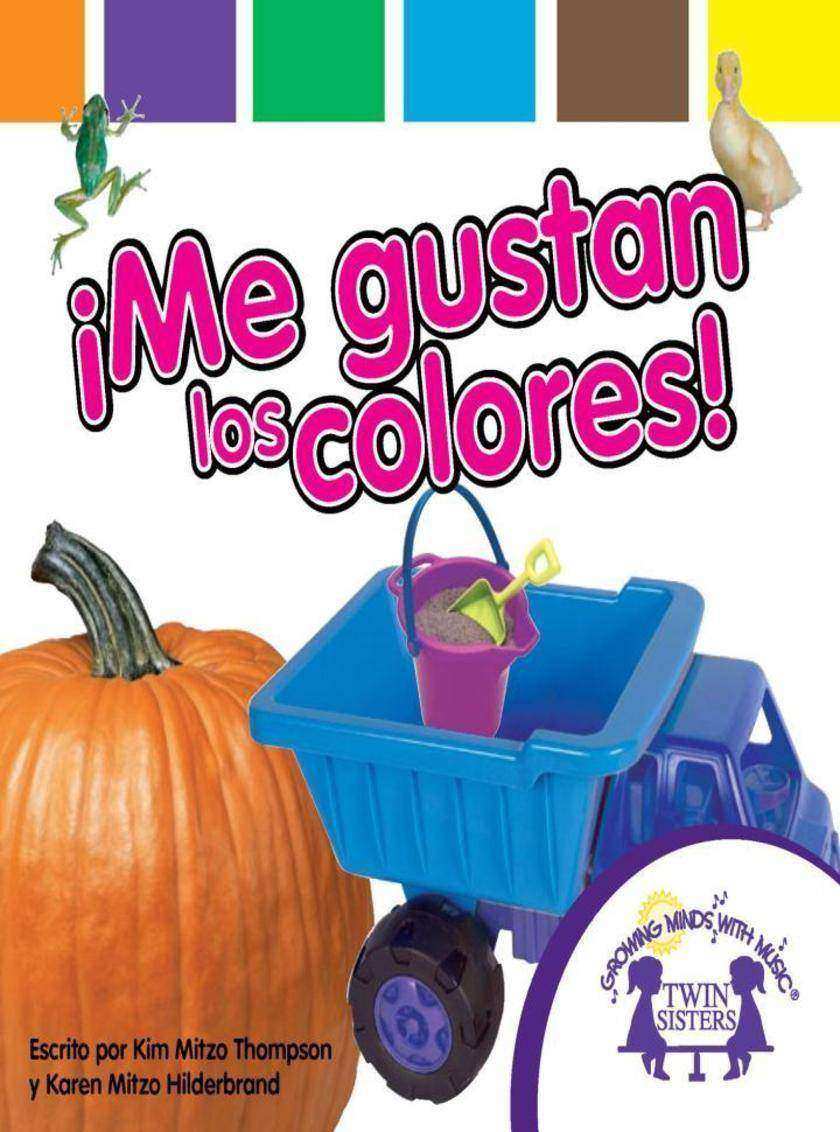
Me Gusta Los Colores
¥24.44
Teaching children the colors is as easy as reading together. Based in Stow, Ohio, Twin Sisters Productions has been dedicated to producing quality educational and inspirational music resources for over 25 years. Fraternal twins Karen Mitzo Hilderbrand and Kim Mitzo Thompson founded the company when they realized Kim’s success teaching third grade math through her catchy multiplication song could help children beyond her classroom. From there, Twin Sisters expanded its product line to include e-books, digital music, CDs, read-along and sing-along books, floor puzzles and educational workbooks, all with the purpose of learning through music. These internationally sold products have received nearly 170 awards, including nine Record Industry Association of America (RIAA) certified Gold albums and one Platinum albu, over the years for excellence, creativity and amusement. With thousands of songs and 35 million albums sold, Twin Sisters positions itself as the leader in children’s educational music.
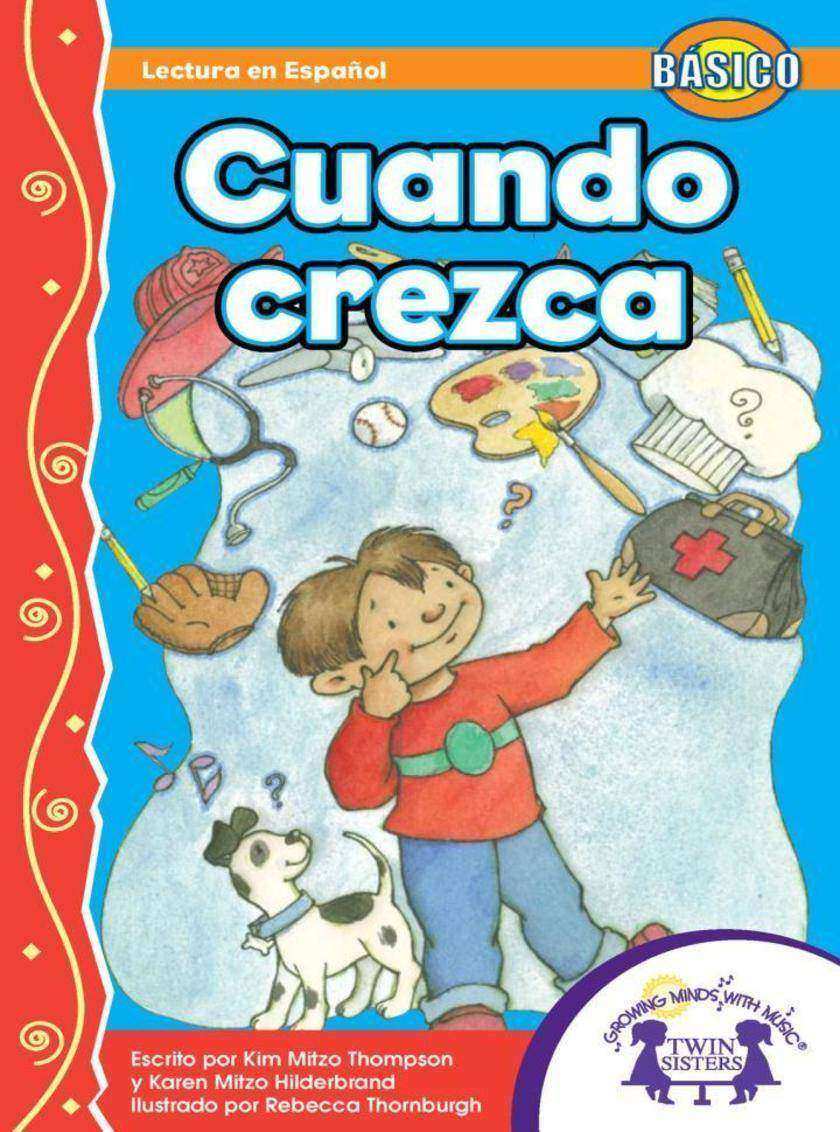
Cuando Crezca
¥24.44
QWhat do you want to be when you grow upBased in Stow, Ohio, Twin Sisters Productions has been dedicated to producing quality educational and inspirational music resources for over 25 years. Fraternal twins Karen Mitzo Hilderbrand and Kim Mitzo Thompson founded the company when they realized Kim’s success teaching third grade math through her catchy multiplication song could help children beyond her classroom. From there, Twin Sisters expanded its product line to include e-books, digital music, CDs, read-along and sing-along books, floor puzzles and educational workbooks, all with the purpose of learning through music. These internationally sold products have received nearly 170 awards, including nine Record Industry Association of America (RIAA) certified Gold albums and one Platinum albu, over the years for excellence, creativity and amusement. With thousands of songs and 35 million albums sold, Twin Sisters positions itself as the leader in children’s educational music.
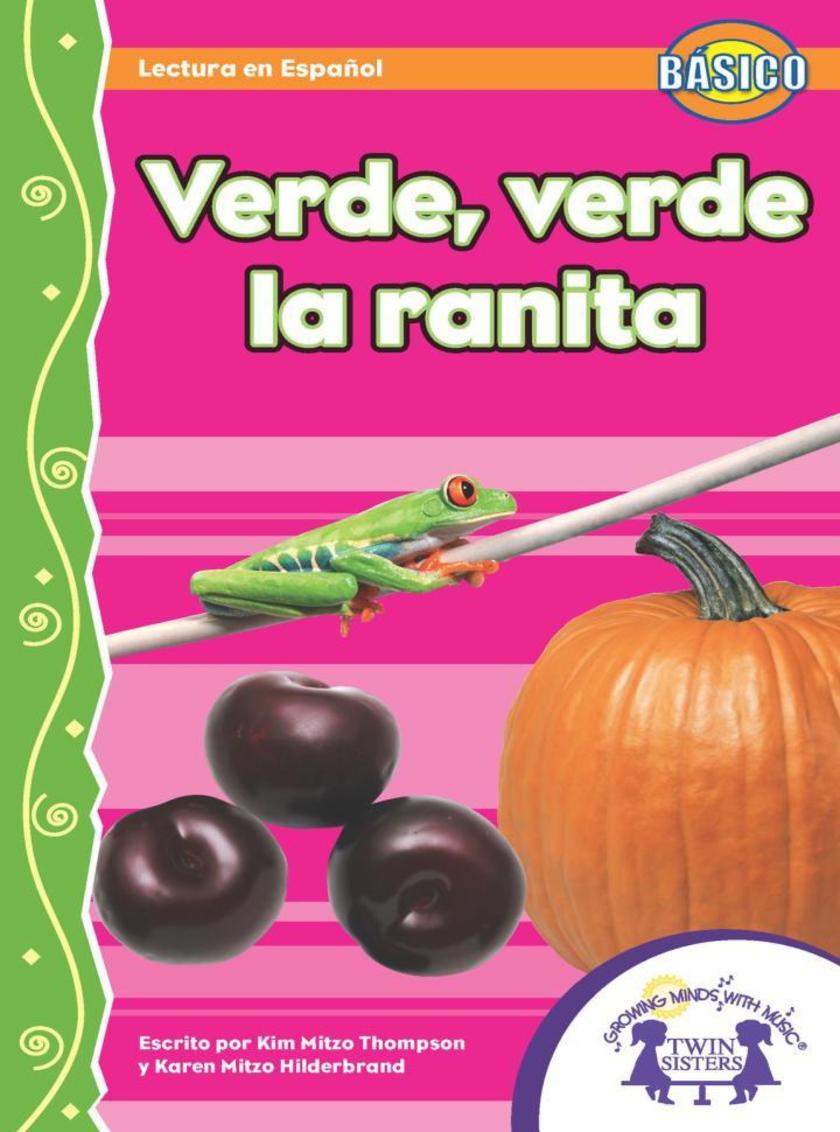
Verde, Verde La Ranita
¥24.44
Learn the colors of the rainbow through the lyrical, rhyming text. Based in Stow, Ohio, Twin Sisters Productions has been dedicated to producing quality educational and inspirational music resources for over 25 years. Fraternal twins Karen Mitzo Hilderbrand and Kim Mitzo Thompson founded the company when they realized Kim’s success teaching third grade math through her catchy multiplication song could help children beyond her classroom. From there, Twin Sisters expanded its product line to include e-books, digital music, CDs, read-along and sing-along books, floor puzzles and educational workbooks, all with the purpose of learning through music. These internationally sold products have received nearly 170 awards, including nine Record Industry Association of America (RIAA) certified Gold albums and one Platinum albu, over the years for excellence, creativity and amusement. With thousands of songs and 35 million albums sold, Twin Sisters positions itself as the leader in children’s educational music.
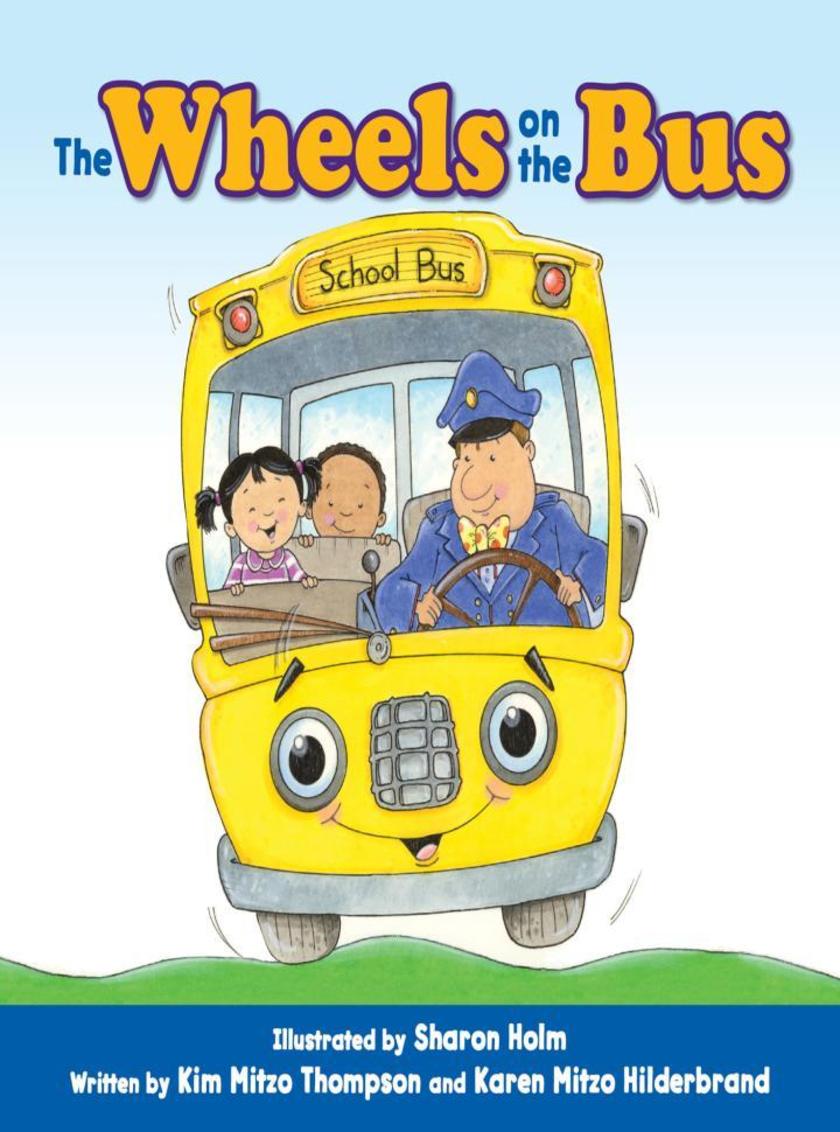
The Wheels on the Bus
¥24.44
Go ‘round and ‘round all through town with the children on the bus! Based in Stow, Ohio, Twin Sisters Productions has been dedicated to producing quality educational and inspirational music resources for over 25 years. Fraternal twins Karen Mitzo Hilderbrand and Kim Mitzo Thompson founded the company when they realized Kim’s success teaching third grade math through her catchy multiplication song could help children beyond her classroom. From there, Twin Sisters expanded its product line to include e-books, digital music, CDs, read-along and sing-along books, floor puzzles and educational workbooks, all with the purpose of learning through music. These internationally sold products have received nearly 170 awards, including nine Record Industry Association of America (RIAA) certified Gold albums and one Platinum albu, over the years for excellence, creativity and amusement. With thousands of songs and 35 million albums sold, Twin Sisters positions itself as the leader in children’s educational music.
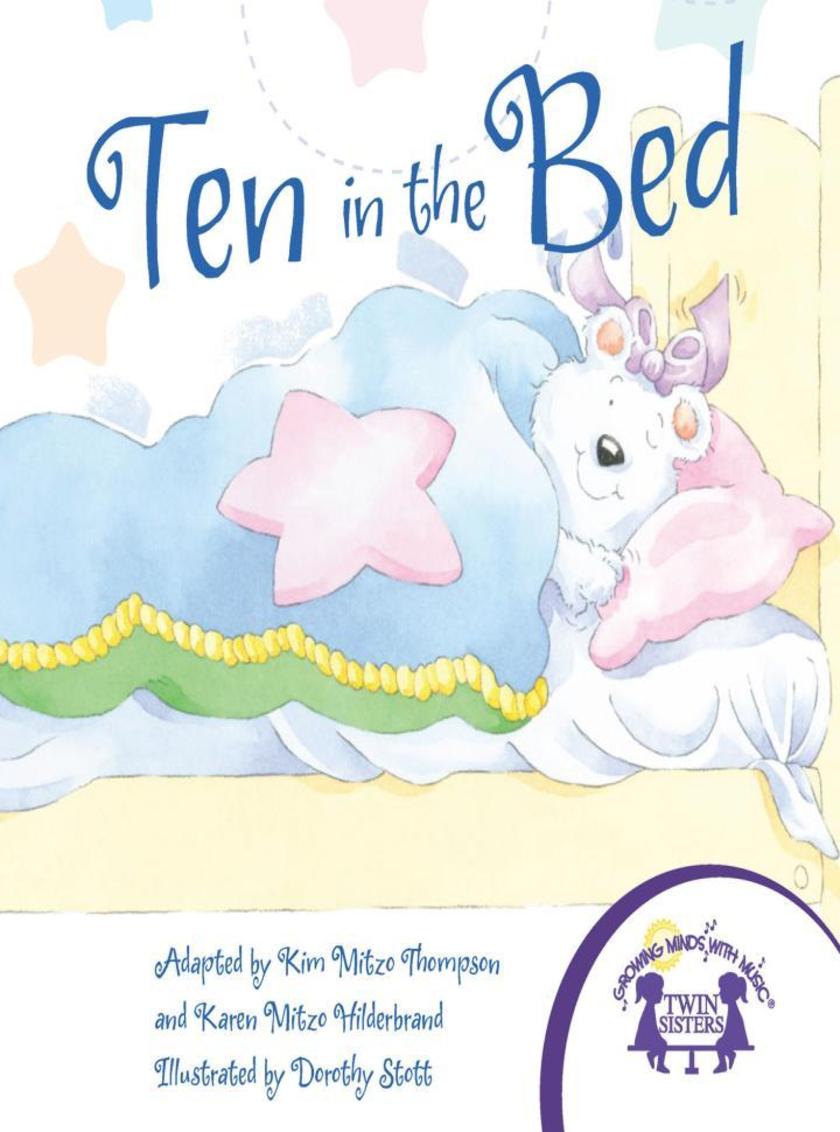
Ten in The Bed
¥24.44
What happens when ten adorable teddy bears cuddle, laugh and roll over together in the big, comfy bedChildren will laugh as they learn to count from one to 10 with this delightfully illustrated book! Based in Stow, Ohio, Twin Sisters Productions has been dedicated to producing quality educational and inspirational music resources for over 25 years. Fraternal twins Karen Mitzo Hilderbrand and Kim Mitzo Thompson founded the company when they realized Kim’s success teaching third grade math through her catchy multiplication song could help children beyond her classroom. From there, Twin Sisters expanded its product line to include e-books, digital music, CDs, read-along and sing-along books, floor puzzles and educational workbooks, all with the purpose of learning through music. These internationally sold products have received nearly 170 awards, including nine Record Industry Association of America (RIAA) certified Gold albums and one Platinum albu, over the years for excellence, creativity and amusement. With thousands of songs and 35 million albums sold, Twin Sisters positions itself as the leader in children’s educational music.
Spring Microservices
¥90.46
Build scalable microservices with Spring, Docker, and Mesos About This Book Learn how to efficiently build and implement microservices in Spring, and how to use Docker and Mesos to push the boundaries of what you thought possible Examine a number of real-world use cases and hands-on code examples. Distribute your microservices in a completely new way Who This Book Is For If you are a Spring developers and want to build cloud-ready, internet-scale applications to meet modern business demands, then this book is for you Developers will understand how to build simple Restful services and organically grow them to truly enterprise grade microservices ecosystems. What You Will Learn Get to know the microservices development lifecycle process See how to implement microservices governance Familiarize yourself with the microservices architecture and its benefits Use Spring Boot to develop microservices Find out how to avoid common pitfalls when developing microservices Be introduced to end-to-end microservices written in Spring Framework and Spring Boot In Detail The Spring Framework is an application framework and inversion of the control container for the Java platform. The framework's core features can be used by any Java application, but there are extensions to build web applications on top of the Java EE platform. This book will help you implement the microservice architecture in Spring Framework, Spring Boot, and Spring Cloud. Written to the latest specifications of Spring, you'll be able to build modern, Internet-scale Java applications in no time. We would start off with the guidelines to implement responsive microservices at scale. We will then deep dive into Spring Boot, Spring Cloud, Docker, Mesos, and Marathon. Next you will understand how Spring Boot is used to deploy autonomous services, server-less by removing the need to have a heavy-weight application server. Later you will learn how to go further by deploying your microservices to Docker and manage it with Mesos. By the end of the book, you'll will gain more clarity on how to implement microservices using Spring Framework and use them in Internet-scale deployments through real-world examples. Style and approach The book follows a step by step approach on how to develop microservices using Spring Framework, Spring Boot, and a set of Spring Cloud components that will help you scale your applications.
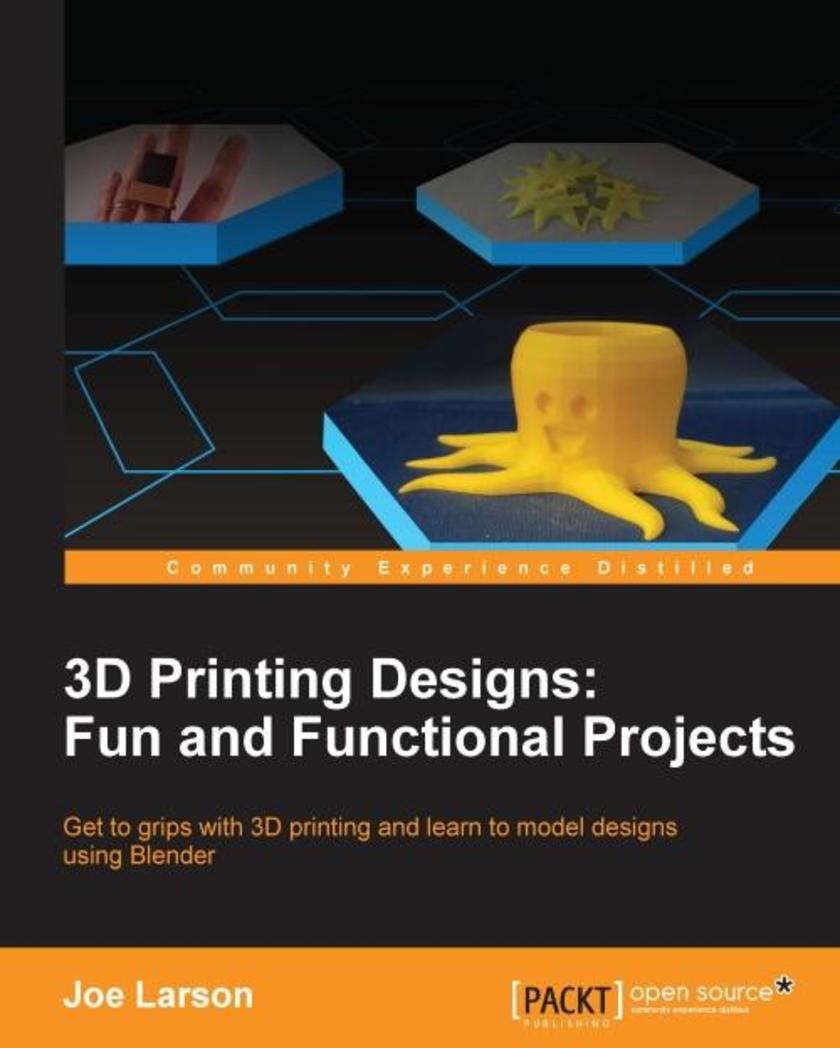
3D Printing Designs: Fun and Functional Projects
¥54.49
Get to grips with 3D printing and learn to model designs using Blender About This Book From the author who brought you the first practical look at 3D printing with 3D Printing Blueprints Get a comprehensive coverage of the prototyping techniques you need to know to start printing your own 3D designs Rekindle your mathematical genius to design personalized objects for complex puzzles Who This Book Is For If you’re new to the world of 3D printing, this is the book for you. Some basic knowledge of Blender and geometry would be helpful, but is not necessary. What You Will Learn Get to know about the different types of 3D printers and their limitations See how Y, H, and T shapes illustrate different ideas of successful 3D design for home 3D printers Set up and configure Blender to model a file for 3D printing Understand material characteristics, printing specifications, tolerances, and design tips Work through the techniques of editing complex meshes, smoothing, combining shapes, and exporting them into STL files for printing Break down complex geometries into multiple simple shapes and model them in layers using Blender Design, manipulate, and export 3D models for 3D printing with Blender Master the art of creating meshes, scaling, subdivision, and adding detail with the Boolean modifier as well as sculpting a custom shape Cut a model into small pieces and understand how to design complex interlocking joints that form a part of a jigsaw puzzle In Detail 3D printing has revolutionized the way that global industries conceptualize and design products for mass consumption. Considered as the next “trillion-dollar” business, every industry is in the race to equip its personnel with techniques to prototype and simplify complex manufacturing process. This book will take you through some simple to complex and effective principles of designing 3D printed objects using Blender. There is a comprehensive coverage of projects such as a 3D print-ready octopus pencil holder, which will teach you how to add basic geometric shapes, and use techniques such as extruding and subdividing to transform these shapes into complex meshes. Furthermore, you’ll learn to use various techniques to derive measurements for an object, model these objects using Blender, organize the parts into layers, and later combine them to create the desired object with the help of a 3D printable SD card holder ring design project. The final project will help you master the techniques of designing simple to complex puzzles models for 3D printing. Through the course of the book, we'll explore various robust sculpting methods supported by Blender to create objects. You’ll move, rotate, and scale the object, and manipulate the view. You’ll edit objects with actions such as bends or curves, similar to drawing or building up a clay structure of different shapes and sizes. By the end of the book, you will have gained thorough practical hands-on experience to be able to create a real-world 3D printable object of your choice. Style and approach This is a hands-on guide to the world of 3D printing. With the help of simple to complex projects, you'll learn various techniques to design 3D printable objects using Blender.
VMware vSphere 6.x Datacenter Design Cookbook - Second Edition
¥107.90
Over 75 practical recipes to confidently design an efficient virtual datacenter with VMware vSphere 6.x About This Book Get the first book on the market that helps you design a virtualized data center with VMware vSphere 6 Achieve enhanced compute, storage, network, and management capabilities for your virtual data center Exciting and practical recipes help you to design a virtual data easily by leveraging the features of VMware vSphere 6 Who This Book Is For If you are an administrator or consultant interested in designing virtualized datacenter environments using VMware vSphere 6.x or previous versions of vSphere and the supporting components, this book is for you. It will help both new and experienced architects deliver professional VMware vSphere virtual datacenter designs. What You Will Learn Identify key factors related to a vSphere design and apply them to every step of the design process Mitigate security risks and meet compliance requirements in a vSphere design. Create a vSphere conceptual design by identifying technical and business requirements Determine the type of database to use based on the deployment size. Design for performance, availability, recoverability, manageability, and security Map the logical resource design into the physical vSphere design Create professional vSphere design documentation to ensure a successful implementation of the vSphere design Leverage the latest vSphere 6.x features to ensure manageability, performance, availability, and security in a virtual datacenter design In Detail VMware is the industry leader in data center virtualization. The vSphere 6.x suite of products provides a robust and resilient platform to virtualize server and application workloads. With the release of 6.x a whole range of new features has come along such as ESXi Security enhancements, fault tolerance, high availability enhancements, and virtual volumes, thus simplifying the secure management of resources, the availability of applications, and performance enhancements of workloads deployed in the virtualized datacenter. This book provides recipes to create a virtual datacenter design using the features of vSphere 6.x by guiding you through the process of identifying the design factors and applying them to the logical and physical design process. You’ll follow steps that walk you through the design process from beginning to end, right from the discovery process to creating the conceptual design; calculating the resource requirements of the logical storage, compute, and network design; mapping the logical requirements to a physical design; security design; and finally creating the design documentation. The recipes in this book provide guidance on making design decisions to ensure the successful creation, and ultimately the successful implementation, of a VMware vSphere 6.x virtual data center design. Style and Approach The book follows a recipe-based approach that consists of practical recipes to effectively design a virtual data center.
R: Data Analysis and Visualization
¥171.12
Master the art of building analytical models using R About This Book Load, wrangle, and analyze your data using the world's most powerful statistical programming language Build and customize publication-quality visualizations of powerful and stunning R graphs Develop key skills and techniques with R to create and customize data mining algorithms Use R to optimize your trading strategy and build up your own risk management system Discover how to build machine learning algorithms, prepare data, and dig deep into data prediction techniques with R Who This Book Is For This course is for data scientist or quantitative analyst who are looking at learning R and take advantage of its powerful analytical design framework. It’s a seamless journey in becoming a full-stack R developer. What You Will Learn Describe and visualize the behavior of data and relationships between data Gain a thorough understanding of statistical reasoning and sampling Handle missing data gracefully using multiple imputation Create diverse types of bar charts using the default R functions Familiarize yourself with algorithms written in R for spatial data mining, text mining, and so on Understand relationships between market factors and their impact on your portfolio Harness the power of R to build machine learning algorithms with real-world data science applications Learn specialized machine learning techniques for text mining, big data, and more In Detail The R learning path created for you has five connected modules, which are a mini-course in their own right. As you complete each one, you'll have gained key skills and be ready for the material in the next module! This course begins by looking at the Data Analysis with R module. This will help you navigate the R environment. You'll gain a thorough understanding of statistical reasoning and sampling. Finally, you'll be able to put best practices into effect to make your job easier and facilitate reproducibility. The second place to explore is R Graphs, which will help you leverage powerful default R graphics and utilize advanced graphics systems such as lattice and ggplot2, the grammar of graphics. You'll learn how to produce, customize, and publish advanced visualizations using this popular and powerful framework. With the third module, Learning Data Mining with R, you will learn how to manipulate data with R using code snippets and be introduced to mining frequent patterns, association, and correlations while working with R programs. The Mastering R for Quantitative Finance module pragmatically introduces both the quantitative finance concepts and their modeling in R, enabling you to build a tailor-made trading system on your own. By the end of the module, you will be well-versed with various financial techniques using R and will be able to place good bets while making financial decisions. Finally, we'll look at the Machine Learning with R module. With this module, you'll discover all the analytical tools you need to gain insights from complex data and learn how to choose the correct algorithm for your specific needs. You'll also learn to apply machine learning methods to deal with common tasks, including classification, prediction, forecasting, and so on. Style and approach Learn data analysis, data visualization techniques, data mining, and machine learning all using R and also learn to build models in quantitative finance using this powerful language.
Mastering Scala Machine Learning
¥90.46
Advance your skills in efficient data analysis and data processing using the powerful tools of Scala, Spark, and Hadoop About This Book This is a primer on functional-programming-style techniques to help you efficiently process and analyze all of your data Get acquainted with the best and newest tools available such as Scala, Spark, Parquet and MLlib for machine learning Learn the best practices to incorporate new Big Data machine learning in your data-driven enterprise to gain future scalability and maintainability Who This Book Is For Mastering Scala Machine Learning is intended for enthusiasts who want to plunge into the new pool of emerging techniques for machine learning. Some familiarity with standard statistical techniques is required. What You Will Learn Sharpen your functional programming skills in Scala using REPL Apply standard and advanced machine learning techniques using Scala Get acquainted with Big Data technologies and grasp why we need a functional approach to Big Data Discover new data structures, algorithms, approaches, and habits that will allow you to work effectively with large amounts of data Understand the principles of supervised and unsupervised learning in machine learning Work with unstructured data and serialize it using Kryo, Protobuf, Avro, and AvroParquet Construct reliable and robust data pipelines and manage data in a data-driven enterprise Implement scalable model monitoring and alerts with Scala In Detail Since the advent of object-oriented programming, new technologies related to Big Data are constantly popping up on the market. One such technology is Scala, which is considered to be a successor to Java in the area of Big Data by many, like Java was to C/C++ in the area of distributed programing. This book aims to take your knowledge to next level and help you impart that knowledge to build advanced applications such as social media mining, intelligent news portals, and more. After a quick refresher on functional programming concepts using REPL, you will see some practical examples of setting up the development environment and tinkering with data. We will then explore working with Spark and MLlib using k-means and decision trees. Most of the data that we produce today is unstructured and raw, and you will learn to tackle this type of data with advanced topics such as regression, classification, integration, and working with graph algorithms. Finally, you will discover at how to use Scala to perform complex concept analysis, to monitor model performance, and to build a model repository. By the end of this book, you will have gained expertise in performing Scala machine learning and will be able to build complex machine learning projects using Scala. Style and approach This hands-on guide dives straight into implementing Scala for machine learning without delving much into mathematical proofs or validations. There are ample code examples and tricks that will help you sail through using the standard techniques and libraries. This book provides practical examples from the field on how to correctly tackle data analysis problems, particularly for modern Big Data datasets.
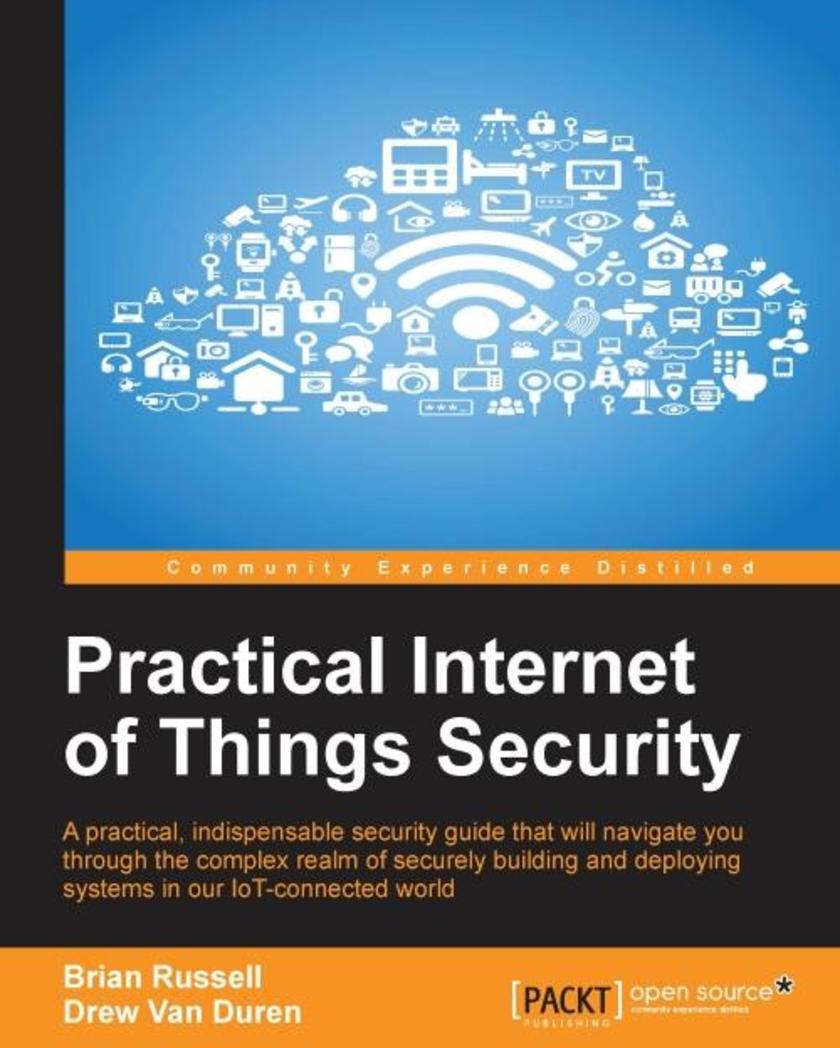
Practical Internet of Things Security
¥80.65
A practical, indispensable security guide that will navigate you through the complex realm of securely building and deploying systems in our IoT-connected world About This Book Learn to design and implement cyber security strategies for your organization Learn to protect cyber-physical systems and utilize forensic data analysis to beat vulnerabilities in your IoT ecosystem Learn best practices to secure your data from device to the cloud Gain insight into privacy-enhancing techniques and technologies Who This Book Is For This book targets IT Security Professionals and Security Engineers (including pentesters, security architects and ethical hackers) who would like to ensure security of their organization's data when connected through the IoT. Business analysts and managers will also find it useful. What You Will Learn Learn how to break down cross-industry barriers by adopting the best practices for IoT deployments Build a rock-solid security program for IoT that is cost-effective and easy to maintain Demystify complex topics such as cryptography, privacy, and penetration testing to improve your security posture See how the selection of individual components can affect the security posture of the entire system Use Systems Security Engineering and Privacy-by-design principles to design a secure IoT ecosystem Get to know how to leverage the burdgening cloud-based systems that will support the IoT into the future. In Detail With the advent of Intenret of Things (IoT), businesses will be faced with defending against new types of threats. The business ecosystem now includes cloud computing infrastructure, mobile and fixed endpoints that open up new attack surfaces, a desire to share information with many stakeholders and a need to take action quickly based on large quantities of collected data. . It therefore becomes critical to ensure that cyber security threats are contained to a minimum when implementing new IoT services and solutions. . The interconnectivity of people, devices, and companies raises stakes to a new level as computing and action become even more mobile, everything becomes connected to the cloud, and infrastructure is strained to securely manage the billions of devices that will connect us all to the IoT. This book shows you how to implement cyber-security solutions, IoT design best practices and risk mitigation methodologies to address device and infrastructure threats to IoT solutions. This book will take readers on a journey that begins with understanding the IoT and how it can be applied in various industries, goes on to describe the security challenges associated with the IoT, and then provides a set of guidelines to architect and deploy a secure IoT in your Enterprise. The book will showcase how the IoT is implemented in early-adopting industries and describe how lessons can be learned and shared across diverse industries to support a secure IoT. Style and approach This book aims to educate readers on key areas in IoT security. It walks readers through engaging with security challenges and then provides answers on how to successfully manage IoT security and build a safe infrastructure for smart devices. After reading this book, you will understand the true potential of tools and solutions in order to build real-time security intelligence on IoT networks.
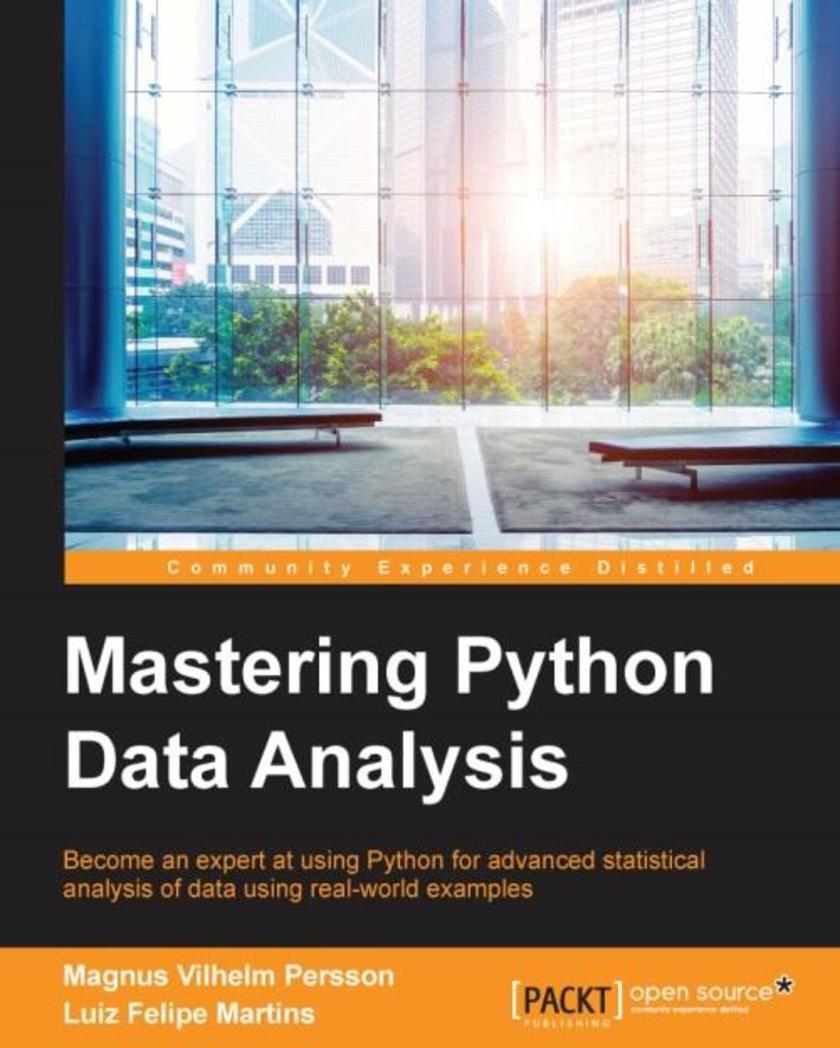
Mastering Python Data Analysis
¥90.46
Become an expert at using Python for advanced statistical analysis of data using real-world examples About This Book Clean, format, and explore data using graphical and numerical summaries Leverage the IPython environment to efficiently analyze data with Python Packed with easy-to-follow examples to develop advanced computational skills for the analysis of complex data Who This Book Is For If you are a competent Python developer who wants to take your data analysis skills to the next level by solving complex problems, then this advanced guide is for you. Familiarity with the basics of applying Python libraries to data sets is assumed. What You Will Learn Read, sort, and map various data into Python and Pandas Recognise patterns so you can understand and explore data Use statistical models to discover patterns in data Review classical statistical inference using Python, Pandas, and SciPy Detect similarities and differences in data with clustering Clean your data to make it useful Work in Jupyter Notebook to produce publication ready figures to be included in reports In Detail Python, a multi-paradigm programming language, has become the language of choice for data scientists for data analysis, visualization, and machine learning. Ever imagined how to become an expert at effectively approaching data analysis problems, solving them, and extracting all of the available information from your dataWell, look no further, this is the book you want! Through this comprehensive guide, you will explore data and present results and conclusions from statistical analysis in a meaningful way. You’ll be able to quickly and accurately perform the hands-on sorting, reduction, and subsequent analysis, and fully appreciate how data analysis methods can support business decision-making. You’ll start off by learning about the tools available for data analysis in Python and will then explore the statistical models that are used to identify patterns in data. Gradually, you’ll move on to review statistical inference using Python, Pandas, and SciPy. After that, we’ll focus on performing regression using computational tools and you’ll get to understand the problem of identifying clusters in data in an algorithmic way. Finally, we delve into advanced techniques to quantify cause and effect using Bayesian methods and you’ll discover how to use Python’s tools for supervised machine learning. Style and approach This book takes a step-by-step approach to reading, processing, and analyzing data in Python using various methods and tools. Rich in examples, each topic connects to real-world examples and retrieves data directly online where possible. With this book, you are given the knowledge and tools to explore any data on your own, encouraging a curiosity befitting all data scientists.


