


 购物车
购物车 个人中心
个人中心
HarperCollins e-books
¥140.08
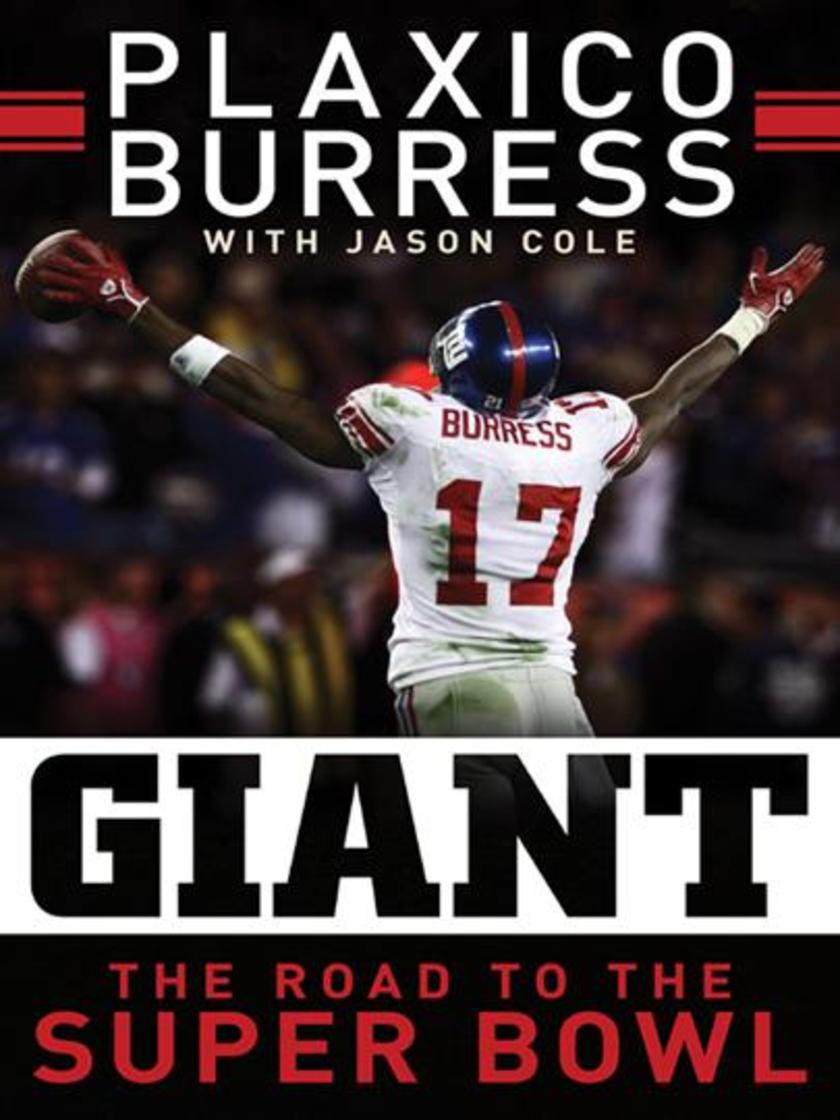
In Giant, Plaxico Burress takes you into the locker room, onto the practice field, and into the huddle, providing a flat-out-honest look at life on and off the field with the New York Giants and at the making of a champion. Throughout the 2007 season, Plaxico battled near-crippling injuries, and despite rarely practicing, being heavily bandaged, and on serious painkillers, he led the New York Giants in receptions, yards, and touchdowns. He continued to play through pain in the playoffs, only to be further injured before Super Bowl XLII. Playing the arrogant Patriots who were inviting the Giants to their victory party before the game was over Plaxico concealed a significant injury that might have changed the outcome of the game if the Pats had known.When he first joined the Giants, Plaxico expected to be the go-to guy for the young quarterback Eli Manning. What he didn't expect was the media and fan scrutiny that was heaped on Manning as they battled to win games.What Plaxico also didn't expect was the difficult relationship he had with head coach Tom Coughlin, who was a stickler for discipline and who would fine players for even the mildest offenses. For five years Plaxico had played for the laid-back Bill Cowher and the Pittsburgh Steelers. In contrast, within weeks of joining the Giants, Plaxico and Coughlin were butting heads, and the fines followed. But there to make things a little easier were friends like Jeremy Shockey and Amani Toomer, nearly polar opposites. With Shock, everything was always full-tilt and his mouth would usually get him into trouble. Toomer was the easygoing elder statesman at times absentminded, but a brilliant receiver. And in 2007, Manning, with Plaxico's advice and support, would rise above the scrutinizing media and come into his own, and Coach Coughlin would relax his grip somewhat and let the team breathe. The results were obvious.It's all here. The ups and downs, the trash-talking, the sweat and blood, and what it takes to be the best.
HarperCollins e-books
¥198.54
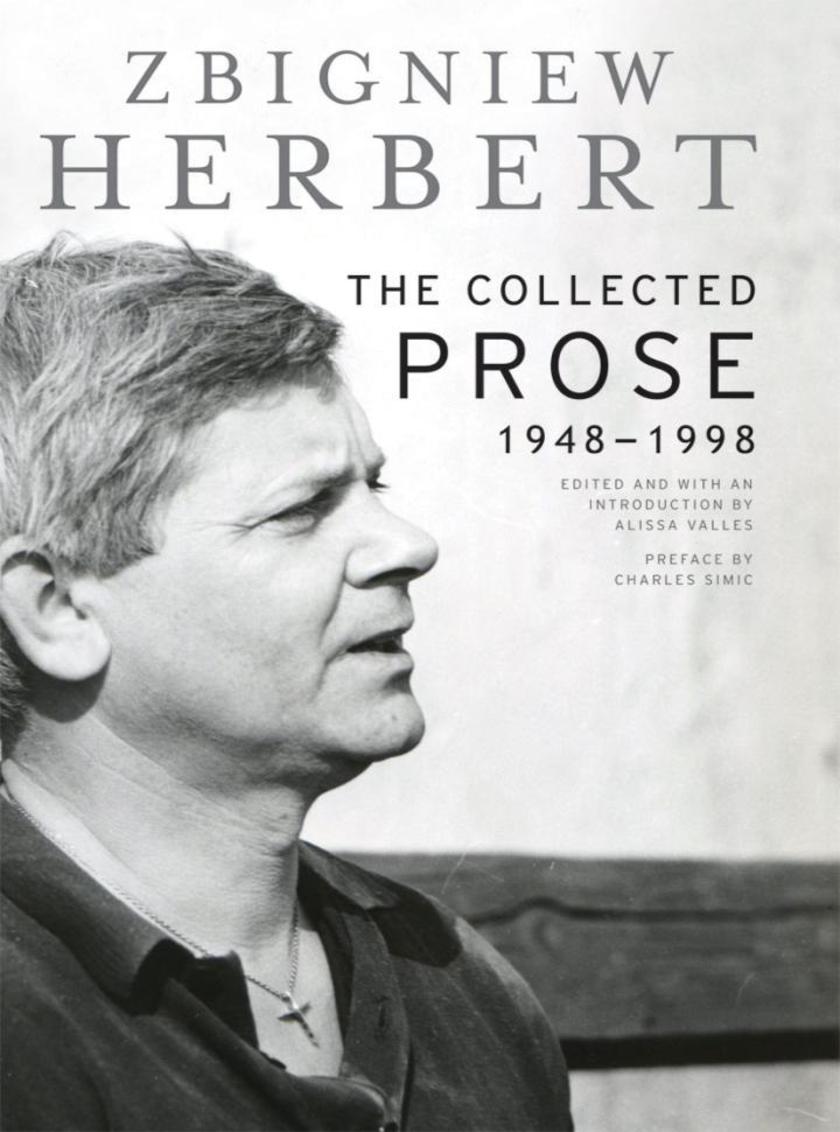
Polish poet and essayist Zbigniew Herbert easily stands beside Nobel Prize laureates Milosz and Szymborska as part of a remarkable literary tradition. Though Herbert is very much an Eastern European writer, the urgency, vitality, and relevance of his work extend far beyond the borders of his particular region and his particular time. His fascination with other subjects from painting to all things Dutch enriched the scope and depth of his poetry, and made for compelling explorations in his essays and short prose pieces.The first collected English edition of his prose work, this outstanding volume consists of four books Labryinth on the Sea, Still Life with a Bridle, King of the Ants, and Barbarian in the Garden. Brilliant and erudite, dazzling and witty, these essays survey the geography of humanity, its achievements and its foibles. From Western civilization's past, as witnessed through the Greek and Roman landscape, to musings on the artistic that celebrate the author's discriminating eye, poetic sensibility, and gift for irony, humor, and the absurd; from a sage retelling of myths and tales that became twentieth-century philosophical parables of human behavior to thoughts on art, culture, and history inspired by journeys in France, Italy, and the Netherlands, Collected Prose is a rich compendium that celebrates the mastery and wisdom of a remarkable artist.
Dey Street Books
¥95.11
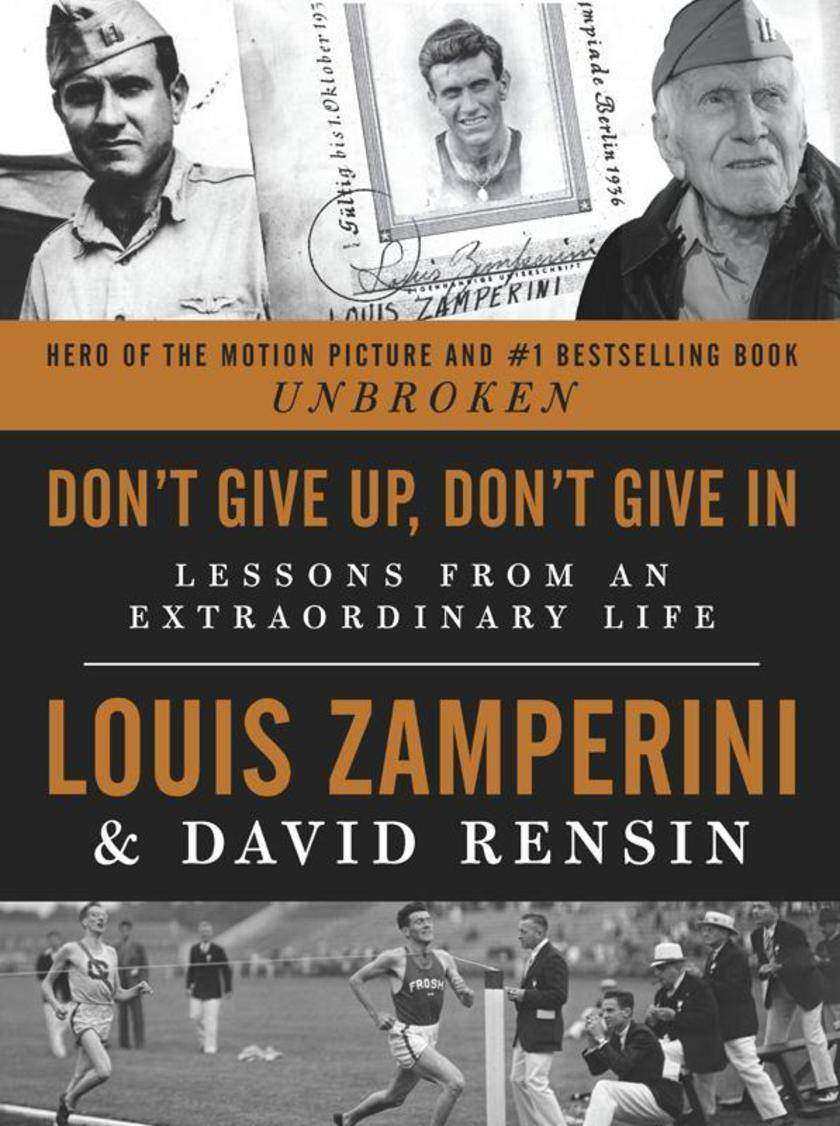
Champion. Survivor. Hero. Legend. Completed just two days before Louis Zamperini's death at age 97, Don't Give Up, Don't Give In shares a lifetime of wisdom, insight, and humor from one of America's most inspiring lives. Zamperini's story has touched millions through Laura Hillenbrand's biography Unbroken, soon to be a major motion picture directed by Angelina Jolie. Now, in his own words, Louis Zamperini reveals, with warmth and great charm, the essential values and lessons that sustained him throughout his remarkable journey. He was a youthful troublemaker from California who turned his life around to become a 1936 Olympian and a world-class miler at the University of Southern California. Putting aside his superstar track career, Louis Zamperini volunteered for the army before Pearl Harbor and was thrust into the violent combat of World War II as a B-24 bombardier. While on a rescue mission, his plane went down in the middle of the Pacific Ocean, where he survived, against all odds, drifting two thousand miles in a small raft for forty-seven days. His struggle was only beginning: Zamperini was captured by the Japanese and, for more than two years, he courageously endured torture and psychological abuse in a series of prisoner-of-war camps. He returned home to face more dark hours, but in 1949 Zamperini's life was transformed by a spiritual rebirth that would guide him through the next sixty-five years of his long and happy life. Cowritten with longtime collaborator David Rensin, Louis Zamperini's Don't Give Up, Don't Give In is an extraordinary last testament that captures the wisdom of a life lived to the fullest. A son of Italian immigrants, Louis Zamperini (1917–2014) was a U.S. Olympic runner, World War II bombardier, and POW survivor. After the war, he returned to the United States to found the Victory Boys Camp for at-risk youth and became an inspirational speaker. Zamperini's story was told in his 2003 autobiography Devil at My Heels, as well as in Laura Hillenbrand's 2010 biography Unbroken. David Rensin worked closely with Louis Zamperini for many years and cowrote Devil at My Heels, as well as fifteen other books, including five New York Times bestsellers.

Final Analysis
¥55.31
In October 2002, Susan Polk, a housewife and mother of three, was arrested for the murder of her husband, Felix. The arrest in her sleepy northern California town kicked off what would become one of the most captivating murder trials in recent memory, as police, local attorneys, and the national media sought to unravel the complex web of events that sent this seemingly devoted housewife over the edge.Now, with the exclusive access and in-depth reporting that made A Deadly Game a number one New York Times bestseller, Catherine Crier turns an analytical eye to the story of Susan Polk, delving into her past and examining how over twenty years of marriage culminated in murder. Tracing the family's history, Crier skillfully maneuvers the murky waters of the Polk's marriage, looking at the real story behind Susan, Felix, and their unorthodox courtship. When Susan was in high school, Felix, who was more than twenty years her senior, had been her psychologist, and it was during their sessions that the romantic entanglement began. From these troubling origins grew a difficult marriage, one which produced three healthy boys but also led to disturbing accusations of abuse from both spouses.With extraordinary detail, Crier dissects this dangerous relationship between husband and wife, exposing their psychological motivations and the painful impact that these motivations had on their sons, Adam, Eli, and Gabriel. Drawing on sources from all sides of the case, Crier masterfully reconstructs the tumultuous chronology of the Polk family, telling the story of how Susan and Felix struggled to control their rambunctious sons and their disintegrating marriage in the years and months leading up to Felix's death.But the history of the Polk family is only half the story. Here Crier also elucidates the methodical police work of the murder investigation, revealing never-before-seen photos and writings from the case file. In addition, she carefully scrutinizes the many twists and turns of the remarkable trial, exploring Susan's struggles with her defense attorneys and her shocking decision to represent herself.Dark, psychological, and terrifying, Final Analysis is a harrowing look at the recesses of the human mind and the trauma that reveals them.
Titian
¥221.49
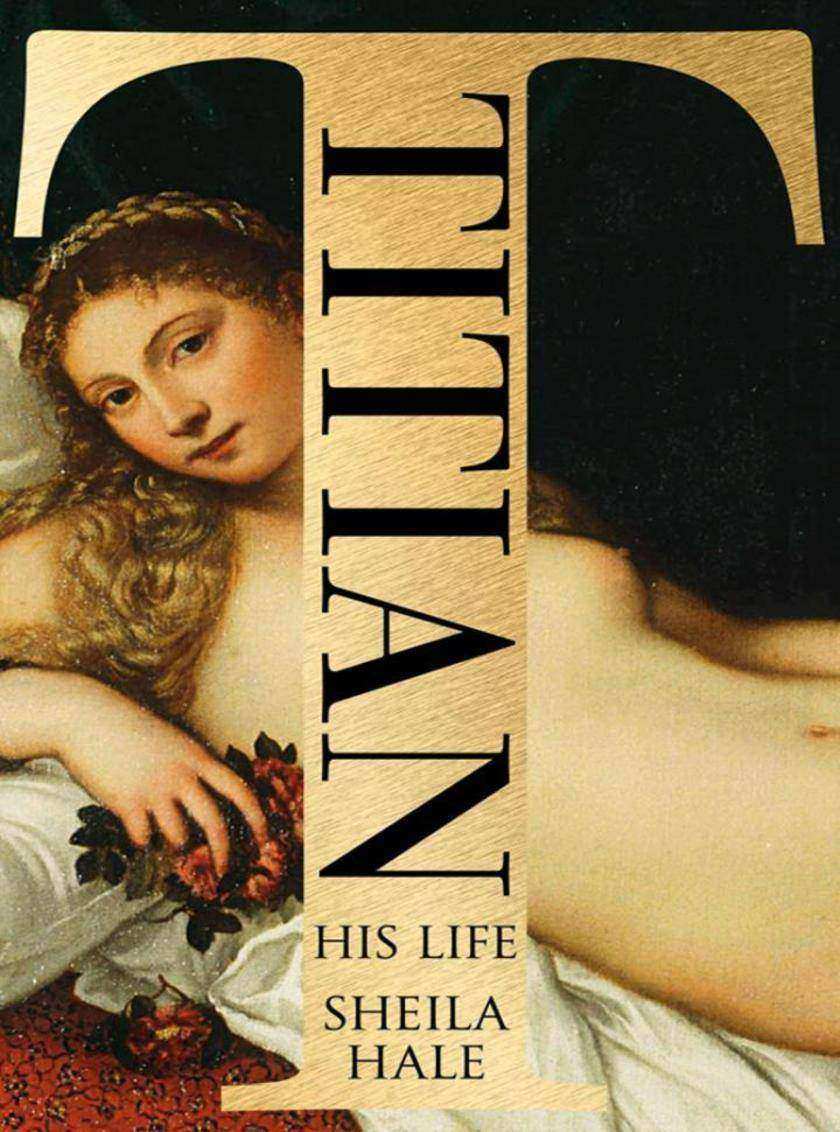
Born in the mountains above Venice in the late fifteenth century, Tiziano Vecellio or Titian was the greatest painter of the Venetian High Renaissance. A poetic visionary and a technical master of oils, he painted everything, from frescoes and grand altarpieces to mythological stories and portraits works described by his contemporaries as "mirrors of nature."Sheila Hale's rich biography is the first since 1877 to examine all contemporary accounts of Titian's life and work as well as recent art historical scholarship, some of it previously unpublished. Her book charts the extraordinary transformation of Titian's style: from the radiant, minutely realized masterpieces of his youth, to the more freely painted work of his middle years, to the dark, tragic, sometimes terrifying visions of his old age. Drawing on the latest scientific examinations of his paintings, Hale seeks to explain the evolution of his methods and his art. In doing so, she also gives many different voices from Titian's lifetime to today free reign to explore, praise, and sometimes doubt his genius.When Titian died in 1576, in his late eighties, he had spent the whole of his working life in Venice the most celebrated city in Europe traveling as little as possible despite the clamor for his presence at the great courts of the continent. He had witnessed wars, Ottoman invasions, and the rising Protestant threat to the Catholic Church. He had become the favored painter of both Charles V the most powerful man in the world and his son, Philip II of Spain, who became Titian's most important patron.Sheila Hale's masterly biography presents Titian through the lens of the turbulent times in which he lived and explores how this innovative sixteenth-century master conveyed in his paintings a kind of truth that few other artists have been able to communicate, which has fascinated Titian's admirers and followers ever since.
William Morrow
¥132.87
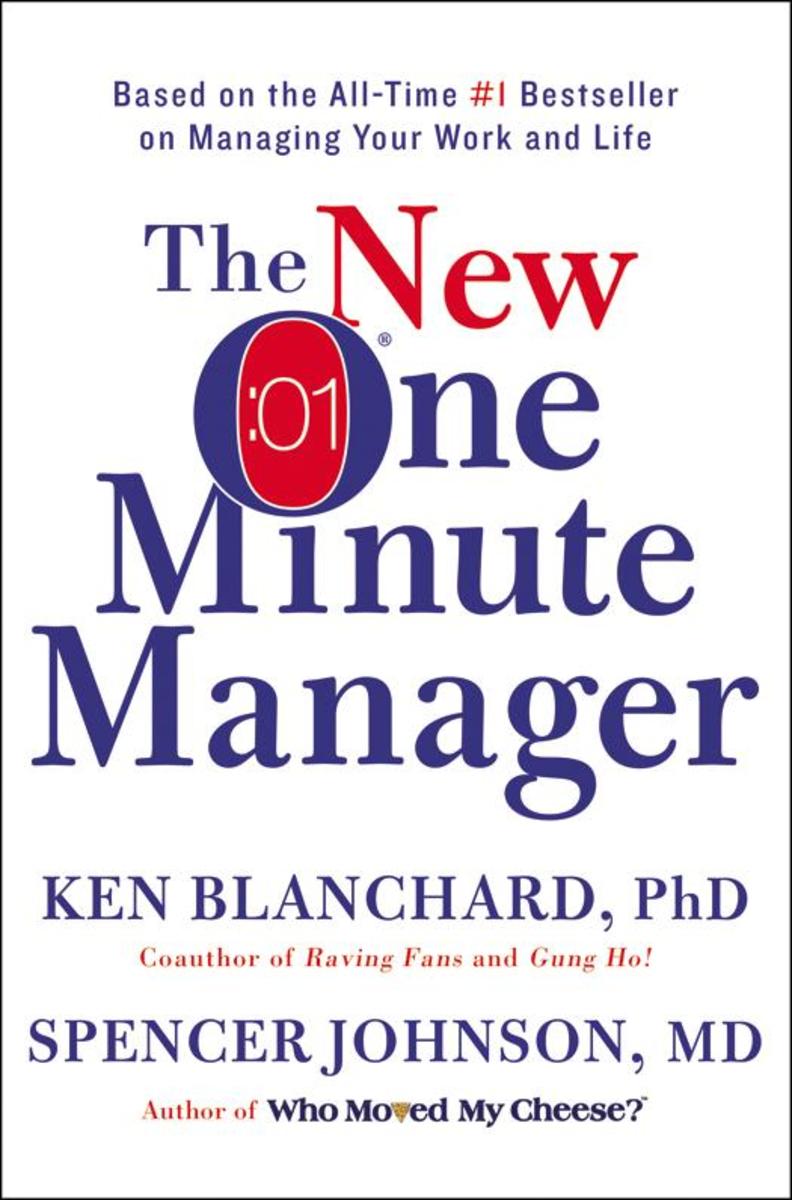
The New One Minute Manager offers a way for you to succeed sooner with less stress in changing times both at work and at home.Based on the original book The One Minute Manager that helped millions of people around the world in organizations large and small, this new version of the classic story deals with a new world.The book will help you find meaning in your work and inspire you to discover new ways to help your organization adapt and prosper.The New One Minute Manager is a concise, easily read story that reveals three very practical secrets: One Minute Goals, One Minute Praisings, and One Minute Re-Directs, the new third secret.The story is based on studies in the behavioral sciences and medicine that support why these apparently simple methods work so well with so many people. And by the book's end, you will know how to apply what you discover to your own situation and enjoy the benefits.
Harper
¥147.48
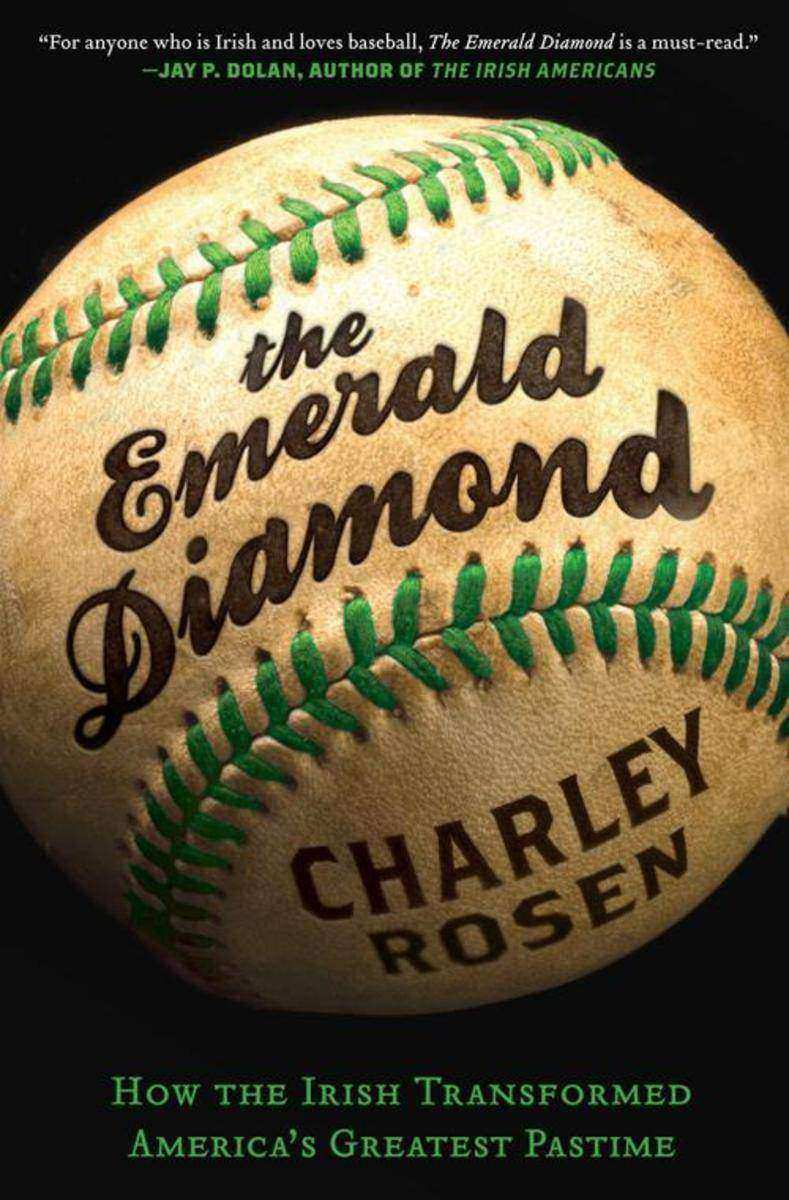
The history of the Irish in baseball is much richer than anyone realizes. From early discrimination to later domination, from Mike Kelly, a society star in the 1880s, to the managerial fame of Connie Mack (né McGillicuddy), early Irish players and managers helped shape the game of baseball in every way. From the first curveball to the first players' unions, Irishmen took America's national pastime and made it their own, turning it into the glorious game we know today, as more recent players have kept alive the Irish tradition of setting records. A wild, fun, fact-filled celebration of the Irish in baseball, The Emerald Diamond intersperses interviews with current players with tales of such players as Dan Brouthers, who at 6'2" and well over 200 pounds, was the game's home-run king until Babe Ruth came along; and includes lively anecdotes about such colorfully nicknamed ballplayers as Tony "the Count" Mullane, Mike "King" Kelly, James "Pud" Galvin, Hugh "One-Arm" Daily, Frank "Silk" O'Loughlin, and "Iron Man" Joe McGinnity. Just a few of the great Irish athletes featured as well are Mickey Cochrane (for whom Mickey Mantle was named); Charles Comiskey; Ed Walsh, the last pitcher to win 40 games in a single season; and Ed Delahanty, whose prodigious life and mysterious death continue to be a source of intrigue. With decade-by-decade profiles of exciting Irish figures on the field and off, The Emerald Diamond also offers important discussion on cultural and political themes relevant to their times.
The Great Upheaval
¥99.42
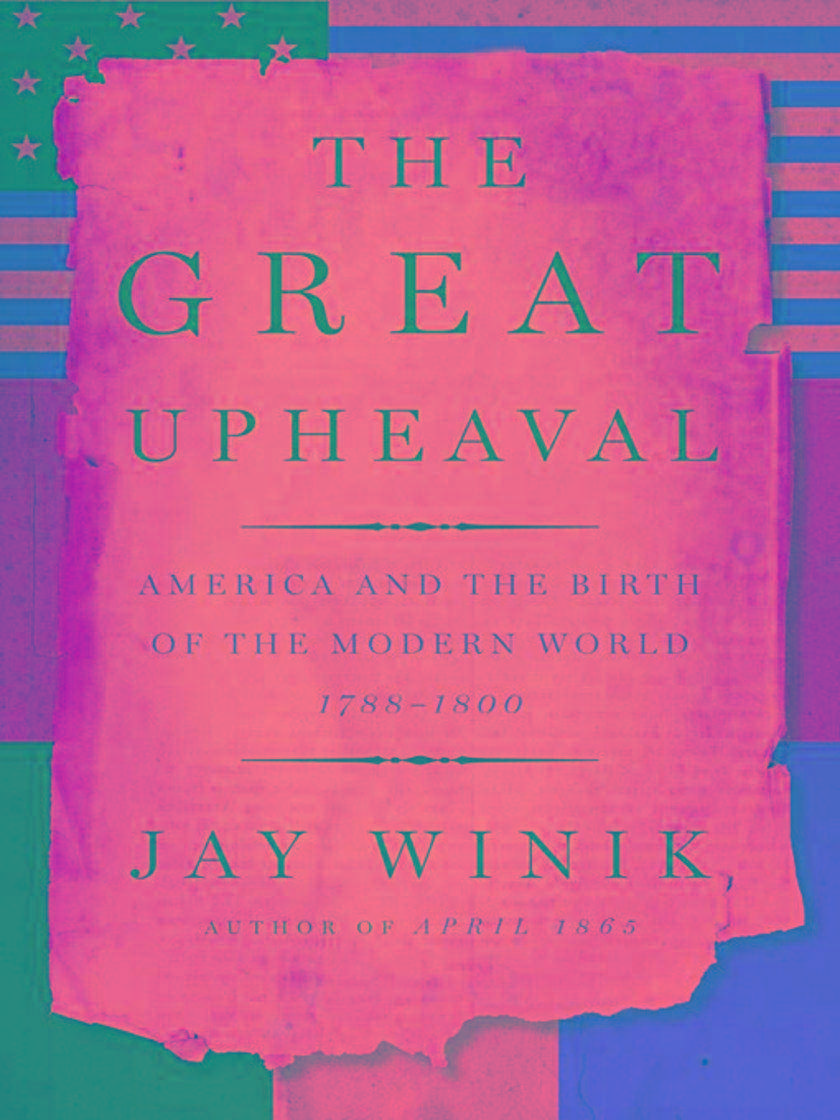
It is an era that redefined history. As the 1790s began, a fragile America teetered on the brink of oblivion, Russia towered as a vast imperial power, and France plunged into revolution. But in contrast to the way conventional histories tell it, none of these remarkable events occurred in isolation.Now, for the first time, acclaimed historian Jay Winik masterfully illuminates how their fates combined in one extraordinary moment to change the course of civilization. A sweeping, magisterial drama featuring the richest cast of characters ever to walk upon the world stage, including Washington, Jefferson, Louis XVI, Robespierre, and Catherine the Great, The Great Upheaval is a gripping, epic portrait of this tumultuous decade that will forever transform the way we see America's beginnings and our world

HarperCollins e-books
¥90.73
In this engrossing work of history, Lee Kennett brilliantly brings General Sherman's 1864 invasion of Georgia to life by capturing the ground-level experiences of the soldiers and civilians who witnesses the bloody campaign. From the skirmish at Buzzard Roost Gap all the way to Savannah ten months later, Kennet follows the notorious, complex Sherman, who attacked the devastated the heart of the Confederacy's arsenal. Marching Through Georgia describes, in gripping detail, the event that marked the end of the Old South.

HarperCollins e-books
¥90.77
Duty First is a penetrating account of a year inside one of America's premier schools for leadership -- the United States Military Academy -- as it celebrates the bicentennial of its founding. Ed Ruggero, a former West Point cadet and professor, takes an incisive look at how this elite school builds the "leaders of character" who will command the nation's military.Writing with deep insight and superb narrative skill, Ruggero follows the cadet's tumultuous lives: the initial grueling training; the strict student hierarchy and intense classroom work; and the interaction between the lowly first-year plebes and the upper-class cadets who train them. Duty First also shows the role played by the majors, captains, and sergeants, who oversee everything that happens at this unique institution.
HarperOne
¥145.49
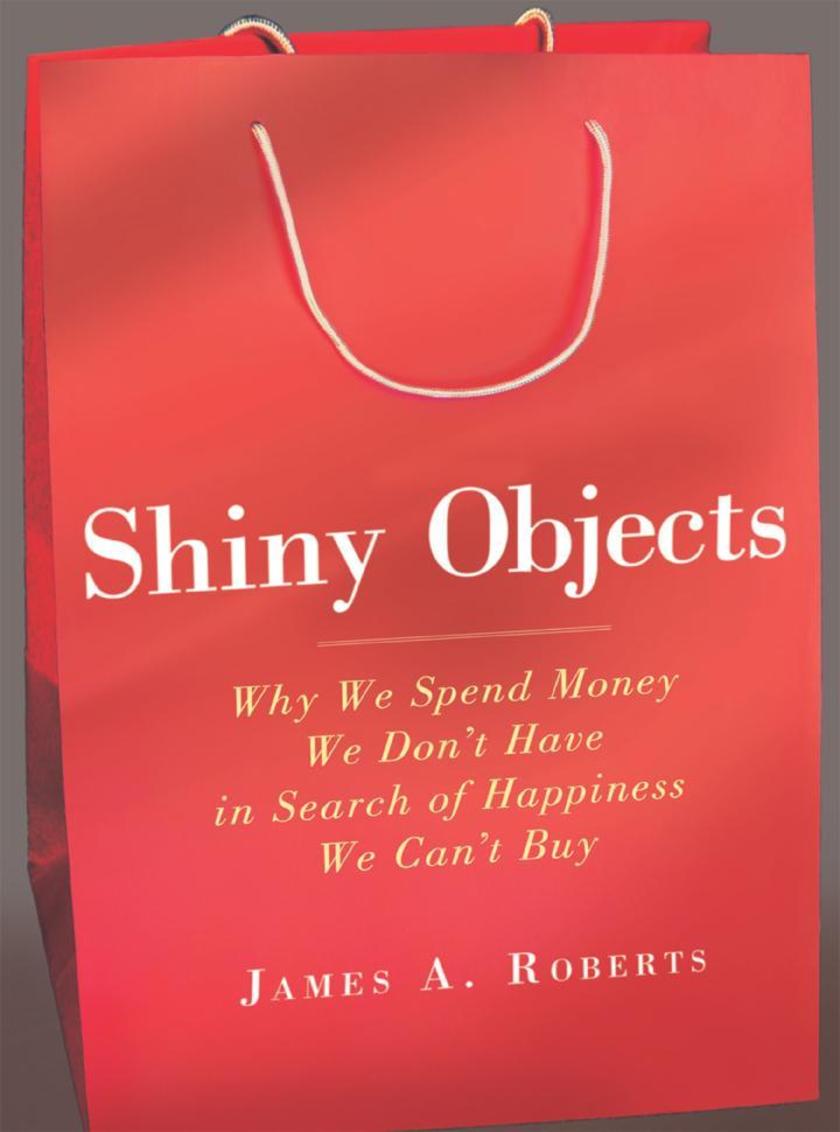
Americans toss out 140 million cell phones every year. We discard 2 million plastic bottles every five minutes. And our total credit-card debt as of July 2011 is $793 billion.Plus, credit cards can make you fat.The American Dream was founded on the belief that anyone dedicated to thrift and hard work could create opportunities and achieve a better life. Now that dream has been reduced to a hyperquantified desire for fancier clothes, sleeker cars, and larger homes. We've lost our way, but James Roberts argues that it's not too late to find it again. In Shiny Objects, he offers us an opportunity to examine our day-to-day habits, and once again strive for lives of quality over quantity.Mining his years of research into the psychology of consumer behavior, Roberts gets to the heart of the often-surprising ways we make our purchasing decisions. What he and other researchers in his field have found is that no matter what our income level, Americans believe that we need more to live a good life. But as our standard of living has climbed over the past forty years, our self-reported happiness levels have flatlined.Roberts isn't merely concerned with the GDP or big-ticket purchases damaging spending habits play out countless times a day, in ways big and small: he demonstrates that even the amount we spend at our favorite fast-food joint increases anywhere from 60 to 100 percent when we use a credit card instead of cash. Every time we watch TV or turn on a radio we're exposed to marketing messages (experts estimate up to 3,000 of them daily). Consumption is king, and its toll is not just a financial one: relationships are suffering, too, as materialism encroaches on the time and value we give the people around us.By shedding much-needed light on the science of spending, Roberts empowers readers to make smart changes, improve self-control, and curtail spending. The American Dream is still ours for the taking, and Shiny Objects is ultimately a hopeful statement about the power we each hold to redefine the pursuit of happiness.

Harper
¥166.16
In May 1943, Allied sea and air forces won a stunning, dramatic, and vital victory over the largest and most powerful submarine force ever sent to sea, sinking forty-one German U-boats and damaging thirty-seven others. It was the forty-fifth month of World War II, and by the end of May the Germans were forced to acknowledge defeat and recall almost all of their remaining U-boats from the major traffic lanes of the North Atlantic. At U-Boat Headquarters in Berlin, despondent naval officers spoke of "Black May." It was a defeat from which the German U-boat fleet never recovered.Black May is a triumph of scholarship and narrative, an important work of history, and a great sea story. Acclaimed historian Michael Gannon, author of Operation Drumbeat, has done enormous research and produced the most thoroughly documented study ever done of these battles. In his compelling historical saga, the people are as significant as the technical information.Given the strategic importance of the events of May 1943, it is natural to ask, How did Black May happen and whyWho or what was responsibleWere new Allied tactics adopted or new weapons employed?This book answers those questions and many others. Drawing on original documents in German, British, U.S., and Canadian archives, as well as interviews with surviving participants, Gannon describes the exciting sea and air battles, frequently taking the reader inside the U-boats themselves, aboard British warships, onto the decks of torpedoed merchant ships, and into the cockpits of British and U.S. aircraft.Throughout, Gannon tells the Black May story from both the German and Allied perspectives, often using the actual words of captains and crews. Finally, he allows the reader to "listen in" on secretly recorded conversations of captured U-boat men in POW quarters during that same incredible month, giving intimate and moving access to the thoughts and emotions of seamen that is unparalleled in naval literature. Rarely, if ever, has the U-boat war been presented so accurately, so graphically, and so personally as in Black May.
Dey Street Books
¥151.53
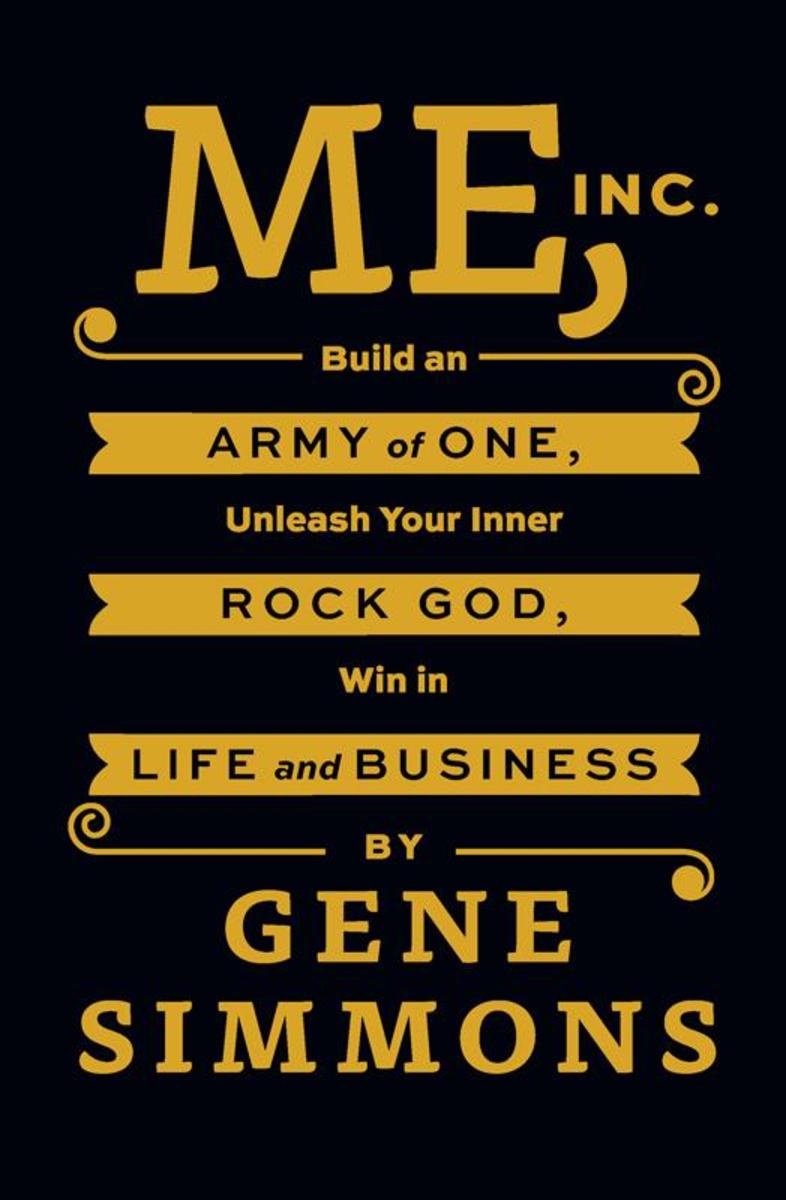
The quintessential self-made man, master of brand identity, New York Times bestselling author, and award-winning executive KISS's Gene Simmons shares his manifesto for business success.KISS did not become one of the most successful rock bands in history by accident. Long before he first took the stage, Gene Simmons had a clear-cut operating plan for the business. Over the past forty years, KISS has sold more than 100 million CDs and DVDs worldwide and manages 5,000 licensed merchandise items from comic books and coffins to action figures and video games. The band received a star on the Hollywood Walk of Fame, and in 2014 was inducted into the Rock and Roll Hall of Fame. In addition to KISS, Simmons's lucrative ventures include two hit reality shows, a professional sports team, a restaurant chain, and a record label. A recipient of the Forbes Lifetime Achievement Award, this brilliant executive runs all of his businesses on his own no personal assistant, few handlers, and as little red tape as possible.In Me, Inc., Simmons gives aspiring entrepreneurs the critical tools they need to succeed. He discusses how to build a solid business strategy, harness the countless tools available in the digital age, educate yourself, and be the architect for the business entity that is you. Inspired by The Art of War, Me, Inc. is organized around thirteen specific, easy-to-understand principles for success "The Art of More" drawn from Simmons's own triumphs and failures. From finding the confidence necessary to get started, to surrounding yourself with the right people, to knowing when to pull the plug and when to double-down, these principles can help you attain the freedom and wealth of your dreams.

Illustrators 54
¥252.65
This 54th edition of the Society of Illustrators Annual represents the very best work created throughout the year. These volumes have been collected and treasured for decades by those interested in the art of illustration, and are not only an invaluable source for art buyers, but also keep professional artists abreast of current trends and serve as inspirational teaching tools for art students and those entering the field.Highlights include: Revealing commentary by individual artists describing the creative process behind their works. Gold and Silver Medal winners in seven categories. Biographies of the artists elected to the prestigious Illustrators Hall of Fame, along with examples of their work. Profiles of the Hamilton King Award and the Richard Gangel Art Director Award winners.

City Parks
¥280.71
City Parks illuminates the spirit and beauty of the world's most loved city parks: an extraordinary visual and poetic journey from London to Brooklyn, Calcutta to Chicago, and Paris to San Francisco, captured in breathtaking photographs and the evocative words of celebrated writers and personalities.

HarperCollins e-books
¥280.71
This first-ever book of its kind, Designing for the Greater Good, features hundreds of illustrated examples of the best nonprofit and cause-related design worldwide, plus 24 inspiring case studies and insights into great nonprofit branding campaigns. A comprehensive resource for designers, creative professionals, marketers, corporate communications departments and nonprofit leaders, this book showcases work from a variety of sectors including Family and Community, Animal Causes, Health, Human Rights, Environmental Awareness, Spirituality, and the Arts. The 24 case studies feature interviews with the designers for such campaigns as the Avon Walk for Breast Cancer, The Hurricane Katrina Poster Project and Get London Reading. Materials presented in Designing for the Greater Good include: cause-specific campaigns and case studies; logos and branding for nonprofits; websites, posters, brochures, advertising, and marketing materials for cause-related events and nonprofits; packaging; invitations for fundraisers and events.

Love: The Owner's Manual
¥10.86
Cutting-edge, user-friendly, and comprehensive: the revolutionary guide to the brain, now fully revised and updatedAt birth each of us is given the most powerful and complex tool of all time: the human brain. And yet, as we well know, it doesn't come with an owner's manual until now. In this unsurpassed resource, Dr. Pierce J. Howard and his team distill the very latest research and clearly explain the practical, real-world applications to our daily lives. Drawing from the frontiers of psychology, neurobiology, and cognitive science, yet organized and written for maximum usability, The Owner's Manual for the Brain, Fourth Edition, is your comprehensive guide to optimum mental performance and well-being. It should be on every thinking person's bookshelf. What are the ingredients of happinessWhich are the best remedies for headaches and migrainesHow can we master creativity, focus, decision making, and willpowerWhat are the best brain foodsHow is it possible to boost memory and intelligenceWhat is the secret to getting a good night's sleepHow can you positively manage depression, anxiety, addiction, and other disordersWhat is the impact of nutrition, stress, and exercise on the brainIs personality hard-wired or fluidWhat are the best strategies when recovering from trauma and lossHow do moods and emotions interactWhat is the ideal learning environment for childrenHow do love, humor, music, friendship, and nature contribute to well-beingAre there ways of reducing negative traits such as aggression, short-temperedness, or irritabilityWhat is the recommended treatment for concussionsCan you delay or prevent Alzheimer's and dementiaWhat are the most important ingredients to a successful marriage and familyWhat do the world's most effective managers know about leadership, motivation, and persuasionPlus 1,000s more topics!

It Books
¥415.39
Who can forget the over-the-top, white-on-white, high-gloss interiors through which Fred Astaire danced in Top HatThe modernist high-rise architecture, inspired by the work of Frank Lloyd Wright, in the adaptation of Ayn Rand's The FountainheadThe lavish, opulent drawing rooms of Martin Scorsese's The Age of InnocenceThrough the use of film design called both art direction and production design in the film industry movies can transport us to new worlds of luxury, highlight the ornament of the everyday, offer a vision of the future, or evoke the realities of a distant era. In Designs on Film, journalist and interior designer Cathy Whitlock illuminates the often undercelebrated role of the production designer in the creation of the most memorable moments in film history. Through a lush collection of rare archival photographs, Whitlock narrates the evolving story of art direction over the course of a century from the massive Roman architecture of Ben-Hur to the infamous Dakota apartment in Rosemary's Baby to the digital CGI wonders of Avatar's Pandora.Drawing on insights from the most prominent Hollywood production designers and the historical knowledge of the venerable Art Directors Guild, Whitlock delves into the detailed process of how sets are imagined, drawn, built, and decorated. Designs on Film is the must-have look book for film lovers, movie buffs, and anyone looking to draw interior design inspiration from the constructions and confections of Hollywood. Whitlock lifts the curtain on movie magic and celebrates the many ways in which art direction and set design allow us to lose ourselves in the diverse worlds showcased on the big screen.

Hank Aaron and the Home Run That Changed America
¥88.56
Baseball has witnessed more than 125,000 home runs. Many have altered the outcome of games, and some have decided pennants and become legend. But no dinger has had greater impact than Hank Aaron's 715th home run. His historic blast on April 8, 1974, lifted him above Babe Ruth on the all-time list, an achievement that shook not only baseball but our nation itself. Aaron's magnificent feat provoked bigotry and shattered prejudice, inspired a generation, emboldened a flagging civil rights movement, and called forth the demons that haunted Aaron's every step and turned what should have been a joyous pursuit into a hellish nightmare.In this powerful recollection, Tom Stanton penetrates the myth of Aaron's chase and uncovers the compelling story behind the most consequential athletic achievement of the past fifty years. Three decades after Hank Aaron reached the pinnacle of the national pastime, and now as Barry Bonds makes history of his own, Stanton unfolds a tale rich with drama, poignancy, and suspense to bring to life the elusive spirit of an American hero.
Moneymaker
¥88.56
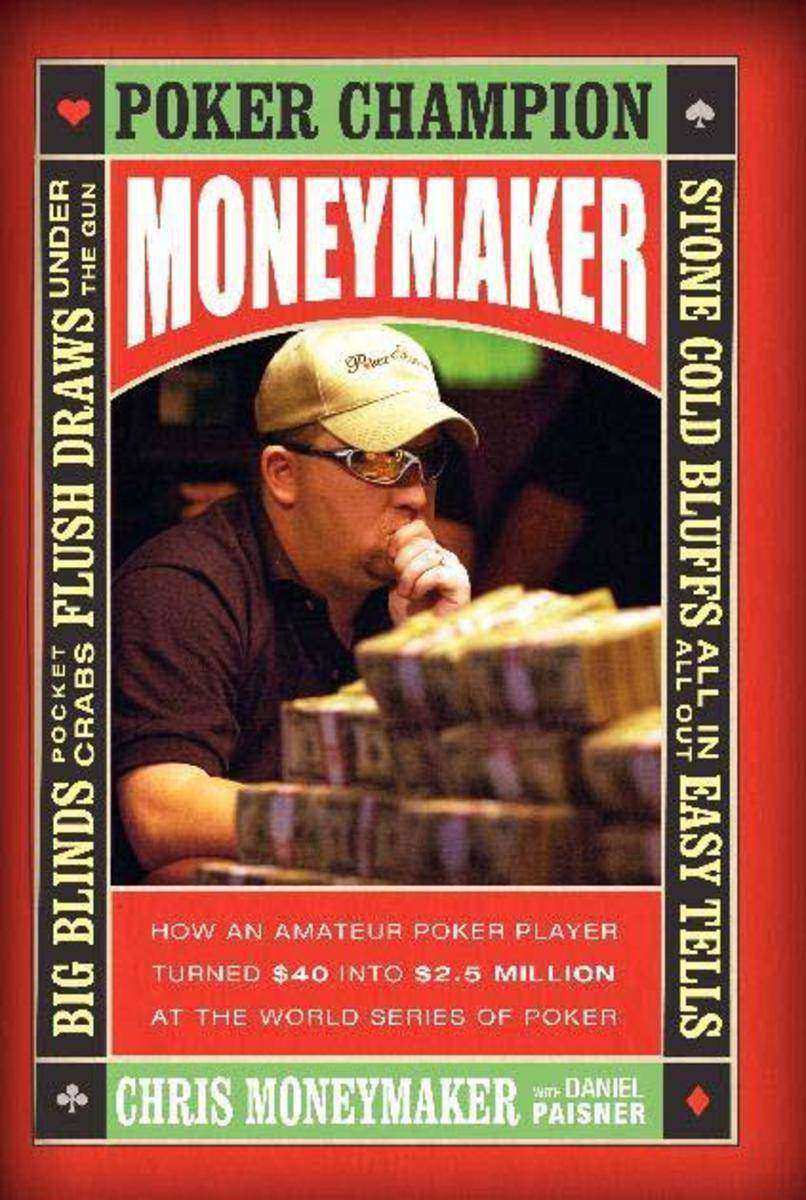
In 2004 the number of entrants -- and the winning pool -- at the World Series of Poker tripled, thanks in large part to Chris Moneymaker, an amateur player who came out of nowhere to win the 2003 Series, and prove to newcomers and poker pros alike that anything is possible with a chip and a chair.Moneymaker was a young accountant from Tennessee who loved to gamble but only took up cards after college. Three years later he was playing a $40 game of online Texas Hold 'Em and won a coveted seat at the 2003 World Series of Poker. Borrowing money to get to Las Vegas, he entered his first real-time tournament and spent the next four days battling for a top spot at the final table.Filled with everything from his early gambling ventures to a play-by-play of his major hands at the World Series of Poker, Moneymaker is a gripping, fast-paced story for anyone who has ever dreamed of winning it big.
America's Hidden History
¥95.11
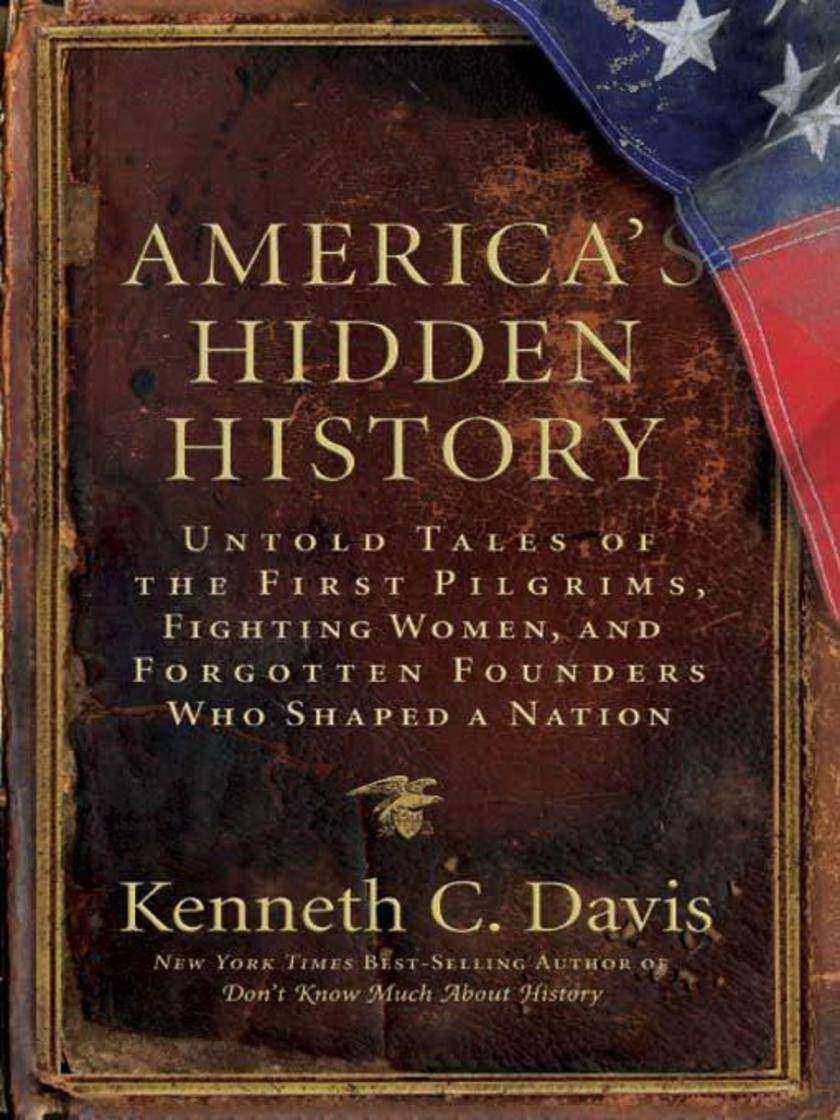
Kenneth C. Davis, author of the phenomenal New York Times bestseller Don't Know Much About History, presents a collection of extraordinary stories, each detailing an overlooked episode that shaped the nation's destiny and character. Davis's dramatic narratives set the record straight, busting myths and bringing to light little-known but fascinating facts from a time when the nation's fate hung in the balance.Spanning a period from the Spanish arrival in America to George Washington's inauguration in 1789, America's Hidden History details these episodes, among others: The story of the first real Pilgrims in America, who were wine-making French Huguenots, not dour English Separatists The coming-of-age story of Queen Isabella, who suggested that Columbus pack the moving mess hall of pigs that may have spread disease to many Native Americans The long, bloody relationship between the Pilgrims and Indians that runs counter to the idyllic scene of the Thanksgiving feast The little-known story of George Washington as a headstrong young soldier who committed a war crime, signed a confession, and started a war! Full of color, intrigue, and human interest, America's Hidden History is an iconoclastic look at America's past, connecting some of the dots between history and today's headlines, proving why Davis is truly America's Teacher.


