


 购物车
购物车 个人中心
个人中心
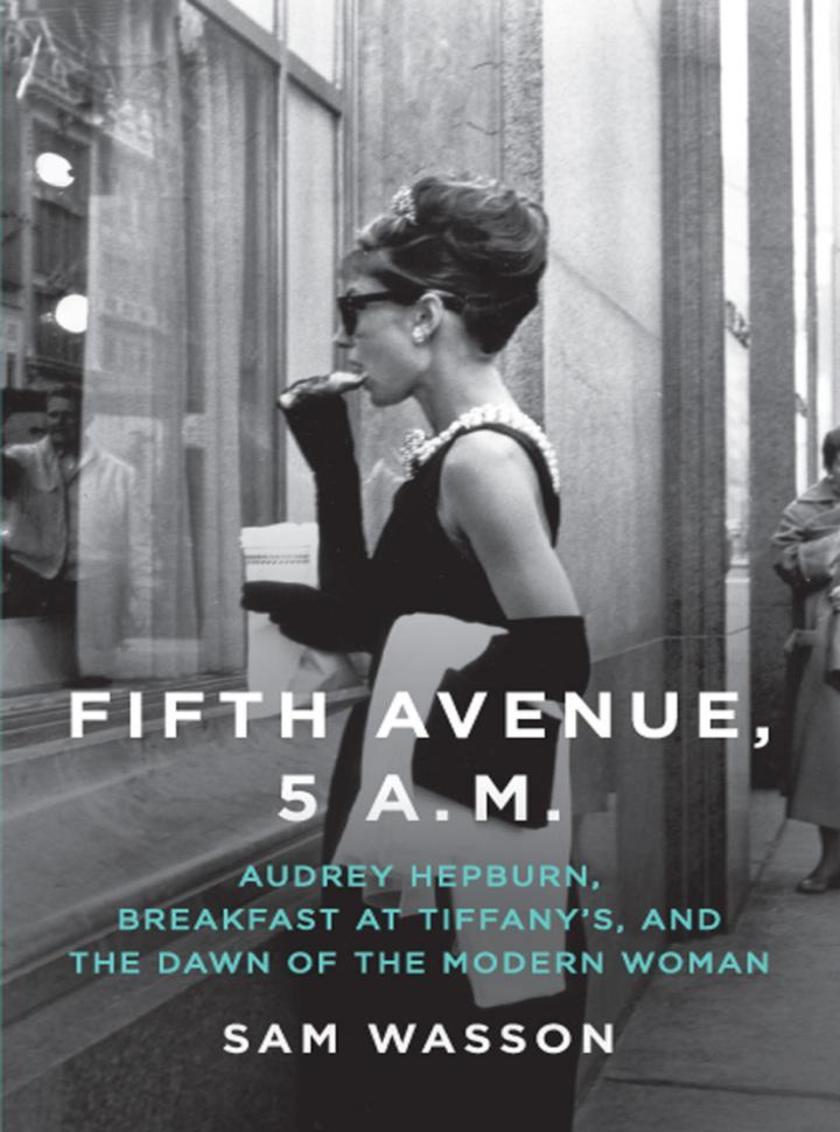
Fifth Avenue, 5 A.M.
¥88.56
Audrey Hepburn is an icon like no other, yet the image many of us have of Audrey dainty, immaculate is anything but true to life. Here, for the first time, Sam Wasson presents the woman behind the little black dress that rocked the nation in 1961. The first complete account of the making of Breakfast at Tiffany's, Fifth Avenue, 5 A.M. reveals little-known facts about the cinema classic: Truman Capote desperately wanted Marilyn Monroe for the leading role; director Blake Edwards filmed multiple endings; Hepburn herself felt very conflicted about balancing the roles of mother and movie star. With a colorful cast of characters including Truman Capote, Edith Head, Givenchy, "Moon River" composer Henry Mancini, and, of course, Hepburn herself, Wasson immerses us in the America of the late fifties before Woodstock and birth control, when a not-so-virginal girl by the name of Holly Golightly raised eyebrows across the country, changing fashion, film, and sex for good. Indeed, cultural touchstones like Sex and the City owe a debt of gratitude to Breakfast at Tiffany's. In this meticulously researched gem of a book, Wasson delivers us from the penthouses of the Upper East Side to the pools of Beverly Hills, presenting Breakfast at Tiffany's as we have never seen it before through the eyes of those who made it. Written with delicious prose and considerable wit, Fifth Avenue, 5 A.M. shines new light on a beloved film and its incomparable star.
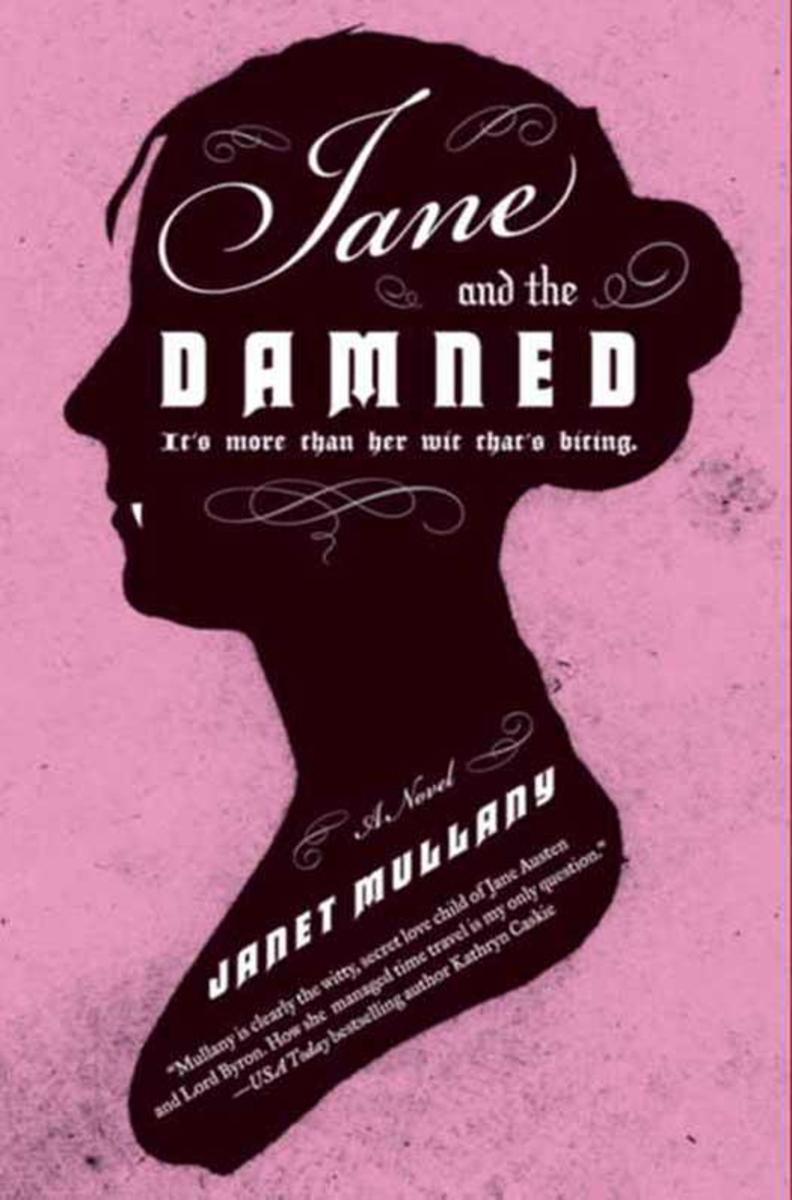
Jane and the Damned
¥83.92
Jane Austen Novelist . . . gentlewoman . . .Damned, Fanged, and Dangerous to know. Aspiring writer Jane Austen knows that respectable young ladies like herself are supposed to shun the Damned the beautiful, fashionable, exquisitely seductive vampires who are all the rage in Georgian England in 1797. So when an innocent (she believes) flirtation results in her being turned by an absolute cad of a bloodsucker she acquiesces to her family's wishes and departs for Bath to take the waters, the only known cure.But what she encounters there is completely unexpected: perilous jealousies and further betrayals, a new friendship and a possible love. Yet all that must be put aside when the warring French invade unsuspecting Bath and the streets run red with good English blood. Suddenly only the staunchly British Damned can defend the nation they love . . . with Jane Austen leading the charge at the battle's forefront.
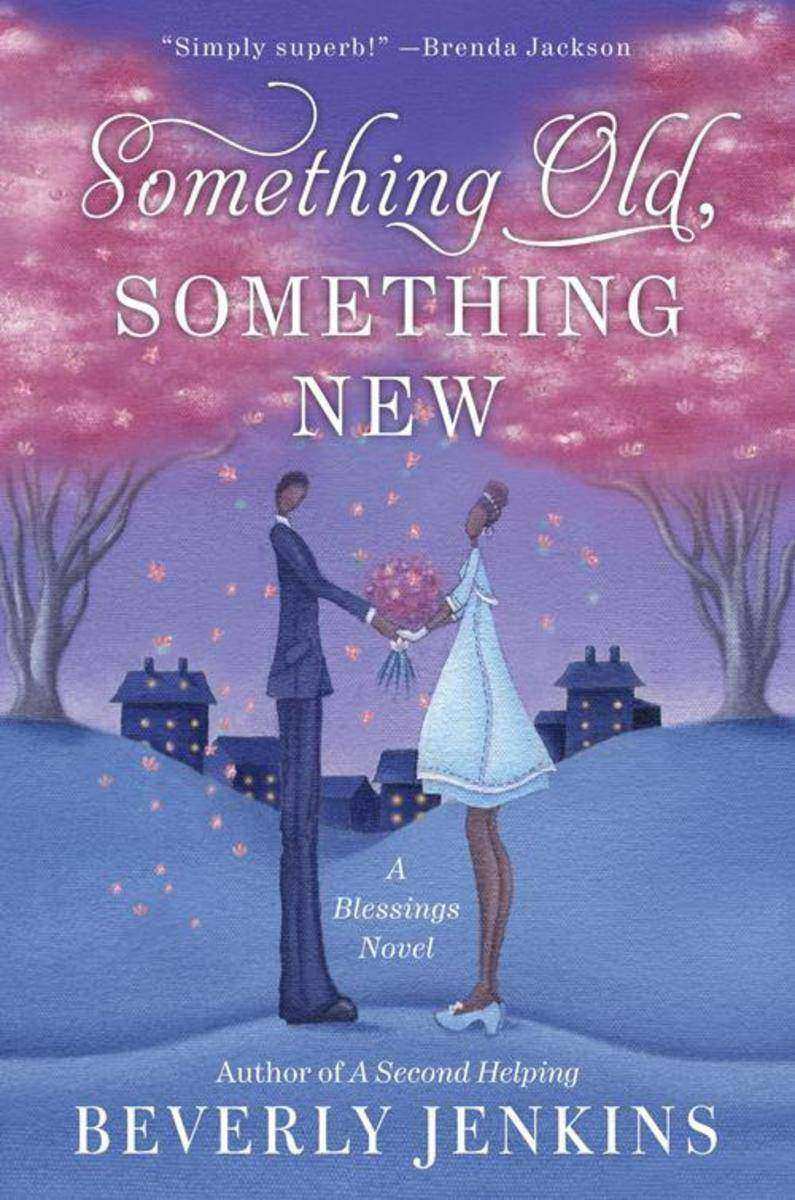
Something Old, Something New
¥84.16
The citizens of Henry Adams are starting to take bets will Lily Fontaine and Trent July finally tie the knotAll they want is a nice, simple wedding, but their well-meaning neighbors are turning the no-fuss affair into the event of the decade. Bernadine, the town's fairy godmother, wants Lily to have a storybook wedding fit for a princess, and Lily's nine-year-old foster son is campaigning to be town preacher so he can officiate at the ceremony. Trouble multiplies when Trent is called on to help a new family move to town, not to mention Lily and Trent's task of blending their families together. With the bustle of the tight-knit, and often tightly wound, friends and family pushing them to the breaking point, the couple begins to wish they'd eloped. But, as they'll soon be reminded, happiness in Henry Adams is meant to be shared.
A Loss for Words
¥78.32
From the time she was a toddler, Lou Ann Walker was the ears and voice for her deaf parents. Their family life was warm and loving, but outside the home, they faced a world that misunderstood and often rejected them.
Death Be Not Proud
¥78.32
Johnny Gunther was only seventeen years old when he died of a brain tumor. During the months of his illness, everyone near him was unforgettably impressed by his level-headed courage, his wit and quiet friendliness, and, above all, his unfaltering patience through times of despair. This deeply moving book is a father's memoir of a brave, intelligent, and spirited boy.
How God Became King
¥83.92
Foundational: The four gospels come directly fromthe ancient church and are among the primary sourcesfor the church's teachings.Familiar: Since Christian worship services began, areading from the gospels has played a central role.Studied: For over two hundred years scholars havechallenged and defended the central claims of thegospels: miracles, historical accuracy, the divinity ofJesus, and more.But Forgotten: Still, leading Bible scholar N. T.Wright reveals shocking news: We have all forgottenwhat the four gospels are about."Despite centuries of intense and heavy industryexpended on the study of all sorts of features of thegospels," Wright writes, "we have often managed tomiss the main thing that they, all four of them, aremost eager to tell us. What we need is not just a bitof fine-tuning, an adjustment here and there. We needa fundamental rethink about what the gospels aretrying to tell us."What Wright offers is an opportunity to confront thesepowerful texts afresh, as if we are encountering themfor the first time. How God Became King reveals thesurprising, unexpected, and shocking news of thegospels: this is the story of a new king, a new kind ofking, a king who has changed everything, and a kingwho invites us to be part of his new world.
Gender Intelligence
¥155.02
World-renowned experts on Gender Intelligence argue that it is time to move beyond politics and fairness to build an economic business case for gender diversity in the workplace.For too long, companies have played the numbers game attempting to tackle the problem of gender imbalance through affirmative action, numeric standards, and quotas. Yet these efforts have had no measurable impact on the number of women in leadership or on a company's bottom line. Meanwhile, the dominant paradigm of traditional business remains the same.In Gender Intelligence, Barbara Annis and Keith Merron introduce a revolutionary and effective approach that is fundamentally altering the cultures of major corporations around the world. They uncover the forces that create the current condition of gender inequality and reveal, for the first time, the powerful principles that are bringing about a shift in thinking. They highlight organizations that have made the transformation from a focus on gender equity to the more powerful objective of welcoming the natural differences between men and women, which ultimately produces greater economic value. Gender Intelligence proves that the true measure of gender equality does not reside in a percentage but in the untapped power of men and women openly working and winning together.

Dark Forces
¥155.02
In this explosive expose, bestselling author Kenneth Timmerman gives us the real story of what happened in Benghazi, and the lengths to which the Obama administration has gone to hide the truth from the American people.Forget what you've heard: the September 11, 2012, attack on U.S. Government Compounds in Benghazi, which resulted in the deaths of four Americans, including our ambassador, was not a spontaneous demonstration. Nor was it planned by local militias.It was a state-sponsored terrorist attack with Iranian fingerprints all over it.What's more, the Obama administration knew from the first minutes of the attack that the compound had been targeted by an organized, professionally trained terrorist group. But the administration made up a ridiculous cover story about a nonexistent demonstration over an Internet movie in an attempt to fool the American public on the eve of a national election. The Iran-Contra scandal consumed Ronald Reagan's second term and nearly destroyed his presidency. Yet as bad as that was, what happened in Benghazi is much worse. As Ken Timmerman reveals in Dark Forces, the Benghazi affair will go down as the deepest, darkest, dirtiest political scandal of recent American history. And for all the coverage it has received, the real story has still not been told. It's a story of clandestine arms deliveries to Libyan rebels that wound up in the hands of Islamist guerrillas allied with al Qaeda. It's a story of a romantic American diplomat who gets caught up in a whirlwind beyond his comprehension or control. It's a story of bald-faced lies, heroic acts, and the deepest corruption. Dark Forces is much more than a retelling of what happened in Benghazi on September 11, 2012. It puts those events into the larger context of the Obama administration's policy toward the Middle East from Iran to the Arab Spring. It examines the administration's record of systematically supporting the Muslim Brotherhood and al Qaeda affiliated groups in their efforts to overthrow pro-U.S. autocrats in Tunisia, Egypt, and Libya. It shows how this went along with the administration's outreach to the Islamist regime in Iran. It argues that President Obama's obsessive outreach to the leadership of the Islamic Republic of Iran led the Iranian regime to dismiss him as a weak, ineffective leader who would not fight back when hit. And it reveals why and how this deadly combination cost the lives of four Americans, and today endangers thousands more.Written with the breakneck pacing of a political thriller, and drawing on exclusive research and privileged sources, Dark Forces tells the full story of Benghazi as you have never heard it before.

The Looks of Love
¥224.56
Hal Rubenstein, author of the bestselling 100 Unforgettable Dresses, explores the union of love and fashion in fifty fully illustrated, entertaining stories highlighting landmark moments in style.This gorgeous anthology examines the marriage of love and style in fashion, film and television, music, politics and royalty, and advertising in contemporary culture. From extraordinary runway shows like Alexander McQueen's stunning dance-marathon presentation inspired by the film They Shoot Horses, Don't Theyto shoulder-pad-clad Krystle and Alexis Carrington's jealous catfights on Dynasty, from all eight of Elizabeth Taylor's wedding ensembles to the gleaming, entwined nude bodies in Calvin Klein's first ad campaign for Obsession, every entry addresses the concept and entertaining backstory of each significant stop along our cultural timeline, elaborating on its influences and design details as well as its contribution to fashion and sway in popular culture. Rubenstein also includes stories and quotations from more than a dozen world-class designers and commercial artisans interviewed especially for the book. Travel to Paris to experience some of the greatest fashion shows in history, including Marc Jacobs's Louis Vuitton Express and John Galliano's extravaganza for Christian Dior at the Palais Garnier. Discover the secrets about the making of director Baz Luhrmann's $30 million short film for Chanel No 5, starring Nicole Kidman. Go behind the scenes in Vera Wang's studio to learn the real story of the unforgettable yellow gown Michelle Williams wore to the Academy Awards, when she and Heath Ledger were Hollywood's "It" couple. Examine the world's ongoing romance with James Dean and his black motorcycle jacket, how Doris Day's sex comedies made her a pioneer of women's liberation, and why Woodstock lives on in bohemian style.With its delightful anecdotes, captivating facts, insider's perspective on fashion, and lots of pop-culture dish, The Looks of Love is an informative, entertaining read for anyone who loves fashion, film and music, celebrity, and a tug or two at the heart.With 225 full-color and black-and-white photographs

HarperCollins e-books
¥134.46
The United States has survived clueless presidential administrations before. But no matter how enormous the crisis -- the Great Depression, Vietnam, Watergate, Monica Lewinsky's thong -- America's always come out looking like, well, America.This time, however, something's different. Things aren't just screwed up; they're f&#!$d up beyond all recognition. Wel-come to F.U.B.A.R., a hilarious and scathing satire of the American Right's bad behavior, by the creators of Air America's Majority Report. If you're a liberal who's somehow not panicked over the state of our Union, or if you're a Republican who's just having voter's remorse, or if you think what's happening to the country is just politics as usual, F.U.B.A.R. will open your eyes to our current national nightmare. With completely unfair and unbalanced analysis, authors Sam Seder and Stephen Sherrill take readers on a whirlwind tour of what's left of the United States, exposing the truth about the Right's blueprint for total domination -- over your money, your mind, your sex life, and even your place in the afterlife (yes, they have a plan for that, too).Along the way, they'll answer your most pressing questions, like: I'm gay. Can I still be a RepublicanDo I need to own my own congressman, or is a time share okayIs New York Times columnist Thomas L. Friedman's mustache, in fact, the sign of the BeastI thought we ran the media. What happenedFinally, Seder and Sherrill offer a helpful and hopeful vision for a future that remarkably doesn't look like a cross between the Matrix and Mayberry. F.U.B.A.R. is the wake-up call America has been waiting to receive -- and it will probably be wiretapped.

Amazing Grace
¥88.56
Amazing Grace tells the story of the remarkable life of the British abolitionist William Wilberforce (1759-1833). This accessible biography chronicles Wilberforce's extraordinary role as a human rights activist, cultural reformer, and member of Parliament. At the center of this heroic life was a passionate twenty-year fight to abolish the British slave trade, a battle Wilberforce won in 1807, as well as efforts to abolish slavery itself in the British colonies, a victory achieved just three days before his death in 1833. Metaxas discovers in this unsung hero a man of whom it can truly be said: he changed the world. Before Wilberforce, few thought slavery was wrong. After Wilberforce, most societies in the world came to see it as a great moral wrong.To mark the 200th anniversary of the abolition of the British slave trade, HarperSanFrancisco and Bristol Bay Productions have joined together to commemorate the life of William Wilberforce with the feature-length film Amazing Grace and this companion biography, which provides a fuller account of the amazing life of this great man than can be captured on film. This account of Wilberforce's life will help many become acquainted with an exceptional man who was a hero to Abraham Lincoln and an inspiration to the anti-slavery movement in America.
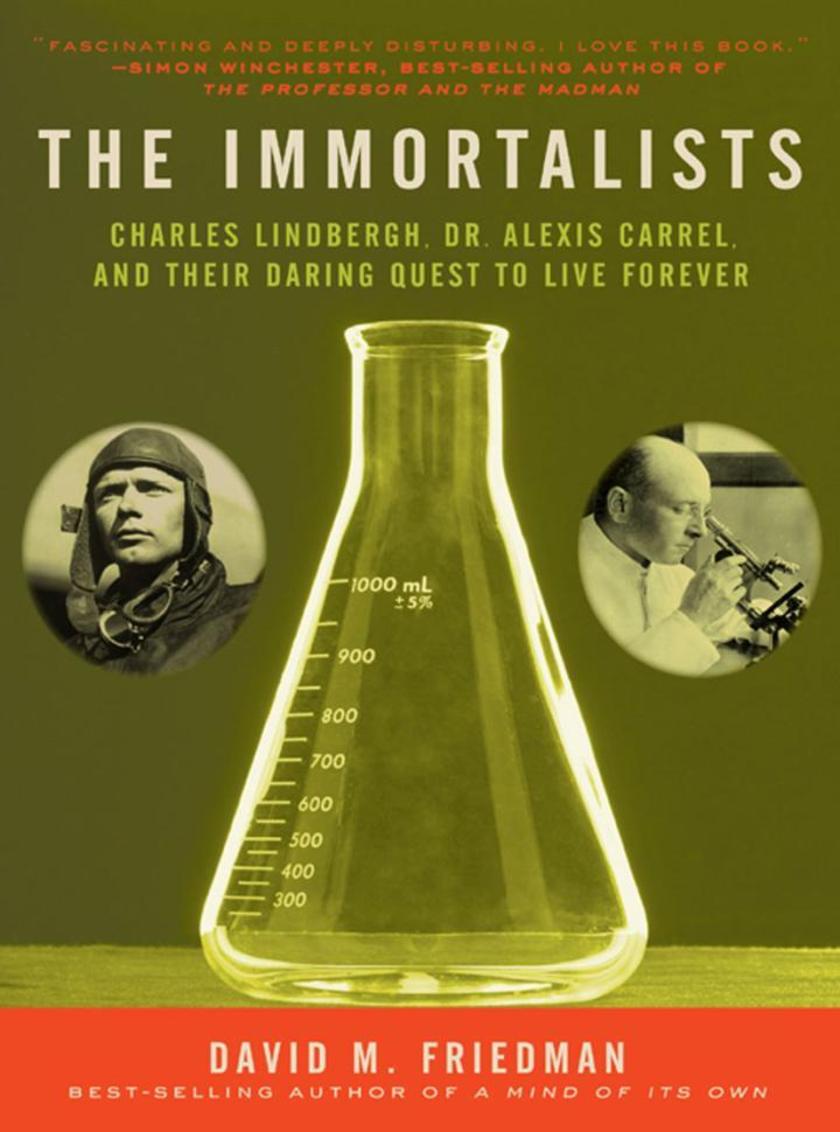
The Immortalists
¥95.39
His historic career as an aviator made Charles Lindbergh one of the most famous men of the twentieth century, the subject of best-selling biographies and a hit movie, as well as the inspiration for a dance step the Lindy Hop that he himself was too shy to try. But for all the attention lavished on Lindbergh, one story has remained untold until now: his macabre scientific collaboration with Dr. Alexis Carrel. This oddest of couples one a brilliant Nobel Prize-winning surgeon turned social engineer, the other a failed dirt farmer turned hero of the skies joined forces in 1930 driven by a shared and secret dream: to conquer death and attain immortality. Part Frankenstein, part The Professor and the Madman, and all true, The Immortalists is the remarkable story of how two men of prodigious achievement and equally large character flaws challenged nature's oldest rule, with consequences personal, professional, and political that neither man anticipated.
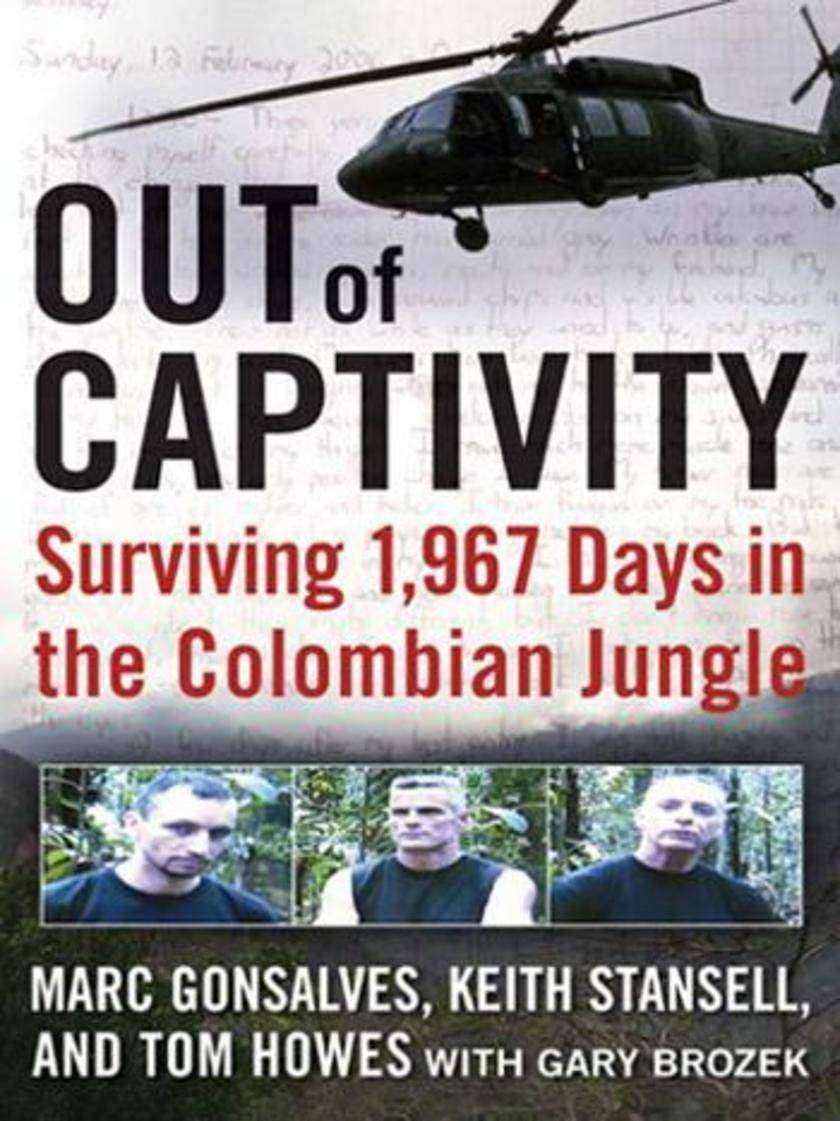
Out of Captivity
¥101.00
On February 13, 2003, a plane carrying three American civilian contractors Marc Gonsalves, Keith Stansell, and Tom Howes crash-landed in the mountainous jungle of Colombia. Dazed and shaken, they emerged from the plane bloodied and injured as gunfire rained down around them. As of that moment they were prisoners of the FARC, a Colombian terrorist and Marxist rebel organization. In an instant they had become American captives in Colombia's volatile and ongoing conflict, which has lasted for almost fifty years.In Out of Captivity, Gonsalves, Stansell, and Howes recount for the first time their amazing tale of survival, friendship, and, ultimately, rescue, tracing their five and a half years as hostages of the FARC. Their story takes you inside one of the world's most notorious terrorist organizations, going behind enemy lines with vivid and haunting imagery. Their words conjure a reality that few people have ever encountered from sleeping on beds literally carved out of the jungle to escaping Colombian military air strikes under the cover of darkness to being bound with steel chains by their captors. Describing backbreaking starvation marches and forced isolation, the authors chronicle their confrontations and interactions with the FARC guerrilla soldiers a motley crew of brainwashed, idealistic teenagers and seasoned vet-erans who've been around long enough to realize that the only way out of the FARC is in a body bag.Though the physical punishments their bodies endured were unrelenting, the psychological battles they waged were the ultimate test of their resolve. With candid detail, Gonsalves, Stansell, and Howes relate the perilous mental struggles they each experienced, as they grappled with feelings of guilt, fear, and anxiety for the families and lives they'd left behind. Exposing the transformative power of captivity, they show how they turned these fears into strengths, using their memories and their families, their pasts and their futures, to motivate them in their quest for survival. Despite the odds and the conditions, despite the chains and the silence, and despite the often tense relationships they experienced with their fellow Colombian hostages, they had one another, forging a bond that allowed them to cope with the horrific conditions of their confinement. This brotherhood enabled them to persevere through the worst that the FARC threw at them while always reminding them of their ultimate goal: freedom.A harrowing account of one of the longest civilian hostage crises in United States history, Out of Captivity is a remarkable and compelling exploration of how far three Americans were willing to go as they fought to stay alive for themselves, their families, and one another.
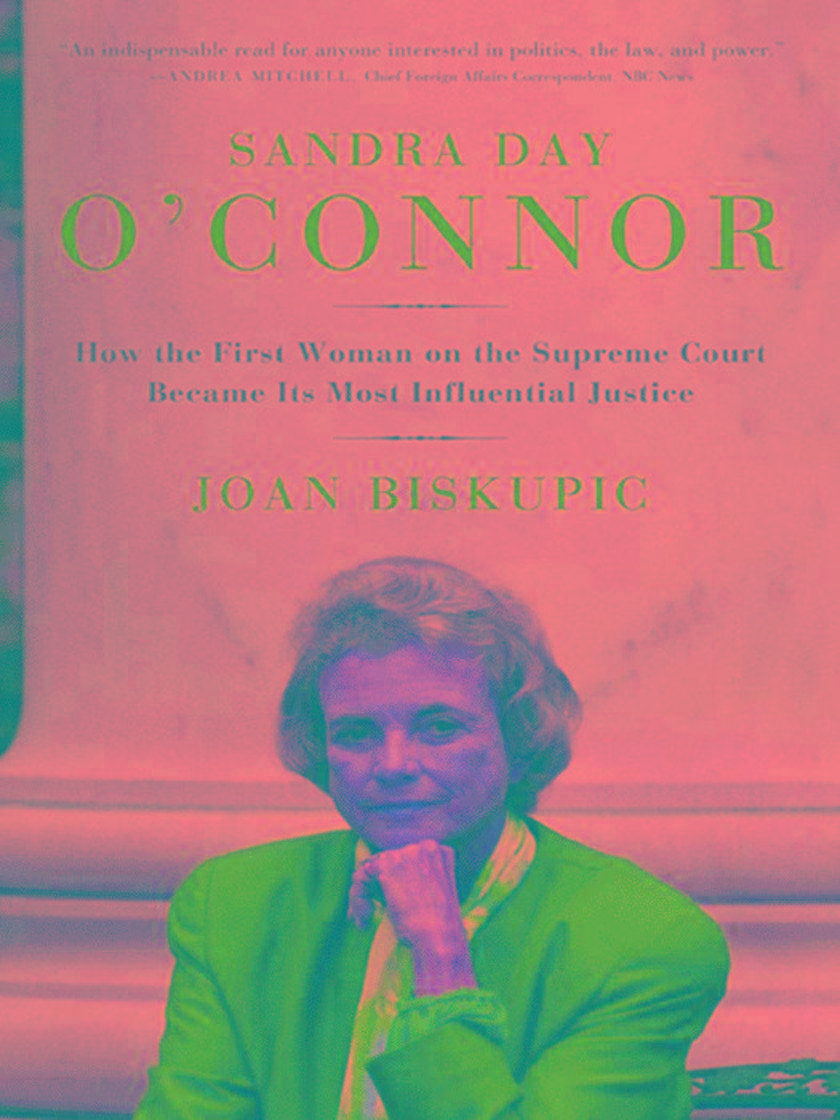
Sandra Day O'Connor
¥99.65
Sandra Day O'Connor, America's first woman justice, became the axis on which the Supreme Court turned. She was called the most powerful woman in America, and it was often said that to gauge the direction of American law, one need look only to O'Connor's vote. Then, just one year short of a quarter century on the bench, she surprised her colleagues and the nation by announcing her retirement.Drawing on information from once-private papers of the justices, hundreds of interviews with legal and political insiders, and the insight gained from nearly two decades of covering the Supreme Court, Joan Biskupic examines O'Connor's remarkable career, providing an in-depth account of her transformation from tentative jurist to confident architect of American law. The portrait that emerges is of a complex and multifaceted woman: lawyer, politician, legislator, and justice, as well as wife, mother, A-list society hostess, and competitive athlete. To all appearances, she was the polite lady in pearls, handbag on her arm. But in the back rooms of politics and the law, she was a determined, focused strategist. O'Connor was the feminist who, rather than rebel against the male-dominated system, worked from within -- and succeeded.As Biskupic demonstrates, Justice O'Connor became much more than a "first." During her twenty-four-year tenure, she wrote the decisions on some of the most controversial social battles of our time. O'Connor's tie-breaking opinions on issues such as abortion rights, affirmative action, the death penalty, and religious freedom will have a lasting effect far into the future. O'Connor also cast one of the five votes that cut off the Florida recounts and allowed George W. Bush to take the White House in the 2000 contested presidential election. With an eye to the American people and a keen sense of public attitudes, she worked behind the scenes to shape the law and transform the legal standards by which future cases will be decided.From O'Connor's isolated upbringing on the Lazy B ranch in Arizona through her time as a state legislator to her rise as a justice -- along the way confronting her own personal challenges and crises, including breast cancer -- Biskupic presents a vivid, astute depiction of the justice -- and of the woman beneath the black robe. In so doing, Sandra Day O'Connor also provides an unprecedented look inside the exclusive, famously secretive High Court.
The Way You Wear Your Hat
¥94.10
Within is a masterful assembly of the most personal details and gorgeous minutiae of Frank Sinatra's way of living--matters of the heart and heartbreak, friendship and leadership, drinking and cavorting, brawling and wooing, tuxedos and snap-brims--all crafted from rare interviews with Sinatra himself as well as many other intimates, including Tony Bennett, Don Rickles, Angie Dickinson, Tony Curtis, and Robert Wagner, in addition to daughters Nancy and Tina Sinatra. Illustrated with scores of photos, The Way You Wear Your Hat captures the timeless romance and classic style of the fifties and the loose sixties and is a stunning exploration of the Sinatra mystique.
HarperCollins e-books
¥134.46
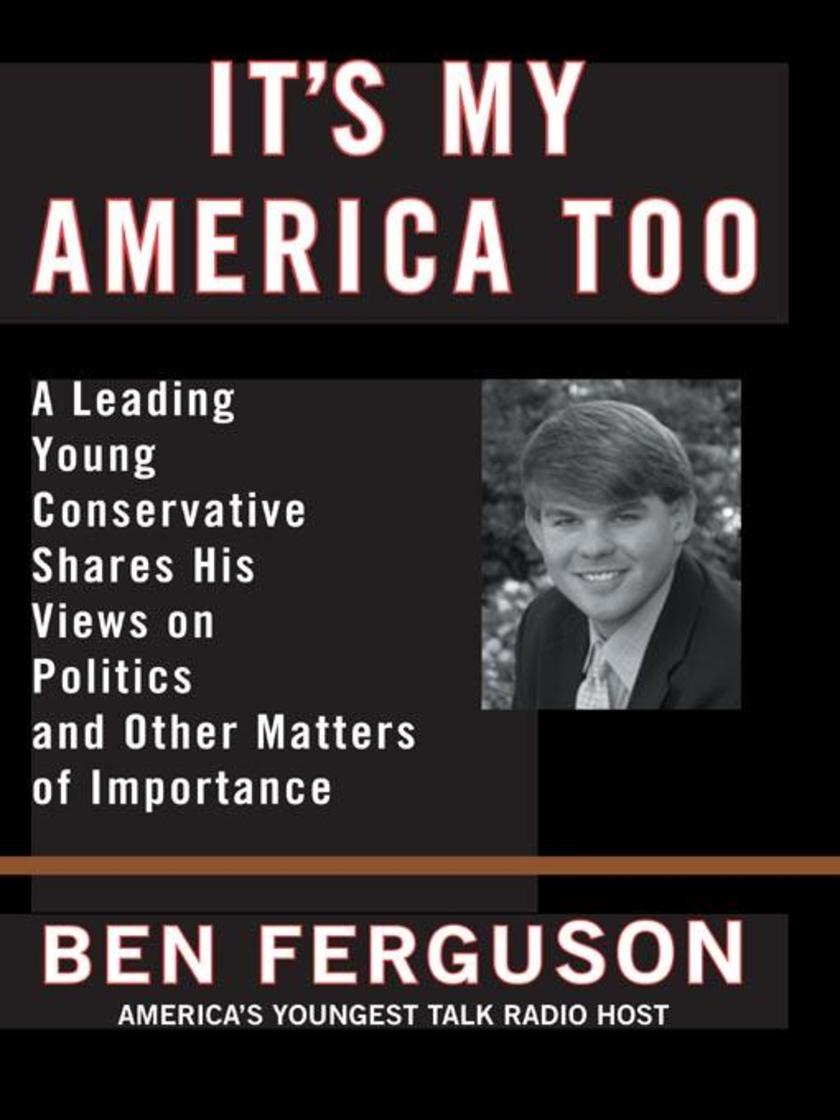
With It's My America Too, Ben Ferguson, the voice of America's youth and the host of The Ben Ferguson Show, one of the country's fastest-growing syndicated radio shows, delivers his views on all the issues, from politics to current affairs to popular culture. Everyone wants to know what Ferguson will say next and here's your chance.Ben Ferguson is a conservative who is also an independent thinker unafraid to take contrary positions. In It's My America Too, the twenty-two-year-old media star shoots from the hip and the lip on numerous topics. Ferguson tells us why he thinks the voting age should be lowered to sixteen; who the "New Minority" is the twenty-something men and women who are overworked, underpaid, overmarketed, and drastically underrepresented; why politicians talk about and at young adults, but never to them; how he feels about everything from homeschooling to sex, NASCAR, and George W. Bush; and much more.Ferguson's message is clear. He is not on a campaign to reform liberals and turn them into right-wing Republicans. He is presenting his views on American society and challenging those who do not agree with him to an open debate. Some will not agree with his political and religious views. What he hopes to accomplish, with both his radio show and this book, is to energize future generations about politics. The way to do this is through open communication. He is encouraging his generation (and even some in previous generations) to get involved and be heard.Hip and forthright, funny yet never pedantic, Ferguson offers a fresh viewpoint and insights on topics such as "What the Republican Party can learn from Bill Clinton"; "Why anti-Americanism is our problem"; and "Dubya: my favorite redneck." He reveals a positive outlook on the economy, offers his opinions on bias in the media, and also includes chapters on Donald Rumsfeld, affirmative action, and the values instilled in him by his mother and father.Ferguson's pride in his country, in his religious beliefs, and in his choices reflects his vision of the American dream. He is informed and determined to make a difference. Youthful as he is, he has a unique perspective not only on America and its history, but also on current events and issues. You may applaud his opinions or perhaps you will disagree with them. But for those of you who are angered by this book, Ferguson instructs: "Don't just get mad. Do something about it."
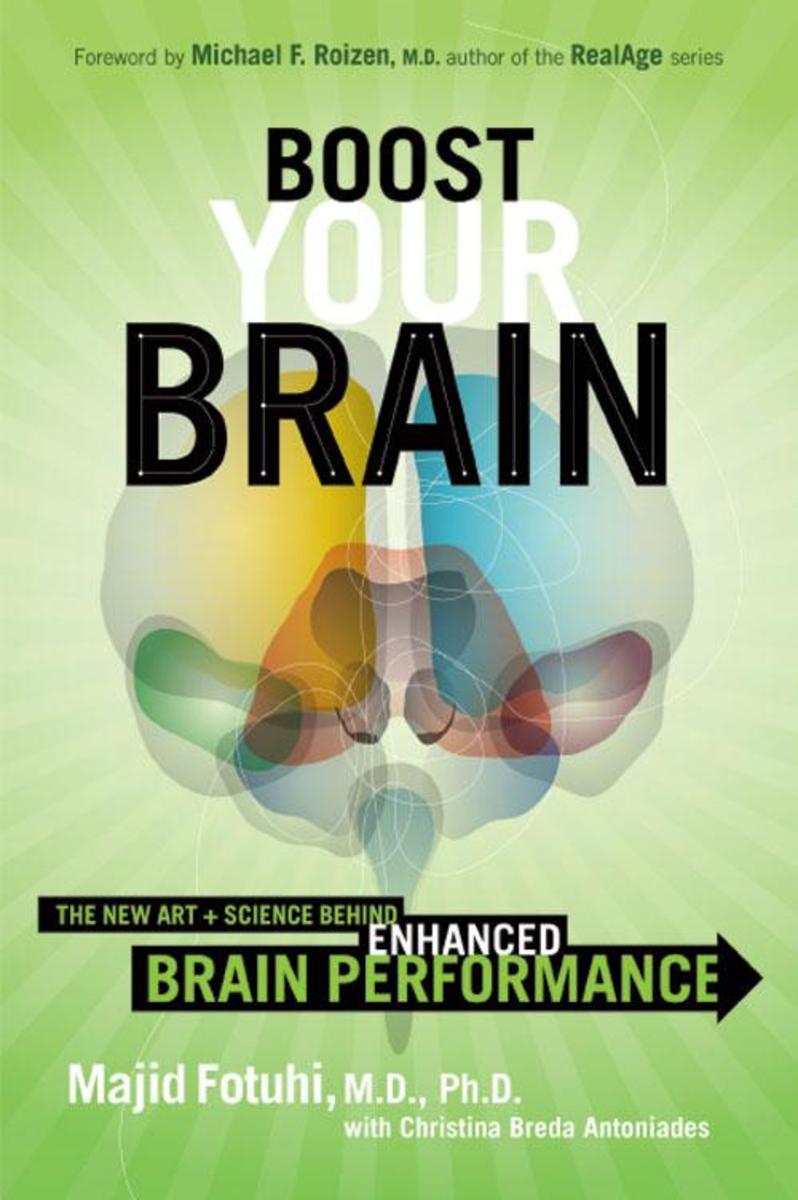
Boost Your Brain
¥88.56
The human brain can actually grow and a bigger brain means better memory, creativity, speed of learning, and ability to concentrate.In Boost Your Brain, Majid Fotuhi, M.D., Ph.D., guides you through the innovative brain fitness program that he has developed for his patients at the NeurExpand Brain Center, an institute dedicated to helping people quickly sharpen their brain performance. You start the program with an assessment of your current brain health and then are given specific brain-fit strategies proven to promote brain acuity and longevity, detailing the latest scientific evidence behind each. Concrete advice is given on how to spur new cell growth, which foods help to build new synapses, what creates brain reserve, and more. Dr. Fotuhi also highlights key behaviors to avoid explaining, for example, how one common sleep disorder can shrink your brain's memory and attention centers by as much as 18 percent!Dr. Fotuhi brings together the latest brain science discoveries about neuroplasticity, which show not only that the size of the brain can be increased within a matter of weeks resulting in better focus, memory, and creativity but that the increase can be scientifically measured. Boost Your Brain is the only book that uses groundbreaking advances in neuroscience to present a clear explanation and pre*ive plan for how to access the benefits of significantly enhanced brain performance at any age.
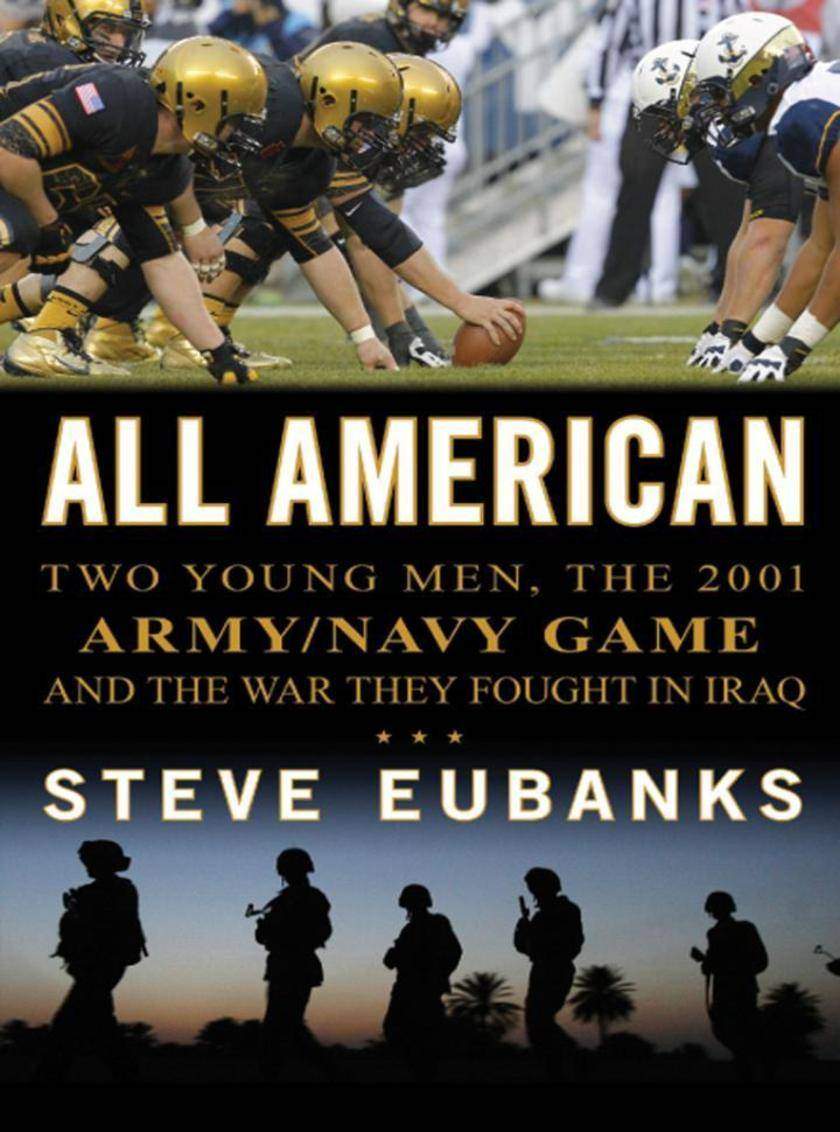
All American
¥88.56
In December 2001, as fires still burned beneath the ruins of the World Trade Center, West Point cadet Chad Jenkins and Naval Academy midshipman Brian Stann faced off at Veterans Stadium in Philadel-phia in what would become the most-watched college football game of the decade: the matchup between the Army Black Knights and the Navy Midshipmen. At opposing stadiums throughout the season, the Army and Navy teams, used to jeers from their oppo-nents' fans, had instead been greeted with standing ovations from respectful crowds who knew that these young players, military officers in training, were soon going to fight a war in the Middle East. On this day, before this momentous game, President George W. Bush along with others such as General Norman Schwarzkopf and Senator John McCain visited both locker rooms before watching the game from the sidelines.When Stann, a Navy linebacker, first came into contact with Jenkins, the Army quarterback, his team was behind by thirteen points. Yet he managed to land the perfect tackle against Jenkins. Though these two players?would not meet again for a decade, Stann and Jenkins shared the same path: both went to war. As first-class officers serving several tours of duty, they led soldiers and marines and participated in events they never imagined possible. A moving and fascinating dual profile of honor, duty, courage, and competition, All American is a thoughtful exploration of American character and values, embodied in the lives of two remarkable young men.
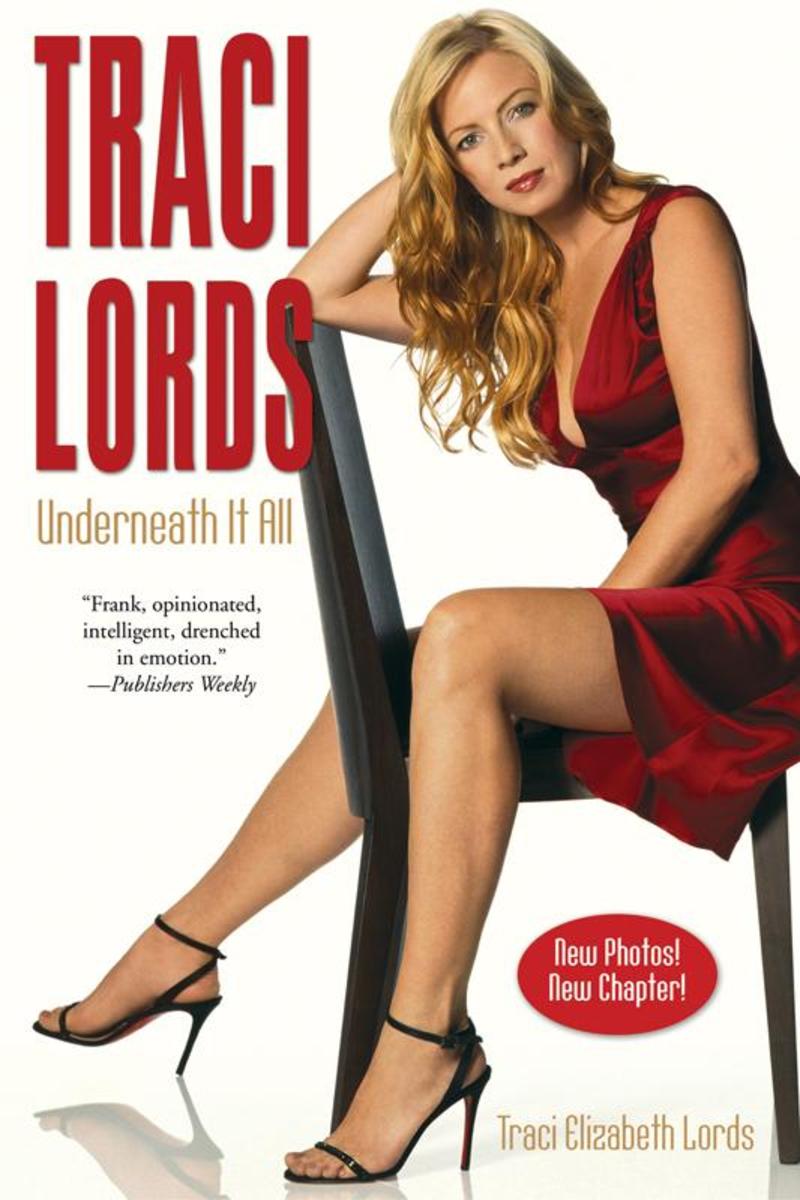
Traci Lords: Underneath It All
¥88.56
The moving, gripping, and tell–all autobiography of Traci Elizabeth Lords, a former child porn queen, electronica maven, and cult movie and TV star. At 14, Nora Kuzma ran away from home and ended up on the dirty streets of Hollywood. She fell in with a fast crowd, and her dreams of modelling soon landed her a spectacular centrefold in Penthouse Magazine, where at 15 she became internationally known as TRACI LORDS. From there she appeared in numerous adult films and magazines, denying her past and battling a deep addiction to cocaine and men. Three years later she got out. This is her memoir–a tale of loss, redemption, and ultimate survival as Traci Elizabeth Lords takes you into her secretive past, faces her demons, and shares her extraordinary journey of personal growth.
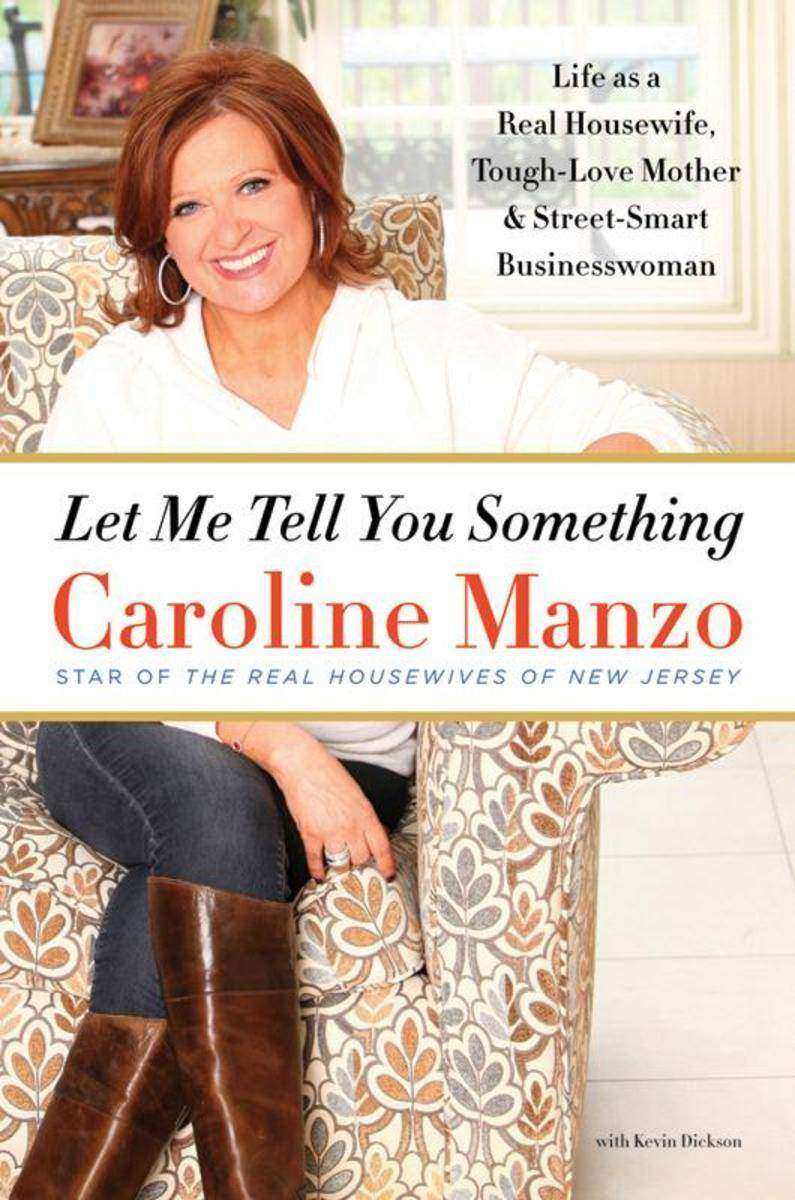
Let Me Tell You Something
¥90.77
Red-hot advice from the redhead who doesn't pull any punches Mother, wife, and fan favorite Caroline Manzo has been through it all as one of the original breakout stars of Bravo's The Real Housewives of New Jersey. The explosive and addicting reality series has seen some of the craziest moments in Real Housewives history, but Caroline has managed to set herself apart as the levelheaded, fiercely loyal, and down-to-earth member of the cast. Now Caroline, who is known for her no-nonsense advice, "tells you something" about what it really takes to juggle three kids and a husband (and still maintain your sanity), all while living in the spotlight. Her wisdom on family, life, and love, and her shockingly honest confessions about beauty, body image, and even plastic surgery, resonate with women of every generation. Equal parts funny, sincere, and revealing, Caroline exposes the sweeter, more reflective side of herself that fans of the show might not always see. Filled with personal stories, family photos, and Caroline's characteristic humor, Let Me Tell You Something gives fans and readers an all-access, behind-the-scenes pass into the life of this real New Jersey housewife and her family, where honest advice and practical life lessons are served up as only Caroline can.
We Were There
¥90.77
The Greatest Generation meets Bloods in this revealing oral history of the unrecognized contributions of African American veterans.Award-winning journalist Yvonne Latty never bothered to find out the extent of her father's service until it was almost too late. Inspired by his moving story -- and eager to uncover the little-known stories of other black veterans, from those who served in the Second World War to the War in Iraq -- Latty set about interviewing veterans of every stripe: men and women; army, navy, and air force personnel; prisoners of war; and brigadier generals.In a book that has sparked discussions in homes, schools, and churches across America, Latty, along with acclaimed photographer Ron Tarver, captures not only what was unique about the experiences of more than two dozen veterans but also why it is important for these stories to be recorded. Whether it's the story of a black medic on Omaha Beach or a nurse who ferried wounded soldiers by heli-copter to medical centers throughout Asia during the Vietnam War, We Were There is a must-have for every black home, military enthusiast, and American patriot.


