


 购物车
购物车 个人中心
个人中心
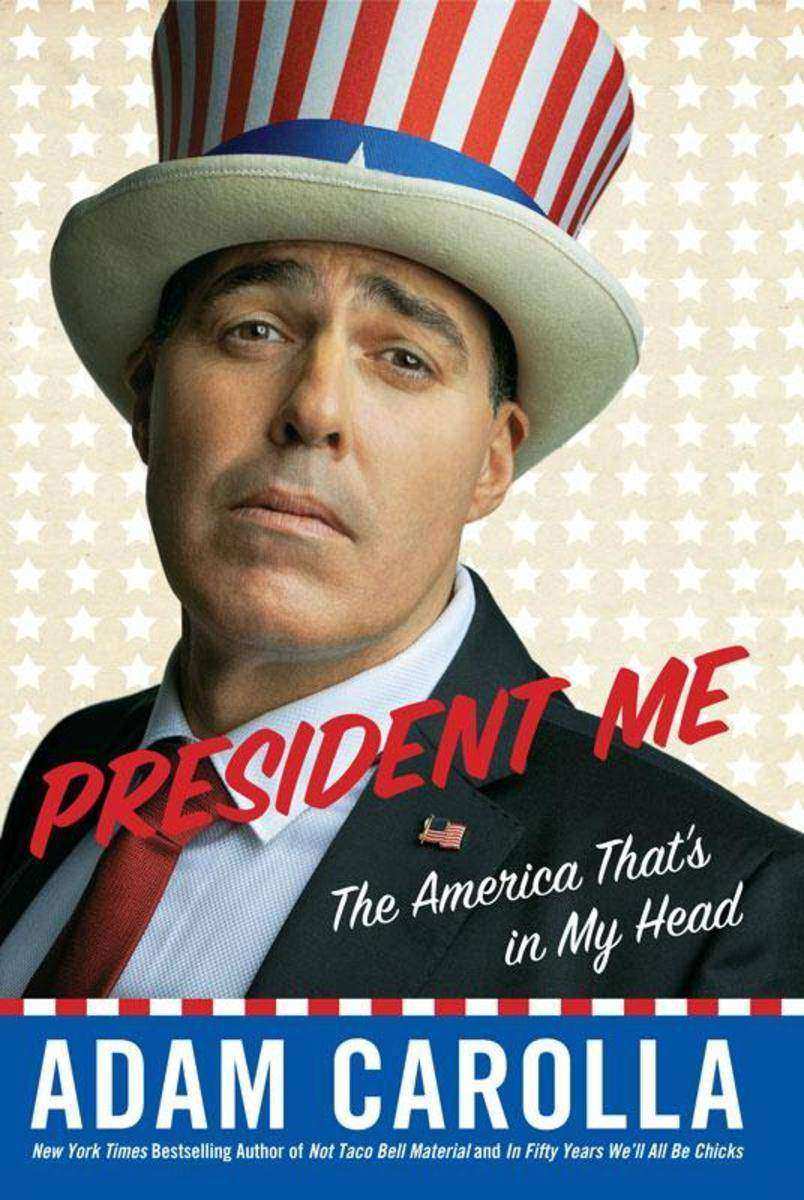
President Me
¥88.56
My fellow Americans,President John F. Kennedy once famously said, "Hey, is that blond intern eighteen yet?" He also said, "Ask not what your country can do for you, but what you can do for your country."We've changed a lot since JFK asked us all to pitch in. We've become a nation of narcissistic, yoga-mat-toting, service-dog-having, absentee dads and gluten-free, hand-wringing, hypochondriac moms of overcaffeinated (yet somehow still lazy) twerking tweens. And our government is an inept bureaucracy incapable of doing anything except getting in our wallets and in our way. We've got to get it together, America.That is why I, Adam Carolla, hereby declare myself Candidate Carolla. The tome you hold in your hands is a statement of my intent to whip our country back into fighting shape, to eliminate the "what are you going to do for me?" mentality that has invaded our country.President Me is my manifesto, my vision for a better place . . . free of Big Government, barefoot fliers, lazy hipsters who'd rather "Occupy" than work, and the other things that are bringing our country down. With my cabinet appointees, my list of worthy and necessary presidential ManDates, and tons of great ideas for fixing our health care, education, energy, and even national parks systems . . . behold an America we can be proud of. The America I see in my head.You're welcome in advance.Your future leader,Adam
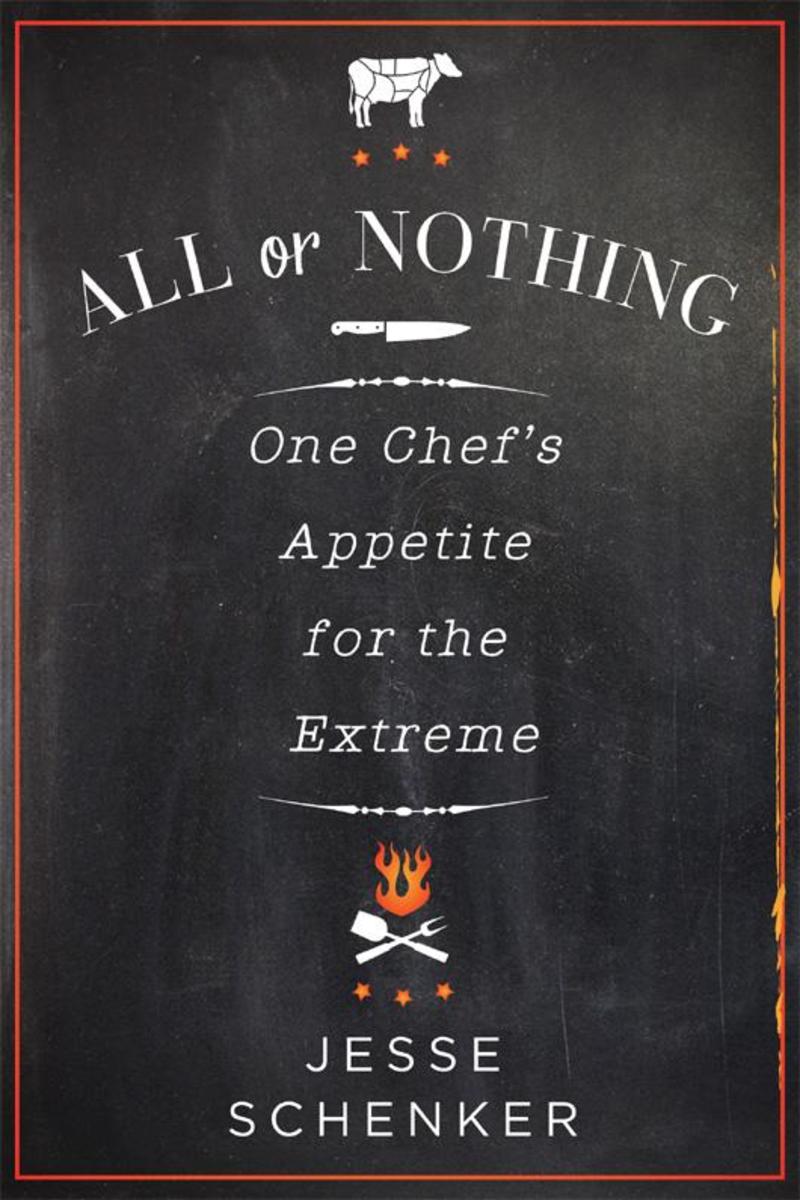
All or Nothing
¥95.39
"Remember, it's not just about the food—it has to be an experience." Thirty-one-year-old Jesse Schenker has rocketed to the top of the culinary world. An Iron Chef winner and a James Beard nominee, he was voted Best New Chef by New York magazine, and his acclaimed Recette was named Best New Restaurant by the New York Times. Manhattan magazine has called him "a boy wonder . . . young, hungry, and talented," while Zagat has hailed him as a "wunderkind." But Jesse's epic rise masks a little-known past filled with demons and obsession, genius and mania. "For as long as I can remember, I've had this unquenchable thirst to keep moving, going, and doing. I've never felt comfortable in my own skin and have always needed an outlet for that uneasiness." Jesse first found that outlet in the South Florida kitchens where he showed great promise as a teenager, but it was in those same kitchens that he was introduced to the world of hard drugs. He was fourteen when he first got arrested and seventeen when he became physically addicted to Oxycontin. Becoming a high school dropout addicted to heroin and crack, alienated from his family and wanted by the cops, by the age of twenty-one Jesse had overdosed and nearly been beaten to death while robbing, cheating, and lying to everyone in his life. After getting arrested and going to jail, Jesse got clean and slowly put back together the pieces of his fractured life, ultimately channeling the same energy that had earlier fueled his addiction into making a name for himself in the fast-paced, competitive New York restaurant scene. In this startling and down-to-earth memoir, he lays it all on the table for the first time, coming clean about his insatiable appetite for the extreme—which has led to his biggest triumphs and failures—and shares the shocking story of his turbulent life. All or Nothing is a candid exploration of the manic culture of some of the world's most celebrated kitchens. A drug-fueled, anxiety-ridden epic, it reads like a rollicking rock-and-roll memoir—with amazing food.

The Explosive Child
¥99.65
Screaming, swearing, crying, hitting, kicking, spitting, biting...these are some of the challenging behaviors we see in kids who are having difficulty meeting our expectations. These behaviors often leave parents feeling frustrated, angry, overwhelmed, and desperate for answers. In this fully revised and updated book, Dr. Ross Greene helps you understand why and when your child does these things and how to respond in ways that are nonpunitive, nonadversarial, humane, and effective.Dr. Greene describes how best to: Understand the factors that contribute to challenging episodes. Identify the specific situations in which challenging episodes are likely to occur. Reduce or eliminate challenging episodes by solving the problems that cause them. Solve problems collaboratively (rather than unilaterally) and proactively (rather than reactively). Help your child develop the skills to be more flexible, solve problems, and handle frustration more adaptively. Reduce hostility and antagonism between you and your child. With Dr. Greene's practical, expert guidance, you and your child will forge a new relationship based on communication and mutual respect.
Writing for Your Life
¥94.10
In the tradition of Annie Dillard and Natalie Goldberg, this resource for writers and non-writers alike shows the act of writing to be a dynamic means of knowing, healing, and creating the body, mind, and spirit.

Six Wives
¥94.10
No one in history had a more eventful career in matrimony than Henry VIII. His marriages were daring and tumultuous, and made instant legends of six very different women. In this remarkable study, David Starkey argues that the king was not a depraved philanderer but someone seeking happiness -- and a son. Knowingly or not, he elevateda group of women to extraordinary heights and changed the way a nation was governed.Six Wives is a masterful work of history that intimately examines the rituals of diplomacy, marriage, pregnancy, and religion that were part of daily life for women at the Tudor Court. Weaving new facts and fresh interpretations into a spellbinding account of the emotional drama surrounding Henry's six marriages, David Starkey reveals the central role that the queens played in determining policy. With an equally keen eye for romantic and political intrigue, he brilliantly recaptures the story of Henry's wives and the England they ruled.
Golda
¥94.10
Golda Meir was the first female head of state in the Western world and one of the most influential women in modern history. A blend of Emma Goldman and Martin Luther King Jr. in the guise of a cookie-serving grandmother, her uncompromising devotion to shaping and defending a Jewish homeland against dogged enemies and skittish allies stunned political contemporaries and transformed Middle Eastern politics for decades to follow. She outmaneuvered Richard Nixon and Henry Kissinger at their own game of Realpolitik, and led Israel through a bloody war even as she eloquently pleaded for peace, carrying her nation through its most perilous hours while she herself battled cancer. In this masterful biography, critically acclaimed author Elinor Burkett paints a vivid portrait of a legendary woman defined by contradictions: an iron resolve coupled with magnetic charm, a kindly demeanor that disguised a stunning hard-heartedness, and a complete dedication to her country that often overwhelmed her personal relationships.
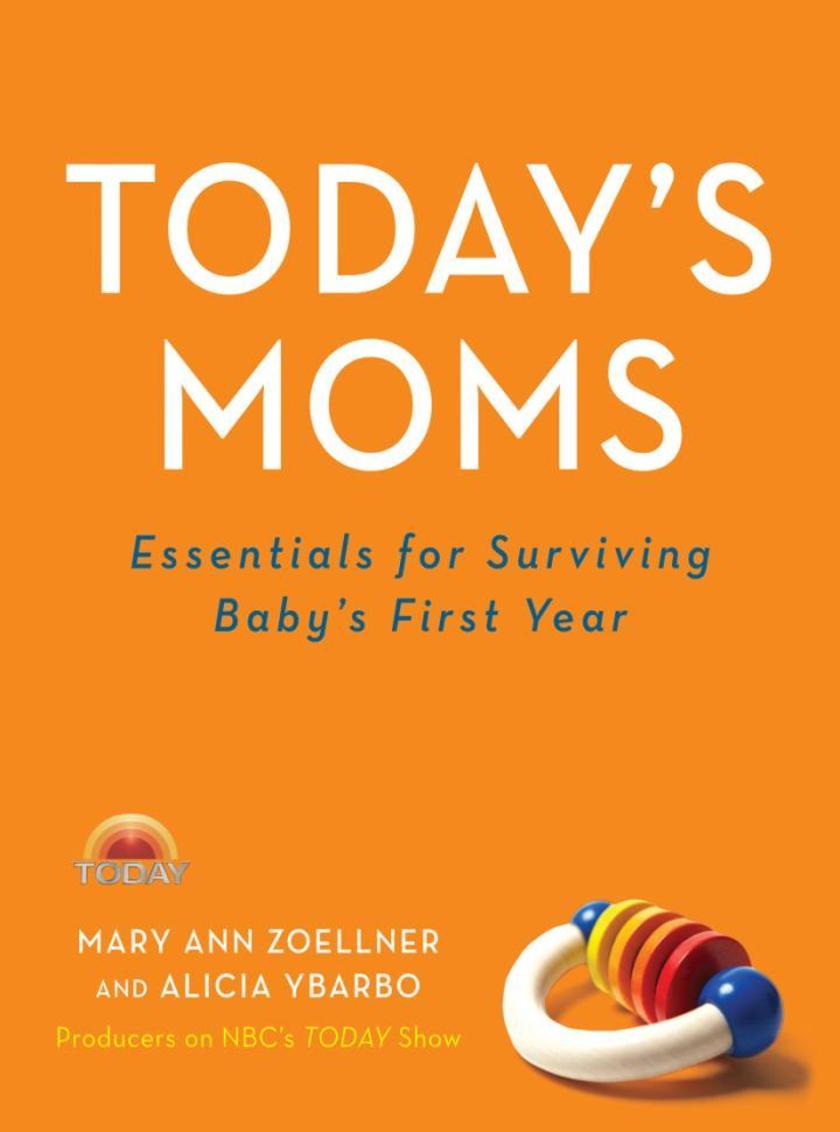
Today's Moms
¥95.39
Two producers of Today share their experiences and wisdom on baby's first year, along with priceless advice and anecdotes from the anchors and experts on America's number-one morning show.Being a new mother can be extremely nerve-racking and exhausting, and many moms find parenting advice, comfort, and humor on the Today show. Now all that advice and more is collected in Today's Moms, a one-stop guide to everything a new mother needs to know about her baby's first year, from the best breastfeeding products to reclaiming fun and intimacy with her partner after the baby. Full of behind-the-scenes stories with moms and experts, Today's Moms provides the most up-to-date news and information with easy, entertaining ways to help mothers keep their sanity. And it's all medically reviewed by NBC medical experts Dr. Nancy Snyderman and Dr. Tanya Benenson.Contributors include Meredith Vieira, Ann Curry, Matt Lauer, Al Roker, Kathie Lee Gifford, and many others. Written in a friendly and accessible tone, with straightforward, honest advice and expert information, Today's Moms will help all moms feel more confident about their first year of motherhood.
Law of the Jungle
¥96.50
Truth be told, they were mostly in it for the money On February 13, 2003, a plane carrying three American military contractors on a recon patrol crash-landed in the jungle-covered mountains of Colombia. Within minutes, FARC guerrillas swarmed the wreckage and killed the American pilot and a Colombian crew member as they tried to escape. The survivors Marc Gonsalves, Keith Stansell, and Thomas Howes were marched at gunpoint into the rain forest. They would live in constant darkness under the jungle canopy as they faced starvation, fights with fellow hostages, and threats of execution often with their necks shackled together.The Colombian government sent 147 soldiers to rescue the Americans. Led by a bold yet corpulent lieutenant, the troops spent weeks subsisting on monkey meat and Amazon rodents as they chased the guerrillas deeper into the jungle. But then a soldier on a bathroom break stuck his machete into the ground and pulled out 20 million pesos, equaling $7,000. Pretty soon, the young, poor, and exhausted troops realized they had stumbled upon a buried rebel cache of $20 million. Within three days, the GIs burned through their newfound fortune, splurging on booze, sex, and flat-screen televisions. And though the money brought pleasure, for many of the soldiers it would end in criminal prosecution or even death by FARC hit men.Law of the Jungle places the Colombian hostage story in its full context by exploring the inner workings of the FARC, the U.S.-backed war on drugs, and Colombia's efforts to free the rebel-held prisoners. John Otis, a veteran journalist on the Latin American beat, spins an edge-of-your-seat adventure narrative that offers a shocking cautionary tale about the pursuit of fortune in one of the world's most dangerous places.

HappyBaby
¥106.61
A healthy baby is a HAPPYBABY!From the most respected names in parenting come this definitive book on child rearing the all-natural way. HappyBaby combines decades of medical expertise from Dr. Robert W. Sears, renowned doctor in the Sears family of pediatricians, with the nutritional know-how of Amy Marlow, registered dietitian for the popular HAPPYBABY line of organic baby food. Look no further than between the pages of this jam-packed guide to find answers to critically important questions in the life of your baby, such as: What should I eat when nursing my baby to ensure the most nutritional feedingsWhat simple tips can help me manage the inevitable stress that comes with a new baby in the houseI'm worried about toxins in my baby's nursery. How can I green the new roomWhen do I introduce my child to solid foods, and how can I do it in a safe and fun wayHow can I develop healthy eating habits in my childrenThis groundbreaking book offers a proactive, harmonious approach to parenting that's easier, greener, and just plain better for your precious infant or toddler.
Play Blackjack Like the Pros
¥95.39
Professional blackjack player Kevin Blackwood shares his million-dollar winning strategies for mastering the odds and consistently beating the house at their own game. Play Blackjack Like the Pros is the requisite introduction to the modern game of blackjack, including high and low stakes casino, shoe games (several decks shuffled together), online, and tournaments. Blackwood begins with the basic rules of play and then moves on to teach his proven card-counting method, broken-down into three levels: novice, recreational, and professional. He also covers camouflaging techniques (it's perfectly legal to count cards, but if the house catches you they will kick you out), money management, and team play. Blackwood includes many stories of his and other professionals' triumphs at the tables and keeps the highly technical language that bogs down most gaming books to an absolute minimum. Play Blackjack Like the Pros is written in the style of Phil Hellmuth's Play Poker Like the Pros using easy-to-understand lessons that all levels of players can quickly benefit from. Blackwood is one of the world's top card counters. He began with only a few hundred dollars and has won over a million playing blackjack. In Play Blackjack Like the Pros he demonstrates how to earn over $10,000 a month from just a few days work. Blackjack is set to balloon in popularity. Ben Mezrich's book on the MIT card counting team Bringing Down the House was on the New York Times bestseller list for weeks and is being made into a movie staring Kevin Spacey. Blackjack Tournaments are growing in popularity with many of the top casinos offering large prize pools. Online Blackjack is currently a multi-million dollar industry. Blackwood keeps the highly technical language that bogs down most gaming books to an absolute minimum. Foreword by Stanford , author of Professional Blackjack and the master of modern card counting.

It's All Greek To Me
¥94.10
Why is ancient Greece importantBecause, quite simply, if we want to understand the modern Western world, we need to look back to the Greeks. Consider the way we think about ethics, about the nature of beauty and truth, about our place in the universe, about our mortality. All this we have learned from the ancient Greeks. They molded the basic disciplines and genres in which we still organize thought, from poetry to drama, from medicine to philosophy, from history to ethnography.Packed with useful facts, including a timeline, a "mythology for dummies," a who's who, a guide to Homer's epics, and a handy map for those struggling to know their Lemnos from their Lesbos, It's All Greek to Me is an entertaining and insightful tour through the world of the ancient Greeks. Why are some laws DraconianWhat is an Achilles' heelWhy were the Spartans spartanCharlotte Higgins provides these answers and more, arming average readers with the knowledge they need to understand the Greeks and their tremendous contributions to our lives. This book aims to unlock the richness of a fascinating culture and place it where it should be in the mainstream of life.

The Free Market Capitalist's Survival Guide
¥95.39
America is hurtling toward socialism. What should free market capitalists do with their moneyBarack Obama is aggressively pushing the American economy toward socialism. Maybe he will succeed, maybe he won't. In the meantime, what should the rest of us do with our moneyIn this unique and timely book, financial adviser Jerry Bowyer combines critical analysis of Obama's economic policies with sound investment guidelines for free market capitalists. Under Obama, taxes will rise, energy will become more expensive, regulation will increase, corporate stocks will suffer, credit will remain tight, and national markets will stagnate. Bowyer explains why this is happening and offers helpful advice on how to profit under the new antigrowth regime for as long as it lasts.

Good Catholic Girls
¥95.11
The widely exposed transgressions of priests within the Catholic Church stunned the faithful and sent a new surge of energy through the progressive church reform movement in the United States. Despite the movement's growing profile, the world has only recently learned that Catholic women are the driving force behind reform. Good Catholic Girls is a lively account of these courageous women, as seen through the eyes of an impassioned journalist, Angela Bonavoglia. They include Joan Chittister, the Benedictine nun who refused to obey a Vatican order not to speak at an international conference for women's ordination groups; Mary Ramerman, ordained a Catholic priest before 3,000 jubilant supporters; Frances Kissling, whose fight for women's reproductive rights has shaken the Church at its highest levels; Barbara Blaine, a priest abuse survivor who created the nation's most powerful voice for victims; and Sister Jeannine Gramick, who built a pioneering ministry to gays and lesbians, despite Vatican orders to silence her and ban her work.Backed by supporters worldwide, these and other women are rethinking Catholic theology, changing the face of ministry, and resurrecting the lost lives of female church leaders. As Bonavoglia shows, the hierarchy ignores them at its peril.

A Garden of Marvels
¥94.10
A witty and engaging history of the first botanists, interwoven with stories of today's extraordinary plants found in the garden and the labIn Paradise Under Glass, Ruth Kassinger recounts with grace and humor her journey from brown thumb to green, sharing the lessons that she learned from building a home conservatory in the wake of a devastating personal crisis. In A Garden of Marvels, she extends the story. "This book was born of a murder, a murder I committed," she begins. The victim was a kumquat tree. Though she diligently did her best watering, fertilizing, repotting, and pruning the plant turned brown and brittle. Why did the kumquat die when other plants in the garden that received the same attention thrivedshe wondered. It was an experience that offered invaluable insight. While she knew the basic rules of caring for indoor plants, Kassinger realized that she understood very little about plant physiology how roots, stems, leaves, and flowers actually function. Determined not to repeat her failure, she set out to learn the fundamentals of botany in order to become a better gardener. A Garden of Marvels is the story of her wise and enchanting odyssey to discover the secret life of plants. Kassinger retraces the progress of the first botanists including a melancholy Italian anatomist, a renegade French surgeon, a stuttering English minister, an obsessive German schoolteacher, and Charles Darwin who banished myths and misunderstandings and discovered that flowers have sex, leaves eat air, roots choose their food, and hormones make morning glories climb fence posts. She goes out into the world as well, visiting modern gardens, farms, and labs to discover the science behind extraordinary plants like one-ton pumpkins, truly black petunias, ferns that eat the arsenic in contaminated soil, biofuel grass that grows twelve feet tall, and the world's only photosynthesizing animal. Kassinger also introduces us to modern scientific research that offers hope for combatting climate change and alleviating world hunger. She then transfers her insights to her own garden, where she nurtures a "cocktail" tree that bears five kinds of fruit, cures an ailing Buddha's Hand plant with beneficial fungi, and gets a tree to text her when it's thirsty. Intertwining personal anecdotes, accessible science, and little-known history, A Garden of Marvels takes us on an eye-opening journey into Kassinger's garden and yours offering us a new appreciation of this exquisite gift of nature: "Our garden is more than a marvel. It's as close to a miracle as there is on Earth."

The Heisman
¥145.69
Close your eyes and picture the Heisman Trophy. The form is easyto conjure, a graceful, fluid posethat is football past and football present in one dignified figure ...The story of the Heisman Trophyis an american epic.-- from the PrefaceNo sport in America can match the pageantry, raw emotion, and thrilling tradition of college football. It is a world in which a twenty-year-old kid can become a national sensation overnight, in which coaches are deified and rivalries burn white-hot.And in this world, there is no individual award so revered as the Heisman Trophy. Every yearsince 1935, one player has run, thrown, or kicked his way into the pantheon of American sport. From Nile "The Cornbelt Comet" Kinnick in the '30s, West Point's legendary backfield of Doc Blanchard and Glenn Davis in the '40s, and Paul Hornung in the '50s to Ernie Davis, the Jackie Robinson of college football, miracle worker Doug Flutie, and modern-day Sunday warrior Eddie George, the history of the Heisman gives us insight into the heart of America through the lives of the heroes that entranced an entire nation for one brilliant season. Extraordinary in ways that transcend athletic ability, Heisman winners have gone on to become war heroes, Fortune 500 CEOs, and high-level politicians.As John Heisman himself once said, the Heisman Trophy "is meant to exemplify the grandeur of a thousand men." Here within these pages are intimate portraits of some of the winners who also exemplify the grit and glory of America's beloved game and of the coaching giants such as Bear Bryant, Woody Hayes, and Red Blaik, who inspired the winners to achieve.Told in the evocative words of Pulitzer Prize nominated journalist Bill Pennington, their heart-stopping experiences on the field and off will have Americans enthralled until the final page is turned.

The Eldercare Handbook
¥101.00
In this comprehensive and accessible guide, long-term care expert Stella Henry helps readers navigate the daunting logistics and powerful emotions of making care decisions for an elderly parent or loved one. Drawing from her 36 years as a registered nurse and a nursing home administrator, as well as her experience caring for both her parents (both of whom suffered the ravages of Alzheimer's disease), Henry tackles all the tough issues: spotting the warning signs of dementia, redefining sibling roles, doing a walk-through at an assisted living facility or nursing home, making the move, and coping with "take me home!" demands.She also explains the medical, legal, and insurance maze. In a time when almost 10 million Americans currently need long-term care, The Eldercare Handbook is an essential read.

Will to Live
¥99.65
In a survival situation, a wrong decision could spell the difference between life and death. No one knows this better than Les Stroud, who has survived everywhere from the sun-scorched sands of the Kalahari to the snake-infested jungles of the Amazon. In Will to Live, Les examines many incredible true life survival stories explaining what happened and why, and offering valuable perspectives on what went right, what went wrong, and what could have been done differently. The tales in Will to Live include: Chris McCandless the subject of the book and movie Into the Wild. Yossi Ghinsberg who survived alone in the Amazon for twenty-one days. Douglas Mawson the Antarctic "superman" who survived three hellish months at the bottom of the planet. Nando Parrado who was trapped for two months high in the Andes after a plane crash killed his friends and family. Plus . . . stories from Les's own experiences, along with practical sidebars with tips on how to escape quicksand, butcher a moose, cross a snow-covered crevasse, and more. Provocative and entertaining, Will to Live is a compilation of history's most intriguing survival stories from one of the world's foremost experts.
Illusions
¥35.01
Delaney Westcott is a beautiful career woman in a man's world. Owner and chief asset of a personal security business -- where she guards the rich and famous from the unwanted attention of friends and enemies -- she can take care of herself. Except for the one time she didn't: when she fell headlong for handsome cowboy Jared McCallister, a man she couldn't have.After it ended suddenly, Delaney threw herself into her work with a fury and intensity calculated to erase every other thought from her mind. And she promised that she'd never let any man touch her so deeply again. Ever.But when Delaney finds herself in Jared's hometown of Aspen, Colorado, on a dangerous job, she begins to wonder if she is strong enough to refuse him a second time...
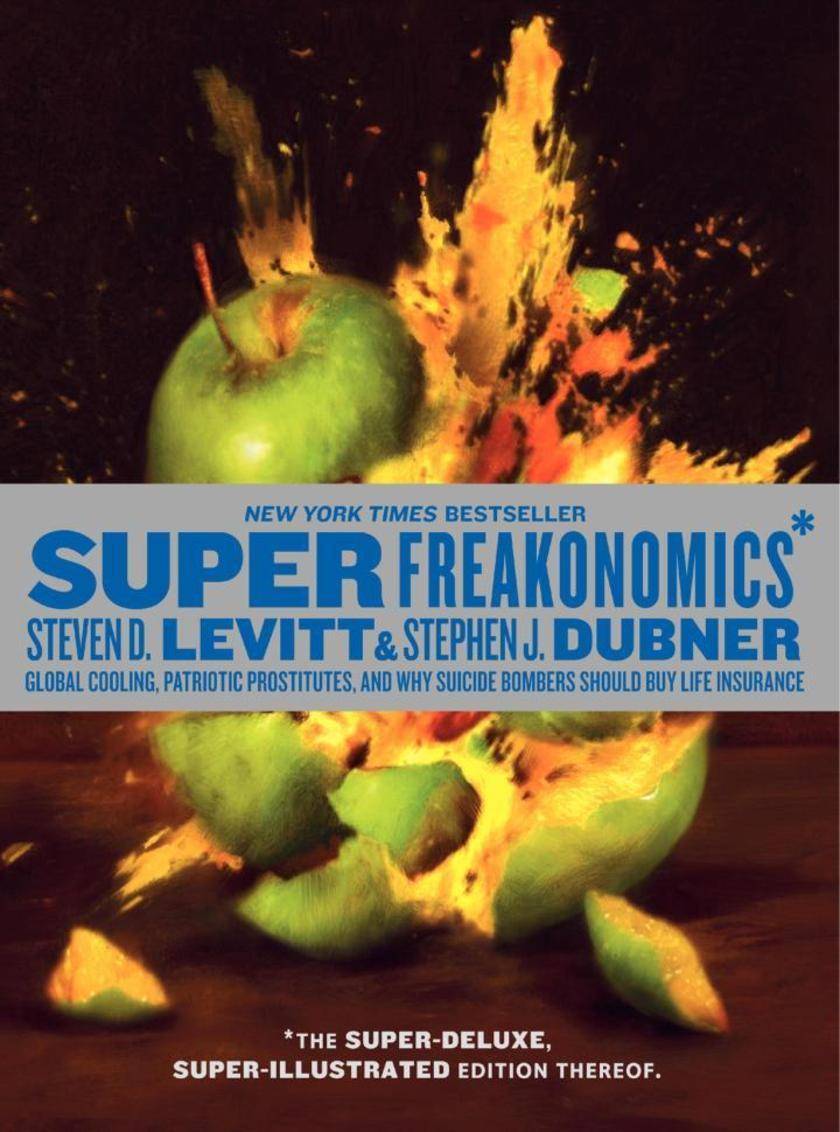
SuperFreakonomics, Illustrated edition
¥223.92
Seeing is believing . . . The Smash Hit SuperFreakonomics is now Bigger and Better SuperFreakonomics was an instant New York Times bestseller that caused a media uproar, continuing the amazing success begun with the groundbreaking, worldwide sensation Freakonomics.With the Illustrated Edition, Steven D. Levitt and Stephen J. Dubner bring alive their smart thinking and great storytelling with an explosion of visual evidence, including: A by-the-numbers tally of a high-priced call girl's career, and a tracking sheet from an intensive survey of Chicago street prostitutes. A visual quiz that lets you pit your memory against the memory of a chess grand master. Images of the hurricane-killing machine and other geo-engineering inventions described in SuperFreakonomics. A look into whether doctors are better at saving lives in TV dramas or in real hospitals. Whether probing the intricacies of sex change oper-ations, the effectiveness of child car seats, or what really motivates people to do good, the Illustrated Edition of SuperFreakonomics employs photographs, drawings, and graphs that will lead readers to see the world in a bold, fresh way.
The Civilization Of Ancient Egypt
¥224.56
A leading historian and bestselling author re-creates the growth, decline, and legacy of 3,000 Years of Egyptian civilization with an authoritative text splendidly illustrated with 150 illustrations in full color.Ancient Egypt, with its legacy of pyramids, pharaohs and sphinxes, is a land of power and mystery to the modern world. In The Civilization of Ancient Egypt Paul Johnson explores the growth and decline of a culture that survived for 3,000 years and maintained a purity of style that rivals all others. Johnson's study looks in detail at the state, religion, culture and geographical setting and how they combined in this unusually enduring civilization. From the beginning of Egyptian culture to the rediscovery of the pharaohs, the book covers the totalitarian theocracy, the empire of the Nile, the structure of dynastic Egypt, the dynastic way of death, hieroglyphs, the anatomy of perspective art and, finally, the decline and fall of the pharaohs, Johnson seeks, through an exciting combination of images and analysis, to discover the causes behind the collapse of this, great civilization while celebrating the extra-ordinary legacy it has left behind.Paul Johnson on Ancient Egypt and the Egyptians"Egypt was not only the first state, it was the first country.... The durability of the state which thus evolved was ensured by the overwhelming simplicity and power of its central institution, the theocratic monarchy." "The Egyptians did not share the Babylonian passion for astrology, but they used the stars as one of many guides to behavior. No Egyptian believed in a free exercise of will in important decisions: he always looked for an omen or a prophecy or an oracle." "The development of hieroglyphics mirrors and epitomizes the history of Egyptian civilization. . . . No one outside Egypt understood it and even within Egypt it was the exclusive working tool of the ruling and priestly classes. The great mass of Egyptians were condemned to illiteracy by the complexities (and also the beauties) of the Egyptian written language.""The affection the Egyptians were not. ashamed to display towards their children was related to the high status women enjoyed in Egyptian society.""If we can understand Egyptian art we can go a long way towards grasping the very spirit and outlook on life, of this gifted people, so remote in time. The dynamic of their civilization seems to have been a passionate love of order (maat to them), by which they sought to give to human activities and creations the same regularity as their landscape, their great river, their sun-cycle and their immutable seasons."

HarperCollins e-books
¥141.57
Relentless and ominous, the drumbeat echoes across the land: Social Security is on the verge of bankruptcy. These repeated warnings have become a dismal article of faith for the millions of Americans who pay Social Security taxes and expect to collect benefits someday. But they are flatly untrue. Social Security today is on a stronger financial footing than it has been for decades. The Plot Against Social Security will explain who is really behind the efforts to reform this system and will show that the most frequently proposed fix increased privatization will damage it beyond repair by undermining retirement security for generations to come. Award-winning journalist Michael Hiltzik also offers a clear set of remedies for those few elements of Social Security that do need repair proposals that will shore up the most efficient social insurance program in America's history, rather than destroying it in the name of reform.


