


 购物车
购物车 个人中心
个人中心

Idols
¥50.82
The Icons came from the sky. They belong to an inhuman enemy. They ended our civilization, and they can kill us. "Most" of us. Dol, Ro, Tima, and Lucas are the four Icon Children, the only humans immune to the Icon's power to stop a human heart. Now that Los Angeles has been saved, things are more complicated--and not just because Dol has to choose between Lucas and Ro, the two great loves of her life. As she flees to a resistance outpost hidden beneath a mountain, Dol makes contact with a fifth Icon Child, if only through her visions. When Dol and the others escape to Southeast Asia in search of this missing child, Dol's dreams, feelings and fears collide in an epic showdown that will change more than just four lives--and stop one heart forever. In this riveting sequel to "Icons, "filled with nonstop action and compelling romance, bestselling author Margaret Stohl explores what it means to be human and how our greatest weakness can be humanity's strongest chance at survival.

HOLLYWOOD SHAPED MY HAIR
¥22.66
A humorous look at the influence of celebrity style, charting the hairdos (and hair don’ts) James King has fashioned over the years. From the classic ‘Rachel from Friends’ to the questionable David Beckham mohawk, most of us, probably unwisely, have tried to emulate our favourite star’s hairstyles at some point. In HOLLYWOOD SHAPED MY HAIR, James King takes us on a hair-history of cinema.
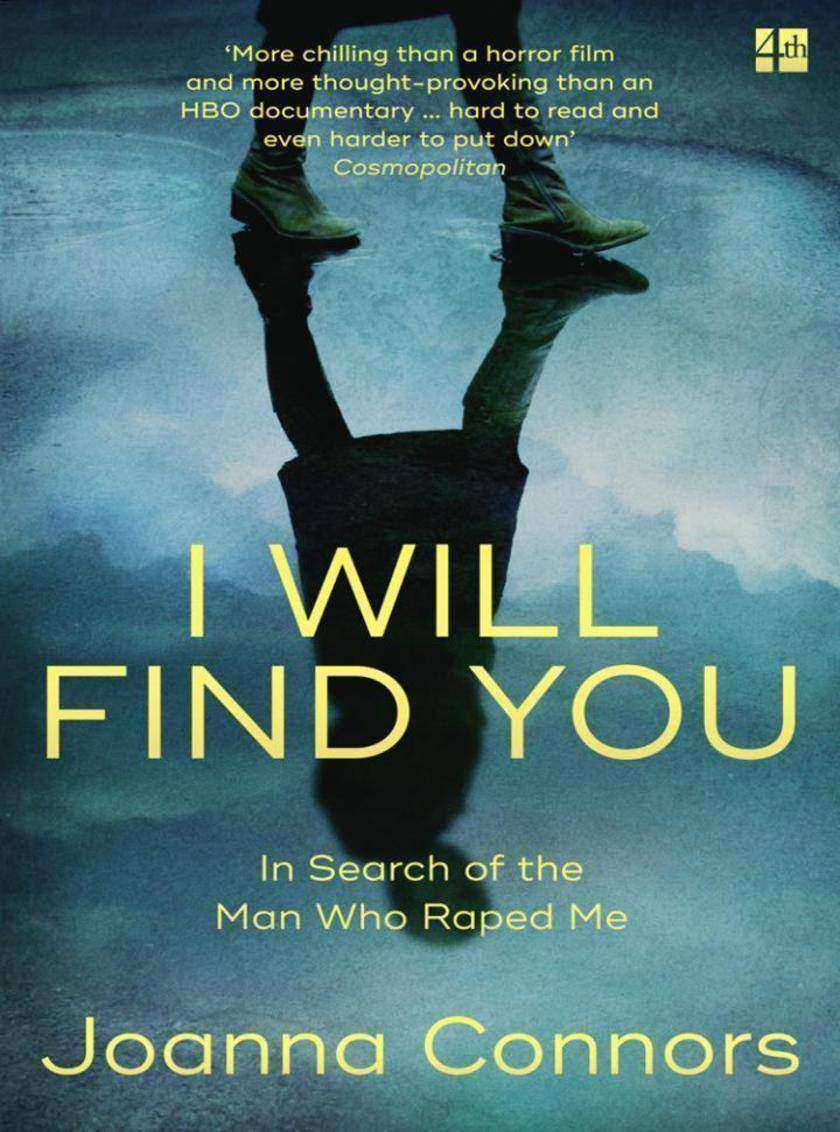
I Will Find You: A Reporter Investigates the Life of the Man Who Raped Her
¥69.26
A hard-hitting memoir about a woman’s search to understand the man who raped her Joanna Connors was thirty years old when she was raped at knifepoint by a stranger. Many years later she realised she had to confront the fear that had ruled her life ever since that day. She needed, finally, to understand. So she went in search of her rapist’s story, determined to find out who he was, where he came from, what his life was like – and what leads a person to do something as destructive as what he did to her. ‘More chilling than a horror film and more thought-provoking than an HBO doc’ Cosmopolitan ‘Brutally affecting’ Guardian ‘Riveting’Mail on Sunday
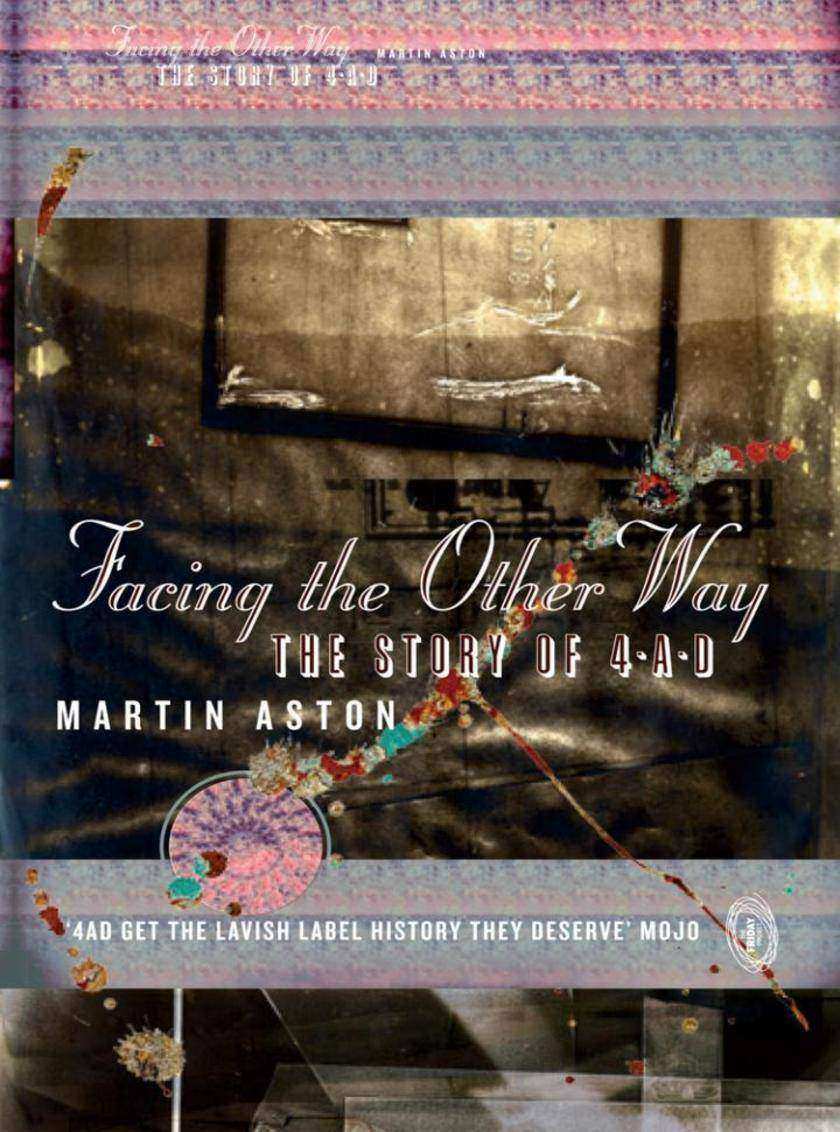
Facing the Other Way: The Story of 4AD
¥103.10
The first official account of the iconic record label. An NME Book of the Year 2013 ? A Rough Trade Book of the Year 2013 ? A Times Literary Supplement Book of the Year 2013 This Mortal Coil, Birthday Party, Bauhaus, Cocteau Twins, Pixies, Throwing Muses, Breeders, Dead Can Dance, Lisa Germano, Kristin Hersh, Belly, Red House Painters. Just a handful of the bands and artists who started out recording for 4AD, a record label founded by Ivo Watts-Russell and Peter Kent in 1979, a label which went on to be one of the most influential of the modern era. Combining the unique tastes of Watts-Russell and the striking design aesthetic of Vaughan Oliver, 4AD records were recognisable by their look as much their sound. In this comprehensive account concentrating on the label’s first two decades (up to the point that Watts-Russell left), music journalist Martin Aston explores the fascinating story with unique access to all the key players and pretty much every artist who released a record on 4AD during that time, and to its notoriously reclusive founder. With a cover designed by Vaughan Oliver this is an essential book for all 4AD fans and anyone who loved the music of that time.

The Rest Is Noise Series: Beethoven Was Wrong
¥11.77
This is a chapter from Alex Ross’s groundbreaking history of twentieth-century classical music, ‘The Rest is Noise’. Further extracts are available as digital shorts, accompanying the London Southbank festival programme. After Paul McCartney listened to the electronic layering and looping of Stockhausen, the Beatles used the same effects on Revolver’s ‘Tomorrow Never Knows’ and put an image of the composer on Sgt. Pepper’s Lonely Hearts Club Band. For a split second during ‘Revolution 9’ the final chords of Sibelius’s Seventh Symphony can be heard. Even the most jaded veteran of twentieth century music must have been startled by the influence of the post-war avant-garde on the psychedelic generation. Now a major festival running throughout 2013 at London’s Southbank, The Rest is Noise is an intricate commentary not just on the sounds that defined the century, but on art’s troublesome dance with politics, social and cultural change. Alex Ross is the New Yorker’s music critic, and the winner of the Guardian First Book Award and the National Book Critics Circle Award for The Rest is Noise, which was also shortlisted for the Samuel Johnson and Pulitzer prizes for non-fiction.

The Keeper of Secrets (Novella)
¥28.06
An emotionally-charged novella from Richard & Judy Book Club pick, Amanda Brooke. Can long-buried secrets break you apart … or set you free? On the surface, Elle has the perfect life – husband, child and a beautiful home. But sometimes a perfect facade hides the cracks beneath: Elle’s husband Rick seems determined to clip her wings at every turn, keeping her at home and away from her friends and from the world. When Elle’s father dies and she starts to clear his house, the cracks start to widen – and it’s only a matter of time before everything breaks open. On a quest for buried treasure at the house, her young son, Charlie, finds a box underneath the apple tree, with love letters from the past that could tear her world apart. As past and present collide, Elle must decide what is right – and what course her life should take.

If I Should Go (Novella)
¥28.06
Another heart-felt short story from the Richard and Judy Book Club bestseller. Rachel is a single mum to Hope, and since Hope’s father left, has raised her daughter alone. They are as close as can be. So when Martin enters her life, he’s a breath of fresh air – the first guy that she has felt a connection to in a long time. But Martin’s plans for the future appear to be different to Rachel’s day-dreams: a future for two, without Hope… At the Sunny Days nursing home where Rachel works, Mrs Wilson is convalescing after a fall. But although she’s only staying for a short time, there’s a finality about her that Rachel just can’t get to grips with. Despite Mrs Wilson’s initial reluctance, Rachel starts to break through her tough exterior but she doesn’t seem to be able to get beneath the surface. As the clock starts to count down to the end of Mrs Wilson’s stay and Martin’s eventual move to Liverpool time is running out for Rachel to make a difference. The question is: what could she give up for love?
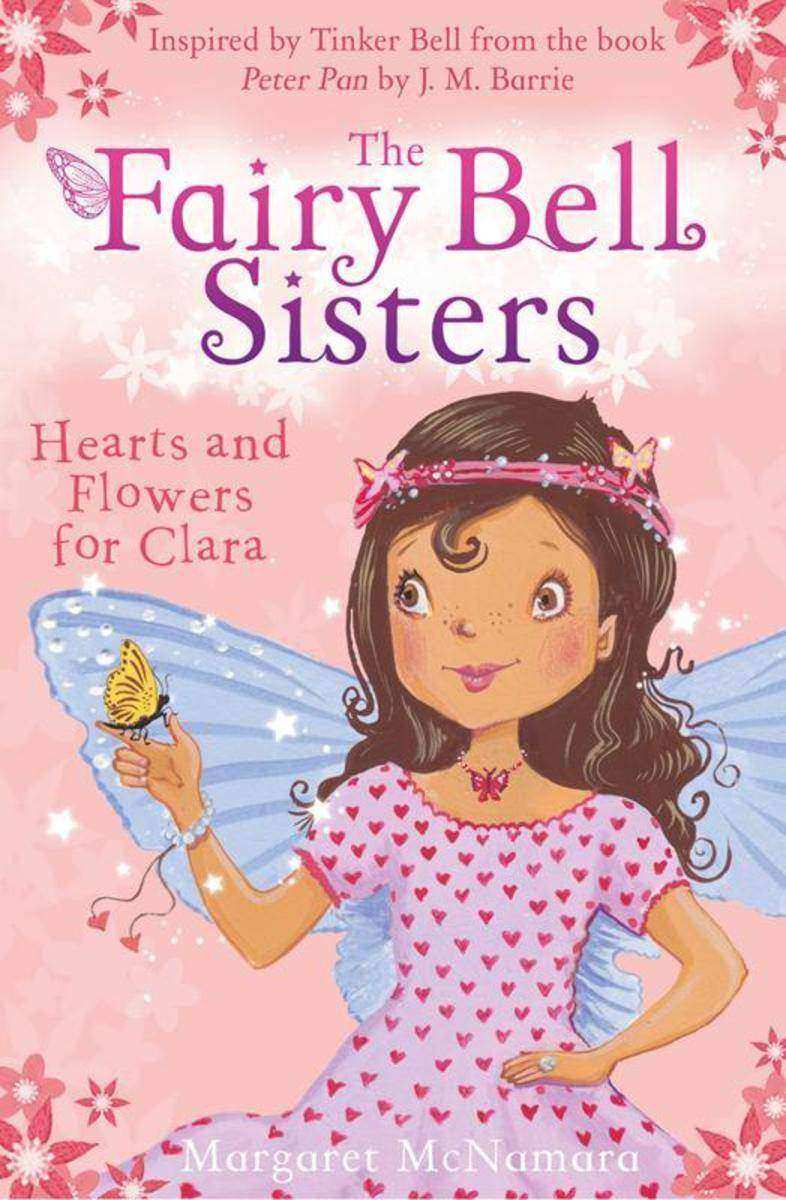
The Fairy Bell Sisters: Hearts and Flowers for Clara
¥31.59
Do you believe in fairies? Join Tinker Bell’s sisters on a magical adventure. Inspired by Tinker Bell, from the book Peter Pan, by J. M. Barrie Before Tinker Bell flew to Never Land and met Peter Pan she lived on Sheepskerry Island with her fairy sisters – Clara, Lily, Rosie, Silver and Squeak the baby. The young fairies go to fairy school and love tea parties, dressing up and exciting adventures. Lily’s dressing-up dreams have come true – she’s going to Queen Titania's annual fancy-dress competition. She’s always dreamed of meeting the fashionable town fairies on the mainland, and now’s her chance! But not everywhere is like Sheepskerry Island, and some fairies are less friendly than others. Without her Fairy Bell sisters to help her, Lily’s adventure spells trouble. How can she turn a dressing-up disaster into a prize-winning success? Young readers will love the enchanting stories and beautiful illustrations in this charming new series.
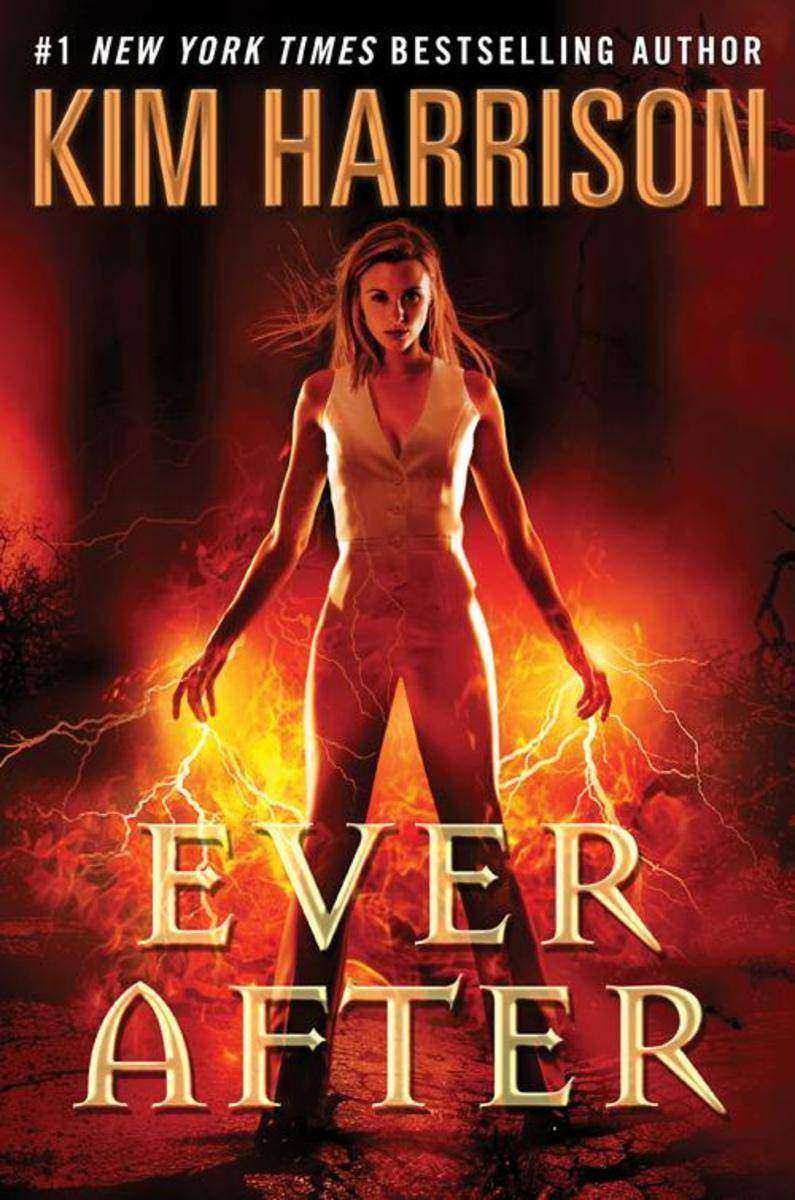
Ever After
¥72.30
New York Times bestselling author Kim Harrison returns to the Hollows with the electrifying follow-up to her acclaimed Ever After! The ever-after, the demonic realm that parallels our own, is shrinking, and if it disappears, so does all magic. It's up to witch-turned-daywalking-demon Rachel Morgan to fix the ever-after before the fragile balance between magic users and humans falls apart. Of course, there's also the small fact that Rachel is the one who caused the ley line to rip in the first place, and her life is forfeit unless she can fix it. Not to mention the most powerful demon in the ever-after―the soul-eater Ku'Sox Sha-Ku'ru―has vowed to destroy her, and has kidnapped her friend and her goddaughter as leverage. If Rachel doesn't give herself up, they will die. Forced by circumstance, Rachel teams up with elven tycoon Trent Kalamack―a partnership fraught with dangers of the heart as well as betrayal of the soul―to return to the ever-after and rescue those she loves. One world teeters on the brink of interspecies war, the other on the brink of its very demise―and it's up to Rachel to keep them both from being destroyed.

The Kingdom Series Books 1 and 2: The Lion Wakes, The Lion At Bay
¥103.01
A NATION WILL FIGHT FOR ITS FREEDOM. The first two books in Robert Low’s trilogy on the making of Scotland. THE LION WAKES It is 1296 and Scotland is in turmoil. The old king, Alexander III, has died and Edward I of England, desperate to keep control of his northern borders, arranges for John Baliol, a weak man who Edward knows he can manipulate, to take leadership of Scotland. But unrest is rife and many are determined to throw off the shackles of England. Among those men is Robert the Bruce, young, angry and obsessed by his desire to win Scotland's throne. He will fight for the freedom of the Scots until the end. THE LION AT BAY A nation’s independence hangs in the balance. After fleeing to France following his defeat at the Battle of Falkirk, William Wallace has returned to Scottish soil to face his fate. But Robert the Bruce now stands between him and the crown. Warring factions, political intrigue and vicious battles threaten at every turn. Both men face uncertain futures, their efforts thwarted by shattered loyalties, superstition and rumour. In these troubled times, it is murder, treachery and the bitter rivalry amongst Scots nobility that will shape the long and bloody rise of Robert the Bruce to his coronation.
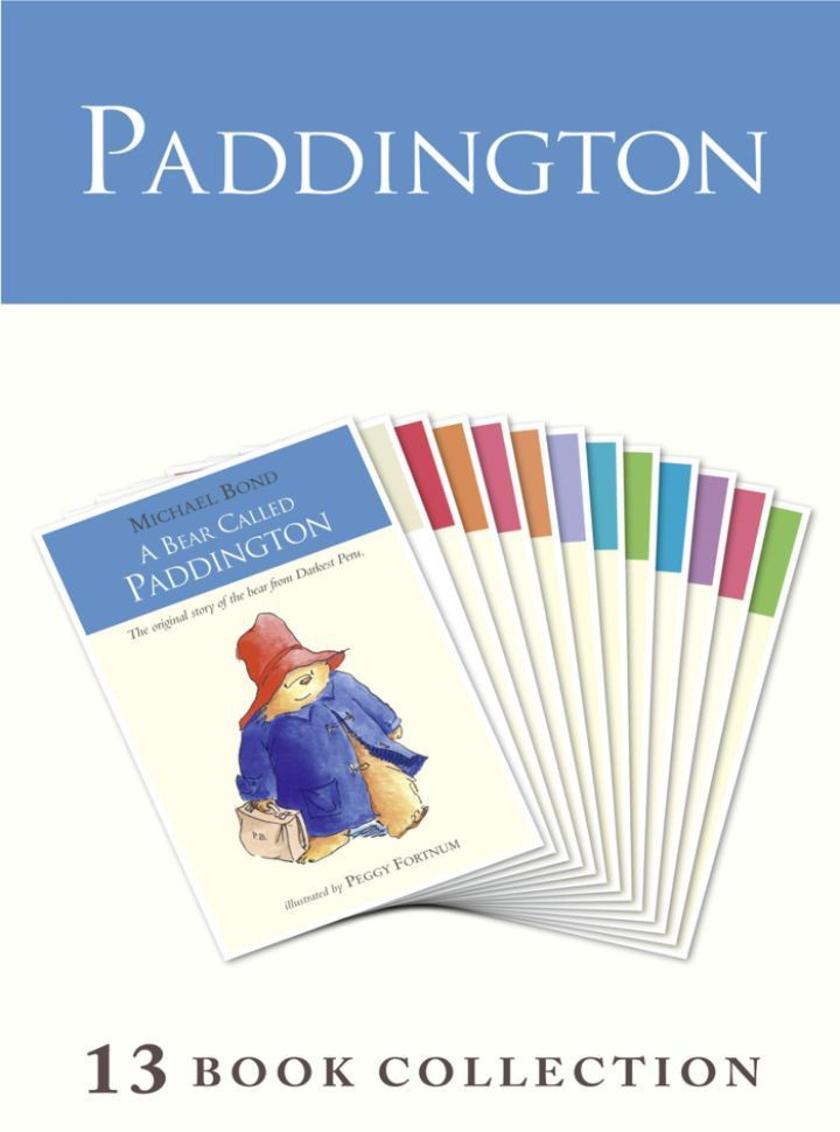
Paddington Complete Novels (Paddington)
¥481.47
Brought together for the very first time, all 13 novels about Paddington, the beloved, classic bear from Darkest Peru! Paddington Bear had travelled all the way from Darkest Peru when the Brown family first met him on Paddington Station. Since then their lives have never been quite the same… for ordinary things become quite extraordinary when a bear called Paddington is around. From arriving at Paddington station and meeting the Brown family, to being mistaken for a famous athlete, with plenty of laugh-out-lad mishaps along the way, there is certainly never a dull moment in this fabulous story collection! Paddington Bear has been delighting adults and children alike with his earnest good intentions and humorous misadventures for over fifty years.

The Military Wives: Wherever You Are – Claire’s Story
¥12.95
This is Claire’s story, one of four individual journeys taken from Wherever You Are by The Military Wives. Claire Balneaves never thought she’d end up as a military wife. But when she met a young medical assistant, Dave Balneaves, at a naval hospital, everything changed. Before long Claire and Dave had tied the knot and moved into married quarters – and Claire began to settle into the unique life of a military wife. Moving from house to house, from country to country, often solitary – in many ways Claire lived as a single mother. When family and medical difficulties cast a cloud over her personal life, Claire had no one to turn to. But from the moment she joined a nascent choir of military wives, that changed: wives with similar stories came together to sing, and there they found solace and strength. They found each other. Mere months later, the Military Wives choir would have met Gareth Malone, performed for the Queen, recorded a bestselling album and achieved a Christmas number 1. This is one woman’s true story of heartbreak and hope, and of how the choir changed the course of her life. Sales of this book will benefit the Military Wives Choirs Foundation, a network of choirs that reaches across the military community to provide support, guidance and funding for individual choirs, but first and foremost to bring women closer together through singing. The Foundation is a registered subsidiary charity of SSAFA Forces Help.

The Military Wives: Wherever You Are – Nicky’s Story
¥12.95
This is Nicky’s story, one of four individual journeys taken from Wherever You Are by The Military Wives. At 33, Nicky Clarke had stopped thinking she would ever fall in love. But they say when you stop looking, love happens – and that was the year she was swept off her feet by Hugo Clarke, a major in the Scots Guards. A year later Hugo and Nicky were married. But life in the military is never calm for long, and the next few years saw Hugo leave for Iraq and Afghanistan for months at a time. In married quarters Nicky met other military wives quickly, but forging friendships proved difficult: the occasional coffee morning just wasn’t enough. Nicky decided that this community needed to be brought together. With the help of a friend and a local choirmistress, Nicky set a time for the local wives to gather and sing. Before she knew it, a family was growing and a support network was formed. The first Military Wives choir was born. Mere months later, the choir would become a nationwide phenomenon. The Wives would go on to perform for the Queen, record a bestselling album and achieve a Christmas number 1. This is one woman’s true story of heartbreak and hope; of how singing changed the course of her life. Sales of this ebook will benefit the Military Wives Choirs Foundation, a network of choirs that reaches across the military community to provide support, guidance and funding for individual choirs, but first and foremost to bring women closer together through singing. The Foundation is a registered subsidiary charity of SSAFA Forces Help.
The Golem and the Djinni
¥56.02
New York, 1899. Two strangers, one destiny.
False Prophet
¥58.47
Even to case-hardened Detective Sergeant Pete Decker the brutal rape of Lilah Brecht, exquisite daughter of an aged Hollywood movie queen, is a disturbing act of violence. The only leads are provided by Lilah herself. However, Lilah's credibility is soon shattered when it emerges that she didn't physically see her rapist. It was only her 'gift' of second sight that enable her to 'image' her attacker. She claims that Decker is the only policeman who can truly understand and catch her attacker, who, she says, is still threatening her. Decker, however, is not so sure and is anxious to protect his heavily pregnant wife Rina from Lilah's alternately seductive and hysterical phone calls. But when Decker himself sees Lilah almost killed in a freak accident, he begins to think he may have judged her too harshly...

The Vampire’s Revenge (The Reluctant Vampire, Book 2)
¥34.14
Count Alucard, the last surviving Transylvanian vampire, is on the run again - this time from the villagers of Little Lechfield. He flees to America, where fate intervenes in the form of Hiram P. Hurtzburger, Hollywood film producer, who wants the count for his latest and greatest film.

Aries 2014: Your Personal Horoscope
¥9.71
Your complete one-volume guide to the year 2014. This fantastic and in-depth book includes month-by-month forecasts for every sign and all you need to know to find out what is in store for you in the year ahead. The only one-volume horoscope you’ll ever need. Your essential guide to love, life and career success in 2014. This popular, complete one-volume guide contains all you need to know about your personal horoscope for the year 2014. Be prepared for the forthcoming year with monthly predictions for your own sign and discover how to maximise your opportunities and potential to make the most of 2014. This best-selling astrological guide contains: ? A personality profile for each sign ? A forecast for the year ahead – what you can expect in terms of wealth, home, health, social and love life ? A month-by-month forecast of your best days and worst days – the ideal days to attract love, money or success, and when it’s better to just stay in bed! Joseph Polansky is a leading US astrologer who has been practising astrology for over 20 years.
Virgo 2014: Your Personal Horoscope
¥9.71
Your complete one-volume guide to the year 2014. This fantastic and in-depth book includes month-by-month forecasts for every sign and all you need to know to find out what is in store for you in the year ahead. The only one-volume horoscope you’ll ever need. Your essential guide to love, life and career success in 2014. This popular, complete one-volume guide contains all you need to know about your personal horoscope for the year 2014. Be prepared for the forthcoming year with monthly predictions for your own sign and discover how to maximise your opportunities and potential to make the most of 2014. This best-selling astrological guide contains: ? A personality profile for each sign ? A forecast for the year ahead – what you can expect in terms of wealth, home, health, social and love life ? A month-by-month forecast of your best days and worst days – the ideal days to attract love, money or success, and when it’s better to just stay in bed! Joseph Polansky is a leading US astrologer who has been practising astrology for over 20 years.
Aquarius 2014: Your Personal Horoscope
¥9.71
Your complete one-volume guide to the year 2014. This fantastic and in-depth book includes month-by-month forecasts for every sign and all you need to know to find out what is in store for you in the year ahead. The only one-volume horoscope you’ll ever need. Your essential guide to love, life and career success in 2014. This popular, complete one-volume guide contains all you need to know about your personal horoscope for the year 2014. Be prepared for the forthcoming year with monthly predictions for your own sign and discover how to maximise your opportunities and potential to make the most of 2014. This best-selling astrological guide contains: ? A personality profile for each sign ? A forecast for the year ahead – what you can expect in terms of wealth, home, health, social and love life ? A month-by-month forecast of your best days and worst days – the ideal days to attract love, money or success, and when it’s better to just stay in bed! Joseph Polansky is a leading US astrologer who has been practising astrology for over 20 years.
Pisces 2014: Your Personal Horoscope
¥9.71
Your complete one-volume guide to the year 2014. This fantastic and in-depth book includes month-by-month forecasts for every sign and all you need to know to find out what is in store for you in the year ahead. The only one-volume horoscope you’ll ever need. Your essential guide to love, life and career success in 2014. This popular, complete one-volume guide contains all you need to know about your personal horoscope for the year 2014. Be prepared for the forthcoming year with monthly predictions for your own sign and discover how to maximise your opportunities and potential to make the most of 2014. This best-selling astrological guide contains: ? A personality profile for each sign ? A forecast for the year ahead – what you can expect in terms of wealth, home, health, social and love life ? A month-by-month forecast of your best days and worst days – the ideal days to attract love, money or success, and when it’s better to just stay in bed! Joseph Polansky is a leading US astrologer who has been practising astrology for over 20 years.

The Dragon in 2014: Your Chinese Horoscope
¥11.77
The year 2014 is the Chinese Year of the Horse – what will this mean for you? This complete guide contains all the predictions you will need to take you into the year ahead – a lively fast-paced year favouring ideas, innovation and personal growth. The ancient art of Chinese astrology, which predates the Western zodiac, is a detailed system of divination that has been in use in the Orient for thousands of years. The depth of its wisdom and the accuracy of its character analysis and prediction has caught the imagination of the Western world in recent years and led to a rapid rise in its popularity. This popular and enlightening bestselling guide – now in its 27th year – includes: ? Everything you need to know about the 12 signs of the Chinese zodiac. ? An explanation of the Five Elements: metal, water, wood, fire and earth, and which one governs your sign. ? Individual predictions to help you find love, luck and success. ? What the Year of the Horse has in store for you, your family, your loved ones and friends.


