


 购物车
购物车 个人中心
个人中心
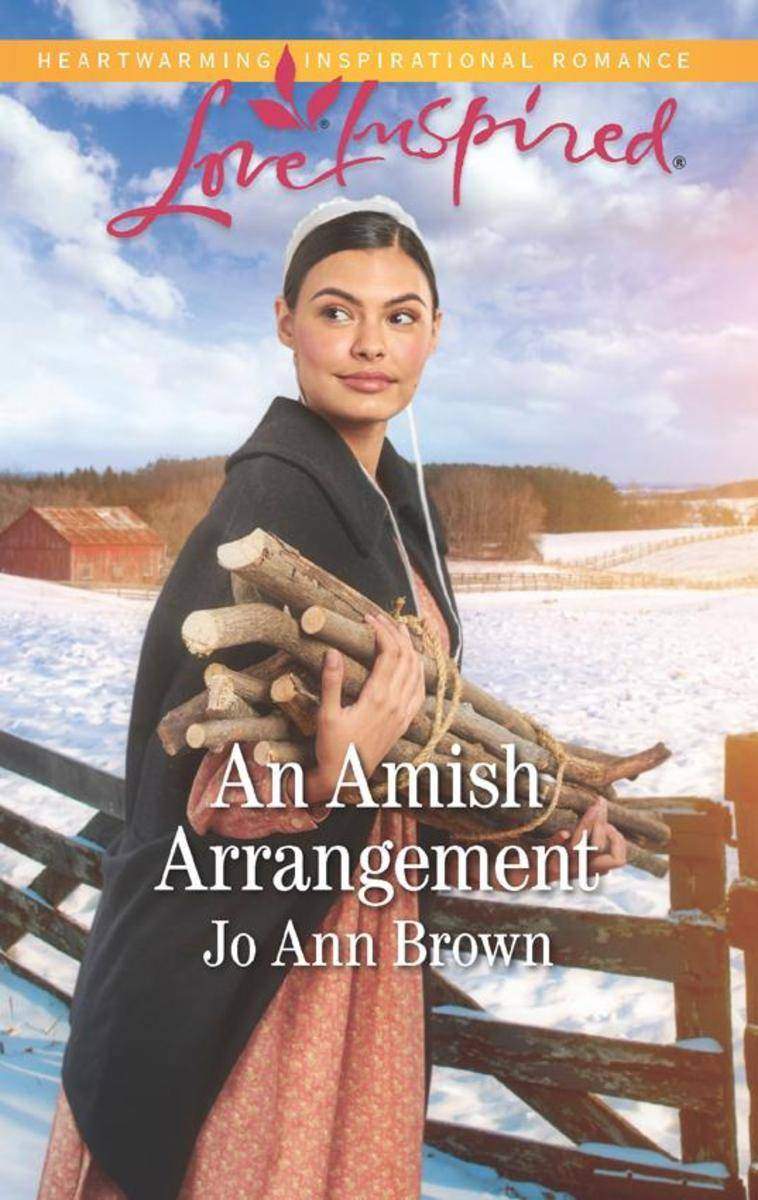
An Amish Arrangement (Mills & Boon Love Inspired) (Amish Hearts, Book 7)
¥39.63
The Farmer's Instant Family Jeremiah Stoltzfus hopes the Amish community of Harmony Creek will provide a fresh start…until days before closing on his new farm, he finds a beautiful trespasser. Mercy Bamberger claims the property is hers, promised by her late grossdawdi. Jeremiah can't turn out the single mom and her daughter, nor can he leave. His solution: temporarily sharing the farm until ownership is settled. Once a city kid adopted by a Mennonite family, Mercy yearns to make the farm a haven for unwanted children. But living beside the handsome Amish farmer has her yearning for everything that's eluded her…laughter, love and a forever family.
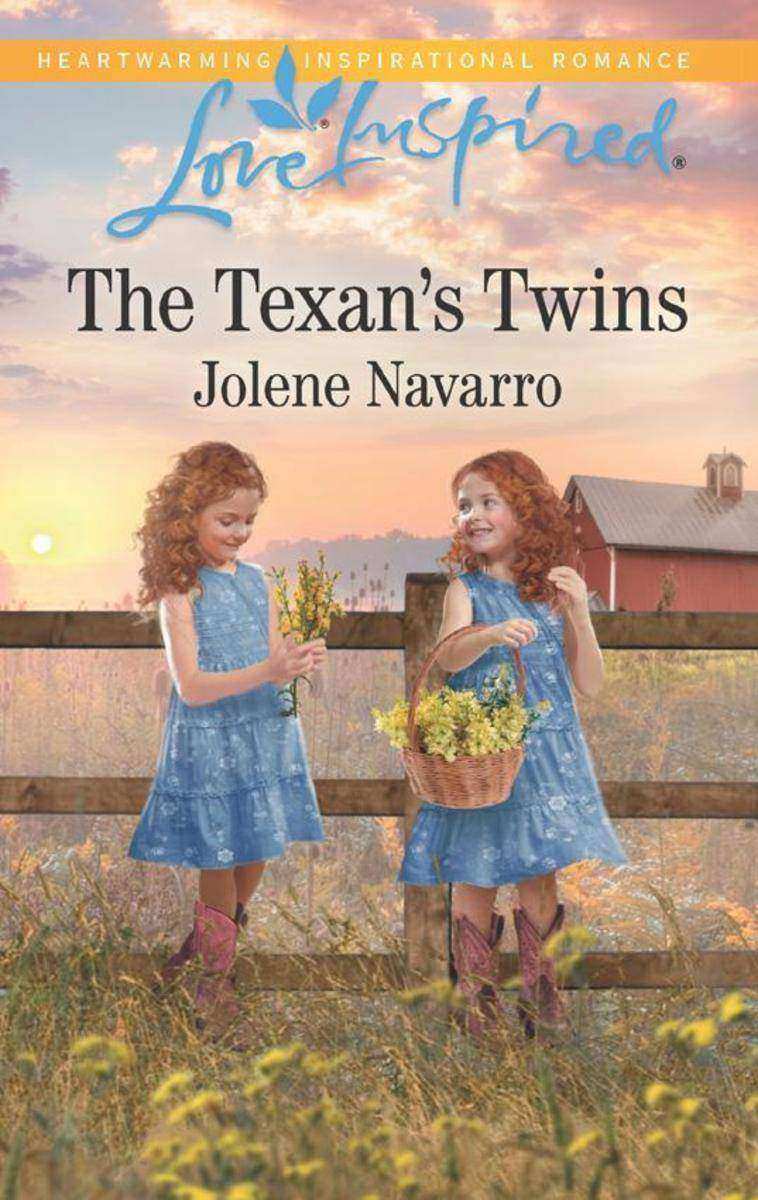
The Texan's Twins (Mills & Boon Love Inspired) (Lone Star Legacy (Love Inspired)
¥39.63
Big Texan Reunion Between providing for her five-year-old twins and achieving her dream of running a wildlife sanctuary, Danica Bergmann has no room for anything—or anyone—else. So when the wildlife volunteer she’s taken on turns out to be Reid McAllister, her secret husband, who disappeared before she got a chance to reveal she was pregnant, it flips her world upside down. Six years ago he wasn’t worth chasing down, but Danica can tell Reid’s a changed man—and he’s still the only man she’s ever loved. It’s a long road to redemption, but can Danica learn to trust Reid with their children…and their future?
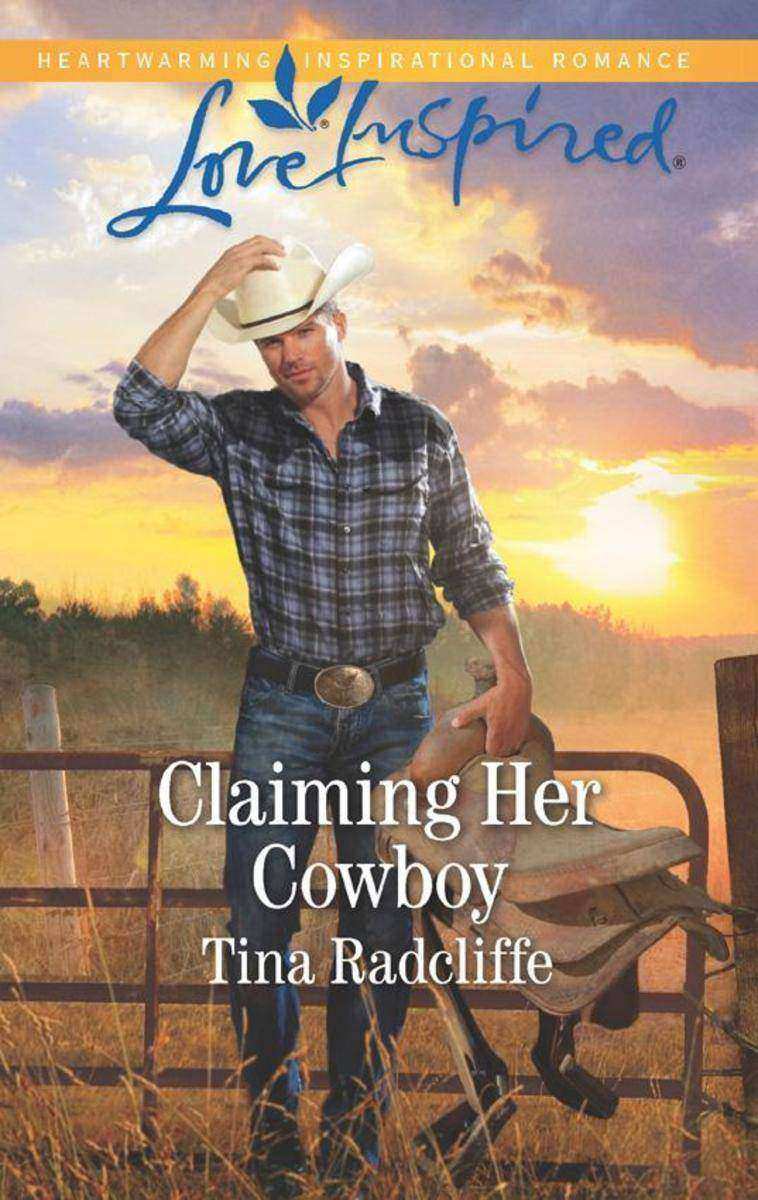
Claiming Her Cowboy (Mills & Boon Love Inspired) (Big Heart Ranch, Book 1)
¥39.63
Her Temporary Cowboy Attorney Jackson Harris regularly goes toe-to-toe with the world’s toughest lawyers—but none of them compare to Lucy Maxwell. The feisty director of Oklahoma’s Big Heart Ranch for orphans is as stubborn as she is pretty. But Jack must stay focused; he’s only there to evaluate the ranch’s funding. Falling for Lucy and the sweet children she protects is out of the question. Though Lucy is determined to keep the ranch, she’s not about to give control to a city slicker—even a devastatingly good-looking one. But as they bump heads, Jack and Lucy gradually nudge open their hearts. Could a temporary cowboy become a permanent part of Lucy’s life?

Her Handyman Hero (Mills & Boon Love Inspired) (Home to Dover, Book 10)
¥39.63
Building a Dream Reid Blackthorn arrives in Dover on a personal mission—to make sure his terminally ill brother gets a chance to meet his daughter. Deceiving little Lily’s guardian isn’t his intention. Yet once Tori Montgomery mistakes Reid for her new handyman, he knows it’s the only way to be close to his niece. Tori is honoring her friend’s last wish by keeping Lily away from her father’s family. And once she learns who Reid truly is, she realizes there’s too much at stake—including custody of Lily—for her to fall for the former DEA agent. But in keeping a promise, is she losing out on her chance for a happily-ever-after?
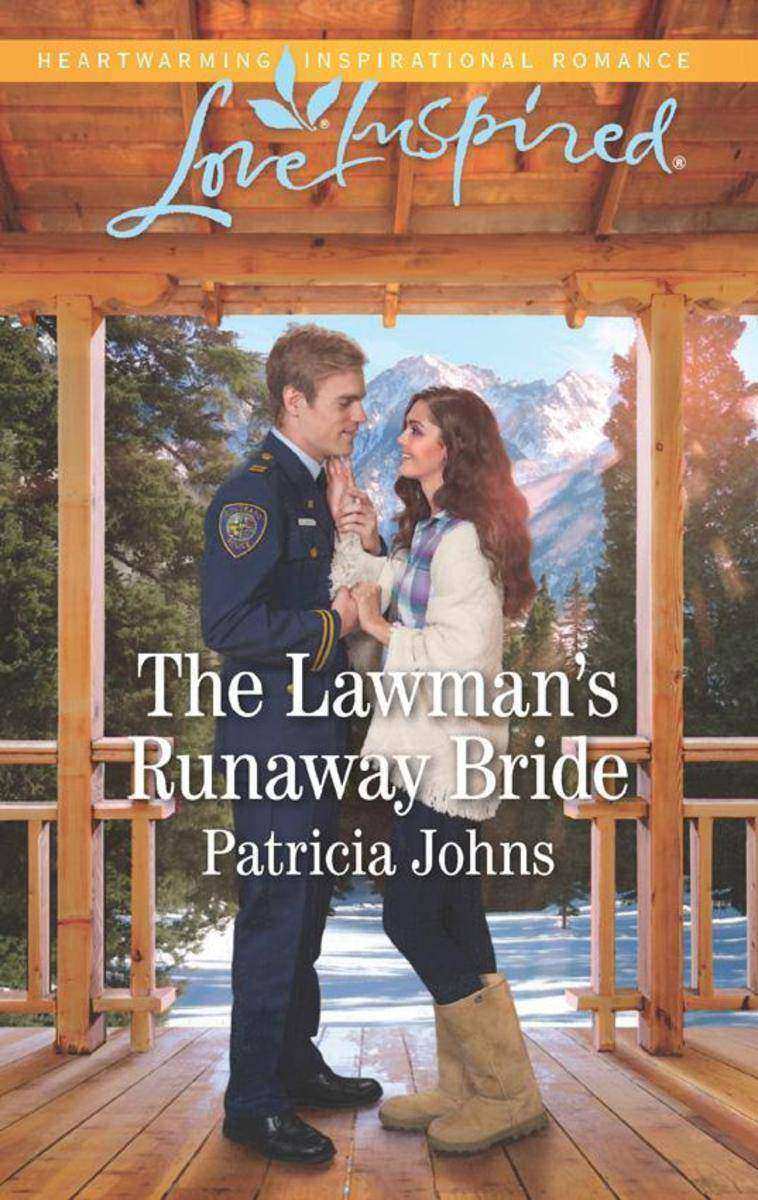
The Lawman's Runaway Bride (Mills & Boon Love Inspired) (Comfort Creek Lawmen, B
¥39.63
Winning the Lawman’s Heart Forced to work with the woman who left his brother at the altar five years ago, police chief Chance Morgan must also face his own guilt. Sadie Jenkins’s return to town stirs feelings he thought he’d buried along with his soldier brother, who died overseas. Almost kissing Sadie the night before her wedding was a mistake—one he won’t make again. Planning a remembrance ceremony for the town’s military men is a chance for Sadie to build her event planning business. But working with Chance is bringing up all the emotions she once ran from. Is she ready to finally take that leap into the future…together? Comfort Creek Lawmen: Men in blue with hearts of gold
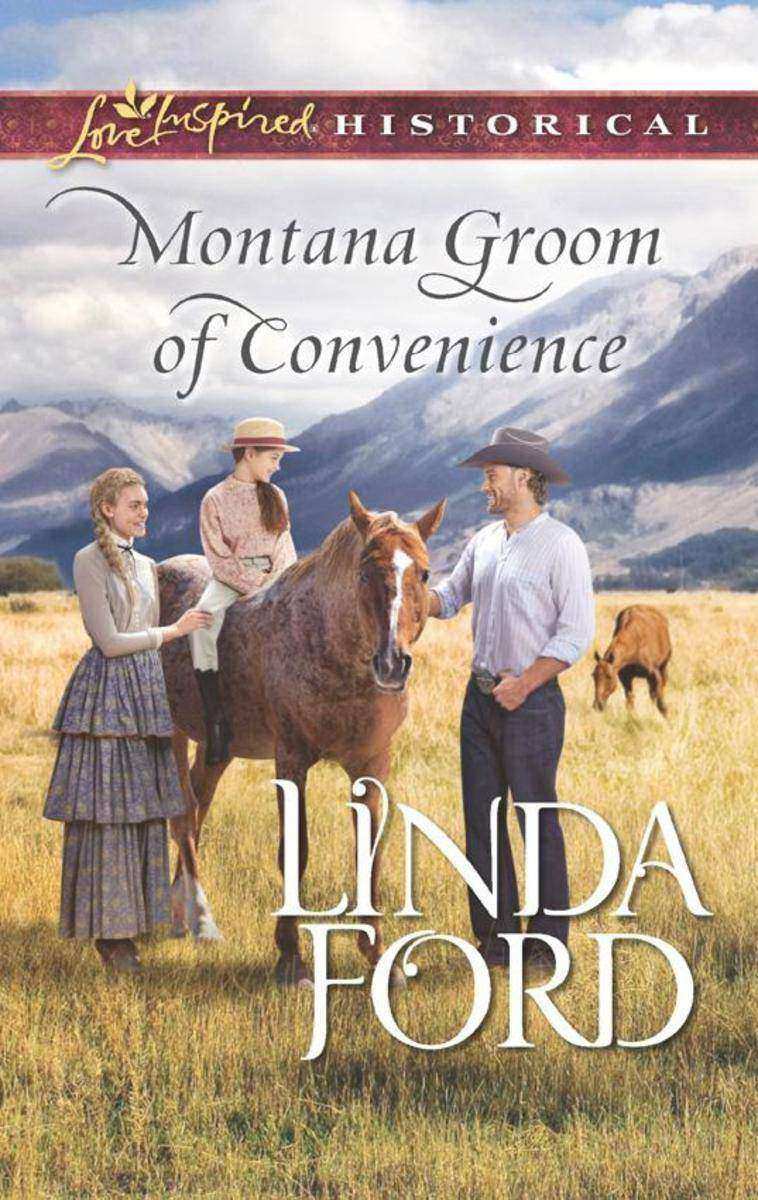
Montana Groom Of Convenience (Mills & Boon Love Inspired Historical) (Big Sky Co
¥39.63
Their Marriage Bargain Carly Morrison’s father issues an ultimatum: get married or lose her ranch. But while she can rope and ride as well as any man, leading one to the altar is another matter—until newcomer Sawyer Gallagher suggests a marriage of convenience. Their arrangement might be a sensible solution to her predicament but Carly’s growing feelings are a genuine complication. Desperate to provide a home for his orphaned sister, Sawyer takes a chance on lassoing himself to headstrong cowgirl Carly. He’s convinced he’s too hardened by life to love anyone…until their union is threatened. Is it too late to turn this practical partnership into a real Big Sky family?
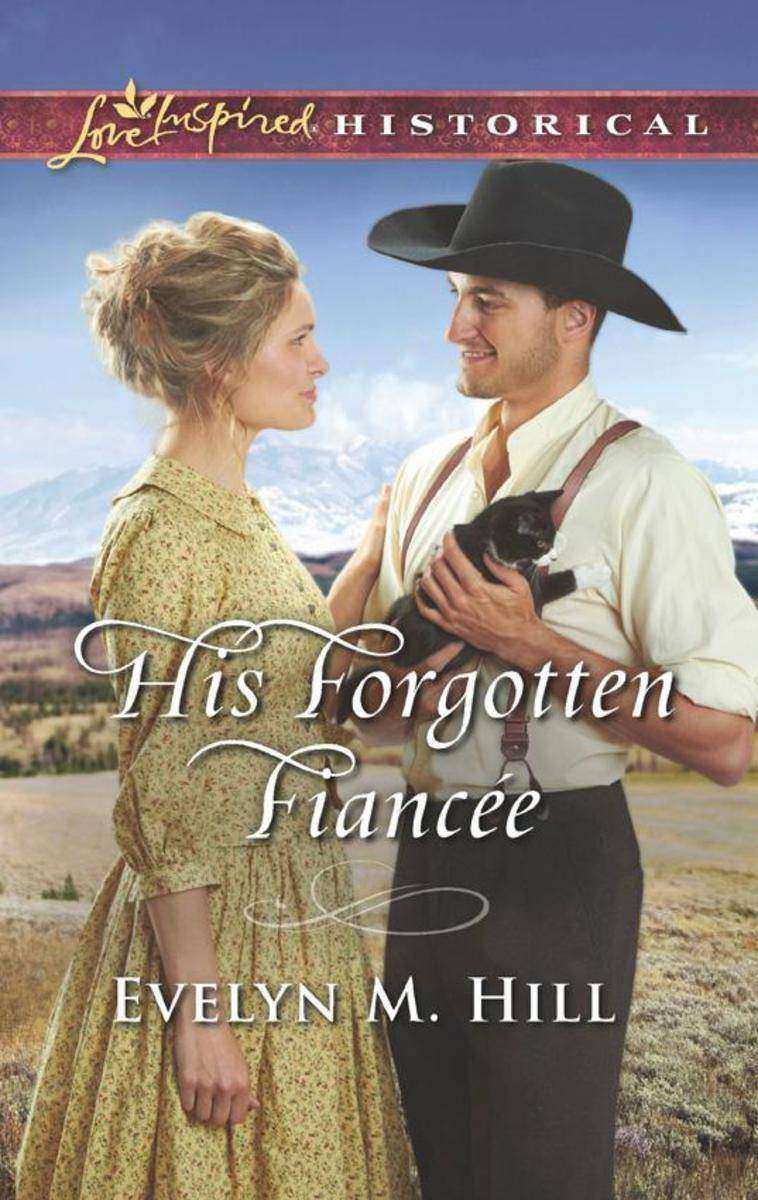
His Forgotten Fiancée (Mills & Boon Love Inspired Historical)
¥39.63
Suddenly Reunited Liza Fitzpatrick is stunned when her fiancé finally arrives in Oregon City—with amnesia. Matthew Dean refuses to honor a marriage proposal he doesn’t recall, and Liza is forced to consider he may not have loved her after all. But she needs his help now to bring in the harvest, and maybe she can help him remember… Matthew is attracted to the spirited Liza, and as she tries to help him regain his old memories, the new ones they’re creating together start to make him feel whole. Even as he falls for her again, though, someone’s determined to keep them apart. Will his memory return in time to save their future?
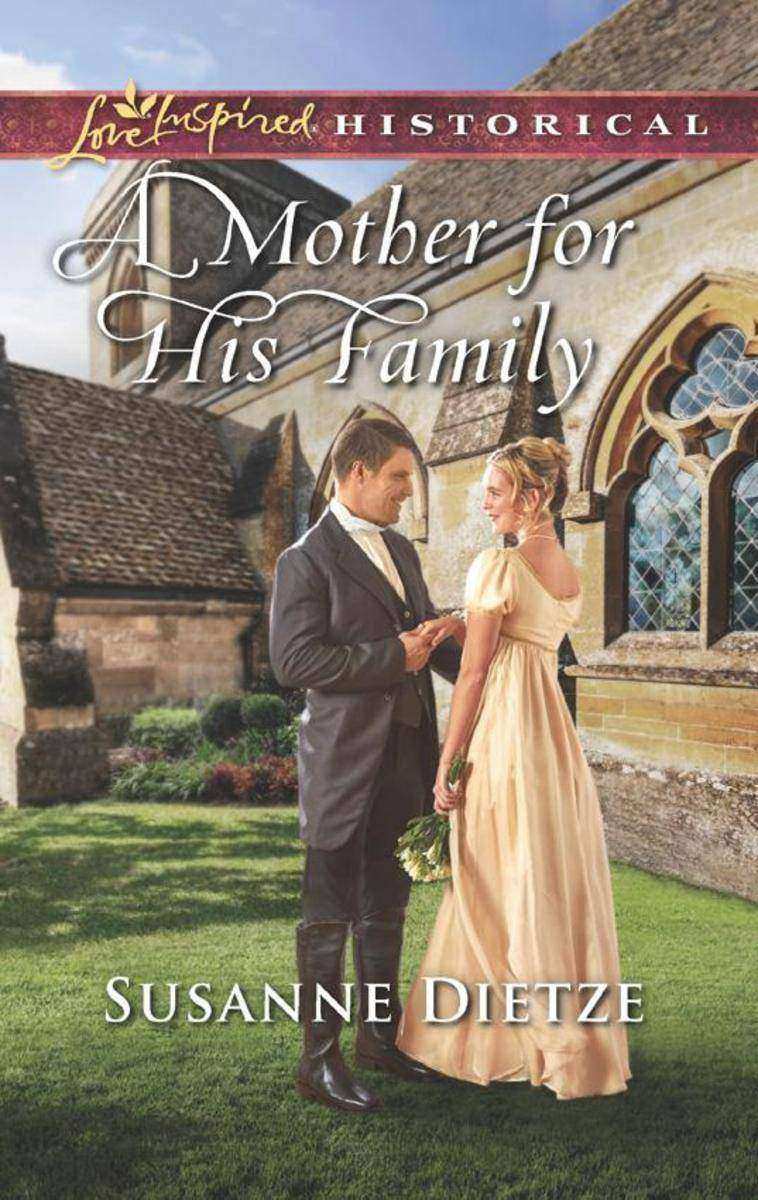
A Mother For His Family (Mills & Boon Love Inspired Historical)
¥39.63
A Convenient Arrangement Lady Helena Stanhope's reputation is in tatters…and she’s lost any hope for a “respectable” ton marriage. An arranged union is the only solution. But once Helena weds formidable Scottish widower John Gordon, Lord Ardoch, and encounters his four mischievous children, she's determined to help her new, ever-surprising family. Even if she's sure love is too much to ask for. All John needs is someone to mother his admittedly-unruly brood. He never imagined that beautiful Lady Helena would be a woman of irresistible spirit, caring and warmth. Or that facing down their pasts would give them so much in common. Now as danger threatens, John will do whatever it takes to convince Helena their future together—and his love—are for always.
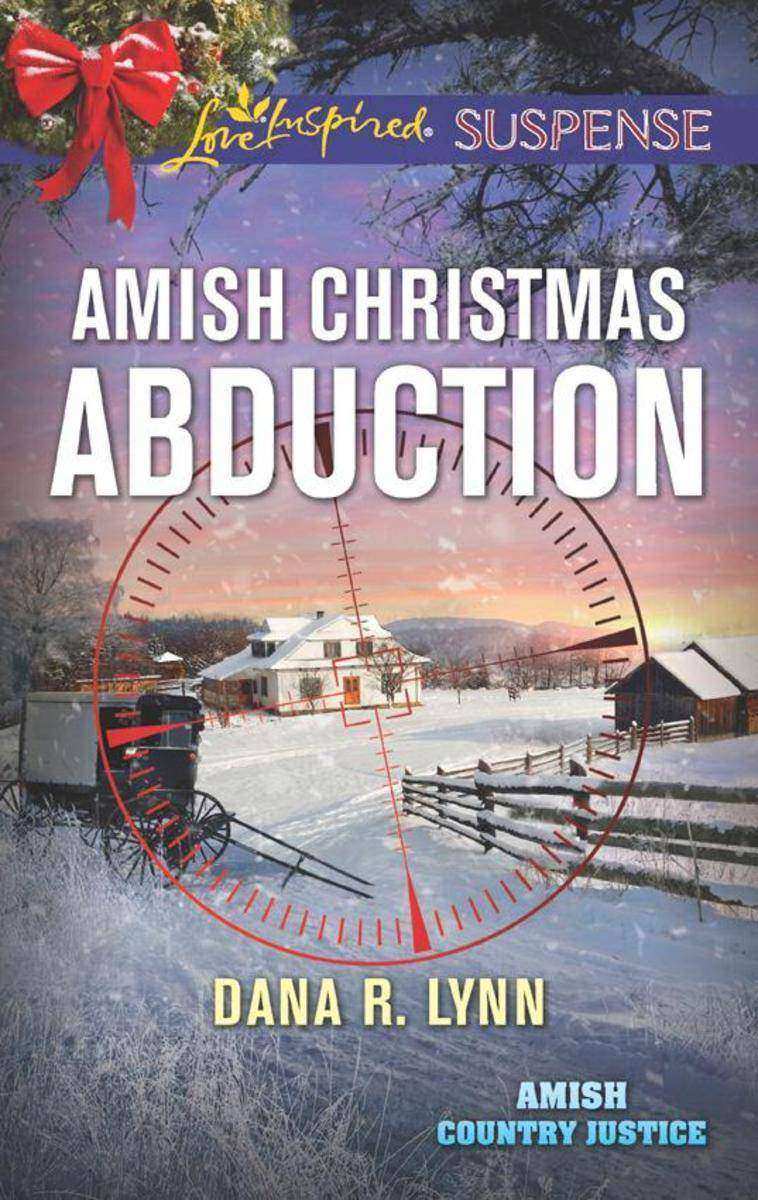
Amish Christmas Abduction (Mills & Boon Love Inspired Suspense) (Amish Country J
¥39.63
KIDNAPPED IN AMISH COUNTRY After catching a glimpse of something she wasn’t supposed to see days before Christmas, Irene Martello is run off the road and barely survives. More shocking is the backseat whimper of an Amish toddler stowaway and the familiar sight of their rescuer—the man who'd let her down years earlier. Police chief Paul Kennedy fears Irene stumbled onto a kidnapping ring with two dangerous agendas: retrieving the girl and silencing the witness for good. Only Paul can keep them safe for the holidays. Guarding Irene means risking his heart—and his secret—but to save the child and the woman he never stopped loving, it's a risk he has to take. AMISH COUNTRY JUSTICE: Protected in Plain sight
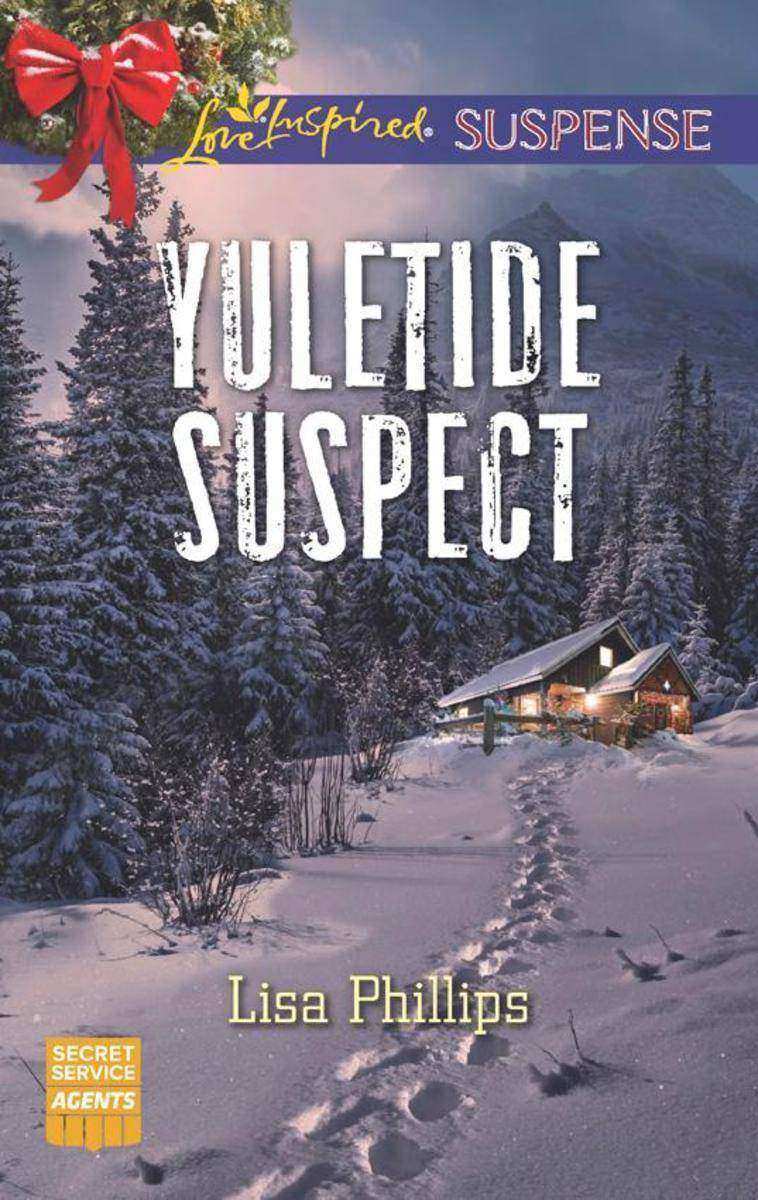
Yuletide Suspect (Mills & Boon Love Inspired Suspense) (Secret Service Agents, B
¥39.63
CHRISTMAS FRAME-UP Nothing will stop Secret Service agent Liberty Westmark from warning her ex-fiancé that he's wanted on a terrorism charge—not even gunmen determined to kill them both. After breaking his heart, she owes Tate Almers that…especially since only she believes his innocence. Partnering with Liberty again is the last thing Tate, a former Secret Service agent, wants for Christmas. But with a mountain of evidence against him and both the feds and a rogue cartel behind him, Tate needs Liberty beside him. They've become the targets of a manhunt with only one ending…and they have only each other to stay alive. Secret Service Agents: Always watching, always ready to protect.
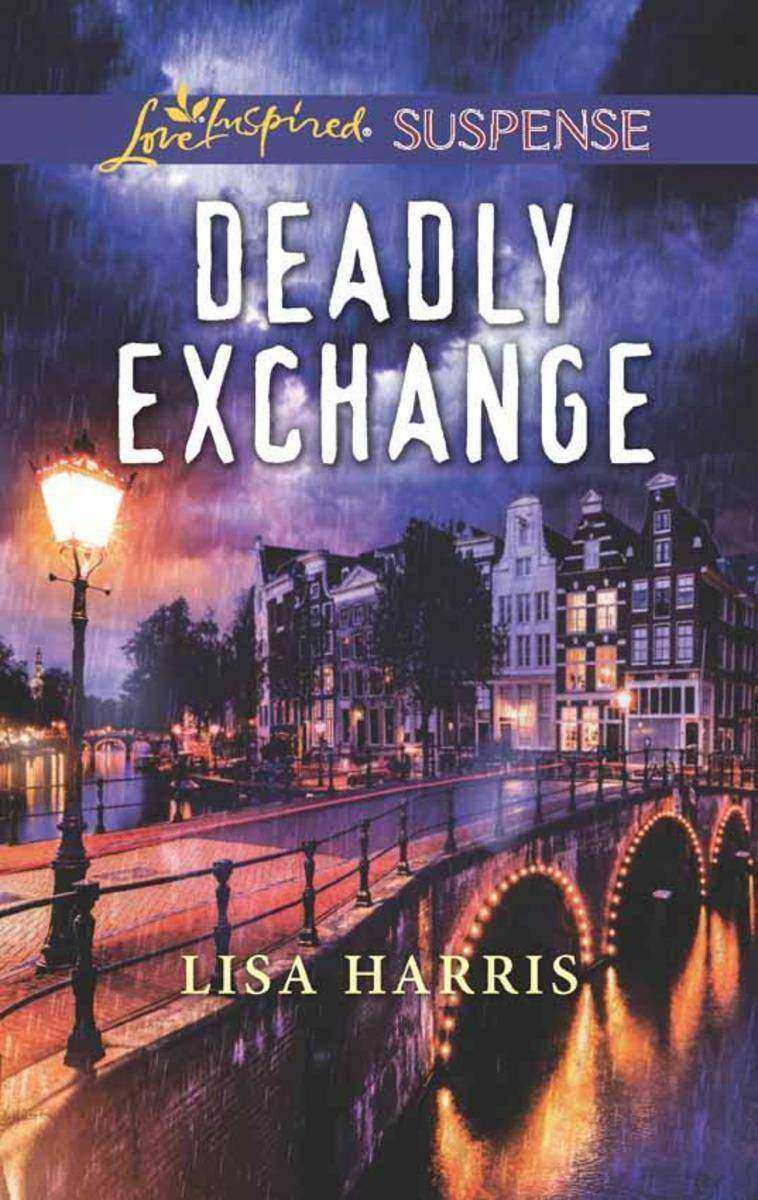
Deadly Exchange (Mills & Boon Love Inspired Suspense)
¥39.63
NO EASY ESCAPE Chased across Amsterdam by a human trafficking ring, social advocate Kayla Brooks refuses to help them recapture Mercy, the young girl she rescued from their clutches. Even if they’ve already abducted her father as a hostage…and wouldn’t hesitate to kill her. There’s only one man Kayla can turn to for help: her ex-fiancé’s brooding older brother, Levi Cummings. Though Kayla relies on the handsome former Army Intelligence Officer’s experience, fully trusting Levi seems impossible after she helped send his brother to jail. But as they struggle to save her father, protect Mercy, and outmaneuver the traffickers, Kayla and Levi’s bond transcends pure survival. Armed with only a few clues about her father’s location, though, Kayla and Levi must bring down the crime ring…or lose all their lives.
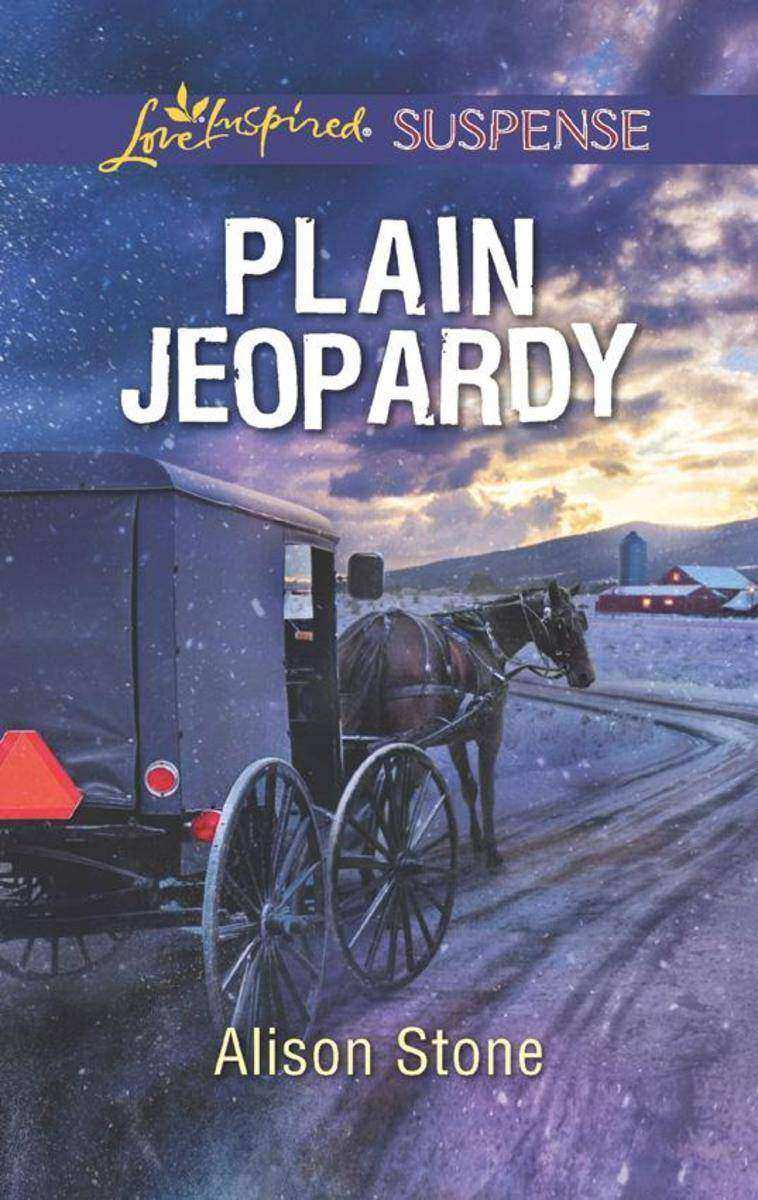
Plain Jeopardy (Mills & Boon Love Inspired Suspense)
¥39.63
AMISH COUNTRY SECRETS For reporter Grace Miller, her Amish hometown seems the perfect place to recuperate from surgery—until a tragedy puts her on the trail of her mother's long-unsolved murder. Now someone's set their lethal sights on her, determined to keep the truth behind her mother’s death and a fatal car crash involving local teens hidden. Discovering Grace is in danger, police captain Conner Gates drops everything to protect her…and help solve the cold case his father could not. But as they delve into the past, can they face down the dangerous foe hiding in plain sight, threatening to turn their blossoming love into a deadly trap?

Every Serengeti Sunrise (Mills & Boon Heartwarming) (From Kenya, with Love, Book
¥39.63
Elephants, blazing skies and her two best friends… Maddie can’t wait to return to Kenya! Until she learns the bill her law firm has sent her to fight is the same one her friend Haki helped write. At first, her work feels disloyal to Haki, but soon the sparks flying between them aren’t anger…but something more. Much more. Which is another kind of betrayal. Her cousin Pippa has been counting on a proposal from Haki for years. But to Maddie, denying her love for Haki also means betraying herself.

Something To Treasure (Mills & Boon Heartwarming)
¥39.63
If anyone can save him, she's the one Jerrod Walters hopes relocating to the coastal town of Two Moon Bay can be the fresh start he and his young daughter need. But the single dad is caught off guard when a beautiful PR professional offers to promote his diving excursions to legendary shipwreck sites.There’s so much he admires about Dawn Larson, starting with the woman's upbeat, can-do personality. Dawn’s boundless capacity for joy might be the only thing capable of bringing him back to life after his tragic loss…

High Country Cop (Mills & Boon Heartwarming) (The Cahills of North Carolina, Boo
¥39.63
He’ll always love Miranda Jefferson… But this cop has a job to do. Seeing his high school sweetheart after fourteen years fills Holly River police chief Carter Cahill with so many conflicting emotions. One thing hasn’t changed—the love that brought them together in the first place. But the single mother’s asking something Carter isn’t sure he can give. Is he a man who follows the law… or his heart?

Healing Hearts (Mills & Boon Heartwarming) (Hope Center Stories, Book 2)
¥39.63
Now that she’s healed… can she heal him? Armed with a clean bill of health, ER doctor April Sprader is ready to check off items on her bucket list. After meeting Zach Harrison, number four–start dating–shoots to the top. But the workaholic sports agent and caregiver has no spare time. Unless April can persuade Zach that this could be a second chance for them both…

A Roof Over Their Heads (Mills & Boon Heartwarming) (A True North Hero, Book 1)
¥39.63
Now that she’s healed… can she heal him? Armed with a clean bill of health, ER doctor April Sprader is ready to check off items on her bucket list. After meeting Zach Harrison, number four–start dating–shoots to the top. But the workaholic sports agent and caregiver has no spare time. Unless April can persuade Zach that this could be a second chance for them both…
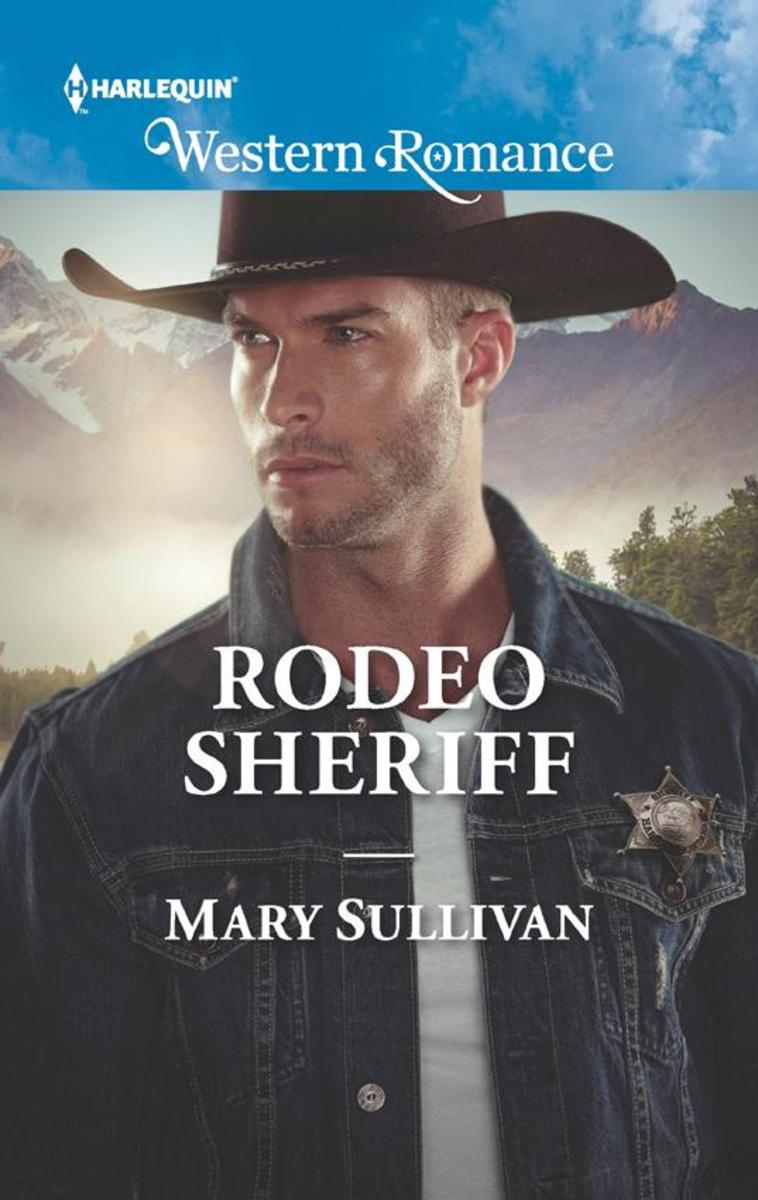
Rodeo Sheriff (Mills & Boon Western Romance) (Rodeo, Montana, Book 4)
¥39.63
HE'S CALLLING IN BACK-UP As the law in Rodeo, Montana, Sheriff Cole Payette can handle just about anything. Taking in his orphaned niece and nephew, though, puts him out of his depth. Grief-stricken himself, Cole turns to bar owner Honey Armstrong. Cole’s long-time crush on Honey has always made him tongue-tied, but now she’s the only one he can ask. Honey is shocked by Cole’s request. He rarely says two words to her and now he needs her to help care for the children? She’s willing to pitch in, but bonding with the kids starts to feel a lot like being a family. And that’s not something Honey has ever let herself dream about–no matter how tempting Cole is…

First Came Baby (Mills & Boon Superromance) (Comeback Cove, Canada, Book 6)
¥39.63
The perfect reason to stay? Kate Hebert's fling with Jackson Boone wasn't supposed to be anything more than good fun. When she got pregnant, they married to please her dying grandmother, and Boone headed home to Peru. Now he's in Comeback Cove to arrange their divorce and meet his baby son. But when Kate injures her ankle, Boone is forced to stick around – and step up his dad game. A little hands-on healing makes Kate realize how great a real marriage with Boone could be. But family had never been Boone's priority, and as far as he's concerned, Kate deserves the life she's always dreamed of. Seems they've done everything backward, and now Boone faces the toughest choice he's ever made…

Tempted By Her Greek Tycoon (Mills & Boon Cherish)
¥39.63
Gorgeous Greek tycoon Loukas Christou needs a wife! Temporary PA Georgie Jones, offers to be his matchmaker. She should be focused on finding him a bride, but for independent and kind-hearted Georgie, resisting the temptation of her boss is easier said than done…

United By Their Royal Baby (Mills & Boon Cherish) (Conveniently Wed, Royally Bou
¥39.63
When Queen Leyna took the throne, she walked away from her first love, the king of another country, putting duty first. Now their kingdoms are under threat – and knowing only an heir will save them, can they fight to find a way back to each other?


