


 购物车
购物车 个人中心
个人中心
The Snake in 2014: Your Chinese Horoscope
¥11.77
The year 2014 is the Chinese Year of the Horse – what will this mean for you? This complete guide contains all the predictions you will need to take you into the year ahead – a lively fast-paced year favouring ideas, innovation and personal growth. The ancient art of Chinese astrology, which predates the Western zodiac, is a detailed system of divination that has been in use in the Orient for thousands of years. The depth of its wisdom and the accuracy of its character analysis and prediction has caught the imagination of the Western world in recent years and led to a rapid rise in its popularity. This popular and enlightening bestselling guide – now in its 27th year – includes: ? Everything you need to know about the 12 signs of the Chinese zodiac. ? An explanation of the Five Elements: metal, water, wood, fire and earth, and which one governs your sign. ? Individual predictions to help you find love, luck and success. ? What the Year of the Horse has in store for you, your family, your loved ones and friends.
The Rooster in 2014: Your Chinese Horoscope
¥11.77
The year 2014 is the Chinese Year of the Horse – what will this mean for you? This complete guide contains all the predictions you will need to take you into the year ahead – a lively fast-paced year favouring ideas, innovation and personal growth. The ancient art of Chinese astrology, which predates the Western zodiac, is a detailed system of divination that has been in use in the Orient for thousands of years. The depth of its wisdom and the accuracy of its character analysis and prediction has caught the imagination of the Western world in recent years and led to a rapid rise in its popularity. This popular and enlightening bestselling guide – now in its 27th year – includes: ? Everything you need to know about the 12 signs of the Chinese zodiac. ? An explanation of the Five Elements: metal, water, wood, fire and earth, and which one governs your sign. ? Individual predictions to help you find love, luck and success. ? What the Year of the Horse has in store for you, your family, your loved ones and friends.

The Dog in 2014: Your Chinese Horoscope
¥11.77
The year 2014 is the Chinese Year of the Horse – what will this mean for you? This complete guide contains all the predictions you will need to take you into the year ahead – a lively fast-paced year favouring ideas, innovation and personal growth. The ancient art of Chinese astrology, which predates the Western zodiac, is a detailed system of divination that has been in use in the Orient for thousands of years. The depth of its wisdom and the accuracy of its character analysis and prediction has caught the imagination of the Western world in recent years and led to a rapid rise in its popularity. This popular and enlightening bestselling guide – now in its 27th year – includes: ? Everything you need to know about the 12 signs of the Chinese zodiac. ? An explanation of the Five Elements: metal, water, wood, fire and earth, and which one governs your sign. ? Individual predictions to help you find love, luck and success. ? What the Year of the Horse has in store for you, your family, your loved ones and friends.
Insurgent (Divergent Trilogy, Book 2)
¥58.86
Fighting for survival in a shattered world… the truth is her only hope. The thrillingly dark sequel to No. 1 New York Times bestseller, DIVERGENT. I have done bad things. I can’t take them back, and they are part of who I am. Tris has survived a brutal attack on her former home and family. But she has paid a terrible price. Wracked by grief and guilt, she becomes ever more reckless as she struggles to accept her new future. Yet if Tris wants to uncover the truth about her world, she must be stronger than ever… because more shocking choices and sacrifices lie ahead.

Black Magic Sanction
¥53.76
The eight stirring instalment of the urban fantasy-thriller series starring Rachel Morgan. A pacey and addictive novel of sexy bounty-hunting witches, cunning demons and vicious vampires. Rachel Morgan has fought and hunted vampires, werewolves, banshees, demons, and other supernatural dangers as both witch and bounty hunter – and lived to tell the tale. But she’s never faced off against her own kind… until now. Denounced and shunned for dealing with demons and black magic, Rachel’s best hope is life imprisonment – the worst, a forced lobotomy and genetic slavery. Only her enemies are strong enough to help her win her freedom, but trust comes hard when it hinges on the unscrupulous tycoon Trent Kalamack, the demon Algaliarept, and an ex-boyfriend turned theif. It takes a witch to catch a witch, but survival bears a heavy price.
The Moon of Gomrath
¥51.50
Enthralling sequel to The Weirdstone of Brisingamen It is the Eve of Gomrath – the night of the year when the Old Magic is aroused. Had Colin and Susan known this, they would never have lighted a fire on the Beacon, thereby releasing the uncontrollable ferocity of the Wild Hunt. Soon they are inextricably caught up in the struggle between their friend, the Wizard Cadellin, and the evil Morrigan. The strength of their courage will determine whether or not they survive the awaiting ordeal…
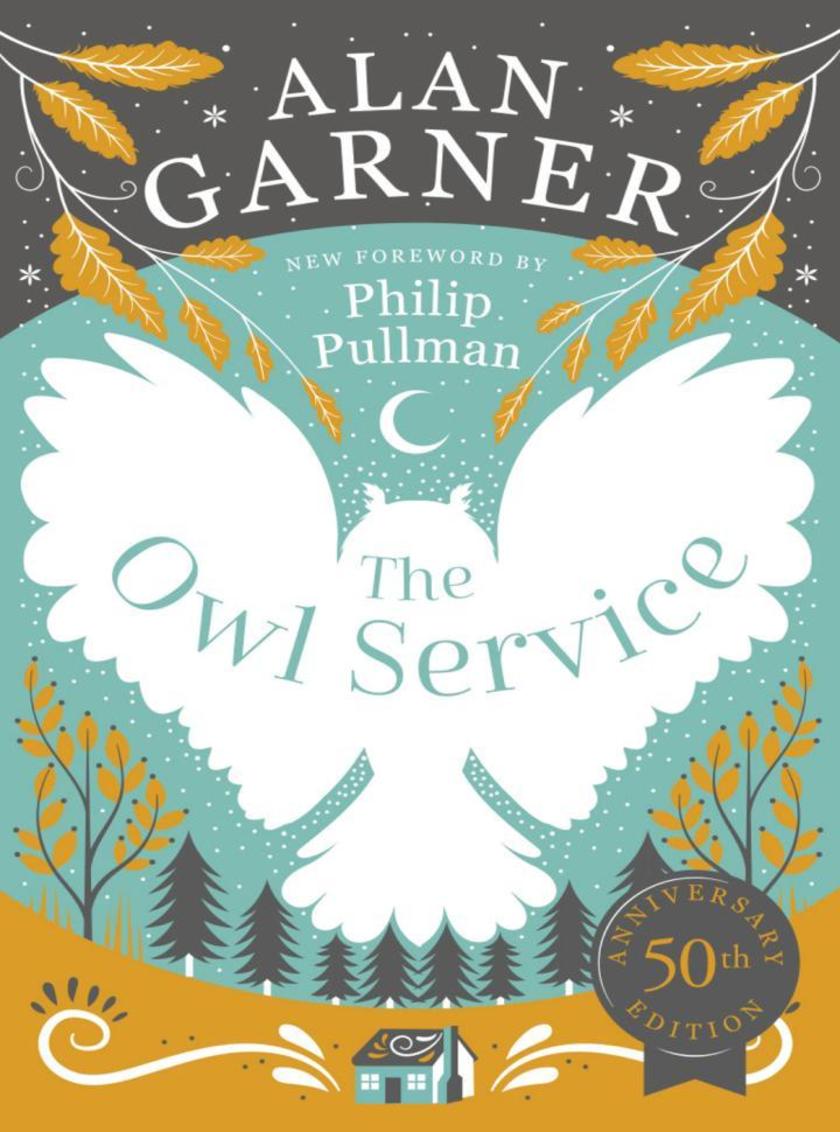
The Owl Service
¥34.14
Winner of both the Guardian Award and the Carnegie Medal, this is an all-time classic, combining mystery, adventure, history and a complex set of human relationships. Featuring a new introduction by Philip Pullman. It all begins with the scratching in the ceiling. From the moment Alison discovers the dinner service in the attic, with its curious pattern of floral owls, a chain of events is set in progress that is to effect everybody’s lives. Relentlessly, Alison, her step-brother Roger and Welsh boy Gwyn are drawn into the replay of a tragic Welsh legend – a modern drama played out against a background of ancient jealousies. As the tension mounts, it becomes apparent that only by accepting and facing the situation can it be resolved.

Dean Spanley: The Novel
¥66.22
The classic humorous novel about an alcohol-loving clergyman who thinks he is the reincarnation of a dog. Complete with the award-winning film screenplay that expands upon the tale. Dean Spanley is affable, conventional and prudent – the very archetype of a bland churchman. Only his keen interest in the transmigration of souls and his obsession with dogs betray any shadow of eccentricity. But then, richly primed with a few glasses of Imperial Tokay, he begins to speak vividly of the joys of rabbiting, of rolling in fresh dung and of baying at the moon. Are these canine memories a drunken fancy? Or can it be that Dean Spanley must once have been a dog? This special edition includes Lord Dunsany’s witty and inventive novel, My Talks With Dean Spanley, together with Alan Sharp’s award-winning screenplay for the film starring Peter O’Toole and Sam Neill, which faithfully adapts and expands upon the events in the story.

Capricornia
¥91.43
A saga of life in the Northern Territories and the clash of white and Aborigine cultures – one of Australia’s all-time best-selling novels and an inspiration for Baz Luhrmann’s lavish film ‘AUSTRALIA’. Capricornia has been described as one of Australia's 'great novels', a sharply observed chronicle about life in the Northern Territory of Australia and the inhumane treatment suffered by Aborigines at the hands of white men. The story is immense and rambling, laced with humour that is often as bitter and as harsh as the terrain in which it is set, and follows with irony the fortunes (and otherwise) of a range of Outback characters over a span of generations. Through their story is reflected the story of Australia, the clash of personalities and cultures that provide the substance on which today's society is founded. Above all, however, this is a novel of protest and of compassion - for the Aborigines and half-bloods of Australia's 'last frontier'. Sprawling, explosive, thronged with characters, plots and sub-plots, Capricornia is without doubt one of the best known and widely read Australian novels of the last 70 years. When it was first published it was acclaimed as 'a turning point', an 'outstanding work of social protest'. Its message is as penetrating today as it was in the 1930s when Herbert himself was official 'Protector of Aborigines' at Darwin.
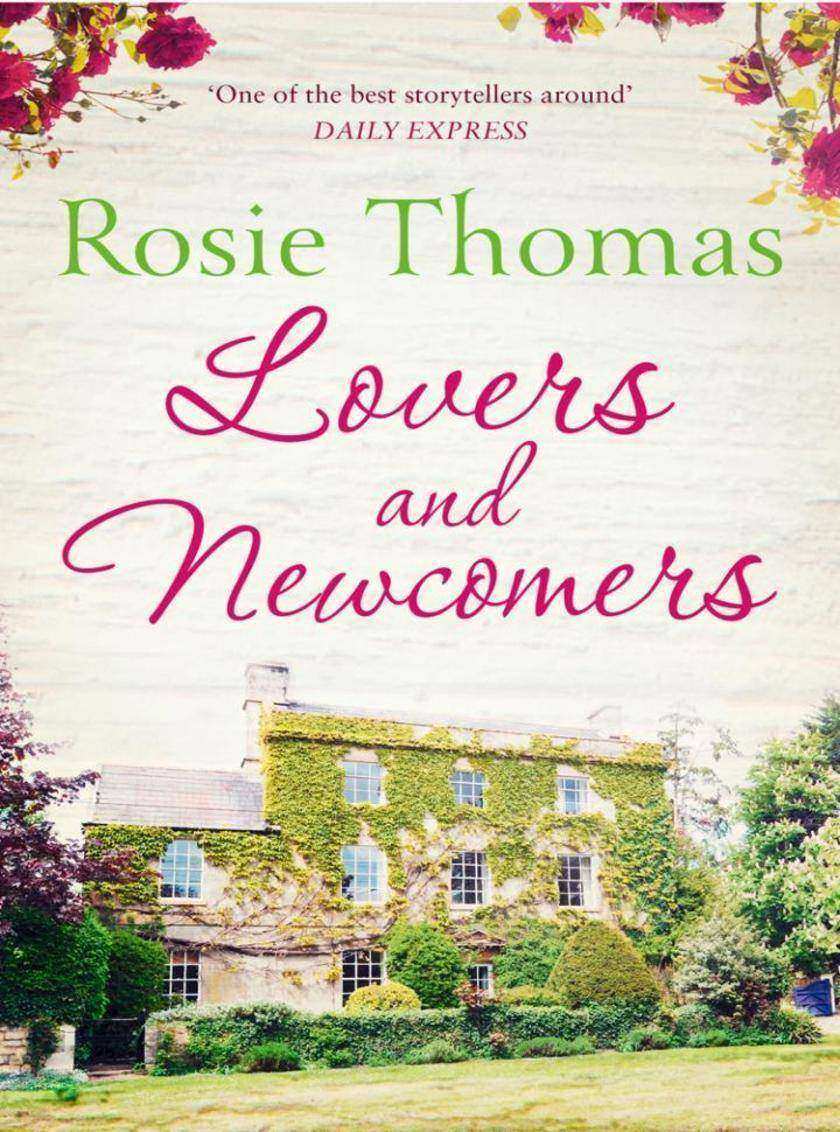
Lovers and Newcomers
¥72.99
From the bestselling author of Iris and Ruby comes a novel in which a group of old friends reunite to start a new stage of their lives. Miranda Meadowe decides a lonely widowhood in her crumbling country house is not for her. Reviving a university dream, she invites five of her oldest friends to come and join her to live, and to stave off the prospect of old age. All have their own reasons for accepting. To begin with, omens are good. They laugh, dance, drink and behave badly, as they cling to the heritage they thought was theirs for ever: power, health, stability. They are the baby boomers; the world is theirs to change. But as old attractions resurface alongside new tensions, they discover that the clock can’t be put back. When building work reveals an Iron Age burial site of a tribal queen, the outside world descends on their idyllic retreat, and the isolation of the group is breached. Now the past is revealed; and the future that beckons is very different from the one they imagined.
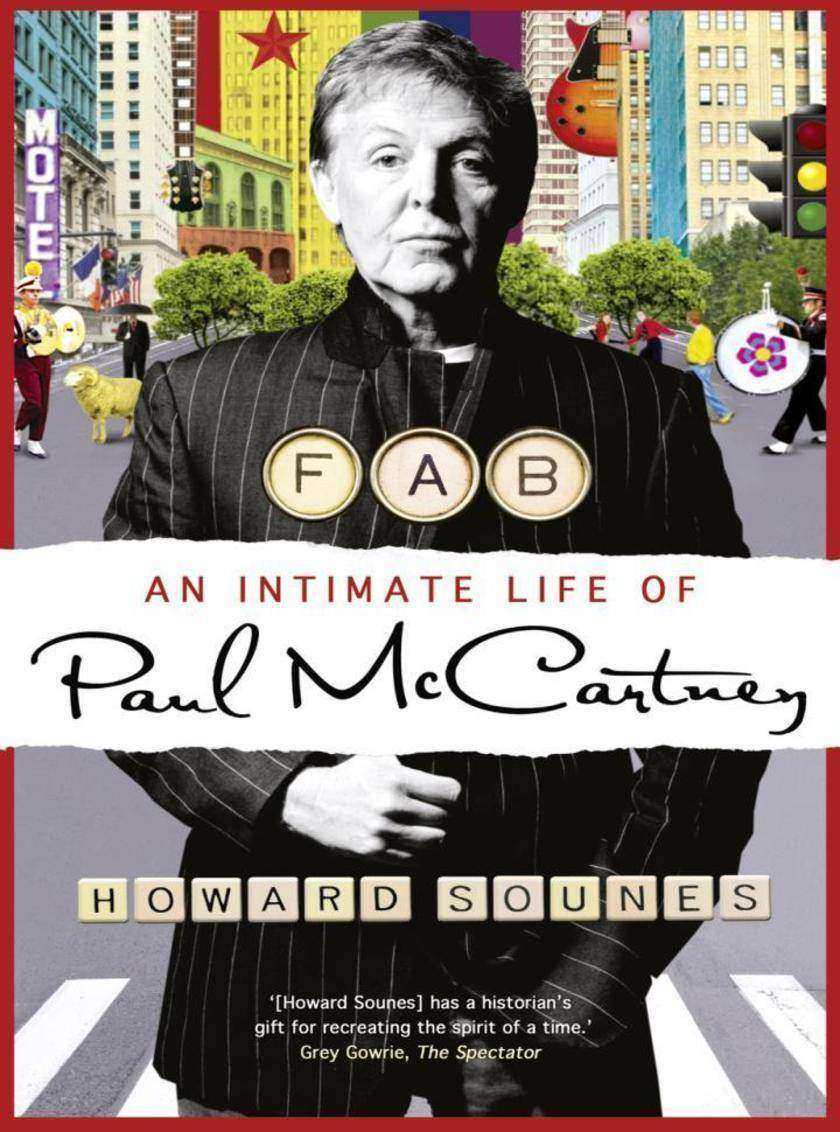
Fab: An Intimate Life of Paul McCartney
¥80.25
The living embodiment of The Beatles and a musical juggernaut without parallel, Paul McCartney is undoubtedly the patriarch of pop. In this authoritative biography, acclaimed author and journalist Howard Sounes creates the most accurate and extensive profile of McCartney ever built, leaving no stone unturned, and no shadow unexplored. He is the torch-bearer of the Beatles – the greatest band in pop – and one of the most closely studied stars in show business. But surprises and secrets still linger in the life of Sir Paul McCartney. In FAB, his full story is told for the first time. Acclaimed author Howard Sounes spent more than two years investigating every aspect of Sir Paul’s life and work, including interviewing over 200 people. The result is the richest and more comprehensive biography of McCartney ever written. Uniquely, FAB pays equal attention to the story of Paul McCartney both in the Beatles and post-Beatles, creating a unique narrative spanning the arc of the artist’s life. FAB culminates in the sensational human story of Sir Paul’s calamitous marriage to Heather Mills, which is fully revealed for the first time. Sounes proves a judicious critic of the music of an iconic star while also delivering a superb psychological portrait of the man.
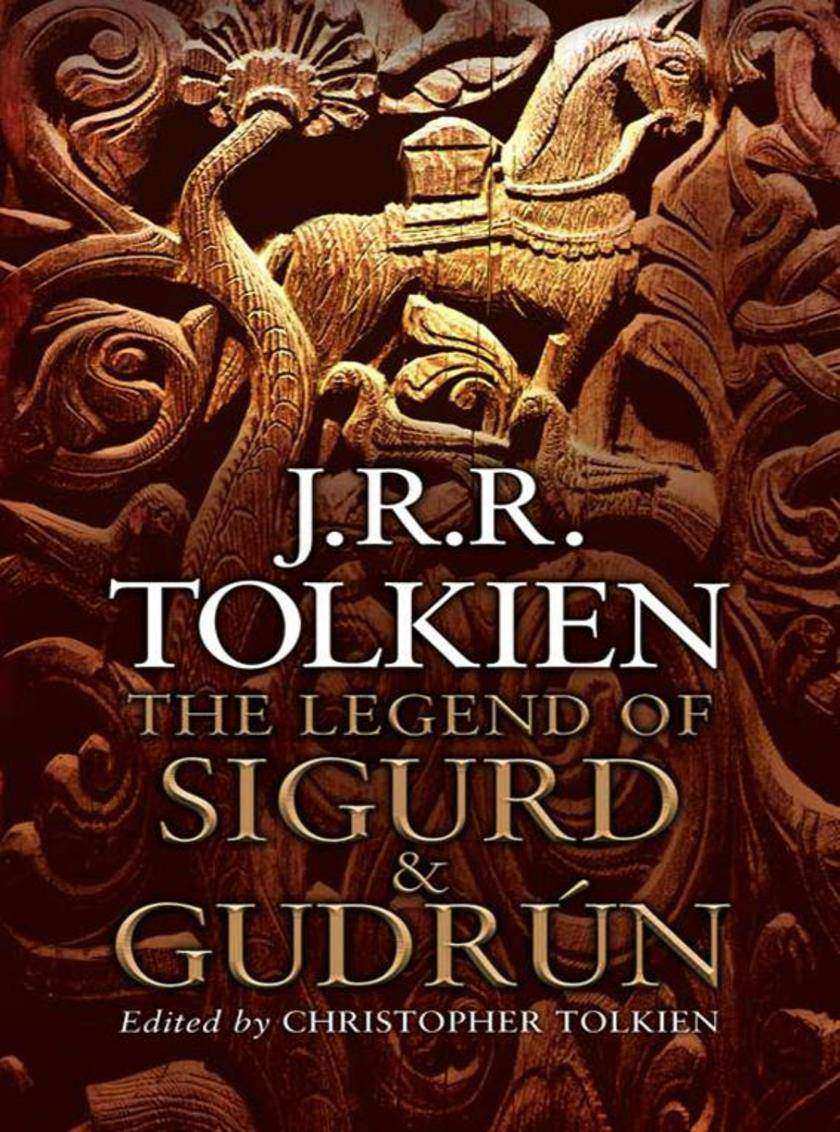
The Legend of Sigurd and Gudrún
¥58.47
The world first publication of a previously unknown work by J.R.R. Tolkien, which tells the epic story of the Norse hero, Sigurd, the dragon-slayer, the revenge of his wife, Gudrún, and the Fall of the Nibelungs. “Many years ago, J.R.R. Tolkien composed his own version, now published for the first time, of the great legend of Northern antiquity, in two closely related poems to which he gave the titles The New Lay of the V?lsungs and The New Lay of Gudrún. “In the Lay of the V?lsungs is told the ancestry of the great hero Sigurd, the slayer of Fáfnir most celebrated of dragons, whose treasure he took for his own; of his awakening of the Valkyrie Brynhild who slept surrounded by a wall of fire, and of their betrothal; and of his coming to the court of the great princes who were named the Niflungs (or Nibelungs), with whom he entered into blood-brotherhood. In that court there sprang great love but also great hate, brought about by the power of the enchantress, mother of the Niflungs, skilled in the arts of magic, of shape-changing and potions of forgetfulness. “In scenes of dramatic intensity, of confusion of identity, thwarted passion, jealousy and bitter strife, the tragedy of Sigurd and Brynhild, of Gunnar the Niflung and Gudrún his sister, mounts to its end in the murder of Sigurd at the hands of his blood-brothers, the suicide of Brynhild, and the despair of Gudrún. In the Lay of Gudrún her fate after the death of Sigurd is told, her marriage against her will to the mighty Atli, ruler of the Huns (the Attila of history), his murder of her brothers the Niflung lords, and her hideous revenge. “Deriving his version primarily from his close study of the ancient poetry of Norway and Iceland known as the Poetic Edda (and where no old poetry exists, from the later prose work the V?lsunga Saga), J.R.R. Tolkien employed a verse-form of short stanzas whose lines embody in English the exacting alliterative rhythms and the concentrated energy of the poems of the Edda.” — Christopher Tolkien

The Long Exile
¥72.30
A chilling true story of deception and survival set amidst the Inuit communities of the Canadian Arctic. In 1922 the Irish-American explorer Robert Flaherty made a film called ‘Nanook of the North’ which captured the world's imagination. Soon afterwards, he quit the Arctic for good, leaving behind his bastard son, Joseph, to grow up Eskimo. Thirty years later a young, inexperienced policeman, Ross Gibson, was asked by the Canadian government to draw up a list of Inuit who were to be resettled in the uninhabited polar Arctic and left to fend as best they could. Joseph Flaherty and his family were on that list. They were told they were going to an Arctic Eden of spring flowers and polar bears. But it didn't turn out that way, and this, Joseph Flaherty's story, tells how it did.
The Importance of Being Kennedy
¥57.09
A brilliant novel by Laurie Graham set in wartime London, which follows Kick Kennedy, sister of future US President JFK, as she takes London society by storm. Nora Brennan is a country girl from Westmeath. When she lands herself a position as nursery maid to a family in Brookline, Massachusetts, she little thinks it will place her at the heart of American history. But it's the Kennedy family. In 1917 Joseph Kennedy is on his way to his first million and he has plans to found a dynasty and ensure that his baby son, Joe Junior, will be the first Catholic President of the United States. As nursemaid to all nine Kennedy children, Nora witnesses every moment, public and private. She sees the boys coached at their father's knee to believe everything they'll ever want in life can be bought. She sees the girls trained by their mother to be good Catholic wives. World War II changes everything. At the outbreak of war the Kennedys are living the high life in London, where Joseph Kennedy is the American ambassador. His reaction is to send the entire household back across the Atlantic to safety, but Nora, surprised by midlife love, chooses to stay in England and do her bit. Separated from her Kennedys by an ocean she nevertheless remains the warm, approachable sun around which the older children orbit: Joe, Jack, Rosemary, and in particular Kick, who throws the first spanner in the Kennedy works by marrying an English Protestant. Laurie Graham's poignant new novel views the Kennedys from below stairs, with the humour and candour that only an ex-nursemaid dare employ.

The Equivoque Principle (Cornelius Quaint Chronicles, Book 1)
¥52.78
An outrageous Victorian adventure in the spirit of The Vesuvius Club and Glass Books of the Dream Eaters
The Exotic Meat Cookbook: From Antelope to Zebra
¥154.12
A collection of recipes for exotic meats from around the globe. They used to be a novelty but exotic meats from around the world are becoming increasingly popular with restaurants and home cooks alike. Gordon Ramsay has cooked with goat and ostrich on The F Word, supermarkets regularly stock kangaroo, bison and other unusual meats and internet suppliers like the Alternative Meats company are bringing the world to your dining table. But no cookbook has combined recipes for this diverse range of meat - until now. The Alternative Meat Cookbook has been put together by Jeanette Edgar and Rachel Godwin, the women behind the award-winning Alternative Meats company, and includes recipes for springbok, kudu, camel, kangaroo, ostrich, rose veal, wild boar, blesbok, crocodile and many many more. But the book isn’t only about world cuisine, it features many of the less well-known meats from these shores as well with recipes for mutton, buffalo, kid goat and wild rabbit. Featuring their own recipes, garnered from years in the trade, plus donated recipes from leading chefs around the world as well as some sent in by customers, The Exotic Meat Cookbook is a wonderfully unusual selection for serious foodies, amateur chefs and even for those who want to do something a bit different for the BBQ!
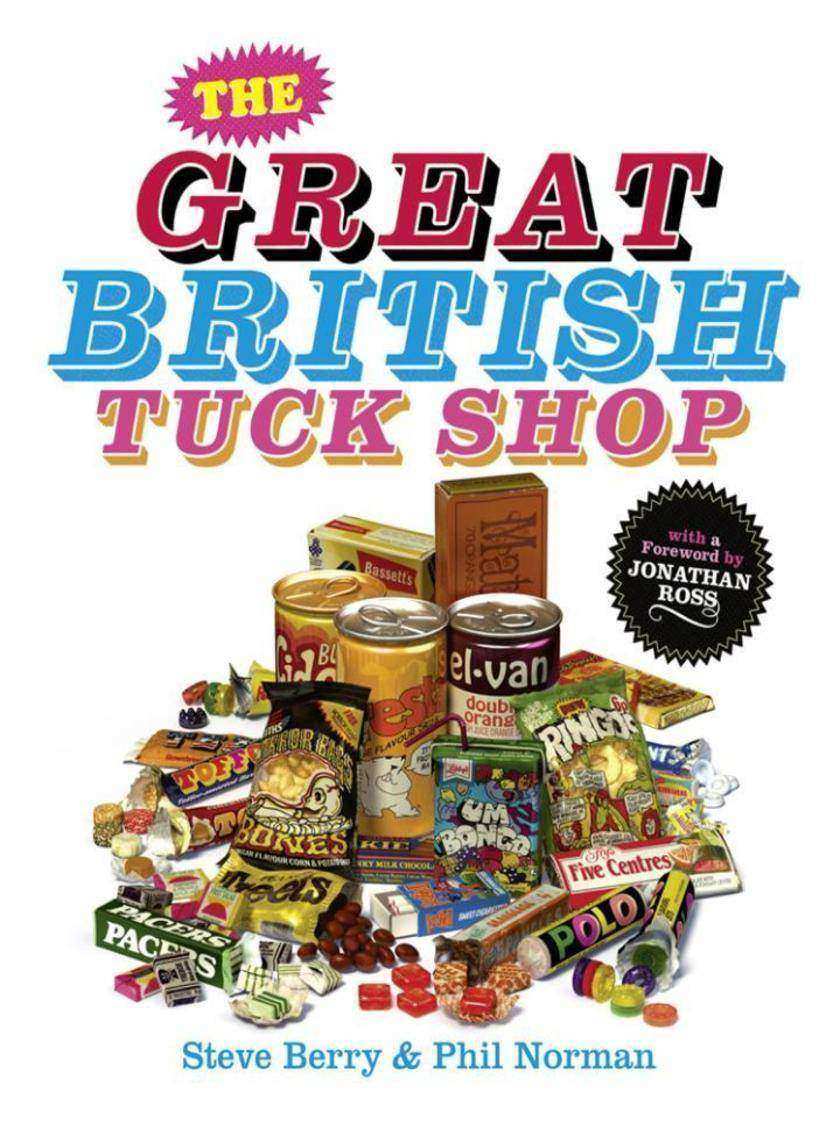
The Great British Tuck Shop
¥91.23
The ultimate book of sweetie nostalgia! AS SEEN ON THIS MORNING A colourful, witty and irreverent encyclopedia of all the sweets and crisps of your youth. From Mojos to Rainbow Drops, Space Raiders to Trios, Corona to Kia Ora and everything in between. Fully illustrated with hundreds of wrappers, ads and specially recreated packshots this book will lead you down memory lane until you reach the corner shop, load up a 10p mix up bag and rot your teeth on the contents. The authors have been given access to the archives, factories and warehouses of some of the leading sweet and snack manufacturers in the country and have delivered a book that is packed full of fascinating historical research… … and lots and lots of sweets. WITH A FOREWORD BY JONATHAN ROSS.

Everything We Ever Wanted
¥58.86
How do you choose between your family and your history? Emotional and compelling storytelling from Sara Shepard, author of All the Things We Didn’t Say. A late-night phone call on a Sunday evening rarely brings good news. So when Sylvie, a recently-widowed mother of two, receives a call from the head teacher of the school she's on the board of, she knows it won't be something she wants to hear. The school was founded by her grandfather, and she's inherited everything he strived to build up - a reputation, a heritage, the school and the grand old family house. And with this inheritance comes responsibility. So when her son Scott is whispered to be involved in a scandal that led to the death of one of the boys he coaches at the school, it throws the family into chaos: Sylvie has to decide between her loyalty to the school that has been part of her family legacy for years and her son who she feels wants nothing to do with her. She starts spying on the dead boy's father, making an unlikely connection. Sara Shepard's compelling new novel tells how hard it can be to really, truly connect to people, how making quick, easy judgments can come back to haunt you, and how the life you always planned for - and always dreamed of - often doesn't always turn out the way you imagined at all…
Amnesia
¥51.50
You’ll be up all night with this addictive thriller from the New York Times bestselling author. What if, one by one, your exes were being murdered – and all the evidence pointed at you? Hotshot lawyer Quinn Cortez is infamous for his prowess in the courtroom – and the bedroom. But when his latest conquest – notorious party girl Lulu Vanderley – is found butchered, Cortez becomes the prime suspect. Suffering paralysing blackouts, and with no memory of his actions at the time of the murder, Cortez must fight to clear his name. Lulu's cousin Annabelle is willing to believe he is innocent – until more bodies are discovered, and all the clues lead back to him. To catch a killer, Cortez must explore the blackness within him, and confront the shocking truth…
Lessons in Love
¥51.50
A warm romantic comedy about teaching old dogs new tricks… Two women: one small difference between them - The letter Y,. Firstly there's Jane Mills - she's suffering from a broken heart, no job and a house she can't afford. Meanwhile, on the other side of town, Jayne Mills can afford anything she wants, but at what cost to herself? In her late 20s, Jane's up for a challenge. Fast approaching 50, Jayne's had more than enough of them. Meeting Jane after a mail mix-up, gives her the chance to assess her choices, and the glorious opportunity to remake the one that she most regrets. It seems that even late along the road, you are never too old to learn new tricks… For anyone who's ever wondered what became of the one who got away or dreamed of escaping on a grown-up gap year, this is a wonderfully warm read about finding answers to life's troubles in the unlikeliest of places. A sparkling romantic comedy about lost chances found and walking in someone else's shoes, perfect for fans of Jane Green and Tess Stimson.
The Trafficked
¥57.09
DETECTIVE JOHNNY MANN IS BACK Missing children. An evil racket. A race against time … Summoned to meet his boss, rebellious Detective Johnny Mann expects to be told that he is being demoted. Instead he is ordered to lead the investigation into the kidnapping of Amy Tang - the illegitimate daughter of a major player in the skin trade, CK Leung. Mann is reluctant to help - he has crossed paths with CK before- but he has no choice. Nine-year-old Amy is the third child to be kidnapped and held for a vast sum of money, but while the other two children were released after the vast ransom was paid, Amy is still being held captive. Mann's investigation takes him to London, where he teams up with DC Becky Stamp. Within days of his arrival, an arson attack kills twelve women and children. The charred bodies of the victims are found chained to their beds - their injuries rendering them identifiable… What is the link between the kidnapping of Amy in Hong Kong and the deaths of these women and children and can Mann discover the truth before it's too late. Prepare to be terrorised all over again with this disturbingly addictive thriller from the writer hailed as the female James Patterson.


