


 购物车
购物车 个人中心
个人中心
The One Thing Holding You Back
¥138.41
"By the time you finish this book, there will be nothing holding you back." from the Introduction Most people have a vision for their lives that they're not pursuing, half-heartedly pursuing, or pursuing with all their might yet somehow falling short. This vision can be modest or grand. It may involve breaking free of a destructive habit or finding a truly healthy relationship. It might have to do with making a real difference in the world or helping to lead a company to extraordinary success. In The One Thing Holding You Back, Raphael Cushnir, a leading voice in the world of personal and professional development, reveals that whenever people aren't living their dreams it's because they're not yet willing and able to feel specific emotions related to those dreams. Once we access and understand these emotions, our dreams can and will come true.Cushnir asserts that mere emotional awareness, commonly referred to as emotional intelligence, is not enough. For maximum benefit we must directly and consistently connect with our emotions. In particular, we need to connect with the emotions we routinely avoid, resist, or attempt to dismiss. It's these emotions that possess the key to our greatest goals. And learning to connect with them is another rarely taught but essential skill.The One Thing Holding You Back provides real solutions that can be implemented immediately and without external support and includes true stories of people who have put Cushnir's process to work and transformed their lives. Delivering a step-by-step program in accessible language, this landmark book will turn the obstacles in front of us into tremendous opportunities for achieving the life we always wanted.
Begging for Change
¥141.80
You are a good person. You are one of the 84 million Americans who volunteer with a charity. You are part of a national donor pool that contributes nearly $200 billion to good causes every year. But you wonder: Why don't your efforts seem to make a differenceFifteen years ago, Robert Egger asked himself this same question as he reluctantly climbed aboard a food service truck for a night of volunteering to help serve meals to the homeless. He wondered why there were still people waiting in line for soup in this day and age. Where were the drug counselors, the job trainers, and the support team to help these men and women get off the streetsWhy were volunteers buying supplies from grocery stores when restaurants were throwing away unused fresh food every nightWhy had politicians, citizens, and local businesses allowed charity to become an end in itselfWhy wasn't there an efficient way to solve the problemRobert knew there had to be a better way. In 1989, he started the D.C. Central Kitchen by collecting unused food from local restaurants, caterers, and hotels and bringing it back to a central location where hot, nutritious meals were prepared and distributed to agencies around the city. Since then, the D.C. Central Kitchen has been named one of President Bush Sr.'s Thousand Points of Light and has become one of the most respected and emulated nonprofit agencies in the world, producing and distributing more than 4,000 meals a day. Its highly successful 12-week job-training program equips former homeless transients and drug addicts with culinary and life skills to gain employment in the restaurant business. In Begging for Change, Robert Egger looks back on his experience and exposes the startling lack of logic, waste, and ineffectiveness he has encountered during his years in the nonprofit sector, and calls for reform of this $800 billion industry from the inside out. In his entertaining and inimitable way, he weaves stories from his days in music, when he encountered legends such as Sarah Vaughan, Mel Torme, and Iggy Pop, together with stories from his experiences in the hunger movement -- and recently as volunteer interim director to help clean up the beleaguered United Way National Capital Area. He asks for nonprofits to be more innovative and results-driven, for corporate and nonprofit leaders to be more focused and responsible, and for citizens who contribute their time and money to be smarter and more demanding of nonprofits and what they provide in return. Robert's appeal to common sense will resonate with readers who are tired of hearing the same nonprofit fund-raising appeals and pity-based messages. Instead of asking the "who" and "what" of giving, he leads the way in asking the "how" and "why" in order to move beyond our 19th-century concept of charity, and usher in a 21st-century model of change and reform for nonprofits. Enlightening and provocative, engaging and moving, this book is essential reading for nonprofit managers, corporate leaders, and, most of all, any citizen who has ever cared enough to give of themselves to a worthy cause.
Lumen Picturae
¥140.29
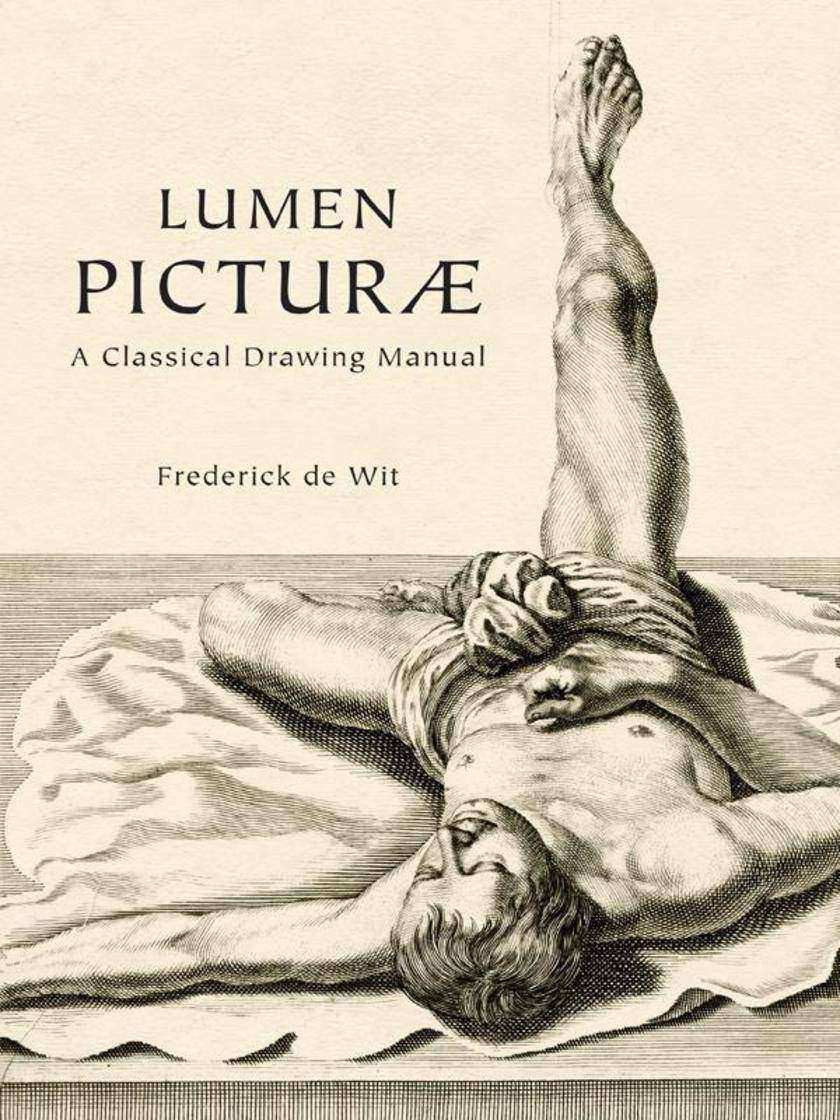
Thanks to its exquisite pictorial material, this book familiarizes the reader with the logic and golden rules of art. It enables an understanding, on the one hand, of the keys to appreciating the works of the great masters, and on the other, of how to apply these rules to the practice of one's own creative activities.The work begins with a number of basic explanations on how to represent and interrelate the different parts of the human body. The introduction is followed by chapters on the various possibilities for representing male and female nudes, and mythological and biblical figures, dressed and contextualized. Finally it looks at quadruped animals and birds.

The Power of Style
¥138.41
"Everyone gets dressed and getting dressed affects everything." —Bobbie Thomas, the TODAY show style editor Beyond understanding your best colors and figure-flattering clothes, Bobbie takes a unique step back in this inspiring guide to empower you to feel stylish, smart, sexy, and satisfied—with a look that's uniquely your own… You can't live life naked, so after you brush your teeth in the morning, you put "something" on. It's the first decision of your day, but have you ever considered that it's also one of the most importantStyle goes far beyond fashion and beauty and is a powerful way to say who we are and get what we want. Your "style speak" comes through in a louder "voice" than anything you might scream from a rooftop. But often, there is so much focus on the outside that we forget to step back and understand that style really starts inside. From your love life to your career, and the less obvious moments in between, the way people see you will filter your opportunities. Ultimately, what they see is what you get. In part I of this must-have style guide, Bobbie Thomas will help you identify what you'd like others to see and boost your confidence, and in part II , she'll show you how to find your best colors and cuts, edit your closet, and more, so you can build a better, more useful wardrobe.

The Double-Daring Book for Girls
¥151.10
The eagerly anticipated follow-up to the bestselling phenomenon The Daring Book for Girls is an even more daring guide to everything from making a raft to learning how to play football to the art of the Japanese Tea ceremony. This second volume, with all new original material, promises to be even more of a daring adventure than the first. Girls will learn how to surf, get horseback riding tips, make a labyrinth, find out about April Fool's Day history and pranks, how to organize a croquet tournament, find out about cowgirls, the Nobel Prize, being a detective and much more! Just as packed with creative and exciting material as the original, but twice as fun, this book will be beloved by all Daring fans everywhere!

After the Ice
¥153.15
An eye-opening look at the winners and losers in the high-stakes story of Arctic transformation, from nations to natives to animals to the very landscape itself The Arctic like the canary in the coal mine has reacted more quickly and dramatically to global warming than many had anticipated. Hundreds of scientists are urgently trying to predict just how the Arctic will change and how those changes will in turn affect the rest of the planet. But plenty of other people, driven by profit rather than data, are interested as well. The riches of the world’s last virgin territory have spurred the reawakening of old geopolitical rivalries. The United States, Canada, Russia, Norway, and the Danish territory of Greenland all control areas around the Arctic Ocean. We face a new era of oil rigs and drill ships, of tankers taking shortcuts from Yokohama to Rotterdam, as well as a potential fight over the Arctic’s treasures.Alongside the winners from an open Arctic sea are the many losers, from the nomadic reindeer herders of Siberia and Scandinavia to the Inuit hunters of Alaska, Greenland, and Canada. Other creatures that rely on the vast expanses of sea ice, including seals, birds, and whales and the ecosystems within which they live may disappear to be replaced by different creatures. Combining science, business, politics, and adven-ture, Alun Anderson takes the reader to the ends of the earth for what may be the last narrative portrait of this rapidly changing land of unparalleled global significance.
Over Here!
¥149.48
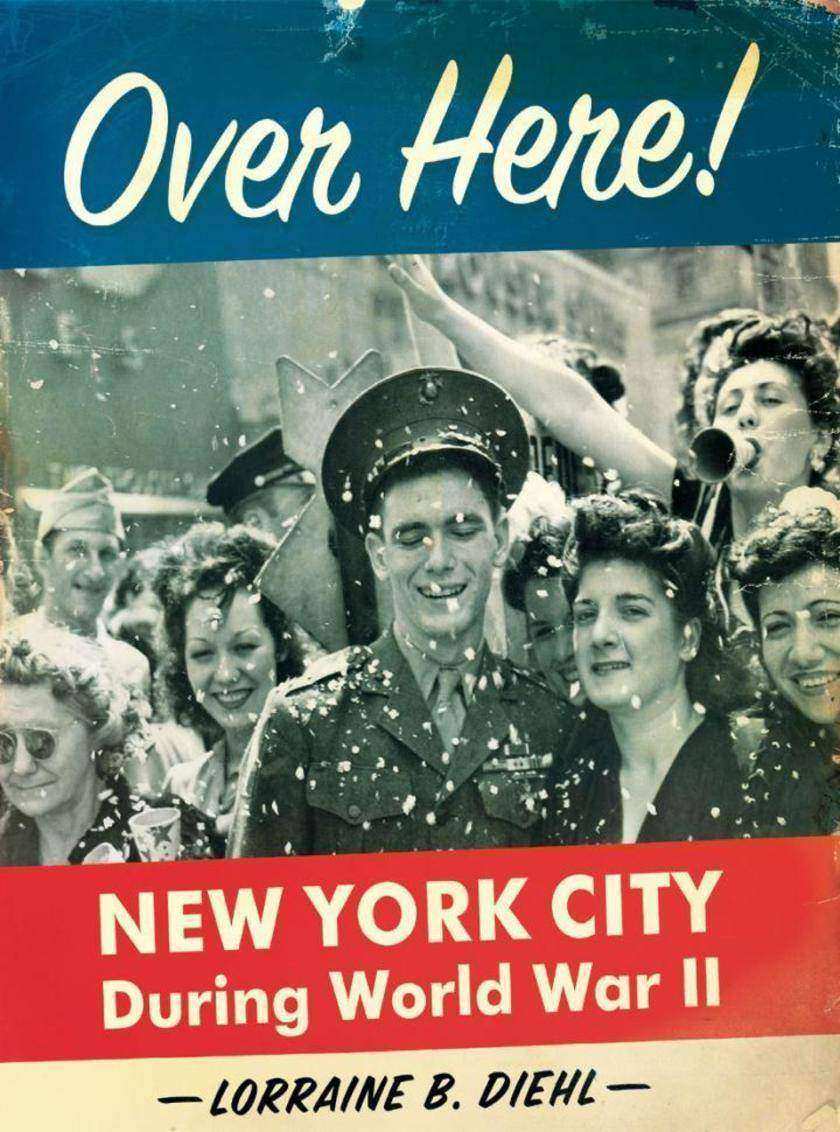
A wonderfully nostalgic and inspiring look at the center of the home front during World War II New York City More than any other place, New York was the center of action on the home front during World War II. As Hitler came to power in Germany, American Nazis goose-stepped in Yorkville on the Upper East Side, while recently arrived Jewish émigrés found refuge on the Upper West Side. When America joined the fight, enlisted men heading for battle in Europe or the Pacific streamed through Grand Central Terminal and Pennsylvania Station. The Brooklyn Navy Yard refitted ships, and Times Square overflowed with soldiers and sailors enjoying some much-needed R & R. German U-boats attacked convoys leaving New York Harbor. Silhouetted against the gleaming skyline, ships were easy prey debris and even bodies washed up on Long Island beaches until the city rallied under a stringently imposed dim-out.From Rockefeller Center's Victory Gardens and Manhattan's swanky nightclubs to metal-scrap drives and carless streets, Over Here! captures the excitement, trepidation, and bustle of this legendary city during wartime. Filled with the reminiscences of ordinary and famous New Yorkers, including Walter Cronkite, Barbara Walters, and Angela Lansbury, and rich in surprising detail from Macy's blackout boutique to Mickey Mouse gas masks for kids this engaging look back is an illuminating tour of New York on the front lines of the home front.

The M-Factor
¥151.53
The definitive guide to turning the Millennials' great expectations into even greater results The Millennial generation (those born between 1982 and 2000) has rapidly entered the workforce in greater numbers, but its introduction to the workplace has been anything but seamless. In fact, many companies already report attention-grabbing stories about: the mother who called HR to complain when her Millennial daughter got a mediocre performance review; the new hire who dialed the CEO directly to tell him what the company could be doing better; the young employee who revealed a confidential new product on her Facebook page before it was made public. Clashes like these are happening in workplaces around the world, and they leave leaders and coworkers scratching their heads and wondering, "What do these Millennials wantWhy are they so differentHow do we get the good ones in the doorHow do we keep them there without alienating the other generations?" Going forward, a company's success will depend upon knowing the answers to these questions, because they are the keys to motivating this new generation and to taking advantage of the amazing potential it possesses. In The M-Factor, Baby Boomer Lynne Lancaster and Generation Xer David Stillman draw on cutting-edge case studies, findings from large-scale surveys, and hundreds of interviews to identify the seven trends essential for understanding and managing the Millennials: the role of the parents, entitlement, the search for meaning, great expectations, the need for speed, social networking, and collaboration. Observant, humorous, and savvy, this book the ultimate guide to Millennials in the workplace offers valuable insights and practical, take-action tips and solutions that Traditionalists, Boomers, Gen Xers, and even Millennials can use to bridge generational gaps, be more productive, and achieve organizational success like never before.

You've GOT to Read This Book!
¥94.10
There's nothing better than a book you can't put down or better yet, a book you'll never forget. This book puts the power of transformational reading into your hands. Jack Canfield, cocreator of the bestselling Chicken Soup for the Soul series, and self-actualization pioneer Gay Hendricks have invited notable people to share personal stories of books that changed their lives. What book shaped their outlook and habitsHelped them navigate rough seasSpurred them to satisfaction and successThe contributors include Dave Barry, Stephen Covey, Malachy McCourt, Jacquelyn Mitchard, Mark Victor Hansen, John Gray, Christiane Northrup, Bernie Siegel, Craig Newmark, Michael E. Gerber, Lou Holtz, and Pat Williams, to name just a few. Their richly varied stories are poignant, energizing, and entertaining.Author and actor Malachy McCourt tells how a tattered biography of Gandhi, stumbled on in his youth, offered a shining example of true humility and planted the seeds that would help support his sobriety decades later. Bestselling author and physician Bernie Siegel, M.D., tells how William Saroyan's The Human Comedy helped him realize that, in order to successfully treat his patients with life-threatening illnesses, "I had to help them live not just prevent them from dying."Actress Catherine Oxenberg reveals how, at a life crossroads and struggling with bulimia, a book taught her the transforming difference one person could make in the life of another and why that person for her was Richard Burton.Rafe Esquith, the award-winning teacher whose inner-city students have performed Shakespeare all over the world, recounts his deep self-doubt in the midst of his success and how reading To Kill a Mockingbird strengthened him to continue teaching.Beloved librarian and bestselling author Nancy Pearl writes how, at age ten, Robert Heinlein's science fiction book Space Cadet impressed on her the meaning of personal integrity and gave her a vision of world peace she'd never imagined possible. Two years later, she marched in her first civil rights demonstration and learned that there's always a way to make "a small contribution to intergalactic harmony."If you're looking for insight and illumination or simply for that next great book to read You've Got to Read This Book! has treasures in store for you.

Risk & Grow Rich
¥140.08
With her skill in selling real estate, her expertise in marketing, and her drive to succeed, Kendra Todd has mapped out an exciting and lucrative future for herself one that included taking the right kind of risks, profiting from them, and sharing her knowledge with others. Todd understands that the one thing that keeps people from making the big, bold moves that can improve their lives is a fear of risk, even more than lack of capital. The willingness to try new and different things, and the ability to keep your head on straight while your heart is pounding, is something that Todd knows well. Without risk, she doesn't have a business. Todd will address how men and women view risk from opposite sides of the galaxy, how anyone can become an entrepreneur, how you can set yourself up for success and what the ten steps are for turning risk into opportunity. With quizzes to test what kind of risk taker you are, and examples of successful risks that paid off, Todd is poised to become the hot voice of investment to her generation.

The Best Kind of Different
¥84.16
Until the summer of 2007, the word Asperger's, was not a part of Shonda Schilling's vocabulary, but that summer changed everything. By then, her household was in chaos as her son Grant spiraled out of control. His acting out and refusal to listen had grown to epic proportions, but even worse was his apparent inability to relate to the people around him. None of the Schillings' other three kids ever acted like Grant; his behavior wasn't just unruly, it was irrational. Complicating matters was the fact that Shonda's husband, Curt, was constantly on the road pitching for the Boston Red Sox, so he wasn't always around to see Grant's behavior firsthand. Seemingly everyone Shonda encountered had an opinion "he's too spoiled," "he needs a good spanking," "he needs more discipline" but it was a disastrous first attempt at summer camp that told Shonda something was definitely wrong. It was then that a neurologist diagnosed Grant with Asperger's syndrome a form of high-functioning autism that, in recent years, has been found in children who at first glance appear disruptive and difficult. Now in The Best Kind of Different, Shonda details every step of her family's journey with Asperger's, offering a parent's perspective on this complicated and increasingly common condition. Looking back on Grant's early years, she describes the signals she missed in his behavior and confronts the guilt that engulfed her after she came to understand just how misguided her parenting had been before the diagnosis. In addition, she talks about the harsh judgment she's faced from people who don't buy into the diagnosis and how she's used passion and information to fight the ignorance of others.Celebrating Grant's successes and learning from his setbacks, Shonda demonstrates how Asperger's forced her and her husband to reconsider everything they thought they knew about their son and each other, but in the end, it has made their marriage and their family stronger and happier. A tribute to Grant's strength and a candid glimpse into a family coming to terms with its differences, The Best Kind of Different is an intimate portrait of two parents struggling to understand the complex beauty of their son.
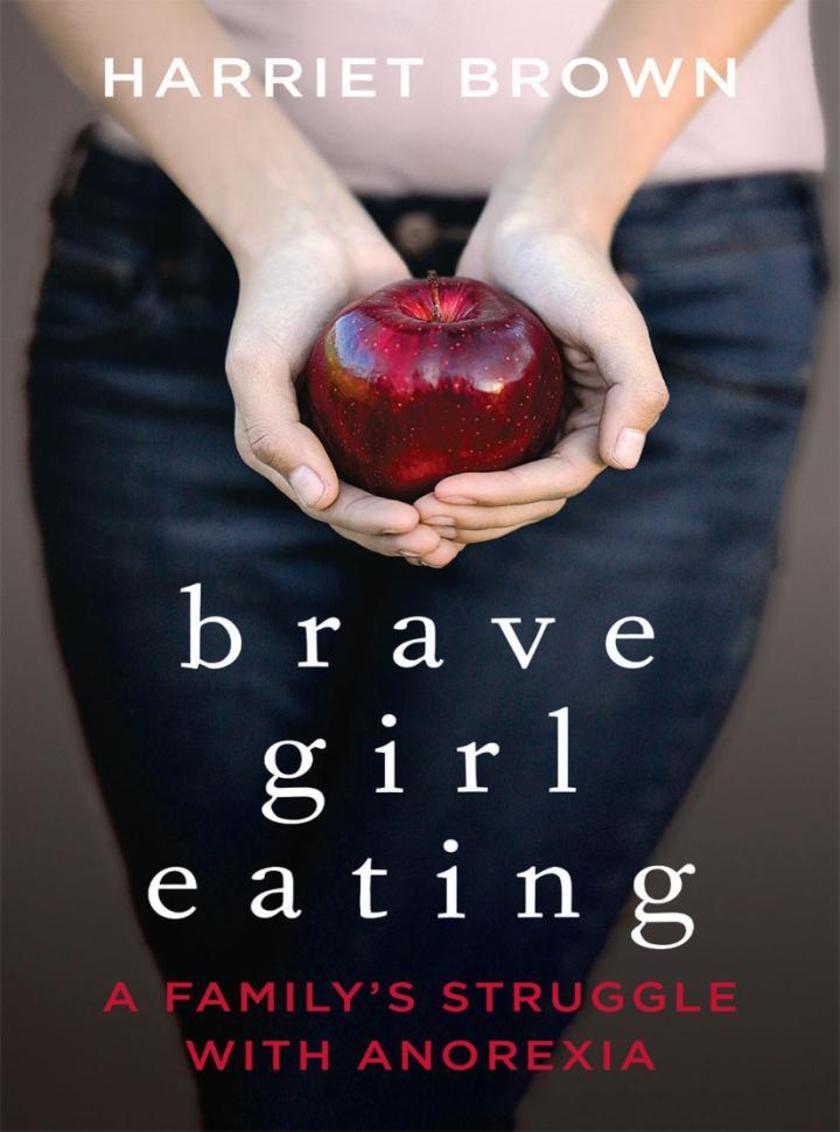
Brave Girl Eating
¥83.03
I've never had anorexia, but I know it well. I see it on the street, in the gaunt and sunken face, the bony chest, the spindly arms of an emaciated woman. I've come to recognize the flat look of despair, the hopelessness that follows, inevitably, from years of starvation. I think: That could have been my daughter. It wasn't. It's not. If I have anything to say about it, it won't be.Millions of families are affected by eating disorders, which usually strike young women between the ages of fourteen and twenty. But current medical practice ties these families' hands when it comes to helping their children recover. Conventional medical wisdom dictates separating the patient from the family and insists that "it's not about the food," even as a family watches a child waste away before their eyes. Harriet Brown shows how counterproductive and heartbreaking this approach is by telling her daughter's story of anorexia. She describes how her family, with the support of an open-minded pediatrician and a therapist, helped her daughter recover using family-based treatment, also known as the Maudsley approach.Chronicling her daughter Kitty's illness from the earliest warning signs, through its terrifying progression, and on toward recovery, Brown takes us on one family's journey into the world of anorexia nervosa, where starvation threatened her daughter's body and mind. But hope and love of the ordinary, family-focused kind shine through every decision and action she and her family took. Brave Girl Eating is essential reading for families and professionals alike, a guiding light for anyone who's coping with this devastating disease.

No Apparent Danger
¥83.92
On January 14, 1993, a team of scientists descended into the crater of Galeras, a restless Andean volcano in southern Colombia, for a day of field research. As the group slowly moved across the rocky moonscape of the caldera near the heart of the volcano, Galeras erupted, its crater exploding in a barrage of burning rocks and glowing shrapnel. Nine men died instantly, their bodies torn apart by the blast.While others watched helplessly from the rim, Colombian geologist Marta Calvache raced into the rumbling crater, praying to find survivors. This was Calvache's second volcanic disaster in less than a decade. In 1985 Calvache was part of a group of Colombia's brightest young scientists that had been studying activity at Nevado del Ruiz, a volcano three hundred miles north of Galeras. They had warned of the dire consequences of an eruption for months, but their fledgling coalition lacked the resources and muscle to implement a plan of action or sway public opinion. When Nevado del Ruiz erupted suddenly in November 1985, it wiped the city of Armero off the face of the earth and killed more than twenty-three thousand people -- one of the worst natural disasters of the twentieth century.No Apparent Danger links the characters and events of these two eruptions to tell a riveting story of scientific tragedy and human heroism. In the aftermath of Nevado del Ruiz, volcanologists from all over the world came to Galeras -- some to ensure that such horrors would never be repeated, some to conduct cutting-edge research, and some for personal gain. Seismologists, gas chemists, geologists, and geophysicists hoped to combine their separate areas of expertise to better understand and predict the behavior of monumental forces at work deep within the earth.And yet, despite such expertise, experience, and training, crucial data were ignored or overlooked, essential safety precautions were bypassed, and fifteen people descended into a death trap at Galeras. Incredibly, expedition leader Stanley Williams was one of five who survived, aided bravely by Marta Calvache and her colleagues. But nine others were not so lucky.Expertly detailing the turbulent history of Colombia and the geology of its snow-peaked volcanoes, Victoria Bruce weaves together the stories of the heroes, victims, survivors, and bystanders, evoking with great sensitivity what it means to live in the shadow of a volcano, a hair's-breadth away from unthinkable natural calamity, and shows how clashing cultures and scientific arrogance resulted in tragic and unnecessary loss of life.

The Knight in History
¥83.03
"A carefully researched, concise, readable, and entertaining account of an institution that remains a part of the Western imagination."--Los Angeles Times

The Vitamin E Factor
¥84.16
It is too early to conclude that vitamin E has all the beneficial effects attributed to it, but even if only 25% of current expectations were to be fulfilled, vitamin E would become an important weapon against a range of chronic diseases.The book is not simply scientific and education but also a please to read.
The Heart of Addiction
¥83.03
Nobody has had an answer for why people with addictions continue to repeat them -- until now.For more than twenty years, distinguished psychiatrist Dr. Lance Dodes has been successfully helping people master their addictions -- alcoholism, compulsive gambling, smoking, sexual addiction, and more with a radical approach. Dr. Dodes describes how all addictions have, at their heart, unrecognized emotional factors that explain: Why we feel the impulse Why we feel it when we do What alternatives (really) work in that critical moment In this refreshing book filled with compelling case studies, Dr. Dodes debunks several such widely accepted myths as:Addictions are fundamentally a physical problem. People with addictions are different from other people. You have to hit bottom before you can get well. You are wasting your time if you ask "why" you have an addiction.

Mistress of the Elgin Marbles
¥84.16
The remarkable Mary Nisbet was the Countess of Elgin in Romantic-era Scotland and the wife of the seventh Earl of Elgin. When Mary accompanied her husband to diplomatic duty in Turkey, she changed history. She helped bring the smallpox vaccine to the Middle East, struck a seemingly impossible deal with Napoleon, and arranged the removal of famous marbles from the Parthenon. But all of her accomplishments would be overshadowed, however, by her scandalous divorce. Drawing from Mary's own letters, scholar Susan Nagel tells Mary's enthralling, inspiring, and suspenseful story in vibrant detail.
The Last Run
¥88.56
It was a desperate mission that made front-page headlines and captured the attention of millions of readers around the world. In January 1998, in the dead of an Alaskan winter, a cataclysmic Arctic storm with hurricane-force winds and towering seas forced five fishermen to abandon their vessel in the Gulf of Alaska and left them adrift in thirty-eight-degree water with no lifeboat. Their would-be rescuers were 150 miles away at the Coast Guard station, with the nearby airport shut down by an avalanche.The Last Run is the epic tale of the wreck of the oldest registered fishing schooner in Alaska, a hellish Arctic tempest, and the three teams of aviators in helicopters who withstood 140-mph gusts and hovered alongside waves that were ten stories high. But what makes this more than a true-life page-turner is its portrait of untamed Alaska and the unflappable spirit of people who forge a different kind of life on America's last frontier, the "end of the roaders" who are drawn to, or flee to, Alaska to seek a final destiny.
The Last Face You'll Ever See
¥85.05
In fascinating detail, Ivan Solotaroff introduces us to the men who carry out executions. Although the emphasis is on the personal lives of these men and of those they have to put to death, The Last Face You'll Ever See also addresses some of the deeper issues of the death penalty and connects the veiled, elusive figure of the executioner to the vast majority of Americans who, since 1977, have claimed to support executions. Why do we do itOr, more exactly, why do we want to?The Last Face You'll Ever See is not about the polarizing issues of the death penalty -- it is a firsthand report about the culture of executions: the executioners, the death-row inmates, and everyone involved in the act. An engrossing, unsettling, and provocative book, this work will forever affect anyone who reads it.
Cinderella Ate My Daughter
¥88.56
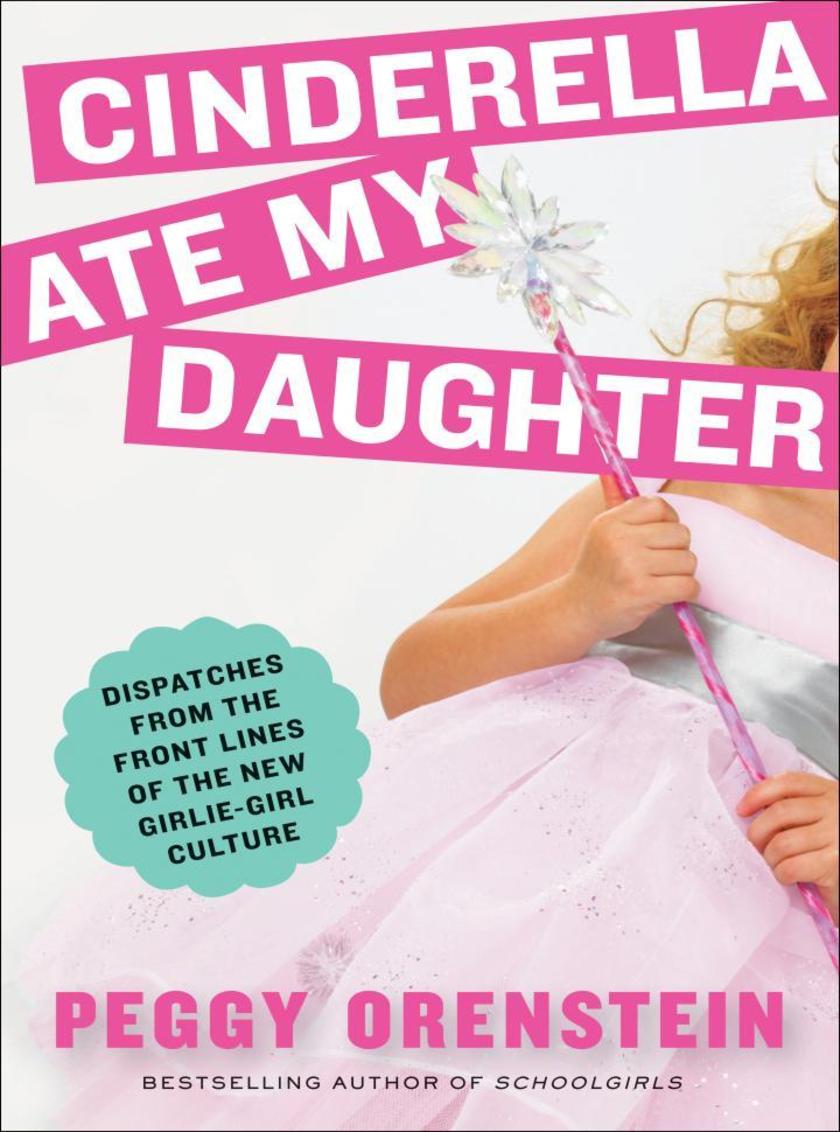
The acclaimed author of the groundbreaking bestseller Schoolgirls reveals the dark side of pink and pretty: the rise of the girlie-girl, she warns, is not that innocent. Pink and pretty or predatory and hardened, sexualized girlhood influences our daughters from infancy onward, telling them that how a girl looks matters more than who she is. Somewhere between the exhilarating rise of Girl Power in the 1990s and today, the pursuit of physical perfection has been recast as a source the source of female empowerment. And commercialization has spread the message faster and farther, reaching girls at ever-younger ages.But, realistically, how many times can you say no when your daughter begs for a pint-size wedding gown or the latest Hannah Montana CDAnd how dangerous is pink and pretty anyway especially given girls' successes in the classroom and on the playing fieldBeing a princess is just make-believe, after all; eventually they grow out of it. Or do theyDoes playing Cinderella shield girls from early sexualization or prime them for itCould today's little princess become tomorrow's sexting teenAnd what if she doesWould that make her in charge of her sexuality or an unwitting captive to it?Those questions hit home with Peggy Orenstein, so she went sleuthing. She visited Disneyland and the international toy fair, trolled American Girl Place and Pottery Barn Kids, and met beauty pageant parents with preschoolers tricked out like Vegas showgirls. She dissected the science, created an online avatar, and parsed the original fairy tales. The stakes turn out to be higher than she or we ever imagined: nothing less than the health, development, and futures of our girls. From premature sexualization to the risk of depression to rising rates of narcissism, the potential negative impact of this new girlie-girl culture is undeniable yet armed with awareness and recognition, parents can effectively counterbalance its influence in their daughters' lives.Cinderella Ate My Daughter is a must-read for anyone who cares about girls, and for parents helping their daughters navigate the rocky road to adulthood.
The Rescue Artist
¥83.03
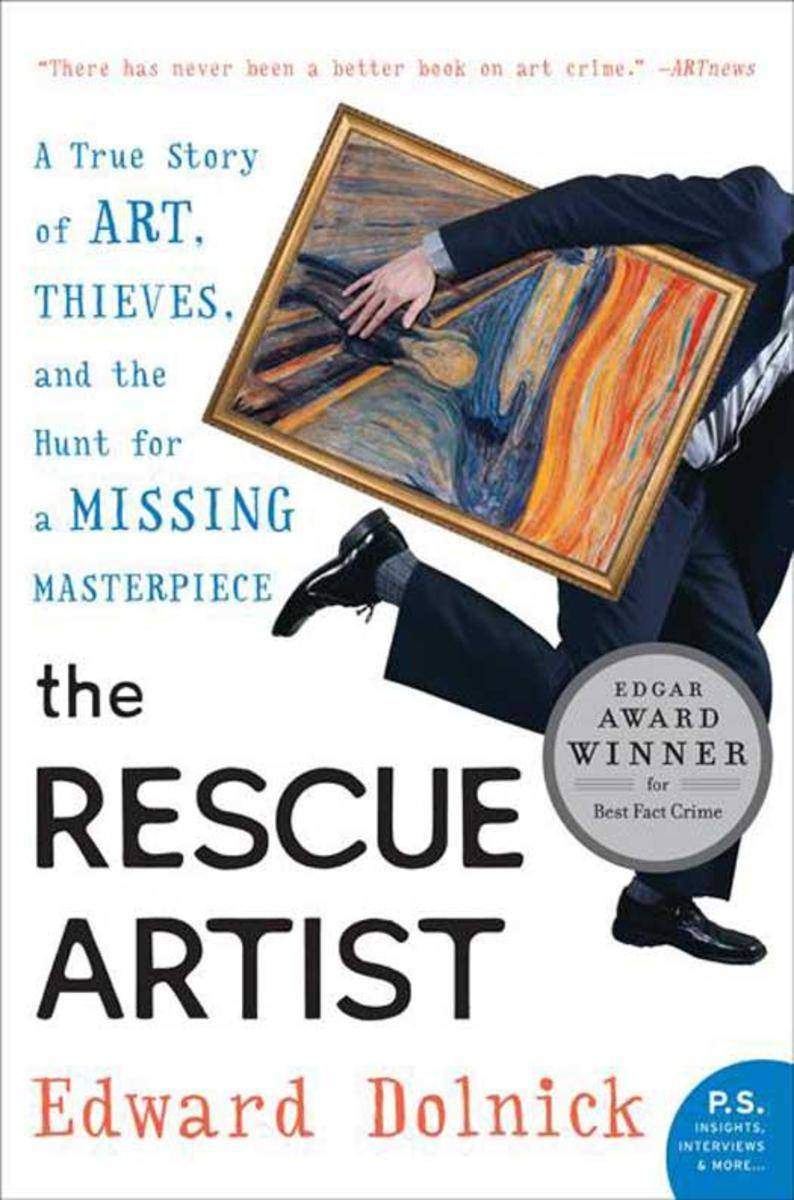
In the predawn hours of a gloomy February day in 1994, two thieves entered the National Gallery in Oslo and made off with one of the world's most famous paintings, Edvard Munch's Scream. It was a brazen crime committed while the whole world was watching the opening ceremonies of the Winter Olympics in Lillehammer. Baffled and humiliated, the Norwegian police turned to the one man they believed could help: a half English, half American undercover cop named Charley Hill, the world's greatest art detective.The Rescue Artist is a rollicking narrative that carries readers deep inside the art underworld -- and introduces them to a large and colorful cast of titled aristocrats, intrepid investigators, and thick-necked thugs. But most compelling of all is Charley Hill himself, a complicated mix of brilliance, foolhardiness, and charm whose hunt for a purloined treasure would either cap an illustrious career or be the fiasco that would haunt him forever.


